Key Takeaways
- A Ready-to-Drink Dairy Beverages Manufacturing Plant Project Report for India must integrate product mix (flavoured milk, lassi, chaas, milkshakes, drinking yoghurt, high-protein and functional beverages), technology choice (pasteurised vs UHT), capital expenditure, working capital and distribution strategy into a single bankable document.
- The same dairy beverage manufacturing plant can produce multiple SKUs – fruit flavored milk drink, chocolate milk, milkshakes, lassi, chaas and probiotic drinks – using common core equipment (milk standardisation, homogenisation, pasteurisation/UHT, CIP) with different formulation and packaging lines.
- Project viability depends on matching plant capacity with realistic capacity utilisation, consumer demand, cold-chain reach and an appropriate mix of chilled and ambient shelf-stable products.
- A bankable RTD Dairy Beverage Plant DPR must cover project cost, means of finance, financial projections, working capital assessment, DSCR, break-even and risk analysis to secure a term loan and project finance.
- As a practising Chartered Accountant and DPR consultant, I (CA Manish Gugliya, ProjectReportBank.com) assist promoters with customised RTD Dairy Beverages Manufacturing Plant Project Reports, CMA data, financial modelling and feasibility evaluation for both MSME and larger industrial projects.
Introduction: Why RTD Dairy Beverages Are a Strategic Opportunity
India’s packaged dairy beverage market is being reshaped by urbanisation, nuclear families, on-the-go consumption and a clear consumer shift from carbonated beverages toward healthier, dairy-based convenient beverages. Busy lifestyles are driving rising demand for ready to drink products that combine nutrition with convenience, and this structural shift creates a serious commercial opportunity for dairy processors and new entrants.
Establishing a manufacturing plant for RTD dairy beverages needs a comprehensive project report – one that converts a product idea (flavored milk, lassi, protein shakes, fruit flavored milk drink) into a bankable, financially evaluated manufacturing plant project. Traditional liquid-milk processors often realise low margins on plain milk; converting milk into branded RTD dairy beverages can improve value realisation and brand strength.
This article is written from my perspective as CA Manish Gugliya, a practising Chartered Accountant and DPR consultant, focusing on commercial-scale dairy beverage manufacturing plants in India. The sections ahead cover industry trends, product mix selection, technology choice (pasteurised vs UHT), capital expenditure, working capital, environmental impact, market strategy, bank loan appraisal and the importance of a professionally prepared Dairy Beverage Plant DPR.
What Is a Ready-to-Drink Dairy Beverage Manufacturing Plant?
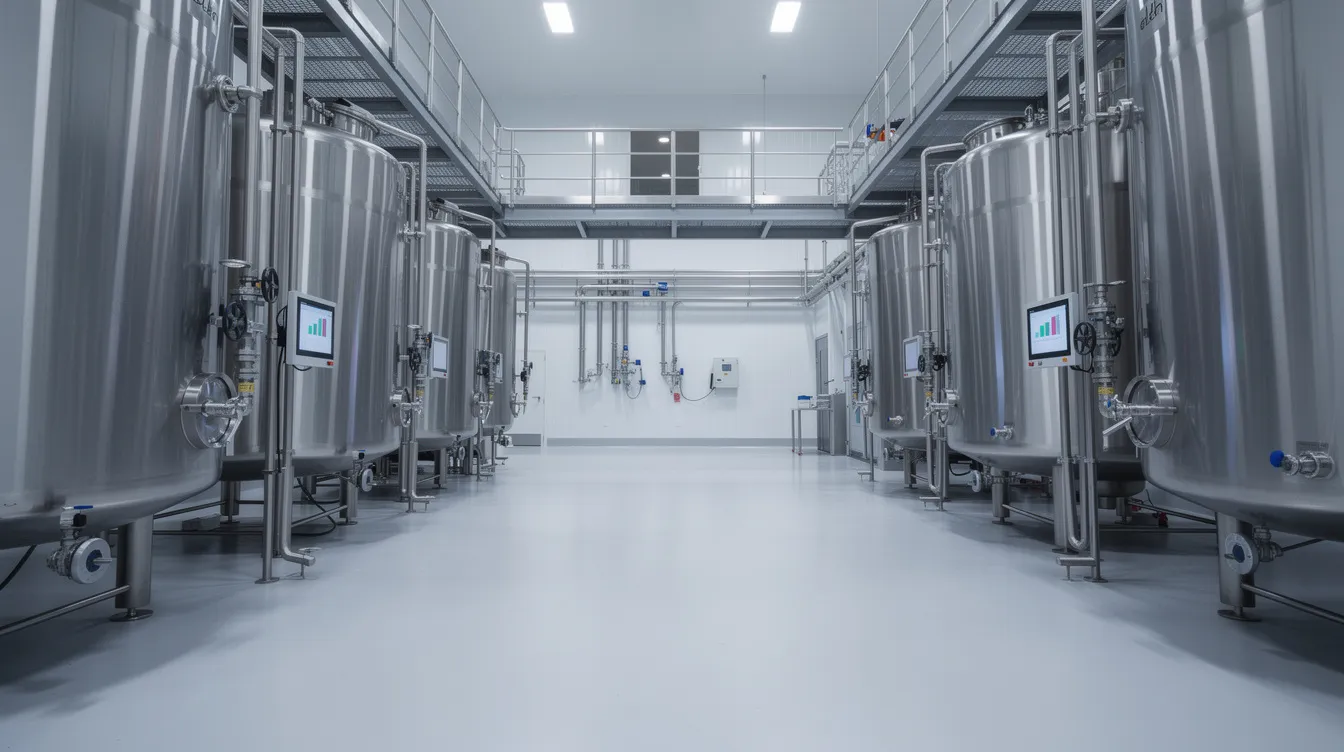
An RTD dairy beverage manufacturing plant is an integrated facility that receives raw milk or a standardised dairy base, processes it through filtration, standardisation, homogenisation, pasteurization or UHT treatment, blends it with ingredients (sugar, cocoa, flavours, fruit preparations, stabilisers, cultures, proteins) and packs it into market-ready beverages. Such a milk based beverage manufacturing plant may be designed for chilled RTD distribution, shelf-stable UHT/aseptic products, or a hybrid model – each having different capital cost, cold-chain needs and market reach.
Compared with a simple milk-processing dairy, an RTD facility involves higher formulation complexity, more stringent filling and packaging hygiene, specialised dairy beverage bottling plant equipment and a broader revenue model with multiple SKUs. A commercial dairy beverage manufacturing plant in India is normally sized in thousands of litres per day (LPD) or litres per hour (LPH), either integrated with an existing dairy or set up as a standalone greenfield project. The manufacturing plant project report should clearly define plant scope: chilled only, ambient only, or combined; target geographies; and whether the facility will also supply contract manufacturing or private-label clients.
Chilled vs Ambient (Shelf-Stable) RTD Dairy Beverages
RTD dairy beverages in India fall broadly into chilled (refrigerated) and ambient (shelf-stable) categories. The plant design, machinery and capital expenditure structure depend heavily on this choice.
Chilled RTD dairy beverages – pasteurised products like flavoured milk in PET bottles, milkshakes, lassi, chaas, buttermilk and drinking yoghurt – require continuous cold chain from plant to retailer. Processing cost is lower, but dependence on local distribution and refrigeration is significant.
Ambient or shelf-stable RTD dairy beverages rely on UHT dairy beverage processing with aseptic packaging, offering a longer shelf life (typically several months, subject to validation). Capital cost for the aseptic processing and filling systems is higher, but distribution can span pan-India markets without full cold-chain dependence.
Many promoters adopt a phased approach: start with pasteurised chilled RTD beverages for nearby markets and plan future UHT/aseptic expansion once volumes justify the additional RTD dairy beverage plant machinery investment. The DPR must compare these models across capital cost, operating complexity, distribution radius and environmental impact.
Major RTD Dairy Beverage Products That Can Be Manufactured
A diversified product mix helps manage seasonality, spreads fixed costs and addresses varied consumer demand. However, too many SKUs at launch can strain working capital and operations. Promoters should focus on high-volume items first and add niche functional beverages after stabilising the production process and distribution.
Each product type has specific formulation, processing and packaging requirements that must be reflected in the DPR.
Flavoured Milk and Fruit Flavored Milk Drink
Flavoured milk involves sweetened, standardised milk blended with flavours (strawberry flavored milk, mango, elaichi, kesar-pista, coffee) and sometimes cocoa. Fresh milk is the primary ingredient, and fruit pulp or purees are added for flavoring. Sweeteners like sugar or stevia enhance the taste, while stabilizers prevent separation and colorants achieve vibrant hues in the drinks.
Flavoured milk is often an entry product for new RTD dairy plants because it uses equipment similar to plain milk processing with incremental formulation and packaging changes. The DPR should cover SKUs like 180–200 ml single-serve packs and larger family bottles, along with pricing for institutional, retail and school canteen segments. For detailed project-level guidance, refer to the dedicated Flavoured Milk Manufacturing Plant Project Report.
Chocolate Milk
Chocolate milk is a cocoa-based flavored milk product positioned as an indulgent yet nutritious beverage for children and young adults, available in chilled bottles or UHT cartons. Cocoa sourcing, sugar level, stabiliser use and effective homogenisation (to avoid sedimentation) are key formulation aspects.
Chocolate milk can be produced on the same RTD milk beverage production line as other flavoured milks with minor recipe and CIP adjustments. Product positioning – premium vs mass-market – influences packaging format, branding spend and target contribution margin. See the Chocolate Milk Manufacturing Plant Project Report for detailed machinery, process and financial analysis.
Milkshakes and Thick Shakes
Milkshakes are thicker, higher-solids RTD beverages sometimes containing cream, stabilisers and inclusions (chocolate chips, fruit bits), requiring viscous-capable filling and robust CIP design. They often share pasteurisers, homogenisers and cooling systems with other beverages but may need dedicated mixing tanks for higher viscosity.
Seasonal peaks (summer months) and usage occasions (cafés, QSRs, convenience stores) affect capacity utilisation planning. The DPR should model scenario-based sales volumes for milkshakes vs thinner beverages. Promoters can explore the Milkshake Manufacturing Plant Project Report for dedicated financial and technical analysis.
Lassi, Chaas and Buttermilk
These traditional Indian cultured dairy beverages enjoy strong year-round demand, especially in summer. A fermented & value-added dairy products manufacturing plant may already have suitable equipment; promoters can review the Fermented & Value-Added Dairy Products Manufacturing Plant Project Report for process synergies. Culture addition, controlled fermentation, cooling and strict temperature control (to avoid over-acidification) are critical. As mass-market chilled products with shorter shelf life, the financial model must focus on procurement efficiency, packaging cost control and high asset utilisation.
Drinking Yoghurt and Probiotic Dairy Beverages
Drinking yoghurt and probiotic dairy beverages are fermented, flavoured products containing live cultures, positioned as gut-health-oriented functional beverages. Key considerations include specific probiotic strains, fermentation conditions, post-fermentation handling and maintaining viable counts through shelf life. A functional dairy beverage manufacturing plant targeting probiotics must budget for stronger quality-control, microbiological lab capabilities and regulatory compliance regarding health claims.
High-Protein, Fortified and Functional Dairy Drinks
High-protein dairy beverages, protein milk shakes and fortified dairy beverages (with added vitamins, minerals, fibre) tap into fitness and preventive-health trends. Typical ingredients include WPC, WPI, caseinates and micronutrient premixes, requiring careful beverage formulation for stability and mouthfeel. These SKUs command higher net realisation but require sophisticated manufacturing process control and stronger branding expenditure. The DPR should model base, conservative and optimistic demand scenarios because volumes may build gradually.
Market Opportunity for RTD Dairy Beverages in India
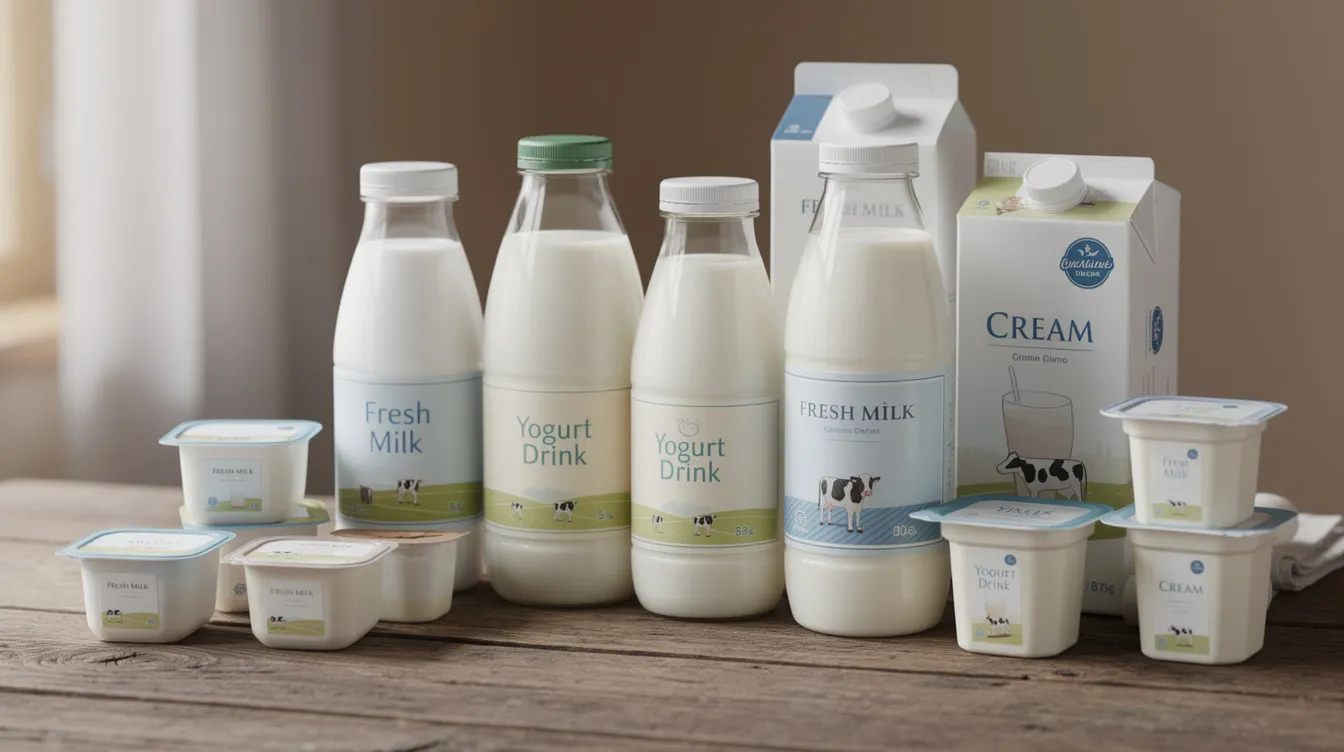
The RTD dairy beverage market in India is experiencing significant growth as consumers seek convenient, hygienic and branded options. The competitive landscape includes co-operatives, private dairies, national brands and regional players, all expanding their value added dairy beverage business. Market potential includes strong demand trends for value-added dairy products across both mass-market and premium segments.
Key macro drivers include increasing demand from quick-commerce and modern retail, rising health awareness favouring dairy-based functional drinks over carbonated soft drinks and energy drinks, and growing exposure to global industry trends. Flavored milk sales in India increased by 25% from 2020 to 2024, and 68% of parents prefer flavored milk over unflavoured options for children. The APAC region holds 46.4% of the global fruit flavored milk market, and sales through convenience stores rose by 12% from 2019 to 2023. The fruit flavored milk drink market is projected to grow significantly by 2026, alongside herbal beverages, sports drinks and ready to drink coffee categories that collectively expand the broader RTD beverages space.
The difference between mass-market price-sensitive segments (salted buttermilk, chaas, basic flavoured milk) and premium segments (protein shakes, probiotic drinks, fruit flavored milk with real pulp) directly influences plant design, revenue model and market expansion strategy.
Selecting the Right Product Mix for Your Plant
The success of an RTD dairy beverage manufacturing business depends more on an optimised product mix than on raw installed capacity. Several key factors to evaluate include:
- Local milk availability and raw material costs
- Consumer demand and consumer preferences in target markets
- Presence or absence of reliable cold chain
- Competitive intensity and pricing strategies
- Expected selling price and gross contribution per litre
- Seasonality of each beverage category
Packaging choice (small cartons vs PET, glass vs HDPE, single-serve vs family packs) influences consumer positioning and working capital tied up in inventory. Multi-product plants must plan changeover time, CIP runs and shared utilities to avoid bottlenecks. For deeper guidance, see Value-Added Dairy Plant Capacity Planning & Product Mix. The DPR should present at least two alternative product-mix scenarios and compare profitability under each.
Plant Capacity Planning for an RTD Dairy Beverage Facility
Capacity is typically defined in litres per day, litres per hour of the pasteuriser/UHT system, and packs or bottles per hour of the filling and packaging line. Filling capacity often constrains overall throughput.
Financial projections must reflect realistic ramp-up. As an illustrative example only, many plants operate at 40–50% utilisation in year 1, progressing to 70–85% by year 3 as distribution expands. A multi-product facility may share common milk reception, chilling, standardisation, homogenisation, pasteurisation/UHT, intermediate storage and CIP systems while using different formulation tanks and packaging machines for specific SKUs.
Capacity planning should account for batch sizes, changeover time, daily operating hours and maintenance downtime. The manufacturing plant project report must include capacity-sensitivity analysis to support informed project finance discussions.
Raw Materials and Packaging Inputs
Effective raw material sourcing secures a steady supply of high-quality milk, which remains the foundation of every RTD dairy beverage. Raw materials include:
- Raw milk, skimmed milk, SMP/WMP, cream
- Sugar, cocoa powder, coffee, fruit preparations, fruit pulp, fruit flavors and concentrates
- Flavours, colours (where permitted), stabilisers, emulsifiers
- Cultures, protein concentrates, vitamins and minerals
- Potable process water
Packaging materials include PET/HDPE bottles, aseptic cartons, glass bottles, multilayer pouches, cups, closures, labels, shrink-film and outer cartons. The raw-material cost structure differs by product: for high-protein dairy beverages, protein ingredients dominate; for fruit flavored milk drink, fruit preparations can be significant; for basic chaas, packaging may be the major cost component. The DPR should include a vendor-development strategy, quality specifications and inventory norms, connecting these to working capital planning. Establishing relationships with reliable suppliers ensures a consistent supply.
RTD Dairy Beverage Manufacturing Process Overview
The production process for a typical RTD dairy beverage follows this flow:
- Milk reception and chilling – the process begins with receiving raw milk
- Quality testing – raw milk is tested for quality upon reception, checking fat, SNF and microbial load
- Filtration and clarification
- Milk standardisation
- Ingredient preparation (sugar syrup, cocoa/fruit/pre-mixes)
- Blending and formulation
- Dairy beverage homogenization – homogenizers ensure uniform texture and prevent cream separation; the mixture is homogenized to ensure a smooth texture
- Pasteurization of dairy beverages or UHT dairy beverage processing – milk is pasteurized to eliminate harmful microorganisms; flavoured milk must undergo heat treatment for safety
- Cooling or aseptic handling – fruit pulp and sweeteners are added after pasteurization
- Intermediate storage
- RTD beverage filling and packaging process – flavored milk is filled into sterile containers for packaging
- Coding, labelling and secondary packing
- Storage (cold or ambient) and dispatch
The specific milk based beverage manufacturing process varies by product family. A dairy beverage processing flow chart for each major category should be included in the DPR. Clean-in-place (CIP) systems maintain sanitation without disassembly, minimising downtime and ensuring microbiological safety. For a broader explanation of dairy processing technology, see Value-Added Dairy Products Manufacturing Process & Production Line.
Pasteurised vs UHT RTD Dairy Beverages: Commercial and Technical Comparison
The choice between pasteurisation and UHT significantly shapes project design:
| Parameter | Pasteurised (Chilled) | UHT (Ambient) |
|---|---|---|
| Shelf life | Days to weeks | Several months (validation-dependent) |
| Refrigeration | Required throughout | Not required post-packaging |
| Packaging | PET, HDPE, glass, pouches | Aseptic cartons, aseptic PET |
| Capital cost | Lower processing, higher cold-chain | Higher processing and filling |
| Distribution reach | Local/regional | Pan-India, export |
| Operating complexity | Cold-chain management | Aseptic system maintenance |
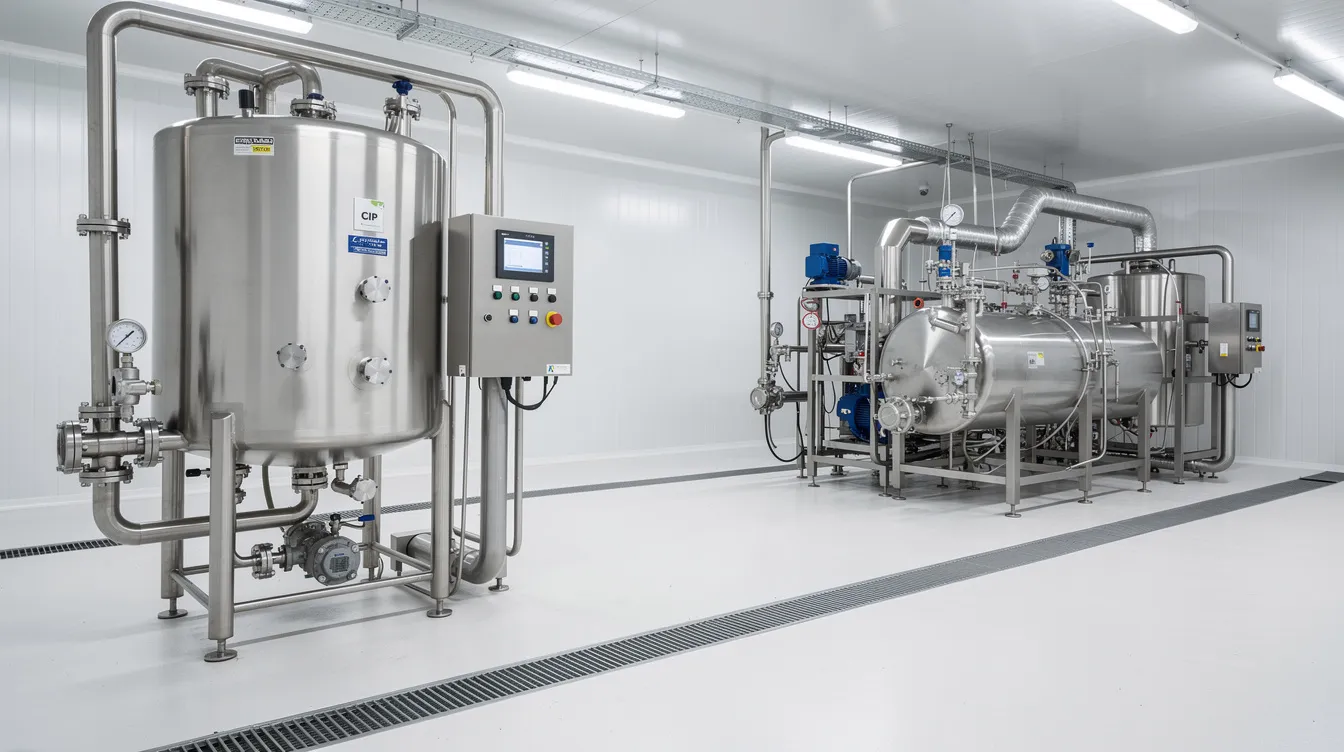
UHT plants reduce dependence on refrigerated storage and transport but require higher initial dairy beverage plant investment. Shelf-stable dairy beverage manufacturing enables market penetration into regions lacking cold chain. The DPR should present comparative scenarios – an all-chilled model vs a mixed chilled-plus-UHT model – showing how each affects project cost, working capital, logistics and projected ROI.
Machinery and Equipment for a Dairy Beverage Manufacturing Plant
A detailed machinery list is necessary for estimating project capital costs and operational efficiency. Proper machinery selection must align with planned products, capacity and automation level.
Process equipment: milk reception system, weigh scale, chilling and storage tanks (key equipment includes milk storage tanks and pasteurizers), clarifier, plate or tubular pasteuriser, homogeniser, mixing and blending tanks, sugar-syrup preparation unit, ingredient dosing systems, UHT system and aseptic tanks (where required), fermentation tanks for yoghurt/lassi, intermediate buffer tanks and dairy beverage CIP system.
Packaging equipment: automatic or semi-automatic dairy beverage filling and packaging machines, capping/sealing equipment (filling and sealing machines are essential for packaging), labellers, inkjet/laser coders, shrink-wrapping and carton-packing machines forming an automatic dairy beverage production line.
Utility equipment: boiler, refrigeration system (chillers, cold rooms), air compressor, water-treatment plant, effluent-treatment plant, generators and material-handling equipment.
The dairy beverage plant equipment list in the DPR should specify capacity (LPH/PPH), make/origin, and level of automation. Avoid giving fixed price tags as these vary over time and by vendor.
Packaging Options and Their Commercial Implications
Packaging strategies must consider material compatibility with dairy products and consumer convenience. Common formats include 180–200 ml cartons for school and impulse segments, 180–250 ml PET/HDPE bottles for flavoured milk and chaas, 500–1000 ml family bottles for lassi/buttermilk, and premium glass for HoReCa channels.
Shelf-life considerations are critical when selecting packaging – barrier properties, light sensitivity and oxygen ingress vary across materials. Biodegradable packaging reduces environmental impact and appeals to sustainability-conscious consumers. High-end packaging for low-price SKUs compresses margins; overly basic packs for premium functional beverages limit pricing power. The DPR should model at least two packaging strategies per product family.
Land, Building and Hygienic Plant Layout
Land acquisition and building planning must consider current capacity plus provision for future expansion. Key functional areas include milk reception dock, raw milk chilling and testing area, processing hall, ingredient and packaging-material stores, dedicated filling and packaging zones, finished-goods cold storage/ambient warehouse, laboratory, CIP station, utility block and administrative offices.
Hygienic zoning – separation of raw and processed areas, restricted access to high-hygiene filling rooms, proper drainage and washable surfaces – is fundamental. Site preparation should also account for logical product flow and efficient material handling. For detailed design considerations, refer to Value-Added Dairy Plant Land, Building, Utilities & Hygienic Layout.
Utility Requirements and Environmental Considerations
Utilities are a major determinant of both capital cost and operating expenses. Utilities consumption plans must consider power, water, steam and refrigeration needs. In dairy plants, refrigeration can account for approximately 42% of electricity consumption, making energy management a priority.
Effluent treatment is required to manage wastewater generated from dairy processes. Environmental considerations including waste management and energy efficiency are vital. Sustainable practices include recycling systems that minimize water usage in production, solar panels to power manufacturing plants, condensate recovery and optimised CIP cycles. Whey and fruit peels can be repurposed for animal feed, further reducing environmental impact. The DPR should estimate utility loads and incorporate them into operating-cost calculations.
Cold Storage and Cold Chain Management
For chilled RTD dairy beverages, cold storage facilities are necessary for both raw materials and finished goods. Key components include rapid product chilling, finished-goods cold rooms sized for expected inventory days, refrigerated vehicles and retailer-level refrigeration. Shorter shelf-life SKUs require tighter production planning and faster stock rotation.
UHT/aseptic strategies reduce dependence on refrigeration but need separate investment. For detailed cold-chain guidance, see Cold Storage & Cold Chain Requirements for Value-Added Dairy Products.
Quality Control and Food Safety Systems
Quality assurance protects brand reputation, ensures regulatory compliance and reduces product returns. Quality standards must comply with FSSAI, BIS, ISO and HACCP requirements. ISO 22000 certification ensures food safety compliance. Quality control protocols for raw milk testing must address adulteration and microbial load. Routine testing checks for microbial contamination throughout commercial production.
Key QC checks include in-process monitoring (pH, acidity, Brix, viscosity, flavour profile), heat-treatment validation, packaging integrity and shelf life testing for each beverage type. Documented SOPs, HACCP plans, traceability via batch coding and recall procedures ensure consistent dairy beverage quality control and uphold food safety and quality standards across the plant’s operations.
Regulatory and Statutory Framework
FSSAI regulates flavored milk production in India, and regulatory compliance is necessary under local food safety guidelines. RTD dairy beverage projects must address FSSAI licensing and product standards, local factory and labour laws, pollution-control/ETP approvals, fire-safety clearances and boiler approvals where applicable. Flavored milk is subject to a 5% GST in India.
Legal Metrology requirements govern correct net quantity declaration, MRP and manufacturing date on packaged beverages. Correct FSSAI category classification for each product avoids later reformulation costs. The DPR should include a summary of likely approvals with an indicative implementation timeline, following relevant safety protocols.
Manpower and Organisational Structure
Workforce planning is essential to manage production, quality assurance and operational staffing needs. An industrial dairy beverage manufacturing plant requires:
- Plant manager and dairy technologist
- Shift supervisors and process/filling operators
- Maintenance technicians and refrigeration engineers
- Quality-control officers
- Storekeepers and dispatch/logistics staff
- Accounts and administration personnel
Establishing a comprehensive human resources plan supports operational efficiency and compliance. Hygiene training and SOP adherence are especially important for perishable, high-risk products. The DPR should include phased recruitment in line with capacity ramp-up.
Project Cost Structure for an RTD Dairy Beverage Plant
Project cost combines fixed capital expenditure and initial working-capital margin. Typical CapEx components include land, site development, building and civil works, dairy beverage plant machinery and process equipment, packaging lines, refrigeration and cold storage, utilities (boiler, chiller, WTP, ETP), electricals, laboratory equipment, furniture and pre-operative expenses.
There is no single “standard” setup cost. Initial investment for a mid-sized plant ranges from hundreds of thousands to millions depending on capacity, automation, product mix and technology. As illustrative examples only: a value-added dairy plant of 5,000–10,000 LPD may require machinery costing ₹3–6 crore, while mid-size UHT facilities of 50,000–1,00,000 LPD could fall in the ₹30–60 crore band excluding land. The DPR also provides contingencies and interest during construction. For a deeper explanation, see Value-Added Dairy Plant Project Cost & Means of Finance.
Means of Finance and Capital Structure
Financing typically combines promoter’s equity, term loan from banks/financial institutions and working-capital facilities (cash credit, WCDL, bill discounting). An appropriate debt–equity ratio is determined based on lender norms, project risk profile and projected cash flows. Overly aggressive leverage can strain DSCR during early years.
The DPR should include a detailed Means of Finance statement showing sources, drawdown schedule and promoter contribution timing. Subsidies or incentives under specific schemes must be realistically assessed without assuming guaranteed disbursement. Professional guidance helps align capital structure with revenue ramp-up before approaching lenders for a dairy beverage plant term loan, supporting sound project funding.
Revenue Model and Market Strategy
Revenue equals saleable volume multiplied by net realisation per unit, influenced by dairy beverage product mix, pack sizes, channels and geographies. A well-run plant can achieve significant monthly revenue with high capacity utilisation and effective market penetration.
Key revenue drivers include SKU and pack-size diversity (180 ml for school kids, 200 ml PET for on-the-go consumption, 1-litre family packs), channel mix (general trade, modern trade, institutional, HoReCa, e-commerce/quick-commerce) and pricing strategy. Trade margins and marketing expenses shape actual net realisation. The market strategy must be consistent with technical design – a UHT-heavy plant should target wider geographies, while a chilled facility should prioritise strong regional distribution. For deeper insight, see Value-Added Dairy Products Revenue Model & Market Strategy.
Operating Costs and Cost Structure
Sustained profitability depends on controlling recurring operating costs. Major heads include raw milk and dairy ingredients, other ingredients (sugar, cocoa, coffee, fruit preparations), packaging materials, power and fuel, labour, repairs and maintenance, quality-control expenses, freight and distribution, marketing, and administrative overheads.
Operating costs are primarily driven by raw materials, typically accounting for 70–80% of variable costs, so supply chain efficiency and procurement optimisation are critical levers for improving dairy beverage business profit margin. The DPR should clearly separate fixed and variable costs to facilitate break-even analysis and sensitivity studies under scenarios of milk-price volatility and fluctuating trade margins.
Profitability, Break-Even and Financial Performance
Financial projections are necessary for assessing viability, including break-even analysis and ROI. Financial models should include revenue projections, cost per litre and breakeven analysis. Profit margins for fruit flavored milk drinks typically range from 30–40%, though actual margins depend on product mix, scale and operational efficiency.
Breakeven for the manufacturing business typically ranges from 3 to 6 years. Higher installed capacity does not automatically mean higher profits without adequate market reach. The DPR should include multi-year profit and loss projections along with ratio analysis. For detailed treatment, see Value-Added Dairy Plant Profitability & Break-Even Analysis.
Financial Projections and Cash-Flow Planning in the DPR
A robust RTD Dairy Beverage Plant Detailed Project Report must include integrated financial projections covering profit & loss, balance sheet and cash-flow statement over a 7–10 year horizon. Key components include sales volume and value by product, raw-material and packaging consumption, manufacturing expenses, salaries, interest, depreciation, tax and cash accruals. The project report should cover timelines for implementation from regulatory approvals to trial production.
Cash-flow planning addresses timing of capital expenditure, term-loan drawdown, moratorium period and working-capital requirements. Seasonality should be reflected where applicable. For methodology, see Value-Added Dairy Plant Financial Projections for DPR. I assist in preparation and evaluation of these projections, but future performance depends on actual implementation and market conditions.
Working Capital Requirements for RTD Dairy Beverages
The working-capital cycle covers procurement of milk and ingredients, storage of packaging materials, production, finished-goods inventory, credit to distributors/retailers and payment terms with suppliers. Short shelf-life chilled beverages require tighter inventory but higher delivery frequency; longer shelf-life UHT beverages may entail larger finished-goods inventory.
Main components include raw-material stock, in-process inventory, finished-goods stock, trade receivables, trade payables and cash balances. The DPR should estimate requirements month-wise for at least the first year. See Working Capital Requirement for Value-Added Dairy Products Plant. Underestimating working capital is a common cause of stress, especially when distributors demand credit and sales build more slowly than planned.
DSCR and Loan Repayment Capacity
DSCR measures cash accruals available to service term-loan interest and principal versus scheduled debt service obligations each year. Bankers use DSCR alongside break-even and sensitivity analysis to judge the project’s ability to meet repayment schedules. The project report should present year-wise DSCR and average DSCR, highlighting the impact of different utilisation scenarios. See DSCR & Loan Repayment Capacity for Value-Added Dairy Project. I prepare and evaluate DSCR-based projections but do not certify or guarantee future financial performance.
Bank Loan and Project Finance Considerations
Lenders appraise RTD dairy beverage projects on promoter background, project cost, means of finance, technology, milk-procurement arrangements, market potential and projected financials. Banks scrutinise term-loan requirement, security, DSCR, break-even period and sensitivity to adverse scenarios.
A comprehensive dairy beverage project report for bank loan should present information in the format expected by lenders, including CMA data for working-capital assessment. A well-structured DPR improves appraisal quality and speed, though it cannot guarantee sanction. See Bank Loan & Project Finance for Value-Added Dairy Products Plant. Promoters should align equity-contribution timing with the project’s drawdown schedule to avoid construction delays.
Term Loan Assessment and Lender Evaluation
Banks assess the term-loan component by verifying cost estimates, validating means of finance, checking debt–equity ratio, examining projected cash flows and DSCR, and reviewing security. Realistic implementation timelines, contingency provisions and moratorium period must match repayment schedules to project ramp-up. Bankers often carry out sensitivity analysis (stress testing) under less favourable assumptions. The DPR must be internally consistent across technical capacity, market assumptions and repayment schedules. See Term Loan Assessment for Value-Added Dairy Manufacturing Plant.
Feasibility Assessment of an RTD Dairy Beverage Project
Feasibility covers four dimensions:
- Technical feasibility: milk availability, suitability of selected processing technology, reliability of dairy beverage plant machinery suppliers, utility infrastructure and skilled manpower
- Market feasibility: assessment of consumer demand, competitive landscape, price positioning and distribution costs in target regions
- Financial feasibility: total capital investment, operating-cost structure, projected margins, cash flows, DSCR, ROI and IRR, supported by scenario analysis
- Operational feasibility: procurement logistics, plant location, cold-chain capability, quality systems and management bandwidth
Risk assessments must evaluate supply chain, regulatory and market risks, with mitigation strategies documented in the DPR. See Value-Added Dairy Plant Feasibility & Project Viability.
ROI, IRR, Payback and Sensitivity Analysis
Investors evaluate projects based on Return on Investment (ROI), Internal Rate of Return (project IRR and equity IRR) and payback period, all derived from projected cash flows. These metrics are impacted by capacity utilisation, selling prices, milk costs, packaging costs and financing terms.
Sensitivity analysis is important to test the project’s resilience against market fluctuations. Key variables to stress-test include lower capacity utilisation, higher milk procurement price, lower net realisation, increased power/fuel costs and delayed ramp-up. See ROI, IRR, Payback & Sensitivity Analysis of Value-Added Dairy Plant. The purpose is not to promise specific returns but to help promoters understand outcome ranges and plan accordingly.
Key Risks and Mitigation Strategies in RTD Dairy Beverage Projects
Recognising risks at the DPR stage strengthens both the project and its credibility with lenders. Major risks include:
- Milk-price volatility and inconsistent milk supply
- Product spoilage due to cold-chain failures
- Shorter-than-expected shelf life
- High packaging costs and rising raw material costs
- Intensifying competition and high marketing expenses
- Channel credit defaults and working-capital strain
- Under-utilisation of plant capacity and technical issues with UHT/aseptic systems
Mitigation strategies include long-term milk-procurement relationships for consistent supply, phased capacity addition, conservative shelf-life assumptions, strong quality-control systems, diversified distribution channels and disciplined credit-control policies. The DPR should present a concise risk matrix.
Improving Viability of an RTD Dairy Beverage Manufacturing Plant
Practical measures to improve viability include:
- Balanced product portfolio across price points (mass-market chaas alongside premium protein drinks)
- Common processing infrastructure for multiple SKUs
- Designing for future expansion
- Optimising energy use and reducing changeover time
- Building institutional and B2B relationships (schools, airlines, QSR chains) to stabilise base volumes
- Effective dairy beverage distribution business strategy combining general trade, modern retail and digital channels
- Monitoring low sugar and health-oriented market outlook trends for nutritional benefits positioning
Updated financial projections reflecting these improvements support informed scaling decisions.
What an RTD Dairy Beverage Plant DPR Should Contain
A project report for RTD dairy products should include technical, financial and regulatory parameters. Key contents:
- Executive summary and promoter profile
- Industry overview and RTD dairy beverage market analysis for India
- Product portfolio, capacity and plant configuration
- Manufacturing process, flow charts and dairy beverage processing flow chart
- Machinery and equipment list
- Land, building, utilities and manpower plan
- Implementation schedule and project risk overview
- Detailed project cost, means of finance, revenue assumptions
- Operating-cost estimates and multi-year financial projections
- Working-capital assessment, term-loan repayment schedule, DSCR
- Break-even analysis, ROI, IRR, payback and sensitivity scenarios
Annexures may include vendor quotations, layout drawings and milk-procurement plans. The DPR is a living document updated as promoters receive clearer inputs.
Professional Project Report and Advisory Support by CA Manish Gugliya
I am CA Manish Gugliya, a practising Chartered Accountant and project-finance/DPR consultant with extensive experience in value-added dairy and beverage manufacturing projects across India. Through ProjectReportBank.com, I offer:
- Preparation of RTD Dairy Beverage Plant DPRs and bank-loan project reports
- Detailed financial projections and CMA data
- Project cost and means-of-finance planning
- Working-capital assessment, DSCR and break-even analysis
- ROI/IRR and sensitivity analysis
- Feasibility assessments and dairy beverage plant feasibility study
My role includes assisting promoters in structuring assumptions, drafting bank-ready documentation and interacting with stakeholders. No guarantee is provided regarding loan sanction or specific profitability outcomes. I encourage serious entrepreneurs and existing dairies considering commercial or industrial dairy beverage manufacturing plant setups in India to seek customised, plant-specific DPRs rather than relying on generic templates. Reach out through www.projectreportbank.com for initial discussions.
Conclusion: Converting Milk into a Sustainable RTD Beverage Business
RTD dairy beverages represent a powerful value-added extension for Indian milk processors, but long-term success depends on integrating milk procurement, technology, product selection, packaging, quality, distribution and disciplined financial planning. A well-designed RTD dairy beverage processing plant should be backed by a realistic, data-based DPR capturing capital expenditure, operating expenses, working capital, profitability, DSCR and risk profile – not just a machinery quotation and rough sales assumption.
Structured evaluation before committing large funds helps promoters avoid common pitfalls: over-capacity, inadequate working capital and mismatched distribution capability. The beverage industry rewards those who combine strong production capabilities with sound financial discipline, attention to consumer preferences and consistent brand building. Fruit juices, cold brew coffee and other ready-to-drink categories may compete for shelf space, but dairy-based RTD beverages carry inherent nutritional benefits and cultural relevance in India.
If you are seriously evaluating a Ready-to-Drink Dairy Beverages Manufacturing Plant in India, obtain a customised, bank-ready project report and feasibility study. Move from exploratory research to structured project planning with experienced financial and technical advisory support.
CA Manish Gugliya www.projectreportbank.com
Frequently Asked Questions (FAQ)
What is a reasonable starting capacity for an RTD dairy beverage plant in India?
Viable starting capacity depends on local milk availability, target markets and distribution reach. Many commercial plants begin in the range of a few thousand litres per day, but the DPR must align plant capacity with realistic sales projections rather than arbitrary numbers. Existing medium-sized dairies can often add RTD beverage lines using current milk volumes, while greenfield projects must plan procurement and demand concurrently.
How long does it typically take to implement an RTD dairy beverage manufacturing plant?
As an illustrative example only, implementation from land finalisation to commercial production may take 9–15 months, covering phases like DPR preparation, finance tie-up, civil construction, machinery delivery, installation, trial production and market launch. Early planning of the DPR and bank finance helps minimise delays once land and machinery decisions are made.
Can an existing liquid-milk dairy be upgraded to produce RTD dairy beverages?
Yes. Many dairies can retrofit RTD capabilities by adding formulation equipment, homogenisation (if not present), specialised filling and packaging lines, and enhanced quality-control and CIP systems, subject to adequate space and utility capacity. A technical-cum-financial gap analysis documented in a customised DPR can clarify reusable infrastructure and incremental investment required.
Should a new project start directly with UHT/aseptic RTD dairy beverages?
UHT/aseptic technology enables wider distribution and longer shelf life but needs higher capital investment and technical expertise. Pasteurised chilled products suit regional markets with lower initial CapEx but require strong cold-chain management. The choice should be based on target markets, brand positioning, available capital and risk appetite – often evaluated through comparative scenarios in the project report to extend shelf life strategically.
At what stage should a promoter prepare a Detailed Project Report and approach banks?
Prepare the DPR once you have reasonable clarity on location, broad capacity idea and target product mix, but before locking in machinery orders or commencing major civil work. Approaching banks with a structured DPR, financial projections and CMA data generally leads to a smoother appraisal process than seeking finance after incurring large unplanned expenses.