
Key Takeaways
- A maize processing plant project report provides structured analysis of India’s maize production trends, wet and dry processing routes, major products (maize starch, maize gluten, germ oil, corn steep liquor, fibre) and by-product recovery-connecting technical configuration with financial feasibility for informed investment decisions.
- This report focuses on commercial-scale maize processing plants (100–200 TPD and above), covering plant setup, machinery requirements, capital expenditure, operating cost structure and revenue potential relevant for 2026–2030 planning.
- Corn wet milling and dry milling options are compared across their process flow, typical product yields, industrial applications and suitability for Indian MSMEs versus larger integrated investors.
- Financial analysis within the maize processing plant project report includes detailed CAPEX/OPEX breakup, profitability assessment, break-even analysis, ROI, IRR, DSCR and sensitivity testing against maize price volatility and product realisation variations.
- Project Report Bank, led by CA Manish Gugliya (FCA, DISA), prepares customised, bankable maize processing plant project reports, CMA data and financial models for bank loans and investor discussions across India.
Introduction – Maize Production, Processing Industry and Investment Outlook in India
Maize (Zea mays) ranks among India’s most important cereal grains, serving as a staple food in several regions while increasingly functioning as an important raw material for feed, starch and industrial derivative manufacturing. India’s maize production reached approximately 42.28 million tonnes in 2024–25 on about 12.01 million hectares, and early estimates for 2025–26 suggest output could approach 55 million tonnes. This scale of production creates a substantial raw material base for processing maize into value added maize products across food, feed and industrial segments.
The maize processing industry has evolved considerably from basic grain trading and milling. Modern integrated plants now separate maize kernels into starch, germ oil, maize gluten, corn steep liquor and fibre-products consumed by the food industry, textile industries, paper manufacturers, pharmaceutical companies, animal feed producers and the biofuel industry. The increasing demand from poultry and cattle feed, packaged foods, sweeteners, industrial starch and bioethanol production has made maize a feedstock of strategic importance.
A Detailed Project Report (DPR) assesses technical feasibility, market analysis, and financial viability for such investments. DPRs include sections on market potential, operational workflow, and financial projections. The report must demonstrate commercial feasibility based on market demand and reliability of maize supply. For any promoter considering a maize processing unit-whether a 100 TPD dry milling line or a 600 TPD integrated wet milling complex-the project report ties together industry trends, technical configuration, project cost, financial projections and bank loan requirements into a coherent decision-making document.
The sections that follow outline what a professional maize processing plant project report must cover to support feasibility analysis, investment planning and funding discussions.

Overview of Maize Processing – Dry Milling vs Corn Wet Milling
Maize processing transforms cleaned maize grain into flour, grits, starch, germ oil, fibre and protein fractions. The distinction between primary cleaning and full-scale processing is important: a cleaning and grading operation handles the corn grain for trading, while a processing plant applies various unit operations to separate the kernel into commercially valuable components.
The two principal routes are:
- Dry milling process: Dry milling grinds whole corn kernels into flour or meal. It involves cleaning, tempering (moisture adjustment), degermination, roller milling, sifting and grading to produce corn meal, grits, bran and maize flour. Capital expenditure is lower and water requirements are minimal, but product range is limited and starch purity is insufficient for industrial food or pharmaceutical applications.
- Corn wet milling: Wet milling separates corn into starch, protein, oil, and fiber through a process of steeping maize kernels in water (often with dilute SO₂) for 24–48 hours, followed by systematic separation of germ, fibre, gluten and starch. The maize wet milling process started in 1844 in the USA for starch extraction, and the technology has since evolved to support large-scale industrial operations worldwide.
A maize processing plant project report must clearly specify whether the proposed unit focuses on dry milling products (grits, flour) or wet milling products (starch, germ oil, gluten, by-products) or a combination. For context, a 100 TPD dry milling unit requires significantly less capital and water than a 300 TPD wet milling plant, but the latter generates a broader product slate with higher value-addition potential. For many Indian investors, hybrid models are possible where grits and flour serve food segments while certain fractions are sold to larger starch or feed manufacturers.
Maize Wet Milling – Products, By-Products and Industrial Applications
Corn wet milling is a soaking and separation process that breaks softened maize into starch slurry, maize germ, maize fibre, maize gluten and concentrated steep liquor. Maize wet milling yields 60–70% starch and 30–40% by-products on a dry basis, making it one of the most efficient grain fractionation technologies available.
The major product streams from the wet milling process include:
- Maize starch (native): Starch yield from wet milling is about 60–70% of the kernel. Used in food processing (thickeners, sweeteners, baby foods), paper sizing, textile finishing, adhesives and as a base for corn starch derivatives.
- Maize germ: Yields approximately 5–8% of the kernel. Maize germ contains 80–84% of the total kernel oil, along with high amounts of tocols and phospholipids. Germ oil is extracted for edible and specialty oil applications, and the de-oiled cake has feed value.
- Maize gluten: Yields approximately 5–6%. Maize gluten meal contains at least 60% protein from wet milling and is rich in carotenoids and proteins. It serves as a premium ingredient in poultry, aquaculture and animal feed.
- Maize fibre: Approximately 11–13% yield. Maize fibre is rich in phytosterols and dietary fiber, as well as complex carbohydrates. Research indicates that xylooligosaccharides from maize fibre exhibit prebiotic activity, and policosanols in maize can lower blood cholesterol levels.
- Corn steep liquor: About 5–7% of soluble output. Corn steep liquor is used as a nutrient-rich feed additive and as a fermentation medium for enzymes, antibiotics and organic acids.
Industrial applications span across food manufacturing, paper and chemical industries, pharmaceuticals (starch excipients), textile industries (sizing agents) and the growing bioethanol production sector. A professional maize processing plant project report should quantify indicative yield percentages and revenue contribution of each stream based on realistic Indian raw maize quality assumptions.
Maize Processing Industry Trends and Demand Drivers (India and Global)
Global maize production continues to grow, driven by expanding demand for animal feed, corn starch, sweeteners like high fructose corn syrup, processed foods and biofuels. Market analysis includes evaluating local and global demand for maize products when assessing project feasibility.
Within India, several structural market drivers shape the maize industry:
- Rising poultry and dairy consumption is increasing demand for maize-based feed ingredients, including maize gluten and fibre
- The packaged food and snack sector requires native and modified starches as functional ingredients
- Industrial starch demand from paper, textiles and adhesives continues expanding
- Government focus on ethanol blending is creating competing demand for maize derivatives in the biofuel industry
- Import substitution for specialty starches, starch esters and modified starches presents opportunities for domestic manufacturers
The Indian starch industry produced approximately 2.6 million tonnes from maize in 2024, with the overall market expected to grow at a CAGR of 5–7% through 2030.
Key risk factors for any maize processing plant include maize price volatility, weather-related crop shocks, competition from established large processors within the competitive landscape, and energy cost swings. These must be reflected transparently in any maize processing plant project report through sensitivity analysis and scenario modelling.
The report’s market section should segment demand by end-use industry and region within India-for instance, poultry belts in Telangana, Karnataka and Bihar, or starch-demand clusters near paper and textile hubs.
Maize Processing Plant Products – Starch, Germ Oil, Maize Gluten, Fibre and Corn Steep Liquor
An integrated maize processing plant produces multiple outputs simultaneously. The following table summarises major products, quality parameters and typical customer segments:
| Product | Typical Quality Parameter | Primary Customer Segments |
|---|---|---|
| Native maize starch | 85–88% purity, <14% moisture | Food manufacturers, paper mills, pharma |
| Maize germ oil | 45–50% oil in germ (crude) | Edible oil processors, specialty oil firms |
| Maize gluten meal | ≥60% protein (dry basis) | Poultry feed, aquaculture, pet food |
| Maize fibre | High dietary fibre content | Feed mills, bakery fibre enrichment |
| Corn steep liquor | Nutrient-rich liquid | Fermentation, enzyme/antibiotic production |
A well-prepared project report must align planned product specifications with target customer requirements, testing standards and regulatory norms such as FSSAI for food-grade products and food safety standards in India.
By-product valorisation meaningfully improves plant economics. For instance, improving oil extraction efficiency from corn oil seeds in the germ fraction, or upgrading fibre into functional dietary fibre for human consumption, can increase overall plant margins. Related processing opportunities exist in cattle feed manufacturing and corn-based snack production, where maize by-products serve as inputs.
Diversification across multiple industrial applications helps stabilise revenue when one segment-such as paper or textiles-faces temporary demand slowdown.
Plant Location, Raw Material Sourcing and Logistics Planning
Plant location is a central chapter of the maize processing plant project report because it directly influences raw material cost, logistics expense and access to end markets. Site selection factors include proximity to maize production areas and transport connectivity.
India’s major maize-growing states include Madhya Pradesh (~18% of national output), Karnataka (~12%), Maharashtra (~10%), Bihar (~10%), Andhra Pradesh (~10%) and Telangana (~10%). Each state has distinct seasonal harvest windows, affecting storage infrastructure requirements and working capital cycles. Raw material sourcing strategies include assessing seasonal availability and quality parameters-moisture content, test weight, foreign matter and mycotoxin levels all affect processing efficiency and product yield.
Key location evaluation factors include:
- Transport costs per tonne-km for inbound maize and outbound products
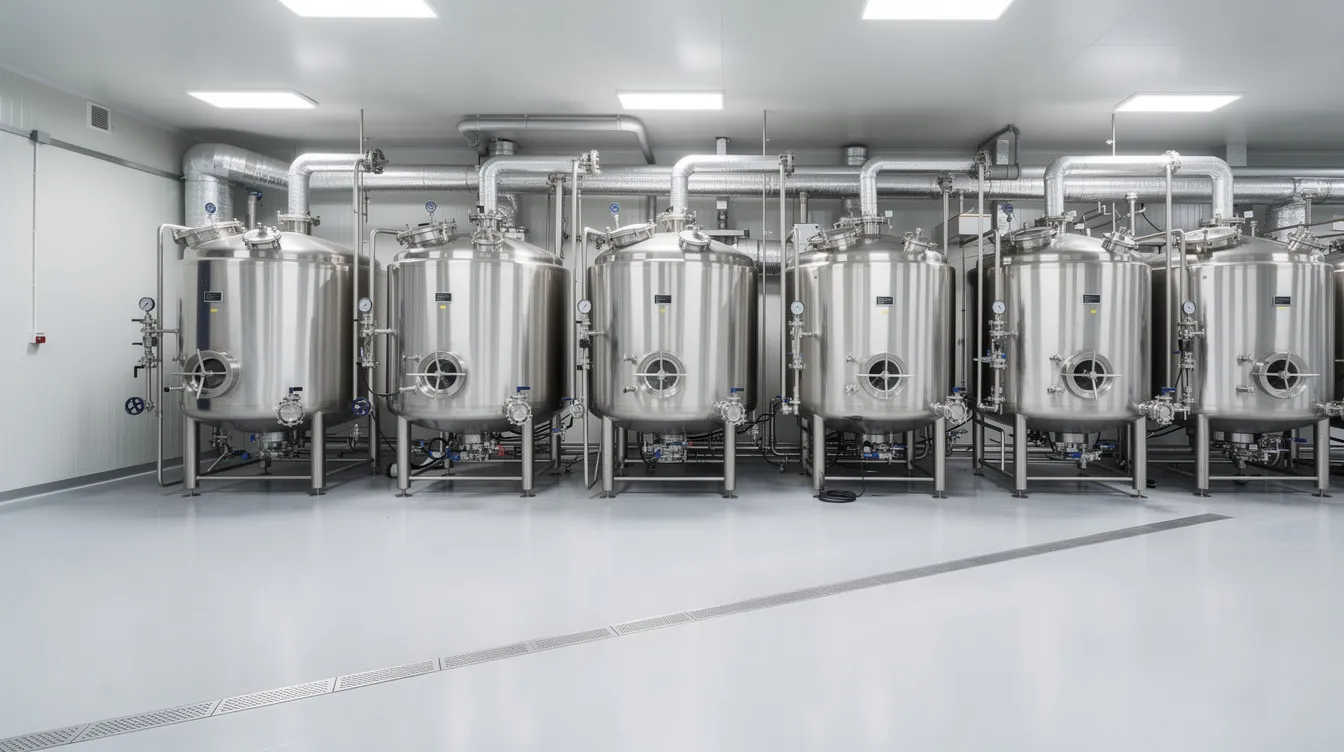
- Water availability (wet milling requires approximately 4,000 litres per tonne of maize processed daily)
- Power reliability and fuel availability for boilers
- Access to skilled and unskilled labour
- Distance to ports, railheads and customer clusters
- Availability of industrial infrastructure and state-level incentives
Siting a plant in a maize surplus state (such as Bihar or MP) reduces inbound raw material requirements and logistics cost but may increase distribution costs for finished goods. Conversely, locating near a demand centre reduces outbound freight but raises procurement cost. This trade-off must be analysed through an integrated feasibility study within the project report.
Technical Flow – Maize Processing Plant Manufacturing Process
Technical specifications outline the manufacturing process from raw material intake to packaging. The typical wet milling process flow for a commercial maize processing plant follows this sequence:
- Grain receipt and quality inspection – Incoming maize grain is weighed, sampled and tested for moisture, foreign matter and quality
- Cleaning – Pre-cleaners, destoners and magnetic separators remove impurities
- Steeping – Maize kernels are soaked in warm water (with dilute SO₂ where applicable) for 24–48 hours to soften the grain
- Germ separation – Softened maize is coarsely milled and germ is separated by flotation or hydrocyclone
- Fibre separation – Fine milling and fibre washing screens separate the pericarp and fibre fraction
- Gluten separation – Centrifuges or hydrocyclones separate the protein-rich gluten from the starch slurry
- Starch washing and refining – Multi-stage hydrocyclone washing produces high-purity starch slurry
- Dewatering and drying – Rotary vacuum filters or peeler centrifuges dewater the starch, followed by flash or pneumatic drying
- By-product concentration and drying – Steep liquor is concentrated; fibre and gluten are dried for sale
- Packaging and storage – Finished products are packed in bags, bulk containers or loaded into tankers
For dry milling configurations, the alternative sequence involves cleaning, tempering, degerming, roller milling, sifting, grading and packaging-sharing some front-end equipment with wet milling operations.
Critical control points include steeping time, SO₂ dosage, separation efficiency, starch moisture at drying, and hygienic handling. A detailed maize processing plant project report includes process-flow diagrams, mass balance tables and utility balance calculations based on the selected capacity and product slate.
Maize Processing Plant Machinery and Equipment List
Machinery selection depends on capacity (for example, 100 TPD versus 500 TPD), product range and level of automation. Machinery specifications are tailored to the type of maize processing being undertaken. Maize processing requires significant capital investment in specialized equipment. Maize processing plants require utilities for efficient operation alongside core process machinery.
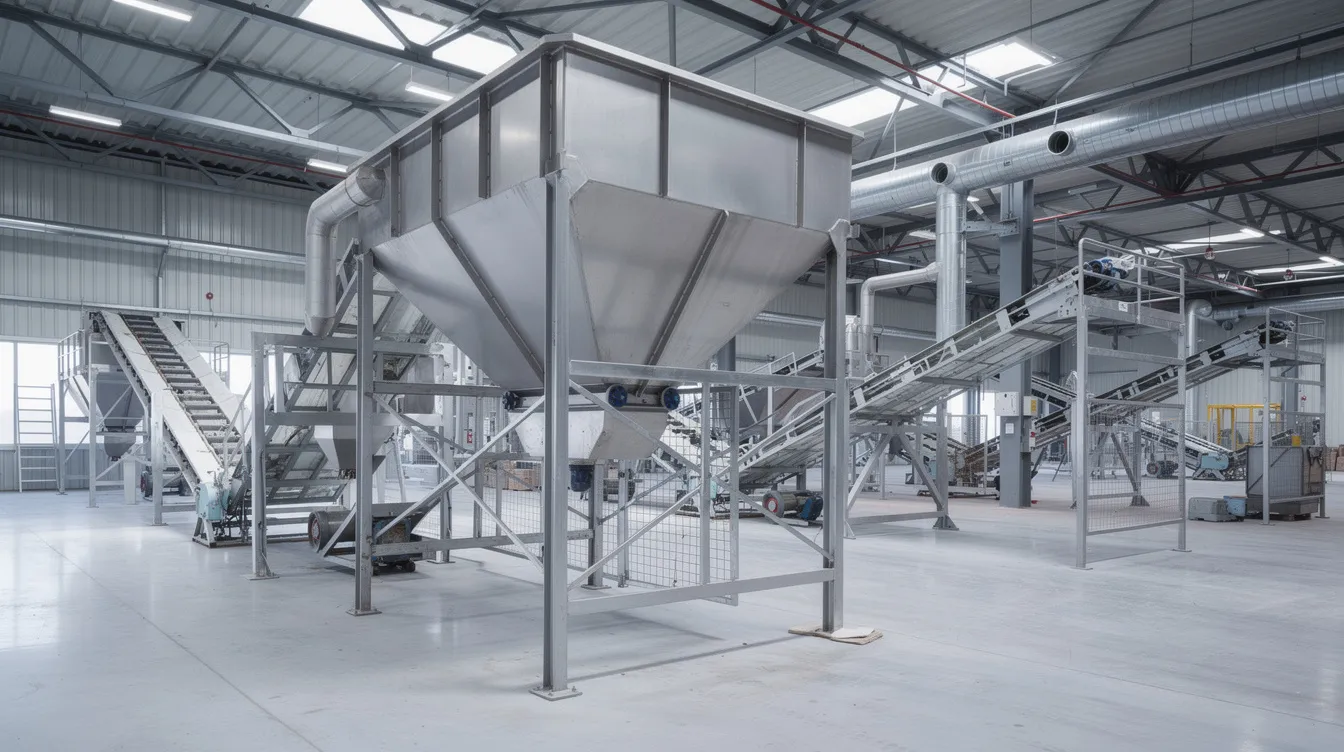
Principal equipment categories for wet milling include:
- Intake elevators, pre-cleaners, destoners and magnetic separators
- Steeping tanks with temperature and SO₂ control
- Germ separators (hydrocyclones, flotation units)
- Fibre washing screens and fine mills
- Starch-gluten separation hydrocyclones and centrifuges
- Rotary vacuum filters and peeler centrifuges
- Flash dryers and pneumatic conveying systems
- Evaporators for steep liquor concentration
- Boilers, compressors and water treatment systems
- Effluent treatment plant (ETP) or zero liquid discharge (ZLD) systems
- Laboratory equipment, process automation, and packaging lines
For dry milling, the equipment list includes tempering bins, de-germinators, roller mills, plansifters, grading sieves and bagging machines.
A comprehensive maize processing plant project report carries a machinery cost summary with foreign exchange components, taxes, freight, erection and commissioning charges clearly separated. Promoters should obtain detailed equipment specifications and updated quotations from both Indian and international process equipment manufacturers before finalising capital expenditure, focusing on performance, energy efficiency and after-sales support.
Plant Capacity Planning, Product Mix and Yield Assumptions
Capacity is typically expressed in tonnes per day (TPD) of maize input. A maize processing facility has an annual production capacity of 100,000–200,000 MT depending on plant size and operating days. For example, a 200 TPD plant operating 330 days per year processes approximately 66,000 tonnes of raw maize annually.
Important capacity planning considerations include:
- Ramp-up trajectory: Realistic utilisation assumptions might start at 60% in year 1, increase to 70–75% in year 2 and stabilise at 85–90% by year 3–4. Many DPRs model constant utilisation from year 4 onward.
- Yield assumptions: Conservative conversion factors for starch (60–65%), germ (5–8%), gluten (5–6%), fibre (11–13%) and steep water solubles (5–7%) should be used, validated against feedstock-specific data.
- Product mix flexibility: A plant may initially sell more native starch and progressively shift toward higher-value derivatives like liquid glucose, maltodextrin or modified starches as markets develop.
Overestimating yield or capacity utilisation inflates projected profitability and weakens credibility with lenders and investors. A professionally prepared maize processing plant project report uses defensible assumptions supported by published data, vendor guarantees or pilot-scale validation.
Capital Expenditure (CAPEX) for Maize Processing Plant Setup
The maize processing plant setup cost includes capital investments and operating expenses structured across several major heads. Total capital investment typically covers:
| Cost Head | Description |
|---|---|
| Land and site development | 8–10 acres minimum for a 200 TPD wet milling unit |
| Civil construction | Process block, warehouses, godowns, admin block |
| Plant and machinery | Core processing equipment, installation |
| Utilities | Boilers, compressors, water treatment, power generation |
| Electrical and automation | HT/LT panels, instrumentation, SCADA |
| ETP/ZLD and environment systems | Effluent treatment, air emission control |
| Pre-operative expenses | Interest during construction, trial runs |
| Contingencies | Typically 5–10% of project cost |
| Working capital margin | Bank margin for initial operating cycle |
From published DPR benchmarks, a 250 TPD maize starch plant required total investment of approximately ₹76 crore, while a 400 TPD integrated project was estimated at approximately ₹215 crore. CAPEX per TPD typically ranges from ₹0.30 to ₹0.54 crore depending on product complexity and integration level.
Interest during construction, start-up losses, consultancy fees and statutory charges are often underestimated by first-time promoters. Investors should obtain updated machinery offers and civil cost estimates for 2026–2027 before freezing total capital expenditure for their specific project.
Operating Cost (OPEX), Cost Structure and Industrial Applications
Operating costs are primarily driven by raw material consumption, mainly maize. Maize accounts for 70–80% of operating expenses in a typical wet milling operation, making procurement cost the single most critical variable in plant economics.
The OPEX structure breaks down as follows:
- Raw material: Maize, chemicals (SO₂, enzymes), packaging materials
- Utilities: Power, steam generation, water-for example, a 1,650 TPD plant like Regaal Resources requires 15.8 MW of captive power
- Manpower: Skilled and unskilled labour (typically under 100 employees for a 200 TPD plant)
- Repairs and maintenance: Maintenance costs typically budgeted at 2–3% of machinery value annually
- Quality control and laboratory: Testing, food safety compliance
- Selling and distribution: Distribution costs, freight, commissions
- Administrative overheads: Insurance, rent, legal, professional fees
By the fifth year, operational costs are expected to increase significantly due to escalation in maize prices, labour costs, energy tariffs and maintenance requirements. Variable costs (raw material, utilities) scale with production volume, while fixed costs (rent, depreciation, core manpower) remain relatively stable.
The project report should provide a per-tonne cost of processing maize and per-tonne cost of each final product, supporting comparison with expected selling prices. Sensitivity of profitability to maize price, energy tariffs and product prices must be tested through scenarios.
Revenue Model, Pricing Assumptions and Profitability
Revenue projections are constructed by multiplying planned sales volume of each product (starch, maize gluten, germ oil, fibre, corn steep liquor) by expected ex-factory prices across the projection period.
Key pricing assumptions that must be documented include:
- Linkage of product prices to maize procurement cost or international corn starch price benchmarks
- Expected annual price escalation
- Differential pricing by customer segment (food-grade versus industrial-grade)
- Any planned export share and foreign exchange considerations
The maize processing plant’s gross profit margins range from 20–30%, depending on product mix, operational efficiency, raw material cost and market realisation. A professionally prepared maize processing plant project report translates projected sales and OPEX into gross profit, EBITDA, profit before tax, net profit and cash accruals using conservative, evidence-based assumptions.
Financial projections assess ROI, profitability, and long-term sustainability. The report should compute break-even point (in percentage of capacity and value), payback period, internal rate of return (IRR) and return on investment (ROI). For context, medium-scale wet milling projects (200–600 TPD) have shown IRR in the mid-teens to high-20s range in published DPR analyses, though actual returns depend entirely on project-specific assumptions.
A small change in maize procurement cost-say ₹1,000 per tonne-can shift EBITDA margins by several percentage points when raw material represents 70% or more of OPEX. Similarly, a 5–10% decline in starch realisation price can convert a comfortable DSCR into a stressed one. This underlines the importance of sensitivity analysis in every maize processing plant project report.
Working Capital Assessment and Inventory Management
Maize processing plants are working-capital intensive. Seasonal maize availability means plants often need to procure and store several months’ supply during harvest periods, locking substantial funds in raw material stock.
Key working capital components include:
- Raw material stock (maize inventory for 30–90 days depending on procurement strategy)
- Work-in-progress (steeping and processing cycle of 2–3 days)
- Finished goods inventory (starch, gluten, fibre, oil-typically 15–30 days)
- Receivables (customer credit periods, often 30–60 days for feed mills and FMCG manufacturers)
- Statutory dues, minimum cash balance and creditor adjustments
A maize processing plant project report should present a month-wise or year-wise working capital assessment tied to realistic inventory and credit norms. Typical banking facilities used in India include cash credit, working capital demand loans and bill discounting, and these should be aligned with the plant’s procurement and sales cycle.
Underestimation of working capital leads to operational strain, forced discount-selling of finished goods, or plant shutdowns despite positive theoretical profitability. Even a technically sound and apparently profitable project can face liquidity difficulties when working capital is inadequately planned.
Financial Projections, Feasibility and Risk Analysis
The core of a maize processing plant project report is a multi-year financial projection showing viability under realistic assumptions. Projected financial statements often cover five to ten years as required by financial institutions. Financial projections include capital investment and operating costs alongside revenue estimates.
Standard projected statements required:
- Projected profit and loss account (year-wise)
- Projected balance sheet
- Cash flow statement
- Fund flow statement
- Key financial ratios including DSCR, interest coverage, current ratio and fixed asset turnover
A SWOT analysis evaluates strengths, weaknesses, opportunities, and threats in the project, providing a structured framework for assessing competitive positioning.
Risk analysis should cover:
- Lower capacity utilisation scenarios (what if 60% instead of 85%?)
- Higher maize cost (±10–20% sensitivity on procurement price)
- Lower product realisation (starch, germ oil prices declining)
- Project implementation delays and cost overruns
- Currency risk on imported machinery repayments
Feasibility analysis must distinguish between base case, optimistic and stress scenarios to give promoters and lenders a transparent view of potential outcomes rather than a single best-case picture. Professional financial modelling that integrates these scenarios strengthens both investment decisions and banker confidence.
Regulatory Compliance, Quality, Environment and Safety in Maize Processing
Statutory approvals include environmental clearances and food safety registrations. A maize processing unit supplying food and feed must obtain FSSAI licence, state pollution control board consent, factory licence and fire and safety clearances.
Quality and environmental compliance requirements include:
- Implementation of HACCP, ISO standards and good manufacturing practices (GMP)
- Laboratory testing for moisture, microbiology, aflatoxins and pesticide residues
- Effluent treatment plant (ETP) for wet milling wastewater-many leading plants now operate zero liquid discharge (ZLD) systems to minimize environmental impact
- Solid waste handling, air emissions control and noise management
- Occupational health and safety: chemical handling protocols, dust control in dry milling, personal protective equipment and training
Environmental management includes compliance with pollution and safety standards during operations. Regulatory requirements and compliance costs vary by state within India, and updated legal references should be verified at the time of DPR preparation.
Project Implementation Schedule and Risk Mitigation
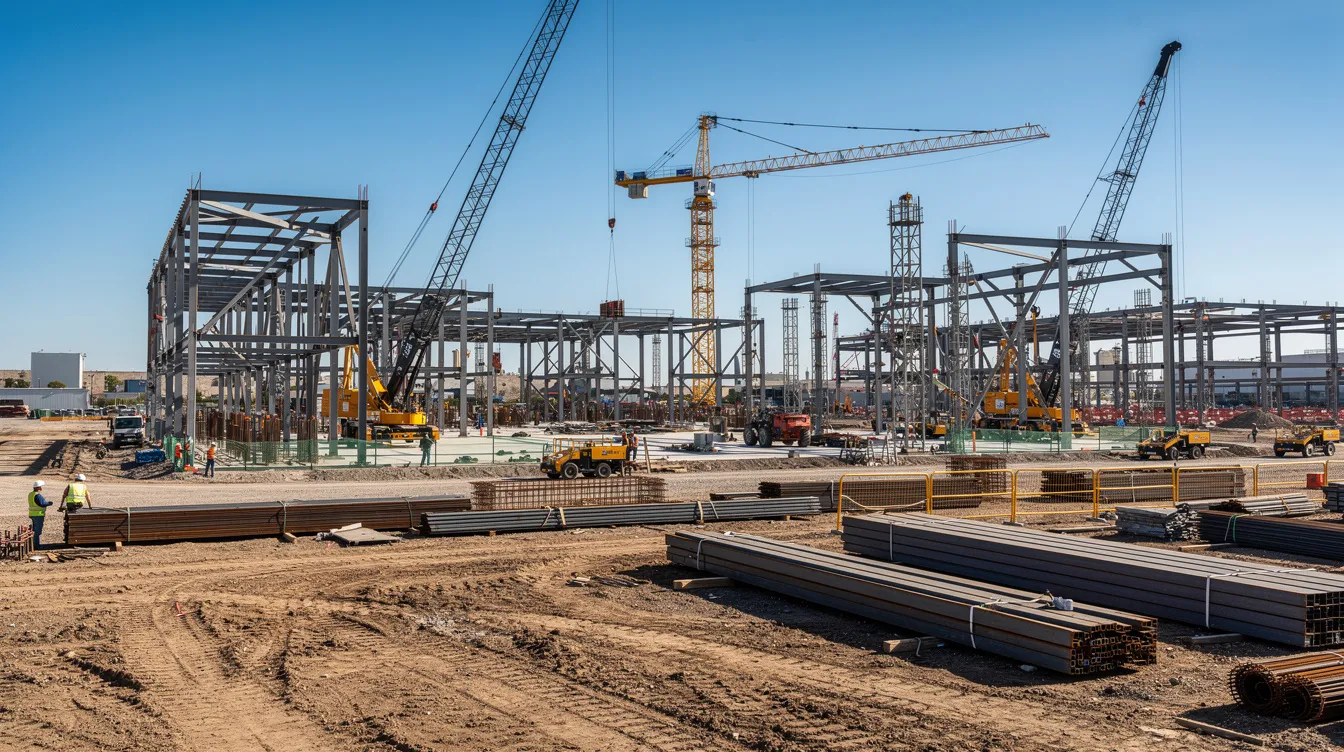
A time-bound implementation schedule-typically 12–18 months from land acquisition to commercial production for medium-sized wet milling plants-is essential to control interest during construction and minimise start-up overruns.
Major milestones include:
- Land purchase and statutory approvals
- Detailed engineering and project design
- Civil works and foundations
- Machinery ordering, manufacturing and shipment
- Utilities installation (boilers, power, water treatment, ETP)
- Equipment erection and commissioning
- Trial runs and product quality validation
- Ramp-up to commercial production
Common implementation risks include delays in statutory approvals, foreign equipment shipment delays, unexpected soil conditions and cost escalations. Mitigation measures such as contingency buffers, staggered procurement and active coordination between civil contractors, machinery suppliers and finance providers are important for timely project completion.
Bank Finance, CMA Data and Documentation for Maize Processing Plant
Most maize processing plant investments in India involve a mix of promoter equity and bank term loans, along with working capital limits. DPRs guide project promoters in preparing for bank loans and investment discussions. Comprehensive DPRs result in customized project financing strategies aligned with each project’s specific requirements.
Key documents normally required by lenders:
- Detailed project report with technical and financial analysis
- Projected financial statements (5–10 year horizon)
- CMA data format (historical and projected)
- Net worth statements and KYC documentation
- Land and building documents
- Machinery quotations and implementation schedule
- Collateral and security details
CMA data for maize projects should link term loan requirements, working capital needs, current ratio and DSCR logically, presenting a coherent means-of-finance structure. Banks typically expect promoter contribution of 25–33% of project cost, adequate collateral, and DSCR above 1.25–1.50x for comfortable appraisal.
Professional advisory support through bank finance DPR preparation and CMA data services can align the project report with banker expectations, simplifying appraisal and query resolution. However, preparation of a DPR does not guarantee bank loan sanction-lenders independently evaluate technical feasibility, promoter capacity, market assumptions and repayment ability.
Conclusion – Interpreting a Maize Processing Plant Project Report
An entrepreneur or investor reviewing a maize processing plant project report should check consistency between technical capacity, raw material availability, product mix, cost estimates and financial outputs. The numbers must tell a logical business story.
Decisions should not rest on headline profit or IRR alone. Sensitivity to maize price movements, customer concentration, working capital adequacy, DSCR resilience and realistic capacity ramp-up trajectories matter as much-if not more-than projected margins. The maize processing industry offers genuine opportunities in India, but these opportunities require updated data, defensible assumptions and alignment with the promoter’s existing strengths (whether in agro sourcing, feed distribution or industrial sales).
A well-prepared project report is a dynamic planning tool. At Project Report Bank, led by CA Manish Gugliya (FCA, DISA, ICAI), professional support is available for customised maize processing DPRs, feasibility studies, financial models, CMA data and project finance advisory. Promoters planning industrial investments can initiate a WhatsApp consultation through the Project Report Bank website to discuss their specific project requirements.
Frequently Asked Questions (FAQ)
The following questions address practical queries entrepreneurs frequently raise while planning a maize processing plant and evaluating a project report.
What is the minimum capacity for a viable maize wet milling plant?
Entry-level wet milling plants of around 100 TPD exist in India, but they face challenges in absorbing high fixed costs, utility overheads and environmental compliance expenditure. For integrated starch manufacturing with by-product recovery, capacities of 200–400 TPD are generally considered more viable from an economies-of-scale perspective. A standalone dry milling unit for maize flour or grits can operate at lower capacities with less capital. The appropriate scale should be evaluated within the project report based on the specific raw material access, product demand and financing structure available to the promoter.
How is maize price volatility typically managed in processing plant operations?
Maize prices fluctuate seasonally, with harvests in the kharif and rabi seasons creating procurement windows. Many established processors manage this through a combination of bulk procurement during harvest (when prices are relatively lower), storage infrastructure for 60–90 days of inventory, forward contracts with aggregators and, in some cases, hedging mechanisms. The consistent supply of quality maize is critical-a maize processing plant project report should model procurement strategies and test financial viability under both normal and elevated maize price scenarios.
Can a starch derivative unit (liquid glucose, maltodextrin, dextrose) operate without its own wet milling facility?
Yes. A standalone downstream unit can source native starch from external suppliers and convert it into liquid glucose, maltodextrin or dextrose monohydrate. This approach requires lower capital investment and avoids the complexity of wet milling, steeping and by-product handling. However, it introduces dependency on external starch suppliers for quality, price and consistency. The choice between an integrated wet milling approach and standalone derivative manufacturing should be evaluated based on investment capacity, supply chain control and target market requirements.
How frequently should a maize processing plant project report be updated?
Project assumptions-machinery costs, maize prices, product realisations, utility tariffs, interest rates-change over time. A project report prepared in early 2026 may need revision if the investment decision extends into 2027. As a practical guideline, major assumptions should be reviewed and updated whenever machinery quotations change materially, financing terms are renegotiated, market conditions shift significantly, or project configuration is altered. Treating the DPR as a living document rather than a one-time submission document improves both investment quality and lender confidence.
What is the difference between processing maize for food versus feed applications?
Food-grade maize processing (for human food applications like starch, sweeteners, edible corn oil) requires stricter quality management-FSSAI compliance, HACCP, GMP, lower aflatoxin thresholds and hygienic packaging. Feed-grade processing (for poultry feed, cattle feed, aquaculture feed) has different quality standards and typically operates at lower price points per unit but with larger volumes. A maize starch plant focused on food-grade output needs different quality infrastructure and testing protocols compared to a unit primarily producing gluten meal and fibre for the feed market. This distinction affects both capital expenditure and operational efficiency considerations within the project report.