Key Takeaways
- This article compares four major wheat flour atta maida suji processing projects: integrated roller flour mills, atta and chakki flour plants, maida–suji industrial manufacturing, and specialty or value-added flour blending units.
- No single project type is universally superior. The right choice depends on the promoter’s available capital, target market (B2B institutional supply versus B2C branded retail), technical capability and regional demand patterns.
- Careful project planning, realistic financial projections, and bankable documentation through a customised detailed project report should precede any machinery procurement or capacity finalisation.
- Project Report Bank, led by CA Manish Gugliya (FCA, DISA, ICAI), provides customised DPR preparation, CMA Data, financial modelling and project finance advisory for flour milling projects across all four categories.
- Internal links throughout this article guide readers to four dedicated hub articles, each covering one project category in technical, financial and regulatory depth.
Introduction – Wheat Flour, Atta, Maida & Suji Processing Opportunities in India
Wheat milling transforms raw wheat into household staples such as flour, semolina and bran – products consumed daily across India and exported to markets in south asia, the middle east and beyond. Yet the phrase “flour mill project” understates what is actually a diversified set of manufacturing opportunities with different technologies, customer bases and investment profiles.
India’s wheat consumption context supports multiple product categories simultaneously. Atta is whole wheat flour used for Indian breads and remains the dominant household staple. Maida is refined flour used for pastries, noodles, biscuits and cakes in commercial bakery and food manufacturing. Suji, or semolina, is coarsely ground wheat flour consumed in traditional sweets, breakfast preparations and increasingly in pasta production. Beyond these, rising consumer interest since around 2020 in multigrain, fortified and organic flour has created a distinct specialty flour segment.
This article examines four commercially distinct project categories: roller flour mill projects, atta and chakki flour processing projects, maida suji and wheat products manufacturing projects, and specialty and value-added flour manufacturing projects. Each involves different technology configurations, raw materials handling, product mix decisions, branding intensity and working-capital patterns.
Commercial flour milling requires structured projects involving grain handling, cleaning and packing systems – and equally important, structured financial planning. At Project Report Bank, led by CA Manish Gugliya with more than 20 years of professional experience, we focus on customised, bankable detailed project reports and project finance advisory rather than generic templates, helping promoters evaluate these opportunities rigorously before committing capital.
Quick Navigation – Explore Four Wheat Processing Project Categories
Each of the four manufacturing categories below is covered in a dedicated hub article with detailed technical, financial and DPR guidance. Use these links to explore the category most relevant to your business goals:
Understanding the Wheat-Based Flour Manufacturing Industry
India’s wheat value chain supports multiple flour product categories from the same raw material, but with very different application categories and industrial buyers. Wheat flour is produced from Triticum species of wheat, primarily Triticum aestivum (common bread wheat), while durum wheat serves niche semolina and pasta applications. A wheat grain consists of bran, germ and endosperm. The endosperm is primarily composed of starchy carbohydrates and proteins, forming the basis for atta and maida. The germ contains healthy fats and vitamins essential for growth, while bran provides dietary fibre. Understanding this grain structure matters because each flour product retains different proportions of these components.
- Household and packaged atta demand: The shift from loose conventional flour to branded packaged atta in Indian cities has accelerated since the mid-2010s, driven by modern retail, e-commerce and hygiene awareness. However, branded packaged atta still represents only about 5% of the total atta market, leaving substantial room for organised players.
- Commercial and institutional demand: Maida, suji and roller flour products are consumed by bakeries, biscuit plants, snack manufacturers, noodle makers, hotels and QSR chains. This industrial segment accounts for roughly 15% of processed wheat usage and demands consistent flour specifications on ash, protein strength and dough handling properties.
- Specialty and value-added flour: Multigrain, high-fibre, fortified and organic flour segments are emerging as premium categories, driven by health and nutrition awareness. Wheat flour processing can also include other cereals like rice, millets and pulses in blended formulations.
The value chain flows from wheat procurement through cleaning and conditioning, then milling or grinding (roller or chakki), optional blending and fortification, and finally packaging for B2B or B2C distribution. Investors must look beyond generic flour to identify which exact product mix, application category and business model they intend to serve.
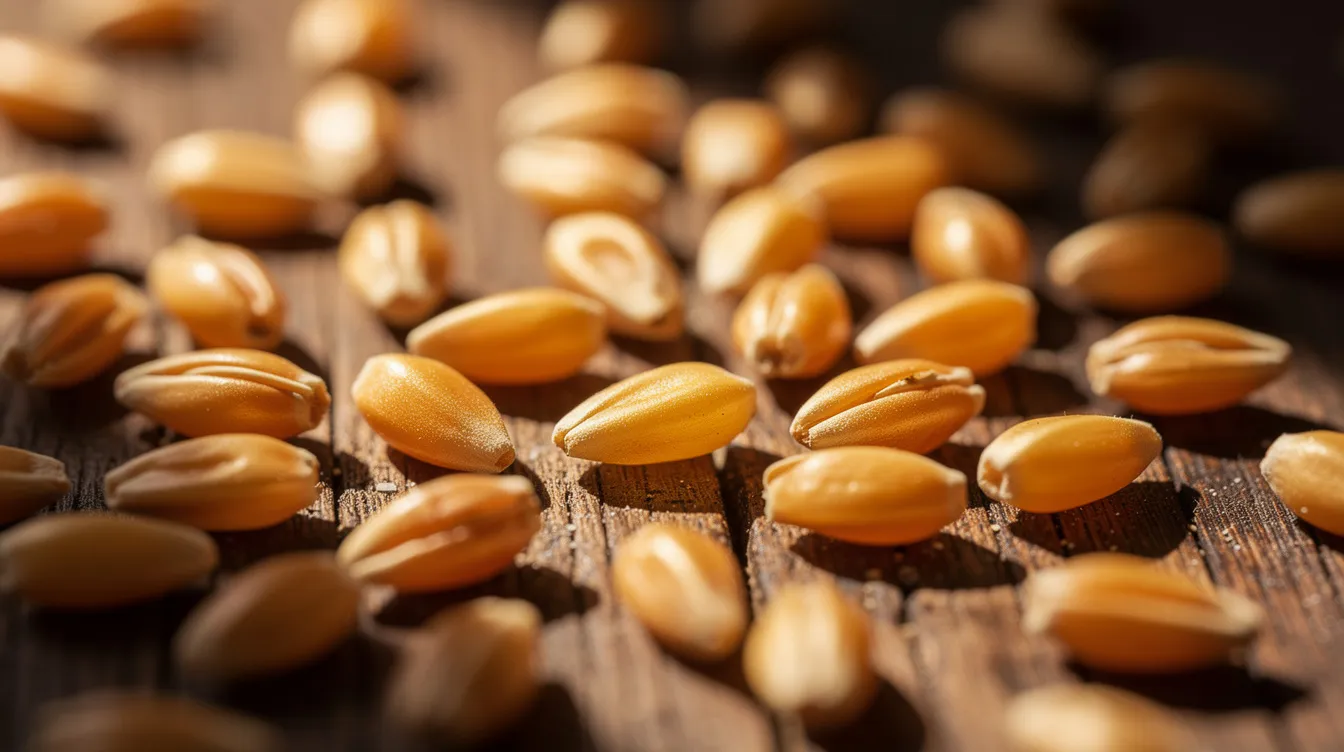
Four Major Categories of Wheat Flour, Atta, Maida & Suji Processing Projects
Wheat flour atta maida suji processing projects can be grouped into four categories. Each represents a different investment thesis, even though they share raw materials and certain technologies.
- Roller flour mill projects focus on integrated processing of atta, maida, suji and bran, usually at higher capacities with multi-stage roller milling equipment, targeting both institutional and retail markets.
- Atta and chakki flour processing projects centre on whole wheat atta production using stone chakki or emery stone mills, often serving regional retail and packaged atta markets at comparatively smaller capacities.
- Maida, suji and wheat products manufacturing projects are more industrial in nature, supplying grade-controlled maida, semolina and bakery flour to food companies with specific flour performance requirements.
- Specialty and value-added flour manufacturing projects are blending and fortification focused, often using purchased base flour to create multigrain, fortified or organic products with premium positioning.
| Parameter | Roller Flour Mill | Atta & Chakki Plant | Maida, Suji & Wheat Products | Specialty & Value-Added Flour |
|---|---|---|---|---|
| Main Products | Atta, maida, suji, bran | Whole wheat atta | Maida, suji, bakery flour, bran | Multigrain, fortified, organic atta |
| Target Customers | Bakeries, institutions, retail | Households, retail, private label | Industrial users, bakeries, food companies | Health-conscious consumers, modern retail |
| Core Technology | Multi-stage roller milling | Stone chakki grinding | Roller milling with grading focus | Blending, dosing, packing |
| Branding Intensity | Low to moderate | Moderate to high | Low (B2B) | High |
| Capital Intensity | High | Low to moderate | High | Low to moderate |
| Working Capital | High (wheat inventory, receivables) | Moderate | High | Moderate (ingredients, SKU inventory) |
| Suitability for New Entrepreneurs | Requires experience and capital | Accessible entry point | Requires industrial relationships | Requires marketing and R&D capability |
Roller Flour Mill Projects – Integrated Wheat Processing
Roller flour mill projects are integrated plants that process wheat into multiple products simultaneously – atta, maida, suji and bran – typically at capacities ranging from 50 to 300 TPD or more. India has approximately 1,500 roller flour mills with a combined capacity of around 28–30 MMT per year, though actual utilisation averages only 55–60%. This is one of the four wheat flour atta maida suji processing projects covered here, and detailed machinery lists, extraction ratios and sample financials are covered in the dedicated roller flour mill DPR guide.
Products and Manufacturing Opportunities
A roller flour mill typically produces wheat atta, maida (refined flour), suji (semolina), rawa and wheat bran as a byproduct. Wheat flour can be processed into bran as a byproduct sold to cattle feed manufacturers, improving overall project economics. The product mix can be tailored to local demand – for example, a higher maida share in areas with strong bakery or biscuit clusters, and more atta where retail demand dominates.
Opportunities extend across application categories: packaged atta brands, institutional bakeries, biscuit manufacturers, bread producers, noodle plants and government contracts. The flexibility to shift between products based on market conditions is a significant advantage of roller flour projects.
Technology and Business Model
The process involves wheat intake, pre-cleaning, fine cleaning, de-stoning, conditioning (which adds moisture to wheat to prepare it for milling), and multi-stage roller milling. Cleaning removes dirt, stones and other impurities from raw wheat before it enters the milling circuit. Break milling uses corrugated steel rollers to crack the wheat grain, followed by sifting that separates particles by size during the milling process. Purification separates lighter bran particles from heavier endosperm fragments.
Roller flour mills use automatic or semi-automatic systems with roller bodies, plansifters, purifiers, cyclones and separators. PLC control panels, flow scales and inline quality monitoring enhance capacity utilisation and process consistency. The business model is usually B2B bulk supply and contract manufacturing, with some units maintaining limited own-brand retail distribution.
Markets and Investment Considerations
Target customers include large bakeries, biscuit factories, namkeen and snack units, hotels, wholesalers and institutional buyers who require consistent flour specifications including defined parameters for dough tolerance and gas retention in bread applications.
Key investment factors include land and building for silo or warehouse space, higher machinery cost than small atta chakkis, robust power and handling systems, and potential for continuous operations. Wheat procurement strategy, quality assurance systems and consistent moisture management are critical to protecting margins when wheat prices are volatile.
For detailed plant layouts, machinery configurations and project report answers on capacity and costing, refer to the Roller Flour Mill Project Report (Atta, Maida, Suji & Bran).
Atta & Chakki Flour Processing Projects
Atta and chakki flour processing projects focus primarily on whole wheat atta produced using stone-based grinding, targeting local markets, branded packaged atta and sometimes private-label supply to larger brands. These projects range from small commercial flour mills processing a few hundred kg per hour – automatic flour mill plants have a capacity starting from around 1 ton per hour – to automated packaged atta plants with integrated cleaning, grinding and pouch packing lines.
Quality factors for atta include texture, dough performance and freshness, which are influenced by the grinding method and how much of the grain’s bran and germ is retained.
Whole Wheat Atta Manufacturing
Chakki mills grind wheat at relatively low RPM using emery or stone discs, producing slightly warmer, aromatic flour preferred by many Indian households as fresh chakki atta. The standard process flow covers wheat cleaning, grading, de-stoning, storage bins, chakki grinding, sifting and packing in consumer packs (1 kg, 5 kg, 10 kg) or bulk sacks.
Conventional flour from roller mills and chakki atta have different sensory and functional properties. Chakki atta generally offers a distinctive aroma and coarser texture that affects dough handling characteristics and recipe performance differently from standard wheat flour produced by roller milling. Modern atta chakki plants combine traditional grinding with updated material handling, dust control and packaging automation for improved hygiene and efficiency.
Business Opportunities
Key revenue models include local loose atta sales to retailers, branded packaged atta under own label, private-label manufacturing for regional or national brands, and institutional supply to hostels or food businesses. Regional branding opportunities exist around wheat origin or chakki process differentiation, with potential to extend into multigrain or high-fibre variants later.
E-commerce and hyperlocal delivery apps have expanded the reach of mid-sized atta brands beyond their immediate geography since around 2018. Many entrepreneurs start with a chakki atta unit as an MSME project due to lower capital requirements, and later expand capacity or product range.
Investment and Commercial Considerations
Basic machinery requirements include chakkis, cleaners, de-stoners, conveyors and packaging machines, representing significantly lower initial capex than roller flour systems. Small chakki units of 10–20 TPD may cost approximately ₹15–30 lakh for plant setup, though total project cost including building, utilities and working capital will be higher.
Cost drivers include packaging material (printed pouches, woven bags), local distribution margins, retail trade schemes, and marketing expenditure needed for building a brand in a crowded atta market. Working capital requirements cover raw wheat inventory, processing buffer stock, finished product stocks and exposure to receivables from distributors.
For detailed financial modelling and DPR guidance, refer to the Atta & Chakki Flour Processing Plant DPR.
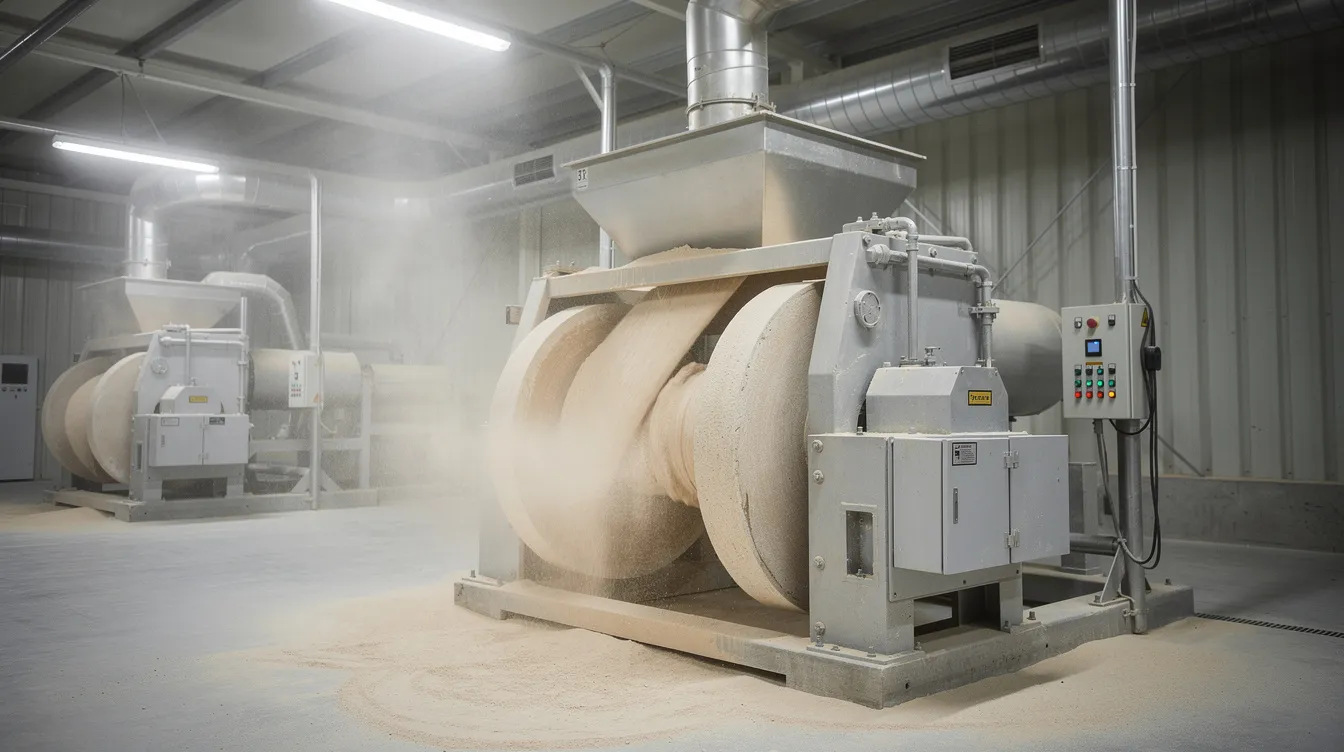
Maida, Suji & Wheat Products Manufacturing Projects
Some projects focus mainly on maida, suji and related wheat products for industrial buyers and institutional customers rather than direct household atta sales. The plant may technically resemble a roller flour mill, but the business model differs – heavier focus on B2B supply to bakeries, biscuit makers and noodle plants, often with specific flour specifications and performance requirements for dough tolerance, starch behaviour and finished product consistency.
Major Products
Maida is finely milled white flour used for bread, biscuits, cakes, pastry, snacks and other processed food. Key quality parameters include ash content (typically max 0.5–0.6%), moisture around 14%, colour whiteness and gluten strength. Suji quality focuses on particle size and cooking performance, with maximum ash around 1.0% and minimum gluten content specified under food standards.
Wheat bran and wheat germ (if recovered) serve as by-products or niche products, supplying cattle feed markets, health-food applications or further processing industries. The same plant may produce multiple conventional flour grades and customised bakery flour depending on sieve size, blending and purification steps.
Industrial and Institutional Markets
Main buyers include large bakeries, biscuit factories, snack and namkeen manufacturers, pasta and noodle units, hotel chains and defence or institutional catering operations. Many of these procurement teams work with strict technical specifications on protein strength, absorption, dough behaviour, fermentation tolerance and delivery reliability – requirements comparable to specialty bread flour buyers in global markets across western europe, east asia and the pacific middle east regions.
Long-term contract supply possibilities exist, including quality assurance arrangements, agreed moisture and ash ranges, and qualification time for performance testing. Such contracts provide volume stability but require robust quality control systems, testing infrastructure and consistent raw material sourcing from reliable suppliers.
Product Mix and Financial Opportunities
Overall plant realisation depends on the product mix. Maida and suji may command different prices, while bran improves total recovery and supports cash flows. Product grading and segregation – standard bakery flour versus higher-protein grades – can extract better margins from the same flour milling base.
Working-capital and pricing risks are significant: maida and suji prices are sensitive to wheat cost, competition and downstream bakery demand. Promoters must model multiple price scenarios in their project report. For detailed technical assumptions and project report answers, refer to the Maida, Suji & Wheat Products Manufacturing Project Report.
Specialty & Value-Added Flour Manufacturing Projects
Specialty and value-added flour projects include multigrain atta, fortified flour, high-fibre blends, low-GI formulations, organic atta and customised functional flour blends with defined nutrition profiles. Many such units operate as blending and packing plants that buy base flour from established roller mills or chakki plants and create new SKUs through formulation, fortification and branding. Some integrated mills add a separate blending line for premium variants alongside conventional flour.
Major Specialty Flour Products
Typical products include multigrain atta mixing wheat with millets (jowar, bajra, ragi), oats, soy, seeds or pulses; fortified wheat flour with mandatory nutrients such as iron, folic acid and vitamin B12; high-fibre and bran-enriched atta; and certified organic atta using organic raw wheat. The functional flour market is expected to grow from USD 52.0 billion in 2026 to USD 112.3 billion by 2036, reflecting strong demand trends globally.
These products position themselves on health, nutrition, clean label or specific lifestyle benefits (diabetic-friendly, high-protein, gluten free alternatives), subject to regulatory labelling rules. Specialty flour may still use conventional flour as the main component but adds value through precise formulations, quality assurance and branding.
Manufacturing and Value Addition
The process covers base flour reception, secondary cleaning if needed, ingredient dosing (grain flours, seeds, premixes, micronutrients from ingredient suppliers), blending in ribbon or cone blenders, quality testing, metal detection and packaging. Consistent blending and formulation controls are critical so that each batch meets nutritional and functional claims across protein, fibre, micronutrient content and finished product consistency.
Infrastructure needs include micro-ingredient dispensing systems, lab testing for moisture, microbiology and micronutrient assay (for fortified flour), and packaging lines with strong barrier properties. FSSAI regulations require fortification of wheat flour with iron, folic acid and vitamin B12, with the +F logo for compliance. The incremental cost of fortification is estimated at approximately ₹0.07–0.08 per kg of flour.
Promoters can pursue either an asset-light blending model (buying base flour from a roller flour mill) or an integrated model (own mill plus blending section), and this strategic choice should be clearly reflected in the project report assumptions.
Market Opportunities and Investment Considerations
Rising consumer interest in health, immunity and whole-grain products – particularly since the COVID-19 period – has driven demand for multigrain and fortified atta in urban India. However, although specialty flour sells at a higher unit price than conventional atta, marketing, packaging, R&D and distribution costs are also higher. Margins are not automatically superior, and this should be cross checked in the DPR with realistic cost assumptions.
Brand development, digital marketing, modern trade listing fees and managing inventory across multiple SKUs are essential investment areas. For deeper coverage of formulations, compliance and financial modelling, refer to the Specialty & Value-Added Flour Manufacturing Project Report.
Comparison of All Four Manufacturing Investment Categories
The following table provides a practical side-by-side comparison to support promoter decision-making:
| Factor | Roller Flour Mill | Atta & Chakki | Maida, Suji & Wheat Products | Specialty & Value-Added Flour |
|---|---|---|---|---|
| Product Range | Atta, maida, suji, bran | Whole wheat atta | Maida, suji, bakery flour, bran | Multigrain, fortified, organic blends |
| Core Technology | Multi-stage roller milling | Stone/emery chakki | Roller milling with grading | Blending, dosing, packing |
| Primary Customers | Bakeries, institutions, wholesale | Households, retail, distributors | Industrial users, food companies | Urban consumers, modern retail |
| Business Focus | Bulk and contract supply | Branded and loose retail | B2B industrial supply | Premium branded products |
| Capital Intensity | High | Low to moderate | High | Low to moderate |
| Working Capital | High | Moderate | High | Moderate |
| Branding Requirements | Low to moderate | Moderate to high | Low | High |
| Revenue Dependence | Product mix and volume | Brand, distribution, price | Contract volumes, flour grades | Brand equity, SKU performance |
| Key Risk | Under-utilisation, wheat cost | Price competition, brand cost | Institutional buyer concentration | Slow adoption, high marketing cost |
- Roller flour mills offer product-mix flexibility and scale but require substantial capital and technical capability.
- Atta chakki projects provide accessible entry for MSME promoters, though brand competition is intense in most regions.
- Maida and suji projects rely heavily on industrial B2B relationships and consistent flour specifications.
- Specialty flour projects are branding and innovation intensive, with returns dependent on consumer adoption and distribution reach.
No single application category is inherently the most profitable. The right project depends on the promoter’s strengths, capital availability and regional market gaps identified through primary research.
How to Select the Right Manufacturing Project
Proper project selection must precede machinery purchase. Many failed projects started with capacity decisions first and market demand analysis later.
- Assess your available capital and risk appetite honestly. A roller flour mill or large maida–suji plant needs significantly more funding than a chakki atta or blending unit.
- Evaluate prior experience in agro processing, FMCG distribution or institutional food supply, and match it to the project category where that experience adds the most value.
- Industrial or infrastructure-focused promoters with strong procurement teams may suit roller flour or maida–suji projects. Marketing and brand-building oriented promoters may prefer atta chakki or specialty flour ventures. Those with established institutional contacts may benefit from maida–suji or integrated roller mill supply.
- Evaluate local and regional demand using credible research sources: government consumption data, nearby industrial clusters (bakeries, snack companies), retailer feedback and online sales patterns, rather than relying on generic market sizing estimates.
- Develop at least two alternative configuration scenarios – for example, a chakki-based packaged atta plant now with the option to add a specialty blending line later – and then use a customised DPR to compare financial viability under realistic assumptions. Application support from technical service providers can help refine equipment choices.
Machinery, Technology and Capacity Planning
Technology choice – roller versus chakki versus blending – shapes not only product quality but also project cost, energy usage, maintenance and operator-skill requirements. Product quality control and food safety should be integral to plant design from the outset. Industrial milling projects require proper machinery installation and quality testing procedures.
- Roller flour mills: Cleaners, de-stoners, intensive dampeners, roller mills, plansifters, purifiers, cyclones and packing lines. Flour milling requires equipment like roller mills and dampeners as core components. Roller flour mill machines can cost between 750,000 to 15,000,000 INR depending on capacity and automation.
- Chakki plants: Cleaners, de-stoners, storage bins, stone chakkis, sifters and small packing machines.
- Maida–suji plants: Similar to roller flour mills with different sifting and grading emphasis for controlling flour specifications.
- Specialty blending units: Ribbon or cone blenders, micro-dosing units for premixes, metal detectors and advanced packing machinery.
A flour milling plant can process 200–4,000 kg per hour depending on configuration. Installed capacity (e.g., a wheat flour mill can have a capacity of 100 TPD) differs from effective capacity at realistic utilisation levels. Many Indian roller mills operate at only 55–60% utilisation, especially in initial years. Overestimating utilisation makes financial projections look attractive on paper but creates problems under real operating conditions. The DPR must account for realistic ramp-up periods and forecast values accordingly.
Machinery selection should be based on vendor quotations from proven installations, after-sales technical service, energy efficiency and delivery reliability rather than lowest price alone.
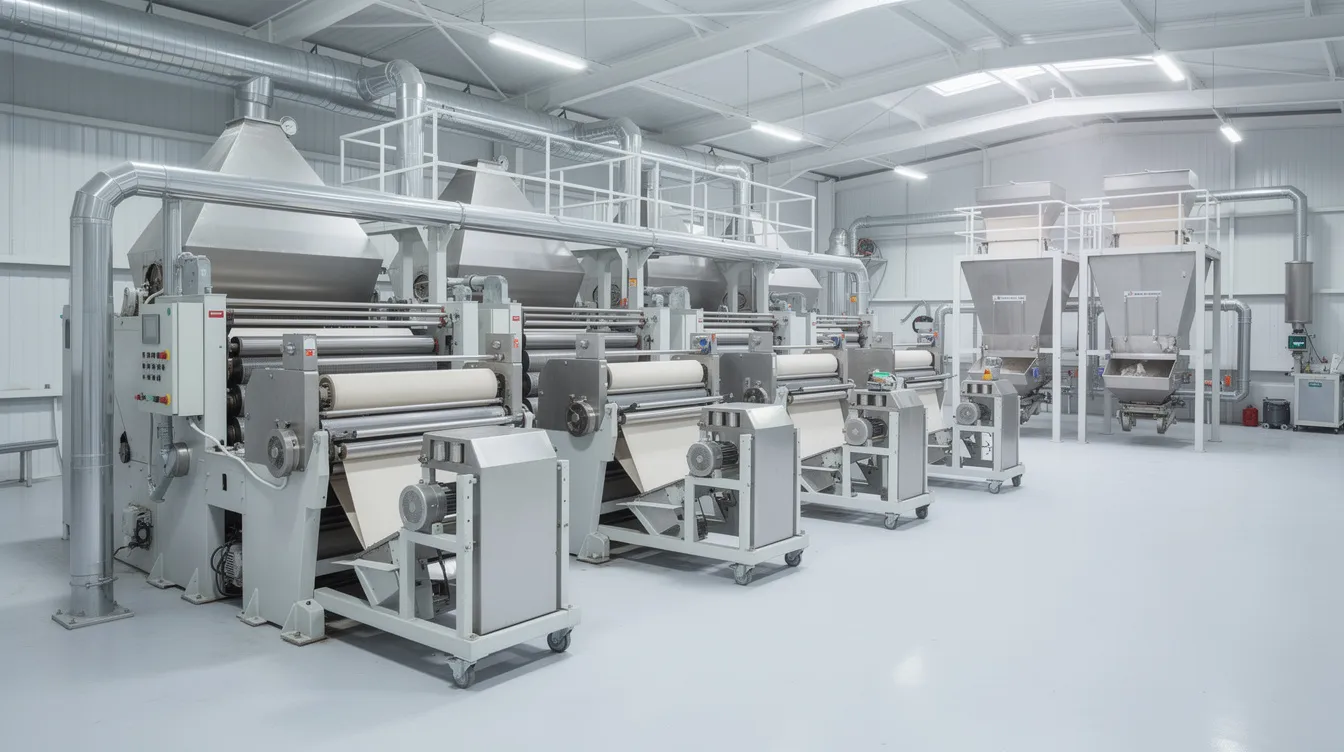
Project Setup Cost and Investment Requirements
Actual project cost depends on capacity, technology, plant location, level of automation, and whether the project includes buildings, silos, blending lines and own-brand packaging infrastructure.
Principal capital cost components include:
- Land acquisition or lease and site development
- Factory building and civil work
- Flour mill or chakki machinery, cleaning and handling systems
- Blending and fortification equipment (if applicable)
- Packaging lines
- Lab and quality control equipment
- Utilities (power, transformers, diesel genset, compressed air)
- Pre-operative expenses and contingencies
- Working capital margin
For reference, total capital investment for a 100 TPD flour mill is approximately Rs 26.22 Cr as per certain published project profiles, with plant and machinery cost for a 100 TPD mill around Rs 4.34 Cr. However, these figures should be treated as illustrative and project-specific rather than universal benchmarks. Roller flour mills and large maida–suji plants are generally more capital-intensive than basic atta chakki units, while specialty flour blending plants can be moderate-capex but demand high investment in packaging and branding.
Working capital margin – covering wheat inventory, packaging materials, finished goods stock and receivables – must be computed separately as part of total capital investment while preparing the detailed project report. DPRs assess working capital requirements specifically for each flour processing configuration.
Revenue Models, Working Capital and Profitability
Revenue, cash flow and profitability depend heavily on product mix, price realisation, capacity utilisation and input-cost management across all wheat flour atta maida suji processing projects.
- Major revenue streams: Sale of atta, maida, suji and bran in bulk or retail form; sale of specialty blends and value-added products; contract milling or private-label production for third-party brands.
- Key cost drivers: Raw wheat price volatility, blending ingredients (millets, micronutrients), power and fuel, labour, packing materials, transport, marketing expenses and trade margins.
- Working capital components: Minimum wheat stockholding for continuous operations, storage of finished product, credit to distributors or institutional buyers, and the effect on the cash-conversion cycle.
Published sample financials for a DC-MSME mini flour mill project suggest net margins around 8–10% and ROI around 41% for a mixed-product unit. The rate of return for a 100 TPD wheat flour mill project is reported at approximately 38%, with a break-even point at approximately 40% of capacity. However, these are sample illustrations. Profitability cannot be accurately generalised – a customised DPR using realistic local assumptions is required to assess net margins, DSCR, IRR and payback period for each specific project. Financial modelling is crucial for project viability and assessment of investment opportunities.
Detailed Project Report, DPR, Bank Finance and Financial Viability
Banks and investors in India expect a professional, data-backed detailed project report and CMA Data before sanctioning term loans or working-capital limits for flour processing projects. A detailed project report for a wheat flour mill includes cost estimation, market assessment and financial projections. A detailed project report includes a profitability analysis and cash flow projections across a multi-year horizon.
Key DPR components for flour mill, atta chakki, maida–suji or specialty flour projects:
- Promoter background and market assessment
- Detailed product and application category description
- Capacity planning, plant layout and technology selection
- Total project cost and means of finance
- Promoter contribution and term loan structuring
- Working capital assessment and CMA Data
- Projected Profit and Loss, Balance Sheet and Cash Flow for 5–7 years
- DSCR analysis, break-even analysis, sensitivity analysis (wheat price, selling price, capacity utilisation)
- ROI, IRR and payback period estimation
CMA Data for bank loans must align with DPR projections and include working-capital cycle calculations and projected ratios consistent with bank policies.
For professional assistance, explore bank finance DPR and loan proposal assistance for flour processing projects. No DPR can guarantee loan approval or future profitability. It provides a professional basis for lender appraisal and informed promoter decision-making.
Licences, Registrations and Regulatory Requirements
Wheat flour, atta, maida, suji and specialty flour are regulated food products. Milling plants must adhere to food safety standards and procure regulatory approvals before commencing commercial production. Obtaining FSSAI registration is necessary for milling operations in India.
- FSSAI registration or licence (central or state, depending on capacity and distribution geography)
- GST registration, Udyam registration for MSMEs
- Local trade licence and factory or shops and establishment registration
- Pollution control board consent for air emissions and noise
- Fire safety NOC, building plan sanctions and power connection approvals
- Legal Metrology registration for units packing flour in standard weights (1 kg, 5 kg, 10 kg etc.), including MRP labelling, net quantity, batch and best-before dates
Special regulatory aspects include standards for fortified wheat flour with mandatory nutrients under FSSAI norms, organic certification requirements (if claiming organic atta), and relevant BIS or AGMARK standards. The food standards agency in the UK and equivalent bodies globally – including those governing rural affairs and food sovereignty policies – have their own frameworks, but Indian promoters must focus on FSSAI compliance. Readers should validate requirements with updated FSSAI notifications, as regulations evolve.
Business Risks and Mitigation Strategies
Every wheat flour processing project faces both common and category-specific risks related to raw materials, markets, operations and finance.
| Risk Type | Mitigation Strategy |
|---|---|
| Wheat price volatility | Supplier diversification, forward contracts, buffer stock planning |
| Raw material quality variation | Incoming quality checks, lab testing, de-stoning and cleaning upgrades |
| Under-utilisation of capacity | Conservative planning, phased expansion, secured contracts before scale-up |
| High power and operating costs | Energy-efficient machinery, preventive maintenance, optimised shift planning |
| Working capital stretch | Realistic financing lines, controlled receivables, inventory management |
| Dependence on few institutional customers | Customer diversification, mix of B2B and retail channels |
| Packaging and distribution cost pressure | Efficient packaging procurement, direct distribution where viable |
| Brand-building challenges | Focused regional branding, digital marketing, quality consistency |
| Product quality failures | Quality assurance systems, trained operators, lab testing protocols |
| Regulatory non-compliance | Timely licensing, updated FSSAI adherence, professional compliance support |
Category-specific notes: roller flour and maida–suji projects risk dependence on a few large industrial buyers; atta chakki projects face intense local competition and price wars; specialty flour projects face high marketing costs and the risk of slow consumer adoption. A good DPR should explicitly model downside scenarios and include sensitivity analysis on key revenue and cost variables.
Future Opportunities in Wheat-Based Flour Manufacturing
Structural tailwinds – population growth, urbanisation, rising packaged food consumption and bakery sector expansion – support continued demand growth for wheat-based flour products in India. The specialty bread flour market is projected to reach USD 991.3 million by 2036, with demand for specialty bread flour projected to grow at 10.7% CAGR. The wheat flour market globally presents expanding opportunities across africa, countries covered include the USA, latin america, eastern europe and east asia.
- Packaged atta: Growth of regional brands, premium chakki atta, fortified flour programmes and online subscription models for urban customers.
- Industrial maida and suji: Expansion of biscuit, snack, noodle and pasta manufacturing capacity in India and markets in south korea, the UAE and other regions drives demand for stable quality flour inputs. The UAE’s specialty bread flour market is expected to grow at 12.0% CAGR. Japan’s wheat resale price is projected to increase by 2.5% to JPY 62,520 per ton. The USA functional flour market is projected to expand at 5.9% CAGR. The functional flour market overall is expected to grow at 8.0% CAGR until 2036.
- Multigrain and millet-based blends: Government emphasis on millets and whole grains creates room for innovative specialty flour projects.
- Private-label manufacturing: Opportunities in contract packing for large food brands and retailers who prefer outsourcing rather than owning flour processing plants.
These opportunities must still be evaluated through location-specific market research, market sizing exercises and financial feasibility studies rather than assumed as guaranteed high returns. Forecast values should be cross checked against credible research sources.
Professional DPR and Project Finance Advisory by CA Manish Gugliya
Project Report Bank is a Chartered Accountant-led project advisory firm specialising in detailed project reports, CMA Data, financial modelling and project finance advisory for manufacturing projects including flour mill, atta chakki, maida–suji and specialty value-added flour manufacturing.
Core services for wheat flour atta maida suji processing projects include customised DPR preparation, bankable financial projections, working-capital assessment, DSCR analysis, means-of-finance planning, CMA Data for bank loans and assistance with term-loan and cash-credit proposals.
CA Manish Gugliya brings more than 20 years of professional experience combining industrial project knowledge with practical banking expectations and lender appraisal criteria. Professional fees for Bank Finance DPR and Loan Proposal Assistance generally start around ₹25,000 and vary by project scope and complexity, with standard terms of 30% advance and 70% on first full draft before final release.
Interested promoters can connect via WhatsApp or the contact form on ProjectReportBank.com to discuss their proposed flour processing project and receive customised guidance.
Frequently Asked Questions
The following questions address practical points that promoters commonly raise when evaluating wheat flour processing investments.
What are the main types of wheat flour processing projects I can consider?
Promoters typically choose among four main project types: integrated roller flour mills producing atta, maida, suji and bran; commercial atta and chakki plants focused on whole wheat atta for retail and branded markets; maida–suji industrial flour plants serving bakeries and food companies; and specialty or value-added blending plants producing multigrain, fortified or organic flour. Each serves different customer segments and has a distinct investment profile, so the choice should be driven by market demand, promoter capability and available capital.
Can I manufacture atta, maida and suji in the same plant?
Integrated roller flour mills can produce atta, maida, suji and bran from the same wheat raw material by using multi-stage roller milling and sifting equipment. Small chakki plants, however, typically focus on atta production only. Product mix and extraction rates must be planned carefully in the DPR to align with expected sales demand and pricing assumptions, as the ratio between products directly affects revenue realisation.
Is it necessary to own a roller flour mill to start a specialty or multigrain atta brand?
No. Many specialty flour brands operate as blending and packing units that buy base flour from established roller mills or chakki plants and then add other grains, seeds or micronutrients. Owning an integrated wheat mill is optional and may be considered at a later expansion stage depending on production volumes and capital availability. The asset-light blending model allows promoters to focus on formulation, branding and distribution.
How do I know which wheat flour project is commercially viable in my region?
Conduct local market research through discussions with retailers, wholesalers and industrial buyers. Analyse competing flour brands, understand raw wheat availability and transport costs, and assess institutional demand from nearby bakeries or food processing clusters. Then prepare a customised DPR with realistic capacity, selling prices and utilisation assumptions. Relying on generic profit estimates without location-specific validation is a common reason for investment disappointment.
What role does a Detailed Project Report play in obtaining bank finance for a flour mill?
A DPR presents the technical concept, market logic, project cost, means of finance, projected financial statements, DSCR and risk analysis in a structured format that banks use for credit appraisal. Well-prepared DPR and CMA Data improve the quality of the loan proposal, but they cannot guarantee sanction. Approval ultimately depends on the bank’s assessment of the promoter’s background, available security, project viability and repayment capacity.
Conclusion – Selecting the Right Wheat-Based Flour Manufacturing Project
Wheat flour atta maida suji processing projects offer multiple manufacturing paths: integrated roller flour mills for diversified production and scale, atta and chakki units for regional retail brands, maida–suji plants for industrial supply with consistent flour specifications, and specialty flour blending projects for premium and health-oriented markets.
The right option differs for each promoter based on capital, raw-material access, marketing capabilities, risk appetite and preferred customer segments – whether B2B, B2C, institutional or private label. No generic comparison can replace location-specific demand assessment combined with a rigorous financial feasibility study.
Use the comparisons and frameworks in this article to shortlist one or two preferred models, then explore the dedicated subcluster hub articles linked below for detailed technical and financial guidance. Serious promoters considering machinery procurement or bank finance applications should engage Project Report Bank and CA Manish Gugliya for customised DPR preparation, financial modelling, CMA Data and project finance advisory – so that the numbers behind the project tell a defensible business story before capital is committed.
Author: CA Manish Gugliya, FCA, DISA (ICAI)