Key Takeaways
- Value-added dairy plant machinery cost in India cannot be expressed as a single ₹/LPD figure. It depends on capacity, product mix (paneer, curd, yogurt, lassi, ghee and others), packaging formats, utilities and automation level.
- In a professional value-added dairy plant project report or DPR, machinery investment must be based on an actual equipment list, line capacities and supplier quotations, not generic online prices for a mini milk processing plant or small milk processing plant package.
- Around 35–50% of total value-added dairy project CAPEX typically sits in plant and machinery, covering common milk processing, product-specific sections, packaging, refrigeration, boiler, CIP, ETP and lab equipment.
- For industrial plants in India, indicative machinery budgets may range from approx ₹5–8 crore for a modest multi-product dairy plant (10,000–20,000 LPD) to ₹25–40+ crore for larger, higher-automation plants (50,000–1,00,000 LPD); actual figures must come from a tailored DPR.
- CA Manish Gugliya and Project Report Bank help promoters structure value-added dairy plant project cost, means of finance, machinery quotations and bankable DPRs tailored to their capacity, product mix and funding plan.
Introduction: Value-Added Dairy Plant Machinery Cost in India
A value-added dairy processing plant converts raw milk into higher-margin products: paneer, curd/dahi, yogurt, Greek yogurt, probiotic drinks, lassi, flavoured milk, butter, ghee, cream and cheese. Unlike a basic liquid milk plant, it requires additional process lines, fermentation systems, specialised packaging and stronger cold-chain infrastructure. All of these increase dairy processing plant machinery cost.
The question I am asked most frequently by dairy entrepreneurs is straightforward: how much does machinery and equipment for such a plant cost in India, and how should that cost be estimated for a DPR or bank loan proposal? A small scale dairy milk processing plant costs around ₹10 lakh, and a mini milk processing plant costs ₹8 to ₹12 lakh for basic 500–2,000 LPD units. A mini milk processing plant can process 500 to 2,000 liters per day and enable farmers to process 500 to 2,000 liters of milk daily. Mini dairy plants automate milk processing for higher hygiene standards, allow direct sales reducing reliance on middlemen, and can increase farmers’ profits by 30 to 50%. But these catalogue prices cover limited components. Industrial projects targeting 10,000–1,00,000 LPD with multi-product portfolios require far more detailed machinery planning.
What Is a Value-Added Dairy Processing Plant?
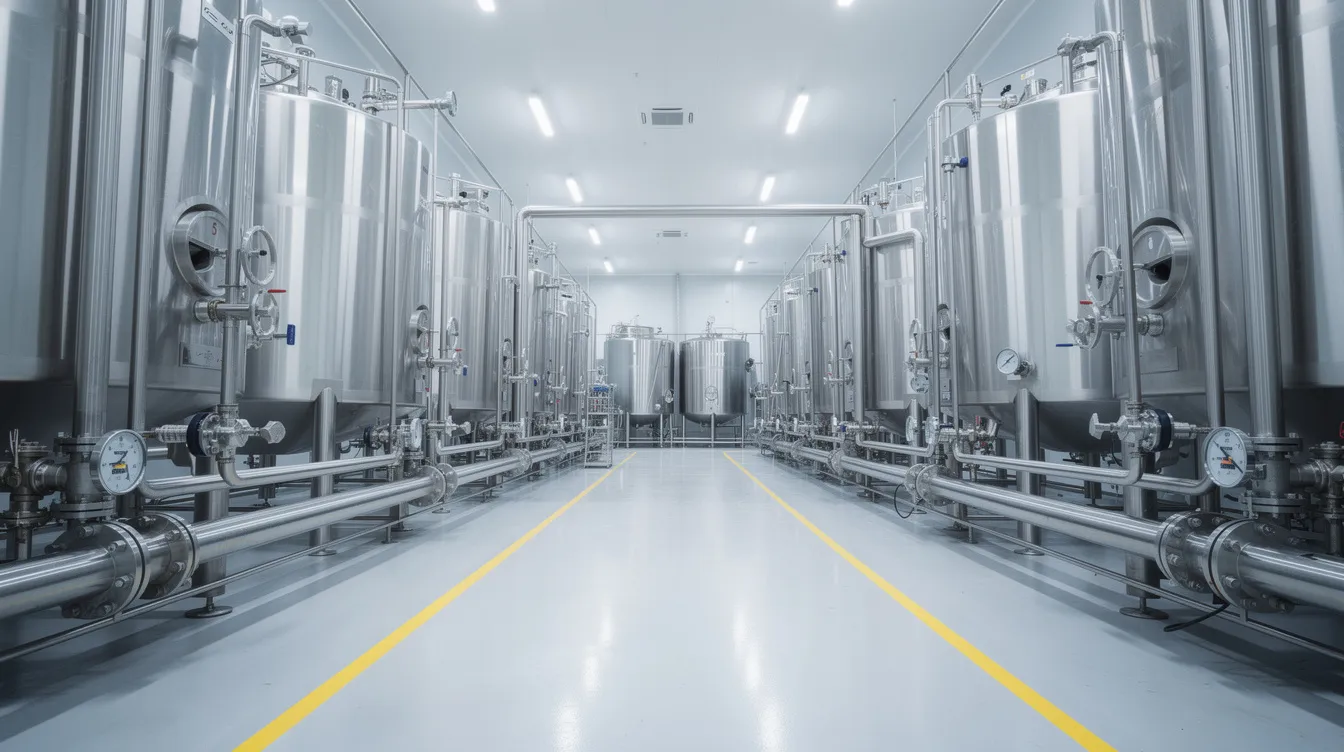
Fluid milk processing requires basic pasteurization and packaging units, while value-added products demand specialized machinery for fermentation, coagulation, fat processing and beverage blending. A value-added dairy plant has a common milk processing backbone (reception, chilling, storage, pasteuriser, cream separator, homogenizer, standardisation, CIP, utilities) feeding multiple product-specific lines.
The commercial logic is compelling: farmers can earn ₹54–60 per liter from processed milk, and converting bulk liquid milk into paneer, yogurt or ghee can stabilise margins across seasons. From a DPR perspective, the dairy processing plant equipment list must distinguish between common section machines and dedicated product lines. An integrated 50,000 LPD plant with multiple value-added products is not five separate mini dairy lines combined; it is a carefully designed common-plus-dedicated layout that leverages shared infrastructure to reduce total dairy plant setup machinery cost.
Key Factors Determining Value-Added Dairy Plant Machinery Cost
Estimating the cost of machinery for a value-added dairy processing plant requires a breakdown of technical, operational and financial parameters. The volume of raw milk processed dictates the physical size and capacity of core dairy processing units. Different value-added products require specialized machinery for production. A value-added dairy plant needs adequate capacity and configuration to avoid bottlenecks.
Major cost drivers include:
- Capacity: Milk handling in litres per day (10,000 vs 1,00,000 LPD), number of shifts, throughput of each line (paneer kg/day, yogurt cups/hour, ghee tonnes/day)
- Product mix: Each addition (paneer vat, fermentation tanks, butter churn, ghee kettles) adds dedicated stainless steel process vessels and equipment
- Automation level: Semi-automatic mini dairy plant with basic controls vs automatic dairy processing plant machinery with PLC/SCADA; higher automation reduces long-term labor costs but increases upfront capital expenditures
- Packaging formats: Pouches, cups, bottles, tubs, institutional bulk packs; each format needs distinct filler-sealers
- Refrigeration load: Cold rooms, chilling plant, blast chillers
- CIP automation, water treatment, effluent systems
- Quality standards: FSSAI, private labels, export compliance
- Milk processing equipment costs vary based on product type, so industrial dairy plant machinery cost cannot be estimated on “₹X per LPD” alone
Common Milk Reception and Core Processing Equipment
Every dairy processing plant requires a common milk processing backbone shared by almost all value-added products. The volume of raw milk processed per day dictates the size and throughput of processing lines.
Key machinery includes:
- Milk reception dock (weigh bridge or electronic weigh bowl), dump tanks
- Milk filters/clarifiers, milk chilling units or plate heat exchanger chillers
- Raw milk storage silos (10 KL–100 KL SS 304 tanks)
- Cream separators, homogenisers, pasteurisers (HTST or batch)
- Balance tanks, process tanks, milk transfer pumps, product pipelines, hygienic valves
- Flow meters, temperature transmitters, level controls
Dairy processing demands food-grade stainless steel with sanitary finishes to comply with food safety regulations. Equipment must utilise high-grade stainless steel to prevent corrosion and contamination. Many online listings for a mini milk processing plant quote ₹10–25 lakh for this core process section, excluding extensive value-added and packaging equipment. This common section often represents 30–40% of total plant and machinery investment for a multi-product dairy.
Pasteurisation, Standardisation and Related Equipment Cost
HTST pasteurisation (72–78°C for 15–20 seconds) using plate heat exchangers, holding tubes and flow-diversion valves is critical for safe pasteurized milk and fermented products. Food-grade construction and hygienic design specifications directly affect machinery cost estimates.
Batch pasteurisers suit a mini dairy plant at 500–1,000 LPH. Continuous HTST systems (5,000–30,000 LPH) serve commercial dairy plants and carry higher price tags. Associated equipment includes cream separators, inline fat/SNF standardisation units, homogenisers and automatic flow control systems. A basic 2,000 LPH HTST pasteuriser-homogeniser set may run into several tens of lakhs, while high-capacity, fully automatic pasteurisation sections (10,000–20,000 LPH with PLC/SCADA) form a multi-crore component of the dairy manufacturing equipment cost. In DPRs, pasteurisation machinery must be sized to match both peak milk intake and combined value-added product demand.
Paneer Manufacturing Machinery and Cost Considerations
An industrial paneer line integrates with the common milk processing section for coagulation of standardised milk, whey drainage, pressing, chilling, cutting and packaging. Key machinery includes paneer vats (steam or hot-water jacketed), hoops and moulds, whey drainage tables, pneumatic/hydraulic presses, paneer chillers, cutting machines and vacuum or MAP packaging machines.
Paneer plant machinery cost changes with automation: manual pressing and cutting in mini dairy setups costs far less than continuous paneer lines with automatic whey recovery. Paneer cutting machines from Indian manufacturers range from approx ₹2.9 lakh for semi-automatic cube cutters to ₹8 lakh for automatic stainless steel units. For a 5–10 MT/day paneer section in a 50,000 LPD plant, paneer-specific machinery can itself run into ₹1–4 crore depending on configuration. Promoters wanting dedicated analysis can refer to the Industrial Paneer Manufacturing Plant Project Report.
Curd / Dahi, Yogurt and Greek Yogurt Processing Equipment
Fermented products are often the backbone of a value-added dairy plant in India, using common pasteurised milk but needing additional fermentation, incubation and specialised packaging machinery.
Curd/Dahi equipment includes culture preparation tanks, incubation tanks, cup or pouch filling machines, heat-sealing machines and cold-room storage. A detailed financial overview is available in the Curd / Dahi Manufacturing Plant Project Report.
Industrial yogurt needs high-shear mixing tanks, culture dosing systems, incubation tanks, fruit preparation and dosing systems, gentle agitators and automatic cup or tub fillers. A yogurt processing plant costs around ₹20 lakh for a basic setup, though industrial-scale yogurt manufacturing plant machinery cost sits well above that due to complex handling. See the Industrial Yogurt Manufacturing Plant Project Report for deeper analysis.
Greek yogurt requires extra equipment: whey separation using centrifugal separators, straining units or membrane filtration (UF/RO), higher-capacity refrigeration and robust tub packaging. Greek yogurt plant machinery cost per LPD is typically higher than conventional yogurt. The Greek Yogurt Manufacturing Plant Project Report provides further detail.
Probiotic Dairy Products and Industrial Lassi / Dairy Beverage Lines
Probiotic dairy drinks and lassi/flavoured milk are fast-growing segments in Indian cities, requiring tighter process control but sharing much of the fermented milk infrastructure.
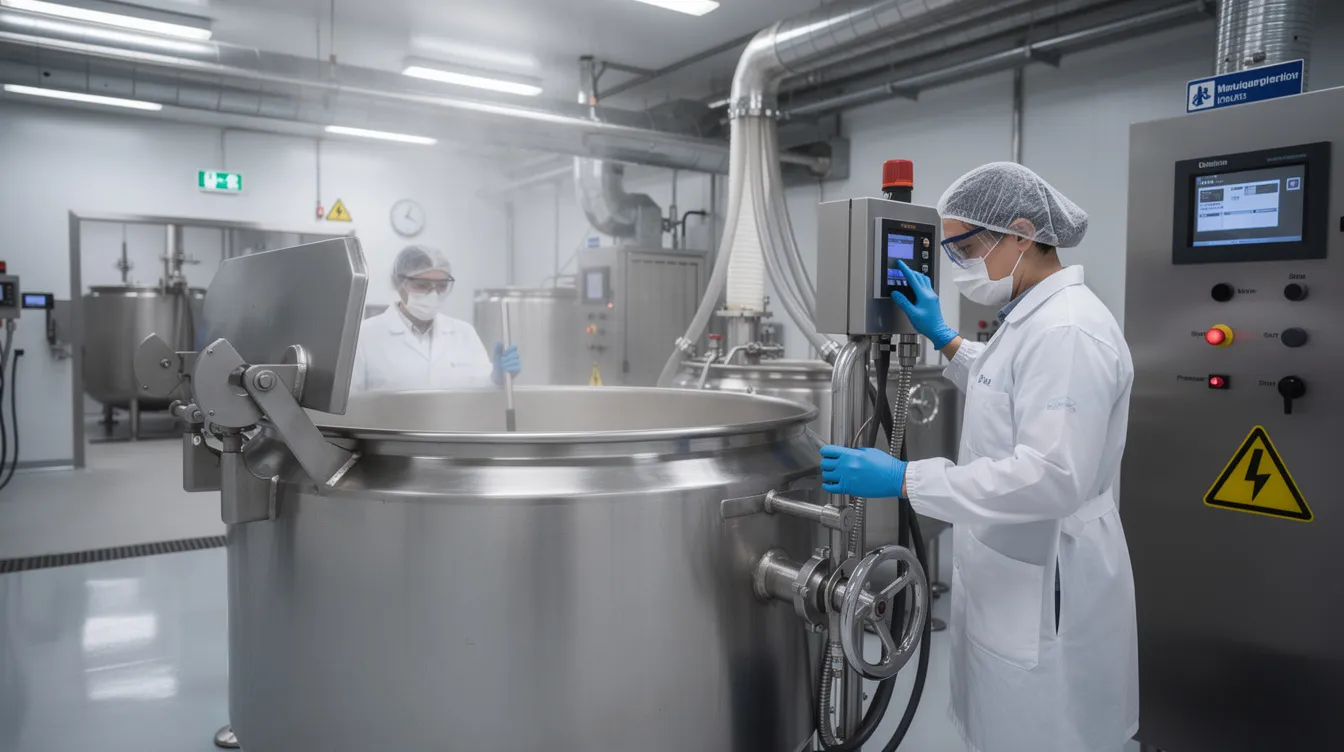
Probiotic products need precise culture management, jacketed fermentation tanks with accurate temperature control, aseptic or ultra-clean filling environments and stringent CIP protocols. The Probiotic Dairy Products Plant Project Report covers machinery and cost for this niche.
Industrial lassi lines require curd preparation tanks, high-shear mixers, sugar syrup preparation tanks, flavour and colour dosing systems, homogeniser, and filling machines for pouches, PET bottles or cups. The Industrial Lassi Manufacturing Plant Project Report provides a structured look at lassi manufacturing plant machinery and cost. Dairy beverage processing equipment cost can be substantial because high-speed bottle or pouch lines and a bottle sterilizer (priced at approx ₹6.5 lakh) often cost comparable to the upstream milk processing section.
Butter, Ghee and Milk Fat Processing Equipment
Many value-added dairy plants in India include butter and ghee lines to monetise cream and balance fat flows. Core machinery includes cream separators, cream ageing tanks, butter churns or continuous butter-making machines, working and cutting systems, ghee kettles or ghee boilers, filtration systems, ghee storage tanks and filling machines.
Ghee plant machinery cost varies: a small 1–2 TPD unit has a modest budget, while a 10–20 TPD butter and ghee section requires multi-crore investment. The Ghee, Butter & Milk Fat Processing Plant Project Report covers this in detail. For CAPEX, means of finance and profitability analysis, refer to Ghee, Butter & Milk Fat Plant Project Cost & Means of Finance. From a DPR perspective, butter and ghee machinery also impacts boiler sizing, steam piping and ETP load due to higher fat in effluent streams.
Packaging Machinery and Cold-Chain for Value-Added Dairy Products
In modern value-added dairy plants, packaging and cold-chain often account for 25–40% of total dairy plant machinery and equipment price. Packaged dairy products’ equipment investment varies based on capacity and automation level.
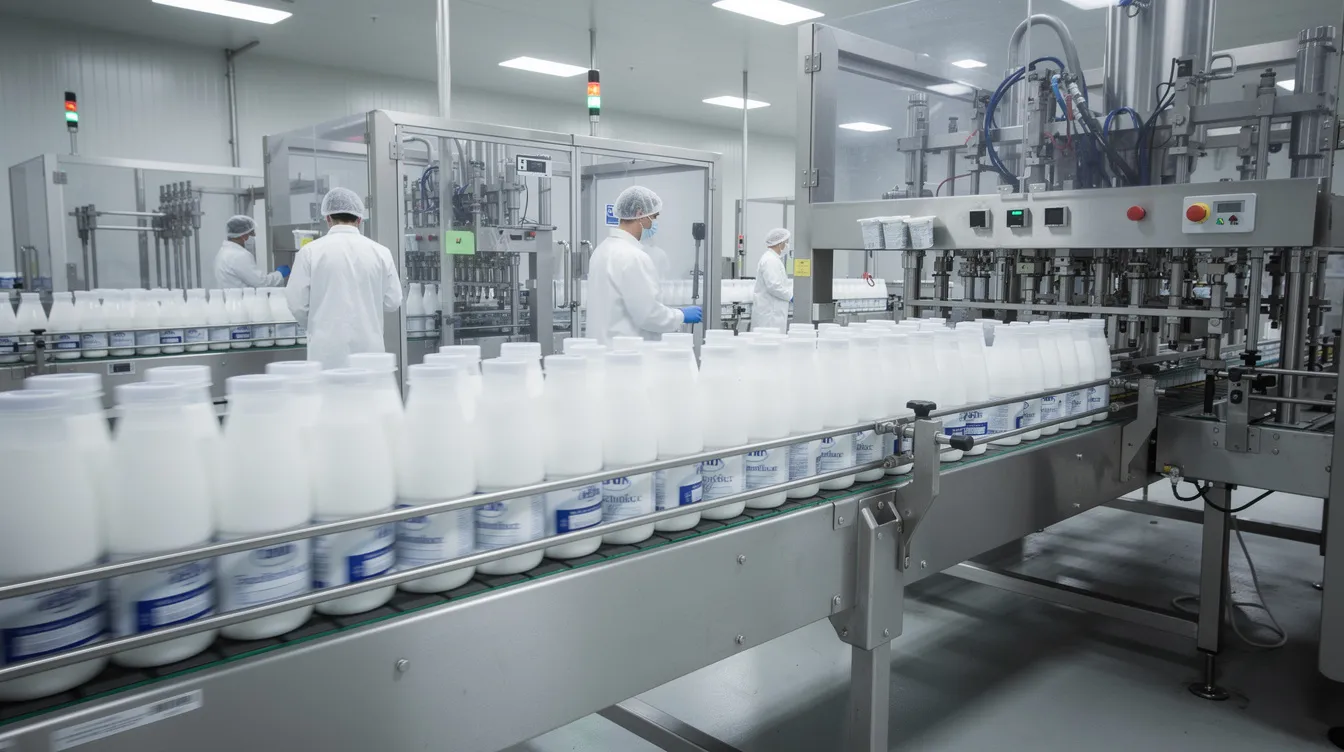
Key machines include automatic pouch packing machines (a pouch filling machine costs ₹4,85,000 per piece), cup filling and foil sealing machines, rotary bottle rinser-filler-capper monoblocks, labellers, inkjet coders, shrink wrapping and cartoning machines. Semi-automatic 1,000 cups/hour fillers differ vastly in cost from fully automatic multi-lane cup filling lines.
Dairy processing requires thermal and cooling infrastructure that directly scales with processing volume. Cold-chain equipment includes chilling plant (ammonia or Freon), ice bank tanks, glycol chilling systems, cold rooms for milk, paneer, yogurt and butter, blast chillers and insulated storage. Many catalogue-style milk plant offers ignore cold rooms entirely, leading to underestimation of real dairy plant setup machinery cost.
CIP, Utilities, Laboratory and ETP
Machinery in dairy processing requires supporting infrastructure including steam boilers and chilled water systems. Proper cleaning infrastructure is essential in a value-added dairy plant for hygiene maintenance. Equipment must meet local and international food safety standards to avoid regulatory rejections. Machinery estimates should account for additional utility requirements necessary for operation.
- CIP systems: Caustic tank, acid tank, hot-water tank, recovery tank, CIP pumps, plate heat exchangers, automated valves and conductivity controls; CIP is not optional in a professional dairy plant DPR
- Utilities: Steam boiler with fuel system and condensate recovery, water treatment plant (sand filter, carbon filter, softener, RO, UV), air compressor and dryer (clean, dry compressed air for pneumatic valves at correct voltage specifications), electrical panels/MCCs
- Laboratory: Milk analysers (fat, SNF), pH meters, Gerber fat-testing, incubators, microbiological testing instruments, moisture analysers; small share of CAPEX but critical for quality and bankability
- ETP: Equalisation tank, aeration, clarification, sludge handling; whey recovery systems can improve revenue and reduce effluent load
These systems should be listed as separate machinery heads with realistic budgets in a value-added dairy plant project report, not clubbed into a single “miscellaneous” line.
Indicative Value-Added Dairy Plant Machinery Cost in India
Estimated costs for equipment in India vary depending on product lines and automation levels. The total dairy processing plant cost can exceed several crores. A DPR by EIRI India for a 50,000 LPD dairy processing unit documented plant and machinery cost at approx ₹6.35 crore.
| Plant Configuration | Capacity (LPD) | Automation | Major Products | Indicative Machinery Investment (excl. GST, civil) |
|---|---|---|---|---|
| Small multi-product | 5,000–10,000 | Semi-automatic | Milk, paneer, curd, flavoured milk | ₹3–6 crore |
| Medium multi-product | 20,000–30,000 | Medium | Milk, paneer, dahi, yogurt, lassi, ghee | ₹5–10 crore |
| Large integrated | 50,000 | High | Full value-added portfolio | ₹8–15 crore |
| Very large integrated | 1,00,000+ | Advanced/imported lines | Full portfolio incl. UHT, probiotic, cheese | ₹20–40+ crore |
Online prices such as ₹36 lakh for a mini milk processing skid refer only to limited components and should not be used directly for industrial DPRs. Promoters must obtain supplier quotations and consider freight, installation, GST and utility connections.
Machinery Cost by Product Line and Common vs Product-Specific Equipment
| Product | Major Machinery | Additional Specialised Equipment | Relative Capital Intensity |
|---|---|---|---|
| Paneer | Coagulation vats, presses, moulds | Vacuum/MAP packaging, automatic cutters | Moderate to High |
| Curd/Dahi | Incubation tanks, culture prep | Cup/pouch filler, heat sealer | Moderate |
| Yogurt | Fermentation tanks, fruit dosing | Multi-lane cup fillers, gentle agitators | High |
| Greek Yogurt | Straining/UF/RO, whey separation | Membrane systems, robust refrigeration | Very High |
| Lassi | Mixers, flavour dosing | Bottle/pouch fillers, homogeniser | Moderate to High |
| Probiotic drinks | Culture management, aseptic filling | Temperature control, stricter QC | High |
| Butter | Churns, cream ageing tanks | Cold rooms, butter working machines | Moderate |
| Ghee | Ghee kettles/boilers, filtration | Dedicated boiler capacity, jar/tin fillers | Moderate to High |
Common equipment shared across products: milk reception, pasteuriser, homogeniser, storage tanks, CIP, boiler, chilling plant and lab. This sharing is why an integrated dairy plant design reduces total machinery cost compared to separate mini plant blocks for each product.
Automation, Sourcing Strategy and Hidden Dairy Machinery Costs
Automation reduces labor costs and human error but increases upfront equipment pricing. For capacities above approx 20,000–30,000 LPD, partial or full automation with PLC/SCADA often gives better lifecycle economics. The availability of local spare parts and maintenance contracts from machinery vendors impacts long-term lifecycle costs.
For most standard products (paneer, curd, lassi, ghee), quality Indian machinery from domestic dairy plant machinery suppliers in India is adequate. Certain niche lines (advanced cheese, high-speed aseptic fillers) may justify selective imported equipment. Turnkey dairy plant supply offers single-point responsibility but may carry a premium; multiple specialised vendors can reduce purchase price but increase coordination risk.
Dairy machinery costs typically include more than just the quoted equipment price, covering installation and infrastructure as well. Installation is a significant additional cost that should not be overlooked when budgeting for a dairy facility. Hidden costs promoters often miss:
- Freight, insurance, packing and forwarding (shipping heavy dairy processing equipment can impact the overall budget; transporting heavy industrial dairy equipment adds 10–15% to the base machinery price)
- GST, customs for imported components
- Civil foundations, SS fabrication, platforms, process and utility piping, insulation
- Electrical cabling and panels, automation integration
- Trial runs, initial spares, training
In a bankable value-added dairy plant project report, these must be built into plant and machinery and pre-operative expense heads.
How to Treat Machinery Cost in a DPR and Bank Loan Proposal
From a project finance perspective, machinery cost in a dairy processing plant DPR drives not only CAPEX but also capacity utilisation assumptions, depreciation, interest during construction and DSCR calculations. For early feasibility work, do not simply add up machine quotations without considering additional costs.
Machinery specifications (capacity, automation level, utility consumption) directly influence operating cost estimates: power and fuel consumption, labour requirement, maintenance, product yields, process losses and gross margin. Monthly operating costs for a 1,000 LPD plant can reach ₹3.5 to ₹5 lakh, scaling with capacity and product complexity.
Good practice for quotations in a DPR: obtain at least 2–3 comparable quotations for major equipment, each showing capacity, model, material of construction, electrical and utility loads, base price, GST, freight and installation charges. Banks reviewing dairy plant machinery cost for project report approval look for reasonableness, supplier credibility, realistic implementation schedule and alignment between installed capacity, sales projections and loan repayment ability.
Priority sector loans for dairy processing carry interest rates of 7% to 9%. Government subsidies can save 25% to 50% on investments through schemes such as NABARD DEDS, which supports dairy entrepreneurs with financial assistance, the PMFME scheme that aids micro food processing enterprises, and state government dairy schemes in states like Uttar Pradesh and Gujarat that provide additional financial support.
Example: Machinery Planning for an Integrated 50,000 LPD Value-Added Dairy Plant
Consider a hypothetical 50,000 LPD dairy processing plant producing pasteurised milk, paneer, dahi, yogurt, lassi and ghee. The machinery investment can be allocated across ten sections:
- Common milk reception and pasteurisation (20–25% of P&M CAPEX)
- Paneer line (10–15%)
- Fermented products (curd/yogurt) (10–15%)
- Lassi/flavoured milk beverage line (8–12%)
- Butter/ghee section (8–12%)
- Packaging area (pouch, cup, bottle) (15–20%)
- Refrigeration and cold rooms (10–15%)
- Utilities (boiler, water supply, air compressor, power) (8–12%)
- CIP system (3–5%)
- Lab and ETP (3–5%)
Line balancing is critical: pasteuriser capacity must align with total daily throughput, paneer line sized to planned yield, yogurt and lassi filling speeds matched to milk availability, and ghee plant capacity set according to fat balance and market demand. Actual machinery configuration and cost should be finalised only after detailed engineering and supplier discussions as part of a professional DPR.
Practical Ways to Optimise Dairy Plant Machinery Cost Without Compromising Quality
- Use shared infrastructure instead of separate mini plant blocks for each product
- Phase automation: start with semi-automatic fillers but design layout for future automatic lines
- Standardise packaging formats across products to reduce mould sets and machine types
- Right-size utilities to realistic initial demand; avoid oversizing boiler and chilling plant for distant future capacity
- Compare technically equivalent quotations from multiple suppliers; check material thickness, type of valves, service support
- Design for modular expansion: choose a pasteuriser and CIP that handle moderately higher capacity later
From a finance viewpoint, saving a few lakh by compromising on a critical machine that affects yield or shelf life costs much more in lost revenue and brand damage over the project’s life. The difference between a well-planned and poorly planned dairy business often lies in these details.
Common Machinery-Cost Mistakes That Can Make a Dairy Project Unviable
In my experience preparing dairy project reports, I frequently see promoters copying online mini milk processing plant price lists into industrial-scale DPRs, underestimating packaging and refrigeration machinery cost, ignoring CIP and ETP and not budgeting for laboratory equipment or cold rooms.
Other errors include buying large-capacity pasteurisers while keeping low-speed packaging machinery (creating bottlenecks), designing a paneer line far beyond realistic milk availability or market demand from farms and consumers in nearby cities, assuming 100% capacity utilisation from day one, ignoring ramp-up, not counting interest during construction, and using expired or unrealistic machinery quotations. Avoiding these errors through proper engineering, realistic costing and professional DPR preparation improves the chances of bank approval and actual project viability. Published reviews of failed dairy projects frequently cite these exact mistakes.
FAQs on Value-Added Dairy Plant Machinery Cost
What is a realistic starting machinery budget for a small value-added dairy plant in India?
For a professionally designed multi-product plant handling around 5,000–10,000 LPD with basic paneer, curd and flavoured milk, total plant and machinery cost (including packaging, utilities and cold rooms but excluding civil work and GST) is often in the range of ₹3–6 crore, depending on automation and product mix. A yogurt processing plant costs approx ₹20 lakh as a standalone unit, but integrated lines cost more. Exact figures must come from a customised DPR and supplier quotations. You can contact us through our website for details.
Can I convert an existing liquid milk plant into a value-added dairy plant?
Many existing milk processing plants can be upgraded by adding paneer vats and presses, fermentation and cup-filling equipment, lassi and flavoured milk mixers, or butter/ghee kettles while reusing the existing pasteuriser, homogenizer, chilling plant and utilities. This often reduces incremental CAPEX compared to building a new plant. Reply to your site engineer’s capacity assessment before committing to new machinery purchases.
How much do utilities and support equipment contribute to total dairy plant machinery cost?
In industrial projects, utilities and support systems (boiler, refrigeration, water treatment, air compressor, CIP, ETP, electrical panels, lab) can account for 25–40% of total dairy plant machinery investment. Ignoring these items is a general reason for DPR underestimation. India’s dairy industry continues to see cost overruns from this type of planning gap. Equipment exporters and machine suppliers often quote only core process machinery, so promoters must budget utilities separately.
Should I include provisional amounts for future machinery in my current DPR?
Design the layout and core utilities with future expansion in mind (space, foundations, utility headers), but in the project report for the current phase, machinery cost should reflect only equipment being purchased now. Future lines can be treated as a second phase with separate financing. This keeps your cash flow projections and term loan requirement realistic. The type and addition of new lines depends on how milk production plant capacity and profitability develop over time.
How can Project Report Bank help with value-added dairy plant machinery costing?
Project Report Bank, under the professional guidance of CA Manish Gugliya, works with promoters to define capacity and product mix, develop a complete machinery list, obtain and normalise supplier quotations, structure project cost and means of finance, and prepare bank-ready DPRs with realistic machinery cost, cash-flow projections, DSCR and profitability analysis. Whether you are a small produce operation near farms or a large-scale dairy business, the process starts with your specific requirements. Browse our comment sections and published case outlines for a sense of our approach.
Conclusion: Getting Machinery Cost Right in a Value-Added Dairy DPR
Value-added dairy plant machinery and equipment cost in India cannot be captured by a single catalogue price or per-litre thumb rule. It depends on installed capacity, chosen products, packaging formats, utilities, automation and future expansion plans.
Correct machinery planning for a dairy processing plant DPR requires a detailed equipment list, technical sizing, supplier quotations, inclusion of utilities and hidden costs, and alignment with financial projections, term loan requirement, working capital, DSCR and profitability. As a Chartered Accountant and project-finance consultant, I focus on both technical feasibility and financial viability while structuring value-added dairy plant project cost and means of finance.
If you are a dairy entrepreneur, MSME promoter or investor planning a value-added dairy processing plant, obtain a customised, bankable project report or DPR through www.projectreportbank.com, based on your specific capacity, product mix, machinery quotations and funding structure.