
Setting up a commercial whey processing plant in India requires significant capital investment, and there is no single number that answers the question for every promoter. Whey-historically treated as a dairy by-product or even an effluent problem-is now recognised as a raw material for manufacturing whey powder, whey protein concentrate, whey protein isolate, lactose and other value-added dairy ingredients. The manufacturing process involves multiple unit operations, and the investment required varies sharply depending on whether you are building a basic concentration facility or a supplement-grade whey protein manufacturing plant.
This article, written from the perspective of CA Manish Gugliya, FCA and project finance consultant at ProjectReportBank.com, lays out the complete investment framework, machinery and technology requirements, operating costs, financial indicators and practical planning guidance that dairy entrepreneurs, cheese manufacturers, investors, MSME promoters, consultants and lenders need before committing capital.
Key Takeaways
- There is no single standard whey processing plant setup cost in India. A basic whey concentration unit may require several crore, while a fully integrated WPI and lactose complex can exceed ₹200 crore. The gap is driven by product type, capacity, membrane configuration, drying technology and environmental infrastructure.
- For medium-to-large industrial projects linked to sizeable cheese or paneer plants, the overall whey processing plant project cost as of 2025–26 indicative estimates ranges from approximately ₹20–60 crore for sweet whey powder plants to ₹60–120 crore for WPC plants and ₹150–250 crore for supplement-grade WPI facilities. These figures include machinery, civil works, utilities, ETP, working capital margin and contingencies.
- The dominant cost drivers are plant capacity, final product (powder vs WPC vs WPI), spray dryer size, membrane and evaporation configuration, utilities and effluent-treatment design. Machinery costs account for the largest portion of capital expenditure, but land, civil construction, utilities, working capital and pre-operative expenses together often add 30–60% over and above the basic machinery price.
- Whey protein manufacturing plant setup costs are significant, and a customised whey processing plant DPR-based on actual whey laboratory analysis, material balance, confirmed buyer interest and current vendor quotations-is essential before freezing any investment. CA Manish Gugliya can assist promoters with this.
Whey Processing Plant Setup Cost in India – Quick Answer
The question “how much does a whey processing plant cost in India?” has fundamentally different answers depending on what you intend to produce. A project that simply collects, chills and concentrates liquid whey for sale or captive use in animal feed requires a fraction of the investment needed for a plant that manufactures shelf-stable whey protein powder at 80% protein content. The initial investment for a modern whey processing plant producing supplement-grade WPI is very high, often 3–4 times the cost of a basic whey powder line at comparable whey input.
Even plants processing the same daily volume of liquid whey can have substantially different project costs depending on target protein content, degree of demineralisation, automation level, sanitary design standard, imported versus Indian equipment and effluent-discharge norms.
| Configuration | Principal Output | Core Technology | Typical Capacity Unit | Relative Capital Intensity | Spray Dryer Required? | Membrane System Required? | Illustrative Project Cost Band (₹ Crore, 2025–26) |
|---|---|---|---|---|---|---|---|
| Whey collection, clarification and chilling | Chilled liquid whey | Clarifier, pasteuriser, chiller, tanks | m³/day whey | Low | No | Optional (basic) | ₹3–10 |
| Whey concentration plant | Concentrated whey / permeate | RO, NF, evaporator | m³/day whey | Low–Medium | No | Yes | ₹5–15 |
| Sweet whey powder plant | Whey powder (non-demineralised) | Clarification, UF/RO, evaporator, spray dryer | kg/hr powder | Medium–High | Yes | Yes | ₹20–60 |
| Demineralised whey powder plant | Reduced-mineral whey powder | Add NF/ED or ion exchange | kg/hr powder | High | Yes | Yes | ₹60–100 |
| Whey Protein Concentrate plant (WPC 60–80) | WPC powder | UF, diafiltration, evaporator, spray dryer | kg/hr powder | High | Yes | Yes | ₹80–120 |
| Whey Protein Isolate plant (WPI 90+) | High-purity WPI | Multi-stage UF/NF/ED, spray dryer | kg/hr powder | Very High | Yes | Yes | ₹150–250 |
| Integrated WPC + WPI + lactose + permeate complex | Multiple dairy ingredients | Full suite of filtration, crystallisation, multiple dryers | Multiple product lines | Very High | Yes | Yes | ₹200–300+ |
Note: Ranges are indicative as of 2025–26 for medium-to-large-scale plants. Actual costs must be based on current vendor quotations, site-specific civil work estimates and detailed project reports.
Whether you are adding a whey line to an existing cheese manufacturing plant or evaluating a standalone whey processing plant in India, a properly structured whey processing plant feasibility study is the logical next step.
What Is a Whey Processing Plant?
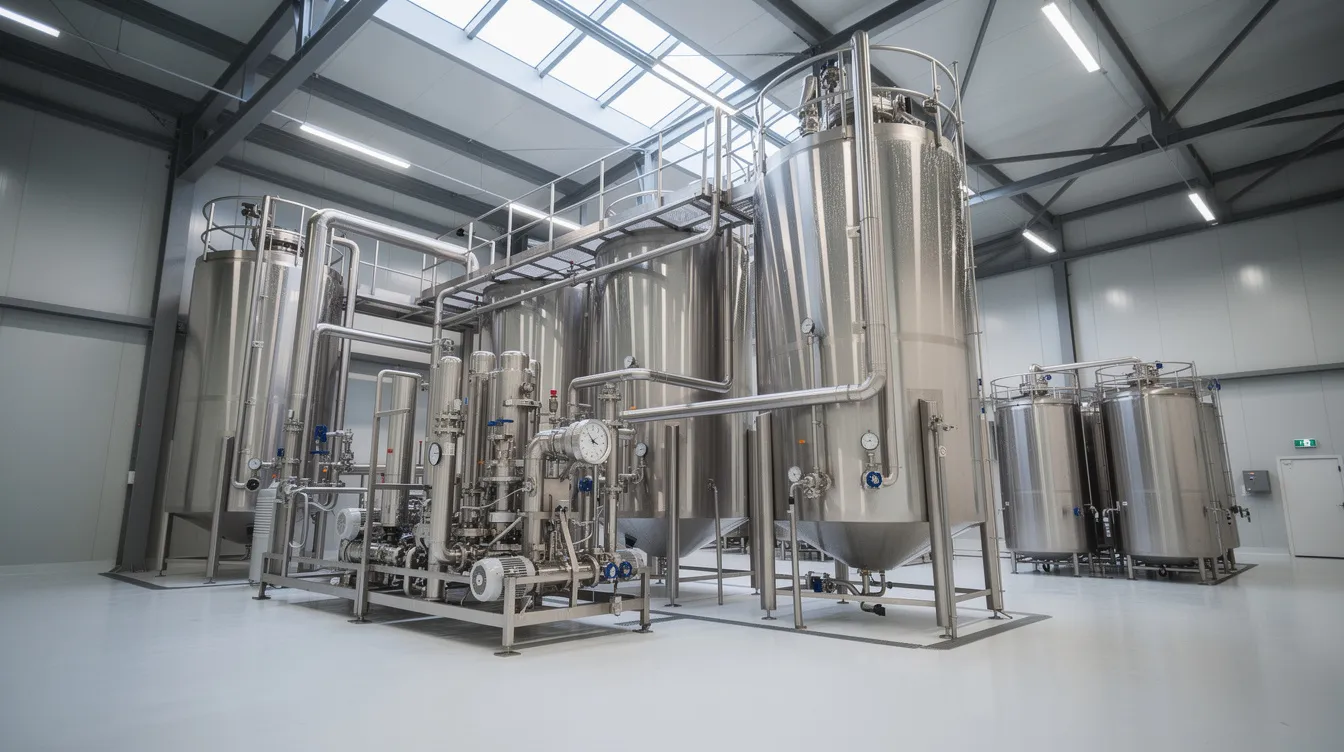
Liquid whey is the serum phase left after milk is coagulated during cheese, paneer or casein production. It typically contains about 93–94% water, 4.5–5% lactose, 0.6–0.8% protein (including essential amino acids and branched chain amino acids), 0.5–0.7% minerals and traces of fat. A whey processing plant is an industrial manufacturing plant that collects, clarifies, pasteurises and concentrates this liquid whey into value-added products instead of treating it merely as dairy wastewater.
Key distinctions that affect plant setup and product selection:
- Sweet whey (from rennet or enzyme-based cheese) has a pH of approximately 5.5–6.5, lower mineral content, and proteins that retain better functionality-making it more suitable for WPC and WPI manufacturing.
- Acid whey (from paneer, chhana, strained yogurt and some cultured products) has a lower pH, higher mineral content and more denatured protein. It is better suited for permeate powder, lactose recovery, lower-grade whey powders or fermentation applications.
Rapid whey collection, chilling below 4–5°C and hygienic handling are critical to control microbial load and preserve functional proteins. This directly impacts capital investments in insulated storage tanks, chillers and CIP systems that ensure hygienic operations in whey processing plants.
Not all whey streams are suitable for high-grade WPC or WPI manufacturing. A good whey manufacturing plant project report must therefore start with detailed laboratory analysis of the available raw material-covering protein, fat, lactose, mineral profile, pH, acidity and microbiological load.
Why Indian Dairy Processors Are Considering Whey Projects
The global whey protein market was valued at USD 5.69 billion in 2025 and is expected to reach USD 7.69 billion by 2034, exhibiting a CAGR of 3.41% from 2026 to 2034. Rising health consciousness drives demand for whey protein products, and whey protein is increasingly used in sports nutrition and medical foods. The whey protein industry has moved beyond bodybuilding supplements into functional foods, clinical nutrition, infant formula and the broader beverage industry. India, despite being the world’s largest milk producer, still imports an estimated 80–85% of its supplement-grade whey protein-creating a compelling import-substitution opportunity.
Key drivers prompting Indian dairy processors to evaluate whey projects:
- Environmental compliance pressure: untreated whey discharge is legally problematic due to high biological and chemical oxygen demand, and Pollution Control Boards are increasingly strict.
- Better value realisation from existing cheese and paneer operations by converting a waste stream into saleable products.
- Growing domestic demand for whey protein powder, whey powder and lactose in dietary supplements, weight management products and protein enriched diets.
- Diversification of revenue for integrated dairy processing plants seeking higher margins.
Promoters already studying cheese plant investments often add whey processing as a second-phase capital expansion. Serious investors normally look at projects with total whey processing plant investment upwards of ₹10 crore for commercial viability and meaningful economies of scale.
Products That Can Be Manufactured from Whey
Final product selection drives both whey processing plant setup cost and technology. Higher protein purity and demineralisation typically mean higher direct and indirect costs, more sophisticated machinery and tighter quality control.
- Liquid whey (clarified, chilled) for sale to feed manufacturers or further processing-lowest incremental investment, limited value realisation.
- Concentrated whey (via RO or evaporation) for captive use in animal feed or fermentation-moderate investment in membranes and evaporators.
- Sweet whey powder-requires evaporation and spray drying; represents a significant jump in whey manufacturing plant cost and is used by bakery, confectionery and food processors.
- Demineralised whey powder (40–90% demineralisation)-adds electrodialysis or ion-exchange systems and stricter quality control; used in infant formula and clinical nutrition.
- Whey protein concentrate (WPC 35, 60, 80)-needs ultrafiltration, diafiltration and sometimes partial demineralisation; higher membrane area and more filtration stages push up capital costs. WPC is a complete protein and is the backbone of the sports nutrition industry.
- Whey protein isolate (WPI 90+)-combines multiple membrane steps, advanced demineralisation and high-specification drying; whey protein isolate commands premium pricing but requires very high industrial whey processing plant cost.
- Lactose and permeate powder-requires crystallisation, decanting and additional drying capacity, often part of integrated dairy ingredients manufacturing complexes.
- Mineral-rich dairy ingredients and feed/fermentation streams from residual permeate-low-value but important for maximising overall plant profitability and waste management systems.
Customer segments (sports nutrition brands, infant-formula manufacturers, bakery, beverage industry, fermentation companies) directly affect packaging infrastructure, quality-assurance laboratories and working capital requirements.
Factors Determining Whey Processing Plant Cost
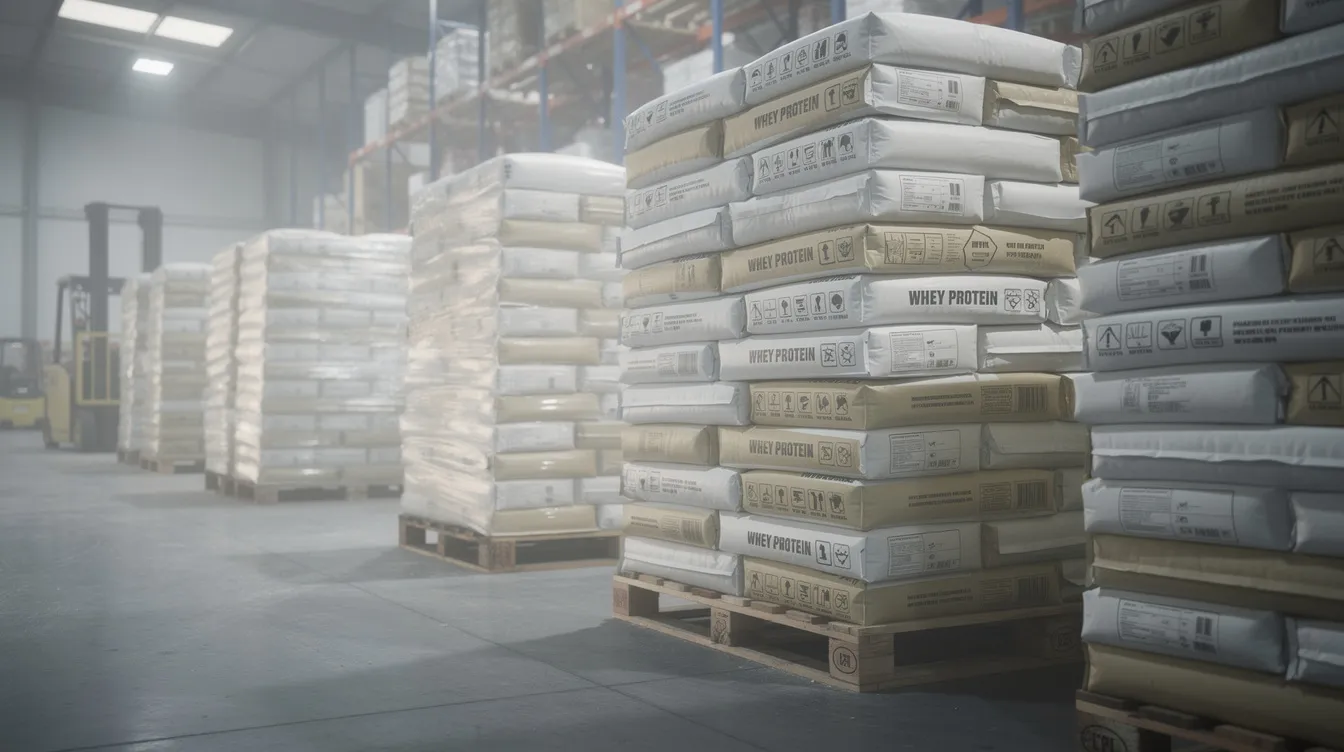
Whey processing plant project cost is highly sensitive to both technical and commercial variables. Promoters should treat this section as a checklist before deciding capacity and configuration. The location of a whey processing plant can impact transportation costs and overall economics, while cost components for whey processing include land, machinery, utilities, and compliance.
Key factors:
- Daily liquid whey availability (litres per day) and its seasonal pattern.
- Consistency of whey quality (protein, fat, lactose, minerals, pH, microbial load) and proportion of sweet vs acid whey.
- Target final product and required protein content or purity level.
- Solids content of incoming whey and the required concentration ratio-this determines membrane area and evaporation capacity.
- Membrane configuration (microfiltration, ultrafiltration, nanofiltration, RO, diafiltration) and number of stages.
- Need for demineralisation (electrodialysis or ion exchange) and lactose crystallisation.
- Spray-dryer size, type (co-current, counter-current) and air-handling system.
- Degree of automation, SCADA integration, automatic CIP and PLC-based process control.
- Hygienic design and material of construction (SS304 vs higher grades, EHEDG-type designs).
- Packaging format (25 kg bags, big bags, consumer packs) and level of powder handling, sieving and metal detection.
- Land cost and civil construction complexity including wet/dry zone separation, HVAC and drainage.
- Location-specific utility tariffs for power, steam, water and fuel.
- Effluent-treatment requirements and whether zero-liquid-discharge is expected.
- Share of imported machinery vs Indian supply, impact of foreign-exchange rates and import duties on whey processing machinery price in India. Import duties on dairy machinery (HS 84342000) can add approximately 28% to the CIF value of imported equipment.
- Laboratory and quality-assurance infrastructure for buyer specifications and export standards.
The heads that usually dominate the industrial whey processing plant cost are: membrane and evaporation systems, spray dryer and powder-handling equipment, utilities and ETP, and civil construction for high-hygiene areas.
Capacity Planning and Material Balance
Realistic plant capacity must be based on actual whey generation from the associated cheese, paneer or casein production facility, not on theoretical market demand alone. Whey processing relies on membrane technology and thermal drying, and the design of each system must match actual volumes and composition.
- Assess daily whey generation across seasons. Typical cheese production yields 9–10 litres of whey per kg of cheese produced; paneer generates similar volumes of acid whey.
- Convert volume into solids and protein load using laboratory analysis (e.g., whey at 6% total solids, 0.7% true protein).
- Select design capacity based on peak or average supply, planned operating hours (typically 16–20 hours/day for continuous-drying operations) and annual working days (330–350 days/year for medium-large plants).
- Estimate material balance across membrane concentration, evaporation and drying: membrane retention vs permeate, evaporation losses, final powder yield.
- Plan for lower capacity utilisation in start-up years (50–70% in initial 1–2 years) for realistic project finance projections.
Illustrative example (for explanation only, not a design standard): For 1,00,000 litres/day of sweet whey at 6% total solids and approximately 0.7% protein, total available protein is about 700 kg/day. With 75% protein recovery through UF and diafiltration, approximately 525 kg of recovered protein translates to roughly 650–700 kg/day of WPC 80 powder (at ~80% protein on dry basis), subject to actual analysis and vendor-supplied recovery data.
A professional whey processing plant DPR should always be built on laboratory reports for whey composition and pilot-scale or vendor-supplied recovery data, not on textbook assumptions. A significant component of CapEx for whey processing plants is equipment procurement sized to actual throughput.
Major Plant and Machinery
Whey processing plant equipment cost is driven by a series of specialised, food-grade systems that must operate as an integrated line from whey reception to final packaging. Whey processing plants require advanced membrane filtration technology, and machinery costs account for the largest portion of capital expenditure-with spray dryers alone typically representing 35–40% of total plant CapEx in powder-producing plants.
| Machinery Group | Technical Purpose | Essential for All Plants? | Key Capacity Parameter | Cost Impact of Automation / Import |
|---|---|---|---|---|
| Whey receiving, storage and balance tanks | Reception, volume buffering | Yes | m³ tank capacity | Moderate; SS grade matters |
| Clarifier / separator | Fat and fines removal | Yes | m³/hr flow | Moderate |
| Pasteurisation system | Eliminate harmful microorganisms, food safety | Yes | litres/hr | Moderate; plate vs tubular |
| Chilling system | Temperature control, preserve protein | Yes | kW refrigeration | Moderate–High |
| Microfiltration (MF) | Pre-treatment, bacteria removal | Product-dependent | m² membrane area | High if imported |
| Ultrafiltration (UF) | Protein concentration | Required for WPC/WPI | m² membrane area | High; drives WPC plant cost |
| Nanofiltration (NF) | Partial demineralisation, lactose reduction | Product-dependent | m² membrane area | High |
| Reverse osmosis (RO) | Water removal, pre-concentration | Common | m² membrane area | Moderate–High |
| Diafiltration | Protein washing, purity improvement | Required for WPC 80 / WPI | Integrated with UF | High |
| Electrodialysis / ion exchange | Demineralisation | Required for demin whey / WPI | eq/hr capacity | Very high if imported |
| Membrane CIP system | Cleaning membranes | Required with membranes | Integrated | Moderate |
| Multiple-effect evaporator (MEE) | Concentration before drying | Required for powder plants | kg/hr water evaporation | High; MVR option costlier |
| Crystallisation system | Lactose crystallisation | Required for lactose recovery | Batch volume | Moderate–High |
| Spray dryer + fluid bed | Powder formation, agglomeration | Required for powder products | kg/hr powder output | Very high; largest single item |
| Powder conveying, sieving, metal detection | Powder handling, safety | Required for powder plants | kg/hr throughput | Moderate |
| Packaging line | Final packing | Yes | bags/hr | Moderate–High |
| Refrigeration plant | Process and storage cooling | Yes | TR capacity | High |
| Boiler and steam system | Heat and steam generation | Yes | TPH steam | High; fuel type matters |
| Water-treatment plant | Process water quality | Yes | m³/hr | Moderate |
| CIP system | Plant-wide cleaning | Yes | Integrated | Moderate |
| Air compressor | Instrument air, conveying | Yes | CFM | Low–Moderate |
| Electrical panels, PLC/SCADA | Control and automation | Yes (degree varies) | kW connected load | High for full SCADA |
| Quality-control laboratory | Product testing, compliance | Yes | Instrument count | Moderate–High |
| Effluent-treatment plant | Wastewater management | Yes | m³/day capacity | Moderate–High |
A PLC and SCADA-compatible system enhances control in processing plants and is increasingly expected by institutional buyers and export markets. Some modern whey processing systems support capacities from 500 to 10,000 litres per hour, covering a wide range of plant scales.
The complete cost of whey processing plant machinery must include basic ex-works price plus GST, packing, freight, insurance, unloading, civil foundations, utilities connection and commissioning. No vendor should be recommended without verified quotation data.
Technology Comparison – Membranes, Evaporation and Drying
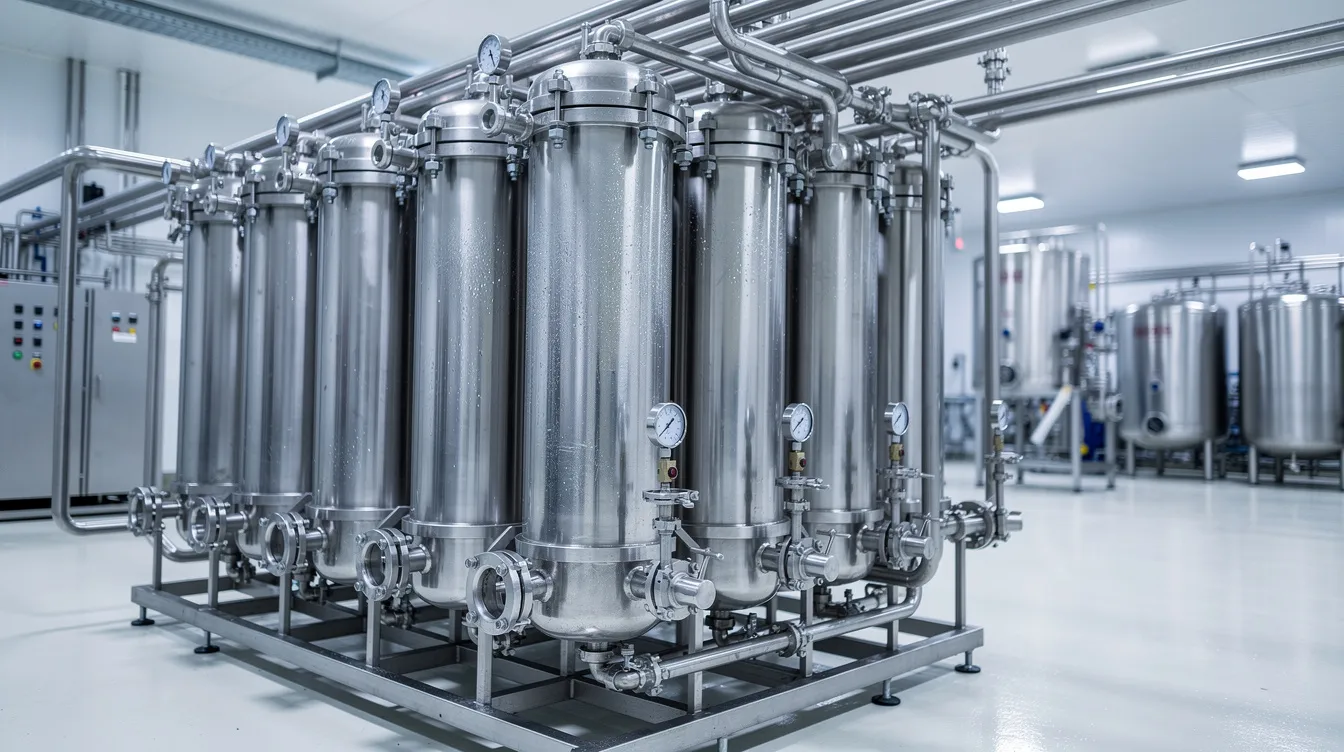
Technology selection determines achievable product specifications and directly influences whey manufacturing plant cost and operating expenses. Membrane filtration is critical for producing whey protein concentrate and isolate, while thermal drying converts concentrated liquid into shelf-stable powder. Whey processing requires stainless steel turbines with ceramic filters in certain advanced membrane configurations.
| Technology | Purpose | Key Advantages | Limitations | Investment Implication |
|---|---|---|---|---|
| Microfiltration (MF) | Fat/bacteria removal | Cold processing, preserves protein | Fouling, limited separation range | Moderate CapEx |
| Ultrafiltration (UF) | Protein concentration | Core for WPC/WPI, scalable | Membrane fouling, replacement cost | High CapEx; drives WPC/WPI cost |
| Nanofiltration (NF) | Partial demineralisation, lactose reduction | Reduces mineral load without full demin | Energy use, membrane cost | Moderate–High CapEx |
| Reverse Osmosis (RO) | Water removal, pre-concentration | Lower energy than evaporation | Limited concentration ratio | Moderate CapEx |
| Diafiltration | Protein washing for higher purity | Essential for WPC 80+ and WPI | Water and time intensive | Integrated with UF; adds cost |
| Electrodialysis / Ion Exchange | Demineralisation | Precise mineral removal | Expensive, complex operation | Very High CapEx |
| Multiple-effect evaporation (MEE) | Concentration before drying | Energy-efficient at scale | Large footprint, steam demand | High CapEx |
| Spray drying | Powder formation | Produces shelf-stable powder | Very energy-intensive, highest single CapEx item | Very High CapEx |
Advanced membrane filtration combined with efficient evaporation and spray drying defines the production process for every grade of whey protein powder. Whey powder production requires less capital investment compared to WPC or WPI facilities primarily because of fewer membrane stages and lower purity demands.
Land, Building and Hygienic Infrastructure
Land and civil construction for a whey processing plant in India must follow food-safety norms. Hygienic zoning, air handling and food-grade surfaces can increase infrastructure costs significantly compared to generic industrial buildings-sometimes by 40–60% per square metre.
Key building blocks:
- Raw whey receiving and tanker unloading bay with proper drainage and washdown facilities.
- Wet-processing area (clarification, pasteurisation, membranes, evaporator) with washable, non-porous surfaces and slope drains.
- Drying section and powder-handling area with controlled air, dust collection and restricted personnel access.
- Packing room, finished-goods warehouse and, where required, cold storage for sensitive ingredients.
- Utility block (boiler, refrigeration, air compressor, water treatment), laboratory, ETP area and staff facilities.
- Internal roads, fire-hydrant lines, parking and provision for future expansion.
For a medium-scale whey powder and WPC plant, total covered and open area may range from 3,000–8,000 square metres, but actual requirement depends entirely on site layout, local building regulations and whether the whey line is integrated with an existing dairy or cheese plant. Costs for RCC structures, food-grade floor finishes, insulated panels, HVAC and fire-safety infrastructure should be properly captured in the whey processing plant project cost breakdown.
Detailed Project Cost Breakdown
For bank appraisal and internal decision-making, the total whey processing plant project cost must be split into detailed heads-not treated as just “machinery cost.” A significant component of CapEx is equipment procurement, but the remaining heads collectively add 30–60% to the investment.
| Cost Head | Nature | Remarks |
|---|---|---|
| Land and site development | Fixed asset | Varies widely by state and location |
| Factory building and civil construction | Fixed asset | Hygienic food-grade construction premium |
| Whey receiving, storage and chilling | Plant & machinery | Essential for all configurations |
| Membrane filtration systems (MF/UF/NF/RO/diafiltration) | Plant & machinery | Major cost driver for WPC/WPI |
| Demineralisation systems | Plant & machinery | Product-dependent |
| Multiple-effect evaporator | Plant & machinery | Required for powder plants |
| Spray dryer and fluid-bed dryer | Plant & machinery | Largest single CapEx item |
| Powder handling, conveying, sieving, metal detection, packaging | Plant & machinery | Product-dependent |
| Utilities (boiler, refrigeration, compressors, water treatment, electrical substation) | Plant & machinery | Scale-dependent; energy-intensive |
| Electrical installation and automation (MCCs, PLC/SCADA) | Fixed asset | Higher automation = higher cost |
| Laboratory instruments | Fixed asset | Essential for quality control |
| Effluent-treatment plant and environmental systems | Fixed asset | Mandatory; zero-liquid-discharge adds cost |
| Office equipment and miscellaneous fixed assets | Fixed asset | Relatively minor |
| Technical consultancy, engineering and supervision | Pre-operative | Process design and commissioning |
| Installation, erection and commissioning | Project cost | Often 8–15% of machinery cost |
| Preliminary and pre-operative expenses (company formation, interest during construction, trial runs) | Project cost | Must not be ignored |
| Contingency | Project cost | Typically 5–10% of fixed assets |
| Margin money for working capital | Project cost | Included in total project cost for bank purposes |
Key distinctions:
- Basic machinery price (ex-works) vs delivered cost (including GST, freight, insurance) vs installed cost (including civil foundations, utilities connection, commissioning).
- Fixed capital investment vs total project cost, which includes working capital margin and pre-operative expenses.
- Capital expenditure (CapEx) vs operating expenses (OpEx)-membrane replacement, for instance, straddles both categories depending on accounting policy.
All cost distributions or ranges in this article are illustrative, based on 2025–26 price levels. Promoters must rely on current vendor quotations and site-specific estimates for final budgeting.
Cost Comparison by Product Configuration
Whey plant setup cost escalates significantly as you move from simple concentration to advanced ingredient manufacturing, even at the same whey input capacity.
- Basic whey concentration and volume reduction: Low capital intensity. No spray dryer or extensive membranes needed. Primarily RO and evaporation.
- Whey powder manufacturing plant (sweet whey powder): Medium-to-high capital intensity. Requires evaporation and spray drying. Cost of whey powder manufacturing plant in India for a medium-scale unit can range from ₹20–60 crore.
- WPC manufacturing plant (WPC 60–80): High capital intensity. Adds UF, diafiltration, increased membrane area. WPC manufacturing plant setup cost is driven by membrane train design and drying efficiency. Indicative range: ₹80–120 crore.
- WPI manufacturing plant (WPI 90+): Very high capital intensity. Multi-stage membranes, electrodialysis, tighter QA systems. WPI manufacturing plant cost per tonne of finished product is the highest in the whey processing value chain.
- Lactose recovery unit: Adds crystallisation, decanting and a separate drying line. Often economical only when integrated with WPC or WPI production.
- Fully integrated dairy ingredients manufacturing plant: Combines WPC, WPI, lactose, permeate powder and demineralised whey. Total capital investments can exceed ₹200–300 crore.
Each configuration affects utility sizing, laboratory instruments, packaging infrastructure and overall whey processing plant investment and ROI expectations.
Utility Requirements and Cost Implications
Evaporation and spray drying are extremely energy-intensive, and energy infrastructure (boiler, refrigeration, electrical substation) often becomes a major component of both industrial whey processing plant cost and operating expenses. Utilities are a key part of the operational cost structure, and energy consumption is a major component of operating expenses.
- Electricity: motors, pumps, SCADA controls, lighting and powder-handling conveyors.
- Steam: pasteurisation, CIP heating, evaporation-the largest thermal energy consumer.
- Process water: product-contact quality, subject to strict parameters.
- Chilled water and refrigeration: whey storage, process cooling, cold stores.
- Compressed air: valve actuation, powder conveying, packaging equipment.
- Boiler fuel (coal, briquettes, gas, furnace oil): long-term price trends materially affect profitability.
- Water treatment (softening, RO) and CIP chemicals: recurring consumable cost.
- HVAC and clean-air systems: essential in drying and packing areas.
- ETP running cost: sludge disposal, chemical dosing, energy for aeration.
Accurate energy-cost modelling is essential in the whey processing plant feasibility study because power and fuel costs can swing the cost of production by 15–25% depending on tariff changes and fuel-price volatility. Pre-concentration using RO or NF before evaporation can reduce thermal energy consumption by 45–55%, making system design a critical financial decision.
Raw Material and Whey Procurement Planning
In most cases, the key raw materials for a whey processing plant come as captive whey from a connected cheese or paneer unit. However, some Indian promoters plan standalone plants sourcing from multiple dairy processing units.
- Assess captive whey availability from an integrated cheese plant. Promoters already studying cheese plant machinery and equipment cost should plan whey utilisation simultaneously.
- Evaluate procurement from nearby dairies within an economic collection radius (typically 50–100 km), factoring in transport and chilling costs.
- Mandate insulated tankers, rapid chilling and incoming-whey testing for pH, protein, acidity, microbiological load and adulteration.
- Mitigate risk by avoiding dependence on a single external supplier; secure written supply agreements with volume and quality commitments.
- Account for seasonal fluctuations in milk and cheese production that directly affect whey volumes and plant utilisation.
- Maintain traceability and food-safety documentation, especially for export-oriented products.
Even a technologically advanced, high-investment whey processing plant in India can become financially stressed if whey supply is inconsistent or chemically unsuitable for the intended products. Raw material requirements must be validated before machinery is ordered.
Manpower Requirement and Automation
Whey processing plants are capital-intensive and increasingly automated. Human resource requirements, however, remain significant-particularly for process control, quality assurance and maintenance.
- Plant head / operations manager.
- Dairy technologist / process engineer for membranes and evaporation.
- Shift supervisors and membrane-filtration operators.
- Evaporator and spray-dryer operators.
- Boiler, refrigeration and utility operators.
- QC/QA team including microbiology and chemistry analysts.
- Maintenance engineers and technicians (mechanical, electrical, instrumentation).
- Packaging line staff, stores and warehouse personnel.
- Procurement, logistics, finance and administration staff.
Higher automation reduces headcount on the shop floor but increases the need for technically trained staff, which must be factored into fixed costs and operating expenses.
Working Capital Requirement
In whey processing, working capital is driven not only by whey procurement but also by energy, consumables, membranes, packaging and the credit cycle with large institutional buyers.
- Raw material whey cost (if purchased) or transfer price from the associated dairy.
- Packaging materials (bags, liners, cartons, pallets), labels and export-compliance costs.
- Chemicals and consumables (CIP chemicals, membrane cleaners, lab reagents, lubricants).
- Boiler fuel, electricity, refrigeration and water.
- Salaries, wages and contract labour.
- Regular membrane replacement and critical-spares inventory.
- Finished-goods inventory (buffer stocks of whey powder, WPC, WPI, lactose).
- Trade receivables from bulk buyers, traders and export customers.
- Cash buffer for contingencies and statutory payments.
A simple working-capital estimate for a medium-scale WPC plant might consider one month of operating expenses plus 30–45 days of receivables and 15–20 days of finished-goods inventory, less supplier credit-but this must be validated against the actual operating cycle. Margin money for working capital is normally included within total whey processing plant project cost for bank-finance discussions.
Means of Finance for a Whey Processing Plant
Medium and large whey processing projects (₹10 crore and above) are generally financed through a mix of promoter equity, term loans and working-capital limits, sometimes supplemented by unsecured loans or strategic equity investors.
- Promoter’s own contribution (equity share capital)-typically 25–40% of total project cost.
- Term loan from banks or financial institutions for fixed assets.
- Working-capital limits (cash credit, WCDL, export packing credit) based on operating cycle.
- Unsecured loans from promoters/associates where permitted by lender covenants.
- Machinery finance or lease for specific high-value equipment.
- Equity investment from strategic or financial investors, especially in larger dairy-ingredient ventures.
- Eligible capital subsidies or interest subvention schemes, subject to official notifications and approvals.
An illustrative means-of-finance structure for a notional ₹50 crore whey powder project might show 35% promoter equity (₹17.5 crore) and 65% term loan (₹32.5 crore), but the final debt-equity structure depends on project risk, promoter strength, collateral availability, repayment capacity and lender policy.
Subsidy and Government Assistance (Indicative, to Be Verified)
Subsidy norms change frequently. Promoters must always refer to the latest guidelines from official websites before making investment decisions. No whey processing plant should be assumed viable only because of an expected subsidy-lenders generally appraise projects on their own financial strength.
Types of schemes that may be relevant as of 2025–26:
- Ministry of Food Processing Industries (MoFPI): Schemes supporting food-processing infrastructure, including dairy ingredients manufacturing plant investments. Eligibility, nature of support (capital subsidy, interest subvention) and conditions vary by scheme. Check current status at the MoFPI website.
- Department of Animal Husbandry and Dairying: Programmes supporting dairy infrastructure, potentially covering whey utilisation projects.
- NABARD and SIDBI: Refinance or interest-subvention schemes for agro-processing and MSME units.
- State-level industrial policies: Capital subsidies, SGST refunds or interest assistance under state food-processing or dairy policies.
For every scheme, a Detailed Project Report must typically be submitted and approval obtained before incurring major plant setup expenditure. Promoters should verify eligibility (MSME vs large units, new vs expansion) and application timelines directly with the relevant authority.
Licences and Statutory Approvals
Regulatory requirements vary across states, but whey processing plants are treated as food-processing units and must comply with dairy and environmental norms. Compliance with regulatory standards requires significant investment in quality control and documentation.
Likely key regulatory procedures and registrations:
- Business entity registration (company/LLP/firm), PAN and GST registration.
- Udyam registration for eligible MSMEs.
- FSSAI licence for dairy and dairy ingredients manufacturing-FSSAI licensing is required for dairy processing and health supplements in India.
- Factory licence and building-plan approval.
- State Pollution Control Board consent to establish and operate (air, water, hazardous waste).
- Fire-safety NOC and hydrant approvals.
- Boiler registration and periodic inspection.
- Electrical safety approvals and load sanction from the distribution company.
- Labour-law registrations (ESI, EPF, professional tax, as applicable).
- Legal Metrology registration for packaged commodities.
- Import Export Code (IEC) for export-oriented projects.
- Key certifications required for institutional and export buyers (ISO 22000, HACCP, BRC, organic certifications as applicable).
Engage local consultants or directly approach authorities for the latest checklists and timelines, as statutory non-compliance can delay commissioning and escalate project cost.
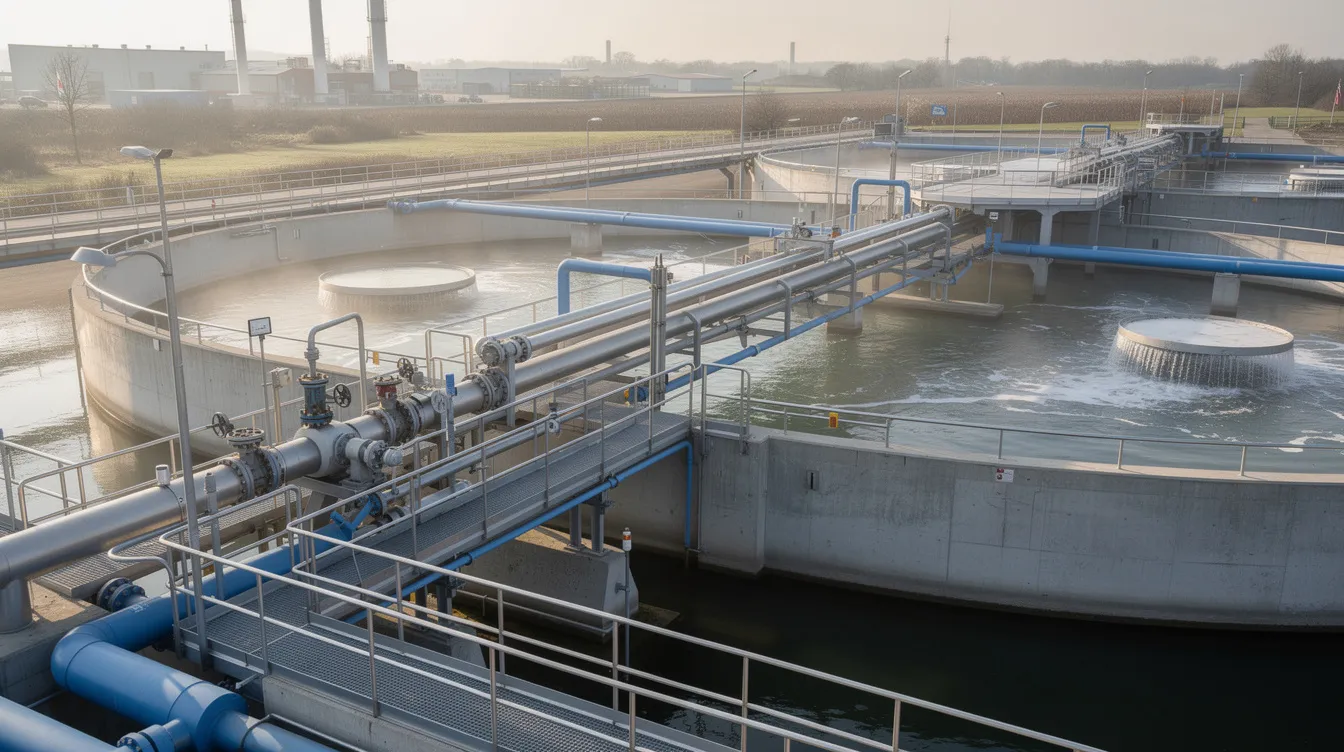
Environmental Management and Effluent Treatment
Environmental compliance is essential for dairy plants due to the high biological oxygen demand of untreated whey. Raw whey can have BOD exceeding 35,000–50,000 mg/L and COD even higher, making it among the most polluting organic effluents if discharged without treatment.
- Maximise value from whey by converting as much as possible into saleable products before ETP-this is both environmentally and financially sound.
- Handle permeate streams through fermentation, feed applications or further concentration to reduce ETP load.
- Design ETP with adequate screening, equalisation, aerobic/anaerobic biological treatment and sludge handling. Explore water-reuse options for non-product-contact applications.
- Manage CIP wastewater and chemicals separately, and comply with location-specific discharge norms (verified with State Pollution Control Boards).
- Budget for environmental-monitoring costs and ETP operation within operating expenses.
A well-designed whey utilisation project transforms a pollution problem into a value-added dairy ingredients manufacturing opportunity-but only if both product-recovery and environmental systems are properly engineered and budgeted.
Operating Cost and Cost of Production
Any realistic whey processing plant profitability assessment must be built on a detailed cost-of-production model. Operating costs are primarily driven by raw material consumption-specifically, raw liquid whey accounts for 50–60% of total operating expenses. Variable costs (whey, energy, packaging, consumables) dominate, while fixed costs (salaries, depreciation, insurance) provide a base load.
Key operating-cost heads:
- Whey procurement or transfer price.
- Transport and chilling of incoming whey (where applicable).
- Power and fuel (electricity, boiler fuel, refrigeration).
- Water and water-treatment costs.
- Membrane cleaning, replacement and other consumables.
- CIP chemicals and sanitation consumables.
- Packaging material costs for various pack sizes.
- Salaries, wages and contract labour.
- Repairs and maintenance, including imported spares-raw material costs and foreign-exchange risks on imported membranes are recurring concerns.
- Laboratory and product-testing expenses.
- Effluent-treatment and sludge disposal.
- Selling, marketing, logistics and distribution costs.
- Interest, finance charges and insurance.
- Depreciation (for internal costing and profitability analysis).
Operating costs are projected to increase significantly by year five as membrane replacement cycles, maintenance and inflation take effect-a factor that must be modelled in expenditure projections. These figures are not industry benchmarks; each plant requires its own cost-of-production model based on actual input prices, recovery rates and utility tariffs.
Revenue Model and Product Mix Strategy
Revenue potential depends on final product mix, quality level, buyer relationships and export readiness-not just on plant capacity.
- Primary revenue streams: whey powder, demineralised whey powder, WPC grades, WPI, lactose and permeate powder.
- Secondary opportunities: contract processing for other brands, toll drying, custom WPC blends for the beverage industry.
- Market segments: domestic food and beverage manufacturers, nutraceutical brands, institutional buyers, export customers. Market research and comprehensive market overview of end-user segments should inform product selection.
- Buyer qualification is critical-especially for infant formula, clinical nutrition or medical-nutrition applications, where product approvals and technical trials take 6–18 months.
- Designing a plant entirely around premium WPI exports without proven technical capability or confirmed buyers is a significant risk factor.
Align plant configuration, quality-assurance level and packaging infrastructure with a realistic, evidence-based product-mix strategy tested and validated in the DPR. Understanding price trends and industry trends in the whey protein sector is important but should not substitute for direct buyer engagement.
Profitability, Break-Even and Financial Viability
Lenders and investors assess whey processing plant projects primarily through projected profitability and debt-servicing capability based on realistic assumptions. Financial projections include expected ROI and net present value as standard indicators. Gross profit margins for whey protein plants typically range between 40–50%, but actual results are highly project-specific.
Standard financial indicators in a whey processing plant DPR:
- Sales realisation and contribution margin.
- EBITDA and profit before tax.
- Cash accrual and free cash flow.
- Break-even sales level and capacity-utilisation break-even point.
- Debt Service Coverage Ratio (DSCR) and interest-coverage ratio.
- Project IRR and equity IRR.
- Payback period and return on capital employed.
Financial analysis must account for the reality that whey protein continues to command premium prices in certain segments, but market prices fluctuate and new entrants increase competition. No guarantee of profitability can be given. Results are very sensitive to whey cost, energy price, product yields, plant uptime and market prices. Operating costs are projected to increase over the medium term, and sensitivity scenarios must test this.
Sensitivity and Risk Analysis
Serious project-finance appraisals for whey processing plant projects always incorporate sensitivity and risk analysis, as milk and energy prices are inherently volatile. Risk management is not optional-it is central to bankable project documentation.
Key sensitivity variables to test:
- Lower-than-planned plant utilisation in initial years.
- Reduction in average selling prices of whey powder, WPC or WPI.
- Higher whey procurement or transfer price.
- Increase in power and fuel costs.
- Lower protein or lactose recovery than design values.
- Higher membrane replacement frequency.
- Cost overruns and commissioning delays.
- Longer receivable cycle than planned.
- Changes in product mix (e.g., lower WPC sales, more bulk whey powder).
| Sensitivity Variable | Change Tested | Indicative Impact on EBITDA | Indicative Impact on DSCR |
|---|---|---|---|
| Capacity utilisation | –15% from base | Significant decline | May fall below 1.3x |
| Selling price | –10% across products | Moderate-to-significant decline | Stress on coverage |
| Whey cost | +15% | Moderate decline | Moderate stress |
| Power and fuel cost | +10% | Moderate decline | Mild stress |
| Protein recovery | –10% from design | Significant decline | Noticeable stress |
Illustrative model only. Actual sensitivity depends on base-case assumptions, cost structure and leverage.
Proper risk identification and mitigation planning-covering risk factors such as supply disruption, technology obsolescence, regulatory changes and market-price erosion-greatly improves the quality of a whey processing plant feasibility study presented to lenders.
Common Costing and Planning Mistakes
From my advisory experience across dairy and food-processing projects, many whey projects face stress because of avoidable planning errors:
- Assuming the whey processing plant machinery cost equals total project cost-ignoring civil works, utilities, ETP, working capital and contingencies.
- Finalising capacity without proper whey-quality analysis or material-balance modelling.
- Overestimating whey availability from associated plants or external suppliers.
- Ignoring membrane-replacement cost and fouling behaviour in operating expenses.
- Underestimating energy requirement for evaporation and spray drying.
- Delaying ETP design or under-budgeting environmental compliance costs.
- Assuming 90–100% capacity utilisation from the first year.
- Using unrealistic selling prices without buyer feedback or competitor analysis.
- Treating capital subsidy as guaranteed and building it into base projections.
- Failing to include interest during construction and pre-operative expenses.
- Starting construction before freezing process design, plant layout and finance plan.
- Ignoring imported-spares and foreign-exchange risks on ongoing membrane and spare-parts procurement.
A structured, bank-oriented whey processing plant DPR-covering various unit operations involved, market research, financial analysis and sensitivity testing-helps avoid many of these issues.
Information Required for Preparing a Whey Processing Plant DPR
Promoters seeking a bankable whey processing plant project report with financial projections should prepare the following:
- Project location and proposed land details.
- Promoter profile and existing dairy/cheese operations, if any.
- Source, type and laboratory analysis of whey (sweet/acid, full composition).
- Daily whey availability and seasonal variation.
- Proposed product mix (whey powder, WPC, WPI, lactose, permeate powder) and target markets.
- Desired plant capacity and hours of operation.
- Preliminary machinery configuration and budgetary quotations from vendors.
- Utility availability (power load, water source, fuel options) and tariff details.
- Proposed selling prices with evidence from market enquiries or competitor benchmarking.
- Identified buyers or segments and likely payment terms.
- Manpower plan and wage structure.
- Implementation schedule and expected commercial-operations date.
- Proposed means of finance and likely loan terms.
- Any expected subsidy or special state incentives (with current notification references).
Even moderate changes in capacity, product mix or technology can materially change capital investments, operating expenses, working capital and repayment capacity-which is why DPRs must be updated whenever project assumptions change.
Role of a Professional Project Report and Financial Modelling
I, CA Manish Gugliya, have observed that banks and financial institutions evaluate dairy-ingredient projects through the lens of an integrated technical-cum-financial document. A comprehensive project model should include process flow, mass balance, and energy balance alongside detailed financial projections. Without this, loan proposals remain incomplete and often face repeated queries.
Key components of a comprehensive whey processing plant DPR:
- Technical description of the manufacturing process and machinery configuration.
- Capacity planning and material balance.
- Project cost breakup and means of finance.
- Working-capital assessment and operating-cycle analysis.
- Profitability projections and cost-of-production statements.
- Projected balance sheet, profit-and-loss and cash-flow statements.
- Break-even and DSCR analysis.
- Project IRR, equity IRR and payback period.
- Sensitivity analysis and key risk factors.
- Loan-repayment schedule aligned with projected cash flows.
ProjectReportBank.com hosts detailed dairy-sector resources such as the milk powder plant setup cost in India, milk powder plant machinery and equipment cost and milk powder plant project cost and means of finance, which illustrate the type of analysis also needed for whey processing projects. The milk powder plant financial projections resource demonstrates how profitability modelling should be structured for powder-based dairy plants.
While financial projections are prepared with professional care, they are estimates based on stated assumptions and cannot be treated as guaranteed outcomes. No projections should be described as “certified.”
FAQ – Whey Processing Plant Setup Cost in India
How much does it cost to set up a whey processing plant in India?
There is no single figure. For medium-scale plants linked with sizeable cheese or casein production units, total project cost as of 2025–26 can typically run from ₹20–60 crore for a basic whey powder plant, ₹80–120 crore for a WPC plant and ₹150–250 crore for a supplement-grade WPI facility. Fully integrated WPI/lactose complexes can exceed ₹200–300 crore. Actual investment depends on capacity, technology, whey quality, location and product specifications. A turnkey whey processing plant cost estimate should always be based on current vendor quotations and a detailed project report.
Is a whey processing plant profitable in India?
Profitability is achievable but highly project-specific. Key drivers include stable and adequate whey supply at a reasonable cost, capacity utilisation above break-even levels, energy-efficient operation, a well-chosen product mix aligned with confirmed buyers, and disciplined cost control. High protein diets and protein rich diets are driving demand for whey protein products, but competitive pricing, import parity and quality standards determine realisable margins. A proper whey processing plant DPR with sensitivity analysis is essential before concluding viability.
What is the minimum viable capacity for a whey processing plant?
While small pilot units exist, commercially bankable whey powder or WPC projects generally require substantial daily whey volumes-typically linked to cheese or paneer production processing several tens of thousands of litres of milk per day. The minimum viable capacity must be evaluated case by case, considering local whey availability, product choice, utility costs and breakeven economics.
Is a spray dryer compulsory for a whey processing plant?
Spray drying is required for manufacturing shelf-stable powders-whey powder, permeate powder, WPC, WPI and lactose powder. Some projects focus only on liquid whey concentration or intermediate ingredients (e.g., concentrated liquid whey for feed or fermentation), where a spray dryer is not needed. However, spray dryers represent a major share of whey processing plant equipment cost and energy consumption, often 35–40% of total plant CapEx.
Can a whey processing project obtain a bank loan in India?
Yes. Banks and financial institutions do finance technically and financially sound whey processing plant projects after reviewing a detailed manufacturing plant project report, CMA data, financial projections, collateral and promoter credentials. Schemes related to food-processing or dairy may provide additional support through subsidised interest rates or capital subsidies, subject to eligibility and current guidelines. The milk powder plant bank loan and project finance guide on ProjectReportBank.com illustrates the type of documentation and analysis typically expected for dairy-sector project lending.
Conclusion
The whey processing plant setup cost in India is driven fundamentally by the source and composition of available whey, processing capacity, choice of end products (whey powder vs WPC vs WPI vs lactose), membrane and evaporation configuration, spray-dryer sizing, utilities and environmental-management infrastructure. There is no universal cost figure-whey protein production economics are highly project-specific.
Investors and promoters should not rely on generic estimates. Instead, they must undertake whey laboratory analysis, capacity planning based on material balance, process-flow design, vendor discussions and detailed financial modelling before freezing any investment or borrowing decision.
If you are a dairy entrepreneur, cheese manufacturer or investor seriously evaluating a whey processing project, I invite you to contact me through ProjectReportBank.com for a customised whey processing plant DPR, feasibility study, financial projections, CMA Data and bank-finance documentation tailored to your specific project. No guarantee of loan sanction or profitability is implied-but a professionally prepared project report is the strongest foundation for sound investment decisions.
Author Note
CA Manish Gugliya is a Fellow Chartered Accountant and project finance consultant with extensive experience in preparing Detailed Project Reports, CMA Data, financial projections and bank finance proposals for dairy, food-processing and manufacturing projects across India.