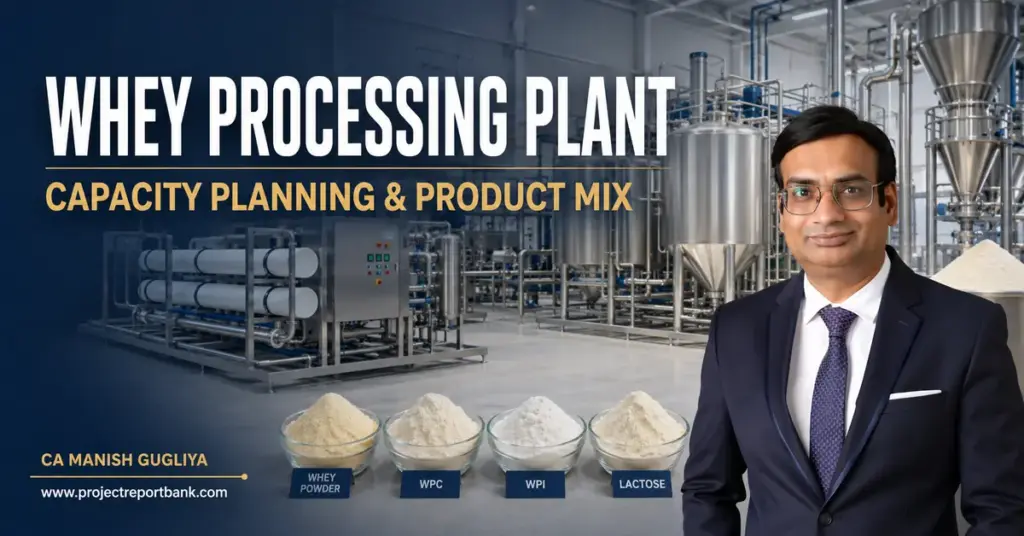
Key Takeaways
Whey processing plant capacity planning is not a machinery-selection exercise – it is a project-design decision that determines whether your investment will generate returns or remain underutilised. Here are the essentials before you read further:
- Start from whey, not from machines. Plant capacity must be anchored in verified daily liquid whey availability, its composition (protein, lactose, solids) and realistic product demand – not in the largest spray dryer a supplier is willing to quote.
- Balance every section of the line. Capacity must be measured and matched across whey intake (LPD), membrane filtration, evaporators, spray dryers and packaging. A single undersized section becomes the bottleneck that limits the entire plant.
- Product mix drives economics. Choosing between whey powder, whey protein concentrate, whey protein isolate, lactose and permeate powder directly changes project cost, operating expenses, working capital and profitability.
- Bankers stress-test your numbers. From a project-finance perspective, lenders evaluate capacity utilisation, break-even level, DSCR and sensitivity of the project to changes in whey supply, selling prices and recovery rates.
- Get a customised DPR first. Serious investors and dairy entrepreneurs should commission a detailed project report and financial feasibility study before locking in plant capacity or ordering equipment.
Introduction: From By‑Product to Profitable Whey Processing
For decades, whey was the liquid that cheese and paneer manufacturers paid to dispose of. It clogged drains, loaded effluent-treatment plants and attracted pollution-control notices. That era is ending. Today, whey is recognised as a rich source of high-value protein, lactose and functional ingredients that serve the food industry, sports nutrition, infant nutrition and clinical nutrition segments worldwide.
The global whey protein market was valued at USD 5.69 billion in 2025 and is expected to reach USD 7.69 billion by 2034, growing at a CAGR of 3.41% from 2026 to 2034. Whey protein is increasingly used in sports nutrition and functional foods. Whey protein concentrate and isolate are vital for infant formulas and health foods. In India, rising domestic demand for protein ingredients and the push to reduce imports are driving new investment into whey powder, WPC, WPI, lactose and permeate powder manufacturing.
Yet, installing a large manufacturing plant without assured liquid whey supply and confirmed buyers routinely results in poor plant capacity utilisation. Whey comprises 80–90% of the total volume of milk used in cheese production, so the volumes are large – typical Indian projects handle 50,000 to 300,000 litres of whey per day – but volume alone does not guarantee viability. The capacity of a whey processing plant and the product mix it targets must be planned together, not decided independently.
In my experience of evaluating industrial projects above ₹10 crore, the most robust whey-processing proposals are those where promoters have validated raw material requirements, mapped the production process, estimated operating expenses realistically and stress-tested DSCR before approaching lenders. The detailed whey processing plant manufacturing process and flow chart is covered in a separate article; here, the focus is entirely on capacity decisions, plant setup choices and product mix planning.
Why Capacity Planning Is Critical for a Whey Processing Plant
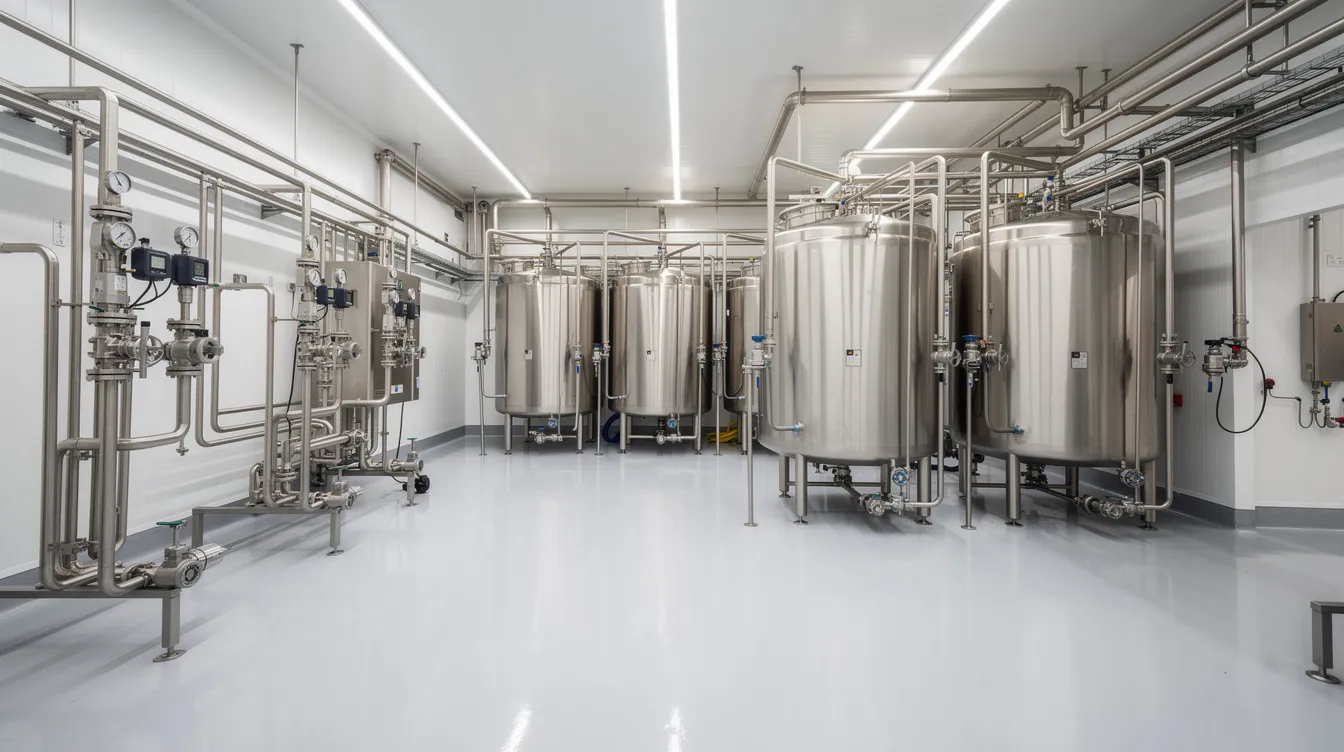
Whey processing plant capacity planning determines not just engineering design but also investment size, production cost per kilogram and long-term profitability. Every capacity decision cascades through the project:
- Capital expenditure on membranes, evaporators, spray dryers, utilities and civil construction scales directly with design throughput. Whey processing plants require substantial capital for technology and infrastructure.
- Equipment configuration and line balancing – membrane area, evaporator stages and dryer capacity must match each other and the incoming whey volume.
- Utility consumption – steam, power, refrigeration and water per tonne of finished product rise disproportionately if equipment runs below optimum load.
- Labour strength, shift patterns and supervision requirements increase with capacity but also with product complexity.
- Storage needs for liquid whey, intermediate concentrates and finished bags of whey powder, WPC or WPI must be planned for peak-season volumes.
Plant capacity utilisation directly changes the production cost per kilogram, working-capital requirement, contribution margin and DSCR for bank loans. Capacity planning for a whey processing plant requires evaluating raw material variability – if you design for 200,000 LPD but average intake is only 120,000 LPD, fixed costs are spread over fewer kilograms of output, eroding margins and straining loan repayment.
Conversely, an undersized plant that cannot process all available whey during flush season wastes raw materials and leaves revenue on the table. In project reports and DPRs for industrial whey processing plants, capacity must be presented as a technically backed number supported by verifiable whey-supply data, not a marketing figure from an equipment brochure.
Understanding Raw Whey: Source, Quality and Availability
Every whey processing project starts with mapping the source and type of liquid whey and its daily and seasonal volume. The raw whey supply availability is influenced by seasonal milk production fluctuations, so this step cannot be skipped.
Whey sources relevant to India and global practice:
- Sweet whey from rennet-coagulated cheeses (cheddar, mozzarella, pizza cheese) – typically 0.8–1.0% protein (wet basis), ~4.5–5.0% lactose, total solids ~6–7%, pH 5.8–6.5.
- Acid whey from paneer, chhana, cottage cheese and dahi manufacture – protein ~0.5–0.7%, lactose ~5.5–6.0%, higher ash and minerals, pH 4.3–4.6.
- Whey from integrated dairy complexes that produce both cheese and products from casein production, sometimes combining sweet and acid streams.
Whey composition varies between sweet whey from rennet cheeses and acid whey from yogurt production. Different whey types have distinct thermal stabilities affecting processing equipment choices. These composition differences directly affect protein concentration potential and lactose recovery possibilities. The quality of incoming raw whey affects sizing of separation and filtration units downstream.
What promoters must quantify:
- Daily liquid whey generation in LPD by each source
- Seasonal variation between flush and lean seasons (liquid milk procurement can vary 30–40% between peak and lean months)
- Expected operating days per year (typically 300–330), factoring in milk seasonality and plant maintenance
Whey is often pasteurized to reduce bacterial activity before processing, and liquid whey begins to degrade rapidly due to bacterial growth if not processed immediately. Cooling to 4°C within hours of generation and storage for no more than 24–48 hours are essential to preserve protein quality and recovery potential.
Not all whey can produce the same quality of WPC, WPI or demineralised whey powder. Sweet whey is typically preferred for high-grade whey protein powder and whey protein isolate production, while acid or paneer whey may require modified manufacturing processes or yield different value-added whey products.
How Whey-Processing Plant Capacity Is Measured
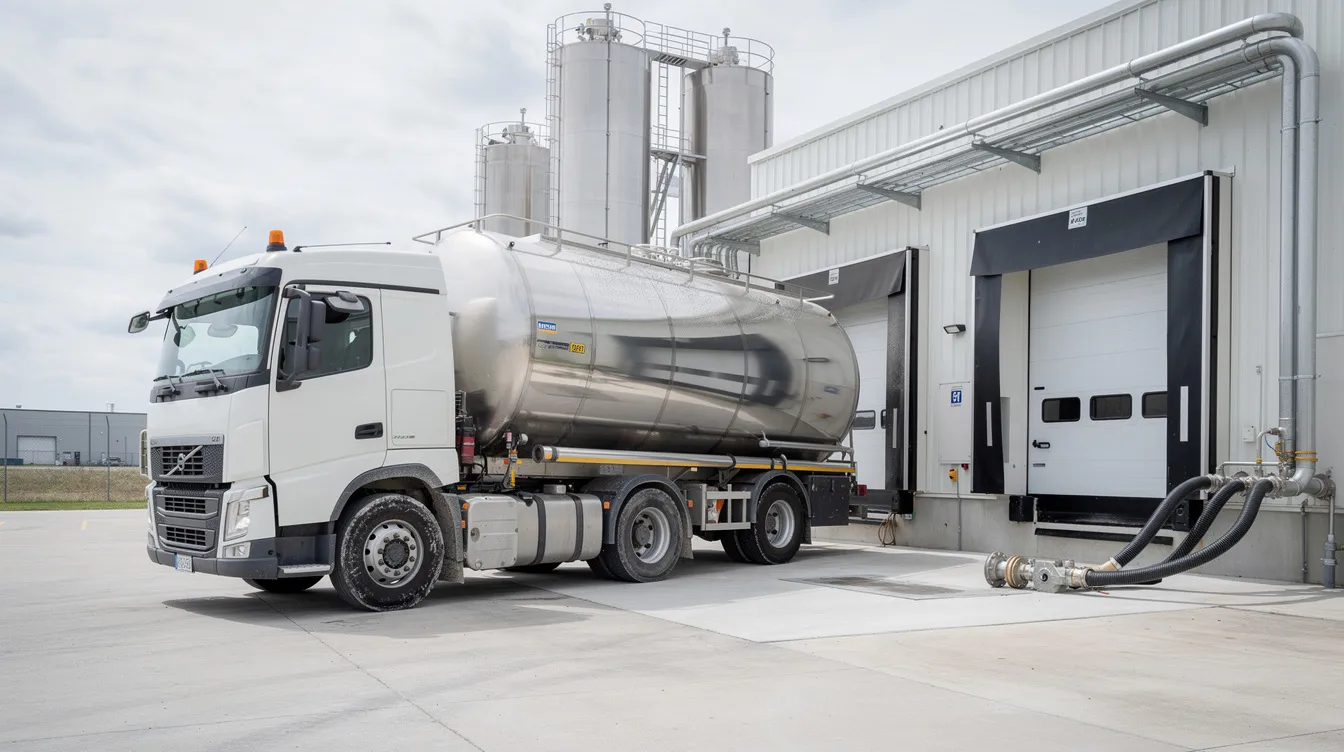
A whey plant cannot be accurately defined by a single capacity figure such as “100,000 LPD plant” or “10 TPD whey powder plant.” Different sections of the line have different metrics, and bottlenecks in processing can be determined by assessing each stage’s capacity. Process bottlenecks are identified by mapping sequential processing stages of whey.
Key capacity parameters:
| Parameter | Unit | What It Represents |
|---|---|---|
| Liquid whey intake | Litres per day (LPD) | Maximum whey the reception system can handle |
| Hourly feed rate | Litres/hour or kg/hour | Flow to membranes and evaporators |
| Total solids processed | kg TS/day | TS% × LPD; drives downstream sizing |
| Protein input | kg protein/day | Determines WPC and WPI output potential |
| UF capacity | m³/h and m² membrane area | Protein recovery and concentration |
| Evaporation capacity | kg water evaporated/hour | Size of evaporator; often a constraint |
| Spray dryer output | kg powder/hour (TPD) | Final powder production rate |
| Packaging capacity | bags/hour or tonnes/day | Must match dryer output |
Annual production capacity is calculated from daily physical capacity, expected operating days (300–330 days/year) and realistic capacity-utilisation assumptions. In initial years, utilisation may be only 60–75%. All major sections – reception, membranes, evaporator, spray dryer, packing, utilities – must be balanced. This forms the basis of whey processing plant line balancing in the DPR.
Step-by-Step Whey Plant Capacity-Calculation Method
A systematic framework for whey plant capacity calculation starts with the raw material and works forward through each processing stage to the finished product.
Daily whey availability (LPD):
Daily whey availability = Sum of whey generated by each cheese/paneer unit × Operating shifts per day
Total solids per day:
Total solids (kg/day) = Liquid whey quantity (litres) × Total solids percentage (%)
Recoverable protein:
Recoverable protein (kg/day) = Liquid whey (litres) × Protein % × Expected whey protein recovery percentage
Estimated finished-product output:
Finished-product quantity (kg/day) = Recovered protein ÷ Target protein concentration of final product (e.g., 0.80 for WPC 80)
Annual production:
Annual output = Daily output × Operating days × Capacity-utilisation ratio
Moving from nameplate capacity to effective capacity requires deducting time for Cleaning-in-Place (CIP), maintenance downtime and seasonal dips. Actual yields depend on whey composition, selected membrane filtration technology, any ion exchange or nanofiltration steps, and final product specifications. Every assumption must be clearly stated and justified in the project report.
Illustrative Capacity-Planning Example at 100,000 LPD
This is an illustrative example only – not a commercial quotation, feasibility conclusion or guaranteed yield.
Assumptions:
- Sweet cheese whey intake: 100,000 litres/day
- Composition: 6.0% total solids, 0.8% protein, 4.8% lactose, 0.5% ash
- UF protein recovery: 90%
- Operating days: 320/year
- Capacity utilisation in steady state: 80%
Calculations:
| Step | Calculation | Result |
|---|---|---|
| Total solids/day | 100,000 × 6.0% | 6,000 kg |
| Protein input/day | 100,000 × 0.8% | 800 kg |
| Recoverable protein | 800 × 90% | 720 kg |
| WPC 80 output/day | 720 ÷ 0.80 | 900 kg (~0.9 tonnes) |
| Annual WPC 80 (steady state) | 900 × 320 × 80% | ~230 tonnes/year |
If the same whey is processed into WPC 35, the daily output would be approximately 2,057 kg (720 ÷ 0.35), a higher tonnage but at a lower selling price per kilogram.
Sensitivity checks:
- If whey availability falls to 80,000 LPD, protein input drops to 640 kg/day, reducing WPC 80 output to ~720 kg/day – a 20% shortfall.
- If protein content drops from 0.8% to 0.6%, recoverable protein falls to 540 kg/day, cutting WPC 80 output to ~675 kg/day.
- If recovery is 85% instead of 90%, output falls further to ~637 kg/day.
- If utilisation in the first two years is only 60%, annual WPC 80 production drops to ~173 tonnes, potentially pushing break-even capacity and DSCR below acceptable levels.
All numbers are rounded, realistic examples. Actual performance must be engineered and validated for each specific project with laboratory analysis and equipment trials.
Major Products in a Whey Processing Plant Product Mix
An industrial whey processing plant can produce multiple value-added whey products. Product specifications determine processing line complexity for whey products, and selecting the right combination is central to whey processing plant product mix planning. Each product differs in technology intensity, investment, whey solids recovery, market risk and contribution margin.
Liquid Whey and Concentrated Whey
When a plant is located close to animal feed users or fermentation industries, selling liquid whey or concentrated whey may be commercially viable as an interim strategy. However, liquid whey has a very short shelf life and high transport cost per kilogram of milk solids.
Simple concentration using reverse osmosis can concentrate whey from 6% to 18–28.5% dry matter, reducing volume and logistics cost. This can be a transitional step before installing full whey powder or WPC capacity. However, value addition remains limited compared to powders.
Sweet Whey Powder
Sweet whey powder is the traditional commodity route: clarify, concentrate via evaporation and spray dry to produce a powder form used in bakery, confectionery and dairy blends. Spray drying is the most common method for drying whey at industrial scale.
A detailed whey powder manufacturing plant project report covers the process and equipment in depth. Financially, this route has lower technology risk but depends heavily on energy cost, scale and exposure to international commodity price trends.
Demineralised Whey Powder
Demineralised whey powder (40–90% demineralisation) is used in high quality infant formula and specialised nutrition, requiring ion exchange and/or nanofiltration to reduce ash content. The added capital for ion exchange systems, regeneration chemicals and conductivity monitoring raises both direct and indirect costs.
Capacity sizing must account for salt load and regeneration cycle time. This product is generally suitable for plants with good scale and access to high-spec customers, not necessarily for all new MSME projects.
Whey Protein Concentrate (WPC)
Whey protein concentrate is a family of products – WPC 35, WPC 60, WPC 80 – defined by minimum protein content on a dry basis. Whey protein concentrate can contain 35% to 80% protein, with some sources citing a range from 20% to 85%. Whey is processed using ultrafiltration to concentrate proteins, followed by diafiltration (for higher grades), evaporation and spray drying.
Whey can be fractionated using ultrafiltration and microfiltration at this stage. The detailed process, machinery and technology requirements and economics for a whey protein concentrate manufacturing plant are discussed separately. Market positioning is stronger than plain whey powder, but sensitivity to raw whey protein quality is higher. WPC 35 versus WPC 80 production planning differs significantly: higher-protein grades require greater concentration factors, more membrane area and often lower overall powder tonnage for the same whey volume.
Whey protein is used in infant formulas and sports nutrition products, making WPC a commercially attractive category for medium and large industrial whey plants.
Whey Protein Isolate (WPI)
Whey protein isolate contains over 90% protein by weight (over 90% total protein in dry matter), achieved through additional filtration, ion exchange or other refining steps. WPI has very low lactose and fat content.
WPI requires tighter control over raw whey quality, advanced membrane filtration technology for whey processing and larger investment in laboratory, process automation and clean-room areas. Detailed design and cost considerations for a whey protein isolate manufacturing plant are covered separately.
From a project-finance perspective, planning large WPI capacity without confirmed high-quality sweet whey supply and long-term buyers is risky. The initial investment for a whey processing plant targeting WPI is significantly high – industry estimates place WPI facility costs at ₹150–250 crore or more for large-scale operations, compared with ₹60–100 crore for a WPC plant.
Whey Permeate Powder
Permeate generated from WPC and WPI production contains lactose and minerals. Converting it into whey permeate powder using concentration and spray drying captures value and reduces effluent load, rather than treating permeate as a low-value residual stream.
Permeate powder finds applications in bakery, confectionery and animal feed. Investment needs include additional evaporation or reverse osmosis capacity and spray-dryer time. Permeate production must be integrated into total dryer-capacity planning.
Lactose
Lactose manufacturing capacity involves concentration, crystallisation, separation, drying and packaging of lactose from the permeate stream. A detailed lactose manufacturing plant project report covers the technology and investment considerations.
Lactose projects generally require higher scale, good process control and a clear export or pharma-grade or food customer base. Lactose recovery significantly improves whey processing plant economics but adds complexity to utilities, effluent treatment and quality management. Capacity planning must include wastewater treatment and environmental discharge limits, since lactose recovery reduces organic load in effluent.
Other Value-Added Whey Products
Advanced products such as whey protein hydrolysate (which is pre-digested for faster absorption), milk mineral concentrates, specialised bioactive fractions and functional ingredients for clinical nutrition represent the frontier of the whey protein industry.
These products require strong R&D, technology partnerships, key certifications required for export markets and key regulatory procedures compliance. Whey protein is a complete protein containing all essential amino acids, including branched chain amino acids linked to muscle growth and weight management, making it attractive for food manufacturers. However, such products should be considered only after stabilising core whey powder or WPC/WPI operations. Design the plant with space and utilities for phased addition rather than planning every product on day one.
Comparison of Alternative Whey Product-Mix Models
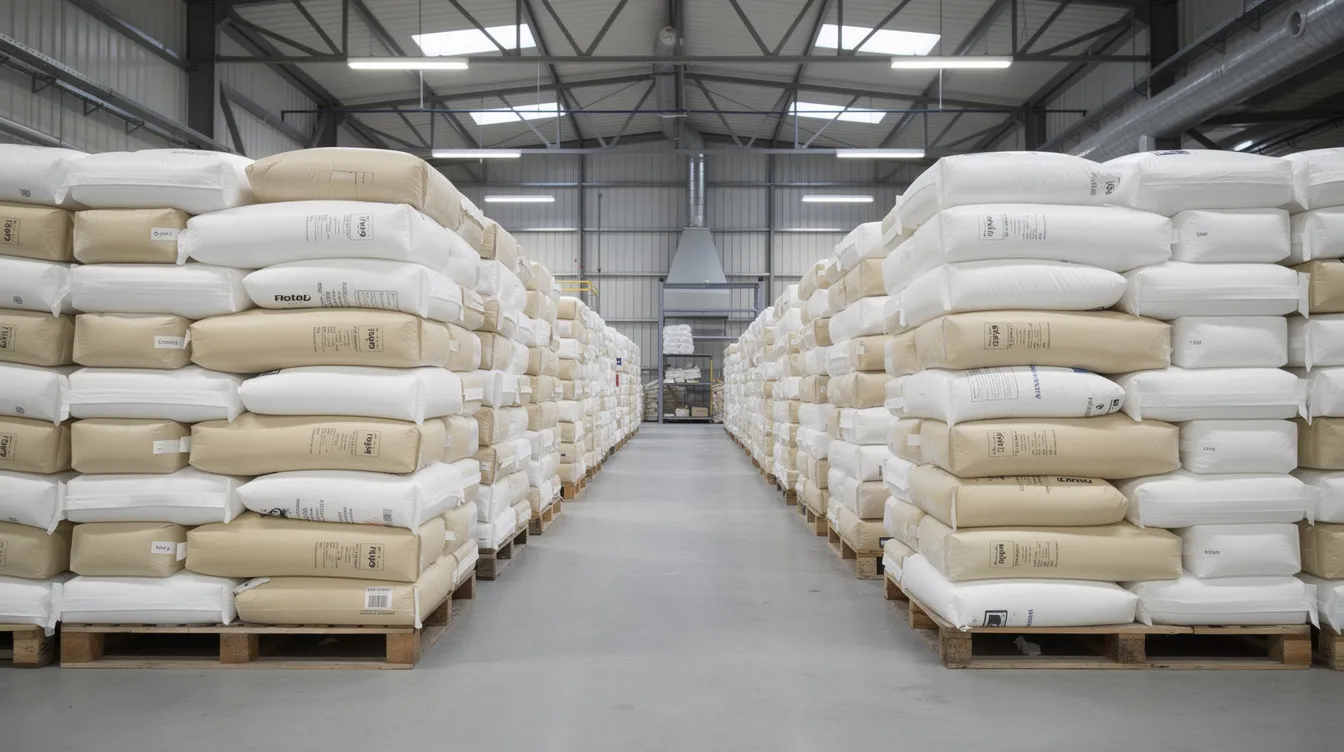
The following table provides a qualitative comparison of six common whey processing product-mix options:
| Product-Mix Option | Principal Output | Processing Complexity | Major Technology | Investment Intensity | Market Position | Revenue per kg Solids | QC Requirement | Key Commercial Risk | Suitable Promoter |
|---|---|---|---|---|---|---|---|---|---|
| Liquid/concentrated whey | Concentrated whey | Low | RO, evaporation | Low | Local/industrial | Low | Basic | Limited shelf life, transport cost | Small dairy |
| Whey powder plant | Sweet whey powder | Low–Medium | Evaporation, spray drying | Moderate | Commodity | Low–Moderate | Moderate | Commodity price cycles | Cooperative, mid-size dairy |
| WPC + permeate powder | WPC 35–80, permeate powder | Medium–High | UF, diafiltration, spray drying | High | Nutrition, food | Moderate–High | Moderate–High | Whey quality, market access | Large dairy, ingredient company |
| WPC + lactose integrated | WPC, lactose, permeate | High | UF, crystallisation, drying | High–Very High | Nutrition, pharma, food | High | High | Scale, process control, customers | Large integrated dairy |
| WPI + value-added | WPI, WPC, specialised fractions | Very High | UF, NF, ion exchange, clean rooms | Very High | Premium nutrition, export | Very High | Stringent | Capital, technology, market qualification | Specialised ingredient company |
| Flexible multi-product | Multiple products, campaign-based | High | Modular UF/NF, flexible drying | High | Diversified | Variable | High | Scheduling complexity, inventory | Experienced large dairy |
No single model is universally superior. The liquid/concentrated whey model suits small dairies with limited capital. A whey powder plant works where scale justifies evaporation and drying but the market is primarily commodity-driven. WPC-plus-permeate or WPC-plus-lactose models improve value recovery per litre of whey but demand more membrane area, better QC and nutrition-market access. The WPI and advanced-ingredient model requires the highest investment, strongest technical team and confirmed premium buyers. Operational flexibility is vital for adapting to market shifts in whey product demands, making the flexible multi-product model attractive for experienced operators.
How to Select the Right Product Mix for a Whey Plant
Product-mix planning must start with tested whey composition, realistic liquid whey availability assessment and identified customer segments – not with the theoretical profitability of WPI or any other high-grade product.
Evaluation checklist:
- Type and quality of raw whey: sweet versus acid, consistency of protein and lactose
- Daily and annual liquid whey volume, including seasonal variation
- Target markets: domestic B2B, exports, sports nutrition, infant nutrition, animal feed
- Expected selling prices based on conservative, bank-acceptable assumptions
- Recovery percentages for protein and lactose under the selected technology
- Estimated production cost including utilities, membrane replacement and packaging
- Promoter’s technical capability, access to skilled manpower and quality certifications (FSSAI, ISO, HACCP, export approvals)
The highest price per kilogram – for example, WPI – is not automatically the most profitable product once you factor in capital costs, operating expenses, working capital and capacity-utilisation risk. A simpler WPC 35 or WPC 80 line running at 85% utilisation may generate better returns on invested capital than a WPI line running at 55%.
Effluent volume and composition must also inform the product-mix decision. Environmental regulations affect wastewater treatment requirements for whey byproducts, and choosing whether to recover lactose or discharge permeate directly impacts ETP investment and running cost.
Basic, Intermediate and Advanced Product-Mix Models
Three practical planning models offer starting points for promoters. These are frameworks; the actual DPR must adjust capacities, technologies and product mix to each project’s specific whey plant capacity in LPD and market plan.
Basic Whey-Processing Model
A plant focused on whey concentration and sweet whey powder, possibly with low-level demineralisation, suits dairies with modest whey volume and simpler market access. Advantages include lower investment, simpler operations, easier human resource requirements and faster implementation. Limitations include greater exposure to commodity milk powder and whey powder price trends and limited scope for product diversification without later CapEx.
Intermediate Value-Addition Model
This model produces WPC 35–80 plus whey permeate powder, with the option for some sweet whey powder. It requires substantial UF and diafiltration capacity, extra dryer hours and more advanced quality control. Value recovered per litre of whey improves significantly compared with basic projects, but complexity in scheduling and membrane-filtration capacity planning also rises.
Advanced Integrated Model
A sophisticated plant producing WPC, WPI, lactose, permeate powder and possibly specialised fractions, designed for large integrated dairies or dedicated ingredient manufacturers. Financial implications include high CapEx, large utilities and ETP requirement, higher working capital and dependency on export or specialised customers with longer qualification cycles.
This model demands strong technical partnerships and experienced management. Many successful plants start as intermediate models and progressively add lactose and WPI capacity once operations stabilise.
Product-Mix Allocation and Production Scheduling
A flexible whey processing line often runs different products in campaigns, and product-mix planning must match equipment availability, cleaning requirements and confirmed orders. CIP downtime must be factored into effective production hours in whey facilities. Cleaning-in-Place cycles impact operational hours in whey processing significantly.
Operational aspects to plan:
- Batch planning and production campaigns (e.g., WPC 80 for two weeks, then WPC 35 for one week)
- Changeover time and CIP cycles between products and grades
- Membrane performance, cleaning frequency and available operating hours
- Spray-dryer scheduling for different powders and particle specifications, including powder handling requirements
- Packaging-line capacity, bag-size changes and labelling
Illustrative monthly product-mix allocation (example only):
| Product | % of Whey Allocated | Approx. Monthly Output (tonnes)* |
|---|---|---|
| WPC 80 | 40% | ~11 |
| WPC 35 | 30% | ~18 |
| Sweet whey powder | 20% | ~36 |
| Permeate powder | 10% | ~15 |
Based on 100,000 LPD, 25 operating days/month; actual figures depend on composition and recovery.
Seasonal whey availability planning can change the monthly mix – producing more commodity whey powder when whey is abundant and shifting to higher-value WPC/WPI when whey supply is tighter and quality can be more tightly controlled.
Machinery Selection and Capacity Balancing
Capacity balancing means ensuring that no single section becomes the bottleneck that forces the rest of the line to run below its potential. Every piece of the puzzle must fit.
Key equipment and utility systems to harmonise:
- Whey reception, unloading and storage tanks
- Clarifiers, centrifugal separators (used for fat separation in whey processing) and pasteurisers
- Microfiltration, ultrafiltration, diafiltration and nanofiltration/RO systems
- Evaporators, lactose crystallisers, spray dryers and fluid-bed dryers
- Powder handling and packing lines
- CIP systems, boilers, refrigeration plants, water-treatment plants and effluent-treatment plants
Detailed sizing and costing for each section is covered in the guide on whey processing plant machinery and equipment cost. For example, if UF and reception are sized for 150,000 LPD but the evaporator can only handle concentrate from 100,000 LPD, the effective plant capacity drops to 100,000 LPD regardless of upstream design.
Membrane-Filtration Capacity Planning
Ultrafiltration, microfiltration, nanofiltration and reverse osmosis are central to modern whey processing and directly influence recoverable protein, lactose and minerals. Membrane fouling leads to decreased throughput in whey processing systems over time, so design must account for flux decline.
Key design parameters:
- Feed flow rate (m³/h) and expected flux rate (L/m²·h)
- Required concentration factor: higher for WPC 80 than for WPC 35; highest for WPI
- Membrane area required, including allowance for fouling and progressive flux decline
- Diafiltration water requirement and its impact on utilities and ETP
- Operating hours per day across multiple shifts
- Scheduled cleaning time, which reduces net productive capacity
- Membrane life (typically 2–4 years for industrial UF) and replacement cost – a significant operating expense
For more detailed technology choices and line designs, refer to the article on membrane filtration technology for whey processing. Keeping some spare membrane capacity is advisable, especially for plants planning future whey processing plant expansion planning or product diversification.
Evaporator and Spray-Dryer Capacity Planning
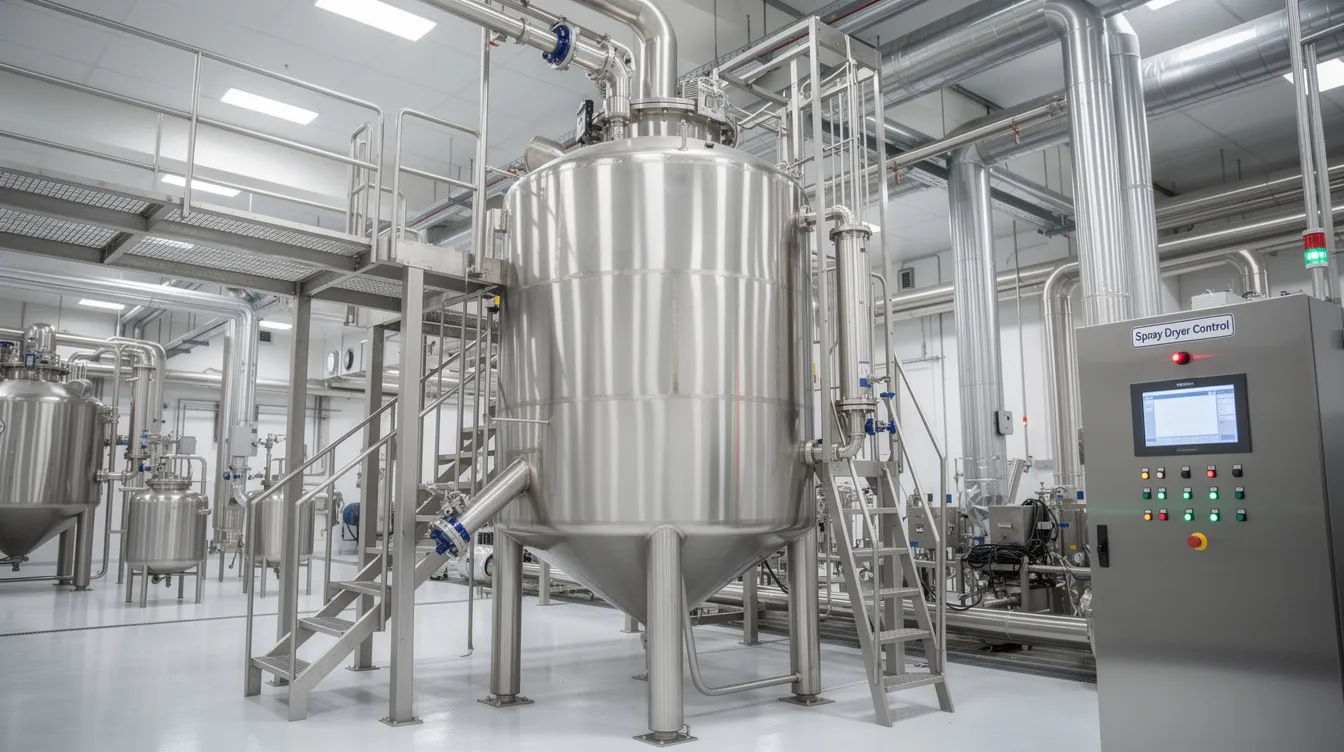
Evaporators and dryers are major constraints in whey processing capacity and often the most expensive and energy-intensive sections of the plant. Whey processing requires high thermal and electrical energy for evaporation and drying. Energy and utility demands are significant in whey concentration and drying processes.
Sizing logic:
- Calculate total feed volume after membrane concentration
- Determine water-evaporation load (kg/h) based on feed solids and target concentrate solids entering the dryer
- Size the evaporator for peak-load days during flush season
- Size the spray dryer for maximum hourly powder output, factoring CIP downtime, product-changeover time and operational constraints in whey processing that require consideration of utility and maintenance
Practical limits on dryer capacity:
- Hourly powder output × effective operating hours per day = daily output
- Product changeovers for different whey powders, WPC grades and lactose reduce effective hours
- Powder recovery efficiency and off-spec product losses must be factored in
Whey powder plant capacity in TPD cannot be estimated correctly without first calculating the total water-removal requirement across membranes and evaporators. A common error is oversizing the dryer while undersizing upstream concentration – resulting in an expensive dryer sitting idle.
Raw-Material Procurement and Whey Logistics Planning
The whey plant raw material requirement is essentially liquid whey. The DPR must clearly distinguish between in-house generation and purchased whey.
- In-house whey from an integrated dairy or cheese plant – for broader dairy context, refer to the integrated dairy processing plant project report
- Third-party procurement with formal contracts specifying price formulae, quality standards and minimum committed volumes
- Collection logistics using insulated/chilled tankers within a practical radius to limit bacterial growth
Key risks:
- Over-reliance on informal promises of whey supply; cheese producers may start their own whey processing units in future
- Transport cost per litre eroding plant economics, especially for acid whey with lower protein
- Supply disruption during lean season if contracts lack minimum-volume commitments
Operating costs are primarily driven by raw liquid whey expenses. Procurement agreements should include quality parameters, minimum volumes and rejection-risk sharing as part of project risk management.
Capacity Utilisation and Ramp-Up Planning
New whey plants rarely achieve full design capacity in the first year. Technical stabilisation, customer approvals and market development take time. Whey processing facility design must accommodate seasonal variations in raw milk supply throughout this period.
Factors affecting ramp-up:
- Trial runs, gradual increases in liquid whey intake and process optimisation
- Time for product approvals by institutional buyers, sports nutrition brands or infant formula manufacturers
- Learning curve for staff, process losses and membrane-fouling patterns during initial months
Illustrative ramp-up schedule (example only):
| Year | Capacity Utilisation | Remarks |
|---|---|---|
| Year 1 | 50–60% | Trial production, product qualification |
| Year 2 | 70–75% | Market expansion, process stabilisation |
| Year 3 onward | 80–85% | Steady state, subject to whey availability |
Financial projections, including DSCR and break-even calculations, should respect these realistic utilisation levels. Assuming 100% utilisation from day one is a common mistake that weakens the DPR in the eyes of lenders.
Impact of Product Mix on Project Cost and Investment
Whey processing plant project cost is highly sensitive to the selected product mix. Whey protein manufacturing plant setup costs include machinery and land, but the specific product grades multiply the requirements.
Investment heads affected by product decisions:
- Core plant and machinery: UF, NF, RO, evaporators, dryers, crystallisers, packing lines
- Utilities: boilers, chillers, cooling towers, compressors, power backup
- Civil construction: storage, silos, warehouses, ETP capacity
- Laboratory, automation, instrumentation and control systems
- Pre-operative expenses, interest during construction and contingency margins
A comprehensive overview of how overall investment varies by scale, configuration and location is available in the guide on whey processing plant setup cost in India. Advanced product mixes (WPI, lactose) require not just additional machines but also higher-quality civil work, humidity control, clean-room areas and more sophisticated powder handling – adding substantially to infrastructure costs.
Product Mix and Operating Cost Structure
Major operating expenses for a whey processing plant include:
- Raw whey procurement or transfer price from the cheese plant
- Transport, power, steam, refrigeration, water and effluent-treatment charges
- Membrane replacement, cleaning chemicals (including alkaline solution for CIP), packaging materials and spares
- Labour costs, supervision, maintenance contracts, quality testing and distribution costs
How product mix changes variable costs and fixed costs:
- WPC/WPI lines have higher membrane and QC cost per kg
- Lactose recovery increases steam and crystallisation energy but can reduce organic load in effluent
- Permeate powder requires more drying hours but may reduce ETP running cost
Quality control measures are critical due to regulatory requirements in whey processing – especially for products destined for infant nutrition or export markets requiring regulatory compliance. Each main product should have a separate cost sheet in the DPR estimating variable and fixed operating expenses per kg. Even a small change in power or steam tariff significantly impacts project viability at large capacities.
Revenue, Profitability and Financial Analysis
After capacity and product mix are finalised, financial analysis must quantify product-wise sales volumes, realisations and margins – not just a single blended figure. A comprehensive market overview of industry trends and price trends helps ground selling-price assumptions.
Steps:
- Derive annual sales quantity for each product from capacity calculations and utilisation assumptions
- Apply realistic selling-price ranges with sensitivity scenarios (±10–15%)
- Calculate contribution margin, EBITDA and net cash accrual
Illustrative comparison (qualitative):
| Parameter | Whey Powder | WPC 80 | WPI | Permeate Powder | Lactose |
|---|---|---|---|---|---|
| Revenue per kg | Low | High | Very High | Low | Moderate–High |
| Variable cost per kg | Low | Moderate | High | Low | Moderate |
| Capital intensity | Moderate | High | Very High | Low (incremental) | High |
| Contribution margin | Low–Moderate | High | High (if utilised) | Low | Moderate |
Whey protein plant gross profit margins range from 40–50% at steady-state utilisation for well-managed plants, but these margins are highly sensitive to product mix, capacity utilisation and raw-material costs. Net present value, project IRR, payback period and DSCR profile over the loan tenure are the metrics that lenders use to judge expenditure projections.
From a project-finance perspective, lenders and investors review whether the project can service debt even under stress scenarios with lower whey availability, lower recovery or softer selling prices.
Working-Capital Requirement and Cycle
Working capital in a whey processing plant depends on:
- Inventory of packaging, consumables and spares
- Finished-goods holding period for whey powder, WPC, WPI and lactose
- Receivable period from institutional buyers, brands and export customers
Premium products may generate better margins but often involve longer customer-approval cycles, larger batch sizes with specific specifications and longer credit periods. Export receivables and qualification timelines for skim milk or milk protein ingredient buyers can extend the cash cycle further.
The DPR and CMA Data must compute product-wise working-capital needs and propose adequate bank funding lines so that the plant is not forced to run below optimum capacity due to cash constraints.
Bank-Finance Perspective on Capacity and Product Mix
Bankers assess whey processing plant feasibility by checking internal consistency between raw whey availability, plant capacity, product mix, sales plan and repayment schedule.
What lenders normally review:
- Evidence of sustainable liquid whey supply and laboratory quality tests
- Detailed technical capacity calculations and machinery quotations
- Product-wise volume, pricing assumptions and target customers
- Capacity-utilisation forecast, break-even point and DSCR over the loan term
- Promoter contribution, working-capital assessment and implementation schedule
- Environmental compliance and statutory approvals
- Promoter background, technical team capability and risk factors
Lenders expect sensitivity analysis on variables such as whey price, selling price, capacity utilisation and energy cost. CA Manish Gugliya, as a practising Chartered Accountant, assists in preparing CMA Data, financial projections and bankable project reports but does not guarantee loan approval or specific subsidy outcomes.
Information Required for a Whey Processing Plant DPR
A clear information checklist speeds up preparation of a complete whey processing plant project report and avoids gaps that delay finance appraisal.
Technical and operational inputs:
- Exact location, land status and proximity to whey sources
- Type of whey (sweet, acid, paneer whey) and lab analysis of composition
- Expected daily and annual whey availability with seasonal variation
- Proposed products, grades and indicative capacity shares (e.g., 60% WPC, 40% whey powder)
- Selected manufacturing process route, various unit operations involved and key equipment with capacity and supplier quotations
Financial and commercial inputs:
- Detailed project cost: land, building, plant, utilities, ETP, pre-operative expenses, contingencies
- Means of finance: equity, term loan, subsidy assumptions
- Assumed selling prices, customer segments and marketing strategy
- Working-capital cycle, credit terms and expected implementation schedule
For integrated dairies, information from a milk protein concentrate manufacturing plant or casein and caseinate manufacturing plant project report may also be relevant to map overall material flows – particularly where whey is generated alongside rennet casein or other milk processing operations.
Sensitivity and Risk Analysis in Whey Plant Projects
Risk analysis is critical in debt-funded projects because small deviations in whey supply, prices or efficiency can materially affect DSCR and project viability.
Key sensitivities to test:
- Raw whey availability and composition (TS% and protein%)
- Process recovery and plant capacity utilisation ratio
- Energy tariffs, membrane life, chemical and packaging costs
- Product realisation, export demand and forex movements
- Interest rates and receivable periods
The DPR should present at least three scenarios – base, optimistic and stressed – and clearly show break-even capacity and DSCR under each. This enables promoters and lenders to make informed decisions and plan for risk factors that could affect the whey processing project viability.
Common Capacity-Planning Mistakes to Avoid
In my experience of reviewing DPRs for dairy and whey-processing projects, the following mistakes appear repeatedly:
- Choosing plant size based only on equipment offers, not on verified whey supply data
- Confusing milk-processing capacity with whey-processing capacity and overestimating available whey
- Ignoring differences between sweet whey and acid/paneer whey when estimating WPC or WPI output
- Treating nameplate capacity as achievable annual output without accounting for downtime and seasonal variation
- Oversizing the spray dryer without sufficient upstream membrane or evaporation capacity
- Not planning permeate utilisation, leading to higher ETP loads and lost milk solids
- Assuming WPI is always the best choice because of higher price, ignoring the investment and market risk
- Underestimating working capital and time needed for customer qualification
- Using unsupported selling-price assumptions without referencing actual market data
- Omitting sensitivity analysis, making the DPR look unrealistic to bankers
A professional feasibility study can help avoid these errors before large capital is committed.
Phased Expansion and Capacity-Expansion Strategy
A modular approach allows promoters to start with a manageable configuration and expand as whey availability and market demand grow. Future expansion potential should be integrated into the design of whey processing facilities from the outset.
Possible phases:
- Phase 1: Install whey reception, basic clarification, UF and common utilities; start with whey powder and/or WPC 35–60
- Phase 2: Add more UF modules, higher concentration capacity and permeate powder production
- Phase 3: Introduce lactose crystallisation and possibly WPI production for selected markets
Advantages: Lower initial debt, easier learning curve, time to build customer relationships and flexibility to adjust design based on actual performance.
Limitations: Repeated construction disruptions, potential cost escalation in later phases and the need to design initial civil and utilities with future expansion in mind.
Practical Decision-Making Framework for Promoters
A step-by-step framework to guide whey processing plant capacity and product-mix decisions:
- Map whey sources – test composition and confirm sustainable daily and annual availability.
- Shortlist feasible products (whey powder, WPC, WPI, lactose, permeate powder) based on whey quality and market access.
- Prepare 2–3 alternative product-mix and capacity scenarios – compare unit operations involved, technology and investment for each.
- Balance equipment capacities – ensure membranes, evaporators, dryers and packing lines are matched.
- Estimate project cost and operating cost for each scenario, including indirect costs and contingencies.
- Prepare product-wise financial projections – break-even, DSCR and sensitivity analysis.
- Select a technically feasible and financially sustainable configuration.
- Only then proceed to detailed engineering, machinery ordering and financing.
In my practice, I have found that the turning point where a project becomes bankable – rather than remaining risky – is when the promoter can demonstrate verified whey supply data, at least two realistic product-mix scenarios and a conservative financial model that shows DSCR above lender thresholds even under stress. Projects that skip this discipline frequently face delays, cost overruns and underutilisation.
Frequently Asked Questions (FAQs)
The following questions address practical queries that often arise during early planning of whey processing plant capacity and product mix.
How is the capacity of a whey-processing plant calculated in practice?
Capacity is calculated starting from daily liquid whey availability (LPD), then converted into total solids and protein input, and finally into expected outputs of whey powder, WPC, WPI and lactose after applying recovery percentages. Each main section – membranes, evaporators, spray dryers, packing – has its own capacity metric, and the effective plant capacity is limited by the tightest bottleneck. The whey processing yield calculation must be based on laboratory-tested composition, not assumed figures.
Is it better to specify whey-plant capacity in LPD or in TPD of powder?
Promoters and dairies typically think in LPD of liquid whey, while buyers and bankers focus on TPD of finished products. Both must be linked through solids-recovery and processing assumptions in the DPR. Always present capacity using both units with clear assumptions to avoid misunderstanding between technical, commercial and finance stakeholders.
Can a single plant produce both WPC and WPI economically?
Technically, one integrated line can be designed to produce WPC 35–80 and WPI using additional purification steps, but this increases investment, operating complexity and cleaning requirements. Many plants start with WPC and add WPI capability only after stabilising supply, operations and market for concentrates. Amino acid profile and protein purity requirements for WPI demand cleaner raw whey and more advanced processing compared to standard WPC.
What minimum scale is generally viable for an industrial whey processing plant?
Viability depends on stable whey availability, energy tariffs, chosen product mix and realisation. Many full-fledged plants aim at handling at least tens of thousands of litres per day of whey to justify evaporation and spray-dryer investments. Promoters of smaller cheese, soft cheese or paneer units should consider shared facilities, contract processing or simpler value-add options as part of their feasibility study.
When should an entrepreneur commission a detailed project report (DPR) for a whey plant?
A DPR should be commissioned once preliminary whey-availability data, tentative product mix and rough investment budget are identified – but before finalising machinery orders or loan applications. A good DPR integrates technical design, capacity planning, product mix, project cost, financial projections, risk analysis and regulatory compliance requirements, forming the basis for serious discussions with machinery suppliers and bankers.
Conclusion and Professional Advisory
Successful whey processing plant capacity planning depends on aligning verified liquid whey availability, whey composition, realistic product mix, balanced equipment capacities, adequate utilities and effluent systems. Sustainable profitability comes from optimised capacity utilisation, robust plant economics, adequate working capital and the ability to service term loans comfortably under different market scenarios.
CA Manish Gugliya, FCA and DISA (ICAI), through ProjectReportBank.com, assists promoters in evaluating capacity options and preparing customised whey processing plant project reports, detailed project reports, financial feasibility studies, CMA Data, DSCR analyses and bank-finance presentations. The focus is always on ensuring that the technical plan, the financial model and the market logic are internally consistent and defensible before lenders.
If you are a dairy company, cheese manufacturer, whey-processing entrepreneur or investor planning a serious whey-processing project, reach out through ProjectReportBank.com for tailor-made professional assistance before committing major investment. A well-prepared DPR is not just a document – it is the foundation on which bankable projects are built.