Key Takeaways
- A whey processing plant revenue model converts low-value liquid whey generated by cheese, paneer and casein plants into multiple value-added dairy ingredients-whey powder, whey protein concentrate, whey protein isolate, lactose and permeate powder-sold to B2B food, nutrition and pharmaceutical customers.
- Project viability in India depends on reliable raw whey availability, appropriate product mix, realistic recovery yields and confirmed domestic or export demand, not on theoretical market size alone.
- Major revenue streams include whey powder manufacturing, whey protein concentrate and isolate production, lactose crystallisation and permeate products, with profitability varying by processing complexity, product specifications and customer approval timelines.
- A diverse product mix increases financial resilience for whey processing plants, allowing promoters to balance high-value but low-volume ingredients against stable, volume-driven products.
- A bankable whey processing plant DPR must integrate technical design, market assessment, financial projections, working-capital planning and risk or sensitivity analysis before approaching lenders for project finance.
The sections that follow guide dairy entrepreneurs, investors, food-processing companies and lenders through business model options, revenue streams, market applications, cost drivers and project-finance considerations from an Indian perspective.
Introduction: Commercial Potential of Whey Processing
Indian cheese, paneer and casein plants generate enormous volumes of liquid whey every day. Global whey production is estimated at about 180–190 million tons annually, yet less than 50 per cent of that whey is processed into valuable products. In India, where paneer-making dominates, much of this liquid whey waste ends up as dairy processing waste that strains effluent systems and adds to environmental compliance costs. Over 90 per cent of whey is recycled into valuable products in countries like France and Germany, while Indian utilisation rates remain significantly lower-an asymmetry that represents both a challenge and a commercial opportunity.
Liquid whey is roughly 93 to 94 per cent water, but the remaining 6–7 per cent contains proteins, lactose, minerals, water-soluble vitamins B1, B2, B6 and B12 and trace fats. Sweet whey, produced from rennet-coagulated cheese production, carries protein at roughly 6–10 g/L and lactose at 46–52 g/L. Acid whey, generated during acid or heat coagulation used in paneer and chhana, has similar lactose but higher mineral content (4.3–7.2 g/L) and a lower pH that makes downstream processing more complex. Both types can be valorised, but they require different processing routes and yield different revenue potential.
A whey processing plant converts liquid whey into high-value dairy ingredients such as whey powder, whey protein concentrate, whey protein isolate, lactose and permeate powder. Demand for whey proteins is driven by trends in sports nutrition and functional foods, along with expanding applications in infant formulas, bakery, confectionery and pharmaceutical excipients. The central question for any promoter is not whether the market exists but whether a specific project can serve that market profitably from a defined feedstock base.
From a project-finance perspective, a viable whey processing plant in India must align feedstock availability and composition with appropriate technology-membrane filtration, evaporation and spray drying-and must position its products where confirmed demand and realistic realisations exist. The objective of this article is to give promoters, investors and lenders a practical framework for evaluating whey processing plant profitability rather than to promise automatic high returns. Profitability must be established through a project-specific technical and financial feasibility study, not through generic assumptions.
Understanding the Whey Processing Plant Business Model
The whey processing plant business model links raw whey procurement-or captive generation within an existing dairy-with downstream ingredient sales to B2B buyers. The commercial logic is straightforward: acquire or generate liquid whey at low cost, apply progressive concentration and separation technologies to extract valuable components and sell the resulting powders and ingredients at prices that cover processing costs and debt service while delivering an adequate return.
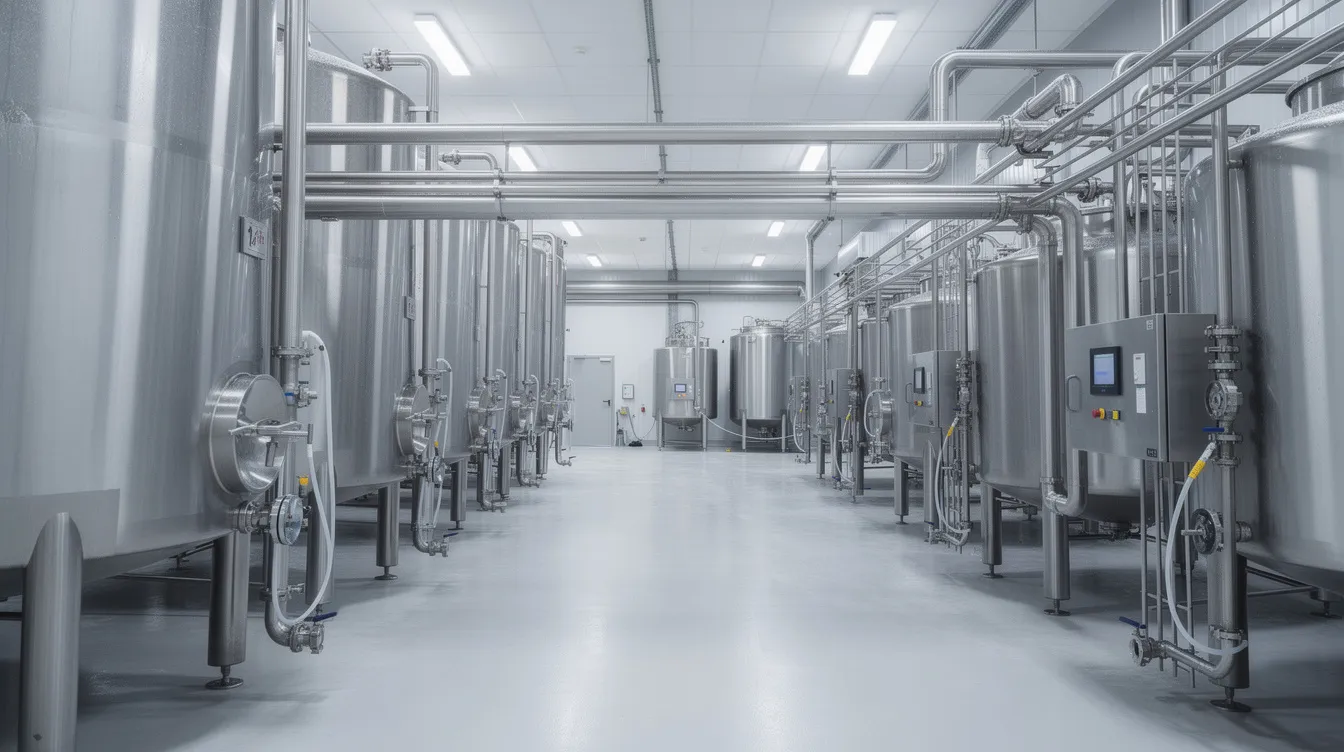
The typical production process follows a well-defined sequence: whey collection and reception, clarification to remove curd fines, pasteurisation and chilling, standardisation, membrane concentration using ultrafiltration, nanofiltration or reverse osmosis, separation of protein-rich retentate from lactose-rich permeate, evaporation to increase total solids and finally spray drying to produce shelf-stable powders. Each step adds cost-energy, membranes, labour, quality testing-but also adds potential value to the finished product.
The business model must address utilisation or treatment of residual streams. After protein separation, the permeate stream contains lactose, minerals and organic and saline substances that can be further processed into permeate powder or directed to animal-feed applications. CIP solutions, condensate water and other secondary dairy raw materials must be managed to meet environmental norms. Ignoring these streams creates both pollution liability and missed revenue.
The choice of plant configuration, scale and location directly influences investment intensity and achievable revenue. A small captive unit attached to a paneer plant operates very differently from an integrated dairy ingredients complex targeting export markets for high-value whey protein. Promoters should study the whey processing plant setup cost in India early in the planning process to align ambition with realistic budgets.
Captive Whey Processing Unit
A captive whey processing unit is established by an existing cheese, paneer or casein producer that already generates consistent liquid whey. The parent plant’s cheese whey or cheddar cheese whey becomes the sole feedstock, converting an internal byproduct-often a disposal headache-into a saleable ingredient.
Captive units benefit from assured raw material availability and lower procurement risk. The whey is transferred internally at a notional transfer price rather than purchased on the open market, which reduces working-capital volatility. Typical captive configurations in India include 50–200 TPD milk plants producing mozzarella, cheddar or paneer that integrate whey powder or WPC facilities alongside their primary cheese operations.
Commercial advantages include reduced effluent-treatment load, incremental revenue from what was previously liquid milk whey going to drain and better utilisation of existing utilities such as steam and refrigeration. Key risks include concentration of feedstock in a single parent plant-if cheese or paneer production drops, the whey unit sits idle-and the need for additional capital investment at a time when the parent unit may already be leveraged.
Independent Whey Processing Plant
An independent whey processing plant procures whey from multiple dairy, cheese or paneer units within a defined collection radius. This model requires negotiating supply contracts, arranging chilled tanker logistics and managing quality variations across different suppliers.
Proximity to cheese manufacturers helps reduce transportation costs of raw whey, which is critical because whey’s high water content makes long-distance transport uneconomical. Mapping daily and seasonal whey availability, testing composition from each supplier and establishing chilling infrastructure at collection points are non-negotiable planning steps.
Procurement price, collection radius and logistics costs significantly influence the revenue model of whey processing plant in India in this configuration. If whey is sourced from paneer units generating acid whey with lower protein and higher mineral content, product yields and grade potential change materially. Key commercial risks include supplier concentration, competition from new entrants offering higher prices for the same whey supply and inconsistent composition affecting processing yields.
When preparing realistic whey supply assumptions for the whey processing plant project report, promoters should obtain lab-tested composition data from each proposed supplier and model seasonal variation explicitly rather than assuming uniform year-round supply.
Integrated Dairy Ingredients Complex
An integrated dairy ingredients complex represents the most capital-intensive configuration. Whey processing is part of a broader dairy ingredients manufacturing business that may also produce adjacent products such as casein, caseinate, milk protein concentrate and anhydrous milk fat from the same milk supply chain.
Such complexes use multi-stage membrane filtration, fractionation, evaporation and drying to produce a broad whey processing plant product mix: WPC in multiple grades, WPI, demineralised whey powder, lactose, permeate powder and speciality ingredients. Capex, utilities and automation levels are substantially higher, but so is the potential to serve premium domestic and export markets-provided product specifications and global quality certifications are met.
In India, integrated complexes usually target both the whey protein concentrate market and lactose manufacturing business opportunities, often located near large cooperative or private cheese plants that guarantee sustained sweet whey volumes. Promoters considering this model should secure long-term offtake agreements, invest in HACCP or GFSI certifications and run detailed sensitivity analysis before committing capital.
Contract or Toll Processing Model
Under a contract or toll processing model, a dairy company or multinational nutrition brand supplies its own liquid whey, while the plant owner provides processing services and earns a fixed or variable conversion charge. Whey processing facilities can offer contract manufacturing services for independent brands that lack their own drying and concentration infrastructure.
This model can reduce market risk for the processor-revenue is earned on conversion rather than commodity sales-but demands strong technical reliability, high uptime and quality consistency as per client specifications. Commercial terms commonly used in India include minimum guaranteed volumes, standard recovery assumptions, agreed power and steam cost pass-throughs and quality-claim mechanisms.
While tolling stabilises cash flows and reduces inventory risk, it may cap upside potential. Processors often combine toll work with in-house production for other products during spare capacity. Bankable toll-processing agreements can improve lender comfort when evaluating a whey processing plant DPR and financing proposals.
| Model | Feedstock Source | Investment Intensity | Revenue Potential | Major Advantage | Primary Risk |
|---|---|---|---|---|---|
| Captive unit | Own cheese/paneer plant | Moderate | Moderate–High | Assured whey supply | Parent-plant dependency |
| Independent plant | Multiple dairy suppliers | Moderate–High | Moderate–High | Diversified supply base | Supply competition & logistics |
| Integrated complex | Large captive + purchased | High | High | Multi-product premium mix | High capex & certification burden |
| Toll/contract processing | Client-supplied whey | Moderate | Moderate (conversion fees) | Lower market risk | Capped upside, client dependency |
Major Revenue Streams of a Whey Processing Plant
Whey processing plant revenue streams range from low-value liquid whey sales to high-value protein isolates and pharmaceutical-grade lactose. Revenue contribution must be analysed product-wise in financial projections because each stream carries a different cost structure, quality requirement and market risk.
Most Indian projects combine multiple products-whey powder, WPC, lactose or permeate powder-to balance volumes, yield utilisation and customer diversification. A plant producing only one product faces concentrated risk if that market weakens, whereas a diversified configuration creates multiple food and feed components that can absorb fluctuations.
Liquid Whey and Concentrated Whey Sales
In some scenarios, a plant may simply clarify, chill and sell liquid whey or partially concentrated whey to nearby buyers-animal-feed mixers, fermented-beverage manufacturers or local bakeries that accept wet ingredients. Because liquid whey is roughly 93 to 94 per cent water, high water content limits shelf life and transport radius.
Such sales usually generate lower per-litre realisations but require modest capital expenditure. Promoters should treat this as a supplementary revenue stream or a start-up phase strategy while membrane and drying capacity is being commissioned-not as the sole basis for long-term whey processing business opportunities in India.
Whey Powder Manufacturing Revenue
Sweet whey can be concentrated through evaporation and spray dried to produce standard whey powder, which is widely used in bakery, confectionery, dairy recombination, functional and nutritional beverages and animal nutrition. Whey powder production accounts for about 30 per cent of global whey use, making it the single largest outlet for processed whey by volume.
Additional processes such as partial demineralisation and instantisation allow production of higher-value demineralised whey powder suitable for infant food, clinical and baby nutrition and specialised food applications. The whey powder manufacturing plant project report should quantify saleable volumes, energy requirements, packaging formats and target B2B segments.
Whey powder manufacturing revenue depends on consistent quality-microbiology, solubility, colour and bulk density-brand reputation and the ability to supply in bulk bags, 25 kg sacks or customised packaging as per customer requirements. Inconsistent quality from batch to batch is a common reason for customer rejection and price penalties.
Whey Protein Concentrate (WPC) Products
Whey protein concentrates range from 34 per cent to 80 per cent protein purity, manufactured using ultrafiltration that effectively concentrates whey proteins while reducing lactose and mineral content. Higher protein grades require more aggressive membrane processing, additional diafiltration water and tighter process controls.
Whey protein concentrates are suitable for sports nutrition and dietary supplements, infant formulas, functional beverages whey formulations, bakery fortification and clinical nutrition blends. WPC held approximately 48.5 per cent of India’s whey protein ingredient market by revenue in 2025, confirming its position as the dominant commercial segment.
Entering the whey protein concentrate market requires more sophisticated membrane filtration, low microbiological counts and labelling compliance. Not every whey processing plant can cost-effectively produce high-grade WPC without suitable technology and quality systems. Detailed planning for a whey protein concentrate manufacturing plant is essential when WPC is expected to be a major revenue driver.
Whey Protein Isolate (WPI) as a Premium Ingredient
WPI, typically with protein concentration above 90 per cent and very low fat and lactose, occupies a premium niche. Whey protein is rich in essential amino acids and branched chain amino acids, making WPI especially valued in sports and performance nutrition. Whey proteins support muscle recovery and immune function, which drives consumer willingness to pay higher retail prices for WPI-based products.
Achieving the specifications needed to obtain whey protein isolates demands advanced membrane systems, polishing steps and strict process controls. Dried whey protein isolates must meet exacting standards for taste, solubility and microbiological safety expected by global nutrition and health brands. Buyer qualification cycles can stretch to 12–18 months, during which the plant may not realise premium prices.
Promoters should only include WPI in their product mix after confirming technical feasibility, access to demanding customers and the impact on overall project risk. A dedicated resource on whey protein isolate manufacturing plant planning can help evaluate this segment in depth.
Lactose and Permeate Products
Whey contains 70 to 75 per cent lactose in dry matter, making lactose recovery one of the most significant potential revenue streams. Lactose is often extracted from whey for use in various food applications-confectionery, bakery, infant formula and pharmaceutical tablets. Whey is used in the production of lactose for infant formula, where high purity and low mineral content are mandatory.
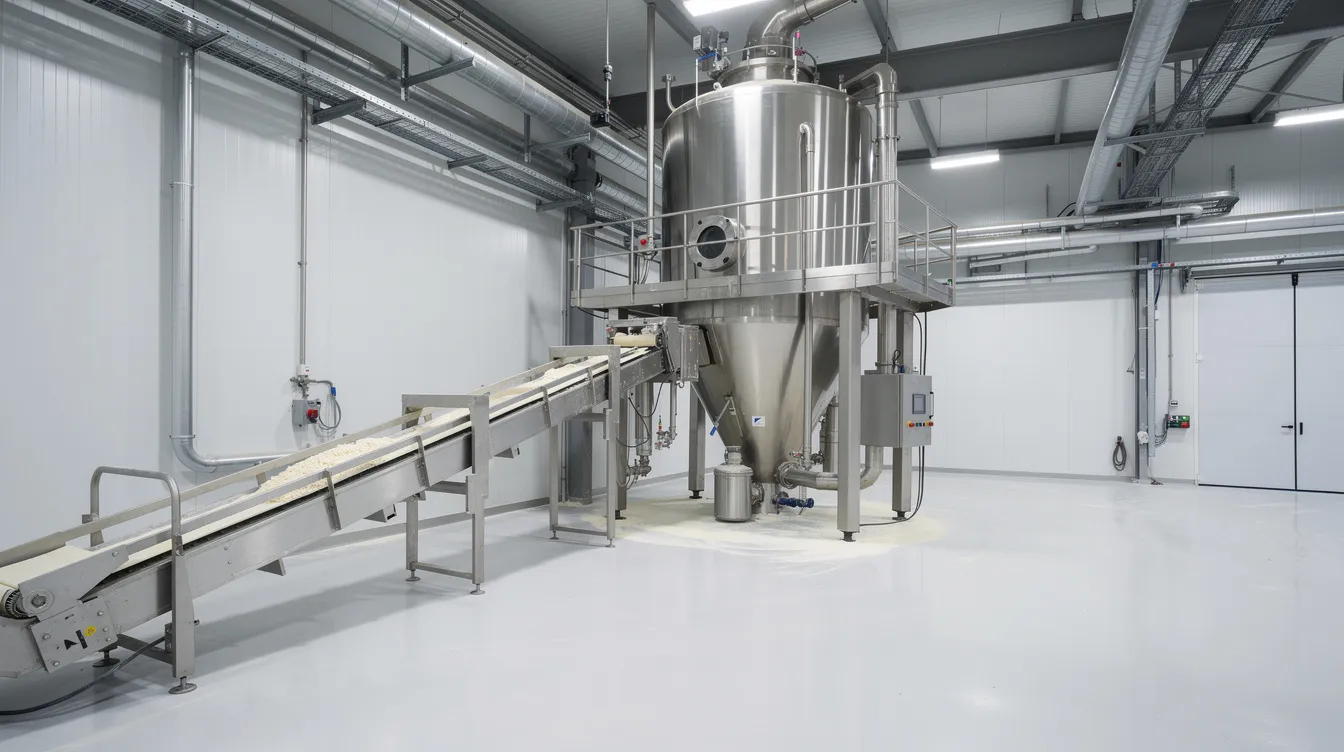
After deproteinisation, the permeate stream can be evaporated, crystallised and separated into crystalline lactose and residual mother liquor. The remaining stream can be dried into whey permeate powder, used in bakery, dairy blends and certain animal-feed formulations. Pharmaceutical-grade lactose requires additional purification, GMP-compliant facilities and regulatory approvals, which affect capex and payback period.
The lactose manufacturing business can significantly enhance the whey processing plant revenue model but adds complexity. Detailed planning for a lactose manufacturing plant project report is essential before committing to pharma-grade lactose production.
Animal Feed and Lower-Value Applications
Whey processing can generate byproducts like permeate for animal feed, and certain whey streams or downgraded powders can be diverted to animal nutrition-calf milk replacers, piglet feed and aqua feed-when they do not meet food-grade standards. These food and feed industry outlets provide a safety valve for quality variations and off-spec batches.
However, feed-grade pricing and margins differ significantly from food-grade or nutraceutical-grade products. A project designed primarily for feed-grade output will have a very different whey processing plant revenue model-lower realisations, thinner margins and higher sensitivity to commodity feed-price movements. Realistic assumptions for off-spec and downgraded product sales must be included in the project’s financial projections.
Export Revenue and International Market Opportunities
Export sales of WPC, WPI, demineralised whey powder and lactose can substantially influence whey processing plant export opportunities. India exported approximately 194 tonnes of whey and modified whey in 2024, valued at roughly USD 631,000-a very small figure that underscores both the nascent stage and the growth potential for quality-compliant Indian manufacturers.
Typical export requirements include FSSAI and importing-country regulatory compliance, HACCP or GFSI certification, batch traceability, robust microbiological standards and detailed product documentation. Foreign-exchange exposure, longer credit periods and containerised freight costs are additional commercial variables.
The whey processing plant DPR should present separate domestic and export sales projections and test sensitivity to changes in global prices and exchange rates. Experienced promoters often build a balanced portfolio of domestic institutional buyers and overseas distributors to stabilise cash flows.
Whey Processing Plant Product Mix and Revenue Potential
Product mix selection is one of the most critical strategic decisions impacting both revenue per kilogram of whey processed and risk diversification. An optimal mix may include standard whey powder, demineralised whey powder, selected WPC grades, lactose and permeate powder, with feed-grade outlets for residual streams. Creating highvalue protein concentrates alongside volume-driven commodity powders balances risk across price cycles.
| Product | Processing Complexity | Value Positioning | Principal Customer Segments | Key Commercial Consideration |
|---|---|---|---|---|
| Standard whey powder | Low–Moderate | Base | Bakery, confectionery, dairy, feed | Volume-dependent, quality consistency |
| Demineralised whey powder | Moderate | Medium | Infant food, clinical nutrition | Mineral specifications, buyer audits |
| WPC 35–60 | Moderate | Medium | Sports nutrition, functional foods | Membrane technology, protein consistency |
| WPC 80 | Moderate–High | Premium | Sports nutrition, clinical nutrition | High recovery sensitivity, buyer qualification |
| WPI | High | Premium | Sports nutrition, pharma, clinical | Advanced processing, long approval cycles |
| Lactose (food-grade) | Moderate | Medium | Confectionery, dairy, infant formula | Crystallisation yield, purity specs |
| Lactose (pharma-grade) | High | Premium | Pharmaceutical excipients | GMP compliance, regulatory approval |
| Permeate powder | Low | Base–Low | Bakery, animal nutrition | Limited margin, residual-stream outlet |
| Feed-grade powders | Low | Low | Animal feed manufacturers | Safety valve for off-spec batches |
Actual profitability depends on plant capacity, location, contracts and prevailing market conditions. Do not use this table as a pricing benchmark.
Promoters should use this framework together with a detailed analysis of whey processing plant capacity and product mix to finalise the project configuration.
Market Applications of Whey and Whey Products
Understanding whey processing plant market applications helps in designing realistic whey processing plant sales projections and product-development plans. Whey components find use across human nutrition, pharmaceuticals, animal feed and industrial applications. Whey is a source of water-soluble vitamins B1, B2, B6 and B12 alongside its protein, lactose and mineral content, giving it wide applicability. Different applications demand different grades of the same ingredient-food-grade versus nutraceutical-grade WPC, for instance-and this must be reflected in plant design and costing.
Sports and Performance Nutrition Applications
Whey is utilised in sports drinks for muscle recovery, and whey is a key ingredient in protein bars and health foods targeting gyms, athletes and lifestyle consumers. WPC and WPI are the primary ingredients in protein powders, ready-to-mix beverages and functional whey drinks sold across India and export markets.
Common product expectations include high protein content, rapid solubility, clean taste, favourable amino acid composition and low microbiological counts. Whey protein contains easily digestible whey proteins with high biological and nutritional value, including essential amino acids and vital amino acids such as leucine, isoleucine and valine-the branched chain amino acids that support muscle protein synthesis.
Indian sports-nutrition brands increasingly seek domestic, reliable suppliers for WPC and WPI to reduce import dependence. India’s whey protein ingredient market was estimated at USD 185.9 million in 2025, projected to reach USD 251.1 million by 2034, reflecting steady growth in demand for whey protein and dairy ingredients in India.
Infant and Clinical Nutrition Segments
Whey is used in infant formulas to mimic breast milk’s nutritional profile, and whey protein concentrate is used in infant formula alongside demineralised whey powder and lactose. This segment is sensitive and heavily regulated: manufacturers require stringent traceability, low-contamination environments, validation batches and exhaustive documentation.
Entering this segment demands higher investment in quality systems, clean-room environments and long customer-approval timelines that can stretch to 12–24 months. During this approval period, sales to infant-nutrition buyers may be limited, which the DPR should reflect through a realistic ramp-up schedule rather than immediate revenue from day one.
Bakery, Confectionery and Processed Foods
Whey powder and permeate powder are used in biscuits, cakes, chocolates, caramels and other processed cheese benefits and food products to enhance browning, flavour, texture and nutritional profile. This sector is large and relatively diversified in India, offering opportunities for volume-based sales even at moderate per-kilogram realisations.
Typical customer requirements include consistent bulk density, low caking tendency, controlled moisture and compatibility with automated dosing systems. Many medium and large Indian bakeries and confectionery manufacturers prefer local suppliers with reliable delivery and technical support, which can benefit well-run whey processing units. This application segment should be treated as a key pillar of whey powder manufacturing revenue in the project report.
Dairy, Frozen Desserts and Functional Beverages
Whey powder, WPC and permeate are used in recombined milk, dairy beverages, ice cream, yoghurt and frozen desserts to standardise solids, improve texture and enhance protein content. Novel whey drinks, functional and fortified beverages and whey-based beverages are popular for their health benefits and high protein content, driving growing demand in Indian organised retail and HoReCa sectors.
Functional whey drinks enriched with fruit and vegetable components represent a growing taxonomy blending nutritional functionality with consumer appeal. Whey drink formulas, whey drinks enriched with minerals and amino acid enriched drinks are expanding the market for natural and functional beverages and nutritional whey based beverages.
Partnerships with established dairy brands can stabilise off-take for specific whey ingredients, subject to successful technical trials and commercial discussions. Product developers in this space require consistent specifications over long periods; sudden product changes from the whey plant can lead to rejections.
Pharmaceutical, Nutraceutical and Industrial Applications
Pharmaceutical-grade lactose is widely used as a tablet excipient, while certain whey-derived fractions find use in specialised dietary supplements and nutraceuticals. Advanced plants can extract high-value bioactive fractions like lactoferrin, though this requires very significant additional investment and technical capability.
The food and nutraceutical industries use various whey-derived ingredients where milk’s soluble nutrients offer functional and nutritional properties. Whey solution includes readily available amino acids-amino acids total protein ratios in whey are among the most favourable in food proteins. Advanced whey processing technologies and engineering and food technologies continue to expand these applications.
For promoters considering adjacent opportunities, the casein and caseinate manufacturing plant represents a related but distinct milk-protein product category, as does the milk protein concentrate manufacturing plant-neither is manufactured from whey but both compete in overlapping ingredient markets. These niche segments should feature as upside scenarios in the DPR rather than the base case unless detailed buyer confirmations are available.
Animal Nutrition Applications
Whey fermented drinks enhanced with probiotics, whey permeate and suitable whey powders find application in animal-feed formulations-calf milk replacers, piglet pre-starters and aqua-feed supplements. These food and feed components provide biologically complete nutritional solutions for young animals and can utilise streams that do not meet human food-grade specifications.
While margins are lower, animal nutrition provides a floor for off-spec production and residual streams. Compliance with relevant animal-feed quality norms must be factored into the project.
Target Customers and Sales Channels
Major B2B customer categories for a whey processing plant include:
- Sports-nutrition manufacturers and nutraceutical companies
- Infant-food and clinical-nutrition formulators
- FMCG food and beverage manufacturers
- Bakery and confectionery companies
- Dairy-product manufacturers producing value-added whey products
- Pharmaceutical companies requiring lactose excipients
- Animal-feed producers
- Ingredient distributors and institutional buyers
- Export importers and overseas distributors
Sales models may include direct institutional sales, annual supply agreements, approved-vendor arrangements, distribution through specialised ingredient traders, private-label manufacturing and export through overseas distributors. Digital B2B platforms, trade fairs and technical seminars support lead generation.
Over-dependence on spot-market sales can create cash-flow volatility. Long-term offtake arrangements provide better visibility for loan repayment planning. The whey processing plant DPR should clearly map planned sales channels, expected credit periods and marketing costs for each major customer segment.
Domestic Market Versus Export Market
| Parameter | Domestic Market | Export Market |
|---|---|---|
| Price realisation | Generally moderate | Potentially higher (USD-linked) |
| Payment terms | 30–60 days typical | 60–120 days, LC or DA |
| Quality expectations | FSSAI compliant | FSSAI + importing-country standards |
| Certification burden | Moderate | High (HACCP, GFSI, buyer audits) |
| Freight and logistics | Lower | Higher (containerisation, port handling) |
| Currency risk | None | USD/INR fluctuation |
| Buyer approval cycle | Shorter | Longer (6–18 months) |
Domestic demand for whey protein and dairy ingredients in India is growing, driven by sports nutrition, bakery, dairy and functional foods. The Takshashila Discussion Document highlights that domestic production of high-grade whey proteins remains insufficient, with significant import dependence.
A balanced customer portfolio with both Indian and overseas buyers generally provides a more resilient whey processing plant revenue model.
Key Drivers of Sales Revenue
Annual sales revenue can be expressed simply:
Annual Sales Revenue = Σ (Net Saleable Quantity of Each Product × Average Net Realisation)
The variables behind this formula include:
- Input whey quantity: daily litres received, consistency across seasons
- Solids and protein composition: directly affects product yields-a 5–10 per cent drop in whey protein content may significantly lower saleable output
- Recovery percentage and production losses: yield per 1,000 litres of whey varies inversely with target protein grade
- Product-grade distribution: proportion of premium versus base products
- Operating days and capacity utilisation: realistic at 280–310 days after CIP, maintenance and changeovers
- Domestic and export sales mix: different net realisations after freight, commissions and trade discounts
- Rejections and quality claims: downgraded batches reduce effective revenue
Nameplate capacity and saleable output are not the same. Whey processing plant financial projections should use realistic ramp-up and yield assumptions, with product-wise sales projections tested against 5–10 per cent variations in selling prices.
Major Cost and Profitability Drivers
The principal cost heads that determine whey processing plant profitability include:
- Whey procurement or transfer price: profitability relies on secure access to low-cost liquid whey
- Collection and transportation: chilled tankers, route optimisation, seasonal variation
- Utilities: the primary operating cost for whey plants is energy used in processing milk residue-steam for evaporation, electricity for membrane systems and refrigeration, water for CIP. Operating expenses are driven by raw whey costs and energy consumption
- Membrane replacement and cleaning chemicals: UF, NF and RO membranes require periodic replacement and daily CIP
- Packaging material: bulk bags, 25 kg sacks, or specialised containers for premium products
- Labour and overheads: QC staff, operators, administration
- Financial costs: term-loan interest, working-capital interest, depreciation and repayment obligations
Higher-value products like WPI require more complex processing, stricter QC, specialised packaging and greater marketing effort. Their margins should not be overestimated simply because their per-kilogram selling price is higher.
Capacity Utilisation and Break-Even Analysis
Fixed costs-salaries, interest, depreciation, basic utilities-are spread over actual production volumes. Low utilisation can severely impact per-unit cost and profitability. A plant designed for 50,000 litres per day of whey but receiving only 25,000 litres will carry the full fixed-cost burden on half the expected revenue.
Typical ramp-up patterns observed in Indian dairy-ingredient projects:
- Year 1: 50–60 per cent utilisation (commissioning, customer qualification, initial production stabilisation)
- Year 2: 70–80 per cent (customer approvals begin converting to regular orders)
- Year 3 onward: 80–90 per cent (steady state, subject to confirmed whey supply)
Seasonal whey availability-flush and lean seasons in India-affects plant operations. CIP downtime, changeovers between products and planned maintenance reduce effective operating days. Sustainable dairy industry practices require accounting for these realities in the break-even calculation rather than assuming 365-day continuous operation.
Promoters should study guidance on whey processing plant capacity and product mix for more nuanced planning.
Working-Capital Requirements
Whey processing typically requires substantial working capital because of:
- Daily whey procurement and collection expenses
- Packaging-material and chemical inventory
- Finished-goods inventory-especially during customer-approval phases when product is manufactured but not yet dispatched
- Credit periods of 30–60 days for domestic B2B customers and potentially 60–120 days for export receivables
- Minimum production batches that may exceed immediate order quantities
- Seasonal inventory build-up during flush season for lean-season sales
The DPR should present separate estimates of inventories (raw whey, work-in-progress, finished goods), receivables, payables and a working-capital margin requirement for bank funding. Underestimating working-capital needs is a common reason for financial stress in otherwise technically sound whey processing projects.
Market Assessment Before Establishing the Plant
Before committing capital, promoters should complete a structured market assessment:
- Quantify whey availability: identify current and projected daily volumes of sweet whey and acid whey from target suppliers; obtain lab-tested composition reports showing protein, total solids, minerals and pH
- Assess seasonal patterns: map flush and lean season variations that affect both whey volume and component whey composition
- Shortlist technically feasible products: based on whey type, composition and proposed technology (whey processing methods and whey processing technology appropriate to the feedstock)
- Approach potential buyers: obtain indicative specifications, packaging preferences, contract structures and approximate volume potential from Indian and overseas customers
- Obtain indicative quotations: machinery, utilities, packaging, transport and effluent-treatment cost estimates
- Conduct sensitivity analysis: test project robustness under realistic downside scenarios-lower utilisation, reduced yields, adverse price movements
Market potential of whey processing business cannot be assessed from aggregate market-size headlines alone. It requires bottom-up validation against the plant’s specific capacity, product grades and accessible customer base.
Risks in the Whey Processing Plant Revenue Model
Major risks that must be addressed in the whey processing plant project report:
| Risk Category | Specific Risk | Practical Mitigation |
|---|---|---|
| Supply | Inconsistent whey volume or composition | Diversified suppliers, supply contracts, chilling infrastructure |
| Processing | Membrane fouling, low yields | Preventive maintenance, CIP optimisation, membrane-life tracking |
| Energy | High or rising energy tariffs | Energy audit, heat recovery, multi-effect evaporators |
| Quality | Product rejections, non-conformance | Robust QC lab, HACCP, SOPs, in-process testing |
| Market | Import price competition, buyer concentration | Diversified customer portfolio, competitive cost structure |
| Financial | Working-capital stress, DSCR breach | Conservative projections, adequate margin money, contingency reserves |
| Regulatory | FSSAI changes, export registration delays | Early compliance planning, professional regulatory support |
| Currency | FX fluctuation on export realisations | Hedging, balanced domestic-export mix |
Environmental compliance costs can impact operational profitability, particularly for plants that must treat high-BOD acid whey effluent. Goat’s milk whey and ricotta cheese whey mixed with other streams can introduce further variability if not managed.
Risk cannot be eliminated, but it can be managed through careful planning, conservative financial projections and disciplined execution.
Sensitivity Analysis for Whey Processing Projects
A bankable DPR should test the impact of changes in key variables across multiple scenarios:
- Base case: realistic utilisation, confirmed yields, conservative pricing
- Optimistic case: higher utilisation, favourable product mix, export premium
- Stress case: 10–15 per cent lower utilisation, 5–10 per cent lower selling prices, higher energy costs
Specific sensitivity tests should cover:
- Capacity utilisation (e.g., 60 per cent, 75 per cent, 85 per cent)
- Recovery yield for protein and lactose
- Average selling price by product
- Raw whey cost and energy tariff changes
- Product mix shifts (more base product versus more premium)
- Receivable period extension (30 days to 90 days)
- Interest rate variation (±100–200 basis points)
Some projects that appear attractive at 100 per cent utilisation may become unviable at more realistic levels. Sensitivity analysis exposes this before capital is committed, not after.
Information Required for a Bankable DPR
To prepare a reliable whey processing plant DPR, the following inputs are essential:
- Location and infrastructure: proposed site, land area, access to utilities and transport
- Feedstock: list of potential whey suppliers, lab-tested composition (protein %, total solids, ash, pH), projected daily availability by season
- Product and capacity plan: proposed product mix, installed capacity (litres/day of raw whey), expected recovery yields per product and number of operating days
- Technology and equipment: realistic machinery and utility quotations, building and civil cost estimates, manpower plan, packaging choices and effluent-treatment design
- Financial inputs: estimated project cost, funding pattern (equity, term loan, subsidies where applicable), working-capital assumptions, target customer segments and indicative selling prices backed by market feedback
- Commercial terms: expected credit periods, sales channels, domestic-export split, insurance and freight assumptions
Comprehensive planning of whey processing plant project cost and means of finance is essential for a credible DPR and lender appraisal.
Capital Investment, Technology and Plant Configuration
Major capex components for a whey processing plant include land and site development, civil works, whey reception and storage tanks, membrane systems (UF, NF, RO, MF), evaporators (multi-effect or MVR), spray dryers, packing lines, QC laboratories, utilities (boiler, refrigeration, cooling towers, water treatment) and effluent-treatment plant. Capital expenditure on equipment is a significant investment for whey plants, and whey processing plants require significant capital investment to deliver consistent quality at commercial scale.
Choices between single-product versus multi-product configurations, automation levels and on-site effluent treatment influence total project cost and risk profile. Prospective investors should review reference data on whey processing plant setup cost in India to understand broad cost ranges before finalising plant scale.
Processing Equipment, Membranes and Manufacturing Technology
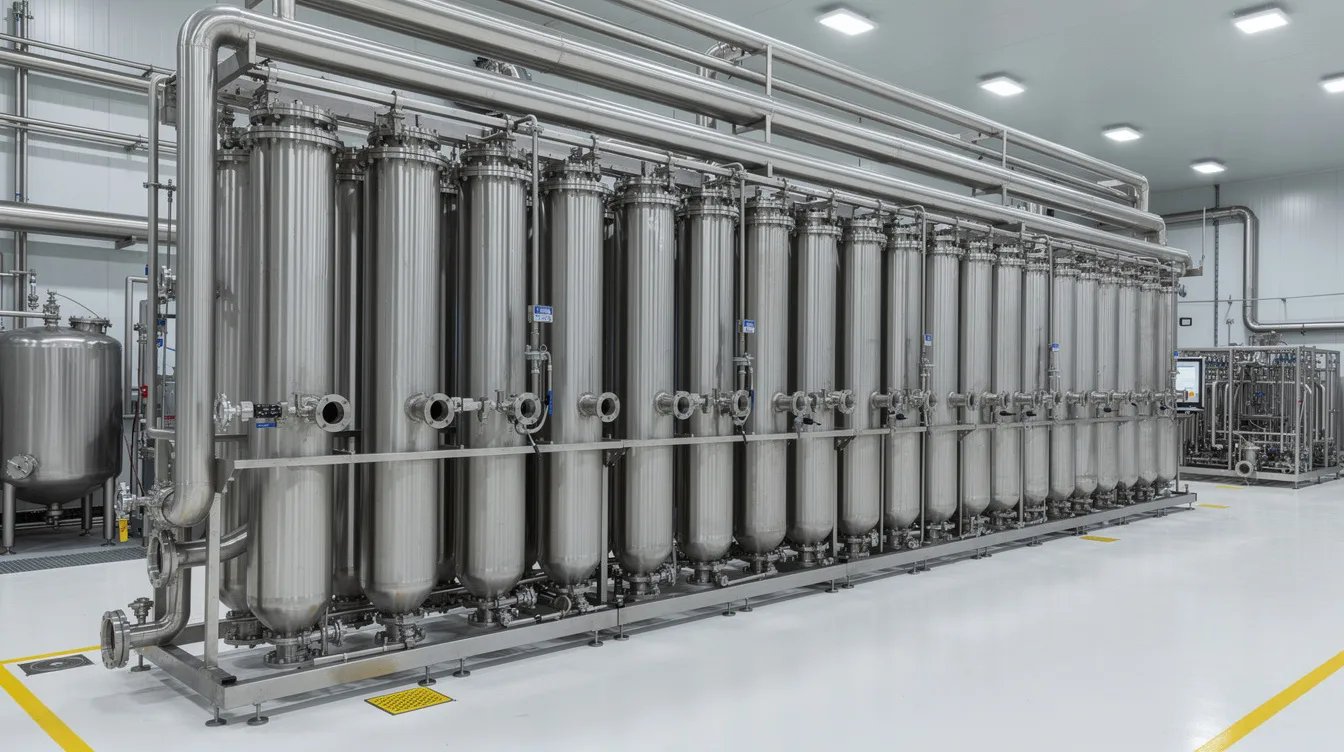
Core processing equipment includes clarifiers, balancing tanks, pasteurisers, UF, NF and RO systems, evaporators, spray dryers, fluidised-bed coolers, packing machines and automated CIP systems. Whey processing plants utilise technologies like ultrafiltration and spray drying to convert liquid whey into shelf-stable powders. Ultrafiltration effectively concentrates whey proteins and reduces non-protein components, while reverse osmosis membranes separate water from whey solids at high pressure, increasing total solids before evaporation.
Centrifugation and spray drying produce very pure whey-derived powders when combined with appropriate upstream separation. The emulsion liquid membrane technique and other emerging whey processing methods are being explored for selective mineral removal and functional whey drink typology development, though commercial-scale adoption in India remains limited.
Promoters should study dedicated guidance on whey processing plant machinery and equipment cost when budgeting capex, and review membrane filtration technology for whey processing for technical detail on UF, NF, RO and MF systems. A process-flow explanation is available at the whey processing plant manufacturing process resource for readers seeking deeper technical detail beyond this article’s commercial focus.
Professional Perspective of CA Manish Gugliya
Since 2006, I have prepared numerous detailed project reports and financial feasibility studies for dairy and food-processing projects across India, including whey powder, WPC, WPI, lactose and broader dairy ingredients manufacturing business configurations.
In my professional experience, the strongest whey processing projects are built on three linked assessments:
- Reliable availability and lab-tested composition of whey-not assumed volumes but actual supplier commitments with tested protein, solids and mineral content
- Technically achievable product recovery from the specific whey type-whether component sweet whey or acid whey, whether casein whey from rennet processing or ricotta cheese whey from re-cooking-each type yields differently
- Verified demand for the proposed product grades and pack sizes-approached buyers, indicative price indications and realistic qualification timelines
Plant size and machinery selection-including whether to invest in advanced WPC, WPI or lactose lines-should follow, not precede, this product and market planning exercise. Installing sophisticated equipment without adequate whey supply or confirmed buyers creates underutilised capacity and repayment pressure-a pattern I have observed in several projects seeking refinancing after initial stress.
My role typically includes preparing customised whey processing plant DPRs, financial projections, CMA Data, project-cost and means-of-finance structuring and sensitivity analysis. I do not describe future projections as certified results-projected financial statements represent estimates based on stated assumptions, and their outcomes depend on execution and market conditions.
I invite serious promoters to engage early in the planning phase so that technical consultants, equipment suppliers and financial advisors can work together on a coherent, bankable business model.
Conclusion: Structuring a Sustainable Whey Processing Plant Revenue Model
An effective whey processing plant revenue model in India converts liquid whey into value-added powders and ingredients, balancing whey powder, WPC, WPI, lactose, permeate and feed-grade outlets based on realistic feedstock and market assessments. Whey produced from cheese and paneer operations-whether sweet whey or acid whey-can support sustainable food system strategies when processed rather than discharged.
Project success depends on reliable whey supply, appropriate technology, disciplined quality control, conservative sales projections and adequate working capital-not on optimistic market headlines or aspirational product positioning. Whey processing plant profitability is project-specific and must be established through a comprehensive DPR integrating technical, commercial and financial analysis, including risk and sensitivity studies.
The market for whey products continues to expand across sports nutrition, processed cheese benefits and bakery applications, functional and fortified beverages, clinical and baby nutrition, pharmaceutical excipients and feed-grade outlets. In 2019, the EU alone generated about 54.8 million tons of whey, with up to 90 per cent processed into saleable ingredients. India has the raw material base to participate meaningfully in this value chain-provided projects are planned with rigour.
When carefully planned and executed, whey processing can support both environmental compliance and profitable diversification of dairy businesses in India. Promoters and investors planning a whey processing or broader dairy ingredients project are welcome to visit www.projectreportbank.com for customised DPRs, financial feasibility studies, CMA Data preparation and project-finance assessment.
FAQs on Whey Processing Plant Revenue Model and Market Applications
What is the minimum viable plant size for a whey processing unit in India?
There is no universal answer, because minimum economic scale depends on the target product mix. A plant producing only standard whey powder may be viable at 20,000–30,000 litres per day of sweet whey, while a multi-product unit targeting WPC 80, lactose and export-grade demineralised whey powder typically needs 100,000 litres per day or more to justify the capex and quality infrastructure. The DPR should model break-even at the proposed scale and test sensitivity to lower-than-expected utilisation.
Can a small paneer unit profitably process its own whey?
Small paneer units typically generate acid whey with lower protein content and higher mineral load, which limits the range of profitable products manufactured from liquid whey. Processing acid whey into feed-grade powder or whey drinks nutritional content may be feasible, but producing high-value WPC or WPI from acid whey alone is technically difficult and commercially risky without neutralisation and blending. Profitability depends on daily volume, composition and local demand. A project-specific feasibility study is essential before investing.
How should a promoter decide between domestic-focused and export-focused revenue planning?
A balanced approach generally works best. Domestic sales provide shorter approval cycles, lower logistics costs and INR-denominated receivables, while export markets can offer higher per-kilogram realisations for premium products. The DPR should model both channels separately, test sensitivity to foreign-exchange movement and ensure that debt servicing does not depend solely on export realisations that may be volatile. Export should be treated as incremental revenue, not the primary revenue anchor, unless the plant has pre-confirmed international buyers.
What are the typical working-capital challenges in the first year of a whey processing plant?
First-year working-capital stress often arises from a combination of factors: finished-goods inventory accumulating while customer approvals are still in progress, packaging-material procurement in bulk to secure prices, credit terms demanded by initial B2B customers to trial the product and delayed export receivables where documentation or inspection cycles are slow. These factors can create a gap between cash outflows and revenue receipts that the funding plan must explicitly address.
How does the type of whey-sweet versus acid-affect the revenue model?
Sweet whey from rennet-coagulated cheese has higher protein, lower minerals and a pH that is more compatible with membrane filtration and drying. This allows a wider and more premium product mix, including high-grade WPC, WPI and food-grade lactose. Acid whey from paneer and chhana has higher ash, lower pH and greater tendency to foul membranes, restricting the feasible product range and increasing processing costs per kilogram of saleable output. The whey processing plant revenue model must reflect these compositional realities through whey-type-specific yield assumptions and product-grade targeting.