Key Takeaways
This article is a practical guide for setting up a whey protein concentrate manufacturing plant in India, covering both technology and bankability from the perspective of a practising Chartered Accountant specializing in industrial project reports.
- A WPC manufacturing plant converts low-value liquid whey from cheese and paneer operations into high-value protein ingredients-WPC 35, WPC 60 and WPC 80-used across sports nutrition, clinical nutrition, infant foods, dietary supplements and functional foods.
- Project success depends primarily on assured raw whey supply, correct membrane and spray-drying technology, efficient utilities, strong quality control and effective permeate utilization.
- This article is written from the perspective of CA Manish Gugliya (FCA, DISA ICAI), focusing on plant feasibility, capital investments, working capital, WPC plant DSCR, ROI and IRR for lenders and investors.
- Financial projections must account for both direct and indirect costs, fixed costs, variable costs, and realistic capacity utilization scenarios across the initial five years.
- Promoters can obtain a customized, bankable detailed project report for their WPC manufacturing plant from www.projectreportbank.com.
Introduction – Why Consider a Whey Protein Concentrate Manufacturing Plant Now?
A whey protein concentrate manufacturing plant is a facility that converts liquid whey-a by-product of cheese, paneer and casein production-into spray-dried WPC powder using advanced membrane filtration, evaporation and drying technology. Whey protein is a by-product of cheese production globally, and India alone generates nearly 5 million tonnes of liquid whey annually, the majority from paneer and chhana operations. Most of this whey remains underutilized or is disposed as effluent, creating both an environmental liability and a significant business opportunity.
The commercial importance of WPC continues to grow rapidly. The global whey protein market was valued at USD 5.69 billion in 2025 and is expected to reach USD 7.69 billion by 2034, exhibiting a CAGR of 3.41% from 2026 to 2034. Rising health consciousness drives demand for whey protein products worldwide. Urbanization is contributing to the growth of the whey protein market, particularly in India, where the India whey protein market was valued at approximately USD 266.6 million in 2024 with a projected CAGR of 9.9% through 2033. Whey protein is increasingly used in sports nutrition and functional foods, along with fortified foods, bakery, beverages and protein enriched diets.
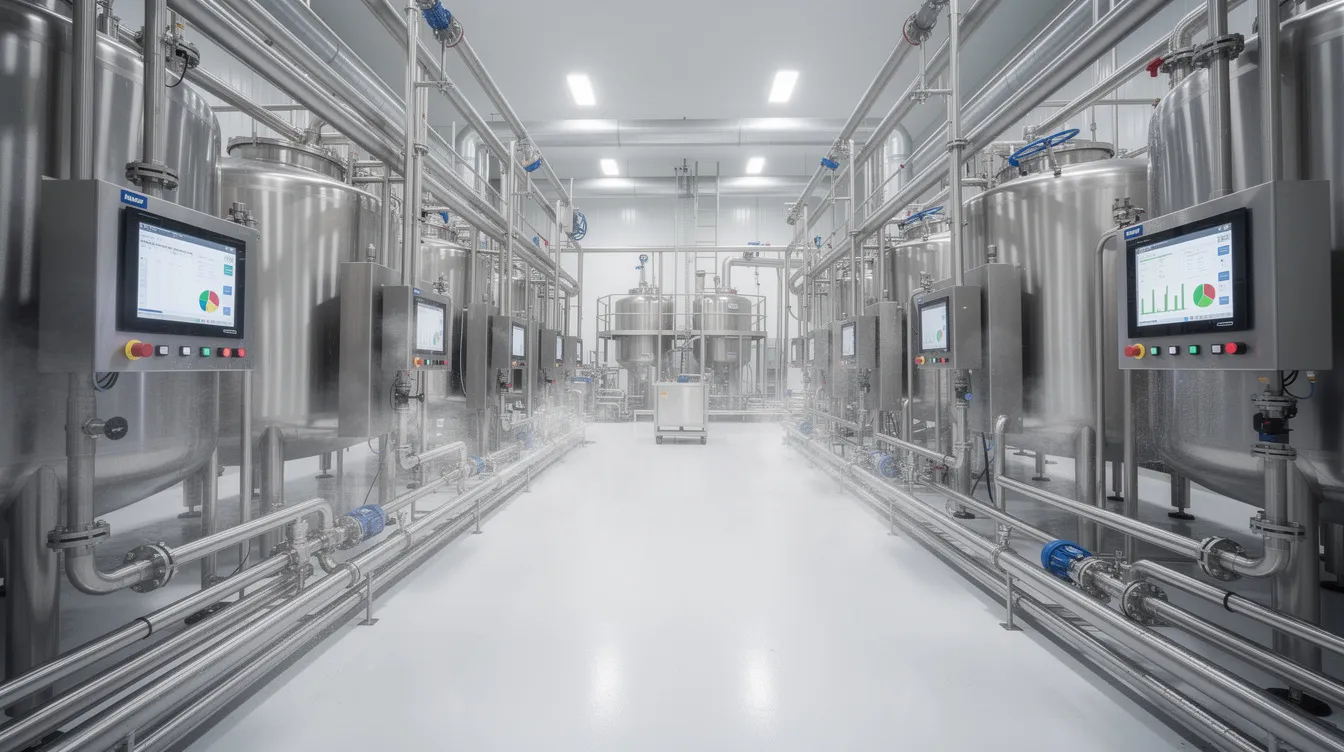
A viable plant project must integrate technical feasibility-membranes, whey quality, utilities, hygiene-with financial viability covering capital investments, operating costs, production capacity, plant capacity utilization and WPC plant profitability. Setting up a plant requires evaluating technological and quality assurance needs alongside market demand.
A professionally prepared whey protein concentrate plant project report should evaluate raw whey availability, protein recovery, permeate utilization, market prices, investment opportunities and lender expectations before finalizing the plant setup. This article provides a comprehensive market overview combined with technical and financial guidance for promoters, lenders and consultants.
What Is Whey Protein Concentrate (WPC)?
Whey protein concentrate is a dairy ingredient obtained by separating and concentrating whey proteins from liquid whey, followed by removal of most water, a significant portion of lactose and minerals. The production process involves multi-stage filtration, concentration, and drying to produce a final product in powder form.
Key distinctions every promoter should understand:
- Liquid whey contains about 6–7% total solids, of which proteins represent roughly 8–10% of total solids, lactose 70–72% and minerals 12–15%.
- Whey powder is spray-dried whole whey retaining most of the lactose and minerals.
- Whey protein concentrate typically contains 35%–80% protein by dry matter, with lactose and minerals reduced through ultrafiltration.
- Whey protein isolate contains over 90% protein and requires more intensive processing, including additional purification steps.
Ultrafiltration is used to separate water, lactose, and minerals from proteins, while diafiltration washes out additional non-protein solids. The protein percentage in WPC is always expressed on a dry-matter basis. Functional properties such as solubility, foaming and emulsification depend on both the manufacturing process and the composition of the incoming whey-a critical consideration when preparing the business plan.
Types and Grades of WPC – WPC 35, WPC 60, WPC 80
WPC plants can be configured to produce different protein grades depending on membrane design and diafiltration intensity. The whey protein sector offers multiple grade options, each suited to different market segments.
| Parameter | WPC 35 | WPC 60 | WPC 80 |
|---|---|---|---|
| Protein range (dry basis) | ~34–36% | ~55–65% | ~78–82% |
| Diafiltration level | Minimal or none | Moderate | Intensive |
| Typical applications | Bakery, beverages, confectionery | Enriched dairy foods, nutrition blends | Sports nutrition, clinical nutrition, infant food base |
| Processing complexity | Lower | Moderate | High |
| Quality control expectations | Standard FSSAI | FSSAI + customer audits | FSSAI + HACCP + export certifications |
| Target customer segments | Food manufacturers, bulk ingredient traders | Mid-tier nutrition brands | Premium supplement brands, exports, infant food companies |
| Relative capital investment | Lower | Moderate | Highest |
Actual specifications are finalized as per buyer requirements, applicable Codex Alimentarius or Indian standards and agreed supply contracts. The whey protein concentrate market in India currently shows the strongest volume demand for WPC 35 and WPC 80, with WPC holding approximately 48.5% of India’s whey protein market by revenue.
WPC 35 vs WPC 60 vs WPC 80 – Impact on Technology, Cost and Profitability
Selecting the primary product grade is one of the most strategic decisions in a WPC manufacturing plant business plan. Here is how grade selection affects the entire project:
- Membrane selection and stages: WPC 80 requires significantly more membrane area and multiple UF/DF stages compared to WPC 35.
- Diafiltration water consumption increases substantially for higher grades, raising both water and effluent-treatment costs.
- Protein yield and solids recovery: higher grade means more lactose and minerals removed, reducing overall powder yield per litre of whey but increasing protein purity and market value.
- Energy consumption in evaporation and spray drying rises with higher-grade WPC due to larger retentate volumes and stricter drying parameters.
- Capital expenditure on membranes, dryers, CIP systems and laboratory instruments escalates with grade.
- Operating costs per kg of WPC produced and per kg of recovered protein differ materially across grades.
- Market pricing and customer acceptance favour WPC 80 for premium applications, while a WPC 35 manufacturing plant may target volume and broader food applications.
A WPC 80 manufacturing plant configuration may require lower throughput but fetch better realizations. Product grade must be finalized only after analysing raw whey composition-especially protein and lactose-and confirming market demand through market research, customer discussions and trial orders.
Raw Materials and Quality Parameters for WPC Manufacturing
The primary raw material is liquid whey, which may be sweet whey from cheese operations or whey from paneer and casein production. Its composition directly drives yield and economics. Raw materials required include:
- Sweet whey from cheddar, mozzarella or processed cheese plants
- Whey from paneer or chhana operations, where technology allows (noting that paneer whey has lower protein-approximately 0.53% versus 1.10% for cheddar whey)
- Potable and process water for diafiltration and CIP
- CIP and cleaning chemicals (caustic, acid, sanitizers)
- Food-grade processing aids where permitted
- Packaging materials (multi-layer bags, bulk bags) appropriate for WPC products
Essential whey-quality tests before finalizing the plant project include protein, fat, lactose and total solids measurement; pH, acidity and ash or mineral content; microbiological load (TPC, coliforms); and documentation of temperature, storage time since generation and seasonal variations. Raw material mixing from multiple sources demands standardized testing protocols.
Whey from different cheese and paneer recipes behaves differently during ultrafiltration in terms of fouling tendency and protein recovery. Pilot trials or vendor data are therefore critical inputs to the detailed project report.
Raw Whey Procurement and Supply Assessment
Raw whey availability is often the single biggest feasibility factor for a whey protein manufacturing plant in India. Proximity to dairy sources is critical for minimizing raw whey spoilage, and raw material requirements must be meticulously mapped before machinery and technology requirements are finalized.
Key procurement considerations:
- Captive whey from an integrated cheese or paneer plant on the same site offers the most reliable and cost-effective supply.
- Collection from multiple nearby dairies within an economic transport radius (typically 100–150 km depending on chilling and road quality).
- Immediate cooling or chilling to below 10–15 °C is essential to arrest microbial growth and protein damage.
- Storage in insulated or chilled whey silos, with holding capacity aligned to plant throughput and processing schedules.
Supply agreements with partner dairies should specify minimum volume, minimum protein content, hygiene conditions and delivery schedules. Seasonal fluctuations in milk and cheese production-particularly in major dairy states such as Gujarat, Maharashtra and Uttar Pradesh-must be factored into annual production capacity planning.
Plant capacity cannot be based only on brochure ratings of machinery. It must be backed by a realistic whey supply study and logistics plan, which forms a key part of any bankable DPR.
Manufacturing Process of Whey Protein Concentrate – Step by Step
The WPC manufacturing process combines mechanical separation, thermal treatment, membrane filtration, evaporation and spray drying, all designed around food safety and protein functionality. Continuous operation is necessary to maintain the quality and safety of whey protein through each stage. The processing of whey should aim for minimal product loss at each stage.
- Receipt and testing of raw whey-sampling for protein, acidity, solids, microbiological load
- Screening and clarification to remove curd fines and coarse particles
- Fat separation using a cream separator to reduce fat and improve shelf stability
- Pasteurization at 72 °C for 15 seconds or higher-pasteurization is essential to reduce microbial contamination in whey
- Cooling and intermediate storage in balance tanks at membrane-feed temperature (20–28 °C)
- Optional microfiltration for fine clarification and spore reduction
- Ultrafiltration to concentrate whey proteins, retaining them while lactose and minerals pass through
- Diafiltration if targeting WPC 60 or WPC 80 specifications
- Evaporation of protein-rich retentate using falling-film evaporator to raise solids before drying
- Spray drying converts concentrated liquid whey into powder form by rapid moisture removal-inlet and outlet temperatures are controlled to avoid protein denaturation
- Cooling, agglomeration, sieving and metal detection
- Finishing processes involve blending, sifting, and packaging the whey protein powder
- Final packing, palletizing and storage under controlled humidity
Cleaning-in-place (CIP) systems are vital for maintaining hygiene during operations between production batches. Automation and real-time monitoring are critical for efficient production processes, helping maintain statistical process control across the production line.
For a detailed whey processing plant manufacturing process and flow chart, promoters should review the various unit operations involved in each stage.
WPC Manufacturing Process Flow Chart and Permeate Utilization
A clean text-based flow sequence helps promoters, lenders and technology suppliers align on the unit operations involved:
Main Product Flow: Liquid Whey Reception → Testing → Clarification → Fat Removal → Pasteurization → Microfiltration (if used) → Ultrafiltration → Diafiltration → Retentate Concentration → Evaporation → Spray Drying → Cooling → Sieving → Metal Detection → Packing → Finished WPC Storage
Permeate Stream: Ultrafiltration Permeate → Optional Nanofiltration/Reverse Osmosis → Lactose Recovery / Permeate Powder / Animal Feed / Fermentation / Other Utilization
Permeate handling significantly influences effluent volume, ETP load and overall plant profitability. Permeate represents 60–70% of total solids leaving UF and DF. Ignoring permeate monetization while drafting the WPC plant feasibility study can substantially understate both waste management systems costs and lost revenue.
When comparing WPC with ordinary whey powder and other spray-dried whey products, promoters should evaluate the differences in production efficiency, protein content and market value. For further reference, review the Whey Powder Manufacturing Plant Project Report for standard whey powder economics.
Membrane Filtration Technology – UF, MF, DF, NF and RO
Modern WPC manufacturing plants rely on advanced membrane filtration configured as per product and by-product strategy. The technology requirements for each membrane type serve distinct functions:
- Microfiltration (MF): Removes fat globules, bacteria and fine particles before UF.
- Ultrafiltration (UF): The core process retaining proteins (using 10–20 kDa MWCO membranes) while lactose and minerals pass through as permeate.
- Diafiltration (DF): Washes additional lactose and minerals from retentate to reach WPC 60 or WPC 80 specifications. For WPC 80, protein recovery can reach above 98% in the membrane system.
- Nanofiltration (NF) or Reverse Osmosis (RO): Concentrates permeate or recovers water, reducing effluent volume and utility consumption.
Key operating parameters that affect production efficiency and material cost:
- Control of transmembrane pressure during ultrafiltration affects protein yield and quality-typically operated at 0.3–0.4 MPa.
- Temperature control (20–28 °C) preserves protein functionality.
- Flux rate determines effective plant capacity and throughput.
- Membrane fouling requires regular cleaning-CIP frequency, chemical costs and membrane replacement every 5–8 years are recurring costs affecting WPC manufacturing profit margin.
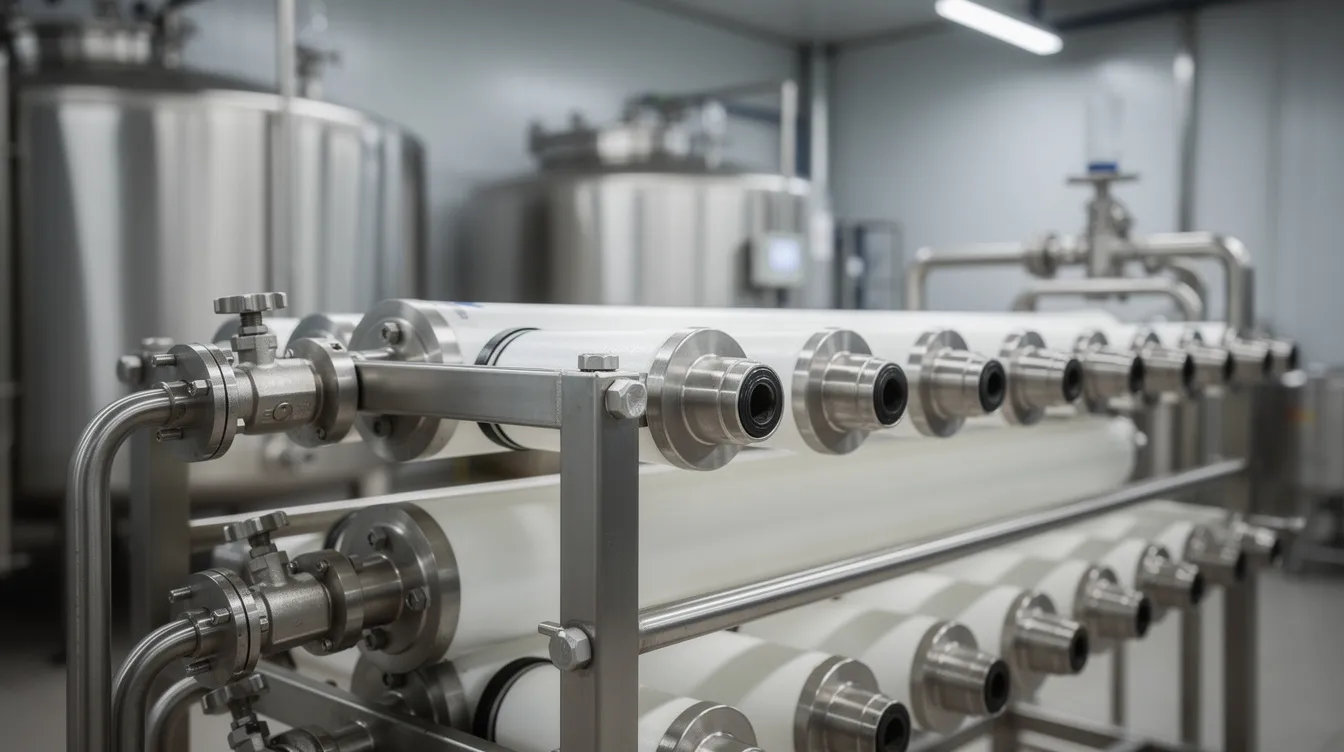
Every technical parameter above connects directly to yield, operating cost, energy consumption and quality consistency of the final product.
Major Plant and Machinery for a WPC Manufacturing Plant
Machinery selection should prioritize guaranteed recovery, hygiene standards, energy efficiency and after-sales support-not merely the lowest purchase price. Machinery requirements for a WPC plant include:
- Raw whey reception tanks, unloading pumps, chilling and storage systems
- Filters, clarifiers and curd-fines removal equipment
- Cream/fat separator and balance tanks
- Pasteurizer (plate or tubular type) with associated controls
- Microfiltration, ultrafiltration and diafiltration skids with pumps, valves and automation
- Nanofiltration or RO system for permeate processing, if adopted
- Falling-film evaporator sized to match spray dryer capacity
- Spray dryer, fluid-bed cooler and cyclone/bag-filter powder recovery systems
- Powder handling, conveying, sieving and metal detection equipment
- Semi-automatic or automatic packing line (1 kg consumer packs, 20–25 kg bags, bulk bags)
- CIP system, boilers, refrigeration plant, chilled-water system, air compressors, water-treatment plant
- Laboratory instruments for protein, moisture and microbiological testing
- Effluent-treatment plant for dairy effluent and permeate handling
For detailed guidance on whey processing plant machinery and equipment cost, promoters should compare vendor quotations on membrane area, automation level, energy use, expected membrane life and service support as part of the plant project evaluation.
Plant Capacity, Material Balance and Performance Metrics
Plant capacity is generally expressed in litres of liquid whey processed per day and corresponding tonnes of WPC powder per day, rather than only spray dryer evaporation capacity. For a medium-scale plant, assume processing capacity of 50,000–100,000 litres of whey per day, potentially producing 5–10 tonnes of WPC powder daily depending on grade and whey protein content.
Key performance indicators include:
- Protein recovery percentage in the membrane system (90–98% for well-operated UF/DF)
- WPC yield per litre of whey input
- Permeate-to-retentate ratio
- Annual operating plan accounting for maintenance shutdowns and seasonal milk availability
An illustrative material-balance framework should track liquid whey input with its total solids and protein, retentate and permeate volumes after UF, concentrated retentate solids after evaporation, final WPC powder output and process losses at each stage.
Actual yields must be derived from lab analysis of local whey, pilot trials and technology supplier guarantees. These figures should be carefully built into the DPR and financial projections-not assumed from generic industry data.
Land, Building and Hygienic Plant Layout
WPC plants must comply with strict food-hygiene and dairy-plant layout norms, with logical process flow from raw to clean zones. Environmental monitoring is necessary to control hygiene in whey processing areas. Main functional areas include:
- Raw whey reception, testing and unloading area
- Pre-treatment section (clarification, separation, pasteurization)
- Membrane hall (UF, MF, DF skids)
- Evaporation and spray-dryer tower area
- Powder handling and packing room with controlled air environment
- Finished-goods warehouse
- Utility block (boiler, refrigeration, WTP, compressors)
- Quality-control laboratory and CIP station
- ETP and sludge handling area
- Administration block, staff amenities and hygiene stations
Separation of wet and dry zones, one-way material movement, pest control, adequate drainage, air filtration in powder packing and provision for future expansion are essential layout principles.
Utilities Requirement and Energy Considerations
Utilities represent a major component of both infrastructure costs and operating expenses in a WPC manufacturing plant. Key utilities include:
- Electrical power with reliable supply and backup for continuous membrane and dryer operation
- Steam for pasteurization, evaporation and spray drying (boiler sizing is critical)
- Chilled water and refrigeration for whey cooling
- Process water and softened or RO water for diafiltration and CIP
- Compressed air for valves, instruments and packing machines
- Hot water for cleaning and sanitation
- Effluent-treatment capacity for high-organic-load wastewater
Efficient heat recovery systems can reduce energy costs in whey protein production-a point that directly impacts operating costs, which are projected to increase significantly by year five as membrane replacement cycles and utility tariff escalation take effect. During DPR preparation, utility consumption estimates should be presented both per litre of whey processed and per kg of WPC produced, enabling sensitivity analysis on energy tariffs.
Quality Control, Product Testing and Compliance
WPC is an ingredient for sensitive applications such as infant foods, clinical nutrition and medical foods, making robust quality systems essential for market acceptance and bankability.
Key quality parameters regularly tested include:
- Protein content on dry basis, moisture, fat, lactose and ash
- Solubility, dispersibility, bulk density and pH
- Sensory attributes (flavour, colour, odour)
- Microbiological counts including pathogens as per customer and FSSAI norms
- Heavy metals and contaminants for export-grade products
Quality control includes testing raw whey for acidity, protein, and microbial contamination at every receipt. HACCP plans focus on controlling hazards from raw material handling through processing. Statistical process control can help maintain consistency in whey protein production across batches.
Batch traceability from whey source to finished lot, retained samples, shelf-life studies, allergen labelling and packaging integrity checks are non-negotiable for large sports-nutrition and infant-nutrition clients. Key certifications required may include HACCP, ISO 22000, and potentially Kosher or Halal depending on target markets.
Statutory Approvals and Regulatory Compliance in India
Regulatory requirements depend on state, location and scale, and must be verified at the time of project implementation. Whey manufacturers must comply with food safety certifications and regulations. Key regulatory procedures typically include:
- Business constitution registration (proprietorship, partnership, LLP or company)
- Udyam registration for MSME classification where applicable
- GST registration for indirect taxation
- FSSAI manufacturing licence for dairy and protein ingredients
- Pollution-control board’s Consent to Establish and Consent to Operate
- Factory licence, fire NOC, boiler registration and electrical safety clearances
- Labour-law registrations (ESI, PF as applicable) addressing human resource requirements
- Legal Metrology compliance for packed-food weights and measures
- Packaging and labelling compliance under FSSAI rules
- Environmental and groundwater permissions where required
- Import Export Code (IEC) for export-oriented projects
Promoters should confirm the latest central, state and local regulations and consult qualified local professionals before finalizing the implementation schedule.
Project Cost Structure and WPC Plant Setup Cost in India
The total capital investment for a whey protein manufacturing plant in India varies widely based on plant capacity, technology choice, degree of automation and location. Rather than presenting a misleading single cost figure, the focus here is on capital costs components:
- Land acquisition or lease and site development
- Civil construction and factory building
- Membrane-filtration plant (UF/MF/DF and NF/RO if adopted)-often representing 30–40% of total fixed assets for WPC 80
- Evaporator, spray dryer, powder handling and packing line
- Utilities (boiler, refrigeration, WTP, compressors, electrical installation)
- Whey reception, storage and chilling systems
- Laboratory, quality-control equipment and ETP (ETP alone can range from ₹2–9 crore for medium-scale dairy plants)
- Pre-operative expenses, interest during construction and contingency provision
- Margin money for working capital as part of the overall means of finance
For a general framework on whey processing plant setup cost in India, promoters should note that WPC plants involve higher technology requirements and correspondingly higher initial investment than basic whey powder plants.
Factors Affecting WPC Plant Project Cost and Working Capital
Even for the same whey-processing capacity, project cost and working-capital requirement can differ substantially. Major cost drivers include:
- Whey-processing capacity (litres per day) and peak versus average processing load
- Target WPC grade (35 vs 60 vs 80) and diafiltration intensity
- Level of automation, data logging and real-time monitoring
- Extent of permeate processing (simple disposal versus lactose recovery or permeate powder)
- Choice between imported and domestic equipment
- Plant location, distance from whey sources and utility tariffs
- Provision for future expansion
Working-capital planning must address:
- Cost of raw whey procurement-liquid whey accounts for 50–60% of operating expenses, with raw materials accounting for 50–60% of operating expenses overall
- Inventory of packaging materials, chemicals and critical membrane spares
- Utility bills, staff salaries and maintenance reserves
- WPC stock holding and receivables from B2B customers (often 30–90 days credit)
- Membrane replacement reserve for the scheduled 5–8 year replacement cycle
Revenue Model, By-Product Utilization and Target Market
A sound WPC manufacturing business plan must clearly define revenue streams. Primary products include WPC 35, WPC 60, WPC 80 and custom blends. By-products and co-products include whey permeate, lactose, permeate powder and animal-feed ingredients.
The whey protein market is expected to reach USD 7.69 billion by 2034, underlining the scale of demand. Market forecasts for India suggest continued strong domestic growth, particularly as whey protein continues to gain acceptance in protein rich diets and everyday functional foods. Whey protein is used in sports nutrition and medical foods, and demand for dietary supplements continues to expand.
Target customer segments include:
- Sports-nutrition brand owners and contract manufacturers
- Clinical nutrition and infant-food companies (subject to stringent specifications)
- Bakery, confectionery and beverage manufacturers using WPC as a functional ingredient
- Institutional ingredient distributors and export buyers
Customer trials, technical approvals and longer-term offtake agreements are essential to stabilize revenue and support bank finance.
WPC Plant Profitability, Financial Projections and Bankability
WPC plant profitability depends on multiple interacting variables, and projections in a DPR are estimates, not guarantees. Whey protein processing turns low-value by-products into high-margin products, but margins are sensitive to capacity utilization and input costs.
Key profitability drivers:
- Raw whey cost and protein concentration in incoming whey
- Protein recovery in membranes and overall WPC yield
- Capacity utilization in the first 3–5 years (realistic ramp-up often 60–80%)
- Energy efficiency of evaporation and spray drying
- Membrane life, fouling rates and cleaning costs
- Realization per kg of each WPC grade and permeate product
- Finance cost, repayment schedule and customer credit period
Financial projections in a bankable WPC plant DPR should cover:
- Projected profit and loss account, balance sheet, cash-flow and fund-flow statements
- Production and sales assumptions by product grade
- Raw-material, utility and labour cost schedules
- Depreciation, interest, income-tax assumptions and financial analysis ratios
- Break-even analysis, WPC project ROI and IRR, net present value, average and peak DSCR, and payback period
- Sensitivity analysis testing capacity utilization, energy cost, selling price and raw whey availability
CA Manish Gugliya prepares financial projections and CMA Data based on promoter inputs and realistic assumptions but does not certify or guarantee future business results.
Bank Loan, Means of Finance and Feasibility Study
Most commercial WPC manufacturing plants in India are financed through a mix of promoter equity, term loans and working-capital limits from banks or financial institutions. Common means of finance include:
- Promoter contribution (equity or quasi-equity)
- Term loan for fixed assets and pre-operative expenses
- Working-capital cash-credit or WCDL limits
- Unsecured loans from promoters where permitted
- Equity investment from strategic or financial investors
- Applicable subsidies or incentives under central or state schemes, subject to eligibility
Lenders typically evaluate promoter background and experience, whey supply arrangement, technology provider track record, product grades and target markets, project cost, debt–equity ratio, projected DSCR, break-even sales level, security, collateral and regulatory compliance.
A comprehensive feasibility study addresses four dimensions:
- Technical feasibility: Capacity, technology, utilities and quality-control capability
- Market feasibility: Demand, competitors, industry trends, pricing and customer validation
- Financial feasibility: Investment opportunities, profitability, cash flows and risk factors
- Regulatory and environmental feasibility: Approvals, effluent handling, water use and waste management systems compliance
Risk Assessment, Sensitivity Analysis and Need for a Bankable DPR
WPC projects involve technology, supply and market risks, making structured risk management essential.
| Risk | Possible Impact | Suggested Mitigation |
|---|---|---|
| Irregular whey supply | Underutilization of plant capacity | Long-term supply contracts with multiple dairies |
| Lower-than-expected protein content | Reduced WPC yield and higher processing cost | Pilot trials, whey blending, feedstock testing |
| Membrane fouling and downtime | Lost production days, increased CIP chemical cost | Validated CIP regime, preventive maintenance |
| High energy tariffs | Elevated operating expenses | Efficient heat recovery, fuel optimization |
| Product rejection or quality complaints | Revenue loss, customer attrition | Robust QC, HACCP, batch traceability |
| Failure to monetize permeate | Higher ETP load, lost revenue | Integrate permeate processing into plant design |
| Extended receivables and working-capital stress | Cash-flow strain | Credit limits, advance payments, export factoring |
Sensitivity analysis in the DPR should test changes in capacity utilization, raw whey cost, protein recovery, selling price of WPC and permeate products, energy cost fluctuations, interest rates and collection efficiency. This represents sound risk management practice for both promoter and lender.
A bankable DPR for a WPC manufacturing plant must logically link raw whey availability, plant capacity, process configuration, material balance, market assumptions and loan-repayment capacity-rather than copying figures from unrelated dairy projects.
How CA Manish Gugliya and ProjectReportBank.com Can Assist Promoters
As a Chartered Accountant practising since 2006, I specialize in preparing industrial project reports, financial feasibility studies and bank-finance documentation for food-processing and dairy projects. For whey protein concentrate plant projects, the professional services offered include:
- Customized WPC manufacturing plant project reports and detailed project reports (DPR)
- Technical–financial feasibility studies integrating plant capacity, technology and market assumptions
- Project cost estimation, means of finance structuring and CMA Data preparation for bank submissions
- Financial projections including profitability, cash flows, DSCR, ROI, IRR and net present value calculations
- Working-capital assessment, break-even analysis and sensitivity analysis under multiple scenarios
- Support in preparing bankable documentation, investor presentations and pitch decks
While professional assistance can improve project preparation and presentation, no guarantee is offered regarding loan sanction, subsidy approval, profitability or investment returns-these depend on implementation quality and market conditions.
Serious promoters planning a WPC manufacturing plant are invited to connect through www.projectreportbank.com for a discussion on their proposed plant capacity, location and market strategy.
Frequently Asked Questions (FAQs) on Whey Protein Concentrate Manufacturing Plants
How long does it typically take to establish a medium-size WPC manufacturing plant in India?
Most medium-scale projects take 12–18 months from concept to commissioning. This includes 6–12 months for equipment procurement and installation, 3–6 months for site development, utility commissioning and statutory approvals, and 1–2 months for validation and trial runs. Delays in environmental clearances or imported equipment delivery can extend this timeline.
Can an existing cheese or paneer plant be retrofitted with a WPC production line?
Yes, many promoters integrate WPC production with an existing dairy or cheese plant to take advantage of captive whey supply. Retrofitting requires adequate space for membrane skids, an evaporator, spray dryer and utilities, along with upgrades to CIP, quality-control laboratory and ETP. A retrofit approach often reduces infrastructure costs and improves whey freshness, provided the layout permits hygienic segregation of wet and dry processing zones.
What is the minimum whey volume generally considered reasonable before exploring WPC manufacturing?
While there is no universal threshold, most technology suppliers and industry practitioners suggest a minimum of 50,000 litres of liquid whey per day to justify the capital investments in membrane filtration and spray drying equipment. Below this level, production efficiency and machinery utilization may not support viable economics, though smaller pilot or niche plants may work in specific high-value segments.
Is WPC related to WPC decking, wood plastic composite or plastic resin products?
No. In the dairy and nutrition industry, WPC refers exclusively to whey protein concentrate-a pure dairy protein product. The abbreviation WPC is also used in the building-materials sector for wood plastic composite, which is a composite material made from wood powder, plastic resin and additives, used as an alternative to solid wood in decking and similar applications. These are entirely unrelated product categories. This article deals solely with dairy-based whey protein concentrate.
What scope exists for export of Indian-manufactured WPC?
India currently imports significant quantities of whey protein concentrate, suggesting strong import-substitution potential. Export opportunities exist in South Asia, the Middle East and Africa. However, foreign buyers typically require HACCP, ISO 22000 and sometimes Kosher or Halal certifications, along with third-party lab-tested reports for heavy metals, microbial pathogens and shelf-life data. Promoters targeting exports should build these certification and quality-assurance costs into their project report from the outset.
Conclusion – Turning Raw Whey into a Bankable WPC Manufacturing Business
A whey protein concentrate manufacturing plant allows Indian dairy and cheese producers to upgrade a low-value by-product into a high-value, exportable protein ingredient serving the growing whey protein industry. With the global whey protein market expanding and India’s domestic demand for protein-based nutrition accelerating, the timing for whey protein production projects has rarely been more favourable.
Success depends on consistent raw whey supply and quality, proper selection of WPC grade and membrane–drying technology, efficient energy and utility management, effective permeate utilization and ETP design, strong quality systems with customer validation, and realistic financial projections backed by a professional, bankable DPR.
Entrepreneurs, dairy companies and investors planning a WPC manufacturing plant are invited to contact CA Manish Gugliya through www.projectreportbank.com for a customized whey protein concentrate plant project report, feasibility study and financial analysis tailored to their capacity, location and market strategy.