
Setting up a cheese manufacturing plant requires a substantial capital investment that goes well beyond purchasing a cheese vat or a pasteuriser. The true cheese manufacturing plant setup cost covers milk reception and chilling, processing equipment, utilities, ripening rooms, cold storage, packaging lines, civil construction, regulatory compliance, and working capital for raw materials and ageing inventory. The global cheese market was valued at USD 98.0 billion in 2025 and is projected to reach USD 153.08 billion by 2034, growing at a CAGR of 5.1%-making this a serious investment opportunity for Indian dairy entrepreneurs. However, getting the cost structure right from day one is what separates bankable projects from proposals that stall at the lender’s desk.
In this article, I explain the complete cost structure, capacity-wise ranges, means of finance, and the role of a customised Detailed Project Report in making your cheese plant investment bankable and realistic.
Key Takeaways
- A medium cheese manufacturing plant (5–6 TPD output, ~50,000 L/day milk intake) may require an indicative total project cost in the range of ₹25–60 crore, while a large plant (20–25 TPD, ~2,00,000 L/day) could need ₹70–150+ crore. These are illustrative, capacity-linked, and location-dependent figures.
- Cheese manufacturing plant setup cost includes land, civil work, plant and machinery, utilities, cold storage, ageing rooms, laboratory, preliminary and pre-operative expenses, contingency, and working capital. Machinery alone typically accounts for only 35–55% of the total project cost.
- Banks, NABARD, and other financial institutions appraise cheese projects on total project cost and means of finance-not on equipment quotations alone. A professionally prepared project report connecting capacity, cost, and repayment capacity is essential.
- Working capital is especially significant for aged cheeses like cheddar, where 60–180 days of ageing inventory can lock up crores of capital before a single sale.
- The sections below detail every cost head, capacity-wise investment bands, working capital, means of finance, and why a customised DPR is non-negotiable for serious promoters.
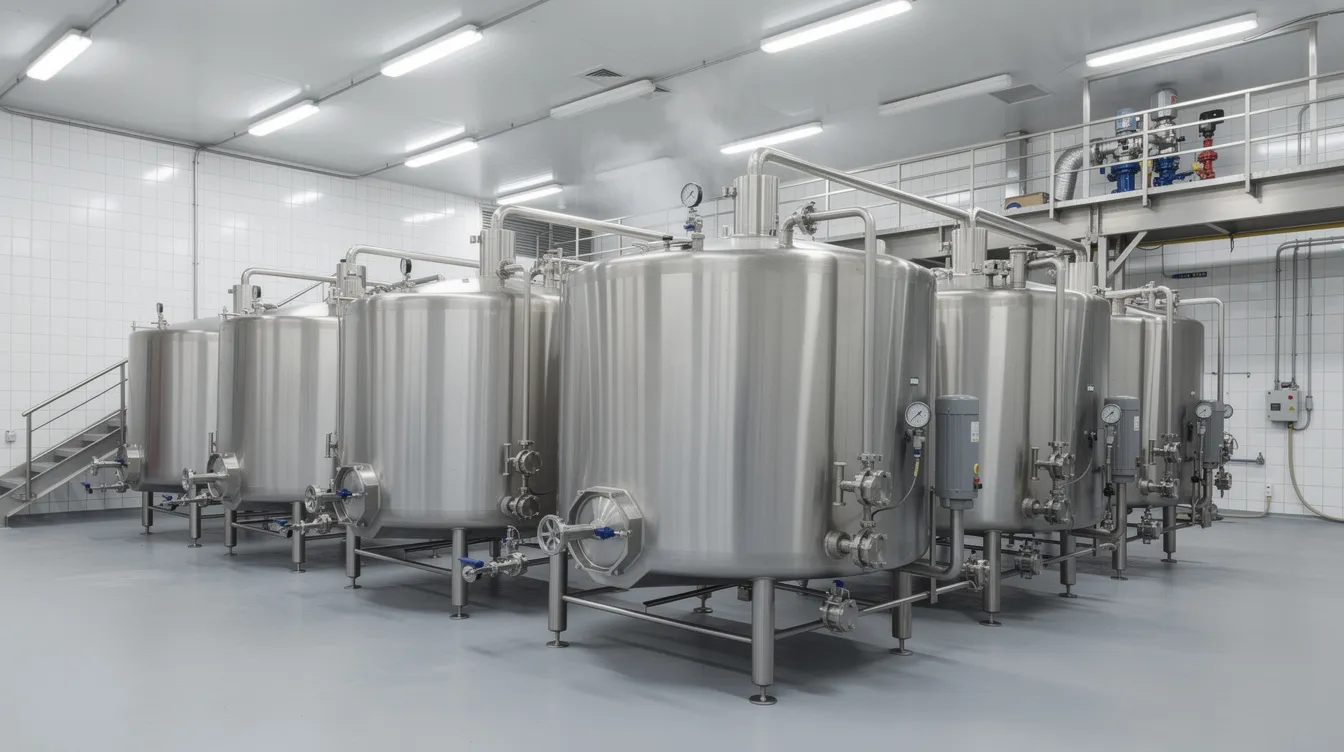
What Is Included in Cheese Manufacturing Plant Setup Cost?
When I use the term “setup cost,” I mean the total investment required from project conception until commercial production begins. This is not limited to the cheese production line. It covers every rupee spent on creating, equipping, licensing, and operationalising the plant. Total costs depend on target production volume and level of automation, and typical operating costs include raw materials, packaging, labor, and utilities-all of which must be budgeted upfront.
The complete setup cost typically includes:
- Land and site development (purchase or lease, levelling, boundary wall, internal roads, drainage)
- Building and civil construction (processing hall, ripening rooms, cold storage, utility block, administration)
- Plant and machinery for cheese manufacturing (milk reception, pasteurisation, cheese vats, presses, moulding, cutting, packaging lines)
- Utilities and supporting infrastructure (boiler, refrigeration, transformer, compressors, water treatment, CIP systems)
- Quality-control laboratory equipment and instruments
- Cold storage, chillers, and ripening rooms with insulation, racking, and monitoring
- Packaging systems for blocks, slices, cubes, shredded cheese, and institutional packs
- Electrical installation, cabling, LT panels, DG set, and lighting
- Effluent treatment plant, waste management systems, and fire-safety systems
- Office equipment, furniture, IT systems, and plant vehicles where applicable
- Preliminary and pre-operative expenses (company formation, DPR preparation, consultancy, approvals, staff training)
- Interest during construction and trial-run expenses
- Contingency provision for price escalation and design changes
- Working-capital margin for milk, ingredients, packaging, inventory, and receivables
| Component | What It Covers |
|---|---|
| Fixed Capital Investment | Land, building, machinery, utilities, lab, cold stores, office assets |
| Working Capital Requirement | Raw material stocks, WIP, finished goods, receivables, minus supplier credit |
| Total Project Cost | Fixed capital + margin money for working capital + pre-operative + IDC + contingency |
| Total Funding Requirement | Term loan + working capital limits + promoter equity + unsecured loans + subsidy |
This framework mirrors what is used in bankable DPRs for any dairy processing business, including integrated dairy processing plant project report assignments.
Major Factors Determining Cheese Plant Cost
Two cheese plants of the same capacity can differ in cost by 25–40% depending on design choices, product mix, and location. Accurate dairy plant capacity planning is the foundation for all subsequent cost estimates. The most cost-sensitive variables are technology choice, automation level, product portfolio (mozzarella, processed cheese, cheddar, cream cheese), procurement logistics, and regulatory standards.
Milk-Processing Capacity
Production capacity should be defined first in terms of daily milk intake-say, 20,000 to 2,00,000 litres per day-rather than just tonnes of cheese per day. A cheese manufacturing facility can produce 5,000 to 10,000 MT annually at scale, but the expected cheese output depends on milk composition (fat and SNF levels), cheese variety, target moisture and salt content, process efficiency, quality of starter cultures, and whey recovery.
As a working illustration: 10,000 litres per day of milk might yield roughly 1–1.2 TPD of mozzarella-equivalent cheese, depending on fat and SNF. Milk yield and cheese yield are critical metrics in cheese production economics. Oversizing or undersizing capacity versus confirmed market demand will distort both capital expenditure and working capital requirements. For smaller reference points, a 500-litre-per-day dairy processing unit requires approximately 1,500 to 2,000 square feet of space.
Type of Cheese to Be Manufactured
Different cheese varieties alter the process line and investment profile significantly:
- Mozzarella cheese requires stretching, hot-water systems, and moulding equipment. It is often sold fresh or semi-fresh, with heavy cheese demand from pizza chains and the foodservice sector.
- Processed cheese needs cooking kettles, emulsifiers, homogenisation, and specific packaging for slices, cubes, and tins.
- Cheddar cheese involves long ripening time, large ageing rooms with specialised racks, and precise humidity and temperature control. The aging process requires dedicated cold storage and climate control.
- Cream cheese and spreads require high-shear mixers, emulsification, and chilled storage.
- Cottage or fresh cheese (paneer-style) demands lower ripening infrastructure but high focus on hygiene standards and cold chain.
- Value-added forms (blocks, slices, cubes, shredded, grated, spreads) add cutting, shredding, and packing machinery.
Cheese production generates whey as a by-product, and whey disposal planning is essential due to the large volumes produced during cheese manufacturing. Aged cheeses require higher infrastructure cost for controlled ripening rooms plus larger working capital tied up in ageing inventory.
Level of Automation
Cheese processing plants require advanced machinery for production stages, and cheese processing equipment can be customised to specific requirements. The automation level directly affects the cheese manufacturing plant investment:
- Semi-automatic lines have lower upfront machinery cost but higher labor costs and lower process consistency.
- Fully automatic plants-where an automatic cheese manufacturing plant cost is significantly higher-deliver better quality control, CIP integration, food-safety compliance, and scalability.
- Automation in processing can affect both initial capital investment and operational consistency, reducing wastage and unit cost at scale.
Product Mix and Packaging Format
Packaging costs can be a large portion of overall cheese production expenses. Choosing between 10–20 kg blocks for B2B, 200 g–1 kg retail packs, slices, cubes, shredded and grated packs, or cream cheese cups and tubs will materially change packaging capital expenditure. High-speed slice and shredded cheese packing lines, thermoforming machines, and MAP systems can add substantial investment but are essential for a cheese manufacturing business targeting organised retail and export.
Location and Milk Procurement
Proximity to milk sheds, reliable power and water supply, and distance to target markets influence land cost, milk collection and procurement infrastructure cost, cold-chain logistics, and transportation costs. Relief from seasonal fluctuations in milk supply is vital for cheese production consistency. With rising disposable incomes accelerating cheese adoption in emerging economies and the foodservice sector’s expansion driving cheese demand significantly, locating near both supply and demand centres becomes a strategic cost decision. Notably, 90% of consumers now consume dairy products several times weekly, reflecting rising consumer demand in daily diets.
Quality and Regulatory Standards
Cheese manufacturing requires rigorous hygiene standards, and dairy processing regulations specify hygiene and food safety standards that directly increase capital expenditure. Manufacturers must secure food safety certifications like FSSAI or HACCP. Key compliance requirements include:
- FSSAI Manufacturing License (approvals take 30 to 60 days for processing)
- State Pollution Control Board NOC for dairy operations
- GST registration, which is mandatory after ₹20 lakhs turnover
- Local Body Trade License from municipal authorities
- Udyam MSME registration (takes about 10 minutes online)
Dairy processing facilities need specific construction materials for sanitary conditions. Plants planning exports or QSR-chain supplies must factor higher project cost for quality assurance, in-line monitoring, traceability systems, and third-party certifications. Appropriate compliance approvals are necessary for every dairy processing plant.
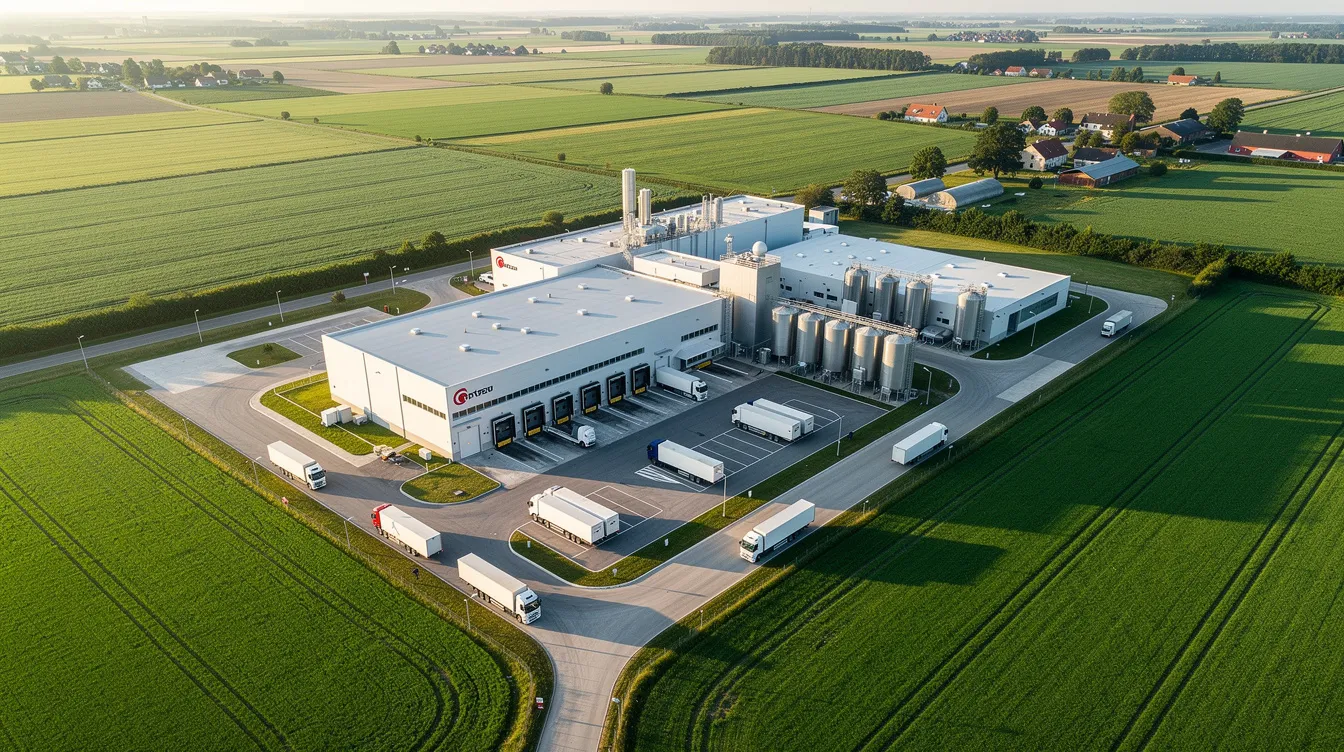
Indicative Capacity-Wise Cheese Manufacturing Plant Cost in India
All numbers below are illustrative ranges for 2025–26 conditions. They must be validated through a customised DPR and vendor quotations before any investment decision. For comparison, a small dairy processing plant costs ₹20 to ₹30 lakhs, and a larger 2,000-litre plant requires ₹50 to ₹70 lakhs-but commercial cheese plants operate at a fundamentally different scale.
| Parameter | Scenario A (~2–2.5 TPD) | Scenario B (~5–6 TPD) | Scenario C (~10–12 TPD) | Scenario D (~20–25 TPD) |
|---|---|---|---|---|
| Daily Milk Intake | ~20,000 L | ~50,000 L | ~1,00,000 L | ~2,00,000 L |
| Land & Building | ₹3–8 Cr | ₹6–15 Cr | ₹10–25 Cr | ₹18–45 Cr |
| Plant & Machinery | ₹3–7 Cr | ₹10–25 Cr | ₹18–40 Cr | ₹30–70 Cr |
| Utilities & Refrigeration | ₹1–3 Cr | ₹3–7 Cr | ₹5–12 Cr | ₹8–20 Cr |
| Cold Storage & Ripening | ₹0.5–2 Cr | ₹2–5 Cr | ₹3–8 Cr | ₹5–15 Cr |
| Lab, Office & Misc. | ₹0.3–0.8 Cr | ₹0.5–1.5 Cr | ₹1–2.5 Cr | ₹1.5–4 Cr |
| Pre-operative + IDC | ₹0.5–1.5 Cr | ₹1–3 Cr | ₹2–5 Cr | ₹3–8 Cr |
| Working Capital Margin | ₹1–3 Cr | ₹3–8 Cr | ₹5–15 Cr | ₹10–25 Cr |
| Indicative Total | ₹10–25 Cr | ₹25–60 Cr | ₹45–100 Cr | ₹70–150+ Cr |
Key assumptions: Semi-automatic to largely automated technology. Typical product mix of mozzarella and processed cheese for QSR and retail. GST, freight, and installation broadly considered. Land purchase cost included at non-premium industrial zone rates. Special brand-building, marketing, or fleet costs excluded.
Detailed Cost Breakdown of a Cheese Manufacturing Plant
Each cost head below corresponds to what appears in a bankable project report prepared for dairy plant project cost and means of finance appraisal.
Land and Site Development Cost
Medium cheese plants (5–6 TPD) typically need 1.5–3 acres, while large plants (20+ TPD) may require 4–8 acres depending on integration with other dairy products. Cost elements include land purchase versus long-term lease, site levelling, compound wall, internal roads with milk-tanker turning radius, storm-water drainage, rainwater harvesting, and green belt. Excluding land cost can make a project appear artificially cheaper-DPRs should clearly separate project cost with and without land, similar to structured dairy plant land, building and infrastructure requirements analyses.
Building and Civil Construction Cost
A food factory requires design consideration for hygiene, personnel movement, and product flow. Key functional blocks include milk reception area, processing hall, cheese production section, ripening rooms (insulated, temperature and humidity controlled), cold storage, packaging room, raw material and packaging stores, QC laboratory, utility block, ETP zone, administrative office, and staff facilities. Hygienic non-slippery flooring, proper drainage slopes, food-grade wall finishes, PUF panel insulation, and vapour barriers in cold and ripening rooms are essential and add to civil costs.
Cheese Manufacturing Machinery Cost
Machinery costs represent the largest portion of capital expenditure for any cheese processing plant. Key equipment groups include milk reception and storage tanks, cream separators, pasteurisers, cheese vats with agitation and temperature control, curd-cutting and cheddaring equipment, cheese moulds and presses, stretching and moulding machines for mozzarella, brining tanks, block formers, cutting and slicing machinery, vacuum packaging and thermoforming systems, CIP systems, and material-handling equipment. Cost per TPD depends on automation level, stainless-steel grade, imported versus indigenous components, and scope of supply. For broader context, refer to discussions on dairy processing plant machinery and equipment cost.
Utilities and Supporting Infrastructure
Utilities are often underestimated by 20–30% in early budgets. Utilities and energy consumption can significantly impact overall production costs. Critical systems include electrical connection and transformer, DG set, boiler and steam distribution, refrigeration plant (ammonia or Freon-based), chilled-water system, water treatment, compressed air, hot-water generation, CIP systems, effluent treatment plant, and fire-safety systems. Cheese manufacturing units generate high volumes of acidic wastewater, making ETP sizing especially important. For structured estimation, refer to dairy plant utilities requirement studies.
Cheese Ripening and Cold-Storage Cost
Ripening rooms need insulated PUF panels, vapour barriers, temperature and humidity control, racking, data logging, and monitoring systems. Cheddar and similar aged cheeses need months of controlled ageing, which significantly increases both cold storage capital expenditure and working capital locked in semi-finished inventory. Mozzarella and fresh cheeses require more chilling than long-term ripening. Finished-product cold rooms must integrate with dispatch docks and cold-chain vehicles.
Packaging and Finished-Goods Handling Cost
A commercial cheese processing plant needs vacuum packing machines, thermoforming lines, high-speed slice packing, shredded cheese bagging units, MAP systems where needed for extended shelf life, inkjet coding, cartoning, check-weighers, and metal detectors. Packaging choices must align with your market strategy-retail consumer sales, B2B institutional sales, or export-because each demands different investment levels.
Laboratory and Quality-Control Cost
Key testing functions include raw milk analysis (fat, SNF, adulterants, microbial load), in-process checks (acidity, pH, moisture, salt), finished products testing (microbiology, sensory, shelf life), and packaging integrity checks. Labor requirements for cheese production include technicians, operators, and quality control staff. Indicative QC assets include milk analysers, pH meters, moisture analysers, incubators, laminar airflow units, autoclaves, and basic chemistry equipment.
Preliminary and Pre-Operative Expenses
These time-bound costs include company incorporation, technical consultancy, DPR preparation, product-development trials, FSSAI licensing, Pollution Control Board NOC, factory licence, staff training, vendor travel, trial production, insurance during construction, and pre-operative interest. As a practising Chartered Accountant, I ensure these are capitalised in the project cost schedule for bank appraisal.
Contingency and Cost Escalation
A contingency provision of 5–10% of base fixed capital cost covers price variations in steel and cement, civil-design changes after regulatory feedback, additional utility requirements, and delays causing cost escalation. Lenders expect a realistic contingency to ensure project viability even if actual costs rise moderately.
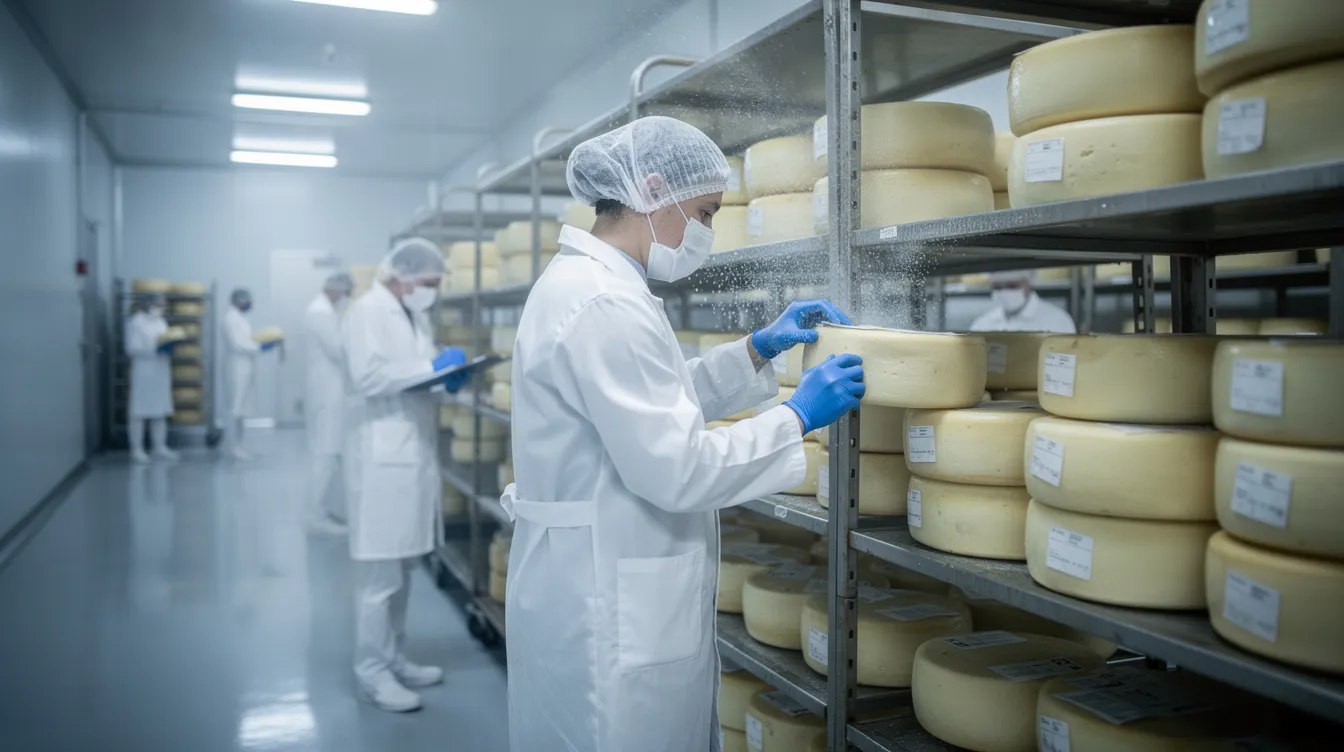
Cheese Plant Working Capital Requirement
Working capital is the second major pillar of total project cost. Working capital is crucial in cheese production due to the need for raw materials and aging inventory. Main components include milk purchases, cultures, rennet, salt, stabilisers, and permitted additives, packaging materials, wages and contract labour, power, fuel, and refrigeration energy, inventory of raw and packing materials, work-in-progress cheese under ageing, finished goods in cold storage, trade receivables, and day-to-day selling expenses.
Raw materials typically account for 55% to 80% of total operating costs-in many cheese plants, raw materials account for 70–80% of operating expenses specifically. Operating costs increase significantly by the fifth year as capacity utilisation and market reach grow.
Aged cheeses may need 60–180 days of ageing inventory, creating far higher working-capital cycles than fresh cheese. For detailed planning, refer to dairy plant working capital requirement resources.
Illustrative Cheese Plant Project Cost (Case Example)
This example is purely illustrative-not a quotation. Assumed project: 50,000 L/day milk intake, producing mainly mozzarella and processed cheese, land on lease (purchase cost excluded).
| Cost Head | Indicative Range (₹ Crore) |
|---|---|
| Building and Civil Works | 5–10 |
| Plant and Machinery (Process + Packaging) | 12–22 |
| Utilities and ETP | 3–6 |
| Cold Storage and Ripening Rooms | 2–4 |
| Laboratory and Office Equipment | 0.5–1.2 |
| Preliminary and Pre-Operative (incl. IDC) | 1.5–3 |
| Contingency (5–8% of fixed capital) | 1.5–3 |
| Working Capital Margin (3 months) | 4–8 |
| Total Project Cost | ₹30–57 Crore |
GST, freight, and installation are notionally included. If land purchase is added (say 2–3 acres at ₹1–5 crore/acre depending on location), the total could increase by ₹3–15 crore. This structure mirrors a bank-ready cheese plant project cost schedule. Machinery costs are the largest portion of capital expenditure even in this combined view.
Means of Finance for a Cheese Manufacturing Project
Once total project cost is determined, the financing mix must be finalised:
| Source | Illustrative Share |
|---|---|
| Promoter’s Equity | 25–35% of project cost |
| Term Loan (Bank/FI) | 50–65% of project cost |
| Eligible Subsidy/Grant (if applicable) | 5–10% (subject to scheme) |
| Working Capital Limits (separate) | As assessed by bank |
Government schemes like DIDF (through NABARD) and AHIDF provide financial assistance through subsidised loans and interest subvention for eligible dairy projects. State-level schemes may offer capital investment subsidies subject to eligibility. Debt-equity ratio is assessed based on promoter net worth, project risk, collateral, and expected DSCR. Lenders scrutinise assumptions in the DPR and CMA Data, consistent with dairy processing plant bank loan and project finance norms.
Bank Loan Assessment of Cheese Plant Cost
Banks review projects from both technical and financial angles. Key evaluation points include promoter profile and experience, milk procurement arrangements and reliable suppliers, plant capacity and scalability, product mix and competitive landscape, reasonableness of cheese manufacturing plant CAPEX versus industry standards, working-capital cycle and credit terms, sales realisation assumptions and raw-milk price market trends, projected profitability (average gross profit margins for cheese typically range from 30% to 50%, with gross profit margins typically between 30–40%), break-even levels and DSCR (generally expected ≥1.3–1.5), and sensitivity analysis for changes in milk cost and selling price. Most commercial cheese production aims for profitability within 3 to 5 years. For comparison, profit margins for paneer and ghee range from 20–40%.
A professionally prepared DPR must link technical configuration, detailed project cost, operating assumptions, financial analysis, and repayment schedule into a coherent proposal.
Cost Difference Between Fresh and Aged Cheese Plants
| Parameter | Fresh Cheese-Oriented Plant | Aged Cheese-Oriented Plant |
|---|---|---|
| Process Complexity | Moderate; shorter cycle | Higher; cheddaring, salting, ageing |
| Ripening/Cold Storage | Primarily chilling | Extensive ripening rooms with humidity control |
| Inventory Holding Period | 3–15 days | 60–180+ days |
| Working Capital Intensity | Lower | Significantly higher |
| Infrastructure Requirements | Standard cold rooms | Specialised racks, monitoring, insulation |
| Quality Control Challenges | Microbiology, shelf life | Ageing consistency, flavour, texture |
Neither category is inherently more profitable. Viability depends on market reach, product strategy, and management capability. The rising demand for new flavors and healthy eating habits in culinary applications is creating investment opportunities in both segments.
Commonly Overlooked Costs in Cheese Manufacturing Plant Setup
- Freight, handling, and transit insurance on machinery
- GST impact and input-credit timing (working capital blocked in inventory)
- Electrical cabling, control panels, and instrumentation
- Stainless-steel piping, valves, fittings, and insulation
- Water treatment, drainage, and effluent pipelines
- Refrigeration piping and auxiliary components
- Product-development trials and pilot-batch wastage
- Initial spare-parts inventory and maintenance tools
- ETP compliance upgrades and environmental monitoring
- Fire-fighting and safety compliance
- Cold-chain vehicles or refrigerated vans
- Distributor margins, marketing, sampling, and brand-building
- Interest during implementation and cost escalation
- Margin money for working capital, especially for aged cheeses
Excluding these costs makes the project look artificially profitable on paper-something banks detect quickly during appraisal.
How to Control Cheese Plant Setup Cost Without Compromising Quality
- Freeze product mix and business objectives before finalising machinery requirements.
- Ensure balanced production capacity across milk reception, cheese vats, presses, packaging, and cold rooms.
- Select the automation level appropriate to scale, labour availability, and industry trends-avoid both under- and over-automation.
- Design civil and utilities with modular expansion capability.
- Obtain comparable quotations with identical scope and exclusions.
- Separate base equipment price from installation, piping, and utility costs.
- Evaluate lease versus purchase of land and buildings to optimise upfront capital investment.
- Invest in energy-efficient boilers and refrigeration for lower long-term utility costs and operational efficiency.
- Realistically estimate cold storage, ripening capacity, and corresponding working capital.
- Conduct financial sensitivity and economic analysis before fixing term-loan size.
Step-by-Step Process for Preparing the Investment Estimate
The logical sequence for project planning is: (1) define the cheese product mix and target markets, (2) fix daily milk-intake and cheese output capacity, (3) prepare a process-flow diagram and raw material requirements, (4) develop a preliminary plant layout and site plan, (5) estimate land requirement and building areas, (6) obtain machinery and utility quotations from multiple vendors, (7) estimate laboratory, ancillary equipment, and infrastructure requirements, (8) assess preliminary and pre-operative expenses plus contingency, (9) work out working-capital requirement based on ageing period and credit terms, (10) prepare financial projections including P&L, cash flow, and balance sheet, (11) finalise total project cost and means of finance aligned with lender norms, and (12) compile the Detailed Project Report and CMA Data for bank submission.
This structured approach is the methodology used at ProjectReportBank.com for integrated dairy processing plant project report and cheese-specific DPR assignments.
Mistakes to Avoid While Estimating Cheese Plant Cost
- Treating the machinery quotation as the total cheese manufacturing unit cost
- Choosing capacity without confirming sustainable milk availability from reliable suppliers
- Ignoring differences in cheese yield across milk seasons and suppliers
- Underestimating refrigeration, insulation, and ripening-inventory requirements
- Assuming full-capacity utilisation from the first year
- Using unrealistic selling prices not aligned with the competitive landscape
- Copy-pasting financial projections from another project
- Depending exclusively on subsidy to justify the manufacturing process viability
- Finalising term-loan amount before assessing working-capital needs and cash-flow pressure
- Ignoring regulatory compliance timelines (FSSAI, pollution, factory licence) and operational expenditure during delays
Why a Customised DPR Is Necessary for Cheese Manufacturing Plant Investment
Even plants of similar capacity may require different investment due to differences in product portfolio, milk composition, process integration with other dairy products, degree of automation, location, building standards, packaging formats, cold-chain strategy, and financing structure.
A customised, bankable DPR should include: promoter profile, market and demand analysis for relevant cheese products, technical configuration and process flow, detailed project cost (land, building, plant, utilities, pre-operative, working capital), means of finance, working-capital assessment, revenue and cost assumptions, projected financial statements, break-even and sensitivity analysis, DSCR and loan-repayment schedule, and risk mitigation measures.
Through ProjectReportBank.com, I prepare such customised reports for cheese manufacturing and broader dairy processing projects, aligning them with lender requirements, current industry trends, and informed business decisions based on the promoter’s specific inputs.
Frequently Asked Questions
How much does it typically cost to set up a commercial cheese manufacturing plant in India?
A commercial cheese processing plant with 5–6 TPD cheese output may require an indicative total investment of ₹25–60 crore, while a large-scale cheese plant (20–25 TPD) could need ₹70–150+ crore. These ranges include land, civil work, advanced machinery, utilities, cold storage, pre-operative expenses, and working capital. Actual cost depends on location, product mix, and automation. A smaller dairy plant setup at 500 litres per day costs between ₹20 and ₹30 lakhs for basic dairy processing, but commercial making cheese operations require fundamentally different scale.
What portion of the total investment usually goes towards plant and machinery versus other costs?
Machinery costs are the largest portion of capital expenditure, typically representing 35–55% of total project cost. The balance is divided among civil construction, utilities, cold storage, laboratory, pre-operative expenses, contingency, and working-capital margin. Promoters who treat the equipment quotation as the total cost risk underestimating the investment by 40–60%.
How is working-capital requirement estimated for cheeses that need long ageing periods?
Working capital for aged cheeses like cheddar is estimated based on the inventory holding period (60–180 days for ageing), plus raw material stocks, packaging, finished goods, and receivables. The net working-capital requirement can be substantial-sometimes ₹5–25 crore for medium to large plants. Banks typically fund 70–80% of assessed working capital, with the promoter contributing margin money. A thorough financial analysis of the working-capital cycle is essential before finalising the total cost and long term success of the project.
Are there government schemes supporting cheese plant setup in India?
Schemes like DIDF (through NABARD) and AHIDF offer subsidised loans and interest subvention for eligible dairy processing projects, including cheese. Several state governments offer additional capital investment subsidies. Eligibility, terms, and subsidy ceilings vary by scheme and must be verified against current government notifications and lender policies at the time of application. Promoters should not depend exclusively on subsidy to justify the project.
What documents are required to prepare a bankable DPR for a cheese manufacturing plant?
Key documents include promoter KYC and financial statements, land ownership or lease agreement, plant layout, process flow, machinery quotations from vendors, building cost estimates, milk procurement tie-ups, product pricing benchmarks, regulatory approvals (FSSAI licence, Pollution Control Board NOC, factory licence), and projected financials. The DPR must connect every element-technical configuration, project cost, heat treatment and processing specifics, snack products or finished products strategy, market reach, and repayment capacity-into a single coherent document. As the dairy industry evolves, lenders insist on quotations and a detailed cost sheet because generic estimates cannot capture project-specific variables.
Conclusion and Professional Call to Action
The cheese manufacturing plant setup cost in India is a composite of fixed capital, pre-operative expenditure, and working capital-all driven by production capacity, product mix, technology, and location. Focusing only on machinery price can lead to underestimating the true cheese factory investment by a wide margin. A structured, DPR-based approach ensures that capital expenditure, working capital, and means of finance are realistically planned and aligned with lender expectations. For a broader perspective, the discussion on dairy processing plant setup cost in India covers similar principles across all dairy product categories.
CA Manish Gugliya assists entrepreneurs, dairy companies, cooperatives, and investors in preparing customised Detailed Project Reports, CMA Data, financial projections, feasibility assessments, and bank-loan proposals for cheese manufacturing and other dairy processing projects. If you are planning a commercial cheese plant and want a tailor-made, bankable project report before approaching banks or financial institutions, connect with ProjectReportBank.com for professional guidance grounded in practical experience.
Continue Exploring Our Cheese Project Guides
Explore all 17 guides covering cheese plant setup, products, financial planning, feasibility, bank loans and DPR preparation.