Key Takeaways
- Dal mill licence requirements in India are not a single permit. They span multiple parallel registrations-FSSAI, pollution control consent, factory licence, GST, Legal Metrology, fire NOC and local body permissions-each triggered by the project’s capacity, location, processes (dry versus wet), workforce size, utilities and product mix (bulk versus retail packs). Promoters must assess these before finalising land purchase or machinery orders.
- For dal mill projects above ₹5 crore, promoters should map out their FSSAI licence tier, State Pollution Control Board Consent to Establish and Consent to Operate, factory and labour compliances, and local land-use permissions alongside their Detailed Project Report and bank finance proposal. Omitting any of these can delay loan disbursement and commercial production.
- Rules differ by State. FSSAI licence categories, SPCB consent requirements, pollution categorisation, factory registration thresholds and Legal Metrology processes vary across jurisdictions. Promoters should verify current regulations on official portals. The regulatory framework referenced in this article was checked against official sources as of October 2026.
- A solid project report that integrates realistic approval costs, compliance timelines and operational assumptions strengthens both regulatory applications and lender appraisal. Project Report Bank, led by CA Manish Gugliya, provides professional DPR preparation, CMA Data, feasibility studies and bank loan planning, while statutory licences remain with government authorities.
Introduction: Dal Mill Licences and Approvals in India
Dal is a staple food item with consistent demand in India. Across the country, people eat dal as an essential part of indian meals, and the rising population and growing demand for processed pulses make a dal mill business one of the more resilient manufacturing opportunities. India has about 7,000 dal processing mills, and dal milling is India’s third largest food processing business. Over 75 per cent of pulses are marketed as dehulled splits, reflecting the high demand for commercial milling. A dal mill plant processes raw pulses into consumable dal through cleaning, dehusking, splitting, polishing, grading and bagging.
Yet turning a dal mill dream into a functioning commercial operation requires more than machinery and raw material. Operating a dal mill requires multiple registrations and licences in India, and promoters must understand these before committing capital.
Here is why dal mill licence requirements must be assessed early:
- Land-use compliance, building plan approval and pollution consent applications should precede civil construction. A finished building on non-conforming land can result in stop-work orders.
- FSSAI licensing, factory registration and labour compliances depend on installed capacity, workforce and processing activities. These details flow directly from the DPR.
- The entire process of obtaining approvals can take several months. Aligning the approval timeline with construction, machinery installation and bank disbursement milestones prevents idle capital.
- Dal mill projects above ₹5 crore often include additional activities-flour milling, edible oil extraction, consumer packaging-each of which may change licence categories and pollution requirements.
- Requirements vary by State, municipal jurisdiction, industrial-area rules and processing type (dry milling versus washing, soaking or wet polishing with boilers).
This article provides professional guidance on dal mill licences and approvals in India, prepared by CA Manish Gugliya for entrepreneurs, MSMEs and investors planning commercial pulse milling projects. It is not a substitute for legal advice or direct consultation with statutory authorities.
If you are planning a dal mill or flour mill project above ₹5 crore, you can reach Project Report Bank via WhatsApp to discuss DPR preparation, financial projections, feasibility studies and bank finance planning. No guarantee of licence issuance or loan sanction is offered or implied.
Dal Mill Licences and Approvals Checklist (with Table)
The following table provides a high-level dal mill statutory compliance checklist. Applicability depends on State, location, capacity and process details. Promoters should verify each item against the relevant authority’s current requirements.
| Licence / Approval | Purpose | Authority | When to Apply | Applicability |
|---|---|---|---|---|
| Business Constitution (Proprietorship / Partnership / LLP / Pvt Ltd) | Legal identity of the enterprise | RoC / Registrar of Firms | Before all other registrations | Mandatory |
| PAN & TAN | Income tax compliance, TDS | Income Tax Department | At entity formation | Mandatory |
| GST Registration | Indirect tax on goods and services | GST Portal (CBIC) | Before commercial sales or as per turnover / interstate supply rules | Mandatory for most organised units |
| Udyam Registration | MSME classification, access to government schemes | Udyam Portal (MoMSME) | After PAN and GST | Recommended |
| Trade Licence / Shop & Establishment | Local body permission to carry on business | Municipal Corporation / Local Body | Before operations commence | Mandatory (varies by jurisdiction) |
| FSSAI Registration or Licence | Food safety authorisation for manufacturing, packing, storing or selling food | FSSAI via FoSCoS portal | Before commercial production | Mandatory |
| SPCB Consent to Establish (CTE) | Environmental permission before construction | State Pollution Control Board | Before civil construction | Mandatory / Conditional (check SPCB category) |
| SPCB Consent to Operate (CTO) | Environmental permission before production | State Pollution Control Board | After installation, before commercial production | Mandatory / Conditional |
| Factory Registration / Licence | Regulation of working conditions, safety | State Factory Inspectorate / Labour Dept | Before commencing manufacturing | Mandatory if workforce and power thresholds are met |
| EPF Registration | Employee provident fund | EPFO | When workforce threshold is met | Conditional |
| ESIC Registration | Employee health insurance | ESIC | When wage and workforce thresholds are met | Conditional |
| Fire NOC | Fire safety clearance | State / Municipal Fire Department | Linked to building plan and before CTO | Conditional (scale and storage dependent) |
| Building Plan Approval | Permission for factory building | Local Development Authority / Industrial Area | Before construction | Mandatory |
| Land Conversion / Land-Use Permission | Permit industrial use on agricultural or other land | State Revenue / Town Planning | Before construction | Conditional (if land is not already industrial) |
| Power Connection (HT / LT) | Electricity supply for plant | State Electricity Distribution Company | During construction | Mandatory |
| Groundwater Abstraction Permission | Borewell use in notified areas | CGWA / State Ground Water Authority | Before drilling | Conditional |
| Boiler Registration | Steam boiler safety | State Boiler Inspectorate | Before commissioning boiler | Conditional (only if boilers used) |
| Legal Metrology Packer / Manufacturer Registration | Compliance for retail pre-packaged goods | State Legal Metrology Dept | Before retail packing | Conditional (if packing retail consumer packs) |
| Weighing Instrument Stamping | Accuracy of scales and weighbridges | State Legal Metrology Dept | Before commercial use | Mandatory for all weighing instruments |
| Importer-Exporter Code (IEC) | Export of pulses or dal | DGFT | Before first export shipment | Conditional (export units only) |
| APEDA Registration | Export to certain markets | APEDA | As required by product / destination | Conditional |
Regulatory information in this table was checked against official sources as of October 2026. State notifications change periodically; always confirm with the relevant authority.
Business Constitution, PAN, GST and Udyam Registration
These are foundational registrations for any dal mill business. They establish the legal and tax identity of the enterprise but are not, by themselves, operating licences to run the manufacturing plant.
Business registration is mandatory for starting a dal milling operation. A proprietorship may suit a small dal mill or small unit, but projects above ₹5 crore typically adopt a partnership firm, LLP or private limited company structure. The choice affects liability, banking relationships, investor participation, government support eligibility and regulatory complexity. Banks reviewing a bank finance DPR expect clarity on the entity structure and promoter profile.
PAN (Permanent Account Number) for the entity or proprietor and TAN for tax deduction at source are required for income tax compliance, vendor payments and bank loan documentation.
GST registration is also necessary for dal mill operations. However, the obligation depends on aggregate turnover thresholds and interstate supply activity. Note that certain unbranded, unpackaged food grains and pulses may attract nil or exempt GST rates, but the registration obligation itself is separate from the rate applicable. Promoters should not assume that because dal is exempt from tax, GST registration is unnecessary-interstate sales, voluntary registration and other factors may still trigger it.
Udyam Registration provides benefits for small and medium enterprises, including access to government schemes, priority sector lending and certain procurement preferences. It is a classification tool under the MSME framework, not a factory licence. Promoters sometimes confuse Udyam with permission to operate a plant; it serves a different purpose entirely.
Lenders usually expect a clear, consistent business constitution and tax profile when assessing DPRs, CMA Data and bank finance proposals.
Land Use, Zoning and Building Plan Approvals
Before finalising land for a dal mill factory, promoters must confirm whether pulse processing, flour milling and related manufacturing setup activities are permitted at the proposed site under local planning and zoning rules. A failure at this stage can invalidate every subsequent approval.
Key considerations:
- Check the Master Plan or Development Plan zoning for the site. Industrial zones, agro-processing zones and designated food parks are the most straightforward. Agricultural land will typically require conversion to industrial or non-agricultural use through the State revenue or town planning authority.
- Obtain sanctioned building plans for the dal mill plant, storage godowns, utility block (boilers, compressors, transformers where applicable) and administrative buildings. The approving authority is usually the local development authority, municipality or industrial area management.
- Many State Pollution Control Boards ask for proof of land-use conformity and an approved site plan at the time of Consent to Establish. Land approvals therefore feed directly into the broader dal mill pollution control approval process.
- Local NOCs may be required before commencing dal milling activities. These can include trade licences from local authorities, approach road NOCs, and fire safety clearances linked to building drawings. Trade licenses from local authorities may be required for dal mill operations depending on the municipal jurisdiction.
FSSAI Registration and Licensing for Dal Mill Units
FSSAI registration is mandatory for dal mill businesses. Dal mills need a Food Safety License from FSSAI for processing food items, and the exact category-Registration, State Licence or Central Licence-depends on the food business activity, turnover and scale.
The distinction matters. A State FSSAI License is required for turnovers between ₹12 lakh and ₹20 crores. A Central FSSAI License is needed for turnovers over ₹20 crores. For a dal mill unit processing at commercial scale with investment above ₹5 crore, the annual turnover will almost certainly exceed the basic registration threshold. Promoters of a small dal mill should not assume that basic registration will suffice if their activities or turnover cross defined thresholds. The correct classification must be verified on the current FoSCoS notifications rather than relying on outdated thresholds.
Under FoSCoS, grains, cereals and pulse milling units are a defined category. If the dal mill also produces besan, pulse flour or wheat flour, additional product standards and labelling rules apply.
The FoSCoS application process involves:
- Creating a login, selecting business type and food business activity
- Filling Form B with details of manufacturing, packing, storing or trading activities
- Uploading the layout plan, equipment and machinery list with installed capacity
- Providing water source details and water testing reports. Water testing reports may be required for FSSAI licensing applications, preferably from a NABL-accredited laboratory
- Submitting a food safety management or FSMS plan and proof of premises (ownership or registered lease deed)
Compliance with food safety management is a part of dal mill operations. Hygiene, GHP/GMP and food safety systems expected of a compliant dal mill include pest control, cleaning schedules, dust and foreign-matter control, material traceability from raw pulses to finished dal batches, staff hygiene and record keeping. Quality raw materials directly impact the output’s quality, making traceability from procurement to processing essential for quality assurance. Drying pulses is necessary to ensure safe storage before milling, and this pre-processing step should be part of the documented process flow.
For packaged dal, FSSAI labelling requirements include name of the food, net quantity, FSSAI logo and fssai license number, batch or lot identification, best-before or use-by date, manufacturer details, vegetarian symbol and allergen declarations where applicable. A dal mill that also engages in wholesale or retail trading, warehousing or contract manufacturing may need to include additional activities in its FSSAI application.
Promoters should also note that food safety training and basic training for staff handling food products is expected under FSSAI guidelines. A dal mill typically includes a reel machine for cleaning pulses, and the hygiene protocols around such machinery should be documented.
Dal Mill Pollution Control Approval: Consent to Establish and Operate
Environmental clearances are typically necessary for industrial activities like dal milling. Most dal mills require approval from the State Pollution Control Board in the form of a Consent to Establish before construction and a Consent to Operate before commercial production, though exact applicability varies by State category and process.
Dal milling involves environmental compliance due to emissions from processing. The key environmental aspects are:
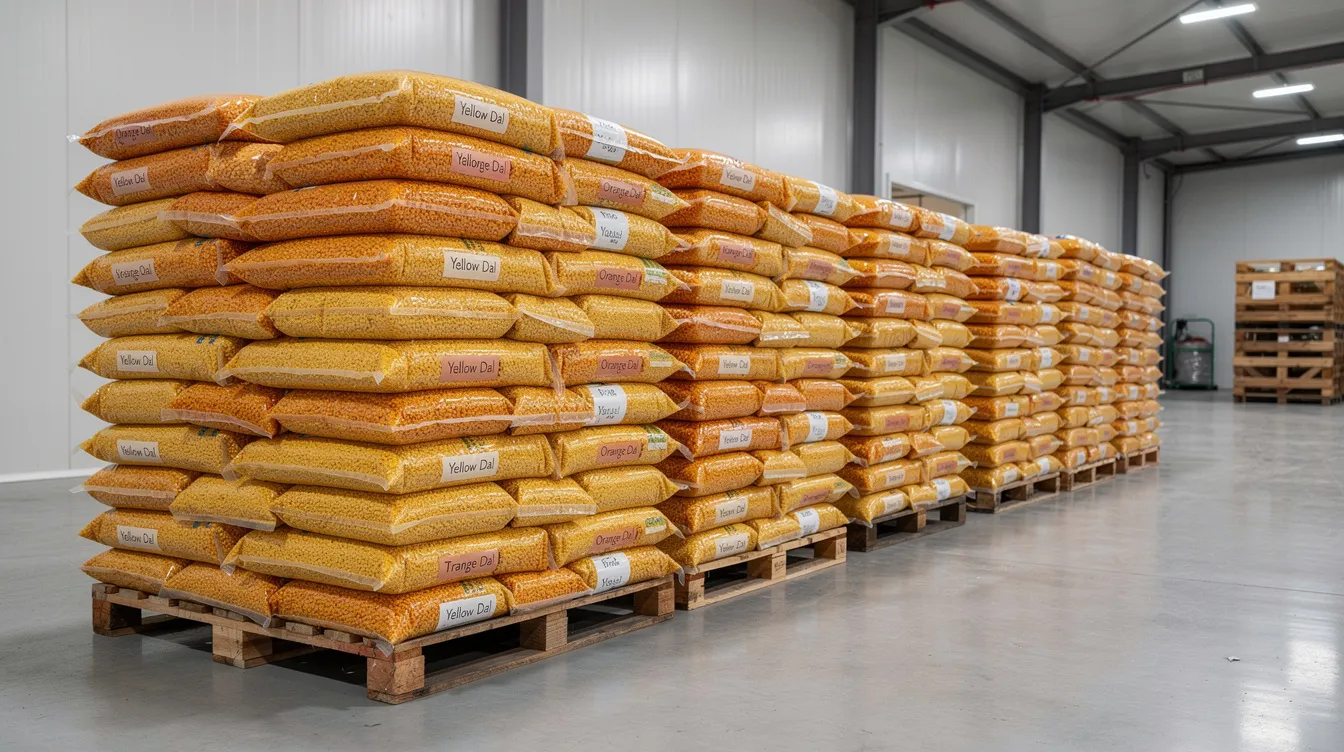
- Dust generation during cleaning, grading, dehusking and polishing. Dal milling involves three major stages-loosening husk, de-husking, and splitting-each of which generates particulate matter. Cleaning and grading improve the quality and recovery of dal but also produce fine dust and light material that require aspiration systems, cyclones and bag filters as dust control systems.
- Noise from motors, dehuskers, conveyors and ancillary equipment.
- Solid waste such as husk, broken dal, dust and stones removed during grading. Husk is often used as fuel or sold as cattle feed.
- Wastewater where washing, soaking or wet polishing is used, or where boilers generate blowdown.
De-husking uses roller de-huskers coated with carborundum, and emery roller de-huskers are essential for removing pulses’ hard coats. Splitting involves loosening the bond between cotyledons to split pulses. These mechanical operations generate significant dust loads that must be managed through properly sized dust control systems.
Dal mills fall under either Green or White category for pollution control in many States. For example, the Maharashtra Pollution Control Board classifies dal mills under Green category B-industries not generating process effluents or significant emissions-giving them a simpler consent regime. However, integrated plants with wet processing, boilers, effluent generation or edible oil extraction may fall into higher categories (Orange or Red), requiring full CTE/CTO with stricter conditions.
A Consent No Objection Certificate is required from the State Pollution Control Board. Promoters should not assume a universal category; the specific SPCB’s current categorisation list must be consulted.
Typical CTE/CTO application content includes:
- Land documents and approved layout plan
- Process flow diagram showing the whole process from raw pulse intake to finished dal
- List of machinery required with capacity
- Details of air pollution control devices
- Anticipated solid waste and its proposed utilisation
- Water balance and effluent treatment arrangements (if any)
- A project report or financial overview where demanded by the SPCB
CTE should be applied for before civil construction begins. CTO is generally sought after installation and trial runs, before full commercial operations commence. Timelines vary by State, and no blanket exemption should be assumed.
Regulatory information in this section was checked against CPCB framework guidance and representative SPCB websites as of October 2026. State notifications change periodically.
Factory Licence, Labour Laws and Workplace Safety
Medium-to-large dal mills with power-driven machinery and a workforce above specified thresholds generally fall under central or State factories legislation. The Occupational Safety, Health and Working Conditions (OSH) Code, 2020 has raised the threshold: a unit becomes a factory if it employs 20 or more workers where power is used, or 40 or more workers without power (PIB factsheet). However, since the OSH Code is still being notified in parts across States, many jurisdictions continue to operate under the old Factories Act provisions. Promoters must confirm current thresholds and implementation status in their State.
Factory registration typically requires details such as maximum number of workers, installed horsepower or kW rating, plant layout, list of machinery, manufacturing process description and arrangements for ventilation, lighting, fire protection and first-aid.
Workplace safety considerations specific to a dal mill business include:
- Machine guarding on dehuskers, conveyors, elevators and polishers
- Control of dust exposure through aspiration, housekeeping and personal protective equipment
- Emergency exits, electrical safety, and fire prevention measures
- Safe storage of fuel (coal, husk, diesel) where used for drying or steam generation
- Skilled labor handling heavy machinery should have adequate training and protective gear
Major labour-related registrations that may apply depending on workforce strength and wage levels include EPF, ESIC, professional tax, labour welfare fund, and shop and establishment registration for any office or depot attached to the dal mill. Each has its own threshold and State-specific rules.
Promoters should consult the State Labour Department website or a qualified professional to confirm current applicability, and include these compliance costs in the dal mill DPR and project viability analysis.
Conditional Utility and Safety Approvals for Dal Mills
Several utility and safety approvals arise only if the dal mill’s design includes specific equipment or uses particular resources. These are conditional requirements, not universal mandates.
Fire department approval: Fire safety NOCs might be necessary for dal milling operations depending on scale. Medium-to-large factories and warehouses storing pulses, dal, packaging material and sometimes edible oil typically need fire clearance. Expectations include hydrants, extinguishers, sprinklers (where mandated), fire exits, signage and emergency lighting aligned with approved building plans.
Electricity permissions: A new industrial connection with contracted load sanction (HT or LT) is required. Transformer installation may need separate approval. Load estimation should align with the machinery required for dal milling and flour milling as reflected in the DPR. Daily expenses for power can be significant; accurate load planning helps reduce costs.
Groundwater: Where borewells are proposed in notified areas, permission from the Central Ground Water Authority or State-level authority may be required. Some industrial areas prohibit fresh borewells entirely or require strict recharge and monitoring. Water cost and availability should be factored into operational planning.
Boiler registration: Dal mills using steam boilers for drying or other processing require boiler registration and periodic inspection by the State Boiler Inspectorate. Safe fuel storage (husk, coal, furnace oil, LDO) may attract additional licences.
Other conditional approvals: Weighbridge calibration where an in-house weighbridge is installed, building completion certificate from the local authority, and any warehouse-specific registrations in logistics parks should be checked early in project planning.
Packaging, Weighing and Legal Metrology Compliance
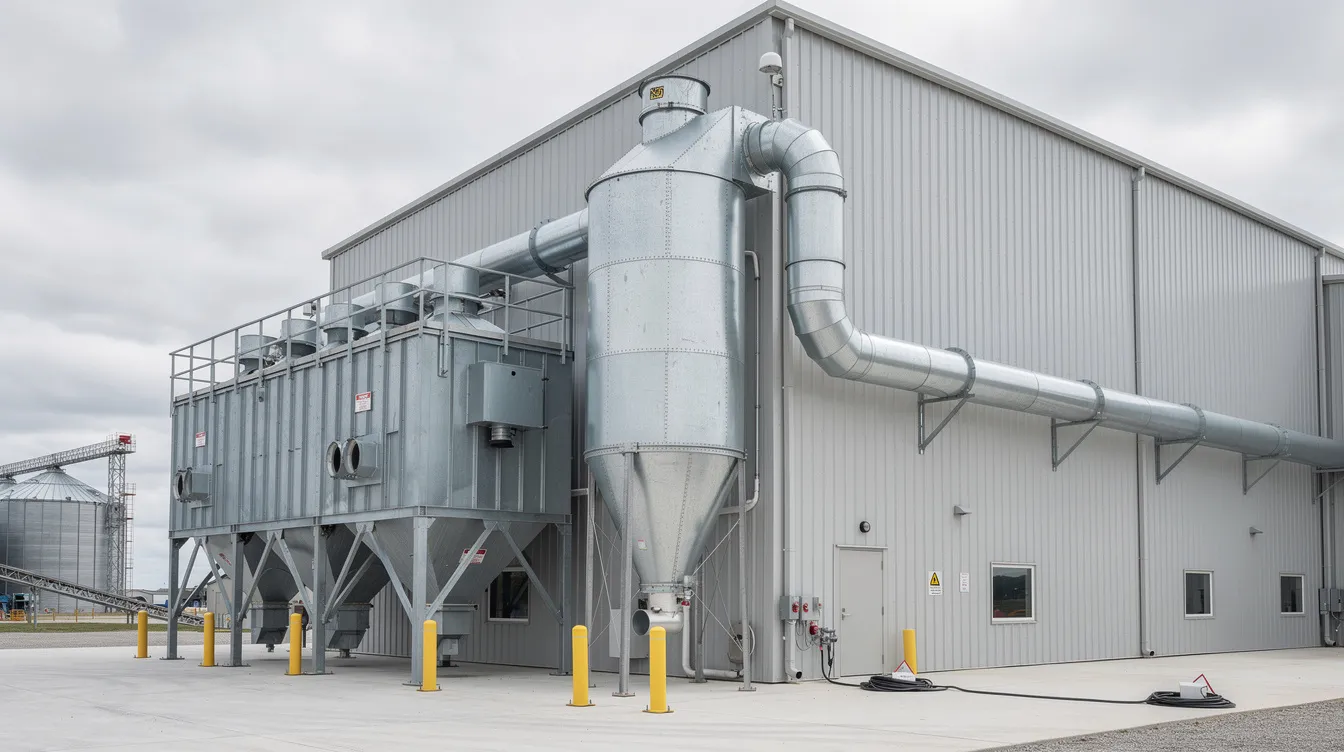
There is an important distinction between bulk dal sold to institutional buyers in large bags (50 kg, 100 kg) and consumer retail packs (500 g, 1 kg, 5 kg). Both may engage Legal Metrology rules, but retail pre-packaged goods face stricter requirements.
Dal mills packing dal in standard quantities for retail sale must comply with the Legal Metrology (Packaged Commodities) Rules. Mandatory declarations on the label include name and address of manufacturer or packer, common or generic name (for example, Toor Dal or green gram dal), net quantity, best-before or use-by date as per FSSAI, month and year of packing, MRP, customer care details and other prescribed information. The Legal Metrology Act, 2009 prohibits retail sale of pre-packaged goods without these declarations.
Packer or manufacturer registration under the State Legal Metrology Department is required for units that package dal in retail consumer packs using packing machines. Wholesale packs for B2B buyers may also attract certain requirements depending on labelling and marketing.
Weighing instruments used in a dal mill-platform scales, hopper scales, weighbridges and retail weighing machines-require verification and stamping at prescribed intervals by the Legal Metrology office.
Coordination between FSSAI labelling rules and Legal Metrology declarations is essential. Packaged dal labels must comply with both sets of regulations. This is particularly important when the business combines dal mill and flour milling products like besan or pulse flour, each with its own product standards. The annual fee for Legal Metrology registration varies by State.
Additional Regulatory Requirements for Export-Oriented Dal Mills
Dal mill units planning to export pulses or processed dal must comply with both Indian export regulations and destination-country norms. India exported 410,375.89 MT of pulses worth Rs. 2,834.23 crores in 2021-22, indicating significant sales potential for export-oriented units.
An Importer-Exporter Code from DGFT is required for any dal mill exporting directly. This interacts with the entity’s PAN and designated bank accounts.
Exporters may require APEDA registration or registration with commodity boards depending on product and destination. Some buyers in the EU, USA or Middle East insist on certifications like ISO 22000, HACCP, BRCGS or organic certification. These are typically buyer-driven rather than statutory for every exporter, but they influence the manufacturing setup and quality assurance systems.
Additional testing requirements may include pesticide residue analysis, heavy metal testing, fumigation certificates and phytosanitary certificates mandated by importing countries.
Exporters should align their dal mill FSSAI licence scope, hygiene practices and testing frequency with expected export standards and clearly budget these compliance costs within the project report and financial modelling.
Documents to Prepare for Dal Mill Licences and Approvals
This is a practical checklist of documents commonly requested across FSSAI, SPCB, factory, fire, Legal Metrology and bank loan applications. Exact lists vary by State and authority.
Promoter and entity documents:
- PAN, Aadhaar (where used), partnership deed or MoA/AoA
- Board resolutions, photographs and authorised signatory details for dal mill business registration
- Net worth statements and bank statements of promoters
Premises-related documents:
- Title deed, registered lease deed or allotment letter from industrial authority
- Approved site plan and building plan
- Site photographs and utility connection proofs
Technical and project documents:
- Blueprints or layout plans of the mill are necessary for licensing applications
- Detailed plant layout showing the manufacturing setup and process flow for dal milling and associated flour milling or edible oil operations
- Machinery list with make, model, production capacity and installed capacity-covering basic dal mill machines such as bucket elevators for vertical transport, emery roller de-huskers, dal polishers that enhance the visual appeal of processed dal, conveyor systems for material transfer, reel machines, and grading equipment
- Process flow diagram, utilities estimation (power, water, steam, compressed air) and pollution control arrangements
Food safety and environment-specific papers:
- FSMS or HACCP plan where required
- Water analysis report (preferably NABL-accredited)
- Pest control agreement, SOPs for cleaning and personal hygiene
- Solid waste utilisation plan (husk, brokens) and proposed effluent treatment details if any wastewater is generated
Financial documentation:
- Detailed Project Report (DPR), project cost breakup, means of finance
- Projected financial statements, CMA Data for bank loan, DSCR analysis
- Banks also accept reports that demonstrate consistent assumptions across capacity, machinery and financials
Suggested Sequence for Approvals During Dal Mill Project Implementation
Sequencing licences and approvals reduces delays and avoids situations where a finished dal mill unit cannot operate due to missing permissions.
A logical sequence for most projects:
- Market study and dal mill feasibility study
- Choice of business constitution, PAN and banking arrangements
- Site identification and zoning or land-use verification
- Preliminary DPR and financial overview
- Pollution categorisation check and pre-consultation with SPCB
- Building plan design and approval
- Application for CTE (where required)
- Bank loan sanction based on DPR and CMA Data
- Construction and installation of machinery required
- Application for FSSAI licence on FoSCoS
- Utility connections (power, water) and fire NOC
- CTO application after trial runs
- Factory licence and labour registrations
- Legal Metrology and packaging approvals
- Commencement of commercial production
Several activities can proceed in parallel to save time. For example, DPR preparation and project finance proposal work can overlap with zoning verification and CTE application. Food safety documentation can be finalised alongside installation and commissioning of dal mill machinery.
Actual order and timelines are subject to State-specific processes and lender requirements. Promoters must prepare a project implementation schedule that matches local regulations and bank conditions.
Approval Costs, Timelines and Budgeting in the DPR
Approval-related costs for a dal mill business include not only government fees but also consultant fees, testing, pollution-control hardware, fire systems and compliance infrastructure. All of these should be captured in the Detailed Project Report.
Factors affecting costs include:
- Installed capacity (TPD) and nature of processes (dry milling versus wet processing, boilers, edible oil integration)
- Land size and building scale
- State fee schedules for CTE/CTO, FSSAI licence tenure and Legal Metrology registration
- The extent of retail packaging operations
Government fee structures and expected processing times must be taken from the latest FSSAI, SPCB, Labour and other authority notifications for each State. Quoting specific rupee amounts or guaranteed timelines is not advisable; promoters should budget conservatively with contingencies.
Typical soft costs include environmental consultant reports, structural and fire-safety design, laboratory testing (water and product), label and artwork design, and periodic compliance audits for export-oriented dal mills.
Professional financial modelling for the dal mill project should integrate staged capex, approval fees, interest during construction and realistic buffer periods. For deeper planning on financial projections and viability, readers may refer to the detailed resources on dal mill financial projections, CMA Data and DSCR and dal mill ROI, IRR, payback and sensitivity analysis.
Common Mistakes in Dal Mill Licence Planning
Many delays and compliance issues in dal mill projects arise from avoidable planning errors rather than technical problems in milling.
Land and zoning errors:
- Buying or leasing land where industrial or agro-processing use is not permitted. This is one of the most expensive mistakes, sometimes discovered only after construction has begun.
- Assuming that agricultural land can be used for a dal mill without formal conversion.
FSSAI misunderstandings:
- Assuming that FSSAI registration alone is sufficient for a commercial dal mill without checking the correct licence category. A small dal mill may cross thresholds that require a state licence or central licence rather than basic registration.
- Confusing Udyam Registration or GST registration with permission to operate the factory. Neither replaces FSSAI, SPCB or factory approvals.
Pollution control oversights:
- Assuming that dry dal milling never requires pollution consent. Even where a dal mill falls under a simpler category, the SPCB may still require consent or registration.
- Under-sizing or omitting dust collectors and aspiration systems, or installing boilers and wet processing without prior consultation with the SPCB.
Packaging and Legal Metrology errors:
- Launching retail packed dal without proper packer registration, incorrect or incomplete label declarations, or using unstamped weighing scales or weighbridges.
Financial-planning mistakes:
- Treating bank loan sanction as equivalent to regulatory clearance. A sanction letter does not authorise commercial production.
- Underestimating compliance capex (fire systems, ETP, pollution control devices) in the project report. Even business ideas that appear straightforward on paper can stall if these costs are ignored.
- Preparing over-optimistic recovery and margin assumptions without realistic dal mill business data, ignoring the profit forecast and monthly profit sensitivities that lenders examine.
How a Detailed Project Report (DPR) Supports Licences and Bank Finance
A well-prepared dal mill project report-covering technical, market and financial sections-acts as the backbone for most licence applications and for term loan and working capital assessment by banks. Detailed Project Reports are critical for seeking bank finance for dal mills. A comprehensive business plan is essential for dal mill setup, and the DPR is the document that converts a proper plan into a structured financial proposal.
Consistent assumptions in the DPR-installed capacity, machinery required, manufacturing setup layout, utilities, recovery percentages, product mix (dal, flour, by-products, edible oil if any)-support applications for FSSAI, SPCB consents, factory licence and fire NOC by presenting a coherent picture of the project. CMA data preparation is essential for bank loans and financing discussions, and the CMA Data derives directly from the DPR assumptions.
Lenders rely on DPR-based financial projections, DSCR, break-even analysis, ROI, IRR and sensitivity analysis to judge commercial viability and repayment capacity. These numbers should incorporate realistic approval timelines and compliance costs. Whether the promoter approaches a nationalised bank, union bank or private institution, or seeks funds through NABARD (as NABARD offer loans for agro-processing projects), the quality of the professional report matters.
Project Report Bank, led by CA Manish Gugliya, provides professional DPR preparation, financial modelling, CMA Data preparation and project finance advisory for dal mill business and pulse processing units. The advisory does not issue licences or guarantee statutory approvals or bank sanctions.
For further exploration of specific financial planning topics, readers may refer to resources on dal mill subsidies, bank loans and government schemes and dal mill working capital, cash credit and stock financing.
Dal Mill Business Registration vs Operational Licences
There is a meaningful difference between registering a dal mill business as a legal entity and obtaining operational licences required to actually run the plant.
- Business registration (PAN, GST, Udyam, incorporation) defines who the promoter is for tax, contractual and regulatory purposes. It establishes the entity in the eyes of the law.
- Operational licences (FSSAI, SPCB consent, factory licence, fire NOC, Legal Metrology approvals) regulate what activities can be carried out, where, and under what safety, environmental regulations and quality conditions.
Some banks and government schemes require proof of both types: an established entity with tax registrations plus evidence of progress on key licences (such as CTE and FSSAI application) before disbursement of term loans for dal mill machinery and building. Understanding the difference between CMA Data and a project report can help promoters prepare the right documents for each stage.
Promoters should maintain a dal mill statutory compliance checklist as an internal control document, updated as approvals are obtained or renewed. This helps management maintain readiness for inspections, loan reviews and ensure compliance on an ongoing basis.
Integration with Flour Milling and Edible Oil: Impact on Licences
Many modern dal mill projects above ₹5 crore integrate flour milling-producing besan from green gram or chana dal, pulse flour, or wheat flour-and sometimes small-scale edible oil extraction or blending. This value addition can change licence categories, pollution load and fire-safety requirements.
Adding flour milling to a dal mill may still fall under grain and cereal milling categories for FSSAI, but introduces additional product standards and labelling rules. Promoters planning an integrated plant should include all products in their FSSAI application and DPR. A besan mill project report can provide additional insight into the specific requirements for gram flour production within an integrated setup.
Integration with edible oil extraction or packing usually triggers separate FSSAI categorisation, different turnover slabs, and higher fire and pollution risks due to oil storage and potential effluent streams. This makes careful consultation with both FSSAI and SPCB essential before finalising the project scope.
Energy and utility planning (boilers, thermic fluid heaters, higher contracted power) for integrated plants should be reflected in pollution consent applications, fire NOC designs and project cost estimates, and captured in the financial overview of the DPR.
Role of Government Schemes and Bank Loans in Compliance Planning
Many dal mill and pulse processing projects leverage government schemes, subsidies and term loans. Government support through central or State programmes-agro-processing schemes, food parks, MSME support-often imposes additional documentation and compliance conditions beyond statutory licences. These may require proof of FSSAI application, pollution consents, factory registration and Udyam as eligibility conditions or pre-disbursement requirements.
Bank loan appraisal processes typically review DPRs, financial projections, CMA Data, compliance status and promoter profile. Lenders may insist on critical approvals (such as CTE, land-use proof and key no-objection certificates) before sanction or disbursement. A well structured financial proposal makes the difference between a smooth disbursement process and prolonged delays.
Promoters should synchronise their application schedule for dal mill business approvals with project finance milestones, considering professional advisory support such as bank finance DPR and loan proposal assistance from Project Report Bank. Local farmers and small farmers who grow dal and farmers grow pulses may benefit from dal mill projects in their region, and a strong feasibility study helps demonstrate the supply chain viability of the project.

FAQs on Dal Mill Licence Requirements and Approvals
These frequently asked questions address practical doubts that promoters commonly raise during dal mill thinking and project planning.
Is FSSAI registration enough for a commercial dal mill, or do I always need a licence?
It depends on the scale, activities and current FoSCoS rules. A small unit with very limited turnover may qualify for basic registration, but most commercial dal mills with investment above ₹5 crore will cross the threshold requiring a state licence or central licence. The distinction is not optional-it carries legal consequences. Verify your category on the FoSCoS portal before applying.
Do I need pollution control consent for a dry dal mill without boilers?
Not every State provides the same answer. In some States, dry dal mills without boilers or effluent fall under Green or White categories with a simplified consent process. In other States, at least a registration or consent application may still be required. Check your SPCB’s current categorisation and consent rules rather than assuming exemption.
Can I run a dal mill in a rented shed?
Yes, provided the lease is registered, the premises have valid land-use and building permissions for industrial or agro-processing activity, and the landlord provides any required NOC. FSSAI and SPCB applications typically ask for proof of premises-a registered lease deed with adequate tenure is generally accepted. Operating from a rented shed does not exempt the dal mill from any statutory compliance.
When should I apply for FSSAI and pollution approvals during project implementation?
CTE (where required) should be applied for before civil construction. FSSAI licence application should be submitted before commercial production, ideally once the layout plan, machinery installation and food safety documentation are substantially ready. Both processes can run in parallel with construction, but neither should be left to the last moment.
Does Udyam Registration replace any factory or FSSAI licence?
No. Udyam is an MSME classification tool that enables access to government schemes and certain benefits. It does not replace the FSSAI licence, factory registration, SPCB consent or any other operational approval. Treating Udyam as a substitute for statutory licences is a common and avoidable error.
What if I only do job work milling for other brands?
Operational and food safety licences usually still apply. The dal mill is performing a manufacturing activity regardless of whose brand appears on the final product. FSSAI licensing, factory registration (where thresholds are met) and pollution compliance apply to the milling operation itself. The brand owner may have separate licensing obligations for their own trading or distribution activities.
Conclusion: Align Approvals, DPR and Finance Before Commissioning
Dal mill licences and approvals in India must be planned as an integrated part of the dal mill business strategy, not as an afterthought. For projects above ₹5 crore involving modern machinery and a manufacturing setup capable of serving local markets as well as distant buyers, the regulatory compliance burden is manageable but cannot be improvised.
Promoters should map out FSSAI registration or licensing, dal mill pollution control approval, factory and labour compliances, packaging and Legal Metrology requirements, and local building permissions before committing to irreversible investments. The rising demand for good quality dal and the daily demand across the country make this among the more stable business opportunities in the food processing sector, but sustainable growth requires a foundation of proper approvals.
A robust DPR, financial model and feasibility study-prepared by professionals who understand efficient operations, production capacity planning and the entire process from raw material to sell directly or through distribution-help align project economics, approval costs and financing schedules. They do not replace statutory approvals from government authorities. Whether yours is a small scale industry initiative or a large integrated pulse milling complex, a finline project report with realistic assumptions is what enables credible engagement with banks, investors and regulators.
If you are a serious entrepreneur, MSME promoter or investor planning a dal mill or integrated pulse processing project, you can connect with Project Report Bank via WhatsApp to discuss Detailed Project Reports, financial projections, CMA Data and bank loan planning. No guarantee is offered regarding licence issuance or finance sanction. Professional advisory supports your business journey; the final approvals rest with the authorities.
CA Manish Gugliya FCA, DISA (ICAI) More than 20 years of professional experience in project reports, financial projections, CMA Data, project finance and business advisory.
FAQ
What is the first approval I should consider before investing in a dal mill site?
The very first check is land-use and zoning. Verify with the local development authority or industrial corporation that a dal mill or pulse processing unit is legally permitted at the proposed location. Later approvals-FSSAI, pollution control and factory licence-all rely on this basic eligibility. Purchasing or leasing a site before confirming its industrial use classification is a risk that can delay or derail the entire project.
Can I start a small trial dal mill without any pollution or FSSAI approvals?
Even a trial or pilot dal mill generating saleable food products usually needs appropriate FSSAI authorisation. State Pollution Control Board rules may still require at least a consent or registration depending on the unit’s capacity and State-specific categorisation. Before installing equipment, seek written clarification from your SPCB and file the appropriate FSSAI application. Proceeding without approvals-even at small investment levels-creates legal and financial risk.
Are approvals different if I only sell loose dal in bulk bags to wholesalers?
Bulk-only operations may have slightly simpler labelling and Legal Metrology requirements compared to retail consumer packs. However, FSSAI licensing, factory safety and pollution obligations can still apply based on the scale of operations and workforce. The nature of packaging-loose versus retail-guides which Legal Metrology rules are triggered, but the core operating licences remain relevant regardless of how the dal is sold.
How often do licences and consents for a dal mill need to be renewed?
Renewal cycles vary. FSSAI licences, pollution consents, factory licences and fire NOCs each have their own validity periods set by the respective authorities. FSSAI licences may be issued for one to five years depending on the applicant’s choice and fee paid. SPCB consents may be valid for periods determined by the State-some States offer perpetual consent for Green category units with conditions. Promoters should check current validity rules on FoSCoS, SPCB and State Factory Inspectorate portals and maintain an internal renewal calendar.
Can one project report be used for all approvals and for bank finance?
A well structured Detailed Project Report can support multiple applications by providing common data on capacity, machinery, layout, utilities and costs. However, individual authorities may still require their own formats, forms and annexures. Banks also ask for CMA Data and specific financial schedules derived from the DPR. A single solid project report with consistent assumptions serves as the master document, but each application may need tailored extracts and supporting papers.