Key Takeaways
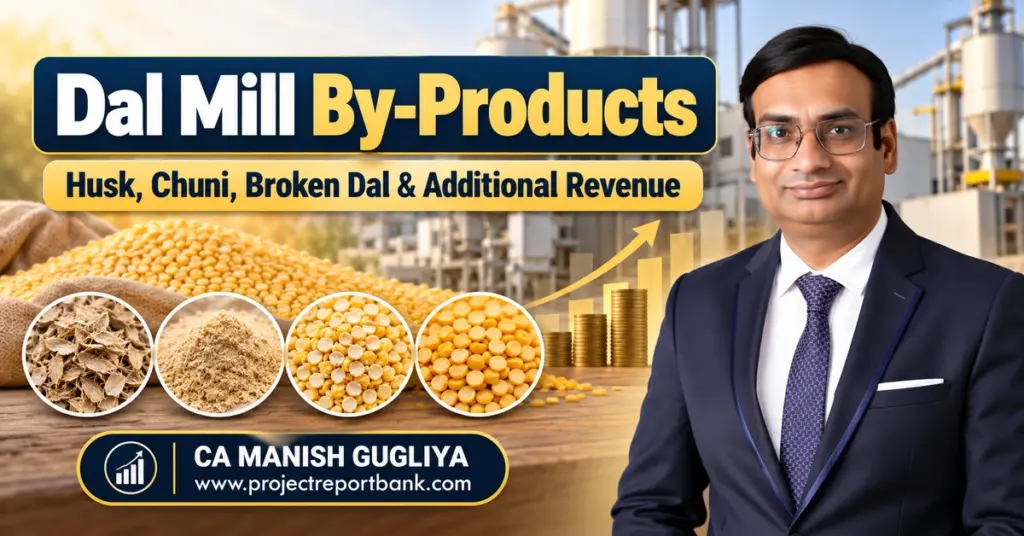
- Modern dal mills should treat husk, chuni and broken dal as planned revenue streams, not waste. Properly handled dal mill by-products can add 5–15% to total sales realisation, improving cash flow, DSCR and overall project viability.
- The primary by-products from dal milling are typically 20% to 30% of total input – a share too large to ignore in any bankable Detailed Project Report.
- Pulse-wise recovery for toor, moong, urad, chana and masoor varies significantly based on grain characteristics, conditioning and milling technology.
- A worked example for a 10 TPD dal mill in this article shows how to calculate by-product income per day, month and year with clear mass balance.
- Project Report Bank, led by CA Manish Gugliya, prepares customised DPRs where dal mill by-products are integrated into a complete project-finance model with sensitivity analysis.
Introduction – Why Dal Mill By-Products Matter for Profitability
Dal mills across India have traditionally focused on finished split dal as the sole revenue driver. However, with rising raw material costs and competitive selling rates, treating husk, chuni and broken dal as incidental waste is no longer commercially sensible. Dal milling generates substantial quantities of by-products, and these materials – when properly recovered, stored and sold – can meaningfully change a project’s profitability.
In any professionally prepared DPR, three output categories must be clearly separated: (a) finished food-grade dal, (b) commercially saleable by-products such as husk, chuni, broken dal and fines, and (c) genuine processing losses including dust, moisture loss and handling waste. Each category carries different recovery percentages and price assumptions that directly influence project IRR, DSCR and break-even volume.
The dal milling process – from cleaning and drying through dehusking, splitting, grading and polishing – generates by-products at multiple stages. Readers can review the complete sequence in the Dal Milling Process & Flow Chart. This article focuses on practical Indian-ground realities rather than theoretical maximums; every mill must validate recovery and pricing locally before finalising its business plan.
Major By-Products Generated in Dal Milling
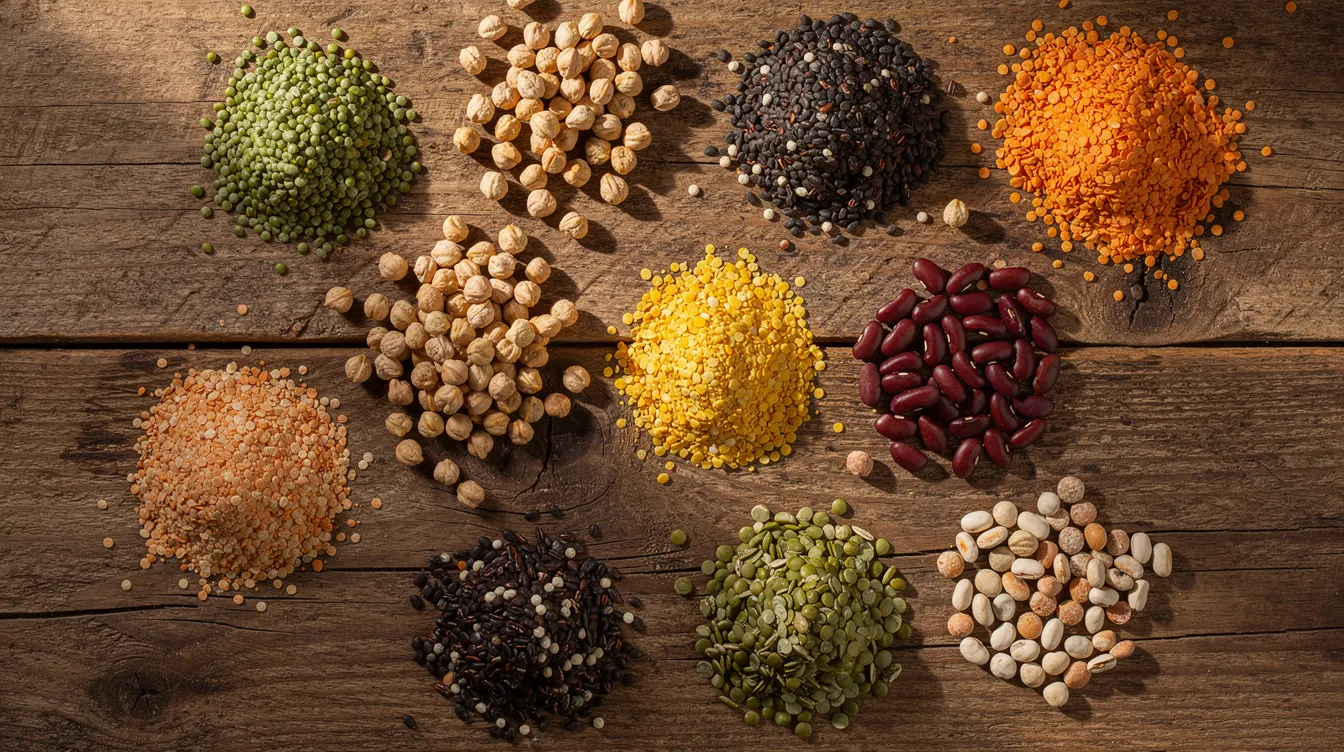
All dal mills – whether processing toor, chana, urad, moong or masoor – generate a similar family of by-products, though proportions and quality differ. Pulses milling by-products include husks, broken fragments, and fine powders. Dal milling residues are recognised as dense reservoirs of nutrients, and dal milling generates by-products that can be utilised across multiple industries including animal feed, food processing and agriculture.
| By-Product | How Generated | Characteristics | Main Buyers / End Use | Commercial Notes |
|---|---|---|---|---|
| Pulse Husk | Dehusking stage | Fibrous outer seed coat; rich in dietary fibre | Cattle-feed plants, fuel users, poultry bedding | Low bulk density; transport cost matters |
| Chuni & Fines | Polishing, aspiration, emery rollers | Mix of endosperm, germ, small husk particles | Compound feed mills, dairy farmers | Feed-grade only; terminology varies regionally |
| Broken Dal | Splitting, handling, grading | Larger and smaller brokens; retains nutritional value | Snack units, flour mills, feed | Food-grade vs feed-grade separation needed |
| Powder / Flour | Fine grinding, aspiration | Very fine material | Pulse flour / besan units (if clean), else feed | Quality determines human vs feed use |
| Cleaning Rejects | Pre-cleaning and grading | Stones, dust, immature grains | Low-grade feed mix or disposal | Conservative value in DPR |
In a DPR, each by-product line must be modelled separately with its own recovery percentage and price per tonne, rather than clubbing everything as “other income.”
Dal Mill Husk – Production, Uses and Revenue Opportunities
Husk forms the outer seed coat removed during dehusking. The percentage depends on pulse variety, grain size and moisture content – factors discussed in detail in the article on Pulse Conditioning, Dehusking & Splitting Process. Aspirators and cyclone separators collect husk from the air stream, and it must be stored in dry, clean conditions to preserve feed value.
Pulse husk is a valuable cattle-feed ingredient, widely used in compound feed formulations. Husk is also used as a low-cost biomass fuel source in some regions, and as poultry bedding material. It is rich in dietary fibre and bioactive compounds, making it useful despite its low protein content relative to chuni.
Key commercial factors include local demand from dairies and feed plants in clusters such as Gulbarga in Karnataka, Latur, Nagpur and Indore, where brokers aggregate husk from multiple mills. Moisture, sand contamination and fibre content drive pricing. Even a ₹100–₹200 per quintal difference (illustrative, not a live quotation) can materially affect annual by-product revenue. Indicative husk prices of approximately ₹2,500 per tonne have been noted in government project profiles, though actual rates vary by location.
Dal Chuni – An Important By-Product for Feed Manufacturers
Chuni-bhusi is a by-product of pulse milling, generated during abrasive dehusking and polishing stages. It comprises fine endosperm particles, germ pieces and small husk fragments – never food-grade, and meant only for animal feed.
Chuni-bhusi contains 15–20% crude protein and total digestible nutrients (TDN) ranging from 55–65%, making it comparable in energy and protein value to other concentrate by-products like rice bran or wheat bran. This makes chuni-bhusi an affordable protein source for livestock and it is commonly used in livestock feed formulations for dairy cattle, buffalo, poultry mash and small ruminants. Chuni-bhusi helps reduce feed costs in poultry production, which sustains consistent demand from compound feed manufacturers.
Feed buyers typically specify maximum moisture, limits on sand and foreign material, and consistent particle size. Segregating moong chuni, urad chuni and chana chuni separately can fetch better pulse-wise rates. Payment cycles with feed plants affect working capital and should be reflected in DPR and CMA Data. When estimating chuni revenue, use recovery percentages derived from machinery supplier data or similar-plant performance, and conservative local prices.
Broken Dal Utilization – Food Processing and Value Addition
Broken dal is generated from impact during dehusking and splitting, handling in elevators, and grading where undersized pieces are separated. Detailed recovery notes are available in the article on Dal Mill Recovery Ratio, Dal Yield, Broken Percentage & Milling Losses.
Broken dal retains much of the nutritional value of whole pulses. Grades include: (a) larger brokens suitable for human consumption, (b) smaller brokens for flour or besan making, and (c) mixed powder with husk that is only feed-grade. Food-grade brokens find use in namkeen and snack manufacturing, ready-mix food products, and pulse flour production.
Many food processors accept brokens at a discount – typically 70–90% of full dal price – which must be modelled in DPR projections. Proper graders and colour sorters significantly improve broken dal segregation quality. If contaminated or discoloured, the material should be categorised as feed-grade in both accounts and DPR assumptions.
Dal Mill By-Product Recovery – Pulse-Wise Comparison
The nutritional profile of dal mill by-products varies by pulse species. Recovery percentages differ due to husk thickness, grain hardness, oil content and dehusking behaviour. Toor requires good conditioning and yields moderate husk. Moong has a thin husk but is delicate – poor conditioning increases brokens. Urad has higher oil content and black husk; polishing for white urad generates specific fines. Chana has a thick husk and robust cotyledon with moderate husk output. Masoor’s smaller grain size means higher fine-particle and broken percentages if equipment is not properly tuned.
| Pulse Type | Finished Dal (%) | Broken Dal (%) | Husk & Chuni (%) | Other Losses (%) |
|---|---|---|---|---|
| Toor / Tur | 66–72 | 3–5 | 12–16 | 7–10 |
| Moong | 68–76 | 5–8 | 10–14 | 6–9 |
| Urad | 65–73 | 4–7 | 12–16 | 7–10 |
| Chana | 70–78 | 3–6 | 10–14 | 5–8 |
| Masoor | 68–75 | 4–7 | 11–15 | 6–9 |
These are illustrative values based on generic industry experience and must be validated for each plant.
Raw pulse quality, procurement and storage practices, conditioning with water or soaked dal pre-treatment, and machinery type all influence actual recovery. Financial projections should always be pulse-wise and season-wise.
Additional Revenue from Dal Mill By-Products – Practical Calculation
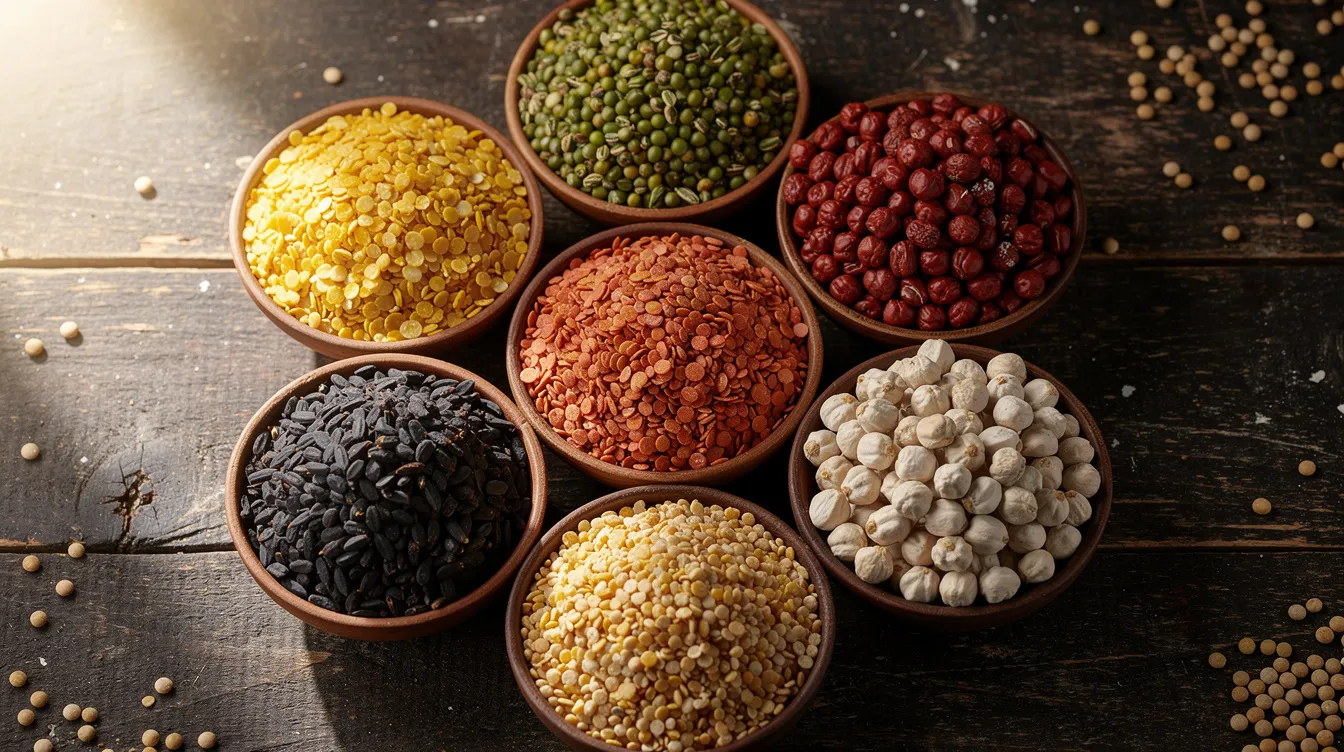
Entrepreneurs often underestimate how small per-quintal by-product earnings accumulate over time. Consider this illustrative example for a 10 TPD dal mill processing chana, operating 25 days per month (300 days per year).
| Item | Quantity/Day | % of Input | Illustrative Price (₹/kg) | Daily Revenue (₹) |
|---|---|---|---|---|
| Raw Chana Input | 10,000 kg | 100% | – | – |
| Finished Dal | 7,200 kg | 72% | 95 | 6,84,000 |
| Husk | 1,000 kg | 10% | 3 | 3,000 |
| Chuni | 500 kg | 5% | 5 | 2,500 |
| Broken Dal | 500 kg | 5% | 70 | 35,000 |
| Processing Losses | 800 kg | 8% | – | – |
| Total By-Product Revenue/Day | – | – | – | ₹40,500 |
Prices are illustrative only – actual prices vary by location, season and market.
Annual By-Product Revenue = ₹40,500 × 300 days = ₹1,21,50,000 (approximately ₹1.22 crore per year).
Even at conservative assumptions, by-product revenue covers a significant share of fixed costs such as interest, salaries or electricity. For capacity-wise planning across 5 TPD to 50 TPD plants, refer to Dal Mill Capacity Planning. When presenting these calculations to a bank, all assumptions must be transparent and supported by technical references.
Impact of By-Product Income on Dal Mill Profitability
Revenue is the top line; contribution margin deducts only variable costs; EBITDA subtracts all operating costs except interest, tax and depreciation; and net profit is what remains after everything. By-product revenue adds to gross sales without additional raw pulse input, improving per-tonne material realisation. Value addition to dal milling by-products can reduce waste and increase profitability across the project.
By-product income typically has a high contribution margin because most processing cost is already absorbed by the main product. However, packing, labour, loading and transport costs must be deducted before estimating net contribution.
Higher stable by-product income improves average DSCR over the loan tenure, making term-loan appraisal easier. In a Project Report Bank DPR, by-product income is modelled pulse-wise and year-wise, tested through sensitivity analysis – for example, reducing by-product prices by 10–15% to check DSCR impact. Entrepreneurs should avoid overstating by-product income just to show attractive IRR. Those requiring detailed cash-flow modelling can use Project Report Bank’s financial projections and financial modelling services.
Machinery and Infrastructure for By-Product Handling
Efficient by-product utilisation requires proper collection, segregation and storage infrastructure. Key systems include aspiration systems and cyclone separators for husk and fines, dust collection for worker safety, gravity or rotary screens for separating brokens, and dedicated chutes for chuni versus husk. Storage infrastructure – bins for husk, bags for chuni, separate godown space for food-grade broken dal – is essential to preserve quality.
Packing and bagging equipment (stitching machines, weighing scales) is needed where daily despatch volume is high. Additional investment makes commercial sense when a mill has assured long-term feed demand or handles multiple pulses where segregation adds a price premium. Broader machinery and cost discussions are covered in the article on Dal Mill Machinery, Equipment & Cost. Marginal additional power for dust collectors or grinders should be factored into utility requirements.
By-Product Value Addition vs Direct Selling
Dal mill owners have two options: sell husk, chuni and broken dal in bulk (direct selling), or invest in additional processing for higher realisation (value addition).
| Option | Extra Investment | Complexity | Target Buyers | Additional Realisation | Risks |
|---|---|---|---|---|---|
| Direct Bulk Sale | Minimal | Low | Brokers, feed plants | Baseline | Low margins |
| Graded Broken Dal | ₹1–3 lakh | Moderate | Snack units, wholesalers | +10–20% over bulk | Grading consistency |
| Pulse Flour from Brokens | ₹5–15 lakh | Higher | Flour distributors | +25–40% over bulk | Licensing, quality |
| Branded Feed Mix | ₹3–8 lakh | Higher | Dairy cooperatives | +15–25% over bulk | Formulation, marketing |
For many MSME dal mills, starting with direct selling and upgrading to value addition after stabilising main plant operations is more prudent than investing in multiple units on day one. A proper feasibility analysis in a detailed DPR should confirm whether incremental EBITDA justifies the extra setup cost and risk.
Marketing and Buyers for Dal Mill By-Products in India
The buyer ecosystem in Indian pulse clusters includes brokers, local feed mixers, organised cattle-feed and poultry-feed manufacturers, snack factories and small dairy farmers. Farmers in nearby villages often purchase husk and chuni directly for their livestock.
Quality-based pricing applies: buyers pay more for clean, low-sand material with consistent particle size and lower moisture. Seasonal variation in demand – higher during lean fodder seasons – and regional differences across MP, Maharashtra, Karnataka, Rajasthan and Telangana affect realisation. Common arrangements include spot cash sales, periodic rate contracts with large feed manufacturers, and credit-based supply to organised plants. The consequence of inconsistent quality is rejection or heavy discounting, so maintaining clean handling and honest weighing builds reputation over time.
Entrepreneurs should visit nearby feed plants and brokers before finalising DPR assumptions so that actual local price ranges can be cross-checked.
By-Product Revenue Planning in a Dal Mill DPR
A professional bankable DPR must separately model husk, chuni, broken dal and fines for each pulse processed. The minimum elements include pulse-wise input quantity, expected dal yield, broken percentage, husk and chuni percentage, processing loss, and the resulting mass balance.
Product and by-product pricing should use conservative expected realisation per tonne, with clear notes documenting the source – market survey, quotations or similar-unit data. Inventory and working capital planning must account for stock accumulation (husk stored till truck-load quantity is ready) and credit days allowed to buyers.
Well-documented, technically backed by-product recovery assumptions add credibility to bank loan proposals. Credit officers frequently question inflated recovery or pricing numbers; transparent assumptions make it easy for the team reviewing your report to approve the proposal. Entrepreneurs planning to send dal mill DPRs to banks should consider Project Report Bank’s Bank Finance DPR & Loan Proposal Assistance.
Common Mistakes in Dal Mill By-Product Revenue Estimation
Many first-time promoters either ignore by-products or overstate their revenue. Common errors include:
- Overestimating recovery: assuming unrealistically low milling losses compared to what machinery suppliers or existing units achieve
- Treating all residual material as saleable: including floor sweepings or heavily contaminated dust as “chuni” when it has zero or negative value
- Using unrealistic prices: lifting wholesale rates from distant markets without accounting for freight, brokerage and quality deductions
- Double-counting: including broken dal in both finished dal and by-product quantities, or failing to ensure that total output equals 100% of input
- Ignoring quality specifications: feed buyers may reject material that does not meet moisture or purity standards
- Overlooking handling costs: storage, labour, bagging and transport costs reduce net realisation and must be included
Cross-check assumptions with machinery suppliers, existing dal mills and professional advisors before finalising financial projections. These notes should be part of every DPR review process.
Frequently Asked Questions
What percentage of total dal mill revenue can realistically come from by-products?
Many well-run dal mills see 5–15% of total sales value from husk, chuni and broken dal combined, but this is indicative. Calculate your share using: By-Product Revenue ÷ Total Revenue × 100, based on realistic local prices and recovery. A helpful starting point is the illustrative calculation in this article, adjusted for your specific pulse and market.
Can dal mill by-products alone make an unviable project viable?
By-products improve margins and cash flow but cannot usually convert a fundamentally unviable project into a strong one. Bankable DPRs must first show viability on the core dal business. By-product income provides additional comfort to lenders – it is a support pillar, not the main foundation.
Should I plan pulse-specific husk and chuni storage in my plant layout?
Pulse-wise segregation can fetch better prices from feed manufacturers who prefer specific material. However, this requires more bins, space and handling effort. Small dal mills may start with combined storage and add segregation later if buyers pay a clear premium.
Is it better to run a fully automatic dal mill to reduce chuni and increase dal yield?
Fully automatic dal mills usually offer better process control and lower breakage, which can improve dal yield and reduce unwanted fines. Compare capex, recovery and labour savings carefully – the article on Fully Automatic vs Semi-Automatic Dal Mill provides a more detailed comparison to prepare your decision.
How do I verify by-product price assumptions for my DPR?
Visit local feed plants, husk and chuni brokers, and nearby operating dal mills. Collect at least 2–3 quotations for each by-product, noting the quality specifications and credit terms. If your questions remain, share your assumptions with a professional advisor before submission to the bank.
Conclusion – Improving Dal Mill Profitability Through Better By-Product Utilisation
Dal mill by-products – husk, chuni and broken dal – are commercially valuable materials that deserve conscious planning in plant design, marketing strategy and financial projections. By-products can be used in animal feed, food processing and agriculture, and when properly recovered, they meaningfully strengthen total material realisation.
Realistic, technically backed assumptions and proper mass-balance calculations are essential when presenting dal mill DPRs to banks and investors. Inflating by-product income to make ratios look attractive is counterproductive – experienced credit officers will identify the inconsistency.
Project Report Bank, led by CA Manish Gugliya, integrates detailed by-product recovery, pricing, working-capital impact and sensitivity analysis when preparing customised dal mill DPRs, CMA Data and financial models for entrepreneurs across India. If you are planning a new dal mill or expansion and need professional support with DPR preparation, project feasibility or bank finance planning, you can reach out via WhatsApp through the Project Report Bank website for a detailed discussion.