
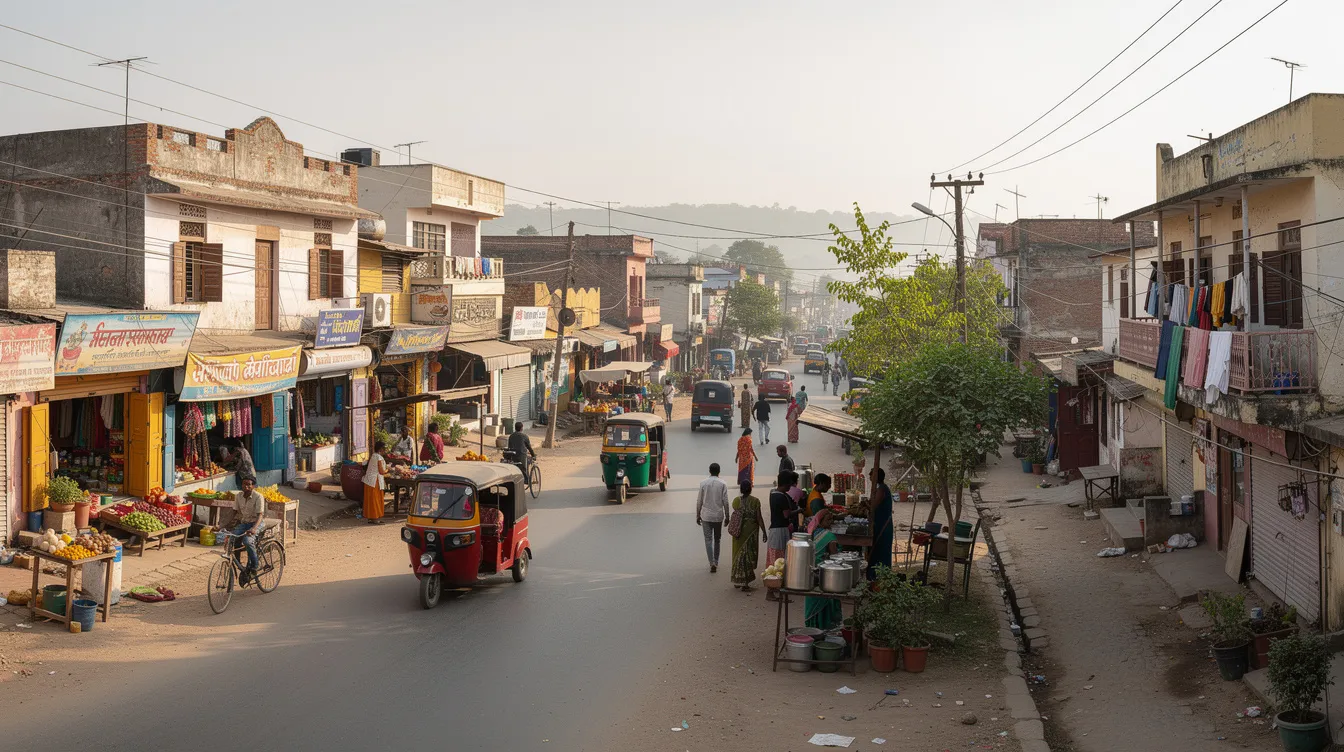
If you think profitable businesses can only thrive in metros, you’re overlooking India’s most exciting entrepreneurial frontier. Small towns, villages, and Tier-2 cities are where the real action is happening right now. Rising incomes, digital connectivity, and government-backed financing are creating conditions that many city-based entrepreneurs would envy.
In my two decades as a Chartered Accountant, I have helped thousands of entrepreneurs across rural India secure bank finance, prepare project reports, and launch businesses that generate real, sustainable income. What I have observed consistently is this: small town business opportunities often deliver better ROI than their urban counterparts because of lower operating costs, stronger customer loyalty, and less competition.
This guide covers 15 carefully selected small town business ideas, each evaluated on profitability, investment, market demand, and long-term viability. Whether you are a first-time entrepreneur in a village or an experienced professional in a Tier-3 city, these ideas are grounded in financial reality and backed by data.
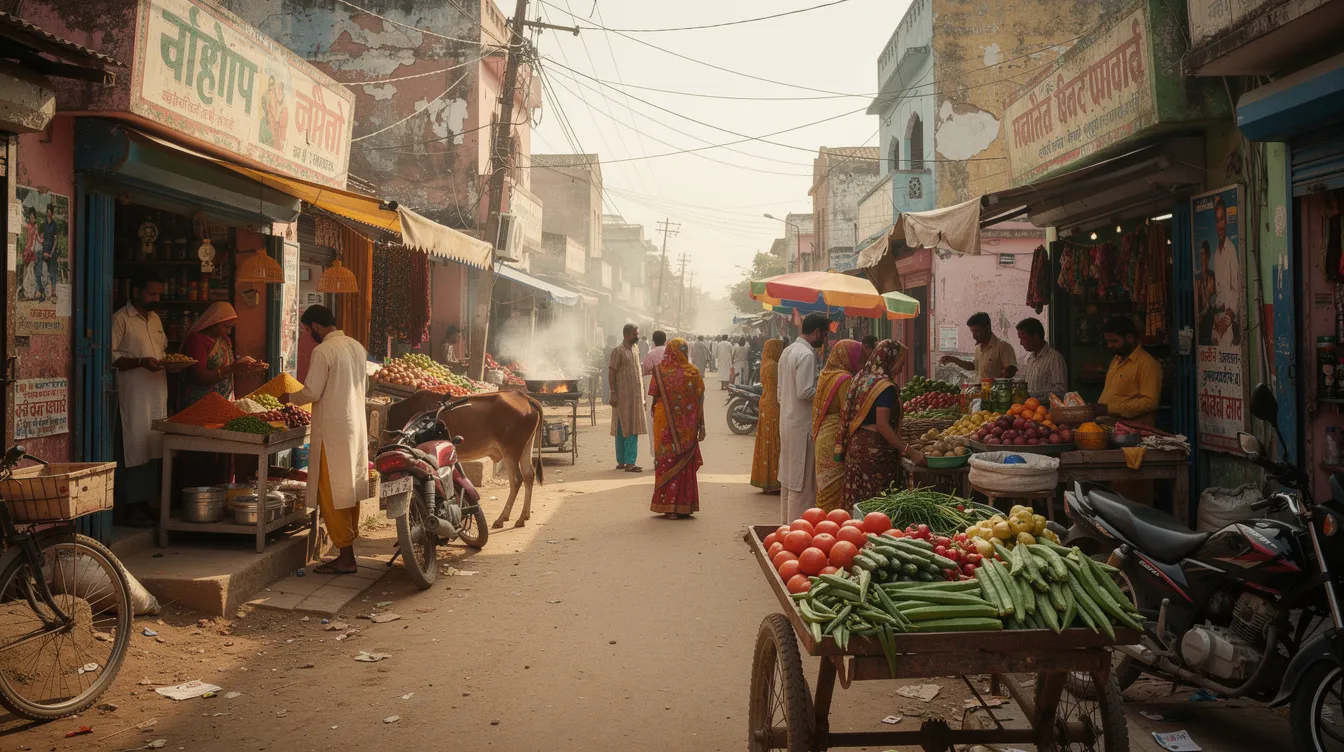
Table of Contents
How We Chose the Best Small Town Business Ideas
Picking a business idea based on hype or trends alone is a common mistake. Here is the framework I use when advising clients on which small town business idea to pursue:
- Investment requirements and ROI analysis: Can you realistically afford the initial investment? What is the expected break-even period? Ideas requiring ₹50,000 to ₹5 lakh with break-even under 18 months scored highest.
- Market demand and customer base sustainability: Does the business serve daily needs or seasonal ones? Continuous-demand businesses like grocery, dairy, and repair services outperform seasonal ones.
- Profit margins and break-even potential: A study from Kittur Karnataka found that well-scaled dairy units achieved an Internal Rate of Return of approximately 44%, with payback periods as short as 2.6 years.
- Scalability and growth opportunities: Can the business expand without proportionally increasing costs?
- Local resource availability: Raw materials, labor, land, and infrastructure directly affect feasibility.
- Competition levels in rural markets: Identifying gaps in local markets allows businesses to monopolize local demand and build a loyal customer base.
- Government scheme eligibility: Businesses eligible for Mudra Loans (Shishu up to ₹50,000, Kishore up to ₹5 lakh, Tarun up to ₹10 lakh, and the new Tarun Plus up to ₹20 lakh) or PMEGP subsidies received higher priority.
- Seasonal stability: Year-round viability matters. Lower operating costs in small towns can lead businesses to operate more sustainably than in cities.
According to NABARD’s 2024 survey, about 80% of rural households reported higher consumption compared to the previous year, and 42.2% experienced income growth. Rural India is spending more, and smart entrepreneurs can capture that demand.
Top 15 Small Town Business Ideas for Maximum Profitability
1. Kirana Store & Grocery Business
A grocery store remains the backbone of every small town economy. It serves daily needs, from staples and spices to packaged goods and toiletries.
Why It Stands Out: Guaranteed daily footfall and customer loyalty. In small towns, the kirana store is often the only business families visit every single day.
Best For: First-time entrepreneurs and those seeking a steady income stream with predictable cash flow.
Key Strengths:
- Low risk with consistent demand
- Expandable inventory (add fruits, vegetables, cold storage)
- Credit-based relationships build a loyal customer base
- Investment: ₹50,000–₹2 lakh for stock; ₹2–6 lakh for a well-stocked store
- Margins: 5–15% depending on product category
Possible Limitations: Thin margins on FMCG items and inventory management challenges, particularly with perishables.
A convenience store model with home delivery services can further differentiate you from competitors. Many successful small town business owners I have advised also stock hardware items. A well-stocked hardware store is essential in small towns, offering tools, materials, and seasonal products. Hardware stores can provide services like key duplication and tool rentals, meeting local home improvement demands.
For entrepreneurs interested in shop business ideas across categories, the kirana model is the safest entry point.
Worth noting: liquor stores can be profitable in small towns due to limited competition. Compliance with local laws is essential, and securing a liquor license can be challenging, but offering local craft beers and regional brands can attract customers.
Similarly, a pet store serving pet owners is another retail opportunity. Pet grooming and boarding services are in high demand, and many small towns lack major pet supply chains. Offering grooming services alongside pet supplies can attract local pet owners looking for convenient, nearby options.
2. Dairy Farming & Milk Products
Dairy farming leverages local agricultural resources and delivers daily income generation.
Why It Stands Out: Milk is consumed daily, and value-added products like paneer, ghee, and curd command premium prices.
Best For: Rural entrepreneurs with access to grazing land or fodder supply.
Key Strengths:
- Government subsidies through NABARD and state dairy schemes
- Scalable: start with 3–5 animals, expand to 10+
- Monthly revenue of ₹1.35–1.60 lakh for an 8–10 animal unit, with net profit of ₹30,000–45,000
- Feed cost accounts for roughly 75% of expenses; larger herds reduce per-litre cost
The DHANII initiative by Tata Trusts and NDDB supports over 115,000 milk producers (95% women), collectively producing around 450,000 litres daily. Many participating families now earn ₹15,000 or more monthly from dairy alone.
Possible Limitations: Initial livestock investment of ₹3–7 lakh for a proper setup, seasonal feed cost fluctuations, and veterinary expenses.
In my experience, cooperatives and milk producer companies significantly reduce marketing costs and transaction risks for individual farmers. If you are in a region with dairy infrastructure, this is among the most profitable business ideas for rural areas.
3. Mobile Repair & Digital Services
With over 407 million rural internet users as of March 2025, smartphone dependency in small towns is massive.
Why It Stands Out: High profit margins (40–60% on repairs) and a recurring customer base. Also, 46% of all searches are for local information, meaning digital presence is crucial for small businesses to reach customers effectively.
Best For: Tech-savvy entrepreneurs targeting younger demographics.
Key Strengths:
- Low overhead; home-based operation possible
- Computer services, data recovery, and network security solutions round out the offering
- Investment: ₹25,000–₹75,000 for tools and initial inventory
- IT services include tech support and computer repairs with low overhead costs, making them ideal for small towns
Digital literacy workshops can enhance community tech skills and position you as a valuable service provider. Data recovery services are in high demand in small towns where professional tech support is scarce. Utilizing social media helps small businesses engage with their community and promote local events.
Possible Limitations: Rapid technology changes require continuous skill updating.
4. Organic Farming & Produce Sales
Sustainable agriculture is meeting health-conscious urban consumers who will pay premium prices.
Why It Stands Out: Organic produce commands 20–40% higher prices than conventional crops. Growing demand from urban centres and e-commerce platforms makes this a profitable venture.
Best For: Local farmers transitioning to sustainable practices. Areas with access to ONDC-enabled Common Services Centers can sell directly to urban buyers.
Key Strengths:
- Higher margins once certified
- Environmental benefits attract a new customer base
- Government certification support (India Organic, NOP)
- Investment: ₹1–5 lakh depending on land size and crop type
Possible Limitations: Certification takes 2–3 years (soil conversion period). Supply chain logistics for connecting local produce to urban markets remain a challenge.
Gardening services complement this sector well. These include lawn care and garden design. Sustainable practices attract environmentally conscious clients. Gardening businesses can help enhance outdoor spaces in small towns, and offering workshops can diversify revenue for gardening businesses. Services can include planting seasonal flowers and regular maintenance.
5. Mini Flour Mill & Food Processing
Local grain processing is an essential service in agricultural communities.
Why It Stands Out: Consistent demand from households that prefer fresh atta over packaged alternatives.
Best For: Areas with local wheat, rice, and grain production. This is a great business idea where raw material is literally at your doorstep.
Key Strengths:
- Monthly revenue varies by capacity; small mills can generate ₹40,000–₹80,000 revenue
- Investment: ₹2–10 lakh depending on milling capacity
- Additional services like spice grinding, oil extraction increase revenue streams
Possible Limitations: Equipment investment and regular maintenance requirements. Electricity costs can be significant.
6. Beauty Salon & Barbershop
Personal grooming services build a loyal customer base through relationships and repeat visits.
Why It Stands Out: This is a recession-proof business with recurring revenue. Word-of-mouth and reputation are critical in small-town marketing strategies.
Best For: Skilled professionals or those willing to invest in training. Grooming services are in demand across all demographics.
Key Strengths:
- Strong word-of-mouth marketing; personal recommendations are a strong marketing channel in small communities
- Investment: ₹50,000–₹2 lakh for equipment, interiors, products
- Monthly profit potential: ₹15,000–₹40,000 depending on location and services
Nail salons offer services like manicures and pedicures, and a nail salon can provide basic spa treatments like facials. They cater to clients seeking relaxation and self-care. Offering loyalty programs can help retain nail salon customers. Nail salons can attract clients during events like graduations and weddings. Loyalty programs help retain existing customers more cost-effectively than acquiring new ones.
Fitness studios cater to growing health and wellness trends. A fitness studio can offer classes like yoga and pilates. Starting a gym requires initial investment in equipment, but a well-managed gym can attract regular patrons in small towns. Fitness studios can offer personal training services to clients as additional services.
Possible Limitations: Skill requirements and initial equipment costs. Keeping up with beauty trends requires ongoing investment.
7. Poultry Farming & Egg Production
A livestock business serving India’s growing protein demand through dual income streams.
Why It Stands Out: Eggs generate daily income; broiler cycles provide meat revenue every 6–8 weeks.
Best For: Rural entrepreneurs with adequate space and access to veterinary support.
Key Strengths:
- Layer birds start production in approximately 20 weeks
- Investment: ₹1–2 lakh for a 1,000-bird unit
- Profit margin around 20% after feed, labor, and veterinary costs
- Growing demand for protein across all income segments
Catering services complement poultry well. Catering services can be highly profitable for events. A catering company can serve weddings, parties, and corporate events. A diverse menu can attract more catering clients, and catering businesses benefit from word-of-mouth marketing. Including local cuisine appeals to community tastes.
Possible Limitations: Disease management (bird flu risk), seasonal feed cost variations, and mortality rates.
8. Transport & Logistics Services
Essential connectivity between villages and nearby towns is a profitable business that grows with e-commerce penetration.
Why It Stands Out: Every village needs goods movement and passenger services. E-commerce deliveries are creating new demand.
Best For: Entrepreneurs with driving skills and vehicle access.
Key Strengths:
- Immediate income generation
- Expandable fleet as demand grows
- Investment: varies widely (₹2–10 lakh for a used vehicle)
- Can combine passenger and goods transport
Possible Limitations: Vehicle maintenance services, fuel price fluctuations, and regulatory compliance.
9. RO Water Plant & Packaged Water
Safe drinking water is a health necessity with guaranteed demand in areas with water quality issues.
Why It Stands Out: In regions where groundwater quality is poor, an RO plant provides a valuable service that families depend on daily.
Best For: Areas with documented water quality problems.
Key Strengths:
- Investment: ₹1–3 lakh for a small-capacity plant
- High margins on per-jar sales
- Scalable: add delivery routes as demand grows
- Essential services like clean water face minimal competition
Possible Limitations: Water source reliability, FSSAI regulatory compliance, and power costs.
Home cleaning services are another growing opportunity in small towns. These businesses require minimal startup costs and can provide a steady income for entrepreneurs. Offering eco friendly products as cleaning options can attract more clients. Home cleaning services cater to busy professionals and families, and regular cleaning services build recurring revenue.
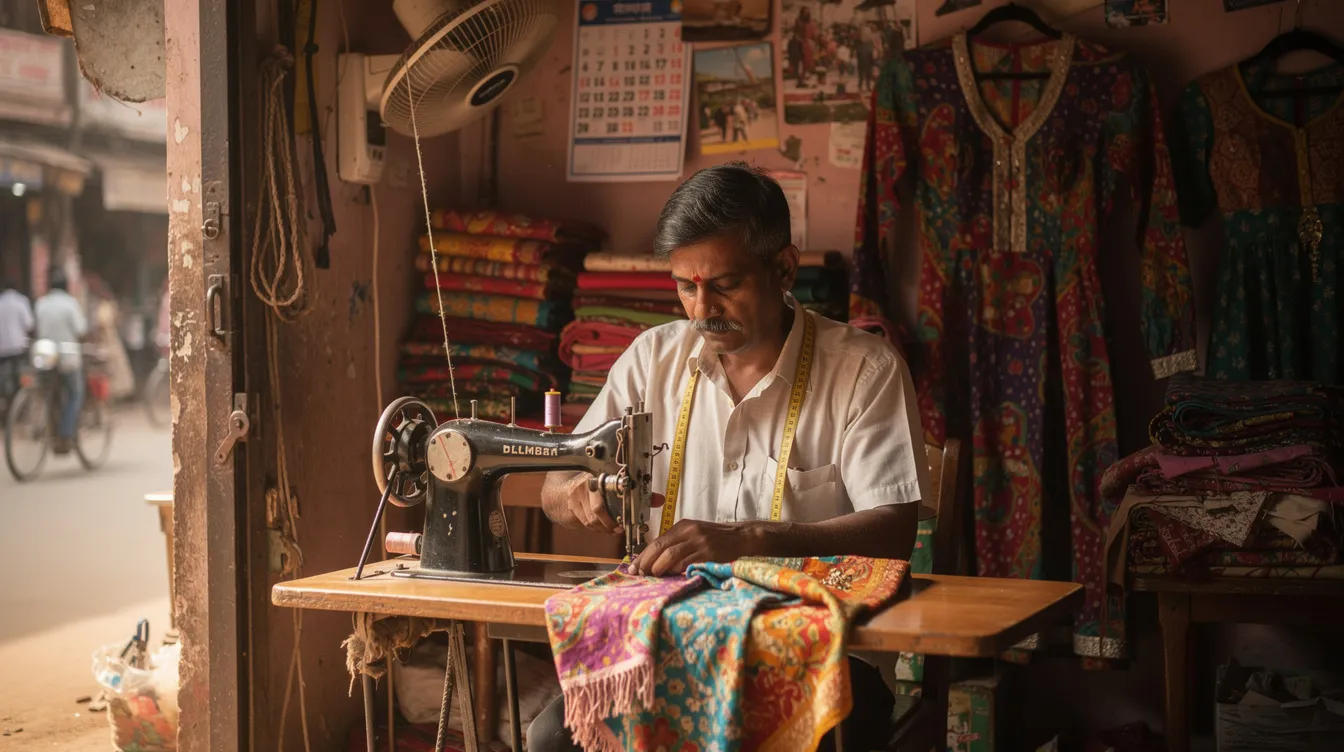
10. Tailoring & Clothing Business
Custom clothing and alteration services thrive where personal service meets local demand.
Why It Stands Out: In small towns, tailored clothing remains preferred for occasions like weddings, festivals, and daily wear.
Best For: Skilled tailors or those willing to learn. This is the perfect business idea for home-based operations.
Key Strengths:
- Low competition in most villages
- Custom pricing for premium work
- Investment: ₹20,000–₹1 lakh for machines and materials
- Explore saree business ideas as a complementary revenue stream
Clothing boutiques can thrive by offering trendy apparel. Small towns often lack diverse clothing retail options. Boutiques can cater to local fashion tastes and seasonal trends, and offering personalized customer service can build loyalty. Unique items not found in chain stores attract customers looking for something different.
Dry cleaning services are essential for busy families and professionals. Offering home pick-up and drop off services can increase customer satisfaction. Eco-friendly dry cleaning solutions can attract environmentally conscious clients. Dry cleaning can include services like laundry, ironing, and alterations. Starting a dry cleaning business can have low operational costs in small towns.
Possible Limitations: Seasonal demand variations (peak during wedding season) and competition from ready-made garments.
11. Solar Installation & Maintenance
Renewable energy solutions address inconsistent grid connectivity in rural areas.
Why It Stands Out: Government subsidies through MNRE and state schemes reduce customer acquisition costs. Environmental awareness is rising.
Best For: Technical entrepreneurs in regions with high solar potential.
Key Strengths:
- Growing market with strong government push
- Investment: ₹2–5 lakh for tools, training, and initial inventory
- Recurring revenue from maintenance services contracts
- Environmental impact builds community goodwill
Handyman services are essential in small towns for repairs. A handyman service can be highly profitable, and reliability and skill are crucial for success. Word-of-mouth referrals are vital for handyman services. These can include home renovations, carpentry, and general maintenance services alongside solar work.
Possible Limitations: Technical expertise required, initial training investment, and customer education about solar benefits.
12. Seed & Fertilizer Shop
Agricultural input supply is essential for farming communities, creating strong seasonal demand with farmer loyalty.
Why It Stands Out: Local farmers depend on nearby input suppliers. Seasonal high demand ensures predictable revenue cycles.
Best For: Agricultural communities where the entrepreneur has farming knowledge. Consider exploring dealership business ideas with major seed and fertilizer brands.
Key Strengths:
- Essential for local farmers; credit sales build long-term relationships
- Investment: ₹2–5 lakh for initial inventory
- Can expand to pesticides, farm tools, and advisory services
- Government schemes support agricultural input businesses
Floral shops cater to weddings, birthdays, and everyday gifts. Providing delivery services can increase a floral shop’s appeal. Hosting floral arrangement workshops can diversify revenue streams. A floral shop can fulfill local demand for fresh flowers, which are essential for events like proms and weddings.
Possible Limitations: Seasonal cash flow concentration, inventory investment, and expiry-date management on certain products.
13. Motorcycle & Bicycle Repair
Vehicle maintenance services address growing two-wheeler ownership in rural India.
Why It Stands Out: Two-wheelers are the primary mode of transport in small towns. Daily breakdowns and routine maintenance create consistent demand.
Best For: Mechanically skilled individuals. This is a successful business idea with low entry barriers.
Key Strengths:
- Daily demand with spare parts sales adding margin
- Investment: ₹30,000–₹1 lakh for tools and initial parts inventory
- Roadside service capability expands your reach
Automotive repair services are in high demand in small towns. Routine maintenance includes oil changes and brake services. Certified mechanics and high-quality parts build customer trust. Many people prefer local repairs over traveling long distances. Offering towing services can enhance automotive repair business opportunities.
Possible Limitations: Tool investment, competition from authorized service centers in larger towns.
14. Tuition Center & Coaching Classes
Educational support services are driven by parents’ focus on children’s academic performance.
Why It Stands Out: A tutoring business can cater to students of all ages. Parents in small towns invest heavily in education but lack access to quality coaching.
Best For: Educated individuals with teaching ability. This is a sustainable business that builds community respect.
Key Strengths:
- Home-based operation possible; low investment (₹10,000–₹50,000)
- Scalable batches: start with 5–10 students, grow to 50+
- Offering online tutoring services can provide added flexibility
- Tutoring services can help students improve their grades significantly
- Starting a tutoring business requires low startup costs
Bookstores serve as cultural hubs in small towns. Hosting events like book readings can attract local customers. Selling stationery and gifts can diversify bookstore revenue. Bookstores can offer a mix of genres to cater to diverse interests. Sales at bookstores that adapt are increasing by five percent.
Photography services are essential for events and portraits. Small towns often lack professional photographers for local events. Offering personalized photography services can attract local clients. A photography business can expand by offering print sales and classes. Event photography can generate significant revenue in small towns.
Possible Limitations: Seasonal income (drops during holidays), student retention challenges, and competition from online learning platforms.
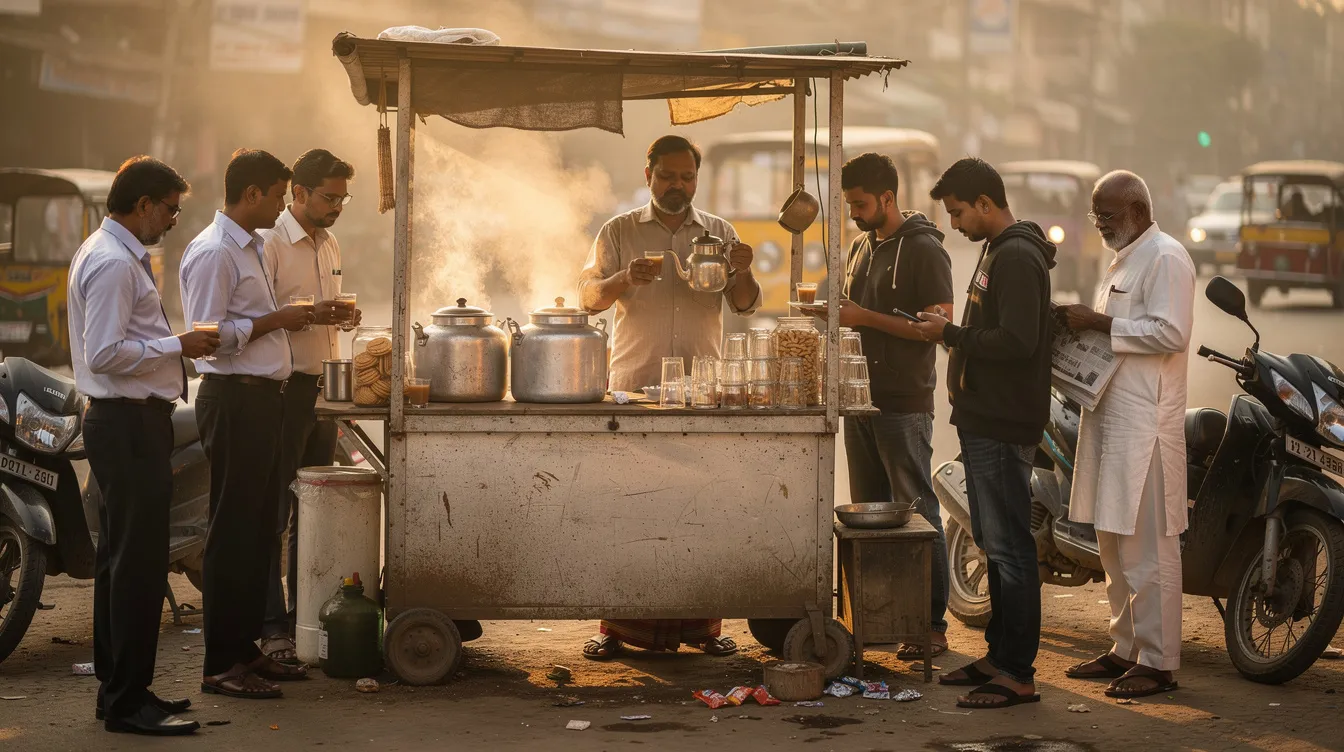
15. Tea Shop & Fast Food Counter
A food and beverage service that doubles as a social gathering place.
Why It Stands Out: The tea shop is the social hub of every small town. Consistent daily traffic from morning to evening ensures cash flow.
Best For: Entrepreneurs in high-footfall areas near bus stands, markets, or schools. If you are exploring cafe business ideas, the tea stall is the rural equivalent.
Key Strengths:
- Investment: ₹10,000–₹50,000 for a basic setup
- Immediate returns from day one
- Add snacks, fast food items, and beverages to increase ticket size
Restaurants are a top choice for small-town entrepreneurs. Offering diverse cuisines can attract locals and visitors. Using locally sourced ingredients can attract customers interested in supporting the local economy. A farm-to-table restaurant is ideal in agriculturally rich areas. Online delivery and catering can scale restaurant businesses. Establishing a reputation for quality is key for restaurant success.
Hybrid bar and coffee shop models serve coffee in the morning and alcohol at night. They cater to different customer needs throughout the day. This business model is particularly appealing in small towns. They create a versatile space for socializing and working.
Ice cream shops attract families during warm weather. Offering unique flavors can enhance customer appeal. Ice cream shops can become community gathering spots. Seasonal specials can attract more customers, and creating a welcoming environment boosts customer loyalty.
A food truck is another new business idea gaining traction in semi-urban areas, offering mobility and lower overhead compared to fixed restaurants.
Possible Limitations: Competition from other local businesses, food quality maintenance, and hygiene compliance.
Quick Comparison of Best Small Town Businesses
| Business | Investment Range | Best For | Profit Margin | Break-Even |
|---|---|---|---|---|
| Kirana Store | ₹50,000–₹2 lakh | Steady income | 5–15% | 6–12 months |
| Dairy Farming | ₹1–3 lakh (small scale) | Daily income | 25–35% | 1.5–3 years |
| Mobile Repair | ₹25,000–₹75,000 | High margins | 40–60% | 3–6 months |
| Organic Farming | ₹1–5 lakh | Premium pricing | 20–40% | 2–3 years |
| Mini Flour Mill | ₹2–10 lakh | Essential service | 15–25% | 1–2 years |
| Beauty Salon | ₹50,000–₹2 lakh | Recurring revenue | 30–50% | 6–12 months |
| Poultry Farming | ₹1–2 lakh | Quick returns | ~20% | 8–14 months |
| Transport Services | ₹2–10 lakh | Immediate income | 15–25% | 1–2 years |
| RO Water Plant | ₹1–3 lakh | Health necessity | 30–45% | 6–12 months |
| Tailoring | ₹20,000–₹1 lakh | Home-based | 30–50% | 3–6 months |
The best small town business ideas combine low initial investment with consistent local demand. Many successful small-town businesses offer unique, high-quality experiences that meet local needs and build personal relationships.
How to Choose the Right Business for Your Small Town
Choose Based on Local Demand Assessment
Survey your area before investing a single rupee. Walk through the local market, talk to residents, and identify what services are missing. Effective strategies for small-town businesses include solving genuine local needs and building community relationships.
- Count existing businesses in each category within a 5 km radius
- Evaluate purchasing power by observing spending patterns at existing shops
- Identify unmet needs: Is there no computer services center? No proper salon? No packaged water supply?
Many successful small-town businesses thrive by integrating into the local community and adapting to local needs. They focus on community engagement and offer personalized services that chain stores cannot match. Participating in local events and civic engagement builds visibility and trust for small businesses.
Real estate agencies facilitate buying, selling, and renting properties. Property values are steadily increasing in many small towns. A real estate agency can be highly lucrative, requiring strong negotiation skills and local market knowledge. This is a lucrative business idea for those who understand their area’s property dynamics.
Choose Based on Investment Capacity
Match your available funds to business requirements. Business loans through Mudra (collateral-free up to ₹20 lakh) significantly expand what is possible.
- ₹25,000–₹1 lakh: Mobile repair, tailoring, tea shop, tutoring
- ₹1–3 lakh: Kirana store, RO plant, poultry, beauty salon
- ₹3–10 lakh: Dairy farming, flour mill, transport, solar installation
In FY25, Mudra approved 4.79 crore loans totalling over ₹5 lakh crore. These collateral-free loans cover manufacturing, trading, and service sectors-most of the businesses listed above qualify.
Daycare services are essential for working parents in small towns. A daycare must ensure high cleanliness and safety standards. Offering educational activities can attract more parents. Daycare can provide flexible scheduling options, and starting a daycare can be a profitable business in small towns with minimal capital.
Choose Based on Skills and Experience
Your own business should align with what you know or can learn quickly.
- Agricultural background → Dairy, organic farming, seed shop
- Technical skills → Mobile repair, solar installation, motorcycle repair
- People skills → Beauty salon, tea shop, kirana store, tutoring
For broader inspiration, explore comprehensive business ideas across categories, or check business ideas for men and agency business ideas for additional directions.
Event venues can host weddings, parties, and community functions. Combining venue rental with event planning services adds value. Event planning businesses are popular in small towns. Event venues can become community hubs for celebrations and can enhance local tourism and community events.
Small-scale breweries or wineries are increasingly popular in small towns. They can become community hubs for social gatherings. Proper licensing is essential for starting a brewery or winery. Artisanal beverages are in high demand in semi-urban and rural areas, and breweries and wineries offer promising long-term potential for growth.
Bed and breakfasts offer personalized accommodations for guests. A B&B can enhance local tourism by attracting visitors and helping attract tourists to the area. Breakfast featuring local dishes can be a strong selling point. B&B owners often live in the same property they manage. A bed and breakfast can operate year-round, catering to various clientele.
Which Small Town Business Is Best for You?
The right business idea depends entirely on your situation. Here is a quick decision guide:
- Choose Kirana Store if you want immediate cash flow, low risk, and the simplest business model to execute. It works in virtually every location.
- Choose Dairy Farming if you have an agricultural background and want daily income with strong government support. The profitable business venture scales well with cooperative models.
- Choose Mobile Repair if you are tech-savvy and want the highest margins with minimal investment. This is a lucrative business that grows with smartphone adoption.
- Choose Organic Farming if you want to serve health-conscious consumers with premium pricing and are willing to invest in the certification transition period.
- Choose Mini Flour Mill if you are located in grain-producing areas and want an essential service with consistent, year-round demand.
No matter which direction you pick, remember: the only business that fails completely is the one that ignores local demand. A coffee shop in a village where tea is king will struggle. A pet store in an area with few pet owners will struggle. Match the idea to the market.
Final Thoughts
The data is clear. Rural India is spending more, connecting more, and creating more business opportunities than at any point in recent history. With 67.3% of rural monthly income now going toward consumption and rural internet users crossing 407 million, the infrastructure for rural businesses has never been stronger.
Every successful small town business I have seen in my career shares three traits: it solves a genuine local need, it starts small and scales gradually, and it leverages available government schemes to reduce financial risk. Whether you are considering a small business in dairy, retail, repair services, or food processing, proper planning and a realistic project report are non-negotiable.
A successful business idea does not require a revolutionary concept. It requires understanding your local resources, your customer base, and your own capabilities. A small business owner who masters these fundamentals will outperform someone with a larger budget but no local knowledge.
Start with thorough market research. Prepare a proper financial plan. Apply for applicable schemes like Mudra, PMEGP, or NABARD subsidies. And most importantly, begin. The best time to start your own business in a small town was five years ago. The second-best time is now.
Frequently Asked Questions About Small Town Businesses
Which business has the lowest investment in small towns?
A tea shop, tutoring business, and mobile repair shop can all be started with less than ₹50,000. Tailoring and home-based food businesses also fall into this category. Among these, the tutoring business and a tea counter offer the quickest path to a steady income.
What are the most profitable businesses in Indian villages?
Dairy farming (25–35% margins), mobile repair (40–60% margins), and beauty salons (30–50% margins) consistently rank among the most profitable small business ideas. Organic farming offers premium pricing but requires patience during the certification phase.
How much monthly income can I expect from a small town business?
This varies significantly by business type and scale. A well-run dairy unit with 8–10 animals can generate ₹30,000–₹45,000 monthly profit. A kirana store in a good location can yield ₹15,000–₹30,000. Mobile repair businesses with strong footfall can earn ₹20,000–₹40,000.
Which businesses are eligible for Mudra Loans?
Most non-farm income-generating activities qualify, including trading (kirana, fertilizer shop), services (salon, repair, transport, tailoring), and manufacturing (flour mill, food processing, RO plant). The loan is collateral-free and covers amounts from ₹50,000 to ₹20 lakh under the Tarun Plus category.
What are the legal requirements for starting a business in rural areas?
Depending on the business type, you may need GST registration, MSME/Udyam registration, Shop Act license, Trade License, FSSAI license (for food businesses), and Pollution NOC (for manufacturing). Most registrations can now be completed online.
How to get customers for a new business in a small town?
Word-of-mouth referrals remain the strongest channel in rural settings. Focus on quality from day one. Participate in community events. Offer a few services for free initially to build trust. Use WhatsApp groups and local social media to spread awareness. A digital presence is crucial for small businesses to reach local customers effectively.
Which seasonal businesses work well in villages?
Seed and fertilizer shops perform strongly during sowing seasons. Ice cream and cold beverage businesses peak in summer. A tattoo and piercing shop or a photography business can see spikes during wedding and festival seasons. However, combining seasonal demand with year-round offerings is the smarter approach.
What government schemes support rural entrepreneurship?
Key schemes include Pradhan Mantri Mudra Yojana (collateral-free loans up to ₹20 lakh), PMEGP (subsidy up to 35% for rural projects), Stand-Up India (₹10 lakh to ₹1 crore for SC/ST and women entrepreneurs), CGTMSE (credit guarantee), and various NABARD and state MSME schemes. Eligibility varies by business type, location, and entrepreneur category.
- Dal Mill Power Consumption, Dryers & Utility Requirements – Complete Guide


- Dal Mill Colour Sorter, Grading, Polishing & Packaging Machinery – Types, Capacity, Cost & Selection Guide

- Pulse Conditioning, Dehusking & Splitting Process – Improving Dal Recovery

- Dal Mill Recovery Ratio, Dal Yield, Broken Percentage & Milling Losses

- Masoor Dal Processing Plant Project Report & DPR in India

- Chana Dal Manufacturing Plant Project Report & DPR in India

- Urad Dal Mill Project Report & DPR in India

- Moong Dal Processing Plant Project Report & DPR in India

- Toor Dal (Arhar Dal) Mill Project Report & DPR in India

- Fully Automatic vs Semi-Automatic Dal Mill – Cost, Efficiency & Investment Comparison

- Dal Mill Land, Building & Plant Layout Requirements in India

- Dal Mill Capacity Planning – 5 TPD, 10 TPD, 20 TPD & 50 TPD Plants

- Dal Milling Process & Flow Chart – Cleaning, Dehusking, Splitting & Packaging

- Dal Mill Machinery, Equipment & Cost – Complete Plant Guide

- Dal Mill Plant Setup Cost in India – Investment & Cost Breakdown