
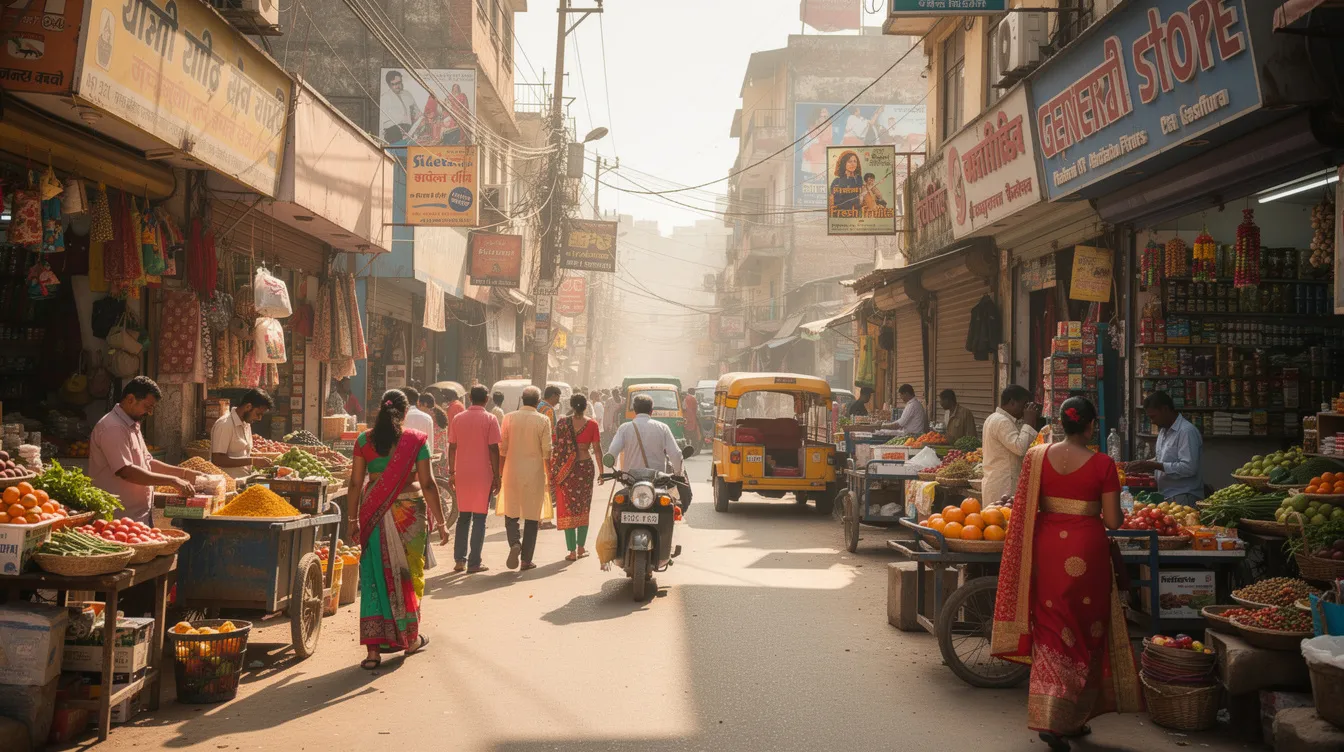
India’s distribution ecosystem runs on dealerships. From the packaged snacks in a village kirana store to the electric scooter in a tier-2 city showroom, nearly every product reaches the end customer through an authorized dealer or distributor. Starting a dealership business in India has always been a practical path to entrepreneurship, and 2026 makes the case even stronger.
Consumer spending is climbing. The Indian government continues to push MSME formalization through schemes like Mudra, PMEGP, and CGTMSE. Tier-2 and tier-3 cities are seeing demand spikes across categories from solar panels to water purifiers. And unlike manufacturing, a dealership lets you leverage established brands without investing in original product development. You skip the R&D, branding, and production headaches entirely.
A quick clarification before we dive in: a dealership is not the same as a franchise. In a franchise model, you pay royalties and follow the franchisor’s operational playbook rigidly. In a dealership, you are an authorized seller or distributor with more operational independence. You buy products from the manufacturer and sell to your customer base at a margin. Dealership business models can range from high-volume low-margin products like FMCG staples to high-investment high-margin sectors like automobiles or medical equipment.
This guide covers the 10 most profitable dealership business ideas for Indian entrepreneurs in 2026, evaluated on practical criteria that actually matter.
How We Chose the Best Dealership Business Ideas
Every dealership on this list was evaluated against eight criteria drawn from real-world business viability, not just trend reports.
- Investment requirements – Priority given to opportunities under ₹25 lakh, though some high-return options with larger capital needs are included
- Market demand and growth potential – Is customer demand rising, stable, or declining in India’s current economy?
- Profit margins and ROI timeline – Both gross margins and realistic net margins after operational expenses
- Ease of entry and regulatory requirements – Licensing complexity, compliance burden, and time to become an approved dealer (which ranges from weeks to months depending on sector)
- Brand support and training – Does the manufacturer provide marketing support, territory rights, and operational support?
- Scalability – Can the business expand geographically or into adjacent categories?
- Location adaptability – Does the model work in metro cities, small towns, or rural areas?
- Financing options – Availability of business loans, Mudra loans, and government subsidies
Table of Contents
Top 10 Dealership Business Ideas for Indian Entrepreneurs
1. FMCG Products Dealership
An FMCG dealership covers the distribution of packaged foods, beverages, personal care items, household cleaning products, and daily essentials. FMCG dealerships include packaged foods and personal care products that millions of Indians purchase daily. You become the bridge between large manufacturers like HUL, ITC, or Dabur and the retail network in your territory.
Why It Stands Out
FMCG enjoys consistent demand regardless of economic downturns. Inventory turnover is fast – typically 30-45 days – and you work across multiple product categories, creating diversified revenue. The FMCG market in India has crossed ₹20 lakh crore with steady 4.5-6.5% annual growth.
Best For
First-time entrepreneurs, women entrepreneurs, and aspiring business owners seeking steady cash flow with moderate risk.
Key Strengths
- High demand across all demographics and geographies
- Quick inventory turnover minimizes stock management risk
- Strong brand support from established brands
- Works in both urban and rural markets
- Multiple revenue streams from different product lines
Possible Limitations
- High competition from existing distributors
- Thin profit margins per item (gross margins typically 3-8%, net margins 1.5-5%)
- Requires efficient stock management and credit control
- Investment: ₹5-40 lakh depending on territory and brand
- Typical ROI timeline: 12-18 months
2. Automobile Dealership (Two-Wheeler and Four-Wheeler)
Automobile dealerships are highly popular in India, covering cars, motorcycles, and commercial vehicles. This is a high-ticket dealership business where a single transaction can generate significant revenue.
Why It Stands Out
Growing middle-class vehicle ownership, easy EMI financing, and substantial after-sales service revenue make this a lucrative opportunity. Dealerships can offer multiple revenue streams beyond product sales – spare parts, accessories, service contracts, and financing commissions. Recurring revenue from financing and insurance often represents a significant portion of dealership profits. The subscription-based dealership model is also emerging, providing recurring revenue by allowing customers to access rotating fleets of vehicles. Some dealers are even experimenting with mobile showrooms to minimize overhead while increasing customer proximity and outreach effectiveness.
Best For
Entrepreneurs with automotive knowledge and significant capital. Check out more car business ideas for related opportunities.
Key Strengths
- High-ticket transactions with vehicle margins of 3-7% plus higher margins on parts/accessories
- Strong manufacturer training and marketing strategies
- Established financing partnerships boost increased sales
- After-sales service creates repeat customer base
Possible Limitations
- High initial investment (₹1.5 crore to ₹10 crore for four-wheelers; ₹50 lakh-₹1.2 crore for two-wheelers)
- Dealerships face competition in popular sectors like automobiles from both offline and online platforms
- Large space requirements for showroom and workshop
- Sensitive to economic cycles
3. Solar Energy Products Dealership
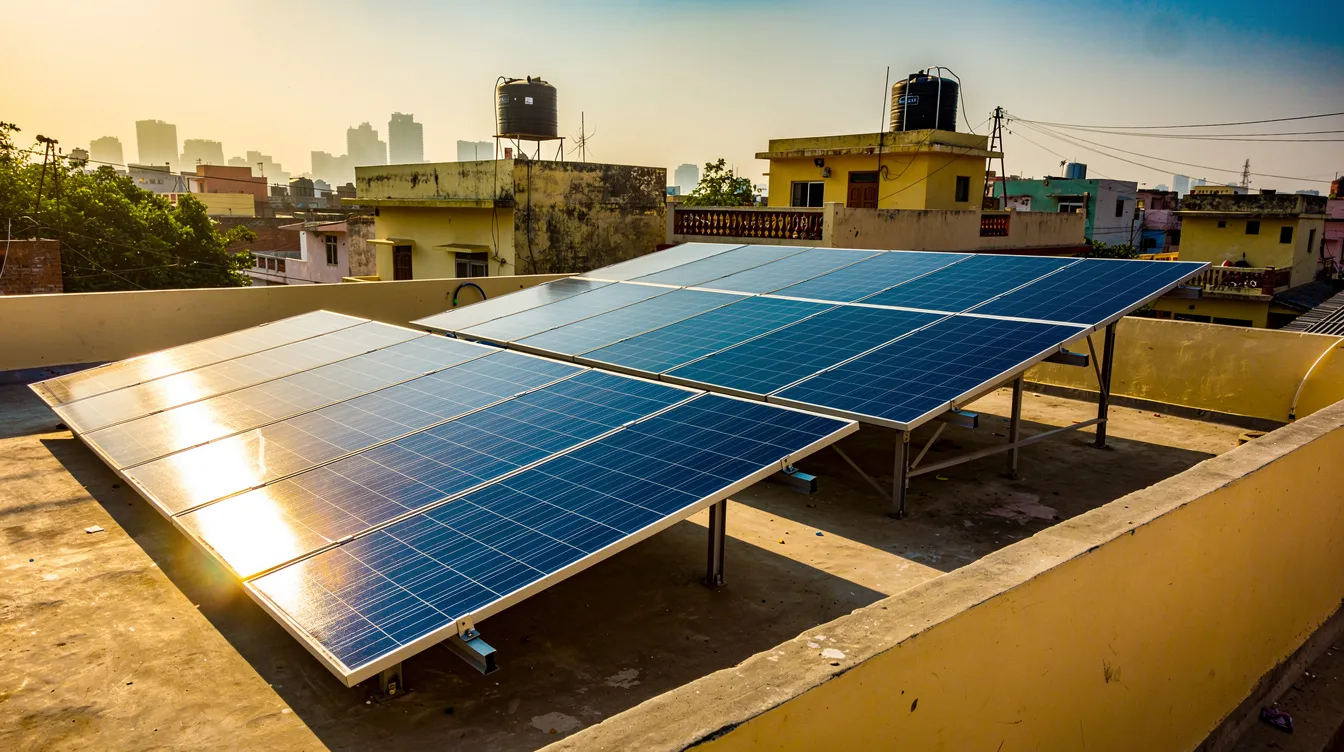
This covers solar panels, inverters, battery storage systems, and complete rooftop solar solutions for residential and commercial customers. Renewable energy product dealerships are in high demand due to green energy initiatives across India.
Why It Stands Out
Government subsidies, falling panel costs, and rising electricity bills create a powerful demand combination. Electric vehicle dealerships can benefit from government initiatives and lower maintenance requirements, and solar dealerships ride the same green wave.
Best For
Environmentally conscious entrepreneurs targeting government contracts, commercial sectors, and residential customers in semi-urban areas.
Key Strengths
- Government support through MNRE subsidies and state-level incentives
- High profit margins on installation services
- Long-term maintenance contracts provide recurring income
- Commercial and residential market demand growing simultaneously
Possible Limitations
- Requires technical knowledge or certified installation teams
- Initial customer education needed about ROI on solar investment
- Investment: ₹15-40 lakh for starter dealership format
- Typical ROI timeline: 18-24 months
4. Agricultural Products Dealership (Seeds, Fertilizers, Equipment)
Agricultural equipment dealerships provide high-value items like tractors, tillers, and fertilizers to India’s massive farming community. High-tech agricultural equipment dealerships cater to the modernization of farming across rural India.
Why It Stands Out
India’s agricultural sector remains the livelihood backbone for over 50% of the population. Government schemes consistently support farming through subsidies on seeds, fertilizers, and equipment. There is steady demand tied to crop cycles.
Best For
Entrepreneurs from agricultural backgrounds in rural or semi-urban areas. This is a popular dealership business idea in regions with strong farming communities.
Key Strengths
- Stable demand driven by seasonal crop cycles
- Government schemes and subsidies reduce end-customer costs, driving volume
- Strong community relationships create customer trust
- Multiple product categories from seeds to heavy equipment
Possible Limitations
- Seasonal business fluctuations tied to monsoon
- Credit management challenges – farmers often buy on credit
- Investment: ₹5-25 lakh for seeds/fertilizers; higher for equipment
- Typical ROI timeline: 12-24 months
5. Water Purifier and Treatment Systems Dealership
This covers RO systems, UV purifiers, commercial water treatment plants, and packaged drinking water business ideas. Modern dealership models increasingly incorporate digital experiences and service offerings over inventory reliance, and water purifier dealerships exemplify this through their service-heavy revenue model.
Why It Stands Out
Water quality concerns are growing across India. Health consciousness is rising. The real profit potential lies in recurring maintenance contracts, filter replacements, and AMC agreements – not just one-time hardware sales.
Best For
Health-focused entrepreneurs targeting urban and semi-urban markets where water quality is a pressing concern.
Key Strengths
- Essential product with rising demand
- Recurring revenue from maintenance creates predictable cash flow
- Both residential and commercial/institutional markets
- Beauty products and wellness-adjacent positioning appeals to health-conscious consumers
Possible Limitations
- Technical service capability required
- Competition from established brands like Kent, Aquaguard
- Investment: ₹5-15 lakh
- Typical ROI timeline: 12-18 months
6. Building Materials Dealership (Cement, Steel, Tiles)
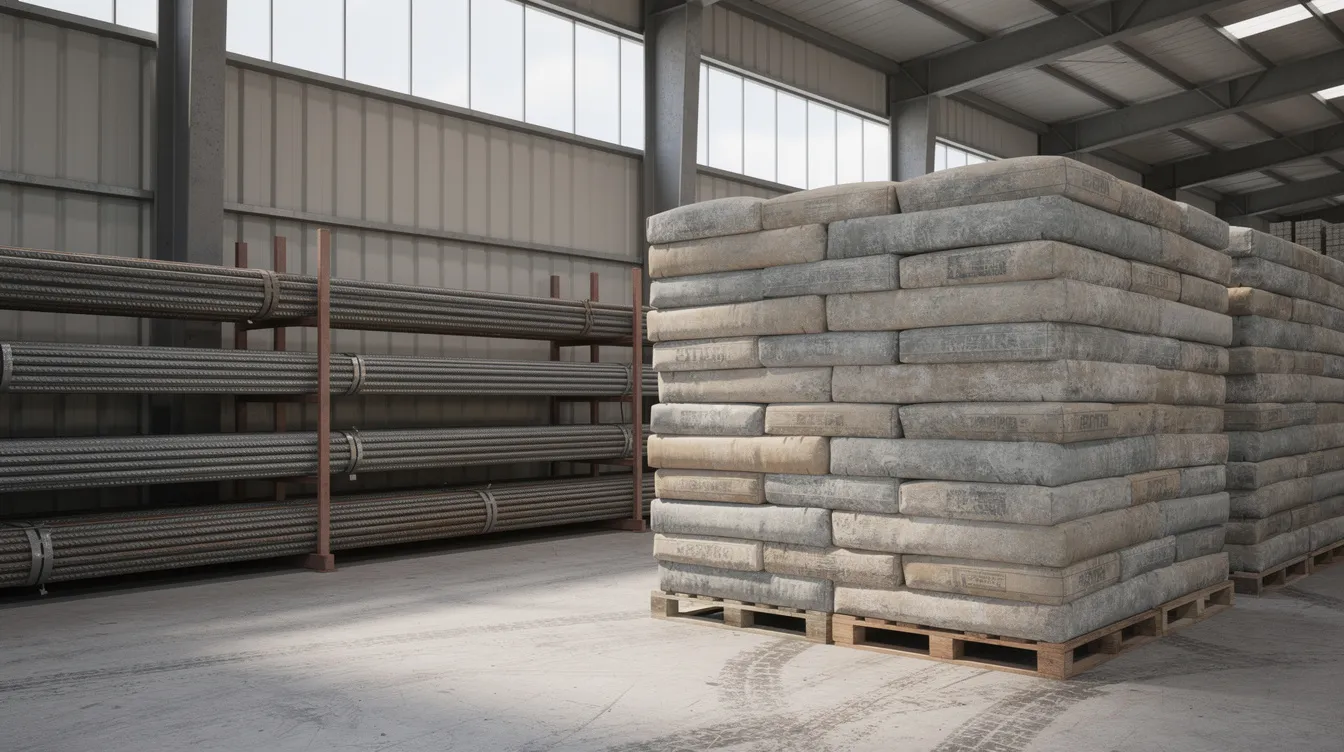
Construction materials dealerships directly support real estate development and infrastructure projects. Modern construction materials dealerships meet the needs of real estate development with innovative products including sanitaryware, tiles, and interior decoration items.
Why It Stands Out
India’s infrastructure push – highways, smart cities, housing schemes – creates massive and sustained demand. This is a strong B2B business with contractor and builder relationships driving repeat orders.
Best For
Entrepreneurs with construction industry connections and capacity for high working capital investment.
Key Strengths
- Government infrastructure projects ensure long-term demand
- High-volume transactions with steady demand patterns
- B2B relationships with contractors create loyal customer base
- Growing real estate sector in tier-2 and tier-3 cities
Possible Limitations
- High working capital and large storage space needs
- Economic cycle sensitivity
- Investment: ₹10-50 lakh depending on materials
- Typical ROI timeline: 18-30 months
7. Electronics and Home Appliances Dealership
Consumer electronics dealerships cover smartphones, laptops, home appliances, and accessories. Profitability in consumer electronics dealerships is driven by high demand for innovative technology and frequent upgrade cycles.
Best For
Tech-savvy entrepreneurs targeting urban and semi-urban markets. Explore related shop business ideas for retail formats.
Key Strengths
- Fast product turnover with festival season demand spikes
- High profit margins on premium and accessory items
- EMI/financing options drive higher conversion for potential buyers
- After-sales service and repair add revenue streams
Possible Limitations
- Rapid technology obsolescence creates inventory risk
- Intense competition from online platforms
- Investment: ₹10-25 lakh for a small showroom
- Typical ROI timeline: 12-24 months
8. Pharmaceutical and Medical Equipment Dealership
Pharmaceutical dealerships distribute medicines to pharmacies and hospitals, while medical equipment dealerships supply diagnostic tools, surgical instruments, and wellness devices. For more options, see medical business ideas.
Why It Stands Out
Healthcare is recession-resistant. India’s growing population and expanding hospital infrastructure mean this sector has high demand that does not dip with market cycles. Pharmaceutical dealership margins can reach 15-25% – significantly higher than FMCG.
Best For
Entrepreneurs with pharmacy backgrounds or medical industry experience. Not ideal for complete beginners due to regulatory complexity.
Key Strengths
- Essential services with customer demand that never drops
- High profit margins on specialized equipment
- Government hospital supply contracts
- Industrial machinery dealerships (including medical devices) require technical expertise but yield high profit margins
Possible Limitations
- Strict regulatory and licensing requirements (drug license, state health department approvals)
- Storage and cold-chain compliance for certain medicines
- Investment: ₹10-50 lakh depending on product range
- Typical ROI timeline: 18-30 months
9. Food and Beverage Franchise Dealership
This covers franchise dealership opportunities in fast food, cafes, specialty food outlets, and packaged food distribution. E-commerce dealerships also let you sell products online for established brands in the food business category.
Why It Stands Out
India’s food service industry is booming. Changing lifestyles, urbanization, and the delivery ecosystem (Swiggy, Zomato) create multiple revenue channels. Brand recognition from established chains reduces your marketing burden. See cafe business ideas for related opportunities.
Key Strengths
- Proven business model with strong marketing support
- High foot traffic and multiple revenue streams (dine-in, takeaway, delivery)
- Branded apparel and packaging create instant customer trust
- Training and operational systems provided by franchisor
Possible Limitations
- High operational costs including staff, rent, and royalty payments
- Location dependency is critical for business success
- Investment: ₹10-30 lakh for smaller formats
- Typical ROI timeline: 18-36 months
10. Gas Agency and Petroleum Products Dealership
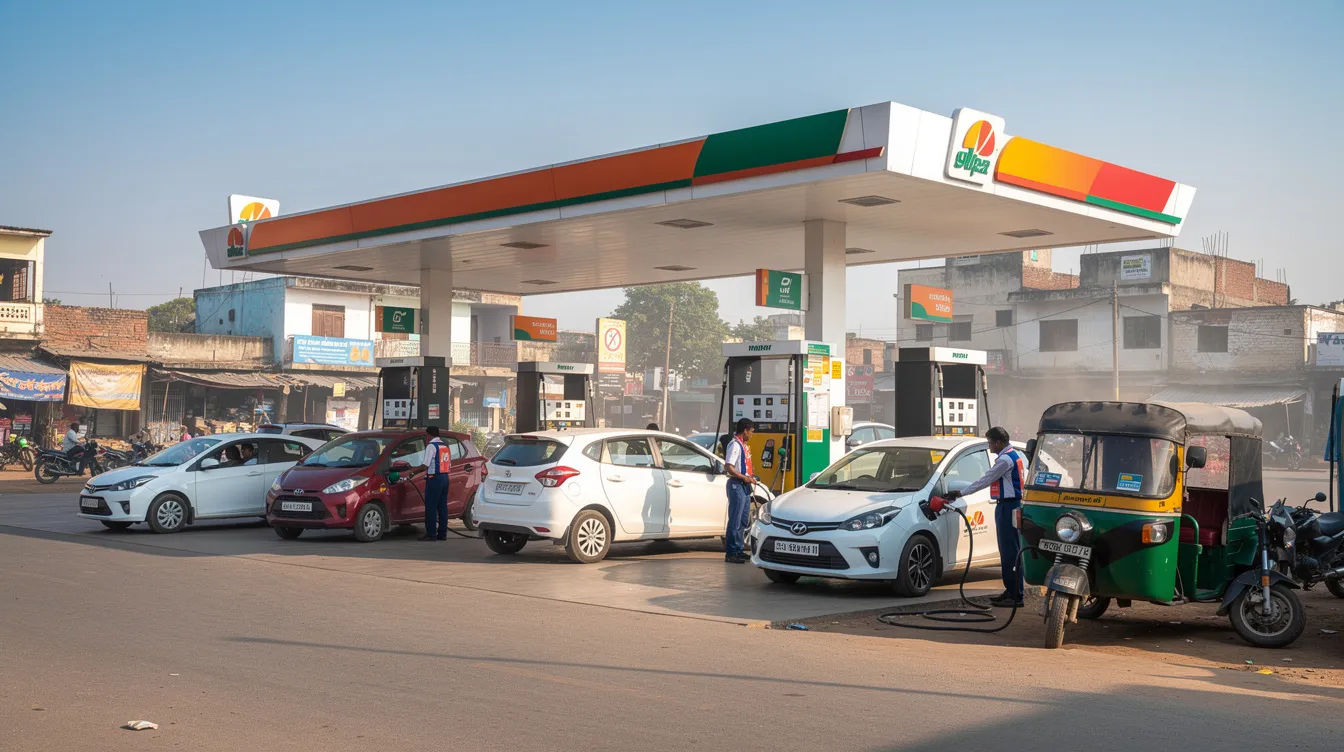
LPG gas agencies and petrol pump dealerships provide essential fuel products. Petroleum dealerships require high initial capital investment but offer guaranteed demand. See more agency business ideas for related models.
Why It Stands Out
Fuel is a non-negotiable purchase. The customer base grows automatically with increasing vehicle and household numbers. Additional revenue comes from convenience stores, car washes, and accessories at fuel stations.
Key Strengths
- Guaranteed demand creates steady cash flow
- Government policy support and regulated pricing
- Additional revenue from non-fuel sales boosts margins beyond the thin 2.5-3% fuel margin
- Long-term business sustainability with minimal obsolescence risk
Possible Limitations
- Very high initial investment (₹50 lakh to ₹2 crore excluding land)
- Strict location, safety, and PESO regulatory compliance
- Investment: ₹50 lakh-₹2 crore+
- Typical ROI timeline: 2-3 years
Quick Comparison of the Best Dealership Businesses
- FMCG Dealership – Best for first-time entrepreneurs seeking steady income with a lower initial investment
- Automobile Dealership – Best for high-investment, high-return opportunities with after-sales revenue
- Solar Energy Dealership – Best for entrepreneurs aligned with renewable energy trends and government support
- Agricultural Products – Best for rural connections and understanding seasonal farming cycles
- Water Purifier Dealership – Best for recurring revenue through service contracts in health-focused markets
- Building Materials – Best for construction industry networks and B2B relationships
- Electronics Dealership – Best for tech-savvy urban entrepreneurs with quick inventory skills
- Medical Equipment – Best for healthcare industry expertise and compliance capability
- Food Franchise – Best for customer service orientation and prime location access
- Gas Agency – Best for long-term stable income with substantial capital commitment
Other dealership categories worth exploring include textile dealership business, footwear dealership, furniture dealership business, and specialty chemicals business – each with its own investment plans and market reach characteristics.
How to Choose the Right Dealership Business
Choose Based on Your Investment Capacity
Initial capital requirements can be high for some dealership types. Match your budget honestly:
| Investment Range | Suitable Dealerships |
|---|---|
| Under ₹5 lakh | FMCG sub-distribution, small electronics accessories |
| ₹5-15 lakh | Water purifier, seeds/fertilizer, packaged food |
| ₹15-25 lakh | Solar products, EV two-wheeler showroom, medical supplies |
| ₹25 lakh-₹1 crore | Building materials, automobile two-wheeler, electronics showroom |
| Above ₹1 crore | Four-wheeler automobile, petrol pump, gas agency |
The minimum investment varies by sector and brand. Business loans can fund initial investments in inventory and infrastructure – Tata Capital offers tailored financial solutions for dealership businesses, and MSME registration opens access to easier credit and lower interest loans. Government schemes like PMEGP offer loans with partial subsidy support, while dealership businesses registered under MSME can enjoy tax benefits. Dealerships can also benefit from tax incentives under GST compliance.
Choose Based on Your Location and Market
Not understanding local market conditions can lead to failure. A solar dealership thrives in sun-rich states; a water purifier dealership works best where water quality is poor. Conduct real market research before committing. Your business strategy should account for local competition, purchasing power, and infrastructure.
Choose Based on Your Skills and Experience
Your personal interests and skill development background matter. A pharmaceutical dealership demands regulatory knowledge. An automobile dealership requires understanding of financing and customer satisfaction. An agricultural equipment dealership needs community trust. Match your strengths to the business.
Which Dealership Business Is Best for You?
- Choose FMCG or Electronics if you want quick inventory turnover, moderate small investment, and broad market reach
- Choose Automobile or Gas Agency if you have high investment capacity and want premium margins from a successful venture
- Choose Agricultural Products if you have rural connections, understand farming cycles, and want to serve a loyal community
- Choose Solar or Water Purifier if you want to serve essential needs with strong growth potential and government support
- Choose Food Franchise if you enjoy customer service and have access to high-traffic locations
- Choose Medical Equipment if you have healthcare knowledge and can handle compliance – this is a profitable venture with high profit margins
You must establish a credit policy for managing transactions, develop a clear purchase policy with suppliers, and track business health indicators regularly. Many entrepreneurs fail to develop a solid business plan – and ignoring supplier relationships can disrupt business operations entirely. You need a business license and certificates to start, along with GST registration, Aadhaar, PAN, trade license, and education proof as applicable.
To fund your dealership, explore Mudra loans (Shishu up to ₹50,000, Kishore up to ₹5 lakh, Tarun up to ₹10 lakh). A professionally prepared project report significantly improves loan approval chances.
Final Thoughts
A dealership business offers one of the most practical pathways to entrepreneurship in India. Dealerships can benefit from established brand recognition, manufacturer training, and proven demand – advantages that a new business built from scratch simply cannot match.
But here is what separates a successful dealership business from the ones that shut down within two years: execution. The best dealership in the world will fail with inadequate market research, poor inventory management, or no business strategy. Run your dealership business successfully by building strong supplier relationships, maintaining customer satisfaction, leveraging social media platforms for market reach, and focusing on operational efficiency to control operational expenses.
Whether you are a business owner expanding your portfolio, a student exploring your first profitable business idea, or a woman entrepreneur starting from a tier-2 city – there is a profitable dealership business waiting. Start with thorough research, prepare a solid business plan, register under MSME, and begin your business journey with clarity rather than hype. The Indian government has created the support infrastructure. The market demand is there. The opportunity is real. What matters now is your decision to act on it.
- Dal Mill Colour Sorter, Grading, Polishing & Packaging Machinery – Types, Capacity, Cost & Selection Guide


- Pulse Conditioning, Dehusking & Splitting Process – Improving Dal Recovery

- Dal Mill Recovery Ratio, Dal Yield, Broken Percentage & Milling Losses
- Masoor Dal Processing Plant Project Report & DPR in India

- Chana Dal Manufacturing Plant Project Report & DPR in India