The specialty chemicals business in India is at an inflection point. With global supply chains realigning away from China, domestic consumption rising fast, and government policy actively backing manufacturing, 2026 is arguably the strongest entry window this sector has offered in a decade. This guide walks you through everything you need-from plant setup and raw materials to regulatory approvals, profit margins, and bank-ready project reports.
Key Takeaways
This guide is written from the perspective of CA Manish Gugliya (FCA), a Chartered Accountant and Project Finance Consultant, for entrepreneurs planning a specialty chemicals business in India in 2026. Here are the most important points:
- The specialty chemicals business offers high value realisations, higher profit margins (gross margins typically 26–35%) and strong export potential compared to commodity chemicals, especially in segments like agrochemicals, personal care, construction chemicals and pharma intermediates.
- Setting up a specialty chemicals manufacturing plant typically requires capital expenditure from about ₹3–5 crore (small scale) to ₹40–60 crore (large scale), with raw materials contributing 50–60% of operating cost.
- Regulatory approvals-Pollution Control Board consent, Factory Licence, Hazardous Chemicals Rules clearance, Fire NOC-and strong EHS practices are non-negotiable before starting production.
- Specialty chemicals account for over 50% of India’s total chemical exports, offering significant foreign exchange earning potential for well-positioned manufacturers.
- A professional, bank-ready Specialty Chemicals Project Report with CMA data, DSCR analysis and 7–10 year financial projections from ProjectReportBank.com is essential for securing term loan and working capital from banks and NBFCs.
Table of Contents
Introduction – What Is a Specialty Chemicals Business?
Specialty chemicals-also called performance chemicals, effect chemicals or fine chemicals-are high-performance, low-volume products designed for specific functions in end-use applications such as coatings, agrochemicals, personal care and electronic chemicals. They often make up less than 1% of the total formulation in everyday products, yet they determine the product’s key performance attributes.
The chemical industry is divided into specialty chemicals and commodity chemicals, and the distinction matters. Unlike commodity chemicals such as caustic soda, sulfuric acid or basic chemicals that are standardized, high-volume and price-driven, specialty chemicals focus on performance and function, while commodities focus on purity and composition. Specialty chemicals are produced in smaller quantities compared to commodity chemicals and command higher prices due to their specialized nature. Common examples of specialty chemicals include adhesives, pesticides, and coatings.
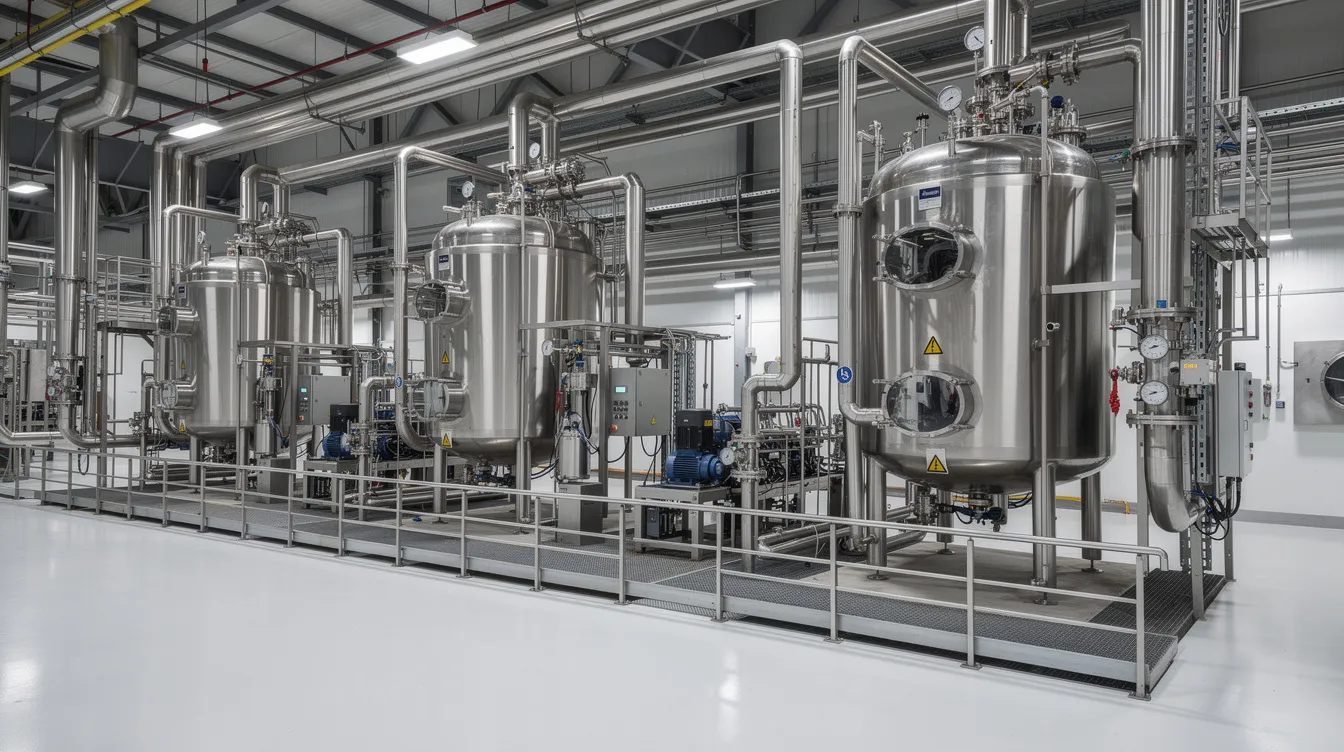
Specialty chemicals can be complex mixtures or unique molecules developed to meet specific requirements. They are produced in batch manufacturing plants allowing flexibility-multi-purpose reactors, flexible scheduling and customized formulations for different customers. This batch process approach requires advanced formulation expertise and quality control at every stage.
In 2026, India is among the fastest-growing specialty chemical markets in the world, benefiting from the China+1 strategy, strong domestic consumption in food processing, personal care, construction, textiles and pharmaceuticals, and growing demand for sustainable chemical formulations. Specialty chemicals are crucial in industries like automotive, cosmetics, electronics, and agriculture-making this a structurally resilient sector.
This article is a practical, step-by-step guide for setting up a specialty chemicals manufacturing business in India, covering plant setup, raw materials, machinery, regulatory approvals, project report requirements, investment, profit margin analysis, export opportunities, marketing strategy and bank finance.
Indian Specialty Chemical Industry Overview (2026)
The numbers tell a compelling story. The global specialty chemicals market was valued at USD 805.5 billion in 2025 and is expected to reach USD 1,078.8 billion by 2034. In India, specialty chemicals account for around USD 40 to 45 billion of market consumption, with the specialty chemical market expected to grow at an annual rate of 5.1% through 2030. India’s chemical industry as a whole is valued at over US$220 billion, and the specialty segment commands an increasingly high value share within it.
Sustainability and digital transformation are influencing trends across India’s chemical sector. The specialty chemicals market is projected to grow at an annual rate of 5.1% through 2030, driven by:
- Urbanization and rising incomes pushing demand for personal care, household cleaning products and consumer goods
- Infrastructure development-metro rail, highways, smart cities-boosting construction chemicals
- Agriculture modernization driving agrochemical demand across multiple sectors
- Pharma growth creating rising demand for APIs, drug formulations and intermediates
- China+1 sourcing shift where multinational buyers are diversifying procurement to Indian manufacturers for reliability and cost competitiveness
On the export front, specialty chemicals account for over 50% of India’s total chemical exports, with strong positions in dyes, pigments, agrochemical intermediates and polymer additives. Government support through PLI schemes, investments in PCPIR regions like Dahej and Paradip, and policy thrust on domestic manufacturing further strengthen the business case.
Types of Specialty Chemicals & Major Demand Segments
Selecting the right niche is your first strategic decision. Specialty chemicals serve as critical inputs across multiple industries-each category has its own demand dynamics, technical complexity and capital requirements. Here are the major categories:
| Category | Key Products | Primary Demand Drivers |
|---|---|---|
| Construction Chemicals | Admixtures, waterproofing, sealants | Infrastructure, housing, commercial real estate |
| Textile Chemicals | Dyes, textile auxiliaries, finishing agents | Apparel, technical textiles (textile business opportunities) |
| Water Treatment Chemicals | Coagulants, flocculants, biocides | Municipal & industrial wastewater (water business ideas) |
| Agrochemicals | Pesticides, herbicides, PGRs | Agriculture (future of agribusiness) |
| Food Chemicals | Emulsifiers, preservatives, food additives, colors | Food processing, packaged foods |
| Pharma & Fine Chemicals | API intermediates, specialty solvents | Domestic pharma, export CDMO (medical business ideas) |
| Paint & Coating Chemicals | Resins, specialty additives, pigments | Automotive, industrial coatings |
| Adhesives & Sealants | Structural adhesives, sealants | Packaging, automotive, construction |
| Polymer Additives | Stabilizers, plasticizers, flame retardants | Plastics, rubber industries |
| Personal Care Chemicals | Surfactants, emulsifiers, fragrance chemicals | Rising disposable incomes, cosmetics |
| Industrial Cleaning Chemicals | Cleaning agents, degreasers | I&I cleaning, metal treatment |
| Oilfield & Mining Chemicals | Drilling fluids, flotation chemicals | Oil & gas, mineral processing |
| Electronic Chemicals | Ultra-pure solvents, etchants | Semiconductors, PV, electronics assembly |
Specialty chemicals are essential in pharmaceuticals, agrochemicals, and personal care-these three segments alone represent a significant portion of domestic demand and export revenue. Adhesives and coatings are widely used in construction and automotive industries. There is increasing demand for customized solutions in pharma and agriculture sectors, and agrochemical manufacturing is highly profitable due to growing agricultural demand.
For MSME investors entering in 2026, the most accessible segments include water treatment chemicals, construction admixtures and personal care ingredients-where entry barriers are moderate and stable demand is assured.
Why Invest in a Specialty Chemicals Manufacturing Business?
From a CA and project finance lens, specialty chemicals are structurally attractive because of stable demand, higher margins and deep B2B relationships with industrial customers. The specialty chemicals sector is pivoting toward high-margin, tailored products, and the economics support this shift.
Profitability: Specialty chemicals typically have gross profit margins of 26–35%. For reference, SRF’s specialty chemicals segment reported operating margins of 30–32% in FY26. Net margins for well-managed plants with good utilization often reach 10–18%. Specialty chemicals are generally high in price and less sensitive to raw material costs than bulk chemicals, providing a margin buffer during input cost volatility.
Export potential: Indian specialty chemical exporters benefit from stable foreign currency revenue. The recent India-US tariff framework has improved export order visibility, and India’s image as a cost-competitive, technically capable manufacturing base continues to strengthen in the global marketplace.
Rising domestic demand: Sectors like food processing, personal care, automotive, construction, medical devices and electronics are long-term structural growth stories. Specialty chemicals are crucial for improving product quality and efficiency in these sectors.
Scalability: Entrepreneurs can start with a focused product line of 5–10 SKUs and gradually expand. A small blending unit can evolve into a full-fledged synthesis and export operation over 5–7 years.
Government and bank support: MSME schemes, CGTMSE collateral-free loans, state capital subsidies and better credit appetite from banks when backed by a well-prepared Specialty Chemicals Project Report and CMA Data from ProjectReportBank.com.
However, higher R&D costs and innovation risk are prevalent in the specialty chemicals sector-this is a business that rewards technical expertise and careful planning, not just capital.
Capital Expenditure & Investment Required for a Specialty Chemicals Plant
Actual capital expenditure varies hugely by product category, capacity, automation level and environmental infrastructure. Startup investments for chemical businesses start around Rs. 50,000 for micro-trading or formulation repackaging, and initial investment for small chemical businesses ranges from Rs. 10 lakh to Rs. 50 lakh for simple blending operations. But a technically sound specialty chemicals manufacturing plant requires significantly more.
| Component | Small Scale (₹ Crore) | Medium Scale (₹ Crore) | Large Scale (₹ Crore) |
|---|---|---|---|
| Land | 0.30–0.50 | 1.00–2.50 | 3.00–7.00 |
| Building & Civil | 0.50–0.80 | 2.00–4.00 | 5.00–10.00 |
| Plant & Machinery | 1.00–2.00 | 5.00–10.00 | 15.00–25.00 |
| Utilities & ETP | 0.40–0.70 | 1.50–3.00 | 5.00–8.00 |
| Pre-operative Expenses | 0.20–0.30 | 0.50–1.00 | 1.50–3.00 |
| Working Capital Margin | 0.50–0.70 | 1.50–3.00 | 5.00–7.00 |
| Total Project Cost | 3.00–5.00 | 12.00–25.00 | 40.00–60.00+ |
A specialty chemicals production plant can have a capacity of 10,000 MT or more at the larger end. For context, Aarti Industries recently commissioned a nitrotoluene derivatives complex at Dahej costing approximately ₹1,400 crore.
Banks normally fund 65–75% of project cost as term loan, with promoter equity covering the rest. DSCR (minimum 1.25x), IRR and break-even analysis from a professional project report are critical for sanction. Working capital requirement-covering raw material inventory, finished goods and receivables (often 30–90 day cycles)-must be built into the business plan from Day 1.
Raw Materials, Sourcing Strategy & Supply Chain
Raw materials play a crucial role in specialty chemicals manufacturing. Operating costs for specialty chemicals plants are 50–60% raw materials-intermediates, solvents, surfactants, polymers, specialty additives and packaging materials.
Typical raw material categories by segment:
- Construction chemicals: polymers, plasticizers, mineral fillers, cementitious materials
- Personal care: surfactants, emollients, fragrance chemicals, preservatives
- Water treatment: coagulants (alum, PAC), flocculants, biocides, pH adjusters
- Agrochemicals: technical actives, solvents, emulsifiers, stabilizers
Specialty chemicals require close technical collaboration and quality testing for sourcing. You need reliable suppliers who can meet consistency, purity and compliance requirements (REACH, MSDS documentation). Long-term contracts help stabilize price volatility, especially for petrochemical derivatives.
The specialty chemicals business faces challenges from volatile raw material costs and strict regulations. Mitigation strategies include maintaining safety stock for critical inputs, diversifying the supplier base, backward integration where feasible, and linking pricing clauses with key customers.
Storage facilities must comply with hazardous material handling norms-bunded tanks, temperature-controlled warehousing, proper MSDS-driven handling and inventory management systems for complete supply chain traceability.
Specialty Chemicals Manufacturing Process – From Lab to Plant
Specialty chemical manufacturing typically starts from lab-scale R&D, moves to pilot scale and then to commercial batch scale. Specialty chemical production requires advanced formulation expertise and quality control at every stage of this journey.
Generic batch process flow:
- Raw material receiving and quality testing (incoming QC)
- Pre-weighing and charging to reactor or blender
- Reaction or mixing-heating/cooling, agitation, pH adjustment, catalyst addition
- In-process sampling and quality control
- Filtration, separation or distillation (if required)
- Cooling and stabilization; neutralization if needed
- Solvent recovery or waste stream treatment
- Packaging into drums, HDPE bags, IBCs
- Final quality testing and release
Simple formulation or blending units (cleaning agents, some construction chemicals) involve primarily mixing and packaging with moderate production equipment. Synthesis-based fine chemicals require multi-step reactions, distillation columns, purification stages and solvent recovery systems-fundamentally different manufacturing processes.
Documented SOPs, batch manufacturing records (BMR) and complete traceability are essential for customer audits and regulatory compliance. AI and machine learning are utilized to optimize molecular modeling and chemical formulations in advanced facilities. Industry 4.0 technologies-PLC/SCADA automation, data logging and predictive analytics-are increasingly being adopted in Indian specialty chemical plants to improve operational efficiency.
Machinery & Utilities Required for a Specialty Chemicals Manufacturing Plant
Core process equipment:
- Glass-lined and SS reactors (304/316 grade)
- Mixing tanks, ribbon blenders, high-shear mixers
- Distillation columns, condensers, evaporators
- Centrifuges, Nutsche filters
- Dryers (tray, fluid bed, vacuum)
- Storage tanks for raw materials, intermediates and finished goods
- Filling and packing machines
Small formulation-based plants focus mainly on mixing, blending and packaging equipment, whereas fine chemicals units require reactors, distillation, filtration and solvent recovery systems as core production equipment.
Utility equipment:
- Boilers and steam distribution systems
- Chillers and cooling towers
- Air compressors
- DG sets for power backup
- Raw water and process water treatment systems
- Effluent Treatment Plant (ETP) with neutralization, biological treatment and sludge handling
Selection of materials of construction depends on product chemistry and corrosion profile. Explosion-proof electrical fittings are mandatory in hazardous areas as per industry standards.
Land, Location & Plant Layout Planning
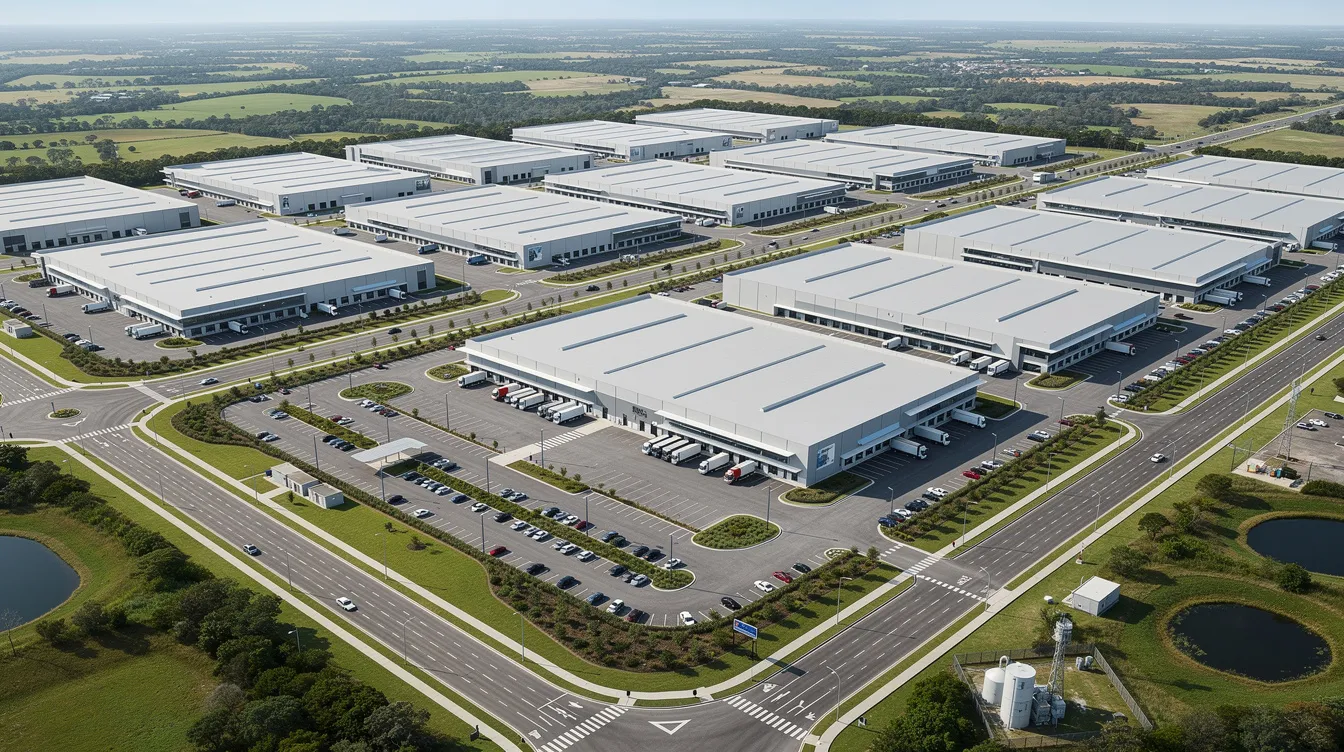
Specialty chemical manufacturing should ideally be located in notified industrial areas and chemical clusters with established infrastructure requirements already met-roads, drainage, common ETP access, fire services.
Major clusters in India:
- Gujarat: GIDC estates at Dahej, Ankleshwar, Vapi
- Maharashtra: MIDC estates at Tarapur, Taloja, Kurkumbh
- Tamil Nadu, Andhra Pradesh, Rajasthan: emerging chemical parks
Land requirements:
| Plant Scale | Land Needed |
|---|---|
| Small | 0.5–1 acre |
| Medium | 1–3 acres |
| Large | 3–7+ acres |
Layout philosophy must ensure segregation of raw material storage, process area, finished goods, utilities, ETP and administrative building. Clear material and personnel movement paths, fire corridors and hazard zone mapping are mandatory. Proximity to ports matters significantly for export-oriented units.
Regulatory Approvals, Licences & Compliance for Specialty Chemicals
A specialty chemicals business is heavily regulated. Chemical businesses must comply with multiple regulatory requirements, and failure to secure proper licences can halt both operations and financing. Manufacturers must obtain necessary licenses and certifications before production can begin.
Key registrations and approvals:
- Company incorporation (LLP/Pvt Ltd) under MCA
- GST registration
- Udyam registration for MSME classification
- Factory Licence under the Factories Act
- Consent to Establish (CTE) and Consent to Operate (CTO) from State Pollution Control Board
- Environmental clearances under Hazardous Chemicals Rules and MSIHC rules
- Fire NOC from local fire department
- Trade licence and municipal approvals
- BIS or FSSAI approvals for specific segments (food additives, drinking water treatment chemicals)
- ISO 9001, ISO 14001, ISO 45001 certifications
- IEC (Import Export Code) for export or import activities
Special chemicals require adherence to strict quality and safety standards. Compliance with environmental regulations is crucial in chemical manufacturing. Regulatory compliance ensures product quality and customer trust-both domestically and in export markets.
Indicative timeline: Entity, GST and Udyam registrations take 1–2 months. Factory Licence, CTE/CTO and Fire NOC typically require 3–6 months. Specialized registrations (e.g., pesticide products under CIB&RC) may take 6–12 months.
Bankers evaluating loan applications check whether regulatory approvals are in hand or at least deemed likely. A professionally drafted project report from ProjectReportBank.com addresses these issues upfront, including a regulatory timeline mapped to project commissioning milestones.
Pollution Control, Safety & ESG in the Specialty Chemical Industry
Environmental compliance, worker safety and community impact are central concerns in the chemical sector, increasingly influential in customer audits and export contracts. Specialty chemicals must navigate complex compliance requirements related to safety and environmental protection.
Key compliance areas:
- Effluent management: ETP design covering neutralization, biological treatment, segregation of high-COD streams, solvent recovery and sludge disposal through authorized facilities
- Air emissions: Scrubbers, VOC control systems, stack monitoring and compliance reporting to SPCB
- Hazardous waste: Safe storage, manifest system, authorized disposal and cradle-to-grave documentation under Hazardous Waste Rules
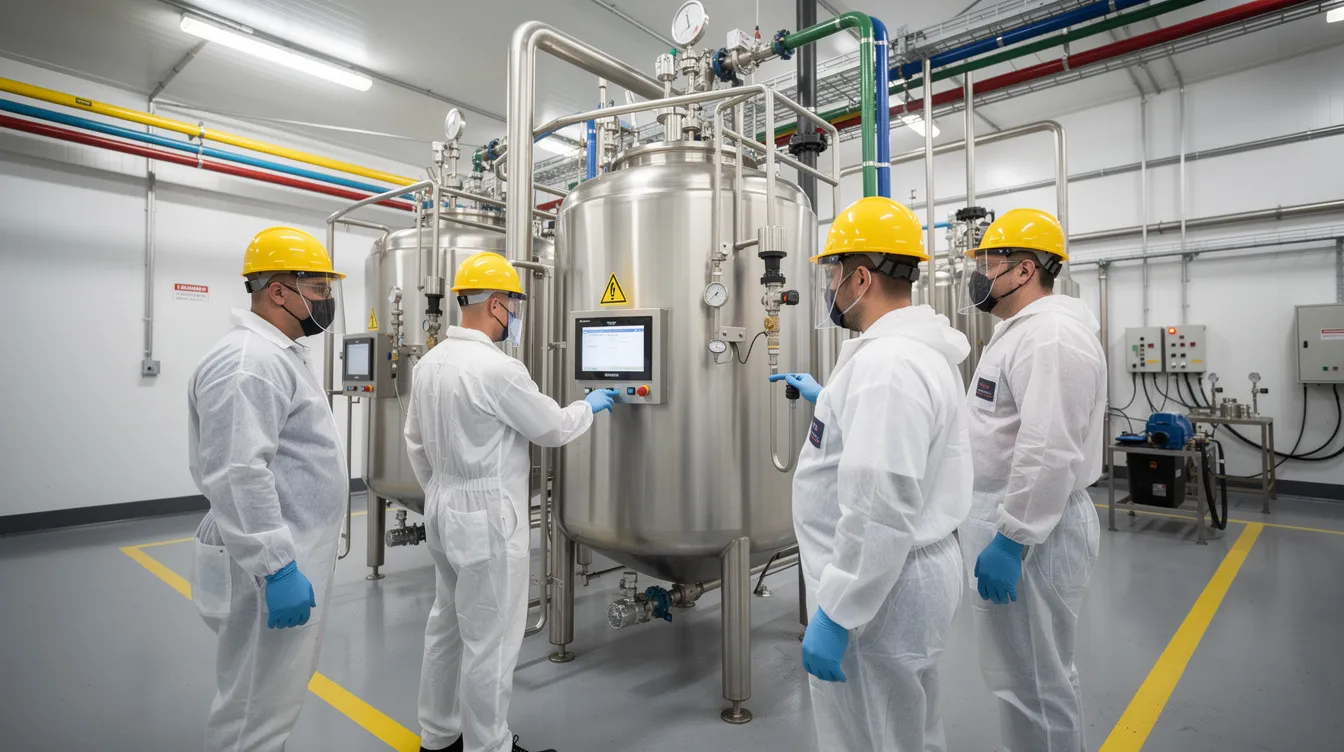
- Worker safety: PPE, MSDS availability, emergency response plans, fire safety drills and periodic safety protocols training
Specialty chemical companies are investing in eco-friendly production and reducing hazardous emissions. Consumer and regulatory pressures are accelerating the transition toward biodegradable products in specialty chemicals. The industry is transitioning toward green and bio-based formulations, and sustainability trends are driving demand for bio-based specialty chemicals.
Good EHS and ESG practices enhance bankability, reduce insurance premiums and satisfy multinational buyer audits. Green chemistry trends-low-VOC chemical products, water-based chemical formulations, bio-based raw materials and energy-efficient unit operations-help meet both regulatory expectations and market demand.
Manpower, Organisation Structure & Skill Requirements
Specialty chemicals are knowledge-intensive. Success depends on qualified chemists, process engineers and strong quality control teams, not just on machinery. The sector requires expertise in green chemistry and data science increasingly.
Typical department-wise structure (medium plant):
| Department | Key Roles | Approx. Headcount |
|---|---|---|
| Production | Shift supervisors, operators, helpers | 20–35 |
| QC & R&D Lab | Chemists, analysts, instrument specialists | 8–15 |
| Maintenance | Mechanical, electrical, instrumentation | 5–10 |
| EHS & Utilities | Safety officers, utility operators | 4–8 |
| Stores & Logistics | Store keepers, dispatch staff | 4–6 |
| Accounts & Finance | Accountant, clerks | 3–5 |
| Sales & Marketing | Technical sales, export documentation | 5–10 |
| Total | 60–100 |
Small plants may operate with 25–40 persons. Large export-oriented fine chemical plants need 150+ people. Training on SOPs, safety protocols, customer-specific quality requirements and regulatory norms is a continuous process that should be part of the operating budget.
Manufacturing Cost Structure, Pricing & Profit Margin Analysis
As a CA and project finance consultant, I can tell you that understanding your cost structure is what separates viable projects from financial disasters. Here is a typical cost breakup for a hypothetical specialty chemical product:
| Cost Head | Percentage of Revenue |
|---|---|
| Raw Materials & Packing | 55% |
| Utilities (power, water, steam, fuel) | 10% |
| Direct & Indirect Labour | 10% |
| Overheads & Admin | 10% |
| Selling & Distribution | 5% |
| Net Profit Margin | ~10% |
Actual ratios vary by niche-personal care ingredients may have 60% raw material costs while some high value specialty additives may show only 40%. The specialty chemicals segment typically has gross profit margins of 26–35%.
Key financial metrics for project viability:
- Break-even capacity utilization: typically 65–75%
- ROI and payback: 3–5 years for formulation units, 5–7 years for complex fine chemical plants
- CRISIL estimates operating margins for the specialty chemical industry at 14–16%, with pressure from raw material costs in FY27
These metrics-DSCR, contribution margin, break-even, IRR-are precisely what a Specialty Chemicals Project Report and CMA data must demonstrate convincingly to bankers.
Marketing Strategy, B2B Sales & Export Opportunities
The specialty chemicals business is largely B2B, with long approval cycles but sticky customer relationships once such products are validated. Customization in specialty chemicals is increasingly driven by the demand for high-tech solutions, meaning technical selling capability is as important as price competitiveness.
Domestic marketing approach:
- Target OEMs, industrial users, contract manufacturers through technical sales teams
- Maintain application labs for trials and validation
- Build a dealer/distributor network for regional coverage and smaller accounts
- Participate in trade fairs-ChemTech, IndiaChem, CPhI India-for lead generation
- Use digital marketing: technical content website, LinkedIn outreach, B2B marketing strategies and email campaigns
Export opportunities:
Specialty chemicals offer numerous opportunities in export markets including the US, EU, Middle East, Africa and Southeast Asia. India has competitive advantage in dyes and pigments, agrochemical intermediates, personal care ingredients and polymer additives. Export documentation includes IEC code, DGFT registration, shipping bills, commercial invoice, packing list, certificate of origin and MSDS. Export incentives and import-export planning can significantly improve profitability.
Government Schemes, Bank Finance & Role of ProjectReportBank.com
Arranging finance is where many promising specialty chemical projects either succeed or stall. Here is practical guidance:
Key government schemes:
- MSME/Udyam registration benefits (priority lending, interest subsidy)
- CGTMSE collateral-free loans up to specified limits for eligible MSMEs
- State-level capital subsidy, SGST refunds and electricity duty exemptions
- PLI schemes for chemicals and pharma
- Export incentives via DGFT and Export Promotion Councils
Bank financing structure:
- Term loan: For land, building, plant and machinery (65–75% of fixed assets)
- Working capital: CC/OD limits for raw materials, receivables and inventory
- Evaluation criteria: DSCR ≥ 1.25x, break-even at 65–75% utilization, promoter equity, past track record
ProjectReportBank.com’s role: We prepare customized Specialty Chemicals Project Reports with detailed financial projections for 7–10 years, sensitivity analysis, DSCR and IRR calculations, CMA data in bank-specified format, and comprehensive risk analysis. This is exactly what banks and NBFCs need for sanction. A well-documented project report reduces processing time and improves approval probability significantly.
Risk Factors & Mitigation Strategies in Specialty Chemicals Business
Every specialty chemicals project carries risk. The key is anticipating and mitigating it through careful planning and realistic financial projections.
| Risk Category | Mitigation Strategy |
|---|---|
| Raw material price volatility | Multi-supplier contracts, backward integration, safety stock, pricing pass-through clauses |
| Technology/product obsolescence | Continuous R&D, diverse range of product portfolio, IP protection |
| Regulatory and pollution risk | Robust ETP, EHS systems, proactive compliance, environmental clearances secured early |
| Working capital strain | Strict credit policies, credit insurance, advance/LC-backed orders, adequate bank limits |
| Competition (global players, imports) | Differentiation through product quality, technical expertise, niche products, customer service |
From a banker’s perspective, promoter experience, confirmed anchor customers, strong technical tie-ups and conservative financial projections with sensitivity analysis are the strongest risk mitigants supporting loan approval.
Future Scope & Outlook for Specialty Chemicals in India (2026–2035)
The Indian specialty chemicals industry is expected to grow faster than the global average through 2035, driven by domestic consumption, export growth and supply chain realignment. The global economy is shifting toward sustainable and innovative products, and India is well-positioned to capture share.
Key megatrends:
- Sustainability: Bio-based chemicals, low-VOC formulations, renewable energy integration in manufacturing, green chemistry
- Electrification: Electric vehicles and batteries driving demand for advanced materials and electronic chemicals
- Semiconductors: Ultra-pure chemicals for fab facilities being set up in India
- Pharma CDMO: Global demand for contract development and custom synthesis accelerating
- Regulatory push: Stricter global norms favoring compliant suppliers over non-compliant ones
Business models are evolving. More toll and contract manufacturing for global majors, joint ventures, technology licensing, and Indian MSMEs moving up from basic formulations to high value fine chemicals and custom synthesis. Entrepreneurs entering in 2026 with the right niche, technology, regulatory compliance and funding structure can build a scalable and export-competitive specialty chemicals brand over the next 8–10 years.
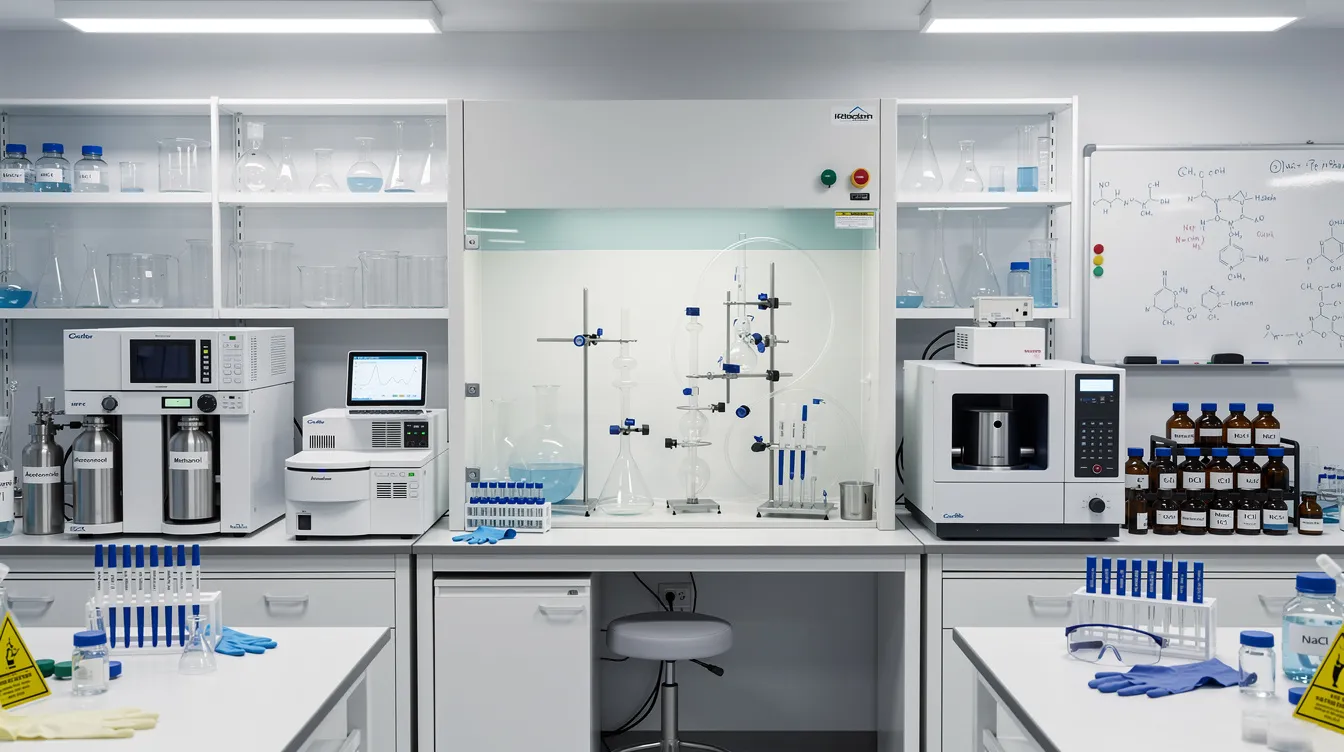
SWOT Analysis of Specialty Chemicals Manufacturing Business in India
| Strengths | Weaknesses |
|---|---|
| Strong and growing domestic market across various industries | Dependence on imported key intermediates and basic chemicals |
| Cost-competitive manufacturing with skilled technical talent | High initial capital expenditure for ETP, safety systems and infrastructure |
| Growing export reputation; over 50% of chemical exports are specialty | Infrastructure bottlenecks (power, water, waste disposal) in some regions |
| Government support: PLI, PCPIR, state subsidies | Limited R&D budgets for very small MSMEs; fragmented sector |
| Competitive edge from China+1 procurement shift | Long regulatory approval timelines in certain states |
| Opportunities | Threats |
|---|---|
| China+1 sourcing shift by global multinationals | Tightening global environmental and product regulations |
| Increasing demand in pharma, agrochemicals, personal care and food processing | Anti-dumping duties or trade barriers in export markets |
| Growing demand for green, bio-based and high performance chemicals | Currency volatility affecting export margins |
| Scope for contract/toll manufacturing for global players | Competition from fully integrated large companies |
| Expansion into electronic chemicals, battery materials, specialized applications | Rapid changes in customer specifications or technology disruption |
Frequently Asked Questions on Specialty Chemicals Business
These FAQs address practical questions based on my project finance consulting experience with chemical manufacturing clients across India. Each answer focuses on India-specific regulatory, financial and operational realities.
What is the minimum practical scale to start a viable specialty chemicals plant in India?
While micro units can begin with ₹50–75 lakh for very simple blending of cleaning chemicals or construction admixtures in small quantities, a technically sound and bankable specialty chemicals manufacturing unit with its own QC lab, ETP and compliant infrastructure needs at least ₹3–4 crore total project cost in 2026. Startup investments for chemical businesses start around Rs. 50,000 for trading-level activity, and initial investment for small chemical businesses ranges from Rs. 10 lakh to Rs. 50 lakh for basic formulation operations, but these won’t qualify as specialty chemical manufacturing in the true sense.
Can I start a specialty chemicals business without a chemistry background?
Promoters need not be chemists themselves, but must hire qualified technical staff-chemists, chemical engineers-and possibly engage external consultants for process development and chemical processes validation. Bankers and regulators place significant weight on the technical expertise of the team when evaluating such projects. A strong technical co-founder or CTO with industry experience substantially improves both bankability and operational efficiency.
How long does it typically take to obtain major licences and start production?
Entity, GST and Udyam registrations take 1–2 months. Factory Licence, Pollution Control Board CTE/CTO and Fire NOC require 3–6 months in most states. Specialized product-specific registrations (for example, certain pesticides under CIB&RC) may take 6–12 months. Plan your project schedule and financial projections accordingly-regulatory approvals are the single biggest source of timeline risk I see in project reports.
Is contract manufacturing (toll manufacturing) a good entry route into specialty chemicals?
Toll or contract manufacturing reduces marketing risk and helps a new plant achieve capacity utilization by producing under another company’s brand. It also validates your manufacturing processes and quality systems. However, margins are thinner (typically 8–12% net) compared to own-branded high margin products. A balanced strategy of combining contract manufacturing with your own product line often works best for the first 2–3 years.
How can ProjectReportBank.com help in starting a specialty chemicals business?
ProjectReportBank.com prepares customized Specialty Chemicals Project Reports, CMA Data, DSCR analysis, detailed financial projections for 7–10 years, sensitivity analysis and bank-ready documentation. We advise on optimal project sizing, funding mix, business requirements mapping and compliance roadmap-specifically structured for what Indian banks and NBFCs expect during credit appraisal.
What are the most promising niche products for new entrants in 2026?
Water treatment chemicals, construction admixtures, personal care surfactants, cleaning agents for institutional use, and agrochemical formulations offer relatively moderate entry barriers with stable demand. These segments don’t require the most complex chemical processes but still deliver attractive margins compared to bulk chemicals.
How does GST apply to specialty chemicals manufacturing?
Most specialty chemicals attract GST rates of 12–18% depending on the HSN classification. Input tax credit on raw materials, capital goods and services is available, making the effective tax burden manageable. Proper HSN classification is critical-misclassification can lead to demands, interest and penalties. Consult a CA with chemical industry experience for accurate classification.
What environmental impact assessments are needed for a specialty chemicals plant?
Plants handling hazardous chemicals need environmental clearances beyond standard CTE/CTO. Depending on capacity, location and product category, you may need Environmental Impact Assessment (EIA) clearance from MoEFCC for larger units. All plants need ETP, air emission controls and hazardous waste authorization. The environmental impact assessment process and its costs should be factored into your project report timeline and budget.
Can a specialty chemicals business be started from a rented premises?
Technically yes, but practically difficult. Banks prefer owned or long-leased (minimum 15–20 years) industrial plots for term loan security. Regulatory approvals, particularly CTE/CTO and Factory Licence, require documented premises ownership or lease. Rented commercial premises are generally unsuitable for chemical manufacturing due to safety standards, insurance and landlord liability concerns.
What is the typical payback period for a specialty chemicals project?
Based on projects I have evaluated, payback periods range from 3–5 years for formulation and blending units to 5–7 years for synthesis-based fine chemicals plants. This assumes realistic production ramp-up (reaching 65–75% utilization by Year 2–3) and stable raw material pricing. Sensitivity analysis in your project report should stress-test this under pessimistic scenarios.
Conclusion & Author Bio – CA Manish Gugliya (FCA)
Specialty chemical manufacturing is a high value, high potential business in India in 2026-but it demands serious commitment to regulatory compliance, technical quality, financial planning and market understanding. Specialty chemicals are often engineered to solve particular production challenges for customers across multiple sectors, and this problem-solving orientation is what creates durable competitive advantage and margins.
Before you commit capital to land or machinery, invest in a realistic Specialty Chemicals Business Plan and Project Report. This single step reduces the risk of under-financing, regulatory delays and cash flow stress. Approach banks and financial institutions only with proper CMA Data, DSCR-based term loan structuring and projected financial statements that reflect realistic production ramp-up and working capital cycles.
The global marketplace is actively looking for Indian suppliers of innovative products and custom formulations. Entrepreneurs who enter with the right niche, capable team, and robust financial foundation will find that this sector rewards patience and precision handsomely.
About the Author
CA Manish Gugliya (FCA) is a Chartered Accountant and Project Finance Consultant with extensive experience across manufacturing projects, including chemical and specialty chemical units across India. He is the MSME Loan Expert and Project Report Expert at ProjectReportBank.com, specializing in bank-ready project reports, CMA data preparation, financial projections, DSCR and break-even analysis, feasibility studies, startup consulting, MSME advisory and business valuation. For customized Specialty Chemicals Project Reports and funding support, visit www.projectreportbank.com.
- Integrated Soybean Crushing, Oil Extraction & Refining Plant Project Report & DPR in India

- Soybean Crushing Plant Investment Risks: Raw Material Prices, Crush Margins & Capacity Utilisation
- Integrated Soybean Crushing Plant Feasibility Study, ROI, IRR & Sensitivity Analysis
- Soybean Oil Processing Plant Financial Projections, CMA Data, DSCR & Bank Finance in India
- Soybean Procurement, Seasonal Inventory & Working Capital Management for Large Crushing Plants
- Soybean Crushing Plant Land, Building, Utilities & Factory Layout Requirements in India
- Soybean Oil & Meal Recovery, Processing Yield, Losses and Profitability
- Soybean Crushing Plant Capacity Planning: 500–5,000 TPD Industrial Projects
- Soybean Processing Plant Machinery, Equipment & Technology Selection in India
- Large-Scale Soybean Crushing Plant Setup Cost, Investment & Project Economics in India
- Pulses, Dal Milling, Besan & Pulse Derivatives Manufacturing Projects in India – DPR, Investment, Plant Setup & Bank Finance

- Pulse Cleaning and Packing Plant DPR – Detailed Project Report for India
- Pulse Grading Standards in India: Quality Control, FSSAI Compliance & Export Requirements
- Automatic Pulse Packing Machine: Machinery, Packaging Formats and Branded Dal Business in India

- Pulse Cleaning Plant Feasibility Study: ROI, IRR, DSCR and Bank Finance
