Introduction
India’s import export business is experiencing a historic push in 2026. The government’s Export Promotion Mission, approved with a ₹25,060 crore outlay, combined with the Make in India initiative and One District One Product (ODOP) programme, has created an environment where even first-time entrepreneurs interested in foreign trade can build profitable export oriented businesses.
The import-export market in 2026 presents strong opportunities driven by sustainability, digital exports, and cross-border e-commerce. Growing e-commerce exports allow small businesses to sell internationally through online marketplaces. Demand for sustainable products continues to grow globally, and Indian products-from spices to textiles to generic medicines-are in high demand across international markets.
The import-export sector allows entrepreneurs to take advantage of differences in pricing and demand across countries. India contributes nearly 55% to the global outsourcing market, and its competitive manufacturing costs make it a sourcing powerhouse.
Whether you are a farmer, MSME owner, trader, or startup founder, this guide breaks down the best import export business ideas based on real profitability, investment requirements, and market demand.
How We Chose the Best Import Export Business Ideas
Every business idea in this list was evaluated against seven practical criteria:
- Investment requirements: How much capital do you actually need to start?
- Profit margins: What is the realistic return after costs, logistics, and compliance?
- Global market demand: Is there consistent demand from international buyers, or is it seasonal?
- Government support: Are there export incentives, subsidies, or schemes available?
- Ease of entry: How heavy is the regulatory compliance burden?
- Scalability: Can you grow from a small operation to a large one?
- Risk factors: Currency fluctuations, payment risks, logistics complexity
Companies need to focus on understanding regulations, logistics, certifications, and buyer relationships to be successful in import-export. High-potential areas include niche agricultural goods, specialized textiles, and wellness products-and that’s exactly where many of these ideas sit.
Table of Contents
Top 15 Best Import Export Business Ideas for 2026
1. Spices Export Business
Exporting Indian spices remains one of the most reliable export business ideas. India exported 1.73 million tonnes of spices worth US$4.43 billion in FY 2025-26. High-demand export products include rice, spices, tea, and coffee-and spices lead in margin potential.
- Why It Stands Out: India holds roughly 70% global market share. The global organic spices market was around $3.5 billion in 2020 and continues growing.
- Best For: Entrepreneurs with ₹5–15 lakh investment and agricultural connections
- Key Strengths: Profit margins of 30–50%, consistent global demand, Spice Board support
- Possible Limitations: Quality control challenges (pesticide residue testing), seasonal price fluctuations, organic/phytosanitary certification requirements
2. Textile and Garment Export
India’s textile exports reached nearly $38 billion in the fiscal year 2021-22, establishing the country as a major global supplier.
- Why It Stands Out: Skilled labour, rich heritage, and strong manufacturing capabilities in cotton, silk, and synthetic fabrics
- Best For: Manufacturers and traders with ₹25 lakh+ investment
- Key Strengths: Large global markets (USA, EU, Middle East), established supply chains, export promotion councils for textiles
- Possible Limitations: High competition from Vietnam and Bangladesh, changing fashion trends, compliance with international quality standards (BSCI, SA8000)
3. Pharmaceutical Products Export
India is one of the world’s largest suppliers of generic medicines and APIs. Over 40% of generic drugs sold in the U.S. are from India.
- Why It Stands Out: Cost-effective manufacturing, WHO-approved facilities, deep expertise in generic medicines
- Best For: Licensed pharmaceutical companies with regulatory compliance experience
- Key Strengths: Margins of 40–60%, growing global demand, government priority sector
- Possible Limitations: Pharmaceutical exports require regulatory approvals and good manufacturing practices. Strict patent compliance and quality certifications are non-negotiable.
4. Handicrafts and Home Decor Export
The global handicrafts market was valued at approximately USD 678.24 billion in 2022. Indian handicrafts-from Rajasthani pottery to Kashmiri woodwork-have a niche that mass-produced goods cannot replicate.
- Why It Stands Out: Unique cultural products, low investment entry, artisan skill availability
- Best For: Small entrepreneurs with ₹2–8 lakh investment and design sense
- Key Strengths: Premium pricing in international markets, low competition in niche segments, artisan employment generation
- Possible Limitations: Quality consistency across batches, design piracy risks, seasonal demand patterns
5. Organic Food Products Export
India ranks 9th globally in organic agricultural production with over 1.5 million farmers. Export demand for organic products includes superfoods and herbal cosmetics.
- Why It Stands Out: Premium pricing potential, growing health-conscious consumer base globally
- Best For: Agricultural entrepreneurs with organic certification knowledge
- Key Strengths: High margins, government organic promotion schemes, consistent demand from EU and USA
- Possible Limitations: USDA/EU organic certification costs, limited certified organic food products supply, strict quality standards
6. Engineering Goods Export
Engineering goods remain a stable export category with long-term contract opportunities.
- Why It Stands Out: Technical expertise, cost competitiveness, diverse product range from auto parts to industrial machinery
- Best For: Technical entrepreneurs with ₹50 lakh+ investment
- Key Strengths: Stable demand, long-term B2B contracts, technology transfer opportunities. Explore automobile industry business ideas for related opportunities.
- Possible Limitations: High initial investment, CE/UL/ISO certification needs, long sales cycles
7. Electronics Import Business
India’s domestic electronics demand far outstrips local manufacturing capacity. E-commerce logistics provide faster turnaround for small-volume high-value shipments.
- Why It Stands Out: Massive domestic demand, continuous technology advancement needs
- Best For: Tech-savvy entrepreneurs with distribution networks
- Key Strengths: Large market size, consumer willingness to upgrade, growing online sales channels
- Possible Limitations: Rapid technology obsolescence, customs duty fluctuations, competition from PLI-supported local manufacturing
8. Leather Goods Export
The global leather goods market was approximately $400 billion in 2022 and is projected to reach about $525 billion by 2029.
- Why It Stands Out: Raw materials availability, skilled craftsmanship, established global reputation for Indian leather goods
- Best For: Manufacturers with leather processing knowledge
- Key Strengths: Premium international demand, value-added products command better margins
- Possible Limitations: Environmental compliance (tannery pollution), animal welfare concerns, EU chemical restrictions
9. Gems and Jewelry Export
India contributes nearly 29% of the global gems and jewelry market, driven by diamond cutting and gold jewelry manufacturing.
- Why It Stands Out: Traditional craftsmanship, cost-effective processing, reliable international buyers
- Best For: Experienced jewelers with significant capital (₹1 crore+)
- Key Strengths: High-value products, GJEPC support, established market demand
- Possible Limitations: Extreme capital intensity, market volatility, Kimberley Process certification for diamonds
10. Chemical Products Import
Companies are sourcing from multiple countries to diversify supply chains instead of relying on a single supplier. Trade in renewable energy products is driven by government incentives and sustainability goals-creating demand for specialty chemicals.
- Why It Stands Out: Essential raw materials for manufacturing, consistent demand
- Best For: Industrial entrepreneurs with technical and safety expertise
- Key Strengths: Long-term supply contracts, industrial growth correlation
- Possible Limitations: Hazardous material handling, environmental regulations, specialized storage
11. Ayurvedic and Herbal Products Export
Exporting Ayurvedic wellness and herbal beauty products is a niche opportunity with growing global acceptance.
- Best For: Entrepreneurs with ₹10–25 lakh and AYUSH/FSSAI knowledge
- Key Strengths: Premium pricing, growing wellness market in USA, EU, and Middle East
- Possible Limitations: Country-specific regulations on herbal claims, certification requirements
12. Rice and Processed Food Export
India is among the world’s top rice exporters. The future of agribusiness points to processed and packaged food as a high-growth segment.
- Best For: Agricultural traders with ₹10–30 lakh
- Key Strengths: Massive volumes, established trade relationships with other countries
- Possible Limitations: Government export restrictions (as seen with rice bans), price volatility
13. Eco-Friendly Products Export
Bamboo, jute, coconut shell products, and biodegradable packaging are seeing rising international demand. For related ventures, explore jute shopping bag manufacturing.
- Best For: Entrepreneurs with ₹5–15 lakh and sustainability focus
- Key Strengths: Premium pricing, alignment with global sustainability trends
- Possible Limitations: Scale limitations, reliable suppliers can be hard to find
14. Industrial Machinery Import
Importing specialized industrial machinery and components is a profitable business where domestic demand exceeds supply.
- Best For: Entrepreneurs with ₹50 lakh+ and B2B distribution networks
- Key Strengths: High ticket size, repeat orders, essential for manufacturing growth
- Possible Limitations: Heavy capital, medical equipment and machinery require BIS certifications
15. IT and Digital Services Export
India’s software and freelance service exports continue growing. This is a minimum investment export business you can start from home.
- Best For: IT professionals, freelancers, digital agencies
- Key Strengths: No physical inventory, high margins, scalable with international clients
- Possible Limitations: Finding reliable buyers, payment collection across borders, intense global competition
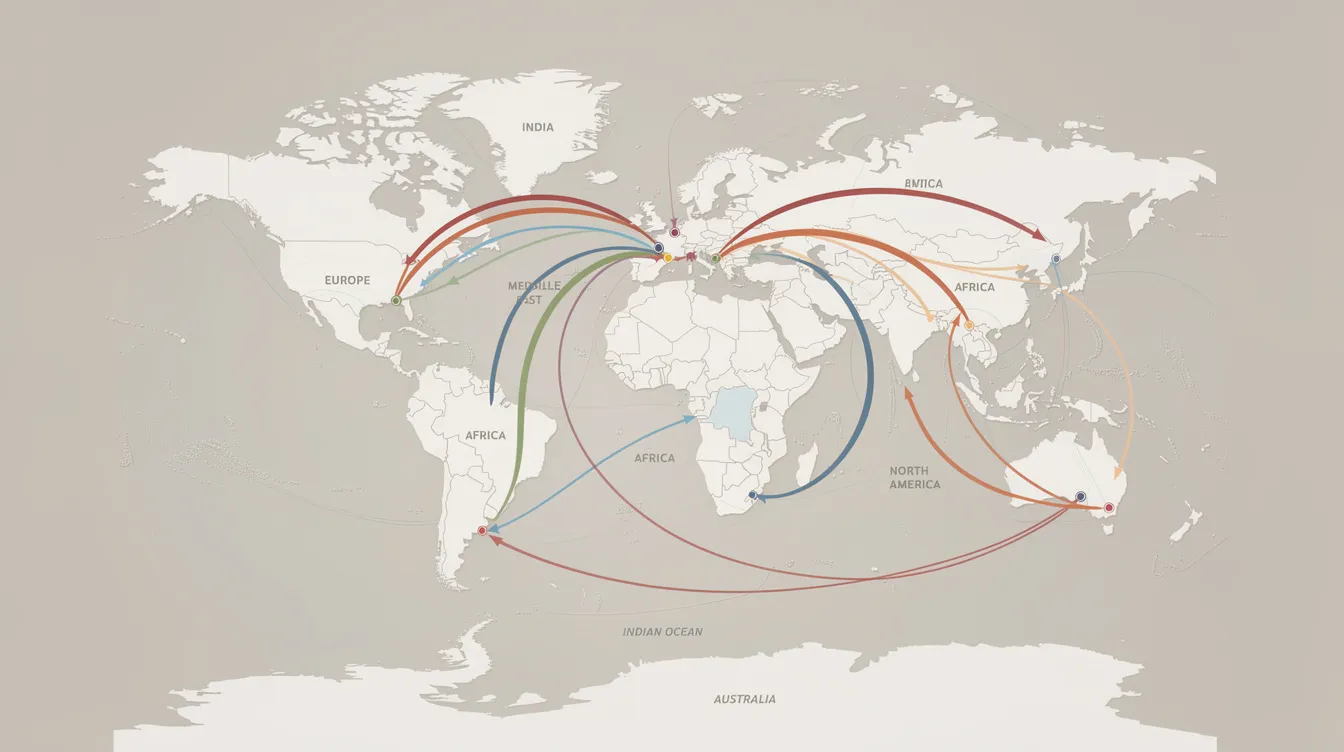
Quick Comparison of Top Import Export Business Ideas
| Business Idea | Investment | Profit Margin | Risk Level | Best For |
|---|---|---|---|---|
| Spices Export | ₹5–15 lakh | 30–50% | Medium | Agricultural entrepreneurs |
| Pharmaceutical Export | ₹1 crore+ | 40–60% | High | Licensed pharma companies |
| Handicrafts Export | ₹2–8 lakh | 40–60% | Low-Medium | Creative entrepreneurs |
| Electronics Import | ₹25–50 lakh | 15–30% | Medium | Tech-focused traders |
| Engineering Goods | ₹50 lakh+ | 20–35% | Medium | Technical B2B businesses |
How to Choose the Right Import Export Business Idea
Choose Based on Investment Capacity
- Low investment (₹2–10 lakh): Spices, handicrafts, organic foods, eco-friendly products
- Medium investment (₹10–50 lakh): Textiles, leather goods, food processing, Ayurvedic products
- High investment (₹50 lakh+): Pharmaceuticals, engineering goods, gems, industrial machinery
Choose Based on Market Knowledge
- Agricultural background: Spices, organic foods, rice, processed foods
- Technical expertise: Engineering goods, electronics, chemicals, EV spare parts
- Creative skills: Handicrafts, textiles, home decor, fashion accessories
Choose Based on Risk Tolerance
- Low risk: Essential items with consistent demand-spices, pharmaceuticals, rice
- Medium risk: Handicrafts, textiles with established market trends
- High risk: Fashion, luxury goods, technology products with rapid obsolescence
Which Import Export Business Option Is Best for You?
- Choose Spices Export if you want proven demand with moderate investment and are comfortable with seasonal market research cycles
- Choose Handicrafts Export if you prefer creative products with low capital-start export business from even ₹2 lakh
- Choose Pharmaceutical Export if you can handle strict regulatory compliance for high profits
- Choose Electronics Import if you understand technology and domestic distribution through target market channels
- Choose IT Services Export if you want zero inventory and maximum scalability
Sustainability and traceability are becoming priority factors for consumers and regulations. Whichever path you choose, align your business with these global trade expectations.
Register your business as a Sole Proprietor, Partnership, or private limited company. Obtain a permanent account number (PAN) for your business. The importer exporter code (IEC) is mandatory in India-apply through DGFT online for ₹500. Secure payments through Letters of Credit or bank transfers. Maintain proper documentation including invoices and packing lists.
Final Thoughts
The export import business in India is one of the best export businesses you can build in 2026-if you approach it with financial discipline and proper planning.
Here’s what I tell every entrepreneur who walks into my office wanting to start an import export business:
The biggest risks are not market risks-they are compliance risks. New exporters face regulatory compliance challenges that can block shipments. Logistics and shipping can be complex for new exporters unfamiliar with customs brokers, freight forwarders, and international shipping documentation. Getting paid by foreign clients is a common issue-always use LCs or advance payments until you build trade relationships. Currency fluctuations can impact profits significantly. And building a network of international contacts is challenging but essential.
Use government schemes aggressively. The Export Promotion Mission offers 2.75% interest subvention on export credit for MSMEs. The District Export Hub initiative covers 590+ districts with action plans. RoDTEP, duty drawback, ECGC insurance, and export promotion councils exist to encourage exports and help you find international buyers.
Don’t skip market research. Don’t underprice. Don’t treat government incentives as guaranteed margin-treat them as bonus. Prepare your CMA Data and project report before approaching any bank for export finance, packing credit, or working capital.
The foreign trade policy 2023–28 has opened doors. Your job is to walk through them with the right documentation, the right product, and the right financial plan.
Need help getting started? At ProjectReportBank.com, we prepare detailed Project Reports, CMA Data, Business Plans, Financial Projections, and Bank Loan Documentation for import export businesses across India. Whether you need a Mudra Loan file or a DPR for ₹5 crore export unit-our team delivers investor-ready documents online, anywhere in India.
FAQs
How do I start an import export business in India?
Register your business entity, get PAN, GST, open a current bank account, apply for IEC (import export code) through DGFT, obtain AD Code from your bank, and get RCMC from relevant export promotion councils.
Is IEC compulsory for export import trade?
Yes. The Importer Exporter Code is mandatory for any commercial import or export from India. It costs ₹500 and has lifetime validity but must be updated annually.
Which products are easiest to export from India?
Spices, handicrafts, organic food products, and textiles have relatively lower entry barriers and consistent demand.
Can I export from home?
Yes. IT services, digital services, handicrafts, and small-volume specialty products can be exported from home with proper IEC and documentation.
How much investment is required?
You can start a small export business with ₹2–5 lakh (spices, handicrafts). Medium-scale businesses need ₹25–50 lakh. Pharma and engineering goods need ₹1 crore+.
Which country imports most from India?
The USA is India’s largest export destination, followed by UAE, Netherlands, China, and Bangladesh across various product categories.
How do I find international buyers?
Use an export directory provider, attend trade fairs, register on B2B platforms (IndiaMART, Alibaba, TradeIndia), connect through export promotion councils, and leverage virtual buyer-seller meets under government schemes.
Is GST compulsory for exporters?
GST registration is required. However, exports are zero-rated under GST. You can export under LUT (Letter of Undertaking) without paying IGST and claim input tax credit refunds.
What are the best import business ideas?
Importing medical equipment, industrial machinery, electronics components, specialty chemicals, and raw materials not manufactured domestically are among the most profitable import business ideas.
Which banks finance exporters?
SBI, Bank of Baroda, EXIM Bank, Punjab National Bank, and most scheduled commercial banks offer packing credit, export finance, bill discounting, and CGTMSE-backed loans for exporters.
What documents are required for export?
Commercial invoice, packing list, Bill of Lading (sea freight) or Airway Bill (air freight), Certificate of Origin, shipping bill, insurance certificate, and product-specific certificates (phytosanitary, FSSAI, etc.).
How do I protect against payment risks?
Use Letters of Credit, insure through ECGC, verify buyer credentials, and start with smaller trial orders before scaling to find reliable buyers.
What is FOB and CIF?
FOB (Free on Board) means the seller’s responsibility ends when goods are loaded on the ship. CIF (Cost, Insurance, and Freight) means the seller covers cost, insurance, and freight to the destination port. Understand these Incoterms before pricing.
How important is HS Code classification?
Critical. Wrong HS Code classification can lead to wrong duty calculation, customs delays, or loss of export incentives under RoDTEP.
Can farmers directly export?
Yes. Farmers can register for IEC and export directly. APEDA and the country’s economy-focused schemes provide special support for agricultural exporters under the District Export Hub framework.
- Dal Mill Power Consumption, Dryers & Utility Requirements – Complete Guide


- Dal Mill Colour Sorter, Grading, Polishing & Packaging Machinery – Types, Capacity, Cost & Selection Guide

- Pulse Conditioning, Dehusking & Splitting Process – Improving Dal Recovery

- Dal Mill Recovery Ratio, Dal Yield, Broken Percentage & Milling Losses
- Masoor Dal Processing Plant Project Report & DPR in India
- Chana Dal Manufacturing Plant Project Report & DPR in India

- Urad Dal Mill Project Report & DPR in India
- Moong Dal Processing Plant Project Report & DPR in India
- Toor Dal (Arhar Dal) Mill Project Report & DPR in India

- Fully Automatic vs Semi-Automatic Dal Mill – Cost, Efficiency & Investment Comparison
- Dal Mill Land, Building & Plant Layout Requirements in India

- Dal Mill Capacity Planning – 5 TPD, 10 TPD, 20 TPD & 50 TPD Plants
- Dal Milling Process & Flow Chart – Cleaning, Dehusking, Splitting & Packaging

- Dal Mill Machinery, Equipment & Cost – Complete Plant Guide

- Dal Mill Plant Setup Cost in India – Investment & Cost Breakdown