Introduction
I’m CA Manish Gugliya, and over the past 20 years of preparing project reports and advising entrepreneurs on business planning, one question comes up more than any other: “Sir, which shop business should I start?”
It’s a fair question. India’s retail industry is on track to reach approximately ₹112 trillion by FY2026. Even as India’s e-commerce industry is projected to grow at 51% annually and India’s e-commerce market is projected to reach $33 billion, physical retail shops continue to dominate the Indian economy. Why? Because most consumers still prefer buying groceries, medicines, clothes, and daily essentials in person from a shopkeeper they trust.
A retail shop gives you something most business ideas in india cannot: daily cash flow. You open the shop in the morning, serve customers, and take home cash by evening. It’s a tried and tested idea that has built millions of livelihoods across this country.
But not every shop business is equally profitable. The initial investment for a small business can start as low as ₹10,000 for a tiny setup, or run into lakhs for an established store. Your success depends heavily on what you sell, where you sell it, and how well you manage your money.
In this guide, I’ve listed 15+ profitable retail business ideas with realistic investment figures, actual profit margins from my project report experience, and practical guidance. This is not generic internet advice. These are numbers I’ve worked with while preparing CMA reports, bank loan documentation, and MSME project reports for real entrepreneurs.
Retail trends are moving towards personalized and omnichannel experiences, and shop ideas in 2026 include sustainability and AI technology integration. Consumers are prioritizing experiences over mere transactions in retail. But the fundamentals haven’t changed: pick the right product, find the right location, and manage your cash flow well.
Let’s get into it.
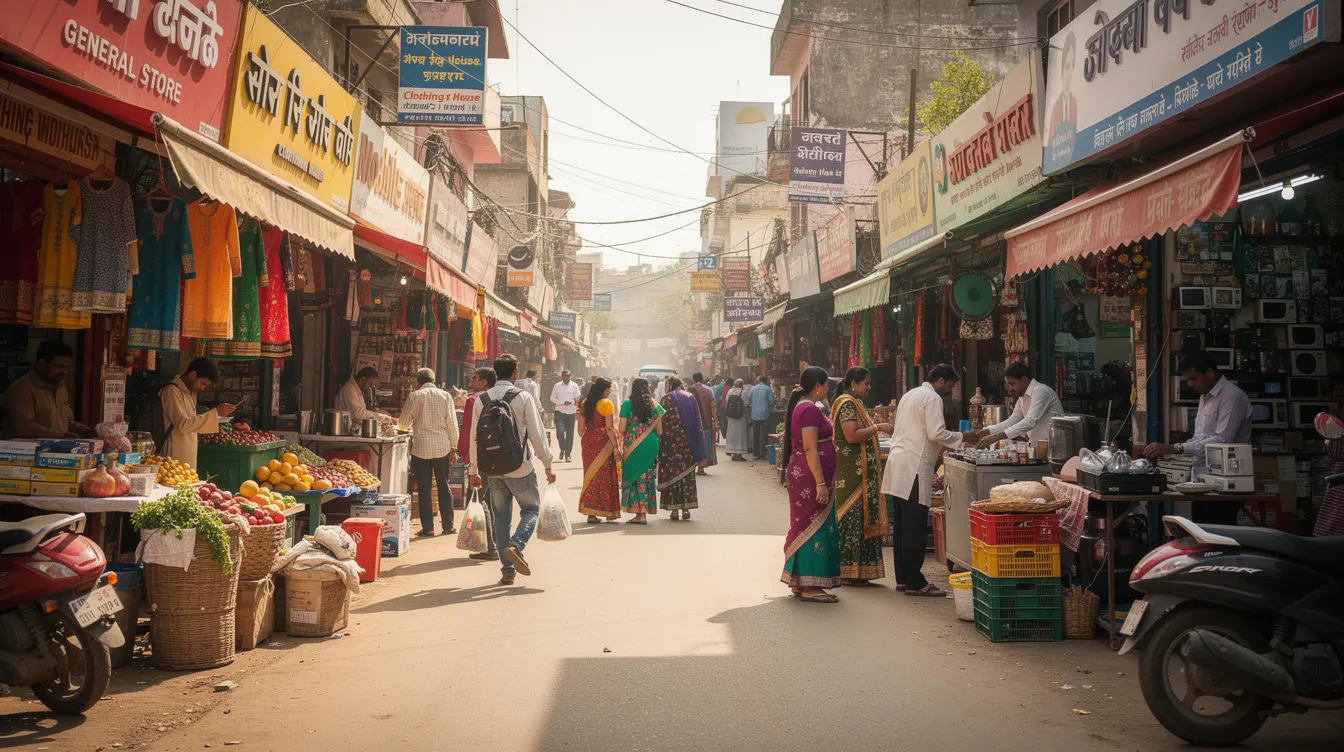
Table of Contents
How We Chose the Best Shop Business Ideas
I didn’t just pick popular shop names and list them. Every business idea here was evaluated on criteria I use when preparing project reports for bank loan applications.
Here’s what I looked at:
- Initial investment requirement: Businesses ranging from ₹50K to ₹15L, covering options for every budget. A business plan outlines services, target market, and financial goals, and I’ve ensured each idea here has a clear financial framework.
- Profit margin potential: I focused on shops with gross margins between 15% and 60%+, and realistic net margins after overheads. High profit margins alone don’t make a business viable if your costs eat everything.
- Market demand consistency: Daily essentials like groceries and medicines score higher than seasonal or trend-dependent products. Market research helps identify customer needs and competition, and I’ve factored demand stability into every recommendation.
- Ease of operation for first time business owners: Some shops need technical skills or professional licenses. Others can be started by anyone. Licenses required depend on business type and location, and I’ve noted these for each idea.
- Cash flow stability: Retail businesses with daily income generation rank higher. Banks love businesses with predictable cash flows when evaluating loan applications.
- Competition and saturation: I’ve considered how crowded each category is and whether there’s room for new entrants, especially in Tier-II and Tier-III cities where organized retail is expanding aggressively.
- Scalability: Can you grow from one shop to two? Add delivery? Build a brand? Tech integration in retail enhances convenience and customer experience, and businesses that embrace this scale faster.
- Bank loan eligibility: Registering a business adds credibility and access to benefits. Shops with clear revenue models and manageable risk profiles get easier access to Mudra loans, CGTMSE schemes, and MSME finance.
If you’re exploring a broader range of business ideas to start your entrepreneurial journey, I’ve compiled over 10,000 options on our platform. But today, let’s focus on the best shop business ideas specifically.
Top 15 Shop Business Ideas for 2026
1. Medical Shop/Pharmacy
A medical shop is one of the most recession-proof retail shop businesses you can start. People need medicines regardless of the economy, and a pharmacy near a hospital or residential colony will see customers from day one.
Investment: ₹3–8 lakhs (small generic store to mid-sized pharmacy with branded inventory)
Profit margin: Gross margins of 16–22% on branded prescription medicines, 20–50% on generics, and 25–45% on OTC wellness products and nutraceuticals. Net profit margin after rent, staff, and overheads typically falls between 4–8% for an average product mix, though OTC-heavy shops can push higher.
Why it stands out: Chronic disease prescriptions alone can account for 30–40% of sales in established shops, giving you guaranteed repeat business every month. A medical shop with ₹4.5 lakh monthly sales and ~18% blended margin produces roughly ₹81,000 in gross profit.
Best for: Entrepreneurs near hospitals, clinics, or dense residential areas. If you can hire a registered pharmacist (D.Pharm or B.Pharm is mandatory), this is a great business idea for first time business owners.
Key strengths:
- Steady daily demand
- Government schemes support healthcare retail
- Expansion to wellness, surgical supplies, and online ordering
Limitations:
- Requires a Retail Drug Licence (Form 20/21) and registered pharmacist
- Expiry and dead stock write-offs can be 2–5% of inventory
- Regulatory inspections are frequent and non-negotiable
2. Grocery Store/Mini Supermarket
Grocery stores are among the most resilient retail business types in India. The neighbourhood kirana has survived every economic downturn, every online grocery app, and every supermarket chain expansion.
Investment: ₹2–6 lakhs depending on store size (~300 sq ft small kirana to a larger mini supermarket)
Profit margin: Gross margins are thin – typically 15–20% on FMCG and grocery items. But high inventory turnover compensates. You make money on volume and daily repeat purchases.
Why it stands out: This is the ultimate daily income business. Customers buy milk, bread, dal, and cooking oil every single day. Cash flow is steady and predictable, which banks love when approving working capital finance.
Best for: Residential areas with limited competition. If you can negotiate credit terms with distributors and keep overheads lean (family-run stores have an advantage here), this is a solid small scale business idea.
Key strengths:
- Daily sales with loyal customers
- Digital payment adoption increases trust and convenience
- Franchise options available (brands like Easy Day, 7-Eleven) – franchising allows entrepreneurs to operate under established brands
Limitations:
- Low per-item margins require high volume
- Inventory management is critical – spoilage and theft can erode profits
- Competition from wholesale and bulk buying channels is real
3. Mobile Accessories Shop
With over 700 million smartphone users in India and growing, mobile accessories represent one of the highest-margin small shop business ideas available today.
Investment: ₹1–3 lakhs for a compact shop (150–300 sq ft) with initial inventory of covers, chargers, earphones, screen protectors, and cables
Profit margin: 30–50% gross margin on most accessories. Unbranded items carry even higher margins but also higher return risk. A well-stocked franchise outlet can generate ₹15–20 lakh/month in revenue with ~30% margins, though that requires significantly higher investment.
Why it stands out: Accessories break, wear out, or go out of style quickly. Replacement frequency is high, and impulse purchasing is common. Most purchases happen in person rather than through online purchases.
Best for: Areas near colleges, offices, electronics markets, or busy commercial streets with strong foot traffic.
Key strengths:
- High margins with fast-moving inventory
- Low space requirement – even a 100 sq ft shop works
- Easy to add repair services (screen replacement, battery change) for additional income
Limitations:
- Technology changes quickly; slow-moving stock becomes dead stock
- Duplicate and low-quality products erode customer trust
- Competition from online marketplaces is significant
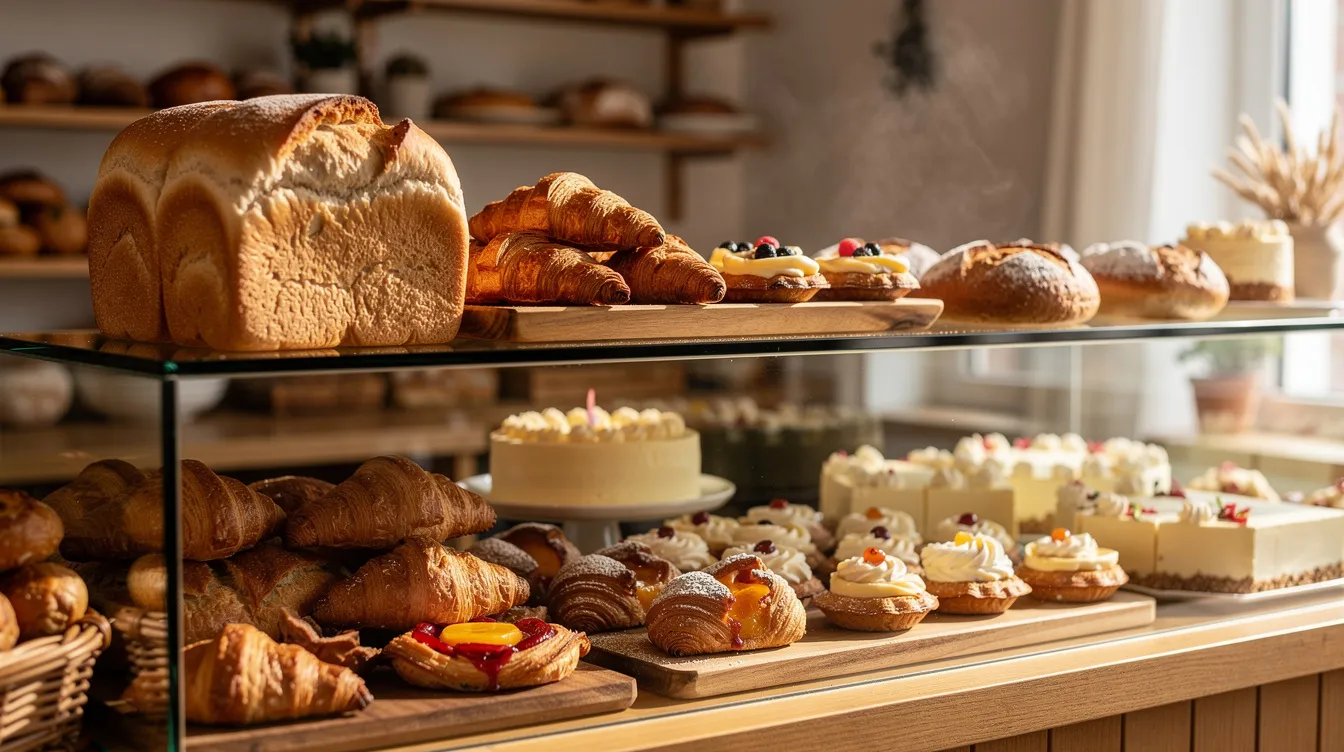
4. Bakery and Sweet Shop
The Indian bakery sector is estimated at ₹80,000–₹1,00,000 crore and growing at 8–10% CAGR. Add sweets to the mix, and you’re tapping into both daily consumption and celebration demand.
Investment: ₹3–7 lakhs for a retail bakery shop with basic equipment (ovens, display counters, refrigeration, FSSAI licensing). Home based businesses in baking can start as low as ₹50,000.
Profit margin: Gross margins of 40–60% on fresh bakery items, with premium custom cakes going even higher. Net margins of 15–30% in well-run shops after rent, labour, utilities, and marketing.
Why it stands out: The Indian restaurant industry is valued at Rs. 337,500 crores, and bakeries capture a significant slice of the food and beverage industry. Festival seasons (Diwali, Eid, Christmas, weddings) create 2–3× revenue spikes. Hybrid cafes combine food and curated retail products to enhance customer dwell time, and this model is increasingly popular.
Best for: Market areas or residential localities with consistent foot traffic. If you’re interested in the broader café business model, bakery-cafés are an excellent starting point. Experiential coffee shops combine retail with specialty micro-roasteries for added revenue.
Key strengths:
- Premium pricing strategy on custom and specialty items
- Brand building potential through social media platforms
- Multiple channels: walk-in, delivery (Swiggy/Zomato), corporate events orders, catering business add-ons
Limitations:
- Perishable inventory with daily wastage risk
- Skilled bakers are hard to find and retain
- A food truck business costs less than a restaurant, and cloud kitchens require low investment and are highly profitable – both are alternatives to consider. Cloud kitchens are becoming popular in urban areas like Bangalore and Mumbai. A cloud kitchen requires very low investment to start.
5. Garment and Clothing Shop
Fashion retail remains one of the highest-margin retail businesses in India. If you have an eye for market trends and can negotiate well with wholesalers, this is a lucrative business.
Investment: ₹4–10 lakhs for a modest 500–800 sq ft shop with inventory, interiors, lighting, and fixtures. Larger multi-category stores cost ₹15–25 lakh.
Profit margin: Gross margins of 40–60% are typical for readymade apparel. Net margins of 25–30% are achievable in well-run shops.
Why it stands out: Festive seasons (Diwali, weddings) create massive sales spikes – 2–3× normal months. If you’re interested in a specific niche, saree retail is a profitable business idea with deep cultural demand. Experiential retail encourages customers to spend more time in stores.
Best for: Main market areas with good visibility. A garment shop in a prime location can become a seasonal business goldmine during wedding and festival months.
Key strengths:
- High profit margins on fashion and ethnic wear
- Year-round demand across age groups
- Brand partnerships and exclusive local collections build loyal customers
Limitations:
- Unsold seasonal stock must be heavily discounted – this eats margins and working capital
- Fashion trend dependence means you need to stay updated
- Online sales from e-commerce platforms create pricing pressure
6. Stationery and Book Store
Education drives India. The online education industry is projected to grow to $325 billion by 2025, but physical stationery and books remain essential for schools, colleges, and competitive exam preparation.
Investment: ₹1.5–4 lakhs for inventory and a compact shop near educational institutions
Profit margin: 25–35% on books and stationery items. Art supplies, premium notebooks, and exam preparation material carry higher margins.
Why it stands out: Demand is consistent during academic sessions. Online education is projected to reach $325 billion by 2025, but students still need physical materials – notebooks, pens, textbooks, and project supplies. Online tutoring can be started with minimal investment, and a tuition center can be started with minimal investment at home, but they all need stationery.
Best for: Locations near schools, colleges, or coaching centers. This is a profitable business for a target audience that visits regularly.
Key strengths:
- Steady demand from the education sector
- Low competition in many Tier-II and Tier-III locations
- Easy to operate for first time business owners – no special skills needed
Limitations:
- Seasonal peaks during academic admissions and exam seasons
- Online purchases of books through Amazon and Flipkart create competition
- Margins on textbooks are controlled
7. Cosmetics and Beauty Products Shop
The Indian beauty and personal care market is rapidly growing, fuelled by rising grooming consciousness across all age groups and both genders.
Investment: ₹2–5 lakhs for branded inventory, attractive display units, and a well-lit shop
Profit margin: 30–50% on beauty and personal care products. Premium and imported brands carry even higher margins.
Why it stands out: Beauty products generate strong repeat business. Once a customer finds a foundation shade or skincare routine that works, they come back month after month. Digital marketing services are in high demand as businesses go online, and beauty brands that combine a physical retail shop with an online storefront gain a competitive edge.
Best for: Women-centric market areas, malls, or main commercial streets. This business scales well when combined with selling online through social media platforms.
Key strengths:
- Growing market demand across demographics
- Brand loyalty creates a predictable revenue stream
- Low spoilage compared to food retail
Limitations:
- Brand competition is intense
- Counterfeit products damage reputation
- Expiry management for cosmetics requires attention
8. Electronics and Electrical Shop
Consumer electronics and electrical appliances are a high demand category with consistent technology adoption and replacement cycles.
Investment: ₹5–12 lakhs for inventory (fans, switches, wiring, small appliances) and service setup
Profit margin: 20–30% on products, with additional income from installation and repair services
Why it stands out: Every new house, every renovation, and every office setup needs electrical supplies. This is a sustainable business with both retail and B2B potential. If you’re looking at dealership and distribution models, electrical products are an excellent entry point.
Best for: Urban and semi-urban areas with active construction and purchasing power.
Key strengths:
- Service income supplements product margins
- Brand partnerships with companies like Havells, Polycab, and Crompton provide marketing support
- Growing construction sector drives consistent demand
Limitations:
- High initial investment in inventory
- Technical knowledge is required for customer advisory
- Large items require storage space
9. Hardware and Building Materials Shop
India’s construction boom, particularly in Tier-II and Tier-III cities, makes hardware and building materials a strong business venture.
Investment: ₹6–15 lakhs for inventory (cement, paint, pipes, fittings, tools) and adequate space
Profit margin: 20–35% on hardware and building materials. Bulk orders from contractors can be negotiated at lower margins but higher volumes.
Why it stands out: High-ticket sales mean larger absolute profits per transaction. A single contractor order can equal a week’s worth of walk-in retail sales.
Best for: Growing localities, industrial areas, or towns with active residential construction. This is also a strong B2B business idea.
Key strengths:
- Bulk orders from builders and contractors
- Relatively low competition in smaller towns
- Paint and plumbing supplies have strong margins
Limitations:
- Large space requirement for storage
- Heavy inventory management and logistics
- Seasonal slowdown during monsoon (construction activity drops)
10. Organic Food Store
Organic food sales are increasing due to rising health consciousness among urban Indian consumers. This is a growing market with premium pricing acceptance.
Investment: ₹3–8 lakhs for certified organic inventory, cold storage, and an attractive retail setup
Profit margin: 35–50% on organic and health products. Healthy and organic food commands premium pricing that customers willingly pay.
Why it stands out: Eco-friendly shops curate zero-waste products to meet consumer demand for sustainability. Zero-waste shops allow customers to refill containers instead of buying new ones, and this model is gaining popularity. Retail concepts increasingly focus on sustainability and community experiences.
Best for: Urban areas with health-conscious consumers – think Bangalore, Pune, Hyderabad, and upscale neighbourhoods in metros.
Key strengths:
- High margins on organic food and specialty items
- Strong customer loyalty – once convinced, organic buyers rarely go back
- Growing market trend with long-term staying power
Limitations:
- Limited and expensive supplier base
- Organic certification requirements add compliance costs
- Customer base is concentrated in higher-income areas
11. Footwear Shop
Footwear is a universal need with size variety advantages that make in person shopping almost essential. Unlike clothing, customers almost always try shoes before buying.
Investment: ₹3–8 lakhs for a mix of branded and local inventory
Profit margin: 40–70% depending on brand mix. Local and unbranded footwear carries the highest margins, while branded products drive foot traffic.
Why it stands out: Year-round demand across all demographics. From school shoes to wedding heels to daily chappals, every segment has consistent buyers. Even nostalgia-driven stores sell retro collectibles and vintage items, and retro sneakers are a growing niche.
Best for: Market areas, shopping complexes, or standalone shops on busy commercial streets.
Key strengths:
- High margins across most product categories
- Size specialization creates competitive advantage (stocks that online stores often miss)
- Seasonal demand during festivals and back-to-school periods
Limitations:
- Size and colour management is complex
- Storage space for boxes can be substantial
- Fashion trends shift, leaving slow-moving styles unsold
12. Toy and Gift Shop
A toy and gift shop taps into emotional purchase decisions – parents, relatives, and friends buy gifts without much price sensitivity during celebrations.
Investment: ₹2–5 lakhs for diverse toy and gift inventory
Profit margin: 40–60% on toys and gift items. Premium packaging and personalization services push margins even higher.
Why it stands out: Community-focused retail promotes engagement through events and workshops. You can host birthday planning sessions, gifting consultations, and seasonal displays. Local artisan markets provide a physical space for local makers to sell goods – carrying handcrafted gifts from local makers adds uniqueness to your store.
Best for: Family-oriented residential areas, near schools, or in commercial markets.
Key strengths:
- High margins on impulse purchases
- Birthday and festival demand is predictable and recurring
- Personalised gift wrapping and customisation add value
Limitations:
- Seasonal sales concentration (Diwali, Christmas, Children’s Day)
- Safety compliance for children’s products is non-negotiable
- Trend dependence – today’s hot toy is tomorrow’s dead stock
13. Dairy and Milk Products Shop
Fresh dairy is a daily consumption need that guarantees customers every single morning and evening.
Investment: ₹2–6 lakhs for refrigeration equipment, initial inventory, and a compact shop
Profit margin: 20–30% with high inventory turnover. Value-added products like paneer, curd, flavoured milk, and ghee carry higher margins.
Why it stands out: Subscription-based retail creates predictable revenue through recurring visits. Many dairy shops run weekly or monthly subscription models for milk delivery, creating a stable income base. This is a classic daily income retail business.
Best for: Residential areas with morning and evening foot traffic patterns.
Key strengths:
- Daily sales with strong cash flow
- Low startup costs compared to other food retail
- Add-on products (sweets, ice cream, bakery items) boost margins
Limitations:
- Highly perishable inventory with zero tolerance for power outages
- Cold storage and refrigeration costs are ongoing
- Margins on plain milk are extremely thin – profitability depends on value-added items
14. Jewellery Shop
Jewellery retail is India’s most culturally significant retail shop category. Gold isn’t just jewellery here – it’s savings, status, and tradition combined.
Investment: ₹10–50 lakhs depending on gold inventory. Artificial jewellery shops can start with ₹2–5 lakhs and offer a high-margin alternative.
Profit margin: 15–25% on gold jewellery (making charges), but 50%+ on artificial and fashion jewellery. The pricing strategy on gold is driven by making charges and wastage, which is where your real margin lives.
Why it stands out: High-value transactions mean significant absolute profit per sale. One wedding order can generate more profit than a month of sales in other retail businesses. If you’re exploring unique business ideas with strong cultural roots, jewellery retail is worth considering.
Best for: Main markets with established credibility. Trust is everything in jewellery – customers buy from shops they’ve visited for generations.
Key strengths:
- High-ticket transactions
- Cultural and emotional significance drives demand
- Gold as an asset makes customers see purchases as investment, not personal expenses
Limitations:
- Very high initial investment for gold inventory
- Security concerns require insurance, CCTV, and vault storage
- Gold price volatility affects customer buying decisions
15. Pet Supplies Shop
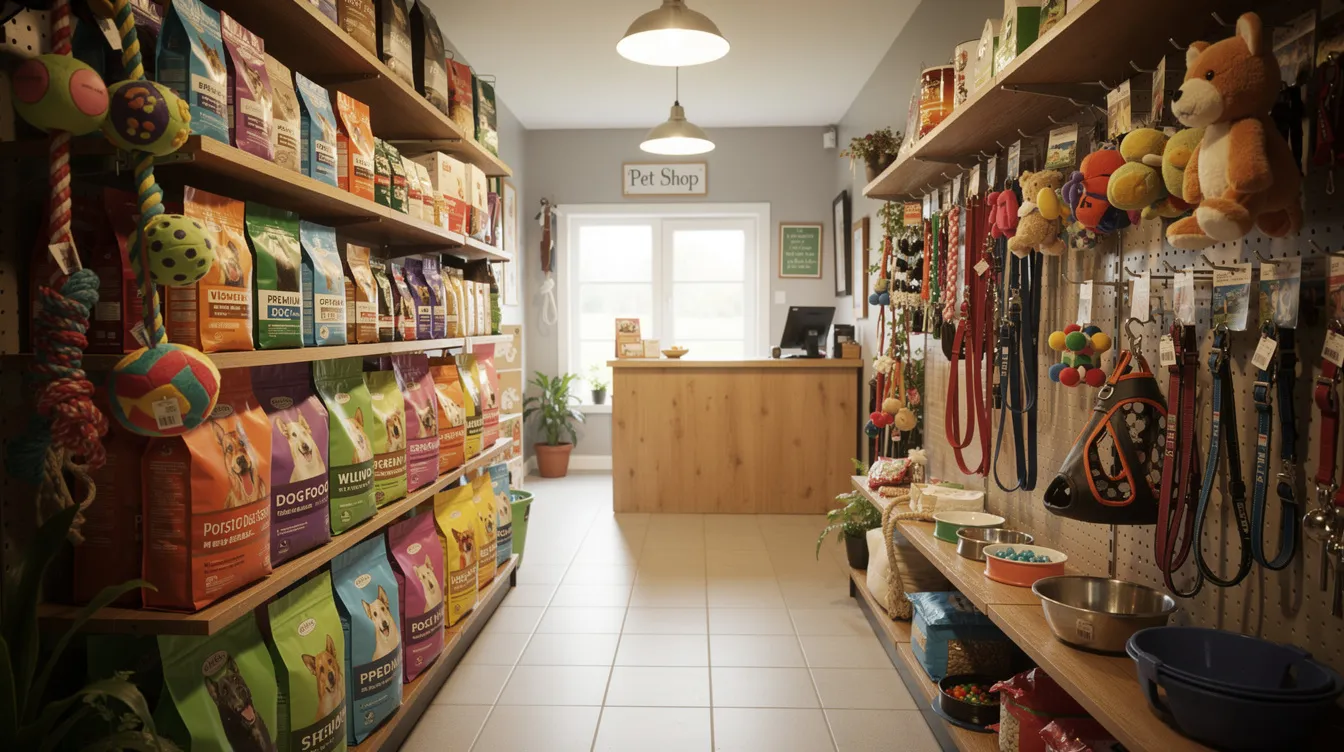
Pet supply stores are in high demand due to increased pet ownership across Indian cities. Most pet owners treat their pets like family members and spend generously on food, accessories, and healthcare.
Investment: ₹2–5 lakhs for pet food, accessories, grooming supplies, and toys
Profit margin: 35–50% on pet supplies and accessories. Premium and imported brands carry even higher margins. Pet boutiques are increasingly offering premium organic products and grooming services, which adds service revenue to product sales.
Why it stands out: India’s pet ownership has exploded in the past five years. Urban pet owners are a loyal, high-spending target audience. Once you become their trusted shop, they’ll visit weekly or monthly without fail.
Best for: Urban areas with pet-owning families – apartments and gated communities are ideal catchments.
Key strengths:
- Growing market with limited organized competition
- Strong customer loyalty – pet owners don’t switch shops easily
- Premium pricing accepted by most pet owners who prioritize quality
Limitations:
- Niche market – works best in urban areas
- Wide inventory variety required (different breeds, different needs)
- Some products require temperature-controlled storage
Quick Comparison of Best Shop Businesses
| Shop Type | Best For | Investment Range | Gross Margin | Daily Income? | Risk Level |
|---|---|---|---|---|---|
| Medical Shop | Guaranteed daily income | ₹3–8L | 16–50% | ✅ Yes | Medium |
| Grocery Store | Steady cash flow | ₹2–6L | 15–20% | ✅ Yes | Low |
| Mobile Accessories | High margins, low investment | ₹1–3L | 30–50% | ✅ Yes | Medium |
| Bakery & Sweets | Premium pricing | ₹3–7L | 40–60% | ✅ Yes | Medium |
| Garment Shop | High profit margins | ₹4–10L | 40–60% | Moderate | Medium-High |
| Organic Food Store | Growing health market | ₹3–8L | 35–50% | Moderate | Medium |
| Jewellery Shop | High-value transactions | ₹10–50L | 15–50%+ | No | High |
| Pet Supplies | Growing niche market | ₹2–5L | 35–50% | Moderate | Low-Medium |
If I had to pick one recommendation for a first-time entrepreneur with ₹3–5 lakhs: start a medical shop near a hospital or a bakery in a residential area. Both give you daily income and strong margins.
How to Choose the Right Shop Business
Choose Based on Your Investment Capacity
Your budget determines your options. Here’s a practical breakdown:
Under ₹3 lakhs:
- Mobile accessories shop
- Stationery and book store
- Small grocery/kirana store
- Home-based bakery
These are ideal small shop business ideas for entrepreneurs who want to test the market before committing larger capital. The only investment needed is inventory, basic fixtures, and a small shop rental deposit. Freelance writing requires an initial investment of Rs. 2,000-Rs. 3,000 if you want to compare – physical shops need more but generate faster revenue.
₹3–8 lakhs:
- Medical shop/pharmacy
- Bakery and sweet shop
- Cosmetics store
- Organic food store
- Pet supplies shop
This is the sweet spot for most profitable retail business ideas. You have enough capital for proper licensing, decent inventory, and a presentable shop. For profitable business ideas in small towns, this budget goes even further because rent and staff costs are significantly lower.
₹8+ lakhs:
- Electronics and electrical shop
- Hardware and building materials
- Jewellery shop (gold)
- Large garment store
These require more capital but generate higher absolute profits. A detailed business plan and professional project report are essential at this investment level for bank loan approval.
Choose Based on Location and Market
Your location should dictate your shop choice, not the other way around.
- Residential areas: Grocery, dairy, medical shop – these serve daily needs
- Market areas: Garments, footwear, electronics – these need comparison shopping traffic
- Near schools/colleges: Stationery, toys, mobile accessories, food truck
- Urban upscale areas: Organic food, cosmetics, pet supplies
- Near hospitals: Medical shop (obvious), optical shop – if you’re considering optical retail, our detailed project report provides complete financials
- Industrial/construction zones: Hardware, electrical, auto spare parts
Conducting market research before signing a lease is non-negotiable. Visit the area at different times, count the foot traffic, note the competition, and talk to existing small business owners.
Choose Based on Your Skills and Interest
Your background matters more than people admit.
- Food expertise: Bakery, organic food store, dairy shop. The beverage industry is also worth exploring.
- Fashion interest: Garment shop, footwear, cosmetics. These need an eye for market trends.
- Technical knowledge: Electronics, mobile accessories, CCTV/solar products. Repair services add significant revenue.
- Healthcare background: Medical shop, optical store, wellness products.
- No specific skills needed: Grocery, stationery, general retail. These are proven successful business ideas that work with operational efficiency and good customer service.
Which Shop Business Is Best for You?
Let me give you my direct recommendations based on 20 years of advising entrepreneurs:
Choose Medical Shop if you want recession-proof income with regulatory compliance. House cleaning businesses have consistently high demand, but medical shops have even more guaranteed demand. Every neighbourhood needs a pharmacy.
Choose Mobile Accessories if you want high margins with low investment. This is a great business idea for young entrepreneurs and students. It’s a small scale business venture that can grow quickly.
Choose Grocery Store if you want steady daily cash flow with minimal risk. It’s the ultimate profitable business for someone who wants predictable income. Many local businesses start here and expand into mini supermarkets.
Choose Bakery if you want premium pricing with food expertise. This works as a lucrative business when you combine walk-in sales with online orders and corporate events catering. The demand for yoga and meditation services has significantly increased, and similarly, health-conscious bakery items (millet breads, sugar-free cakes) are growing in demand.
Choose Garment Shop if you want high margins with fashion knowledge. This business has high seasonal peaks and requires strong inventory management. If you’re a man looking for proven business ideas suited to your strengths, garment retail is worth serious consideration.
Choose Organic Food Store if you want to tap into growing health trends and build a sustainable business with premium pricing. This is a successful future business category with years of growth ahead.
A few other ideas worth mentioning:
- A landscaping business or handyman business might suit someone who prefers services over retail
- An online course or business online model requires less physical infrastructure
- Real estate agents and cleaning services operate differently but can complement retail income
- If you’re near water-scarce areas, explore water-related business ideas as well
- For agency-based models that require less inventory, agency businesses are worth exploring
Whatever you choose, remember: a lucrative idea on paper becomes a successful business only with proper execution, business operations discipline, and a solid marketing strategy.

Final Thoughts
India’s retail market is growing steadily, and a well-planned retail shop remains one of the safest paths to owning your own business. Whether you’re starting a medical shop with ₹3 lakhs or a garment store with ₹10 lakhs, the fundamentals are the same: pick a product category with strong market demand, choose a location with adequate foot traffic, manage your inventory tightly, and keep your business structure lean.
From my experience preparing hundreds of project reports and CMA data sheets for bank loans, I can tell you that the entrepreneurs who succeed aren’t always the ones with the biggest budgets. They’re the ones who do their homework. They conduct market research before investing. They prepare realistic financial projections. They understand their startup costs, working capital needs, and break-even timelines.
Every profitable business idea in this list can work – in the right location, with the right business model, and with disciplined financial management. But going in blind is how most small businesses fail within the first two years.
My recommendation: before you invest a single rupee, get a professionally prepared project report. It forces you to think through every cost, every revenue assumption, and every risk. Banks require it for loan approval, but more importantly, it protects you from your own optimism.
The Indian retail landscape is full of opportunity. Digital marketing services are in high demand as businesses go online, and combining your physical shop with an online storefront, selling online through online marketplaces, and leveraging social media platforms will only strengthen your business model going forward. The future belongs to retailers who adapt.
Don’t wait for the perfect moment. Pick your tested idea, plan your finances, control your personal expenses, run lean business operations, and start building. The best time to open your own shop was five years ago. The second best time is now.
– CA Manish Gugliya, Practising Chartered Accountant & Business Consultant, ProjectReportBank.com
- Pulse Protein, Starch & Advanced Ingredients Manufacturing Project Report & DPR


- Pulse Protein Manufacturing Feasibility, ROI & Bank Finance

- Pulse Protein Plant Financial Projections, CMA Data & DSCR

- Pulse Protein Production Cost, Recovery Yield & Profitability in India

- Pulse Protein Manufacturing Plant Setup Cost & Investment in India

- Pulse Protein Manufacturing Machinery, Process & Plant Capacity

- Pulse Protein Extraction Technology: Dry vs Wet Fractionation – Process, Machinery, Cost & Feasibility

- Chickpea & Mung Bean Protein Manufacturing Project Report & DPR

- Pea Starch Manufacturing Plant Project Report: DPR, Extraction Process, Machinery & Economics

- Pea Protein Concentrate Manufacturing Project Report & DPR – Plant Cost, Machinery, Process, Profitability and Bank Finance in India

- Pea Protein Isolate Manufacturing Plant Project Report & DPR

- Integrated Pulse Protein, Starch & Fibre Processing Plant Project Report & DPR

- Roasted Chana, Sattu & Value-Added Pulses Manufacturing Project Report & DPR

- Integrated Roasted Chana & Sattu Plant Feasibility Study, ROI & Bank Finance

- Roasted Chana & Sattu Plant Financial Projections, CMA Data & DSCR