India’s automobile industry is on a historic growth trajectory, and 2026 is shaping up to be one of the best years to launch a car business. Whether you have ₹2 lakh or ₹2 crore, there are profitable automobile business ideas waiting to be tapped-from a simple mobile car wash to a technology-driven EV charging network. This guide walks you through 35+ carefully evaluated car business ideas, complete with investment ranges, profit margins, licensing requirements, and practical tips drawn from over 20 years of MSME finance and business consulting experience.
Introduction
The global automotive industry is valued at USD 4,359.98 billion in 2024 and is expected to grow to USD 6,678.28 billion by 2032, driven by electrification, digital services, and rising vehicle ownership across emerging markets. India sits right at the centre of this growth.
India produced approximately 2.82 crore (28.27 million) vehicles in FY 2025-26, marking a 5.1% increase over the previous year. Passenger vehicle domestic sales touched 44.9 lakh units, while exports crossed 8.6 lakh units. The sector employs roughly 30 million people directly and indirectly, and contributes nearly 15% of India’s total GST collections.
The rise of electric vehicles is reshaping the landscape. Under the PM E-DRIVE scheme, over 22.12 lakh EVs have been sold since April 2024. Electric vehicles are becoming a defining feature of future motoring, and the supporting infrastructure is expanding rapidly-8,885 EV public charging stations were installed under FAME-II alone by June 2025.
The used car market in India is valued at over USD 27 billion and is projected to reach USD 50 billion by 2026. Digital automobile services-from online booking platforms to mobile mechanic services-are gaining mainstream acceptance across tier-2 and tier-3 cities.
Rural automobile demand is growing as vehicle ownership increases beyond metros. Two-wheeler domestic sales crossed 205 lakh units, while commercial vehicles continue to see strong demand from logistics and e-commerce sectors.
Why 2026 specifically? Because multiple government schemes, EV infrastructure, component manufacturing incentives, and lending mechanisms have matured simultaneously. The foundations are built-now is the time to build businesses on top of them. This guide covers 35+ automobile business opportunities to help you find the right fit.
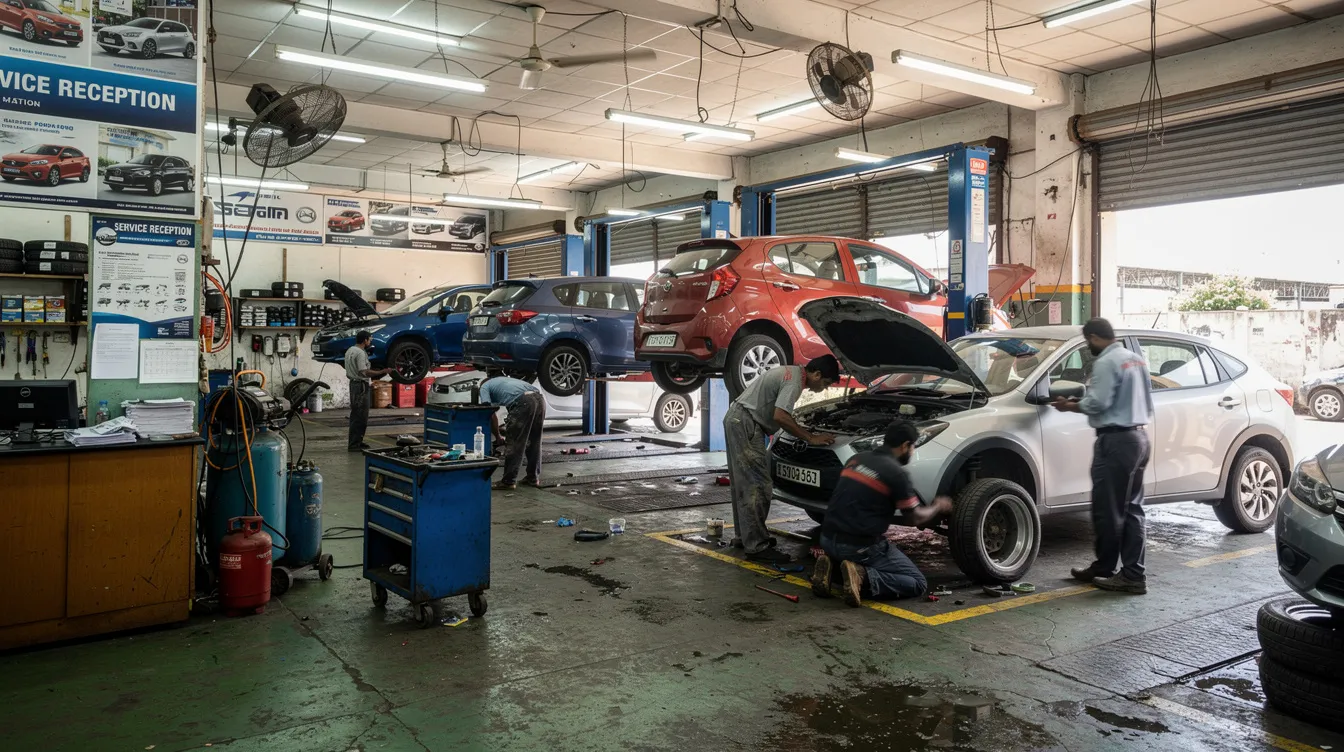
Table of Contents
How We Selected the Best Car Business Ideas
Not every automotive business idea deserves your capital. Here is the framework used to evaluate and shortlist the ideas in this guide:
- Market demand and growth potential – Selected ideas where SIAM data, EV adoption trends, and consumer behaviour confirm rising demand. The automotive industry is expected to grow at 5.66% per year until 2032.
- Investment requirements – Included options ranging from under ₹2 lakh to above ₹1 crore, making the list accessible to first-time entrepreneurs and seasoned investors alike.
- Profit margins and ROI – Prioritized businesses with demonstrated margins of 25-70% depending on service type and operational efficiency.
- Ease of starting – Factored in operational complexity, technical skill requirements, and time-to-revenue.
- Government support and MSME eligibility – Every idea was checked against eligibility for Udyam registration, Mudra loans, PMEGP, CGTMSE, and state-level subsidies.
- Scalability – Favoured businesses that can grow from a single unit to multi-location operations or franchise models.
- Competition level – Balanced between established categories (workshops, accessories) and emerging niches (EV conversion, fleet management) where early movers have an advantage.
- Bank loan availability – Each idea was assessed for bankability, including whether a standard project report and CMA data can support financing applications.
35+ Best Car Business Ideas for Entrepreneurs
1. Car Wash Business
A car wash business offers exterior and interior cleaning services to vehicle owners who regularly seek car wash services for cleanliness. Car wash services can be manual, automatic, or mobile, and starting a car wash requires low initial investment and offers high repeat customers.
Why demand is increasing: Rising car ownership means more car owners need regular washing services. Urban pollution and dust accelerate the cleaning cycle. An automatic car wash setup in a high-traffic location can serve 40+ vehicles daily.
Investment range: ₹2-15 lakh depending on format. A manual setup needs ₹1-3 lakh; a semi-automatic system runs ₹5-15 lakh. Mobile car wash services can be offered at customers’ locations for under ₹2 lakh.
Equipment needed: Pressure washers, hydraulic lifts (₹1-1.3 lakh each), water tanks, plumbing, cleaning chemicals (~₹15,000), and adequate water supply. Space: 400-600 sq ft for manual, 800-1,200 sq ft for semi-automatic.
Target customers: Individual car owners, fleet operators, corporate offices, and residential societies.
Profit margin: 30-50% for standard washing services. With value-added services like detailing and polishing, margins can reach 50-70%.
Licensing: Trade license, GST registration, environmental compliance for wastewater disposal, and local municipal permissions.
Growth opportunities: Franchise expansion, subscription-based models, and corporate tie-ups. Break-even typically occurs within 6-10 months for well-located setups.
For a detailed financial model, explore our car wash project report with complete CMA data and break-even analysis.
Practical tip: Many entrepreneurs underestimate wastewater disposal costs. Factor in ₹20,000-50,000 annually for compliance, or it can become a legal headache later.
2. Used Car Dealership
The business model revolves around buying, refurbishing, and selling cars at a markup. India’s used car dealership market is massive-projected to reach USD 50 billion by 2026-and the segment continues to outpace new car sales in volume.
Investment: Starting a used car dealership requires a minimum investment of Rs 10 lakhs, covering initial inventory (3-5 vehicles), showroom/yard lease, refurbishment costs, and documentation.
Skills needed: Vehicle evaluation, pricing negotiation, basic mechanical knowledge, and increasingly, digital marketing skills. Selling cars profitably requires understanding depreciation curves across brands and segments.
Legal requirements: Dealer license, GST registration, trade license, and compliance with Motor Vehicles Act provisions. Digital platforms like CarDekho, Spinny, and OLX have made customer acquisition easier but also increased price transparency.
Risks: Price fluctuation on inventory, hidden vehicle defects, financing defaults by buyers, and slow-moving stock tying up working capital.
Profit margin: 8-15% per vehicle on average, but can be higher on well-refurbished popular models. The key is buying right-not selling high.
Practical tip: Always get a comprehensive inspection done before purchasing inventory. A ₹2,000 inspection can save you ₹2 lakh in hidden repairs.
3. EV Charging Station
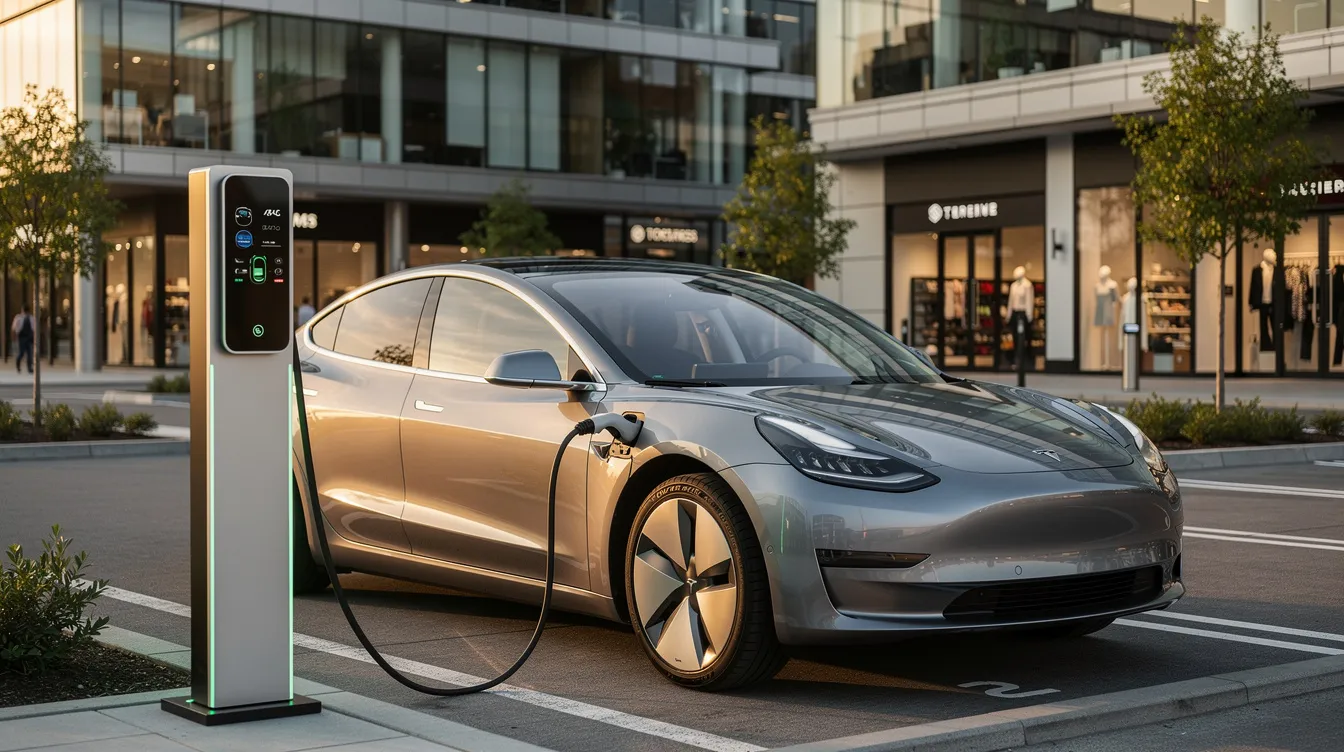
EV charging station operation is essential as electric vehicle adoption grows across India. The demand for EV charging stations is skyrocketing, driven by government push and falling battery costs. Electric vehicle charging stations are a growing business opportunity in both urban and highway locations.
Government incentives: Under FAME-II and PM E-DRIVE, significant capex subsidies are available. The PM E-DRIVE scheme allocates ₹2,000 crore specifically for EV public charging stations. State EV policies in Karnataka, Maharashtra, Delhi, and others offer additional capital subsidies and SGST exemptions.
Investment range: ₹10-50 lakh for a basic setup with 2-4 charging points. Fast-charging stations with DC chargers can cost ₹1-2 crore.
Location selection: Highway corridors, shopping malls, office complexes, residential societies, and fuel station premises. Grid connectivity and electricity tariff structure are critical factors.
Revenue models: Per-kWh charging fees (₹12-18/kWh), monthly memberships, parking charges, and ancillary retail services (café, convenience store).
Future potential: With EV sales accelerating and charging infrastructure still underpenetrated, early movers will build location advantages that are difficult to replicate. The demand for EV charging stations is expected to grow significantly over the next decade.
Practical tip: Don’t set up a charging station based on current EV traffic alone. Map the 3-year EV adoption trajectory for your area. Revenue ramps slowly but compounds once the local EV population crosses a tipping point.
4. Auto Workshop & Service Center
An automobile workshop providing comprehensive vehicle repair and maintenance services is one of the most enduring car business ideas. The automotive sector generates recurring revenue because every vehicle needs periodic servicing.
Investment: ₹5-25 lakh depending on scale. Basic tools and diagnostic equipment, hydraulic lifts, air compressors, and an initial spare parts inventory. A multi-brand auto repair shop needs broader diagnostic capabilities than a brand-specific one.
Specialization options: Multi-brand general service, brand-specific premium service, EV-specific repair shop (emerging niche), or specialization in body shop and painting services.
Space requirements: Minimum 800-1,500 sq ft. Locations near residential areas, commercial hubs, or arterial roads work best. The number of vehicles serviced daily determines profitability-target 8-15 vehicles per day minimum.
Certification needs: Mechanics with ITI or brand-certified training, trade license, pollution control board compliance, and waste oil disposal arrangements.
Profit margin: 25-40% on labour charges, 10-20% on parts. Combined margins improve with added services like wheel alignment, AC servicing, and denting-painting.
Get a bank-ready financial plan with our automobile workshop project report.
5. Car Detailing Studio
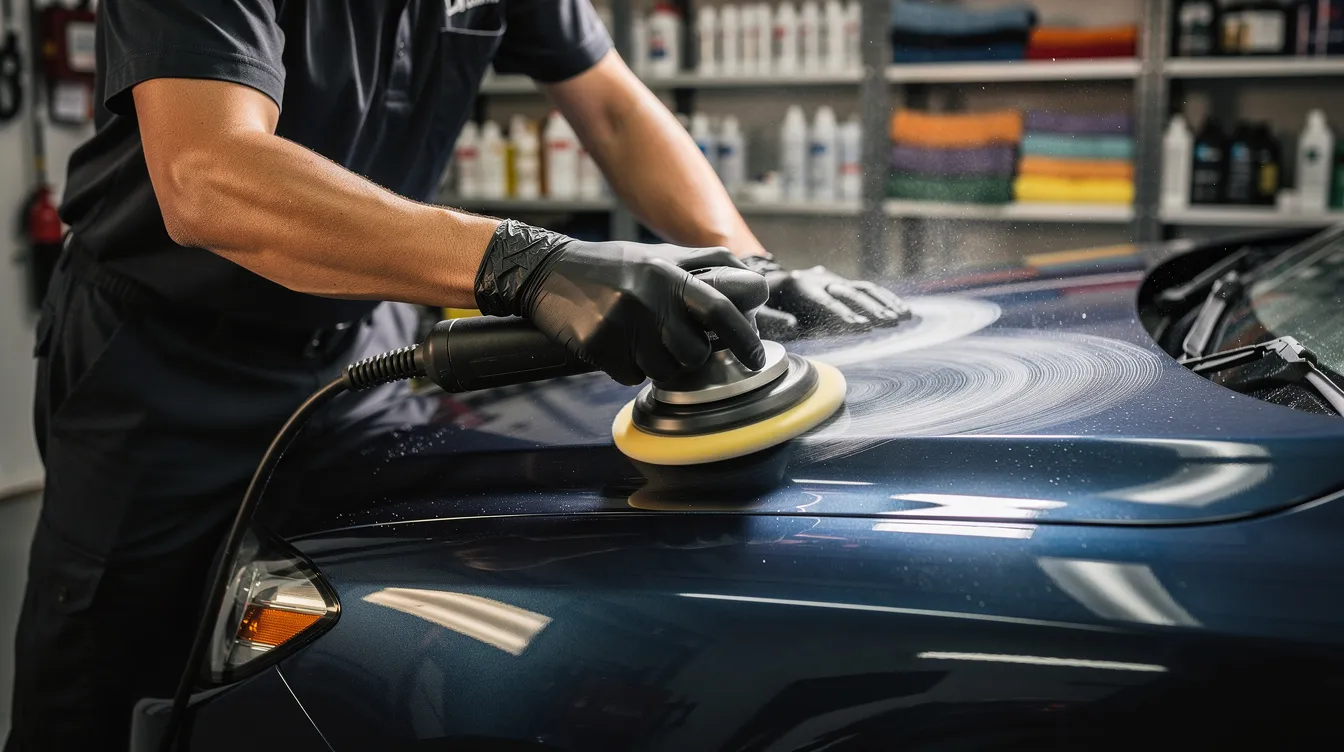
Car detailing services go far beyond a basic wash-they include ceramic coating, PPF (paint protection film) installation, paint correction, and interior deep cleaning. This is a high-margin car business targeting car enthusiasts and premium vehicle owners.
Mobile car detailing services can operate with low overhead costs and high profit margins, making this a flexible entry point.
Investment: ₹3-15 lakh for a studio setup. Premium detailing products, polishing machines, infrared curing lamps, PPF cutting plotters, and a dust-controlled workspace.
Profit margin: 40-70% depending on service mix. A single ceramic coating job can yield ₹8,000-25,000 in revenue with 50-60% margins.
Target customers: Luxury car owners, auto enthusiasts, corporate fleet managers, and new car buyers seeking long-term paint protection.
Growth path: Start with a studio, add mobile services, then franchise. Training is crucial-poorly applied ceramic coating or PPF damages your reputation fast.
Practical tip: Document every job with before-and-after photos. This becomes your most powerful marketing asset on Instagram and Google Business Profile.
6. Car Accessories Business
A car accessories shop or auto accessories store deals in aftermarket products-from seat covers, floor mats, and car perfumes to dash cameras, GPS units, and audio systems. This business caters to both practical needs and customization desires.
Investment: ₹3-10 lakh for a retail store. Online-only models can start at ₹1-2 lakh with dropshipping or warehouse-based fulfillment.
Product categories: Safety accessories, comfort upgrades, styling products, electronic add-ons, and cleaning supplies.
Profit margin: 30-60% on most accessories. Higher margins on installation-based products (audio systems, tracking devices, dash cameras).
Key success factor: Supplier relationships and inventory management. Stocking trending products while avoiding obsolete inventory is the biggest operational challenge.
The auto spare parts market was valued at US$ 45.90 billion in 2021 and the auto spare parts sector is projected to reach US$ 200 billion by FY26. Selling automotive parts can yield good profit margins for retailers who maintain quality standards. The automotive parts business is projected to grow at 5.66% annually until 2032.
7. Driving School
Driving schools teach people how to drive safely, and there is a constant stream of new drivers needing lessons. Starting a driving school can be a profitable business idea with relatively moderate investment.
Investment: ₹5-20 lakh covering fleet purchase (2-5 small cars), insurance, qualified instructors, and RTO licensing. You can start your own driving school with dual-control modified vehicles.
Revenue streams: Basic driving courses, defensive driving courses and license test preparation, corporate fleet driver training, and refresher courses. An experienced driver with a clean driving record and good communication skills makes the best instructor.
Licensing: RTO approval, driving school license, instructor certifications, and vehicle fitness certificates.
Profit margin: 25-40%. Higher margins on premium courses (highway driving, advanced parking).
Growth: Scale through multiple branches, digital scheduling, and online booking systems. Corporate training contracts provide bulk, predictable revenue.
8. Mobile Car Repair Service
A mobile mechanic service brings the repair shop to the customer’s doorstep. Mobile automotive services save customers time and hassle-and this convenience commands a premium.
Investment: ₹2-8 lakh for a service van, mobile tool kit, diagnostic scanner, and initial spare parts.
Revenue model: Mobile car repair services save customers time and hassle, enabling higher per-job billing. Mobile mechanics can charge higher rates for emergency callouts. Mobile oil changes encourage timely maintenance for car owners who would otherwise skip service appointments.
Overhead advantage: Mobile automotive services have low overhead costs compared to traditional shops-no rent, no showroom, no large staff.
Scaling: Add multiple service units, define territory zones, build a digital booking platform for customer communication, and offer emergency roadside assistance services as a premium tier.
Practical tip: Start with a defined service radius of 10-15 km. Expanding too quickly dilutes response time and increases fuel costs.
9. Car Rental Business
A car rental service-both self-drive and chauffeur-driven-requires substantial capital investment but offers strong recurring revenue. This transport business caters to tourists, corporate clients, and occasional users.
Investment: ₹15 lakh to ₹2 crore depending on fleet size. Luxury car rentals and specialty vehicle segments (SUVs, classic cars, vintage) command significantly higher daily rates.
Key requirements: Commercial vehicle permits, comprehensive insurance, fleet tracking technology, and robust maintenance schedules.
Revenue drivers: Daily/weekly rentals, long-term corporate leases, wedding and event bookings, and airport transfers.
Risk management: Insurance is your biggest operational cost and your biggest shield. Ensure comprehensive coverage including third party claims and own-damage policies.
Profit margin: 20-35% after depreciation, insurance, and maintenance. Utilization rate is the single most important metric-aim for 70%+ fleet utilization.
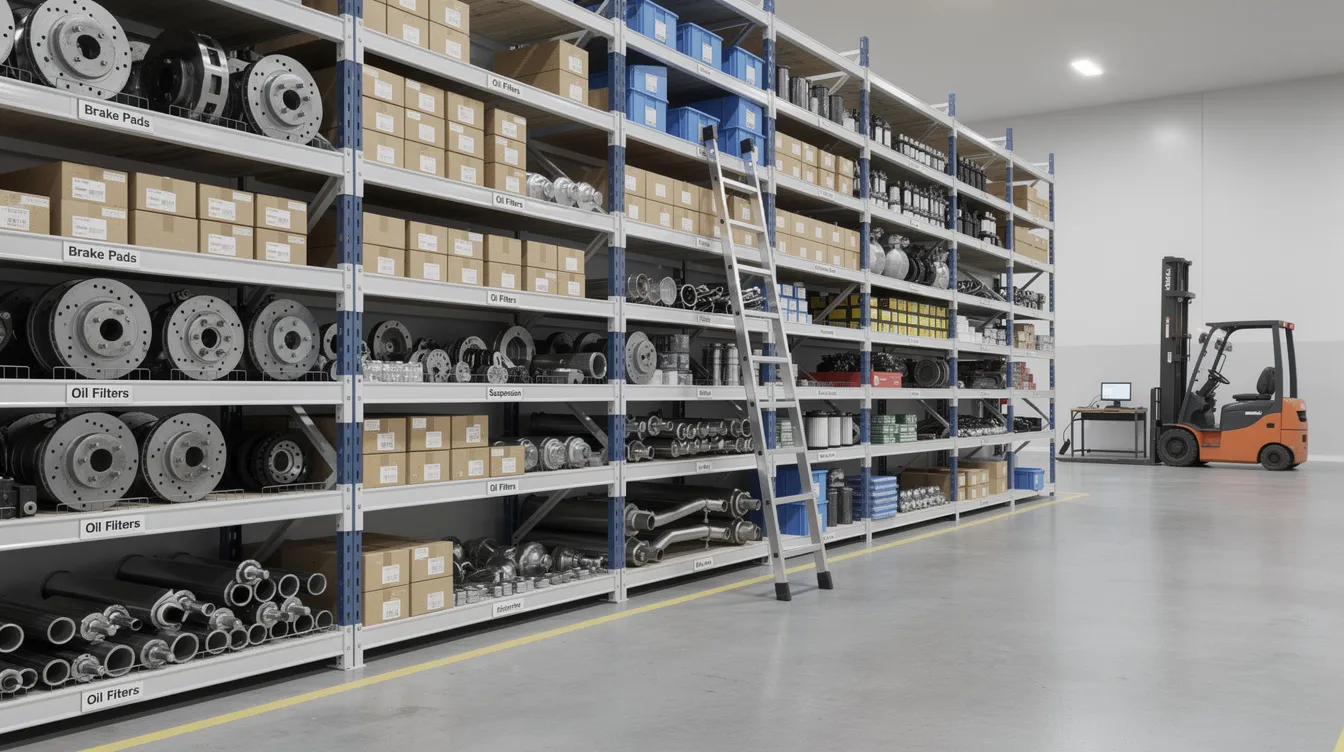
10. Automobile Spare Parts Trading
Distribution and retail of genuine and aftermarket automotive parts is an essential service in the automobile industry. Every auto repair shop, workshop, and individual vehicle owner needs a reliable parts supplier.
Investment: ₹5-25 lakh depending on warehouse size and initial inventory.
Business model: B2B sales to workshops and service centres, B2C retail through physical store or online platform, and regional distribution agreements with manufacturers.
Key considerations: The auto spare parts market was valued at US$ 45.90 billion in 2021 and is projected to reach US$ 200 billion by FY26. Quality assurance and warranty management are critical-genuine vs aftermarket parts require different sourcing strategies.
For EV-specific parts opportunities, review the electric vehicle spare parts project report.
Additional Business Ideas (11-35+)
Here are 25+ more profitable automobile business ideas, each with investment range, target market, and key considerations:
11. Tyre Retail & Services – ₹5-15 lakh. Tyre sales, puncture repair, alignment. High repeat business from commercial vehicles.
12. Battery Business & Battery Repair – ₹3-10 lakh. Battery diagnostics and recycling opportunities are increasing as EV adoption grows. Traditional lead-acid plus emerging lithium-ion segment.
13. Vehicle Wrapping & Customization – ₹5-12 lakh. Vinyl wraps, colour changes, branding for commercial fleets. High demand among auto enthusiasts.
14. Roadside Assistance Service – ₹3-10 lakh. Towing, flat tyre, fuel delivery, lockout help. Subscription-based revenue from individual car owners and fleet operators.
15. Auto Finance Consultancy – ₹1-3 lakh. Help buyers secure vehicle loans, insurance. Low startup costs, commission-based income. A valuable service for both dealers and buyers.
16. Fleet Management Solutions – ₹10-30 lakh. Software, GPS hardware, maintenance coordination. Strong growth from e-commerce and delivery sectors.
17. Vehicle Inspection Services – ₹5-15 lakh. Pre-purchase inspection, fitness certification, pollution testing. The market for used electric vehicles is expanding, requiring certification and inspection services.
18. Scrap Vehicle Recycling – ₹10-50 lakh. Metal, rubber, and parts recovery as scrappage policies get enforced. Sustainability is increasingly important in automotive purchasing decisions.
19. GPS Tracking Installation – ₹2-5 lakh. Installation for personal vehicles, commercial fleets, school buses. Recurring revenue from monitoring subscriptions.
20. Car Audio System Business – ₹3-8 lakh. Custom audio installation for car enthusiasts. Higher margins on premium brands and custom setups.
21. Auto Electric Repair – ₹3-10 lakh. Wiring, alternators, starters, and increasingly, EV electrical systems. Specialized skill commands premium pricing.
22. Wheel Alignment & Balancing – ₹5-12 lakh. Computerized alignment machines, steady demand from all vehicle types.
23. Lubricant Distribution – ₹5-20 lakh. Agency-based distribution for established oil brands. Margins are thin but volumes are high.
24. Automobile Consultancy – ₹1-3 lakh. Advising on dealership setup, compliance, business plan preparation. Ideal for people with industry experience.
25. Vehicle Tracking Systems – ₹5-15 lakh. Hardware + software solutions for logistics companies and personal security.
26. Dash Camera Business – ₹2-5 lakh. Retail and installation of dashboard cameras. Growing awareness of road safety and insurance evidence.
27. Towing Services – ₹5-15 lakh. Tow trucks, partnerships with insurance companies and highway authorities. The car shop model applies-location near highways boosts calls.
28. Auto Insurance Agency – ₹1-3 lakh. Selling motor insurance policies on commission. Pairs well with other local businesses like workshops and dealerships.
29. Car Seat Cover Manufacturing – ₹5-15 lakh. Custom and ready-made seat covers for various car models. Manufacturing can be paired with retail.
30. Automobile Rubber Components Production – ₹10-30 lakh. Rubber beadings, bushings, gaskets for car manufacturers and aftermarket. MSME-eligible with PLI scheme benefits.
31. EV Conversion Services – ₹15-50 lakh. Converting ICE vehicles to electric. Emerging but faces regulatory and safety certification hurdles. Niche but growing.
32. Automobile Manufacturing Opportunities – ₹50 lakh to crores. Component manufacturing under PLI scheme. Requires significant capital, technical expertise, and compliance infrastructure.
33. Car Perfumes & Air Freshener Business – ₹1-3 lakh. Low-cost, high-margin products. Perfect as an add-on to an accessories shop.
34. Online Car Marketplace Platform – ₹5-20 lakh. Aggregating vehicle reviews, listings, and connecting buyers with sellers. Technology-driven automotive startup.
35. Franchise Opportunities – Variable investment. Car wash chains, quick-service centres, and branded detailing studios offer franchise models with built-in brand recognition and operational systems.
Quick Comparison of Best Car Business Ideas
Low Investment (Under ₹5 lakh):
- Mobile car wash, car perfumes business, auto insurance agency, GPS installation, automobile consultancy, auto finance consultancy
Medium Investment (₹5-25 lakh):
- Semi-automatic car wash, auto workshop, driving school, spare parts trading, tyre shop, car audio business, accessories shop
High Investment (₹25 lakh+):
- Used car dealership, EV charging station network, car rental fleet, automobile manufacturing, scrap vehicle recycling
Highest Profit Margins:
- Car detailing (40-70%), mobile services (35-55%), accessories retail (30-60%), automobile consultancy (50-70%)
Most Scalable:
- Car wash franchise chains, EV charging networks, fleet management solutions, online platforms
Best for Recurring Revenue:
- Auto workshop, fleet management, washing services, roadside assistance subscriptions
How to Choose the Right Car Business for You
Choose Based on Investment Capacity
Assess your available capital honestly. If you have ₹3 lakh, don’t plan a used car dealership-start with a mobile service or an accessories shop and reinvest profits. Working capital requirements vary significantly: a spare parts business may need 60% of total investment in inventory alone, while a consultancy needs almost none.
Financing options include Mudra loans (up to ₹10 lakh), CGTMSE-backed term loans, and MSME schemes. A comprehensive business plan with realistic financial projections is non-negotiable for bank financing.
Choose Based on Skills and Experience
If you have mechanical skills, an auto workshop or a mobile mechanic service is a natural fit. If you have sales and negotiation skills, a used car dealership or spare parts trading aligns better. For those with digital and management skills, fleet management, online platforms, or an automobile consultancy work well.
Every new automotive business has a learning curve. Budget 3-6 months of lower revenue while you build competence and customer trust.
Choose Based on Location and Market
Urban locations suit detailing studios, accessories shops, and EV charging stations. Rural and semi-urban areas present opportunities in workshops, tyre services, driving schools, and battery businesses. Conduct thorough market research-visit other local businesses in your target area, count vehicle traffic, and talk to local vehicle owners about unmet needs.
Which Car Business Is Best for You?
- Choose a car wash business if you want low investment and steady cash flow with high repeat customers
- Choose a used car dealership if you have capital, negotiation skills, and patience for inventory management
- Choose an EV charging station if you want a future-focused technology business with government support
- Choose an auto workshop if you have technical skills and want a repair shop with recurring customers
- Choose car detailing if you want high margins and premium positioning among affluent car owners
- Choose mobile services if you prefer flexibility, low overhead costs, and direct customer relationships
- Choose a driving school if you want steady demand from new drivers with predictable revenue
- Choose spare parts trading if you want to serve the massive aftermarket with B2B and B2C channels
- Choose an accessories shop if you want a car related business idea with moderate investment and diverse products
A winning business in the automotive sector aligns your personal strengths with genuine market gaps. Don’t chase trends-chase fit.
Government Schemes and Financial Support
India offers robust support for automobile business startups:
- MSME Registration (Udyam) – Free online registration unlocks access to subsidies, lower interest rates, and priority lending. Most car business ideas qualify.
- Mudra Loan – Up to ₹10 lakh under Shishu, Kishore, and Tarun categories. Suitable for mobile services, small workshops, and accessories shops.
- PMEGP – Subsidy up to 25-35% on project cost for manufacturing micro-enterprises, including automobile component units.
- CGTMSE – Collateral-free loans up to ₹5 crore for MSMEs. Particularly useful for workshops, service centres, and spare parts businesses.
- MSME GIFT Scheme – Interest subvention up to ₹2 crore for green technology adoption, including EV charging infrastructure.
- PLI Scheme – ₹25,938 crore outlay for advanced automotive technology manufacturing. Relevant for component manufacturers entering the supply chain.
- State Subsidies – States like Karnataka, Maharashtra, Gujarat, and Chhattisgarh offer capital subsidies, stamp duty exemptions, and SGST reimbursements for automobile-related manufacturing units.
Bank Loan Documentation: Banks require a detailed project report (DPR), CMA report with projected financials, DSCR calculation (minimum 1.5x preferred), break-even analysis, working capital assessment, and KYC documentation. The quality of your project report directly impacts approval probability and sanctioned amount. Getting this right is not optional-it’s the foundation of your financing strategy.
Common Mistakes to Avoid in Car Business
- Inadequate market research – Opening a premium detailing studio in a price-sensitive locality
- Poor location selection – Low visibility, low traffic areas kill even great businesses
- Underestimating working capital – Especially in spare parts trading and used car dealership where inventory ties up cash
- Ignoring wastewater and environmental compliance – Car wash and workshop businesses face penalties
- Skipping proper licensing – Cannot access government incentives or bank loans without it
- No digital presence – Today’s customers search online before visiting. No Google Business Profile means invisible
- Overcapacity at launch – Buying expensive equipment before validating demand
- Under-pricing to attract customers – Margins collapse; reputation as a “cheap” service sticks
- Poor supplier management – Unreliable parts suppliers damage workshop credibility
- Insufficient insurance coverage – One accident in a rental business without proper insurance can be devastating
- Neglecting staff training – Untrained mechanics or detailers cause more damage than they fix
- No financial tracking – Running a business without GST-compliant accounting and cash flow monitoring
- Copying competitors blindly – What works in Mumbai may not work in Indore
- Expanding before stabilizing – Open one location profitably before opening a second
- Ignoring customer feedback – In a competitive market, reputation is everything
Future Trends in Car Business (2026-2035)
The automotive industry is undergoing significant transformation driven by electrification and AI. Here’s what shapes the next decade:
- EV ecosystem expansion – Battery costs falling, charging infrastructure scaling, electric vehicle ev charging station density increasing. Every related business-from spare parts to charging-grows with it.
- Connected cars and IoT – Vehicles will transmit diagnostic data in real-time. Workshops need to invest in OBD-II scanners, cloud-based diagnostic tools, and software skills.
- AI-based predictive vehicle maintenance – AI-based predictive vehicle maintenance can help reduce repair costs and downtime for fleets, creating new service models for proactive workshops.
- Subscription mobility – Ownership giving way to access-based models. Car rental, self-drive, and shared mobility platforms will expand.
- Green automotive solutions – Scrappage policy enforcement, battery recycling, and circular economy practices become mainstream. Sustainability is increasingly important in automotive purchasing decisions.
- Digital retail – Online vehicle sales, virtual vehicle reviews, and digital-first customer experiences become standard.
Businesses that embrace technology and sustainability early will build moats that late entrants cannot easily cross.
Frequently Asked Questions
Which car business has the lowest investment requirement?
Mobile car wash and auto insurance agency can start under ₹2 lakh, making them ideal low startup costs options.
What are the most profitable automobile business ideas in India?
Car detailing, mobile services, and automobile consultancy offer the highest margins (40-70%). Profitability depends on location, pricing, and volume.
How much investment is needed to start a car wash business?
₹1-3 lakh for manual, ₹5-15 lakh for semi-automatic, and ₹40 lakh+ for fully automatic setups.
Which documents are required to start an automobile business?
Trade license, GST registration, Udyam MSME registration, PAN, Aadhaar, shop and establishment license, and sector-specific permits.
Can I get a bank loan for starting a car business?
Yes. Banks finance most automobile businesses with a proper DPR, CMA report, and DSCR above 1.5x. Mudra and CGTMSE schemes support smaller ventures.
What is the profit margin in used car dealership business?
Typically 8-15% per vehicle. Volume and buying discipline matter more than individual margins.
How to get MSME registration for automobile business?
Register free on the Udyam portal (udyamregistration.gov.in) with Aadhaar, PAN, and business details.
Which car business is suitable for rural areas?
Automobile workshops, tyre shops, battery services, driving schools, and mobile repair services have strong rural demand.
What are the licensing requirements for auto workshop?
Trade license, pollution control board NOC, fire safety certificate, GST registration, and waste oil disposal compliance.
How to choose the right location for car business?
Prioritize visibility, vehicle traffic density, parking availability, proximity to residential areas, and affordable price for rent. Count vehicles passing the location during peak hours before signing a lease.
What skills are needed to start an automobile business?
Varies by type-technical skills for workshops, sales skills for dealerships, management skills for fleet operations. All need basic financial literacy.
Which car business ideas are suitable for women entrepreneurs?
Car accessories online store, auto insurance agency, automobile consultancy, driving school management, and car detailing studio are all accessible regardless of gender.
How long does it take to break even in car business?
6-10 months for car wash, 12-18 months for workshops, 18-24 months for used car dealerships, and 24-36 months for EV charging stations.
What are the major challenges in automobile business?
High competition, working capital pressure, regulatory compliance, staff retention, and technology upgrades.
How to scale up a small car business?
Stabilize operations, build SOPs, train staff, then replicate through additional locations or franchise models.
Which car business has the highest growth potential?
EV charging stations, fleet management, and EV spare parts businesses align with the strongest macro trends.
What insurance is required for automobile business?
Commercial general liability, property insurance, vehicle insurance (for rental/fleet), worker’s compensation, and professional indemnity for consultancy.
How to handle competition in a competitive market?
Differentiate through specialization, superior service quality, digital booking convenience, and loyalty programs rather than price wars.
What are the tax implications of automobile business?
GST rates vary: 18% on most services, 28% on vehicles, 5-18% on parts. Input tax credit management is crucial. Depreciation benefits apply on equipment and vehicles.
How to get customers for a new business?
Google Business Profile, local SEO, social media marketing, partnerships with other local businesses, referral programs, and initial promotional pricing.
Which car business can be started from home?
Online businesses like auto insurance agency, automobile consultancy, mobile oil change service, and online auto accessories retail.
What are the seasonal trends in automobile business?
Festival seasons (Navratri, Diwali) boost car sales, detailing, and accessories. Monsoon increases workshop demand. Summer spikes AC servicing.
How to manage inventory in spare parts business?
Use inventory management software, ABC analysis for stock prioritization, just-in-time ordering for slow-moving parts, and strong supplier credit terms.
What technology is needed for modern car business?
POS billing software, CRM for customer management, digital booking platforms, diagnostic scanners, and social media marketing tools.
How to ensure quality in automotive services?
Standard operating procedures, regular staff training, quality checklists, customer feedback loops, and transparent pricing build trust and consistency.
Final Thoughts
India’s automotive sector offers a profitable business opportunity at virtually every investment level. From a ₹1.5 lakh mobile car wash to a multi-crore EV charging network, the range of auto business ideas is broader than most entrepreneurs realize.
The key to building a successful automotive business in 2026 isn’t just picking the right idea-it’s executing with discipline. That means conducting honest market research, choosing a location based on data rather than assumption, registering under MSME for scheme benefits, and managing cash flows with precision.
Government support through FAME-II, PM E-DRIVE, PLI, Mudra, and CGTMSE has made financing more accessible than ever before. But every bank and investor expects a credible business plan with realistic projections. A professionally prepared project report isn’t just paperwork-it’s the document that separates funded ventures from rejected applications.
Whether you’re an aspiring entrepreneur exploring your first car related business idea or an existing business owner diversifying into the automotive industry, the opportunities in 2026 are real, growing, and waiting for those prepared to capture them.
Take the first step: Get a professionally prepared project report and CMA data before approaching any bank or investor. The quality of your preparation determines the quality of your outcome.
- Besan Plant Land Requirement, Building & Factory Layout – Practical Planning Guide


- Besan Plant Capacity Planning: Selecting the Right Production Scale

- Besan Manufacturing Process: Cleaning, Grinding, Sieving & Packing

- Besan Manufacturing Machinery: Equipment Selection & Automation Guide

- Besan Manufacturing Plant Setup Cost in India

- Bulk Supply vs Branded Retail Besan: Business Model & Profitability Comparison

- Purchased Chana Dal vs Whole Gram Processing for Besan: Cost & Viability Comparison

- Multiproduct Pulse Flour Manufacturing Plant Project Report: Setup Cost, Machinery, Process and Profitability

- Integrated Gram Processing & Besan Manufacturing Plant Project Report

- Besan Manufacturing from Chana Dal: Plant Setup, Investment & Business Plan

- Dal Mill & Integrated Pulse Processing Plant Project Report & DPR in India

- Dal Mill Modernisation, Capacity Expansion & Automation Project Report

- Own-Stock vs Job-Work Dal Milling – Business Model, Working Capital & Profitability

- Dal Mill Licence Requirements: Approvals, FSSAI Registration & Pollution Control in India

- Dal Mill Subsidy, Bank Loan & Government Schemes in India