Introduction
India’s scrap industry is worth nearly ₹18,000 crore monthly, and that number keeps climbing. With urbanisation accelerating, infrastructure booming, and government policies pushing for a circular economy, scrap business ideas have moved from the margins to the mainstream of Indian entrepreneurship.
A scrap business works as a bridge between waste generators – households, factories, construction sites, repair shops – and recyclers or manufacturers who convert scrap materials into raw materials for new products. Whether you collect, sort, process, or trade scrap, every link in this recycling ecosystem creates value. India will consume 60 million tons of metal scrap by 2030, and this demand creates serious opportunity for anyone willing to enter the space.
This step by step guide covers the best scrap business ideas based on profitability, market demand, investment feasibility, and practical experience from advising entrepreneurs and preparing project reports for bank loans over two decades.
How We Chose the Best Scrap Business Ideas
Every scrap business depends on a handful of practical factors. Here is what we evaluated:
- Investment requirement: Capital requirements range from ₹50,000 for paper scrap to ₹25 lakh+ for construction waste recycling.
- Profit margin: Scrap business profit margins range from 10% to 30%, with specialised streams like e waste and copper pushing higher.
- Market demand: The scrap industry relies on sourcing high-demand materials for profitability – we prioritised businesses with proven, growing buyers.
- Buyer accessibility: How easily can you find buyers? Local scrap yards, paper mills, smelters, recycling plants – the shorter the chain, the better.
- Licensing complexity: Some scrap types need only basic registrations; others require CPCB/SPCB authorisations.
- Scalability: Can you scale operations from a small setup to a larger processing unit?
- Risk and sustainability: Price volatility, regulatory exposure, and supply chain fragmentation all factor in.
You should also conduct market research to identify local scrap demand and pricing before committing capital.
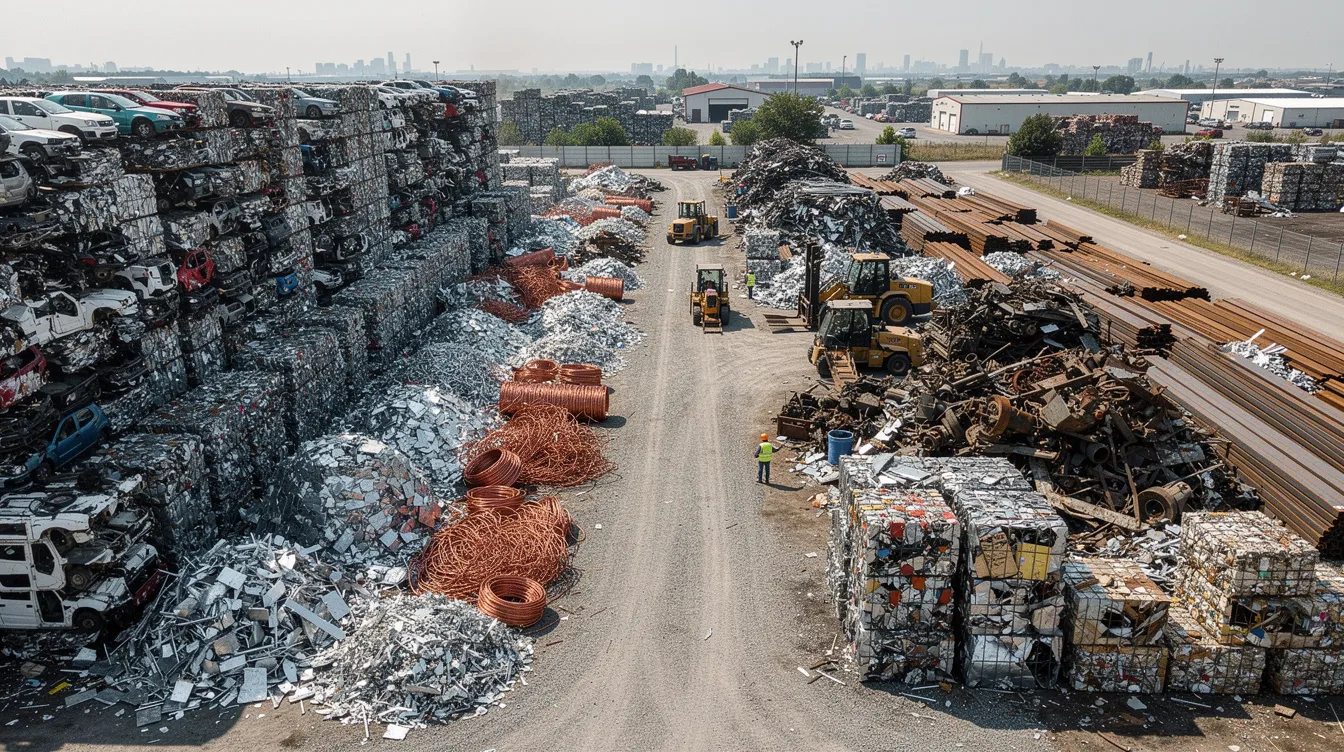
Table of Contents
Top 8 Scrap Business Ideas for India
1. Iron and Steel Scrap Business
Iron and steel scrap collection and scrap trading is India’s highest-volume recycling business. In FY 2024-25, India consumed approximately 42 million tonnes of scrap metal – about 33 MT domestically generated and 9 MT imported.
Why it stands out: Highest volume, consistent demand from steel plants, EAF-based steelmakers, and foundries. Metal scrap processing can command higher prices than buying and selling mixed scrap.
Best for: Entrepreneurs with ₹2–5 lakh investment and access to construction sites or industrial areas.
| Strengths | Limitations |
|---|---|
| High volume, steady buyers | Heavy machinery, large storage space needed |
| Good profit margins (10–25%) | Scrap prices volatile with global commodity markets |
| Growing demand from green steel initiatives | Transportation costs for heavy material |
Companies like AM/NS India are commissioning dedicated scrap processing yards (120 ktpa at Khopoli), signalling that the metal scrap business will only grow. If you are considering this stream, a detailed steel ingot from scrap project report can help structure your business plan.
2. Copper Scrap Recycling
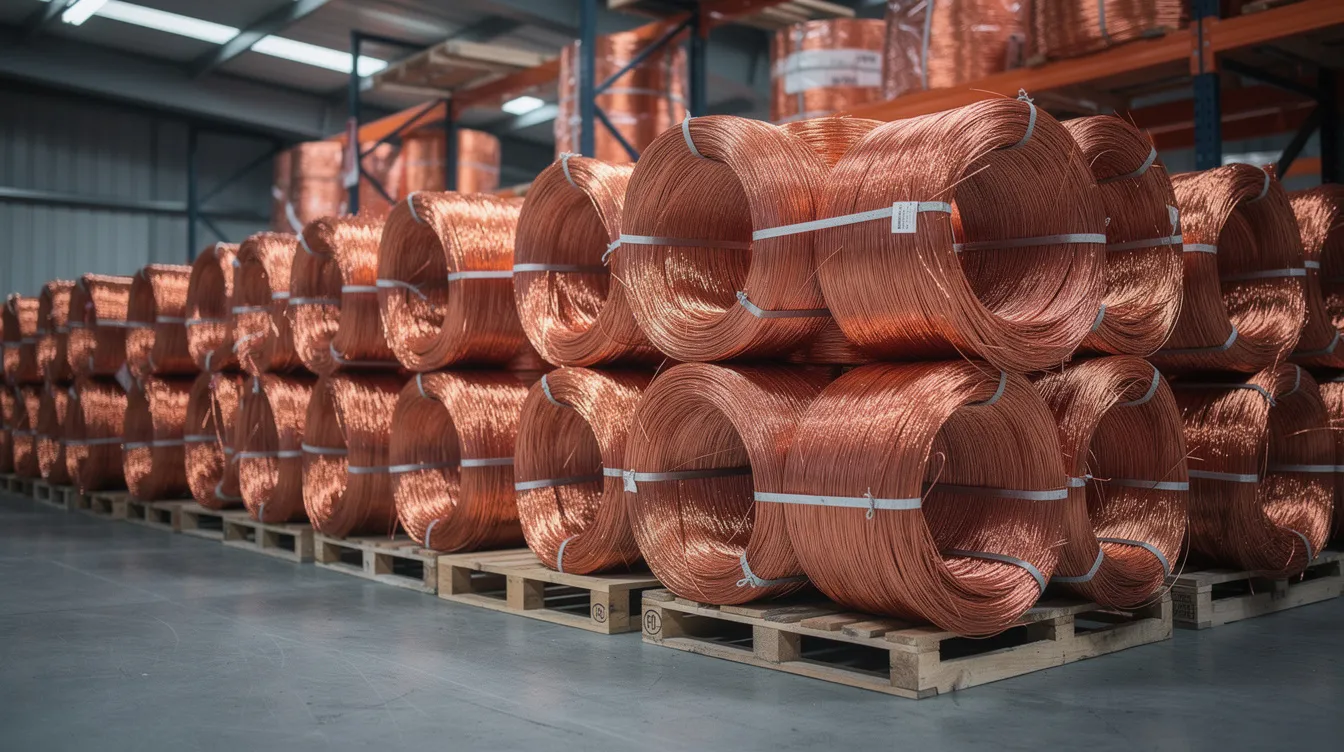
Copper wire recycling involves collecting and processing old copper from electrical wiring, motors, transformers, and plumbing fixtures. Clean copper trades at ₹550–750 per kg depending on grade.
Why it stands out: Highest value per kg among common metals. Metals like copper and aluminum offer higher returns than paper or plastic scrap.
Best for: Small scale operators with ₹1–3 lakh capital and good sorting skills.
| Strengths | Limitations |
|---|---|
| High profit margins (₹40–50/kg net after processing) | Requires expertise in grading |
| Compact storage, premium buyers (smelters, wire rod mills) | Theft concerns with high-value material |
| Low cost entry for wire stripping operations | Limited and fragmented sources |
3. Aluminum Scrap Business
Aluminum is endlessly recyclable and has a strong market demand for collection. Sources include automobile parts, beverage cans, window frames, and industrial off-cuts.
Why it stands out: Lightweight, easy handling, growing automotive and packaging demand.
Best for: Entrepreneurs near industrial areas with ₹1.5–4 lakh investment.
| Strengths | Limitations |
|---|---|
| Easy handling, good margins | Quality segregation needed |
| Export potential | Seasonal fluctuations in supply |
| Multiple buyer categories | Contamination from mixed alloys |
A well-prepared aluminium recycling project report can be critical when approaching banks for financing.
4. Plastic Recycling Business
Plastic scrap recycling helps reduce environmental harm while creating a profitable business from PET bottles, HDPE drums, films, and packaging materials. Plastic waste management involves turning plastics into new products for sustainability – granules, pellets, or recycled sheets.
Why it stands out: Abundant raw material, strong government push through EPR rules, and growing environmental awareness.
Best for: Entrepreneurs with ₹3–8 lakh capital and a focus on sustainable practices.
| Strengths | Limitations |
|---|---|
| High availability of raw material | Processing equipment costs (shredders, granulators) |
| Government support via Plastic Waste Management Rules | Environmental compliance requirements |
| Multiple product options | Contamination and sorting challenges |
More recycling capacity is needed across India. Explore a plastic recycling project report or a PET bottle recycling project report for detailed insights on machinery and financials.
5. Paper Waste Recycling
Paper scrap is collected from offices and schools for recycling, making it one of the easiest scrap business ideas to start. The Indian market for recycled paper is expected to grow by 8–10% annually through 2030.
Why it stands out: Lowest barrier to entry, consistent supply from urban areas.
Best for: Beginners with ₹50,000–2 lakh budget and local connections.
| Strengths | Limitations |
|---|---|
| Low investment, simple operations | Low margins (8–15%) |
| Steady demand from paper mills | Storage space needed, weather sensitivity |
| A scrap collector can earn ₹36,000 to ₹45,000 monthly | Competition from informal sector |
The paper scrap business is ideal for anyone looking to start a scrap business with minimal risk.
6. Electronic Waste (E-Waste) Recycling
E-waste recycling focuses on recovering precious metals from discarded electronics – mobile phones, circuit boards, computers, and other electronic products. Recycling 1,000 kg of circuit boards can yield ₹8 lakh weekly, and e-waste recycling can yield up to ₹8 lakh per 1,000 kg depending on component value.
Why it stands out: High-value recovery (45–65% margins), rapidly growing waste stream.
Best for: Tech-savvy entrepreneurs with ₹5–15 lakh investment.
| Strengths | Limitations |
|---|---|
| Premium pricing, specialized scrap market | Strict regulations under E-Waste Rules 2022 |
| Future growth from increasing electronic waste | Technical expertise needed for safe processing |
| EPR targets create assured demand for authorised recyclers | E-waste collection requires environmental compliance and partnerships with recyclers |
This is a booming industry, but you must obtain proper CPCB registration. For financing, a e-waste recycling project report is essential.
7. Battery Recycling Business
Battery recycling is becoming increasingly important for material recovery and environmental sustainability. Sources include lead-acid batteries from vehicles and lithium-ion batteries from EVs, laptops, and mobile phones.
Why it stands out: High recovery value (35–55% margins), growing EV market.
Best for: Entrepreneurs with ₹8–20 lakh capital and focus on environmental compliance.
| Strengths | Limitations |
|---|---|
| Premium recovered materials (lead, lithium, cobalt) | Hazardous waste handling, special licenses |
| Strong B2B market | Safety equipment and pollution control costs |
| Technology trends driving demand | Battery Waste Management Rules 2022 compliance |
Explore a lithium-ion battery recycling project report for detailed financial projections.
8. Construction Waste Recycling
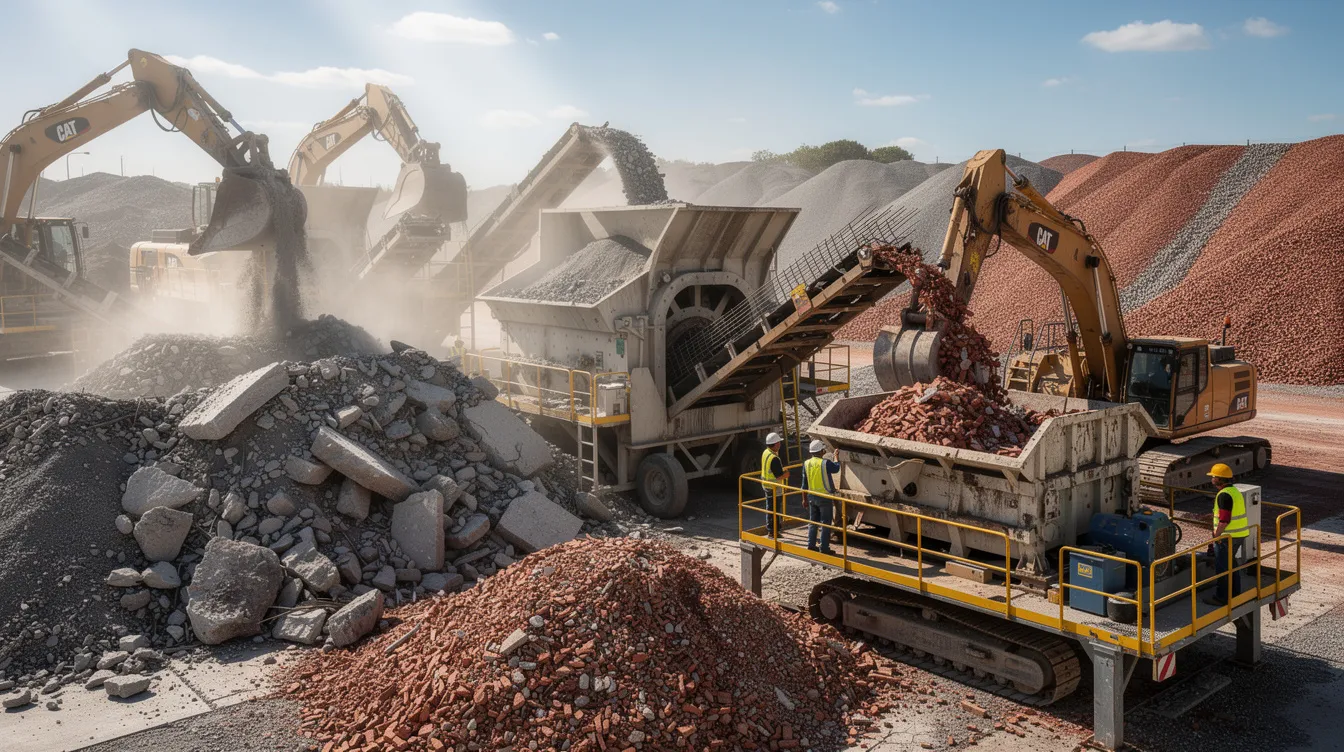
Construction sites across India generate massive volumes of concrete rubble, brick waste, wood, and metal. Recycled materials include aggregates, bricks, and reclaimed steel.
Why it stands out: Huge volume from India’s infrastructure development push.
Best for: Entrepreneurs with ₹10–25 lakh investment near construction hubs.
| Strengths | Limitations |
|---|---|
| Large, consistent volumes | Heavy machinery (crushers, screens) required |
| Government C&D Waste Management Rules | High transportation and operating costs |
| Growing urban development = growing supply | Quality control of recycled output |
Quick Comparison of Best Scrap Business Ideas
| Scrap Type | Best For | Investment | Profit Margin | Complexity |
|---|---|---|---|---|
| Iron/Steel | High-volume, steady cash flow | ₹2–5 lakh | 10–25% | Medium |
| Copper | Maximum profit per kg, small operations | ₹1–3 lakh | 20–30% | Medium |
| Aluminum | Lightweight handling, exports | ₹1.5–4 lakh | 15–25% | Medium |
| Plastic | Environmental impact, government support | ₹3–8 lakh | 10–20% | Medium-High |
| Paper | Beginners, low investment | ₹50K–2 lakh | 8–15% | Low |
| E-Waste | Tech entrepreneurs, premium pricing | ₹5–15 lakh | 45–65% | High |
| Battery | Future EV market, specialised | ₹8–20 lakh | 35–55% | High |
| Construction | Large-scale, urban development | ₹10–25 lakh | 12–20% | High |
How to Choose the Right Scrap Business for You
Choose Based on Investment Capacity
If you have ₹50,000–2 lakh, paper scrap business or small-scale scrap metal collection is practical. With ₹3–10 lakh, you can enter plastic recycling or copper scrap trading. Above ₹10 lakh, battery recycling, e waste, or construction waste becomes viable. Working capital for inventory is often 40–60% of your total startup requirement.
Choose Based on Local Market Conditions
Assess local demand – are there steel mills, paper mills, or smelters nearby? Urban locations favour paper, plastic, and e-waste. Proximity to industrial areas opens iron, aluminum, and copper opportunities. Building strong supplier relationships ensures a steady flow of scrap materials, which matters more than almost anything else.
Efficient sourcing and logistics are crucial for success in the scrap industry. Choose a workspace that complies with safety standards and is accessible for loading/unloading.
Choose Based on Regulatory Comfort
Paper and general metal scrap trading need basic trade licenses and GST. Plastic recycling requires SPCB consent. E-waste and battery recycling demand CPCB registration, HWM authorisations, and periodic renewals. If you are uncomfortable with complex legal requirements, start with simpler streams and graduate to regulated ones.
Which Scrap Business Is Best for You?
- Choose Paper Recycling if you are a beginner with limited capital and want to start a scrap business quickly.
- Choose Copper Scrap if you want maximum profit margins with smaller volumes and have fair pricing skills.
- Choose Iron/Steel Scrap if you have good capital and want steady, high-volume scrap trading business.
- Choose E-Waste if you have a technical background and want premium market focus.
- Choose Plastic Recycling if you want to combine making money with environmental impact.
Investment, Licenses, and Bank Loan Requirements
Every scrap business in India needs these basics:
- Udyam Registration (MSME registration – free, online)
- GST Registration – obtain a scrap dealer license and GST registration for compliance
- Trade License from local authority
- Pollution Control Consent (CTE/CTO from SPCB for processing operations)
- Waste-specific authorisation (E-Waste Rules, Battery Waste Rules, HWM Rules – depending on stream)
- Fire Safety and Factory License where applicable
A business loan can fund equipment and storage needs. You can apply for a Mudra loan (up to ₹10 lakh under Shishu/Kishore), MSME term loans, CGTMSE-backed loans, or a small business loan from banks and NBFCs. Government schemes offer financial assistance to MSMEs in India through subsidies and credit guarantees.
A business plan attracts lenders for your scrap business. Banks require a professional project report covering cost of project, means of finance, CMA data, profitability projections, DSCR, break-even analysis, and cash flow statements. ProjectReportBank.com provides bank-ready project reports prepared by CA Manish Gugliya, helping entrepreneurs secure financing from nationalised banks, cooperative banks, and NBFCs. Check the Mudra loan documents required for a complete checklist.
Investing in recycling equipment increases profitability – whether it is a wire stripping machine for copper, a shredder for plastic, or melting machines for aluminum. Always purchase equipment that matches your volume projections.
Profit Margins and Income Potential
Scrap metal prices can yield profit margins between 10% to 30% depending on material type, purity, and processing level. Metal scrap processing includes aluminium, iron, and copper – each with different margin profiles.
| Scrap Type | Monthly Income Estimate (Small Scale) | Key Margin Driver |
|---|---|---|
| Iron/Steel | ₹40,000–₹1,00,000 | Volume and buyer contracts |
| Copper | ₹50,000–₹1,50,000 | Grade and clean copper recovery |
| Plastic | ₹30,000–₹90,000 | Processing vs. raw trading |
| Paper | ₹25,000–₹60,000 | Consistent urban supply |
| E-Waste | ₹80,000–₹3,00,000+ | Precious metal recovery |
The scrap business can leverage digital tools for inventory and pricing management, helping you track market analysis, scrap prices, and buyer rates in real time. Also note that used cooking oil can be converted into biodiesel for increased resource recovery – a niche but emerging opportunity. Seasonal variations and commodity cycles affect every scrap dealer, so maintain a cash reserve for lean periods.
Final Thoughts
The scrap business in India is not a single opportunity – it is a spectrum. Your success depends on matching local market conditions, personal strengths, and capital availability to the right scrap type. Starting small, learning the supply chain, and building trust with scrap metal dealers and recyclers is far more important than chasing high-margin streams you are not ready to handle.
No single option is universally best. Paper recycling is excellent for beginners. Copper and e waste recycling reward expertise. Iron and steel reward volume and persistence. Every stream plays a crucial role in India’s growing circular economy and recycling industry.
The market is real, the demand is rising, and enough space exists for new entrants who do their homework.
For any scrap business idea you choose, a professionally prepared project report from ProjectReportBank.com can make the difference between a loan approval and a rejection. Explore business ideas across industries and get started with the right foundation.
Frequently Asked Questions
Which scrap business is most profitable in India?
E-waste recycling offers the highest margins (45–65%), followed by copper scrap (20–30%). However, profitability depends on scale, sourcing, and local demand. Recycling 1,000 kg of old circuit boards can yield ₹8 lakh, making it a high-profit recycling business for those with technical capability.
How much investment is needed to start a scrap business?
You can start a scrap business with as little as ₹50,000 for paper scrap collection. Metal scrap business setups typically need ₹2–5 lakh. E-waste and battery recycling require ₹5–20 lakh depending on machinery and compliance costs.
What licenses are required for scrap business in India?
At minimum: trade license, GST registration, and Udyam registration. For processing operations, you need Consent to Establish/Operate from SPCB. E-waste and battery recycling require CPCB registration. Obtain all necessary licenses before starting operations to avoid legal issues.
Can I get a Mudra loan for scrap business?
Yes. Scrap businesses qualify under Mudra loan for startup schemes. You will need a project report, KYC documents, business registration, and a clear business plan. Loans up to ₹10 lakh are available without collateral under CGTMSE.
How do I find buyers for scrap materials?
Start with local scrap yards and recycling plants. For metals, approach steel mills, foundries, and smelters directly. Use B2B platforms, attend scrap market trade fairs, and build tie ups with industrial buyers. Digital platforms have made it easier than ever to find buyers across India.
What are the risks in scrap business?
Key risks include price volatility (especially for metals), irregular supply from fragmented sources, regulatory compliance costs, competition from informal scrap metal dealers, and high transportation costs for heavy materials like old cars and steel.
How much can I earn monthly from scrap business?
Earnings vary widely. Paper scrap business earns ₹25,000–₹60,000. Metal scrap dealers earn ₹40,000–₹1,50,000. E-waste recyclers at scale can earn ₹80,000–₹3,00,000+. Making money in this industry depends on volume, margins, and operational efficiency.
Is scrap business suitable for beginners?
Absolutely. Paper recycling and small-scale scrap collection are ideal for beginners – low cost, simple operations, and forgiving learning curves. Many successful scrap dealers started with nothing more than a handcart and good money management skills before graduating to a full scrap yard.
About the Author
CA Manish Gugliya is a Chartered Accountant with over 20 years of professional experience in project report preparation, bank loan consultancy, MSME advisory, and startup financial planning. He has helped entrepreneurs across India prepare professional project reports for manufacturing, trading, recycling, service, and startup businesses – covering Mudra loans, MSME loans, CGTMSE financing, and private bank lending. His work through ProjectReportBank.com combines practical market understanding with rigorous financial analysis.
- Atta Chakki Plant Project Report – A Professional DPR & Business Plan Guide

- Atta Chakki Plant ROI, IRR, Payback & Sensitivity Analysis
- Atta Chakki Plant Feasibility Study & Project Viability
- Atta Manufacturing Financial Projections, Working Capital & DSCR
- Atta Chakki Plant Project Cost & Means of Finance (India Focus)
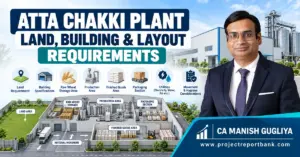
- Atta Chakki Plant Land, Building & Layout Requirements
- Atta Chakki Plant Capacity Planning – TPD & Production Capacity
- Atta Manufacturing Process & Flour Mill Flow Chart (Expert Guide for Plant Promoters)
- Atta Chakki Machine Price & Automatic Atta Plant Machinery Cost – A Practical Guide for Entrepreneurs
- Atta Chakki Plant Setup Cost in India – Practical Cost Guide by CA Manish Gugliya
- Roller Flour Mill Project Report & DPR: Complete Guide for Bank Finance and Project Planning
- Roller Flour Mill ROI, IRR, Payback & Sensitivity Analysis: A Practical Guide for Investors and Bankers
- Roller Flour Mill Feasibility Study & Project Viability
- Roller Flour Mill Financial Projections & Working Capital
- Roller Flour Mill Project Cost & Means of Finance