
The saree is far more than a garment – it is an integral part of indian culture, worn at weddings, festivals, family gatherings, and offices across every state. Sarees account for 71% of India’s ethnic wear market, and 70% of women in India wear sarees for special occasions. That is not a niche – that is a massive, diverse market waiting for smart entrepreneurs.
The saree industry is evolving beyond traditional retail. With the India saree market valued at approximately USD 6.15 billion in 2025 and projected to reach USD 10.77 billion by 2034, the opportunity to start a saree business has never been stronger. Demand for sarees is supported by weddings, festivals, and office wear – making this an evergreen business category. Whether you want a home based business with minimal investment or a full-scale manufacturing unit, this comprehensive guide covers every profitable saree business idea worth considering in 2026.
I am CA Manish Gugliya, and over the past 20 years of advising MSMEs and startups, I have seen many women and first-time entrepreneurs build a successful saree business from scratch. Let me walk you through the best options.
How We Chose the Best Saree Business Ideas
Selecting the right business model requires proper market research – not guesswork. Here is how I evaluated each idea for this list:
- Investment requirements – categorized into low (under ₹3 lakh), medium (₹3-15 lakh), and high (₹15 lakh+)
- Profit margin potential – gross margins ranging from 20% to 100%+ depending on saree type
- Skill requirements – from zero experience to specialized textile knowledge
- Market demand – customer buying behavior should inform target audience identification, so I prioritized ideas with proven, recurring demand
- Scalability – ability to grow from local to national or international markets
- Digital marketing potential – online reach and social media platforms viability
Market research helps identify competitors and pricing strategies, and it helps define a specific segment to stand out. Every idea below has been stress-tested against these criteria.
Table of Contents
Top 15 Saree Business Ideas for Entrepreneurs
1. Saree Reselling Business
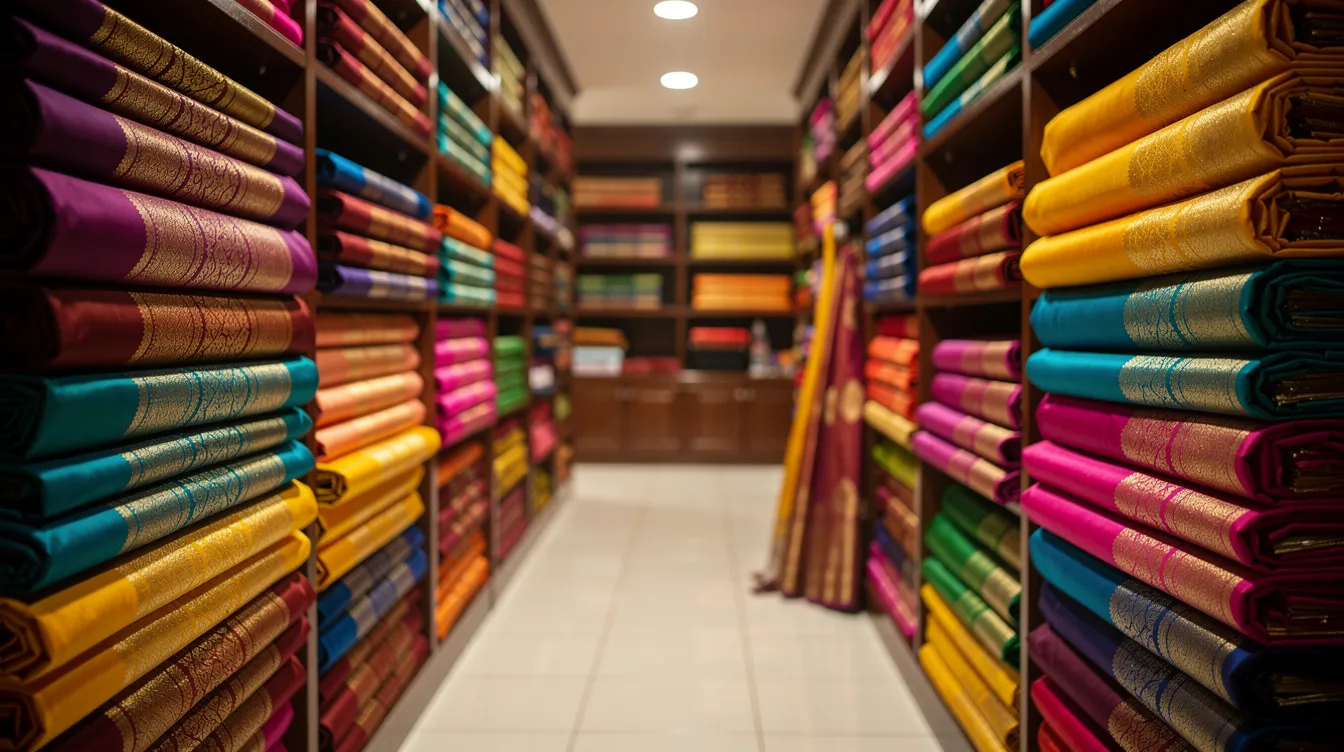
The fastest way to enter the saree market with almost no risk. You source sarees from wholesale suppliers and sell sarees through WhatsApp, Instagram, or local networks at a markup.
Why It Stands Out: Starting a saree business can cost as low as ₹25,000. Home-based saree businesses reduce startup expenses significantly, making this the easiest entry point.
Best For: Housewives, students, and first-time entrepreneurs. If you are exploring business ideas for housewives, this is a natural fit.
Key Strengths: A reseller buying at ₹650 and selling at ₹1,299 achieves roughly 50% gross margin. No inventory risk if you use a dropshipping model, flexible working hours, and strong profit margins.
Possible Limitations: Dependency on reliable suppliers, limited brand control. Read our detailed saree reselling business guide for step-by-step implementation.
2. Online Saree Store
E-retail saree stores can be set up on e commerce websites like Shopify, WooCommerce, or marketplaces such as Meesho and Flipkart. Starting an online saree business needs a smartphone and internet connection to begin.
Why It Stands Out: Nationwide reach without physical store costs. An e commerce website gives you 24/7 sales capability.
Best For: Tech-savvy entrepreneurs with digital marketing skills.
Key Strengths: Wide customer base, lower overhead. Fashion products are significantly improved with high-quality visuals – invest in professional product photography. Marketing and website costs vary based on complexity and maintenance, but can start under ₹50,000.
Possible Limitations: High competition on e commerce platforms, shipping complexities, and return management. Creating a facebook page alongside your online saree store helps showcase saree collections to a broader audience.
3. Instagram Saree Business
Social media selling is a low-cost marketing strategy that works exceptionally well for visual products like sarees.
Why It Stands Out: Instagram shopping increases visibility for saree businesses. A strong digital presence and storytelling can enhance customer engagement dramatically.
Best For: Young entrepreneurs with a social media presence who can create reels and styling tips content.
Key Strengths: Free marketing platform, direct customer interaction, viral potential. You can share saree designs, draping tutorials, and behind-the-scenes content to attract customers.
Possible Limitations: Algorithm changes, time-intensive content creation. Search engine optimisation through a dedicated website is a safer long-term strategy.
4. Saree Boutique
A physical store with curated saree collection and personalized customer experience. Physical storefronts increase startup costs due to rent and design – typically ₹8-15 lakh in Tier 2/3 cities.
Why It Stands Out: Face-to-face service builds a loyal customer base. Building customer loyalty is crucial for repeat sales in the saree market.
Best For: Entrepreneurs with fashion sense, a strategic location, and local market knowledge. Check our readymade garments shop project report for detailed financial projections.
Key Strengths: High-value sales, customer loyalty, local brand recognition.
Possible Limitations: High rental costs, limited geographic reach compared to online business models.
5. Wholesale Saree Distribution
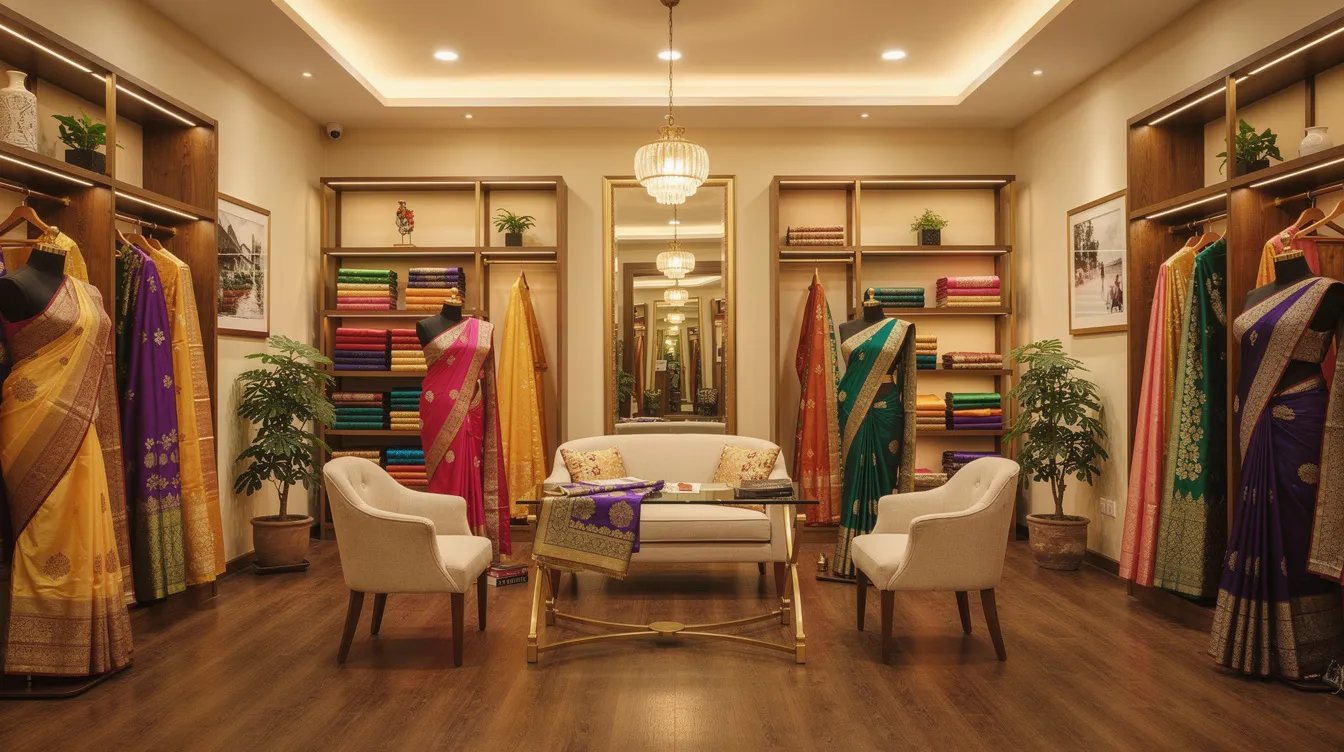
A B2B model where you supply boutiques, retailers, and online sellers. Establishing relationships with reliable suppliers ensures consistent product quality for your downstream customers.
Why It Stands Out: Large volume sales with steady income. Key sourcing hubs include Surat for synthetics, Varanasi for Banarasi silks, and Kanchipuram for bridal silk saree varieties.
Best For: Entrepreneurs with significant capital (₹15-30 lakh) and business connections.
Key Strengths: Bulk orders, repeat customers, stable cash flow.
Possible Limitations: High initial investment, credit risks from buyers delaying payments.
6. Bridal Saree Specialist
Premium bridal sarees command margins of 50-100%+ during wedding season. Demand for ethnic wear typically increases during festive seasons, and weddings drive the largest spending spikes.
Why It Stands Out: Emotional buying in the bridal segment means customers focus less on competitive prices and more on quality and exclusivity.
Best For: Entrepreneurs targeting affluent target customers in wedding markets.
Key Strengths: Premium pricing strategy, seasonal demand spikes (October to February), word-of-mouth referrals.
Possible Limitations: Seasonal business, high inventory investment in high quality sarees.
7. Handloom Saree Business
Hand woven sarees carry deep cultural significance and often have GI registration. The National Handloom Development Programme provides government subsidies for raw materials, loom upgrades, and marketing assistance.
Why It Stands Out: Government support through NHDP, Silk Samagra-2, and MUDRA loans reduces financial risk significantly.
Best For: Entrepreneurs passionate about preserving traditional crafts.
Key Strengths: Unique products with authenticity, export opportunities, access to international markets.
Possible Limitations: Limited production capacity, higher per-unit costs.
8. Designer Saree Creation
Custom designer sarees allow creative freedom with premium pricing. Many newer brands succeed by focusing on storytelling and personalization – each saree should ideally come with a detailed story and fabric information.
Why It Stands Out: Margins of 60-120% in boutique-level premium categories.
Best For: Fashion designers and creative entrepreneurs. Understanding customer preferences is crucial for targeting effectively in this segment.
Key Strengths: High margins, brand building, celebrity clientele potential.
Possible Limitations: High skill requirements, longer production time.
9. Saree Rental Business
Premium saree rental for special occasions is a growing trend in metro cities. Explore our rental business ideas for additional models.
Why It Stands Out: Recurring revenue from the same inventory – a sustainable business model.
Best For: Entrepreneurs in metro cities with affluent potential customers.
Key Strengths: Multiple revenue per item, growing acceptance of rental fashion, lower price barrier for customers wanting luxury sarees.
Possible Limitations: Maintenance costs, inventory damage risks. Consider a security service deposit to protect high-value pieces.
10. Saree Manufacturing
Production-based saree business with complete control over quality, product range, and costs. This requires significant capital and textile knowledge. Our tailoring project report for bank loan can help with finance documentation.
Why It Stands Out: Saree prices depend on material, design, and manufacturer costs – controlling production gives you the best margins.
Best For: Experienced entrepreneurs with textile knowledge.
Key Strengths: Higher profit margins (40-90%), quality control, scalability.
Possible Limitations: High setup costs (₹20 lakh+), technical expertise needed.
11. Saree Export Business
Targeting the Indian diaspora in USA, UK, and Middle East through D2C models. Government schemes like RoDTEP and Export Promotion help reduce risk.
Why It Stands Out: Dollar earnings and access to a wider audience willing to pay premium prices.
Best For: Entrepreneurs with export experience, Import Export Code, and compliance knowledge.
Key Strengths: Large market size, government incentives, premium positioning.
Possible Limitations: Complex regulations, currency fluctuations, shipping logistics.
12. Sustainable Saree Business
Eco-friendly and organic cotton sarees with natural dyes appeal to conscious consumers. See our waste textile fabric recycling project report for related opportunities.
Why It Stands Out: Growing conscious consumer trend in metros and international markets.
Best For: Environmentally conscious entrepreneurs.
Key Strengths: Premium pricing, niche market, brand differentiation. Upcycled saree products (bags, cushion covers) add additional revenue streams.
Possible Limitations: Higher production costs, limited supplier base for certified organic materials.
13. Regional Saree Specialization
Focus on specific varieties – Banarasi, Kanjivaram, Sambalpuri, Maheshwari, Paithani. Customer tastes vary by region, affecting saree types and styles, which creates opportunity for expert positioning.
Why It Stands Out: Authentic specialization with cultural connect. Source high quality sarees directly from weaver clusters.
Best For: Entrepreneurs with regional knowledge and direct weaver connections.
Key Strengths: Expert positioning, authentic products, loyal customer base among connoisseurs.
Possible Limitations: Limited product range, different tastes across geographies may limit scale.
14. Saree Franchise Business
Established brand franchise models with training and marketing support. Consider Mudra loan for franchise financing options.
Why It Stands Out: Proven business model with brand support – ajmera fashion and similar brands offer franchise opportunities.
Best For: First-time entrepreneurs seeking guidance and an established customer base.
Key Strengths: Brand recognition, training support, marketing assistance.
Possible Limitations: Franchise fees, limited flexibility in pricing and product selection.
15. Saree Accessory Business
Complementary products – readymade blouses, saree jewelry, saree bags, petticoats. Cross-selling alongside sarees multiplies revenue per customer.
Why It Stands Out: Higher margins on accessories than on sarees themselves.
Best For: Entrepreneurs wanting to diversify their product range alongside an existing saree business.
Key Strengths: Cross-selling opportunities, higher profit margins, repeat purchases.
Possible Limitations: Inventory management complexity, fashion trends dependency. Utilizing inventory software can help manage stock levels effectively.
Quick Comparison of Top Saree Business Ideas
| Business Model | Investment | Profit Margin | Difficulty | Best For |
|---|---|---|---|---|
| Saree Reselling | ₹25,000 – ₹3 lakh | 30–55% | Low | Minimal investment, quick start |
| Online Saree Store | ₹1 – ₹5 lakh | 25–50% | Medium | Nationwide reach, scalability |
| Instagram Business | ₹10,000 – ₹1 lakh | 35–60% | Low | Social media savvy entrepreneurs |
| Saree Boutique | ₹8 – ₹15 lakh | 40–70% | Medium | Local premium market |
| Wholesale Distribution | ₹15 – ₹30 lakh | 15–30% | High | Bulk business, steady income |
| Bridal Specialist | ₹18 – ₹30 lakh+ | 50–100%+ | High | High-margin luxury segment |
| Manufacturing | ₹20 lakh+ | 40–90% | High | Complete control, scalability |
| Rental Business | ₹5 – ₹15 lakh | 40–80% | Medium | Metro cities, recurring revenue |
How to Choose the Right Saree Business Idea
Choose Based on Investment Capacity
- Low investment (under ₹3 lakh): Reselling, Instagram business, WhatsApp selling. A home-based saree business requires minimal investment in infrastructure – often just a smartphone, internet, and small inventory.
- Medium investment (₹3-15 lakh): Online saree store, boutique, wholesale trading.
- High investment (₹15 lakh+): Manufacturing, large retail outlets, export business. A physical storefront with premium inventory can require ₹30 lakh or more.
Choose Based on Skills and Experience
- No experience needed: Reselling, social media selling – social media selling is a low-cost way to market sarees even without prior business experience.
- Fashion knowledge required: Boutique, designer sarees, bridal specialists. Success in the saree business relies on strong product curation and reliable customer service.
- Technical skills needed: Manufacturing, export business – requires textile technology knowledge, compliance, and quality control.
Choose Based on Time Availability
- Part-time suitable: Reselling, social media selling – many women manage these alongside household responsibilities.
- Full-time commitment: Boutique, manufacturing, wholesale distribution.
- Flexible timing: Online store, rental business – different modes of operation allow you to choose your schedule.
Which Saree Business Idea Is Best for You?
- Choose Saree Reselling if you want to start immediately with a small investment and test market demand
- Choose Online Store if you have digital marketing skills and want to reach a broader audience nationwide
- Choose Boutique if you prefer face-to-face customer interaction and delivering exceptional customer service in a physical store
- Choose Manufacturing if you have significant capital and want complete control over your business plan and product quality
- Choose Rental Business if you are in a metro city targeting premium target audience segments
The key is matching your business model to your personal strengths. Saree business market research at your local level will reveal which model fits your specific circumstances – do not skip this step.
Final Thoughts
The saree market offers one of India’s most resilient entrepreneurial opportunities. With market trends pointing toward sustained growth at 6.43% CAGR through 2034, the timing is right whether you are planning an online shopping platform, a physical store in your city, or a small business from your living room.
Here is what I always tell my clients: start small, validate demand with real customers, and scale based on experience. A sole proprietorship with proper MSME registration, GST compliance, and a clear business plan is enough to begin. Get necessary licenses in place, open a dedicated business bank account, maintain proper books, and focus on customer satisfaction from day one.
Provide excellent customer service, offer timely deliveries and the best price for your segment, and you will build repeat customers naturally. Whether you are targeting the latest trends in fusion sarees or hand woven regional masterpieces, remember that business growth comes from understanding your market and delivering consistently.
Do not let analysis paralysis stop you. Pick the model that matches your investment capacity and skills, take action on your saree business plan, and let your business progresses guide your next move.
Written by CA Manish Gugliya, FCA, DISA (ICAI) – a Chartered Accountant and MSME, Startup, Project Finance, and Business Consultant with 20+ years of experience helping entrepreneurs build profitable businesses in India. For detailed project reports, bank loan documentation, and business planning assistance, explore ProjectReportBank.com.
- Multi Feedstock Ethanol Distillery Project Report – DPR, Plant Setup, Cost & Feasibility


- Broken Rice & Damaged Foodgrain Ethanol Plant Project Report & DPR in India – Setup Cost, Machinery, Profitability & Feasibility

- Maize-Based Ethanol Plant Project Report & DPR in India

- Grain Storage, Silos & Logistics Projects – Project Report & DPR in India

- Steel Grain Silos vs Conventional Grain Warehouses – Cost & Viability in India

- Grain Warehouse Revenue Model, Rental Income & Profitability in India

- WDRA Warehouse Registration, e-NWR & Compliance Requirements in India

- Grain Warehouse & Silo Subsidy, Bank Loan & Government Schemes in India

- FCI Grain Silo PPP Projects – DBFOO, DBFOT & Investment Models in India

- Scientific Grain Storage in India – Aeration, Moisture Control & Fumigation

- Grain Silo ROI, IRR, Payback & Sensitivity Analysis in India

- Grain Storage & Silo Project Feasibility Study in India – Technical, Financial & Commercial Viability

- Grain Storage Financial Projections, Working Capital & DSCR in India – Complete Bank Finance Guide

- Grain Storage Project Cost & Means of Finance in India

- Grain Storage Warehouse Land, Building & Plant Layout Requirements in India