India’s rental economy is on fire, and 2026 is shaping up to be one of the best years to launch a rental business. The global rental equipment market was valued at over $400 billion in 2025, and the trend is accelerating across every sector-from construction sites to wedding venues, hospital rooms to college dorms.
Why? Because the rental economy is driven by the trend of access over ownership. Consumers prefer renting instead of owning to avoid maintenance and storage issues. Rental businesses focus on convenience and sustainability, and they can generate a steady income stream from consistent demand.
As a Chartered Accountant and business consultant, I’ve helped hundreds of entrepreneurs prepare bankable project reports and business plans for rental ventures. What I’ve seen consistently is this: starting a rental business typically requires lower initial investment than retail businesses, and the recurring revenue model makes cash flow far more predictable.
Whether you’re a student with ₹2 lakh, a retired professional with ₹25 lakh, or an experienced contractor looking to diversify-there’s a rental business idea here that fits your profile. Let me walk you through the best ones.
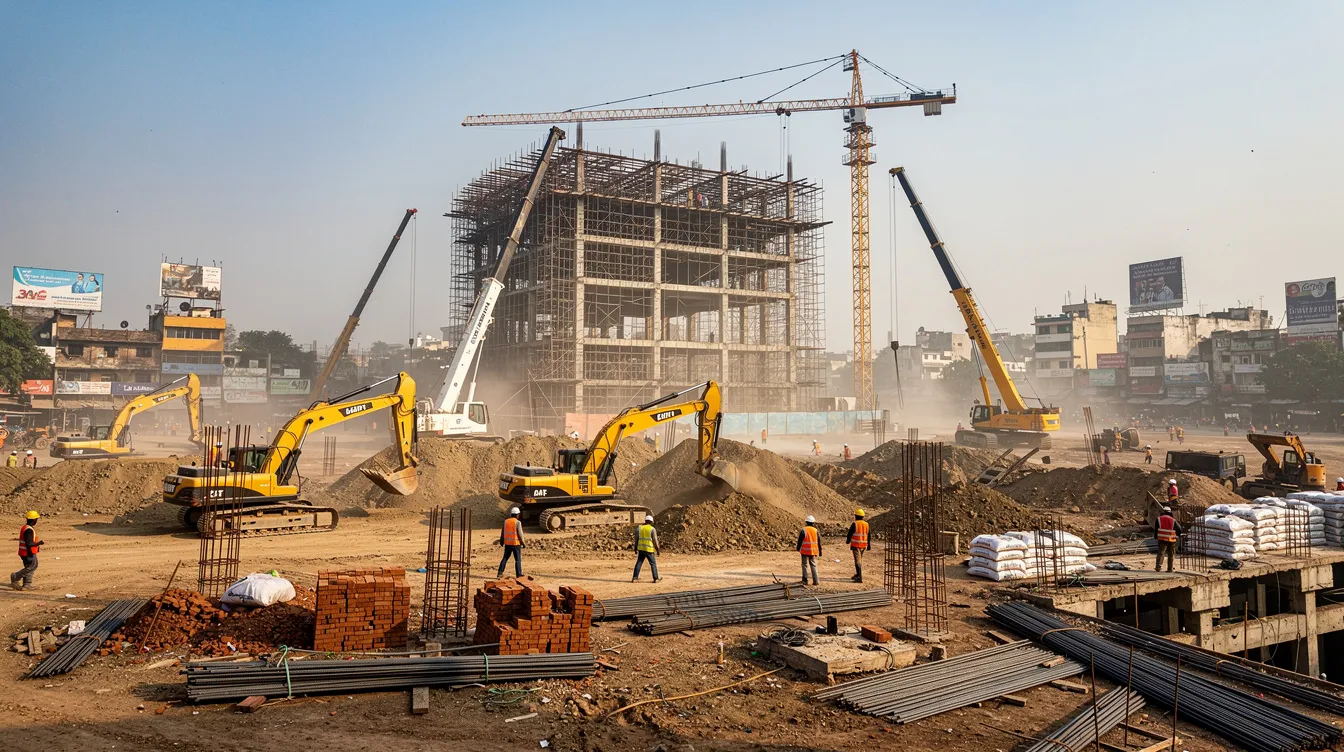
Table of Contents
How We Chose the Best Rental Business Ideas
I didn’t pick these ideas randomly. Each one was evaluated on a practical framework that I use when preparing project reports for bank loans and Mudra Loan applications. Here’s what I looked at:
Startup Investment Required How much capital do you need to get started? I’ve included businesses ranging from under ₹2 lakh to ₹50 lakh+, so there’s something for every budget.
Profit Margins and ROI Timeline High-performing rental businesses typically have frequent repeat demand and low maintenance costs. I prioritized ideas where you can realistically recover your investment within 12–36 months.
Market Demand and Size I looked at actual market research data-industry reports, government infrastructure spending plans, urbanization trends, and consumer behaviour shifts in India. Rental businesses can adapt to changing market demands more easily than retail, which is a major advantage.
Scalability Potential Can you start with 2–3 assets and grow to 20? Businesses that allow gradual scaling without massive reinvestment scored higher.
Operational Complexity Some rental businesses need specialized technicians, certifications, and safety protocols. Others can be run from your garage. Both types are included, but I’ve flagged the complexity level clearly.
Regulatory Requirements GST registration, MSME registration, trade licenses, pollution norms, medical device regulations-these vary dramatically across sectors. I’ve noted what’s needed for each.
Seasonal vs Year-Round Demand A business that earns well for 4 months but sits idle for 8 months needs very different planning than one with steady monthly income. I’ve considered both patterns.
Repeat Business Potential The target audience matters. Contractors, hospitals, and corporate clients tend to sign long term rentals. Individual customers for weddings and events may be one-time but high-value.
Top 15 Rental Business Ideas in India
1. Construction Equipment Rental
The construction equipment rental business is arguably the highest-revenue rental opportunity in India today. With the National Infrastructure Pipeline, Bharatmala highway projects, smart city missions, and metro/RRTS corridors all running simultaneously, contractors across India need excavators, loaders, cranes, motor graders, and concrete equipment-but most cannot afford to buy them.
India’s construction equipment rental market was valued at approximately USD 15.39 billion in 2025, with projections reaching USD 28.82 billion by 2034 at roughly 6.86% CAGR. Globally, the construction equipment rental segment is expected to reach $116 billion in 2026, and the global construction equipment rental market is projected to reach $201.81 billion by 2034.
For context, the US construction, industrial, and general tool rental industry is projected to reach $83.5 billion in revenue by 2026-giving you an idea of just how massive this sector is worldwide.
Why It Stands Out
The average rental rate for heavy equipment can be significantly higher than for standard tools. A single JCB excavator can earn ₹8,000–₹15,000 per day on rent. With multiple machines, monthly revenues can cross ₹5–10 lakh easily.
Best For
Entrepreneurs with technical knowledge of machinery, connections to construction companies, and capacity to invest ₹25 lakh–₹1 crore+. Those with mechanical engineering backgrounds have a natural advantage.
Key Strengths
- High rental rates and profit margins (gross margins of 40–60% are common)
- Steady demand from India’s infrastructure boom-earthmoving equipment alone holds 58–63% market share
- Long-term contracts with construction companies reduce idle time
- Telematics and IoT are making fleet management easier
Possible Limitations
- Substantial upfront investment for machinery purchase
- Requires maintenance expertise, skilled operators, and comprehensive insurance
- Emission norms (Stage V / Bharat Stage CE) must be complied with
- Equipment downtime and fuel costs eat into margins
2. Car and Bike Rental
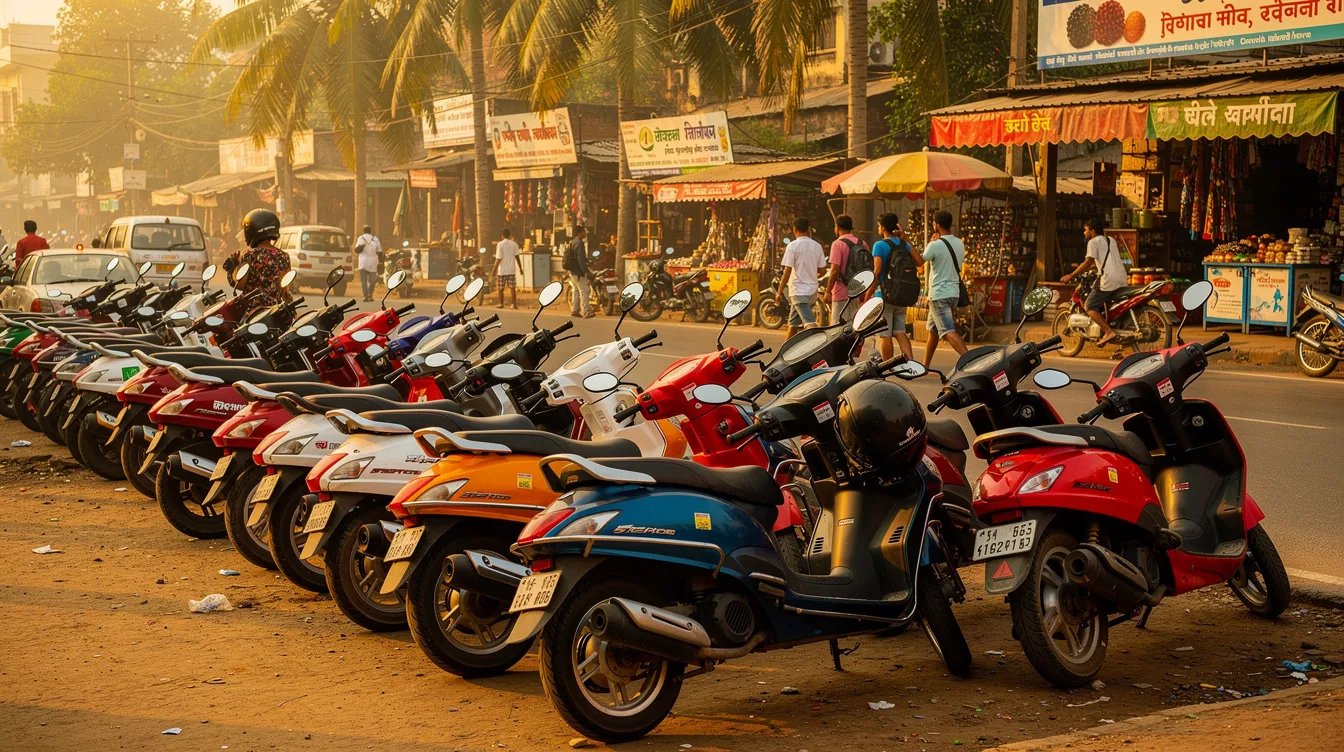
The car rental business and bike rental business remain among the most accessible rental business ideas for entrepreneurs in tourist destinations and metro cities. From daily self-drive car rentals to monthly bike subscriptions for delivery riders, this business model serves multiple customer segments.
Renting e-bikes and scooters meets the growing demand for sustainable micro-mobility, especially in cities pushing for reduced emissions. The RV rental industry is also projected to grow significantly as domestic travel increases-though this is more relevant in Western markets, the trend is beginning in India’s adventure tourism corridors.
Why It Stands Out
Vehicle rentals offer diverse revenue streams: daily tourist rentals, monthly corporate leases, ride-hailing fleet supply, and delivery vehicle subscriptions. Technology integration through apps makes bookings seamless.
Best For
Entrepreneurs in tourist areas (Goa, Rajasthan, Kerala, Himachal) or urban centers (NCR, Bangalore, Mumbai). If you’re interested in car business ideas or transport business ideas, this is a natural fit.
Key Strengths
- Growing tourism and urban mobility needs drive year-round demand
- Multiple revenue streams from daily, weekly, and monthly rentals
- Technology platforms reduce overhead and improve utilization
- E-bike rental is an emerging, high-growth sub-segment
Possible Limitations
- High insurance and maintenance costs
- Risk of accidents, vehicle damage, and theft
- Regulatory compliance (permits, driver verification, pollution certificates)
- Intense competition from Zoomcar, Bounce, and other platforms
Investment Range: ₹5 lakh (2–3 bikes) to ₹50 lakh+ (small car fleet) Expected Monthly Income: ₹30,000–₹3 lakh depending on fleet size Profit Margin: 20–35% after all expenses
3. Party and Event Equipment Rental
The party rental business and event rental business thrive on India’s massive wedding and celebration culture. Tents, shamianas, chairs, tables, sound systems, DJ equipment, LED walls, lighting equipment, projectors, and luxury decor items-all see intense seasonal demand.
The party rental industry is forecast to grow 8% in 2026, reaching $6.1 billion globally. In India, the wedding industry alone is estimated at ₹10+ lakh crore, creating enormous demand for event equipment rentals.
Why It Stands Out
Specialized event equipment rentals offer high profit margins due to recurring demand. A single LED wall rented for a wedding can earn ₹15,000–₹40,000 per event. Sound systems and lighting equipment command premium rental fees during the October–February wedding season.
Best For
Creative entrepreneurs with event planning interests. This business suits those in metro cities and Tier-II towns with active wedding and corporate events markets. Event planners often become repeat clients.
Key Strengths
- India’s large wedding and event industry ensures consistent demand
- High-margin premium equipment rentals-especially for corporate events and destination weddings
- Seasonal peak demand (Nov–Feb) allows premium pricing power
- Party supplies and catering equipment add supplementary revenue streams
Possible Limitations
- Storage space requirements for large rental inventory
- Seasonal demand fluctuations (lean months from March to September)
- Equipment damage during events
- Need for setup/teardown crews and transportation
Investment Range: ₹3 lakh (basic tent/chair setup) to ₹30 lakh+ (full event equipment) Profit Margin: 35–55% during peak season
4. Medical Equipment Rental
The medical equipment rental business is one of the most recession-proof rental business ideas available. Hospital beds, wheelchairs, oxygen concentrators, ventilators, patient monitors, and diagnostic equipment are in steady demand from hospitals, clinics, and increasingly from home healthcare providers.
India’s medical equipment rental market generated roughly USD 2.4 billion in 2023 and is forecast to reach USD 3.5 billion by 2030 at approximately 6.3% CAGR. There is a growing demand for durable medical equipment rentals owing to aging populations, both globally and in India.
Why It Stands Out
Hospitals and clinics prefer renting high-cost imaging and surgical equipment to avoid obsolescence. Home healthcare rental (wheelchairs, oxygen concentrators, hospital beds) is growing rapidly in Tier-II/III towns. This is a business idea with long-term stability.
Best For
Healthcare professionals, pharma distributors, or entrepreneurs located near hospitals and medical facilities. Those exploring medical business ideas should seriously consider this sector.
Key Strengths
- Steady demand from healthcare sector-virtually recession-proof
- Long-term rental agreements are common (3–12 months for hospital beds)
- Growing home healthcare market creates new customer segments
- Medical equipment holds value well due to regulated maintenance
Possible Limitations
- Strict hygiene and safety regulations (CDSCO registration, Medical Device Rules 2017)
- Need for proper sanitization protocols and calibration
- High initial investment for imaging/diagnostic equipment
- Trust-building with hospitals takes time
Investment Range: ₹5 lakh (wheelchairs, concentrators) to ₹50 lakh+ (diagnostic equipment) Expected Monthly Income: ₹40,000–₹3 lakh Profit Margin: 25–40%
5. Furniture Rental
The furniture rental business is booming thanks to India’s urban migration wave. Students, young professionals, co-living residents, and corporate clients prefer renting furniture over buying-especially when they’re in a city temporarily.
India’s furniture rental market is expected to grow from USD 1.5 billion in 2025 to USD 4.8 billion by 2032 at approximately 18% CAGR. Organized players like Rentomojo saw revenue jump from ₹120 crore in FY23 to ₹266 crore in FY25, with net profit growing from ₹4.4 crore to ₹43 crore-proof that the subscription model works.
Why It Stands Out
The subscription model for steady income is what sets furniture rental apart. Customers pay monthly, creating predictable cash flow. Real estate rental and staging companies also use furniture rental services for property showcasing.
Best For
Entrepreneurs in metro cities with high transient populations-Bangalore, Pune, Hyderabad, NCR, Mumbai. Those interested in real estate business ideas will find natural synergies.
Key Strengths
- Subscription model creates recurring monthly income
- Multiple customer segments: students, professionals, corporates, hotels
- 18% CAGR makes this one of the fastest-growing rental segments
- Asset appreciation with proper maintenance (quality furniture lasts years)
Possible Limitations
- High logistics costs for delivery and pickup
- Furniture wear and tear from multiple users increases replacement costs
- Warehouse and storage space requirements
- Competition from established platforms (Rentomojo, Furlenco, Cityfurnish)
Investment Range: ₹5 lakh–₹25 lakh Profit Margin: 30–50% gross, 15–25% net after logistics
6. Tool and Equipment Rental
Power tools, drills, grinders, pressure washers, generators, cleaning machines, and scaffolding-contractors, painters, plumbers, and DIY homeowners need these frequently but don’t always want to own them. The tool rental business fills that gap perfectly.
The portable restroom rental industry, a sub-segment of this category, requires one restroom per 40 workers on construction sites-creating steady B2B demand for those willing to enter this niche. Innovative rental ideas also include experiential setups like portable saunas and specialized event gear.
Why It Stands Out
Low investment, quick inventory turnover, and year-round demand from contractors make this one of the easy rental business ideas to start. You can begin with 10–15 power tools from your garage.
Best For
Technically skilled entrepreneurs in suburban areas or near construction sites. If you’re exploring shop business ideas, a tool rental shop is a solid option.
Key Strengths
- Year-round demand from contractors, builders, and homeowners
- Lower initial investment compared to heavy construction equipment
- Quick inventory turnover-popular tools get rented daily
- Scaffolding rental alone can generate ₹50,000–₹1 lakh/month with modest investment
Possible Limitations
- Risk of tool damage and theft (security deposits help)
- Need for regular maintenance and replacement
- Lower per-unit rental fees require volume for profitability
- Customer verification is important to minimize losses
Investment Range: ₹2 lakh–₹10 lakh Expected Monthly Income: ₹25,000–₹1 lakh Profit Margin: 30–45%
7. Camera and Photography Equipment
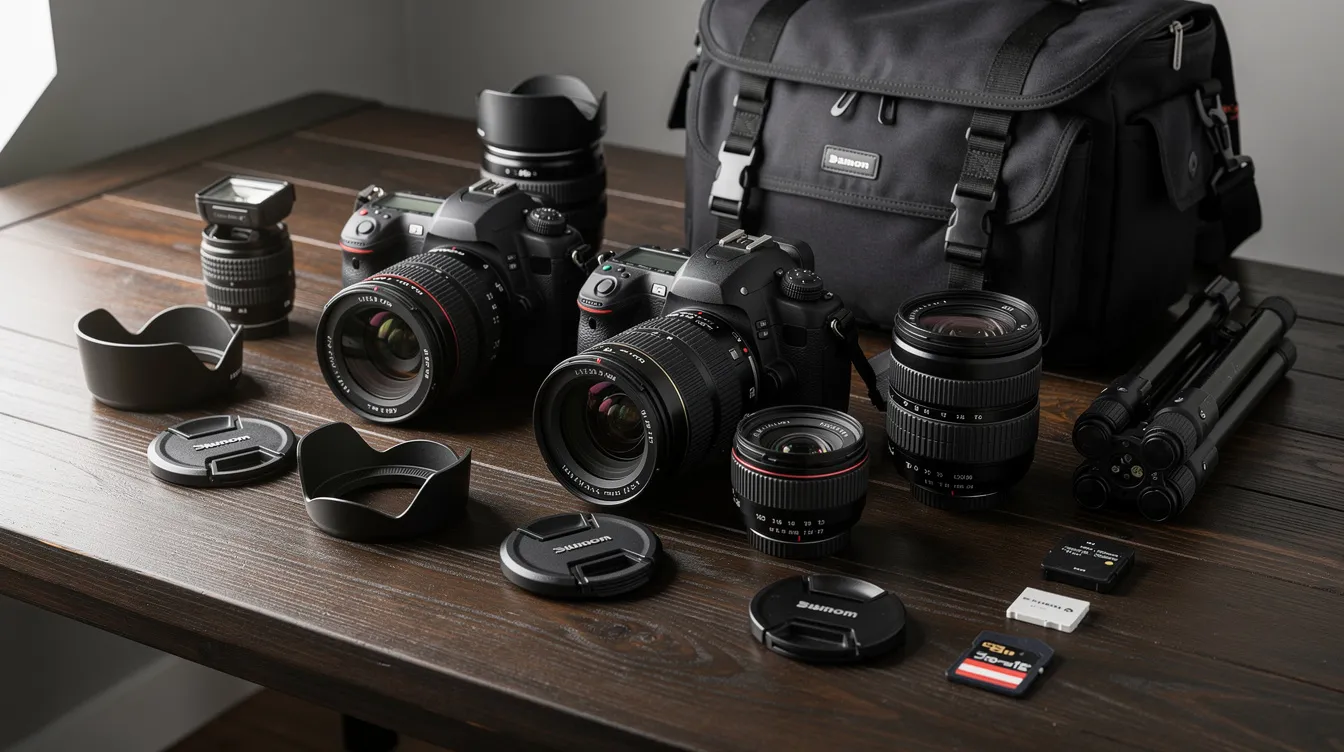
The camera rental business serves photographers needing high-quality gear for specific shoots-weddings, product photography, filmmaking, and corporate events. With India’s content creation economy exploding, demand for DSLR bodies, cinema lenses, drones, gimbals, and studio lighting has never been higher.
A lens rental business can be especially profitable since professional lenses cost ₹50,000–₹3 lakh to buy but can be rented for ₹1,000–₹5,000 per day.
Why It Stands Out
The booming content creation and social media industry has created a massive target audience of YouTubers, Instagram creators, wedding photographers, and production houses who need expensive equipment temporarily.
Best For
Photography enthusiasts with technical knowledge who understand equipment handling. A great business idea for students in media or film studies programs.
Key Strengths
- High-value equipment commands excellent rental fees
- Growing demand from digital content creators and drone rental seekers
- Equipment holds value well with proper care and insurance
- Can be operated as an online rental business with delivery
Possible Limitations
- Expensive equipment requires comprehensive insurance
- Risk of damage to sensitive electronics
- Need for backup inventory for high-demand items
- Customer trust and verification processes are critical
Investment Range: ₹3 lakh–₹15 lakh Profit Margin: 35–50%
8. Textile and Costume Rental
The costume rental business and clothing rental business tap into India’s vibrant cultural calendar. Designer lehengas, sherwanis, traditional sarees for weddings, stage costumes for theatre, and themed outfits for events-all represent a lucrative business idea.
The clothing rental industry is growing at a CAGR of 8.7% from 2020 to 2025 globally. The apparel rental market is growing as consumers seek to reduce fast fashion consumption. Costume rentals are popular for events like Halloween and themed parties, though in India the demand peaks during wedding season and regional festivals.
Designer clothing rentals are becoming mainstream in metro cities-why buy a ₹50,000 lehenga you’ll wear once when you can rent one for ₹5,000?
Why It Stands Out
Cultural festivals and wedding traditions drive enormous rental demand for traditional wear. The online rental business model with try-at-home options is reducing overhead for new entrants.
Best For
Fashion-conscious entrepreneurs, especially women entrepreneurs, with styling knowledge and a network in wedding/fashion circles.
Key Strengths
- High margins on designer and traditional wear (rental fees at 10–20% of purchase price)
- Festive season demand spikes create strong revenue periods
- Online business model reduces overhead significantly
- Repeat customers for different occasions
Possible Limitations
- Cleaning and maintenance costs per use
- Fashion trend changes affect rental demand for specific styles
- Size variability limits who can rent each piece
- Damage and stain risks
Investment Range: ₹2 lakh–₹15 lakh Profit Margin: 40–60%
9. Agricultural Equipment Rental
Small and marginal farmers-who make up over 86% of India’s farming community-cannot afford to buy tractors, rotavators, harvesters, seed drills, and sprayers. Agricultural machinery rental fills a critical gap, and government policies actively encourage farm mechanization.
Why It Stands Out
The addressable market is massive. Most small farmers are your target audience, and local demand in rural India is often underserved. Government subsidies for mechanization make this business model attractive from both supply and demand sides.
Best For
Entrepreneurs in rural or semi-urban areas with farming knowledge. If you’re looking at state-specific business ideas-especially in agricultural states like MP, UP, Punjab, or Maharashtra-this is highly relevant.
Key Strengths
- Government support for farm mechanization (subsidies, SMAM scheme)
- Seasonal high demand during planting (kharif/rabi) and harvesting
- Large addressable market of small farmers with limited capital
- Community trust and word-of-mouth drive repeat business
Possible Limitations
- Seasonal business with significant cash flow variations
- Equipment exposed to harsh field conditions (dust, mud, water)
- Transportation of heavy equipment to remote farms
- Payment collection challenges in rural areas
Investment Range: ₹5 lakh (rotavator, sprayer) to ₹20 lakh+ (tractor, harvester) Profit Margin: 25–40%
10. Commercial Vehicle Rental
Trucks, tempos, delivery vans, and refrigerated vehicles are in constant demand from e-commerce companies, logistics firms, FMCG distributors, and construction projects. The commercial vehicle rental business offers long term rentals and steady contracts that many other rental segments cannot match.
Why It Stands Out
E-commerce growth is the primary demand driver. Companies like Amazon, Flipkart, BigBasket, and hundreds of D2C brands need last-mile delivery fleets-but prefer renting over owning. This creates reliable, contract-based income.
Best For
Entrepreneurs with logistics industry connections or experience in the transport business.
Key Strengths
- Steady demand from e-commerce, logistics, and FMCG sectors
- Long-term contracts with businesses ensure predictable revenue
- Multiple revenue streams from different vehicle types
- Fleet expansion is incremental and financeable
Possible Limitations
- High fuel and maintenance costs
- Driver shortage and management challenges
- Vehicle depreciation is faster with commercial use
- Insurance and permit costs are significant
Investment Range: ₹10 lakh–₹50 lakh+ Expected Monthly Income: ₹50,000–₹3 lakh per vehicle Profit Margin: 20–30%
Beyond these top 10, here are 5 more profitable rental business ideas worth considering:
11. Baby Equipment Rental – The baby equipment rental market is growing due to increased travel by families with infants. The baby equipment rental business caters to traveling families needing short-term gear like car seats, cribs, strollers, and high chairs. Investment starts at ₹1–3 lakh.
12. Sports and Camping Gear Rental – The camping gear rental business serves adventure tourists and weekend travelers. A camping gear rental setup near tourist destinations or trekking hubs can generate strong seasonal income. The kayak rental business and snowboard rental business models work well in specific geographies (Rishikesh, Manali, Goa).
13. Office Furniture and Technology Rental – Startups and co-working spaces rent laptops, projectors, desks, and chairs. Vending machines and photo booth rental business setups for corporate events add supplementary income.
14. Bounce House and Kids’ Entertainment Rental – The bounce house rental business serves birthday parties and school events. Low investment (₹1–3 lakh per unit), high per-event rental fees (₹3,000–₹8,000).
15. Boat and Water Recreation Rental – The boat rental business thrives in coastal and lake tourism areas. From pedal boats to motorized craft, this is a high-margin seasonal business in places like Kerala, Goa, and Udaipur.
Additional niche ideas worth exploring: the food truck rental business, trailer rental business, dumpster rental business, crane rental business, e bike rental business, and vacation rental business. Each serves a specific local market demand and can be a highly profitable rental business with the right location.
Rental opportunities also exist in eco-friendly equipment and technology sectors-solar panel rentals, water purification systems, and EV charging equipment are emerging segments to watch.
Quick Comparison of the Best Rental Businesses
Here’s a scanning-friendly comparison of the best rental business ideas:
| Rental Business | Best For | Investment Range | Profit Margin | Demand Pattern |
|---|---|---|---|---|
| Construction Equipment | High investment, high return entrepreneurs | ₹25L–₹1Cr+ | 40–60% gross | Year-round |
| Car & Bike Rental | Tourist areas, urban mobility | ₹5L–₹50L | 20–35% | Year-round with peaks |
| Party & Event Equipment | Creative entrepreneurs, metro cities | ₹3L–₹30L | 35–55% | Seasonal (Nov–Feb peak) |
| Medical Equipment | Recession-proof steady income seekers | ₹5L–₹50L | 25–40% | Year-round |
| Furniture Rental | Subscription model, repeat customers | ₹5L–₹25L | 30–50% gross | Year-round |
| Tool & Equipment | Low investment, suburban/semi-urban | ₹2L–₹10L | 30–45% | Year-round |
| Camera Equipment | Photography/content creation enthusiasts | ₹3L–₹15L | 35–50% | Year-round with peaks |
| Textile & Costume | Fashion entrepreneurs, wedding market | ₹2L–₹15L | 40–60% | Seasonal |
| Agricultural Equipment | Rural entrepreneurs with farming knowledge | ₹5L–₹20L | 25–40% | Seasonal |
| Commercial Vehicles | Logistics-connected entrepreneurs | ₹10L–₹50L+ | 20–30% | Year-round |
The rental industry is diverse enough that there’s a viable opportunity regardless of your capital, location, or expertise level.
How to Choose the Right Rental Business
Choose Based on Investment Capacity
Your available capital is the single most important filter.
- Under ₹5 lakh: Tools, costumes, baby equipment, bounce houses, camping gear, small furniture sets
- ₹5–₹15 lakh: Camera equipment, bikes/scooters, medical equipment (home care), office furniture, party supplies
- ₹15–₹50 lakh: Cars, agricultural equipment, sound/lighting systems, commercial vehicles (1–2 units)
- ₹50 lakh+: Construction equipment, large vehicle fleets, warehouse/cold storage rental, vacation rental properties
Rental business starting with low capital is absolutely possible-you don’t need to begin with a fleet. One excavator, five power tools, or ten pieces of furniture can be your starting point. Conduct market research in your area before committing capital.
Choose Based on Location and Market
Location determines everything in the rental business.
- Metro cities (Mumbai, Delhi, Bangalore, Hyderabad): Furniture, office equipment, car rentals, party equipment, luxury decor, designer clothing rentals
- Tier-II/III towns: Medical equipment, construction equipment, tools, agricultural machinery, wedding decor
- Tourist destinations: Bikes, cars, camping gear, water sports, adventure equipment, boat rental
- Rural areas: Tractors, harvesters, generators, water tankers, portable toilets for construction sites
- Near hospitals/medical hubs: Wheelchairs, hospital beds, oxygen concentrators
Always assess local demand and rental demand before choosing. A boat rental business in a landlocked district makes no sense, just as a tractor rental in central Mumbai doesn’t.
Choose Based on Your Expertise
Domain knowledge reduces your learning curve and mistakes.
- Technical/engineering background: Construction equipment, tools, generators, machinery
- Healthcare knowledge: Medical equipment, mobility devices, home care equipment
- Creative/event planning skills: Party and wedding rentals, decor, sound/lighting
- Automotive experience: Cars, bikes, commercial vehicles
- Fashion/design background: Costume and clothing rental, luxury decor
- Agriculture knowledge: Farm equipment, tractors, harvesters
- Photography/media background: Camera, drone, studio equipment

Which Rental Business Is Best for You?
Here’s a decision-oriented summary to help you pick:
Choose Construction Equipment Rental if you have ₹25 lakh+ capital, technical expertise, and connections to contractors. High revenue potential, but high complexity and risk.
Choose Car or Bike Rental if you’re located in tourist destinations or metros, have management skills, and can handle insurance/regulatory compliance. The growing market for vehicle rentals offers steady returns.
Choose Medical Equipment Rental if you want recession-proof, steady income with long-term rental agreements. Ideal for those near hospitals or with healthcare industry connections.
Choose Party and Event Rentals if you’re creative, located in a metro or wedding-heavy region, and can manage seasonal cash flow. High margins during peak season make up for lean months.
Choose Furniture Rental if you want a subscription-based business model with predictable monthly income. Best in cities with high student and young professional populations.
Choose Agricultural Equipment Rental if you’re in rural India with farming knowledge and community connections. Government schemes and subsidies support this growing market.
Choose Tool Rental if you want a low-investment entry point with year-round demand. Great for first-time entrepreneurs testing the rental waters.
The house rental business and rental properties segment is another established path for those with real estate assets-monetizing existing space is one of the lowest-risk ways to enter the rental industry.
Final Thoughts
The best rental business is the one that matches your capital, location, skills, and risk appetite. India’s economy in 2026 offers tailwinds across nearly every rental segment-infrastructure spending is at record highs, urbanization is accelerating, healthcare demand is rising, and consumer preferences are firmly shifting toward renting over owning.
What separates successful rental entrepreneurs from failed ones isn’t the choice of business-it’s the execution. Proper planning, realistic financial projections, understanding your target audience, managing asset depreciation, maintaining equipment rental inventory, and keeping idle time to a minimum are what drive profitability.
A few practical pointers from my experience:
- Start small. One excavator, five bikes, or twenty chairs. Prove the model before scaling.
- Calculate total cost of ownership. Include purchase price, maintenance, insurance, storage, logistics, and depreciation. Many entrepreneurs underestimate these and overestimate margins.
- Focus on utilization rate. An asset sitting idle is a loss. Track daily/monthly utilization religiously.
- Get your documentation right. A proper project report, CMA data, and financial projections are essential if you’re seeking bank loans or Mudra Loan financing.
- Register as MSME. It opens doors to government tenders, easier financing, and tax benefits.
At ProjectReportBank.com, I help entrepreneurs prepare bankable project reports, customized DPRs, CMA data for bank loans, Mudra Loan project reports, startup business plans, financial projections, and business valuation reports. Whether you’re launching a construction equipment rental business or a small furniture rental startup, having professionally prepared documentation dramatically improves your chances of securing financing.
If you need one-on-one guidance on selecting the right rental business, calculating ROI, or preparing your loan application-reach out for a consultation.
The rental economy isn’t a trend. It’s a structural shift. And 2026 is the right time to get in.
Frequently Asked Questions
Which rental business is most profitable in India?
Construction equipment rental offers the highest absolute revenue, while furniture and party equipment rental typically offer the best ROI relative to investment. Profitability depends on utilization rate, location, and management.
Is a rental business profitable in India?
Yes. Rental businesses generate recurring income with lower investment than retail. With proper planning, most rental businesses achieve breakeven within 12–24 months for low-investment categories and 24–48 months for heavy equipment.
Which rental business requires the lowest investment?
Tool rental, costume rental, baby equipment rental, and bounce house rental can be started under ₹3–5 lakh. Book rental and small sports equipment rental are even cheaper to launch.
Can I get a Mudra Loan for a rental business?
Yes. Rental businesses qualify under the Mudra Loan scheme (Shishu up to ₹50,000, Kishor up to ₹5 lakh, Tarun up to ₹10 lakh). You’ll need a proper project report and business plan.
What licenses are required for a rental business?
At minimum: GST registration, Shop & Establishment Act license, trade license from local municipality, and MSME registration. Medical equipment rental requires CDSCO registration. Vehicle rentals need transport permits and commercial insurance.
Is GST mandatory for a rental business?
If your annual turnover exceeds ₹20 lakh (₹10 lakh in special category states), GST registration is mandatory. Rental income is taxable under GST at applicable slab rates.
Can students start a rental business?
Absolutely. Camera equipment rental, bicycle rental, book rental, and costume rental are ideal low-investment options for students. Many can be run as an online rental business from a hostel room.
Which rental business gives the best recurring income?
Furniture rental (subscription model), medical equipment rental (long-term contracts), and commercial vehicle rental (fleet leases) offer the most predictable recurring income.
Which rental business has the highest ROI?
Party and event equipment rental during wedding season and camera/lens rental for content creators typically deliver the highest return on investment relative to capital deployed.
How much investment is needed to start a rental business?
It ranges from ₹1–2 lakh (books, small tools, baby gear) to ₹50 lakh+ (construction equipment, commercial vehicles). Most mid-range rental businesses can be started between ₹5–15 lakh.
Is the rental business suitable for rural India?
Yes. Agricultural equipment rental, generator rental, water tanker rental, and portable toilet rental have strong demand in rural areas. The rental services model solves the CapEx problem for small farmers and rural contractors.
What are the biggest risks in a rental business?
Idle inventory, equipment damage/theft, maintenance costs, seasonal demand fluctuations, and customer default on rental fees. Proper contracts, security deposits, insurance, and customer verification mitigate most risks.
How do I finance a rental business?
Options include Mudra Loan, MSME equipment finance, bank term loans with CMA data, NBFC equipment leasing, CGTMSE-backed collateral-free loans, and personal savings. A professionally prepared project report significantly improves loan approval chances.
Can I run a rental business from home?
Small-scale businesses like tool rental, camera equipment rental, baby equipment rental, costume rental, and book rental can be run from home with minimal storage space. Larger operations need dedicated warehouse or shop space.
What is the future of rental businesses in India?
Strong growth is expected across all segments. Key trends include EV and drone rentals, subscription-based models, AI-powered inventory management, growing home healthcare equipment demand, and expansion into Tier-II/III cities. The rental economy in India is still underpenetrated compared to developed markets, which means significant runway ahead.
- Integrated Soybean Crushing, Oil Extraction & Refining Plant Project Report & DPR in India


- Soybean Crushing Plant Investment Risks: Raw Material Prices, Crush Margins & Capacity Utilisation

- Integrated Soybean Crushing Plant Feasibility Study, ROI, IRR & Sensitivity Analysis

- Soybean Oil Processing Plant Financial Projections, CMA Data, DSCR & Bank Finance in India

- Soybean Procurement, Seasonal Inventory & Working Capital Management for Large Crushing Plants

- Soybean Crushing Plant Land, Building, Utilities & Factory Layout Requirements in India

- Soybean Oil & Meal Recovery, Processing Yield, Losses and Profitability

- Soybean Crushing Plant Capacity Planning: 500–5,000 TPD Industrial Projects

- Soybean Processing Plant Machinery, Equipment & Technology Selection in India

- Large-Scale Soybean Crushing Plant Setup Cost, Investment & Project Economics in India

- Pulses, Dal Milling, Besan & Pulse Derivatives Manufacturing Projects in India – DPR, Investment, Plant Setup & Bank Finance

- Pulse Cleaning and Packing Plant DPR – Detailed Project Report for India

- Pulse Grading Standards in India: Quality Control, FSSAI Compliance & Export Requirements

- Automatic Pulse Packing Machine: Machinery, Packaging Formats and Branded Dal Business in India

- Pulse Cleaning Plant Feasibility Study: ROI, IRR, DSCR and Bank Finance
