
India’s entrepreneurial landscape has never been more accessible. With smartphone penetration crossing 800 million users, UPI payments becoming universal, and the service economy expanding into every district, the barriers to starting your own business have dropped dramatically. As a Chartered Accountant who has prepared thousands of project reports and guided entrepreneurs from seed stage to scale, I can tell you with confidence: ₹10,000 is not just enough to start a business-it’s enough to start a profitable business in 2026.
This article isn’t a generic list pulled from the internet. I’ve evaluated each business idea through the lens of financial feasibility, compliance requirements, realistic income projections, and growth potential. Whether you’re a student, homemaker, retiree, or job holder seeking a side income, you’ll find a strong business idea here that matches your skills, market, and ambition.
Let’s get into it.

Can You Really Start a Business with ₹10,000?
The short answer: absolutely. Starting a business with a budget under ₹10,000 is highly feasible-especially when you shift your thinking from capital-intensive models to skill-intensive ones.
Digital tools and remote work lower the barrier to entry for new businesses. A freelance writer needs a smartphone and an internet connection. A home tutor needs subject knowledge and a quiet room. A social media manager needs a laptop and creativity. In each case, the initial investment is negligible compared to the value of the skill being offered.
Here’s the principle I share with every first-time entrepreneur I consult: leveraging existing skills minimizes startup costs. If you can write, teach, cook, design, or repair, you already have assets worth far more than ₹10,000.
Skills and services generally yield higher gross margins compared to inventory-heavy models. A content writer earning ₹1.50 per word has virtually no cost of goods sold. A tiffin service operator’s margin sits at 40-50%. Compare that with a retail shop where inventory, rent, and dead stock constantly eat into profits.
The real question isn’t whether ₹10,000 is enough. It’s whether you’re willing to invest the effort alongside the money.
Table of Contents
How We Selected the Best Business Ideas Under ₹10,000
Every business idea in this article was evaluated against six criteria:
- Startup capital: Total investment including working capital, tools, and initial materials stays under ₹10,000
- Profit margin and monthly income potential: Realistic estimates for beginners through experienced operators
- Market demand: Verified demand in both local markets and online platforms
- Skill requirements: Time needed to reach competency, and whether existing skills can be applied
- Scalability: Ability to grow without proportional capital increase
- Government scheme eligibility: Particularly Mudra Shishu loans (up to ₹50,000) and MSME/Udyam registration benefits
I’ve also factored in compliance requirements-because a business that ignores GST thresholds or FSSAI licensing isn’t a business, it’s a liability waiting to happen.
Top 15 Online Business Ideas Under ₹10,000
1. Freelance Content Writing
Freelance writing is the most accessible online business for anyone who can string coherent sentences together. Freelance writing requires minimal investment-around ₹2,000 to ₹3,000 for basic tools and internet access.
Why it works: India’s e-commerce market is expected to cross $120 billion by 2026, and every e-commerce brand needs product descriptions, blog posts, and landing page copy. The demand far outstrips supply of quality writers.
- Investment: ₹2,000–₹5,000 (internet, basic tools, content platform subscriptions)
- Monthly income: ₹10,000–₹18,000 (beginners); ₹30,000–₹55,000 (6-12 months experience)
- Rate benchmarks: ₹0.30–₹1 per word for beginners, scaling to ₹4–₹6 for specialists
- Skills needed: Grammar, SEO basics, niche knowledge (finance, health, tech)
- Client acquisition: Pepper Content, WittyPen, LinkedIn outreach, portfolio building
Expert tip: Always charge 20-50% advance, even from small clients. Payment delays are the number one cash flow killer for freelancers.
2. Digital Marketing Services
Digital marketing services are increasingly outsourced by businesses of all sizes. Social media marketing requires minimal resources like a laptop and internet connection, making it an ideal low cost business.
Why it works: Small businesses need social media management, SEO, and paid ads management but can’t afford full-time hires. You become their outsourced marketing department.
- Investment: ₹3,000–₹8,000 (courses, graphic tools, scheduling software)
- Monthly income: ₹15,000–₹40,000 (managing 3-5 clients)
- Skills needed: Understanding of social media platforms, basic analytics, content creation
- Services: Social media marketing, SEO audits, Google/Facebook ad management
Social media management is a high-demand service for businesses, and you can explore agency business opportunities as you scale from freelancer to agency owner. Graphic designers create logos, business cards, and website designs-adding design services to your marketing offering increases per-client revenue significantly.
3. YouTube Channel Creation
A YouTube channel requires a smartphone (which you likely already own), basic editing skills, and consistency.
- Investment: ₹5,000–₹10,000 (tripod, microphone, lighting, editing software)
- Monthly income: ₹5,000–₹50,000+ (after monetization at 1,000 subscribers/4,000 watch hours)
- Best for: Subject experts, educators, entertainers
- Monetization: AdSense, sponsored content, affiliate links, online courses
This is a seasonal business initially-income fluctuates until you build a loyal audience. Plan for 6-12 months before meaningful revenue appears.
4. Affiliate Marketing
Affiliate marketing lets you earn commissions by promoting other companies’ products. No product creation, no inventory, no shipping.
- Investment: ₹5,000–₹10,000 (website hosting, domain, basic marketing)
- Monthly income: ₹5,000–₹30,000 (beginners); ₹50,000+ (experienced)
- Best for: Bloggers, content creators, social media influencers
- Platforms: Amazon Associates, Flipkart Affiliate, CJ Affiliate, ShareASale
You can sell online without maintaining your own inventory. However, disclosure requirements under consumer protection guidelines must be followed-always mark affiliate links transparently.
5. Dropshipping Store
E-commerce businesses can be started without holding inventory through dropshipping. You list products, customers order from your online store, and your supplier ships directly.
- Investment: ₹6,000–₹10,000 for website setup and initial marketing
- Monthly income: ₹20,000–₹50,000 for beginners
- Best for: Those interested in running an e commerce store without warehouse hassles
Risks: Supplier quality inconsistency, longer delivery times, thin margins on commodity products. Your business model depends entirely on supplier reliability-vet them thoroughly before listing products.
Expert tip: Start with a niche (pet accessories, eco-friendly products, phone cases) rather than trying to be a general marketplace. A focused target audience converts better.
Additional online business ideas under ₹10,000:
- Blogging – Start a niche blog, monetize through ads and affiliates (₹3,000–₹5,000 investment)
- Resume Writing Services – Charge ₹500–₹2,000 per resume (₹1,000 investment for templates/tools)
- Virtual Assistant – Manage calendars, emails, data entry for entrepreneurs (₹2,000 investment)
- Data Entry Services – Consistent demand from online platforms (₹0–₹3,000 investment)
- Online Recharge/Bill Payment Business – Commission-based with apps like Paytm (₹5,000 working capital)
- Graphic Design Freelancing – Use Canva Pro/Figma for client projects (₹3,000–₹5,000 investment)
- Social Media Content Creation – Create reels, posts, stories for local businesses (₹2,000–₹5,000)
- Online Course Creation – Teach what you know on Udemy/Skillshare (₹5,000 for recording setup)
- Transcription Services – Convert audio to text, growing demand (₹2,000 investment)
- E-book Writing and Publishing – Publish on Amazon Kindle Direct (₹1,000–₹3,000 investment)
Many entrepreneurs begin with consulting or creative services due to lower startup costs, and any of these online services can be started from your bedroom.
Top 12 Home-Based Business Ideas Under ₹10,000
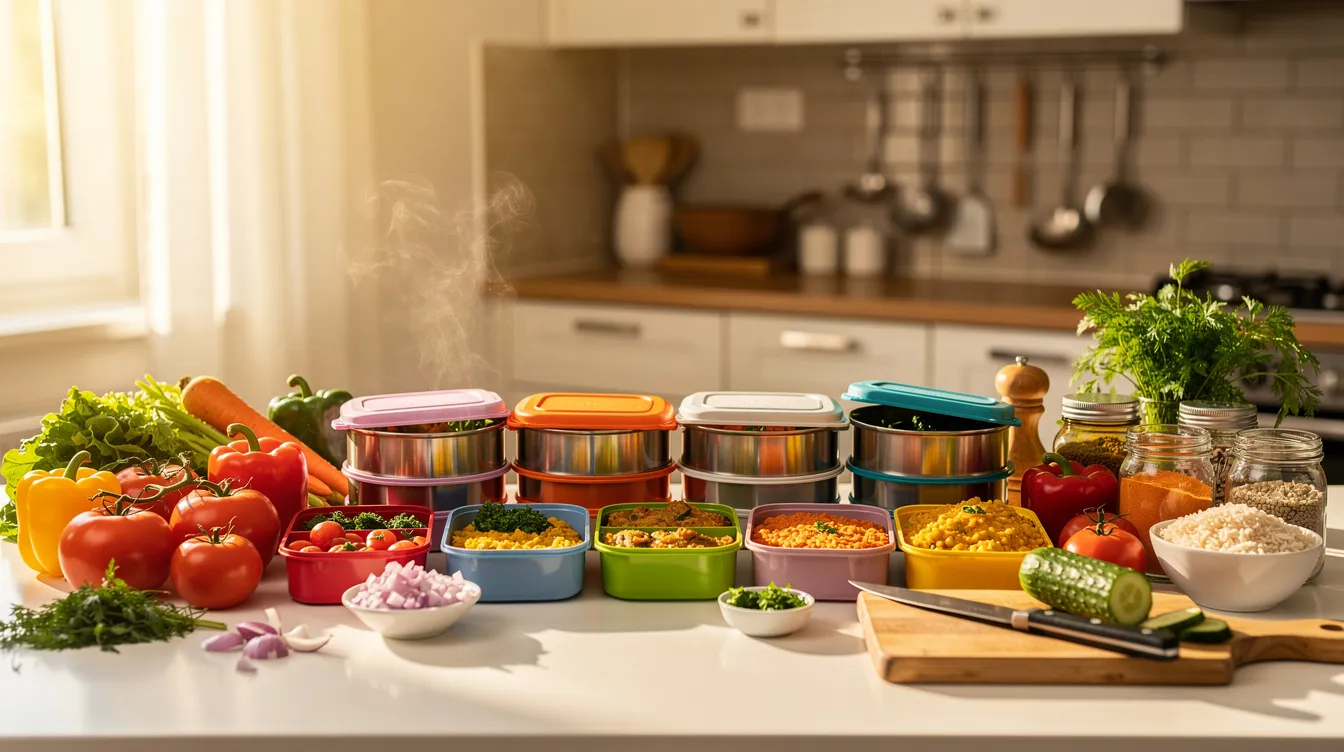
6. Home Bakery
A home bakery can earn upwards of ₹20,000 per month with consistent quality and smart social media marketing. The demand for personalized gifting services has increased significantly, and custom cakes sit right at that intersection.
- Investment: ₹5,000–₹10,000 (OTG oven, baking pans, initial ingredients, packaging)
- Profit margin: 50–70% on cakes and cookies
- Skills: Baking, food presentation, basic food safety
- Licensing: FSSAI registration is mandatory for any food business
- Marketing: Instagram reels, WhatsApp catalogues, word-of-mouth, local delivery
This is a great business idea for women and homemakers who want to monetize their cooking skills from home.
7. Tiffin Service
The Indian restaurant industry is worth ₹337,500 crores, and tiffin services capture a slice of that at the hyper-local level. Cloud kitchens require minimal investment and are highly profitable-a home tiffin service is essentially a zero-rent cloud kitchen.
- Investment: ₹3,000–₹8,000 (utensils, packaging, initial ingredients)
- Revenue model: 20 meals/day × ₹80 = ₹1,600/day = ~₹48,000/month
- Cost of goods: 50–60%, leaving net profit of ₹18,000–₹22,000
- Best for: Good cooks who understand local tastes
Recurring revenue often makes a business more stable than one-time sales-tiffin subscriptions are the perfect example. If you’re interested in scaling into the food business further, explore café business ideas for your next growth stage.
8. Tailoring Services
A tailoring shop can be operated from home with basic sewing equipment. This is an evergreen, tried and tested idea that works in every town and city across India.
- Investment: ₹5,000–₹10,000 (if you already own a basic sewing machine; otherwise budget ₹8,000+ for a second-hand machine)
- Monthly income: ₹10,000–₹25,000 depending on location and specialization
- Growth path: Move from basic alterations to custom tailoring services, then boutique fashion
9. Home Tuition Classes
A tuition center can be started at home with minimal investment. Online tutoring requires only a laptop and internet connection. The online education industry is projected to grow to $325 billion by 2025, and online tutoring services have surged due to school closures during the pandemic years.
- Investment: ₹2,000–₹5,000 (study materials, whiteboard, internet)
- Monthly income: ₹10,000–₹35,000 (5-15 students)
- Best for: Teachers, graduates, subject experts
- Models: Offline home classes, online via Zoom/Google Meet, hybrid
The demand for online tutoring and specialized education services is growing steadily-this is a flexible business that works for students, retired teachers, and working professionals alike.
10. Handmade Craft Business
Selling handmade goods can start as a side hustle with limited investment. From jewelry to home décor, the market for artisan products is expanding on online platforms like Etsy, Amazon Handmade, and Instagram.
- Investment: ₹3,000–₹8,000 (raw materials, tools, packaging)
- Monthly income: ₹8,000–₹25,000
- Marketing: Instagram, craft fairs, WhatsApp groups, local markets
Additional home-based business ideas:
- Spoken English Coaching – High demand in Tier 2/3 towns (₹3,000 investment)
- Homemade Pickles & Chutneys – Pickle-making businesses require little labor and capital (₹3,000–₹5,000)
- Spice Packing – Buy wholesale, repack in branded pouches (₹5,000–₹8,000)
- Custom Gift Hampers – Assemble and deliver personalized gifts (₹5,000)
- Healthy and Organic Food Products – Healthy and organic food items are increasingly popular (₹5,000–₹10,000)
- Mehndi/Henna Services – Seasonal demand with wedding and festival peaks (₹1,000–₹3,000)
- Paper Bag Making – Sustainable and eco-friendly products are increasingly popular in the marketplace (₹5,000–₹8,000)
Top 10 Service-Based Business Ideas Under ₹10,000
Service-based businesses typically have lower overhead than product businesses. Local services offer some of the fastest routes to profitability because you’re solving immediate, tangible problems for people in your area.
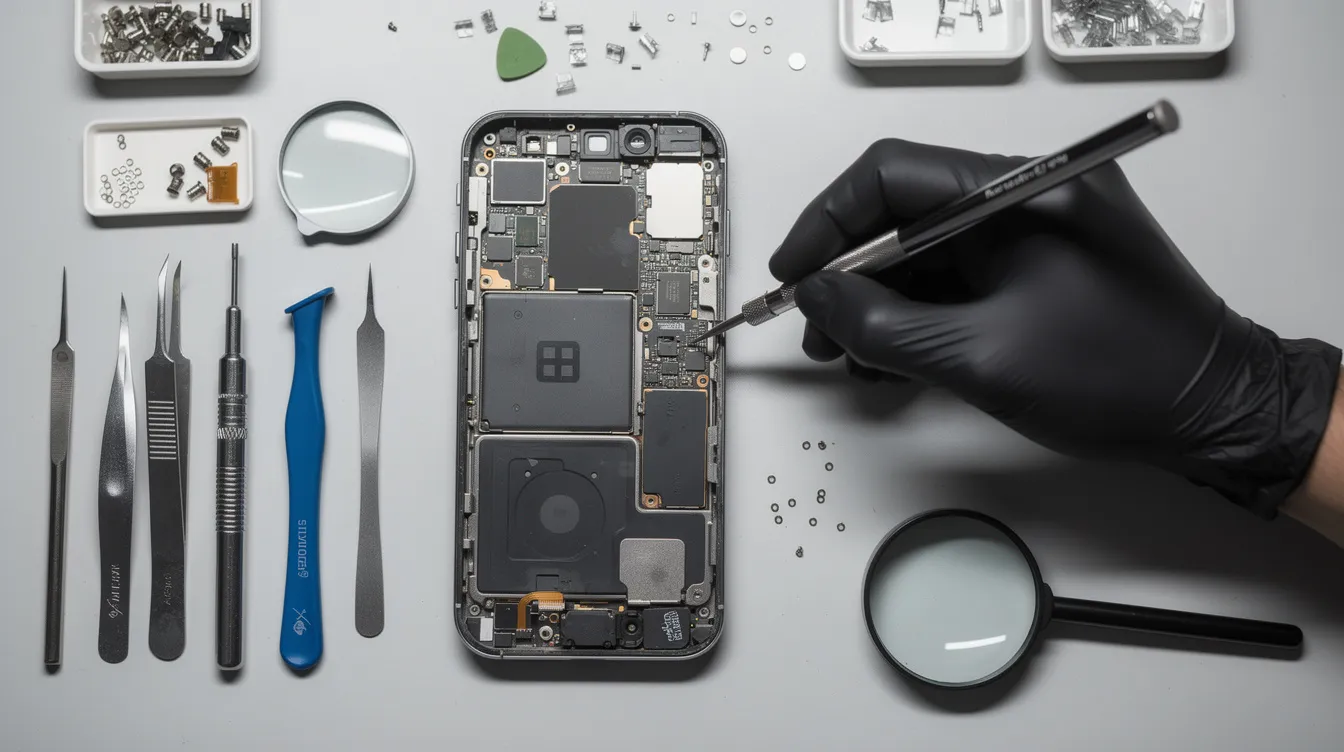
11. Mobile Phone Repair
- Investment: ₹5,500–₹7,000 for a basic tool kit (precision screwdrivers, tweezers, multimeter)
- Monthly income: ₹15,000–₹35,000
- Best for: Tech-savvy individuals with patience for detail work
- Training: 1-3 month course, often available through ITIs or private institutes
- Model: Start as a mobile service (visiting customers) to avoid shop rent, then scale to a fixed location
This is one of the most in-demand small scale business ideas in urban and semi-urban areas.
12. Car Washing Service
Mobile services like car detailing require low initial investments and have high demand. A bucket, quality cleaning supplies, microfiber cloths, and a two-wheeler to reach customers.
- Investment: ₹3,000–₹7,000
- Monthly income: ₹12,000–₹30,000 (15-20 regular customers)
- Differentiation: Offer interior detailing, ceramic coating partnerships, monthly subscriptions
13. Photography Services
- Investment: ₹8,000–₹10,000 (used DSLR or high-end smartphone, basic editing software)
- Monthly income: ₹15,000–₹50,000 (event-based, 3-5 events/month)
- Best for: Creative individuals, corporate events, weddings, product photography
- Growth: Build a portfolio, then raise rates
14. Yoga Instruction
Businesses focusing on personal fitness and wellness have a growing market. The global wellness industry is valued at $4.5 trillion as of 2021, and yoga and meditation services have seen increased demand post-pandemic. The online fitness market is projected to reach $59 billion by 2027.
Online fitness training has become a booming niche due to increased health awareness. Online fitness training can be conducted with minimal equipment and a strong internet connection. Fitness instructors can earn $20 to $100 per hour depending on expertise.
- Investment: ₹3,000–₹8,000 (certification, yoga mats, online setup)
- Monthly income: ₹15,000–₹40,000 (online + offline batches)
- Models: Park sessions, home visits, Zoom classes, recorded online courses
Online health coaching is a growing sector with low startup costs, making this one of the most scalable small business ideas available today.
15. Pet Care Services
With growing pet ownership in Indian cities, pet owners are willing to pay well for reliable care. Pet sitting, dog walking, and basic grooming are all viable services.
- Investment: ₹3,000–₹8,000 (leashes, grooming tools, treats, basic first-aid)
- Monthly income: ₹10,000–₹25,000
- Key success factor: Building trust with pet owners through reliability and genuine care for animals
Additional service-based ideas:
- Computer Training Classes – Teach basic computing to seniors, students (₹5,000)
- Home Cleaning Service – Growing demand, especially in metros (₹3,000–₹5,000 for supplies)
- Bicycle Repair – Low investment, steady demand (₹5,000–₹8,000)
- Event Decoration – Focus on birthdays, small corporate events (₹8,000–₹10,000 initial materials)
- Laundry Pickup Service – Aggregator model, minimal investment (₹5,000)
Many of these work brilliantly as business ideas for men and are equally suitable for women entrepreneurs. If you’re in a smaller city, check out small town business ideas for location-specific guidance.
Top 8 Retail Business Ideas Under ₹10,000
Product-based businesses can require high inventory upfront costs. The key to staying under ₹10,000 is starting with curated, high-turnover stock rather than broad inventory.
16. Mobile Accessories Shop
- Investment: ₹8,000–₹10,000 (tempered glass, covers, chargers, earphones)
- Monthly income: ₹8,000–₹20,000
- Margin: 40–80% on accessories
- Model: Start from home/WhatsApp, expand to a small kiosk or profitable shop business
17. Stationery Supply Business
- Investment: ₹5,000–₹10,000
- Best for: Areas near schools, coaching centers, offices
- Approach: B2B sales to small offices and coaching centers yield larger, recurring orders than retail walk-ins
18. Plant Nursery
- Investment: ₹3,000–₹8,000 (seeds, pots, soil, fertilizer)
- Monthly income: ₹8,000–₹20,000
- Growth: Indoor plants, terrace garden setups, corporate green gifting
Additional retail ideas:
- Artificial Jewellery Selling – High margin, Instagram-friendly (₹5,000–₹10,000)
- Second-hand Book Selling – Source from college students, sell online (₹3,000–₹5,000)
- Organic Produce Reselling – Source from farmers, sell to urban consumers (₹5,000–₹8,000)
- Seasonal Items – Kites, rakhis, diyas-seasonal business with concentrated profits (₹5,000–₹10,000)
- Water Purifier Accessories – Filters, cartridges for residential areas-see water business opportunities for more ideas
Top 5 Manufacturing Business Ideas Under ₹10,000

19. Candle Making
- Investment: ₹4,000–₹8,000 (wax, molds, wicks, fragrances, dyes)
- Monthly income: ₹10,000–₹30,000 (peak during Diwali season)
- Margin: 60–80% on decorative candles
- Distribution: Online platforms, local gift shops, wholesale to event planners
20. Soap Making
Sustainable and eco-friendly products are increasingly popular in the marketplace. Handmade natural soaps tap directly into this trend.
- Investment: ₹5,000–₹10,000 (oils, lye, molds, essential oils, packaging)
- Monthly income: ₹8,000–₹25,000
- Certification: Organic/natural claims need proper documentation
- Safety: Follow proper lye-handling protocols; this is non-negotiable
Additional manufacturing ideas:
- Agarbatti (Incense Stick) Making – Simple equipment, consistent demand (₹5,000–₹8,000)
- Papad/Snack Making – Hyper-local food business with strong margins (₹3,000–₹6,000)
- Jute Bag Making – Eco-friendly, government procurement potential (₹5,000–₹10,000)
For those interested in material-based businesses at slightly higher investment, explore wood-based business ideas.
Quick Comparison of Top Business Ideas
| Business | Investment | Profit Margin | Monthly Income | Difficulty | Best For |
|---|---|---|---|---|---|
| Freelance Content Writing | ₹2,000–₹5,000 | 85–95% | ₹15,000–₹55,000 | Low | Writers, students |
| Digital Marketing | ₹3,000–₹8,000 | 70–90% | ₹15,000–₹40,000 | Medium | Marketing-savvy individuals |
| Dropshipping | ₹6,000–₹10,000 | 15–30% | ₹20,000–₹50,000 | Medium | E-commerce enthusiasts |
| Home Bakery | ₹5,000–₹10,000 | 50–70% | ₹15,000–₹30,000 | Low | Baking enthusiasts |
| Tiffin Service | ₹3,000–₹8,000 | 40–50% | ₹18,000–₹25,000 | Low | Good cooks |
| Tailoring | ₹5,000–₹10,000 | 50–65% | ₹10,000–₹25,000 | Medium | Skilled tailors |
| Home Tuition | ₹2,000–₹5,000 | 80–90% | ₹10,000–₹35,000 | Low | Teachers, graduates |
| Mobile Repair | ₹5,500–₹7,000 | 50–70% | ₹15,000–₹35,000 | Medium-High | Tech enthusiasts |
| Car Washing | ₹3,000–₹7,000 | 60–75% | ₹12,000–₹30,000 | Low | Physically active individuals |
| Yoga Instruction | ₹3,000–₹8,000 | 75–90% | ₹15,000–₹40,000 | Medium | Fitness enthusiasts |
| Plant Nursery | ₹3,000–₹8,000 | 50–70% | ₹8,000–₹20,000 | Low | Gardening lovers |
| Candle Making | ₹4,000–₹8,000 | 60–80% | ₹10,000–₹30,000 | Low | Creative individuals |
Key takeaway: Service and skill-based businesses consistently show higher profit margins and lower risk compared to inventory-dependent models.
How to Choose the Right Business Under ₹10,000
Choose Based on Your Skills and Interest
The best business idea is one that aligns with what you already know and enjoy doing. If you love cooking, a tiffin service will feel natural. If you’re comfortable with technology, digital marketing or mobile repair makes sense.
Validating business ideas with a minimal viable service can reduce risks-offer your service to 5-10 people before investing in branding or equipment.
Choose Based on Market Demand
Researching local demand is essential before starting a business. Businesses that solve local problems often have steady demand. Walk through your neighborhood and observe:
- Are there enough working professionals for a tiffin service?
- Is there a school nearby that creates demand for tutoring?
- Are there enough car owners for a washing service?
Market research doesn’t need to be expensive. Talk to 20 potential customers before spending a single rupee.
Choose Based on Investment Recovery Time
- Service businesses: Break-even in 1-3 months (low fixed costs)
- Digital businesses: Break-even in 2-6 months (time investment before revenue)
- Product/retail businesses: Break-even in 3-6 months (inventory turnover dependent)
Your cash flow determines survival. Budget your working capital for at least 3 months of operations without income.
Financial Planning for Your ₹10,000 Business
Budgeting for legal, operational, and marketing expenses is crucial for startups. Here’s what most businesses overlook:
Working capital: Your only investment isn’t the ₹10,000 startup cost. You need cash to cover ongoing expenses-ingredients, internet bills, transport, packaging-until revenue stabilizes.
Pricing: Most beginners underprice. Calculate your true cost (materials + time + overhead) and add a minimum 30% margin. A profitable business is one that pays you fairly for your time.
Record keeping: Maintain books of accounts from day one. Even a simple Excel sheet tracking income and expenses will save you headaches during tax filing and loan applications.
GST registration: Compulsory if your annual turnover exceeds ₹40 lakh (₹20 lakh for services in some states). Voluntary registration earlier can enhance credibility with B2B clients.
MSME/Udyam Registration: Free to register at udyamregistration.gov.in. Benefits include priority sector lending, credit guarantee coverage, and lower interest rates on business loans.
Bank account: Open a separate current account for business transactions. Never mix personal and business finances-this is non-negotiable advice I give every small business owner I consult.
Government Schemes and Support
| Scheme | Benefit | Eligibility |
|---|---|---|
| PM Mudra Loan (Shishu) | Loans up to ₹50,000 | Any non-farm income-generating activity |
| CGTMSE | Collateral-free credit guarantee | MSMEs registered under Udyam |
| Startup India | Tax benefits, easier compliance | DPIIT-recognized startups |
| State schemes | Vary by state-subsidies, training | Check respective state MSME portals |
For a ₹10,000 business, the Mudra Shishu category is most relevant. Documentation is minimal: identity proof, address proof, and a basic business plan or quotation. Most banks and NBFCs process Shishu loans with minimal friction.
Digital payment infrastructure: Accept UPI payments from day one. It costs nothing, builds transaction records, and makes your business look professional. A travel agency can be started with just a laptop and local knowledge-add UPI acceptance and you’re a legitimate business online.
15 Common Mistakes to Avoid When Starting Low Investment Businesses
- Underestimating working capital – Most ₹10,000 businesses fail not from poor ideas but from cash running out in month two
- Skipping market research – Thorough research into local demand saves you from building something nobody wants
- No financial records – Even a ₹5,000 business needs an expense tracker
- Scaling too fast – Adding employees or products before proving the core model
- Ignoring compliance – FSSAI for food business, GST when applicable, Udyam for MSME benefits
- No insurance – Even a small business faces risks; basic coverage is affordable
- Wrong pricing – Charging too little to “get customers” destroys margins permanently
- Mixing personal and business finances – Opens you to tax complications and cash flow blindness
- No marketing strategy – “Build it and they will come” doesn’t work; plan how to attract customers
- Zero emergency fund – Keep at least one month’s operating costs in reserve
- Ignoring customer feedback – Market trends shift; your business must adapt
- Borrowing too early – Don’t take loans before validating your business model
- Not investing in skill development – Your skills are your primary asset; keep sharpening them
- Poor supplier management – Dead stock from unreliable suppliers kills profit for small business owners
- No digital presence – Even a WhatsApp Business profile counts; most businesses lose customers simply because they can’t be found online
Expert Advice from CA Manish Gugliya
Over 20 years of advising small businesses, I’ve noticed patterns that separate successful business ideas from failed experiments. Here’s what I consistently recommend:
Select based on local market conditions, not internet trends. A junk removal business might be trending nationally, but if your town already has three operators, pick something else. Do a walkthrough of your area. Identify gaps. The most profitable businesses solve specific local problems.
Financial discipline from day one. I’ve seen entrepreneurs earning ₹40,000/month from a tiffin service go broke because they withdrew everything and reinvested nothing. My rule: reinvest at least 20% of net profit back into quality improvement, better tools, or marketing for the first 12 months.
Maintain proper books. When you eventually apply for a Mudra loan, bank loan, or even want to bring in a partner, clean financial records are your credibility. A comprehensive business plan backed by actual numbers beats any pitch.
Tax planning matters even at ₹10,000. Track every expense-it’s deductible. Keep invoices. Understand your GST threshold. Consult a CA before your turnover crosses ₹30 lakh, not after.
Scale only after consistent cash flow. I define “consistent” as three consecutive months of positive net income. Before that, you’re still validating. After that, you can invest in growth-better equipment, paid ads, hiring help.
Build relationships, not just transactions. Whether you’re managing social media for other business owners or delivering tiffins to an office, retention is cheaper than acquisition. A 10% discount for loyal customers costs less than finding new ones.
Risk management is not optional. Every small scale business venture faces unexpected costs-equipment breakdown, supplier price hikes, seasonal slowdowns. Maintain a buffer. Consider basic insurance. Plan for the downside so the upside takes care of itself.
Success Stories and Case Studies
Case 1: Content Writer from Jaipur – Started with a ₹3,000 investment (internet upgrade and Grammarly subscription). Began on Pepper Content at ₹0.50/word. Within 8 months, built a finance writing niche and moved to direct clients at ₹2.50/word. Current monthly income: ₹45,000. Total investment recovered in the first month itself.
Case 2: Tiffin Service from Pune – A homemaker started delivering 15 meals/day from her kitchen with ₹6,000 in initial supplies. Within 4 months, expanded to 40 meals/day with one helper. Monthly net profit: ₹22,000. She’s now exploring a lucrative business model with corporate meal contracts.
Case 3: Mobile Accessory Reseller from Indore – Invested ₹8,000 in tempered glass and phone covers. Sold through WhatsApp and local delivery. Monthly turnover: ₹25,000 with 45% margin. Now runs a small kiosk near a college.
The common thread: each person started with available resources, maintained records, reinvested profits, and scaled gradually. None waited for “perfect conditions.”
Which Business Idea is Best for You?
- Choose Freelance Content Writing if you have strong communication skills and want flexible, location-independent work
- Choose Home Bakery if you love baking and want to build a local customer base with recurring orders
- Choose Digital Marketing if you understand social media and want to run a business online serving multiple clients
- Choose Tiffin Service if you’re a good cook and can maintain consistency and hygiene standards
- Choose Mobile Repair if you’re tech-savvy, live in an urban area, and enjoy hands-on problem solving
- Choose Yoga Instruction if you’re passionate about wellness and want both online and offline income streams
Decision framework: List your top 3 skills, identify the market demand in your area for each, estimate startup costs, and pick the one where skill and demand overlap most strongly. That’s your strongest path to building a successful business.
Frequently Asked Questions
Which business can I start with ₹10,000 investment?
You can start freelance content writing, a tiffin service, home tuition, dropshipping, candle making, social media management, or a car washing service-among 50+ options listed in this article.
Is ₹10,000 enough to start a profitable business?
Yes. Many low investment business ideas-especially service and digital businesses-require more skill than capital. Your initial investment covers basic tools; your skills generate revenue.
Which business has the highest profit margin under ₹10,000?
Freelance content writing (85-95%), digital marketing services (70-90%), and yoga instruction (75-90%) offer the highest margins because they’re pure skill businesses with negligible cost of goods.
Can students start businesses with ₹10,000?
Absolutely. Blogging, affiliate marketing, social media management, home tuition, and graphic design are all business ideas for students with flexible schedules.
Which businesses are best for women entrepreneurs?
Home bakery, tiffin service, tailoring services, handmade crafts, mehndi services, and online tutoring are popular and proven small business ideas for women. But truly, any business on this list is gender-neutral.
Do I need GST registration for small business?
Only if your annual turnover exceeds ₹40 lakh (goods) or ₹20 lakh (services, in some states). Below that, GST registration is voluntary but can help with B2B credibility.
Can I get a Mudra loan for a ₹10,000 business?
Yes. The Mudra Shishu category covers loans up to ₹50,000 with minimal documentation. It’s designed for exactly this type of micro-enterprise.
Which business grows fastest with minimal investment?
Digital marketing and content writing scale fastest because adding clients doesn’t require proportional capital increase. Food trucks have lower initial investments than traditional restaurants if you want to scale in the food business.
What are the safest business ideas under ₹10,000?
Home tuition, tiffin service, and freelance writing have the lowest risk-they require the least capital and have proven, steady market demand. These are among the most successful small businesses at this investment level.
Can I run a business from home with ₹10,000?
Yes. At least 20 ideas in this article-bakery, tuition, tailoring, content writing, crafts-are designed as work from home business models needing no office space.
Which business is suitable for rural areas?
Plant nursery, spice packing, agarbatti making, home tuition, and bicycle repair work well in villages. Check dealership business ideas for distribution-based models suitable for rural markets.
Which business needs no physical shop?
Freelancing, digital marketing, affiliate marketing, dropshipping, home tuition, photography, yoga instruction, and car washing-all operate without a physical shop.
How long does it take to recover ₹10,000 investment?
Service businesses typically recover investment within 1-2 months. Product businesses may take 2-4 months depending on inventory turnover and market demand.
Which business is recession-proof under ₹10,000?
Food (tiffin service, bakery), education (tuition), and repair services (mobile, bicycle) see demand regardless of economic conditions.
Can I start multiple businesses with ₹10,000?
Technically yes-you could run content writing alongside home tuition with combined investment under ₹10,000. But focus on one until it’s profitable before diversifying.
What insurance do I need for small business?
At minimum, consider product liability insurance (for food businesses) or professional indemnity (for service businesses). Costs start as low as ₹2,000–₹5,000/year.
How to maintain accounts for small business?
Start with a simple Excel sheet or free apps like Khatabook. Track every income and expense. Graduate to Tally or Zoho Books as you grow. Proper records from day one are essential for successful future business planning.
Which business can be started without experience?
Car washing, plant nursery, mobile accessory reselling, and data entry require minimal prior experience. The learning curve is measured in days, not months.
What are the legal requirements for a ₹10,000 business?
At minimum: PAN card, bank account, and Udyam registration. For food businesses: FSSAI. For turnover above threshold: GST. Depending on your target market, a simple trade license may be needed.
How to market my business with zero budget?
Use WhatsApp Business, Instagram Reels, Google My Business listing, and word-of-mouth referrals. Create valuable content on social media platforms. These marketing skills cost nothing but time and consistency. Your marketing strategy should focus on building trust in your local community first.
Final Thoughts
Every successful business I’ve helped build over the past two decades started with a single step-often with less capital than you’d expect. The businesses listed in this article aren’t theoretical. They’re being run right now by real people across India, from metropolitan cities to small towns, generating real income with a low start up costs approach.
The difference between an idea and a successful business comes down to three things: solving a real customer problem, maintaining financial discipline, and having the patience to grow gradually. Don’t chase the most profitable businesses you read about online-chase the one that matches your skills, your local market, and your capacity for consistency.
Start with what you have. Keep proper records from day one. Reinvest before you reward yourself. Scale only after three months of positive cash flow. And never stop learning-whether it’s new marketing skills, better recipes, or improved service delivery, your growth as an entrepreneur is your business’s growth.
You don’t need ₹10 lakh to be your own boss. You need ₹10,000, a clear plan, and the discipline to execute it.
Ready to take the next step? Visit ProjectReportBank.com for professionally prepared project reports, CMA data reports, and bank loan documentation tailored to your business idea. Whether you need a Mudra loan application package or a comprehensive business plan for investors, we’ve got you covered.
Need personalized guidance? Consult CA Manish Gugliya for one-on-one business planning, financial feasibility analysis, and MSME compliance support. With 20+ years of experience helping entrepreneurs turn small investments into sustainable businesses, you’ll get advice rooted in real-world results-not generic templates.
Your ₹10,000 business journey starts today. Make it count.
- Pulse Cleaning Plant Feasibility Study: ROI, IRR, DSCR and Bank Finance


- Pulse Cleaning & Grading Plant Working Capital & Cash Credit Requirements in India

- Pulse Cleaning & Packing Plant Financial Projections, CMA Data & DSCR

- Pulse Cleaning & Grading Processing Cost, Recovery, Wastage & Profitability in India

- Pulse Cleaning, Grading & Packing Plant Setup Cost & Investment in India

- Pulse Cleaning & Packing Plant Capacity, Land, Building & Layout Requirements

- Pulse Cleaning, Grading, Sorting & Packing Process Flow Explained

- Optical Colour Sorter for Pulses: Technology, Capacity, Price & Selection

- Pulse Cleaning, Grading & Sorting Machinery: Equipment List, Specifications & Cost

- Pulse Cleaning, Grading & Packing Job-Work Business Model & Project Report in India

- Export-Grade Pulse Cleaning, Colour Sorting & Packing Plant Project Report & DPR in India

- Integrated Multi-Pulse Cleaning, Grading & Packing Plant Project Report & DPR in India

- Pulse Protein, Starch & Advanced Ingredients Manufacturing Project Report & DPR

- Pulse Protein Manufacturing Feasibility, ROI & Bank Finance

- Pulse Protein Plant Financial Projections, CMA Data & DSCR