The Scheme for Creation of Infrastructure for Agro Processing Clusters under PMKSY offers one of the more practical central-government funding mechanisms for developers and investors looking to build shared food processing infrastructure in India. The grant-in-aid can meaningfully reduce the capital burden on cluster promoters, but only when the project is properly structured, financially viable and supported by a bankable detailed project report. This article examines the scheme’s subsidy structure, eligibility requirements, infrastructure components, project cost planning, DPR preparation, bank finance considerations and application process, based on the operational guidelines issued by the Ministry of Food Processing Industries.
Key Takeaways
- The PMKSY Agro Processing Cluster Scheme provides grants-in-aid of up to 35% of eligible project cost in general areas and up to 50% in difficult areas, for SC/ST entrepreneurs and certain special categories, capped at ₹10 crore per project. The grant covers common infrastructure only, not individual unit machinery.
- Each agro processing cluster must typically have a minimum of 5 food processing units with a combined minimum investment of ₹25 crore (excluding land) and at least 10 acres of contiguous land.
- Grants are credit-linked, requiring a sanctioned bank term loan and a bank-appraised agro processing cluster DPR. They are released in three instalments against project progress and are not automatic or guaranteed.
- A professionally prepared, bankable DPR, robust tenant commitments and sound financial projections are central to project approval, bank finance and long-term viability.
- Project Report Bank, led by CA Manish Gugliya, assists serious developers and investors with customised DPRs, feasibility studies, CMA Data, financial modelling and project finance advisory for agro processing clusters and integrated food processing parks.
What Is the PMKSY Agro Processing Cluster Scheme?
The Scheme for Creation of Infrastructure for Agro Processing Clusters, commonly referred to as APC, is a central sector scheme under Pradhan Mantri Kisan Sampada Yojana (PMKSY). It is managed by the Ministry of Food Processing Industries (MoFPI) and is designed to develop modern infrastructure for agro processing and food processing industries on a cluster basis, linking groups of producers, processors and markets within a compact geographic area.
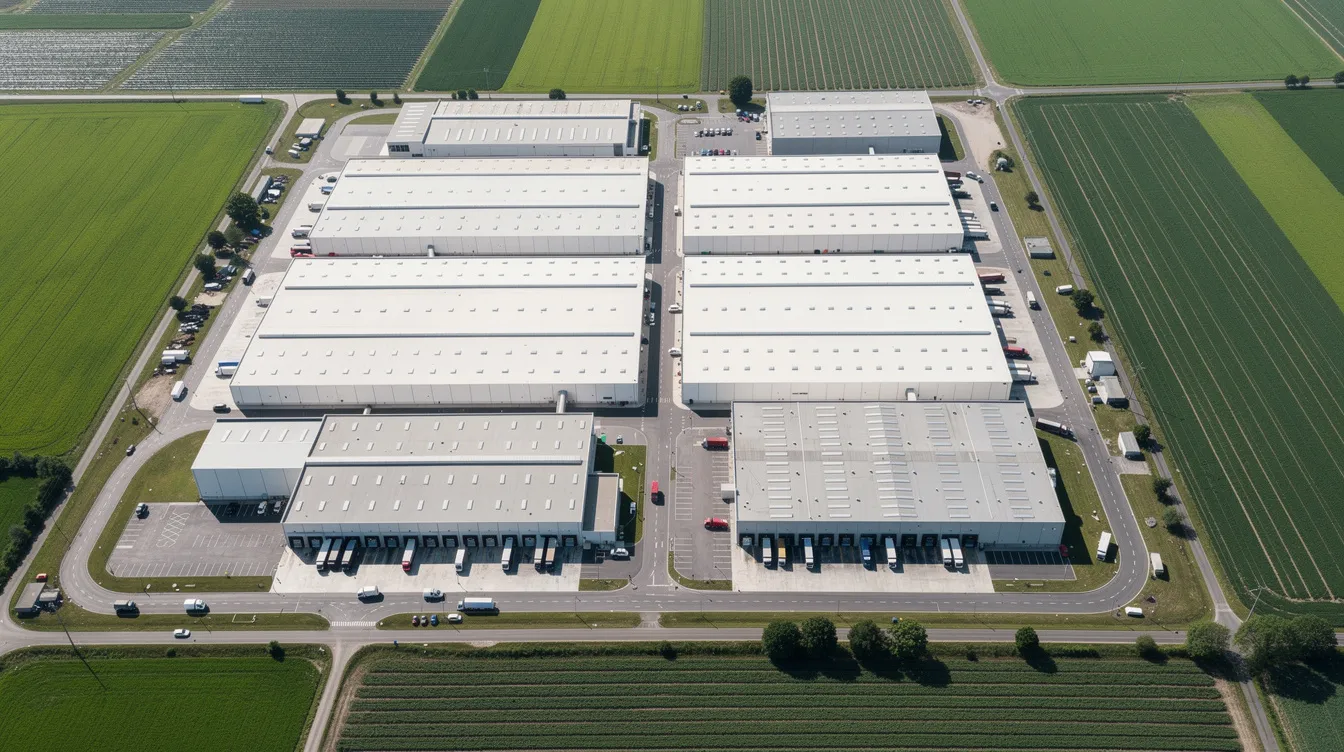
An agro processing cluster is a contiguous area, generally around 10 acres or more, developed with two basic components of shared infrastructure. The first is basic enabling infrastructure, which includes site development, internal roads, drainage, water supply, power supply with power backup, boundary wall, effluent treatment plant, weigh bridges and common office space. The second is core infrastructure and other common processing facilities such as cold storage, dry warehouse, pre cooling chambers, ripening chambers, IQF tunnels, grading and sorting lines, specialized packaging, food testing laboratory and steam generation boilers.
The cluster approach works through a clear division of responsibility. A Project Execution Agency or Special Purpose Vehicle develops the common infrastructure, while individual food processing units invest separately in their own plant, machinery and buildings within or alongside the cluster. Each cluster requires at least five food processing units, and the scheme aims to reduce post-harvest losses, promote value addition, strengthen the supply chain and create local employment by placing agro processing clusters close to agricultural production centres.
The APC component is distinct from earlier Mega Food Park schemes. It focuses on compact, investment-efficient clusters with lower minimum land and faster implementation timelines. The scheme guidelines dated 25 April 2025 provide the current framework, though promoters should verify specific thresholds against the latest PMKSY circulars before preparing a project report.
PMKSY Agro Processing Cluster Subsidy and Financial Assistance
The agro processing cluster subsidy is provided as grants in aid for creation of infrastructure for agro processing clusters, calculated on the eligible project cost of common facilities only, not on individual unit machinery or land.
Subsidy rates and cap:
| Parameter | General Areas | Difficult / Special Areas |
|---|---|---|
| Grant-in-aid percentage | Up to 35% of eligible project cost | Up to 50% of eligible project cost |
| Maximum grant per project | ₹10 crore | ₹10 crore |
| Applicable areas | All states not in special category | North Eastern States, Himalayan States, Islands, state notified ITDP areas, SC/ST entrepreneurs |
| Completion timeline | 24 months | 30 months |
SC/ST entrepreneurs, farmer producer organizations and proposals from ITDP areas may receive up to 50% of eligible project costs. The maximum grant available under the scheme is ₹10 crore per project regardless of total investment size.
The eligible project cost includes site development, internal roads, electricity supply, common utilities, core processing infrastructure, common facilities and EPC-related fixed assets for shared use. It excludes land cost, working capital margins, marketing expenses, vehicles for promoters, administrative buildings beyond a modest cluster office, consultancy fees and certain taxes. MoFPI guidelines also specify that basic enabling infrastructure should not exceed a prescribed proportion (approximately 40%) of total eligible cost, ensuring that the majority of investment supports productive food processing infrastructure.
The financial assistance is credit-linked. A term loan sanction from a scheduled commercial bank or financial institution is mandatory. The grant is released in three instalments linked to physical and financial progress. The first instalment is targeted within 8 months for general areas after the promoter has spent one-third of eligible cost. The second instalment follows within 16 months after two-thirds of expenditure is verified. The third instalment is released after project completion and operationalisation. Subsidy is never automatic; project approval by the Inter-Ministerial Approval Committee and compliance with the PMKSY agro processing cluster guidelines are mandatory steps.
Illustrative Subsidy Calculation:
| Item | Scenario A (General) | Scenario B (Special Area) |
|---|---|---|
| Total project investment | ₹50 crore | ₹50 crore |
| Eligible infrastructure cost (common) | ₹28 crore | ₹22 crore |
| Individual units’ investment | ₹12 crore | ₹18 crore |
| Land cost (non-eligible) | ₹10 crore | ₹10 crore |
| Applicable subsidy % | 35% | 50% |
| Computed grant | ₹9.80 crore | ₹11.00 crore |
| Actual grant (capped) | ₹9.80 crore | ₹10.00 crore |
| Promoter equity (approx. 20%) | ₹10.00 crore | ₹10.00 crore |
| Bank term loan (balance) | ₹30.20 crore | ₹30.00 crore |
All figures are purely illustrative. Actual subsidy depends on MoFPI-approved eligible cost.
For a detailed analysis of agro processing park setup cost, promoters should evaluate each component separately before filing the subsidy application.
Eligibility Criteria for Agro Processing Cluster Projects
Eligibility under the PMKSY agro processing cluster scheme operates at three levels: the applicant entity, project-level conditions and financial thresholds.
Eligible applicants include companies incorporated under the Companies Act (including SPVs), limited liability partnerships, registered cooperatives, farmer producer companies, farmer producer organizations, joint ventures, state government agencies, PSUs and reputed NGOs with a track record in agro processing. Eligible Project Execution Agencies can include various government and private entities. The project must comply with specific eligibility criteria set by MoFPI.
Financial criteria for promoters include a combined net worth of at least 1.5 times the grants in aid sought, minimum cash promoter equity of approximately 20% of eligible project cost in general areas (lower in difficult areas), and a bank term loan covering at least 20% of the total project cost in general areas. Acceptable debt-equity ratios generally range from 1.5:1 to 2:1 for the infrastructure component, subject to bank appraisal.
Cluster-level conditions:
- At least 5 food processing units based within or alongside the cluster, with combined minimum aggregate investment of ₹25 crore in plant, machinery and fixed assets (excluding land).
- At least 10 acres of contiguous land with clear title or long-term lease (typically 50 years), with limited relaxations in notified urban or industrial locations.
- Processing must focus on agricultural or horticultural produce within MoFPI-defined food processing activities.
Eligibility Checklist:
- ✅ Entity is legally incorporated and eligible under APC norms
- ✅ Promoters meet net-worth and equity contribution benchmarks
- ✅ Bank in-principle term loan sanction is feasible
- ✅ Land of required size is in possession with land-use approvals
- ✅ At least 5 food processing industries have given written intent (MoU/LoI)
- ✅ Project complies with local planning, environment and pollution-control norms
Readers interested in optimising industry mix and value chain integration in an agro processing park should plan the tenant composition carefully. Meeting eligibility does not guarantee sanction; scoring criteria, competition in EOI rounds and overall PMKSY budget availability also influence selection. Proposals are technically evaluated based on merit and financial viability.
Eligible Infrastructure and Project Components
The scheme distinguishes clearly between basic enabling infrastructure and core infrastructure for agro processing clusters.
Basic enabling infrastructure (basic components that make the land usable):
- Site development, boundary wall, approach and internal roads, storm-water drainage
- Power distribution networks, substations, DG-backup for common areas and parking bay
- Water supply system, overhead tanks, borewells, firefighting networks
- Effluent treatment plant, STP, solid-waste handling facilities
- Street lighting, weighbridge, security and common office space
Core and common processing facilities:
- Warehouses, godowns and dry warehouse for bulk commodity storage
- Cold storage, pre cooling chambers, ripening chambers, blast freezing and IQF tunnels
- Cleaning, grading, sorting, washing and primary processing equipment
- Common packaging facilities including vacuum packing, MAP, labelling and packing facilities
- Food testing laboratory, R&D and pilot lines
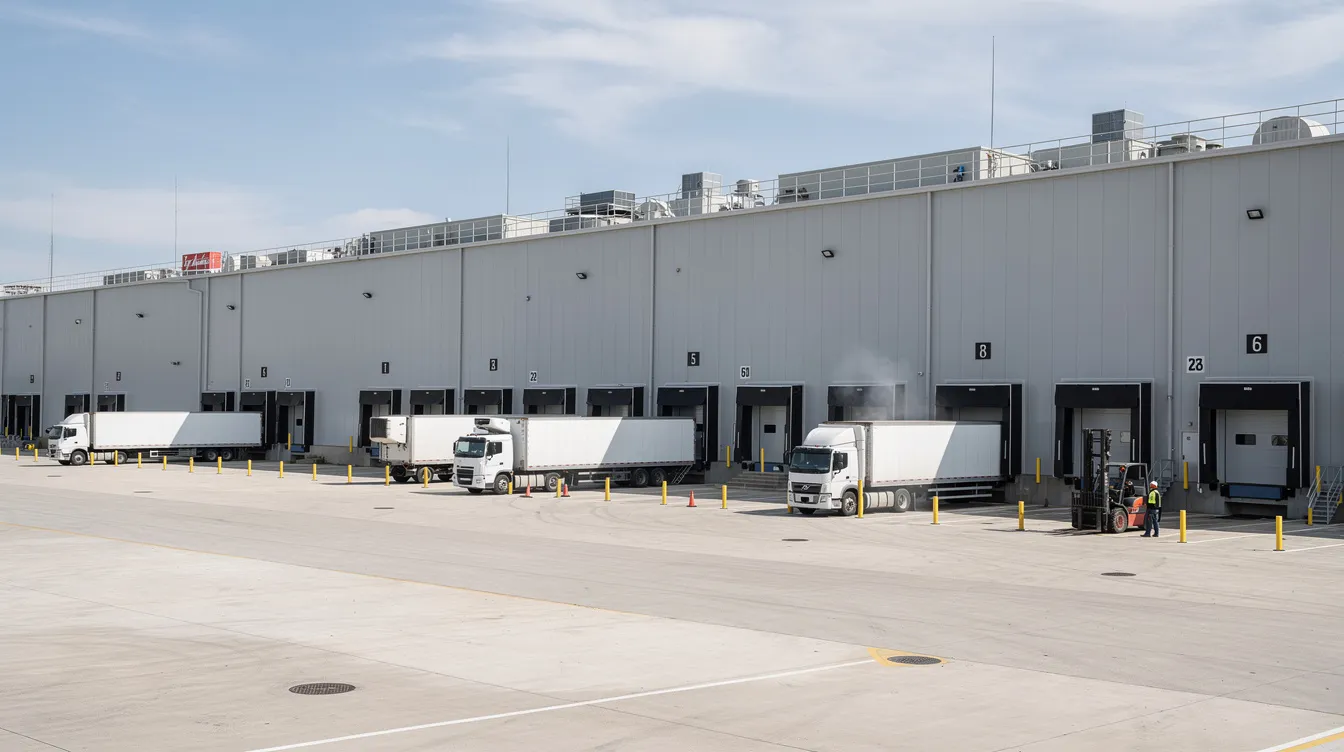
- Material-handling systems, conveyors and loading bays
Ineligible components for grant calculation include land cost, individual unit buildings and machinery, administrative buildings beyond specified limits, vehicles for promoters, brand promotion, consultancy and legal fees, and certain taxes.
For a detailed overview of common utilities for agro processing parks, promoters should evaluate power backup, steam generation boilers, compressed air and refrigeration requirements during DPR preparation. Grain-based or cereal-processing clusters may also benefit from reviewing the Integrated Grain Industrial Complex Project Report for design concepts applicable to integrated grain-processing infrastructure.
Land Requirements, Location Selection and Cluster Planning
Land is the foundation of any agro processing cluster. MoFPI insists on clear title or lease, proper land-use permissions and adequate size before approving subsidies.
Each cluster requires at least 10 acres of land for setup, held as ownership or long-term registered lease (typically 50 years). Industrial or agro processing compatible land use with CLU approvals must be obtained or in an advanced stage. Larger multi-tenant food processing parks may require substantially more land.
Location-selection parameters:
- Proximity to agricultural catchment areas for steady raw-material supply and reduction of surplus produce wastage
- Access to roads, railheads, ports and airports for efficient logistics
- Availability of power, water, telecom and scope for future infrastructure upgradation
- Labour availability and presence of allied input suppliers
Special considerations apply for difficult areas including north eastern states, Himalayan states and Islands, where land acquisition is more complex but the subsidy rate is higher. Promoters must balance terrain constraints against the financial advantage.
Master planning should cover an overall layout showing industrial plots for units, core common facilities, utilities, roads, green belts and buffer zones. Zoning by food category (grain milling, dairy, fruits and vegetables) helps manage contamination risks. Phasing for expansion is essential. For detailed agro processing park land requirement analysis, developers should reconcile scheme norms with bank collateral expectations and state industrial-policy incentives. Those planning larger developments may also refer to the Multi-Tenant Agro Food Processing Park Project Report.
Agro Processing Cluster Project Cost and Investment Structure
The total project cost for an agro processing cluster comprises infrastructure for agro processing (common facilities eligible for grant), individual units’ investment in their own plant and machinery, and pre-operative expenses, contingencies and margin money for working capital.
Recommended cost-structure components:
- Land and site acquisition (non-grant-eligible but critical for collateral)
- Civil infrastructure: roads, drainage, buildings for common facilities
- Plant and machinery for common processing, cold chain and testing
- Utilities: power distribution, boiler/steam, refrigeration, water treatment, fire fighting
- Miscellaneous fixed assets: office equipment, IT systems, lab equipment
- Pre-operative expenses: approvals, design, interest during construction, contingency
The means of finance should include promoter contribution, term loan from banks, PMKSY agro processing cluster subsidy and any dovetailed state grants (without duplication on the same asset). Land cost, though excluded from eligible project cost, materially affects total capital employed and security cover for banks.
For integrated grain complex infrastructure layout and EPC cost estimation, grain-based clusters should plan civil works, machinery specifications and utility corridors with EPC-level detail. All project-cost and means-of-finance figures in bankable DPRs must match those submitted to MoFPI, lenders and state agencies to avoid discrepancies during appraisal and grant disbursement.
How to Prepare a Bankable Agro Processing Cluster DPR
Detailed project reports are essential for proposal submissions under the scheme. A professionally prepared, bankable agro processing cluster DPR is mandatory for both bank term-loan appraisal and PMKSY subsidy application. It should be far more than a generic template.
Key sections of a robust DPR:
- Executive Summary – Project concept, location, total investment, eligible project cost, subsidy expectation, promoter profile, IRR, DSCR, payback and break-even
- Promoter & PIA Profile – Legal structure, shareholding, past experience in food processing industries, audited financials and net-worth analysis
- Market & Raw Material Feasibility – Catchment-area production analysis, demand projections, price trends, competitor mapping
- Land & Infrastructure Plan – Title/lease details, CLU status, layout plan, infrastructure components and phasing
- Cluster Composition & Anchor Tenants – Identification of minimum 5 anchor food processing units, anchor tenant selection and plot allotment methodology, unit-wise investment plans
- Technology & Machinery – Specifications for core processing equipment, cold chain, testing labs with vendor quotations
- Project Cost & Means of Finance – Detailed cost sheets distinguishing eligible and ineligible costs, funding sources, sensitivity for cost overruns
- Revenue Model & Financial Projections – 7–10 year projections for income, operating expenses, EBITDA, PAT, cash flows and DSCR
- Risk Analysis & Mitigation – Occupancy, raw material, price volatility, policy and grant disbursement risks
- Implementation Schedule – Realistic timeline aligned with APC guidelines (24–30 months), statutory approvals roadmap
All numbers in the Agro Processing Cluster Project Report must be internally consistent and reconcile with bank application forms, CMA Data and the MoFPI application.
Bank Loan, CMA Data and Financial Projections
Since APC grants are credit-linked, a term loan sanction from a financial institution is mandatory. Banks must be convinced of the cluster’s capacity to service debt even if subsidy receipt is delayed.
Term-loan structuring considerations:
- Debt-equity ratio of 1.5:1 to 2:1 depending on cash-flow strength
- Moratorium covering construction and stabilisation, aligned with scheme timelines
- Repayment tenure maintaining DSCR comfortably above 1.3–1.5 times
CMA Data and financial projections should include projected balance sheets, profit and loss statements and cash-flow statements for at least 7–10 years. Month-wise projections during construction capture working-capital requirements and interest during construction. DSCR computation, break-even analysis, IRR and sensitivity analysis for occupancy shortfalls are essential.
Grant instalments are released only after promoter equity and proportionate bank loan have been deployed and MoFPI verifies progress. Bridge funding may be required to manage cash flows before subsidy realisation. Banks may treat the expected grant conservatively; the DPR must present viability with and without timely grant receipt. For detailed guidance on agro processing park bank loan DPR and CMA Data, promoters should ensure all financial statements reconcile across documents.
Agro Processing Cluster Revenue Model and Commercial Viability
Long-term viability depends on sustainable revenue streams from infrastructure usage, not on the one-time grant. A careful revenue model is the core of any bankable investment proposal, and private investment should be evaluated on its own commercial merits.
Key revenue components for cluster developers:
- Lease rentals or upfront premium from allotment of industrial plots to food processors
- User charges for common facilities (cold storage, warehouses, ripening chambers, grading, packaging, testing)
- Utility recovery charges (power, steam, water, effluent treatment) on consumption-based tariffs
- Ancillary income from training centres, incubation spaces and related services
Occupancy risk is the single largest variable. Securing written commitments from anchor units before EOI submission is critical. Structuring competitive lease and tariff frameworks helps encourage group participation and makes it economically attractive for units to operate within the cluster rather than as standalone plants. A diversified industry mix reduces commodity-specific risks.
A well equipped supply chain connecting farmers to food processors and then to markets generates forward linkages that sustain occupancy over time. For a deeper analysis of agro processing park revenue model structuring, developers should model revenue under normal and stressed occupancy scenarios, examining DSCR and IRR sensitivity.
How to Apply for the PMKSY Agro Processing Cluster Scheme
APC applications follow an Expression of Interest based selection process through MoFPI’s online SAMPADA/PMKSY portal. An Expression of Interest must be monitored to apply for the scheme, as EOIs are time-bound and issued periodically. Physical applications are not accepted; online submissions are required.
Application steps:
- Concept finalisation – Project idea, location, land identification, prospective units and preliminary financial structuring
- DPR and bank appraisal – Preparation of bankable agro processing cluster DPR, obtaining term loan sanction from bank, compiling financial statements and net-worth proofs
- Online EOI submission – Registration on MoFPI’s PMKSY portal, uploading DPR, bank sanctions, land documents and all required annexures
Post-submission, the Programme Management Unit scrutinises proposals for completeness. Evaluation follows PMKSY agro processing cluster guidelines scoring criteria covering land readiness, promoter strength, raw-material linkage, SC/ST participation and difficult-area location. Final sanction is by the Inter-Ministerial Approval Committee, subject to fund availability.
Grant release follows defined milestones: first instalment after pre-conditions are met, subsequent instalments after verified project progress, and the final instalment on full commissioning. Promoters should cross-check current formats from MoFPI’s official APC scheme page.
Common Reasons for Application Rejection
Many technically sound agro processing proposals fail to secure APC subsidy due to documentation gaps, weak financials or non-compliance with scheme specifics.
Technical issues:
- Inadequate land documents (no CLU, disputed title, short-term lease)
- Non-compliance with minimum land requirement or fragmented holdings
- Missing statutory or environmental approvals
Financial and promoter issues:
- Promoter net worth below prescribed thresholds or high existing leverage
- Lack of firm term loan sanction or bank appraisal not aligned with APC DPR
- Insufficient promoter equity actually infused
Project-structuring issues:
- Fewer than 5 committed food processing units or inadequate investment commitments to reach ₹25 crore
- Over-emphasis on basic infrastructure with insufficient core processing facilities
- Unrealistic cost estimates or over-optimistic occupancy projections
Documentation lapses:
- Inconsistent figures across DPR, application forms, bank documents and audited financials
- Attempted double-claim of subsidies from multiple schemes for the same asset
- Non-disclosure of tax components in cost estimates
Engaging professional advisors for DPR preparation and compliance review substantially reduces such risks, although selection also depends on policy priorities and competition among applicants.
Is an Agro Processing Cluster Financially Viable?
APC projects can be financially attractive when planned with realistic assumptions, strong tenant commitments and disciplined implementation. However, they are capital intensive and carry occupancy and policy risks.
From the developer’s perspective, upfront capital outlay on infrastructure for agro processing is recovered gradually through lease rentals and user charges. The approved grant (up to ₹10 crore) improves project IRR but cannot compensate for fundamental weaknesses in demand or design. Payback periods are typically medium to long, ranging from 7 to 10 years depending on the occupancy trajectory.
From the lender’s view, banks focus on DSCR, collateral coverage, promoter track record and realism of projections. Many lenders prefer that the project demonstrate viability even without subsidy, treating the grant as upside rather than a core repayment source. Sensitivity analysis demonstrating resilience under scenarios of delayed grant or cost overrun is critical.
As of publicly available MoFPI data, 75 APC projects had been approved nationwide by early 2025. One approved project in Begusarai, Bihar, had a total project cost of ₹30.43 crore with grant-in-aid of ₹7.91 crore, illustrating the scale at which these clusters operate.
A well-structured feasibility study should answer whether the project is commercially viable on its own merits, with the subsidy treated as a supporting factor rather than the sole driver.
Professional DPR, Feasibility and Project Finance Advisory
Project Report Bank is a CA-led professional project advisory platform specialising in DPR preparation, financial modelling, feasibility studies and project finance for manufacturing and food processing industries across India, including agro processing clusters and integrated food parks.
CA Manish Gugliya, FCA, DISA (ICAI), is a practising Chartered Accountant with more than 20 years of experience in project reports, project finance, CMA Data, bank loan proposals and financial projections. His practice focuses on realistic DSCR assessment, repayment-capacity analysis and ensuring all financial documentation reconciles across DPR, CMA Data and subsidy applications.
Core services for APC developers include customised agro processing cluster DPRs aligned with PMKSY agro processing cluster guidelines, project feasibility and viability analysis, CMA Data preparation, bank loan DPRs, investor-ready documentation and financial modelling for agro processing and food processing industries.
Project Report Bank does not and cannot guarantee sanction of government subsidies, PMKSY approval or bank-loan approval. Those decisions rest solely with the respective authorities.
Frequently Asked Questions
What is the minimum number of units and investment required in an APC?
As per APC norms, an agro processing cluster must typically have at least 5 independent food processing units with a combined minimum investment of not less than ₹25 crore in plant, machinery and related fixed assets, excluding land cost. Promoters should verify the exact updated requirement from the latest MoFPI scheme guidelines before filing applications.
Is land cost eligible for subsidy under the PMKSY Agro Processing Cluster Scheme?
Land and land-acquisition costs are not eligible for grant-in-aid under APC. Subsidy is calculated only on the eligible project cost of common infrastructure after excluding land, ineligible items and specified taxes as per MoFPI operational guidelines.
Can existing food processing units be counted towards the minimum unit requirement?
Existing units may be considered if they formally join the cluster and commit new investment or expansion within the agro processing cluster boundary, subject to MoFPI approval. Each application must document at least the minimum number of committed units with clear investment and operational plans in the DPR.
Can an APC project receive subsidies from both PMKSY and state government schemes?
Dovetailing is generally permitted provided there is no duplication of subsidy for the same component. The APC grant cannot be claimed on assets already subsidised under another central or state scheme. Distinct components may receive support from different schemes subject to proper separation, affidavits and disclosure as per APC guidelines.
How long does an APC project get to complete infrastructure and start operations?
According to PMKSY agro processing cluster guidelines, completion and operationalisation timelines are typically 24 months for general areas and up to 30 months for difficult areas from the date of final approval, with limited extensions possible under specific conditions. Promoters should confirm exact current timelines from the latest MoFPI circulars and essential cookies of scheme documentation.
Planning an Agro Processing Cluster or Integrated Food Processing Park?
Success under the PMKSY Agro Processing Cluster Scheme depends on integrated planning: the right land, realistic cluster design, anchor-tenant commitments, a properly structured revenue model, robust financial projections and full compliance with APC guidelines. Subsidy alone cannot make an otherwise weak project viable.
CA Manish Gugliya, FCA, DISA (ICAI), through ProjectReportBank.com, provides professional assistance with customised Detailed Project Reports, feasibility studies, financial projections, CMA Data and project-finance documentation for industrial projects across India.
Serious promoters and investors are invited to share their proposed location, land status, tentative project size, expected investment and financing requirements through the WhatsApp contact option available on ProjectReportBank.com. Discussions focus on professional analysis and documentation, not on guaranteed subsidies or loan approvals.
A well-structured, financially sound and compliant project has a significantly better chance of attracting both bank finance and policy support.