Key Takeaways
Agro processing park anchor tenant selection is now one of the most consequential commercial decisions in Indian industrial park development. The quality and commitment of the anchor tenant directly influences project bankability, occupancy timelines, cash flow stability and the ability to attract supporting food processing units into the park ecosystem.
- A financially strong anchor tenant occupying 10–30% of saleable park area, with committed raw material linkages and long-term lease agreements, reduces occupancy risk and strengthens DSCR and IRR projections that banks evaluate during term-loan appraisal.
- Balanced industrial plot allotment, phased infrastructure development and realistic project timelines prevent idle infrastructure costs and improve financial returns, as discussed in detail in the Agro Processing Cluster Project Report.
- Distinguishing between “plots allotted”, “plots physically occupied” and “factories commercially operational” is essential for honest financial projections and lender confidence.
- Project Report Bank, led by CA Manish Gugliya, FCA, DISA (ICAI), prepares detailed DPRs, feasibility studies and financial models for agro processing parks, industrial food parks and multi-tenant food processing complexes across India.
Introduction and Executive Overview
India’s food processing industry is worth $260 billion and the food processing sector is growing at over 15% annually. Agriculture employs 58% of India’s population, and consumer food is one of India’s fastest growing segments. Against this backdrop, well-planned agro processing parks – typically 50 to 100 or more acre multi-tenant industrial estates focused on food processing industries and agro processing value chains – represent a significant investment opportunity.
Yet the track record of such parks in India has been uneven. Under the Pradhan Mantri Kisan Sampada Yojana (PMKSY), the government supports agro processing clusters through dedicated scheme interventions. As of mid-2026, approximately 73 agro processing cluster projects had been approved under the APC scheme, but only about 25 were operational or completed. Project cost across these clusters totalled approximately ₹2,165 crore, with grants approved of ₹615.63 crore and only ₹325.11 crore released. The gap between approved and operational projects reveals a pattern of delayed implementation, regulatory bottlenecks and, critically, weak tenant commitment.
Selecting an anchor tenant is crucial for agro processing parks. It is the single most consequential commercial decision for park promoters because the anchor’s investment timeline, utility requirements, raw material demand and market credibility set the pace for the entire development. When a credible anchor – say, a 200 TPD integrated grain processing complex or a 50,000 LPD dairy plant – commits early, it validates infrastructure, attracts supporting MSME units and creates a tangible revenue base that lenders can evaluate.
The relationship between anchor tenant selection, industrial plot allotment strategy and overall industrial park occupancy planning is tightly interlinked. Committed anchor tenants support cash flow stability, shorten stabilisation periods and directly influence the DSCR, IRR and NPV assessments that banks and investors use for credit decisions.
This article is written from Project Report Bank’s professional project finance perspective. The sections that follow cover tenant evaluation criteria, land-use and plot allotment models, occupancy phasing, financial feasibility, a detailed 75-acre case study, major risks, a practical implementation roadmap, DPR and bank finance considerations, and frequently asked questions.
Understanding Anchor Tenants in Agro Processing Parks
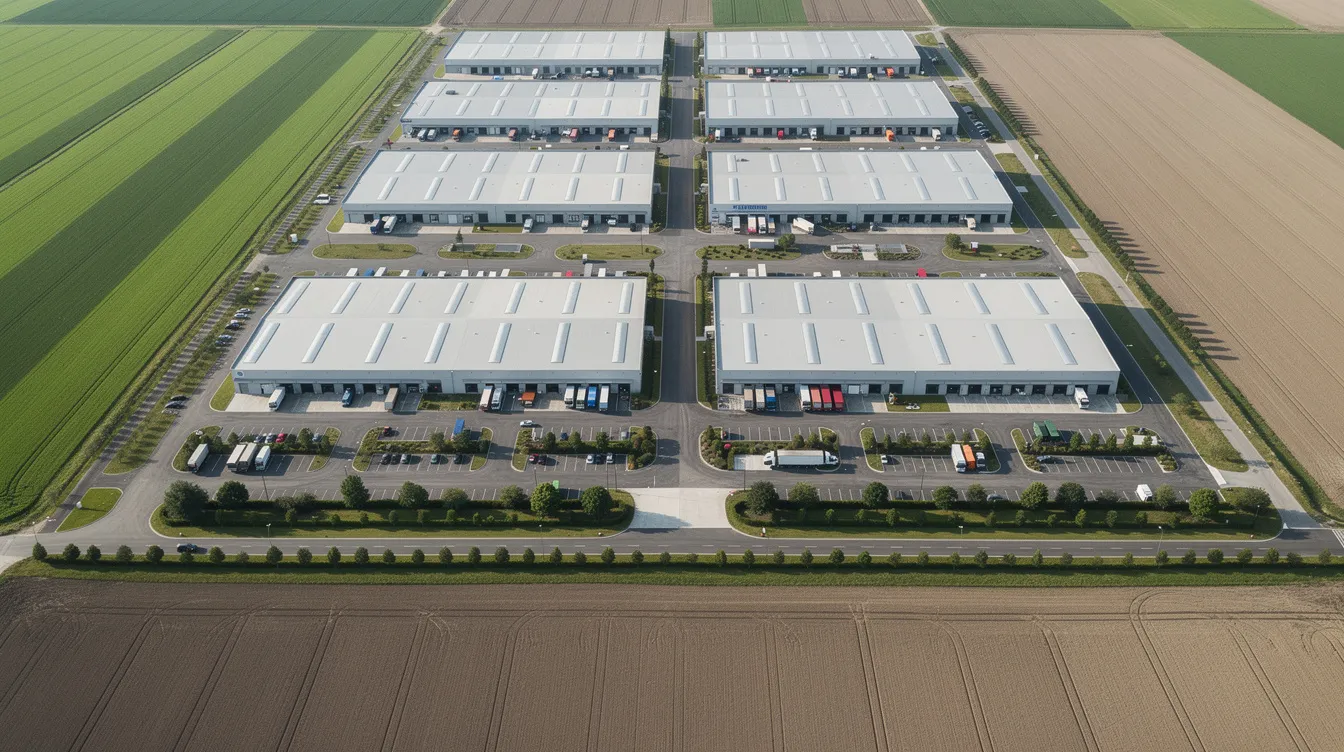
An anchor tenant in an agro processing park is typically a large, capital-intensive food processing or agro processing unit that occupies a significant portion of the park’s saleable area, provides stable long-term lease premiums or rental income, and catalyses the establishment of supporting industries around it.
Effective anchor tenants share several defining characteristics:
- Strong balance sheets and proven track records in food processing or agro processing projects, typically with 3–5 years of audited financials.
- Ability to commit long-term offtake contracts with farmers, farmer producer organizations or farmer producer companies, thereby anchoring backward linkages.
- Capacity to attract forward linkage units – packaging, cold chain, logistics, testing labs – by generating consistent throughput.
- Established domestic and international distribution channels critical for market reach and product offtake.
Concrete examples of anchor tenants in Indian agro processing parks include flour milling and bakery products complexes, integrated grain handling and processing units similar to those evaluated in the Integrated Grain Industrial Complex Project Report, dairy processing plants, frozen fruits and vegetables IQF units, spices and condiments processing (such as the Synthite APC in Kerala, built on approximately 19.8 acres with an investment of ₹175 crore and expected direct employment of 500 persons), edible oil refineries, and ready-to-eat food manufacturers. Gujarat Mega Food Park is another example focusing specifically on food processing infrastructure at scale.
Anchor tenants differ materially from ordinary MSME tenants. Anchors usually take 10–30% of saleable industrial land, invest ₹50–250 crore or more, require larger power, water and effluent capacities, and enter into longer lease terms. MSMEs typically occupy smaller plots of 0.25–1 acre, invest ₹2–20 crore and follow the ecosystem created by the anchor.
A reliable anchor tenant can stabilize regional supply chains, and anchor tenants validate infrastructure and attract secondary suppliers. The concept of an “anchor-supporting industry ecosystem” is central to value-chain integration:
- Ancillary units (specialized packaging, cold storage, food testing laboratories, logistics providers, by-product utilisation) cluster around the anchor.
- The anchor’s throughput generates consistent demand for common processing units and other common processing units.
- For a deeper discussion on tenant mix design, readers may refer to Agro Processing Park Industry Mix & Value Chain Integration.
Anchor Tenant Selection Criteria & Evaluation Matrix
A formal, documented evaluation framework for agro processing park anchor tenant selection is essential – for transparency with government agencies, comfort to investors, and to demonstrate objectivity to lenders when presenting DPRs and bank appraisal notes.
Quantitative and Qualitative Assessment Criteria
The following criteria should be evaluated for potential anchor tenants in food processing industries and the broader agricultural industry:
- Promoter profile and financial strength: Demonstrated financial strength is essential for anchor tenants. Assess audited financials for at least 3–5 years, net worth, debt-equity ratios, credit ratings where available, and past banking behaviour.
- Capital investment commitment: Investment thresholds for anchor tenants are often influenced by regulatory policies. For reference, APIIC (Andhra Pradesh) defines an anchor unit as one with minimum ₹500 crore investment or over 1,000 jobs. In smaller agro processing parks, minimum aggregate investment thresholds may be ₹50–150 crore.
- Raw material sourcing strategy: Anchor tenants must source large volumes of agricultural raw materials directly from local groups – farmer producer organizations, cooperatives and FPOs. Raw material availability should align with tenant sourcing capabilities. This linkage is important for lender comfort and scheme compliance.
- Employment generation: Local job creation is a key responsibility of agro-processing tenants. APC scheme guidelines generally expected 500–1,500 direct jobs per cluster. Evaluate both direct and indirect employment commitments.
- Supply-chain and market integration: Selection of an anchor tenant should aim for a balance between market strength and agricultural linkages. The ideal anchor tenant should enhance the overall ecosystem of the agro-processing park by supporting both upstream (farmer procurement) and downstream (distribution, export) value chains.
- Technology and compliance: Compliance with international food safety and quality management systems is important in agro-processing. Anchor tenants should hold or be capable of obtaining FSSAI licences, ISO/HACCP certifications, and export registrations (APEDA/MPEDA) where relevant.
- Environmental compatibility: Environmental compliance and sustainability are critical in agro-processing operations. Evaluate effluent volume, odour and noise impact, solid waste generation, and suitability for common effluent treatment plants. Effective waste management practices can enhance the sustainability of agro-processing plants.
- Subsidy dependence: Assess how much financial help the anchor expects from the developer or government – grants in aid, capital subsidy, concessional land pricing. Excessive dependence on financial assistance weakens project resilience if grants are delayed or reduced.
Weighted Tenant Evaluation Matrix
The table below presents an illustrative weighted scoring matrix for two hypothetical anchor candidates:
| Evaluation Criterion | Weight (%) | Candidate A (Score/10) | Candidate B (Score/10) |
|---|---|---|---|
| Net worth and financial track record | 20 | 8 | 6 |
| Proposed capital investment (₹ crore) | 15 | 9 | 7 |
| Raw material sourcing and farmer linkages | 15 | 7 | 9 |
| Employment generation commitment | 10 | 7 | 8 |
| Technology level and food safety certifications | 10 | 8 | 6 |
| Supply-chain and distribution strength | 10 | 9 | 7 |
| Environmental compatibility | 10 | 7 | 8 |
| Long-term lease commitment (years) | 5 | 8 | 7 |
| Subsidy independence | 5 | 7 | 5 |
| Weighted Total | 100 | 7.95 | 7.10 |
This matrix is typically integrated into the detailed project report for the park, linking selected anchor scores to risk analysis, sensitivity scenarios and DSCR calculations. Project Report Bank routinely incorporates such frameworks into DPRs to demonstrate to banks why selected anchors improve project bankability.
Industrial Plot Allotment Strategy & Land-Use Planning
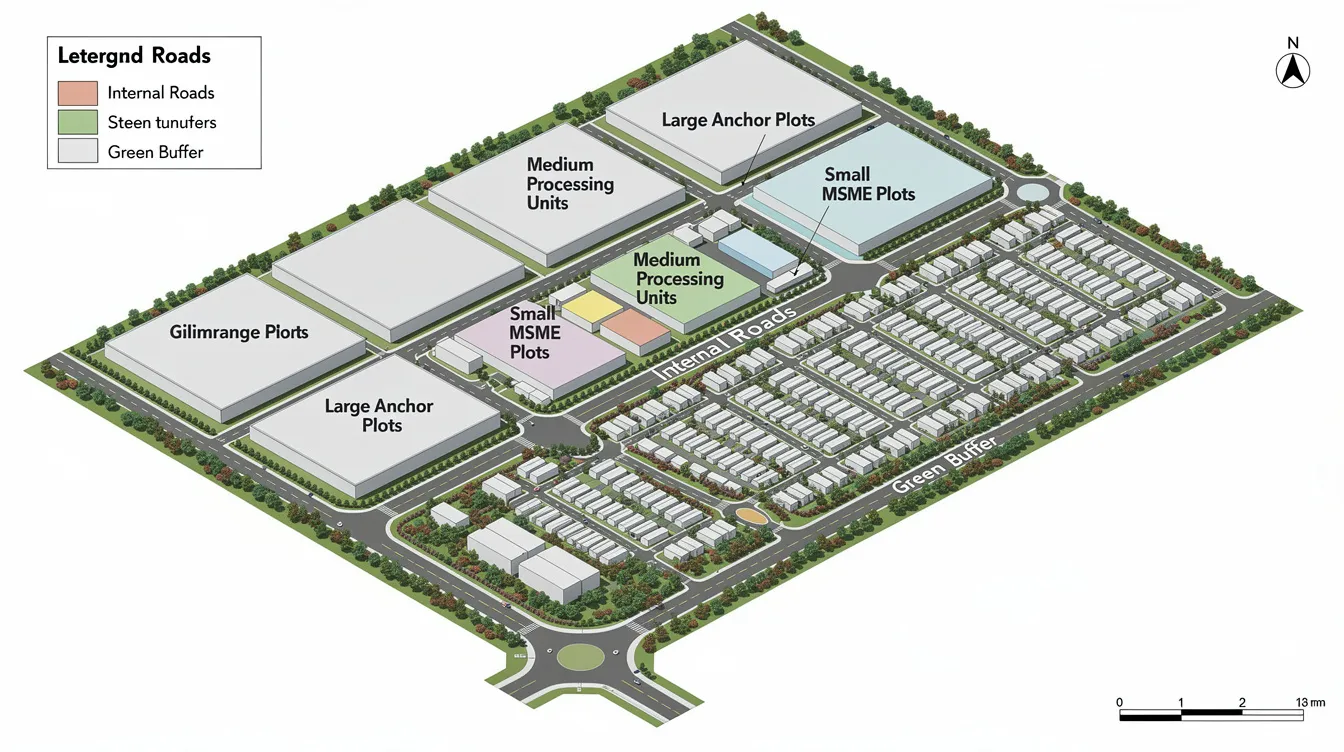
A structured agro processing park land allocation strategy must be finalised before marketing plots. The objective is to balance saleable or leaseable area against common infrastructure, green buffers and future expansion, while ensuring that anchor tenants receive logistically efficient locations within the park.
Typical Land-Use Breakup (50–100 Acre Park)
| Land Use Category | Percentage of Total Area |
|---|---|
| Industrial plots (saleable/leaseable) | 55–65% |
| Common infrastructure and utilities | 15–25% |
| Internal roads and circulation | 15–20% |
| Green belt and mandatory buffers | 8–12% |
Anchor tenant plots should be located near the main gate or rail siding, close to bulk utilities (power substation, water supply, steam generation boilers), with direct access for heavy transport vehicles. Adequate separation from sensitive food-grade units is maintained where required by food safety and environmental norms.
Plot Sizing and Zoning
- Large contiguous plots (5–15 acres): Reserved for anchor tenants – integrated grain mills, dairy plants, IQF units, edible oil refineries.
- Medium plots (1–3 acres): Mid-sized units – sorting and packing facilities, grading units, ripening chambers, cold storage operators.
- Smaller MSME plots (0.25–1 acre): Packaging units, food testing laboratories, pre cooling chambers, weigh bridges, security rooms, transport logistics. In APIIC parks of 100+ acres, 15% of net area is reserved for smaller MSME parcels.
Environmental and regulatory requirements directly influence plot allotment: minimum distance from water bodies, effluent treatment plant siting, hazardous and non-hazardous segregation, FSSAI-compliant food processing zones, and conformity with state industrial and town planning regulations. These same land-use principles extend to multi-tenant food parks, and readers can see a complete layout example in the Multi-Tenant Agro Food Processing Park Project Report.
Commercial Models for Plot Allotment & Anchor Tenant Contracts
For agro processing parks, land monetisation is typically a mix of upfront plot allotment income (sale or long-term lease premium) and recurring streams (annual lease rent, maintenance charges, utility margins). The exact mix affects project cash flows, valuation and bankability.
Common Commercial Models
- Long-term leasehold (33–60–99 years): Upfront premium plus annual ground rent. Long-term lease commitments enhance project stability for anchor tenants and provide recurring income to the SPV.
- Outright sale: Where industrial policy permits freehold transfer. Generates higher upfront cash but reduces the developer’s recurring income and control over tenant profile.
- Build-to-suit/lease-only: The park SPV retains land ownership and constructs customised buildings for anchors who then lease the facility. Higher capital outlay for the developer but stronger long-term revenue.
Key Commercial Terms for Anchor MoUs
- Minimum area commitment and lock-in period (typically 15–25 years for anchors).
- Construction commencement and project timelines, with defined completion obligations.
- Penalties for delayed utilisation and mandatory production milestones linked to government incentives.
- Pricing differentiation: anchors may receive concessional rates or phased payment schedules. For instance, APIIC offers anchor units land at 25% of normal price in exchange for higher investment and guaranteed throughput.
Charges Beyond Basic Land
- One-time development charges and connection charges for power, water supply and ETP.
- Common infrastructure maintenance charges covering internal roads, drainage, boundary walls, power backup and security.
- User charges for utilities: steam, chilled water, compressed air, cold storage and food testing laboratories – these contribute to recurring EBITDA.
Project Report Bank typically models each commercial structure separately in financial projections to show the impact on DSCR, IRR and NPV and to help promoters select the most bankable allotment model.
Industrial Park Occupancy Planning & Phased Development
Occupancy planning requires precision in language and in financial modelling. There are three distinct stages in the occupancy cycle:
- Plots allotted: LOI or lease agreement signed, payments initiated – this is a commitment stage.
- Plots physically occupied: Construction commenced or completed – capital deployed by the tenant.
- Factories commercially operational: Production and sales commenced – the stage that generates actual throughput and validates revenue projections.
Lenders focus on operational occupancy when evaluating cash flow stability. Financial projections must clearly distinguish between these stages.
Pre-Allotment and Pre-Leasing
Securing LOIs or MoUs from anchor tenants and key MSMEs before financial closure supports bankability and early cash flow visibility. Anchor tenants drive baseline occupancy and raw material demand, making their commitment the most important pre-condition for project finance approvals.
Phased Development Strategy
For a 50–100 acre agro processing park:
- Phase I (30–40% of total area): Core infrastructure, basic enabling infrastructure, anchor tenant plot, and initial MSME plots. Common infrastructure sized with expansion modules for later phases.
- Phase II: Triggered when 70–75% operational occupancy of Phase I is achieved.
- Phase III: Additional industrial land and expanded utilities activated based on demand.
Occupancy Forecasting Assumptions
- Average 12–18 months between plot allotment and start of construction.
- Typical 18–36 month gap until commercial operations date (COD) of food processing units.
- Park stabilisation (80–85% operational occupancy) is generally expected within 5–7 years.
Anchor tenant construction and commissioning timelines should be contractually linked to park project timelines. If core infrastructure is ready but the anchor plant is delayed by 12–18 months, the park developer bears idle costs on utilities, effluent treatment plants and internal roads. Well-planned occupancy phasing reduces the risk of stranded assets and is closely examined during DPR review by banks and investors.
Financial Feasibility, Project Economics & Sensitivity Analysis
This section summarises how land development cost, infrastructure investment and income from plot allotment and rentals translate into cash flows, DSCR, break-even occupancy and IRR for an agro processing park SPV.
Key Cost Components
- Land acquisition or long-term lease cost
- Site development: internal roads, grading, drainage, boundary wall
- Power infrastructure: substation, HT/LT distribution, power backup (DG sets)
- Water supply and storage, including bore wells and overhead tanks
- Common ETP/STP and effluent treatment plants
- Cold storage and warehousing where planned
- Administrative buildings, security rooms and weighbridges
- Pre-operative expenses, contingency and interest during construction
Infrastructure development cost per acre varies significantly by location – typically ₹0.5 crore to ₹2 crore per acre depending on terrain, utility distances and scope of modern infrastructure.
Core Revenue Streams
- Plot allotment premium from anchors and food processing units
- Annual lease rentals and ground rent
- Maintenance and common area charges
- Mark-up on utilities supplied (power, water, steam, chilled water)
- Income from common facilities – food testing laboratories, cold storages, packing facilities
Financial Indicators
Financial projections should cover 10–15 years with realistic ramp-up of occupancy. Key metrics:
- DSCR: Banks often expect average DSCR of 1.3–1.5 during debt repayment years.
- Break-even occupancy: The minimum percentage of saleable area that must be operational for the project to cover interest, principal repayment and fixed O&M costs. Typical range: 45–60% for well-structured parks.
- IRR and NPV: Evaluated at project level and equity level; sensitive to occupancy timelines, rental rates and cost escalation.
Sensitivity Analysis
Sensitivity analysis is essential. Scenarios typically modelled include:
| Sensitivity Parameter | Variation | Impact on Project IRR |
|---|---|---|
| Anchor COD delayed 12 months | +12 months lag | –2 to 3% points |
| Infrastructure cost overrun | +10–15% | –1.5 to 2.5% points |
| Lease rental rates lower | –15–20% | –2 to 4% points |
| Occupancy ramp-up slower | 2-year delay | –3 to 5% points |
Project Report Bank routinely models such scenarios in DPRs for risk-aware decision making.
Illustrative Case Study: 75-Acre Agro Processing Park
Important disclaimer: All numbers below are hypothetical assumptions for illustration purposes. They are not quotations, guaranteed returns or project-specific estimates.
Physical Parameters
| Parameter | Assumption |
|---|---|
| Total park area | 75 acres |
| Net saleable/allottable industrial area | 46 acres (61%) |
| Anchor Tenant 1: Integrated grain and pulses processing complex | 15 acres |
| Anchor Tenant 2: Frozen fruit and vegetable IQF unit | 5 acres |
| Supporting industry plots (MSMEs, mid-sized units) | 26 acres |
| Common infrastructure, utilities, ETP | 14 acres (19%) |
| Internal roads and circulation | 10 acres (13%) |
| Green belt and buffers | 5 acres (7%) |
Project Cost Structure (Illustrative)
| Cost Component | Amount (₹ Crore) |
|---|---|
| Land acquisition (75 acres) | 30.00 |
| Civil works (roads, drainage, buildings) | 18.00 |
| Power infrastructure | 8.00 |
| Water supply and storage | 4.50 |
| Common ETP/STP | 3.50 |
| Cold storage and warehousing | 6.00 |
| Administrative and security infrastructure | 2.50 |
| Pre-operative expenses and contingency | 5.50 |
| Interest during construction | 4.00 |
| Total project cost | 82.00 |
Commercial Model Assumed
- 60% of industrial land allotted on 60-year lease with upfront premium; 40% retained for build-to-suit arrangements.
- Indicative premium: ₹50–60 lakh per acre for anchor plots (concessional), ₹80–100 lakh per acre for MSME plots.
- Annual lease rentals, maintenance charges and utility income commence from year 2 onwards.
Occupancy Ramp-Up
| Year | Plots Allotted (%) | Operational Occupancy (%) |
|---|---|---|
| Year 1 | 40% | 0% |
| Year 2 | 70% | 15% |
| Year 3 | 80% | 35% |
| Year 4 | 85% | 50% |
| Year 5 | 90% | 65% |
| Year 7 | 95% | 82% |
Anchor COD assumed in year 3 drives subsequent MSME investment decisions.
Indicative Financial Metrics (Base Case)
- Project IRR range: 14–18%
- Equity IRR: 18–24%
- Average DSCR (debt repayment years): 1.35–1.55
- Break-even operational occupancy: approximately 48%
- Peak debt requirement: ₹45–50 crore
Under adverse scenarios (20% capex increase combined with 2-year occupancy delay), project IRR may decline to 10–13% and DSCR may approach 1.1 in stressed years.
Project Report Bank can develop project-specific DPRs with granular financial modelling, project-specific capacity assumptions and integrated sensitivity analysis for serious promoters. Similar anchor-based models are evaluated in the Integrated Rice Milling & Processing Project Report.
Legal, Regulatory & Environmental Framework for Agro Processing Parks
Agro processing parks are governed by a combination of state industrial land policies, town planning norms, environmental regulations and food-processing-specific laws. Compliance influences both plot allotment and tenant selection.
Key Approvals Required
- Land conversion to industrial use where applicable, supported by land documents and revenue records
- Layout and building plan approvals from local or state industrial authorities
- Consent to establish and consent to operate from State Pollution Control Boards
- Environmental clearances for large complexes exceeding notification thresholds
- Fire and safety clearances for food processing and cold storage buildings
- FSSAI registration and licences for individual food processing units
Scheme and Policy Context
The Agro Processing Clusters Scheme was updated on April 25, 2025, and the last date to apply for the scheme is July 14, 2025. The scheme is part of the Pradhan Mantri Kisan Sampada Yojana and is implemented by the Ministry of Food Processing Industries as a central sector scheme designed to establish agro processing clusters across India. This central sector scheme supports infrastructure for food processing through grants in aid of 35% of eligible project cost in General Areas and 50% in North Eastern, Himalayan and difficult areas, subject to a maximum of ₹10 crore. The scheme supports creation of basic enabling infrastructure and core infrastructure including essential facilities such as cold storage, pre cooling chambers, ripening chambers, sorting and packing facilities, food testing laboratories, steam generation boilers, effluent treatment plants, and power backup systems.
Key caution: grants in aid sought under such schemes are subject to eligibility conditions, project timelines and utilisation norms for eligible entities – SPVs, state agencies, cooperatives, joint ventures, limited liability partnerships and public private partnership structures. Projects must remain financially viable even without subsidies for long-term sustainability.
Anchor tenant selection should consider each tenant’s ability to obtain sectoral approvals within reasonable project timelines. Environmental compatibility requirements directly affect anchor tenant choice: effluent volume and characteristics, solid waste and by-product utilisation options, odour and noise control, and suitability of zero-liquid-discharge or advanced ETP systems for large food processing units.
Promoters should incorporate a legal and regulatory checklist in their DPR and implementation roadmap. Various government ministries review proposals for scheme eligibility and grant calculation, while chartered accountant certificates are typically required for utilisation and project progress certification. State policies, such as Maharashtra’s Agro-based and Food Processing Industries Policy 2020, offer additional capital subsidies and concessions that interact with central scheme benefits.
Risk Assessment: Anchor, Occupancy & Infrastructure Risks
Major risk categories for agro processing parks include anchor tenant risk, occupancy and market risk, construction and cost overrun risk, regulatory risk and financial or interest-rate risk.
Anchor-Related Risks
- Withdrawal or downsizing of planned investment before construction.
- Delayed construction, causing idle common infrastructure.
- Failure to achieve commercial operations or shift in business strategy affecting raw material and output linkages.
- Excessive subsidy dependence – if the anchor’s viability depends on how much financial help it receives from the government, delayed grants can stall the entire project.
Occupancy and Market Risks
- Slower-than-expected response from supporting industries and food processing units.
- Competition from other industrial parks, identified clusters and agro processing clusters in the region.
- Unrealistic pricing of industrial plots.
- Tenant concentration risk – over-reliance on a small number of large tenants.
Infrastructure Underutilisation
Over-designed power, water supply, cold chain and effluent treatment capacity can significantly reduce project IRR if occupancy is low or delayed. Phased infrastructure development – sizing common facilities for Phase I with expansion modules – is prudent.
Mitigation Strategies
- Strong MoUs with anchors containing clear project timelines and penalties, with performance security or escrow arrangements.
- Diversified tenant mix with private sector companies from different food processing sub-sectors.
- Conservative financial structuring with adequate contingency provisions.
- Regular review of agro and food processing demand trends and proactive marketing through industry associations.
- Comprehensive DPRs prepared by Project Report Bank include structured risk analysis and sensitivity scenarios (e.g., 20% capex increase, 2–3 year delay in achieving target occupancy), allowing lenders and investors to understand downside protection mechanisms.
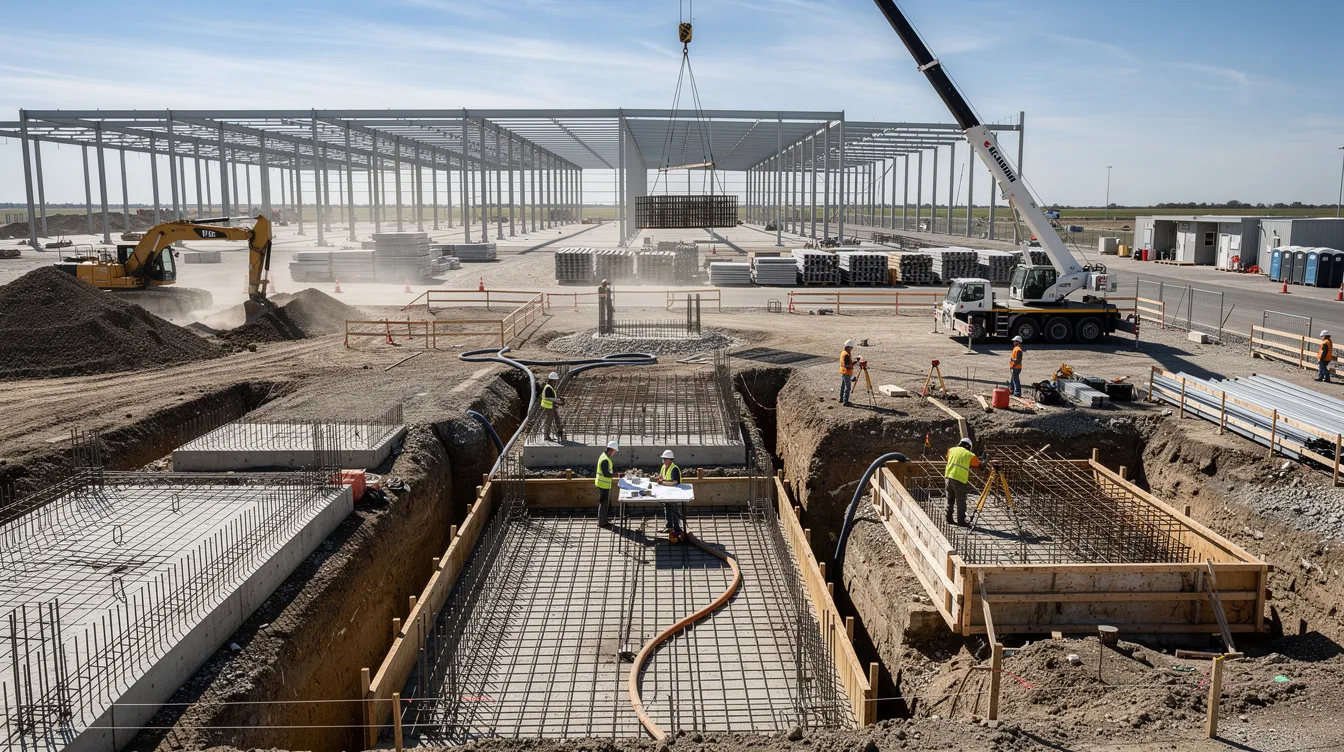
Implementation Roadmap: From Feasibility to Operational Occupancy
This roadmap outlines practical phased steps for promoters and institutional investors planning a new agro processing park or expanding existing agro processing clusters into a multi-tenant park.
Phase 1: Concept and Feasibility (Months 1–6)
- Initial concept development and preliminary demand assessment based on agro-climatic conditions, raw material catchment and logistics.
- Location shortlisting considering proximity to agricultural produce sources, road and rail connectivity, and state policy incentives.
- Preparation of pre-feasibility study and identification of potential anchor tenant profiles.
- The core idea is to increase farmers income and reduce post harvest losses through value addition close to production areas, and to create local employment.
Phase 2: DPR and Anchor Outreach (Months 4–12)
- Preparation of a detailed project report with financial modelling, technical feasibility assessment and land-use planning.
- Anchor tenant outreach should start during DPR drafting so that realistic anchor profiles, plot sizes and project timelines can be built into financial projections.
- Project details and financial projections must reflect anchor-specific utility, land and infrastructure requirements.
Phase 3: Approvals and Financial Closure (Months 8–18)
- Securing in-principle term-loan sanctions from banks.
- Evaluating options for grants in aid under schemes that support infrastructure for agro processing clusters – the scheme supports eligible entities including SPVs and cooperative structures.
- Finalising means of finance between equity, debt and internal accruals.
- Obtaining key regulatory and environmental approvals, land documents and consent to establish.
- Grant disbursement often occurs in equal instalments based on project progress and milestone certifications.
Phase 4: Construction and Marketing (Months 12–36)
- Tendering and phased execution of internal roads, utilities and common facilities directly aligned with anchor tenant factory timelines.
- Simultaneous marketing to target food processing and agro processing tenants.
- Infrastructure must include essential facilities such as cold storage, water supply systems, and facilities directly supporting anchor operations.
Phase 5: Operational Consolidation (Month 30 onwards)
- Establishment of park-level management company or SPV to manage utilities, maintenance, billing and collection.
- Continuous monitoring of occupancy, collection efficiency, tenant satisfaction and project progress.
- Upgrading infrastructure as clusters notified under scheme guidelines move toward full utilisation.
DPR, Feasibility Study & Bank Financing Perspective
Banks, DFIs and institutional investors in India increasingly require professionally prepared DPRs, robust financial models and well-documented tenant commitments before approving term loans for agro processing park projects. India’s food processing sector presents significant scale opportunities, but lenders are cautious about occupancy risk and implementation timelines.
What Financiers Evaluate
- Park location, agro raw material catchment and connectivity to develop modern infrastructure for food processing.
- Anchor tenant quality, financial strength and commitment level – including MOUs and LOIs as mandatory annexures.
- Diversity and viability of proposed tenant industries to create modern infrastructure utilisation.
- Land-use and plot allotment plans with clear zoning and phasing.
- Projected occupancy timelines distinguished between allotted and operational stages.
Key Financial Indicators Scrutinised
- Total project cost and sources of finance, with adequate promoter contribution.
- Projected revenue from land premium, lease rentals and utility income.
- Operating margins and projected cash flows over 10–15 years.
- DSCR profile over loan tenure, IRR, payback period and sensitivity to adverse scenarios.
Anchor tenant MoUs and LOIs are crucial DPR annexures. They demonstrate real market interest, provide inputs on plot sizes and utilities, and reduce perceived demand and occupancy risk. The significance of a significant scheme called the APC scheme under PMKSY provides additional support framework, but lenders evaluate project viability independent of subsidy assumptions.
Project Report Bank, led by CA Manish Gugliya, prepares bankable DPRs, CMA data, financial projections and sensitivity analysis customised to each agro processing park, multi-tenant food processing complex or integrated grain industrial project. For promoters exploring multi-tenant agro parks and investor preparation strategies, the Investor Selection & Funding Challenges in India article provides additional perspective.
Professional Conclusion & Call to Action
Thoughtful agro processing park anchor tenant selection, well-designed industrial plot allotment policies and realistic occupancy planning convert a land-development concept into a financially feasible, investment-grade industrial asset. The numbers must tell a logical business story – from anchor commitment to phased infrastructure to stabilised operational occupancy.
Park success depends not only on modern infrastructure and common facilities but on the right mix of food processing and agro processing tenants, robust contracts with anchors, careful project timelines and conservative financial assumptions. In the context of India’s rapidly growing food processing sector and government support through schemes like PMKSY, the opportunity is substantial – but only for promoters who approach development with disciplined planning and credible financial analysis. Farmers welfare and the broader agricultural industry benefit most when parks achieve real operational scale rather than remaining partially built concepts.
Project Report Bank is a specialised project finance and DPR advisory platform for agro processing parks, industrial food parks and integrated agro processing clusters across India, led by CA Manish Gugliya, FCA, DISA (ICAI), with more than 20 years of professional experience.
Planning an Agro Processing Park or Integrated Industrial Complex in India?
Project Report Bank provides professional services for:
- Detailed Project Reports (DPRs) for agro processing parks and food processing complexes
- Industrial park financial feasibility studies with granular occupancy and revenue modelling
- Investor-ready business plans and financial projections
- Project finance advisory and loan structuring
- Bank loan DPRs and CMA data preparation
- Investment assessment and sensitivity modelling
CA Manish Gugliya, FCA, DISA (ICAI) Website: www.projectreportbank.com
Serious developers, industrial infrastructure investors and institutional promoters planning agro processing parks or integrated food processing complexes are invited to initiate a confidential discussion through the website’s WhatsApp enquiry facility.
Frequently Asked Questions
The following FAQ section addresses additional practical questions on agro processing park anchor tenant selection, plot allotment and occupancy planning that are not fully covered in the main article.
What is the ideal time to lock in an anchor tenant for an agro processing park?
Serious negotiations and draft MoUs with potential anchor tenants should begin during DPR preparation itself – typically 6–12 months before financial closure. This timing allows the park developer to tailor layout design, utility sizing, plot dimensions and financial projections around genuine anchor requirements rather than hypothetical assumptions. Starting anchor engagement after infrastructure construction is underway introduces significant occupancy risk and reduces the developer’s negotiating leverage on lease terms and pricing. Lenders strongly prefer seeing at least one executed or advanced-stage MoU with an anchor tenant before sanctioning term loans.
Can an agro processing park function successfully without a single large anchor tenant?
It is possible but considerably more challenging. A park without a single large anchor must rely on multiple mid-sized units – typically 5–8 units in the ₹20–50 crore investment range – to achieve baseline occupancy. This model requires significantly higher marketing effort, longer stabilisation periods (often 7–9 years versus 5–7 years with an anchor), and more conservative financial projections. The park developer must also invest more in creating visible core infrastructure and common facilities early to attract tenants who lack the ecosystem confidence that a large anchor provides. DPRs for such parks should assume slower ramp-up and higher break-even occupancy thresholds.
How many years of financial track record should an anchor tenant ideally have?
A preferred benchmark is 3–5 years of audited financial statements demonstrating operational profitability, manageable leverage and positive banking history. However, exceptions are common for subsidiaries or joint ventures of established corporate groups with strong parent-company balance sheets. In such cases, corporate guarantees, promoter group net worth and sector experience can compensate for limited entity-level track record. Banks are generally more comfortable when the anchor promoter has demonstrated experience in food processing or agro processing projects specifically, rather than in unrelated sectors.
How should a developer decide between selling plots and offering only long-term leases?
The decision involves trade-offs between upfront cash flow and long-term income. Outright sale generates higher immediate revenue, simplifies the developer’s ongoing obligations and is preferred when the developer needs to repay construction debt quickly. However, it eliminates recurring rental income and reduces the developer’s control over tenant quality and park maintenance over time. Long-term leasehold models provide steady annual income, allow the SPV to enforce tenant obligations (production milestones, environmental compliance) and are generally preferred by institutional investors and DFIs evaluating park viability. Most well-structured agro processing parks use a hybrid model – concessional long-term leases for anchors and flexible arrangements for MSME plots.
Is it necessary to align agro processing park planning with specific government schemes?
While alignment is not legally mandatory for private developers, it can materially improve project viability. Central schemes under PMKSY and state-level food processing policies provide grants in aid for eligible project cost components, which can reduce the developer’s equity burden and improve financial returns. However, scheme compliance introduces additional requirements – project timelines, utilisation norms, minimum number of food processing units (at least 5 under APC guidelines), and regular reporting. The fundamental principle is that a well-conceived agro processing park should remain financially viable even without subsidies. Scheme benefits should be treated as upside rather than a structural dependency in financial projections and DPR assumptions.