Key Takeaways
- Agro processing park statutory approvals span central, state and local levels, covering land-use conversion, environmental clearance, pollution control consents, FSSAI licensing, factory registration, fire safety and utility permissions; the developer/SPV and individual tenants carry distinct responsibilities.
- Prior Environmental Clearance (EC) under the EIA Notification 2006 is required only when an agro processing park exceeds specific area or activity thresholds; many parks in approved industrial zones need only SPCB consents and local development permissions.
- Each food processing tenant must independently obtain FSSAI registration or licence, unit-level CTE/CTO from the State Pollution Control Board, factory licence (where applicable) and product-specific regulatory approvals, even when operating inside a fully permitted park.
- Delays in land-use conversion, EC or Consent to Establish directly increase interest during construction, erode DSCR and postpone tenant onboarding, making approval sequencing a core element of any bankable DPR.
- Final requirements must always be confirmed with competent authorities such as MoEFCC, SEIAA, SPCB and FSSAI; this article provides practical frameworks and indicative timelines, not official statutory guarantees.
Introduction: Why Statutory Approvals Matter for Agro Processing Parks
Agro processing parks, mega food parks and agro processing clusters function as integrated hubs for the food processing sector. They bring together shared infrastructure, common utilities, cold storage, warehouses, effluent treatment plants and food testing laboratories under one development framework. India, the world’s largest producer of milk, second largest producer of fruits and vegetables, and a growing exporter of processed food products to global markets, has recognised this model as central to the overall development of the agriculture sector. The PM Kisan Sampada Yojana, approved in May 2017 with a total allocation of Rs. 6000 crore, and the PMFME scheme with a total outlay of Rs. 10,000 crore until 2026, reflect the government’s commitment to promoting food processing industries through central sector scheme investments. As of February 2025, 1608 projects have been sanctioned under PMKSY.
Statutory approvals for an agro processing park are different from approvals for a standalone food processing unit. An industrial park developer or SPV must secure bulk land, environmental, safety and trade regulations compliance, while individual tenants obtain unit-level licences. Development must comply with land, environmental, safety and trade regulations at every stage.
Delayed land-use permissions, environmental nods or Consent to Establish can push back commercial operation dates by 6 to 12 months. For a park with a total project cost of Rs. 100 crore or more, each month of delay adds to interest during construction, strains working capital and produces negative DSCR projections in the first operating years. Project Report Bank, led by CA Manish Gugliya (FCA, DISA, over 20 years of experience), prepares bankable DPRs and financial projections that integrate approval milestones into project implementation schedules. Statutory approvals themselves are issued only by competent regulatory authorities.
Regulatory Framework for Agro-Processing Parks in India
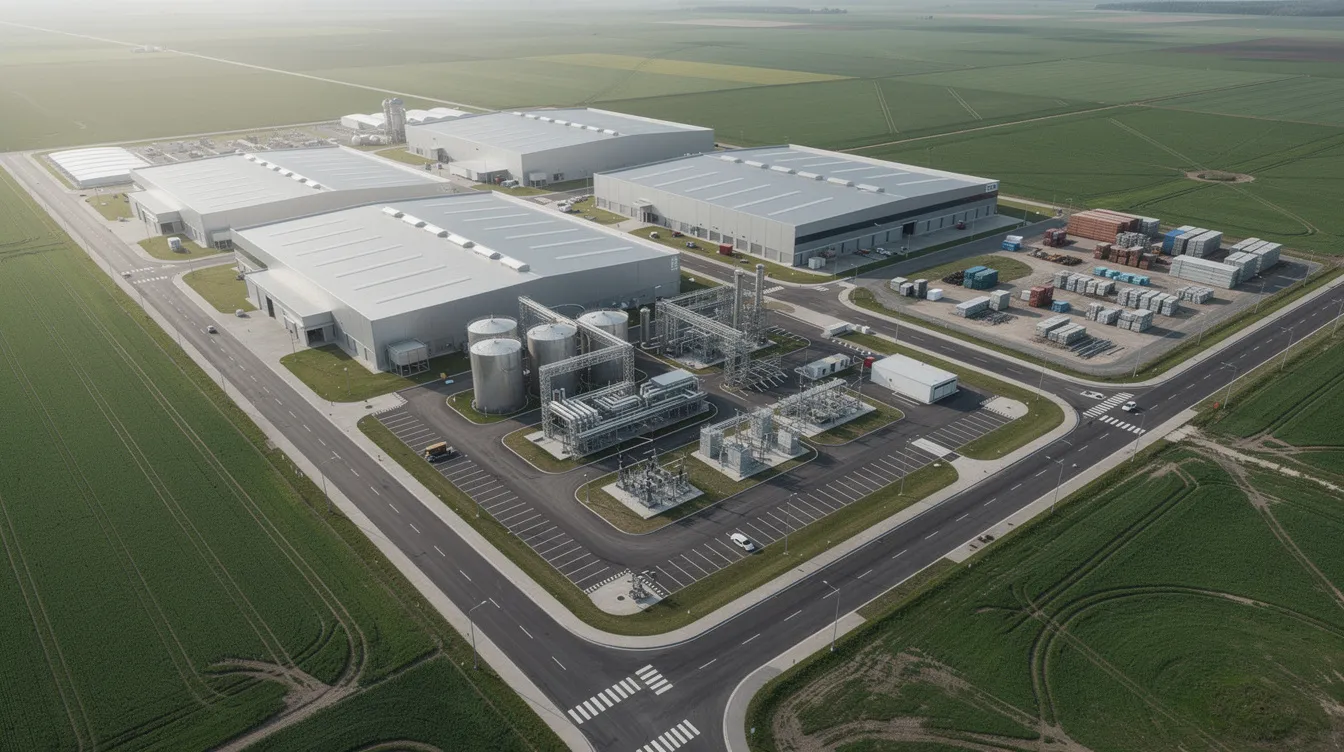
An agro processing park requires a multi-tiered regulatory framework because it sits at the intersection of agriculture, food processing industries, industrial infrastructure and environmental regulations. Coordination across central, state and local bodies is unavoidable.
Central regulators relevant to agro processing park statutory approvals include:
- Ministry of Environment, Forest and Climate Change (MoEFCC) for Environmental Clearance under the EIA Notification 2006
- Ministry of Food Processing Industries (MoFPI), which launched an Investors Portal and administers schemes like PMKSY Agro Processing Cluster Scheme; the Ministry’s budget for 2024-25 increased by 30.19% from the previous year
- FSSAI for food safety and licensing
- Central Ground Water Authority for groundwater abstraction
- CPCB for pollution classification guidelines
State-level agencies include State Industrial Development Corporations, State Pollution Control Boards (SPCBs), SEIAA, Directorate of Factories, Labour Departments, Fire Services, Legal Metrology Controllers and town planning departments.
Local bodies such as municipal corporations, panchayats and industrial area development authorities issue building permits, trade licences, water connections and property-related clearances. Agro-processing parks must comply with local municipal regulations for development plans.
The developer/SPV handles land acquisition, industrial park layout approval, common effluent treatment, roads and essential facilities. Tenants obtain unit-level FSSAI licences, factory licences and pollution consents for their specific food processing operations. State-specific industrial policies and schemes add procedural layers but do not override base environmental and safety laws. For an integrated planning perspective, readers can refer to the Agro Processing Cluster Project Report and Multi-Tenant Agro Food Processing Park Project Report.
The Production Linked Incentive Scheme, which reimburses 50% of branding costs for eligible food products, and the PMFME scheme targeting 2 lakh micro food processing enterprises, create additional forward linkages for tenants in agro processing clusters. These incentives, however, operate alongside rather than in replacement of mandatory statutory compliance.
Land Development and Construction Approvals for Agro Processing Parks
Land-use and construction approvals are the first major group of agro processing park statutory approvals and must be properly sequenced before environmental and infrastructure permissions.
Land acquisition due diligence includes clear title verification, land-use conversion from agricultural to industrial use where required under state land revenue laws, compliance with land ceiling acts and checking zoning under master plans. For detailed site planning, see Agro Processing Park Land Requirement and Site Selection. Land-use conversion is necessary for converting agricultural land to industrial use, and failure to obtain it before construction has caused cost overruns of 8-12% in documented cases.
Industrial zoning and development permissions cover change of land use (CLU) applications, approval of industrial park master plan, internal road network, plot demarcation and infrastructure layout. Building-plan sanctions require submission of detailed architectural and structural drawings, fire safety provisions, utility shafts, effluent pipelines and food-grade areas, with approvals from local development authorities and fire departments.
Additional approvals cover boundary walls, access roads, stormwater drainage, rainwater harvesting structures and irrigation systems for landscaping. Utilities and infrastructure approvals require safety and compliance clearances: high-tension power connections from DISCOMs, dedicated feeders or sub-stations, water abstraction or bulk supply permissions, and natural gas or LPG pipeline permissions if the park has centralised fuel infrastructure.
Well-documented land and infrastructure approvals strengthen bankability when preparing Agro Processing Park Bank Loan DPR and CMA Data.
Agro Processing Park Environmental Clearance & Pollution Control Approvals
Environmental compliance for agro processing parks flows from the Environment (Protection) Act, 1986, the EIA Notification 2006 and its amendments, the Water (Prevention and Control of Pollution) Act, 1974 and the Air (Prevention and Control of Pollution) Act, 1981, along with CPCB/SPCB guidelines.
Environmental Clearance is required if thresholds exceed limits mandated under the EIA Notification. Under Schedule Item 8(b), townships and area development projects with built-up area exceeding 50 hectares require prior EC from MoEFCC or SEIAA. Industrial estates housing listed category industries may also trigger EC under Item 7(c). Promoters must verify current thresholds using the official PARIVESH portal.
Not every agro processing park or agro processing cluster automatically requires EC. Smaller industrial parks within approved industrial zones, housing only green or white category food processing units, may be exempt from prior EC. SPCB consents and local development permissions still apply.
Where EC is applicable, the process involves screening and scoping, preparation of EIA/EMP reports by accredited consultants, baseline environmental monitoring, public consultation (where required), appraisal by Expert Appraisal Committees and issuance of EC with conditions. This process can take 6 to 12 months depending on state and public objections.
State Pollution Control Board approvals are essential for environmental compliance. Consent to Establish (CTE) under Sections 25 and 26 of the Water Act and Section 21 of the Air Act is required before starting construction of common utilities like CETP, boilers and DG sets. Consent to Operate (CTO) is required after infrastructure setup and before commercial production. SPCBs classify industries into Red, Orange, Green, White and Blue categories; Maharashtra’s PCB, for instance, exempts White category industries from CTO but requires notification.
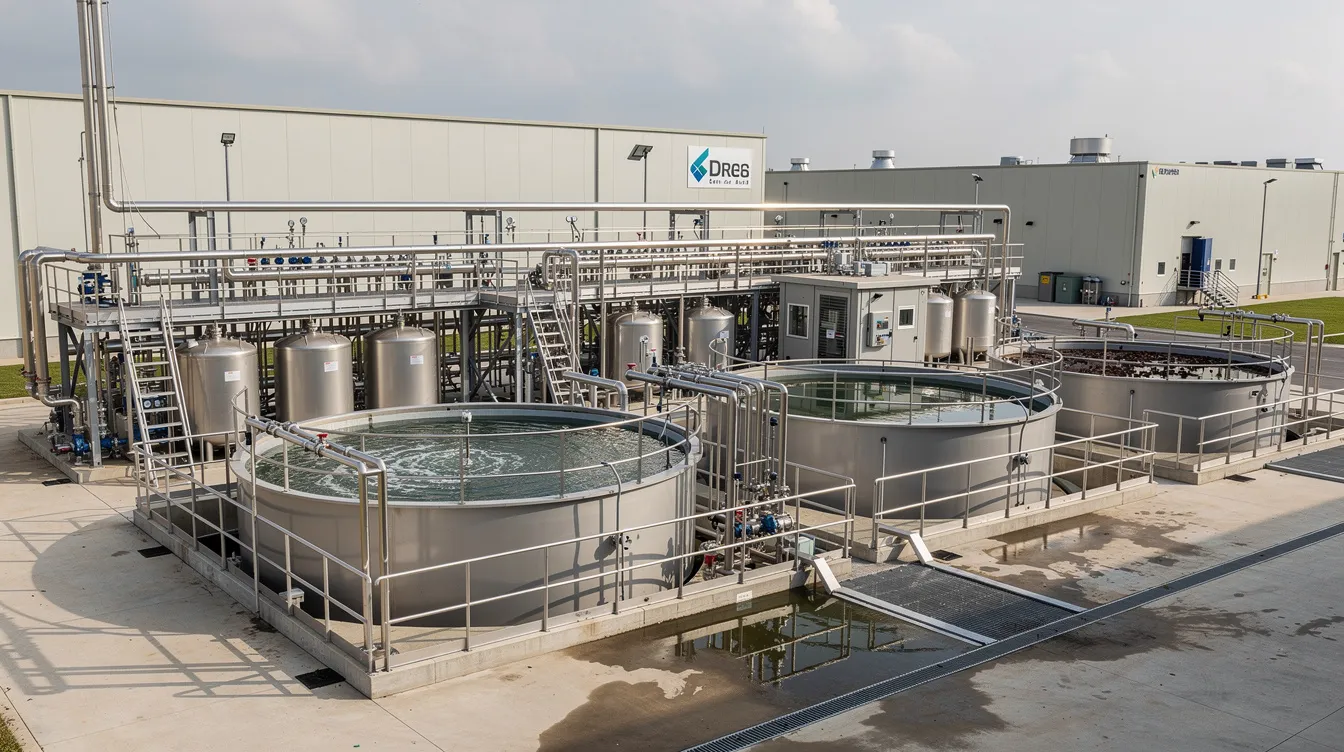
Common facilities in agro-processing parks include cold storage, warehouses and effluent treatment plants. Wastewater management requires sewage treatment plants (STP) and CETP sized for the projected effluent load from all food processing sector tenants. Air emission sources typical for food processing industries include boilers, thermic fluid heaters, roasters, dryers and DG sets. SPCBs are increasingly mandating online continuous emission monitoring systems (OCEMS) for CETPs and shared boilers.
Groundwater withdrawal NOC is required if borehole extraction is used for processing. Central or State Ground Water Authorities issue these permissions, typically requiring rainwater harvesting and recharge as conditions.
For integration of environmental infrastructure with park design, see Agro Processing Park Common Utilities. Because environmental norms and CPCB guidelines are periodically updated, promoters should verify applicable categories and thresholds directly with MoEFCC/SEIAA and the relevant SPCB.
Food Processing Park Tenant Licensing and Unit-Level Approvals
Once park-level approvals are in place, each tenant setting up a food processing, packaging or allied unit needs multiple statutory licences. The developer should guide tenants with an indicative licensing matrix.
FSSAI registration or licence is mandatory for food processing activities. Under the FSSAI (Licensing and Registration) Amendment Regulations, 2026 effective 1 April 2026, the threshold bands are: basic registration for turnover up to Rs. 1.5 crore, state licence for Rs. 1.5 crore to Rs. 50 crore, and central licence above Rs. 50 crore. Exporters, importers and e-commerce food businesses require central licences regardless of turnover. Most multi-tenant food processing park occupants will need state or central FSSAI licences based on their product categories and production capacity.
A factory licence is required if worker counts exceed statutory thresholds or machinery is used for manufacturing operations. This covers building plan approval by Directorate of Factories, machine layout, safety systems and periodic inspections.
Each tenant requires SPCB CTE and CTO based on specific food processing activities: dairy processing, meat processing, fruit and vegetable processing, grain milling, beverage bottling, cold storage with refrigerants. Classification as green, orange or red category determines the consent renewal frequency and compliance monitoring requirements.
Fire safety NOCs are required for tenant premises, particularly units using LPG, solvents, large cold stores or high-density pallet racking. Boiler and pressure vessel approvals from Boiler Inspectorates apply when tenants use steam boilers or thermic fluid heaters. Legal Metrology compliance covers pre-packaged food, weighing scales, retail packs and MRP labelling.
Business incorporation and GST registration are necessary for new projects. Labour-law registrations include EPF, ESI enrolments and workplace safety obligations under applicable labour codes.
For export-focused tenants, APEDA registration is required for processing and exporting scheduled agricultural commodities. Import-Export Code must be obtained if exporting processed agricultural goods. These tenants must also comply with destination-country food safety standards. Shared packaging, labelling and food testing laboratories within the park can help tenants meet FSSAI, Legal Metrology and export quality norms efficiently.
Developer vs Tenant Compliance Responsibility
Confusion over responsibility allocation is one of the most common sources of compliance gaps in agro processing parks. Park lease deeds and tenant agreements should specify obligations for approvals, renewals and environmental performance. The developer/SPV takes responsibility for land acquisition, CLU, master layout, building plan sanction for common facilities, EC (if applicable), CTE/CTO for common utilities, STP/CETP, internal roads, power infrastructure and integrated fire systems.
Each tenant remains independently responsible for its own manufacturing-unit licences, even though it is situated inside an approved agro processing park.
| Approval | Developer/SPV | Tenant | Authority | Stage |
|---|---|---|---|---|
| Land-use conversion (CLU) | Yes | No | Revenue / Planning Dept | Pre-construction |
| Environmental Clearance (if applicable) | Yes | No | MoEFCC / SEIAA | Pre-construction |
| CETP / STP CTE and CTO | Yes | No (but must meet pre-treatment norms) | SPCB | Construction / Pre-operation |
| Common boiler / DG set consent | Yes | No | SPCB | Pre-operation |
| FSSAI licence | Only for own food operations | Yes | FSSAI | Pre-production |
| Factory licence | No | Yes | Directorate of Factories | Pre-production |
| Unit-specific CTE / CTO | No | Yes | SPCB | Construction / Pre-operation |
| Fire safety NOC (unit level) | Park-level system | Unit-level validation | Fire Services | Pre-operation |
Responsibility mapping should be done at the master-planning and allotment stage, aligned with the industry mix and value chain integration strategy.
Statutory Approvals Checklist and Project Implementation Timeline
Sequencing approvals correctly is as important as obtaining them. Certain permissions (EC, CLU) are prerequisites for bank appraisal and civil construction disbursement milestones.
| Stage | Typical Approvals Required |
|---|---|
| Land acquisition & site selection | Title verification, CLU application, zoning check |
| Master planning & development | Layout approval, EC application (if applicable), bulk water / power NOCs |
| Construction commencement | CTE for common utilities, building-plan sanction, fire department consultation |
| Machinery installation & utilities | Boiler registration, electrical inspector approval, CETP/STP installation verification |
| Trial production | Tenant CTE/CTO, FSSAI licences, factory licences |
| Commercial operation | CTO for all units, fire NOC, Legal Metrology stamping |
| Periodic renewal | CTO renewal (annual for Red, biennial for Orange), boiler certificates, FSSAI annual returns |
Indicative timelines for planning purposes: CLU processing takes 2 to 4 months; EC (if needed) takes 6 to 12 months; CTE for common utilities takes 1 to 3 months; building plan and fire NOC take 30 to 60 days. These are project management estimates, not official statutory guarantees. Developers should cross-reference this compliance checklist with their revenue model to ensure occupancy and lease income dates align with regulatory milestones.
Environmental Infrastructure and Compliance Costs
Environmental compliance is a material cost driver for agro processing parks, influencing both CAPEX and recurring OPEX and therefore lease rentals and common area maintenance charges.
Typical environmental infrastructure for food processing parks includes CETP, STP, solid waste handling and composting facilities, hazardous waste storage areas and air pollution control systems for shared boilers and DG sets. CETP and STP capacity should be sized based on the projected industry mix, effluent load and production capacity assumptions used in the DPR. For an example of integrated environmental planning, refer to the Integrated Grain Industrial Complex Project Report.
Recurring compliance expenditure covers laboratory testing of treated effluent, stack emission monitoring, groundwater and ambient air monitoring, SPCB consent fees, environmental audit costs and authorised waste handler fees. In similar industrial estates, CETP and STP costs typically represent 5 to 10% of civil infrastructure plus utilities cost; recurring treatment, disposal and monitoring OPEX may add 2 to 5% of annual revenues.
These costs must be allocated between common infrastructure CAPEX (developer) and user charges paid by tenant food processing units. A realistic assessment of environmental infrastructure and compliance costs strengthens the credibility of the total project cost and ensures financial projections reflect actual operating conditions over the project life.
Impact of Regulatory Approvals on Bank Finance, DPR & Project Viability
Banks and financial institutions treat regulatory approvals as core risk factors when assessing term loans for agro processing parks. Lender due diligence covers land title, zoning, CLU, EC (where applicable), CTE/CTO, building-plan approvals and fire NOCs. Unresolved issues can delay sanction or become conditions precedent before disbursement of major civil and machinery components.
Statutory approval timelines and potential delays affect the project implementation schedule used in DPRs, influencing interest during construction and date of commercial operations. If park-level EC or common utility approvals are delayed, anchor tenants may postpone construction or cancel allotments, reducing occupancy rates and lease income. This directly impacts DSCR and IRR in detailed financial models.
Banks factor environmental and regulatory risk into loan covenants, monitoring conditions and reserve requirements. Transparent compliance documentation improves negotiation on moratorium periods and repayment schedules. Project Report Bank integrates statutory approval status, dependencies and risk buffers into bank loan DPR and CMA Data instead of treating approvals as generic checkboxes. Educational content covering project finance and industry-specific topics is valuable for project developers navigating these complexities.
Common Approval Mistakes and Risk-Mitigation Strategies
Typical pitfalls include assuming EC is unnecessary for parks exceeding 50 hectares, starting construction without CTE, and underestimating time needed for CLU conversion.
Frequent mistakes observed in practice:
- Inadequate land title due diligence, leading to disputes during construction
- Ignoring master plan zoning, requiring redesign after municipal objections (documented cost overruns of 8 to 12%)
- Designing CETP/STP capacity based on 100% tenant occupancy when actual ramp-up may take 2 to 3 years, causing under-recovery of treatment costs
- Presuming that tenants will independently manage all pollution control without park-level coordination
- Filing EC application after civil works commence, resulting in stop-work notices
Risk-mitigation strategies:
- Conduct regulatory mapping at the concept stage itself
- Appoint experienced environmental consultants before land acquisition finalisation
- Maintain a compliance calendar integrated with EPC milestones and lease agreements
- Include 5 to 10% contingency in DPR cost estimates for approval-related delays
- Align compliance planning with anchor tenant commitments and industry mix decisions
Role of Professional DPR, Feasibility Study & Compliance-Aware Planning
Only government authorities can issue statutory approvals. A professional DPR and feasibility consultant can, however, structure the project so that regulatory compliance is realistically costed, scheduled and de-risked.
A bankable DPR for an agro processing park integrates master planning, infrastructure design, environmental infrastructure (CETP, STP, solid waste), approval pathways, project cost, means of finance, working capital and detailed financial modelling including DSCR and sensitivity analysis. Project Report Bank prepares customised DPRs and feasibility studies that map statutory approvals to project phases rather than relying on generic templates.
Scenario analysis adds further value: modelling the impact of 6 to 12 month delays in EC or key consents on project IRR and payback period, and testing occupancy downside if certain categories of food processing industries are restricted by regulators. Early engagement with an experienced CA-led advisory can help developers of agro processing parks, mega food parks and agro processing clusters align regulatory strategy with funding strategy and tenant acquisition plans, ultimately enhancing sustainability and productivity of the investment.
Frequently Asked Questions on Agro Processing Park Statutory Approvals
The following questions address practical regulatory issues. Final interpretation must always be confirmed with competent authorities. These answers reflect the Indian regulatory context as of late 2026.
Do all agro processing parks in India need prior Environmental Clearance?
Prior EC is required only when the park meets applicable thresholds under EIA Notification 2006. Large township/area development projects exceeding 50 hectares of built-up area, or parks housing listed Red category industries, trigger EC from MoEFCC or SEIAA. Many smaller parks within approved industrial zones, housing only green or white category units, require only SPCB consents and local development permissions. Promoters should check the latest EIA thresholds on the PARIVESH portal and consult SEIAA for written clarification where doubt exists.
Can tenants rely on the park’s EC and CTE/CTO, or do they need separate pollution consents?
Even if the developer has obtained EC and CTE/CTO for common utilities like CETP, boilers and DG sets, each tenant food processing unit requires its own CTE and CTO from the State Pollution Control Board. Tenant consents reference the common treatment facilities but lay down unit-specific obligations for pre-treatment, waste segregation and adherence to quantity and quality limits agreed with the park developer.
What is the minimum stage of approvals banks typically look for before sanctioning loans to an agro processing park?
Lenders usually expect clear land title, appropriate land-use and zoning permissions, in-principle layout approval and clarity on EC applicability before sanctioning large project finance. Disbursement of major civil and machinery components is frequently conditional upon receipt of EC (where applicable), CTE for common utilities, building-plan sanction and, later, CTO and fire NOC before commercial operation.
Is a single FSSAI licence enough for the entire agro processing park?
FSSAI licensing is granted to individual food business operators, not to the industrial park. Each processing, packaging or storage tenant must obtain its own FSSAI registration or licence based on product, capacity, turnover and distribution channels. The park developer obtains separate FSSAI licences only for food-related common facilities it directly operates, such as a centralised cold storage used as a food business.
How early should regulatory approval planning be integrated into the DPR for an agro processing park?
Regulatory mapping should begin at the concept and site-selection stage so that land zoning, environmental sensitivities and infrastructure requirements align with probable approval requirements. The first DPR version should include an approvals matrix, indicative timelines and associated costs. This should be updated continuously as clarifications from authorities, SEIAA decisions or SPCB conditions are received during pre-implementation. Delaying this exercise to the construction stage creates the risk of redesign, relocation or financing disruption.
Conclusion
Successful agro processing parks and agro processing clusters depend on timely and well-planned statutory approvals, environmental compliance and tenant licensing, alongside modern infrastructure, strong anchor tenants, and well-integrated value chains. The food processing sector, backed by government schemes and immense potential in rural areas for value addition to agricultural produce, offers real economic growth and employment creation opportunities. Innovation in technology, commerce and logistics, combined with responsible environmental management, will determine which parks achieve their projected productivity and quality benchmarks.
Regulatory permissions must always be obtained from competent authorities: MoEFCC, SEIAA, SPCB, FSSAI, Directorate of Factories, labour departments and local bodies. A professionally prepared DPR and feasibility study can reduce the risk of missed approvals, cost overruns and financing delays by integrating compliance milestones into the financial and operational framework from the start.
Industrial park developers, SPVs, infrastructure funds and large food processing companies planning multi-tenant parks can engage Project Report Bank for customised DPRs, setup cost estimation, financial projections and bank loan DPR and CMA Data preparation. Project Report Bank provides professional project-finance advisory, feasibility analysis and documentation support under the leadership of CA Manish Gugliya (FCA, DISA, over 20 years of experience). The practice does not itself grant or guarantee statutory approvals, which remain the exclusive domain of government regulators and statutory authorities.
Serious promoters in the food processing sector planning an agro processing park, mega food park or integrated grain industrial complex can schedule a detailed consultation to align regulatory strategy, financial structuring and tenant onboarding for their upcoming projects.