
Key Takeaways
A bankable milk powder manufacturing plant project report must weave together technology selection, raw milk procurement strategy, project cost estimation, financial projections and term-loan repayment capacity into a single coherent document. Banks and financial institutions evaluate the DPR not as a formality but as the primary decision-support tool for sanctioning project finance. If the assumptions across the profit and loss account, balance sheet, cash-flow statement and DSCR calculations do not reconcile, the proposal loses credibility at the appraisal stage.
The three core product options in milk powder manufacturing are skimmed milk powder (SMP), whole milk powder (WMP) and dairy whitener. Each product demands a different plant configuration, raw milk quality standard, capacity plan and market strategy. Milk powder also includes fat-filled varieties and specialised formulations, but most bankable first projects are built around SMP or WMP with dairy whitener as a margin enhancer.
Major cost heads that the DPR must address include:
- Land, building and site development
- Spray dryer, evaporator and supporting machinery
- Utility systems (boiler, refrigeration, power, water treatment)
- Milk collection and chilling network
- Working capital for daily milk purchases and seasonal inventory
Detailed numbers vary substantially by capacity, location, product mix and level of automation. Banks focus heavily on DSCR, break-even point, IRR, ROI, project feasibility and statutory compliance, so the DPR and CMA Data must be internally consistent and anchored to realistic, verifiable assumptions.
CA Manish Gugliya, FCA, DISA (ICAI), a practising Chartered Accountant with over 20 years of experience in project reports, CMA Data and bank finance, assists promoters through customised milk powder plant DPRs, financial projections and loan proposals via ProjectReportBank.com.
Introduction: Why a Bankable Milk Powder Manufacturing Plant Project Report Matters
India produces over 230 million MT of milk annually, making it the world’s largest milk producer. Yet a significant portion of this liquid milk remains perishable and vulnerable to seasonal surplus. Converting fresh milk into long shelf life dairy products such as SMP, WMP and dairy whitener is both a commercial opportunity and a supply-chain necessity. The global milk powder market was valued at USD 38.47 billion in 2025 and is expected to reach USD 61.76 billion by 2034, growing at a CAGR of 5.4% from 2026 to 2034. In India, the milk powder market is experiencing growth of 8-12% per annum, driven by rising consumption, urbanisation and convenience-oriented food habits. Government support for public nutrition programs is further boosting milk powder demand across institutional and retail channels.
A milk powder manufacturing plant is far more than a spray dryer. It combines milk procurement and chilling, quality testing and standardisation, evaporation, spray drying, powder handling, packaging, utility management, warehousing, marketing and working-capital planning into an integrated operation. Dairy processing is a priority sub-sector under MoFPI, and demand for milk powder is increasing due to urbanisation and convenience trends across the food processing industry.
Lenders and investors expect a structured milk powder manufacturing plant project report that addresses technical configuration, market opportunity, project cost, means of finance, repayment capacity and sensitivity to risks. A Detailed Project Report (DPR) is crucial for milk powder manufacturing plants seeking term loans, working-capital limits or project finance from banks. This article, authored from the professional perspective of CA Manish Gugliya, FCA, DISA (ICAI)-a practising Chartered Accountant with 20+ years’ experience in DPR preparation, CMA Data, financial projections and bank finance for MSME and dairy projects-serves as the main hub on ProjectReportBank.com for entrepreneurs, cooperatives and companies planning a milk powder manufacturing business in India.
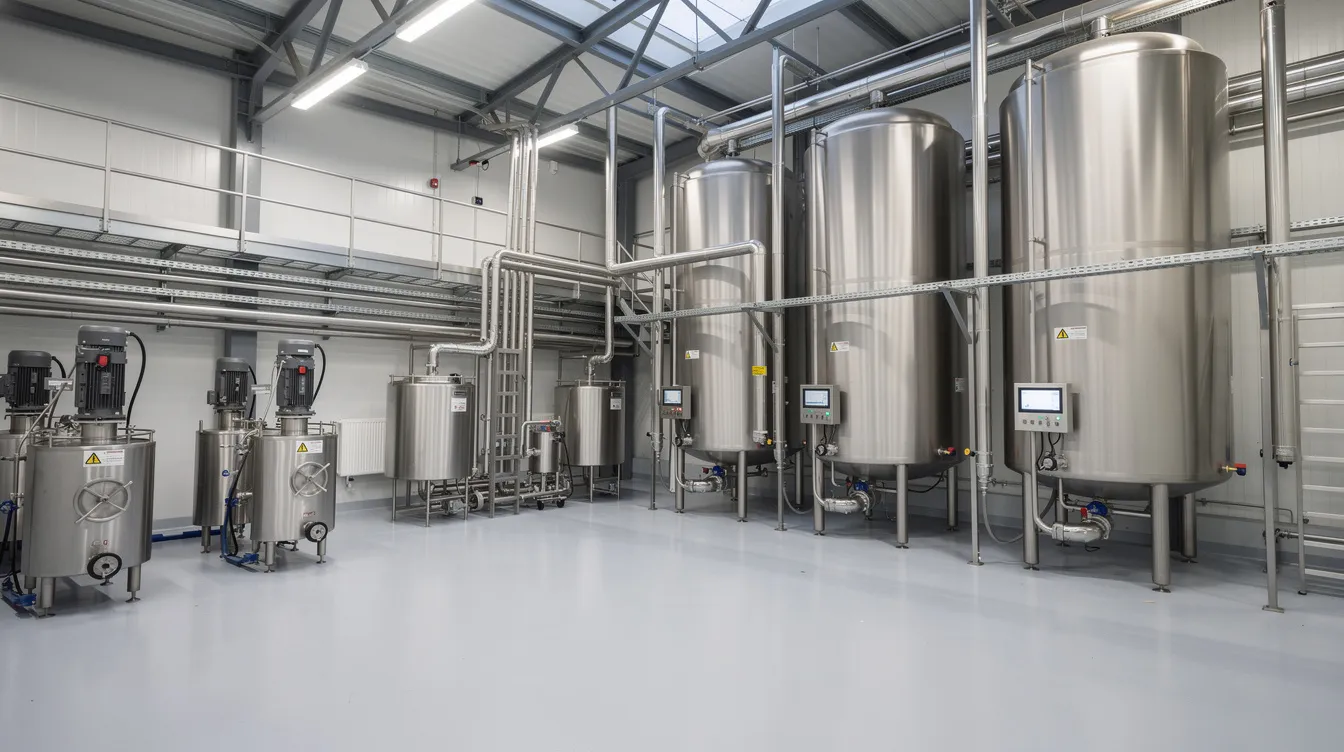
What Is a Milk Powder Manufacturing Plant?
Milk powder is a dehydrated dairy product produced by removing most of the water from liquid milk while retaining proteins, lactose, milk fat (in WMP), minerals and vitamins. The result is a stable, compact product with a shelf life of 12–18 months when moisture is controlled below 4–5%.
A milk powder manufacturing unit converts raw milk into stable powder through a sequence of operations:
- Standardisation of fat and solids-not-fat (SNF) content to match the target product
- Pasteurisation to eliminate harmful micro-organisms
- Concentration using multi-effect evaporators to raise solids content before drying
- Spray drying to convert concentrated milk into fine powder under controlled temperature
This is fundamentally different from general milk processing operations that produce liquid milk, curd, paneer or ghee. A dedicated milk drying plant requires specialised equipment-evaporators, spray dryers, fluid-bed dryers-and significantly higher capital expenditure, energy input and technical expertise. The commercial advantages are substantial: extended shelf life, reduced transport and storage volume, easier export logistics and the ability to balance seasonal milk gluts against lean-period demand.
Critical technical parameters that affect quality and pricing include moisture level (≤4–5% as per FSSAI and BIS standards), fat content, protein content (≥34% on dry basis for SMP), solubility index, bulk density and microbiological compliance. These parameters directly influence whether the powder meets domestic institutional requirements or export-grade standards.
Major Milk Powder Products and Project Options
The promoter must decide early whether the milk powder manufacturing business will focus on SMP, WMP, dairy whitener or a diversified product mix. This decision shapes plant design, machinery selection, raw material requirements, energy consumption and the financial projections in the DPR. Milk powder includes whole, skimmed, and fat-filled varieties, and leading manufacturers include multinational dairy companies with large-scale production capabilities alongside Indian cooperatives and private dairies. Infant nutrition programs are driving growth in the milk powder market, adding another dimension to product planning.
Skimmed Milk Powder (SMP)
Skimmed milk powder is produced from skimmed milk with almost all cream removed, yielding a low-fat, high-SNF product. It is widely used by bakeries, confectioneries, sweet manufacturers, reconstituted-milk processors, food production units and export buyers. Skimmed milk powder is essential for infant nutrition and baking applications. Skimmed milk powder production is growing at 8-12% annually in India, supported by institutional demand and export opportunities.
- Typical conversion: 7.5–9.2 litres of milk per kg of SMP at Indian SNF levels
- Fat content: not more than 1.5% as per FSSAI standards
- Pricing is strongly linked to global SMP benchmarks and domestic milk-solids availability
- SMP projects focus on maximising SNF recovery and efficient cream separation
The SMP Manufacturing Plant – Skimmed Milk Powder Project resource provides specialised guidance on technical norms and DPR alignment for SMP-focused plants.
Whole Milk Powder (WMP)
Whole milk powder retains milk fat (typically NLT 26%), offering richer flavour and energy density. It is used in chocolates, recombined liquid milk, premium dairy based beverages, high-quality retail products and confectionery. WMP generally commands a higher per-kg selling price than SMP but requires tighter control on fat quality, oxidation risk and nitrogen-flushed or vacuum packaging to protect shelf life.
- WMP-focused plants must design standardisation and homogenisation stages differently from pure SMP lines
- Moisture must be kept at 3–4% for optimal stability
- Market segments include retail packs, institutional supply and export
Entrepreneurs can study the WMP Manufacturing Plant – Whole Milk Powder Project guide for granular costing and market positioning.
Dairy Whitener
Dairy whitener is a modified milk powder with an optimised balance of fat, protein and sometimes sugar or stabilisers, mainly targeted at tea and coffee vending, household consumption and small retail packs. It typically offers better margins per kg but may require more complex formulations, blending systems and packaging formats.
A dedicated Dairy Whitener Manufacturing Plant Project Report covers formulation, packaging-size strategy and market segmentation in greater depth.
Custom and Specialised Dairy Powders
Opportunities exist in high-protein powders, fat-filled powders, lactose-reduced powders, bakery-specific blends and contract-dried formulations for other brands. Infant milk formula, for instance, can sell for ₹12–18 lakh per tonne, reflecting the premium that specialised milk foods command.
Entering these niches requires R&D support, stringent quality systems and long-term supply contracts. Most promoters are advised to start with conventional SMP or WMP and progressively diversify once the base plant stabilises.
Milk Powder Manufacturing Process
The manufacturing process flow in a milk powder plant moves from milk reception to finished packaged powder. The manufacturing process includes reception, chilling, pasteurisation, and drying as core stages. A project report should summarise these stages clearly without becoming an engineering manual. Key sections in a DPR include executive summary, market analysis, and manufacturing process description.
Main process steps:
- Milk reception, weighing and testing (fat, SNF, acidity, adulteration)
- Filtration and clarification
- Chilling and cold storage at 4°C
- Standardisation of fat and SNF
- Pasteurisation (HTST or equivalent)
- Evaporation using multiple-effect evaporators to raise solids to 45–50%
- Homogenisation (especially for WMP)
- Spray drying to convert concentrated milk into powder
- Fluid-bed drying and cooling for final moisture adjustment
- Sieving, powder conveying and temporary storage in silos
- Packaging in food-grade bags, tins or pouches
- Finished-goods warehousing under controlled conditions
A comprehensive quality control system is necessary for production-labs monitor fat, SNF, moisture, microbiology and solubility at critical stages. CIP (Cleaning-in-Place) systems are essential for hygiene and FSSAI compliance. Safety protocols must be implemented during all production processes.
Technically inclined readers can explore the Milk Powder Manufacturing Process and Spray Drying Technology guide for deeper discussion on evaporator design, spray dryer configurations and process parameters.
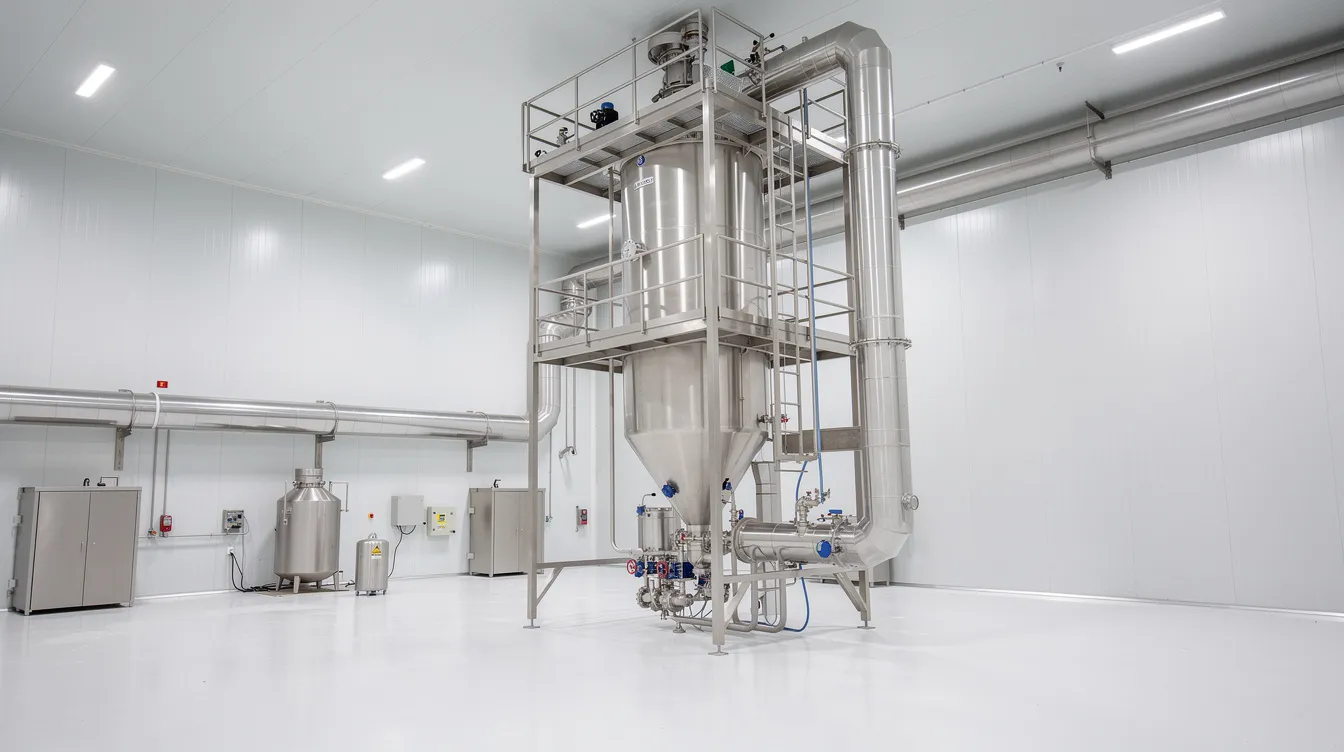
Capacity Planning and Product Mix
Inaccurate capacity selection is one of the most common mistakes in milk powder plant DPRs. Overbuilding creates chronic underutilisation and excessive debt service; underbuilding limits growth and raises per-unit cost. Daily milk processing capacity should be clearly defined in the project report. A milk powder plant requires 10,000–20,000 MT annual capacity for medium-to-large-scale operations, translating to roughly 30–60 MT per day of powder output depending on product mix and operating days.
- Litres of raw milk handled per day-typically 1,00,000 to 5,00,000 litres for a medium plant
- Tonnes of powder per day and number of operating days per year (usually 300–330 days)
- Realistic capacity utilisation ramp-up: 60–70% in Year 1–2, reaching 85–90% by Year 3–5
- Milk-to-powder conversion varies with fat and SNF content-SMP requires ~7.5–9.2 litres per kg; seasonal SNF drops increase milk required
- Product mix between SMP, WMP and dairy whitener should be aligned with regional milk availability and secured markets
Future expansion planning-sizing utilities and building height for a larger spray dryer later-is worth considering at the design stage. The Milk Powder Plant Capacity Planning article covers detailed methodologies.
Milk Procurement and Raw-Material Planning
Raw milk is the single largest cost driver in any milk powder manufacturing unit. Raw milk accounts for 75–85% of total operating expenses, making procurement strategy the most critical section of the project report. A milk procurement plan should address quantity, quality, and sourcing to ensure year-round viability.
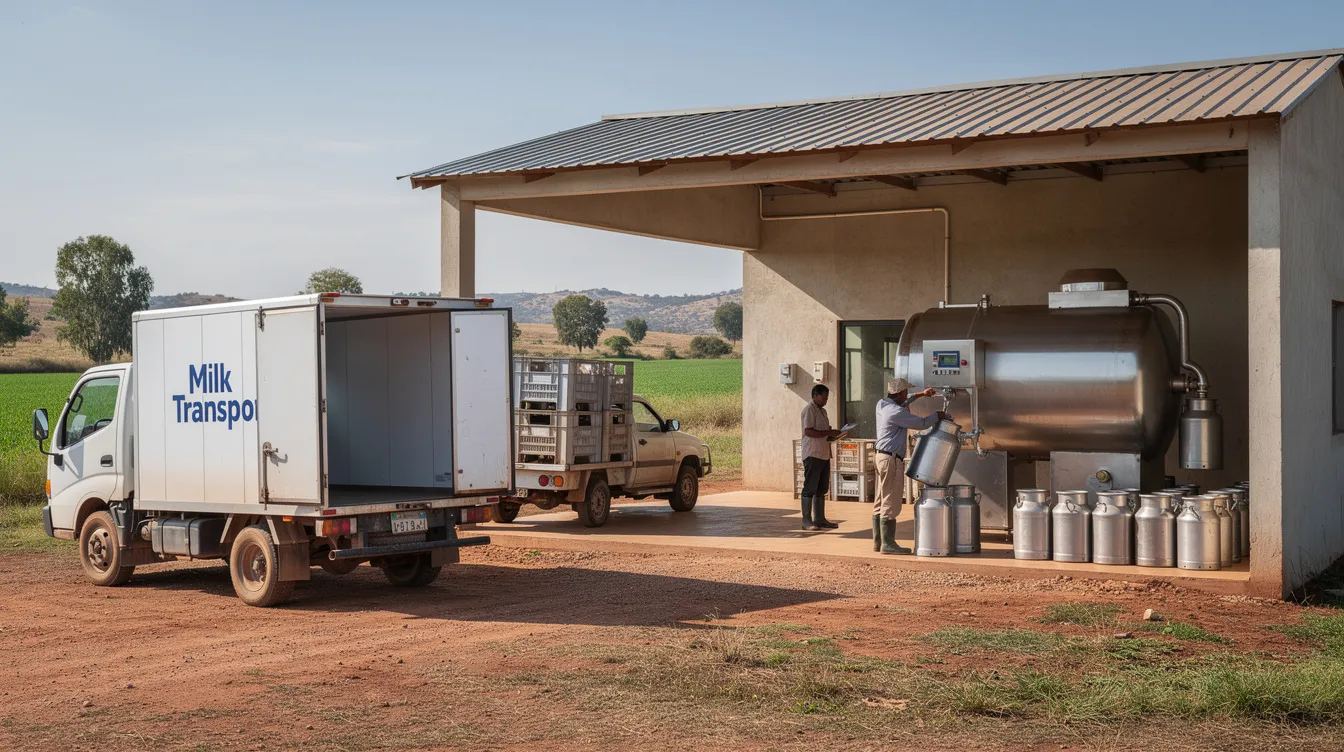
- Milk collection radius, village-level collection centres and cooperative tie-ups
- Bulk milk coolers (BMCs) and chilling centres with insulated or refrigerated tanker logistics
- Fat and SNF quality monitoring-seasonal variations in milk composition directly affect yield
- Procurement price volatility and incentive or penalty mechanisms based on quality
- Alternative sourcing strategies for lean seasons when raw milk procurement volumes drop
A robust procurement plan should quantify daily, monthly and seasonal milk availability with evidence from the milk-producing hinterland. The detailed Milk Powder Plant Milk Procurement and Raw Material Planning guide offers frameworks, case examples and procurement-cost modelling approaches.
Land, Building and Plant Infrastructure
A milk powder manufacturing unit requires carefully planned land, building and infrastructure for hygienic operations, efficient material movement and future expansion. The main functional blocks include:
- Milk reception dock with weighing and testing bay
- Processing hall for pasteurisation, standardisation and separation
- Evaporator and spray dryer tower (requires adequate height clearance)
- Utility block housing boiler, compressor, refrigeration and power systems
- Packaging area with climate control
- Raw-material and packaging stores
- Finished-goods warehouse with ventilation
- Quality-control laboratory
- Administrative block and staff facilities
Additional infrastructure includes ETP (effluent treatment plant), internal roads, tanker parking, fire-safety systems, ventilation, drainage and segregated zones for clean and non-clean operations. Land selection should prioritise suitable zoning, water availability, power connectivity and proximity to milk-producing areas.
The Milk Powder Plant Land, Building and Infrastructure article provides area norms, layout planning and civil-cost estimation methods.
Plant and Machinery Requirements
Plant and machinery form a major part of capital expenditure in any milk powder plant project report and must match the planned capacity and product mix. High-quality machinery is essential for milk powder production, and the choice between Indian and imported equipment significantly influences project cost and energy efficiency.
Key equipment groups include:
- Milk reception and weighing systems, plate or tubular pasteurisers
- Clarifiers, cream separators and storage tanks
- Multi-effect evaporator (falling-film or forced-circulation type)
- Homogeniser (critical for WMP lines)
- Spray dryer with fluid-bed finishing section
- Powder conveying, sieving and silo storage systems
- Automatic or semi-automatic packaging lines
- CIP skid, boiler, air compressor, refrigeration plant and water treatment
Machinery and technology requirements should be evaluated on energy efficiency, automation level, compliance with food-safety standards, spares availability and after-sales service. Indicative machinery lists and cost ranges are available in the Milk Powder Plant Machinery and Equipment Cost guide, and every DPR should rely on actual supplier quotations rather than generic estimates.
Utility Requirements and Operating Economics
Utilities such as water, power, and steam are critical for dairy processing and have a significant impact on cost of production, DSCR and overall profitability projections. Poor utility design leads to high operating expenses and reduced competitiveness over the project life.
Major utility requirements:
| Utility | Purpose | Benchmark (15 MT/day SMP) |
|---|---|---|
| Steam | Evaporation and spray drying | 1,100–1,400 kcal per kg water evaporated |
| Electricity | Motors, automation, refrigeration | 180–220 kWh per tonne of SMP |
| Boiler fuel | Coal, briquettes, gas or biomass | Depends on region and fuel price |
| Process water | Cleaning, CIP, reconstitution | As per plant design |
| Refrigeration | Milk chilling and cream storage | Sized to daily milk intake |
| Compressed air | Instruments, pneumatic conveying | Based on automation level |
| Backup power | DG set for grid outages | Sized for critical loads |
Energy costs per kg of powder directly affect variable costs and should be estimated carefully in the cost-of-production sheet. The Milk Powder Plant Utilities resource covers utility sizing, energy-saving options and their impact on IRR.
Explore the Complete Milk Powder Project Guide
Use the links below to explore specialised guides on milk powder plant planning, profitability and bank finance. All links open in the same tab.
Plant Planning, Products and Technology
- Milk Powder Plant Setup Cost in India
- Milk Powder Plant Machinery and Equipment Cost
- SMP Manufacturing Plant – Skimmed Milk Powder Project
- WMP Manufacturing Plant – Whole Milk Powder Project
- Dairy Whitener Manufacturing Plant Project Report
- Milk Powder Manufacturing Process and Spray Drying Technology
- Milk Powder Plant Capacity Planning
- Milk Powder Plant Land, Building and Infrastructure
- Milk Powder Plant Milk Procurement and Raw Material Planning
- Milk Powder Plant Utilities
Financial Planning and Profitability
- Milk Powder Plant Project Cost and Means of Finance
- Milk Powder Plant Revenue Model and Profitability
- Milk Powder Plant Financial Projections
- Milk Powder Plant Working Capital Requirement
- Milk Powder Plant Break-Even Analysis
- Milk Powder Project ROI, IRR and Sensitivity Analysis
Bank Loan and Project Appraisal
- Milk Powder Plant DSCR and Loan Repayment Capacity
- Milk Powder Plant Feasibility and Project Viability
- Milk Powder Plant Bank Loan and Project Finance
- Milk Powder Project Term Loan Assessment
Project Cost of a Milk Powder Manufacturing Plant
Total project cost in a milk powder manufacturing plant project report typically includes fixed capital investment plus margin money for working capital and pre-operative expenses. Capital cost estimates should include both fixed and working capital requirements for the project to be considered bankable. The milk powder plant setup cost includes capital and operating expenses, and these must be clearly disaggregated in the DPR.
Typical fixed-cost heads:
- Land and site development
- Civil construction (processing hall, spray dryer tower, utility block, warehouse)
- Plant and machinery (evaporator, spray dryer, pasteuriser, packaging line)
- Utility systems (boiler, refrigeration, compressors, water treatment)
- Milk collection and chilling infrastructure (BMCs, chilling centres, tankers)
- Laboratory and quality-control equipment
- Electrical works and DG set
- ETP and environmental infrastructure
- Furniture, office equipment and initial vehicles
Pre-operative expenses include interest during construction, start-up salaries, trial runs and consultancy fees, typically estimated at 3–5% of base project cost. Contingency provisions of 5–10% are standard. Initial investment for a small-scale milk powder plant can start from ₹50–80 lakhs for a basic setup, while medium plants (15 MT/day SMP) typically require ₹10–18 crore and larger installations (30+ MT/day) may need ₹20–27 crore or more. Total capital investment depends heavily on capacity, automation, product mix and whether milk collection infrastructure is included.
Detailed numerical illustrations and benchmarks are covered in the Milk Powder Plant Setup Cost in India and Milk Powder Plant Project Cost and Means of Finance guides.
Means of Finance for a Milk Powder Manufacturing Business
A balanced means-of-finance structure is essential for securing a milk powder plant bank loan while keeping repayment obligations sustainable. Common sources of project finance include:
- Promoter’s equity contribution (banks generally expect 25–35% of fixed capital)
- Bank term loan for the balance of fixed capital
- Working-capital limits (cash credit, WCDL) from the bank
- Unsecured loans from promoters or group entities, within bank norms
- Eligible capital subsidies or grants under prevailing government schemes
Government schemes can reduce equity deployment to 25–30% of project cost in eligible cases. The PLI scheme offers 10% incentives on incremental sales for eligible food processing projects, further improving project economics. However, no subsidy or scheme benefit should be assumed as certain-approval depends on eligibility, compliance and scheme availability.
The DPR should clearly show year-wise term-loan drawdown, moratorium during construction and stabilisation, and the proposed repayment schedule. CMA Data submitted to banks must reflect the same financing structure. The Milk Powder Plant Bank Loan and Project Finance and Milk Powder Project Term Loan Assessment resources explain lender expectations in detail.
Revenue Model and Profitability in a Milk Powder Plant DPR
A realistic revenue model is central to any bankable milk powder manufacturing project report and must be consistent with capacity, product mix and market assumptions. A comprehensive market analysis should cover both domestic and export demand.
Major revenue streams:
- Sale of SMP, WMP, dairy whitener and other powdered milk products
- Sale of cream, butter or ghee from separated fat
- Institutional supply and B2B contracts
- Private-label or contract manufacturing revenue
- Contract or toll drying for cooperatives or other dairies
Gross profit margins for milk powder typically range between 20–30%, depending on product mix, procurement cost and selling price. Key profitability drivers include milk procurement rate per litre, raw material consumption efficiency, recovery of milk solids, energy cost per kg of powder, packaging cost, selling prices, raw material costs fluctuations and capacity utilisation trends. Seasonal inventory strategy-buying more milk during flush season, converting to powder and selling during lean months-directly affects working capital and operating profit.
The Milk Powder Plant Revenue Model and Profitability article provides detailed margin and scenario analysis.
Financial Projections Required in a Bankable Milk Powder Plant DPR
A lender-friendly detailed project report should contain a complete set of financial projections typically for 7–10 years from commissioning. Detailed financial projections should cover revenue, expenses, and profitability analyses across this period.
Core financial statements required:
- Projected profit and loss account
- Projected balance sheet
- Cash-flow statement and fund-flow statement (where required)
- Cost of production statement
- Sales projections with capacity-utilisation schedule
Supporting workings include term-loan repayment schedule, interest calculations, depreciation schedule, working-capital assessment and inventory or receivables assumptions. Operating costs are projected to increase significantly by the fifth year due to inflation, maintenance cycles and potential expansion-related expenses-the projections must account for this realistically.
Analytical ratios that banks scrutinise:
- DSCR (Debt Service Coverage Ratio)
- Break-even point (in terms of capacity or sales)
- ROI, project IRR and equity IRR
- Net present value and payback period
- Sensitivity analysis on key variables
The Milk Powder Plant Financial Projections guide covers templates, examples and consistency checks used during bank appraisal.
Working-Capital Requirement for Milk Powder Manufacturing Units
Working capital is usually substantial in milk powder projects because of daily milk purchases, build-up of powder stocks and credit given to institutional buyers.
Key current-asset components:
- Raw milk inventory in chilling tanks and in-process concentrate
- Finished milk powder and dairy whitener in warehouse
- Packaging material, stores and spares
- Receivables from domestic customers and export buyers
Key current liabilities include milk procurement payables (where credit is allowed), utility and fuel dues, packing-material supplier credit and short-term bank borrowings. Seasonal procurement-buying extra milk during flush season for conversion to powder-can temporarily increase inventory and working-capital limits substantially. For a 10 MT/day plant, peak-season working capital may run at ₹3–4 crore while lean-season requirements may be ₹1.5–2 crore.
The Milk Powder Plant Working Capital Requirement article details bank-accepted assessment methods, margin norms and cash-credit versus WCDL structures.
DSCR and Loan Repayment Capacity
DSCR, or Debt Service Coverage Ratio, is the ratio of cash available for servicing term debt to the total principal plus interest payable in a given period. It is the single most-watched ratio in term-loan appraisal.
- Banks use DSCR to judge whether projected cash flows from the milk powder manufacturing business can comfortably cover term-loan obligations
- Factors directly influencing DSCR include capacity utilisation, selling price, milk procurement cost, energy costs and interest rate assumptions
- Under government dairy-linked schemes, minimum DSCR expectations are typically around 1.25; individual banks may set their own thresholds
- Promoters should avoid artificially optimistic projections simply to show an attractive DSCR-banks cross-check assumptions during appraisal
The Milk Powder Plant DSCR and Loan Repayment Capacity resource provides DSCR calculation formats, examples and sensitivity views.
Break-Even, ROI, IRR and Sensitivity Analysis
Robust economic analysis helps both promoters and bankers understand risk and reward in a milk powder manufacturing plant investment. Key indicators include:
- Break-even capacity or sales level-often 50–60% of installed capacity for well-structured projects
- Accounting ROI (return on investment)
- Project IRR and equity IRR-mid-teen IRR is a common benchmark for dairy powder projects
- Payback period-typically 3–5 years for SMP plants at 15 MT/day scale
The DPR should test sensitivity of these indicators to changes in raw-milk price (±10–20%), selling price of SMP or WMP, capacity utilisation, energy cost and interest rates. This profitability analysis and financial analysis help promoters decide whether to proceed, resize, restructure or change product mix before committing to large debt.
Refer to the Milk Powder Plant Break-Even Analysis and Milk Powder Project ROI, IRR and Sensitivity Analysis guides for detailed tables, graphs and interpretation.
Feasibility and Project Viability Assessment
A bankable milk powder plant DPR must go beyond cost analysis and profit estimates to demonstrate overall project feasibility and viability. A project report should evaluate technical feasibility and financial viability across four dimensions:
- Technical feasibility: technology suitability, layout adequacy, utility reliability and equipment costs alignment
- Market feasibility: demand-supply dynamics, competitive landscape, customer segments and industry trends
- Financial feasibility: profitability, DSCR, IRR, net present value and distribution costs
- Commercial and operational feasibility: milk procurement strength, management capability, logistics and marketing reach
Common viability risks include inadequate milk availability, uncompetitive procurement cost, over-optimistic pricing, underutilised plant, high energy consumption, weak distribution and excessive leverage. A project report should assess market trends and local competition before finalising capacity and product mix. The Milk Powder Plant Feasibility and Project Viability article provides systematic checklists and case-style discussion.
Bank Loan and Project-Finance Assessment for Milk Powder Plants
Banks follow structured appraisal processes for milk powder plant bank loans, especially when project cost and term-loan amounts are substantial.
Typical appraisal aspects:
- Promoter background, industry experience, net worth and credit history
- Detailed project cost and means of finance with promoter margin
- Technical viability reviewed against machinery quotations and supplier credentials
- Market arrangements, milk procurement plan and off-take contracts
- Sensitivity of projections under adverse scenarios
- Security and collateral evaluation, coverage ratios
- Status of statutory approvals and conditions precedent to disbursement
Lenders may engage internal technical teams or external experts to review plant design and procurement strategies. The Milk Powder Plant Bank Loan and Project Finance article provides a deeper look at lender expectations.
Term Loan Assessment and Repayment Structuring
Term loan assessment focuses on the fixed-asset component of the project and the project’s ability to repay over a defined tenure.
- Eligible fixed assets, acceptable margin and term-loan quantum
- Proposed repayment period with moratorium during construction and stabilisation
- Projected cash accruals must support principal and interest obligations
- Repayment schedules should align with expected capacity-utilisation build-up, seasonality of milk production and sales, and working-capital cycles
- Over-aggressive repayment can strain cash flows; excessively long tenures may reduce IRR
The DPR should present a balanced repayment approach. The Milk Powder Project Term Loan Assessment guide provides practical repayment-pattern examples and bank considerations.
Statutory Approvals and Compliance for Milk Powder Manufacturing Units
Statutory compliance is critical for both legal operations and bank appraisal. Regulatory approvals are necessary for establishing a milk powder plant, and the DPR should include a realistic approvals roadmap. The project report must outline environmental compliance and waste management strategies.
Typical registrations and licences:
- Business constitution (proprietorship, partnership, company, LLP) and PAN, TAN
- Udyam registration for MSME eligibility where applicable
- FSSAI licence (central or state, based on turnover and scale)-FSSAI provides specific standards for milk powder products in India
- GST registration
- Factory Act registration or equivalent
- Local municipal or panchayat approvals and building-plan sanction
Environmental and safety compliances:
- Pollution-control board consents (air and water)
- ETP-related clearances
- Boiler inspector approval
- Fire NOC and electrical safety certifications
- Labour-law registrations (EPF, ESIC where applicable)
- Legal metrology and packaging compliance
Promoters should verify current requirements through official sources such as the FSSAI portal, MoFPI, MSME/Udyam portal and state pollution-control boards. Norms vary by state and scale.
Information Required to Prepare a Milk Powder Plant Detailed Project Report
Before approaching a Chartered Accountant or consultant to prepare a project report, promoters should gather:
Promoter-related inputs: profiles, experience in the Indian dairy industry or related sectors, net worth details, existing business financials for the last 3 years, income-tax returns and bank statements.
Project-site details: proposed location, land documents or lease terms, site photographs and any existing buildings or utilities.
Technical inputs: proposed plant capacity (litres per day and tonnes per day), product mix (SMP, WMP, dairy whitener), preliminary layout ideas, machinery quotations from suppliers, building cost estimates and utility-requirement estimates.
Financial and commercial inputs: tentative milk procurement plan and pricing, target customer segments, indicative selling prices, marketing strategy, proposed capital structure, expected term-loan amount and details of collateral offered. Research reports on market demand strengthen the case.
Common Mistakes in Milk Powder Project Reports
Generic, copy-paste project reports are frequently questioned by banks and can mislead promoters into poor investment decisions. Common errors include:
- Selecting plant capacity without verifying sustainable milk availability from the collection area
- Using unrealistic milk-to-powder conversion assumptions or unsupported selling prices
- Underestimating utility consumption, fixed costs and maintenance requirements
- Omitting milk collection infrastructure (BMCs, chilling centres, tankers) from project cost
- Underestimating working capital, especially seasonal build-up of raw materials and finished goods
- Assuming 90–100% capacity utilisation from Year 1-realistic ramp-up is 60–70% initially
- Ignoring by-product revenue (cream, butter, ghee) which can materially improve margins
- Term-loan repayment schedules that do not match projected cash accruals
- Artificially inflated DSCR without adequate underlying cash flow
- Inconsistent projections across P&L, balance sheet and cash-flow statements
- Treating subsidy or loan sanction as guaranteed rather than conditional
Promoters should treat the DPR as a decision-support tool rather than a mere formality, and professional assistance helps avoid these pitfalls.

Role of CA Manish Gugliya in DPR, CMA Data and Bank Finance Planning
CA Manish Gugliya is a practising Chartered Accountant (FCA, DISA – ICAI) with over two decades of experience in preparing project reports, CMA Data, financial projections and bank-finance proposals for MSME and dairy projects.
Through ProjectReportBank.com, the key services provided in the context of milk powder manufacturing include:
- Preparation of bankable Detailed Project Reports for SMP, WMP and dairy whitener plants
- Evaluation of project cost and structuring of means of finance
- Preparation assistance for CMA Data and comprehensive financial projections
- DSCR and repayment-capacity analysis
- Break-even assessment, ROI and IRR evaluation
- Sensitivity analysis across critical variables
- Working-capital assessment tailored to milk powder project financials
Assumptions, technical specifications, quotations and commercial estimates in the DPR are based on information provided by the promoter and machinery suppliers. No guarantees of profitability or loan approval are given. Serious project promoters can reach out via ProjectReportBank.com to explore customised assistance.
Frequently Asked Questions
The following FAQs address common practical queries that arise during early-stage planning of a milk powder manufacturing unit and DPR preparation.
What capacity should a first-time promoter consider for a milk powder manufacturing unit?
Capacity choice depends on milk availability in the collection area, promoter’s capital investment capacity, target markets and risk appetite. A mid-sized plant producing 10–15 MT of powder per day, with scope for modular expansion, is generally more bankable than an over-ambitious mega project. A structured assessment using methods outlined in the capacity-planning and feasibility guides will yield a more defensible figure than any rule of thumb. The project capacity should be supported by evidence of sustainable milk supply rather than aspirational targets.
Can an existing liquid milk dairy plant add a milk powder section later?
Many dairies first stabilise their liquid milk processing plant and curd operations, then add an evaporator and spray dryer as a second phase. This works well when the original layout, utilities and building height were planned with expansion in mind. In such cases, the DPR should clearly separate Phase-1 and Phase-2 investments and re-evaluate working-capital and milk procurement requirements for the expanded scope.
How does export potential affect the DPR and bank appraisal?
Export prospects for SMP and specialty powders can strengthen the business case, but banks expect evidence such as past export experience, buyer enquiries, certifications and APEDA registration plans. APEDA provides financial assistance for dairy product exports, which can improve project viability. Promoters are advised to treat exports as an upside scenario in initial years and to base core projections on domestic or secured institutional demand. The competitive landscape for exports also requires analysis in the DPR.
Is it necessary to include contract manufacturing or toll drying in the initial business model?
Contract drying for cooperatives or other dairies can reduce marketing risk and improve capacity utilisation, but feasibility depends on local demand and commercial terms. A blended revenue model-with a portion of project capacity reserved for toll drying and the rest for own-brand milk powder production-can work well if supported by realistic assumptions on volume and pricing. Ready to eat meals manufacturers and institutional buyers are also potential contract clients.
How much investment is typically required for a milk powder manufacturing plant?
The initial investment varies widely. A small-scale or entry-level milk powder manufacturing unit may start from ₹50–80 lakhs, while a 15 MT/day SMP plant typically needs ₹10–18 crore in capital expenditure including civil works, machinery, utilities and milk collection infrastructure. Costs depend on location, automation, product mix and whether limited cold chain infrastructure needs to be built from scratch. Equipment costs alone for the evaporator and spray dryer can account for 40–50% of machinery budget. Promoters should obtain supplier quotations and prepare a cost analysis specific to their project before finalising the DPR.
Conclusion: Using a Structured Project Report to Build a Sustainable Milk Powder Business
A successful milk powder manufacturing plant relies on the right combination of milk availability, plant capacity, product mix (SMP, WMP, dairy whitener), efficient utilities, strong market linkages and prudent debt structuring. The global milk powder industry continues to grow, and India’s position as the world’s largest milk producer creates significant opportunities in powder manufacturing-but only for projects that are planned realistically and financed prudently.
A professional milk powder manufacturing plant project report integrates technical design, market assessment, project cost, means of finance, financial projections, DSCR, break-even and IRR analysis into a coherent document for promoter decision-making and bank appraisal. Each project is unique; results depend on actual milk quality and prices, technology, management capability and market execution. The nutritional value of milk powder products ensures sustained demand across the dairy processing industry, from infant nutrition to institutional food production, but realistic assumptions and continuous monitoring remain essential.
Entrepreneurs, cooperatives and companies planning a milk powder manufacturing business in India are invited to connect with CA Manish Gugliya through www.projectreportbank.com for customised DPRs, CMA Data preparation and bank-loan planning support. A well-prepared manufacturing plant project report is not just a document for the bank-it is the foundation of a milk powder manufacturing vision that can sustain long-term growth.