Key Takeaways
- An SMP manufacturing plant is an industrial facility that converts large volumes of skim milk into skimmed milk powder through evaporation and spray drying – SMP commonly refers to skim milk powder manufacturing facilities designed for commercial-scale output.
- Project viability depends far more on milk procurement price, plant capacity utilisation, product recovery and energy efficiency than on the spray dryer purchase alone. Plants operating below approximately 50% utilisation historically struggle to remain profitable.
- A professional SMP manufacturing plant DPR must integrate technical design (material balance, capacity, utilities) with realistic financial projections, DSCR, break-even and bankability analysis – not generic per-kg thumb rules.
- Project cost and profitability are always project-specific. Capacity can range from 10,000 to 50,000 MT annually, and capital expenditure varies significantly with automation, technology and integration level.
- As a practising Chartered Accountant (FCA, DISA ICAI) with over 20 years in project reports, CMA Data and bank-finance documentation, I focus on realistic financial structuring, means of finance and working-capital assessment for SMP projects across India.
Introduction – SMP Manufacturing Plant in the Indian Dairy Context
Skimmed milk powder is a shelf-stable dairy product obtained by removing almost all fat and water from pasteurised skim milk through a concentration and spray-drying manufacturing process. The primary goal of an SMP plant is to convert liquid skimmed milk into dry powder that can be stored, transported and reconstituted as needed. India is forecast to produce approximately 770,000 metric tonnes of SMP in 2025, with domestic consumption closely tracking at around 760,000 MT, underscoring the product’s commercial importance.
An SMP manufacturing plant serves a critical role in India’s dairy value chain – absorbing surplus milk during the flush season, supplying institutional users (bakery, confectionery, dairy beverages, reconstituted milk blends, ice cream mix and government nutrition programmes) and creating export opportunities. The global skimmed milk powder market was valued at USD 13.6 billion in 2025 and is expected to reach USD 22.1 billion by 2034, growing at a CAGR of 5.45% from 2026 to 2034. Top Indian players include Anik Industries and Hatsun Agro Products, alongside leading manufacturers that include multinational dairy cooperatives and corporations.
Key viability drivers for any SMP project include:
- Reliable milk availability and procurement price
- Milk solids (SNF) content and quality control
- Plant capacity and realistic capacity utilisation assumptions
- Energy-efficient evaporation and spray drying
- Product recovery percentage and process losses
- Achievable selling price and market mix
- Seasonality management and inventory strategy
- Working-capital support and appropriate financing structure
This article is written from the project-finance and DPR perspective of a practising Chartered Accountant (ProjectReportBank.com), aimed at entrepreneurs, MSME promoters and dairy companies evaluating new or expanded SMP manufacturing plants in India.
What Is Skimmed Milk Powder (SMP)?
Skimmed milk powder is a dried milk product obtained from skim milk, typically containing less than 1.5% fat and moisture content usually under approximately 4–5%. Skim milk powder manufacturing involves removing water and fat from raw milk to produce a free-flowing powder with a long functional life.
The relationship between whole milk and SMP is straightforward:
- Whole milk is separated into cream (fat stream) and skim milk using a cream separator
- The skim milk retains protein, lactose, minerals (including calcium) and vitamins but with minimal fat
- This skim milk becomes the feed for the skimmed milk powder production process
Basic product characteristics include high non-fat milk solids, significant protein and lactose content, low fat, low moisture, good solubility, light colour and clean flavour. Rising demand for protein-rich foods drives skim milk powder consumption globally, as SMP serves as an ingredient in protein powders, processed foods and food manufacturing operations.
Common commercial applications in India include bakery products (breads, cakes, biscuits), confectionery, dairy whitener blends, ready-to-drink beverages, yoghurt and ice cream mix standardisation, sweets, RTD tea and coffee premixes, and government nutrition schemes. SMP plants must comply with sanitary standards under FSSAI to prevent microbial contamination, with quality analysts testing parameters such as bulk density, wettability, particle size distribution and functional properties relevant to food manufacturers and valued clients.
SMP Manufacturing Plant – Project Concept and Position in the Dairy Value Chain
A commercial SMP manufacturing plant fits into the dairy value chain as follows: milk collection centres → chilling → primary processing → cream separation → pasteurisation → concentration → drying → packing → distribution. The plant produces skimmed milk powder as the primary final product while generating cream or fat as a commercially valuable by-product for ghee, butter or other dairy products.
A typical process flow in a milk powder manufacturing plant follows this sequence: milk reception → quality testing → clarification → cream separation and standardisation → pasteurisation → multi-effect evaporator → milk powder spray dryer plant → fluid-bed cooling → powder handling → sifting → packing → warehouse storage.
Integration with an existing dairy plant producing pouch milk, ghee, butter or curd can materially improve economics by sharing utilities, milk procurement infrastructure and marketing channels. A standalone industrial skimmed milk powder plant carries higher risk due to dedicated procurement costs and distribution costs. AmulFed’s SMP facility, for example, operates at 150 TPD SMP capacity integrated with dairy whitener lines on a 26,000 m² site, demonstrating the scale advantages of integration.
Strategic choices for the DPR include:
- Bulk 25 kg bag sales to institutional buyers vs value-added retail products
- Internal consumption for own dairy product lines
- Export markets subject to quality compliance
- Utilisation of the separated cream and fat stream as a distinct revenue line
SMP Manufacturing Process – From Skim Milk to Shelf-Stable Powder
The skimmed milk powder manufacturing process typically uses a continuous line encompassing pre-treatment, concentration and spray drying. The process for SMP manufacturing generally includes milk reception, clarification, pasteurization, evaporation, and spray drying, followed by cooling, sieving, packing and storage. Final engineering must always be agreed with qualified dairy technologists and plant suppliers. SMP plants must comply with sanitary standards to prevent microbial contamination at every stage.
Milk Reception and Quality Testing
Raw milk is received from village-level collection centres, bulk milk coolers or cooperative tankers into the milk reception dock. Raw milk must be chilled to below 5°C to limit bacterial proliferation during transport. Quality control in SMP manufacturing tests for parameters like moisture, protein and acidity, along with fat percentage, SNF content, adulteration checks, organoleptic evaluation and microbial load indicators.
Accurate testing at reception feeds directly into the material balance, expected skim milk solids and eventual SMP output used in the project report. Procurement contracts, pricing formulae (fat+SNF based) and quality incentives directly influence raw material cost assumptions in financial projections.
Clarification and Cream Separation
Milk clarifiers remove sediment and foreign particles before separation. The cream separator splits incoming whole milk into cream and skim milk using centrifugal force at controlled temperature. Cream becomes a valuable by-product (for ghee or butter production) while skim milk is directed towards the SMP line. Both streams – cream fat percentage and skim milk SNF – must be recorded for accurate material balance in the DPR revenue model.
Standardisation of Skim Milk
Standardisation involves adjusting the composition of skim milk to achieve desired protein, lactose and total solids levels before concentration. Process control at this stage impacts the final SMP specifications, solubility and reconstitution properties, which are important for institutional buyers requiring product consistency in food manufacturing applications.
Pasteurisation and Preheating
Pasteurization of skim milk heats it to destroy pathogenic microorganisms while maintaining functional properties. Milk is pasteurized at 80–90°C for 15 seconds in typical high-temperature short-time (HTST) regimes. This serves a dual objective: ensuring food safety and conditioning the proteins for better performance during evaporation and spray drying. Low heat treatment variants may be used depending on end-use requirements, as excessive heat damage can affect solubility and sugar browning in the dried product.
Evaporation – Concentration of Skim Milk
Multi-effect evaporators concentrate milk solids by removing a significant portion of water before spray drying. Skim milk is concentrated to 45–55% total solids from an initial 9–13% solids content. This step reduces the thermal energy requirement of spray drying by approximately 45–55%.
Evaporation stage design – number of effects, vapour recompression, condensate reuse – heavily influences steam and power consumption in the project’s operating expenses. The SMP manufacturing plant DPR should clearly state evaporation capacity (kg water evaporated per hour) aligned with planned milk throughput, with thermal energy benchmarks of approximately 1,200–1,400 kcal per kg of water evaporated.
Spray Drying – Converting Concentrate to Powder
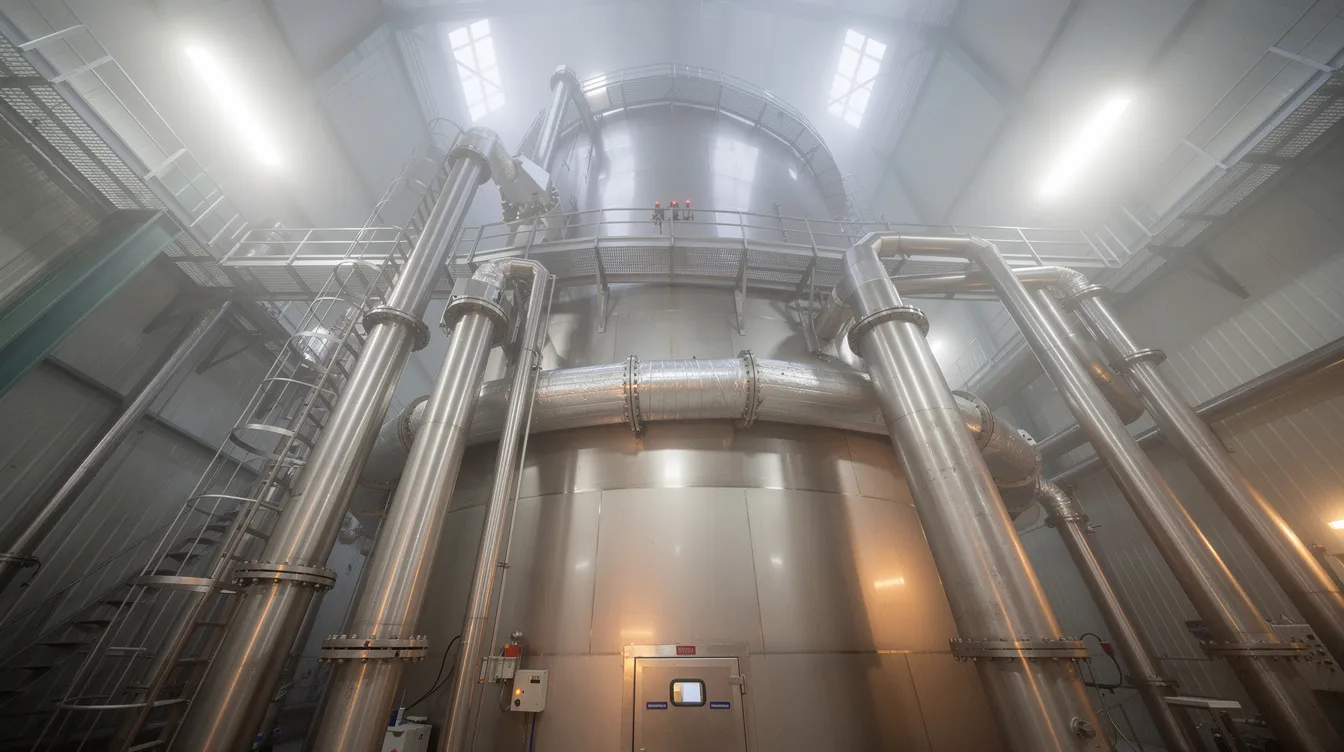
Spray drying is the key step where concentrated skim milk is atomised into fine droplets and brought into contact with hot air, causing rapid moisture evaporation and formation of milk powder particles inside a drying chamber. Spray drying occurs at inlet air temperatures of 150–200°C.
Core elements include:
- Feed concentration tank and high-pressure pump or rotary atomiser
- Main spray dryer chamber with hot-air generation and distribution
- Cyclones or bag filters for powder collection
- Powder discharge and machines remove water content to target moisture levels
Atomisation type (nozzle vs rotary) affects particle size, bulk density, energy use and investment cost. Electricity consumption benchmarks for a mid-size plant run approximately 180–220 kWh per MT of SMP produced.
Cooling, Sieving and Powder Handling
Hot SMP exiting the dryer must be cooled – cooling occurs before packaging to below 30°C – typically in a fluid-bed cooler to prevent caking and moisture migration. Sifting and gentle conveying achieve uniform particle size and good flowability. This stage influences product quality, loss levels and the dried product obtained meets the required specifications for efficient packing.
Packaging and Storage of SMP
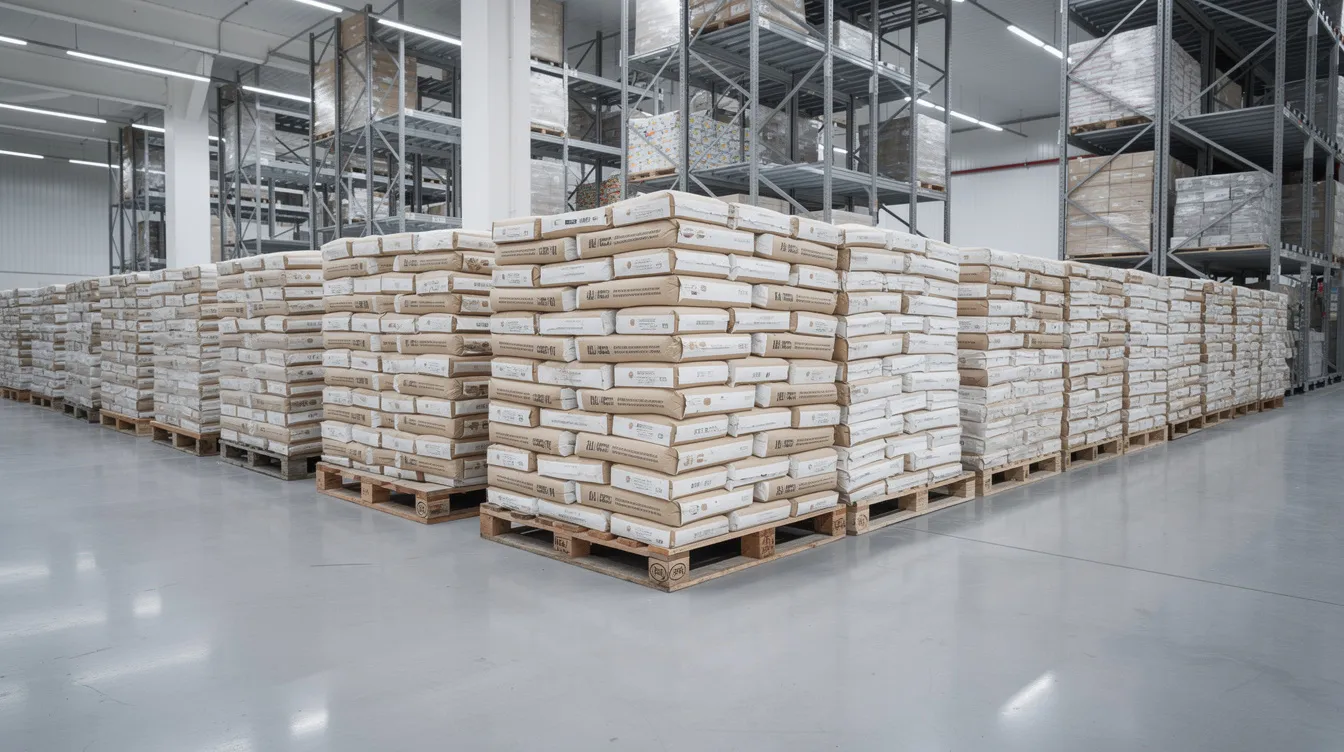
Finished powder must be packed into moisture-barrier bags or containers for preservation – typically poly-lined 25 kg multiwall paper bags for institutional sales. Packaging considerations include nitrogen flushing for extended shelf life, automatic vs semi-automatic packing machines, and batch traceability. Temperature and moisture control are critical during the storage of skim milk powder. Storage must be in cool, dry warehouses with palletisation, pest control and inventory rotation policies factored into working capital and warehouse sizing.
Material Balance and Milk Requirement for SMP Manufacturing
Material balance is the backbone of any serious skimmed milk powder project report. It links input cow milk or whole milk composition to outputs – SMP, cream and process losses. The DPR should not assume a single universal litres-of-milk-to-kg-of-SMP ratio. Typical conversion under normal SNF conditions runs approximately 7.5–8.5 litres of raw milk per kg of SMP, but this shifts to 8.8–9.2 litres during lean season when SNF drops.
As an illustrative example only: processing 120,000 litres per day of raw milk with approximately 13% total solids, after separation and accounting for evaporator and dryer losses (90–95% recovery), the plant might produce roughly 14,000–16,000 kg of SMP daily. Minor changes in SNF or process loss percentage materially change output and margin – which is precisely why material balance must be internally consistent with machinery capacity and financial projections when preparing CMA Data.
SMP Plant Capacity Planning and Seasonality Considerations
Capacity for an SMP manufacturing plant should be decided primarily on sustainable milk availability and market off-take, not on an attractive machinery quotation alone. Skim milk powder manufacturing plant capacity ranges from 10,000 to 50,000 MT annually depending on the scale of operations.
Parameters guiding capacity planning include peak and average daily milk collection (litres per day), expected SMP output (MT per day), number of operating days per year, and planned capacity utilisation ramp-up. Indian seasonality – flush (winter) months when milk supply is 30–40% above average versus lean (summer) months when availability drops 15–20% – means plants often run at high load in flush and lower utilisation in lean periods. Cooperative dairy plants have historically averaged only 35–37% capacity utilisation; private plants even lower at 21–25%. In project reports and bank discussions, capacity assumptions of 60–70% utilisation in initial years should be conservative and justified with regional milk procurement data.
Raw Materials and Key Inputs for an SMP Manufacturing Plant
Raw milk is by far the dominant raw material in milk powder manufacturing – raw milk procurement cost accounts for approximately 68–72% of total production cost. Fresh skim milk accounts for 75–82% of total operating expenses.
Key inputs include:
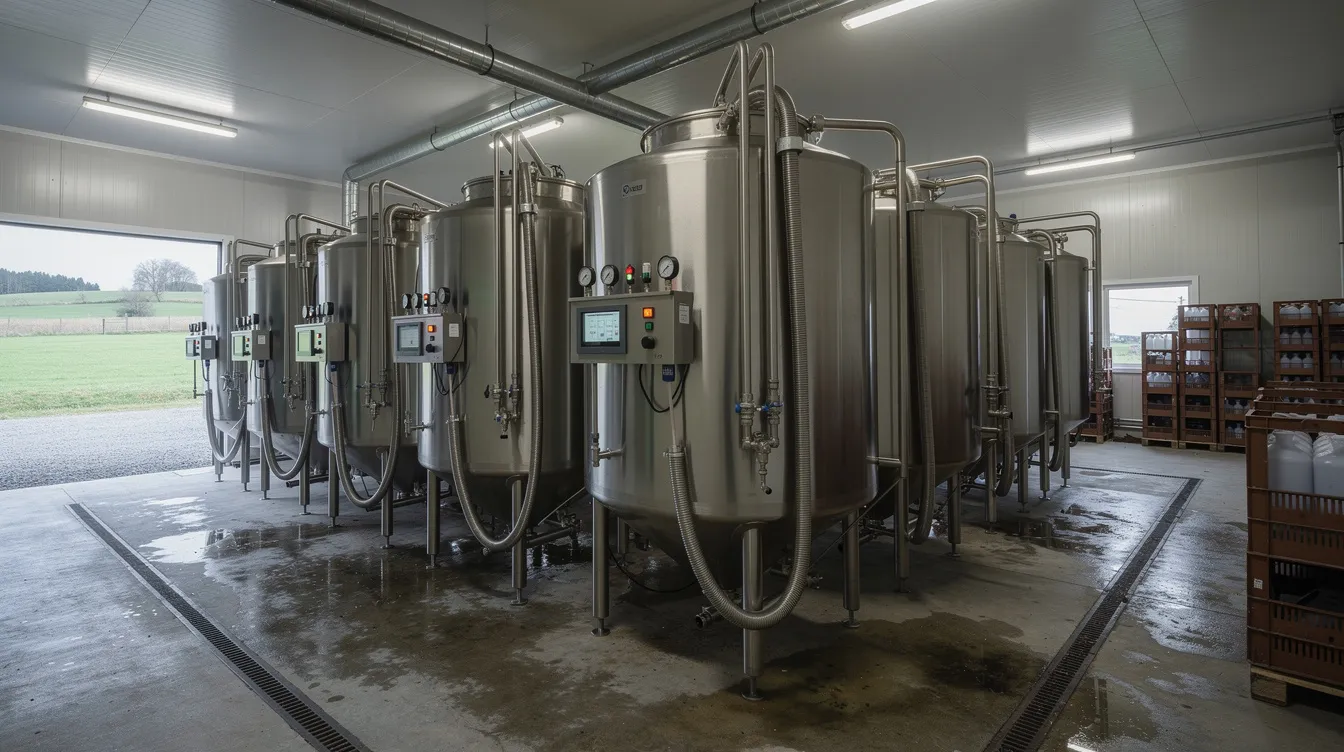
- Whole milk or skim milk from dairy operations
- Packaging materials (bags, liners, pallets)
- Cleaning and sanitation chemicals for CIP systems
- Laboratory reagents for quality testing
- Utilities: steam, electricity, water, compressed air, refrigeration and fuel
The DPR should show realistic procurement prices for milk in the specific state or district, with separate assumptions for flush and lean seasons, and should describe procurement arrangements (cooperative, private collection centres or contract farmers).
SMP Plant Machinery and Equipment
Major machinery blocks for an industrial skimmed milk powder plant include milk reception and weighing systems, storage and balance tanks, milk clarifier, cream separator, pasteuriser, standardisation systems, multi-effect evaporator, milk powder spray dryer plant, powder handling and cooling systems, sifters, packing machines and CIP systems. CIP systems are essential in SMP plants for cleaning equipment without disassembly, maintaining hygiene between production runs.
Supporting equipment includes refrigeration plant, boiler and steam generation (rugged construction with low maintenance needs for continuous operation), air compressor network, water-treatment plant, effluent treatment plant (ETP), electrical panels, laboratory equipment and material-handling systems. Equipment specifications and automation levels (manual, semi-automatic, PLC/SCADA controlled) significantly impact SMP plant investment and operational efficiency.
Readers seeking detailed machinery cost analysis should refer to the dedicated guide on milk powder plant machinery and equipment cost. During DPR preparation, machinery capacity and layout must be finalised with experienced dairy technologists and reputable equipment manufacturers.
Land, Building and Infrastructure Requirements
Land and civil construction are significant components of SMP manufacturing plant capital expenditure. The plant layout should include a milk reception bay, raw milk storage, processing block, evaporation section, spray drying tower, powder cooling and packing hall, finished-goods warehouse, utility house (boiler, refrigeration, compressors), ETP area, laboratory, administrative block, internal roads and loading docks. Required land varies widely – from a compact SMP line to a large integrated dairy complex with multi-storey spray dryer buildings. Proper layout planning impacts hygiene zoning, material flow, energy efficiency and future expansion possibilities.
Utilities Required for SMP Manufacturing
Skimmed milk powder manufacturing is energy-intensive, especially at evaporation and spray-drying stages, making utility planning critical. Major utilities include electricity (connected load, demand, backup power), steam (boiler capacity, fuel choice, condensate recovery), refrigeration and chilled water, process water and compressed air (dry and oil-free for food-grade applications).
Effluent treatment plants are typically installed to handle wastewater from SMP processing – CIP discharges, floor washings and cooling-tower blowdown – and must comply with local pollution-control norms. ETP is a distinct CAPEX line item and an ongoing operating expense.
SMP Plant Project Cost – Major CAPEX Components
SMP plant cost in India is highly project-specific. Initial investment for a modern milk powder plant is significant. Industry benchmarks suggest CapEx ranges of approximately ₹3.5–6 crore for a 5 MT/day line, ₹10–18 crore for 15 MT/day, and ₹20–27 crore for 30+ MT/day capacity. Skim milk powder plant capital cost includes raw materials and labor alongside core machinery investment.
Major CAPEX heads in the project report include:
- Land and site development
- Building and civil works
- Plant and machinery (process and utilities)
- Installation and commissioning
- Electrical systems, water treatment and ETP
- Laboratory, furniture and vehicles
- Pre-operative expenses, interest during construction and contingencies
- Margin money for working capital
Readers seeking a broader perspective on capital patterns should consult the guide on milk powder plant setup cost in India, while recognising that a customised estimate is essential for each SMP manufacturing plant.
Means of Finance and Funding Structure for an SMP Project
A typical financing pattern combines promoter’s equity contribution and term loan from banks, with possible supplementary unsecured loans. The DPR and CMA Data should reflect a realistic debt-equity ratio, repayment tenure and moratorium aligned with expected cash flows. Lenders scrutinise the source of promoter contribution, collateral offered and overall gearing level. While professional structuring improves bankability, sanction always remains subject to lender policies, appraisal findings and documentation by suitable means.
Revenue Model of an SMP Manufacturing Plant
The primary revenue stream is sale of skimmed milk powder, but a well-conceived project generates multiple revenue lines. Selling price benchmarks for institutional and commodity-grade SMP run approximately ₹310–340 per kg in relevant markets.
Core revenue sources include:
- Bulk SMP sales to B2B institutional buyers
- Revenue from cream or fat stream (processed into ghee, butter or sold as cream)
- Possible contract drying services for third parties
- Value-added products such as dairy whitener blends or instant drink mixes
Financial projections should show product-wise volume, pricing assumptions and contribution margins. Integrated operations creating diversified dairy products can buffer commodity price trends.
SMP Plant Operating Costs and Cost Structure
Operating expenses account for 75–82% of total costs, with raw milk the dominant component. Ex-milk variable costs in a mid-size 15 MT/day plant at approximately 85% capacity utilisation break down roughly as: energy ₹12–15/kg, labour ₹6–8/kg, packaging ₹8–10/kg, overheads ₹4–6/kg – totalling approximately ₹30–39 per kg of SMP excluding milk cost.
Variable costs include milk procurement (with flush vs lean price differentials of 20–25%), energy (fuel for boilers, electricity for evaporators and dryers), packaging and transport. Fixed costs cover salaries, repairs, insurance, administration, quality-control and laboratory expenses. Finance costs (interest on term loan and working capital) form a separate head. Total operational costs are expected to rise by the fifth year due to inflation in input prices, making expenditure projections important. Industry trends show that scale significantly reduces unit fixed costs.
Profitability and Financial Performance Drivers of an SMP Manufacturing Plant
There is no fixed or guaranteed profit margin for an SMP manufacturing business. Healthy profit margins for skim milk powder range between 10–18% (gross), but actual profitability varies with multiple factors. During flush season when raw milk is abundant and cheaper, EBITDA margins may reach 12–18%; lean season margins can compress toward 8–10%.
Key drivers include milk procurement price versus SMP selling price, average milk SNF content, product recovery percentage, capacity utilisation, energy consumption per kg of powder and effectiveness of cream monetisation. From a bank-finance perspective, I recommend conducting sensitivity analysis in the DPR on key parameters – even small changes in milk price or SMP realisation can swing profitability materially.
Working Capital Requirement and Operating Cycle
SMP plants require substantial working capital due to the high share of milk in operating costs and the need to hold finished powder inventory. Core working-capital elements include milk procurement payables, inventory of packaging and consumables, finished goods inventory and receivables from institutional buyers. The operating cycle typically runs 55–70 days. Banks usually structure working-capital limits as cash credit or overdraft facilities, and their adequacy is crucial for smooth SMP plant operations.
Financial Projections, DSCR and Break-Even for SMP Projects
Financial projections should cover 5–7 years and include projected profit and loss, balance sheet, cash flow, year-wise capacity utilisation, production volumes, raw-material consumption, manpower costs, depreciation and tax. DSCR (Debt Service Coverage Ratio) measures cash accruals available for servicing debt relative to total debt obligations. Lenders use it as a primary indicator of repayment capacity for SMP project finance.
Break-even analysis covers fixed costs, variable costs per unit and contribution margin. Benchmarks suggest that plants need 70–85% utilisation for profitable operations; below approximately 40% utilisation typically leads to losses. A balanced financial model should demonstrate not only profitability but healthy cash flows, acceptable DSCR trends and a reasonable timeline to sustain break-even capacity utilisation.
SMP Project Feasibility – Technical, Commercial, Financial and Operational
A robust skimmed milk powder project assessment covers multiple dimensions:
- Technical feasibility: Adequacy of milk catchment area, suitability of manufacturing process, machinery, utilities, skilled manpower and food-safety compliance
- Commercial feasibility: Target customers, demand for SMP in chosen markets, competitive landscape (including price trends and imports), distribution strategy and supply contracts
- Financial feasibility: Projected profitability, cash flows, DSCR, break-even point and stress-testing under different scenarios – the skimmed milk powder industry is expected to grow at a CAGR of 5.45%, supporting long-term sustainability of well-structured projects
- Operational feasibility: Milk procurement logistics, plant scheduling considering seasonality, inventory management, quality-control systems and organisational capacity
Key Risks in an SMP Manufacturing Project and Mitigation Approaches
SMP projects are capital-intensive and exposed to multiple risks that must be transparently discussed in the DPR. Key risks include fluctuations in milk procurement, volatility in raw milk prices versus SMP selling prices, energy cost escalation, equipment breakdowns and quality-rejection risks. India’s revealed comparative advantage for SMP remains below one, meaning export competitiveness is relatively weak despite large milk production volumes.
Financial risks include working-capital constraints, delayed receivables, import competition (imported SMP at lower global prices can depress domestic realisation) and high leverage. Mitigation strategies include diversified procurement networks, long-term supply contracts, investment in energy-efficient equipment with low maintenance, preventive maintenance planning, product-quality certification and prudent leverage levels. Emerging economies like India benefit from supportive government schemes for cold-chain and bulk milk cooler infrastructure.
Bank Loan and Project Appraisal for an SMP Manufacturing Plant
Banks evaluate SMP plant loan proposals based on promoter profile, project concept clarity, technical configuration, cost estimates, means of finance, projected profitability and DSCR. The DPR and CMA Data must present detailed project cost, material balance, machinery quotations, implementation schedule, milk procurement arrangements, market assessment and financial projections. No consultant or report can guarantee loan sanction – approval depends on the bank’s policies, risk appetite and the borrower’s creditworthiness. Promoters should prepare thoroughly for bank discussions by understanding their own assumptions on milk price, SMP realisation and capacity utilisation.
Role of SMP Manufacturing Plant DPR / Project Report
A Detailed Project Report ties together the technical concept, market strategy, project cost, means of finance and financial feasibility. A professional SMP plant DPR should contain promoter background, project objectives, industry overview, manufacturing process description, material balance, capacity, machinery layout, project cost and means of finance, revenue model, operating-cost build-up, projected financial statements, working-capital assessment, CMA Data, DSCR and break-even analysis. All technical and commercial assumptions should be cross-referenced across sections for internal consistency. In practice, lenders give higher weight to DPRs that are realistic, data-backed and clearly explain risks rather than presenting only optimistic projections. A dedicated team focused on project-specific assumptions produces a far more credible document than one relying on generic benchmarks.
Conclusion – Aligning Milk, Capacity, Economics and Finance in SMP Projects
An SMP manufacturing plant is a significant long-term industrial investment. Its success rests on aligning milk procurement strength with appropriate capacity, an efficient milk powder manufacturing process, sound energy management and strong marketing arrangements. Capital expenditure, operating expenses, working-capital requirements and financing structure must be designed together – machinery decisions taken in isolation from market and financial feasibility analysis carry substantial risk.
As a practising Chartered Accountant, I focus on preparing customised SMP manufacturing plant DPRs, CMA Data, financial projections, DSCR and break-even analysis based on project-specific data, quotations and realistic assumptions at ProjectReportBank.com. If you are a serious promoter, dairy company or investor evaluating a new or expanded skimmed milk powder manufacturing plant in India, I invite you to seek assistance for end-to-end project-finance documentation – detailed project reports, bank-loan proposals, working-capital assessment and sensitivity-based feasibility analysis tailored to your actual capacity, location, milk procurement model and product strategy.
Frequently Asked Questions (FAQ)
The following questions address practical concerns that entrepreneurs typically raise when first evaluating an SMP manufacturing plant.
What is an SMP manufacturing plant in practical terms?
An SMP manufacturing plant is an industrial facility that converts large volumes of skim milk into skimmed milk powder using evaporation and spray drying, supported by utilities, quality-control and packing infrastructure. It typically operates as part of a broader dairy-processing supply chain and produces skimmed milk alongside cream or fat as a co-product.
Is a spray dryer mandatory for skimmed milk powder manufacturing?
For commercial-scale, high-quality SMP production in India, a spray dryer is practically essential. It allows controlled rapid drying of concentrated skim milk into free-flowing powder with consistent moisture and solubility. Other drying methods are generally unsuitable for industrial SMP plants producing commodity or institutional-grade powder with the required bulk density and functional properties.
How much milk is required to produce 1 tonne of skimmed milk powder?
There is no single fixed ratio. The quantity depends on milk composition (especially SNF), fat separation efficiency and process losses. Indicatively, approximately 7,500–8,500 litres of raw milk may be needed per tonne of SMP under normal conditions, but actual conversion must be computed from local milk data and reflected in the project-specific DPR.
How is working capital typically structured for an SMP project?
Working capital covers milk procurement payments, inventory of SMP and packaging, receivables from institutional buyers and ongoing operating expenses. Banks typically provide cash-credit or similar limits based on an assessed operating cycle of approximately 55–70 days, projected through CMA Data prepared specifically for the project.
Can a bank in India finance a new SMP manufacturing plant?
Banks and financial institutions do finance technically and financially viable SMP projects, subject to appraisal of the DPR, promoter profile, collateral, means of finance, DSCR and compliance with their internal policies. However, no sanction can be guaranteed solely on the basis of preparing a project report – approval depends on each lender’s assessment and the project’s overall bankability.