Introduction
Sikkim is no longer just a scenic getaway. It is fast becoming one of the most promising business destinations in northeast India – and 2026 is the right time to pay attention.
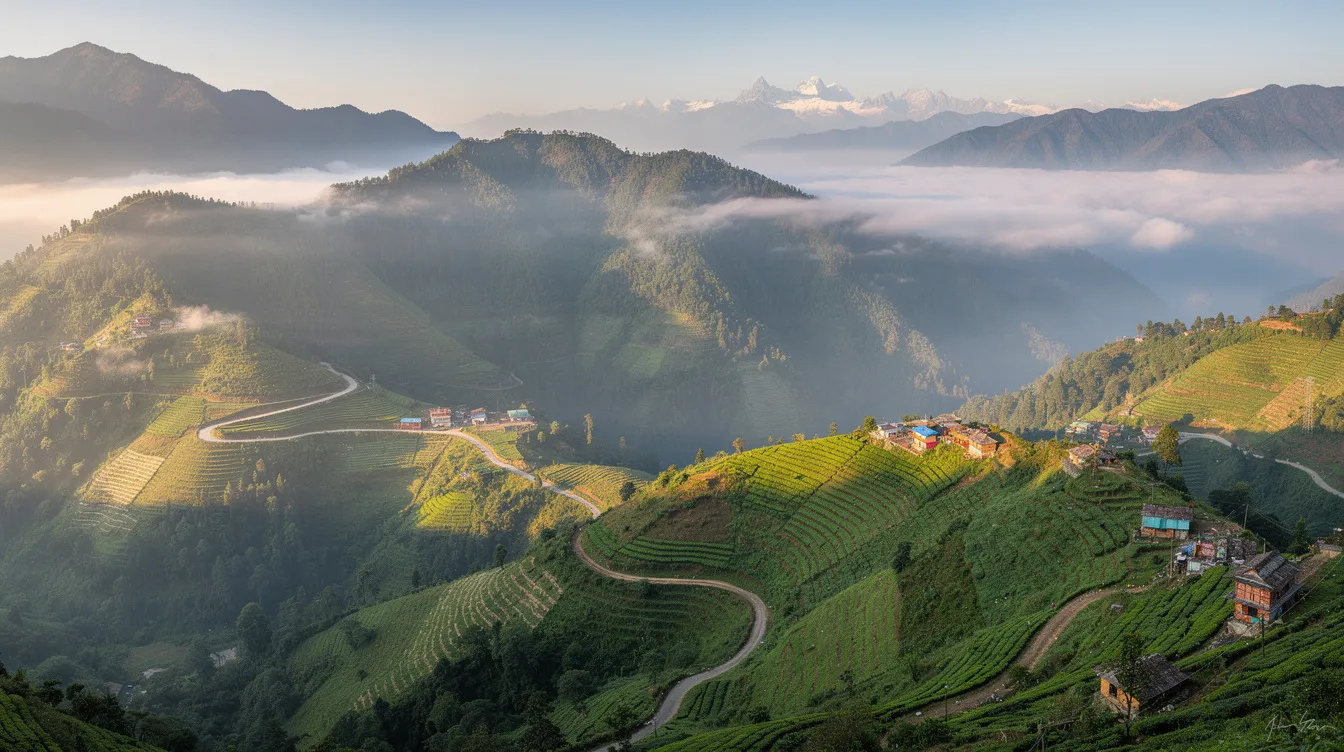
Sikkim is India’s first fully organic state since 2016, giving every agri-business here a built-in brand advantage. Tourism is one of Sikkim’s largest economic drivers, pulling thousands of visitors every year to its mountains, monasteries, and trekking trails. The state shares borders with China (Tibet) and Bhutan, opening real border trade possibilities. And with the Sevoke-Rangpo railway corridor nearing completion, connectivity is improving fast.
Sikkim’s government supports entrepreneurs through MSME programs and industrial incentives. The state aims to attract ₹30,000 Cr in investment by 2047. Registered MSMEs have jumped from roughly 500 units before 2019 to over 16,000 by 2025 – a clear sign that sikkim actively promotes entrepreneurship and the ecosystem is maturing.
This article covers 25 carefully evaluated business ideas across agriculture, tourism, manufacturing, services, and digital sectors. Each idea includes practical details on investment, profit margins, risks, and bank loan possibilities – written from my perspective as a Chartered Accountant and MSME consultant.
How We Chose the Best Business Ideas for Sikkim
Not every business opportunity works everywhere. Here is the framework I used to shortlist these 25 ideas:
- Investment requirements – categorized into low (under ₹5 lakh), medium (₹5–25 lakh), and high (₹25 lakh+)
- Market demand – local consumption, tourist spending, and export potential
- Profit margins and ROI – realistic numbers, not wishful thinking
- Licensing complexity – ease of registration and compliance
- Alignment with Sikkim’s organic identity – ideas that leverage the certified organic and eco-friendly brand
- Government support – eligibility for subsidies under MSME Policy, UNNATI 2024, and RAMP schemes
- Seasonal vs year-round viability – critical in a tourism-dependent economy
Sikkim’s literacy rate is 97%, supporting skilled workforce availability – a factor many entrepreneurs overlook when evaluating business locations. From a banking and finance perspective, I also assessed each idea for loan feasibility, DSCR viability, and whether a detailed project report can be prepared with realistic assumptions.
Table of Contents
Top 25 Profitable Business Ideas in Sikkim
1. Organic Large Cardamom Processing
Sikkim’s ecology supports diverse agricultural products like large cardamom and ginger. The state produces around 80–88% of India’s large cardamom, cultivated over approximately 23,500 hectares with annual production of 4,500–5,000 metric tonnes.
- Investment: ₹15–25 lakhs for a processing unit with upgraded drying chambers, sorting, and packaging equipment
- Profit margin: 25–35% on export-grade product
- Target customers: Spice traders, exporters to the middle east, Singapore, and Pakistan; food companies
- Key risk: Traditional “bhatti” drying has only 5–15% thermal efficiency – upgraded gasifier-based drying technology is essential for quality
- Bank loan: Eligible for MSME term loans; interest subsidy of 25% for first 5 years under state policy
- Organic certification and Spice Board registration are mandatory
Sikkim is a global leader in organic spices production, and cardamom processing is the most direct way to capture that value. Yields are projected to improve to 0.28–0.30 MT/ha by 2026–28 with better cultivation practices.
2. Eco-Tourism Homestay Business
Tourism is a major income source for Sikkim. Eco-tourism initiatives are prominent in Sikkim’s tourism sector, and the government is actively promoting homestays in rural areas.
- Investment: ₹8–15 lakhs for 4–6 rooms with basic amenities
- Profit margin: 30–50% during peak season (March–June, September–November)
- Target customers: Domestic and international tourists seeking authentic experiences
- Key advantage: Registered homestays in Sikkim receive government subsidies
- Licensing: Tourism department registration, trade license, fire safety compliance
- Mudra Loan: Suitable for Kishore/Tarun category
Occupancy rates vary sharply by season. Smart operators diversify into cooking classes, local village walks, and cultural evenings to boost off-season revenue.
3. Organic Tea Cultivation and Processing
Organic produce from Sikkim includes cardamom, ginger, and turmeric – but organic tea commands some of the highest premiums in global markets. Sikkim’s organic farming commands premium pricing, and tea estates here benefit from the fully organic state certification.
- Investment: ₹10–30 lakhs depending on scale and land lease
- Processing equipment: Withering troughs, rolling machines, dryers, packaging lines
- Export potential: Premium buyers in Europe, Japan, and North America
- Government support: Subsidies for organic farming and plantation development
If you are interested in agriculture business ideas beyond tea, Sikkim’s climate supports a wide array of high-value crops.
4. Mushroom Cultivation (Oyster, Shiitake)
Sikkim’s cool, humid climate is naturally suited for mushroom farming – especially oyster and shiitake varieties.
- Investment: ₹2–5 lakhs for a small-scale unit
- Raw material: Paddy straw, sawdust, spawn
- Target market: Hotels, restaurants, local consumers in Gangtok and tourist towns
- Profit margin: 40–60% on fresh mushrooms
- Mudra Loan: Ideal candidate for Shishu or Kishore category
- Year-round production possible with controlled environment
5. Adventure Tourism Services
Thousands of tourists visit Sikkim annually for its attractions, and a significant chunk seeks adventure tourism – trekking, mountaineering, river rafting, and paragliding.
- Investment: ₹5–15 lakhs for equipment, safety gear, and permits
- Licenses: Tourism department registration, adventure sports safety certifications, liability insurance
- Target customers: Youth travelers, international trekkers, corporate groups
- Seasonal model: Peak from March to November; off-season used for equipment maintenance and marketing
- Profit margin: 35–50% per trip
6. Handicraft and Handloom Products
Handicrafts appeal to both tourists and residents in Sikkim. Traditional Sikkimese crafts – Thangka paintings, woolen carpets, bamboo products, woodwork – have genuine market appeal.
- Investment: ₹3–10 lakhs for raw material, artisan training, and workshop setup
- Marketing: Online platforms (Amazon Handmade, Etsy), souvenir shops in tourist circuits, exhibitions
- Export potential: Growing global demand for authentic handmade products
- Government support: State craft promotion schemes and textile business subsidies
7. Organic Vegetable Farming and Supply
Sikkim’s agricultural diversity enables opportunities in organic vegetable delivery services. High-value vegetables like cherry tomatoes, bell peppers, broccoli, and exotic greens fetch premium prices from hotels and urban consumers.
- Investment: ₹5–15 lakhs for greenhouse/polyhouse setup and irrigation
- Cold storage: Critical for maintaining quality during transport to east Sikkim and west bengal markets
- Contract farming: Direct supply agreements with hotels and restaurants reduce market risk
- Government support: The state government supports organic agri-businesses with subsidies
8. Mountain Honey Processing
Wild honey from Sikkim’s high altitude forests carries natural premium branding.
- Investment: ₹3–8 lakhs for beekeeping equipment, processing, and packaging
- Profit margin: 40–60% for branded organic honey
- Export potential: Health-conscious markets in Europe and North America
- Certification: Organic certification, FSSAI license mandatory
- Mudra Loan: Suitable for Kishore category
9. Medicinal Plant Cultivation
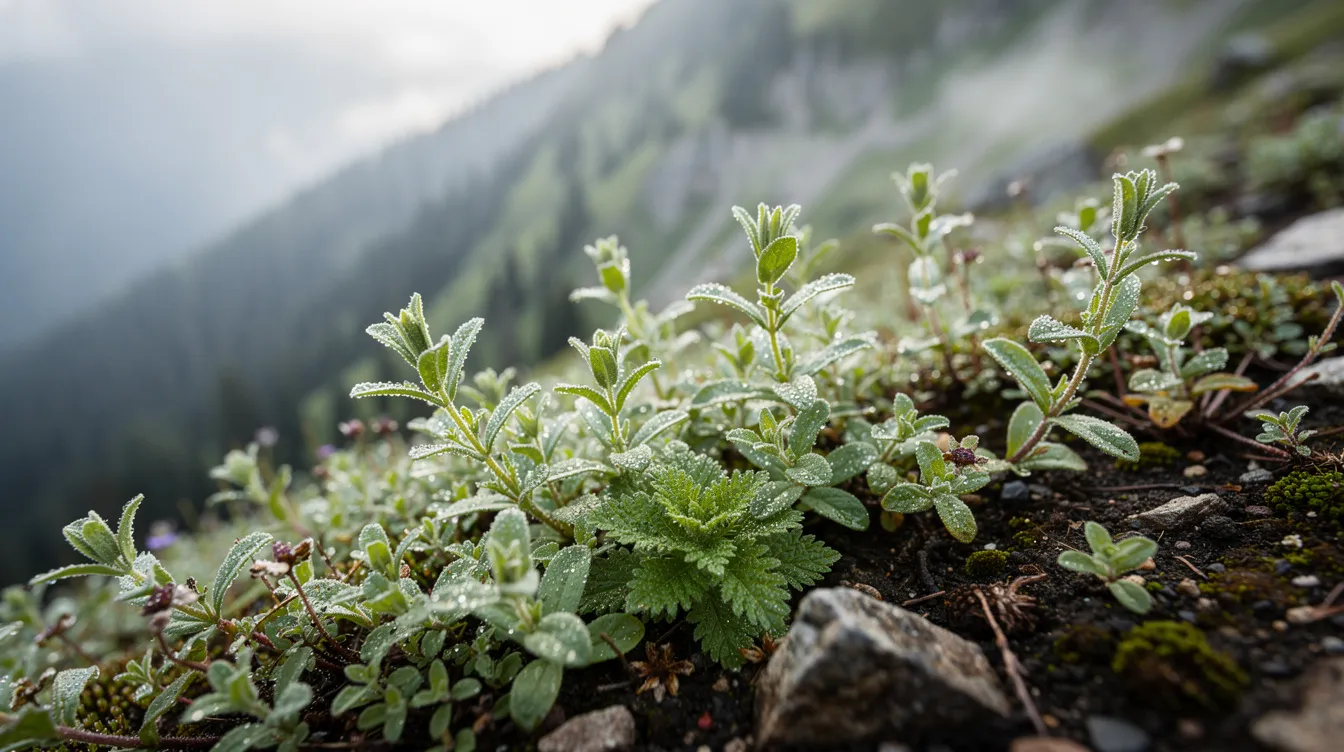
High-altitude medicinal herbs like Cordyceps, Chirata, and various aromatic plants thrive in Sikkim’s rich biodiversity zones.
- Investment: ₹5–20 lakhs depending on species and scale
- Pharmaceutical tie-ups: Direct contracts with ayurvedic and pharmaceutical companies
- Export potential: Significant demand in global herbal medicine markets
- Risk: Requires scientific cultivation techniques and research partnerships
- Government: Subsidies available under medicinal plant cultivation schemes
For those exploring this sector, a hydroponics project report can help understand controlled-environment cultivation economics.
10. Food Processing and Packaging
Sikkim’s organic status allows for high-value organic food processing. Processing local products into pickles, preserves, dried fruits, fruit juices, and ready-to-eat items creates year-round revenue from seasonal raw material.
- Investment: ₹10–25 lakhs for equipment and FSSAI-compliant facility
- Target customers: Local retailers, tourist shops, online marketplaces
- Branding: “Organic Sikkim” origin branding adds 15–25% price premium
- Profit margin: 25–40% depending on product category
11. Digital Marketing Agency
Digital services are underdeveloped in Sikkim’s small businesses. Most hotels, restaurants, and retailers lack proper online presence – creating a genuine business opportunity.
- Investment: ₹1–3 lakhs (laptop, software subscriptions, internet)
- Target clients: Hotels, homestays, local retailers, tour operators
- Services: Social media management, Google Business optimization, website development
- Growth potential: As digital literacy improves, demand will only increase
- Mudra Loan: Suitable under Shishu category
12. Solar Energy Installation Services
Solar adoption in Sikkim remains relatively low despite abundant sunlight at higher altitudes. The government promotes clean energy through subsidies, creating a clear market gap.
- Investment: ₹5–15 lakhs for equipment, training, and inventory
- Revenue model: Installation fees plus annual maintenance contracts (recurring revenue)
- Government support: Capital subsidies on renewable energy installations
- Target: Homes, hotels, government buildings, remote villages
13. Traditional Restaurant and Café
Authentic Sikkimese cuisine – momos, thukpa, gundruk, chhurpi – draws tourists looking for local food experiences.
- Investment: ₹8–20 lakhs depending on location and scale
- Target locations: Gangtok MG Marg area, Pelling, Namchi tourist circuits
- Seasonal variations: Menu optimization for peak tourist seasons; local customer base sustains off-season
- Licenses: FSSAI, trade license, fire safety NOC
14. Organic Fertilizer Production
Sikkim’s ban on chemical fertilizers creates guaranteed demand for organic alternatives. Converting agricultural waste into vermicompost and bio-fertilizers is a sustainable agriculture play with real margins.
- Investment: ₹5–15 lakhs for composting equipment and processing area
- Target customers: Organic farmers across northeast India
- Profit margin: 30–45%
- Government support: Waste management and sustainable development subsidies
15. Educational Coaching Center
Sikkim has a growing need for coaching centers focused on competitive exams – UPSC, SSC, banking, and state-level tests.
- Investment: ₹3–10 lakhs for infrastructure, furniture, and qualified faculty
- Revenue model: Monthly fees from 50–200 students
- Hybrid approach: Online and offline delivery for wider reach across the state
- Education demand is strong given the 97% literacy rate
16. Floriculture Business
Commercial cultivation of orchids, roses, gladioli, and seasonal flowers leverages Sikkim’s unique agro-climate.
- Investment: ₹8–20 lakhs for greenhouse technology, irrigation, and planting material
- Target markets: Hotels, event planners, export to west bengal and other states
- Profit margin: 35–50% for premium varieties like cymbidium orchids
- High-value crops with strong demand in wedding and hospitality sectors
17. Transportation and Logistics
Growing e-commerce penetration and organic produce exports are creating demand for reliable goods transportation between Sikkim and neighboring states.
- Investment: ₹15–40 lakhs for vehicles, permits, and insurance
- Cold chain logistics: Huge gap exists for temperature-controlled transport of organic produce
- Recurring revenue: Contract-based transport for businesses
- Growth: Infrastructure development including connectivity via bagdogra airport and pakyong airport is boosting demand
18. Wellness and Spa Services
- Investment: ₹10–25 lakhs for facilities, equipment, and trained therapists
- Target customers: Tourists, hotels seeking integrated wellness offerings, health-conscious locals
- Integration: Partnership model with homestays and eco-resorts
- Private healthcare infrastructure is limited outside Gangtok, creating additional demand for wellness alternatives
19. Dairy Farming and Processing
- Investment: ₹10–25 lakhs for cattle, shed construction, and small processing unit
- Products: Fresh milk, paneer, cheese, yogurt for local market
- Local demand: Hotels and restaurants need consistent fresh dairy supply
- Government: Livestock development schemes provide subsidy on cattle purchase and infrastructure
20. Cloud Kitchen for Delivery
- Investment: ₹3–8 lakhs (significantly lower than traditional restaurants)
- Model: Multiple virtual brand concepts from single kitchen
- Target: Urban areas in Gangtok and Siliguri corridor via delivery platforms
- Scalable: Add new cuisine brands without additional rent or infrastructure
- Mudra Loan: Suitable for Kishore category
21. Renewable Energy Consulting
Sikkim has 8000 MW hydropower potential for investment and abundant potential for micro-hydro energy generation. Advisory services for solar and micro-hydro projects require minimal capital but strong technical knowledge.
- Investment: ₹1–5 lakhs (knowledge-based, low overhead)
- Revenue: Project consulting fees, government project documentation
- Demand: Growing as Sikkim pursues industrial growth through clean energy
- Information technology skills combined with energy knowledge create a strong moat
22. Packaging Material Manufacturing
There is a growing demand for eco-friendly packaging in Sikkim. Every organic food processor, spice exporter, and tea brand needs quality packaging.
- Investment: ₹10–25 lakhs for a manufacturing unit
- Target customers: Food processors, organic spices exporters, tea estates
- Alignment: Sustainable packaging trends favor biodegradable materials
- Subsidy: Eligible for MSME capital subsidies under state policy
23. Mobile Phone and Electronics Repair
- Investment: ₹1–3 lakhs for tools, spare parts, and small shop
- Demand: High and consistent, especially in underserved rural areas and remote villages
- Training: Short-term certification courses available
- Mudra Loan: Ideal for Shishu category (up to ₹50,000) or Kishore
- Less competition in tier-2 and rural locations compared to Gangtok
24. Bamboo Products Manufacturing
- Investment: ₹5–15 lakhs for raw material sourcing, skilled artisans, and workshop
- Products: Furniture, home décor, kitchen items, construction materials
- Export potential: Eco-conscious international markets value bamboo products
- Government: National Bamboo Mission provides support for bamboo industry development
- Natural resources like bamboo are abundant across Sikkim’s forests
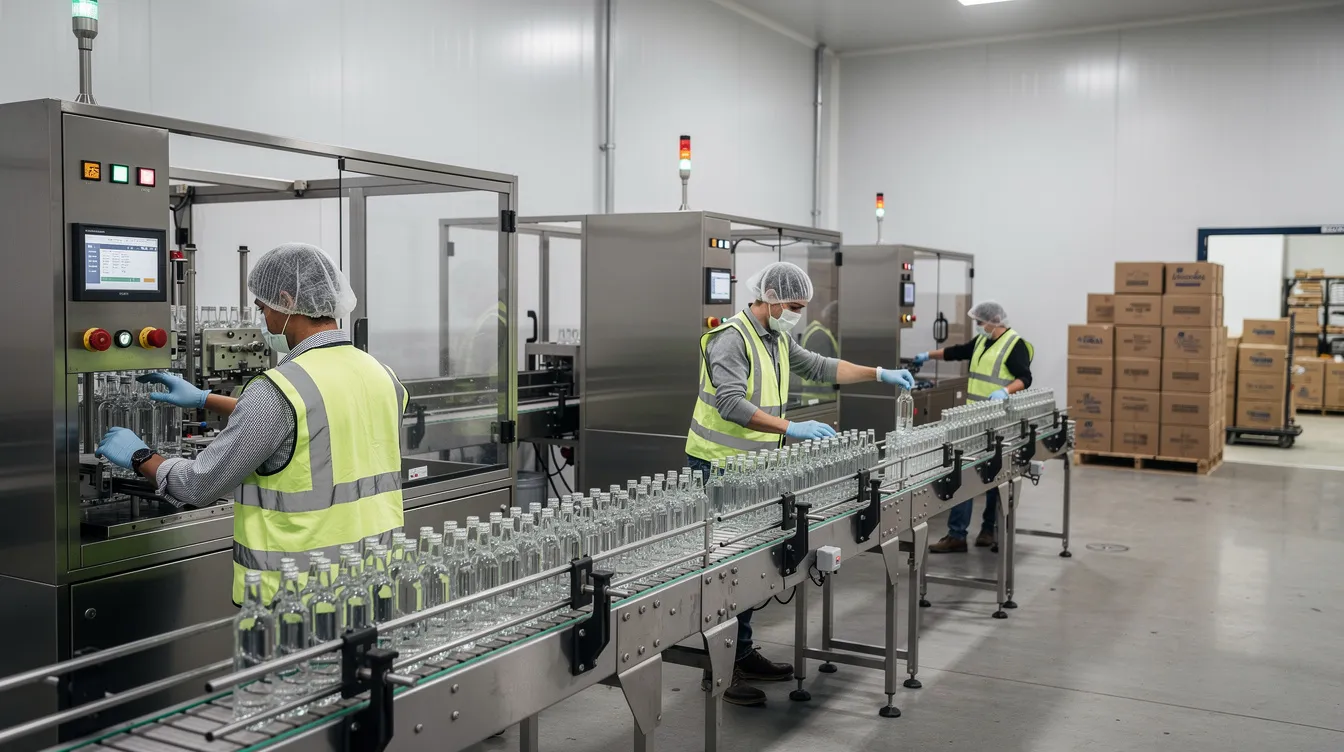
25. Water Bottling Plant
Himalayan spring water carries global brand appeal.
- Investment: ₹25–50 lakhs for plant, equipment, and certifications
- Licenses: BIS certification, FSSAI, pollution NOC, state government clearances
- Distribution: Local market plus premium positioning for export
- Risk: High initial investment; regulatory compliance is complex
- Profit margin: 20–30% after establishing distribution
For related ideas in the water business sector, consider mineral water and packaged drinking water variants.
Quick Comparison of Top Business Ideas
| Business Idea | Investment | Profit Margin | Risk | Mudra Loan | Seasonal? | Export Potential |
|---|---|---|---|---|---|---|
| Large Cardamom Processing | ₹15–25L | 25–35% | Medium | No (too high) | Seasonal harvest | High |
| Eco-Tourism Homestay | ₹8–15L | 30–50% | Medium | Yes (Tarun) | Seasonal | No |
| Organic Tea | ₹10–30L | 25–40% | Medium | Partial | Seasonal | High |
| Mushroom Cultivation | ₹2–5L | 40–60% | Low | Yes (Kishore) | Year-round | Low |
| Adventure Tourism | ₹5–15L | 35–50% | High | Yes (Tarun) | Seasonal | No |
| Handicrafts | ₹3–10L | 30–50% | Low | Yes (Kishore) | Year-round | Medium |
| Digital Marketing | ₹1–3L | 50–70% | Low | Yes (Shishu) | Year-round | No |
| Solar Installation | ₹5–15L | 25–35% | Medium | Yes (Tarun) | Year-round | No |
| Food Processing | ₹10–25L | 25–40% | Medium | Partial | Year-round | Medium |
| Mobile Repair | ₹1–3L | 40–60% | Low | Yes (Shishu) | Year-round | No |
How to Choose the Right Business Idea for Sikkim
Choose Based on Investment Capacity
- Low investment (₹50K–5L): Mushroom farming, digital marketing, mobile repair, cloud kitchen. Best for first-time entrepreneurs starting their own business.
- Medium investment (₹5L–25L): Homestays, food processing, organic farming, solar services. For experienced entrepreneurs with some capital.
- High investment (₹25L+): Water bottling, cardamom processing plants, tea estates. For established businesspeople or partnership models. Laundry services are also in high demand due to urbanization and can work at medium investment levels.
Choose Based on Market Focus
- Local market: Restaurants, coaching centers, dairy farming, mobile repair
- Tourist-focused: Homestays, adventure tourism, handicrafts, wellness spas
- Export-oriented: Organic spices, tea, medicinal plants, bamboo products
Choose Based on Skill Requirements
- Technical skills: Digital marketing, solar installation, renewable energy consulting
- Agricultural knowledge: Organic farming, floriculture, medicinal plants – sustainable agriculture experience is valuable
- Hospitality skills: Tourism businesses, restaurants, wellness services
Service franchises can reduce operational risks for new entrepreneurs who lack sector-specific experience.
Government Schemes and Support
Sikkim offers a strong incentive architecture for new businesses. Here are the key schemes:
| Scheme | What It Covers | Who Benefits |
|---|---|---|
| Mudra Loan | Up to ₹20 lakh collateral-free | Micro/small businesses, first-time entrepreneurs |
| CGTMSE | Collateral-free credit guarantee | MSMEs needing larger working capital |
| UNNATI 2024 | Up to 30% subsidy on plant & machinery | Manufacturing units (min ₹1 Cr investment) |
| Sikkim MSME Policy | SGST reimbursement, stamp duty exemption, interest subsidy | All registered MSMEs |
| Stand Up India | Loans ₹10L–1Cr | SC/ST and women entrepreneurs |
| Udyam Registration | MSME benefits, priority lending | All micro, small, medium enterprises |
The state’s investment policy under sikkim industrial development framework provides additional capital subsidies. Women and SC/ST entrepreneurs get enhanced subsidy rates. The state government also supports organic agri-businesses with subsidies through dedicated horticulture and agriculture department schemes.
For understanding how to prepare bank-ready loan applications, check this guide on Mudra Loan project reports.
Licensing and Compliance Requirements
Every profitable business needs proper licensing. Here is what you will typically need:
- GST Registration – mandatory above ₹20 lakh turnover (₹10 lakh for NE states)
- FSSAI License – required for all food processing, restaurant, and packaged food businesses
- Trade License – from local municipal body
- MSME / Udyam Registration – free, online, and unlocks all government scheme benefits
- Factory License – for manufacturing unit operations
- Pollution NOC – for manufacturing, processing, and bottling plants
- Tourism Department Registration – for homestays, tour operators, adventure services
- Import Export Code (IEC) – if you plan to export organic products
- Organic Certification – mandatory for labeling products as certified organic
Which Business Idea Is Best for You?
- Choose organic farming if you have an agricultural background and access to agricultural land. Sikkim offers opportunities focused on sustainability, high-value tourism, and niche agriculture.
- Choose tourism business if you have hospitality skills and a location near tourist circuits
- Choose digital services if you have technical skills and want a low-investment start
- Choose food processing if you want to leverage Sikkim’s organic advantage for brand support
- Choose manufacturing if you have higher capital and want export potential across diverse industries
Sikkim is the least populous state in India, which means less competition in most sectors. But it also means smaller local markets – so export orientation or tourist spending becomes critical for scale.
Expert Tips from CA Manish Gugliya
After helping hundreds of entrepreneurs with project consultancy and bank loan documentation, here is what I consistently advise:
1. Cash flow is king, not profit margin. A 50% margin means nothing if your customers pay after 90 days and your suppliers want payment in 30. Build a business plan with month-wise cash flow projections, especially for seasonal businesses.
2. Prepare your project report before approaching any bank. Bankers in Sikkim evaluate DSCR (Debt Service Coverage Ratio), break-even analysis, and CMA data. A properly prepared detailed project report with realistic assumptions improves sanction rates dramatically. Services like niir project consultancy services or professional CA-prepared reports make a real difference.
3. Don’t ignore working capital. Most first-time entrepreneurs budget for machinery and setup but forget about 3–6 months of operating expenses. This is where businesses fail – not because the idea was bad, but because cash ran out.
4. Use government subsidies strategically. Subsidies are typically reimbursed after you spend. Factor in the time lag. Don’t build your entire feasibility study around receiving subsidies on day one.
5. Tax planning starts on day one. Register under GST from the beginning. Maintain proper books. The SGST reimbursement scheme gives 50% back for 3 years – but only if your compliance is clean.
6. Location matters more than you think. For tourism businesses, proximity to tourist circuits is everything. For manufacturing, access to the Siliguri–Rangpo corridor determines your logistics cost. For investors evaluating opportunities in sikkim, transport connectivity should be a top-3 criterion.
7. Understand your land options. Sikkim has specific land ownership regulations. The state maintains land banks for industrial use – explore these before purchasing private land at premium rates.
8. Build for sustainable growth. Sikkim rewards businesses aligned with its organic and eco-friendly identity. This isn’t just branding – it is the economic growth model of the state, and policies, subsidies, and consumer preferences all follow this direction. The state has shown stable governance in supporting these sectors consistently.
Entrepreneurs looking at business ideas in neighboring states like West Bengal or Manipur will find that Sikkim’s organic certification gives it a unique competitive edge that no other indian state currently matches.

Final Thoughts
Sikkim became India’s first fully organic state in 2016 – and that single decision created an entire ecosystem of investment opportunities across agriculture, tourism, manufacturing, and services. The country is watching as this small Himalayan state punches well above its weight in sustainable development, organic exports, and eco tourism.
But here is what separates successful entrepreneurs from dreamers: preparation. The best business idea in the world fails without proper market research, financial planning, and realistic projections.
Before you invest a single rupee, do your homework. Understand local demand. Talk to existing business owners. Get your licenses sorted. And most importantly – prepare a solid project report that any banker will take seriously.
Sikkim’s natural resources, government incentives, and growing tourist economy create real business opportunities. The question is not whether opportunities exist – it is whether you are ready to execute.
Need a customized Detailed Project Report or CMA Report for your Sikkim business idea? Visit ProjectReportBank.com to get bank-ready documentation prepared by experienced Chartered Accountants. Whether you need a feasibility study for a cardamom processing unit or a Mudra Loan project report for a homestay, we have you covered.
Frequently Asked Questions (FAQs)
Q1: What is the best business to start in Sikkim with low investment?
Mushroom cultivation, digital marketing, and mobile repair are excellent low-investment options starting from ₹1–5 lakhs.
Q2: Is Sikkim good for organic farming business?
Yes. Sikkim is India’s first fully organic state, giving every organic product automatic brand credibility and premium pricing in global markets.
Q3: Can I get a Mudra Loan for business in Sikkim?
Absolutely. Businesses like homestays, cloud kitchens, mushroom farming, and repair services qualify under Mudra Loan categories (Shishu, Kishore, Tarun).
Q4: What licenses do I need to start a food business in Sikkim?
FSSAI license, GST registration, trade license, and organic certification (if labeling as organic) are the primary requirements.
Q5: How profitable is the homestay business in Sikkim?
Profit margins range from 30–50% during peak tourist season, with government subsidies available for registered homestays.
Q6: What is the scope of large cardamom business in Sikkim?
Sikkim produces over 80% of India’s large cardamom. Processing and export-grade packaging can yield 25–35% margins.
Q7: Is adventure tourism profitable in Sikkim?
Yes, with profit margins of 35–50% per trip during the 8-month peak season. Proper safety certifications are mandatory.
Q8: What government schemes support businesses in Sikkim?
Mudra Loan, CGTMSE, UNNATI 2024, Sikkim MSME Policy, Stand Up India, and state-level organic farming subsidies are the key schemes.
Q9: Can I export organic products from Sikkim?
Yes. You need organic certification, IEC code, and Spice Board registration for spice exports. Major export markets include the Middle East and Singapore.
Q10: What is the minimum investment for a manufacturing business in Sikkim?
Small manufacturing units like paper plate or packaging material production can start from ₹5–10 lakhs.
Q11: Is digital marketing a good business in Sikkim?
Very much so. Most local businesses lack online presence, creating strong demand for affordable digital marketing services.
Q12: What crops grow best in Sikkim for commercial farming?
Large cardamom, ginger, turmeric, orchids, organic vegetables, and medicinal herbs are the most commercially viable crops.
Q13: How do I prepare a project report for bank loan in Sikkim?
A project report should include financial projections, DSCR analysis, break-even calculations, CMA data, and working capital requirements. Professional CA-prepared reports significantly improve approval chances.
Q14: Is solar energy business viable in Sikkim?
Solar adoption remains relatively low in Sikkim, making it an underserved market with government subsidies available for installation businesses.
Q15: What are the biggest challenges for businesses in Sikkim?
Infrastructure constraints, seasonal tourism dependency, cold chain gaps, complex organic certification processes, and limited local market size are the primary challenges.
SEO Title: Best Business Ideas in Sikkim 2026 | Top 25 Profitable Ideas
Meta Description: Discover 25 profitable business ideas in Sikkim for 2026. Organic farming, tourism, manufacturing & more with investment details, margins & govt schemes.
Slug: business-idea-in-sikkim
Focus Keyword: business idea in sikkim
Related Keywords: best business ideas in Sikkim, low investment business ideas in Sikkim, small business ideas in Sikkim, manufacturing business ideas in Sikkim, business opportunities in Sikkim, startup ideas in Sikkim, MSME business ideas in Sikkim, organic farming business in Sikkim, tourism business in Sikkim, business ideas in Gangtok
Suggested Image Alt Text: Mountain landscape in Sikkim showing terraced organic farms and green valleys
Breadcrumb: Home > Business Ideas > Business Ideas in Sikkim
- Dal Mill Power Consumption, Dryers & Utility Requirements – Complete Guide


- Dal Mill Colour Sorter, Grading, Polishing & Packaging Machinery – Types, Capacity, Cost & Selection Guide

- Pulse Conditioning, Dehusking & Splitting Process – Improving Dal Recovery

- Dal Mill Recovery Ratio, Dal Yield, Broken Percentage & Milling Losses
- Masoor Dal Processing Plant Project Report & DPR in India
- Chana Dal Manufacturing Plant Project Report & DPR in India
- Urad Dal Mill Project Report & DPR in India
- Moong Dal Processing Plant Project Report & DPR in India
- Toor Dal (Arhar Dal) Mill Project Report & DPR in India
- Fully Automatic vs Semi-Automatic Dal Mill – Cost, Efficiency & Investment Comparison
- Dal Mill Land, Building & Plant Layout Requirements in India
- Dal Mill Capacity Planning – 5 TPD, 10 TPD, 20 TPD & 50 TPD Plants
- Dal Milling Process & Flow Chart – Cleaning, Dehusking, Splitting & Packaging
- Dal Mill Machinery, Equipment & Cost – Complete Plant Guide
- Dal Mill Plant Setup Cost in India – Investment & Cost Breakdown