Introduction
Agriculture business in India has evolved far beyond traditional farming. Today, it spans agri processing, manufacturing, cold chain logistics, renewable energy, digital advisory, and agri tourism. The agriculture industry grew 4.6% in FY 2025-26, powered by livestock, fisheries, and value-added segments.
Government support through PM-KISAN (₹63,500 crore allocation), Agriculture Infrastructure Fund, and NABARD schemes has created a fertile ground for new ventures. The rising demand for organic produce, food processing units, and agri exports continues to accelerate. Precision agriculture uses technology to optimize crop management, while drone services and IoT-based smart farming are redefining what a profitable agricultural business looks like.
This guide covers the most profitable agricultural business ideas across investment levels, helping you pick the right business idea based on your resources and market access.
How We Chose the Best Agricultural Business Ideas
Every agriculture business ideas entry on this list was evaluated against eight practical criteria that matter to Indian entrepreneurs and local farmers.
- Investment requirement – accessibility across ₹50,000 to ₹50 lakh budgets
- Market demand – current and projected consumer demands in domestic and export markets
- Profitability – realistic ROI timelines based on case studies
- Government support – eligibility for government subsidies, NABARD, Mudra Loan, PMEGP
- Scalability – growth path from small to commercial operations
- Technology integration – compatibility with modern farming and controlled farming systems
- Export potential – access to international markets and value addition
- Sustainability – environmental impact and alignment with sustainable practices
Table of Contents
Top 12 Agricultural Business Ideas for Indian Entrepreneurs
1. Organic Farming
Organic farming is chemical-free crop production that commands premium prices in both local markets and global market channels. Organic farming can yield high profits due to premium pricing, with organic fruits and vegetables often selling 20-30% above conventional produce.
Why It Stands Out
Organic farming is in high demand due to health concerns. India’s organic farming market is valued at USD 6.13 billion in 2025, projected to reach USD 14.83 billion by 2034 at ~10% CAGR.
Best For
Farmers with 2-5 acres land, health-conscious entrepreneurs, and those committed to sustainable farming using natural methods.
Key Strengths
- Government subsidies available through organic certification schemes
- Premium pricing on organic food creates strong profit margins
- Export opportunities to US and Europe for organic produce
Possible Limitations
- Organic certification can take 1-2 years to achieve
- Initial crop yields may be lower during the transition to organic
- Organic farming requires 1-5 acres for small to medium-scale operations
2. Mushroom Farming
Mushroom farming involves cultivating oyster or button mushrooms in controlled environments. Mushroom farming can generate profits within 2-3 months, making it one of the fastest-returning agribusiness ideas.
Why It Stands Out
Mushroom farming requires low initial investment of ₹50,000 to ₹2 lakhs with harvest cycles of 45-60 days. Punjab trials showed net profit of ₹208 per 5 kg compost bag against a cost of just ₹56.
Best For
Urban entrepreneurs, farmers with limited land, and those seeking quick ROI. Mushroom farming is ideal for limited land and capital.
Key Strengths
- Low investment makes it accessible as a village business idea
- Year-round production independent of weather
- High demand in restaurants and among health-conscious consumers, with benefit-cost ratios of 2.02-2.30
Possible Limitations
- Requires temperature and humidity control (technical knowledge essential)
- Perishable nature demands immediate marketing to local markets
3. Dairy Farming
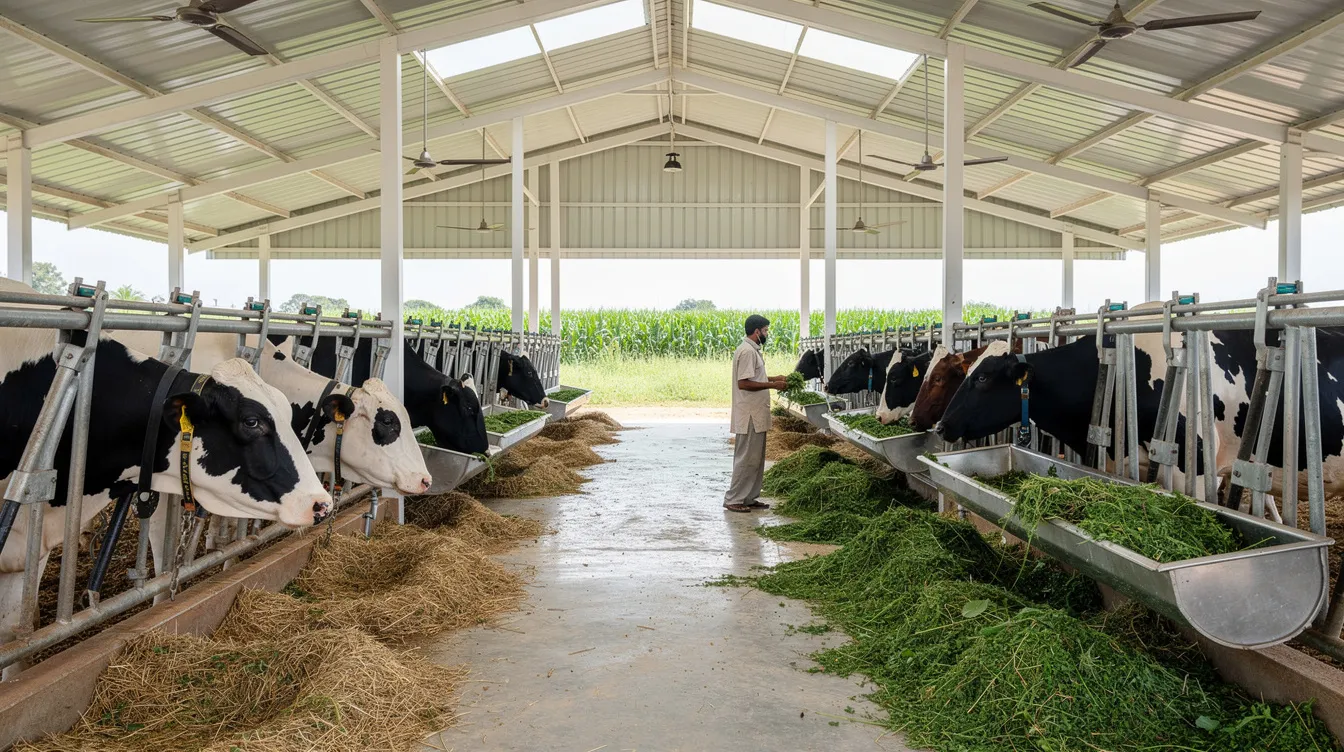
Dairy farming is a popular agricultural business in India that delivers steady income throughout the year. Value addition through dairy products like paneer, ghee, and yogurt multiplies revenue streams.
Why It Stands Out
Dairy farming provides steady income throughout the year with established procurement networks. Livestock farming includes raising animals for meat, milk, and eggs, and the dairy business benefits from constant demand.
Best For
Rural farmers, those with animal husbandry experience, investors seeking stable returns from a profitable business.
Key Strengths
- AHIDF provides ₹29,110 crore for dairy infrastructure with interest subvention
- Milk procurement by cooperatives ensures guaranteed sales
- Multiple revenue streams through value addition
Possible Limitations
- High initial investment ₹5-15 lakhs for commercial setup
- Daily operational commitments including weekends and disease management
4. Hydroponic Farming
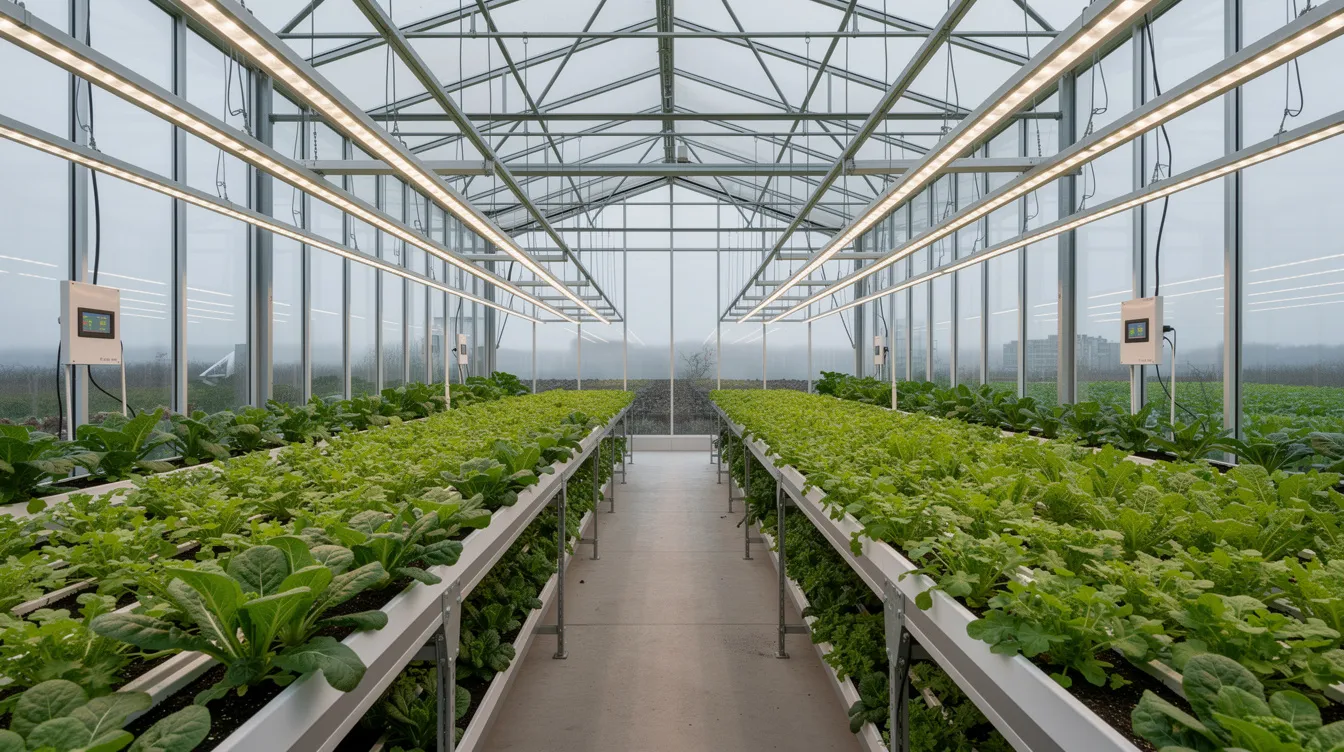
Hydroponic farming uses nutrient rich water instead of soil for high-yield crop production. Hydroponics can yield crops in smaller spaces than traditional farming, delivering 3-4x higher output per square foot.
Why It Stands Out
Hydroponic farming can yield high profits in limited space. Vertical farming maximizes space using controlled environments for crops. Aquaponics combines fish farming with hydroponics for sustainable production.
Best For
Tech-savvy entrepreneurs, urban farmers, those with limited water availability seeking high value crops.
Key Strengths
- 90% less water usage than conventional methods
- Year-round production with controlled environment – involves growing plants without seasonal dependency
- Premium prices for pesticide-free produce
Possible Limitations
- High setup costs ₹8-12 lakhs per acre (high initial investment)
- Technical skills required for nutrient management
5. Beekeeping and Honey Production
Honey production beekeeping combines bee management with pollination services. Beekeeping requires low investment of ₹50,000 to ₹2 lakhs and offers high profit potential across multiple revenue streams.
Why It Stands Out
Beekeeping delivers honey production, beeswax, royal jelly, and pollination services – all from the same setup. Beekeeping can start generating income within 6-12 months.
Best For
Part-time farmers, those with flowering crop areas, environmentally conscious entrepreneurs seeking steady income.
Key Strengths
- KVIC schemes provide 40% subsidy
- Export potential for organic honey to international markets
- Low investment with numerous benefits for surrounding crops
Possible Limitations
- Seasonal honey production dependent on flowering cycles
- Requires knowledge of bee behavior and disease management
6. Aquaculture (Fish Farming)
Fish farming involves cultivating species like Rohu, Catla, or Pangasius in ponds and tanks. The growing demand for protein and steady demand from both domestic and export markets make this highly profitable.
Why It Stands Out
Government support through the Blue Revolution scheme and NABARD subsidies up to 20% makes aquaculture accessible. The agri-export sector is growing due to rising global demand for protein.
Best For
Farmers with access to water bodies, those seeking market demand-driven opportunities.
Key Strengths
- Quick growth cycle of 8-12 months
- Both domestic and agri export business opportunities
- Scalable from backyard ponds to commercial operations
Possible Limitations
- Water quality management crucial for fish health (requires technical knowledge)
- Marketing challenges in areas without fish consumption habits
7. Spice Processing and Packaging
India exports agricultural products like spices and grains worth billions annually. Spice processing through grinding, blending, and packaging adds significant value. Indian agricultural products fetch premium prices internationally.
Why It Stands Out
India’s position as the world’s largest spice producer creates strong export potential. Exporting processed foods can significantly boost profits compared to raw commodity sales.
Best For
Entrepreneurs in spice-growing regions, export-oriented businesses, those exploring food business ideas.
Key Strengths
- PMFME scheme provides credit-linked government schemes support
- High profit margins through value addition
- APEDA support for agri export business provides access to global markets
Possible Limitations
- Requires FSSAI license and quality certifications
- Competition from established spice brands in local demand segments
8. Poultry Farming
Poultry farming is a tried and tested business idea with 35-42 day growth cycles. Poultry farming offers quick returns with high demand for eggs and meat across India.
Why It Stands Out
Livestock farming includes raising animals for meat, milk, and eggs, and poultry sits at the fastest end of this spectrum. Constant demand for protein ensures market prices remain favorable.
Best For
Rural entrepreneurs near urban markets, those seeking quick returns from a profitable agricultural business.
Key Strengths
- NABARD subsidies available for poultry infrastructure
- Established supply chain and procurement networks
- Multiple products: eggs, meat, and organic waste as manure
Possible Limitations
- Disease outbreaks can cause significant losses (hygiene practices critical)
- Price volatility based on feed costs
9. Agritourism and Farm Experience
Agri tourism combines farming with tourism through farm stays, farm tours, and educational workshops. This diversifies farm income while promoting rural tourism.
Why It Stands Out
Premium pricing for farm experiences creates multiple revenue streams. Visitors pay for accommodation, activities, and fresh produce.
Best For
Farmers near urban areas with hospitality skills, educational program enthusiasts.
Key Strengths
- Government support through rural tourism schemes
- Generates steady income from accommodation and farm tours
- Promotes sustainable practices and environmental awareness
Possible Limitations
- Seasonal demand dependent on tourist influx
- Requires hospitality infrastructure investment
10. Vermicomposting and Organic Fertilizer
Vermicomposting converts organic waste into valuable organic fertilizer using earthworms. The growing demand from the organic farming sector makes this a sustainable and profitable business.
Why It Stands Out
Minimal investment ₹20,000-₹50,000 for small setup. Supports soil health improvement across livestock farms and crop operations.
Best For
Small-scale entrepreneurs, waste management-focused farmers seeking low investment business ideas in India.
Key Strengths
- Growing demand from organic farming sector
- Environment-friendly waste management solution
- Can be combined with other agricultural business models
Possible Limitations
- Time-intensive process requiring 60-90 days
- Marketing challenges in areas with limited organic farming adoption
11. Cold Storage and Warehousing
The warehousing business in agriculture addresses India’s critical post-harvest wastage problem (estimated at 15-20% for perishable produce). Cold storage enables local farmers to sell at better market prices.
Why It Stands Out
Agriculture Infrastructure Fund provides low-interest business loan options with credit guarantee. This is among the best agriculture businesses for large investors.
Best For
Large investors, those in fruit and vegetable production areas with logistics backgrounds.
Key Strengths
- Agriculture Infrastructure Fund provides interest subvention
- Consistent rental income from storage services
- Government priority sector with various subsidies (AMI provides 25-33% capital cost subsidy)
Possible Limitations
- High capital investment ₹25-50 lakhs for small cold storage
- Requires continuous power supply and technical maintenance
12. Solar-Powered Agriculture Equipment
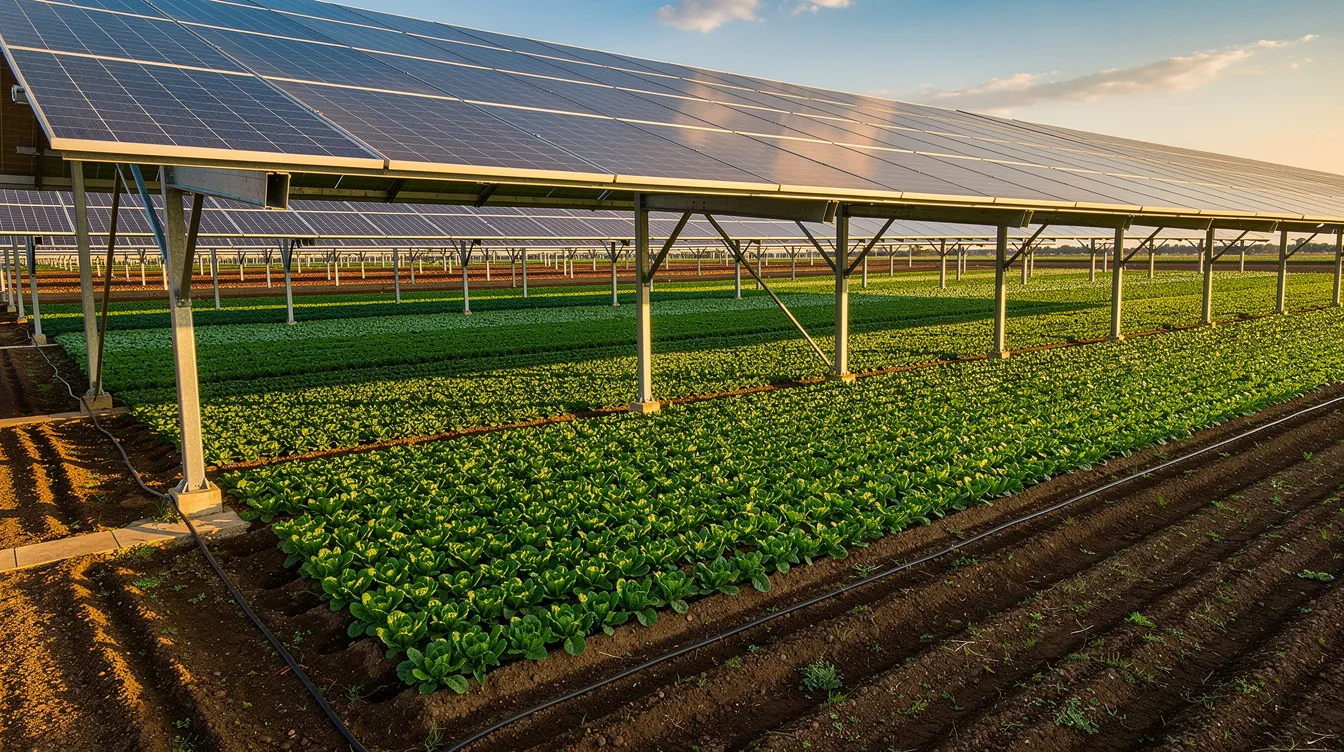
Solar-powered agriculture equipment combines renewable energy with farming for reduced costs and additional income. The PM-KUSUM scheme targets 34,800 MW solar capacity with ₹34,422 crore in central subsidies.
Why It Stands Out
Farmers and FPOs can generate and sell surplus power while running irrigation. This addresses both energy costs and climate smart agriculture goals.
Best For
Progressive farmers, those with grid connectivity issues, entrepreneurs exploring biogas and renewable energy agriculture programs.
Key Strengths
- PM-KUSUM provides up to 60% subsidy for solar installations
- Additional income through power generation and sale
- Reduced operational costs for irrigation and processing
Possible Limitations
- High initial investment despite subsidies
- Technical maintenance and weather dependency
Quick Comparison of the Best Agricultural Businesses
Here’s a snapshot to help you compare the most profitable agricultural businesses at a glance:
| Business | Best For | Investment | Payback |
|---|---|---|---|
| Organic Farming | Health-conscious entrepreneurs, 2-5 acres | ₹2-5 lakh | 12-18 months |
| Mushroom Farming | Quick returns, minimal land | ₹0.5-2 lakh | 2-3 months |
| Dairy Farming | Stable daily income, rural setup | ₹5-15 lakh | 18-24 months |
| Hydroponic Farming | Urban, tech-oriented entrepreneurs | ₹8-12 lakh | 12-18 months |
| Beekeeping | Part-time farmers, low investment | ₹0.5-2 lakh | 6-12 months |
| Aquaculture | Protein market, water access | ₹3-10 lakh | 8-12 months |
| Spice Processing | Export-oriented businesses | ₹3-8 lakh | 6-12 months |
| Poultry Farming | Quick turnover, established markets | ₹2-8 lakh | 4-6 months |
| Agritourism | Farmers near urban areas | ₹5-15 lakh | 12-24 months |
| Vermicomposting | Environment-conscious, small entrepreneurs | ₹0.2-0.5 lakh | 3-6 months |
| Cold Storage | Large investors, post-harvest solutions | ₹25-50 lakh | 3-4 years |
| Solar Agriculture | Sustainable farming, renewable energy | ₹5-20 lakh | 3-5 years |
How to Choose the Right Agricultural Business
Selecting the right agricultural business depends on three practical factors: your capital, your land, and your location.
Choose Based on Investment Capacity
- Low investment (₹50,000-₹2 lakhs): Mushroom farming, beekeeping, vermicomposting
- Medium investment (₹2-10 lakhs): Organic farming, poultry farming, aquaculture, plant nursery
- High investment (₹10+ lakhs): Dairy farming, cold storage, hydroponic systems
Choose Based on Land Availability
- Minimal land: Mushroom farming, hydroponic systems, vermicomposting
- Small to medium farms (1-5 acres): Organic farming, poultry, floriculture, medicinal plants, medicinal herbs, tree farming, turf grass business
- Large operations: Dairy farming, cold storage, agritourism with farm stays
Choose Based on Market Access and Location
- Urban proximity: Agritourism, hydroponic farming, mushroom cultivation
- Rural with transport connectivity: Dairy farming, spice processing, aquaculture
- Export-oriented locations: Organic farming, spice processing, honey production, quality seeds production
Which Agricultural Business Is Best for You?
- Choose Mushroom Farming if you need quick returns with limited space and want to generate profit fast
- Choose Organic Farming if you want premium prices with environmental focus and access to export markets
- Choose Dairy Farming if your priority is stable daily income beyond traditional methods
- Choose Hydroponic Farming if you want technology-driven high yields in controlled environments
- Choose Cold Storage if you have high investment capacity and want to solve critical market gaps
Final Thoughts
Agricultural business success depends on proper planning, realistic financial projections, and understanding your local demand. Government schemes and government subsidies through NABARD, PMEGP, and Agriculture Infrastructure Fund significantly reduce your capital burden. Technology adoption and sustainable practices – from precision farming to renewable energy – give you a competitive edge in 2026’s agriculture industry.
The smartest approach is combining complementary ventures: dairy farming with vermicomposting, organic farming with agri tourism, or spice processing with agri export. A professionally prepared project report and CMA report dramatically improve your chances of securing a business loan and building a profitable agricultural business that lasts.
Frequently Asked Questions
Which agricultural business is most profitable in India 2026? Mushroom farming, organic farming, and spice processing rank among the most profitable agricultural businesses due to high demand and strong margins.
What is the minimum investment required for starting agricultural business? Vermicomposting starts at ₹20,000. Mushroom farming and beekeeping can begin with ₹50,000 to ₹2 lakhs.
Which agricultural business can I start with ₹1 lakh? Mushroom farming, beekeeping, microgreens cultivation, and backyard poultry are all viable under ₹1 lakh.
How to get government subsidy for agricultural business? Apply through NABARD, PMEGP, AHIDF, or Agriculture Infrastructure Fund portals. MSME registration and a bankable project report improve approval chances.
Which agricultural business is suitable for women entrepreneurs? Mushroom farming, organic farming, vermicomposting, plant nursery, and food processing units are popular among women entrepreneurs, with additional subsidies available.
Can I start agricultural business without owning land? Yes. Mushroom farming, hydroponic farming, spice processing, and agri consultancy require minimal or no farmland.
Which agricultural business has fastest payback period? Mushroom farming can yield profits in 2-3 months. Poultry farming returns within 4-6 months.
What licenses are required for agricultural business? Common licenses include GST, MSME, FSSAI (for processing), Pollution NOC, Trade License, IEC (for exports), and APEDA registration.
How to get Mudra loan for agricultural business? Prepare a Mudra loan project report with financial projections and apply through any scheduled bank. Loans up to ₹10 lakh are available without collateral.
Which agricultural business is best for urban areas? Hydroponic farming, mushroom cultivation, microgreens, and vertical farming work well in urban settings with limited space.
What are the risks in agricultural business? Climate variability, disease outbreaks, raw material price fluctuation, supply chain disruptions, and regulatory compliance are primary risks.
Which agricultural business has export potential? Organic farming, spice processing, honey production, medicinal plants, and quality seeds have strong export potential through APEDA channels.
How to prepare bankable project report for agricultural business? Include market analysis, technical details, financial projections, CMA data, and break-even analysis. Professional CA-prepared reports from ProjectReportBank.com are accepted by all major banks.
Which agricultural business is climate-resilient? Hydroponic farming, mushroom cultivation, and controlled farming systems are largely weather-independent.
Can agricultural business qualify for MSME registration? Yes. Most agri processing, manufacturing, and service businesses qualify for MSME registration under Udyam.
Which agricultural business provides monthly income? Dairy farming, poultry farming, mushroom farming, and cold storage rental provide regular monthly cash flows.
What is the role of technology in modern agricultural business? Precision farming, drone services, IoT sensors, AI-based advisory, and smart farming tools optimize yields and reduce costs.
How to market agricultural products effectively? Use a mix of direct sales to local markets, online farm marketplaces, APEDA for exports, and FPO aggregation for better market prices.
Which agricultural business is sustainable and eco-friendly? Vermicomposting, organic farming, solar agriculture, and biogas production align with sustainable farming and circular economy goals.
What are the tax benefits for agricultural business? Agricultural income is exempt from income tax. Processing and manufacturing units may benefit from MSME concessions and state-level incentives.
How to scale up agricultural business? Form or join an FPO, invest in value addition, build cold chain infrastructure, and target export markets for scaling.
Which agricultural business is suitable for partnership? Dairy farming, cold storage, spice processing, and agritourism work well under partnership or FPO models.
What are the insurance options for agricultural business? PM Fasal Bima Yojana covers crops. Livestock insurance, equipment insurance, and warehouse insurance are available through nationalized insurers.
How to manage working capital in agricultural business? Maintain 3-month operating expenses as reserve. Use Kisan Credit Card for short-term needs. Prepare accurate cash flow projections.
Best Agricultural Business Ideas in India (2026): Top Profitable Agribusiness Opportunities for Entrepreneurs and Farmers
Introduction
Agriculture business in India has evolved far beyond traditional farming. Today, it spans agri processing, manufacturing, cold chain logistics, renewable energy, digital advisory, and agri tourism. The agriculture industry grew 4.6% in FY 2025-26, powered by livestock, fisheries, and value-added segments.
Government support through PM-KISAN (₹63,500 crore allocation), Agriculture Infrastructure Fund, and NABARD schemes has created a fertile ground for new ventures. The rising demand for organic produce, food processing units, and agri exports continues to accelerate. Precision agriculture uses technology to optimize crop management, while drone services and IoT-based smart farming are redefining what a profitable agricultural business looks like.
This guide covers the most profitable agricultural business ideas across investment levels, helping you pick the right business idea based on your resources and market access.
How We Chose the Best Agricultural Business Ideas
Every agriculture business ideas entry on this list was evaluated against eight practical criteria that matter to Indian entrepreneurs and local farmers.
- Investment requirement – accessibility across ₹50,000 to ₹50 lakh budgets
- Market demand – current and projected consumer demands in domestic and export markets
- Profitability – realistic ROI timelines based on case studies
- Government support – eligibility for government subsidies, NABARD, Mudra Loan, PMEGP
- Scalability – growth path from small to commercial operations
- Technology integration – compatibility with modern farming and controlled farming systems
- Export potential – access to international markets and value addition
- Sustainability – environmental impact and alignment with sustainable practices
Top 12 Agricultural Business Ideas for Indian Entrepreneurs
1. Organic Farming
Organic farming is chemical-free crop production that commands premium prices in both local markets and global market channels. Organic farming can yield high profits due to premium pricing, with organic fruits and vegetables often selling 20-30% above conventional produce.
Why It Stands Out
Organic farming is in high demand due to health concerns. India’s organic farming market is valued at USD 6.13 billion in 2025, projected to reach USD 14.83 billion by 2034 at ~10% CAGR.
Best For
Farmers with 2-5 acres land, health-conscious entrepreneurs, and those committed to sustainable farming using natural methods.
Key Strengths
- Government subsidies available through organic certification schemes
- Premium pricing on organic food creates strong profit margins
- Export opportunities to US and Europe for organic produce
Possible Limitations
- Organic certification can take 1-2 years to achieve
- Initial crop yields may be lower during the transition to organic
- Organic farming requires 1-5 acres for small to medium-scale operations
2. Mushroom Farming
Mushroom farming involves cultivating oyster or button mushrooms in controlled environments. Mushroom farming can generate profits within 2-3 months, making it one of the fastest-returning agribusiness ideas.
Why It Stands Out
Mushroom farming requires low initial investment of ₹50,000 to ₹2 lakhs with harvest cycles of 45-60 days. Punjab trials showed net profit of ₹208 per 5 kg compost bag against a cost of just ₹56.
Best For
Urban entrepreneurs, farmers with limited land, and those seeking quick ROI. Mushroom farming is ideal for limited land and capital.
Key Strengths
- Low investment makes it accessible as a village business idea
- Year-round production independent of weather
- High demand in restaurants and among health-conscious consumers, with benefit-cost ratios of 2.02-2.30
Possible Limitations
- Requires temperature and humidity control (technical knowledge essential)
- Perishable nature demands immediate marketing to local markets
3. Dairy Farming
Dairy farming is a popular agricultural business in India that delivers steady income throughout the year. Value addition through dairy products like paneer, ghee, and yogurt multiplies revenue streams.
Why It Stands Out
Dairy farming provides steady income throughout the year with established procurement networks. Livestock farming includes raising animals for meat, milk, and eggs, and the dairy business benefits from constant demand.
Best For
Rural farmers, those with animal husbandry experience, investors seeking stable returns from a profitable business.
Key Strengths
- AHIDF provides ₹29,110 crore for dairy infrastructure with interest subvention
- Milk procurement by cooperatives ensures guaranteed sales
- Multiple revenue streams through value addition
Possible Limitations
- High initial investment ₹5-15 lakhs for commercial setup
- Daily operational commitments including weekends and disease management
4. Hydroponic Farming
Hydroponic farming uses nutrient rich water instead of soil for high-yield crop production. Hydroponics can yield crops in smaller spaces than traditional farming, delivering 3-4x higher output per square foot.
Why It Stands Out
Hydroponic farming can yield high profits in limited space. Vertical farming maximizes space using controlled environments for crops. Aquaponics combines fish farming with hydroponics for sustainable production.
Best For
Tech-savvy entrepreneurs, urban farmers, those with limited water availability seeking high value crops.
Key Strengths
- 90% less water usage than conventional methods
- Year-round production with controlled environment – involves growing plants without seasonal dependency
- Premium prices for pesticide-free produce
Possible Limitations
- High setup costs ₹8-12 lakhs per acre (high initial investment)
- Technical skills required for nutrient management
5. Beekeeping and Honey Production
Honey production beekeeping combines bee management with pollination services. Beekeeping requires low investment of ₹50,000 to ₹2 lakhs and offers high profit potential across multiple revenue streams.
Why It Stands Out
Beekeeping delivers honey production, beeswax, royal jelly, and pollination services – all from the same setup. Beekeeping can start generating income within 6-12 months.
Best For
Part-time farmers, those with flowering crop areas, environmentally conscious entrepreneurs seeking steady income.
Key Strengths
- KVIC schemes provide 40% subsidy
- Export potential for organic honey to international markets
- Low investment with numerous benefits for surrounding crops
Possible Limitations
- Seasonal honey production dependent on flowering cycles
- Requires knowledge of bee behavior and disease management
6. Aquaculture (Fish Farming)
Fish farming involves cultivating species like Rohu, Catla, or Pangasius in ponds and tanks. The growing demand for protein and steady demand from both domestic and export markets make this highly profitable.
Why It Stands Out
Government support through the Blue Revolution scheme and NABARD subsidies up to 20% makes aquaculture accessible. The agri-export sector is growing due to rising global demand for protein.
Best For
Farmers with access to water bodies, those seeking market demand-driven opportunities.
Key Strengths
- Quick growth cycle of 8-12 months
- Both domestic and agri export business opportunities
- Scalable from backyard ponds to commercial operations
Possible Limitations
- Water quality management crucial for fish health (requires technical knowledge)
- Marketing challenges in areas without fish consumption habits
7. Spice Processing and Packaging
India exports agricultural products like spices and grains worth billions annually. Spice processing through grinding, blending, and packaging adds significant value. Indian agricultural products fetch premium prices internationally.
Why It Stands Out
India’s position as the world’s largest spice producer creates strong export potential. Exporting processed foods can significantly boost profits compared to raw commodity sales.
Best For
Entrepreneurs in spice-growing regions, export-oriented businesses, those exploring food business ideas.
Key Strengths
- PMFME scheme provides credit-linked government schemes support
- High profit margins through value addition
- APEDA support for agri export business provides access to global markets
Possible Limitations
- Requires FSSAI license and quality certifications
- Competition from established spice brands in local demand segments
8. Poultry Farming
Poultry farming is a tried and tested business idea with 35-42 day growth cycles. Poultry farming offers quick returns with high demand for eggs and meat across India.
Why It Stands Out
Livestock farming includes raising animals for meat, milk, and eggs, and poultry sits at the fastest end of this spectrum. Constant demand for protein ensures market prices remain favorable.
Best For
Rural entrepreneurs near urban markets, those seeking quick returns from a profitable agricultural business.
Key Strengths
- NABARD subsidies available for poultry infrastructure
- Established supply chain and procurement networks
- Multiple products: eggs, meat, and organic waste as manure
Possible Limitations
- Disease outbreaks can cause significant losses (hygiene practices critical)
- Price volatility based on feed costs
9. Agritourism and Farm Experience
Agri tourism combines farming with tourism through farm stays, farm tours, and educational workshops. This diversifies farm income while promoting rural tourism.
Why It Stands Out
Premium pricing for farm experiences creates multiple revenue streams. Visitors pay for accommodation, activities, and fresh produce.
Best For
Farmers near urban areas with hospitality skills, educational program enthusiasts.
Key Strengths
- Government support through rural tourism schemes
- Generates steady income from accommodation and farm tours
- Promotes sustainable practices and environmental awareness
Possible Limitations
- Seasonal demand dependent on tourist influx
- Requires hospitality infrastructure investment
10. Vermicomposting and Organic Fertilizer
Vermicomposting converts organic waste into valuable organic fertilizer using earthworms. The growing demand from the organic farming sector makes this a sustainable and profitable business.
Why It Stands Out
Minimal investment ₹20,000-₹50,000 for small setup. Supports soil health improvement across livestock farms and crop operations.
Best For
Small-scale entrepreneurs, waste management-focused farmers seeking low investment business ideas in India.
Key Strengths
- Growing demand from organic farming sector
- Environment-friendly waste management solution
- Can be combined with other agricultural business models
Possible Limitations
- Time-intensive process requiring 60-90 days
- Marketing challenges in areas with limited organic farming adoption
11. Cold Storage and Warehousing
The warehousing business in agriculture addresses India’s critical post-harvest wastage problem (estimated at 15-20% for perishable produce). Cold storage enables local farmers to sell at better market prices.
Why It Stands Out
Agriculture Infrastructure Fund provides low-interest business loan options with credit guarantee. This is among the best agriculture businesses for large investors.
Best For
Large investors, those in fruit and vegetable production areas with logistics backgrounds.
Key Strengths
- Agriculture Infrastructure Fund provides interest subvention
- Consistent rental income from storage services
- Government priority sector with various subsidies (AMI provides 25-33% capital cost subsidy)
Possible Limitations
- High capital investment ₹25-50 lakhs for small cold storage
- Requires continuous power supply and technical maintenance
12. Solar-Powered Agriculture Equipment
Solar-powered agriculture equipment combines renewable energy with farming for reduced costs and additional income. The PM-KUSUM scheme targets 34,800 MW solar capacity with ₹34,422 crore in central subsidies.
Why It Stands Out
Farmers and FPOs can generate and sell surplus power while running irrigation. This addresses both energy costs and climate smart agriculture goals.
Best For
Progressive farmers, those with grid connectivity issues, entrepreneurs exploring biogas and renewable energy agriculture programs.
Key Strengths
- PM-KUSUM provides up to 60% subsidy for solar installations
- Additional income through power generation and sale
- Reduced operational costs for irrigation and processing
Possible Limitations
- High initial investment despite subsidies
- Technical maintenance and weather dependency
Quick Comparison of the Best Agricultural Businesses
Here’s a snapshot to help you compare the most profitable agricultural businesses at a glance:
| Business | Best For | Investment | Payback |
|---|---|---|---|
| Organic Farming | Health-conscious entrepreneurs, 2-5 acres | ₹2-5 lakh | 12-18 months |
| Mushroom Farming | Quick returns, minimal land | ₹0.5-2 lakh | 2-3 months |
| Dairy Farming | Stable daily income, rural setup | ₹5-15 lakh | 18-24 months |
| Hydroponic Farming | Urban, tech-oriented entrepreneurs | ₹8-12 lakh | 12-18 months |
| Beekeeping | Part-time farmers, low investment | ₹0.5-2 lakh | 6-12 months |
| Aquaculture | Protein market, water access | ₹3-10 lakh | 8-12 months |
| Spice Processing | Export-oriented businesses | ₹3-8 lakh | 6-12 months |
| Poultry Farming | Quick turnover, established markets | ₹2-8 lakh | 4-6 months |
| Agritourism | Farmers near urban areas | ₹5-15 lakh | 12-24 months |
| Vermicomposting | Environment-conscious, small entrepreneurs | ₹0.2-0.5 lakh | 3-6 months |
| Cold Storage | Large investors, post-harvest solutions | ₹25-50 lakh | 3-4 years |
| Solar Agriculture | Sustainable farming, renewable energy | ₹5-20 lakh | 3-5 years |
How to Choose the Right Agricultural Business
Selecting the right agricultural business depends on three practical factors: your capital, your land, and your location.
Choose Based on Investment Capacity
- Low investment (₹50,000-₹2 lakhs): Mushroom farming, beekeeping, vermicomposting
- Medium investment (₹2-10 lakhs): Organic farming, poultry farming, aquaculture, plant nursery
- High investment (₹10+ lakhs): Dairy farming, cold storage, hydroponic systems
Choose Based on Land Availability
- Minimal land: Mushroom farming, hydroponic systems, vermicomposting
- Small to medium farms (1-5 acres): Organic farming, poultry, floriculture, medicinal plants, medicinal herbs, tree farming, turf grass business
- Large operations: Dairy farming, cold storage, agritourism with farm stays
Choose Based on Market Access and Location
- Urban proximity: Agritourism, hydroponic farming, mushroom cultivation
- Rural with transport connectivity: Dairy farming, spice processing, aquaculture
- Export-oriented locations: Organic farming, spice processing, honey production, quality seeds production
Which Agricultural Business Is Best for You?
- Choose Mushroom Farming if you need quick returns with limited space and want to generate profit fast
- Choose Organic Farming if you want premium prices with environmental focus and access to export markets
- Choose Dairy Farming if your priority is stable daily income beyond traditional methods
- Choose Hydroponic Farming if you want technology-driven high yields in controlled environments
- Choose Cold Storage if you have high investment capacity and want to solve critical market gaps
Final Thoughts
Agricultural business success depends on proper planning, realistic financial projections, and understanding your local demand. Government schemes and government subsidies through NABARD, PMEGP, and Agriculture Infrastructure Fund significantly reduce your capital burden. Technology adoption and sustainable practices – from precision farming to renewable energy – give you a competitive edge in 2026’s agriculture industry.
The smartest approach is combining complementary ventures: dairy farming with vermicomposting, organic farming with agri tourism, or spice processing with agri export. A professionally prepared project report and CMA report dramatically improve your chances of securing a business loan and building a profitable agricultural business that lasts.
Frequently Asked Questions
Which agricultural business is most profitable in India 2026?
Mushroom farming, organic farming, and spice processing rank among the most profitable agricultural businesses due to high demand and strong margins.
What is the minimum investment required for starting agricultural business?
Vermicomposting starts at ₹20,000. Mushroom farming and beekeeping can begin with ₹50,000 to ₹2 lakhs.
Which agricultural business can I start with ₹1 lakh?
Mushroom farming, beekeeping, microgreens cultivation, and backyard poultry are all viable under ₹1 lakh.
How to get government subsidy for agricultural business?
Apply through NABARD, PMEGP, AHIDF, or Agriculture Infrastructure Fund portals. MSME registration and a bankable project report improve approval chances.
Which agricultural business is suitable for women entrepreneurs?
Mushroom farming, organic farming, vermicomposting, plant nursery, and food processing units are popular among women entrepreneurs, with additional subsidies available.
Can I start agricultural business without owning land?
Yes. Mushroom farming, hydroponic farming, spice processing, and agri consultancy require minimal or no farmland.
Which agricultural business has fastest payback period?
Mushroom farming can yield profits in 2-3 months. Poultry farming returns within 4-6 months.
What licenses are required for agricultural business?
Common licenses include GST, MSME, FSSAI (for processing), Pollution NOC, Trade License, IEC (for exports), and APEDA registration.
How to get Mudra loan for agricultural business?
Prepare a Mudra loan project report with financial projections and apply through any scheduled bank. Loans up to ₹10 lakh are available without collateral.
Which agricultural business is best for urban areas?
Hydroponic farming, mushroom cultivation, microgreens, and vertical farming work well in urban settings with limited space.
What are the risks in agricultural business?
Climate variability, disease outbreaks, raw material price fluctuation, supply chain disruptions, and regulatory compliance are primary risks.
Which agricultural business has export potential?
Organic farming, spice processing, honey production, medicinal plants, and quality seeds have strong export potential through APEDA channels.
How to prepare bankable project report for agricultural business?
Include market analysis, technical details, financial projections, CMA data, and break-even analysis. Professional CA-prepared reports from ProjectReportBank.com are accepted by all major banks.
Which agricultural business is climate-resilient?
Hydroponic farming, mushroom cultivation, and controlled farming systems are largely weather-independent.
Can agricultural business qualify for MSME registration?
Yes. Most agri processing, manufacturing, and service businesses qualify for MSME registration under Udyam.
Which agricultural business provides monthly income?
Dairy farming, poultry farming, mushroom farming, and cold storage rental provide regular monthly cash flows.
What is the role of technology in modern agricultural business?
Precision farming, drone services, IoT sensors, AI-based advisory, and smart farming tools optimize yields and reduce costs.
How to market agricultural products effectively?
Use a mix of direct sales to local markets, online farm marketplaces, APEDA for exports, and FPO aggregation for better market prices.
Which agricultural business is sustainable and eco-friendly?
Vermicomposting, organic farming, solar agriculture, and biogas production align with sustainable farming and circular economy goals.
What are the tax benefits for agricultural business?
Agricultural income is exempt from income tax. Processing and manufacturing units may benefit from MSME concessions and state-level incentives.
How to scale up agricultural business?
Form or join an FPO, invest in value addition, build cold chain infrastructure, and target export markets for scaling.
Which agricultural business is suitable for partnership?
Dairy farming, cold storage, spice processing, and agritourism work well under partnership or FPO models.
What are the insurance options for agricultural business?
PM Fasal Bima Yojana covers crops. Livestock insurance, equipment insurance, and warehouse insurance are available through nationalized insurers.
How to manage working capital in agricultural business?
Maintain 3-month operating expenses as reserve. Use Kisan Credit Card for short-term needs. Prepare accurate cash flow projections.
Which government schemes support women in agricultural business?
Mahila Kisan Sashaktikaran Pariyojana, Stand-Up India (loans for women), PMEGP (higher subsidy for women), and state-level schemes offer dedicated support.
- Atta Chakki Plant Project Report – A Professional DPR & Business Plan Guide

- Atta Chakki Plant ROI, IRR, Payback & Sensitivity Analysis

- Atta Chakki Plant Feasibility Study & Project Viability
- Atta Manufacturing Financial Projections, Working Capital & DSCR
- Atta Chakki Plant Project Cost & Means of Finance (India Focus)
- Atta Chakki Plant Land, Building & Layout Requirements
- Atta Chakki Plant Capacity Planning – TPD & Production Capacity
- Atta Manufacturing Process & Flour Mill Flow Chart (Expert Guide for Plant Promoters)
- Atta Chakki Machine Price & Automatic Atta Plant Machinery Cost – A Practical Guide for Entrepreneurs

- Atta Chakki Plant Setup Cost in India – Practical Cost Guide by CA Manish Gugliya
- Roller Flour Mill Project Report & DPR: Complete Guide for Bank Finance and Project Planning

- Roller Flour Mill ROI, IRR, Payback & Sensitivity Analysis: A Practical Guide for Investors and Bankers

- Roller Flour Mill Feasibility Study & Project Viability

- Roller Flour Mill Financial Projections & Working Capital

- Roller Flour Mill Project Cost & Means of Finance