Key Takeaways
- Pulse protein, starch and fibre plants in India can be configured as standalone units (concentrate-only, isolate-only, starch-only) or as integrated fractionation facilities. This hub article covers technology choices, plant setup, project cost, operating cost structure, recovery yields and bankable DPR preparation across all these models.
- Commercially viable opportunities exist in pea protein isolate and concentrate, pea starch, chickpea protein, mung bean protein and integrated pulse fractionation plants serving food manufacturing, functional foods, nutritional supplements and export markets.
- Recovery yield, amino acid composition, functional properties and co-product (starch, fibre, spent meal) realisation largely determine profitability, gross profit margins and ROI; headline selling prices alone do not establish project viability.
- Project Report Bank, led by CA Manish Gugliya, FCA, DISA (ICAI), prepares customised Detailed Project Reports, financial projections, CMA Data and bank finance documentation for pulse ingredient manufacturing projects across India.
- Links to 11 detailed supporting articles covering extraction technology, machinery, plant capacity, investment cost, production economics, financial projections and feasibility are provided throughout this article for deeper guidance.
Introduction: Pulse Protein, Starch & Advanced Ingredients as an Industrial Opportunity
Global demand for plant based proteins, pulse starch, functional fibres and clean-label food ingredients has expanded since around 2018. India, which ranks among the world’s largest pulse-growing nations, is increasingly positioned as both a raw material supplier and a manufacturing base for these value-added ingredients. The global pulses market was valued at USD 103.25 billion in 2025 and is expected to reach USD 140.23 billion by 2034. For Indian project promoters, the opportunity lies in moving beyond commodity-level pulse trading into downstream processing that captures higher margins.
A pulse protein, starch and advanced ingredients manufacturing project report is a bank-use and investor-use document that covers technology selection, plant capacity, plant setup, project cost, operating cost structure, financial projections and risk analysis for these processing facilities. Whether the proposed plant targets pea protein isolates, chickpea protein concentrates, pea starch, pulse flour or an integrated biorefinery model, the DPR must demonstrate commercial viability, technical feasibility and operational readiness.
Key products within this sector include protein isolates (80%+ protein content), protein concentrates (50-70% protein), refined pulse starch for food applications, dietary fibres, pulse flour and by-products such as spent meal for animal feed. The manufacturing technologies range from dry fractionation (milling and air classification) to wet fractionation (alkaline extraction, isoelectric precipitation, centrifugation and spray drying). Each route offers different product purities, capital requirements and environmental footprints. As a practising Chartered Accountant, my focus in this article is on techno-commercial feasibility, project finance and bankability for Indian entrepreneurs, MSMEs and corporate investors evaluating these projects.
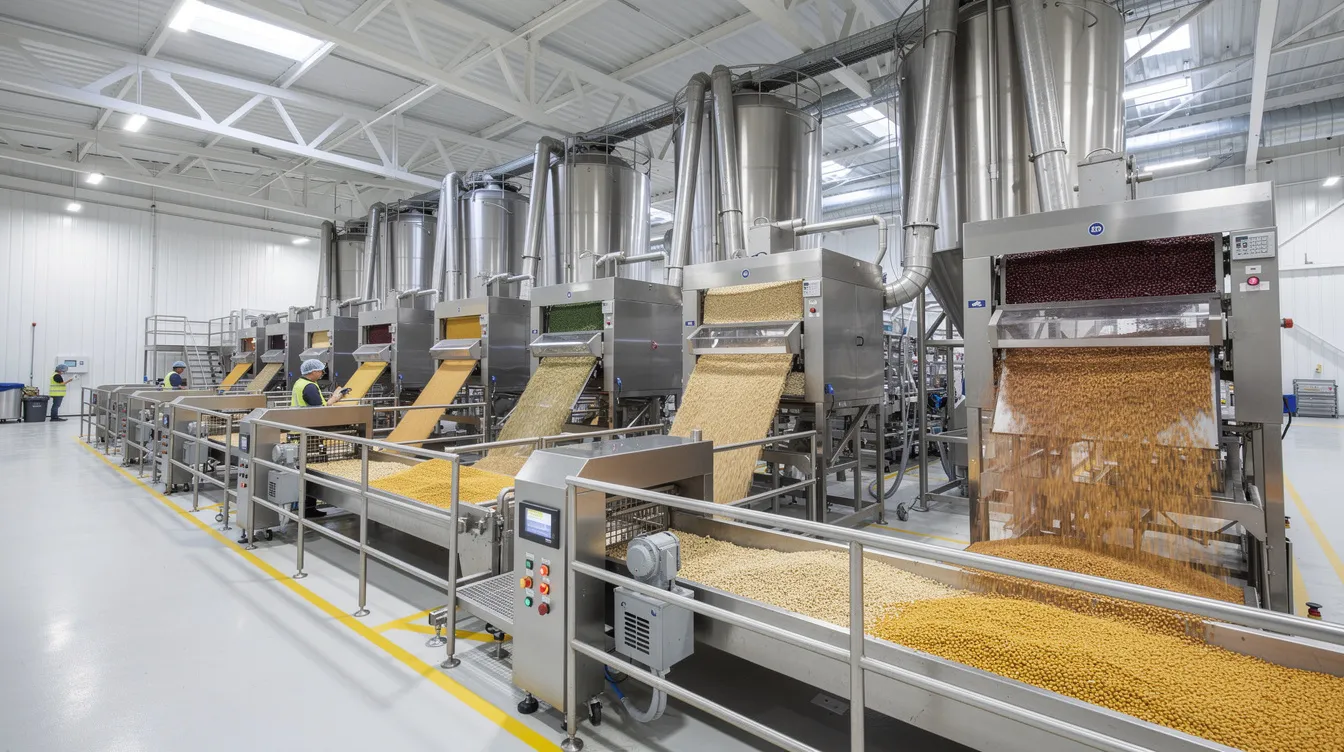
Quick Navigation: Explore Pulse Protein & Advanced Ingredients Project Reports
The sections below link to detailed, specialised articles on Project Report Bank that cover specific manufacturing models, technologies and financial planning topics in depth.
Integrated & Product-Specific DPRs:
- Integrated Pulse Protein, Starch & Fibre Processing Plant Project Report & DPR covers the biorefinery model for simultaneous protein, starch and fibre recovery.
- Pea Protein Isolate Manufacturing Plant Project Report & DPR details wet fractionation, purification and spray drying for high-purity isolates.
- Pea Protein Concentrate Manufacturing Project Report & DPR covers dry fractionation, air classification and concentrate economics.
- Pea Starch Manufacturing Plant Project Report explains starch extraction, separation machinery and industrial starch applications.
- Chickpea & Mung Bean Protein Manufacturing Project Report & DPR addresses alternative pulse feedstocks and their processing opportunities.
Technology & Extraction:
- Pulse Protein Extraction Technology: Dry vs Wet Fractionation provides a head-to-head comparison of fractionation routes, including process steps, machinery, cost and feasibility trade-offs.
Machinery, Process & Capacity:
- Pulse Protein Manufacturing Machinery, Process & Plant Capacity covers equipment configuration, capacity planning and process engineering details.
Investment, Economics & Finance:
- Pulse Protein Manufacturing Plant Setup Cost & Investment in India breaks down land, machinery, civil works, utilities and total project investment.
- Pulse Protein Production Cost, Recovery Yield & Profitability in India analyses raw material conversion, unit production costs and operating economics.
- Pulse Protein Plant Financial Projections, CMA Data & DSCR discusses projection methodologies, banking norms and debt-service analysis.
- Pulse Protein Manufacturing Feasibility, ROI & Bank Finance covers investment evaluation frameworks and bank-finance considerations.
Pulse Protein, Starch & Advanced Ingredients Industry Overview in India
India produces a substantial share of the world’s pulses. States like Madhya Pradesh, Rajasthan, Uttar Pradesh and Maharashtra grow yellow peas, chickpeas, mung beans, lentils and pigeon peas in volumes sufficient to support large-scale downstream processing. Global pulse production exceeds 90 million tonnes annually, and worldwide production is forecast to exceed 120 million tonnes by 2031. India’s position as both a producer and consumer creates a natural base for value-added pulse ingredient manufacturing.
The shift from commodity trading of whole and processed pulses to manufacturing higher-value ingredients such as pea protein, chickpea protein, mung bean protein, pea starch, pulse flour, fibres and bioactive compounds has accelerated over the past five years. The pulse ingredients market is projected to reach USD 44.6 billion by 2035, growing at a CAGR of 5.3%. Asia Pacific held a 39.1% share of the pulse ingredients market in 2025, reflecting the region’s combination of production capacity and rising consumer demand for plant derived protein and functional ingredients.
Key demand drivers include the growth of plant based dietary patterns and vegetarian and vegan diets, expansion of sports nutrition, clean-label and gluten free foods, and replacement of imported soy and dairy protein in Indian food formulations. Pulses provide a high-protein alternative to meat in plant-based diets. Processed pulses are increasingly used in ready-to-eat meals and snacks. Food and beverages account for 63.8% of pulse ingredient applications, while pulse flour holds a 35.9% share in the pulse ingredients market. Pulses are also used in animal feed to enhance nutritional balance and in animal feed production more broadly.
From a sustainability perspective, pulses require less water and land than animal proteins, fix nitrogen in the soil (improving soil fertility), and have a low environmental footprint compared to conventional livestock farming. These characteristics make pulses integral to sustainable food production systems and eco friendly food systems. India’s competitive advantages include raw material availability, cost-effective labour and emerging food parks; however, pulse processing into export-grade ingredients requires reliable quality control systems, process technology and consistent supply chain management. Pulse processing supports value addition and improved utilisation of raw materials, moving India beyond its traditional role as an exporter of raw uncleaned pulses.
Types of Pulse Protein, Starch & Advanced Ingredients Manufacturing Projects
The pulse processing sector offers several distinct project configurations, each with different raw material requirements, product outputs, technology choices and capital profiles. The table below provides a structured comparison to help promoters understand the main manufacturing models.
| Manufacturing Project | Primary Raw Material | Main Products | Key Technology | Commercial Considerations | Detailed DPR |
|---|---|---|---|---|---|
| Pea Protein Isolate Plant | Yellow peas | Protein isolate (80-90% protein), starch, fibre | Wet fractionation (alkaline extraction, isoelectric precipitation, spray drying) | Premium pricing; export potential; high capex and utility costs; needs effluent treatment systems | Pea Protein Isolate DPR |
| Pea Protein Concentrate Plant | Yellow or green peas | Protein concentrate (50-55% protein), starch-rich fraction | Dry fractionation (milling, air classification) | Lower capex; preserved native functional properties; moderate product value | Pea Protein Concentrate DPR |
| Pea Starch Manufacturing Plant | Yellow peas | Refined pea starch, protein co-product, fibre | Wet processing (separation, washing, drying) | Clean-label applications; resistant starch positioning; co-product revenue critical | Pea Starch DPR |
| Chickpea Protein Plant | Kabuli or desi chickpeas | Chickpea protein (concentrate or isolate), starch, fibre | Dry or wet fractionation | Familiar ingredient in Indian food; growing export demand; varietal selection matters | Chickpea & Mung Bean Protein DPR |
| Mung Bean Protein Plant | Mung beans (moong) | Mung bean protein, starch | Wet or dry fractionation | Rising demand in plant-based meat/dairy analogues; higher raw material cost | Chickpea & Mung Bean Protein DPR |
| Integrated Protein-Starch-Fibre Plant | Yellow peas, chickpeas or mung beans | Multiple: protein (isolate/concentrate), starch, fibre, spent meal | Combined dry + wet or full wet fractionation | Maximum raw material utilisation; diversified revenue; complex operations; higher capex | Integrated Plant DPR |
| Other Pulse Ingredient Projects | Lentils, pigeon peas, field beans | Pulse flour, functional concentrates, speciality fibres | Milling, classification, optional enzymatic treatment | Niche applications; lower technology barrier; competitive landscape with existing flour mills | Project-specific DPR required |
Pulses contain 14-39% protein by weight, with protein content in whole-seed pulses ranging from 20-30%. Protein concentrates from pulses typically range from 29-75% protein content depending on the extraction method, while wet processing yields protein isolates with over 80% protein content. Pulses are processed into flour, snacks, and protein isolates across these project types. Actual product specifications depend on selected machinery, process design and pulse variety. Promoters should define their target product purity, functionality and end-use applications before finalising technology, as this choice drives the entire project cost structure.
Integrated Pulse Protein, Starch & Fibre Manufacturing Opportunities
An integrated pulse fractionation plant processes raw pulses (typically yellow peas or chickpeas) through multiple separation stages to recover protein, starch and fibre simultaneously. The pulse fractionation plant maximises economic value through separation of co-products; protein fractions serve plant-based protein products and nutritional supplements, starch fractions are used in noodles, snacks and clean-label thickeners, and fibre fractions are sold for bakery, extruded snacks or animal nutrition applications. Recovery of secondary streams can enhance profitability in integrated pulse processing by converting what would otherwise be waste or low-value residue into saleable ingredients.
The commercial advantages of integration are real but conditional. Revenue diversification reduces dependency on a single product price, and production capacity utilisation improves when multiple product lines share common front-end equipment. Under normal operating conditions with effective co-product marketing, the integrated model can deliver stronger EBITDA than a standalone concentrate plant. However, integrated plants require higher capital expenditure, more complex process control, advanced effluent treatment and quality management for multiple product lines. Production planning becomes more demanding, and the promoter must simultaneously develop markets for protein, starch and fibre.
Promoters considering the integrated model should evaluate both phased expansion (starting with concentrates or flour, later adding wet fractionation and starch lines) and full integration from day one. The choice depends on capital availability, market visibility and the promoter’s operational experience. For a detailed analysis of process flows, machinery combinations and project economics for integrated plants, refer to the Integrated Pulse Protein, Starch & Fibre Processing Plant Project Report & DPR.
Pulse Protein Extraction & Fractionation Technologies
Pulse protein extraction relies on physical and physicochemical separation of protein, starch and fibre fractions. The two primary routes are dry fractionation and wet fractionation, each with distinct cost, purity and environmental profiles.
Dry fractionation involves cleaning, dehulling, milling pulse flour to fine particle size, and air classification to separate protein-rich fine fractions from starch-rich coarse fractions. Dry fractionation generally offers a simpler process with lower water usage than wet fractionation. It retains more native protein structures, which preserves functional properties such as solubility and emulsification at neutral pH. Typical protein purity in the concentrate fraction is 50-55% on a dry-weight basis.
Wet fractionation involves slurry preparation from milled pulses, pH adjustment for protein solubilisation (typically alkaline extraction), separation of insoluble fibre, centrifugation or decantation to separate protein and starch, followed by isoelectric precipitation of protein, washing and spray drying. Wet fractionation typically yields higher purity protein isolates compared to dry methods, often 80-90% protein on a dry basis. However, it requires more than 50 kg of water per kg of protein recovered, according to published process comparisons, and demands large energy inputs for drying, effluent treatment systems and chemical usage.
| Parameter | Dry Fractionation | Wet Fractionation |
|---|---|---|
| Typical protein purity | 50-55% (dry basis) | 80-90% (dry basis) |
| Water consumption | Minimal | High (>50 kg water per kg protein) |
| Energy intensity | Low to moderate | High (spray drying, heating, pumping) |
| Functional properties | Higher solubility, better emulsification, lighter colour | Higher water-holding capacity, stronger gelation |
| Amino acid composition retention | Well preserved | Can be modified by processing |
| Operating complexity | Lower | Higher |
| Waste streams | Minimal effluent | High BOD/COD wastewater; ETP required |
| Capital intensity | Lower | Higher (decanter, spray dryer, ETP, utilities) |
| Commercial suitability | Baked goods, snacks, cereals; smaller-scale projects | Beverages, meat analogues, clinical nutrition; export-grade |
Globulins make up 70-80% of pulse proteins, and processing can modify amino acid composition and protein digestibility depending on temperature, pH and residence time. Technology selection depends on promoter objectives, target markets (domestic vs export, functional foods vs general food manufacturing), available capital and environmental constraints. No single technology is universally best. Mass balance calculations are critical to demonstrate yield from raw pulses to saleable products in any DPR.
For a detailed comparison of dry vs wet fractionation, including process steps, machinery options and feasibility considerations, refer to Pulse Protein Extraction Technology: Dry vs Wet Fractionation.
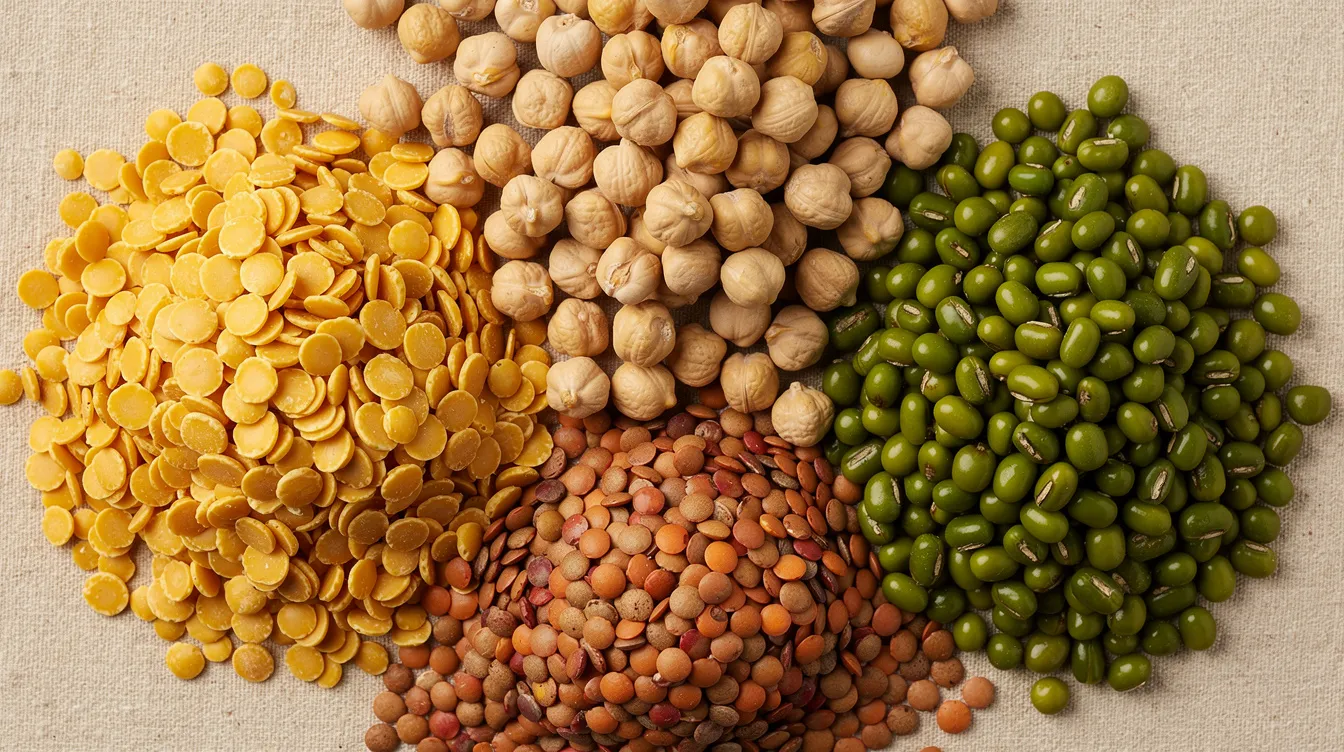
Manufacturing Process Flow: From Pulses to Protein, Starch & Fibre Ingredients
Actual process flows differ by plant design, technology choice and product portfolio. The following outlines the main operations in sequence across both dry and wet routes.
Front-end operations are common to most configurations: raw material reception, pre-cleaning to remove stones, dust, metals and other foreign matter, grading by size, dehulling to separate seed coat (hull) from cotyledon, and conditioning to optimise moisture for subsequent milling. These steps directly influence final product quality and recovery yield; poor front-end processing wastes raw material and introduces contaminants.
In the dry-fractionation route, dehulled pulses are milled into fine pulse flour, then passed through air classifiers that separate protein-rich fine particles from starch-rich coarse particles based on density and size differences. Optional fine grinding, sieving and blending produce finished pea protein concentrates and starch-rich fractions. Packaging into bulk bags or smaller packs follows quality testing.
In the wet-fractionation route, cleaned and milled pulses are dispersed in water to form a slurry. pH-controlled protein extraction (typically at pH 8-10) solubilises the protein, while insoluble fibre settles or is separated by decanting. The protein-rich liquid is then separated from the starch slurry via centrifugation or hydrocyclone. Protein is recovered by isoelectric precipitation (typically at pH 4.5), washed, neutralised and spray-dried to obtain pea protein isolate or chickpea protein isolate. Starch is washed, refined and dried separately. The processing plant can produce high-purity protein, starch, and dietary fibres through this route.
Finishing operations across both routes include moisture standardisation, particle size adjustment, blending to meet target functional properties, testing (protein content, microbiological parameters, solubility, emulsification capacity) and final packaging. Not every plant includes all operations; a concentrate plant may only mill and air-classify, while a full biorefinery runs multiple separation stages for several ingredient streams.
Machinery, Plant Capacity, Land, Building & Utilities
Machinery selection and plant capacity planning must be driven by the intended product portfolio and targeted markets. A plant producing pea protein isolate and pea starch requires a fundamentally different equipment lineup from one making chickpea protein concentrate and pulse flour.
Major equipment categories for a typical pulse protein and starch plant include:
- Raw material handling: storage silos, bucket elevators, conveyors, weighing systems
- Cleaning and grading: destoners, magnetic separators, screeners, aspirators
- Dehulling: abrasive or impact dehullers
- Milling: hammer mills, pin mills, roller mills
- Air classification: air classifiers for dry fractionation
- Wet extraction: mixing tanks, pH dosing systems, decanter centrifuges, disc separators, hydrocyclones
- Drying: spray dryers (for protein isolate), flash or ring dryers (for starch), fluidised bed dryers
- Packaging: bulk bag filling, multi-head weighers, sealing machines
- Process control: SCADA or PLC-based automation, instrumentation
- Utilities: boilers, transformers, compressors, water treatment, chilled water systems
- Environmental: effluent treatment plant, dust collection, waste handling
Capacity planning involves selecting a target annual processing capacity (illustrative ranges such as 10,000 to 50,000 tonnes of pulse input per year), projecting capacity utilisation ramp-up over the first 3-5 years, and designing flexible equipment configurations to handle different pulse types if required. Maintaining operational flexibility in feedstock handling can help manage seasonal supply variations.
Land and building requirements include raw material storage yards, process halls of adequate height for spray dryers and classifiers, finished goods warehouses, utility blocks, laboratories, administrative offices and space for effluent treatment. Key utility requirements cover electrical power for milling and drying, thermal energy (steam, hot water) for wet processing and drying, water for extraction and cleaning, compressed air, and wastewater treatment aligned with local regulatory norms.
For detailed machinery lists, sample layouts and capacity options, refer to Pulse Protein Manufacturing Machinery, Process & Plant Capacity.
Raw Materials, Recovery Yield, Amino Acid Composition & Production Economics
The main raw materials for pulse protein extraction and starch manufacturing are yellow peas, green peas, chickpeas, mung beans and other field pulses. Their inherent protein content, starch level, fibre content and chemical composition influence feasible product specifications and achievable recovery yields. Yellow peas are often preferred for commercial protein and starch plants because of their balanced protein-to-starch ratio and relatively consistent supply from both domestic pulse cultivation and imports.
Raw material quality parameters such as moisture, foreign matter, damaged grains and varietal consistency directly influence dehulling efficiency, milling behaviour, functional properties and final protein extraction yield. Even a small difference in recovery (say 2-3 percentage points) can shift cost per kg of finished product enough to change a project from healthy profitability potential to marginal economics. Raw material consumption typically represents the largest component of production cost, and the linkage between recovery yield, raw material cost and operating cost structure determines gross profit margins.
Pulse proteins are limited in sulfur-containing amino acids (methionine, cysteine), making complementary mixing with cereals common for balanced nutritional products. Amino acid composition, protein digestibility and functional properties (solubility, emulsification, gelation and foaming) are important for premium food applications and functional foods markets, requiring consistent process control. Storage proteins in pulses, primarily globulins (legumin and vicilin), behave differently under dry and wet processing conditions, affecting the nutritional properties and performance of the finished ingredient.
An experienced DPR and financial model should incorporate realistic yield assumptions by product, supported by supplier guarantees, pilot trials or benchmark data. For a deeper discussion of conversion economics, refer to Pulse Protein Production Cost, Recovery Yield & Profitability in India. Promoters evaluating alternative pulse sources such as chickpea and mung bean should also refer to the Chickpea & Mung Bean Protein Manufacturing Project Report & DPR for feedstock-specific considerations.
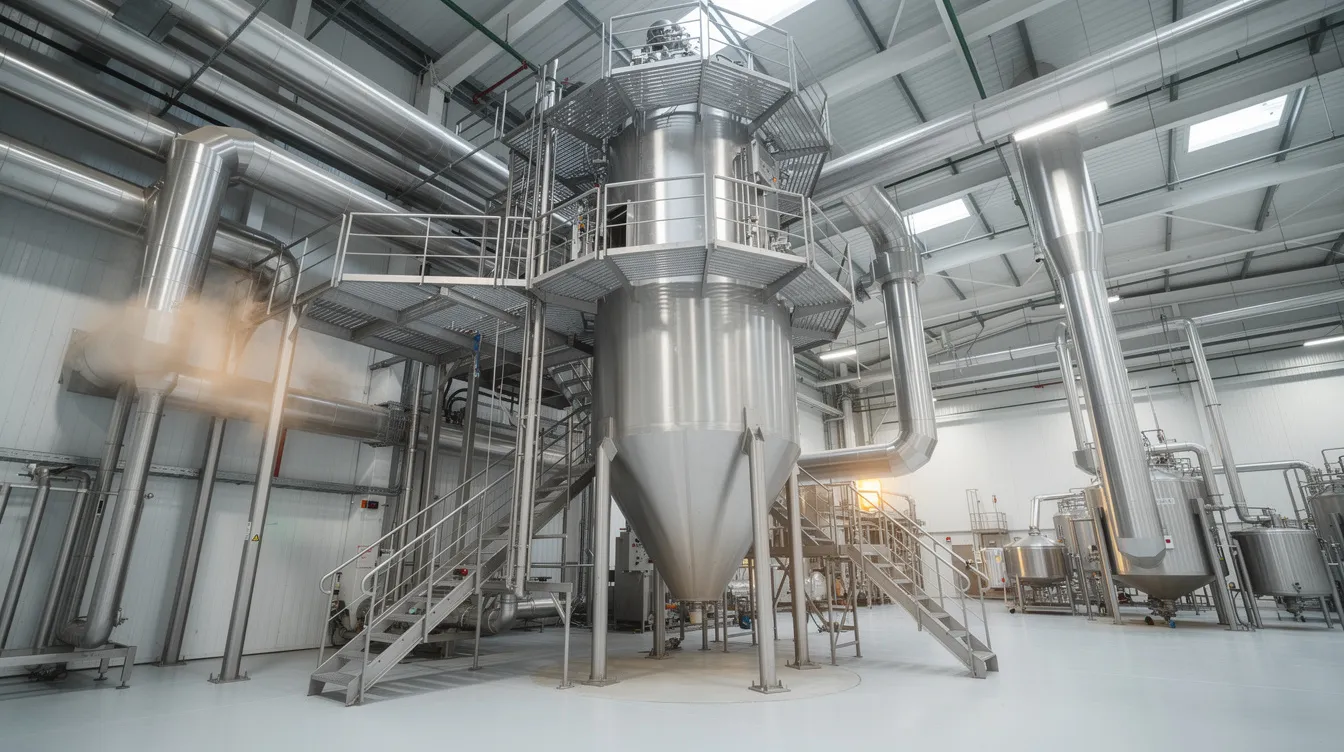
Pulse Protein & Starch Manufacturing Plant Setup Cost in India
Total project cost for a pulse protein and starch manufacturing plant depends on plant capacity, selected technology (dry, wet or hybrid), level of automation, geographic location and whether the plant is standalone or an integrated biorefinery. No single figure applies to all projects.
The main capital-cost components to be detailed in a DPR include:
- Land purchase or leasehold development, site levelling, compound walls
- Factory building and civil structures (process halls, warehouses, offices, labs)
- Process and packaging machinery (including installation)
- Utilities infrastructure (boilers, transformers, compressors, water systems, chilled water)
- Effluent treatment plant
- Laboratory and quality assurance equipment
- Electrical installations and process automation
- Furniture, office equipment and vehicles
- Pre-operative expenses: interest during construction, project management, engineering fees, trial runs
- Statutory fees, consultancy charges
- Contingencies for cost overruns (typically 5-10% of fixed assets)
- Margin money for working capital
Capital expenditure should include details on land, machinery, and environmental systems. Operational and working capital expenditures also impact project feasibility and financing, and banks in India typically finance a portion of the working capital against which promoters must contribute a margin.
As an illustrative example (not based on verified quotes), a mid-sized pea protein isolate plant processing 30-40 tonnes of peas per day might have total project cost in the range of INR 25-40 crores, with machinery representing 40-50% of total cost. These numbers are purely hypothetical and provided only to show how investment components add up. Actual costs depend on capacity, technology, location and level of infrastructure already available.
For a detailed breakdown of investment heads and structuring considerations, refer to Pulse Protein Manufacturing Plant Setup Cost & Investment in India.
Operating Cost Structure & Working Capital Requirements
For most pulse ingredient plants, raw material consumption (pulses and auxiliary materials such as chemicals for pH adjustment, packaging material) forms the largest portion of the operating cost structure. Operating costs for pulses processing are typically 88-92% raw material expenses. Additional cost heads include utilities (electricity, steam, water, fuel), manpower, repair and maintenance, consumables, quality control, packaging, transportation, selling and distribution expenses and manufacturing overheads.
Pulses processing plants have gross profit margins of 8-12%, and net profit margins for pulses processing are estimated at 3-7%. These margins are tight compared to many other food processing categories, which makes recovery yield, co-product realisation and operational efficiency the primary levers for profitability. Even modest improvements in protein extraction efficiency or starch recovery can shift the unit production cost enough to move net margins from the lower to the upper end of this range.
Working capital for these plants consists of investment in raw material inventories, work-in-progress, finished goods, trade receivables, less trade payables. Seasonality in pulse procurement (many Indian pulses are harvested in rabi or kharif seasons, requiring bulk purchases and extended storage) can tie up substantial capital. Credit terms extended to large food manufacturers or exporters often run 30-90 days, further straining cash flows. A well-structured DPR should model the working capital cycle by specifying inventory days, receivable days and payable days, and show how these assumptions affect monthly and quarterly cash requirements.
Financial Projections, CMA Data, Cash Flow & DSCR
For bank finance, project promoters must submit detailed financial projections typically for 7-10 years, showing projected production, sales, operating costs, profit and loss, balance sheet and cash flows based on realistic production capacity utilisation ramp-up. Most new plants cannot achieve full capacity in year one; a reasonable model assumes gradual increases over the first 3-5 years as the business develops customers, stabilises production and establishes market channels.
The building blocks of financial projections include product-wise sales quantities and prices, raw material quantities and landed prices, utility costs, labour, repair and maintenance, administrative expenses, interest on term loans and working capital, and depreciation. These flow into EBITDA, PBT and PAT estimates. The financial model should cover projections for revenue, cash flow, and investment returns.
CMA Data preparation for Indian banks follows a standardised format presenting past, current and projected financials, working capital assessment, fund and non-fund based limits, and key ratios such as current ratio, debt-equity ratio and DSCR. DSCR (Debt Service Coverage Ratio), calculated as cash accruals divided by scheduled term-loan obligations (principal plus interest), is the single most scrutinised metric in a bank’s project appraisal. Lenders expect comfortable DSCR levels over the entire loan tenure, based on conservative rather than optimistic assumptions.
Sensitivity analysis is essential: testing the impact of lower capacity utilisation, lower selling prices, higher raw material cost or commissioning delays on DSCR, profitability and cash flows. A project that maintains serviceable DSCR even under moderate stress scenarios is more bankable than one that works only under best-case assumptions. For more on projection methodologies and banking norms, refer to Pulse Protein Plant Financial Projections, CMA Data & DSCR.
Feasibility Study, ROI, IRR & Bank Finance
A comprehensive feasibility study for pulse protein and starch projects combines technical feasibility (can the plant achieve the intended product specifications?), market feasibility (is there demand at projected volumes and prices?) and financial viability (do the numbers support the investment and debt?). All three must align before large capital is committed.
Financial indicators such as Return on Investment (ROI), Internal Rate of Return (IRR), payback period and break-even point are derived from the detailed financial projections. These help promoters and lenders judge project attractiveness relative to alternative investments. The project report should demonstrate commercial viability, technical feasibility, and operational readiness through these metrics, not just through optimistic revenue claims.
Banks and financial institutions in India appraise the DPR, evaluate the promoter’s background and industry experience, review term-loan requirements, assess means of finance and security, and analyse DSCR and sensitivity scenarios. For pulse ingredient projects, lenders focus on stable access to raw pulses, technology risks (especially in wet fractionation and spray drying where commissioning can take longer than planned), end-market access (whether long-term contracts or anchor customers exist), and environmental compliance including water and effluent management.
Project Report Bank undertakes independent financial and risk assessments, but does not guarantee bank approval. The aim is to present realistic, professionally prepared DPRs that support transparent appraisal. For a focused discussion on investment evaluation frameworks and bank-finance considerations, refer to Pulse Protein Manufacturing Feasibility, ROI & Bank Finance.
Market Opportunities & Applications of Pulse Protein, Starch, Flour and Fibre
The application landscape for pulse-derived ingredients spans established and emerging food categories. Plant based proteins from pulses are used in meat analogues, dairy alternatives, bakery and snacks, sports and clinical nutrition, instant foods, ready-to-eat and ready-to-cook products, and specialised functional foods. Market demand for plant-based proteins and clean-label starches is rising across both domestic and export channels. Advanced pulse ingredients are sought after for clean-label, allergen-free foods, positioning them as alternative food sources in the worldwide food industry.
Pea protein, chickpea protein and mung bean protein differ in functional properties. Pea protein concentrates tend to show good emulsification and foaming behaviour, making them suitable for beverages and extruded snacks. Chickpea protein offers familiarity in Indian food manufacturing (batters, snacks, traditional preparations). Mung bean protein is gaining traction in plant-based egg and dairy analogues due to its gelation characteristics. These functional properties directly influence which customers will qualify the ingredient and at what price.
Pulse starch, particularly pea starch, offers advantages as a clean-label thickener and binder in soups, sauces, noodles, confectionery and snacks. Pea starch contains larger starch granules compared to some cereal starches and has higher amylose content, contributing to resistant starch formation. This positions it for low glycaemic index and texture-specific food applications. The distinction between pulse starches and cereal starches matters for food manufacturers targeting health conscious eating continues and nutritious food products.
Pulse flour serves as a more mildly processed ingredient combining protein, starch and fibre. It is used to enrich traditional Indian foods and modern formulations. Fibre-rich fractions and by-products find use in bakery, breakfast cereals, extruded pellets and animal feed, improving overall project economics when priced correctly. Pulse protein can also be directed to animal feed production in lower-grade forms.
The competitive landscape requires promoters to understand buyer specifications, quality consistency, documentation requirements and supply reliability before pursuing large B2B contracts with multinational food manufacturers or export clients. Rising demand alone does not guarantee sales; qualification cycles with major buyers can take 6-18 months.
Product Quality, Functional Properties & Specification Planning
A technically sound project must begin with clear target product specifications: protein content or protein concentration levels, moisture, microbiological limits, particle size, solubility, emulsification capacity, gelation behaviour and sensory attributes such as flavour and colour. Functional properties like water-holding capacity, oil-holding capacity, foaming and emulsification strongly influence applications in bakery, meat analogues, soups and beverages.
Process parameters (temperature, pH, residence time, degree of milling, type of dryer) directly influence these properties. Over-aggressive processing can cause protein denaturation, reducing solubility while sometimes increasing gel strength; the trade-off depends on the target application. Studies comparing dry and wet fractionation of pulse proteins have confirmed that dry-fractionated proteins generally show higher solubility and emulsifying capacity, while wet-fractionated products offer higher water-holding capacity.
Amino acid composition and protein digestibility are critical for premium nutrition, sports products and the human diet. Pulse proteins are naturally rich in lysine but limited in sulfur-containing amino acids; blending with cereals addresses this gap. Salt soluble proteins (primarily globulins) and albumins respond differently to extraction conditions. Promoters should work with application technologists, R&D labs or strategic customers to finalise specifications before freezing machinery and process design in the DPR. Changes to product specifications after equipment is ordered can result in additional capital expenditure and delays.
Regulatory Approvals, Quality Standards & Export Considerations in India
Indian regulatory requirements for food ingredient manufacturing centre on FSSAI registration or licensing, applicable food-safety standards and labelling rules for pulse protein, starch, pulse flour and fibre products. Quality control is essential for food safety and regulatory compliance in manufacturing, and the project report should include a quality management system and HACCP-based hazard analysis.
Factory-level approvals typically include incorporation of the business entity, land conversion or industrial use approvals as per local regulations, building plan approvals, factory licence, fire safety clearances, electrical approvals, and pollution-control consents (consent to establish and consent to operate from the State Pollution Control Board) where effluent or emissions are involved.
Food safety and quality certifications such as HACCP, ISO 22000, FSSC 22000 and BRCGS are not always legally mandatory, but large domestic and export buyers commonly require them as a condition of business. For export-oriented units, additional requirements include export registration (APEDA, DGFT as applicable), product-specific import regulations in destination markets (allergen declarations, GMO status documentation), and adherence to maximum limits for contaminants and microbiological parameters. Promoters should confirm current regulations with qualified professionals during project planning, as standards evolve.
Major Risks & Challenges in Pulse Ingredient Manufacturing
Raw material risks: Pulse price volatility driven by monsoon dependence and global trade flows; quality variability across lots and seasons; competition from direct food-use channels that bid up prices; and inadequate secured supply at commissioning scale, particularly for plants with extensive production capacities requiring 20,000+ tonnes per year.
Technology and operations risks: Underperformance of machinery relative to supplier claims; difficulty in achieving targeted protein extraction or starch recovery yields; longer-than-expected stabilisation period (especially in spray drying); and high energy and water consumption in wet fractionation units that can erode margins. Chronic diseases in process control, if left unaddressed, can lead to batch-to-batch inconsistency.
Product-market risks: Slower-than-projected development of the B2B customer base; stringent quality and documentation expectations from food manufacturers; risk of rejection due to off-spec batches; and concentration of sales in a few large customers. Stable demand cannot be assumed; it must be developed through active market engagement.
Financial risks: Higher interest rate environment increasing debt-service burden; cost overruns during construction; delays in commercial production; working capital pressure due to extended credit terms; and stressed DSCR in early operating years when capacity utilisation is still ramping up.
Mitigation measures: Structured raw material procurement strategies (forward contracts, multiple sourcing regions); strong technical collaboration with machinery suppliers during commissioning; phased capacity ramp-up; diversified product and customer portfolios; and conservative assumptions in DPR and financial modelling.
Market Assessment & Commercial Due Diligence
Before locking in a manufacturing project, promoters should undertake a structured market assessment covering domestic and export demand for pea protein, pea starch, chickpea protein, mung bean protein, pulse flour and fibre over the next 5-7 years. The project report should map domestic and export demand for pulse-derived ingredients. The global pulses market reflects a broad opportunity, but individual ingredient segments (isolates vs concentrates vs starch) have different growth profiles, price points and buyer structures.
Practical market-validation approaches include pilot shipments, offtake discussions, sample approvals, joint formulation development with target customers, and potential long-term supply agreements or MoUs. These concrete market signals carry weight with banks and investors. Benchmarking against global players and imports into India helps promoters understand positioning in terms of quality, amino acid composition, functionality and pricing, and decide whether to compete on cost, quality, specialisation or service.
Project Report Bank can incorporate market assessment findings into the DPR’s commercial-feasibility section, provided project-specific discussions and data from promoters are available. The competitive landscape in pulse ingredients is evolving, and new entrants should have a clear view of existing capacities and buyer preferences before committing capital.
Human Resources, Organisation & Implementation Planning
Typical staffing for a pulse protein and starch plant includes a plant head, production and process engineers, quality assurance and laboratory staff, maintenance technicians, machine operators, material-handling workers, sales and logistics personnel and administrative support. The precise headcount depends on plant capacity, degree of automation and number of product lines.
Experienced process engineers and technologists are particularly important for wet fractionation and spray drying operations, where learning curves directly affect yield, product quality and energy consumption. Hiring or contracting such expertise during commissioning and the first year of operations can reduce stabilisation time and product rejection rates.
A DPR should include an implementation schedule outlining steps such as land acquisition, civil construction, machinery procurement and delivery, installation, utilities commissioning, trial runs and commercial launch, with realistic timelines and milestones. A Gantt-chart style plan identifying critical path activities supports bank appraisal and internal monitoring. Coordination between promoters, machinery suppliers, architects, civil contractors and financial institutions is essential to avoid delays and cost overruns that can stretch the pre-operative period and increase interest during construction.
How to Prepare a Bankable DPR for a Pulse Protein, Starch & Advanced Ingredients Manufacturing Plant
A bankable Detailed Project Report combines technical depth with realistic financial analysis, clearly demonstrating the project’s financial viability and risk profile. The key sections, in logical sequence, are:
- Promoter and company background: Experience, financial capacity, track record
- Industry and market assessment: Demand-supply analysis, target customer segments, pricing benchmarks, export potential
- Project description: Products, plant capacity (a pulse processing facility with an annual capacity of 50,000 MT may be illustrative for a large project), location rationale
- Technology and manufacturing process: Dry or wet fractionation, process flow, technical feasibility
- Plant and machinery: Essential equipment list with specifications, supplier details, capacity ratings
- Plant layout and infrastructure: Land, building, utilities, environmental systems
- Raw material planning: Source, pricing, seasonal procurement, quality specifications, consistent supply arrangements
- Utilities: Power, water, steam, compressed air requirements
- Manpower planning: Organisation structure, key positions, training needs
- Project cost estimation: Fixed assets and working capital; capital expenditure itemised
- Means of finance: Equity, term loan, subsidies if applicable, promoter contribution planning
- Financial projections (7-10 years): Revenue, operating costs, profitability, cash flow, working capital, loan repayment schedule
- DSCR, ROI, IRR and sensitivity analysis: Under base-case, moderate-stress and downside scenarios
- Regulatory requirements and environmental compliance
- Implementation schedule and project risks with mitigation strategies
Each DPR prepared by Project Report Bank is project-specific, built on actual promoter inputs, discussions with machinery vendors and realistic market assessment. Templates are not used; assumptions are customised to the promoter’s capacity, location, technology and market strategy.
Professional DPR, Financial Modelling & Bank Finance Assistance from Project Report Bank
CA Manish Gugliya, FCA, DISA (ICAI) is a practising Chartered Accountant with over 20 years of professional experience in preparing Detailed Project Reports, CMA Data, financial models and bank loan proposals for manufacturing projects, including food processing and agro-based industries across India.
For pulse protein, pea starch, chickpea protein, mung bean protein and integrated pulse ingredient plants, the professional services include DPR preparation, techno-economic feasibility studies, financial projections and modelling, working capital assessment, DSCR and loan-repayment analysis and CMA Data for bank loans. The advisory process typically begins with understanding promoter objectives, analysing possible product and technology configurations (pea protein isolate vs concentrate vs integrated protein-starch plant), aligning with machinery quotations and building project-specific assumptions.
Project Report Bank does not sell generic, one-size-fits-all project reports. Every DPR is customised to the project’s capacity, location, technology, raw material sourcing and market strategy.
For professional DPR preparation, financial feasibility studies, CMA Data and bank finance assistance, contact CA Manish Gugliya through ProjectReportBank.com. WhatsApp enquiries are preferred.
Frequently Asked Questions
The following FAQs address practical questions commonly raised by promoters planning pulse protein, starch and advanced ingredient plants in India.
What is the difference between a pulse protein concentrate and an isolate in a manufacturing project?
Concentrates are produced via dry fractionation or limited wet processing and contain moderate-to-high protein levels (typically 50-70%) along with more starch and fibre. Isolates, produced via wet extraction, isoelectric precipitation and spray drying, typically contain 80%+ protein with lower starch and antinutritional factors. Concentrates require lower capital and operating costs and may preserve more native functional properties. Isolates target premium applications in functional foods, specialised nutrition and export markets where tighter specifications are demanded. The DPR must clearly define whether the plant will make concentrates, isolates or both, as this drives machinery, utilities, environmental systems and overall project cost.
Can protein, starch and fibre all be produced in one integrated pulse processing facility?
Integrated plants can produce multiple fractions from the same pulse input, often described as a pulses processing plant operating on a biorefinery model. While integration offers better utilisation of raw material and diversified revenue, it involves higher capex, more complex process control and the need to develop markets for every product stream simultaneously. Promoters should evaluate both phased expansion (starting with concentrates or flour, later adding wet fractionation) and full integration from day one, depending on capital availability and market visibility.
What factors influence protein extraction yield in a pulse processing plant?
Yield depends on pulse variety and protein content (pulses contain 14-39% protein by weight), grain quality (moisture, foreign matter, insect damage), dehulling efficiency, milling particle size, extraction conditions (pH, temperature, solids-to-water ratio in wet processing) and separation equipment performance. Machinery supplier guarantees, pilot trial data and technical literature provide the basis for yield assumptions in the DPR. Sensitivity analysis should test the impact of yield variations on production cost, profitability and DSCR.
How early should I involve a professional advisor for DPR and financial modelling?
Ideally, engage a professional advisor after preliminary technical discussions with machinery suppliers and before final commitments on equipment, land or large non-refundable advances. Early-stage DPR and financial modelling support helps refine product mix, plant capacity, technology choice, project cost estimates and means of finance, reducing the risk of later design changes or funding gaps. Revising a project before orders are placed is far more economical than restructuring debt or modifying equipment after commissioning.
What are the principal commercial risks in pulse ingredient manufacturing?
The primary risks include raw pulse price volatility, recovery yield falling short of projections, difficulty in qualifying with major buyers, quality inconsistency between batches, working capital pressure from extended receivable cycles and concentrated customer dependence. Mitigation requires structured procurement, phased capacity ramp-up, product diversification, conservative financial assumptions and proactive market development well before commercial production begins.
Conclusion: Planning a Commercially Viable Pulse Ingredients Manufacturing Project
Successful pulse protein, starch and advanced ingredient projects in India require alignment across product selection, technology (dry, wet or integrated), plant capacity, raw material security, market access and professional financial planning. The choice between a standalone concentrate plant, a high-purity isolate facility or an integrated biorefinery carries different capital, operational and market-development implications. None of these models is inherently superior; the right choice depends on the promoter’s capital, market access and operational capability.
Understanding recovery yields, functional properties, amino acid composition, operating cost structure and realistic selling prices is critical to building a project that sustains healthy profitability potential and comfortable DSCR levels. Promoters should treat the bankable DPR not as a compliance formality but as a decision-making tool that clarifies risks, sensitivities and implementation priorities before committing substantial capital. The numbers in the DPR should tell a logical business story, with every revenue assumption traceable to an operational activity.
For customised DPR preparation, financial projections, CMA Data, feasibility studies and bank finance advisory for pulse protein, starch and advanced ingredient manufacturing plants, serious entrepreneurs, MSMEs and investors are invited to engage Project Report Bank and CA Manish Gugliya through ProjectReportBank.com.