Pulse protein manufacturing is one of the fastest-growing plant protein segments in India. Yet the difference between a profitable pulse protein plant and one that struggles to service its debt often comes down to three variables: what it costs to produce each kilogram of saleable protein product, how much protein can actually be recovered from each tonne of raw pulses, and whether the selling price covers the full cost of production including finance. This article examines all three from a project-finance and financial-feasibility perspective.
Key Takeaways
Pulse protein production cost, recovery yield and market realisation together determine whether a concentrate or isolate plant in India generates adequate cash flow or falls short. Raw pulse price, extraction technology choice (dry fractionation versus wet fractionation), energy consumption, labour cost and by-product revenue are the primary cost drivers. For concentrates produced through dry fractionation, production cost per kg is lower, but so is protein purity and sometimes the achievable selling price. For isolates manufactured through wet extraction, unit cost is higher, but market premiums in export, sports nutrition and food applications can justify the investment if recovery yields hold up in practice.
- Pulse protein production cost is dominated by raw material procurement (typically 50% to 60% of total manufacturing expenditure) and is further shaped by extraction route, scale of operations and utility tariffs prevailing at the plant location.
- Realistic pulse protein recovery yield for wet-extracted isolates ranges from about 50% to 65% of the total protein in the raw pulse input; for dry-fractionated concentrates, protein recovery is often 40% to 60%. Investors must carefully separate mass yield from protein recovery percentage and from final saleable product tonnage.
- Pulse protein plant profitability in India improves when the project is designed as an integrated operation producing protein concentrates or isolates alongside starch and fibre fractions, with stable off-take contracts, conservative working capital planning and a bankable DPR built on verified mass-balance assumptions rather than optimistic headline margins.
- CA Manish Gugliya and the team at Project Report Bank specialise in preparing customised DPRs, financial models, CMA Data and sensitivity analyses for entrepreneurs evaluating pulse protein extraction cost in India and related agro-processing investments.
Introduction: Understanding Pulse Protein Production Economics
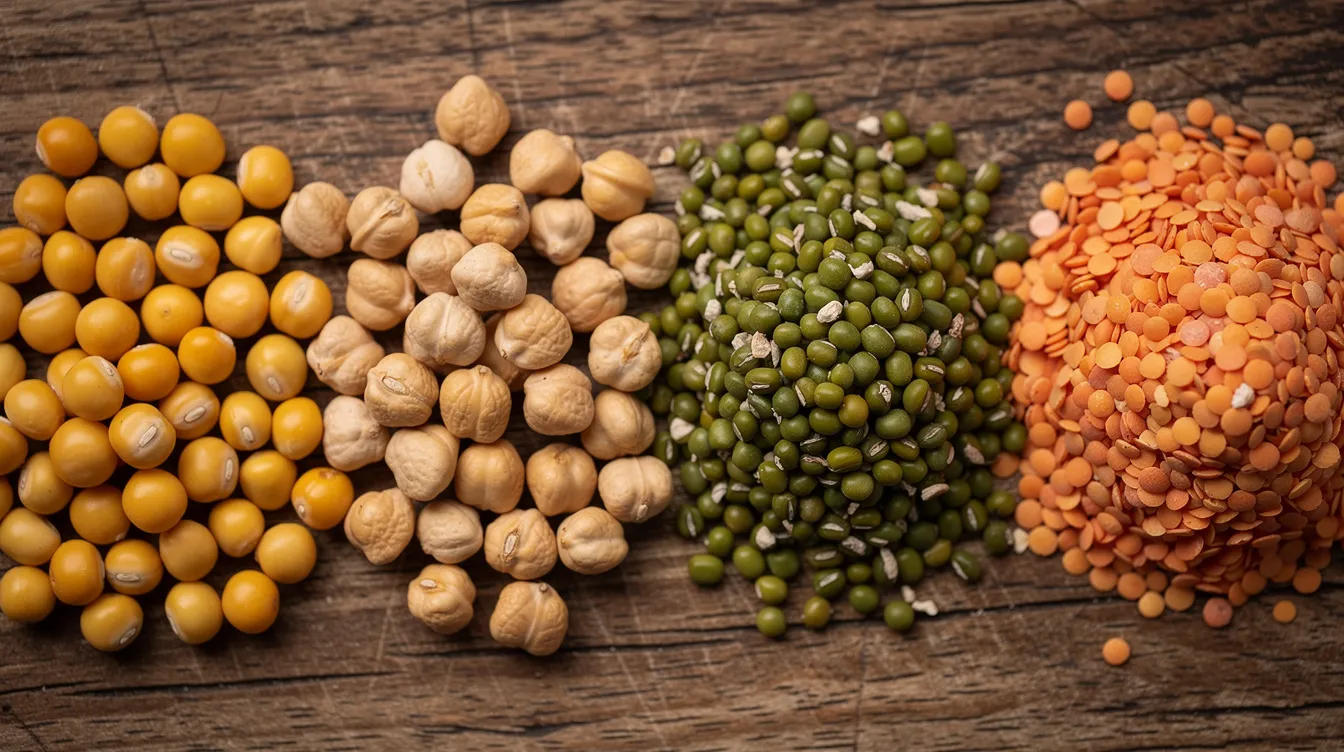
Pulse proteins are derived from dried leguminous seeds: yellow peas, chickpeas, mung beans, lentils, pigeon peas, dry peas, urad and dry beans. Protein content in typical Indian cultivars varies by species. Chickpea contains roughly 18 to 22% protein, pigeon peas about 20 to 24%, mung beans 22 to 24%, and lentils 22 to 25%. Pulses contain 14 to 39% protein by weight across species, making whole raw pulses among the cheapest global protein sources relative to animal proteins. They also provide dietary fiber content of 15 to 32%, are rich in vitamins and minerals including iron, and consumption of pulses is linked to lower obesity risk and reduced incidence of cardiovascular disease and other chronic diseases.
The food industry is paying increasing attention to plant based proteins as a raw material for meat analogs, dairy alternatives, nutritional supplements, bakery fortification and high-protein beverages. Pulse proteins are high in lysine but low in methionine and other sulfur containing aas, which positions them as complementary to cereal proteins in human diets. The amino acid composition, nutritional properties and nutritional composition of pulse proteins, combined with India’s strong position as both a producer and consumer of pulses, create a clear opportunity for domestic manufacturing of protein concentrates and protein isolates.
Protein concentrates are pulse protein powders with moderate purity, typically 55 to 65% protein, obtained through dry fractionation or light wet processing techniques. Protein isolates are high-purity products, usually above 80% protein, manufactured through wet fractionation routes involving alkaline extraction, isoelectric precipitation, membrane filtration or enzymatic treatment, followed by spray drying. Each route carries different capital requirements, operating cost structures, protein recovery efficiency and product positioning in the market.
Understanding pulse protein production cost requires looking beyond raw material price alone. The total cost is shaped by the extraction technology selected, the target protein purity, utility costs (electricity, steam, water), labour, membrane and chemical consumables, packaging, environmental compliance and depreciation. Equally important are the pulse protein recovery yield achievable at plant scale and the revenue from by-products such as pulse starch, fibre fractions and hulls. When a plant is designed as an Integrated Pulse Protein, Starch & Fibre Processing Plant Project Report, the economics of the protein line improve because starch and fibre streams contribute additional revenue against largely shared overhead costs.
This article is written from the professional advisory perspective of CA Manish Gugliya, FCA, DISA (ICAI), a practising Chartered Accountant with more than 20 years of experience in DPR preparation, CMA Data, financial modelling and project finance advisory for manufacturing and agro-processing projects across India.
Indian Pulse Protein Value Chain and Raw Material Context
India is the world’s largest producer and consumer of pulses. Major producing states, including Madhya Pradesh, Maharashtra, Rajasthan and Uttar Pradesh, account for roughly 70 to 75% of the country’s pulse grain supply. Key crops cultivated include desi chickpea, pigeon peas, mung beans, urad, lentils and dry peas. This domestic production base provides a natural feedstock advantage for pulse protein plants, though raw grain market prices for pulse crops dictate baseline feedstock costs and can fluctuate substantially between seasons.
Seasonal price volatility is a defining feature of the Indian pulses market. Minimum Support Price (MSP) policies influence procurement dynamics. Feedstock such as yellow peas, lentils and chickpeas has traded recently in the range of ₹45 to ₹70 per kg depending on season, quality and import parity. The costs of producing pulse protein depend on the type of raw grains used; a plant sourcing yellow peas at ₹50/kg faces a different cost base than one procuring chickpeas at ₹65/kg. Pulse protein production costs vary by pulse type and growing conditions, and promoters must plan procurement strategies that account for this variability.
Quality parameters of raw pulses materially affect extraction economics. Moisture levels, foreign matter, broken and damaged grains, and initial protein percentage all influence dehulling efficiency, milling yield, and downstream protein extraction performance. Processing pulses with higher initial protein content and lower impurity levels consistently delivers better recovery yields. Using decorticated splits or pulse flours as feedstock rather than whole raw pulses raises the input cost per kg but reduces non-protein load and hull content, improving extraction performance for both dry and wet fractionation routes.
Environmental factors such as rainfall, soil conditions and storage practices also affect quality consistency across seasons. The importance of long-term supply contracts with traders, farmer producer organisations (FPOs) or aggregators cannot be overstated. Stable, quality-assured sourcing reduces exposure to raw material price shocks and helps maintain consistent pulse protein production cost over the operating year. Direct contract farming arrangements, where feasible, offer additional control over cultivar selection and post-harvest handling. Promoters planning projects based on imported yellow peas or lentils must also factor in duties, shipping costs and port logistics, especially where domestic supply of specific high-protein varieties is limited.
Pulse Protein Production Cost: Key Cost Components
Total pulse protein production cost is the sum of all expenses incurred to convert raw pulses into saleable protein concentrate or isolate powder, expressed per kilogram of final product. This includes variable production costs that move with output volume, fixed operating costs that remain relatively stable regardless of production level, and capital-related charges such as depreciation and interest.
Raw pulses constitute the single largest share of variable manufacturing costs. Purchasing cleaned, dehulled pulse seeds accounts for 50 to 70% of total input costs for many processing configurations. Raw material costs usually constitute 50% to 60% of total manufacturing expenditures for pulse protein. This is why raw material sourcing strategy and procurement price directly influence the competitiveness of every pulse protein plant.
The production of pulse protein is influenced by raw material acquisition, energy, and water usage. Beyond feedstock, the key variable cost elements include:
Variable Production Cost Components:
- Cleaning, dehulling, milling, sieving and pre-processing
- Protein extraction chemicals (NaOH, HCl, or other alkaline solutions and acids for wet routes)
- Membrane consumables and cleaning agents (for ultrafiltration-based plants)
- Enzymes, where enzyme-assisted extraction is used
- Electricity for milling, air classifiers, pumps, centrifuges, evaporators and spray dryers
- Steam for heating, pasteurisation and drying operations
- Water for extraction, washing and cleaning
- Packaging materials (food-grade bags, liners, cartons)
- Direct production labour
Industrial spray-drying processes consume large amounts of natural gas or electricity, making energy tariffs a material cost variable. Steam cost, fully loaded for fuel, water treatment, labour and capital, runs approximately ₹820 per tonne in Indian agri-food plants. Electricity tariffs for industrial processing vary by state, generally ranging from ₹6 to ₹15 per kWh.
Fixed and Semi-Fixed Operating Costs:
- Plant supervisory and management staff
- Preventive maintenance and annual repairs
- Quality control laboratory consumables and staffing
- Effluent treatment plant operation
- Factory insurance
- Administrative expenses and compliance costs
Capital-Related Cost Components:
- Depreciation on Pulse Protein Manufacturing Machinery, Process & Plant Capacity and buildings
- Interest on term loans for project finance
- Interest on working capital borrowings
Equipment depreciation and building maintenance are essential considerations in production costs, especially for wet fractionation plants where membrane modules, spray dryer components and process vessels have finite service lives and require periodic replacement.
Plant capacity can significantly affect total production costs per kilogram. Larger commercial-scale processing plants can lower per-kilogram production costs by spreading fixed costs over greater output. Economic factors such as scale of operations heavily influence production costs, and a plant operating at 80% utilisation will have a lower unit cost than one running at 50%.
| Cost Category | Components | Typical Share of Total Cost |
|---|---|---|
| Variable Production Cost | Raw pulses, utilities, chemicals, packaging, direct labour | 65–75% |
| Fixed Operating Cost | Maintenance, QC lab, supervision, insurance, overheads | 10–15% |
| Depreciation | Plant, machinery, building, electrical | 5–8% |
| Interest & Finance | Term loan interest, working capital interest, bank charges | 5–10% |
These proportions shift with technology choice. Costs associated with producing pulse protein are affected by extraction technology and protein purity; wet fractionation plants carry higher utility and chemical cost shares, while dry fractionation plants carry proportionally higher raw material cost shares.
Pulse Protein Recovery Yield: Concept, Definitions and Practical Ranges
Pulse protein recovery yield is one of the most misunderstood variables in project planning. Many DPRs and feasibility studies confuse it with overall product mass yield or with the theoretical protein content of raw pulses, leading to inflated output projections and unrealistic profitability estimates.
Three distinct metrics must be understood separately:
1. Raw material mass yield = kg of protein product obtained per 100 kg of raw pulses processed. For a concentrate route, this might be 15 to 25 kg of product per 100 kg of input. For an isolate route, perhaps 10 to 18 kg.
2. Protein content in raw pulses = the proportion of protein in the input, typically 22 to 26% for common Indian pulse cultivars.
3. Protein recovery percentage = (total protein contained in the final product) ÷ (total protein present in the raw material input) × 100.
4. Protein purity = protein percentage in the final concentrate or isolate. For concentrates, this is typically 55 to 65%; for isolates, above 80%.
A plant processing 1,000 kg of raw peas with 23% protein content starts with 230 kg of total protein in the feed. If protein recovery is 55% and the final isolate has 85% purity, then:
- Recovered protein = 0.55 × 230 = 126.5 kg
- Mass of isolate product = 126.5 ÷ 0.85 ≈ 149 kg
This means only about 149 kg of isolate powder is produced from 1,000 kg of raw peas, not 230 kg or 550 kg.
Realistic protein recovery in dry fractionation ranges from about 40% to 60%, depending on milling intensity, air classification efficiency and raw material quality. In wet fractionation, recovery typically falls between 50% and 65%. Research at Junagadh Agricultural University demonstrated that pea protein recovery increased from approximately 49.2% to 57.6% when extraction pH was raised from 8.5 to 9.5. Pulse protein isolates manufactured through alkaline extraction and isoelectric precipitation in laboratory conditions have achieved around 51.5% recovery at 86.5% purity.
Pulse proteins have high solubility, especially at pH 7, which influences extraction design. Water-holding capacity of mung bean protein is 2.1 g/g, while mung bean protein isolates exhibit a gelation temperature of 77 °C. The functional properties of pulse proteins, including protein solubility, emulsifying properties and foaming properties, are affected by both the extraction conditions and the degree of protein denaturation during processing. Overheating during drying or aggressive pH conditions can reduce native protein functionality and damage soluble proteins, lowering the value of the final product.
Particle size distribution, dehulling efficiency and upstream conditioning directly affect achievable recovery. Cowpea protein and bean protein tend to respond differently than pea protein to the same extraction conditions. Chickpea and mung bean proteins may exhibit different amino acids profiles and storage proteins composition, leading to different recovery behaviour. For species-wise differences in protein recovery and crop-specific project insights, the Chickpea & Mung Bean Protein Manufacturing Project Report provides a more detailed discussion.
Illustrative Mass Balance Example: 1,000 kg Raw Pulses to Protein Products
This section presents a worked-out example for a hypothetical pea protein plant processing 1,000 kg of dehulled peas, illustrating how input material splits into protein products, starch, fibre and losses.
Assumptions:
- Input: 1,000 kg dehulled peas, 23% protein content
- Total protein in feed: 230 kg
- Starch content: approximately 48% (480 kg)
- Fibre, moisture, ash and other components: approximately 29% (290 kg)
Concentrate Route (Dry Fractionation)
Dry fractionation involves milling the dehulled peas into fine flour and using air classification to separate protein-rich fines from starch-rich coarse particles. Larger starch granules report to the coarse stream while protein-rich particles concentrate in the fine fraction.
| Stream | Mass (kg) | Protein (%) | Total Protein (kg) |
|---|---|---|---|
| Protein concentrate (fine fraction) | ~192 | ~60% | ~115 |
| Starch-rich fraction (coarse) | ~720 | ~12% | ~86 |
| Hulls, fines and losses | ~88 | variable | ~29 |
| Total | 1,000 | 230 |
Protein recovery in concentrate: 115 ÷ 230 = 50%.
Isolate Route (Wet Fractionation)
Wet fractionation involves dissolving the milled flour in alkaline solutions (typically pH 9 to 10), separating insoluble starch and fibre by centrifugation, then precipitating protein from the supernatant at pH 4 to 5 (isoelectric precipitation), followed by washing, neutralisation and spray drying.
| Stream | Mass (kg) | Protein (%) | Total Protein (kg) |
|---|---|---|---|
| Protein isolate (dried) | ~149 | ~85% | ~126.5 |
| Starch slurry/cake (wet basis, dried equivalent ~400 kg) | ~400 | ~3% | ~12 |
| Fibre/hull residue | ~100 | ~8% | ~8 |
| Soluble losses (wash water, effluent) | ~351 | variable | ~83.5 |
| Total | 1,000 | 230 |
Protein recovery in isolate: 126.5 ÷ 230 = 55%.
The starch stream from wet extraction can contain resistant starch fractions and may require further drying and processing before it becomes saleable. The fibre and hull residues find applications in animal feed, bakery fibre ingredients or as fermentation substrates. Losses in cleaning, milling, sieving and drying typically account for 5 to 10% of input mass; further losses occur during membrane filtration and precipitation stages.
Realistic project planning for pulse protein plant profitability must be based on such integrated mass balance, not on single-point yield assumptions that ignore processing losses and co-product streams.
Dry Fractionation vs Wet Fractionation: Technology, Cost and Recovery Comparison
The two primary extraction routes for producing pulse protein concentrates and isolates are dry fractionation and wet fractionation. Each involves different processing techniques, capital requirements and operating cost profiles.
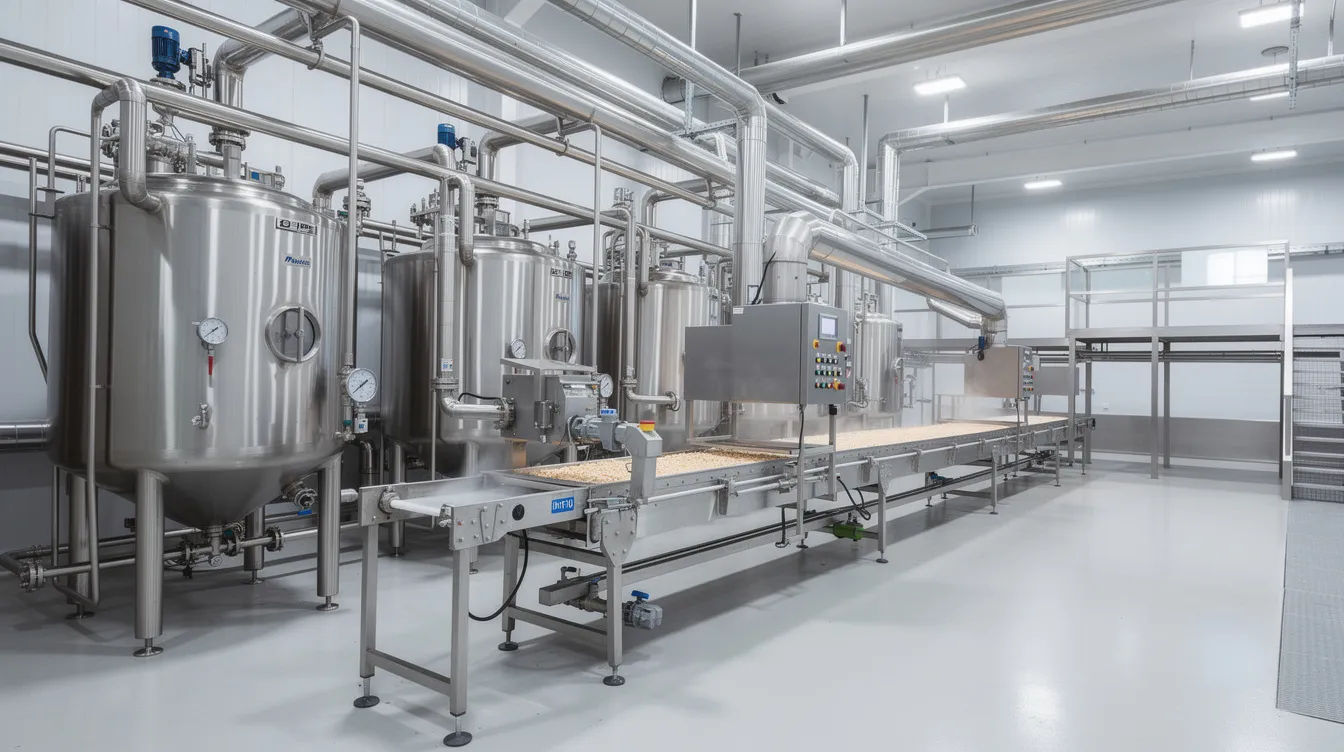
Dry fractionation involves milling and air classification techniques. The sequence is: cleaning, dehulling, fine milling, and then air classification or tribo-electric separation to concentrate protein-rich particles. Dry fractionation produces protein concentrates with 40 to 65% protein content, requires no water in the separation step and generates no process effluent. Dry fractionation requires significantly less energy and water than wet methods and yields protein concentrates at lower costs. However, purity is limited, and certain processing techniques such as pH-based purification are not used in purely dry routes.
Wet fractionation yields protein isolates with over 80% protein content. The process involves milling, solubilisation of proteins in alkaline solutions (alkaline extraction), separation of insoluble fibre and starch by centrifuge, followed by isoelectric precipitation at pH 4 to 5 or ultrafiltration. Ultrafiltration retains proteins based on molecular weight and molecular mass cutoffs while allowing smaller components such as sugars and salts to pass through. The precipitated or concentrated protein is then washed, neutralised and spray dried.
Wet extraction demands much higher capital and operational expenditures than dry air classification. Wet extraction methods require heavy energy and water consumption; energy consumption for wet fractionation can reach 63 MJ per kg of protein isolate in some configurations. Wet fractionation methods generate large volumes of wastewater that require treatment, adding to both operating cost and regulatory compliance burden.
| Parameter | Dry Fractionation | Wet Fractionation |
|---|---|---|
| Protein purity | 40–65% (concentrate) | 80–90%+ (isolate) |
| Protein recovery | 40–60% | 50–65% |
| Capital investment (mid-scale) | ₹50 lakh – ₹2 crore | ₹1.5 – ₹3 crore+ |
| Electricity consumption | Low to moderate | High (spray dryer, pumps, centrifuges) |
| Water consumption | Minimal | High (extraction, washing, cleaning) |
| Chemical consumption | None or minimal | NaOH, HCl, membrane cleaners |
| Effluent generation | Very low | High (requires ETP) |
| Labour requirement | Lower | Higher (process operators, QC, ETP) |
| By-product streams | Starch-rich flour, fibre | Starch slurry, fibre, solubles |
| Typical applications | Bakery, snacks, plant based meat, feed | Sports nutrition, beverages, dairy alternatives, export |
Extraction of high-purity protein fractions incurs substantial industrial and operational expenses. Wet extraction methods produce protein isolates with more than 80% purity but at a cost that makes economic viability heavily dependent on selling price premiums and by-product monetisation. Achieving higher protein concentration increases per-unit processing costs. Protein isolates typically have higher production costs than concentrates.
Emulsifying properties of pea protein improve at pH levels away from the isoelectric point, which is relevant for applications in sauces, dressings and meat analogs. Foaming capacity of navy bean protein concentrate has been measured at 622%, indicating strong potential for food products requiring aeration. These pulse proteins functional properties drive customer specification requirements and influence whether a concentrate or isolate is needed.
Hybrid or multi-stage systems, where dry pre-concentration is followed by wet purification of only the protein-rich fraction, can balance capital and operating expenditure. Salt extraction using potassium chloride or other salts is an alternative to alkaline extraction for recovering salt soluble proteins, though it is less commonly used at commercial scale in India.
For a deeper discussion of process technology beyond cost and recovery economics, see Pulse Protein Extraction Technology: Dry vs Wet Fractionation.
Pulse Protein Manufacturing Cost per Kg: Methodology and Key Assumptions
The pulse protein manufacturing cost per kg is calculated by dividing the total annual cost of production (after deducting by-product revenue) by the total annual output of saleable protein product in kilograms.
Formula:
Net Production Cost per Kg = (Total Variable Cost + Fixed Operating Cost + Depreciation + Interest − By-Product Revenue) ÷ Kg of Saleable Protein Product
The denominator must be the actual quantity of saleable protein concentrate or isolate, not the quantity of raw pulses processed. This distinction is critical because recovery yield determines how many kilograms of final product each tonne of input produces.
Core assumptions for the illustrative scenarios that follow:
- Location: Central India (Madhya Pradesh or Rajasthan)
- Operating days: 300 per year
- Average raw pulse purchase price: ₹55/kg (dehulled peas or chickpeas)
- Electricity tariff: ₹10/kWh
- Steam cost (fully loaded): ₹820/tonne
- Protein content in input: 23%
- Capacity utilisation: Year 1 at 65%, Year 2 at 75%, Year 3 onwards at 85%
All numerical values used in these examples are hypothetical but grounded in recent Indian market data. Actual costs will vary by location, period, procurement contracts, technology supplier and financing structure. Pulse protein production costs are influenced by processing methods, and the two scenarios below illustrate how the choice between dry and wet routes translates into different cost-per-kg outcomes.
Scenario A: Dry-Fractionated Pulse Protein Concentrate: Cost per Kg
Plant specification: A mid-scale dry fractionation plant processing 5 tonnes per day of dehulled peas, producing a protein concentrate with approximately 58% protein purity.
Annual throughput (at 85% utilisation): 5 × 300 × 0.85 = 1,275 tonnes of raw input per year.
Product outputs (based on mass balance):
| Product | Yield (% of input) | Annual Output (tonnes) | Assumed Price (₹/kg) |
|---|---|---|---|
| Protein concentrate (58% protein) | 19% | 242 | ₹250 |
| Starch-rich flour | 70% | 893 | ₹25 |
| Fibre/hull fraction | 6% | 76 | ₹10 |
| Losses | 5% | 64 | – |
Protein recovery: approximately 48% of input protein (conservative for dry fractionation).
Annual operating cost estimate:
| Cost Item | ₹ Lakhs/Year |
|---|---|
| Raw material (1,275 t × ₹55,000/t) | 701.25 |
| Electricity | 28.00 |
| Consumables and maintenance | 8.00 |
| Direct labour (12 workers) | 14.40 |
| Packaging | 6.00 |
| Factory overheads and admin | 10.00 |
| Insurance and compliance | 3.00 |
| Depreciation (on ~₹1.2 crore capex) | 12.00 |
| Interest on term loan | 7.20 |
| Interest on working capital | 4.50 |
| Total operating cost | 794.35 |
By-product revenue:
- Starch-rich flour: 893 t × ₹25,000/t = ₹223.25 lakhs
- Fibre/hulls: 76 t × ₹10,000/t = ₹7.60 lakhs
- Total by-product revenue: ₹230.85 lakhs
Net production cost attributable to protein concentrate: ₹794.35 − ₹230.85 = ₹563.50 lakhs
Cost per kg of concentrate: ₹563.50 lakhs ÷ 242 tonnes = ₹56,350,000 ÷ 242,000 kg ≈ ₹233/kg
This is an illustrative net manufacturing cost. The assumed selling price for pea protein concentrates at ₹250/kg yields a gross margin of approximately ₹17/kg before selling expenses. Higher capacity utilisation, energy efficiency and a customer base that values good functional properties, including oil holding capacity and emulsifying properties in plant based meat and bakery formulations, can improve the achievable selling price.
Pulse proteins can replace up to 40% of wheat flour in bakery applications, and pea protein concentrates with improved solubility are increasingly used by food manufacturers for snack fortification and extruded products.
For detailed project economics and market positioning of concentrate plants, see the Pea Protein Concentrate Manufacturing Project Report.
Scenario B: Wet-Extracted Pulse Protein Isolate: Cost per Kg
Plant specification: A wet fractionation plant processing 5 tonnes per day of dehulled peas, producing pea protein isolates with approximately 85% protein purity via alkaline extraction followed by isoelectric precipitation and spray drying.
Annual throughput (at 85% utilisation): 1,275 tonnes per year.
Product outputs:
| Product | Yield (% of input) | Annual Output (tonnes) | Assumed Price (₹/kg) |
|---|---|---|---|
| Protein isolate (85% protein) | 15% | 191 | ₹600 |
| Starch cake/dried starch | 35% | 446 | ₹20 |
| Fibre/hulls | 8% | 102 | ₹10 |
| Soluble losses and effluent solids | 42% | 536 | – |
Protein recovery: approximately 55% of input protein.
Annual operating cost estimate:
| Cost Item | ₹ Lakhs/Year |
|---|---|
| Raw material (1,275 t × ₹55,000/t) | 701.25 |
| Electricity (higher; spray dryer, pumps, centrifuges) | 72.00 |
| Steam | 18.00 |
| Water and effluent treatment | 12.00 |
| Chemicals (NaOH, HCl, membrane cleaners) | 15.00 |
| Membrane replacement and consumables | 8.00 |
| Direct labour (18 workers) | 21.60 |
| Packaging | 5.00 |
| Factory overheads and admin | 14.00 |
| Insurance and compliance | 4.00 |
| Depreciation (on ~₹2.8 crore capex) | 24.00 |
| Interest on term loan | 16.80 |
| Interest on working capital | 8.00 |
| Total operating cost | 919.65 |
By-product revenue:
- Starch: 446 t × ₹20,000/t = ₹89.20 lakhs
- Fibre/hulls: 102 t × ₹10,000/t = ₹10.20 lakhs
- Total by-product revenue: ₹99.40 lakhs
Net production cost attributable to protein isolate: ₹919.65 − ₹99.40 = ₹820.25 lakhs
Cost per kg of isolate: ₹820.25 lakhs ÷ 191 tonnes = ₹82,025,000 ÷ 191,000 kg ≈ ₹429/kg
At an assumed selling price of ₹600/kg for standard pea protein isolates, the gross margin is approximately ₹171/kg before selling and distribution expenses. Higher-purity isolates with tailored amino acid composition, organic certification or allergen-free positioning can command ₹750 to ₹1,200/kg, which would substantially improve margins.
Chickpea protein milk contains 3.24% protein, similar to cow’s milk, and pulse proteins are used in dairy alternatives like yogurt and cheese. Pulse protein isolates improve the texture of bakery products and enhance the nutritional content of meat alternatives. These food applications and the rapid growth in plant based meat drive demand for isolates with consistent protein quality and protein digestibility.
The Pea Protein Isolate Manufacturing Plant Project Report covers equipment trains, process design and market positioning for isolate projects.
Comparative Analysis: Cost Gap Between Concentrates and Isolates
| Parameter | Concentrate (Dry Fractionation) | Isolate (Wet Fractionation) |
|---|---|---|
| Illustrative net cost per kg | ~₹233 | ~₹429 |
| Typical selling price range | ₹200–₹400/kg | ₹500–₹750/kg |
| Indicative gross margin per kg | ₹17–₹167 | ₹71–₹321 |
| Capex range (mid-scale) | ₹50 lakh – ₹2 crore | ₹1.5 – ₹3 crore+ |
| Payback period (indicative) | 3–4 years | 4–5 years |
| Protein purity | 55–65% | 80–90% |
| Primary markets | Bakery, snacks, extruded foods, feed | Sports nutrition, beverages, export, medical foods |
Concentrates generally exhibit lower pulse protein extraction cost in India and can be attractive for MSME investors focused on domestic bakery, snacks and plant based meat segments. Isolates suit larger, export-oriented or ingredient-focused companies willing to invest in wet processing infrastructure and build relationships with food manufacturers who require higher protein concentration and controlled sensory properties.
Technology selection should be aligned with target market, customer specifications, amino acid composition requirements and desired functional properties rather than purely on the highest theoretical margin per kg. The economic viability of a pulse protein plant often relies on the sale of co-products; utilizing by-products can mitigate overall production costs, especially in integrated configurations.
CA Manish Gugliya’s Financial Insight
Lenders and investors evaluate concentrate and isolate projects differently. A concentrate plant typically has lower technology risk, simpler operations and shorter payback, but its margin per kg is thinner, making it more sensitive to raw material price movements. An isolate plant carries higher technology and market risk, longer payback and greater working capital intensity, but its potential for premium realisation and export earnings can justify the higher investment if market contracts are in place. In my experience preparing DPRs for agro-processing units, the projects that secure bank finance most readily are those where the promoter demonstrates a clear, contractually supported market for the specific protein purity level being produced, rather than relying on general market growth projections.
Pulse Protein Plant Profitability: Income Statement Illustration
Standard profitability metrics for a processing plant include revenue from protein products and by-products, cost of goods manufactured (COGM), gross profit, EBITDA, depreciation, interest, profit before tax (PBT) and profit after tax (PAT).
Illustrative annual income statement for the wet-extracted isolate plant (Scenario B, at 85% capacity utilisation):
| Line Item | ₹ Lakhs |
|---|---|
| Revenue from protein isolate (191 t × ₹600/kg) | 1,146.00 |
| Revenue from starch and fibre | 99.40 |
| Total Revenue | 1,245.40 |
| Raw material | 701.25 |
| Utilities (electricity, steam, water) | 102.00 |
| Chemicals, consumables, membranes | 23.00 |
| Direct labour | 21.60 |
| Packaging | 5.00 |
| Total Variable Cost | 852.85 |
| Gross Contribution | 392.55 |
| Fixed overheads (maintenance, QC, admin, insurance) | 18.00 |
| EBITDA | 374.55 |
| Depreciation | 24.00 |
| Interest (term loan + working capital) | 24.80 |
| Profit Before Tax | 325.75 |
| Tax (assumed 25%) | 81.44 |
| Profit After Tax | 244.31 |
EBITDA margin: 374.55 ÷ 1,245.40 = approximately 30%.
At lower capacity utilisation of 65% (Year 1), output drops to roughly 146 tonnes of isolate and revenue falls proportionally, while fixed costs remain unchanged. EBITDA in Year 1 would be substantially lower, potentially in the range of ₹180 to ₹200 lakhs depending on exact variable cost behaviour.
Banks focus on stable EBITDA and DSCR rather than accounting profit alone when evaluating project finance proposals. A plant that can demonstrate consistent operating cash flows under realistic utilisation scenarios is more bankable than one that shows high profit only at peak capacity.
No implied guarantee of profit margins exists. Actual margins depend on real market prices, procurement efficiency, customer contracts, product quality and operational discipline.
Impact of By-Product Recovery and Starch/Fibre Monetisation
Pulse protein processing generates substantial quantities of co-products: starch-rich fractions, fibre and hull residues, protein-rich secondary fractions, and soluble solids. Starch is the largest co-product by mass and finds applications in food (noodles, snacks, bakery), paper, fermentation substrates and animal feed. Fibre fractions are used in baked goods, pet food, and as dietary supplements. Hulls have value in animal feed markets.
Even modest realisation from starch and fibre streams materially reduces effective pulse protein production cost. In Scenario A, by-product revenue of ₹230.85 lakhs covered 29% of total operating cost. In Scenario B, by-product revenue of ₹99.40 lakhs covered about 11% of total cost. The difference arises because wet fractionation produces a wet starch stream that requires additional drying and processing before it reaches the same market value as the dry starch flour from air classification.
Additional processing of co-products, such as drying, grinding, sieving and blending into food-grade starch, adds both cost and value. The Pea Starch Extraction & Manufacturing Plant Project Report discusses opportunities for deeper starch processing and speciality starch applications.
Feasibility studies for integrated plants must separately project volume, quality requirements and price assumptions for starch and fibre markets. By-product revenue should be conservatively modelled; assuming food-grade starch prices when the actual market is likely animal feed or industrial use can distort profitability estimates. Protease inhibitors, amylase inhibitors and other enzyme inhibitors present in certain pulse fractions may limit the use of some co-products in food applications without further processing.
Working Capital, Cash Flow and Liquidity Considerations
The working capital cycle of a pulse protein plant involves holding raw material inventory (typically 15 to 45 days depending on procurement strategy and storage capacity), in-process material (2 to 5 days), finished goods inventory (15 to 30 days for protein powder), and trade receivables from B2B buyers (30 to 60 days). Against this, trade creditors for pulses and consumables may provide 15 to 30 days of credit.
Major current asset components include:
- Raw pulse stock (often the largest single item)
- In-process material (flour, slurry, wet protein curd)
- Finished protein powders and packed co-products
- Starch and fibre inventory awaiting sale
- Trade receivables from domestic and export customers
Current liabilities include creditors for raw material, utility bills payable, statutory dues and short-term working capital bank borrowings.
Robust working capital assessment, cash flow projections and DSCR analysis within project DPRs ensure that bank funding adequately covers both term loan and working capital needs. Seasonal raw material stocking, delayed customer payments and export receivables with forex exposure can create cash flow mismatches that must be anticipated in the financial model.
CA Manish Gugliya’s Financial Insight
A recurring issue in agro-processing DPRs is underestimation of working capital requirement. Many promoters focus on term loan funding for machinery and overlook the cash needed to fund 30 to 60 days of raw material inventory plus the receivable cycle. When production ramps up, working capital demand increases faster than profits. Over-reliance on informal credit or delayed supplier payments is not a sustainable substitute for properly sanctioned working capital limits. I recommend that every DPR for pulse protein plants include a month-by-month cash flow projection for at least the first two operating years, clearly showing peak working capital demand and the planned funding source.
Financial Sensitivity Analysis: Understanding Project Risk
Sensitivity analysis is essential for evaluating pulse protein plant profitability because the project operates at the intersection of agricultural commodity prices, food processing technology and specialised ingredient markets, each of which can shift independently.
Key variables to stress-test:
| Sensitivity Variable | Change Assumed | Impact on EBITDA Margin | Impact on DSCR |
|---|---|---|---|
| Raw pulse price +10% | ₹55 → ₹60.5/kg | Drops by 5–7 percentage points | Drops by 0.3–0.5x |
| Selling price of protein product −10% | ₹600 → ₹540/kg (isolate) | Drops by 8–10 percentage points | Drops by 0.5–0.7x |
| Protein recovery yield −5 ppt | 55% → 50% | Drops by 4–6 percentage points | Drops by 0.3–0.4x |
| Capacity utilisation at 65% instead of 85% | Lower output | Drops by 10–15 percentage points | Drops by 0.6–1.0x |
| Electricity tariff +20% | ₹10 → ₹12/kWh | Drops by 1–2 percentage points | Minor impact |
| By-product realisation −30% | Lower starch/fibre revenue | Drops by 2–3 percentage points | Drops by 0.1–0.2x |
| Receivable collection delayed by 30 days | Cash flow pressure | No direct EBITDA impact | Drops by 0.2–0.3x due to higher WC interest |
Raw material price risk is the most consequential for concentrates; selling price risk is more critical for isolates. A 10% increase in raw pulse prices can reduce gross margin per kg by ₹5 to ₹7 for concentrates and ₹5 to ₹6 for isolates, but because concentrates already operate on thinner margins, the proportional impact is larger.
Mitigation strategies include long-term sourcing contracts and crop diversification for raw material risk, product and customer diversification on the sales side, and energy-efficiency investments to buffer against tariff increases. Lenders routinely seek evidence of such sensitivity checks in professionally prepared DPRs before sanctioning term loans or working capital limits for pulse protein projects.
ROI, IRR, DSCR and Break-Even Analysis for Pulse Protein Projects
These financial metrics are derived from projected cash flows and form the core of any bankable DPR:
Return on Investment (ROI): Annual net profit divided by total capital employed, expressed as a percentage. For the illustrative isolate plant, Year 3 ROI would be approximately 244.31 ÷ (280 + working capital) ≈ 60–70%, though this varies substantially with financing structure and actual selling prices.
Internal Rate of Return (IRR): The discount rate at which the net present value of all project cash flows equals zero. IRR captures the time value of money across the full project life and is used to compare the project’s return against the cost of capital. A project with an IRR above the weighted average cost of capital creates value for equity investors.
Payback Period: The time required for cumulative net cash flows to equal the initial investment. For concentrate plants with lower capex, payback may be 3 to 4 years; for isolate plants, 4 to 5 years at stable capacity utilisation.
Debt Service Coverage Ratio (DSCR): Cash available for debt service (EBITDA minus tax) divided by total debt obligations (principal repayment plus interest) in each year. Lenders in India typically require DSCR of 1.25x or higher for agro-processing term loans, though specific requirements vary by institution and risk profile.
Break-Even Analysis: The minimum capacity utilisation or minimum sales volume at which total revenue equals total cost (including depreciation and interest). For the illustrative isolate plant, break-even utilisation can be estimated at approximately 50 to 55% of installed capacity, assuming the selling prices and cost structure outlined above.
Acceptable IRR, ROI and DSCR ranges are project-specific and lender-specific. They depend on financing structure, promoter strength, collateral availability and overall risk profile. There are no universal benchmarks that guarantee bankability; each project must demonstrate its own financial logic through detailed cash flow projections and documented assumptions.
How to Improve Pulse Protein Manufacturing Profitability
Raw material sourcing: Direct purchase from farmers or FPOs reduces intermediary margins. Contract farming for high-protein cultivars improves both price stability and recovery yield. For projects using imported yellow peas, hedging or forward contracts can lock in procurement costs.
Process optimisation: Regular monitoring of protein recovery yield, adjustment of extraction pH and temperature, timely membrane cleaning and replacement, and calibration of air classifiers directly affect output per tonne of input. Even a 2 to 3 percentage point improvement in protein recovery translates into several additional tonnes of saleable product per year.
Energy and water efficiency: Investing in heat recovery systems, variable frequency drives for pumps, and water recycling reduces specific energy consumption per kg. For wet fractionation plants, energy is a larger cost component; every reduction in kWh per kg of isolate flows directly to the bottom line.
Quality consistency: Food manufacturers and exporters pay premiums for consistent protein content, colour, flavour and functional performance (improved solubility, emulsifying properties, foaming properties, oil holding capacity, gelling concentration). Investment in process control, automation and quality testing systems reduces customer complaints, rejections and discounts.
Product portfolio diversification: Producing multiple SKUs with different protein levels and functional characteristics, customised blends for plant based meat formulations, bakery applications and beverages, or exploring animal feed-grade outputs from secondary fractions maximises asset utilisation. Bean protein isolate, cowpea protein flour and blended vegetable proteins can serve niche markets.
Working capital discipline: Accurate demand forecasting, inventory norms, negotiated credit terms, disciplined receivables follow-up and use of banking instruments (letters of credit, bill discounting) reduce the cost of funds locked in the operating cycle.
Promoters should revisit their cost-per-kg calculations and contribution margins under updated market prices regularly, rather than relying on initial DPR assumptions that may have been prepared with different raw material and energy cost inputs.
Capital Investment vs Operating Cost: Structuring the Project
Capital investment for a pulse protein plant comprises land and site development, building and civil works, process machinery (mills, classifiers, extractors, centrifuges, spray dryers, membrane modules), utility equipment (boiler, compressor, RO plant, ETP), laboratory and quality equipment, electrical installation, automation systems and pre-operative expenses. The split between capex and ongoing operating cost creates an investment-opex trade-off.
Dry fractionation plants carry lower capex and lower ongoing utility costs, but the selling price for their output (concentrate at ₹200 to ₹400/kg) is also lower. Wet fractionation plants require higher capex and ongoing chemical, energy and effluent treatment costs, but the potential selling price for isolates (₹500 to ₹750/kg, or higher with certifications) is also higher. The relationship between Pulse Protein Manufacturing Plant Setup Cost & Investment in India and ongoing per-kg production cost determines the financial structure and debt-servicing capacity of the project.
Means of finance typically include promoter equity contribution (25 to 35% of project cost for most bank-financed projects), term loan from banks or financial institutions, and, where available, government subsidies such as those under the Mission for Aatmanirbharta in Pulses, which provides subsidy of 33% or up to ₹25 lakh per unit for smaller pulse processing units. Promoters should not overstate expected subsidy amounts or treat them as confirmed until sanction is received.
Phased expansion planning is prudent: starting with lower capacity or only concentrates, then scaling up or adding isolate lines once market acceptance and cash flows stabilise. This approach reduces upfront risk and allows the promoter to build operational competence before committing to more complex wet extraction technology.
Quality, Regulatory and Market Requirements
Key quality parameters for pulse protein products in domestic and export markets include protein content, moisture, microbiological limits (total plate count, yeast, mould, coliforms), contaminant levels, heavy metal limits and labelling requirements including allergen declarations and nutritional panels. The Food and Agriculture Organization and international food safety bodies have established reference standards for protein quality assessment, including protein digestibility corrected amino acid scores.
Indian regulatory requirements under FSSAI standards for protein ingredients and food safety must be met. Compliance involves obtaining FSSAI manufacturing licence, meeting food safety standards for the specific product category, maintaining batch traceability, and conducting regular laboratory testing. These requirements have both cost and operational implications; non-compliance can result in product seizure, penalties or loss of licence.
Market expectations go beyond regulatory minimums. Buyers in the food industry expect consistent sensory properties (colour, taste, odour), repeatable functional performance in end applications (protein solubility in beverages, emulsification in sauces, gelation in meat analogs) and lot-to-lot consistency. Pulse proteins enhance the nutritional content of meat alternatives and are used in food products ranging from protein bars to plant-based dairy. Animal derived products are being displaced in several categories, and pulse protein isolates and concentrates must match performance benchmarks to gain and retain shelf space.
Failing to meet customer specifications leads to price discounts, rejections or contractual claims, all of which reduce effective realisation and pulse protein plant profitability. Protein denaturation during aggressive processing, contamination from inadequate hygiene or inconsistent raw material quality are common causes. Building technical collaborations with application laboratories, end-use customers or research institutions supports continuous product improvement.
The food security dimension of pulse proteins also matters for institutional buyers and government procurement. With protein digestibility and health benefits increasingly documented, nutritional supplements and fortified food products made from pulse proteins are entering public distribution and school feeding programmes.
DPR, Financial Projections and Bank Finance for Pulse Protein Plants
A Detailed Project Report (DPR) for a pulse protein project captures the technical concept, selection of pulse sources (peas, chickpeas, mung beans), extraction process design, plant capacity, location analysis, supply chain planning and complete financial modelling.
Key financial components expected by banks and investors include:
- Itemised project cost with supporting quotations
- Means of finance (promoter contribution, term loan, subsidy, unsecured loans)
- Projected profit and loss statements for 5 to 10 years
- Cash flow statements demonstrating debt serviceability
- Projected balance sheets
- Working capital assessment and fund-based limit computation
- DSCR computation for each year of the loan repayment period
- Break-even analysis (in tonnes and in percentage of capacity utilisation)
- Sensitivity analysis covering raw material price, selling price, yield and utilisation
Accurate mass balance and realistic pulse protein recovery yield assumptions within DPRs directly influence raw material requirement projections, output volumes and financial viability. A DPR that assumes 70% protein recovery when actual plant-level yields are closer to 55% will overstate output by 27%, leading to inflated revenue projections and understated cost per kg.
CMA Data preparation, financial modelling and bank loan proposal documentation are critical outputs for entrepreneurs seeking term loans and working capital facilities. The DPR and CMA Data together form the primary basis on which lending institutions evaluate the creditworthiness of the project and the promoter.
At Project Report Bank, CA Manish Gugliya and team prepare customised DPRs and financial projections based on project-specific assumptions. These documents are prepared as professional advisory work product for the promoter’s use in discussions with banks, investors and other stakeholders. They do not constitute independently certified financial statements or audited projections. Entrepreneurs exploring related projects such as dal mill or besan mill ventures may also benefit from structured financial planning before committing capital.
Case for Integrated Pulse Protein, Starch and Fibre Plants in India
Integrated plants that combine production of pulse protein concentrates or isolates with starch and fibre fractions exhibit better overall profitability because multi-product revenue streams distribute raw material cost across all outputs. A plant producing only protein isolate discards or undervalues 85% of its input mass. An integrated facility captures value from the protein fraction, the starch fraction (for food, paper, or industrial use) and the fibre fraction (for bakery ingredients, animal feed, or dietary supplements).
The typical product slate of such a facility includes food-grade pulse protein (concentrate or isolate), native or modified starch, dietary fibre ingredients, hull-based fibre, feed-grade streams, and potentially value-added derivatives such as hydrolysates and customised blends. Storage proteins and soluble proteins can be fractionated further for specialised applications. Resistant starch from pea processing has applications in low-glycemic food products.
Incremental capex for starch drying, fibre milling and packaging must be weighed against additional revenue and margin diversification. Such projects suit promoters with larger balance sheets, established supply chains and multi-channel market access. The Integrated Pulse Protein, Starch & Fibre Processing Plant Project Report provides a comprehensive project-level perspective for serious investors.
Integrated configuration changes how pulse protein production cost is allocated across products. If starch and fibre are allocated their fair share of raw material and overhead cost, the effective cost per kg of protein product decreases. Conversely, if all cost is loaded onto the protein product and by-products are treated as “free” revenue, the resulting margin appears artificially high and will not survive scrutiny by experienced lenders.
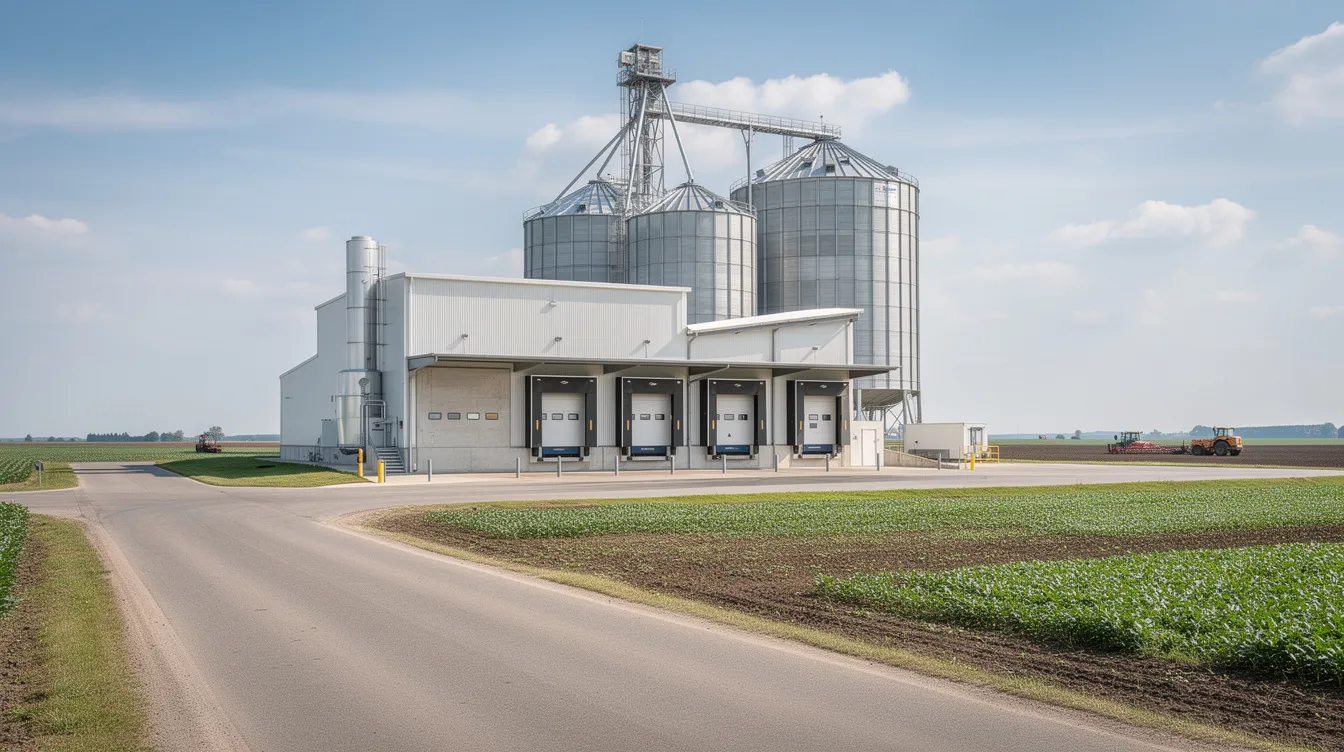
CA Manish Gugliya’s Financial Insight: Common Pitfalls in Pulse Protein DPRs
Several recurring mistakes weaken the credibility and usefulness of agro-processing DPRs:
Overly optimistic selling price assumptions. Some reports assume premium export pricing (₹800 to ₹1,000/kg for isolates) without demonstrating that the promoter has any confirmed buyer, export capability or quality certification in place. Banks discount such assumptions heavily.
Confusing laboratory yield with plant-level recovery. Theoretical protein recovery measured under controlled lab conditions (small batch, ideal pH, single-pass extraction) is routinely 10 to 15 percentage points higher than what a commercial plant achieves after accounting for downtime, cleaning cycles, equipment transition losses, quality rejections and raw material variability. A DPR that uses lab recovery data without a plant-level discount factor will overstate output and understate cost per kg.
Ignoring effluent treatment cost. Wet fractionation plants generate substantial volumes of process wastewater with high BOD/COD. ETP operation is not optional; it is a regulatory requirement and an ongoing operating cost. Omitting it from the DPR does not reduce the actual cost; it only conceals it from the financial model.
Underestimating working capital interest. Many DPRs model working capital as a one-time margin requirement and ignore the interest cost on working capital borrowings. For a plant with ₹2 to ₹3 crore of working capital deployed, even at 10% interest, the annual interest cost is ₹20 to ₹30 lakhs, which is material to the bottom line.
Neglecting foreign exchange risk. If machinery is imported or if export revenue is denominated in foreign currency, exchange rate movements can affect both capital cost and operating margins. This risk should be explicitly addressed in the financial model.
I encourage promoters to seek professional financial modelling and scenario analysis before committing to long-term contracts with technology suppliers, offtakers or lenders. Professionally prepared DPRs and CMA Data enable more informed decision-making for both entrepreneurs and financiers, reducing the probability of financial distress after commissioning.
Frequently Asked Questions
The following questions address practical queries from entrepreneurs and investors on pulse protein cost, yield and financing that may not have been fully covered in the main sections. Answers are general guidance; project-specific advisory requires customised analysis.
What is a realistic starting point for pulse protein manufacturing cost per kg in India?
Dry-fractionated protein concentrates (55 to 65% protein) can often be manufactured at a net cost of ₹180 to ₹280 per kg after deducting by-product revenue, depending on raw pulse price, plant scale and capacity utilisation. Wet-extracted protein isolates (80 to 85% protein) typically cost ₹350 to ₹500 per kg to produce. These ranges assume mid-scale plants (3 to 5 tonnes per day of raw input) operating at 75 to 85% capacity utilisation, with raw pulse prices in the ₹50 to ₹65/kg range. A project-specific cost model is required before making any investment commitment.
How sensitive is plant profitability to changes in pulse protein recovery yield?
A 5-percentage-point drop in protein recovery, for example from 55% to 50%, reduces saleable output by roughly 9% while raw material cost and most fixed costs remain unchanged. The same fixed cost and most variable cost are spread over lower saleable output, increasing effective cost per kg by approximately ₹30 to ₹50. Over a full year, this can reduce annual profit by ₹40 to ₹70 lakhs for a mid-scale plant. Maintaining stable recovery requires consistent raw material quality, optimised extraction parameters, regular equipment maintenance and trained operators.
Is it necessary to start with a full wet-isolate plant to target export markets?
Not necessarily. Many export customers buy pulse protein concentrates, functional flours and blended plant protein ingredients, not only high-purity isolates. Smaller promoters may initially set up a dry fractionation plant producing pea protein concentrates or chickpea protein flour, build customer relationships and production experience, and then evaluate adding a wet extraction line based on confirmed demand. Technology selection should be aligned with confirmed customer specifications and realistic funding availability rather than aspirational market positioning alone.
How can by-products like starch and fibre practically improve project economics?
If markets and logistics are developed, sale of starch and fibre fractions can offset 10 to 30% of total operating cost, depending on the extraction route and the quality of by-products. In dry fractionation, the starch-rich flour stream is already dry and market-ready; in wet fractionation, the starch slurry requires drying before it can be sold at a reasonable price. Without reliable buyers and adequate quality control, by-products may accumulate as inventory or fetch prices below the cost of handling and storage. Their contribution should be conservatively modelled in DPRs; assume local feed-grade pricing rather than premium food-grade pricing unless a confirmed buyer is in place.
What professional support does Project Report Bank offer for pulse protein projects?
Project Report Bank, led by CA Manish Gugliya, FCA, DISA (ICAI), provides customised DPR preparation, financial projections, CMA Data, sensitivity analysis, project finance advisory and investor-ready documentation for pulse protein, starch and fibre processing projects across India. Services include project cost estimation, means of finance planning, mass balance validation, profitability and DSCR analysis, break-even computation and bank loan proposal documentation. Every report is prepared on a project-specific basis using the promoter’s actual assumptions, market data and proposed plant configuration rather than generic templates.
Conclusion: Is Pulse Protein Manufacturing Financially Viable in India?
Pulse protein manufacturing in India is financially viable for promoters who combine realistic recovery yield assumptions with disciplined cost management, stable off-take arrangements and a well-structured financing plan. India’s strengths in pulse cultivation, the growing domestic and export demand for plant protein in food processing, nutritional supplements and meat analogs, and improving local processing technology all support the investment case.
The key financial risks are raw material price volatility, technology execution risk (achieving projected recovery yields at plant scale), market risk (achieving projected selling prices for the specific protein purity and functional quality produced), and working capital management. Each of these can be addressed through proper project planning, conservative financial modelling and professional DPR preparation.
A DPR built on transparent mass balance data, tested sensitivity scenarios and conservative by-product assumptions provides the foundation for sound investment decisions. It helps the promoter understand whether the project generates sufficient cash to service debt, provides an adequate return on equity, and remains financially sustainable even when market conditions deviate from the base case.
CA Manish Gugliya FCA, DISA (ICAI) Practising Chartered Accountant | 20+ Years of Professional Experience Founder, Manish Gugliya & Company, Chartered Accountants
For customised DPR preparation, financial feasibility studies, CMA Data, financial modelling and project finance advisory for pulse protein, starch and fibre processing projects, reach out via WhatsApp or through the Project Report Bank website.