Key Takeaways
- An integrated pulse protein, starch and fibre processing plant project report addresses the commercial extraction of high-value food ingredients from pulses, going well beyond conventional dal milling or besan production into advanced fractionation, ingredient-grade product recovery and multi-stream revenue generation.
- Technology choice between dry fractionation, wet fractionation or a hybrid route fundamentally determines the total plant setup cost, operating cost structure, product purity, environmental compliance requirements and long-term profitability of the project.
- A professionally prepared pulse protein extraction plant DPR must include realistic capacity planning, a detailed mass balance, product-wise operating cost analysis, DSCR and sensitivity analysis, and bank finance-readiness rather than generic templates or optimistic assumptions.
- Gross profit margins for pulses processing typically range between 8–12%, and net profit margins are estimated at 3–7%, which means financial viability depends heavily on recovery yields, raw material costs, capacity utilisation and product-mix optimisation.
- Project Report Bank, led by CA Manish Gugliya, FCA, DISA (ICAI), prepares customised, bankable DPRs and pulse protein processing plant feasibility studies tailored to each promoter’s specific capacity, technology, location and funding requirements.
Introduction
India’s pulse processing sector has traditionally revolved around dal milling, splitting and besan production. While these remain important businesses, the growing demand for plant-based proteins, clean-label starches and functional dietary fibre is creating a fundamentally different commercial opportunity. Integrated pulse protein, starch and fibre plants represent the natural evolution from commodity processing to high-value ingredient manufacturing, aligned with rising consumer demand for plant derived protein and sustainable food production systems.
This article examines the preparation of an integrated pulse protein starch fibre processing plant project report from the perspective of a practising Chartered Accountant advising project promoters on DPRs, financial feasibility and bank finance. Pulses can be fractionated into protein concentrates and protein isolates, purified starch and dietary fibre, each addressing different market segments such as plant-based meat alternatives, bakery, instant foods, nutraceuticals and animal nutrition. Pulses are rich in dietary fibre, vitamins and minerals, and can replace animal proteins in various food formulations, making them central to the worldwide food industry’s shift towards eco friendly food systems.
The focus here is on commercial and financial decision-making: plant capacity, technology routes, operating cost structure, profitability analysis, project risks and bankability in the Indian context, with figures in Indian Rupees, lakh and crore. A project report for an integrated pulse processing plant requires a comprehensive techno-economic blueprint, not merely a cost estimate.
What Is an Integrated Pulse Protein, Starch & Fibre Processing Plant?
A pulse protein starch fibre manufacturing plant is designed to convert whole pulses into several parallel product streams: protein concentrates or protein isolates, starch (native or modified), dietary fibre fractions and by-products such as hulls and screenings. Integrated pulse processing facilities convert pulses into these value-added ingredients through a combination of mechanical, physical and physicochemical separation technologies, targeting precise functional properties and protein levels suitable for food ingredient applications.
This is fundamentally different from conventional pulse dal milling, which involves cleaning, dehusking, splitting and polishing to produce dal for household consumption. Advanced fractionation targets defined purity levels and functional characteristics demanded by food manufacturers, nutritional companies and export buyers. DPRs provide a comprehensive roadmap for such pulses processing units, covering technology selection, material balance, financial projections and bankability assessment.
Integration of protein, starch and fibre recovery in a single complex improves resource utilisation and potential revenue per tonne of raw material processed. However, it also increases capex, technology risk and the sophistication required in the DPR. The promoter must evaluate whether the additional investment in fractionation capacity is justified by the product premiums and market access it enables.
Table: Raw Materials, Products and Market Uses
| Pulse Raw Material | Key Finished Products | Industrial Applications | Buyer Segments | Key Quality Parameters |
|---|---|---|---|---|
| Yellow Pea | Pea protein isolate (80–90% protein), pea protein concentrate (55–65%), pea starch, fibre | Plant-based meat, dairy alternatives, sports nutrition, bakery, noodles | Plant-based food manufacturers, nutraceutical formulators, export ingredient traders | Protein content, solubility, emulsification, particle size, microbiological safety |
| Green Pea | Protein concentrate, pulse flour, starch, fibre | Bakery, snacks, soups, extruded products | Biscuit and snack factories, instant food producers | Colour, flavour profile, protein content, moisture |
| Chickpea (Kabuli/Desi) | Protein concentrate, chickpea starch, fibre, pulse flour | Hummus-style products, gluten-free formulations, bakery, functional foods | Bakery manufacturers, gluten-free product companies, food service | Protein purity, flavour, colour, allergen controls, resistant starch content |
| Lentils (Red/Green) | Protein concentrate, lentil starch, fibre, functional flour | Instant mixes, soups, baby food, clinical nutrition | Nutritional ingredient companies, clinical nutrition formulators | Amino acid composition, bioactive compounds, digestibility, particle size |
| Mung Bean | Mung protein, mung starch (vermicelli-grade), fibre | Noodles, transparent vermicelli, functional foods, extruded snacks | Noodle and vermicelli manufacturers, pet food manufacturers | Starch purity, gel clarity, protein content, consistent particle size |
Buyer segments must be defined concretely. Commercial considerations like microbiological safety, allergen controls, consistent particle size and protein content specifications are central to long-term contracts with food manufacturers and export buyers. Amino acid composition is a key factor-pulse proteins are typically lysine-rich but methionine-limited, making them complementary to cereal proteins.
Market Demand and Business Opportunities
The demand for plant proteins and functional ingredients is expanding across multiple sectors globally. The global pulses market was valued at USD 103.25 billion in 2025 and is projected to reach USD 140.23 billion by 2034. Worldwide pulse production exceeds 90 million tonnes per annum, and health conscious eating continues to drive demand for plant based dietary patterns and alternative food sources. Market analysis is vital to determine demand for pulse-derived products before committing capital.
The demand outlook spans several segments: plant-based meat manufacturers, dairy alternatives, high-protein snacks, gluten-free bakery, instant mixes, sports nutrition and specialised animal nutrition. Different market segments require different purity and functional profiles. For instance, a plant-based meat analogue manufacturer may require a pea protein isolate with specific emulsifying and gelation characteristics, while a bakery buyer may accept a lower-purity protein concentrate with good water-holding capacity.
Functional properties like solubility, gelation, emulsification and foaming, along with amino acid composition and protein digestibility, determine acceptance by food and beverage manufacturers. Replacing or complementing soy and dairy proteins requires demonstrated performance in application trials, which creates long technical sales cycles. This reality must be factored into revenue ramp-up assumptions in the DPR.
While global interest in plant proteins is strong, market-entry barriers include customer qualification, application trials, sensory acceptance and price competition from established players in North America, Europe and China. India’s pea protein market for concentrates and isolates is growing, but much of the isolate-grade product is still imported. Potential export opportunities exist for pea protein and pulse starch, but should be evaluated carefully during the pulse protein processing plant feasibility study.
Raw Materials and Product Selection
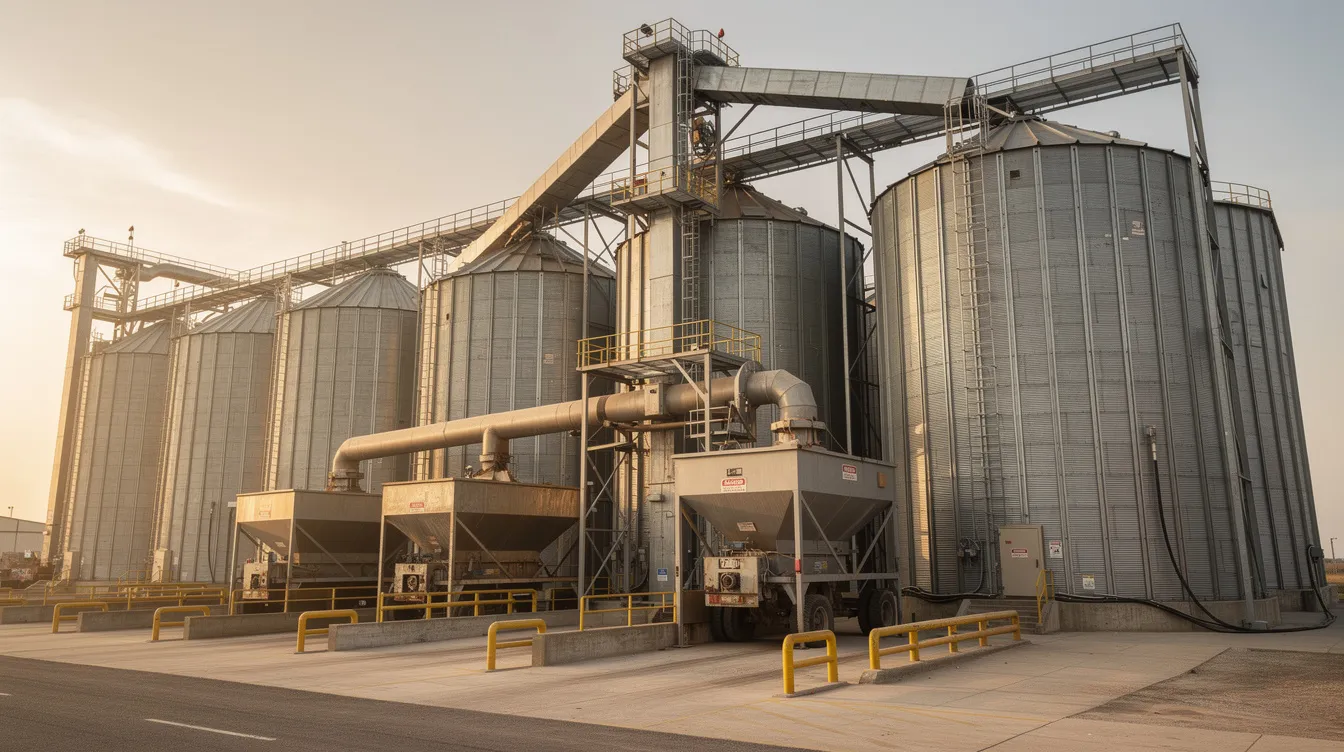
Choice of pulse and pulse quality-protein level, colour, moisture, storage condition-strongly affects extraction yields, starch quality, fibre characteristics and cost of production. Initial project planning should consider raw material sourcing and seasonal availability, as these directly influence procurement strategy and working capital requirements.
Key raw material considerations include:
- Yellow peas are the most widely used globally for pea protein concentrates, pea protein isolates and pea starch, offering relatively neutral flavour and established processing protocols. However, India does not have large-scale yellow pea cultivation, and many processors import from Canada, Russia or the EU, adding freight and supply risk.
- Chickpeas (kabuli and desi) are widely available in Madhya Pradesh, Rajasthan and Maharashtra, suitable for protein concentrates, besan-grade pulse flour and functional flours, but with distinct flavour and colour challenges for high-purity isolate production.
- Lentils and mung beans offer niche protein and starch products, with mung starch particularly valued for vermicelli and noodle manufacturing. Lentils contain useful bioactive compounds and are increasingly studied for functional foods.
Pulses contain 14–39% protein by weight, with carbohydrates (mainly starch) at 50–65% and fibre at 15–30%. Globulins, classified as salt soluble proteins, make up 70–80% of pulse proteins and are the primary target of extraction processes. These storage proteins determine the nutritional properties and functional behaviour of the finished ingredient.
The desired product slate-high-purity protein isolate, medium-purity protein concentrate, native or modified starch, high-fibre fraction, hulls for animal feed-will guide raw material selection and material balance assumptions in the project report.
Comparative Table: Pulses vs Potential Product Portfolio
| Pulse Type | Typical Protein Range (% dry basis) | Main Protein Products | Starch & Fibre Opportunities | Notable Functional / Bioactive Features |
|---|---|---|---|---|
| Yellow Pea | 20–25% | Isolate (80–90%), concentrate (55–65%) | Native pea starch, dietary fibre, hulls | Good emulsification, neutral flavour, lysine-rich |
| Green Pea | 20–25% | Concentrate (50–60%), pulse flour | Starch, fibre (hull-rich) | Stronger flavour, higher chlorophyll content |
| Chickpea | 17–22% | Concentrate (45–55%), functional flour | Chickpea starch, fibre with resistant starch | Higher resistant starch, distinct flavour profile |
| Red/Green Lentil | 22–28% | Concentrate (50–60%) | Lentil starch, soluble fibre | Higher bioactive compound content, good digestibility |
| Mung Bean | 20–26% | Concentrate, functional flour | High-quality starch (vermicelli-grade), fibre | Starch with unique functional properties for gel clarity |
Raw material sourcing strategy must consider price volatility, regional concentration, logistics and storage infrastructure. These factors feed directly into the operating cost structure and working capital assessment in the DPR.
Manufacturing Technology and Process Flow
The manufacturing process for an integrated pulse fractionation plant typically follows these sequential steps:
- Pulse reception, cleaning and grading: Removal of stones, foreign materials, damaged kernels using destoners, aspirators and grading screens. Raw uncleaned pulses must be cleaned to specification before processing.
- Dehulling and preprocessing: Separation of hulls (fibre-rich fraction, ~10–15% of seed weight) from cotyledons. Hulls may be further processed or sold as animal feed.
- Milling and particle-size control: Pin milling or hammer milling of dehulled splits to flour of controlled particle size, managing starch damage carefully.
- Dry fractionation (air classification): Separation of protein-rich fine fraction from starch-rich coarse fraction based on particle size and density differences.
- Wet fractionation (optional): Slurry preparation, alkaline solubilisation (pH 8–10), separation of starch and fibre by centrifugation, protein precipitation at isoelectric point (pH ~4.5), washing and neutralisation.
- Protein concentration or isolation: Dry route produces concentrates (55–65% protein); wet route produces isolates (80–90% protein).
- Starch separation and recovery: Clean starch stream from wet process; larger starch granules separated from protein. Pulse starches differ from cereal starches in granule size and functionality.
- Fibre recovery and treatment: From hulls and residual pulp; milled, classified and packaged for food or feed applications.
- Drying, powder handling and packaging: Spray dryers, flash dryers or ring dryers depending on product and moisture levels.
- Quality testing and storage: Protein content, moisture, microbiology, particle size, sensory attributes and functional performance testing.
Wet and dry fractionation are common methods in pulse processing technology, but they are distinct routes with different capital and operating implications. Water and energy consumption are significant factors in wet milling processes. Not every commercial project will implement both routes simultaneously due to cost versus purity trade-offs.
Simplified Process Flow:
Raw Pulses → Cleaning → Dehulling → Milling →
Dry Line: Air Classification → Protein Concentrate (55–65%) + Starch/Fibre Coarse Fraction
Wet Line: Slurry → pH Adjustment → Centrifugation → Protein Isolate (80–90%) + Starch + Fibre + Effluent
→ Drying → Packaging → Finished Goods
Functional properties and amino acid composition can be affected by process conditions such as temperature, pH, mechanical shear and residence time. Protein denaturation during harsh alkaline extraction or excessive heat during drying can reduce solubility and emulsification performance, which matters for customers requiring label-friendly processing.
Dry Fractionation vs Wet Fractionation: Trade-offs
Dry fractionation (milling + air classification) offers lower capex and opex, minimal water usage, no chemical effluent and retention of native protein structure. However, it typically yields protein concentrates of 55–65% protein purity, with protein recovery of 55–77% depending on the number of classification passes. The starch and fibre fractions are less pure than those from wet routes.
Wet fractionation produces higher-purity protein isolates (80–90% protein) and cleaner starch fractions, but requires substantially more water, energy, chemicals for pH adjustment, effluent treatment systems and drying infrastructure. The mass yield of isolate per tonne of raw pea is relatively low-approximately 8–14% by mass-compared to 34–44% mass yield of concentrate via dry fractionation.
A hybrid plant may pre-concentrate by dry methods and then only wet-process a portion of the material to produce isolate, balancing investment and market requirements. Recent research shows that ultrafiltration and membrane technologies can achieve 83–87% protein recovery with water recycling, offering a cleaner alternative to traditional isoelectric precipitation. Such hybrid approaches, analogous to membrane filtration technologies used in whey processing, are increasingly relevant for pulse fractionation.
The DPR should evaluate technology suppliers, expected yields and guaranteed performance parameters through quotations and technical discussions, not assumptions copied from generic sources. The choice of technology route directly feeds into capital investment needs, utilities infrastructure, effluent treatment design and integrated profitability analysis.
Integrated Pulse Protein Starch Fibre Processing Plant Machinery
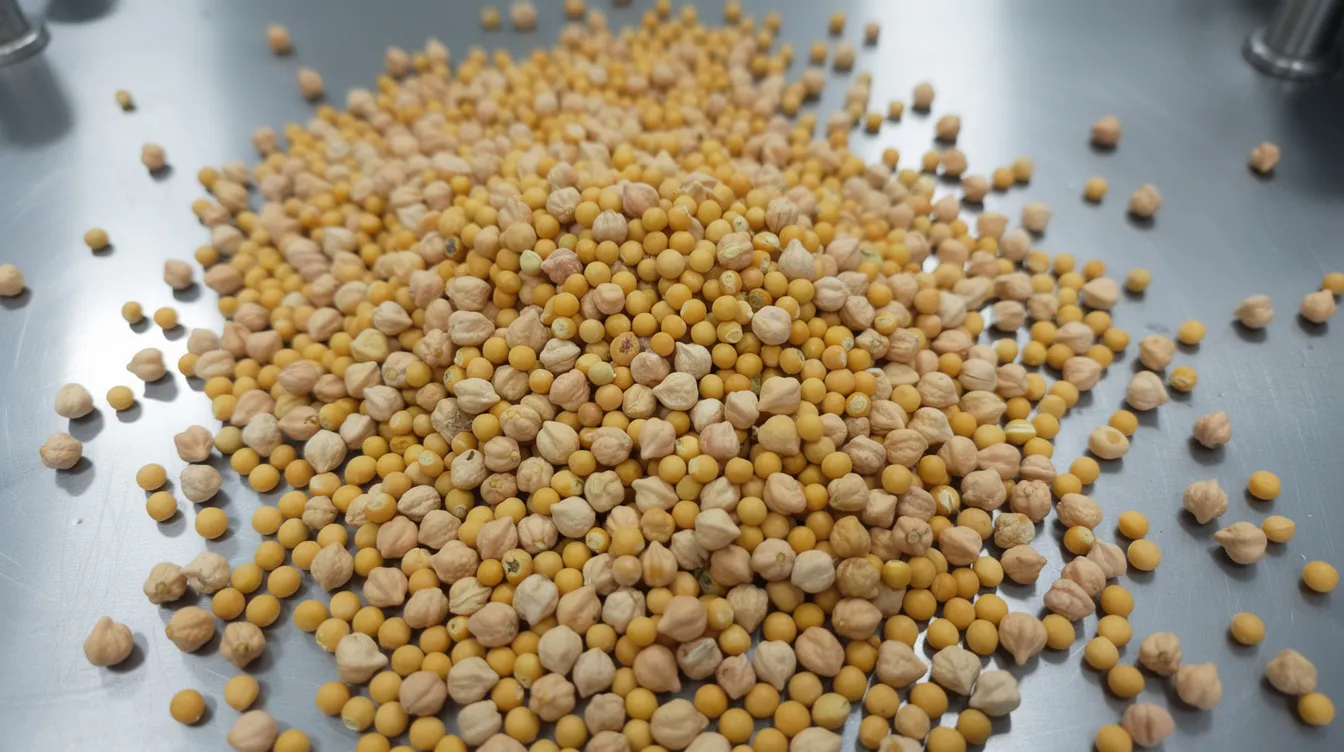
The machinery configuration differs significantly between a dry-only pulse protein extraction plant DPR and a combined dry + wet fractionation plant. Core equipment groups include:
- Intake, cleaning and grading systems
- Dehulling and aspiration equipment
- Milling equipment (pin mills, hammer mills, classifier mills)
- Air classifiers and sieving systems
- Hydration and mixing tanks (wet process)
- Centrifuges, decanters and membrane systems (wet process)
- Dryers (spray, flash or ring dryers)
- Sieving, blending and packaging equipment
- Quality control instruments and laboratory equipment
Essential equipment includes cleaning systems and grinding mills as the foundation of any pulse processing line. Machinery costs represent the largest portion of capex, and the gap between dry-only and combined wet+dry plants is substantial.
Food-grade stainless steel contact surfaces, hygienic design, dust control and explosion protection in milling and classification areas are non-negotiable for food ingredient production. CIP (clean-in-place) systems are essential for wet-processing lines. Quality control systems at each stage ensure consistent output for B2B ingredient customers.
Indicative Machinery & Equipment List
| Equipment | Process Stage | Key Parameters to Evaluate | Investment Notes |
|---|---|---|---|
| Pre-cleaners, destoners, magnetic separators | Cleaning & grading | Throughput (TPH), cleaning efficiency, material of construction | Indian OEMs available; moderate cost |
| Dehullers and aspirators | Dehulling | Dehulling efficiency, kernel damage rate | Indian OEMs; standard technology |
| Pin mills / hammer mills / classifier mills | Milling | Particle size distribution, starch damage, energy consumption | Specialised international suppliers preferred for precision; significant cost item |
| Air classifiers | Dry fractionation | Cut point, protein purity, recovery rate, capacity | Often imported; core technology-quotations must include performance guarantees |
| Hydration tanks, pH adjustment systems | Wet extraction | Volume, mixing efficiency, chemical dosing accuracy | Local fabrication possible; food-grade SS mandatory |
| Decanter centrifuges, disk-stack separators | Solids/liquid separation | Separation efficiency, throughput, CIP capability | High-cost imported items; critical for isolate purity |
| UF/membrane filtration systems | Protein purification | Membrane area, pore size, water recycling rate, replacement schedule | Specialised suppliers; membrane replacement is ongoing opex |
| Spray dryer / flash dryer | Drying | Evaporation capacity, inlet/outlet temperature, energy source | Among the most expensive items; sizing must match wet line output |
| Sifters, blenders, packaging machines | Finishing & packing | Throughput, accuracy, nitrogen flushing (optional), bag sizes | Indian OEMs available; automation levels vary |
| QC laboratory instruments | Quality testing | Protein analyser (Kjeldahl/NIR), moisture, particle size, microbiology | Essential; inline NIR is an optional upgrade |
Utilities required include significant electrical connected load, steam or hot water (especially for wet fractionation and drying), compressed air, chilled water and backup DG sets. Machinery quotations must be obtained from multiple vendors before freezing project cost in the DPR. Integration risks-mismatch of capacities between milling and wet extraction, under-sized drying or bottlenecked packaging-can reduce actual throughput well below nameplate plant capacity.
Plant Capacity Planning and Product Mix
Capacity should be planned on raw material input per day, converted into annual processing capacity based on operating days and realistic production capacity utilization. For instance, a plant processing 50 TPD of raw pulses over 300 operating days achieves an annual processing capacity of 15,000 MT-well below a larger proposed plant with an annual processing capacity of 50,000 MT that might serve national and export markets with extensive production capacities.
A detailed mass balance should be established before estimating revenue for the project. The material balance starts from pulse composition (protein, starch, fibre) and expected process recoveries to estimate annual output of each product stream. Production capacities for pulse processing should be projected based on technical assessments and supplier performance data, not optimistic assumptions.
Illustrative scenarios (examples only, not industry standards):
- Small commercial plant: 10–20 TPD input, dry fractionation only, producing protein concentrate and starch/fibre co-products. Targets regional B2B supply to bakery, snack and flour blenders.
- Medium industrial plant: 50–100 TPD input, dry + partial wet fractionation, producing both concentrate and limited isolate along with starch and fibre products. Targets domestic food ingredient buyers and selective export.
- Large integrated facility: 150–300 TPD input, full dry + wet fractionation lines, spray drying, extensive product portfolio. Targets national and export-grade supply of isolates, starches and functional fibre.
The product mix-for example, 40% of revenue from protein, 35% from starch, 15% from fibre, 10% from hulls and other by-products-must be aligned with probable off-take agreements and customer segments. In the DPR, a capacity ramp-up curve (Year 1–5) with sensitivity analysis for lower-than-planned utilisation is essential for prudent DSCR and loan repayment analysis, maintaining operational flexibility during market development.
Illustrative Material Balance Approach
For a base-case yellow pea input of 100 kg (dehulled):
- Dry fractionation: ~35–40 kg protein concentrate (55–65% protein) + ~60–65 kg starch/fibre co-product
- Wet fractionation: ~8–14 kg protein isolate (80–90% protein) + starch and fibre fractions + aqueous waste/effluent
Different technology choices (dry-only vs dry + wet) change the amount and purity of protein, starch and fibre recovered, and thus their selling prices and contribution margins. Any commitment to bankers or investors on output volumes must be backed by technology supplier data or pilot trials.
Pulses processing generates approximately 30,000 tonnes of waste annually in a large-scale operation context, with roughly 3 kg of dry waste produced for every 1 kg of protein extracted. However, this processed pulse waste can yield approximately 10,000 tonnes of dry starch when recovered properly, demonstrating why by-product management systems are crucial for minimising waste and enhancing sustainability.
Land, Building, Factory Layout and Utilities
Land requirements depend on capacity and whether the plant houses both dry and wet fractionation sections. A wet fractionation plant needs significantly more covered space for extraction tanks, centrifuges, membrane systems, drying halls and effluent treatment area. Infrastructure planning must address utilities, layout and land requirements for processing facilities from the initial design stage.
Key building segments include:
- Raw material warehouse with moisture-controlled storage
- Cleaning and dehulling area
- Milling and air classification hall (dry, dust-controlled zone)
- Wet extraction hall (hygienic, separate from dust-prone areas)
- Drying and packing area
- Finished-goods warehouse
- QC laboratory
- Utility block (boiler, compressor, electrical substation)
- Effluent treatment plant (ETP)
- Administrative block and staff amenities
Civil works include construction of processing facilities and storage areas, with layout differences between dry-only plants (emphasis on dust control, aspiration, material handling) and combined plants (zoning between dry zones and hygienic wet-processing areas).
Utilities planning must address electrical connected load, boiler or thermic fluid heater for steam/hot water, water supply (especially critical for wet fractionation), cooling systems, compressed air and backup DG sets. From a project finance perspective, realistic estimates for land and site development, building and utilities infrastructure must be supported by local quotations and engineering inputs.
Integrated Pulse Fractionation Plant Setup Cost and Investment
Total capital cost depends heavily on capacity, technology (dry vs wet vs hybrid), degree of automation, local vs imported machinery, and location. The integrated pulse fractionation plant setup cost section of the DPR should provide a detailed breakdown under clearly stated assumptions.
Project Cost Components to be Analysed
| Cost Head | Description | Investment Significance |
|---|---|---|
| Land purchase and registration | Industrial-zoned land with access to utilities | Varies widely by location; proximity to raw material or markets |
| Site development and boundary | Levelling, fencing, roads, drainage | Often underestimated; can be material for greenfield sites |
| Factory buildings and civil works | RCC structures, processing halls, warehouses | Construction costs depend on local rates, floor area and food-grade finishes |
| Plant and machinery | Fractionation lines, dryers, packaging | Largest single cost component; dry system ₹1–4 crore; wet+dry system ₹15–60 crore depending on scale |
| Electrical installations | Substation, cabling, MCC panels, DG set | Must match connected load; significant for spray drying |
| Utilities and water treatment | Boiler, compressor, water softening, cooling | Higher for wet plants; steam consumption for drying is major |
| ETP and pollution control | Effluent treatment, air pollution control | ZLD systems for large wet plants can cost ₹12–25 crore alone |
| Laboratory and QC | Analytical instruments, sampling systems | Essential for ingredient-grade production; ₹10–50 lakh |
| Pre-operative expenses | Interest during construction, trial-run costs, salaries | Often 5–8% of project cost; must be budgeted |
| Contingencies | Buffer for cost overruns (5–10%) | Lenders expect adequate contingency provision |
| Margin for working capital | Initial raw material, consumables, operating expenses | Critical for B2B businesses with 30–90 day receivable cycles |
Other capital costs such as professional fees for DPR preparation, engineering design, regulatory approvals and interest during construction should be separately captured. These can quietly add several percent to total project cost and affect debt–equity planning. Large imported food-grade fractionation lines may involve advance payments, foreign exchange risk and import duties.
In my professional assessment, underestimation of project cost and ignoring cost-overrun buffers is a common reason for liquidity stress post-commissioning. DPRs assess capital investment requirements for establishing processing plants and must reflect ground-level realities, not theoretical minimums.
Operating Cost and Production Economics
Operating costs for pulses processing plants are driven by raw material consumption as the dominant component. In integrated fractionation plants, the major cost heads include:
- Raw pulses procurement: Raw uncleaned pulses account for 88–92% of total operating expenses in many pulse processing configurations. For integrated fractionation plants where wet processing and drying add significant utility costs, this share may be somewhat lower as a proportion, but raw material remains the largest single line item.
- Power, fuel and water: Utility costs represent 3–5% of total operating expenses for dry-only operations, but proportionally higher where wet fractionation and spray drying are used.
- Chemicals: pH adjustment chemicals (alkali, acid), cleaning agents for CIP systems.
- Labour and supervision: Skilled technical staff for fractionation operations.
- Packaging materials: Food-grade bags, bulk containers.
- Maintenance and spares: Including membrane replacement for UF systems.
- Quality testing: Regular protein, moisture, microbiology and functional property testing.
- Logistics and distribution: Transport to B2B customers.
- Administrative overheads: Insurance, marketing, compliance costs.
Operating costs include raw materials, utilities, and maintenance as core components. In the first year, operating costs are projected to be significant due to trial-run inefficiencies and lower capacity utilisation. By the fifth year, operational costs are expected to increase substantially as production volumes scale up and raw material consumption grows proportionally.
Cost per kg of each product (protein, starch, fibre) should be calculated by allocating joint costs based on material balance or relative sales value. This allocation underpins contribution margin and product-pricing analysis. Small changes in protein or starch recovery percentages can materially affect profitability, so conservative assumptions must be used.
Long-term raw material procurement strategies-contracts with aggregators, storage to manage seasonal prices, and quality control at intake-are crucial to stabilise cost of production and ensure consistent supply and chemical composition of the final ingredients. Efficient plant layout, energy-efficient equipment and preventive maintenance can reduce unit operating costs, improving gross profit margins. From a CA’s perspective, tracking product-wise margin and contribution is essential for deciding future product mix and investment priorities.
Financial Projections, CMA Data and Bank Finance
Bankers and financial institutions expect a bankable pulse protein extraction plant DPR to contain detailed financial projections, CMA Data for working capital, realistic assumptions and stress-tested cash flows. DPRs include detailed financial projections and profitability analysis as core deliverables. Investors require well-structured presentations backed by detailed plans and financial projections for funding decisions.
Core components of the financial model include:
- Projected profit and loss accounts for 7–10 years
- Projected balance sheets and cash flow statements
- Term loan repayment schedules and depreciation schedules
- Working capital assessment (inventory, receivables, creditors)
- CMA Data preparation in standard banking formats
- Capacity utilisation assumptions with graduated ramp-up
- Revenue projections linked to material balance and selling prices
- Operating expenditure, EBITDA and net profitability
Assumptions requiring maximum scrutiny include: selling price of protein, starch and fibre; raw material prices; recovery yields; capacity utilisation; credit terms; and expected collection periods from institutional buyers. Financial models in project reports should include sensitivity analysis for price fluctuations and recovery rates.
While the DPR and financial model provide a structured assessment of the project’s financial viability, they do not guarantee loan sanction or financial performance. The final outcome depends on execution, markets and management capability. Professional services in project finance must provide customized financial analysis tailored to client needs, not generic templates.
Key Ratios and Bankability Indicators
Financial metrics like NPV and IRR are essential for project feasibility analysis. Key indicators that should be presented and discussed include:
- DSCR (year-wise and average): Banks typically expect DSCR above 1.25–1.50x for food processing projects. Over-optimistic revenue projections can make DSCR fragile under adverse conditions.
- Break-even capacity: The utilisation level at which the plant covers all fixed and variable costs.
- Payback period: Expected time to recover the initial investment from net cash flows.
- ROI and IRR: Return metrics that help compare the project against alternative investments.
- NPV: Present value of projected cash flows discounted at an appropriate rate (typically 12–15% for food processing in India).
- Current ratio and quick ratio: Liquidity indicators important for working capital adequacy.
Gross profit margins for pulses processing typically range between 8–12%, and net profit margins are estimated at 3–7%, depending on product mix, scale and operational efficiency. These margins underline the importance of volume, capacity utilisation and cost control.
Minimum promoter contribution expectations follow bank norms (typically 25–33% of project cost). Adequate working capital lines for inventory and receivables are essential in a B2B ingredient business where payment cycles can extend to 30–90 days. A project with conservative leverage and sufficient contingency buffers can better absorb delayed ramp-up or lower-than-projected selling prices, similar to the financial structuring principles relevant for other food processing projects.
Feasibility Study and Commercial Viability
An integrated pulse protein starch fibre processing plant feasibility study must integrate technical, market, financial and regulatory aspects, not merely cost and revenue numbers. Detailed Project Reports should be tailored to the specific context of the project and its market.
Technical feasibility involves evaluating the robustness of chosen fractionation technology, track record of machinery suppliers, energy and water requirements, effluent management capability, scalability and maintenance ecosystem in India.
Commercial feasibility requires assessment of confirmed or probable buyers, sample approval cycles, required certifications, competitor landscape, product differentiation (non-GMO, clean label) and achievable price realisations compared to international suppliers. Processed pulses are used in ready-to-eat meals and snacks, and are a key ingredient in plant-based meat alternatives-both growing market segments in India and globally.
Financial feasibility covers profitability under realistic and conservative scenarios, ability to service debt, resilience to adverse cost or price movements, and alignment with the promoter’s capital capacity. A profitability analysis under multiple scenarios is essential.
Comparing integrated fractionation with simpler pulse processing-such as dal milling or besan plants-highlights that while returns can potentially be higher in integrated plants, risk, complexity and capital commitment are also significantly higher and require rigorous pre-investment evaluation.
Licences, Approvals and Compliance in India
Regulatory requirements vary by state and exact process. Promoters must consult local authorities and qualified professionals. Commonly relevant approvals include:
- FSSAI licence for food processing operations
- Factory licence under applicable state factory laws
- Environmental clearances and consents from State Pollution Control Board for air emissions, water discharge and waste management-especially where wet fractionation and effluent treatment systems are used
- Fire and safety NOCs, building plan approvals, boiler registration (if steam boiler used)
- GST registration for commercial operations; IEC for export activities
- Weights and measures approvals for packaging machinery
Regulatory compliance with food safety standards is critical for processing facilities. Quality assurance procedures must adhere to regulations for microbiological and chemical safety. Education on industry standards and safety norms is vital for stakeholders in processing operations.
Food safety and quality management certifications such as HACCP, ISO 22000 or FSSC 22000 are increasingly demanded by large food and export customers, and should be factored into plant design and operating procedures from inception.
Government Subsidies, Incentives and Financing Opportunities
Central and state schemes in India for MSMEs, food processing and agro-processing change from time to time. Promoters should verify current eligibility, timelines and conditions before factoring subsidies into project viability.
Types of support that may be available include: capital subsidy on eligible fixed assets, interest subvention, reimbursement of SGST, power tariff concessions, stamp duty exemptions or incentives for setting up in designated food parks or agro-processing clusters. National-level food processing schemes have historically supported modern plants with value addition to agricultural produce, but benefits are subject to scheme guidelines and budget availability.
Banks may offer specialised term loans for food processing projects, sometimes with priority-sector classification, but these are appraised on project merits. In a professional DPR, any assumed subsidy is generally treated as an upside, with core financial viability tested even without subsidy support to avoid over-dependence on uncertain disbursements.
Investment Risks and Sensitivity Analysis
In my professional assessment, integrated pulse fractionation projects are opportunity-rich but also exposed to multiple risks across technology, markets, raw material and finance. Effective risk management strategies should be detailed in the project report to mitigate foreseeable risks. The project implementation schedule should identify milestones and responsible parties for execution to manage implementation risks.
Indicative Risk Register
| Risk | Description | Mitigation Approach |
|---|---|---|
| Raw material price volatility | Pulse prices can fluctuate significantly due to seasonal, weather and trade policy factors | Multi-supplier contracts, strategic buffer stock, diversified pulse sourcing |
| Protein yield shortfall | Actual recovery may be lower than vendor guarantees due to kernel variation or process inefficiency | Contractual performance guarantees, pilot trials before full-scale investment |
| Product purity and quality variation | Functional properties may not consistently meet buyer specifications | Robust quality control systems, in-process testing, application support capability |
| Starch and fibre offtake risk | Co-products may not find ready buyers at assumed prices | Diversify into animal feed production, adhesive or packaging starch applications |
| Water and power supply | Wet fractionation requires reliable water and energy; shortages increase cost | On-site water recycling, energy-efficient equipment, backup power |
| Environmental compliance | Stricter effluent norms or ZLD requirements may increase capex and opex | Design ETP with headroom; consider membrane-based water recovery from inception |
| Customer concentration | Over-reliance on few buyers creates revenue risk | Diversify customer base across market segments and geographies |
| Price competition | Global producers in Canada, Europe, China offer competitive pricing | Focus on product quality, certifications, proximity advantage for domestic market |
| Foreign exchange risk | Imported equipment payments, export sales exposed to currency fluctuations | Hedging, phased import payments, diversified revenue currency |
| Debt servicing pressure | Low-margin years with high fixed interest and repayment obligations | Conservative leverage, adequate promoter contribution, contingency reserves |
Formal sensitivity analysis in the financial model should test downside scenarios: 10–15% lower selling prices, 10–20% higher raw material cost, 10% lower capacity utilisation and 6–12 month delay in ramp-up, evaluating their impact on DSCR, IRR and payback. Environmental impact analysis involves assessing water management and waste treatment for sustainability-pulses require less water than conventional livestock farming, improve soil fertility by fixing nitrogen naturally, and have a low environmental footprint compared to animal protein sources. Pulses contribute to sustainable food production systems, but the processing plant itself must manage its effluent and energy footprint responsibly.
Sensitivity analysis is not a formality but a core part of investment decision-making for capital-intensive processes. Risk analysis should be honest and data-driven; overstating returns and understating risk can damage credibility with bankers and investors.
Plant Proteins, Functional Properties and Product Positioning
Pulse protein products are not commodities alone; their value depends heavily on functional properties and nutritional characteristics that determine where they can be used in the food industry. The demand for plant based proteins continues to grow as the worldwide food industry shifts towards plant based dietary patterns, vegetarian and vegan diets and sustainable food production.
Key functional properties for plant protein ingredients include:
- Solubility: Critical for beverages and liquid nutrition
- Water and oil holding capacity: Pulse proteins exhibit high water-holding capacity, up to 2.1 g/g, important for bakery and meat analogue applications
- Emulsification: Emulsifying properties of pulse proteins stabilize oil-in-water emulsions effectively
- Foaming: Foaming capacity of navy bean protein concentrate reaches 622%, valuable for aerated food products
- Gelation: Important for structured products like plant-based meat
Different product grades-60% protein concentrate vs 85–90% isolate-address different market needs, price points and applications. The DPR should outline a product positioning strategy aligning with the plant’s specifications, quality control systems and marketing efforts. This positioning determines whether the plant operates as a commodity supplier or a specialty ingredient partner, which has a direct bearing on healthy profitability potential and revenue stability.
Applications, Market Segments and Value-Addition Pathways
Integrated recovery of protein, starch and fibre enables the plant to serve multiple market segments, reducing dependence on a single revenue stream and creating stable demand across processed pulse commodities.
Key application areas include:
- Plant-based meat analogues and dairy alternatives
- Bakery, pasta and extruded snacks
- Instant soups, sauces and functional foods
- Sports and clinical nutrition products
- High-fibre bakery products and prebiotic blends
- Gluten-free formulations using pulse starches
- Animal feed from hulls and lower-grade fractions, supporting animal feed production alongside food-grade outputs
Starch co-products can be used in thickening, texture modification, calorie reduction and gluten-free formulations, extending the plant’s market reach well beyond the pulse processing sector’s traditional boundaries. The worldwide production of processed pulses continues to grow, reflecting broader shifts in the human diet towards alternative food sources with lower reliance on conventional livestock farming.
The DPR should match forecast sales volumes for each product stream with realistically identified market segments, supported by secondary market research and, where possible, preliminary discussions with potential buyers.
Operating Organisation, Manpower and Quality Systems
Integrated fractionation plants require a more skilled technical and quality team compared to conventional dal mills. This must be reflected in both manpower planning and salary cost assumptions in the DPR.
Typical roles include: plant head, production engineers (dry and wet sections), QA/QC chemists, maintenance engineers, utility operators, shift supervisors, skilled and semi-skilled workers, stores and logistics staff, and administrative support. Training for food safety, HACCP, process control, occupational safety and environmental compliance is essential.
Robust quality control systems-raw material inspection, in-process checks, finished product testing for protein content, microbiology, moisture, particle size-and documentation are critical to gain and retain large B2B and export customers. Manpower cost must be estimated for shift operations (2 or 3 shifts) under normal operating conditions, with allowances for statutory benefits, periodic training and certification costs.
How CA Manish Gugliya and Project Report Bank Assist Project Promoters
I have been working as a practising Chartered Accountant for over 20 years, specialising in preparing Detailed Project Reports, CMA Data, financial models and bankable documentation for manufacturing and food processing projects across India. For an integrated pulse protein starch fibre processing plant, the advisory requirements are significantly more complex than a standard dal milling or specialty flour project.
Core services relevant to this project include:
- Customised DPR preparation for integrated pulse fractionation plants
- Pulse protein processing plant feasibility study covering technical, commercial and financial dimensions
- Financial projections and modelling with product-wise contribution analysis
- CMA Data preparation for bank loans and working capital finance
- DSCR and loan repayment analysis
- Working capital assessment for B2B ingredient businesses
- Sensitivity analysis across key variables
- Investor-ready DPR and fundraising documentation
Every DPR is built on project-specific assumptions, actual supplier quotations and realistic market analysis. This is especially vital for new-age plant protein and functional ingredient projects where technology and pricing are evolving rapidly.
Serious promoters may connect via WhatsApp to share basic project details and documents efficiently, followed by calls or virtual meetings to discuss scope, timelines and professional fees. This is not a template-selling service; it is a professional advisory engagement tailored to each project.

Frequently Asked Questions
What is meant by an integrated pulse protein, starch and fibre processing plant?
An integrated plant is designed from inception to fractionate pulses into multiple value-added products-protein concentrates or protein isolates, starch and dietary fibre-rather than only traditional dal or flour. It uses a combination of dry and/or wet fractionation technologies to produce food-grade ingredients targeting functional foods, nutrition, bakery and industrial applications. Integration allows better utilisation of each tonne of raw pulses but involves higher investment and more complex operations than conventional pulses processing.
What level of investment is typically required for such a project?
Investment varies widely depending on capacity, technology route (dry-only vs dry + wet fractionation), automation level and land cost. A small dry-fractionation-only plant may require ₹50–80 lakh in capital costs, while a mid-scale isolate plant with wet extraction and spray drying may require ₹1.5–3 crore or significantly more for larger capacities with ZLD requirements. In a professional DPR, investment is built bottom-up from machinery quotations, civil estimates and utilities design. Promoters should budget for working capital, quality systems, certifications and contingencies beyond the fixed-asset investment.
Which pulses are most suitable for starting an integrated plant?
Yellow peas are the most widely processed pulse globally for protein and starch extraction due to neutral flavour, established technology and strong market demand for pea protein. Chickpeas and lentils are suitable alternatives with good domestic availability in India. The final choice should consider local agro-climatic conditions, procurement ecosystems and target products. Some plants start with one primary pulse and later diversify as markets develop.
What is the difference between dry and wet fractionation?
Dry fractionation uses milling and air classification to separate protein-rich and starch-rich fractions without water or chemicals. It produces lower-purity concentrates (55–65% protein) at lower cost. Wet fractionation uses water, pH adjustment and centrifugation or membrane filtration to produce higher-purity isolates (80–90% protein) and cleaner starch, but requires significantly more investment in utilities, drying and effluent treatment. A hybrid approach-dry pre-concentration followed by selective wet processing-balances cost and quality.
Can one integrated plant manufacture protein isolate, starch and fibre simultaneously?
Yes, but with important caveats. Producing high-purity isolate, purified starch and functional fibre simultaneously requires both dry and wet fractionation infrastructure, which substantially increases capex, opex and operational complexity. Not every plant needs to produce all three at maximum purity. The product mix should be driven by identified market demand, achievable selling prices and the promoter’s capital capacity, all of which should be evaluated in the DPR and feasibility study.
Is pulse protein manufacturing actually profitable in India?
Integrated pulse protein projects can achieve healthy profitability potential when they are well-designed, correctly sized and backed by realistic market linkages. However, gross profit margins for pulses processing typically range between 8–12% and net profit margins are estimated at 3–7%. Profitability depends on raw material pricing, recovery yields, selling prices, capacity utilisation and efficient plant operations. A thorough profitability analysis and sensitivity testing in the DPR is essential before committing large capital.
What working capital is required?
Working capital requirements depend on the raw material consumption cycle, finished goods inventory levels, receivable periods (often 30–90 days in B2B ingredient sales) and creditor terms. For integrated plants processing higher volumes, working capital needs can be substantial. The DPR should assess working capital based on projected operating cycles and include adequate margin for seasonal procurement and total operating expenses coverage.
Can bank finance be obtained for this type of project?
Yes, banks do finance food processing and agro-processing projects, sometimes under priority-sector lending. However, appraisal is rigorous. The DPR must demonstrate adequate promoter contribution, realistic revenue projections, comfortable DSCR, prudent working capital planning and comprehensive sensitivity analysis. The key factors for loan approval include technology validation, market credibility and the promoter’s financial strength.
Why is a detailed feasibility study important before investing?
A pulse protein processing plant feasibility study evaluates whether the proposed technology, product mix, capacity and financial structure can generate adequate returns and service debt under realistic conditions. Without this evaluation, promoters risk committing capital to a project that may not achieve commercial viability due to technology gaps, market access challenges or financial stress. The feasibility study is not a formality-it is a decision-making tool that should precede any major investment commitment.
Conclusion
Integrated pulse protein, starch and fibre processing plants represent a significant value-addition opportunity in India’s agro-processing sector, aligned with global trends in plant based proteins, functional foods and sustainable food production. The demand outlook is supported by the shift towards plant based dietary patterns, rising consumer demand for clean-label ingredients and the growing pulse processing sector both domestically and internationally.
Commercial success, however, depends on correct technology selection, robust market strategy, realistic financial modelling, adequate working capital and disciplined execution. Theoretical demand for plant protein does not automatically translate into profitable operations. Recovery yields, raw material costs, selling price realisations and capacity utilisation must all be tested rigorously.
From a Chartered Accountant’s perspective, a professionally prepared integrated pulse protein starch fibre processing plant project report and DPR-backed by sound feasibility analysis, CMA Data and sensitivity-tested projections-should precede any major investment decision. This is not merely a document for bank submission; it is a financial roadmap that helps the promoter understand the true economics of the proposed business.
Serious entrepreneurs and investors planning an integrated pulse fractionation project are welcome to engage Project Report Bank for customised DPRs, financial models and project finance support. Connect via WhatsApp or call to discuss your specific capacity, technology, location and funding requirements.
CA Manish Gugliya FCA, DISA (ICAI) www.projectreportbank.com