Pea protein concentrate is emerging as one of the most commercially promising plant protein ingredients in India’s food-processing landscape. For entrepreneurs considering this sector, a well-prepared pea protein concentrate manufacturing project report is not just a compliance document for bank finance-it is a decision-making tool that tests whether the project makes commercial sense before capital is committed.
This article examines the technical, financial and regulatory dimensions of setting up a dry-fractionated yellow pea protein concentrate plant in India, written from the perspective of a practising Chartered Accountant advising project promoters on DPR preparation, feasibility analysis and bank finance.
Key Takeaways
This article serves as a comprehensive pea protein concentrate manufacturing project report guide for Indian entrepreneurs, covering plant cost, machinery selection, the manufacturing process, production economics and bank-finance requirements. The focus is specifically on dry-fractionated pea protein concentrate-typically delivering 55–70% protein content on a dry basis-rather than higher-purity pea protein isolate, which involves significantly more complex wet extraction, higher capital expenditure and effluent treatment infrastructure.
- Concentrate plants based on dry fractionation require substantially lower capex, simpler technology, minimal water usage and negligible liquid effluent compared to isolate plants, making them attractive for MSME-scale entry into pea protein manufacturing.
- Project profitability depends heavily on raw material quality, protein recovery efficiency during air classification, by-product realisation from pea starch and fibre fractions, and the selling price secured from B2B customers.
- The global pea protein market was valued at approximately USD 1.7 billion in 2023 and is projected to surpass USD 3.5 billion by 2030, indicating sustained demand for plant based proteins across food, nutrition and industrial applications.
- Highlight: machinery working capital cost, capacity utilisation trajectory and realistic yield assumptions are the three areas where most generic project reports fall short of what banks actually expect.
- Project Report Bank, led by CA Manish Gugliya, FCA, DISA (ICAI), prepares customised DPRs, CMA Data, financial projections and feasibility studies tailored to each promoter’s capacity, location, technology choice and funding structure. All financial figures in this article are illustrative; bankable numbers must be developed on a project-specific basis.
Introduction and Business Opportunity
Pea protein concentrate is a mid-protein plant-based ingredient-typically containing 55–70% protein on a dry basis-produced by mechanically separating protein-rich fractions from dehulled yellow pea flour. Unlike pea protein isolate, which requires alkaline extraction, acid precipitation and spray drying to achieve 80–90% protein purity, concentrate production through dry fractionation is a chemical-free, capital-efficient process well suited for Indian MSME and mid-scale manufacturers.
The business opportunity is driven by several structural factors. Rising consumer demand for plant based proteins is reshaping the food industry globally. Approximately 22% of the global population follows vegetarian diets, and the rising demand for vegan and vegetarian diets, lactose-free products and clean-label protein ingredients is accelerating adoption of pea protein across categories. The global functional food market reached USD 233.8 billion in 2024, and pea protein is increasingly used in plant-based meat and dairy alternatives, protein bars, protein shakes and protein supplements. The pea protein market itself is growing at a CAGR of over 10%.
In India, the opportunity extends beyond import substitution. Domestic food brands are actively seeking high quality protein options sourced locally for bakery enrichment, snack formulations, ready-to-eat meals and functional food applications. Sports nutrition brands are evaluating plant based protein supplement formulations, and dairy alternatives manufacturers need cost-effective protein ingredients. India currently imports substantial volumes of pea protein product and finished concentrates; imported concentrate (55–65% protein) is priced at approximately USD 3.50–4.50 per kg CIF, giving domestic manufacturers room to compete if quality consistency can be assured.
Typical B2B customers include bakery and biscuit manufacturers, snack processors, atta fortifiers, plant-based meat substitutes and dairy alternative producers, nutrition brands and food ingredient traders. For export markets, certifications such as FSSC 22000, Halal, Kosher and organic pea protein powder credentials may be necessary.
Entrepreneurs evaluating a broader diversification strategy-integrating protein, starch and fibre extraction from the same pulse feedstock-should also review the Integrated Pulse Protein, Starch & Fibre Processing Plant Project Report, which addresses multi-product pulse-processing facilities with multiple revenue streams.
This article frames the project from a Detailed Project Report and bank-finance perspective, helping promoters understand technical choices, cost structures, profitability drivers and what lenders expect in a bankable proposal. The demand for plant based protein ingredients is strong, but the project must work on its own commercial merits.
What Is Pea Protein Concentrate?
Pea protein concentrate is a plant protein ingredient produced via dry fractionation of dehulled yellow pea flour, yielding a protein-rich fraction with a protein concentration typically in the range of 55–70% on a dry basis. The product retains a portion of starch and fibre, distinguishing it from higher-purity protein isolates that undergo wet extraction and chemical processing.
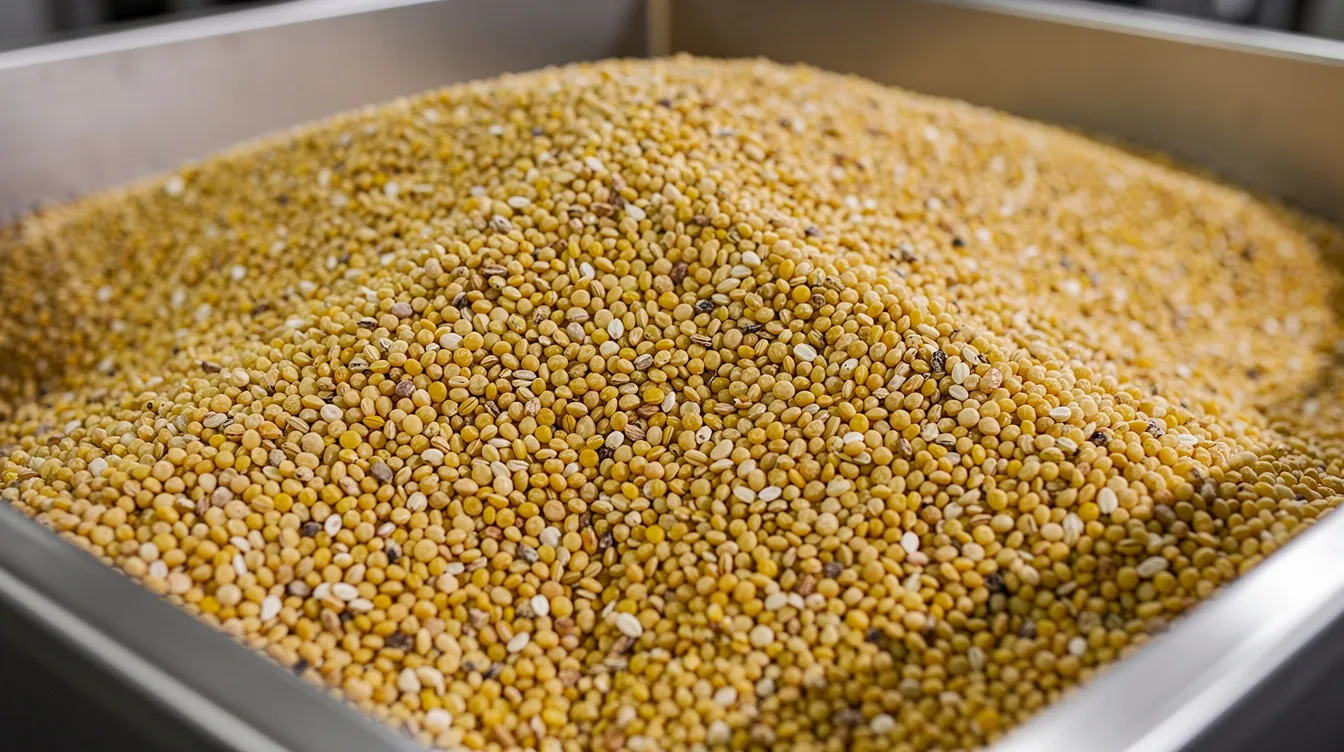
Raw Material: Yellow peas (Pisum sativum), also processed as yellow split peas, serve as the primary raw material. In India, both domestic production and imports (primarily from Canada) are relevant. Feedstock specifications that matter include protein content in whole peas (typically 23–25%), moisture preferably below 12%, minimal foreign matter and pesticide residues, and non-GM status for clean-label or export markets.
Nutritional Properties: Pea protein contains all nine essential amino acids, making it a high quality protein source for human nutrition. It contains 18 essential amino acids in total and is rich in lysine, supporting immune health. The amino acid profile compares favourably with soy protein and soybean protein for many food applications. Pea protein is cholesterol-free and low in fat, hypoallergenic and suitable for sensitive diets-including those avoiding animal derived proteins and animal protein. Regular intake of pea protein may reduce cardiovascular disease risk, can help lower total cholesterol levels and helps suppress postprandial glycemia, making it relevant for functional foods and health-oriented formulations.
Quality Parameters for Commercial Product Specifications:
- Protein content (dry basis), moisture, ash, fat content
- Colour (lightness/whiteness), flavour profile and off-note control
- Particle size distribution, bulk density, flowability
- Microbiological limits (TPC, yeast & mould, E. coli, Salmonella)
- Allergen and gluten-free declarations
Functional Properties: Pea protein has excellent emulsifying properties and exhibits high water holding capacity of 2.7 g/g, comparable to or exceeding many other plant proteins. Its water binding capacity makes it particularly useful in bakery, meat-analogue and extruded snack applications. Pea protein can form stable gels under heat treatment and has a protein solubility of about 80% at optimal pH. These functional properties, along with emulsion stability and protein functionality, make it a versatile functional component in formulations. Each functional component aims to deliver specific textural, nutritional or processing benefits in the finished food product.
Dry-fractionated concentrates tend to retain more native protein structure compared to wet-processed protein isolates, which often exhibit greater denaturation during extraction and drying. This preservation of protein molecules in their native state can improve solubility and dispersibility performance.
Concentrate versus Isolate-Key Differences:
- Protein percentage: Concentrate ~55–70%; isolate ~80–90%
- Process: Concentrate via dry milling + air classification; to obtain pea protein isolate requires wet extraction, isoelectric precipitation, filtration and spray drying
- Capex intensity: Concentrate plants need significantly lower capital investment
- Energy and water: Dry fractionation uses approximately 5-fold less water than wet extraction
- Effluent: Negligible for dry fractionation; wet processes require effluent treatment
- Applications: Concentrate suits bakery, snacks, protein enrichment; isolate targets high-purity applications such as dairy alternatives and sports nutrition powders
For promoters specifically evaluating high-purity isolate concentrate production or comparing both routes, the Pea Protein Isolate Manufacturing Plant Project Report & DPR provides a detailed parallel assessment.
Concentrates are often preferred where cost per kg of protein, a clean-label image (chemical-free process of pea protein production) and lower processing complexity offer commercial advantages-particularly in the plant based protein range used for bakery enrichment, snack protein boosting and new pea protein product development.
Pea Protein Concentrate Manufacturing Process
The pea protein concentrate manufacturing process described here focuses on dry fractionation using air classification-a capital-efficient, chemical-free approach that avoids complex wet extraction and effluent treatment. This is the most practical route for concentrate production in Indian MSME and medium-scale setups.
Raw Material Sourcing and Inspection: Procurement of food-grade yellow peas begins with lot-wise inspection covering protein content, moisture, foreign matter and pesticide residues. Sourcing strategies for yellow peas should consider seasonal availability and supplier assurance. Establishing supplier quality agreements with clear rejection criteria is essential. The first step in processing is cleaning and grinding peas to prepare them for fractionation.
Cleaning and Grading: Equipment such as pre-cleaners, destoners, aspirators and magnetic separators removes stones, dust, metals and undersized grains. This step directly improves downstream yield, food safety and final product quality.
Dehulling and Splitting: Mechanical dehullers or abrasion-impact systems remove seed coats (hull). Research confirms that effective dehulling improves protein concentration in the final product, lightens colour and enhances functional properties of the extracted protein fraction.
Controlled Milling: Dehulled splits are milled to produce a fine pea flour with a specific particle-size range suitable for air classification. Common equipment includes pin mills or hammer mills with classifier wheels. The milling intensity must be carefully calibrated-too coarse leaves protein bodies attached to starch granules, while excessive milling damages starch and reduces flowability, affecting protein purity downstream. This is a critical unit operations involved in plant protein production. Entrepreneurs evaluating upstream pulse flour processing may also find the Masoor & Pea Flour Manufacturing Project Report useful as a related reference.
Dry Fractionation and Air Classification: The milled flour enters an air classifier, where differences in particle size and density separate a fine protein fraction (protein-rich) from a coarser starch and fibre fraction. Under optimised conditions, the protein-rich fine fraction can achieve 51–55% protein content with mass yields of approximately 30–45% of the input flour and protein recovery of up to 77%. The coarse fraction, rich in pea starch and fibre, represents a valuable by-product for cattle feed, starch extraction or industrial uses.
Protein-Rich Fraction Recovery and Blending: Recovered fines are stored in intermediate silos or bins. Blending of different lots ensures consistent protein content across batches. In-line testing of protein percentage and moisture is critical for meeting quality assurance criteria and customer specifications.
Sieving, Metal Detection and Conditioning: The blended product passes through vibrating sifters, metal detectors and conditioning steps to achieve the required particle size, flowability and food-safety standards. Plant layout design must comply with food safety standards and hygienic zoning requirements throughout these production processes.
Packaging: Finished pea protein powder is packed in multiwall paper bags with liners, food-grade HDPE bags or bulk bags (FIBCs), typically in 25–50 kg packs for B2B supply.
Alternative Wet-Processing Routes: For reference, dry and wet fractionation are common methods for extracting pea protein. Wet extraction separates protein from starch and fibre using pH adjustment-alkaline extraction achieves up to 80% protein yield but involves chemical reagents, significant water usage and effluent treatment obligations. Salt extraction operates at neutral pH levels between 5.5 and 6.5, offering a milder alternative. Ultrafiltration improves extraction efficiency by removing small soluble compounds. Mild fractionation combines dry and wet methods for protein isolation, producing intermediate-purity products. In wet processes, the protein solution is purified and concentrated before drying, typically via spray drying. These approaches increase capex and environmental compliance requirements and therefore demand separate feasibility evaluation. Extraction and processing methods affect protein purity levels in pea protein production, and effluent treatment is crucial for managing wastewater generated in wet pea protein processes.
Detailed Process Flow:
Yellow peas → Cleaning & grading → Dehulling → Splitting → Milling to flour → Air classification → Protein-rich fraction collection → Sieving & metal detection → Blending → Packaging → Dispatch
This detailed process flow represents the core production processes for dry-fractionated pea protein concentrate. Each stage requires calibration of equipment parameters to optimise protein recovery while maintaining product quality and consistency.
Pea Protein Concentrate Plant Machinery
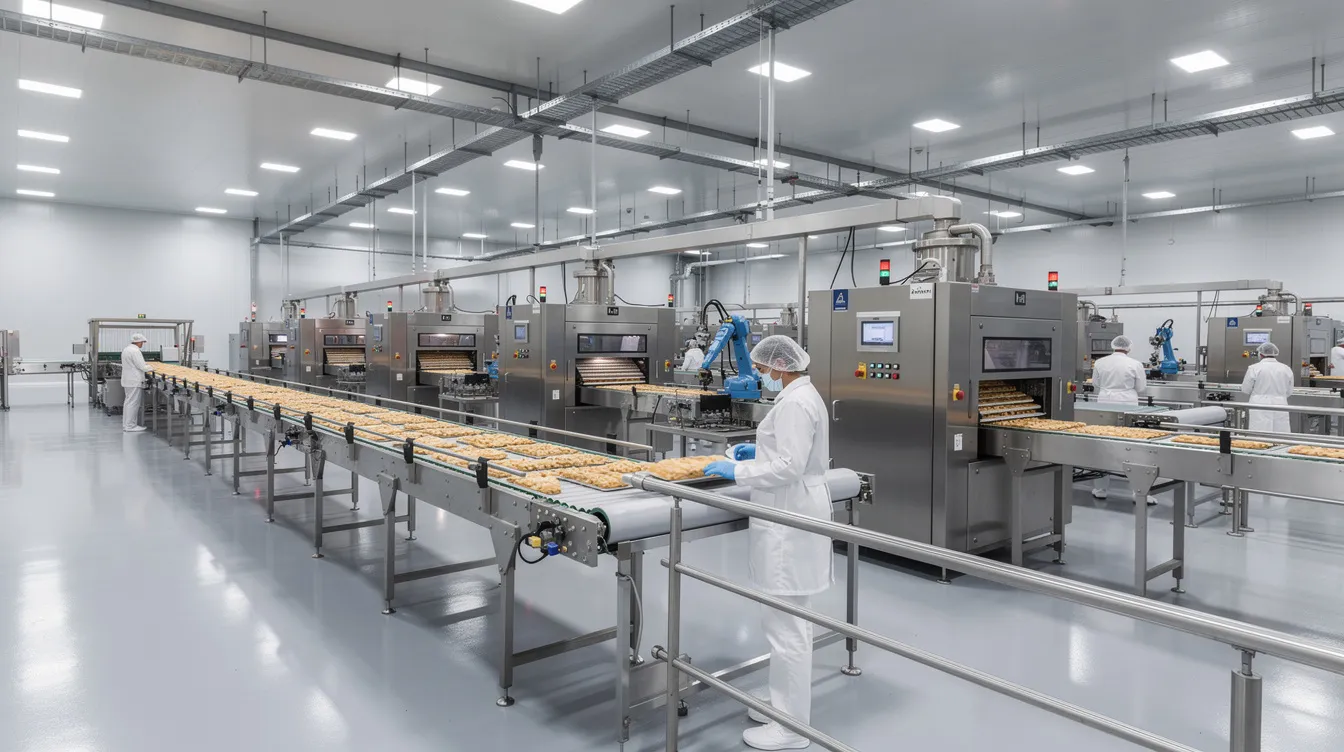
Selecting the right pea protein concentrate plant machinery is central to both process efficiency and total capital investment. The following table outlines core equipment for a dry-fractionation pea protein concentrate plant. Detailed technical requirements for production include machinery specifications and operational capacity matched to targeted throughput.
| Machinery Name | Functional Purpose | Indicative Capacity Considerations | Automation Level | Key Selection Factors |
|---|---|---|---|---|
| Raw material intake & storage | Receiving, cleaning storage of peas | Sized for 7–15 days buffer stock | Manual to semi-auto | Ventilation, moisture control |
| Pre-cleaner | Removal of dust, loose husks | Match with feed TPH | Semi-auto | Aspiration efficiency |
| Destoner | Stone and heavy-impurity removal | Match with feed TPH | Semi-auto | Adjustable deck angle |
| Magnetic separator | Ferrous metal removal | In-line with conveyor | Automatic | Gauss strength, cleaning ease |
| Dehuller | Seed-coat removal | Matched to pea throughput | Semi-auto | Hull-removal efficiency, minimal breakage |
| Splitter | Splitting dehulled peas | Optional, matched capacity | Semi-auto | Uniform split size |
| Bucket elevators & conveyors | Material transfer between stages | Matched to line capacity | Auto/semi-auto | Food-grade construction, cleanability |
| Milling system (pin/hammer mill) | Grinding to target particle size | 0.5–10 TPH depending on scale | Auto with classifier wheel | Avoiding overheating/denaturing protein |
| Air classifier | Separating fine protein fraction from coarse starch/fibre | 1–10+ TPH; 10 TPH systems priced ~₹35 lakh | Auto | Cut-point flexibility, separation precision |
| Cyclones | Fine-particle recovery | Matched to classifier | Auto | Collection efficiency |
| Dust collection / bag filters | Controlling airborne dust | Plant-wide coverage | Auto | Compliance, safety |
| Sieving / vibrating sifter | Final particle-size control | Matched to output | Semi-auto | Mesh size, cleanability |
| Pneumatic conveying | Enclosed powder transfer | Matched to throughput | Auto | Avoiding product degradation |
| Intermediate silos | Batch storage of fractions | Multiple silos for blending | Semi-auto | Hygiene, discharge ease |
| Blending / ribbon mixer | Homogenising protein content | 500 kg–5 tonne batches | Semi-auto to auto | Mixing uniformity |
| Weighing & bagging machine | Filling bags to target weight | 25–50 kg bags | Auto | Accuracy, speed |
| Bag sewing / sealing | Closing packed bags | In-line with bagger | Auto | Seal integrity |
| Metal detector | Final safety check | In-line | Auto | Sensitivity, rejection mechanism |
| Laboratory equipment | QC testing (protein, moisture, micro) | Per-batch testing | Manual | Kjeldahl/NIR, moisture analysers |
Key observations for promoters:
- Capacity selection must align with targeted pea throughput (in tonnes per day of raw peas) and desired protein-rich output. A mismatch between mill capacity and classifier capacity will create bottlenecks.
- Machinery costs are the largest portion of capital expenditure, often accounting for 40–55% of total project cost. Machinery costs account for the largest portion of capital expenditure in most food-processing projects.
- Higher automation improves consistency of protein recovery and reduces per-kg labour cost but increases initial plant and machinery expenditure.
- Imported air classifiers and high-precision milling systems may be evaluated alongside indigenous options, and this choice can significantly influence the pea protein concentrate plant cost in India.
- Proximity to raw material sources is important for site selection of manufacturing facilities, reducing inbound logistics cost and enabling fresher raw material.
Plant Capacity and Production Planning
Entrepreneurs typically choose installed capacity based on market commitments, raw-material access and funding strength. Common scales include:
- Small-scale / pilot-commercial: 1–5 TPD raw pea input
- Medium-scale MSME: 5–25 TPD raw pea input
- Large industrial / integrated: 25–100+ TPD raw pea input
It is essential to distinguish between input capacity (tonnes of peas per day) and output of pea protein concentrate (tonnes per day). In dry fractionation, mass yield of the protein-rich fine fraction is typically 30–45% of the flour weight. For every tonne of cleaned, dehulled peas entering the mill, the plant may produce approximately 300–450 kg of concentrate, depending on dehulling efficiency, milling calibration and classifier performance. Each day spent pea processing must account for these yield realities in production planning.
Production capacity planning should account for operational efficiency and resource requirements. Banks typically model a ramp-up trajectory: 50–60% capacity utilisation in year 1, rising gradually to a stabilised 80–85% by year 3 or 4. Initial years involve market development, production stabilisation, employee training and quality qualification with buyers.
Operating shifts (single, double or continuous), planned maintenance downtime and annual working days (typically 300–330 days) directly affect projected production volume and cost per kg. A plant operating at lower utilisation in initial years will carry higher per-kg fixed costs.
Detailed production planning in the DPR should map monthly raw material requirements, expected protein concentrate output and by-product volumes, synchronised with storage capacity, logistics arrangements and sales contracts.
Pea Protein Concentrate Plant Cost in India
This section provides an indicative cost-structure framework for pea protein concentrate plant cost in India, not a quotation. Specific numbers are illustrative and based on an assumed mid-sized plant (approximately 10–15 TPD raw pea input). Capital investment for pea protein plants is significant and varies substantially with location, technology and scale.
Indicative Investment Structure (Mid-Sized Plant – Illustrative Only):
| Cost Head | Indicative Range (₹ Lakhs) | Notes |
|---|---|---|
| Land & site development | 25–80 | Varies widely by state and industrial zone |
| Factory building & civil works | 40–90 | Production hall, storage, utilities |
| Plant & machinery (indigenous) | 80–160 | Cleaning, milling, air classifier, conveyors, packing |
| Electrical installation & panels | 10–25 | Power distribution, control systems |
| Utilities & dust extraction | 10–20 | Compressors, DG set, bag filters, ventilation |
| Storage systems | 10–20 | Silos, finished goods godown |
| Laboratory & QC equipment | 5–10 | Protein testing, moisture, micro labs |
| Furniture & office | 3–5 | Admin area |
| Preliminary & pre-operative expenses | 8–15 | Incorporation, professional fees, trial runs, interest during construction |
| Contingency (5–10%) | 10–25 | Buffer for cost overruns |
| Working capital margin | 20–50 | Inventory, receivables, operating expenses |
| Total project investment | ~220–500 | Depends on scale, location, technology |
The total capital investment figures above are illustrative; published MSME-scale estimates from industry sources suggest ₹1.5–2.5 crore for concentrate plants at pilot to small-commercial scale.
Key points that affect project cost:
- Land cost varies by state, industrial area classification and proximity to markets or ports. DPRs must use location-specific benchmarks.
- Plant and machinery typically represents the largest component of fixed capital, especially with high-efficiency air classifiers and advanced mills.
- Pre-operative expenses should cover professional fees (architect, consultant, CA), interest during construction, trial-run expenses and statutory charges.
- Working capital margin can be substantial because of raw material inventory (seasonal yellow pea procurement), finished pea protein powder stock, by-products awaiting sale and receivables from B2B customers. Banks commonly require a specified percentage of working capital as promoter-funded margin.
Raw Materials, Utilities and Manpower
Yellow Pea Procurement: Domestic yellow pea prices range around ₹40–60 per kg depending on season, grade and quality. Imported peas carry additional CIF cost, import duty and inland transport. Raw material requirements must be planned around seasonal arrivals, and a combination of contract and spot purchases helps manage price risk. Raw material costs represent the single largest variable expense in pea protein manufacturing. Procurement specifications should cover protein content (minimum 23%), moisture (below 12%), foreign matter and pesticide residue limits.
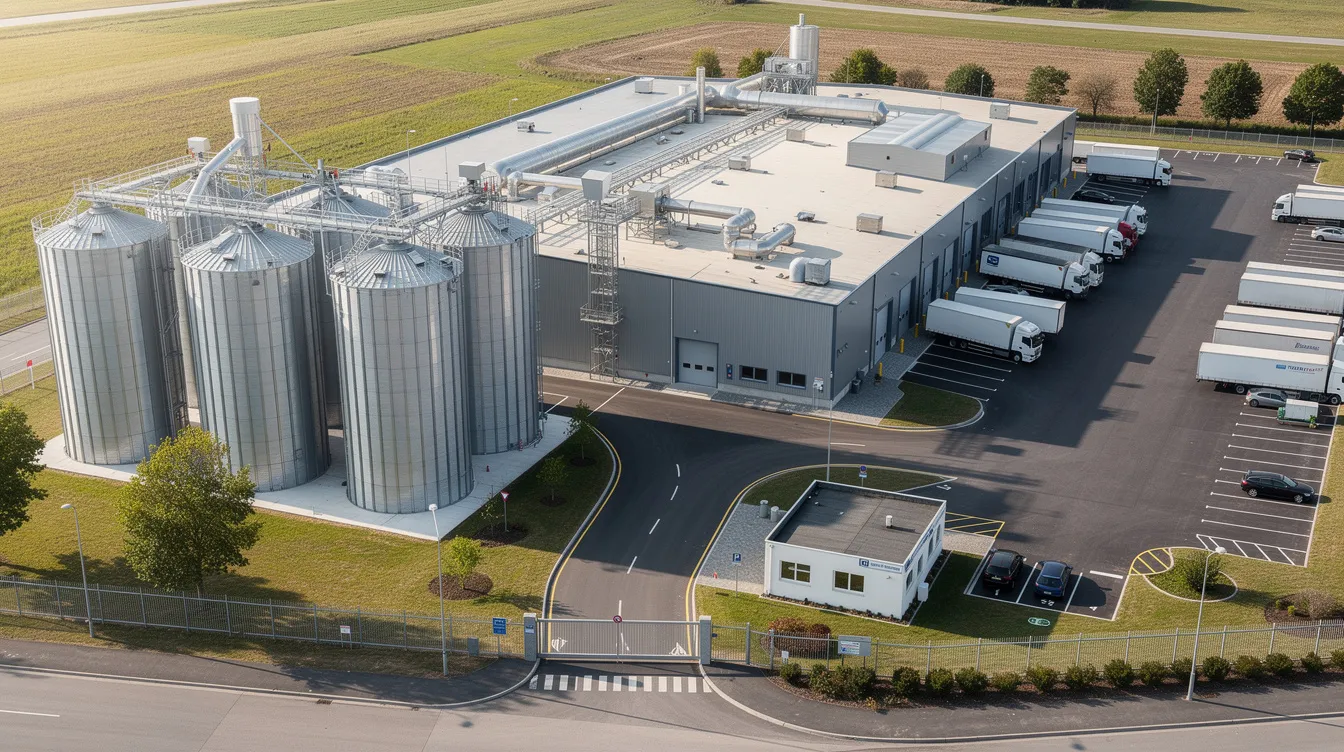
Storage: Silos or warehouses with proper ventilation, fumigation protocols and stock rotation are essential. Yellow peas are susceptible to moisture damage and infestation, and spoilage directly impacts both yield and product quality.
Utilities: The primary utility load is electrical-powering mills, air classifiers, conveyors and dust-collection systems. A DG set is recommended for power-backup in areas with unreliable supply. Water requirements for dry fractionation are modest, limited mainly to cleaning, sanitation and boiler operations if steam systems are used, in sharp contrast to wet extraction plants.
Manpower: A typical mid-scale plant requires a plant manager, production supervisor, QC chemist, machine operators, helpers, maintenance fitters, storekeeper, accounts personnel and logistics coordinators. Trained operators are critical for consistent protein recovery-classifier settings, mill calibration and moisture management require skill and experience.
Packaging Materials: Food-grade multiwall bags, HDPE liners, labels and pallets are needed. Packaging cost per kg must be captured in the production cost sheet.
Logistics: Inbound pea transport from farms, mandis or ports, plus outbound shipment of pea protein concentrate and by-products (starch/fibre fractions) to B2B customers. Temperature- and moisture-controlled storage is required rather than a full cold chain.
Production Cost Per Kg and Profitability
Profitability in pea protein manufacturing depends on a chain of interconnected variables: raw pea price, protein-rich fraction yield, by-product realisation, energy consumption, labour productivity and the selling price achieved through buyer contracts. Financial models should include sensitivity analysis to account for changes in raw material prices-this is non-negotiable in any serious DPR.
Step-wise Cost Methodology:
- Start from per-tonne landed cost of yellow peas
- Apply realistic yield assumptions for concentrate and by-products
- Allocate conversion costs (power, labour, repairs, overheads) per kg of concentrate output
- Account for by-product credits
Formula:
Raw material cost per kg of concentrate = (Cost per tonne of peas ÷ Effective kg of concentrate recovered per tonne) – Net credit from by-products per kg
Illustrative Cost-Structure Breakdown (assumptions disclosed):
| Cost Element | Approximate % of Total |
|---|---|
| Raw materials (net of by-product credits) | 55–65% |
| Power & fuel | 8–12% |
| Wages & salaries | 5–8% |
| Repairs & maintenance | 2–3% |
| Packing materials | 3–5% |
| Manufacturing overheads | 3–5% |
| Administrative expenses | 2–4% |
| Selling & distribution | 3–5% |
Contribution Margin:
Contribution per kg = Net selling price per kg – Variable cost per kg
This is central for break even pea protein analysis and sensitivity testing. Domestic selling prices for concentrate (B2B) are typically in the range of ₹150–250 per kg depending on protein content, functionality grade, packaging and certifications. Commodity-grade concentrate sold to bulk processors will command lower margins than specialty high-functionality grades with quality assurance criteria that meet premium buyer standards.
Operating costs increase significantly by the fifth year as maintenance, replacement costs and scale-related expenses accumulate, which must be modelled in long-term projections. Projected cash flow and return on investment are essential components of financial viability studies.
Promoters should not rely on overly optimistic price assumptions without indicative buyer discussions and should model downside scenarios explicitly.
Financial Projections, CMA Data and DSCR
Banks in India typically expect 5–7 years of financial projections as part of a bankable pea protein concentrate manufacturing project report, along with CMA Data formats for working-capital assessment.
Core Financial Statements to Be Projected:
- Year-wise Profit & Loss Account
- Projected Balance Sheet
- Cash-Flow Statement
- Term-loan repayment schedule
CMA Data summaries include gross current assets, current liabilities, working-capital gap, bank borrowing, margin money, inventory holding norms and receivable/payable cycles-all adjusted to the specific operating model of the plant.
Debt Service Coverage Ratio (DSCR):
DSCR = (Net Profit After Tax + Depreciation + Interest on Term Loan) ÷ (Principal Repayment + Interest on Term Loan)
Lenders generally prefer average DSCR comfortably above 1.5 over the loan tenor, though requirements vary by bank and risk profile.
Break-Even Analysis: Using fixed costs (depreciation, interest, overheads) and contribution margin per kg, the DPR should compute how many tonnes per year of pea protein concentrate must be sold to reach operating break-even. Financial projections for pea protein ventures typically include break-even analysis and profitability outlook as core elements.
Sensitivity Analysis: The DPR must model downside scenarios-higher raw-pea prices (20–30% increase), lower protein yield, slower capacity ramp-up or lower selling price-showing how each variable affects DSCR and cash flow. A project that remains viable under moderate stress is far more convincing to lenders than one that works only under optimistic assumptions.
CMA Data and projections are decision-support tools and not guarantees of performance. They need to be updated periodically as actual operating data becomes available.
Feasibility Study, ROI, IRR and Project Viability
A comprehensive feasibility study for a pea protein concentrate plant must integrate market, technical and financial assessments before committing capex.
Market Feasibility: Market analysis for pea protein should include demand assessment and competitive landscape evaluation. This involves mapping domestic competitors, import pricing benchmarks, alternative plant protein sources (soy protein, wheat protein, other pulse proteins) and buyer feedback on desired specifications and volumes. Market assessment should identify potential customer segments and competitive products. A structured SWOT analysis helps identify strengths, weaknesses, opportunities and threats specific to the promoter’s situation.
Technical Feasibility: Evaluation of manufacturing process routes (dry versus wet fractionation), availability of skilled operators, reliability of machinery suppliers, and ability to meet food industry quality standards consistently. Quality control and food safety standards are essential in the manufacturing of food ingredients and must be achievable with the chosen technology.
Raw-Material Feasibility: Access to adequate volumes of suitable yellow peas at economically viable prices, supply-chain risks from climatic variation, import-policy changes and potential for long-term procurement contracts. A sustainable protein supply chain is fundamental to project success.
Financial Feasibility Metrics:
- Project IRR (internal rate of return)
- Equity IRR
- Payback period (often 3–4 years under favourable conditions for mid-scale plants)
- NPV at appropriate discount rate
- Minimum acceptable ROI
These metrics are sensitive to assumptions and must not be overstated. Promoters evaluating integrated setups where by-product economics (starch- and fibre-rich fractions) create additional revenue streams should model those benefits explicitly.
The DPR must include downside-case analyses testing viability under adverse combinations of raw-material price, selling price and utilisation-not just a single optimistic base case.
Licences, Registration and Regulatory Compliance
Statutory requirements vary by state, industrial zone, plant capacity and whether exports are planned. The following outlines typical requirements:
Business Registrations: Company or LLP incorporation, PAN, TAN, GST registration, Udyam registration for MSME (if applicable), factory registration under state Factories Act provisions.
Food Safety Compliance: FSSAI Central or State licence depending on turnover and capacity. Implementation of HACCP, ISO 22000 or FSSC 22000 systems as per buyer requirements. For export of organic pea protein powder or specialty grades, additional certifications (Halal, Kosher, Organic, Non-GM) may be needed.
Environmental Clearances: Pollution Control Board consents to establish and operate, covering air emissions (primarily dust from milling and classification), noise and solid waste (packaging waste, hulls, rejects). Environmental compliance includes obtaining regulatory approvals and managing waste by-products. Environmental management practices must assess wastewater treatment and solid waste disposal strategies, even though dry fractionation generates limited liquid effluent.
Other Approvals: Fire-safety NOC, building-plan approvals, electrical safety certificates and boiler/pressure-vessel licences if steam systems are installed.
Labour Compliance: Employee Provident Fund (EPF), Employee State Insurance (ESI) registrations and compliance with wage and safety regulations for factory workers.
Promoters should verify the latest compliance list with local authorities or professional advisors at the project-planning stage to avoid delays in term-loan disbursement and plant commissioning.
Government Schemes, Subsidies and Bank Finance
Schemes and subsidies change over time and vary by state. The following discusses broad categories rather than asserting specific subsidies as currently available without checking applicable notifications.
Pea protein concentrate plants may qualify under food-processing or agro-based industry categories, potentially enabling eligibility for capital subsidies, interest subsidies, power-tariff concessions, stamp-duty relief or SGST refunds under applicable central or state programmes, subject to compliance with conditions and caps. Schemes such as PMFME and state industrial-policy incentives have historically supported small food-processing enterprises.
Typical Bank-Finance Structure:
- Term loan: For plant and machinery and civil work-often 60–75% of project cost depending on collateral and promoter strength
- Working capital limits: Cash credit, WCDL, bill discounting for stock and receivables
- Promoter contribution: Typically 25–40% of total project cost, including margin money for working capital
Banks evaluate proposals based on promoter background and equity contribution, quality of DPR and CMA Data, projected DSCR, security cover, risk mitigation (supply and offtake arrangements) and adherence to regulatory norms. Priority-sector lending norms may apply for agro-processing and food-processing loans within specified exposure limits.
Entrepreneurs should not base investment decisions purely on expected subsidy; they should ensure the project remains viable on pure commercial merits, with subsidies treated as additional upside. Early engagement with banks helps understand internal lending policies for agro and food-processing projects, especially for first-time entrepreneurs.
Major Risks and Commercial Challenges
Risk analysis is a critical component of a professional pea protein concentrate plant DPR and must be addressed honestly for promoters and lenders.
Raw-Material Risks: Volatility in yellow pea prices, crop failure in domestic or exporting countries, currency risk on imports and quality variability affecting protein yield. Plant-based proteins are experiencing growth driven by dietary preferences and market trends, but raw-material supply is not immune to disruption.
Process and Quality Risks: Lower-than-expected protein concentration, inconsistent particle size, contamination incidents and failure to meet strict buyer specifications leading to product downgrading. Pea protein powder manufacturing requires advanced extraction technologies and consistent calibration to maintain acceptable protein recovery.
Market and Customer Risks: Overdependence on a few buyers, delays in qualifying as an approved supplier for large food-processing companies, price pressure from competing plant protein sources. Competitors offering soy protein, wheat protein or other high quality protein options may undercut pricing.
Operational Risks: Capacity underutilisation due to weaker-than-expected demand, breakdown of critical equipment (air classifier, mills), difficulties in recruiting and retaining trained operators.
Financial and Liquidity Risks: Higher-than-budgeted project cost, delays in achieving break-even, stretched receivables from B2B customers and interest-rate movements affecting debt servicing.
Mitigation Measures to Include in the DPR:
- Multi-sourcing of yellow peas (domestic and import)
- Diversified customer portfolio across food industry segments
- Preventive-maintenance contracts for critical machinery
- Robust quality systems and batch-level traceability
- Conservative financial assumptions with stress-tested scenarios
Why a Professional DPR Is Important
Pea protein manufacturing is technically specialised and capital-intensive enough that lenders and investors expect a detailed, customised DPR rather than generic project profiles or downloaded templates.
A professionally prepared pea protein concentrate manufacturing project report covers the full scope: technical configuration of the dry-fractionation line, plant layout, utilities specification, realistic cost estimates, capacity and yield assumptions, manpower planning and a phased implementation schedule.
The financial-analysis depth includes project cost and means of finance, projected profitability, cash flows, DSCR, break-even analysis, sensitivity tests, working-capital calculations and ratio analysis-all tailored to the promoter’s specific structure and location.
A CA-led advisory practice such as Project Report Bank integrates banking norms, CMA Data requirements, tax considerations and regulatory compliance into a single coherent DPR that bankers can evaluate efficiently. The DPR equally serves the promoter: it helps test commercial viability before committing major capital, compare alternative protein extraction routes (concentrate versus isolate versus integrated plants) and plan promoter contribution and funding strategy pragmatically.
Project Report Bank also prepares investor-ready DPRs and financial models that can be adapted both for bank term loans and for equity or investor discussions-critical for entrepreneurs exploring multiple funding avenues for their pea protein concentrate plant DPR and feasibility assessment.
Frequently Asked Questions
What is the minimum viable plant capacity for commercial pea protein concentrate production in India?
A small-scale commercial unit processing 3–5 TPD of raw peas can be viable for regional market development, though production cost per kg will be higher due to lower economies of scale. Medium-scale plants processing 10–25 TPD offer better cost efficiency and are more attractive for bank finance. The right scale depends on confirmed or anticipated offtake, raw-material access and promoter capital availability.
How does pea protein concentrate differ from pea protein isolate in terms of investment and process?
Concentrate production via dry fractionation is simpler, requires lower capex (indicatively ₹1.5–2.5 crore at MSME scale versus ₹3–5 crore or more for isolate plants), uses minimal water and generates negligible effluent. Isolate production requires wet extraction, acid precipitation, membrane filtration and spray drying equipment. The customer base differs: concentrate serves bakery, snacks and protein-enrichment applications, while isolate targets higher-purity needs such as protein solution for dairy alternatives, plant based protein supplement formulations and specialised sports nutrition products like protein shakes and yellow pea protein powder supplements.
What land area is typically required, and are heavy water-treatment facilities needed?
For a mid-scale dry-fractionation plant, approximately 1,000–3,000 sq. metres of covered area may be required, plus open area for raw-material storage, dispatch and utilities. Since dry fractionation is a chemical-free method, heavy water-treatment facilities are not required. Basic effluent management for sanitation water and dust-control washdown is generally sufficient, with environmental compliance focused primarily on air emissions and solid waste.
What protein recovery should be expected, and what influences it?
Under optimised milling and air classification, protein recovery of 70–77% of the feedstock protein into the fine fraction is achievable, with the concentrate fraction containing 51–60% protein. However, actual recovery depends on raw-pea protein content, dehulling efficiency, milling intensity, classifier settings and maintenance. Promoters should not assume fixed yields as universal benchmarks-DPR-specific yield testing or equipment-supplier guarantees are recommended.
How long does it typically take to commission a pea protein concentrate plant?
From DPR preparation to commercial production, the timeline is typically 12–18 months, covering phases such as DPR and loan application (2–4 months), loan sanction and disbursement (2–4 months), civil construction and equipment procurement (4–8 months), installation, trial runs and product qualification with initial B2B buyers (2–4 months). Delays in any phase can extend the timeline.
Are banks comfortable funding first-time food-processing entrepreneurs for this segment?
Banks will evaluate first-time promoters more carefully, often requiring higher collateral coverage, a co-promoter with relevant experience, prior industry exposure (even in adjacent sectors like pulse processing or flour milling) and a well-prepared DPR with conservative assumptions. Demonstrated buyer interest or preliminary supply agreements strengthen the proposal. A professionally prepared bankable DPR with CMA Data and realistic DSCR projections significantly improves the chances of loan approval.
What certifications are needed for export of plant-based protein ingredients?
Beyond FSSAI, exporters typically need FSSC 22000 or ISO 22000 certification, HACCP implementation, and possibly Halal, Kosher, Organic or Non-GM certifications depending on the target market. EU markets may require compliance with specific contaminant limits and labelling standards. These certifications add cost and lead time but open access to premium pricing and a broader plant based protein range of buyers globally.
What happens to the by-products from dry fractionation?
The coarser starch- and fibre-rich fraction (55–70% of the flour input) can be sold as cattle feed, used for industrial starch applications or further processed for value addition. By-product realisation materially affects gross margins-promoters who ignore or undervalue this stream risk overstating project profitability. Integrated processing approaches that recover pea starch and fibre as distinct products can improve overall project economics substantially.
Can production capacity be expanded later without rebuilding the plant?
Modular expansion is possible if the initial plant layout and electrical infrastructure are designed with expansion in mind. Adding a second milling-classification line, for example, can approximately double throughput within the same facility if utilities, storage and dispatch infrastructure support the additional volume. DPR preparation should flag potential expansion pathways and associated incremental costs.
Conclusion and Professional Advisory
Pea protein concentrate manufacturing aligns well with long-term trends in sustainable protein consumption, driven by the rising demand for plant based proteins, clean-label food ingredients and high quality protein options for health-conscious consumers. However, project success depends on disciplined technical design, accurate cost estimation, reliable raw-material supply, assured B2B markets and conservative financial planning.
Dry-fractionation-based concentrate plants offer a balanced combination of manageable investment levels, environmental sustainability (low water use, minimal effluent) and commercial flexibility. They represent a practical entry point for Indian entrepreneurs entering the plant protein production space, whether as standalone facilities or as part of larger Pulse Dal Mill or integrated pulse-processing operations.
Serious entrepreneurs should base their investment decision on a customised pea protein concentrate plant DPR and feasibility study rather than generic templates. Assumptions around capacity utilisation, raw-material prices, protein yields and selling prices must be tailored to the promoter’s specific situation, location and market access.
Entrepreneurs and project promoters evaluating pea protein concentrate or related plant protein production projects are invited to contact Project Report Bank for customised Detailed Project Reports, CMA Data, financial projections, feasibility studies and project-finance advisory. Enquiries can be initiated via WhatsApp and contact options available on www.projectreportbank.com.
CA Manish Gugliya, FCA, DISA (ICAI) Practising Chartered Accountant since 2006 | Proprietor, CA Manish Gugliya & Company, Ratlam, Madhya Pradesh Specialising in DPR preparation, CMA Data, financial projections, project feasibility, MSME advisory and industrial investment planning.