Key Takeaways
- Pulse protein plants producing concentrates and isolates from peas, chickpeas, mung beans and other pulse crops are commercially attractive due to rising demand for plant based proteins, but they are capital intensive, technically complex and require rigorous feasibility assessment before investment.
- Pulse protein plant feasibility depends on an integrated evaluation of technology choice (dry vs wet fractionation), raw material security, product positioning, market offtake arrangements, environmental compliance and bankability under realistic financial projections.
- Realistic ROI, IRR and DSCR depend on disciplined assumptions about protein recovery yield, by-product realisation from starch and fibre streams, capacity utilisation ramp-up and working capital management – not on optimistic selling prices alone.
- Government subsidies and scheme benefits should be treated as upside scenarios, not as the foundation of a marginally viable project. Banks typically require average DSCR of 1.25 or higher, and scheme-based DPRs often need DSCR above 1.5.
- Project Report Bank, led by CA Manish Gugliya, FCA, DISA (ICAI), supports serious investors with customised DPRs, CMA Data, financial modelling, sensitivity analysis and bank loan advisory specifically tailored for pulse protein manufacturing projects.
Introduction: Why Pulse Protein Plant Feasibility Matters
The global food industry is experiencing a structural shift towards plant proteins. Consumer preference for sustainable protein sources, allergen free alternatives and clean-label functional ingredients has driven significant growth in pulse protein demand across applications including plant based meat, dairy alternatives, sports nutrition, nutritional supplements and functional foods. India, as the world’s largest producer and consumer of pulses, is positioned to become a competitive manufacturing base for pulse protein ingredients.
Yet, the commercial reality is more nuanced than the headline opportunity suggests. Manufacturing pulse protein – whether as a pea protein concentrate, a chickpea protein isolate or an integrated protein–starch–fibre product – requires substantial capital, specialised processing technology, consistent raw material supply, reliable market offtake and carefully structured project finance.
As a practising Chartered Accountant advising manufacturing projects since 2006, I have seen technically sound food processing plants underperform financially because project cost, working capital and repayment schedules were planned on overly optimistic assumptions. Pulse protein plant feasibility is not established by confirming that pea protein can be extracted. It is established by demonstrating that the extraction can be done profitably, consistently and with adequate cash flow to service the proposed investment and debt.
This article provides a structured roadmap covering industry opportunity, technical and financial feasibility, technology comparison, cost framework, profitability drivers, project finance considerations, sensitivity analysis and risk assessment – written from the perspective of preparing a bankable Detailed Project Report for serious investors.
Pulse Protein Manufacturing Industry and Investment Opportunities in India
India produces approximately 27–30 million tonnes of pulses annually across roughly 37 million hectares, with states like Madhya Pradesh, Maharashtra and Rajasthan contributing over 50% of national output. India is the top producer, consumer, and importer of pulses globally, which provides a significant domestic raw material base for protein extraction operations. The Directorate of Pulses Development reports that productivity has been gradually improving, though yield gaps remain across states.
Downstream applications for pulse protein are expanding rapidly. Food manufacturers are incorporating pea protein, chickpea protein and bean protein into plant based burgers, meat analogs, dairy-free beverages, ready to eat meals, nutrition bars, dietary supplements, instant mixes and bakery ingredients. The growing demand for plant based alternatives in both food and beverages segments is being driven by rising consumer demand for health benefits, increasing consumer demand for sustainable production and broader adoption of plant based diets in emerging markets worldwide.
The global pulses market was valued at USD 103.25 billion in 2025, and the global pulse protein market is projected to reach USD 140.23 billion by 2034. The global pulse protein market is expected to grow at 7.30% CAGR by 2031. Peas accounted for 39.4% of the pulse protein market share in 2024, while chickpeas are expected to register the fastest CAGR from 2025 to 2032. The organic pulse protein segment is projected to grow rapidly from 2025 to 2032, driven by consumer demand for organic alternatives.
Competition exists from soy protein, wheat gluten and emerging precision-fermented alternative protein sources. However, pulse proteins are generally hypoallergenic compared to soy or wheat, which provides a differentiation advantage. Buyer qualification for premium segments requires FSSC 22000 or BRC certification, Halal and Kosher compliance, allergen management protocols, consistent quality in amino acid and microbiological profiles, full traceability and sustainability documentation. The pulse protein market is driven by increasing health and wellness awareness.
India is emerging as a competitive supply base, but only plants with clear product positioning, robust offtake strategies and disciplined financial planning will achieve sustainable profitability. Investors considering integrated pulse protein, starch and fibre processing plants should evaluate both the opportunity and the operational complexity involved.
Understanding Pulse Proteins, Amino Acid Composition and Product Types
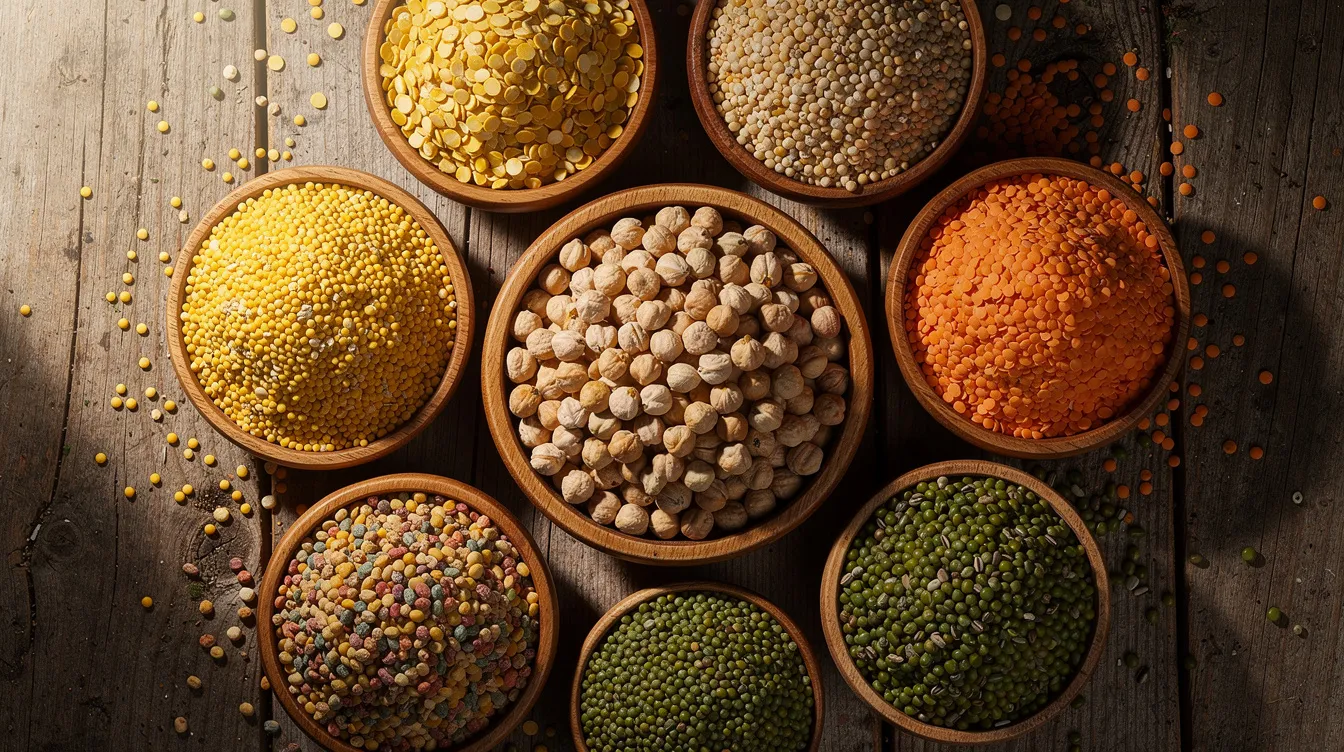
Pulse proteins are proteins extracted from pulse crops such as dry peas, chickpeas, lentils, mung beans, kidney beans, dry beans and faba beans. In native form, pulses contain over 30% protein by weight, are low in fat (typically under 5%), and are rich in dietary fibers aiding digestion. Pulses provide essential vitamins and minerals, especially iron, and contain bioactive phytochemicals with health benefits. They have been linked to reduced cholesterol levels, making them protein rich nutritional powerhouses beyond their protein content alone.
From an amino acid composition perspective, pulse proteins are high in lysine, which complements cereal proteins effectively for formulating complete proteins in food products. However, pulse proteins are often limiting in sulfur-containing essential amino acids such as methionine and cysteine. Understanding this amino acid profile is important for food manufacturers formulating meat substitutes, nutritional supplements and meal replacers that need to deliver essential amino acids in adequate quantities.
Commercial product forms include defatted pulse flour, protein concentrates (typically 55–75% protein), protein isolates (80–90% protein) and specialised hydrolysates. Pulses can be independently processed into various ingredients for food products. The choice of target product – whether a pea protein isolate or a chickpea or mung bean protein concentrate – has direct implications for plant technology, capex, utilities, effluent treatment, market potential and realised selling prices.
The pulse protein market segmentation often tracks source (peas, chickpeas, beans), form (isolates, concentrates, hydrolysates) and end use (food and beverages, infant nutrition, pharmaceuticals). Pulse proteins exhibit strong functional versatility in food applications including emulsification, foaming, gelation and water-binding. However, an investor’s focus should be on which of these segments the proposed plant will realistically serve, because each segment demands different product specifications and certifications.
Pulse Protein Plant Feasibility Study – Key Factors
A comprehensive pulse protein plant feasibility assessment is multidimensional: technical, commercial, financial, environmental and regulatory. A good Pulse Protein Plant Project Report should integrate all these aspects into a coherent analysis rather than treating them in isolation.
Technical feasibility involves evaluating the entire process flow – cleaning, dehulling, milling, dry or wet fractionation, drying, blending and packing – along with required quality parameters including protein percentage on dry basis, moisture limits and microbiological specifications. Wet processing produces high-purity protein isolates with improved solubility, while dry fractionation produces concentrates with retained native functionality. Chemical modifications enhance pulse protein functionalities significantly, physical modifications improve solubility and emulsifying properties of pulse proteins, and enzymatic treatments can enhance the functional properties of pulse proteins further. Non-covalent complexation improves the quality of pulse protein products. The selection of a suitable technology partner with proven references is important.
Raw material availability is a critical feasibility input. Key pulse crops include yellow peas (imported or domestically sourced), chickpeas and pigeon peas from Indian states like Madhya Pradesh, Maharashtra, Rajasthan and Telangana. Seasonality, MSP impact, storage requirements and procurement models (mandi purchases, contract farming, import linkages) all affect delivered cost and consistency. Many pulse varieties are drought-tolerant and rely on natural rainfall for cultivation, which introduces weather-related supply variability.
Technology selection and plant capacity planning require designing capacity (for example, 30–80 TPD pulses input) based on realistic market access, raw material logistics and financial gearing. Over-aggressive capacity relative to the promoter’s market reach can depress capacity utilisation and DSCR in early years. The pulses processing plant capacity can range significantly – some reference plants operate at 50,000 MT annually.
Product recovery and quality deserve particular attention. The material balance from pulses to concentrate or isolate, starch and fibre fractions determines the volume of saleable output. Even 1–2 percentage-point changes in protein recovery yield can materially impact EBITDA and ROI. Pulse proteins have low aqueous solubility due to harsh isolation conditions, and pulses can carry off-flavors that may affect palatability – both factors requiring process optimisation.
Utilities and environmental compliance include power requirement per tonne, steam and thermal load, process water, cooling, compressed air, effluent treatment (particularly for wet plants generating significant wastewater) and solid waste handling. Compliance with CPCB and SPCB norms for environmental consents is mandatory and involves lead times.
A concise feasibility checklist should cover: location suitability, raw material sourcing strategy, technology provider evaluation, target markets and offtake contracts, regulatory approvals, plant and machinery quotations from at least two sources, realistic financial projections with sensitivity analysis, and a clear risk mitigation plan.
Technology Choice: Dry Fractionation vs Wet Fractionation
Dry and wet fractionation are fundamentally different processing technology routes producing different products. Pulse proteins can be concentrated or isolated via wet or dry fractionation. Their economics and feasibility cannot be compared solely on per-kg selling price – the capital structure, operating cost composition, product specifications and target markets differ substantially.
Dry fractionation involves cleaning, dehulling, fine milling and air classification to produce protein concentrates in the range of 50–65% protein. The process requires relatively lower capital investment, minimal water usage and no chemical inputs. Energy consumption is approximately 3.6 MJ per kg of recovered protein, predominantly electrical. Concentrates retain native functional properties but may have earthy flavours and lower purity compared to isolates. Raw or poorly processed pulses can contain compounds that hinder nutrient absorption, which dry processing may not fully address.
Wet fractionation involves slurry preparation, alkaline extraction, pH adjustment, isoelectric precipitation or membrane filtration, washing, neutralisation and spray or drum drying. Wet fractionation yields high-purity protein, generating more wastewater and requiring energy – approximately 54 MJ per kg of recovered protein. Process water consumption can reach 50 kg or more per kg of protein in typical wet fractionation. Wet isolates achieve protein content above 80% with cleaner functional profiles suitable for demanding food applications. However, the infrastructure requirements for effluent treatment, boilers, membrane systems and spray dryers substantially increase both capex and operating cost.
For a more detailed technical discussion, readers may refer to the detailed comparison of dry vs wet pulse protein extraction technologies published separately.
| Parameter | Dry Fractionation | Wet Fractionation |
|---|---|---|
| Protein purity | 50–65% (concentrate) | 80–90% (isolate) |
| Capital intensity | Moderate | High |
| Energy per kg protein | ~3.6 MJ | ~54 MJ |
| Water consumption | Near zero | ~50 kg/kg protein |
| Wastewater/ETP need | Minimal | Significant |
| Product applications | Bakery, snacks, nutrition powders | Plant based meat, beverages, sports nutrition |
| Operating cost drivers | Power, raw material | Raw material, utilities, chemicals |
Recent research on hybrid fractionation (dry + mild wet extraction) shows potential to reduce water consumption per kg of protein by up to 40% compared to standard wet methods, with some trade-off in overall protein recovery.
For many first-time MSME investors, a phased approach – starting with dry-fractionated protein concentrates and later adding wet isolate capability or integrated processing – can be more bankable than immediately committing to a large, fully wet-extraction facility.
Plant Capacity, Machinery and Process Configuration
Plant capacity – whether 25 TPD, 50 TPD or 100 TPD of pulses input – must be matched to the raw material catchment, logistics cost, offtake volume and the promoter’s ability to raise equity and manage bank finance. Production capacity should be a strategic decision, not merely a technical one.
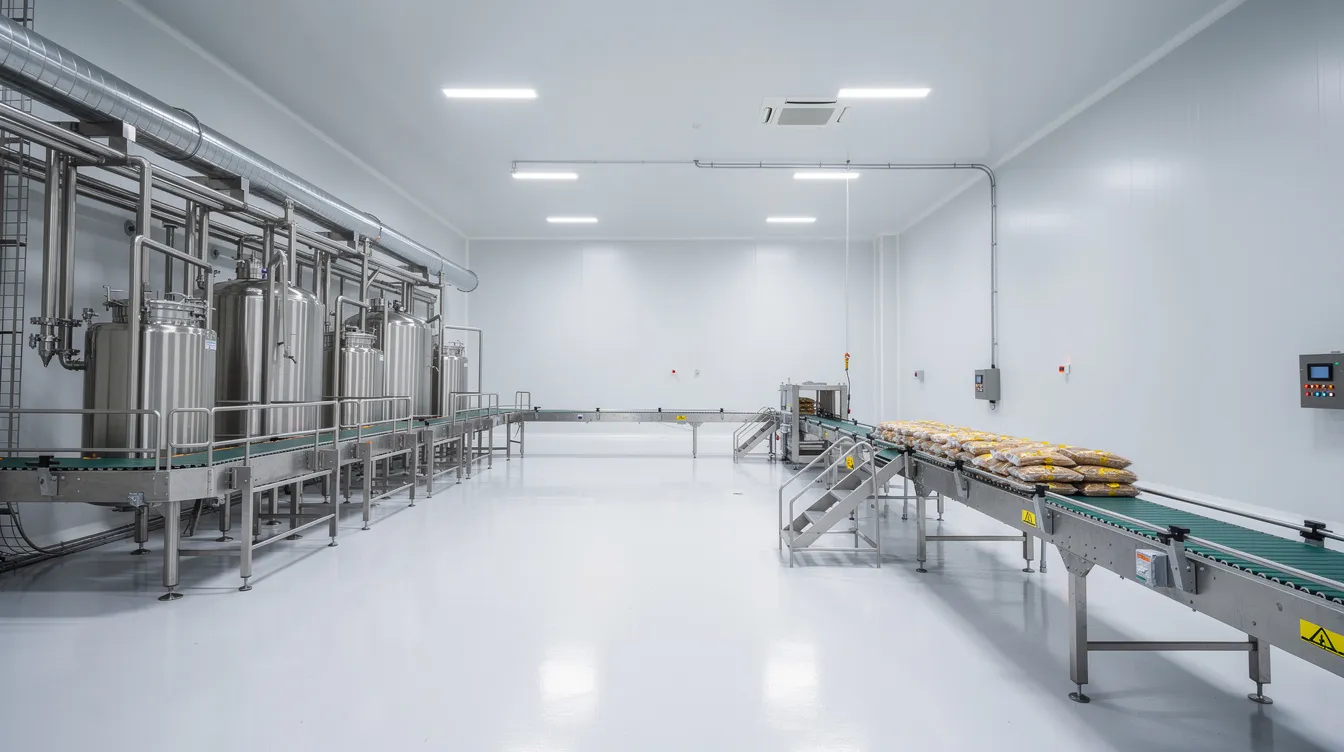
Major machinery groups include cleaning and grading equipment, dehullers, hammer or pin mills, air classifiers, mixers, storage silos, wet processing tanks and reactors (for isolate plants), decanters, centrifugal separators, dryers (flash, spray and fluid bed types), packing machines and laboratory instruments for quality assurance. Automated material handling and well-designed plant layout significantly influence operating efficiency, labour requirements, cross-contamination risk and consistent quality – all critical for export-grade buyers.
Readers seeking detailed equipment lists and process descriptions may refer to the article on pulse protein manufacturing machinery, process and plant capacity. Feasibility analysis should include at least two alternative machinery quotations and scenario analysis for modular expansion versus single-line large plant.
Pulse Protein Manufacturing Plant Project Cost and Investment Structure
Project cost for a medium-scale pulse protein plant comprises multiple components. Promoters sometimes focus mainly on machinery quotations and underestimate the additional expenditure required to make a plant operational.
The main cost heads include:
- Land and land development: purchase or lease, boundary wall, internal roads, drainage
- Factory and utilities buildings: processing hall, warehouse, boiler house, ETP shed, laboratory, administrative block
- Plant and machinery: indigenous and imported equipment for cleaning, milling, fractionation, drying and packing
- Electrical systems: transformer, panel boards, cabling, earthing, standby generator
- Utilities infrastructure: boilers or thermic fluid heaters, water treatment plant, compressed air system, cooling towers
- Effluent treatment plant: particularly significant for wet fractionation facilities
- Furniture, vehicles and miscellaneous fixed assets
- Pre-operative expenses: company formation, design and engineering, technical consultancy, interest during construction, trial-run expenses, statutory fees
- Contingency: typically 5–10% of hard costs depending on project risk profile
- Margin for working capital: initial working capital requirement to commence operations
Actual rupee values must be based on current supplier quotations and local conditions. For integrated protein–starch–fibre plants and wet-isolate units, additional capex for large spray dryers, membrane systems and advanced ETP can significantly increase total project cost. A more granular discussion of cost components is available in the article on pulse protein plant setup cost and investment in India.
Pulses processing plant setup costs include raw materials and utilities as significant recurring components beyond the initial capital outlay.
Working Capital Requirement and Operating Cycle
Working capital represents the funds blocked in raw pulses, consumables, finished goods inventory, receivables and minimum cash balances, net of supplier credit. For pulse protein plants, the working capital cycle has specific characteristics that distinguish it from many other manufacturing projects.
Seasonal bulk procurement of pulses – often immediately after harvest when prices are relatively lower – versus staggered B2B sales through the year can create high inventory requirements. Unless imports or staggered sourcing strategies are adopted, promoters may need to finance 3–6 months of raw material inventory. Pulses are more affordable sources of protein compared to animal-based proteins, but even moderate per-kg costs accumulate rapidly when large seasonal stocks are maintained.
The typical working capital cycle involves: procurement of pulses at harvest, processing lead time of days to weeks depending on technology, finished goods storage pending customer orders, credit terms of 30–90 days to large B2B buyers in the food industry, and limited supplier credit for utilities and packing materials. Aligning cash credit limits and working capital term loans with realistic production ramp-up and credit periods is essential because under-funded working capital can force sub-optimal capacity utilisation and distress sales.
Accurate working capital assessment is a standard part of any professionally prepared Pulse Protein Plant Project Report and directly affects DSCR calculations.
Pulse Protein Manufacturing Cost, Recovery Yield and Profitability Drivers
Raw pulses typically account for the largest share of operating cost – operating costs are driven by raw uncleaned pulses, representing 88–92% of OpEx in basic processing. In protein extraction, while the proportion shifts due to higher utility and chemical costs, raw material remains the dominant variable cost element. Total manufacturing cost per kg of protein product is highly sensitive to both raw pulse purchase price and protein recovery yield.
The material balance concept is fundamental. For every tonne of cleaned pulses processed, the output splits into a protein-rich fraction (concentrate or isolate), starch fraction, fibre and hulls, and process losses. Each plant must prepare a specific material balance based on its chosen technology and target products. For instance, pulses contain over 30% protein and are nutrient-dense, but the recovery percentage after extraction determines the actual volume of saleable protein product. Economic and environmental benefits of pulse protein depend on processing technology selected.
Key operating cost components beyond raw material include: power consumption (kWh per tonne processed), steam or thermal fuel cost, process water, food-grade chemicals and enzymes (for wet plants), labour, spares and maintenance, packing materials, inward and outward freight and quality control expenses.
By-product realisations deserve particular attention. Starch fractions can be sold to noodle, bakery and industrial starch buyers. Fibre and hulls can serve animal feed markets or certain food ingredient applications. In integrated plants, these revenue streams can significantly improve overall project economics. Gross profit margins for pulses processing typically range from 8–12%, but value-added protein extraction can achieve higher margins if by-products are effectively monetised.
A detailed analysis of production economics is available in the article on pulse protein production cost, recovery yield and profitability. Contribution margin per kg and EBITDA margin should be evaluated under multiple scenarios of capacity utilisation (50%, 65%, 80%) and raw pulse prices.
Illustrative Contribution, EBITDA and Break-even Analysis
The following example is illustrative and based on assumed values to demonstrate the analytical approach. Actual project economics will vary based on technology, scale, location and market conditions.
Illustrative scenario for a hypothetical dry-fractionated pea protein concentrate plant:
| Parameter | Assumed Value |
|---|---|
| Raw pea purchase price | ₹55/kg (cleaned) |
| Protein concentrate selling price | ₹250/kg (55–60% protein) |
| By-product aggregate realisation | ₹25/kg of input pulses |
| Raw material per kg of concentrate | ~3.5 kg pulses (approx.) |
| Variable cost per kg concentrate | ₹210 (raw material + utilities + packing) |
| Contribution per kg | ₹40 (selling price minus variable cost) |
| Annual fixed costs | ₹3.5 crore (salaries, admin, interest, insurance) |
| Break-even quantity | ~87,500 kg concentrate per annum |
At 65% capacity utilisation producing, say, 1,500 tonnes per annum, the annual contribution would be approximately ₹6 crore. After deducting fixed costs and depreciation, the EBITDA would depend on scale and overhead efficiency.
The break-even capacity – fixed costs divided by contribution per kg – indicates the minimum production required to cover all costs before generating profit. Reaching break-even early in project life is critical for debt servicing and investor confidence.
Changes in product mix – such as adding higher-value protein isolates or maximising starch by-product sales – can shift the break-even point materially. This is why integrated plants with multiple revenue streams from pulse based products often demonstrate stronger financial resilience.
Pulse Protein Manufacturing ROI, IRR and Payback Period
Return on Investment (ROI) is typically calculated as average annual profit after tax divided by total project cost. Return on Equity (ROE) measures profit after tax relative to the promoter’s equity contribution. Internal Rate of Return (IRR) is the discount rate at which the net present value (NPV) of all projected cash flows equals zero. Payback period is the time taken for cumulative post-tax cash inflows to recover the initial investment.
These metrics serve different purposes. Investors and banks evaluate both project IRR (based on total project cash flows before financing costs) and equity IRR (based on cash flows accruing to equity after servicing all debt). These can differ substantially depending on the debt-equity mix and interest costs.
Key formulas in simplified form:
- ROI = Average Annual PAT / Total Project Cost × 100
- NPV = Sum of [Cash Flow in Year t / (1 + r)^t] – Initial Investment
- EBITDA Margin = EBITDA / Net Revenue × 100
- Break-even Quantity = Total Fixed Costs / Contribution per Unit
A realistic pulse protein manufacturing ROI analysis must account for taxes, maintenance capex, working capital changes and possible downtime – not just idealised full-capacity profits. For a mid-sized concentrate plant with planned capacity ramp-up from 50% in year one to 75% by year three, higher capacity utilisation and stable raw material prices can improve IRR and shorten payback period significantly. However, if the analysis assumes full capacity from day one with peak selling prices, the projected returns will overstate achievable performance.
Pulse Protein Plant Financial Viability and DSCR Analysis
Financial viability, from a banker’s perspective, means the sustained ability of the project to generate sufficient cash to meet operating expenses, interest on borrowings, term loan instalments and reasonable returns to promoters over the loan tenure.
This requires 5–7 year integrated financial projections: projected Profit and Loss Account, Balance Sheet and Cash Flow Statement, prepared with clear, documented assumptions on sales volume, pricing, raw material cost, operating expenses, term-loan structure and working capital requirements. These projections form the backbone of CMA Data submitted to banks.
Debt Service Coverage Ratio (DSCR) is defined as:
DSCR = (Net Profit After Tax + Depreciation + Interest on Term Loan) / (Interest on Term Loan + Term Loan Instalment)
Banks typically require an average DSCR of 1.25 for food processing projects, with a current ratio of at least 1.10 and interest coverage ratio around 1.50. For scheme-based DPRs, DSCR above 1.5 is commonly expected.
Additional indicators reviewed during appraisal include the working capital cycle, break-even capacity and trends in DSCR over the entire repayment period. Delays in achieving target capacity utilisation can stress DSCR materially in the early years.
A detailed discussion on financial projections, CMA Data and DSCR analysis for pulse protein plants is available separately. Sensitivity and downside analysis – modelling lower sales realisation, higher raw pulse prices, lower protein recovery and slower market ramp-up – should form an integral part of pulse protein plant financial viability assessment.
Pulse Protein Plant Bank Finance in India: Appraisal and Structuring
A typical bank finance structure for a pulse protein plant includes a term loan for fixed assets (land development, building, machinery, utilities, ETP) and working capital limits (cash credit, overdraft or working capital term loans) based on the assessed working capital cycle.
Promoter contribution is usually required at 25–30% of project cost for machinery and building, sometimes higher for land. The debt-equity ratio for new MSME and mid-size industrial projects typically ranges up to 3:1, though actual requirements depend on the lender and project risk profile. Indian Bank’s food and agro processing guidelines indicate margin norms of 25–30% for term loans and specific margins on stocks and book debts for working capital.
Banks appraise pulse protein plants by reviewing the Detailed Project Report, assessing technical feasibility, evaluating raw material linkages, reviewing projected offtake arrangements, assessing management profile, examining financial projections and DSCR, verifying security coverage and ensuring compliance with internal credit policies.
CMA Data for bank loans follows a standard financial format capturing projected results, balance sheets, fund-flow statements and working capital assessment. Consistency between CMA Data and DPR assumptions is essential – inconsistencies can delay or derail bank approvals.
Typical security structures include primary charge on plant assets financed, collateral security where required (often land or third-party property), personal guarantees of promoters, and, where applicable, coverage by credit guarantee schemes for MSMEs subject to eligibility and bank policy. Term loans are generally repayable over 7–10 years, including a moratorium period of 12–18 months for construction and commissioning.
Actual loan quantum, margin, interest rate and collateral expectations depend on the lender type, promoter profile, external credit ratings and overall project risk perception. Investors planning protein ingredient projects may also find it useful to review how bank finance is structured for other food processing projects with similar capital intensity.
Government Schemes, Subsidies and Support for Pulse Protein Projects
Investors should examine central government schemes – such as applicable food processing, agro-processing and MSME support programmes under the Ministry of Food Processing Industries – and state industrial promotion policies for potential capital subsidies, interest subvention, SGST reimbursement, power tariff concessions or stamp duty relief. Pulses processing plants support sustainable agriculture by fixing nitrogen, which may align with sustainability-focused incentive programmes.
However, availability, quantum and conditions of subsidies change frequently. Investors must verify current guidelines from official portals before factoring subsidies into project viability. The production of pulse protein is increasingly viewed as a viable and sustainable food source, and policy support appears broadly favourable, but subsidies should be treated as an upside scenario in financial modelling rather than the basis for a marginally viable project.
If a plant is located within a designated food park or agro-processing cluster, additional benefits such as common infrastructure, logistics-linked schemes and cluster-based support may be available, subject to prevailing rules. DPRs should clearly identify which incentives have been assumed, with supporting government notifications, and whether project timelines realistically match application and approval processes.
Sensitivity Analysis: What Can Affect Pulse Protein Manufacturing ROI?
Sensitivity analysis tests how changes in key assumptions affect project ROI, IRR and DSCR. It helps promoters and lenders understand risk exposure and plan mitigations.
Major risk variables include: raw pulse purchase price (which can swing ±15–30% seasonally), protein recovery yield (where even 1–2 percentage point changes affect output volume materially), concentrate or isolate selling price, capacity utilisation rate, energy tariffs, labour cost escalation, interest rates and receivable collection period.
| Scenario | Raw Material Price | Capacity Utilisation | Selling Price | Impact on IRR | Impact on DSCR |
|---|---|---|---|---|---|
| Base case | As estimated | 65% (Year 2) | As projected | Moderate | Adequate |
| Pessimistic | +20% | 50% (Year 2) | -10% | Significantly lower | May fall below 1.25 |
| Optimistic | -10% | 80% (Year 2) | +5% | Improved | Comfortable |
Industry-specific risks deserve attention: climatic variability impacting pulse crop output and prices across states reported by NITI Aayog, trade policy changes affecting imports of yellow peas or other raw materials, and evolving food safety or labelling regulations in export markets. Pulse production can generate high greenhouse gas emissions if powered by non-renewable energy, which could become a regulatory or market risk as sustainability standards tighten.
A robust pulse protein plant financial viability assessment will present these scenarios transparently rather than only showcasing the best-case IRR.
Key Commercial and Operational Risks in Pulse Protein Plants
Commercial risks include customer concentration risk where a plant depends on a few large B2B buyers, contract renewal risk, product specification drift leading to rejections, and price pressure from global commodity protein players including soy and wheat gluten. Companies like Impossible Foods have demonstrated rising demand for plant based food innovation, but pulse protein manufacturers must compete on consistent quality, functional properties and price. Both food ingredient and consumer product markets can experience rapid shifts.
Operational risks encompass inconsistent raw material quality affecting protein content and functional properties – since raw material protein content in pulses can range from 20–30% depending on variety, season and moisture. Plant downtime due to complex wet-processing equipment, ETP performance issues and skilled manpower shortages in remote locations are practical concerns. The water footprint for pulse crops is lower than that of livestock, and pulses have a low carbon footprint compared to animal proteins, but wet processing plants must still manage substantial utility consumption and wastewater. Pulses improve soil fertility by fixing nitrogen naturally and can contribute to crop rotation, improving soil health, making sustainable agriculture a genuine supply-side advantage. Pulses produce lower greenhouse gas emissions than conventional livestock farming.
Regulatory risks include FSSAI licensing and product standard compliance, export documentation requirements, environmental consents (Consent to Establish and Operate), fire and safety norms and labour regulations. Amylase inhibitors and other antinutritional factors in conventional pulse proteins must be managed through appropriate processing.
Risk mitigation strategies include diversified raw material sourcing across multiple states or import channels, a portfolio of products (concentrates, isolates, starch, fibre) to spread market risk, long-term offtake arrangements with creditworthy buyers, preventive maintenance programmes, robust quality systems and adequate insurance cover. Brazil aims to develop a chain for vegetable proteins from beans, indicating that global competition is intensifying. These risks should be explicitly discussed in a professional DPR and during bank presentations to build credibility. Pulses can improve nutritional density and diversification in agricultural systems, which supports long-term raw material security. Pulses possess nitrogen-fixing capabilities that support sustainable production practices in pulse farming.
Documents Required for Pulse Protein Manufacturing DPR and Bank Loan
Technical documents: proposed process description with block diagram, detailed equipment list with quotations from at least two suppliers, plant layout drawing, utility requirement estimates (power, steam, water, compressed air), technology-licensor offers where applicable and environmental compliance plan.
Commercial and market documents: market study covering target segments (pulse protein for plant based food, meat alternatives, dairy alternatives, sports nutrition, functional ingredients), proposed product range (pulse protein concentrates, chickpea protein isolates, by-products), customer segments, and letters of intent or expressions of interest from prospective buyers if available. Industry trends and competitive positioning should be addressed.
Financial documentation: detailed project cost estimate, means of finance plan, projected financial statements for 5–7 years, CMA Data in bank-prescribed format, net worth statement and source of promoter contribution, existing banking relationships and any previous loan statements.
Statutory and KYC documentation: incorporation documents, PAN, GST registration, Udyam registration for MSME (if applicable), land documents (sale deed, lease agreement exceeding loan tenure), project location approvals and basic licences obtained or applied for.
Banks may additionally seek environmental clearance documents, building plan approvals, NOCs from relevant authorities and fire safety certificates. The American Pulse Association and similar bodies may provide useful market validation documentation for export-oriented projects.
Pulse Protein Plant Project Report: Role of Professional DPR and Financial Modelling
A professionally prepared Pulse Protein Plant Project Report should contain: executive summary, industry overview, technical process description, implementation schedule, detailed cost estimates, means of finance, projected financial statements (P&L, Balance Sheet, Cash Flow), DSCR analysis, IRR and ROI calculations, break-even analysis and risk assessment with sensitivity scenarios.
Customised financial modelling goes beyond static spreadsheets. The ability to change assumptions on capacity utilisation, selling prices, recovery yields and funding structure – and instantly see the impact on DSCR, IRR, ROI and payback period – is what makes a financial model useful for decision-making. A model should answer: what happens to debt servicing if raw material prices increase by 20% and capacity utilisation stays at 50% for two years?
Lender-focused DPRs must maintain consistency between technical, commercial and financial sections. If the process description assumes one recovery yield while the revenue projection assumes another, or if power consumption in the technical section does not match the utility cost in the P&L, credibility is affected. For larger projects, investors and lenders may expect additional analysis including sensitivity tables, scenario comparisons, covenant testing and stress-testing of cash flows.
Serious investors should rely on project-specific DPRs based on realistic, validated assumptions rather than generic copy-paste projections. The demand for plant based proteins and the nutritional benefits of pulse protein ingredients make this a genuinely promising sector, but the financial discipline applied to the project report determines whether the promise translates into profitable reality.
How CA Manish Gugliya and Project Report Bank Support Pulse Protein Projects
Project Report Bank, led by CA Manish Gugliya, FCA, DISA (ICAI), practising since 2006, provides focused advisory services for manufacturing and processing projects across India. The practice combines financial expertise with practical understanding of industrial project planning, bank appraisal requirements and investment decision-making.
Specific services relevant to pulse protein plants include: preparation of bankable Pulse Protein Plant Project Reports, detailed feasibility studies, financial projections with IRR and ROI analysis, CMA Data preparation for bank loan applications, DSCR and sensitivity analysis, working capital assessment, and bank loan proposal documentation. The advisory process typically begins with understanding the promoter’s objectives and project concept, followed by a structured information checklist, iterative financial modelling and finalisation of the DPR in a format acceptable to banks or investors.
Professional projections and analysis improve the quality of bank submissions and support better investment decisions. However, future performance and profitability cannot be guaranteed – all projections are based on mutually agreed assumptions clearly disclosed in the report. Serious entrepreneurs and industrial investors planning pulse protein manufacturing, concentrate, isolate or integrated fractionation projects are welcome to connect via ProjectReportBank.com or WhatsApp for customised DPR and bank-finance assistance.
Frequently Asked Questions on Pulse Protein Plant Feasibility and Finance
What is the minimum economic plant size for pulse protein concentrates versus isolates in India?
For dry-fractionated protein concentrates, a plant processing 25–30 TPD of cleaned pulses may be considered a minimum viable scale, though economics improve substantially at 50 TPD and above. For wet-extraction protein isolates, the minimum economic scale is generally higher – typically 40–80 TPD input – because the fixed costs of spray dryers, membrane systems, ETP and quality infrastructure demand higher throughput to achieve acceptable unit costs and DSCR. The appropriate scale also depends on raw material catchment area, market offtake and the promoter’s equity resources. Market growth projections should be evaluated cautiously.
How long does it typically take for a pulse protein plant to reach stable capacity utilisation?
Most new food processing plants require 12–24 months after commissioning to reach stable capacity utilisation of 65–75%. During the initial period, production stabilisation, customer qualification, trial orders and establishment of supply chain routines consume time and resources. Financial projections should reflect this ramp-up realistically – assuming 95% utilisation in year one is typically not defensible unless supported by firm offtake contracts and proven production capability.
How do banks view seasonality and price volatility in pulse raw material?
Banks recognise that pulse prices are inherently seasonal and volatile. They typically evaluate the promoter’s procurement strategy (contract farming, multiple sourcing states, import options), adequacy of working capital limits to support seasonal bulk purchases, and sensitivity of DSCR to raw material price swings of ±15–20%. A well-structured DPR that transparently presents price risk and mitigation strategies is more credible than one that assumes stable prices throughout the projection period. The rising demand for sustainable protein sources adds market stability, but raw material risk remains significant.
Can by-product revenues alone make a pulse protein project viable?
By-product revenues from starch, fibre and hulls improve overall project economics but are unlikely to make a project viable on their own. Starch typically sells at significantly lower per-kg prices than protein ingredients, and fibre or hulls may have limited market value depending on location and buyer availability. The primary revenue driver must be the protein product itself. By-products should be modelled as supporting revenue streams that enhance margins and reduce break-even quantity, not as the basis for project viability.
What preparation should a promoter complete before approaching a bank for pulse protein plant finance?
Before approaching a bank, the promoter should have: a clear project concept with identified technology and target products, land or confirmed lease arrangement, at least two machinery quotations, a market assessment with identified customer segments, clarity on promoter contribution sources, a professionally prepared DPR with financial projections and DSCR analysis, CMA Data in the prescribed format, and all basic KYC and statutory documents. Banks also expect the promoter to demonstrate domain understanding and explain key assumptions during appraisal discussions. Rapid growth in demand for plant based alternatives and meat substitutes supports the market thesis, but banks will test assumptions rigorously. Meat burgers and conventional animal proteins face increasing competition from pulse based products, which strengthens the market narrative for pulse protein plant feasibility.
Conclusion: Evaluating Pulse Protein Plant Financial Viability Before Investment
Pulse protein manufacturing is a promising but technically specialised and capital-intensive opportunity. The structural shift towards plant based food, food security concerns and growing consumer demand for sustainable protein sources create a genuine commercial opportunity. However, success depends on disciplined assessment of feasibility across technology, raw material, market, environmental and financial dimensions – not just enthusiasm about industry trends.
Investors should test financial viability under realistic and conservative assumptions for raw material cost, selling prices, protein recovery yields, capacity utilisation ramp-up, operating cost escalation, working capital needs and debt-repayment obligations. The difference between a profitable pulse protein plant and an underperforming one often lies not in the technology installed but in the quality of financial planning behind the investment.
A structured DPR, robust financial model and clear bank-finance plan substantially improve the chances of both project success and timely loan approval. The health benefits of pulse proteins, their nutritional benefits as sustainable protein sources, and the favorable consumer preference trends provide a strong market foundation – but only when supported by sound project economics.
As a practising Chartered Accountant, my consistent advice to entrepreneurs is to treat feasibility analysis as an investment in risk management. Before committing large capital to a pulse protein manufacturing project, ensure that the numbers tell a defensible story – one that can withstand scrutiny from bankers, investors and, most importantly, commercial reality.
CA Manish Gugliya FCA, DISA (ICAI) Practising since 2006 | DPR, CMA Data, Financial Modelling & Project Finance Advisory ProjectReportBank.com