
Key Takeaways
- This DPR covers a pulses processing plant focused on cleaning, grading, sorting and packing of whole pulses such as chana, moong, urad, masoor, toor, pigeon peas, kidney beans and dry beans – with example capacities of 2 TPH, 5 TPH and 10 TPH.
- The project scope includes the complete pulse processing flow from raw materials intake to final packaging, covering machinery such as a wheat cleaning machine, grading machine, gravity separator, optical colour sorter and automatic packing lines.
- The DPR is structured for bank finance and investor evaluation in India, including sections on plant capacity, total capital investment, working capital, profitability, DSCR and CMA Data.
- Project Report Bank, led by CA Manish Gugliya (FCA, DISA), prepares customised, bankable DPRs with realistic assumptions and financial modelling – not generic templates.
- This article guides serious entrepreneurs and MSMEs on planning a commercially viable pulse cleaning and packing plant. It is not a machinery catalogue or supplier directory.
Introduction to Pulse Cleaning and Packing Plant DPR
A pulse cleaning and packing plant processes raw grain legumes into clean, graded and packaged commodities ready for wholesale distribution, retail sale or export. The primary functions of such a plant include cleaning, grading and packaging pulses – handling whole pulses without dehusking or splitting, which distinguishes it from dal mills and integrated pulse processing units.
In the Indian food grains and agro-processing sector, these plants serve a critical role. They receive uncleaned pulses from mandis, farmers and aggregators, and convert them into finished products packed in 30–50 kg bulk bags or 500 g to 5 kg retail packs. The processing techniques involved – mechanical cleaning, destoning, size grading, gravity separation, colour sorting and packing – are straightforward in principle but require disciplined project planning to be financially viable.
A Detailed Project Report (DPR) for a pulse processing plant serves as a comprehensive planning document. The DPR assesses market demand, competitor pricing and production capacity. It covers technical feasibility, project cost, means of finance, financial projections and risk analysis. A DPR also outlines machinery requirements and plant layout specifications, providing the structured information that banks and investors need before committing funds.
A complete DPR will typically include:
- Market analysis and demand assessment
- Processing unit overview and plant capacity planning
- Machinery list, specifications and process flow
- Project cost and means of finance
- Financial projections (P&L, balance sheet, cash flow)
- CMA Data, DSCR and break-even analysis
- Working capital assessment
- Risk analysis and mitigation strategies
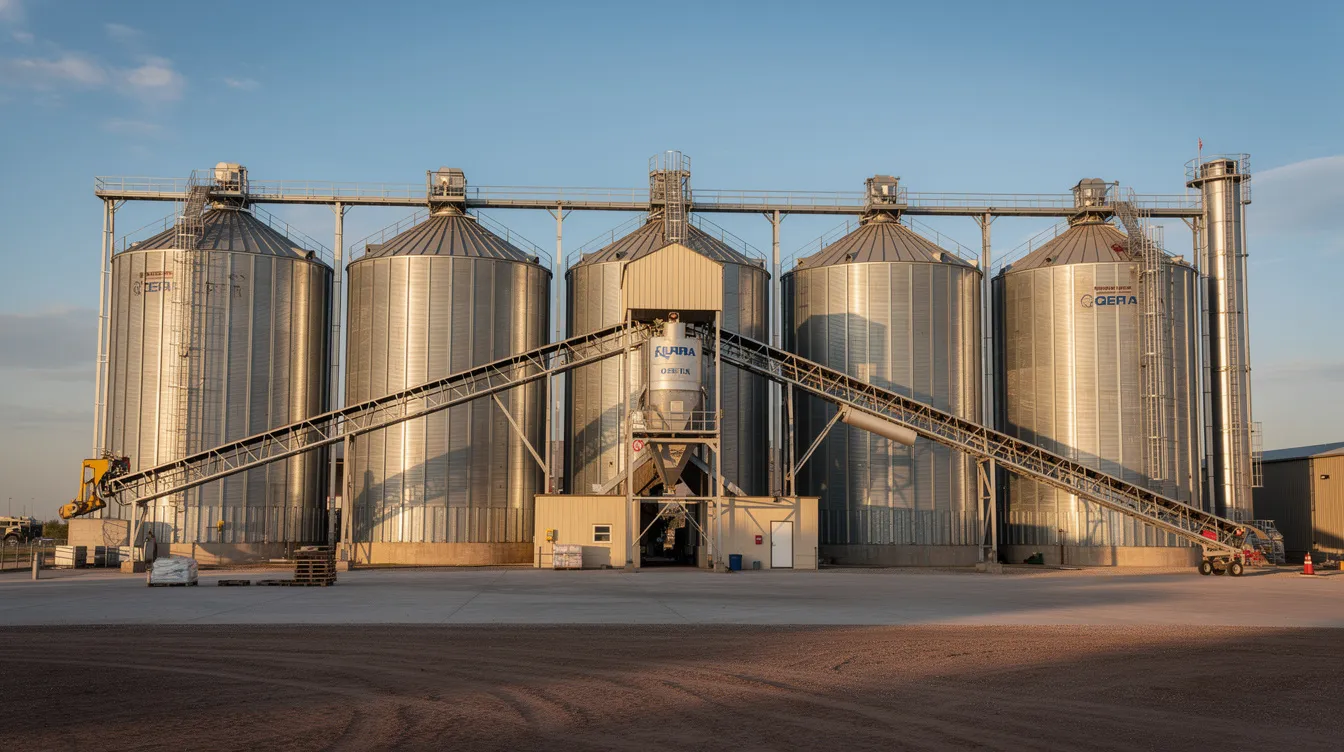
It is important to note that pulses processing involves cleaning, dehulling, sorting and grading at different levels of integration. This DPR is restricted to the cleaning, grading, sorting and packing scope. For projects involving dehusking and splitting, a separate dal mill project report would be required, with different capital cost, power requirements and product mix.
Industry Overview and Opportunity for Pulse Processing in India
India is one of the largest producers and consumers of pulses globally. Production rose from approximately 163 lakh tonnes in 2015-16 to 244.93 lakh tonnes in 2023-24, reflecting sustained policy support and growing consumer demand. At the same time, imports stood at 47.38 lakh tonnes in 2023-24, indicating a continued supply gap.
The global pulses market was valued at USD 103.25 billion in 2025 and is expected to reach USD 140.23 billion by 2034, driven by rising awareness of plant based protein, convenience food trends and expanding international markets.
Domestically, key trends shaping investment opportunities include:
- Year-round demand for major varieties – chana, kabuli chana, masoor, moong, urad, toor, peas and rajma
- A visible shift from loose pulses to branded, packaged pulses in urban and semi-urban India, accelerating since 2018-2020
- Growing importance of quality standards – uniform size, consistent quality, low foreign matter – demanded by retail chains, e-commerce brands, institutional buyers and export customers
- Government initiatives such as the Mission for Integrated Value Chain Development of Pulses (MIVC-P) targeting 1,000 pulse processing units
Feasibility studies in a DPR evaluate local pulse availability and market segments – wholesale, branded retail, private-label, institutional supply and export – to determine whether the proposed processing unit can sustain adequate throughput and margins. For projects targeting export-grade pulse cleaning and colour sorting, buyer specifications and quality parameters become especially important.
Project Concept and Scope – Pulse Cleaning and Packing Plant
The proposed processing plant handles whole pulses only: receiving raw materials, pre-cleaning, destoning, size grading, gravity separation, optical colour sorting (where included) and packaging into various types of bulk and retail formats.
Typical capacity configurations for commercial plants:
| Configuration | TPH | MT/Day (16 hrs) | MT/Year (300 days) | Indicative Project Cost |
|---|---|---|---|---|
| Small commercial | 2 TPH | ~32 MT/day | ~9,600 MT/year | ₹2–3.5 crore |
| Medium | 5 TPH | ~80 MT/day | ~24,000 MT/year | ₹5–8 crore |
| Large / Export-grade | 10 TPH | ~160 MT/day | ~48,000 MT/year | ₹8–12+ crore |
Pulses processing plants of the larger configuration can handle approximately 50,000 MT annually at high capacity operations and adequate utilisation. The proposed processing facility at this scale requires careful planning for raw material procurement, storage and market off-take.
Input materials include uncleaned pulses procured from APMC mandis, farmer-producer organisations and traders. Finished products are cleaned graded pulses in bulk bags or retail pouches and private-label packs. The same processing line can often handle allied food grains like wheat and bajra with sieve changes, giving the plant a seed processing plant capability for multiple grains and seeds.
For a detailed treatment of multi-pulse operations and integrated commercial plant configurations, see the guide on integrated multi-pulse cleaning, grading and packing plant DPR.
Raw Materials, Inputs and Finished Products
The main raw materials are various whole pulses arriving with typically 2–6% foreign materials and 10–13% moisture content. The quality of raw pulses directly influences recovery, wastage and processing cost per MT.
Key raw material categories:
- Whole pulses: chana, kabuli chana, moong, urad, masoor, toor, pigeon peas, peas, rajma (kidney beans), dry beans
- Ancillary grains (optional): wheat, bajra and other seeds, leveraging multipurpose cleaning lines
- Packaging materials: PP bags, BOPP laminated bags, stand-up pouches, labels, carton boxes, stitching threads
Procurement channels include local APMC mandis, farmer-producer organisations, large traders, importers and direct farmer purchase. Standard finished-product specifications typically target broken percentage below specified limits, foreign matter below 0.5%, accepted moisture range and defined grade categories.
The DPR should include month-wise raw material price assumptions and yield/recovery assumptions. Recovery of saleable processed pulses after cleaning and grading is typically 96–97%, with rejects (dust, stones, screenings, damaged grains) accounting for approximately 3–4%.
Manufacturing Process – Pulse Cleaning, Grading and Packing Flow
The pulse processing cycle follows a defined sequence where each stage targets specific impurities or quality parameters. The plant layout should ensure unidirectional material flow to prevent cross-contamination.
Key stages of the processing line:
- Raw material receipt and sampling – Check moisture, foreign matter content and overall quality; set price and forecast processing losses
- Pre-cleaning (scalping screens, aspiration) – Remove large debris, chaff, dust and oversized particles using air aspirators to protect downstream machines
- Fine cleaning through grain cleaner cum grader – Further separation of impurities; advanced cleaning machines can achieve 99.99% purity in pulses
- Aspirator / air separation and dust collection – Continuous operation of aspiration systems removes light particles and dust from the processing environment
- Destoning – Destoning separates stones and heavy particles based on specific gravity differences, using vibro destoner or magnetic separation; this is a key part of food safety compliance
- Size grading on grading machine and sieve decks – Accurate grading classifies pulses by size for uniform packaging; pulses grading machines separate pulses by size and quality
- Gravity separator – Density-based separation distinguishes good kernels from immature, shrivelled or damaged grains; gravity separators are used for large seed separation applications
- Optical colour sorting – Color sorting uses optical sensors to remove discolored or defective grains; essential for premium and export grades to remove discolored seeds and foreign seeds
- Final inspection and metal detection – Quality checks before packaging to ensure the final product meets quality standards
- Weighing and packing – Into retail or bulk packs using semi-automatic or automatic machines for final packaging
- Palletisation, storage and dispatch – Proper warehousing with pest control and moisture management
Mechanical cleaning removes dust, stones and defective seeds across the first several stages. Grading improves product uniformity and cooking quality. The DPR process section should include a block diagram and material flow chart showing input, process loss and by-products.
For a detailed stage-by-stage technical explanation, refer to the pulse cleaning, grading, sorting and packing process flow.
Machinery, Equipment and Key Features of the Processing Unit
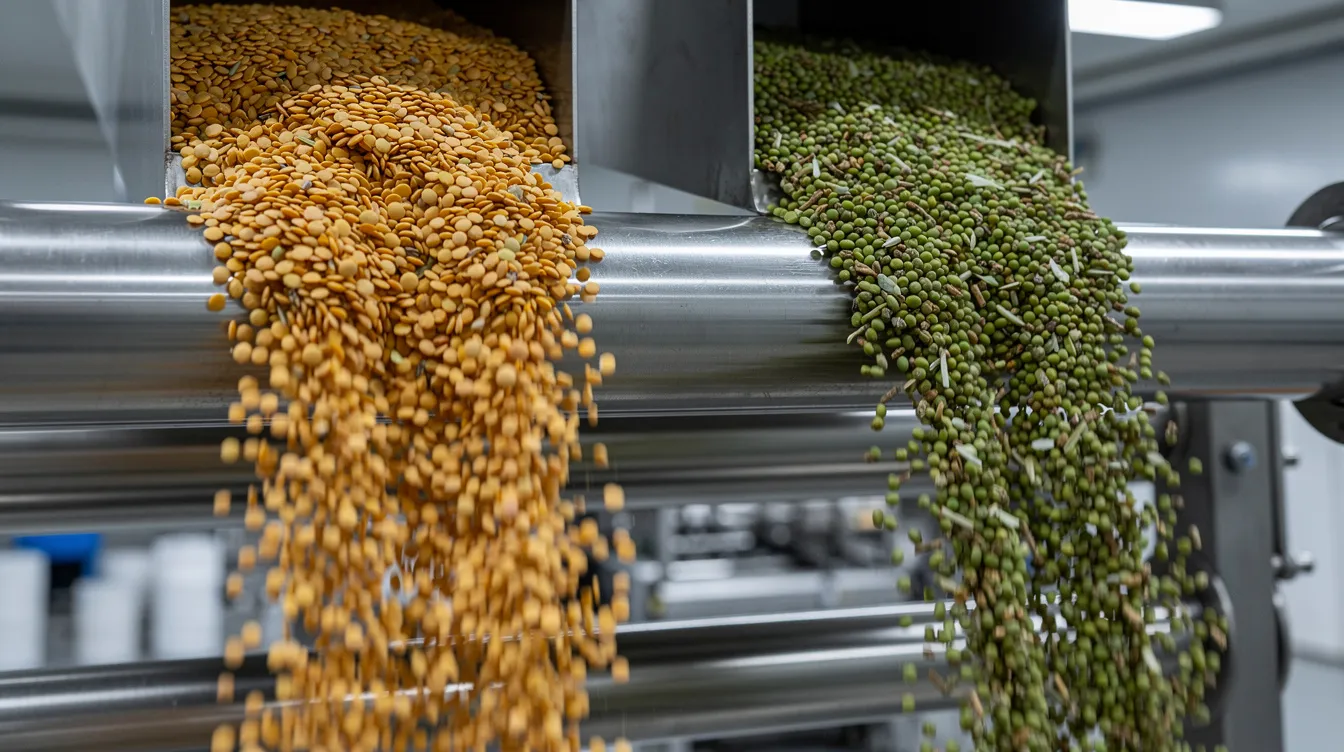
A pulses processing plant is equipment-centric. Machines must be sized to match plant capacity and the desired level of automation. Typical machinery for pulse processing includes vibrating screens and air aspirators, along with specialised equipment for each processing stage.
Essential machinery groups:
- Pre-cleaner and grain cleaner cum grader – Removes large debris and performs initial size separation; a 4 HP pulse cleaning machine processes approximately 500 kg per hour, suitable for smaller configurations
- Wheat cleaning machine / multi-grain cleaning machine – Where the plant also handles cereals and food grains, a multipurpose cleaner provides flexibility; any leading manufacturer will offer models configurable for various types of grains and seeds
- Destoner (vibro / magnetic) – Removes stones, glass and metal particles; indicative cost ₹3–8 lakh depending on capacity
- Grading machine – Pulses grading machines ensure uniform product output; they remove undersized, oversized and damaged grains; advanced vibrating screens achieve high-capacity grading; these machines improve cooking quality and grading accuracy and are essential for pulse processing plants
- Gravity separator – For density-based seed processing and separation of good versus defective kernels; cost approximately ₹5–12 lakh
- Optical colour sorter – Small units (0.4–1 TPH) cost approximately ₹6–10 lakh; large multi-channel units (4–8 TPH) cost ₹25–40+ lakh; for detailed selection guidance, see the article on optical colour sorter technology, capacity and price
- Conveyors, bucket elevators, feed hoppers and aspiration systems – Material handling backbone of the processing line
- Dust collection, cyclone separator and blower systems – Essential for air quality, worker safety and regulatory compliance; reduces operational costs from rework
- Automatic or semi-automatic weighing and packing machines – For retail pouches or bulk bags; distinguishing between semi-automatic (manual bagging) and fully automatic plant configurations matters for capital budgeting
- Control panel, wiring, power distribution – Pulses processing plants utilise SCADA and PLC-based automation in higher-end configurations; three phase motor power supply is standard across all machine categories
Key features that must be specified in the DPR: capacity per hour for each machine, power load (HP/kW), make, model, energy efficiency ratings and low maintenance design. Dehulling machines and splitting equipment are not part of this scope but may be referenced for comparison with dal mills.
For a comprehensive equipment list with specifications and indicative costs, refer to the detailed guide on pulse cleaning, grading and sorting machinery cost.
Plant Capacity Planning and Layout of the Pulses Processing Plant
Plant capacity should be decided based on targeted markets, raw material availability, business requirements and finance limits – not simply by choosing the largest available machine.
Capacity comparison:
- 1 TPH – Suitable for small regional players or pilot operations; new only capacity for testing market response
- 2–3 TPH – Typical MSME-level commercial pulses processing plant; production capacity of approximately 30–45 MT/day at 16 hours
- 5 TPH – Medium-scale unit suited for larger traders, brand owners or private-label supplier operations
- 10 TPH – Large-scale, often export-oriented; the proposed processing facility at this level has a capacity of approximately 50,000 MT annually
The DPR should include capacity utilisation assumptions over 5–7 years – for example, 50% in Year 1 rising to 70–80% by Year 3–4. Number of operating shifts, working days per year and planned maintenance downtime should be clearly stated to maximize productivity estimates realistically.
Layout planning considerations:
- Raw material godown with covered storage and ventilation
- Processing area with linear flow: intake → cleaning → grading → colour sorting → packing
- Separate sections for gravity separator and colour sorter to control dust and light interference
- Packing hall, finished goods warehouse, QC lab, administrative office, utility rooms
Indicative land requirement: 0.5–1.0 acre for 2–3 TPH plants; 1.5–2.0 acres for 5–10 TPH, depending on storage planning and future expansion.
For detailed capacity and layout analysis, see pulse cleaning and packing plant capacity, land, building and layout requirements.
Utilities, Manpower and Infrastructure Requirements
A realistic DPR must quantify utilities and manpower requirements alongside plant and machinery to arrive at credible operational costs.
Utility requirements:
- Power load estimation: indicative 75–150 kW connected load for 2–5 TPH plants; three phase material power supply; transformer capacity and DG set sizing if backup is planned; energy efficient equipment selection reduces long-term operating costs
- Compressed air for colour sorter, pneumatic controls and packing machines
- Water primarily for cleaning, sanitation and air washers – the process itself is dry, not wet
Manpower categories:
- Skilled machine operators for the cleaning and sorting line
- Technicians and electricians for maintenance and troubleshooting
- Helpers, loaders, packers and storekeepers
- Quality assurance staff, administrative and accounts personnel
Other infrastructure: RCC or PEB structure for plant building and warehouse sheds, boundary wall, internal roads, truck parking, weighbridge (if justified by throughput) and staff facilities. The DPR should contain an organisational chart and monthly salary cost estimation.
Project Cost Estimates and Means of Finance
Cost estimates in the DPR are indicative and must be updated using current vendor quotations and civil estimates at implementation. Pulses processing plant setup costs include capital investments and operating expenses, both of which must be carefully assessed.
Major cost components:
- Land cost (purchase or lease premium) and land development
- Building and civil works – plant hall, warehouse, office, boundary, roads
- Plant and machinery – main pulse processing machines, packing line, utilities; machinery typically accounts for 35–55% of fixed capital
- Erection, installation and electrification charges
- Miscellaneous fixed assets – lab equipment, furniture, computers, weighbridge
- Preliminary and pre-operative expenses – company formation, approvals, interest during construction, trial runs
- Margin for working capital and contingencies
Key financial metrics included in a DPR address capital and working capital costs. The total capital investment is calculated by aggregating all fixed capital, pre-operative expenses and working capital margin.
A typical debt-equity ratio is 70:30 or 65:35, with promoter contribution of 30–35%. The DPR should present a year-wise capital expenditure schedule and a clear means of finance table covering term loan, promoter equity and, where applicable, subsidy assumptions – without guaranteeing subsidy sanction.
For detailed cost breakdowns by capacity, refer to pulse cleaning, grading and packing plant setup cost and investment.
Working Capital, Operating Costs and Revenue Streams
A pulses processing plant is working-capital-intensive. Operating costs are driven by raw material consumption, accounting for 88–92% of total operating expenses in an own-stock model. Raw uncleaned pulses form the single largest cost element.
Working capital requirements:
- Inventory holding for raw materials (15–45 days depending on business model) and finished goods (7–15 days)
- Credit period allowed to customers versus credit availed from the supplier of raw pulses
- Need for bank cash credit or overdraft facility to bridge the operating cycle
Key operating cost heads:
- Raw pulses and packing materials
- Power, fuel, labour, repairs and maintenance, factory overheads
- Administrative and selling costs including freight, branding and marketing
Revenue models differ significantly:
| Model | Revenue Basis | Working Capital | Upside Potential |
|---|---|---|---|
| Own-stock trading | Full sale value of cleaned pulses | Very high | Higher margins if prices are favourable |
| Job-work / toll processing | Per-MT service charge | Low | Limited but steady |
| Hybrid / private-label | Combination | Moderate | Balanced risk-reward |
For a deeper analysis of the job-work business model for pulse cleaning and packing, including service charge benchmarks and working capital implications, see the dedicated guide. Working capital finance structuring is further explained in the article on pulse cleaning plant working capital and cash credit requirements.
Profitability, Break-Even and Financial Projections
Profitability in a pulse processing plant depends on capacity utilisation, processing margin per MT, control on wastage and operational efficiency in the use of labour and power.
Gross profit margins for pulses processing typically range between 8–12%, which means that even small variations in raw material cost, recovery rate or selling price can materially affect viability.
Financial projections should cover:
- 7–10 year projected P&L, balance sheet and cash flow based on assumed ramp-up
- Contribution per MT computed separately for own-stock and job-work models, including impact of cleaning losses and by-product sales (dust, screenings)
- Break-even analysis in terms of percentage capacity utilisation and MT/month throughput
- DSCR calculations based on projected term-loan repayment schedule; banks typically expect DSCR of 1.2–1.5 or higher
- Sensitivity analysis for key variables: raw material prices, processing charges, capacity utilisation, interest rate changes
Financial projections assess ROI, profitability and long-term sustainability. However, the DPR should not guarantee any profit. It must present realistic, assumption-based scenarios – base case, optimistic and conservative – with clear disclosure that actual results will vary.
Processing cost per MT (excluding raw material) typically falls in the range of ₹900–₹1,400 depending on capacity utilisation and energy tariff. For detailed processing economics and recovery analysis, refer to pulse cleaning and grading processing cost, recovery, wastage and profitability. Financial projection methodology and CMA Data structure are covered in pulse cleaning and packing plant financial projections, CMA Data and DSCR.
Regulatory, Quality and Compliance Requirements
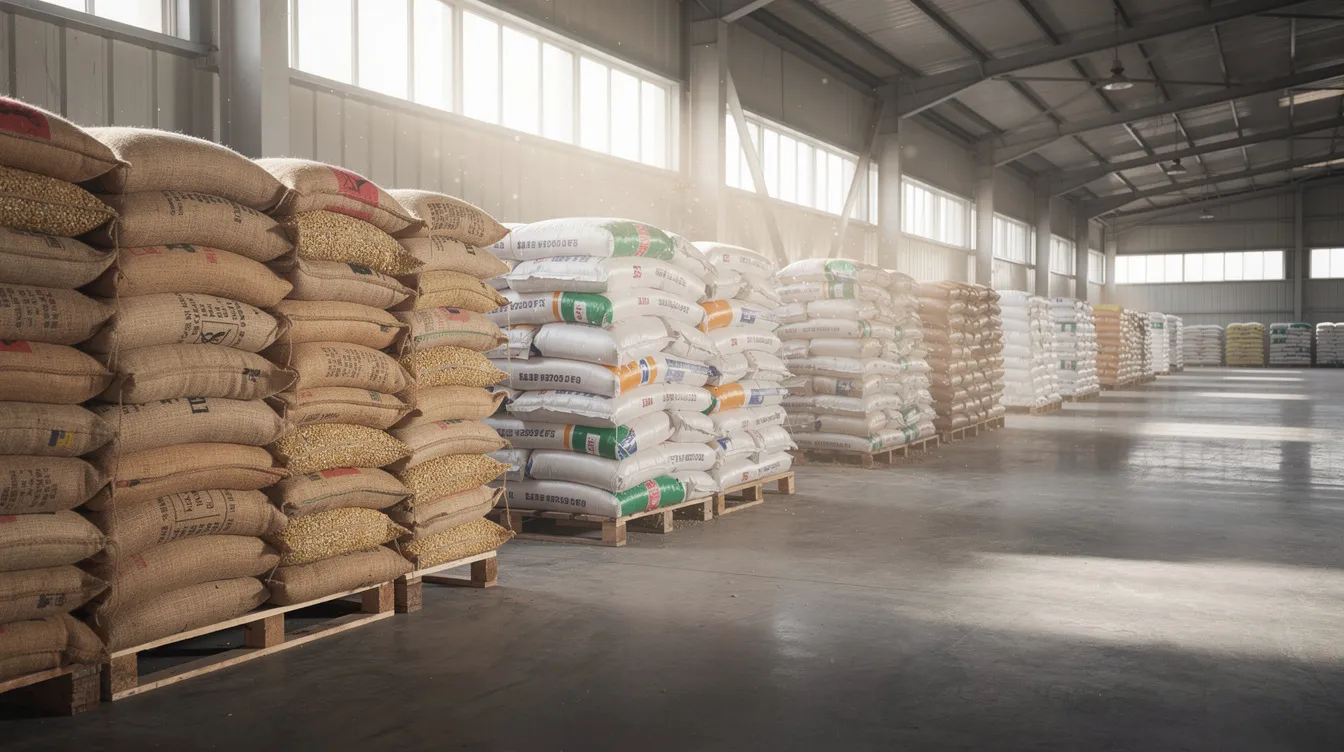
Pulses processing is a food business subject to food safety, weights and measures and environmental norms in India. Food safety licenses are required for operating a cleaning and packing plant in India.
Key registrations and licences generally required:
- FSSAI licence for food processing and packing
- MSME/Udyam registration and factory licence as applicable
- GST registration and Shop & Establishment/Trade licence
- Pollution NOC or consent from State PCB for dust emission controls
Quality control systems should address:
- Pulse grading parameters under AGMARK or internal standards – size, colour, defect percentage, moisture, foreign matter limits
- Lab testing protocols for moisture, broken pieces, mycotoxins and pesticide residue tests (especially for exports through accredited labs)
- Consistent production quality through documented SOPs and periodic calibration
The DPR should map compliance requirements with the proposed business model so that cost of compliance is planned in advance. For a detailed treatment of industry standards and export requirements, see pulse grading standards, FSSAI compliance and export requirements.
Risk Analysis and Mitigation Strategies
Banks and investors will examine key risks in a pulse cleaning and packing plant DPR. Risk analysis must be transparent, not cosmetic.
Major risks:
- Raw material price volatility – Seasonal availability and year-to-year production swings; sowing area for certain pulses has declined in recent Kharif seasons
- Competition – From large branded pulse players and low-cost regional processors
- Capacity under-utilisation – Due to weak marketing, procurement gaps or poor sales arrangements
- Machinery selection risk – Particularly in colour sorter and gravity separator specifications; choosing under-spec equipment can result in rejected batches and lower realisation
- Working capital squeeze – Thin margins combined with high inventory can create cash flow stress
Mitigation strategies:
- Diversified procurement across seasons, regions and varieties of pulses
- Flexible plant configuration capable of handling multiple pulses and some cereals
- Strong sales tie-ups with wholesalers, modern trade, institutional buyers and private-label clients before commissioning
- AMC and training from the machinery supplier, preventive maintenance schedules
- Conservative financial modelling with adequate sensitivity analysis
The DPR should assign a qualitative rating (low/medium/high) for each major risk and present a mitigation action plan. For broader risk assessment methodology applicable to processing projects, see the discussion on risk analysis and mitigation strategies for processing plants. The financial feasibility perspective, including ROI, IRR and bank finance considerations, is covered in pulse cleaning plant feasibility study: ROI, IRR, DSCR and bank finance.
Role of Professional DPR, CMA Data and Project Finance Advisory
A well-structured DPR is necessary for securing funding and regulatory approvals. Generic, copy-paste project reports are inadequate for serious bank appraisal because they fail to reflect project-specific capacity, local costs, actual machinery configuration and realistic financial assumptions.
Project Report Bank, led by CA Manish Gugliya (FCA, DISA, ICAI), prepares customised DPRs for pulse processing plants and other agro-processing and manufacturing projects across India.
Professional support includes:
- Detailed Project Report with technical write-up, project cost, means of finance and projected financial statements
- CMA Data in the format required by Indian banks for working capital limits
- DSCR, break-even, ROI and IRR analysis based on project-specific assumptions
- Support for interaction with lenders – clarifying queries on the processing plant, capacity, profitability and risk
- Advisory on loan structuring, term loan and cash-credit mix, margin-money planning and assessment of repayment ability
The value of a professionally prepared DPR lies not in producing attractive numbers, but in producing defensible numbers supported by reasonable assumptions – numbers the promoter can explain and the banker can examine.
For automatic packing and branded packaging considerations, the dedicated article on automatic pulse packing machinery, packaging formats and branded dal business [URL pending verification] provides further guidance.
Conclusion – From Concept to Commissioning of a Pulses Processing Plant
A pulse cleaning, grading and packing plant is a technically straightforward but financially sensitive business. Margins on processed pulses are thin, and viability depends on volumes, consistent quality, procurement discipline and control over the milling and processing cost structure.
Before committing ₹5–10 crore or more to a pulses processing unit, a project-specific DPR is essential – not merely as a bank formality, but as an internal roadmap covering plant setup, processing technology, financial feasibility and risk management.
Project Report Bank can assist with customised DPR preparation, financial projections, CMA Data and loan proposal support for pulse cleaning and packing projects anywhere in India. Bank Finance DPR assistance starts from ₹25,000, subject to scope and project complexity.
For a confidential discussion on your project, contact CA Manish Gugliya via WhatsApp.
Frequently Asked Questions (FAQ)
What is the typical plant capacity for a commercial pulse cleaning and packing unit in India?
MSME-level plants often start at 2–3 TPH, processing approximately 30–45 MT/day at 16 hours of continuous operation. Larger commercial players and brand owners may install 5–10 TPH lines. The choice depends on raw material access, target market size and available finance. The DPR should justify the selected capacity with procurement and off-take data rather than simply choosing the highest available machine size.
Can the same processing plant handle both pulses and cereals like wheat?
Many multi-purpose grain cleaning and grading plants can process pulses, wheat, bajra and other seeds using the same cleaner, grading machine and gravity separator. However, sieve combinations, air settings and sorting parameters must be changed for each product. If multi-product capability is required, the DPR should specify this in the machinery section and account for changeover time in production capacity calculations.
What is the difference between a pulse cleaning plant and a full dal milling plant in a DPR context?
A pulse cleaning plant handles cleaning, grading, sorting and packing of whole pulses. A dal mill additionally includes dehusking, splitting and sometimes polishing using dehulling machines. Capital cost, power load, process loss, milling complexity and product mix are fundamentally different. The DPR for each type of processing plant must be structured separately with distinct technical and financial assumptions.
Is a Detailed Project Report mandatory for getting a bank loan for a pulses processing plant?
While some banks may accept basic project details for smaller loans, for term loans above a few crore rupees most lenders expect a structured DPR and CMA Data. A professional DPR significantly improves clarity during bank appraisal and helps the promoter answer lender queries on project cost, capacity, profitability and debt-servicing ability. However, it cannot guarantee loan sanction – that depends on the bank’s independent assessment, promoter credentials and security offered.
How does the phase and country of project location affect the DPR?
Location influences land cost, power tariff, labour availability, raw material proximity and logistics cost. A plant located near major pulse-producing regions (such as MP, Rajasthan, Maharashtra or UP in the ms country context) will typically have lower procurement costs and shorter supply chains. An industrial phase or designated food park may offer infrastructure advantages. The DPR should reflect location-specific cost elements rather than national averages to view complete details of project viability accurately.