
Key Takeaways
- An industrial barley malting plant converts malting-grade barley into malted barley through controlled steeping, germination and kilning. The finished malt serves breweries, distilleries, barley malt extract producers and food manufacturers.
- Viable industrial capacities in India typically start at 10-25 TPD of barley intake, with total capital investment driven by civil works, industrial barley malting plant machinery, utility infrastructure, and working capital for seasonal barley procurement.
- A proper industrial barley malting plant project report must integrate technical design, malt production technology, land and utility sizing, capital expenditure and 8-10 year financial projections including DSCR, IRR and sensitivity analysis.
- Barley malting plant feasibility study outcomes depend on reliable malting barley supply, offtake agreements with breweries or food companies, energy planning, and strict quality control rather than on generic profit-per-ton assumptions.
- Project Report Bank, led by CA Manish Gugliya, prepares customised DPRs, financial models in excel format and CMA Data for bank loan proposals and investor discussions for industrial barley malt manufacturing and related grain processing projects.
Introduction to Industrial Barley Malting Plants in India
Industrial barley malting is the controlled biological transformation of raw malting barley grains into malted barley. The process involves steeping cleaned barley in water, allowing it to germinate under precise temperature and humidity conditions, and then halting germination through kilning. The result is malt, a processed cereal grain with developed enzymes and modified starch structures. Any serious investor or manufacturer considering this sector requires a structured industrial barley malting plant project report before committing capital, because the technical complexity and capital intensity of a commercial malting unit differ from most grain milling operations.
Raw barley, malting barley, malted barley and barley malt extract are distinct products. Raw barley is the harvested grain. Malting barley refers to specific varieties with high germination energy and suitable protein content selected for malt production. Malted barley is the finished product of the malting process. Barley malt extract is a downstream concentrated syrup or powder produced by mashing malted barley to extract fermentable sugars, including monosaccharide glucose, disaccharide maltose and higher sugars. Malted barley should not be confused with barley flour or pearled barley, which are mechanically processed products used in regular food processing.
Barley malt underpins brewing beer and whisky production across India. It is also an input for malt-based beverages, malted milk powders, bakery improvers, breakfast cereals, malt loaf, malted shakes, flavored drinks, energy drinks and nutritional supplement formulations. Malt vinegar and malt extracts for health foods and functional foods represent additional applications. A commercial malting unit requires precise process control, moisture and temperature regulation, hygienic material handling, and batch-level quality testing. These business requirements separate industrial malting from small artisan or craft setups.
This article covers market opportunities in the barley industry, plant types and machinery requirements, the malting process, capacity planning, barley malting plant setup cost, operating economics, working capital, financial projections, project finance, regulatory compliance and risk analysis.
Industrial Barley Malting Industry and Market Opportunities in India
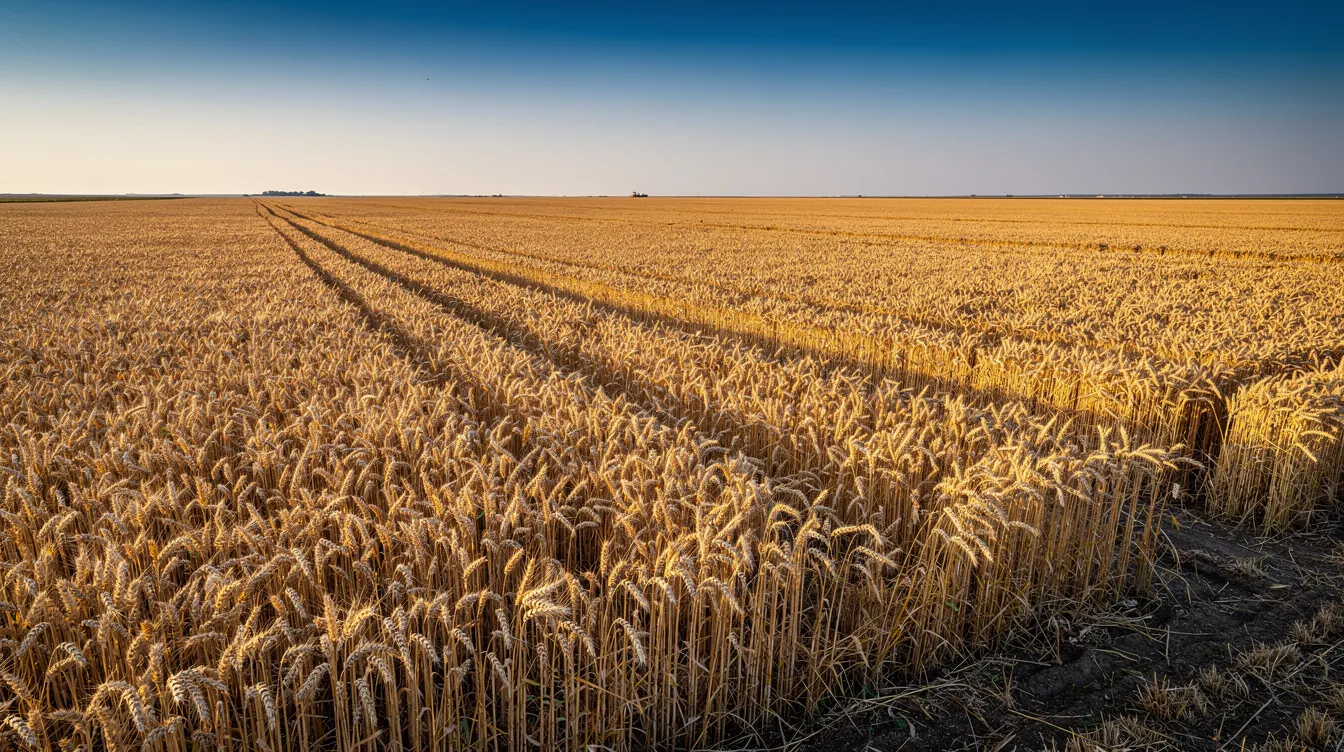
India’s barley production is concentrated in Rajasthan, Uttar Pradesh, Haryana and Madhya Pradesh, primarily as a rabi crop. India produces over 4 crore tonnes of barley annually across these regions, though only a portion qualifies as malting grade. The global barley market and the domestic malting industry both depend on consistent supply of barley that meets strict quality parameters for germination, protein and grain size.
Malting-grade barley differs from feed barley in specific ways: it requires germination energy above 96%, grain plumpness exceeding 90% bold kernels, protein content in the 9-13% range (dry basis), and moisture below 12%. These are the specific requirements that prevent ordinary barley cultivation output from substituting for malting barley without yield and quality consequences.
Demand drivers for barley malt within India include:
- Large and mid-sized breweries producing alcoholic beverages. The Indian beer market is expected to reach USD 7.31 billion by 2028, fuelling rising demand for quality malt.
- Craft breweries and microbreweries seeking specialty malts with distinct colour and flavour profiles.
- IMFL distilleries using malt spirit as a base.
- Food manufacturers requiring barley malt extract for health drinks, baked goods, dairy products and natural ingredients in functional foods.
The global malt extract market is valued at over $1.5 billion, and barley malt extract is used in health drinks and baked goods across domestic and export markets including the Middle East. Barley processing serves diversified end users including food and the beverage industry. Some premium breweries import malt due to quality concerns, but high-quality Indian malt can substitute imports if malting plants meet colour, extract and microbiological specifications.
Target markets segment into brewing malt, distilling malt and food-grade malt. Brewing malt requires high diastatic power and specific Kolbach index values. Distilling malt may tolerate broader protein ranges. Food-grade malt prioritises colour consistency and microbial purity for use as a natural ingredient.
- Long-term offtake contracts with breweries or food manufacturers, including quality audits and annual price-volume arrangements, can de-risk investment in barley malt manufacturing.
- Diversification opportunities exist for malted barley flour blends, malt-based drink premixes and integration with barley pearling operations.
- Increasing demand and market growth in germinated cereal grains and malt extracts support sustained interest in barley malting plant investment in India.
Types of Industrial Barley Malting Plants
Technology configuration is a core decision in any barley malting plant feasibility study, as it affects capital expenditure, manpower requirements, energy efficiency and achievable malt quality.
- Conventional floor-malting and box-based systems involve lower automation, higher labour intensity and are suited for smaller capacities or craft operations rather than large continuous units.
- Automated pneumatic malting plants use germination-kilning vessels with controlled aeration, turning and temperature-humidity control. These are suited for medium to large plants targeting consistent brewing-quality malt with lower labour per tonne.
- Germination-box and Saladin-box systems feature rectangular germination boxes with mechanical turners and controlled air distribution. These remain relevant for certain capacity ranges and can accommodate a range of malt types.
- Drum malting systems use rotating drums that integrate steeping, germination and kilning in compact layouts with high automation, chosen where space is constrained.
- Integrated malting and downstream processing plants produce both barley malt and barley malt extract or malted ingredients, requiring additional evaporation, concentration and syrup-drying equipment beyond the core malt house.
| Plant Type | Typical Capacity | Automation | Labour Need | Energy Efficiency | Investment Intensity |
|---|---|---|---|---|---|
| Floor Malting | Low (under 10 TPD) | Low | High | Moderate | Lower |
| Pneumatic Malting | Medium-Large (25-100+ TPD) | High | Low | High | Higher |
| Saladin Box | Medium (10-50 TPD) | Moderate | Moderate | Moderate | Moderate |
| Drum Malting | Small-Medium | High | Low | Moderate-High | Moderate-High |
| Integrated (Malt + Extract) | Varies | High | Low-Moderate | Variable | Highest |
Final technology selection should be based on detailed engineering, vendor discussions and a customised industrial barley malting plant project report rather than replicating competitors’ layouts.
Industrial Barley Malting Manufacturing Process
The complete process flow runs as follows: Malting Barley Procurement, Sampling and Quality Testing, Cleaning and Grading, Steeping, Germination, Kilning, Cooling, Rootlet Removal, Malt Cleaning and Grading, Final Testing, Storage, Weighing and Packaging, Dispatch. The manufacturing process includes cleaning, steeping, germination, kilning, and deculming at its core. Malting processes require controlled temperature, humidity, and airflow to develop enzymes throughout.
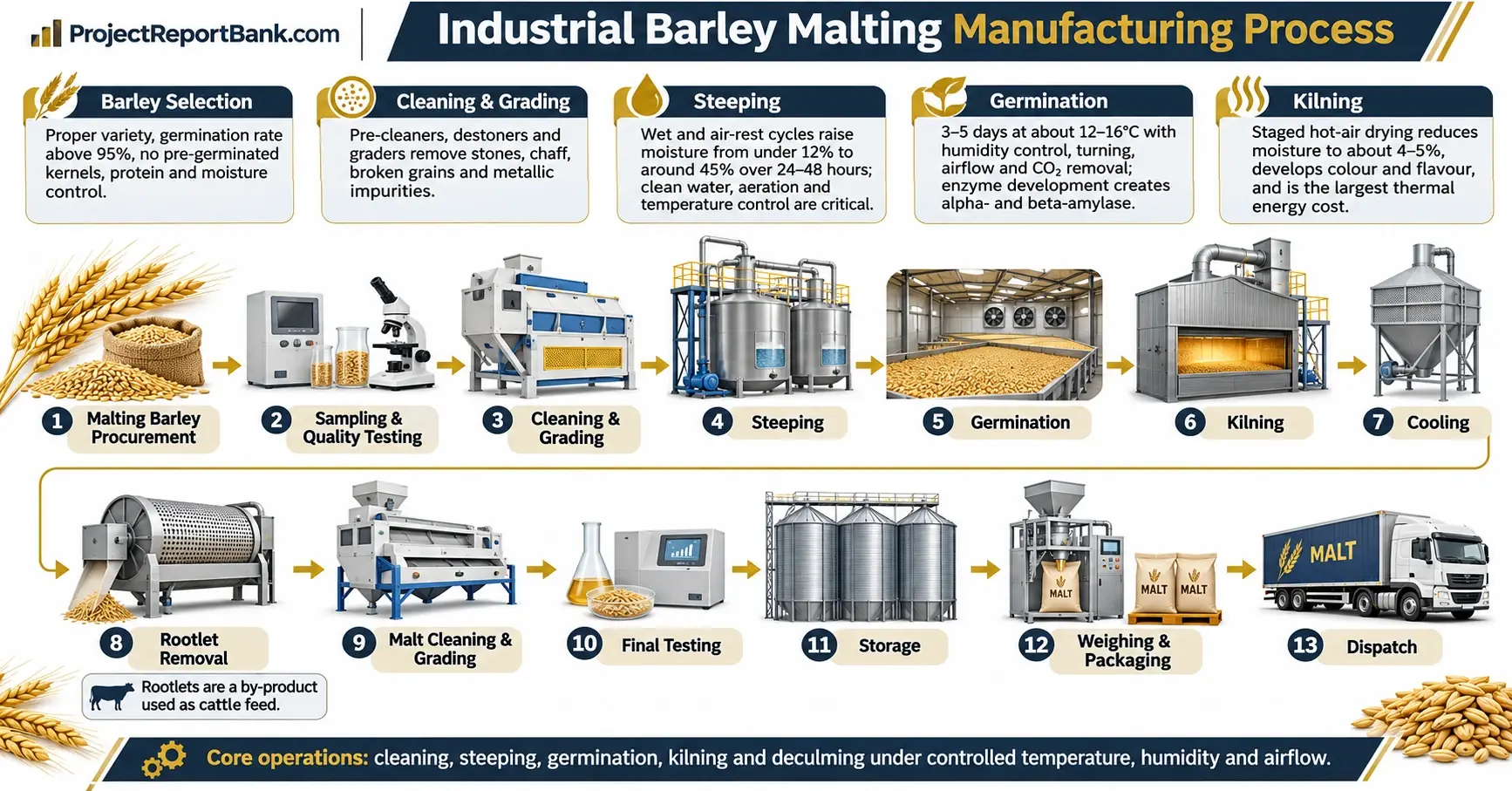
Barley selection: Variety choice, germination rate above 95%, absence of pre-germinated kernels, and acceptable protein content directly affect malt yield. Routine tests include thousand-kernel weight, protein analysis and microbiological screening. Barley malting requires specific quality parameters such as germination energy and moisture content at intake.
Cleaning and grading: Pre-cleaners, destoners and graders remove stones, chaff, broken grains and metallic impurities. This step prevents downstream process disruptions and protects steeping equipment.
Steeping: Multi-step wet and air-rest cycles raise grain moisture from under 12% to approximately 45% over 24-48 hours. Clean water, aeration, temperature control and uniform water uptake are critical. Uneven steeping causes inconsistent germination and heating in the grain bed.
Germination: The germination process converts barley into green malt over 3-5 days. Bed depth, turning frequency, temperature control (typically 12-16°C), humidity, CO2 removal and growth of acrospires govern enzyme development. Alpha- and beta-amylases develop during this phase, creating the enzymatic capacity to convert starch into fermentable sugars during downstream mashing. Under- or over-modification reduces extract yield.
Kilning: Hot air is applied in staged temperature profiles. Low-temperature drying produces pale base malt; elevated final temperatures create darker malts with more intense flavour for specialty applications. This step halts germination, reduces moisture to storage-stable levels (approximately 4-5%), and develops colour and flavour. Thermal energy consumption for kilning is the largest energy cost, typically 530-600 kWh per tonne of finished malt for heat alone.
Cooling and rootlet removal: Malt is cooled after kilning and passed through deculming equipment. Rootlets are a by-product valued as cattle feed, supporting overall malt production economics.
Final quality testing: Specifications tested include moisture, extract percentage, colour, friability, diastatic power and microbial load. Quality control is vital in ensuring the malt meets customer-specific brewing or distilling standards.
| Process Step | Key Considerations |
|---|---|
| Barley Selection | Germination >95%, protein 9-13%, moisture <12% |
| Cleaning & Grading | Stone, chaff and broken grain removal |
| Steeping | Wet/air rests, moisture raised to ~45% |
| Germination | 3-5 days, enzyme development, temperature control |
| Kilning | Staged temperatures, moisture reduced to ~4-5% |
| Cooling | Stabilisation before handling |
| Deculming | Rootlet separation, by-product recovery |
| Quality Testing | Extract, colour, diastatic power, microbiology |
Malting is a biochemical transformation of cereal grains, distinct from barley pearling or flour milling, which are purely mechanical processes.
Industrial Barley Malting Plant Machinery and Equipment
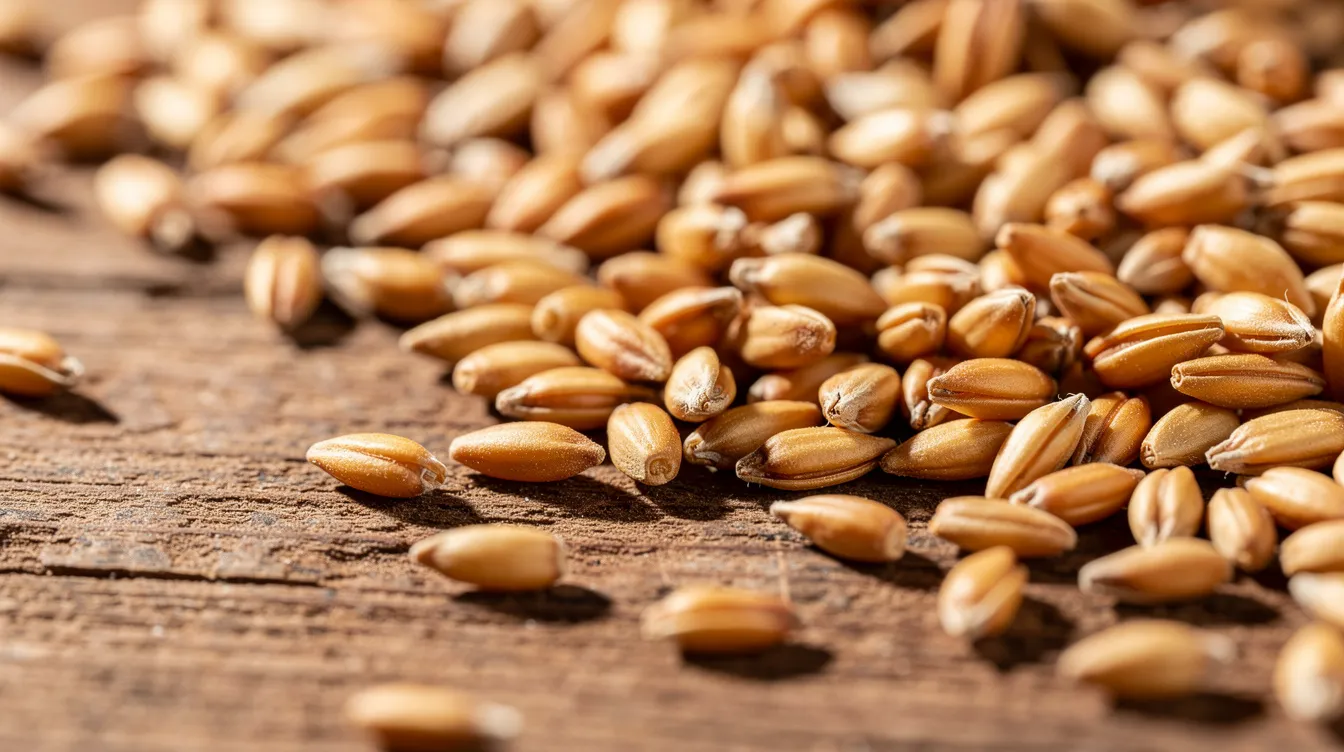
Industrial barley malting plant machinery accounts for a major share of capital expenditure and must be selected based on desired capacity, automation level, malt specifications and available utilities. Barley processing plants require malting equipment for production, and machinery costs constitute the largest portion of capital expenditure in most recent projects.
| Equipment Group | Core Function |
|---|---|
| Receiving pits, conveyors, bucket elevators | Raw barley intake and internal handling |
| Raw grain silos | Pre-process storage |
| Pre-cleaners, destoners, magnetic separators | Grain cleaning and foreign material removal |
| Graders and sifters | Size classification |
| Steep tanks with aeration | Controlled water absorption |
| Germination boxes/drums | Controlled sprouting with turning and ventilation |
| Kilns with heat-generation systems | Drying, curing and flavour development |
| Coolers | Post-kiln temperature reduction |
| Deculming equipment | Rootlet separation |
| Malt silos | Finished malt storage |
| Bagging and palletisation systems | Packaging requirements fulfilment |
Auxiliary systems include air handling units, fans and blowers, dust collection and aspiration, PLC/SCADA automation, electrical panels and MCCs. Water treatment is needed for steeping water (filtration, softening, disinfection) and effluent from steep run-off to meet local discharge norms.
Laboratory instruments (moisture meters, germination boxes, malt mill, mash bath, colour meters and basic microbiology setup) are essential, especially when supplying to breweries and export customers.
Promoters may appoint a single EPC malting-plant supplier or integrate equipment from multiple vendors guided by a professional DPR and project engineer. Actual machinery specifications and layout must be finalised using vendor quotations and engineering drawings compiled in a customised project report.
Industrial Barley Malting Plant Capacity Planning
Capacity in malting is typically defined in tonnes of raw barley intake per batch or per day. The same installed plant produces different annual outputs depending on batch cycle time (typically 6-9 days including steeping, germination and kilning) and plant utilisation. The capacity of a malting plant must be linked to local barley supply and market demand.
- 10 TPD suits a regional maltster or niche specialty malt producer.
- 25 TPD serves mid-sized regional supply contracts.
- 50 TPD targets multiple brewery and food-grade customers.
- 100 TPD positions a plant as a major industrial supplier. Annual production capacity for barley plants at such scales ranges from 30,000 to 75,000 quintals depending on utilisation.
Balancing steeping, germination and kilning capacities is critical: a bottleneck at any stage reduces effective throughput. The germination process residence time determines how much vessel volume is needed simultaneously.
Malt yield from raw barley runs at approximately 1.25-1.30 kg raw barley per 1.00 kg finished malt. Screening losses, rootlets and process dust reduce saleable tonnage from gross intake.
| Installed Barley Intake (TPD) | Assumed Malt Yield | Approx. Malt Output (TPD) | Annual Output at 80% Utilisation (tonnes) |
|---|---|---|---|
| 10 | ~78% | ~7.8 | ~2,280 |
| 25 | ~78% | ~19.5 | ~5,695 |
| 50 | ~78% | ~39 | ~11,390 |
| 100 | ~78% | ~78 | ~22,780 |
Assumptions: 292 operating days/year, 80% utilisation. Illustrative only.
Seasonal procurement requires purchasing most annual malting barley shortly after harvest, demanding substantial storage capacity and working capital funding. Plant design should allow modular expansion with additional germination boxes or kilning capacity at lower marginal capital costs.
Barley Malting Plant Setup Cost and Capital Investment in India
Total project cost for a barley malting plant investment in India includes land, buildings, plant and machinery, utilities, laboratory, pre-operative expenses and initial working capital. Capital expenditure includes all costs associated with land, construction, machinery, and other project elements. For smaller barley malt extract units, investment ranges from ₹8 lakh to ₹2 crore. Barley processing plant setup costs similarly range from ₹8L to ₹2Cr for smaller downstream operations. A published DPR for a 100 MT/day plant estimates total capital investment at approximately ₹40.20 crore, with machinery accounting for about 62% of total cost.
Key cost heads:
- Industrial land acquisition or lease, site development and internal roads
- Civil construction for warehouses, steeping and germination halls, kiln block, utility block, office and laboratory
- Core process machinery (steep tanks, germination boxes, kilns), material handling, storage silos, weighing and packing units, control panels and automation
- Boilers or hot-air generators, compressors, water treatment, effluent treatment, dust collection, fire protection
- Engineering fees, erection and commissioning, trial runs, interest during construction, statutory fees and contingencies
| Cost Head | Indicative Share of Total Capital Investment |
|---|---|
| Land & Site Development | 8-12% |
| Buildings & Civil Works | 18-25% |
| Plant & Machinery | 55-65% |
| Utilities & Environmental Systems | 5-8% |
| Pre-operative & Contingencies | 5-8% |
| Initial Working Capital | 5-10% |
Percentages are illustrative. Actual costs depend on scale, technology, vendor quotations, location and automation.
For any bankable industrial barley malting plant project report, Project Report Bank prepares project-specific capital expenditure estimates using client location, chosen technology, building design and vendor quotations.
Land, Building, Infrastructure and Utility Requirements
Land required depends on plant capacity, storage strategy and layout. A medium plant (25-50 TPD) may require several thousand square metres, but exact figures must be engineered in the detailed project report. Utilities and raw material assessments are crucial for estimating operational requirements and costs.
Major functional zones include: raw barley receiving and storage, cleaning and grading section, steep tank and germination vessel area, kiln block with flue stacks, malt cleaning and packing area, finished malt warehouse, utilities block and administrative buildings.
Utility requirements include connected electrical load for drives, blowers, elevators and instrumentation (approximately 150 kWh per tonne of malt for electrical services), thermal energy for kilning, reliable water source (approximately 4 m³ per tonne of malt for steeping, cleaning and domestic use), and proper drainage and effluent management. Transportation requirements for barley inbound and malt outbound logistics should be factored into site selection.
Environmental and safety infrastructure includes grain dust extraction and explosion-relief features, fire hydrant and sprinkler systems, emergency exits and ventilation. Higher energy tariffs, unreliable water or inadequate road connectivity can materially affect operating cost and must be analysed in the feasibility study.
Raw Material Requirements and Procurement Strategy
Malting-grade barley specifications demand germination percentage above 96%, grain size uniformity, protein in the 9-13% range, moisture at or below 12%, and strict limits on foreign matter and moulds. These raw material requirements cannot be met by ordinary feed barley without affecting malt yield and customer acceptance. Consistent supply of suitable barley is a prerequisite for continuous malt production.
Procurement channels include direct purchase from farmer groups or FPOs in barley belts, tie-ups with specialist traders, and mandi auctions. Contract farming arrangements help assure quality and traceability of other grains and specific barley varieties.
Storage must maintain grain moisture and temperature through proper aeration, fumigation and monitoring to prevent insect and mould damage over extended holding periods. Raw material consumption plans in the DPR should show estimated quantity, expected procurement price bands, storage months and funding requirements.
Quality failures at intake directly impact production schedules and yield. Incoming load sampling, laboratory testing, acceptance-rejection criteria and supplier performance tracking are essential. Barley cultivation patterns and harvest timing create seasonal price variations that affect raw material procurement costs.
Industrial Barley Malting Plant Operating Cost and Production Economics
For barley malt manufacturing, raw barley cost is the dominant operating cost component. Raw barley accounts for 80-84% of operating expenses, followed by fuel, power, labour and maintenance. Malted barley production costs include machinery depreciation, utilities, and labor across all shifts.
Key cost elements:
- Raw barley consumption per tonne of malt (adjusted for yield losses)
- Power for conveying, ventilation and automation
- Fuel for kilning (coal, gas, biomass or other sources)
- Water and effluent handling
- Direct and indirect labour
- Packing material, repairs and maintenance, lab costs, insurance, admin overheads and logistics
Raw material consumption at the 1.25-1.30 conversion ratio means that even small changes in barley prices compress margins unless malt selling prices adjust. Under-utilised plants spread fixed operating expenses over fewer tonnes, raising per-tonne costs and pressuring DSCR.
Barley processing plants can achieve gross profit margins of 12-20% on base malt operations, while barley malt extract manufacturing has gross profit margins of 30-50% and can achieve net profit margins of 18-32% depending on product mix and scale. By-product realisation from rootlet sales and screening as cattle feed supports overall economics but should not be overestimated in feasibility models.
Working Capital Requirements for a Barley Malting Plant
Barley malting is working capital intensive because promoters purchase a large portion of malting barley during harvest months and hold it for several months of production.
Working capital elements include:
- Raw barley inventory (often 3-6 months of supply)
- Work-in-process across steeping, germination and kilning stages
- Finished malt stock awaiting quality release and dispatch
- Packing materials and consumables
- Receivables from breweries and food ingredient buyers (often 30-60 days)
Barley suppliers may require shorter payment periods while institutional customers take longer, stretching the cash conversion cycle. Bank working capital limits such as cash credit against stock and receivables require CMA Data with month-wise projections. Under-estimating working capital can cause production interruptions even after plant and machinery have been fully installed.
Financial Projections, Profitability and Project Feasibility
This section is the heart of any industrial barley malting plant project report, integrating technical assumptions with financial modelling over a 7-10 year horizon. Detailed financial models must include profit and loss projections, cash flows, and break-even analysis.
Core financial statements needed: projected income statement, cash flow statement, balance sheet, funds flow statement and term-loan repayment schedule. Financial projections include DSCR and CMA data for five years at minimum. Key financial indicators include gross profit margin, EBITDA, and project IRR for investment appraisal. Financial viability indicators include break-even point, internal rate of return, and cash flow statements.
| Assumption | Illustrative Value |
|---|---|
| Installed Capacity | 25 TPD raw barley intake |
| Year 1 Utilisation | 60% |
| Year 3+ Utilisation | 80-85% |
| Malt Selling Price | ₹2,000-2,500 per quintal |
| Raw Barley Cost | ₹1,200-1,500 per quintal |
| Conversion Ratio | 1.28 kg barley per kg malt |
Purely illustrative. Actual assumptions must reflect current market conditions and vendor quotations.
Sensitivity analysis should model changes in malt selling price, barley cost, yield variation, energy cost hikes and slower-than-expected capacity utilisation. Gross profit and DSCR can deteriorate rapidly under adverse barley price scenarios. Project Report Bank prepares customised Excel-based financial models with flexible assumptions to support negotiations with both banks and equity investors.
Barley Malting Plant Bank Loan, DPR and Project Finance Requirements
Medium and large barley malting plants are typically financed through promoter equity and term loans from banks or financial institutions, with separate limits for working capital.
Documents and analyses required for term-loan appraisal include: detailed project report, promoter profile, land and building details, civil and machinery estimates with quotations, capacity and technology justification, projected financial statements and CMA Data. Lenders examine DSCR, break-even point, security coverage and sensitivity before sanctioning project finance. A comprehensive feasibility study evaluates technical viability, financial soundness, and commercial sustainability for the lending institution.
Various government schemes may provide financial assistance. PMEGP offers up to 45% subsidy for barley processing units. Mudra loans provide collateral-free funding up to ₹10 lakh. NABARD supports barley malt extract units with capital subsidies. PMFME scheme offers 35% credit-linked capital subsidy for MSMEs. Stand-Up India provides loans from ₹10 lakh to ₹1 crore for SC/ST women entrepreneurs. Eligibility, subsidy amounts and guidelines change periodically and must be verified at the time of project planning rather than assumed upfront in the feasibility report.
Project Report Bank prepares bank-compliant DPR, CMA Data, DSCR analysis and assists in presenting realistic project assumptions to lenders.
Licences, Approvals and Regulatory Compliance
A barley malting plant is a food ingredient manufacturing facility, not an alcohol-manufacturing unit. Licensing focuses on food safety, factory operations and environmental norms rather than excise regulations for alcoholic beverages.
- Business registrations: legal entity formation, PAN, GST, UDYAM registration for MSME benefits
- Industrial approvals: land-use permission, building plan, factory licence, labour law registrations, electrical safety clearances
- Barley processing requires compliance with FSSAI and GMP standards for food ingredient manufacturing
- Project approvals include environmental clearance and food safety licenses from relevant authorities: Consent to Establish and Consent to Operate from the State Pollution Control Board
- Fire NOC, hydrants, extinguishers and escape routes are important given dust explosion risk in grain-handling plants
Promoters should obtain a state-specific licence checklist at feasibility stage. The DPR should summarise statutory requirements, responsible departments and expected timelines.
Project Risks and Industrial Feasibility Assessment
Barley malting is a technically sensitive business where small deviations in raw material quality or process control affect feasibility. Project feasibility involves comprehensive risk assessment and sensitivity analysis for financial projections. A SWOT analysis aids in assessing a project’s strengths, weaknesses, opportunities, and threats as part of the detailed analysis. Effective project governance and control mechanisms enhance project management and risk mitigation.
| Risk Area | Description | Mitigation Strategy |
|---|---|---|
| Raw Material Quality | Low germination, fungal contamination, inconsistent protein | Contract farming, strict intake testing, supplier qualification |
| Process Control | Under/over-modification, kilning failures | SOPs, trained operators, automation, lab monitoring |
| Market & Customer | Dependence on few buyers, specification changes, import competition | Multi-customer portfolio, flexible malt types, export markets |
| Energy & Fuel | Volatile fuel prices, power outages | Dual-fuel kilns, energy recovery systems, captive power evaluation |
| Financial | Cost overruns, working capital shortfall, low utilisation | Realistic budgeting, phased expansion, adequate contingency |
| Regulatory | Non-compliance penalties, environmental complaints | Proactive approvals, pollution control, community engagement |
A rigorous barley malting plant feasibility study should stress-test project viability under conservative scenarios.
Barley Malting Plant vs Barley Pearling and Milling Plant
While both are barley processing businesses, they serve different value chains with distinct technology requirements and customer bases.
Malting: Biological modification via steeping, germination and kilning. Customers are breweries, distilleries and food ingredient manufacturers. The focus is on enzyme activity, extract yield and colour specification. Production cycles span 6-9 days per batch. The global demand for barley malt continues to grow alongside the beer and beverage industry.
Pearling and milling: Mechanical removal of outer layers to produce pearled barley and flour. Equipment includes dehuskers, pearlers, roller mills and sifters. Customers include flour blenders, cereal manufacturers and retail food markets. Throughput is faster and continuous with different working capital patterns.
Malting plants incur higher energy costs for kilning and require larger germination spaces. Milling operations emphasise grinding, sieving and dust control without any germination or kilning step. Entrepreneurs assessing investment in the barley value chain should review the dedicated Industrial Barley Pearling and Milling Plant Project Report for pearling and milling economics.
Grain Processing Diversification: Sorghum and Millet-Based Opportunities
Many investors evaluating barley malt manufacturing also consider a broader basket of grain-based processing ventures for risk diversification and better utilisation of infrastructure.
- Sorghum milling produces jowar flour and grits for gluten-free foods and traditional snacks. Details are available in the Sorghum Milling Plant Project Report.
- Integrated millet processing covers cleaning, dehulling and milling of millets into flours and value-added mixes for health and nutrition markets. See the Integrated Millet Processing Plant Project Report.
- Specialty small millet processing targets niche flours and ready mixes from kodo, little millet and other varieties for regional and export markets. The Small Millet Processing Plant Project Report provides deeper guidance.
- Bajra (pearl millet) and ragi (finger millet) processing serve bakery, traditional food and health beverage applications. See the Bajra Processing Plant Project Report and Ragi Processing Plant Project Report respectively.
Multi-grain processing portfolios help promoters hedge demand and raw-material risks, but each plant requires a separate DPR and feasibility analysis tailored to its own technology and market.
Role of a Professional Industrial Barley Malting Plant Project Report
A professional industrial barley malting plant project report goes beyond a template. Preparing a detailed project report requires a structured approach that integrates engineering, process, market and financial insights specific to the promoter’s site and vision. Core sections include market analysis, technical design, financial modeling, and regulatory compliance. Project implementation requires a detailed timeline from concept to production.
Technical elements: selection of malting technology and plant type, preliminary layout and material flow, machinery list with technology requirements, capacity balancing, utility sizing and indicative implementation schedule.
Financial components: detailed project cost, means of finance (equity, term loan, internal accruals), working capital estimation, revenue model by customer and product segment, and 7-10 year financial projections. For bank finance, the DPR aligns with CMA Data formats and provides clear DSCR workings. For investors, it presents IRR, NPV and valuation perspectives.
Project Report Bank focuses on customised, CA-prepared DPRs tailored to specific locations, capacities and market strategies. NIIR Project Consultancy Services and other research publishers provide general industry reports, but project-specific financial analysis requires custom work grounded in actual vendor quotations and site-specific assumptions.
Professional Barley Malting Plant DPR, Investment and Financial Feasibility Advisory
ProjectReportBank.com is a Chartered Accountant-led project advisory platform specialising in detailed project reports, financial modelling and project finance advisory for manufacturing and food processing units across India.
Core services for industrial barley malting projects include:
- Customised DPR preparation and techno-economic feasibility studies
- Capital expenditure assessment and plant capacity planning support
- Projected financial statements, DSCR and coverage-ratio analysis, IRR and NPV calculations
- Break-even and payback analysis, sensitivity modelling specific to barley malt manufacturing
- CMA Data preparation, working capital assessment and loan-structuring advice for bank finance proposals
Led by CA Manish Gugliya, FCA, DISA (ICAI), Project Report Bank brings over two decades of practical experience in project finance and manufacturing DPRs to barley malting and grain processing projects in India.
Serious entrepreneurs, MSMEs and industrial investors planning barley malting or grain processing projects can contact ProjectReportBank.com at https://projectreportbank.com/ for a customised industrial barley malting plant project report and feasibility analysis. No guarantees of loan sanction or project profitability are made; the objective is to prepare defensible projections based on reasonable, project-specific assumptions.
Frequently Asked Questions
What is the typical project timeline to commission an industrial barley malting plant?
Timelines vary by capacity and complexity. A greenfield malting plant generally requires 2-3 months for detailed engineering and DPR finalisation, 3-6 months for civil construction and structural work, parallel 3-5 months for machinery fabrication, supply and erection, followed by 1-2 months of commissioning and trial runs. Total duration from project sanction to commercial production typically falls in the 10-16 month range, subject to timely approvals and funding. These key questions around scheduling should be addressed early in feasibility planning.
Can an existing grain-storage or flour-milling facility be converted into a malting plant?
Certain infrastructure such as land, warehousing and utilities can sometimes be reused. However, malting requires specialised steeping, germination and kilning equipment, different hygiene and ventilation standards, and often separate buildings. A technical due-diligence study should assess how much of the existing asset base is reusable before assuming conversion savings in the project report.
How do breweries contract with malting plants in India?
Large breweries may enter annual or multi-year offtake contracts specifying malt type, quality parameters, testing protocols and price-revision mechanisms. Smaller breweries often buy against shorter-term purchase orders. In both cases, consistent quality and on-time dispatch play a crucial role in establishing long-term relationships that support stable revenue for the malting plant.
Is it possible to produce both barley malt and malt extract in the same project?
Producing barley malt extract requires additional extraction, evaporation, concentration and sometimes spray-drying systems downstream of the malt house. Many integrated plants establish the malting section first and add a malt-extract line in a second phase. The malt extract line serves applications in malted milk, dairy products, health foods and flavored drinks. Each phase should be supported by separate technical and financial feasibility analysis within the overall DPR.
How often should key equipment in a malting plant be maintained or overhauled?
Preventive maintenance schedules are designed with the machinery supplier. Daily checks on conveyors and fans, weekly inspections of bearings and lubrication, periodic cleaning of steep tanks and germination vessels, and annual planned shutdowns for kilns, control systems and safety equipment are standard practice. These schedules should be formalised in standard operating procedures and factored into downtime assumptions in the financial model.