Key Takeaways
- This article is a practical, India-focused guide for setting up an industrial ready-to-eat millet breakfast cereals manufacturing unit, covering technology, machinery, investment structure and bank finance considerations.
- Millet-based breakfast cereals can be positioned as gluten free, high-fibre, value-added food products for modern retail, e-commerce, institutional buyers and export markets – a premium niche within the broader food industry.
- A professionally prepared, project-specific Detailed Project Report (DPR) is critical before committing capital investment, because actual plant cost, operating economics and profitability depend entirely on capacity, product mix, machinery configuration and distribution strategy.
- The article covers the full manufacturing process – from raw millet grain handling through puffed, flaked and extruded cereals – along with quality control, shelf life, working capital and financial projections.
- Project Report Bank, led by CA Manish Gugliya, FCA, DISA (ICAI), provides customised DPRs, financial modelling, CMA Data and project finance advisory for millet breakfast cereal projects across India.
Introduction
Indian breakfast habits are undergoing a measurable shift. Urban, dual-income households and working professionals increasingly seek convenient, nutritious alternatives to traditional cooked breakfasts. Packaged breakfast cereals – once considered a niche Western import – are now a growing segment in modern retail, e-commerce and quick-commerce channels. Within this space, millet-based ready to eat cereals occupy a distinctive position. They combine the convenience that health conscious consumers want with the nutritional benefits of ancient grains such as ragi, bajra, jowar and foxtail millet – grains that are naturally gluten free, rich in dietary fiber and minerals, and increasingly recognised as a nutritious alternative to traditional grains like wheat.
The global trend supports the consumption of gluten-free, high-fiber diets, and India is well placed to respond. Government initiatives promoting millets – notably the Shree Anna Mission, building on the International Year of Millets – have accelerated both millet cultivation and consumer awareness. Over 600 new millet-based packaged foods were launched globally from 2022 to 2024, signalling strong industry trends. For serious promoters, this represents a scalable, capital-intensive business idea requiring structured planning – not a cottage-scale activity.
Financial feasibility studies are essential for evaluating project viability before investment. A customised, bankable detailed project report helps assess plant cost, capacity, the manufacturing process, projected margins, DSCR, IRR and overall viability – before substantial capital is committed.
What Is a Ready-to-Eat Millet Breakfast Cereals Manufacturing Plant?
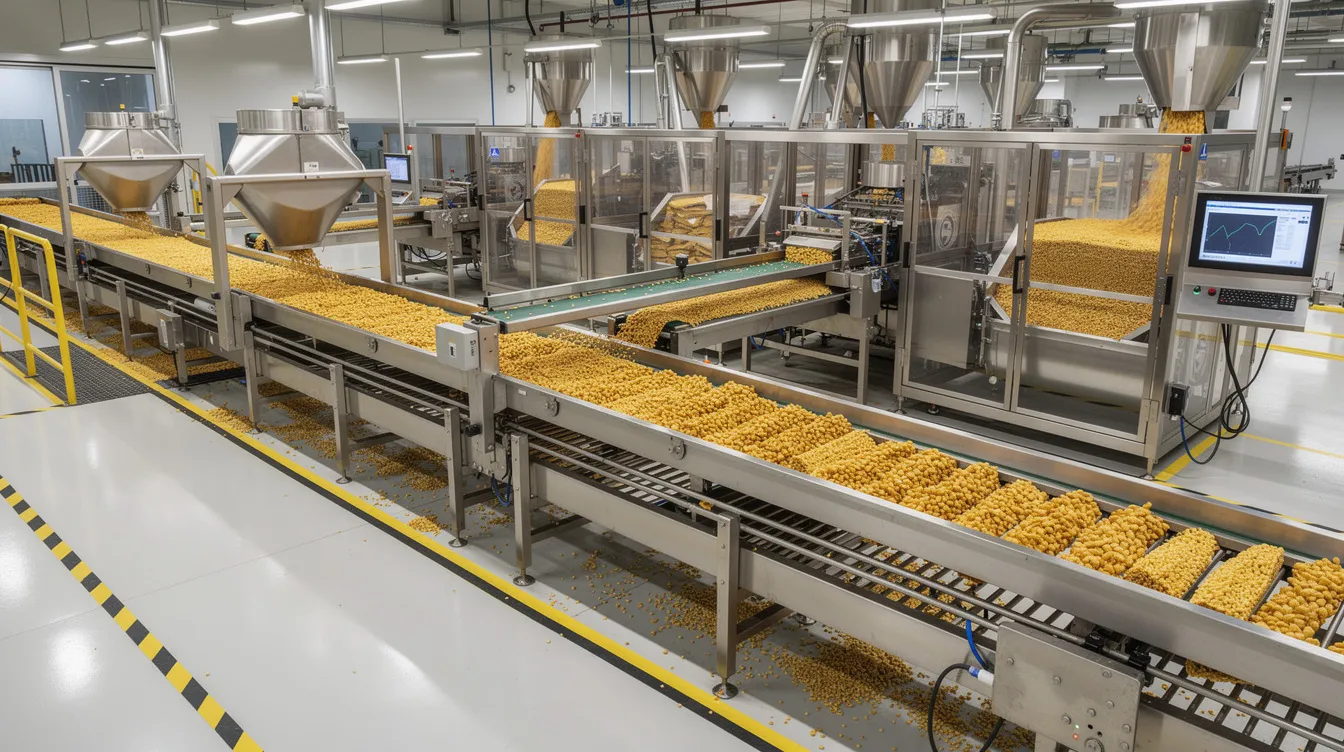
A ready-to-eat millet breakfast cereals processing plant produces dry, shelf-stable cereal products based primarily on millets. These food products are consumed directly – typically with milk or yoghurt – without further cooking. Cereals may include diverse product options such as millet flakes, puffs, and granola, as well as extruded rings, balls, pillows and fortified multigrain blends.
It is important to distinguish between:
- Ready-to-eat cereals – fully cooked, dried, shelf-stable products consumed as-is.
- Ready-to-cook mixes – such as instant millet porridge, upma or dosa mixes (instant mixes include dosa, idli, khichdi, and pongal), which require boiling water or cooking. These are covered separately in the Instant Millet Porridge and Upma Mix Manufacturing Plant Project Report.
- Primary grain milling – production of fine flour, semolina or grits, which is an upstream process feeding into cereal manufacturing.
A plant can be configured for one or multiple product streams: a flaked cereals line, a puffed cereals line, an extrusion-based cereals line and a blending or roasting line for muesli-type products. Breakfast cereals include millet flakes and fortified porridges as additional product options.
| Product Category | Core Technology | Key Machinery | Typical Customer Segments |
|---|---|---|---|
| Puffed millet cereal | Puffing | Puffing gun, continuous roaster | Retail, schools, nutrition programmes |
| Extruded rings/balls | Extrusion | Twin-screw extruder, dryers | Urban retail, e-commerce, gyms |
| Toasted millet flakes | Flaking + toasting | Flaking rolls, toaster/dryer | Supermarkets, health stores |
| Fortified multigrain mix | Blending + roasting | Mixers, roasters, coaters | Institutional, private-label |
This article is distinct from the Puffed Millet Processing Plant Project Report, which focuses on puffed grain ingredients rather than finished retail-packaged breakfast cereals.
Market Potential and Business Opportunities in India
Packaged breakfast cereals in India have grown with rising consumer demand, busier lifestyles and the penetration of modern retail and quick-commerce platforms. Urban health-conscious consumers constitute a significant target audience for cereal products, and the health and wellness snack sectors have seen significant growth in recent years. Asia Pacific holds a 42.8% revenue share in the millet market, and one in nine adults globally has diabetes – a factor boosting demand for low-glycaemic, millet based food products.
Millet breakfast cereals offer specific positioning advantages:
- Naturally gluten free when formulated without wheat, aligning with the fact that gluten-free diets are gaining popularity among consumers due to health benefits and that millet-based foods are increasingly preferred for gluten-free diets.
- Higher fibre and mineral content compared to standard corn or wheat cereals – ragi is rich in calcium, while bajra and jowar provide iron and zinc.
- Alignment with government initiatives promoting millets and the Shree Anna campaign.
- Appeal to diabetic, weight-management and sports-nutrition segments.
Clean-label ingredients and high protein content are competitive advantages in food production, and millet snacks are growing at 18–22% annually, reflecting broader consumer interest in millet based products.
Opportunity areas include:
- Domestic modern trade (supermarkets, hypermarkets) and online marketplaces
- Institutional buyers – hostels, hospitals, corporates, school programmes, hotels
- B2B bulk supplies for muesli manufacturers and other food processors
- Private-label and contract manufacturing for multiple brands
- Export markets with Indian diaspora or health-food chains, though regulatory requirements, quality certifications and premium packaging expectations apply
The competitive landscape is intense – global cereal brands, Indian multigrain players and emerging millet-focused startups all compete. New entrants may need to differentiate through regional flavours, functional claims or clean-label positioning. Health bars incorporate foxtail or pearl millet for protein, and millet pasta is a functional alternative to refined-wheat noodles, indicating diversification potential.
While the investment opportunities are strong, success depends on product-market fit, distribution tie-ups and disciplined project execution – which should be validated through a formal millet breakfast cereals plant DPR and feasibility study.
Raw Materials Required for Millet Breakfast Cereals Manufacturing
The key raw materials for a millet breakfast cereals plant include:
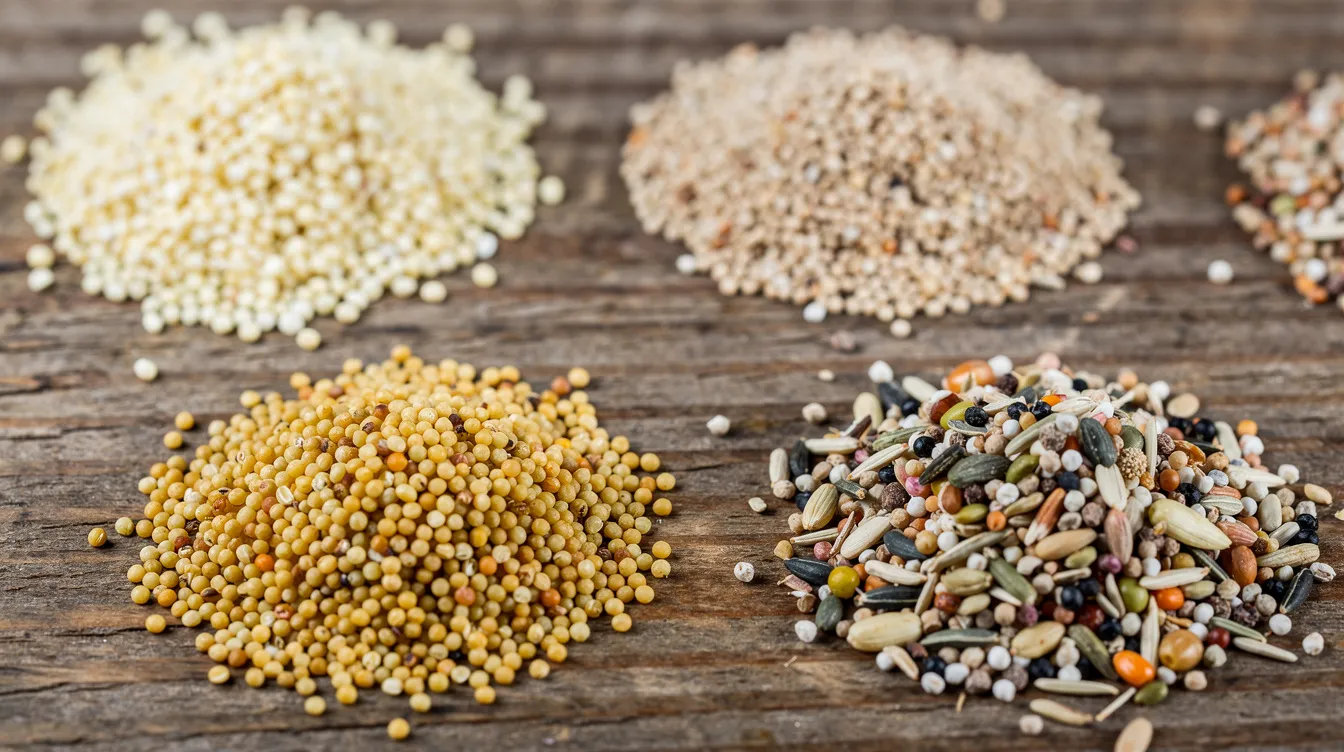
- Millets: finger millet (ragi), pearl millet (bajra), sorghum (jowar), foxtail millet, kodo, little millet and barnyard millet
- Other grains and legumes: corn, oats, rice, wheat (or wheat-free options for gluten free claims), chickpea or pulse flours
- Sweeteners: sugar, liquid glucose, honey, jaggery, malt extracts
- Fats and oils: vegetable oils for coating or spraying
- Flavourings and inclusions: cocoa, fruit pieces, nuts, seeds, spice blends
- Fortification premixes: vitamin and mineral premixes (including B vitamins, iron, calcium)
- Packaging materials: multi-layer laminated pouches, cartons, bulk bags
India harvested approximately 18.59 million tonnes of millets in 2024-25, with major producing states including Rajasthan, Maharashtra, Karnataka and Uttar Pradesh – ensuring strong domestic availability for millet production.
Millet variety suitability:
- Ragi suits calcium-rich extruded or flaked cereals
- Bajra and jowar work well for puffed cereals and toasted blends
- Small millets (foxtail, kodo, little, barnyard) suit multigrain muesli-type mixes and premium products
Many promoters source cleaned raw millet grains or flours from specialised upstream units. Relevant references include the Integrated Millet Processing Plant Project Report, Ragi Processing Plant Project Report, Bajra Processing Plant Project Report, Sorghum Milling Plant Project Report and Small Millet Processing Plant Project Report for detailed upstream millet processing guidance.
Quality parameters for procurement:
- Moisture content in raw millets should ideally be below 12–13% for safe raw material storage
- Foreign matter, broken kernels, mycotoxin levels and absence of insect infestation must be verified
- Kernel size and uniformity directly affect puffing and extrusion performance
- Granulation of flours and grits must match recipe and equipment requirements
Packaging materials for cereals should provide moisture barriers to maintain product quality, particularly given India’s hot and humid climate. Storage requires aeration, FIFO rotation, humidity below 65% and temperature control. For gluten free lines, physical separation or dedicated equipment is essential to avoid cross-contamination.
Raw materials account for 60–70% of operating expenses in cereal manufacturing, making formulation economics and procurement planning critical. Millets may be blended with other cereals to optimise cost while maintaining the nutritional value and marketing claims, but actual recipes must be developed through food technology expertise and pilot trials.
Ready-to-Eat Millet Breakfast Cereals Manufacturing Process
While all RTE cereals follow the broad chain from raw-grain cleaning to packaging, the detailed manufacturing process differs across three major product types: flaked cereals, puffed cereals and extruded cereals. The production process for breakfast cereals includes cleaning, cooking, flaking, and packaging as core unit operations.
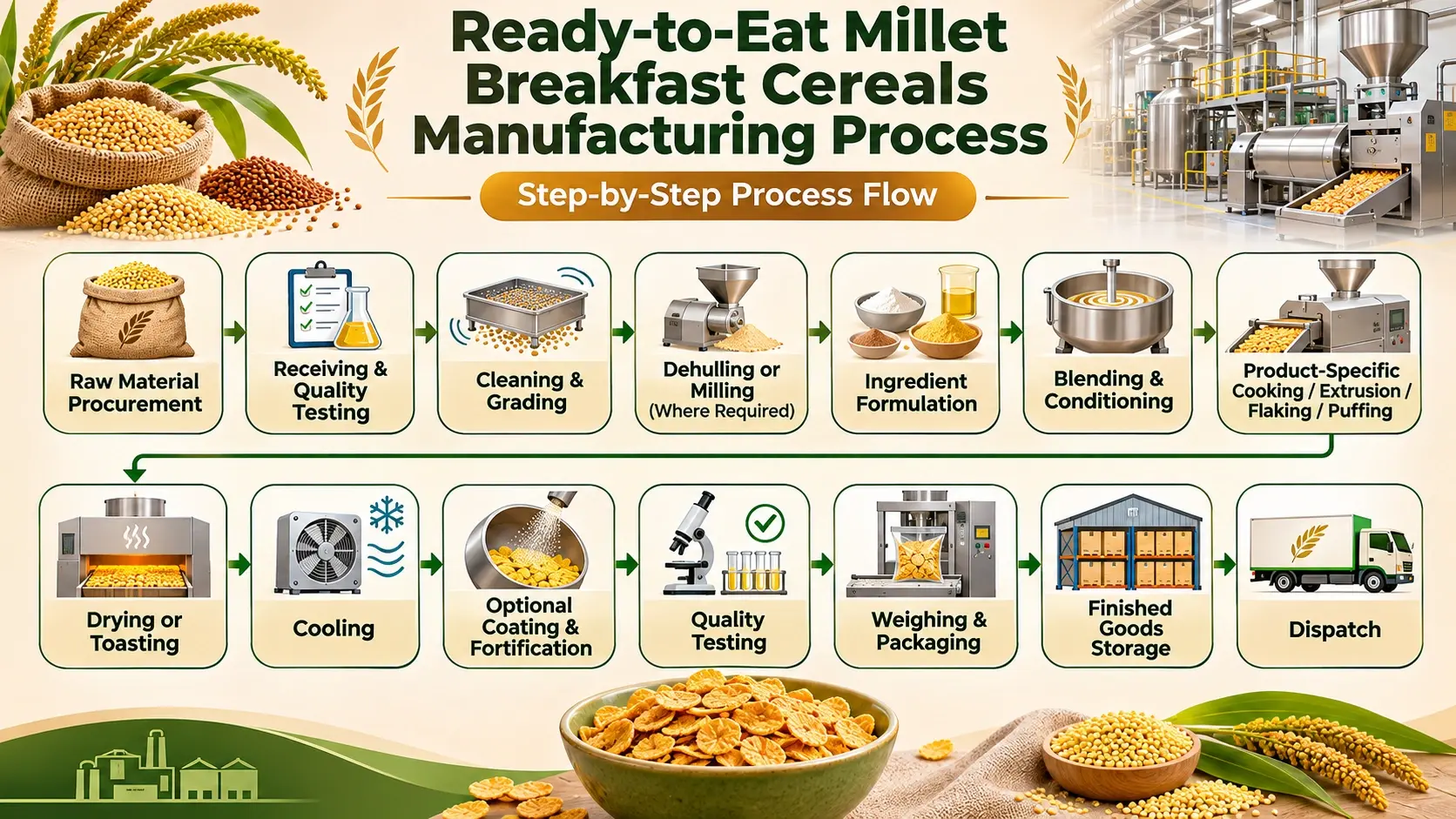
Process flow:
Raw Material Procurement → Receiving & Quality Testing → Cleaning & Grading → Dehulling or Milling (Where Required) → Ingredient Formulation → Blending & Conditioning → Product-Specific Cooking / Extrusion / Flaking / Puffing → Drying or Toasting → Cooling → Optional Coating & Fortification → Quality Testing → Weighing & Packaging → Finished Goods Storage → Dispatch
Flaked Cereals
Whole grain millets or grits are soaked or preconditioned, steamed and cooked to gelatinise starch, tempered, then passed through flaking rolls under controlled pressure. The resulting flakes are dried or toasted to achieve the desired crunch, optionally coated with sugar or flavour syrups, and cooled before packaging.
Puffed Cereals
Puffed whole millets can be prepared using batch puffing guns or continuous roasters, where kernels expand under sudden pressure release. Alternatively, extruded puffed cereals use twin-screw extrusion followed by cutting and expansion at the die. The Puffed Millet Processing Plant Project Report covers puffed grain ingredient production, which can be integrated in-house or sourced externally for cereal blends.
Extruded Cereals
The twin-screw extrusion process involves pre-blending of flour mixes, feeding into a preconditioner with steam and water, extrusion at controlled temperature and screw speed, cutting at the die with expansion, followed by drying and optional toasting. This is the same core technology used for millet snacks, though die design, density targets and coatings differ significantly – as explained in the Millet Extruded Snacks Manufacturing Plant Project Report.
Cross-Cutting Process Controls
- In-process moisture control is critical; FSSAI standards require finished cereals to have maximum 7.5% moisture (or 10% with dehydrated fruits)
- Uniform expansion and texture depend on controlling bulk density, screw profiles and die geometry
- Shelf life under Indian climate conditions requires robust packaging barriers and careful drying
- Coating and fortification steps – via coating drums or spray systems – must ensure even distribution for labelling compliance
Separate lines or strict allergen control protocols are necessary if wheat, nuts, soy or dairy-based ingredients are used alongside gluten free products. Ready to eat meals and instant porridge mixes represent a different category; the Instant Millet Porridge and Upma Mix Manufacturing Plant Project Report covers ready-to-cook alternatives.
Plant and Machinery Required
Machinery requirements must align with production capacity and the chosen product mix. Below is a structured list grouped by function.
Pre-Processing and Handling
- Raw grain intake hopper and conveyors
- Vibrating cleaners and destoners – cleaning and de-stoning machinery is essential for millet processing facilities
- Magnetic separators and sieves
- Dehullers and pearlers for certain millets
- Grain storage silos or bins
- Cleaning and grading machines for raw material preparation
Milling and Preparation (Where Required)
- Hammer or pin mills for fine flour and grits
- Roller mills for grits preparation
- Plansifters and classifiers
- Flour and grit handling systems (pneumatic or mechanical)
Formulation and Conditioning
- Ribbon or paddle mixers
- Pre-conditioners with steam injection
- Liquid-dosing and micro-ingredient dosing systems
Product-Line-Specific Equipment
| Equipment | Extrusion Line | Flaking Line | Puffing Line |
|---|---|---|---|
| Main machine | Twin-screw extruder with die plates and cutters | Cooking kettles, flaking rolls | Puffing guns or continuous roasters |
| Downstream | Belt/fluidised-bed dryers, toasters | Flake dryers/roasters | Fluidised-bed roasters |
| Coating | Coating drums, spray coaters | Coating drums | Tumble coaters |
Packaging and Inspection
- Multihead weighers or linear weighers
- Vertical form-fill-seal (VFFS) pouch machines
- Carton erecting, filling and sealing equipment
- Metal detectors and checkweighers
- Printing and coding systems for batch details
Utilities and Auxiliary Systems
- Steam boiler, compressed air system, water treatment
- Power distribution panels
- Material handling – bucket elevators, screw conveyors, pneumatic transfer
- Dust collection and air filtration systems
Laboratory and Quality Control
- Moisture meters, precision balances, texture analysers
- Basic microbiology setup for routine testing
- Quality control processes ensure consistent product quality in food manufacturing, and quality assurance is essential for product consistency
Automation options range from semi-automatic to fully automatic lines with PLC/SCADA control systems, significantly affecting manpower requirements, consistency and capital expenditure. The automation level chosen directly influences the millet breakfast cereals manufacturing machinery cost and overall setup machinery budget. Project-specific vendor quotations are essential for accurate millet breakfast cereals manufacturing plant cost estimation; indicative cost norms from MoFPI suggest equipment costs of approximately ₹1.30 crore for a 100–150 kg/h extrusion line and ₹1.85 crore for a 300–350 kg/h line, excluding packaging and utilities.
Manufacturing Plant Capacity Planning
Plant capacity is typically defined in kg per hour of finished cereal output. Promoters commonly evaluate plants of approximately 500 kg/h, 1,000 kg/h and 2,000 kg/h as scalable industrial options. Annual production capacity should range between 2,000–5,000 MT for commercially viable operations, and plant capacity needs to be assessed based on production goals and operational efficiency.
Rated machine capacity differs from effective output due to line efficiencies, moisture loss in drying, trim and fines, and changeover downtime between different SKUs.
| Parameter | 500 kg/h Plant | 1,000 kg/h Plant | 2,000 kg/h Plant |
|---|---|---|---|
| Rated hourly capacity | 500 kg | 1,000 kg | 2,000 kg |
| Operating hours/year (illustrative) | 4,800 | 4,800 | 4,800 |
| Theoretical annual output | 2,400 MT | 4,800 MT | 9,600 MT |
| Assumed utilisation (Year 3) | 70% | 75% | 75% |
| Effective annual saleable output | ~1,680 MT | ~3,600 MT | ~7,200 MT |
Assumptions: 2 shifts × 8 hours × 300 working days. Figures are illustrative and subject to project-specific validation.
Capacity utilisation typically builds from 50–60% in the first year to 80–85% by years 3–5. Product mix influences planning – extruded cereals may run continuously, while muesli-type blends are produced in batches. Higher capacities lower per-kg fixed costs but require stronger branding, distribution and working capital support to maintain throughput.
Land, Building, Factory Layout and Infrastructure
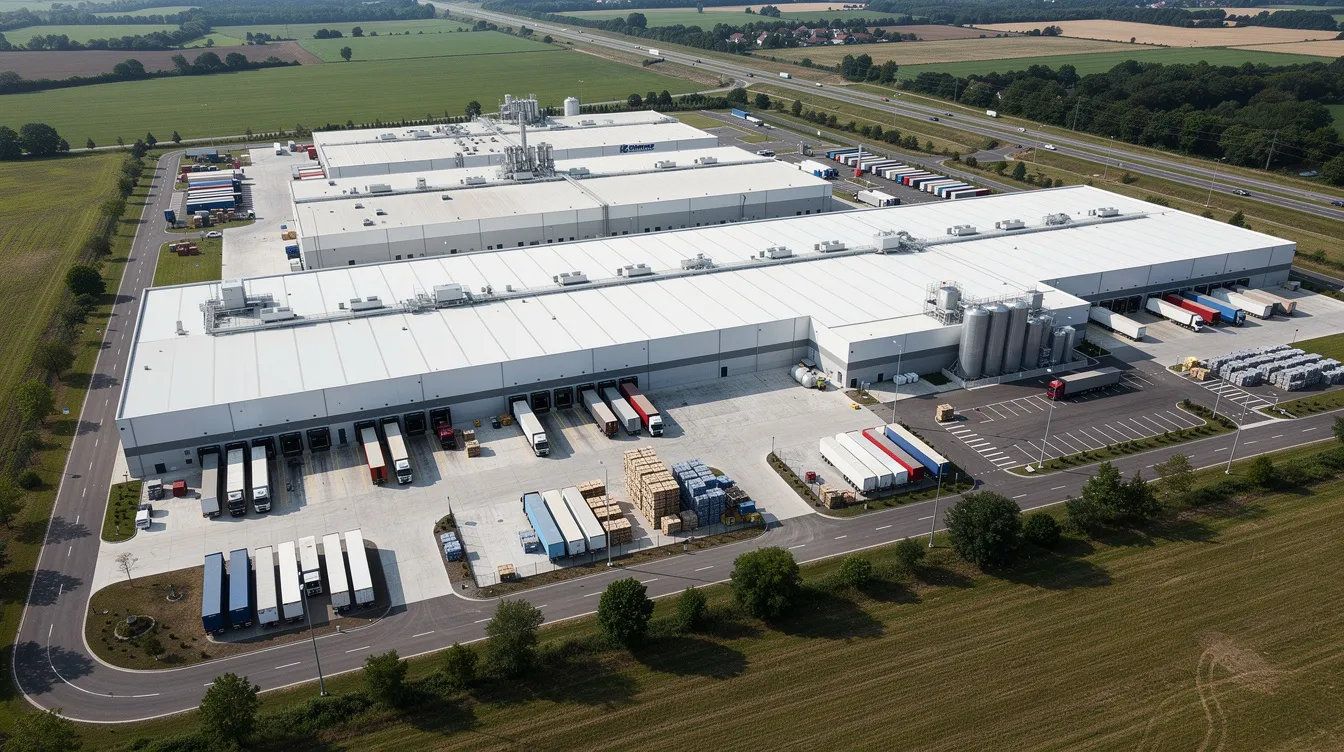
Actual land requirements depend on capacity, building design, automation level and future expansion plans. A plant producing 500–1,000 kg/h may require 1–3 acres, while larger facilities need proportionally more space.
Key functional areas in the layout:
- Raw-material receipt and quarantine area
- Grain cleaning and pre-processing section
- Milling and blending area
- Main processing halls for extrusion, puffing, flaking and roasting
- Coating, cooling and packaging rooms
- Finished-goods warehouse and RM/PM stores
- Utilities block (boiler room, compressor, DG sets)
- Quality-control lab, administrative offices and staff amenities
Utilities and infrastructure are critical for plant setup. Power requirements range from approximately 300 kW to 1.5 MW depending on the number of processing lines. Steam needs must be sized for cooking, preconditioning and drying operations. Water supply, treatment and effluent management systems are required.
Hygienic design principles – zoning for raw, semi-processed and finished products, washable surfaces, controlled airflow and personnel hygiene facilities – are non-negotiable for food-grade manufacturing. Proximity to millet-growing belts (Rajasthan, Maharashtra, Karnataka) reduces raw material transport cost. For integrated operations, refer to the Integrated Millet Processing Plant Project Report.
Millet Breakfast Cereals Manufacturing Plant Cost and Investment
Capital expenditure typically includes land development, building, machinery, and infrastructure costs. It is important to distinguish between:
- Fixed capital investment – land, building, plant and machinery, utilities
- Pre-operative and preliminary expenses – interest during construction, consultancy, trial runs
- Margin money for working capital – forming the total project cost
| Cost Head | Description | Typical Share of Fixed Capital |
|---|---|---|
| Land and site development | Acquisition, levelling, boundary, roads | 8–15% |
| Factory building and civil works | Processing halls, warehouse, utilities block | 20–30% |
| Plant and machinery (processing) | Extruders, flakers, dryers, coaters | 30–40% |
| Packaging machinery | VFFS, weighers, carton lines | 5–8% |
| Electricals and utilities | Transformers, boiler, compressor, DG set | 8–12% |
| QC lab, material handling, misc. | Laboratory, conveyors, forklifts | 3–5% |
| Engineering, installation, commissioning | Erection, piping, automation | 5–8% |
| Contingencies and pre-operative | IDC, consultancy, approvals, trials | 5–10% |
Percentages are illustrative for a mid-sized plant and subject to detailed vendor quotations.
The millet breakfast cereals manufacturing plant cost is influenced by chosen capacity, level of automation, imported versus Indian machinery, inclusion of multiple product lines, and export-oriented packaging and quality systems. Overall project cost excluding land can range from approximately ₹5 crore for small-scale operations to ₹60 crore or more for large, multi-line, highly automated facilities.
Project Report Bank customises DPRs only after reviewing actual vendor quotations and site-specific inputs rather than using generic templates. The total funding requirement may exceed the total project cost when accounting for initial marketing launch and unforeseen delays.
Working Capital Requirements
Working capital represents funds blocked in inventories, receivables and day-to-day expenses minus supplier credit. The main components include:
- Raw millet and other grain stocks (often procured seasonally to lock prices for raw material requirements)
- Inventories of sweeteners, oils, flavours and premixes
- Packaging materials (laminated films, cartons, labels)
- Work-in-process and finished-goods stock
- Trade receivables from distributors, modern retail chains and institutional buyers
- Cash and bank balances for routine operating expenses
Credit and collection patterns in the millet based food industry significantly affect the cash cycle. Distributor credit of 30–60 days is common in modern trade, while raw material suppliers may expect shorter payment terms or advances for specialised premixes.
Banks typically sanction working capital limits based on norms such as drawing power against stocks and receivables, requiring proper financial projections and CMA Data. Project Report Bank prepares such CMA Data and term–working capital structuring for clients. Even a technically strong plant can face stress if the working capital cycle and opportunities cost and revenue implications are not properly evaluated in the DPR.
Production Cost and Operating Economics
Profitability depends on a realistic understanding of production cost per kg, combining raw and packaging materials, utilities, labour, overheads and distribution expenses.
Cost structure breakdown:
- Variable costs: millets and other grains, sweeteners, oils, flavours, packaging, utilities, outward freight, trade discounts
- Fixed costs: core staff salaries, rent or building depreciation, insurance, administrative costs, basic marketing overheads, routine maintenance
Raw materials and packaging together typically account for a significant portion of operating expenses. Gross profit margins for processed cereal products generally range between 40–50%, while a strong net profit margin typically ranges between 12% to 20% – though these depend heavily on product mix, scale, brand positioning and distribution efficiency.
Illustrative cost-per-kg framework (example only):
| Component | Indicative Range (₹/kg) |
|---|---|
| Raw materials (millets, grains, sweeteners) | 60–120 |
| Packaging | 15–35 |
| Utilities (power, steam, water) | 5–12 |
| Direct labour | 3–8 |
| Overheads and depreciation allocation | 8–20 |
| Total manufacturing cost | 91–195 |
| Selling, distribution, marketing | 15–40 |
| Total delivered cost | 106–235 |
These are illustrative ranges, not guaranteed costs. Actual figures must be determined through project-specific analysis.
Key sensitivities include millet or sugar price fluctuations, cost of imported flavours or packaging materials with forex exposure, and the effect of underutilisation of plant capacity on per-kg fixed costs.
Financial Projections, DSCR, IRR and Break-Even Analysis
A bankable millet breakfast cereals plant DPR and feasibility study should contain integrated financial projections covering at least 7–10 years, aligned to the term-loan tenure.
Core components of the financial model:
- Projected production volume and sales by product category
- Revenue projections by year based on capacity utilisation build-up
- Raw material, packaging and utility cost schedules
- Manpower plan and wage costs
- Depreciation schedule for each asset class
- Interest schedule for term loan and working capital borrowings
- Tax computation and projected profit and loss statements
- Projected cash-flow statements
The Debt-Service Coverage Ratio (DSCR) is a critical financial indicator for project feasibility, evaluating whether the project can comfortably repay term-loan instalments and interest. Lenders typically expect DSCR of 1.25–1.50 or higher.
Internal rate of return (IRR), net present value (NPV) and payback period help promoters and lenders judge the attractiveness and risk of the project. Break-even analysis helps determine the minimum capacity utilisation needed for profitability – typically 60–70% for cereal plants, depending on the cost structure.
Sensitivity analysis should test how DSCR, IRR and break-even respond to changes in raw material prices, selling prices, plant utilisation and delays in achieving targeted sales. At Project Report Bank, the approach is to stress-test assumptions rather than present overly optimistic scenarios.
Bank Loan, Project Finance and CMA Data Requirements
For medium- to large-scale millet breakfast cereal plants, term loans and working capital limits from banks are typically essential. Detailed Project Reports (DPR) require technical feasibility and financial viability analysis to satisfy bank appraisal requirements.
What lenders typically expect:
- Clear project description and promoter background
- Detailed project cost and means of finance with promoter contribution
- Technical details of machinery, capacity and manufacturing process
- Implementation schedule and market risk assessment
- 7–10 year financial projections with DSCR, break-even and cash flow
- Security coverage and proposed repayment schedule
CMA Data – the standardised set of financial statements and projections required by Indian banks – summarises existing and projected balance sheet, profit and loss, and fund-flow statements for assessing both term and working capital facilities.
Generic, downloadable reports rarely satisfy bank appraisals for a specialised RTE millet cereal plant. The PMFME scheme offers government subsidies for micro food processing enterprises in India, which may be relevant for smaller-scale promoters. Project Report Bank assists clients in DPR preparation, CMA Data compilation, means-of-finance structuring and lender discussions – without guaranteeing loan approval, since that depends on many external and promoter-specific factors.
Statutory Approvals and Food Safety Compliance
Promoters must verify all regulatory requirements with current central and state laws. The following is an orienting checklist:
Key approvals:
- FSSAI registration or licence – an FSSAI license is mandatory for food manufacturing businesses in India
- Factory licence under applicable state factories law
- Pollution Control Board consent to establish and operate, where required
- Fire safety NOC and building plan approvals
- MSME registration is necessary for accessing government support and funding
- GST registration and periodic filings
- Legal Metrology (Packaged Commodities) Rules for weights, MRP and declarations
Food-specific compliance:
- FSSAI product standards for breakfast cereals (Regulation 2.4), including moisture limits and permitted additives
- Mandatory nutritional information and ingredient declarations
- Allergen labelling (gluten, nuts, soy, milk)
Many buyers – modern retail chains and export customers – require documented food safety management systems such as HACCP plans, ISO 22000 or FSSC 22000 certification. These are not legally mandatory for all operators but are commercially important for certain important segments and end use industries. A good RTE cereal plant DPR should map the likely compliance path and budget for related consultancy, audits and recurring costs.
Key Risks and Project Feasibility Challenges
While millet breakfast cereals offer promising investment opportunities, the project economics are sensitive to several risks:
Product and technology risks:
- Inconsistency in texture or expansion due to formulation variations – millet starch properties differ from corn, affecting extrusion behaviour
- Difficulty in achieving consumer-acceptable taste compared to established brands
- Challenges in maintaining crispness and shelf life in hot, humid climates
Raw material and supply risks:
- Seasonal and regional variability in millet quality and price through sustainable agriculture cycles
- Dependence on single suppliers for specialised premixes
- Risk of mycotoxin contamination if storage and procurement are not well managed
Market and financial risks:
- High trade margins and listing fees eroding net realisations in the millet market
- Plant underutilisation in early years leading to high per-unit variable costs and fixed cost burden
- Longer-than-expected receivable cycles from institutional or modern trade customers
Practical mitigation measures:
- Robust pilot-scale trials before finalising setup machinery and formulations with proper planning
- Phased capacity ramp-up and flexible production planning
- Diversified product portfolio including related lines such as energy bars, millet snacks and millet pasta – refer to the Millet Noodles, Pasta and Vermicelli Manufacturing Plant Project Report and Quinoa, Amaranth and Buckwheat Processing Plant Project Report for broader speciality-grain opportunities
- Conservative financial projections with sensitivity checks
How to Prepare a Bankable DPR for a Millet Breakfast Cereals Plant
A detailed project report in this context is a structured, techno-commercial document that converts a business idea into an implementable plant project, integrating engineering, market and financial analysis.
Step-wise approach:
- Product-mix finalisation – define proportion of flakes, extruded cereals, puffed blends and fortified products
- Market validation – retail audits, distributor discussions, competitor benchmarking to understand market potential and easy access to target consumers
- Capacity and phasing – single phase versus staged expansion for setting up a millet breakfast cereals plant
- Technology and machinery selection – shortlist suppliers (Indian and global), obtain budgetary quotations
- Infrastructure planning – suitable land, layout concept, utility sizing
- Raw material strategy – direct procurement from farmers, FPOs or aggregators versus integrated millet processing
- Financial planning – term loan and equity mix, working capital assessment, 7–10 year projections including DSCR, IRR, NPV, break-even and sensitivity analysis
- Risk documentation – identify key assumptions (selling prices, capacity utilisation, raw material prices, credit terms) and model “what-if” scenarios
A bankable millet breakfast cereals plant DPR should be customised – not a recycled template – reflecting the promoter’s specific location, business plan, product mix and funding requirements. Project Report Bank specialises in such tailored DPRs and feasibility studies for food-processing projects.
Why Choose CA Manish Gugliya for DPR and Project Finance Advisory?
I, CA Manish Gugliya, FCA, DISA (ICAI), am a practising Chartered Accountant with over 20 years of professional experience in project finance, DPR preparation and financial modelling for manufacturing and food-processing projects across India. As founder of Project Report Bank, our team combines financial expertise with practical understanding of food-industry manufacturing process flows, machinery requirements and project economics applicable to the millet based food industry and related sectors dealing with human nutrition.
Services relevant to ready-to-eat millet breakfast cereals plants:
- Customised Detailed Project Reports (DPR) for bank finance
- Investor-ready DPRs and pitch-support documents
- Financial projections and sensitivity analysis for medium- and large-scale food plants
- CMA Data preparation for bank loans
- Working capital assessment and means-of-finance structuring
Our approach is to base assumptions on actual supplier quotations and realistic market feedback, transparently show promoters the range of feasible outcomes, and avoid unrealistic profitability promises. The focus remains on financial discipline, risk management and defensible projections.
Serious promoters planning a ready to eat millet cereals plant setup in India are welcome to share details of their proposed location, capacity, product mix and funding needs so that a project-specific scope and advisory proposal can be framed.
Frequently Asked Questions
What is a reasonable minimum capacity for a commercially viable millet breakfast cereals plant in India?
Most promoters evaluating industrial-scale operations consider 500 kg/h of finished product as a practical starting point, translating to roughly 2,000–2,400 MT annual output at moderate utilisation. Below this scale, per-kg fixed costs may be difficult to absorb competitively against established brands.
Can I produce both gluten free and wheat-based cereals in the same factory?
Yes, but it requires strict allergen control protocols – dedicated lines or thorough validated cleaning procedures between runs, physical separation of raw material storage, and clear labelling compliance. Cross-contamination risk must be documented and managed.
How different is the machinery for breakfast cereals from that used for millet snacks or flour?
The core extruder technology is similar, but die design, process parameters, density targets and finishing steps differ materially. Breakfast cereals typically target lower oil content, different bulk density and specific crispness profiles. Refer to the Millet Extruded Snacks Manufacturing Plant Project Report for a detailed comparison.
What shelf life can I realistically expect for RTE millet cereals in Indian conditions?
With proper drying (finished moisture below 7.5%), appropriate multi-layer barrier packaging and controlled storage, shelf life of 6–12 months is generally achievable. Products with added nuts or fats may face rancidity risk, requiring additional controls or modified atmosphere packaging.
How long does it typically take to implement such a project from DPR to commissioning?
Implementation timelines vary, but a reasonable estimate for a mid-sized plant is 12–18 months from finalised DPR to commercial production – covering civil construction, machinery procurement and installation, trial runs and regulatory approvals.
Do I need separate DPRs if I also plan millet snacks or instant porridge mixes alongside cereals?
If the products share significant infrastructure but have distinct product lines, a combined DPR may be appropriate with separate production and financial analysis for each product stream. However, it is often cleaner to prepare focused DPRs per product category for bank submissions, with a consolidated business plan showing synergies.
What documents do banks usually ask for when financing a millet breakfast cereals plant?
Banks typically require a detailed project report with techno-economic analysis, CMA Data, promoter KYC and net worth statements, property and collateral documents, business experience details, quotations for major machinery, and a proposed repayment schedule with DSCR analysis.
What distinguishes a millet breakfast cereal plant from a generic millet processing unit?
A breakfast cereal plant involves higher value addition through extrusion, flaking or puffing, coating, fortification and branded retail packaging – requiring specialised equipment, stricter food safety standards and significant marketing investment. A generic millet processing unit typically focuses on cleaning, dehulling and milling for bulk grain or flour trading.
Is it necessary for millet breakfast cereals to be completely gluten free?
Not mandatory. Promoters can formulate multigrain products containing wheat or barley. However, if claiming gluten free status, the entire supply chain – from raw material sourcing to dedicated production lines – must ensure no cross-contamination, with appropriate labelling.
Can the same extrusion line be used for both snacks and breakfast cereals?
The core twin-screw extruder can be shared with proper cleaning, scheduling and die changes. However, recipe formulations, expansion ratios, coating systems and final product specifications differ. Plants may share equipment but should plan for changeover time and validate that end-product specifications are consistently met.
How do I estimate the selling price for new millet breakfast cereal products?
Pricing should combine a cost-plus approach (understanding full manufacturing, distribution and marketing cost per kg) with market-comparable analysis (studying competing products’ MRPs across retail channels). Multiple pricing scenarios should be modelled within the DPR to assess sensitivity of margins to pricing decisions.
Do I need a separate integrated millet processing plant before starting breakfast cereals?
It is not mandatory. Many plants source cleaned grains or flours from specialised processors. However, some larger investors choose backward integration for quality and cost control, particularly when operating at higher capacities requiring consistent supply of grading-specific raw materials.
Conclusion
Ready-to-eat millet breakfast cereals align strongly with long-term health, convenience and gluten free trends in India and globally. The millet based food industry offers genuine investment opportunities for promoters willing to invest in proper technology selection, realistic plant setup planning and disciplined financial modelling. However, success requires integrating robust manufacturing process design with realistic millet breakfast cereals manufacturing plant cost assessment, clear market positioning, and financial projections covering DSCR, IRR, break-even and working capital – not generic assumptions copied from template documents.
A well-prepared project report helps promoters and lenders alike to evaluate machinery options, manufacturing process choices, distribution strategy and long-term commercial viability before committing substantial capital.
Planning to establish or expand a Ready-to-Eat Millet Breakfast Cereals Manufacturing Plant in India?
CA Manish Gugliya provides customised Detailed Project Reports (DPR), industrial feasibility studies, financial projections, CMA Data and project finance advisory for food-processing and manufacturing projects.
Website: https://projectreportbank.com/
Share your proposed capacity, location, product mix and financing requirements for a project-specific, bankable DPR and advisory proposal.