Key Takeaways
- A maize wet milling by-product recovery plant converts streams such as gluten, fibre, maize germ and steep liquor into high-value feed ingredients like corn gluten meal (58–65% protein), corn gluten feed (18–23% protein) and maize germ for oil extraction, either within an integrated wet mill or as a downstream processing unit sourcing wet intermediates.
- Project feasibility depends on material balance accuracy, moisture and protein content of intermediate streams, drying technology selection, energy costs, product quality consistency and realistic pricing assumptions; theoretical recovery percentages alone do not determine commercial viability.
- A full maize wet milling complex (producing maize starch, liquid glucose, HFCS and derivatives) differs fundamentally from a focused by-product recovery and feed ingredient manufacturing plant that purchases wet streams from existing mills; the DPR must reflect the actual project configuration.
- A customised detailed project report with 10-year financial projections, DSCR and IRR analysis, working capital assessment, sensitivity analysis and risk evaluation is essential before seeking bank finance or investor funding for projects of this scale.
- Project Report Bank, led by CA Manish Gugliya, FCA, DISA (ICAI), provides professional DPR preparation, financial modelling and project finance advisory for entrepreneurs and companies planning maize wet milling by-product recovery and corn gluten feed ingredient projects in India.
1. Introduction – Maize Wet Milling By-Product Recovery Plant Project Report in India
Maize is the most widely produced cereal grain globally, and India alone produced approximately 55 million tonnes in 2025-26. Within the food processing industry and various industries that rely on maize as an industrial raw material, wet milling is the dominant route for producing maize starch, liquid glucose, corn syrup and related derivatives. A maize wet milling complex operating at 100 to 1,000 tonnes per day of raw maize also generates co-product streams: maize germ, maize gluten, maize fibre and corn steep liquor. These by-products, once treated as low-value residues, now represent distinct revenue opportunities within the animal feed manufacturing value chain and adjacent sectors.
A maize wet milling by-product recovery plant project report addresses a specific industrial question: how to convert these co-product streams into standardised, commercial-grade feed ingredients such as corn gluten meal, corn gluten feed, dried maize germ and concentrated steep liquor. Recovery efficiency, protein and fat quality, drying temperature control, low residual moisture (typically below 12%), microbiological safety and product standardisation are the technical drivers of profitability. A corn gluten meal manufacturing plant, for instance, must deliver at least 60% protein on a dry basis to meet buyer specifications in poultry and aquafeed markets.
The DPR serves as the base document for evaluating total project cost, technology selection, plant capacity, material balance, operating costs, revenue mix, IRR, DSCR and risk. This article, written from the perspective of Project Report Bank, a Chartered Accountant-led project advisory practice, is intended for serious investors, existing maize processing companies and project promoters evaluating by-product recovery and expansion projects under Indian conditions and 2026–2030 feed industry trends.
2. Understanding the Maize Wet Milling Industry and By-Product Recovery Opportunities
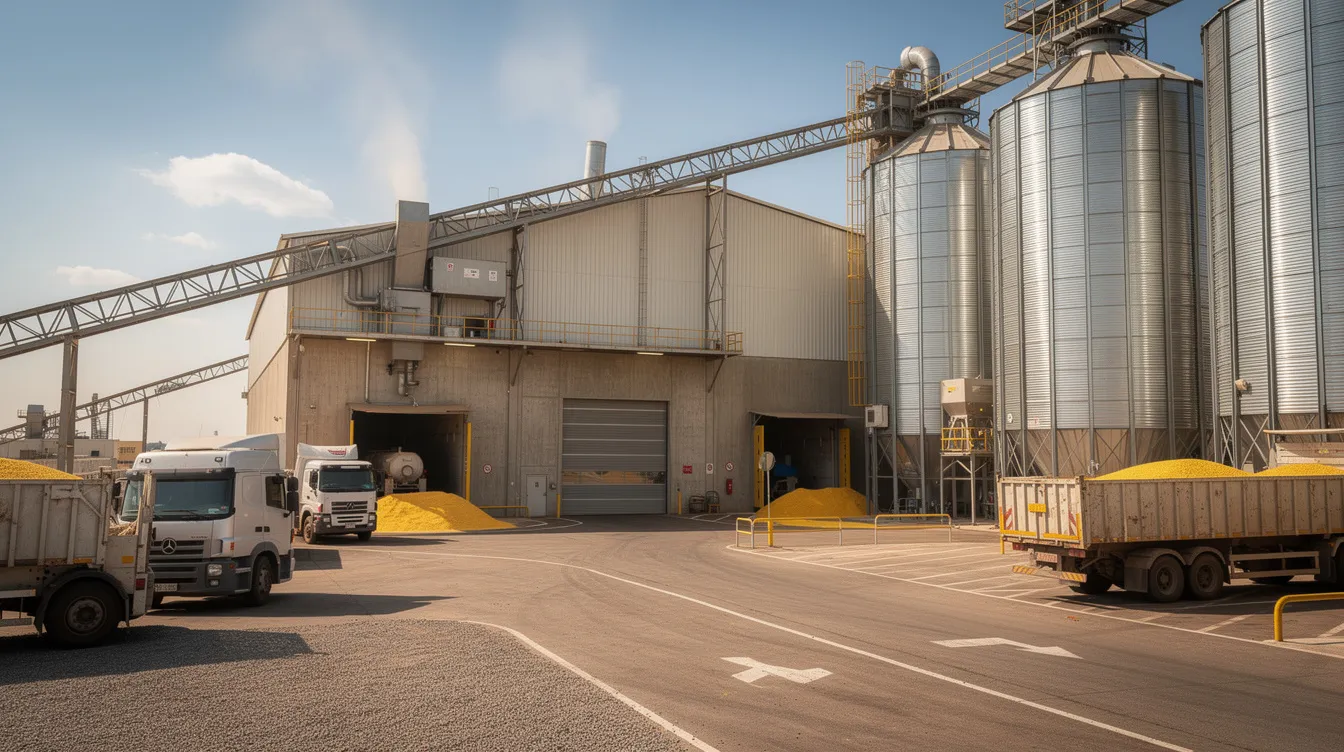
Unlike wheat flour milling or industrial dry maize processing, which produces industrially produced maize flours, grits, partially degerminated maize products and corn meals through mechanical size reduction, maize wet milling uses steeping and fractionation to separate the kernel into its constituent parts. The wet milling process started in 1844 in the USA and has since evolved into a precision industrial operation. Dry and wet milling serve different end markets: dry milling focuses on flour, ethanol and food products, while wet milling targets high-purity maize starch for the corn starch industry, liquid and dry sweeteners, corn starch hydrolysis products and specialty ingredients for the food and beverage industry, the textile industry and the paper industry.
In a typical wet mill, raw maize enters the facility, is cleaned and steeped in warm water with controlled sulphur dioxide (SO₂) for 24–48 hours, and then undergoes sequential separation. Germ is removed first via coarse grinding and hydrocyclone systems. Fibre is screened and washed out. The remaining slurry is processed through centrifuges or hydrocyclones to separate starch from gluten. The starch stream proceeds to maize starch, liquid glucose, HFCS or maltodextrin production lines, while by-products form parallel processing branches. Maize starch production involves wet milling for high-quality output, and the by-product streams are inherent to this process.
The key by-product streams include maize germ (for corn oil and maize germ oil extraction), gluten slurry (for corn gluten meal), fibre plus steep liquor (for corn gluten feed), and concentrated corn steep liquor for fermentation or feed applications. These wet maize milling products collectively account for 30–40% of total maize wet milling yield.
Existing maize starch and liquid glucose manufacturers can expand revenue by adding or modernising by-product recovery sections, including higher-efficiency gluten concentrators, fibre presses and advanced dryers. The growth of the biofuel industry also increases corn gluten meal availability, as ethanol-from-corn operations generate additional gluten and fibre streams.
A standalone “by-product recovery” project that is not attached to a wet mill must purchase inputs such as wet gluten, germ cakes, wet fibre or steep liquor from nearby maize processing units. Its capacity is sized in TPD of these intermediate streams, not TPD of maize. This distinction matters in the DPR because the capital cost, operating economics, supply security and risk profile differ from those of an integrated facility.
For context, related grain-based feed ingredient projects, including industrial maize feed ingredient processing plants, grain-based DDGS processing, wheat bran processing and broken rice feed ingredient processing, share overlapping market channels with maize wet milling by-products.
3. Major Products and Revenue Streams from Maize Wet Milling By-Products
This section provides a product-wise breakdown of typical saleable outputs from a maize wet milling by-product recovery plant. The actual product portfolio for a given DPR can include all or only some of these streams, depending on plant configuration, market access and investment appetite. A CGM-only dryer plant involves fundamentally different capex and operating economics compared with a fully integrated CGM, CGF, germ and CSL recovery line.
Each product’s revenue potential depends on quality specifications (protein percentage, fat, fibre, colour, moisture, mycotoxin levels), physical form (meal versus pellet), packaging and whether the product is sold domestically or to export buyers. The DPR will model separate price, volume and margin assumptions for each product, while also considering internal transfer pricing within a fully integrated wet mill complex.
3.1 Corn Gluten Meal (CGM)
Corn gluten meal is produced by separating gluten from the starch slurry using hydrocyclones or centrifuges, thickening via decanter centrifuges or vacuum filters, and drying. The dried product contains at least 60% protein on a dry basis, making it one of the highest-protein plant-based feed ingredients available. Maize gluten meal contains at least 60% protein and serves as a cost-effective alternative to soybean meal in poultry rations; at approximately ₹40/kg with 60% crude protein, CGM delivers protein at roughly half the cost per kilogram compared with soybean meal at ₹58/kg and 46% crude protein.
Quality parameters that buyers evaluate include protein percentage, fat content (typically 2–5%), ash, crude fibre (below 2–3%), xanthophyll pigment levels (critical for egg yolk colour in layer operations and broiler skin pigmentation), moisture (generally below 12%), particle size and microbiological limits. The global corn gluten meal market is driven by animal feed demand, with organised poultry feed producers, large integrated broiler operations, layer feed mills, aquafeed manufacturers and some pet food companies constituting the primary buyer base in India. Corn gluten meal is also used as a natural herbicide in organic farming, though this application represents a niche market.
Process control is central to product quality. Consistent gluten concentration, careful drying at controlled temperatures to avoid protein denaturation, use of indirect steam or hot-air dryers, and post-drying cooling to prevent caking all affect marketability. Overheated gluten loses amino acid digestibility, reducing its nutritional value and market price.
3.2 Corn Gluten Feed (CGF)
Corn gluten feed is typically a blend of maize fibre (hulls and screenings) with concentrated corn steep liquor and, in some formulations, a portion of the gluten fraction. The resulting product contains 18–23% crude protein and higher fibre content than CGM, making it suitable for ruminant feeds: compound cattle feed manufacturers, dairy cooperatives, integrated dairy farms and beef feedlot operators.
Processing involves fibre screening and washing, mechanical pressing or dewatering, mixing with CSL and optional additives, followed by drying in rotary or ring dryers. The dried meal can be sold as-is or pelletised using pellet mills and conditioners to improve bulk density, handling and transport economics. Moisture control, palatability, absence of foreign matter and aflatoxin risk management affect acceptance by major feed companies.
3.3 Maize Germ
Maize germ is separated early in the wet milling line via germ hydrocyclones, then washed, dewatered and dried. The initial maize germ fraction contains 80–84% of the total kernel oil, with oil content in dried germ ranging from 30% to 45% on a dry basis depending on variety and separation efficiency. Maize germ oil has applications as an edible oil and in specialty fat markets.
Promoters can choose between two routes: (a) sell dried germ as a co-product to third-party oil extraction plants, or (b) install an integrated oil extraction line (mechanical expeller or solvent extraction) within the same complex. The second option generates corn oil plus defatted germ meal as additional revenue sources but involves separate capex, solvent handling, safety systems and regulatory requirements similar to edible oil refinery operations. DPRs must evaluate the standalone viability of germ oil extraction before including it in the base scope.
3.4 Corn Steep Liquor (CSL)
Corn steep liquor is the soluble fraction drained from maize steeping, rich in soluble proteins, amino acids, minerals and lactic acid. It is typically concentrated via multiple-effect evaporators to 40–50% solids. Corn steep liquor is used as a nutrient-rich feed additive in cattle and poultry rations and as a nutrient source in antibiotic fermentation and other bio-industrial processes. Maize wet milling produces steep liquor used in animal feed formulations where its amino acid and mineral profile adds nutritional value.
Marketability depends on degree of concentration, free-flowing properties, shelf life, storage systems and whether the plant supplies in bulk tankers or dried form. CSL is often partly integrated into the CGF formulation, improving the nutritional properties of fibre-based feed products and reducing the need for separate CSL handling infrastructure.
3.5 Maize Fibre and Other Recoverable Streams
Maize fibre, a mixture of pericarp, hull and endosperm fibre with residual starch and protein, is a by-product with high dietary fibre content. Separated after milling and screening, it can be dried and used as cattle feed even without CSL blending. Further value addition includes fibre-rich pellets for animal feed concentrate formulations or specialised dietary fibre extraction, though most industrial plants focus on bulk feed markets.
Minor recoverable streams such as fine screenings, overs and germ meal after oil extraction are generally blended into feed ingredients or sold as low-value co-products. These must be accounted for in DPR material balances to avoid overestimating recovery of higher-value products.
3.6 Optional Integrated Products and Value-Addition Routes
Optional downstream products include refined or crude maize germ oil, defatted germ meal, pelletised corn gluten feed, blended compound feed concentrates and specialty feed premixes based on CGM or CGF blends. These investments are optional extensions beyond the core by-product recovery scope and require separate capital, technology, packaging and marketing assessments within the DPR. A phased approach (start with CGM, CGF and germ sales; add oil extraction or pelletisation later) can be analysed through scenario modelling within the financial projections. High-value nutraceuticals (phytosterols, carotenoids, maize fibre oil) exist mainly in R&D and specialised contexts; they are not part of standard commercial feed-oriented plants in India in 2026.
| Product | Processing Requirement | Principal Application | Likely Buyer Segment | Key Quality Parameters |
|---|---|---|---|---|
| Corn Gluten Meal | Gluten separation, dewatering, drying | Poultry feed, aquafeed, pet food | Feed mills, integrators | Protein ≥60%, moisture <12%, xanthophylls |
| Corn Gluten Feed | Fibre + CSL blending, drying, optional pelletising | Cattle feed, dairy feed | Compound feed plants, cooperatives | Protein 18–23%, moisture <12%, low mycotoxins |
| Maize Germ (dried) | Germ separation, washing, drying | Oil extraction, feed | Oil mills, feed traders | Oil 30–45% (dry basis), moisture <10% |
| Corn Steep Liquor | Evaporation, concentration | Feed additive, fermentation | Feed plants, pharma/bio industries | Solids 40–50%, amino acid profile |
| Maize Fibre | Screening, dewatering, drying | Cattle feed, fibre pellets | Feed manufacturers | Fibre content, moisture, palatability |
4. Indian Market Potential and Industrial Demand
India’s livestock and poultry sectors drive substantial demand for protein-rich and energy-balanced feed ingredients. India’s milk production reached 239.30 million tons in 2023-24, sustaining large compound cattle feed volumes. Organised poultry integration continues to expand, and the aquaculture market is expected to grow to 122.9 million tons by 2033, increasing requirements for high-protein ingredients in fish and shrimp feeds. Demand for maize-derived products is driven by applications in various industries spanning livestock feed, food processing and fermentation.
Corn gluten meal occupies a specific position in this market: a high-protein, pigment-rich ingredient for poultry and fish feed formulations. Corn gluten feed and fibre-based co-products are oriented towards ruminant feeds for cattle, buffalo and sheep, where the rising market demand for compound feed is linked to dairy intensification. Maize germ and maize germ meal compete with rice bran, soy hulls and other oilseed meals as a refined consumer food product precursor (through oil extraction) and a feed ingredient.
The competitive landscape includes soybean meal, rapeseed meal, DDGS from grain-based distilleries, rice bran and imported feed ingredients. Feed formulators optimise least-cost formulations based on nutrient specifications and delivered price. Market research is essential for identifying potential customers and pricing strategies; market analysis focuses on demand-supply dynamics for maize byproducts rather than assumed growth rates.
Non-price factors matter: consistency in protein and moisture, low mycotoxin levels, regular supply, bulk or bagged delivery capability, documentation and quality testing support give professionally managed plants an edge. Proximity to maize-growing belts and large feed clusters (Punjab-Haryana for dairy, Andhra Pradesh and West Bengal for poultry and aquaculture, Karnataka and Tamil Nadu for poultry) affects logistics costs, as does port access for export-oriented CGM or CGF shipments. The DPR should model different price scenarios reflecting historical volatility in the corn market and competing feed ingredient markets.
5. Maize Wet Milling By-Product Recovery Manufacturing Process
This section describes the interlinked branches of a maize wet milling complex, focusing on how by-products are generated and processed into saleable CGM, CGF, germ and CSL. Not all products pass sequentially through every stage; the manufacturing process has a branched architecture.
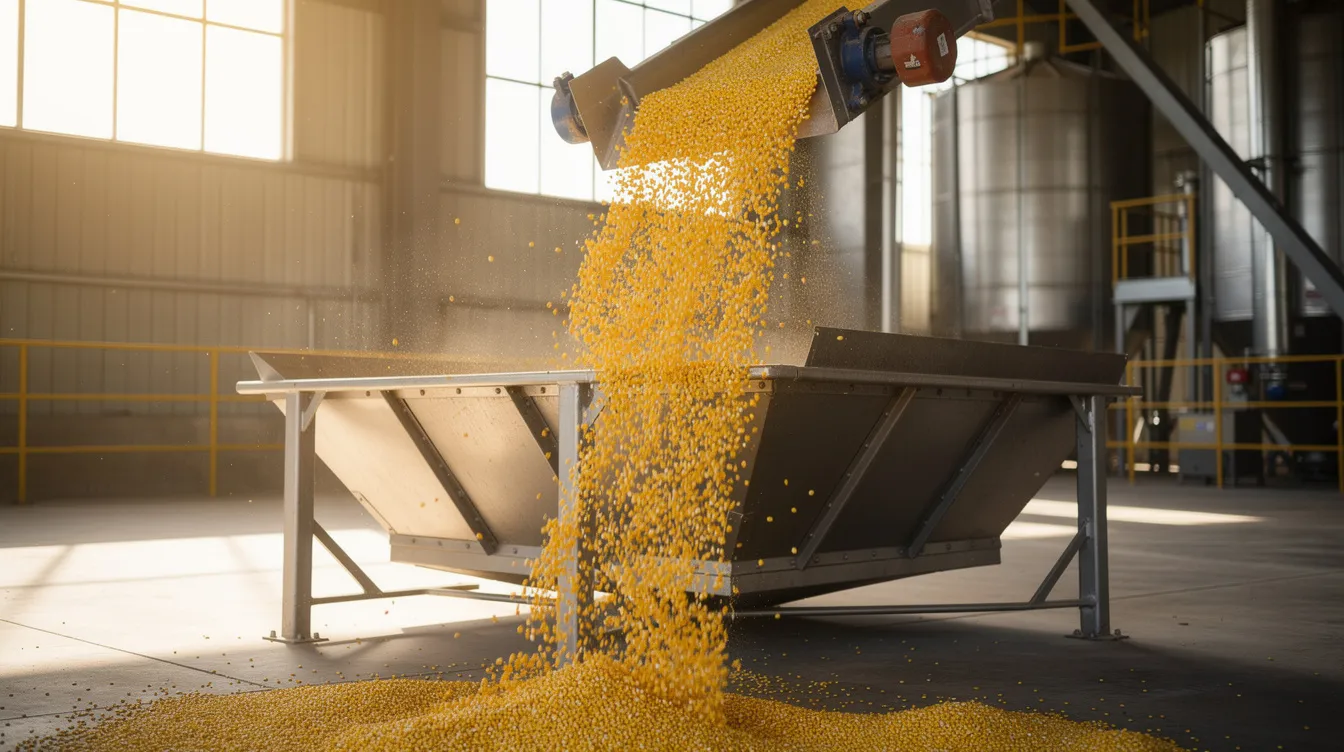
Maize receiving, cleaning and quality inspection. Raw grain enters the facility, is weighed and passes through pre-cleaners, destoners, magnetic separators and aspirators. Quality inspection at intake checks moisture (typically 13–15%), foreign matter, damaged grains and mycotoxin levels. The production process should include quality control measures at each stage, beginning at raw material intake.
Maize steeping. Maize steeping is a critical step involving soaking kernels in water with sulphur dioxide at approximately 50°C for 24–48 hours. This softens the kernel, loosens the protein matrix around starch granules and leaches soluble components into the steep water. Lactic acid fermentation during steeping also contributes to protein matrix disruption. Kernels reach approximately 43–45% moisture after steeping.
Germ separation. Steeped kernels are coarsely ground in attrition mills or degermers, and the slurry is fed to germ hydrocyclone batteries. Germ, being lighter (due to oil content), separates from the heavier endosperm and fibre fractions. Recovered germ is washed and dewatered.
Fibre separation. The de-germed slurry passes through pressure screens and washing systems that remove hull and pericarp fibre. Multiple-stage screening and counter-current washing recover starch and protein from fibre surfaces.
Gluten-starch separation. The de-fibred mill starch slurry, containing starch granules and gluten protein, is separated via centrifugal or hydrocyclone systems. Starch proceeds to the starch plant; gluten is routed to concentration and dewatering.
By-product processing branches:
- Concentrated gluten slurry is dewatered via decanter centrifuges or vacuum filters and dried in rotary, ring or flash dryers at controlled temperatures to produce corn gluten meal.
- Steep liquor is concentrated in multiple-effect evaporators (with vapour recompression where energy economics justify it), then routed to CSL sales or CGF blending.
- Dewatered fibre is mixed with concentrated CSL and optionally a portion of gluten, dried in rotary dryers, and either bagged as meal or pelletised for corn gluten feed.
- Washed germ is dried in rotary or fluidised-bed dryers to below 10% moisture for safe storage or sale to oil extraction plants.
Process Flow Chart:
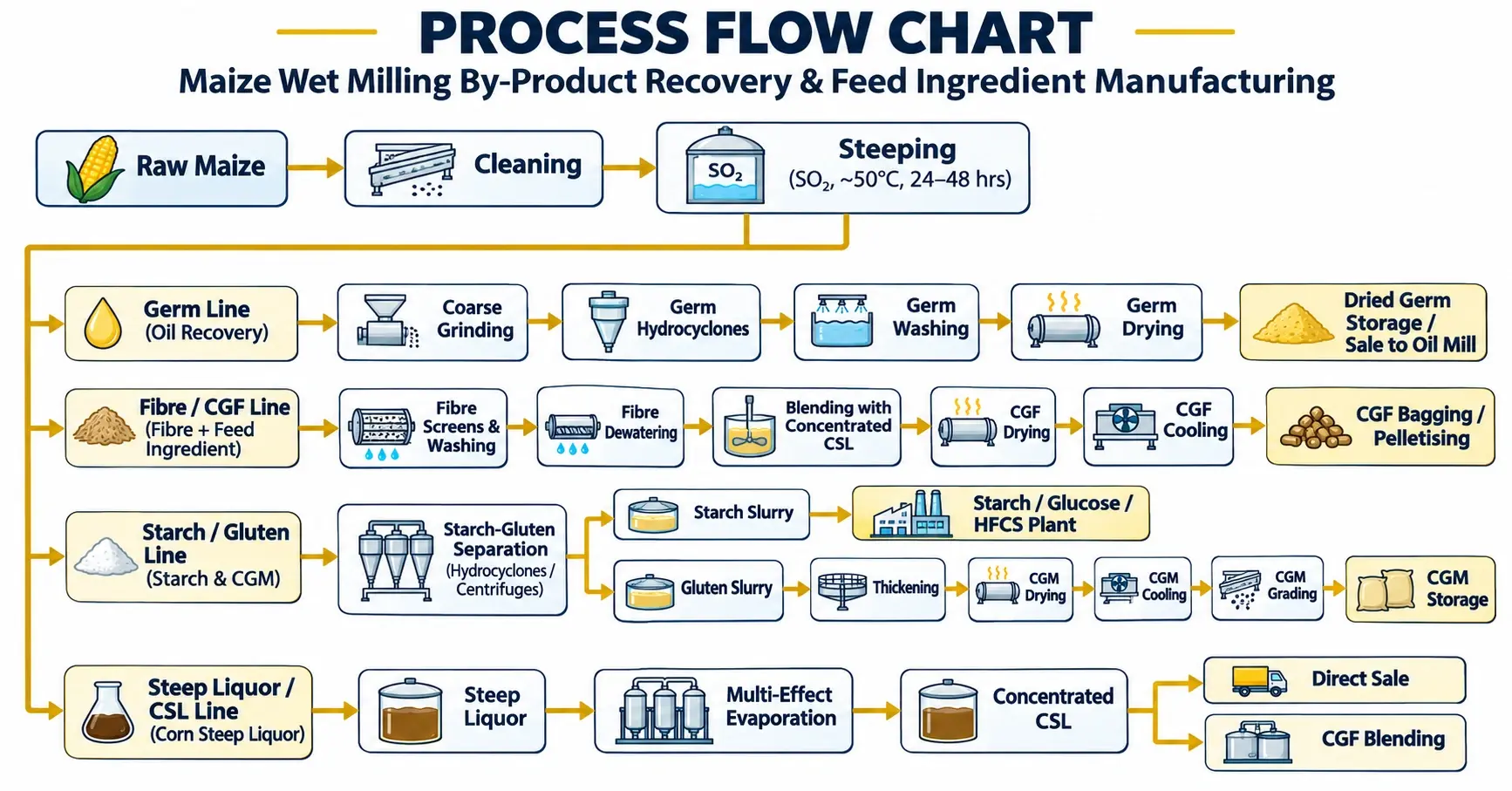
Detailed operating conditions (temperatures, retention times, evaporation rates) are technology-specific and OEM-dependent. The DPR will use conservative, OEM-validated parameters for each piece of equipment. Hygienic conditions must be maintained throughout, as warm, moist intermediates are susceptible to microbial growth if not processed within appropriate timeframes.
6. Plant Capacity Planning and Material Balance
Maize processing capacity is often measured in metric tons per day of maize input. Integrated wet milling plants are typically designed at 100 TPD, 250 TPD, 500 TPD or 1,000 TPD of raw maize. A standalone by-product recovery unit may instead be sized in TPD of wet gluten, germ or fibre received from external mills.
Maize contains approximately 70% starch by weight. Starch yield in maize wet milling is 60–70%, and by-products account for 30–40% of total maize wet milling yield. The kernel’s approximate composition provides the theoretical basis: starch 60–70%, germ 6–7%, gluten 5–6%, fibre around 12%, and steep water solubles approximately 7% (all on dry basis). Actual recoveries depend on steeping effectiveness, separation technology and operating discipline.
An illustrative material-balance framework for 100 tonnes of maize input (at approximately 14% moisture, or 86 tonnes dry matter):
- Starch stream: 60–68 tonnes dry basis, routed to starch/glucose plant
- Germ stream: 5–6 tonnes dry basis, dried to below 10% moisture
- Gluten stream: 4.5–5.5 tonnes dry basis, dried to CGM at 10–12% moisture
- Fibre stream: 10–12 tonnes dry basis, blended with CSL and dried
- Soluble solids (steep liquor): 5–7 tonnes dry basis, concentrated or blended
Each intermediate stream carries substantial water. Wet gluten, for example, may contain 60–65% moisture before dewatering. The dryer must remove this moisture to achieve the target of 10–12% in the finished CGM. Drying losses and the energy required per kilogram of water evaporated are central to operating cost calculations.
Capacity utilisation assumptions in the DPR typically follow a ramp-up pattern: 60% in year 1, 75% in year 2, 90% from year 3 onwards, with 300–330 operating days per year. An accurate material balance is central to a reliable DPR because it determines annual saleable quantities, utility loads, dryer sizing, effluent volumes and thus both capex and opex estimates. DPRs assess raw material requirements for maize processing with precision at this stage.
For downstream-only projects, the material balance starts from contracted quantities of wet gluten, wet fibre or germ (with specified solids and moisture percentages) and calculates dry outputs and utility requirements accordingly.
7. Plant and Machinery Requirements
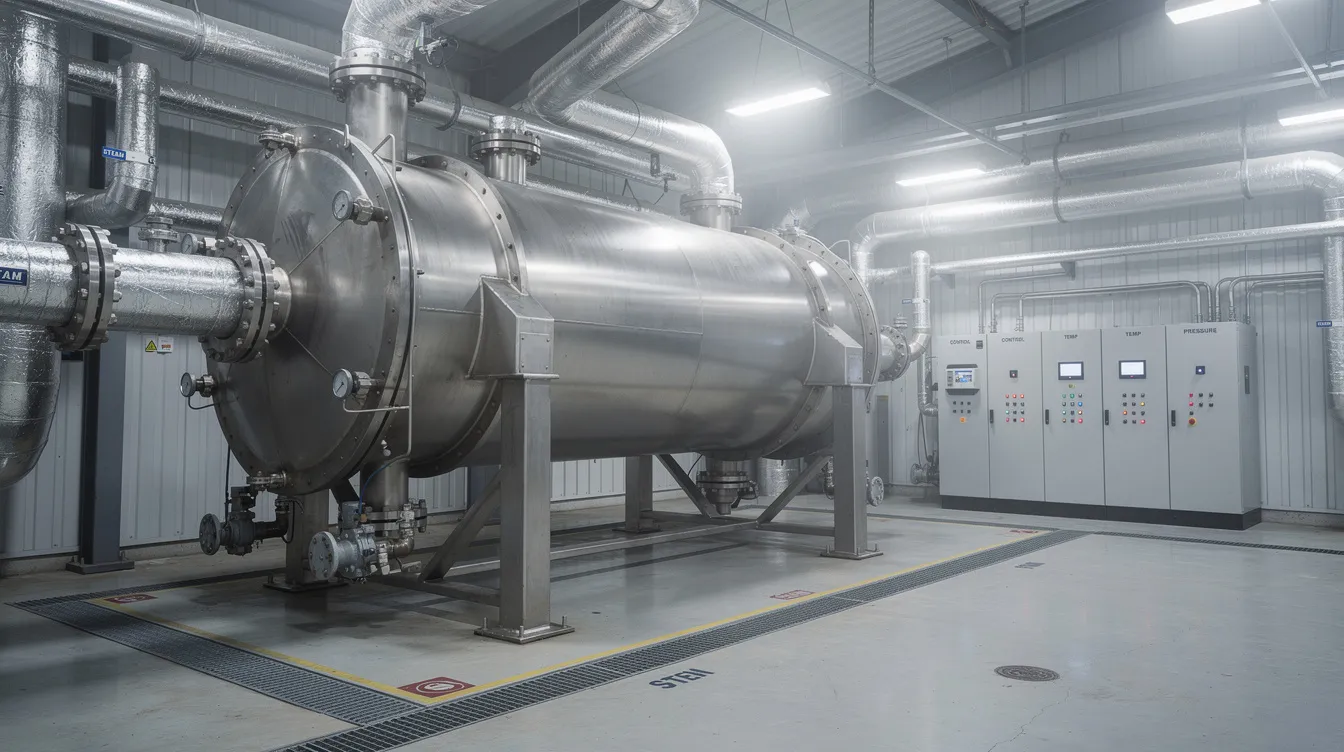
Equipment specifications are vital for outlining required machinery for processing, and detailed machinery requirements must be specified for each operational stage. The equipment list differs between a full integrated wet mill with by-product recovery and a standalone feed ingredient processing unit.
Integrated wet mill equipment includes:
- Maize intake systems: weighbridges, pre-cleaners, destoners, magnetic separators, bucket elevators and conveyors
- Steeping systems: stainless steel steep tanks with agitators, heat exchangers and SO₂ dosing equipment
- Milling and separation: degermers, attrition mills, germ hydrocyclone batteries, fibre pressure screens and washing systems
- Starch-gluten separation: disc-stack centrifuges, hydrocyclone nozzle separators
- Gluten thickening: decanter centrifuges, vacuum filters or disc-stack centrifuges
- Drying systems: rotary dryers, ring dryers, flash dryers or fluid-bed dryers for CGM, CGF and germ (technology choice depends on product sensitivity, throughput and energy economics)
- Steep liquor evaporators: multiple-effect falling-film evaporators, with mechanical or thermal vapour recompression where economically justified
- Pelletisation: pellet mills, conditioners and coolers for CGF pellets
- Finished product handling: product screens, automatic weighing and bagging machines, bulk loading systems
Supporting systems:
- Dust collection and air pollution control around mills and dryers
- Storage silos for maize, germ, CGM and CGF
- Boilers (coal, briquettes, biomass or gas-fired), steam headers and condensate recovery
- Compressed air systems, electrical panels, MCCs, PLC-SCADA automation
- Laboratory and QC instruments: moisture analysers, protein estimation apparatus, mycotoxin test kits
A standalone corn gluten meal manufacturing plant sourcing wet gluten from external wet mills requires only receival tanks and agitators for wet gluten, thickening equipment, high-efficiency dryers and coolers, storage, bagging and utilities. It does not need steeping, germ separation or starch-processing equipment.
Machinery selection criteria include throughput compatibility with planned capacity, energy efficiency (particularly in dryers and evaporators), materials of construction suitable for slightly acidic and corrosive process environments, automation level for stable product quality, and vendor track record including service support and integration capabilities. The DPR includes vendor budgetary quotes obtained at the time of preparation, with appropriate margins for freight, taxes and installation.
8. Land, Building, Infrastructure and Utility Requirements
Land requirements vary with plant scale. A 100 TPD integrated plant may require 3–5 acres; a 500–1,000 TPD complex may need 10–20 acres or more, depending on layout, expansion provision and local planning norms. Final land needs are site-specific.
Key building blocks include: raw maize storage (silos or covered godowns), pre-cleaning and steeping block, milling and separation building, by-product processing hall (germ dryer, gluten concentrator, CGM and CGF dryers, pellet mills), boiler and utility block, water treatment and effluent treatment plant area, finished goods warehouse with bulk loading bays, and administrative offices with laboratory and staff facilities. Plant layout must accommodate all-weather internal roads, weighbridge, truck parking, drainage and effluent segregation.
Utility planning covers:
- Steam and thermal energy: Steeping, evaporators and dryers are the primary steam consumers. Boiler capacity must match peak thermal demand; fuel choices (coal, briquettes, rice husk, natural gas) affect operating cost and emission compliance.
- Electrical power: Transformer sizing, DG backup for essential loads, and motor loads for mills, centrifuges, conveyors and compressors.
- Water: Process water and cooling water requirements are substantial in a wet milling operation. Source identification (borewell, industrial water supply), water treatment (softening, filtration) and cooling tower design must be addressed.
- Safety: Fire detection and suppression, adequate ventilation in drying and bagging areas, emergency exits, occupational health provisions including dust masks and ear protection.
9. Project Cost and Capital Investment
A maize wet milling by-product recovery plant is capital-intensive due to heavy-duty process equipment, thermal systems, pollution-control infrastructure and automation. Capital expenditure analysis includes land acquisition, civil construction, and machinery costs; the financial section of a project report includes capital cost estimates broken down by functional head.
Generic cost-head framework:
| Cost Component | Typical Share of Total Project Cost |
|---|---|
| Land and site development | 5–10% |
| Civil construction and buildings | 12–18% |
| Process plant and machinery (wet milling + by-product recovery) | 35–45% |
| Dryers, evaporators, pelletisation | Included above or 8–12% if separate |
| Material handling and storage | 3–5% |
| Electrical and instrumentation | 5–8% |
| Boilers and utility equipment | 5–8% |
| ETP and pollution control | 2–4% |
| Laboratory and QC | 1–2% |
| Installation, commissioning, engineering | 4–6% |
| Preliminary and pre-operative expenses | 3–5% |
| Contingencies | 3–5% |
| Margin money for working capital | 5–8% |
These percentages are illustrative and will shift with project configuration. An NPCS project estimate for a ~48 TPD maize starch and by-products plant placed total capex at approximately ₹41.6 crore, while a 21 MT/day machinery package was estimated at approximately ₹2.05 crore for plant and machinery alone.
Capital intensity varies between project types:
- A greenfield integrated maize wet milling complex with by-product recovery carries the highest capex and longest implementation timeline.
- A brownfield expansion adding advanced dryers or pellet plants to an existing starch factory requires incremental investment, often 20–40% of a greenfield equivalent.
- A focused standalone corn gluten meal plant, sourcing wet gluten externally, involves substantially lower capex but introduces supply-chain risk.
- A maize germ drying and oil extraction project tied to external germ supply has its own distinct cost profile.
DPRs include capital investment and operational cost analysis benchmarked against recent Indian projects, current OEM quotations and prevailing construction rates in the intended state.
10. Working Capital Assessment
Working capital is essential for continuous operation in a maize wet milling and feed ingredient manufacturing plant. Raw material procurement is a significant factor affecting project profitability, and inadequate working capital can disrupt production in otherwise technically sound plants.
Key working capital components:
- Maize procurement (or purchase of wet gluten, fibre, germ and CSL from allied mills)
- Inventory of chemicals and consumables (SO₂, bags, enzymes where applicable)
- Fuel stocks for boilers
- Work-in-process, particularly in steeping (where maize is immersed for 24–48 hours) and intermediate wet storage
- Finished goods inventory of CGM, CGF, germ and CSL
- Trade receivables from feed mills, traders and industrial buyers (often 30–60 days credit)
- Trade payables and supplier credit for maize and utilities
Seasonal availability of maize during kharif harvest periods can require higher stocking levels or forward procurement contracts, increasing cash credit limits and interest cost assumptions. Standard bank-finance practices in India involve cash credit against stocks and receivables, with margin percentages typically ranging from 20% to 35%. Drawing power calculations and realistic inventory-holding and debtor-day assumptions must align with CMA data.
The DPR must include at least one year of detailed month-wise working capital forecasts for commissioning and stabilisation phases. Underestimating working capital creates operational stress regardless of how well the manufacturing plant performs technically.
11. Manufacturing Cost and Operating Economics
Operating costs in a maize wet milling by-product recovery plant span multiple heads. Hiring skilled workforce is crucial for efficient plant operations and management; experienced operators for steeping, separation, drying and quality testing directly affect product quality and recovery yields.
Major operating cost heads:
- Feedstock (maize or purchased intermediates)
- Fuel and power for steeping, evaporation and drying (the largest utility cost in most configurations)
- Water and water-treatment chemicals
- Labour (skilled, semi-skilled, unskilled) and supervision
- Maintenance, spares and lubricants
- Packaging (PP bags, jumbo bags) and handling
- Inward and outward freight
- Quality control and laboratory expenses
- Environmental compliance, ETP operations and waste disposal
- Administrative, marketing and overhead costs
Formula-based operating cost framework:
- Total monthly fuel cost = fuel consumption per tonne of dried product × monthly production × fuel price per unit
- Unit manufacturing cost for CGM = (allocated raw material cost + energy + labour + maintenance + overheads) ÷ tonnes of CGM produced
In an integrated wet mill, allocation of maize input cost between starch/glucose and by-products is handled through transfer-pricing methodologies. The method chosen (e.g., relative sales value, physical yield, net realisable value) affects whether by-product recovery appears marginally profitable or generates substantial contribution. Correct allocation matters when assessing the incremental profitability of by-product recovery investments.
Cost per tonne is sensitive to drying energy consumption (measured in kcal per kg of water evaporated), incoming moisture levels in gluten or fibre, achieved protein concentrations and yields, plant utilisation (fixed cost spread over throughput), and local tariffs for electricity, steam fuel and water. The DPR uses conservative, realistic cost assumptions with escalation factors over a 10-year horizon.
12. Revenue Model and Profitability Analysis
A project report should detail expected revenue from products and by-products. The revenue model is built product-wise:
- Annual quantity of corn gluten meal × expected ex-factory realisation
- Annual quantity of corn gluten feed (meal or pellets) × price
- Maize germ tonnage × selling price (or internal transfer price to germ oil plant)
- CSL tonnage × price
- Additional income from germ oil, defatted germ meal or pelletisation premiums, where applicable
For an integrated wet mill, the DPR must avoid double counting: by-product revenues are separate streams, but maize input cost must be appropriately divided between main products and by-products. Financial modelling includes cash flow projections and profitability analysis covering gross margin, contribution margin, EBITDA, profit before and after interest and tax, and free cash flows.
Revenue estimation variables per product:
| Variable | Description |
|---|---|
| Annual production volume | Derived from material balance and capacity utilisation |
| Gross selling price | Based on market research and grade specifications |
| Discounts and adjustments | Quality deductions, moisture penalties, bulk vs bag pricing |
| GST and applicable taxes | Per prevailing rates |
| Outward logistics | Freight to customer or port |
| Net realisation per tonne | Selling price minus adjustments |
| Annual net revenue | Volume × net realisation |
Price-risk considerations include linkage of CGM and CGF prices to the global corn market, domestic feed demand cycles, and competition from soybean meal and DDGS. Long-term offtake agreements with major feed manufacturers reduce revenue volatility. The India corn starch market and Indian corn starch market trends also influence by-product pricing, as starch is the primary product and by-product values are partly derivative.
13. Detailed Financial Projections and Bank Loan Feasibility
A robust financial model for a maize wet milling by-product recovery project is structured for 10 years and includes:
- Installed capacity and phased capacity utilisation
- Year-wise production and sales volumes by product
- Projected selling prices and raw material prices with escalation
- Operating cost line items with inflation factors
- Depreciation per Companies Act and Income Tax Act norms
- Interest calculations for term loans and working capital
- Taxation including minimum alternate tax considerations
Financial statements generated:
- Projected profit and loss account
- Projected balance sheet
- Projected cash flow statement (including financing flows)
- Fund-flow analysis
Bank-focus metrics:
- DSCR (Debt Service Coverage Ratio) on annual and average basis
- Break-even capacity utilisation as a percentage of installed capacity; break-even analysis is crucial for assessing project viability and is typically examined at 45–60% utilisation for mid-scale plants
- Payback period on overall project and equity
- Internal rate of return (project IRR and equity IRR)
- Net present value at appropriate discount rates
- Sensitivity analysis should assess the impact of variable costs and market prices on these metrics
CMA data plays an essential role in Indian bank appraisals: it captures working capital cycles, stock holding norms, receivable management, creditor policies and projected financial ratios, prepared to align with the DPR. Investor documents should cover financial projections and funding strategies consistent across all submissions.
A strong DSCR or IRR improves bankability but does not guarantee automatic loan sanction. Qualitative factors, including promoter background, collaterals, project execution plan, offtake tie-ups and risk mitigation strategies, are also evaluated by lenders.
14. Technical and Commercial Feasibility Study
Feasibility studies assess economic viability and operational efficiency from three perspectives:
Technical feasibility evaluates technology routes (fully integrated wet milling vs downstream only), selection of separation and drying technologies, utility and effluent system design, and compatibility with existing plants in brownfield expansions.
Commercial feasibility analyses feedstock availability (maize in the region, or dependable wet gluten and germ supply), proximity to major feed markets, competitor analysis, regulatory environment in the chosen state, and realistic product offtake opportunities.
Financial feasibility integrates projected cash flows, debt structure, returns and risk factors to determine whether the project can service debt and provide acceptable returns.
Key feasibility-study tasks include mapping regional maize production and existing wet mills, identifying potential suppliers and customers, benchmarking energy and water costs, assessing logistics infrastructure, conducting preliminary environmental and regulatory checks, and performing multi-scenario financial modelling (base, optimistic, conservative). A formal feasibility study is undertaken before the final DPR and major capital commitments, particularly for capacities of 250 TPD maize and above.
15. Government Approvals and Regulatory Requirements in India
DPRs outline necessary regulatory compliance for projects. Environmental compliance is essential in the maize wet milling industry. Exact approvals vary with state, capacity, product mix and whether edible oil refining or food-grade products are included.
Business setup: Company or LLP incorporation, PAN, TAN, GST registration, MSME/Udyam registration where applicable.
Land and factory approvals: Land-use conversion or industrial zoning where necessary, building plan approval, factory licence under the Factories Act, boiler registration and periodic inspection.
Environmental and pollution control: Consent to Establish and Consent to Operate from the State Pollution Control Board, environmental clearance thresholds for large agro-processing complexes (if applicable), and design and approval of effluent treatment and air-emission control systems. Operational efficiency can be enhanced through effective waste management practices, and ETP design is a core DPR component.
Product-related regulations: Feed ingredient quality standards from BIS or FSSAI where applicable to by-products marketed as animal feed, FSSAI registration or licence if any part of production enters food-processing chains (e.g., maize germ oil for edible use), and adherence to packaging and labelling standards. Rajasthan’s regulations for maize gluten feed, for instance, stipulate maximum moisture of 10%, crude protein specifications by grade, fat minimums and fibre limits.
Labour and statutory: Professional tax, PF, ESI registrations, fire NOC and electrical safety inspections.
16. Industrial Risks and Risk-Mitigation Strategies
| Risk Category | Specific Risk | Business Impact | Mitigation Strategy |
|---|---|---|---|
| Raw material | Maize price fluctuation; quality variability (moisture, mycotoxins) | Margin erosion; product quality failure | Diversified procurement, long-term supply agreements, robust intake screening |
| Operational | Equipment breakdown; lower-than-expected gluten or germ recovery; higher energy consumption | Revenue shortfall; cost overruns | Reputable OEM selection, preventive maintenance, adequate spares, performance-linked contracts |
| Market | Concentrated sales to few buyers; price competition from soybean meal, DDGS or imports | Revenue volatility; margin compression | Diversified customer base, quality differentiation, flexible product mix, offtake MOUs |
| Financial | Interest-rate volatility; inadequate working capital; lower-than-expected capacity utilisation | DSCR stress; liquidity crisis | Conservative debt structuring, sufficient working capital margin, phased capacity ramp-up |
| Regulatory | Approval delays; ETP underperformance; evolving feed quality standards | Project schedule overruns; compliance penalties | Timeline buffers, robust ETP design, proactive regulatory engagement |
| Implementation | Civil and erection delays; cost overruns; OEM coordination issues | Capital cost escalation; delayed revenue | Competent project management, EPC partners, time and cost contingencies in DPR |
The DPR must document each risk with quantified impact scenarios and mitigation actions that lenders can evaluate.
17. Project Implementation Schedule
The project timeline should include stages from feasibility studies to commercial production:
- Pre-feasibility assessment and concept finalisation
- Detailed market and feedstock study
- Selection of project configuration (integrated, brownfield expansion or standalone)
- Preparation of detailed project report and financial model
- Land identification, acquisition or leasing
- Application for key approvals (pollution control, factory licence, power connection)
- Term-loan sanction and financial closure
- Finalisation of machinery specifications and order placement
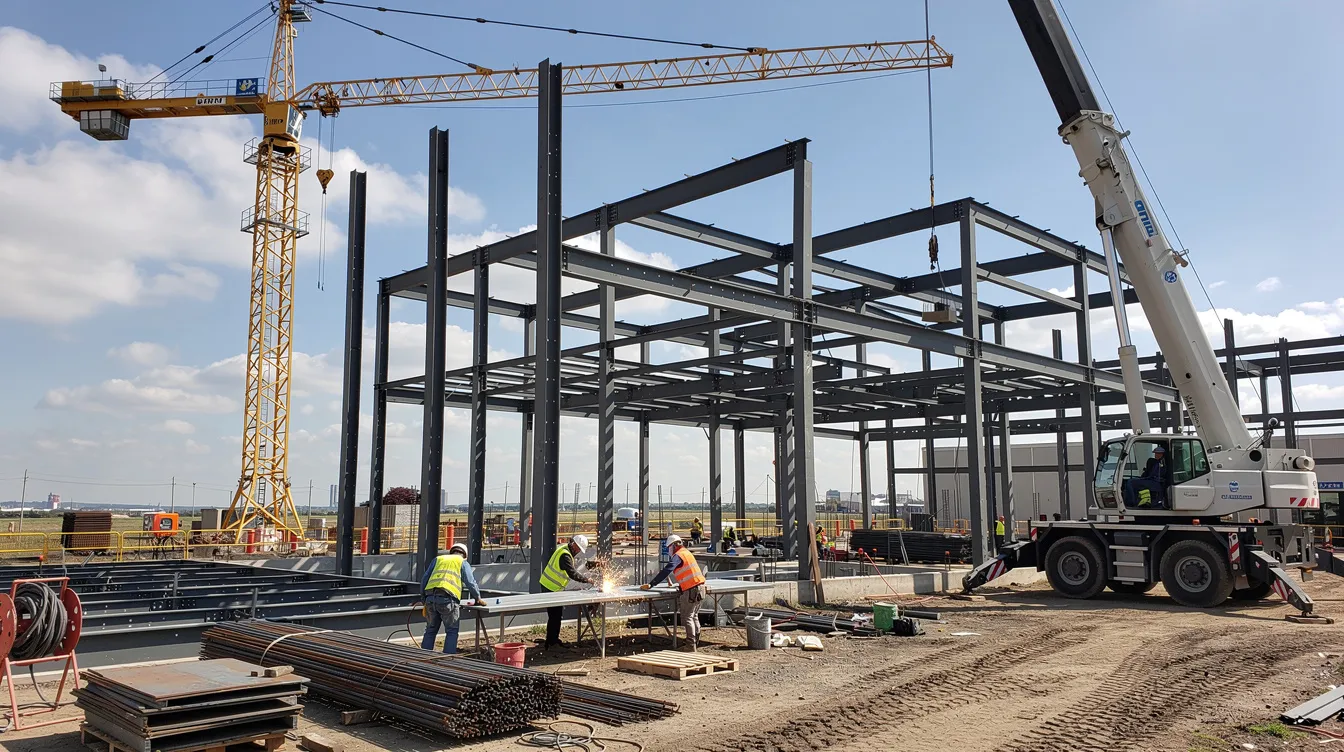
- Civil construction and structural works
- Receipt and installation of plant and machinery
- Utilities integration and ETP commissioning
- Cold trials, hot trials and trial production runs
- Product quality validation with target customers
- Ramp-up to commercial and then stable capacity utilisation
Indicative timelines range from 14–24 months for greenfield integrated complexes to 8–14 months for downstream-only expansions. Actual schedules depend on equipment lead times, land and approval timelines, and promoter decision-making speed. A formal implementation Gantt chart detailing activity-wise start and finish dates and critical paths should form part of the DPR.
18. Why a Professional DPR Is Essential
Maize wet milling by-product recovery projects involve complex interdependencies between material balance, energy consumption, technology choice and market pricing. Generic templates or simplistic spreadsheets cannot model these interdependencies. DPRs detail project feasibility and economic viability through integrated technical and financial analysis.
A professional DPR:
- Develops a realistic material and energy balance from OEM-validated parameters
- Estimates capital and operating costs from current vendor inputs and site-specific civil construction rates
- Models capacity ramp-up and product mix over 10 years
- Carries out DSCR, IRR, NPV and sensitivity analysis under multiple scenarios
- Assesses key risks with quantified mitigation strategies
- Provides structured information aligned with Indian banks’ and investors’ appraisal requirements
CA-led analysis aligns project cost with means of finance plans, structures promoter contribution and term-loan mix, assesses working capital per banking norms, and evaluates tax and depreciation benefits under prevailing laws. For larger capacities or export-oriented CGM and CGF plants, investors and lenders expect a DPR supported by market references, engineering inputs and scenario-based financial projections.
19. DPR, Financial Projections and Project Finance Advisory from Project Report Bank
Project Report Bank is a professional DPR and project finance advisory platform led by CA Manish Gugliya, FCA, DISA (ICAI), with over 20 years of experience in project appraisal, CMA data, financial modelling and industrial feasibility studies.
Services relevant to maize wet milling by-product recovery and feed ingredient projects include:
- Customised detailed project reports for integrated maize wet milling with by-product recovery
- DPRs for standalone corn gluten meal, corn gluten feed and maize germ processing plants
- Techno-economic feasibility studies and sensitivity analysis
- 10-year financial projections, DSCR and cash-flow analysis for bank term loans and working capital finance
- CMA data preparation and bank-loan proposal support
- Investor-ready DPRs, business plans, and where relevant, pitch decks and valuation analysis
Project Report Bank also covers adjacent feed ingredient and animal feed projects, including industrial maize feed ingredient plants, integrated animal feed mills, animal feed concentrate manufacturing units and automatic feed pellet plants, offering a holistic advisory perspective across the feed value chain.
All DPRs are prepared on a project-specific basis, using realistic assumptions, current industry benchmarks and transparent financial models. Promoters, existing starch and maize processing companies, feed ingredient manufacturers and institutional investors are invited to visit https://projectreportbank.com/ for customised DPR and project finance advisory for maize wet milling by-product recovery and associated investments.
20. Frequently Asked Questions (FAQs)
20.1 What is a maize wet milling by-product recovery plant?
It is an industrial processing unit, often part of or located adjacent to a maize wet milling and starch complex, which recovers and processes co-product streams such as gluten slurry, fibre, germ and steep liquor into saleable feed ingredients: corn gluten meal, corn gluten feed, dried germ and concentrated corn steep liquor. Such a plant may be fully integrated with the wet mill or operate independently by sourcing wet intermediates from other mills under supply contracts.
20.2 What is the difference between corn gluten meal and corn gluten feed?
Corn gluten meal is a high-protein product (typically 58–65% crude protein) derived by dewatering and drying the gluten fraction separated from starch. It is used in poultry, aquafeed and pet food. Corn gluten feed is a lower-protein (18–23%), higher-fibre ingredient made by drying a mixture of maize fibre, concentrated steep liquor and sometimes a portion of gluten. It is primarily used in cattle and dairy feed formulations. The two require different processing equipment and serve different livestock species.
20.3 Can a by-product recovery plant operate without its own maize wet mill?
A standalone plant is feasible if it has reliable access to wet gluten, fibre, germ or steep liquor from nearby maize wet milling units. Its capacity is sized on the basis of these purchased streams. The DPR for such a project must examine supply security, pricing formulae, logistics costs and quality consistency before concluding on commercial viability. Supply disruption from the upstream wet mill is a primary risk.
20.4 How much investment is typically required for such a plant in India?
Investment depends on scope. An integrated 300–1,000 TPD maize wet mill with by-product recovery requires investment in the range of several tens of crores. A 50–100 TPD CGM-only dryer plant requires a fraction of that amount. Land cost, local civil-construction rates, technology level and automation also affect the total. Rather than relying on generic numbers, promoters should commission a customised DPR that uses current machinery quotations and site-specific assumptions.
20.5 Why should I engage a professional advisor like Project Report Bank before approaching banks?
Banks and institutional lenders expect a structured, realistic and internally consistent DPR, CMA data and financial model demonstrating the project’s ability to service debt under conservative scenarios. A professional advisor ensures that technical assumptions, material balances, capex estimates, working capital, DSCR, IRR and risk analysis are properly aligned. This improves the quality of appraisal discussions and reduces the likelihood of queries, rework or rejection during the bank’s credit evaluation process.
21. Conclusion
Maize wet milling by-product recovery and feed ingredient manufacturing, covering corn gluten meal, corn gluten feed, maize germ and CSL-based products, represents an industrial opportunity in India tied to the growth of organised animal feed manufacturing, rising protein requirements across poultry, dairy and aquaculture, and the corn glucose demand from the food industry that sustains large-scale corn wet milling operations. The increasingly rising demand for maize-derived feed ingredients positions by-product recovery as a commercially relevant investment for existing starch manufacturers and new entrants alike.
Profitability, however, depends on actual project configuration. Recoverable product quantities are determined by material balance accuracy, not theoretical percentages. Drying technology, energy economics, product quality, market access, business growth through customer diversification, and working capital adequacy all interact to determine whether the plant generates adequate cash to service debt and provide returns to promoters. Each project is unique in capacity, configuration (integrated versus standalone), location, utilities and market positioning.
A customised, professionally prepared detailed project report with robust financial projections is the foundation for informed capital allocation. Promoters, MSMEs and corporates considering maize wet milling or by-product recovery expansion are encouraged to engage Project Report Bank for end-to-end DPR preparation, feasibility assessment and project finance advisory tailored to their specific objectives. Visit https://projectreportbank.com/ to begin the conversation.