Key Takeaways
- Pradhan Mantri Mudra Yojana (PMMY) is a Government of India scheme launched in April 2015 that offers business loans up to ₹10 lakh for small, non corporate, non-farm enterprises in manufacturing, trading, and services.
- Mudra loans are mainly collateral-free, meant strictly for business purposes, and available through commercial banks, small finance banks, NBFCs, MFIs, and the Jan Samarth portal.
- PMMY loans are classified into Shishu, Kishore, and Tarun categories – each suitable for a different stage of growth development and funding needs of the beneficiary micro unit.
- There is also a newer Tarun Plus category (up to ₹20 lakh) for borrowers who have successfully repaid previous loans under the Tarun slab.
- In this guide, you will learn eligibility criteria, documents required, step-by-step application process, common mistakes, and practical tips from CA Manish Gugliya (FCA) with 20+ years of experience in MSME finance and Mudra loan consultancy.
Introduction: Why PM Mudra Yojana Matters for Small Businesses
Imagine a tailor in a small town. She has the necessary skills, a steady flow of customers, and a plan to buy two more sewing machines. She needs about ₹2 lakh. But she has no property to offer as security, and no big bank account to show. Where does she go?
Before 2015, her only option was often the local moneylender – charging 3-5% per month. That is exactly the problem the Government of India wanted to solve.
The scheme was launched on April 8, 2015, by the Prime Minister. Its goal: provide financial assistance to micro enterprises engaged in manufacturing, trading, services, and allied agricultural activities – especially those who traditionally struggle for formal credit. PMMY aims to reach local entrepreneurs who have been “unfunded” by the banking system.
This guide is for you if you are a first-time borrower, small shop owner, freelancer, home-based business operator, or a new entrepreneur planning to apply for a Mudra loan.
Here is what you will learn:
- What exactly is PM Mudra Yojana and how it works
- Types of Mudra loans – Shishu, Kishore, Tarun
- Who is eligible and who is not
- Documents needed and step-by-step application process
- Common rejection reasons and how to avoid them
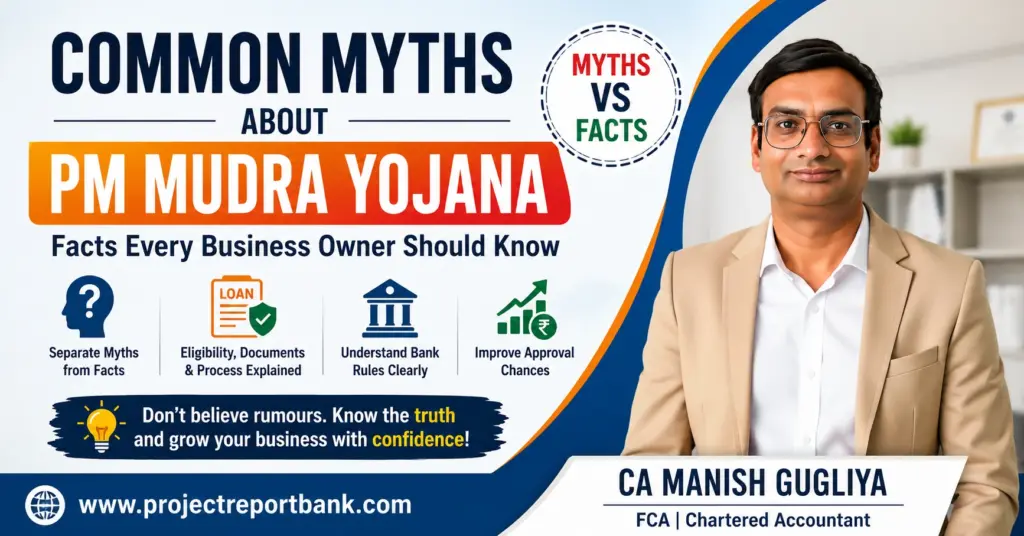
- Myths that mislead applicants
- Expert tips from CA Manish Gugliya based on real cases
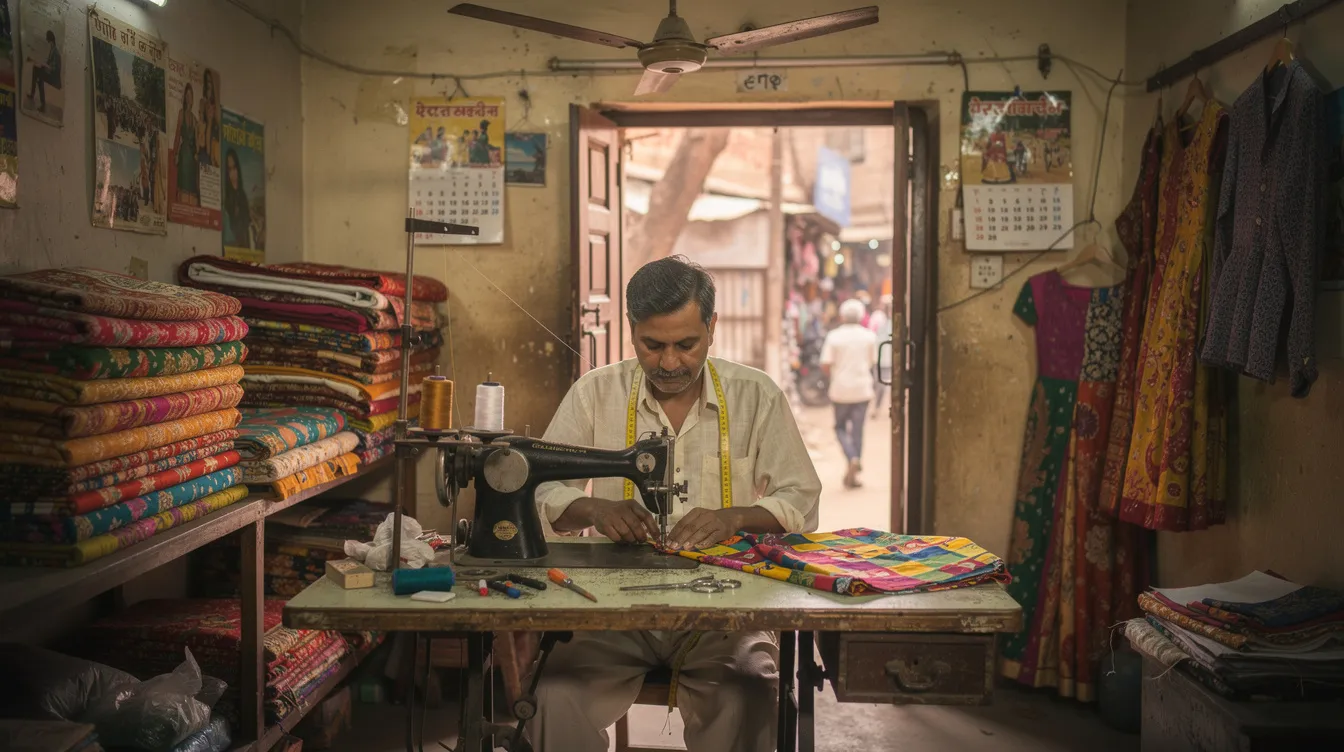
Table of Contents
What Is PM Mudra Yojana (PMMY)?
Let me break this down in simple terms.
Full form: Pradhan Mantri Mudra Yojana. Here, MUDRA stands for Micro Units Development and Refinance Agency Ltd. – a subsidiary of SIDBI (Small Industries Development Bank of India).
PMMY is a flagship scheme of the Government of India, operating under the Department of Financial Services, Ministry of Finance. It was started on 8 April 2015 with a clear purpose: provide loans up to ₹10 lakh to non corporate, non-farm micro and small enterprises across India.
This is a loan, not free money. Borrowers must repay the full principal plus interest through regular EMIs, just like any other bank loan. Some state-level or sector-specific government programs may offer interest subvention (partial interest subsidy) for certain categories like women or SC/ST entrepreneurs, but that is separate from the core PMMY framework.
Here is how it works behind the scenes: MUDRA Ltd. does not directly lend to borrowers. Instead, it refinances participating banks, NBFCs, and MFIs. These institutions then extend the loan to eligible borrowers under PMMY guidelines. The bank or financial institution you visit is the actual lender – it decides interest rates, processes your application, and sanctions the loan.
A simple example: Suppose you run a mobile repair shop and need ₹3 lakh for new tools, spare parts inventory, and a small renovation. You apply under the Kishore category. The bank offers 11% interest p.a. with a 5-year repayment tenure. Your approximate EMI would be around ₹6,500 per month. Out of each EMI, part goes towards repaying the principal (the ₹3 lakh you borrowed) and part covers the interest cost.
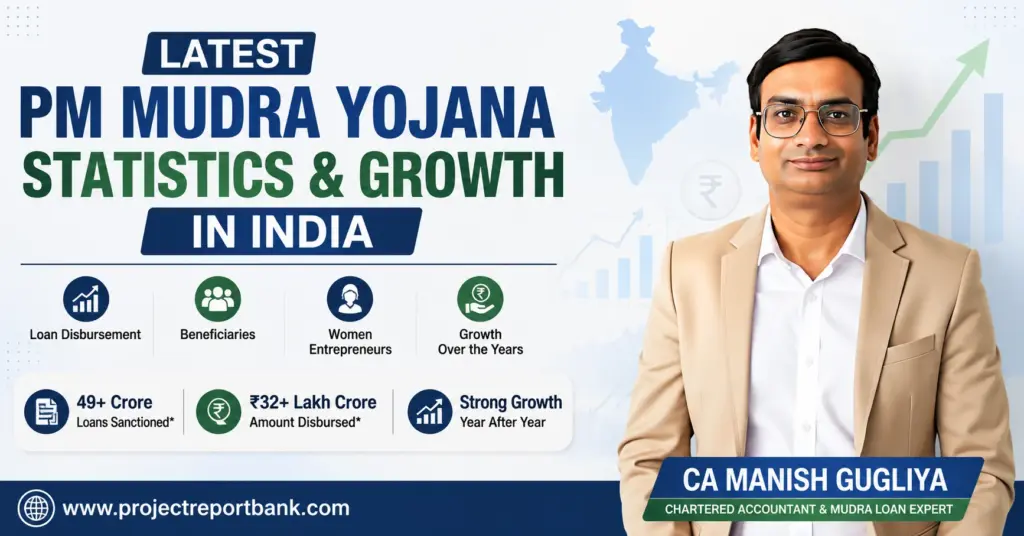
Since its launch, over 52 crore loan accounts have been sanctioned under PMMY, with cumulative disbursements crossing ₹40 lakh crore. That is a staggering number – and it shows how this scheme has helped bring first-time borrowers into the formal banking system, allowing them to build a credit history and access bigger financial opportunities later.
Key Features of PM Mudra Yojana
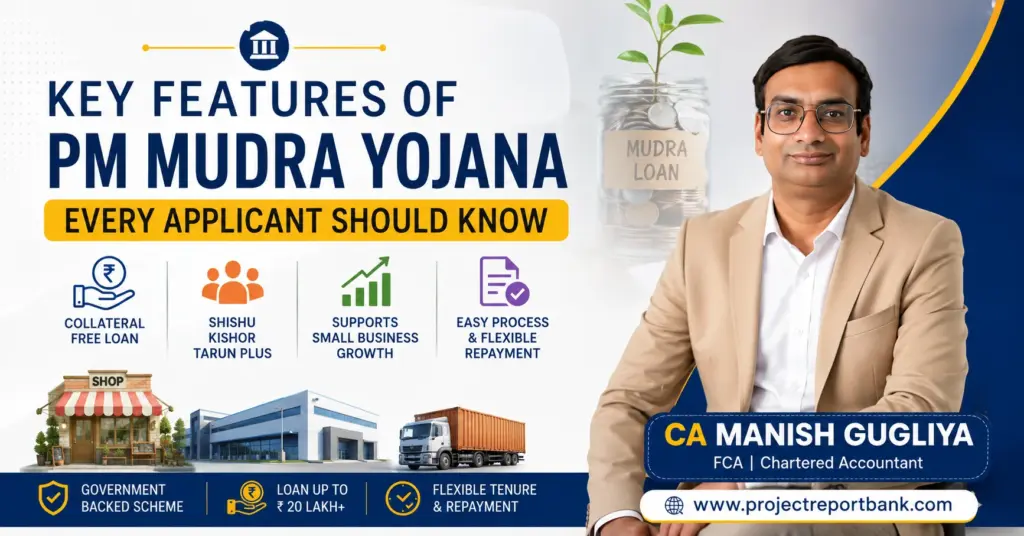
Before you walk into any bank, here is a quick feature checklist every new applicant should know about the Mudra loan scheme.
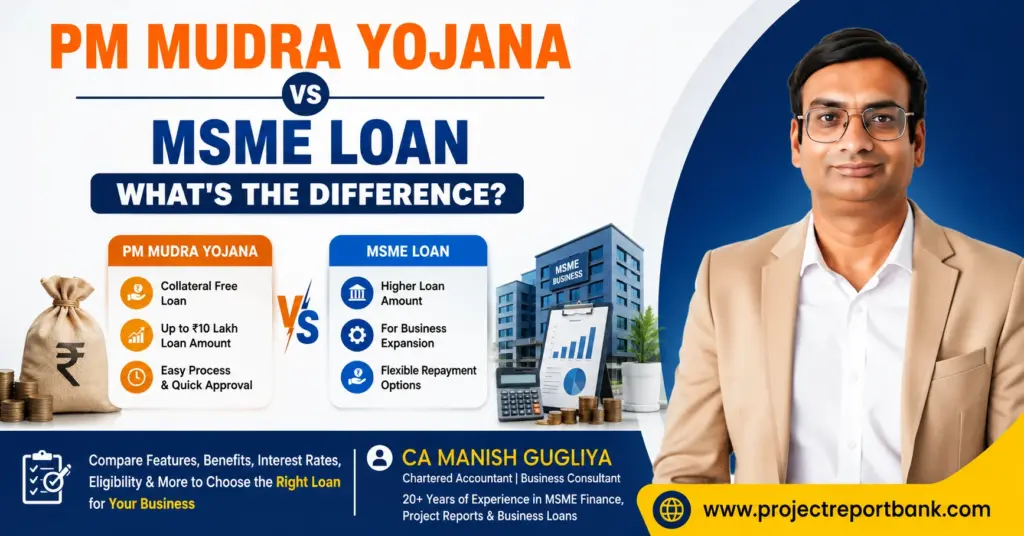
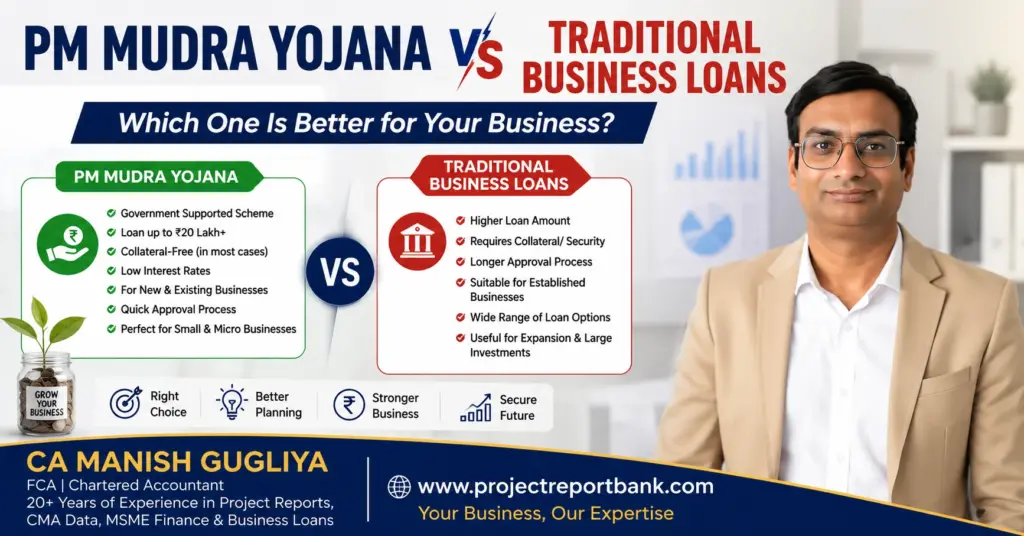
- Loan amount: The maximum loan under PMMY is up to ₹10 lakh (up to ₹20 lakh under the newer Tarun Plus category for eligible borrowers who have repaid a previous Tarun loan).
- Collateral-free: No collateral is required for loans up to ₹10 lakh. Banks cannot ask you to pledge property, gold, or other assets created from the loan for amounts within this limit. Loans may be covered under the Credit Guarantee Fund for Micro Units (CGFMU) for the lender’s risk protection.
- Business purpose only: Mudra loans are strictly for business activities – working capital, machinery purchase, shop setup, inventory. You cannot use them for personal expenses like marriage, education, or holidays.
- Three main categories: Shishu (up to ₹50,000), Kishore (₹50,001–₹5 lakh), and Tarun (₹5,00,001–₹10 lakh). These signify different stages of business growth, not different schemes. More detail in the “Types” section below.
- Interest rates: Not fixed by the government. They are competitive and can start around 8.5% per annum depending on the bank, borrower profile, and category. NBFCs and MFIs may charge higher rates. Always compare before choosing a lender.
- Tenure: Repayment period is typically up to 5 years, though some banks may offer flexibility.
- Term loan and working capital: You can avail a term loan (for buying capital assets like machines, tools, vehicles) or working capital facility (for stock, raw materials, day-to-day business expenses), or both.
- Participating institutions: Public Sector Banks, Private Banks, Regional Rural Banks, small finance banks, Cooperative Banks, NBFCs, and MFIs all participate. You can also apply online through the Jan Samarth portal.
- The Mudra Card facility allows flexible, overdraft-style withdrawals and deposits – useful for businesses with fluctuating working capital needs.
- No direct application to MUDRA or the ministry: All loans are sanctioned by participating banks or NBFCs under PMMY guidelines. MUDRA Ltd. only provides refinance support in the background.
- Processing fees: There is no mandatory processing fee cap under PMMY, but many banks waive or keep charges low for small ticket shishu loans. Always confirm the fee structure with your bank before signing.
Who Can Apply and Which Businesses Are Eligible?
PM Mudra Yojana is designed for non corporate, non-farm micro and small enterprises across India. Both new businesses and existing units can apply.
Eligible applicants include:
- Individual borrowers running proprietorship firms
- Partnership firms and small business owners
- Small manufacturers (fabrication units, handicraft makers, food processors)
- Traders (kirana stores, medical shops, wholesale dealers)
- Service providers (beauty salons, coaching centres, cyber cafés, photography studios)
- Professionals who possess relevant qualifications (doctors, CAs, beauticians, tailors)
- Transport operators (auto-rickshaw owners, small goods carriers)
- Food businesses (tiffin services, small restaurants, bakeries, food stalls)
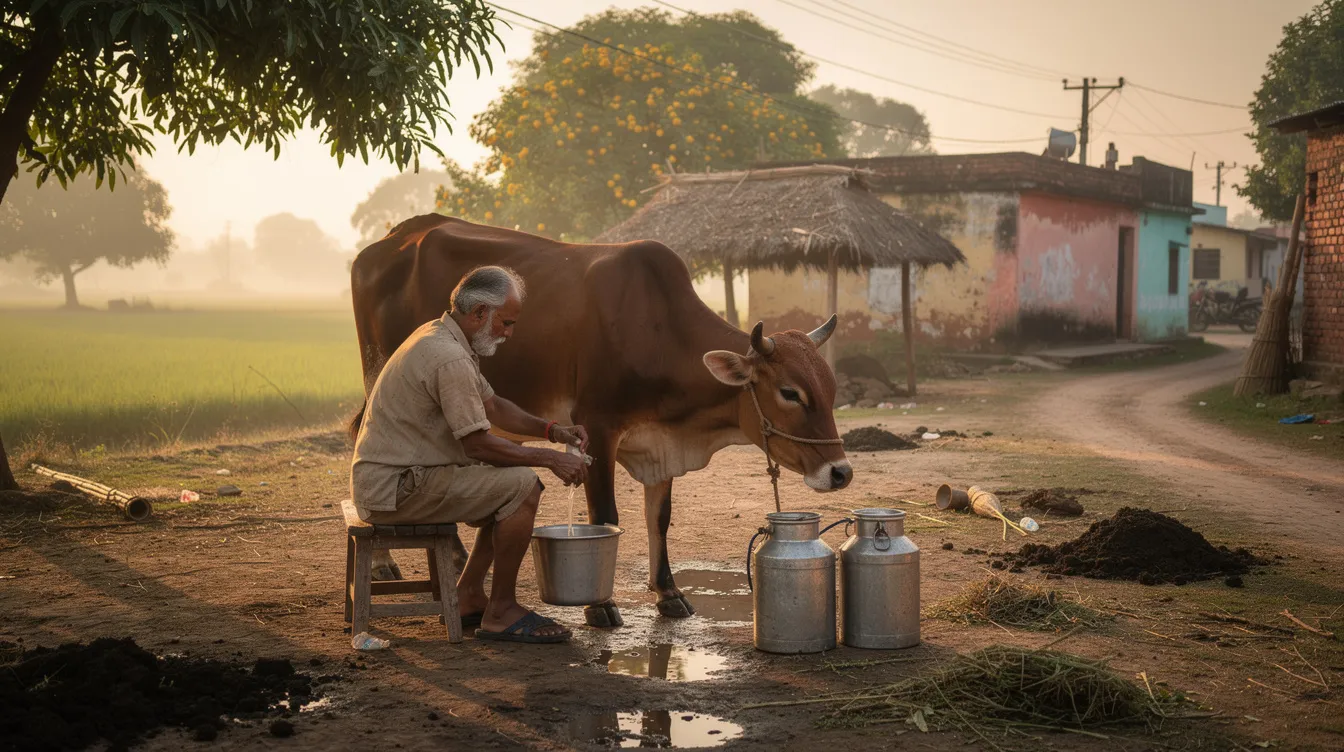
- Allied agricultural activities like dairy, poultry, beekeeping, fishery, cold storage, and food value-addition
- Home-based businesses (papad making, pickle making, small-scale stitching)
- Freelancers and independent consultants with a defined proposed activity
Important clarification: “Non-farm” does not mean agriculture is fully excluded. Pure crop cultivation (sowing, harvesting traditional farm produce) is generally not financed under Mudra. But supporting activities – dairy farming, poultry rearing, fish farming, cold storage – are eligible because they are classified as allied agricultural activities.
Basic eligibility criteria:
- Minimum age: 18 years
- Indian resident
- Must have a viable business plan and demonstrate repayment capacity
- Eligible applicants must not be defaulters with any bank or financial institution
- A satisfactory credit track record improves chances significantly
- No specific educational qualification is required – what matters is that you can undertake the business activity effectively
Who cannot apply:
- Large corporates or businesses above micro/small classification
- Pure agricultural crop farming operations
- Personal or consumption loans (marriage, education, holidays, travel)
- Speculative or illegal activities
- Entities with serious loan defaults or write-offs
Each bank may have additional internal eligibility criteria. For a detailed breakdown, check our Mudra loan eligibility criteria guide.
Types of Mudra Loans Under PMMY: Shishu, Kishore, Tarun
PMMY divides loans into categories based on loan amount and stage of growth development – not based on different interest rates or separate rules. Think of them as milestones that match where your business currently stands.
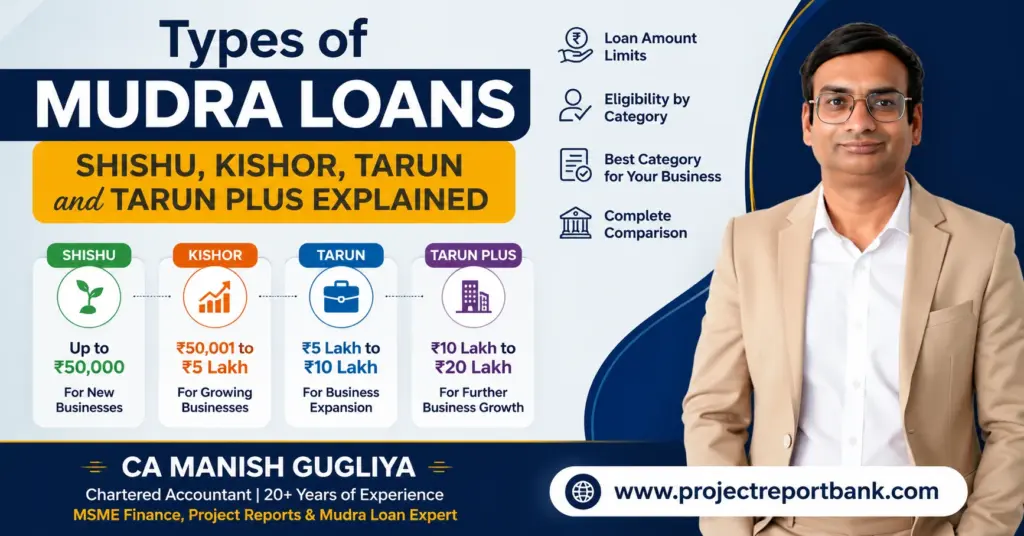
Loans are divided into four categories: Shishu, Kishor, Tarun, and Tarun Plus. Here is a clear comparison:
| Category | Loan Amount Range | Typical Business Stage | Example Businesses |
|---|---|---|---|
| Shishu | Up to ₹50,000 | Very early stage, startup, micro units | Street vendor, home-based tiffin service, petty shop, mobile recharge counter |
| Kishore | ₹50,001 to ₹5,00,000 | Growing business needing expansion or equipment | Small restaurant upgrading kitchen, tailoring shop adding machines, trading unit increasing inventory |
| Tarun | ₹5,00,001 to ₹10,00,000 | Established micro enterprise planning serious growth | Repair shop shifting to bigger premises, small manufacturer adding production line, service centre opening second branch |
| Tarun Plus | ₹10,00,001 to ₹20,00,000 | Next phase for those who have repaid a Tarun loan | Manufacturer scaling up with warehouse, trader expanding to new market – only for borrowers who have successfully repaid previous loans under Tarun |
Shishu loans are up to ₹50,000 and suit very small ventures. Even for Shishu, banks still check basic viability – they do not approve automatically just because the amount is small.
Kishore loans range from ₹50,001 to ₹5,00,000 and work well for businesses that have some track record and need working capital or small machinery to grow.
Tarun loans range from ₹5,00,001 to ₹10,00,000 and are meant for established micro enterprises that need larger funding for expansion or modernization.
Tarun+ loans are from ₹10,00,001 to ₹20,00,000. This category was introduced in Budget 2024-25 and is available only to borrowers who have availed and repaid a Tarun loan – it rewards good repayment behaviour.
How to choose the right category: Match your loan amount to your real business need, current turnover, and repayment capacity. Do not apply for a Tarun loan just because the limit is higher. Over-borrowing creates EMI stress and increases rejection risk. Banks internally assess risk based on the nature of your business, and approval is not automatic just because the amount fits a particular slab.
Benefits of Taking a Mudra Loan
Mudra loans are not “free money.” But when used wisely, they can be a powerful tool for a beneficiary micro unit entrepreneur looking to grow.
Practical benefits:
- Collateral-free lending up to ₹10 lakh removes the biggest barrier for small entrepreneurs who do not own property
- Simpler documentation compared to larger business loans or term loan products from banks
- Available to first-time borrowers – even those with no prior loan history, provided the proposed activity is viable
- Flexible use: Working capital (stock purchase, raw materials, day-to-day expenses) or term loan (machines, tools, furniture, small vehicles, capital assets)
- Covers a wide sector range: manufacturing, trading, services, and allied activities
Indirect benefits that many borrowers overlook:
- Builds a formal credit history – this becomes your reference point for bigger loans in the future
- Promotes financial discipline through regular EMI payments
- PMMY loans support income generation and employment creation in the local economy
- Encourages formalization of informal micro enterprises
Many banks give slightly lower interest rates or processing priority to women-led units under their internal policies. In FY 2024-25, nearly 60% of Mudra loan accounts went to women entrepreneurs.
A real-life scenario from my practice: A small snacks manufacturer in Rajasthan took a ₹4 lakh Kishore loan for a packaging machine and additional raw material. Within 18 months, his monthly turnover grew from ₹80,000 to ₹1.6 lakh. He repaid every EMI on time, and later qualified for a ₹9 lakh Tarun loan. That is how the scheme is designed to work – the loan extended at each stage builds confidence for the next phase of growth.
Documents Required for a Mudra Loan
Even though Mudra loans are small, banks must follow KYC and credit norms mandated by the RBI. Proper documents are not optional – they are compulsory.
Core KYC documents:
- Aadhaar card – for identity and address verification
- PAN card – for tax identification and financial tracking
- Separate address proof if your Aadhaar does not show your current address (utility bill, rent agreement, voter ID)
Business proof:
- Shop & Establishment registration certificate
- GST registration (if applicable to your turnover)
- Udyam Registration for MSMEs (if available)
- Partnership deed, professional registration, or trade licence – depending on the nature of your business
Financial documents:
- Last 6–12 months’ bank statement – this is how bankers assess cash flow and repayment ability
- Income Tax Returns (ITRs) where available
- Balance sheet for existing businesses, if maintained
- These documents help the bank understand whether your business generates enough to cover the EMI
Other important documents:
- A clear project report or business plan – especially for Kishore and Tarun categories. This is often where applications succeed or fail. For guidance, read our guide on how to prepare a perfect project report.
- Quotations for machinery, equipment, or furniture you plan to purchase
- Photographs of your shop, office, or workspace
- Passport-size photographs of the applicant
The exact documentation can differ by bank and loan size. Keeping originals plus clear photocopies organised in a simple labelled file makes processing faster and creates a positive impression. For an exhaustive checklist and sample formats, refer to our detailed documents required for Mudra loan guide.

Step-by-Step Mudra Loan Application Process
Getting a Mudra loan is far easier when you follow a structured approach instead of directly filling the form at the bank counter without preparation.
Here are the steps:
- Clarify your business need and exact loan amount. Be specific – “I need ₹2.5 lakh for two sewing machines (₹1.2 lakh) and six months’ working capital (₹1.3 lakh)” is much better than “I need money for my business.”
- Prepare a basic project report with estimated costs, expected monthly revenue, expenses, and how you plan to repay. Keep it realistic – inflated numbers are a red flag.
- Collect all KYC and business documents listed in the section above. Missing even one document can delay your application by weeks.
- Choose a suitable bank – preferably one where you already have a savings or current account. An existing banking relationship speeds up KYC and builds confidence.
- Fill the Mudra/PMMY application form completely. Do not leave any field blank. Incomplete forms get pushed to the bottom of the pile.
- Submit documents and answer the banker’s questions honestly. If you have existing loans, disclose them upfront. Hiding liabilities backfires when the bank checks your credit report.
- Allow a site visit or tele-verification. For Kishore and Tarun amounts, banks often send someone to verify your business location, activity, and assets. Keep your workspace presentable.
- Wait for credit appraisal and internal approvals. The bank’s credit team will review your application, project report, and financial documents.
- Sign the sanction letter and loan agreement. Read every clause carefully. Understand the interest rate, EMI amount, tenure, and any conditions. For a detailed understanding, see how approval, sanction, and disbursement differ.
- Understand the disbursement mode. Funds may be disbursed as a term loan credit to your account, a cash credit limit, or through a Mudra Card for working capital needs. Confirm your EMI schedule and first payment date.
Applications can be submitted online through the JanSamarth portal, but physical document verification at a branch is usually still required for larger amounts.
Approximate processing time: Straightforward Shishu applications with complete documents can be processed in 7–15 working days. Kishore and Tarun proposals may take 3–4 weeks depending on the bank’s workload and the quality of your documentation. This is indicative, not guaranteed.
How Banks Evaluate a Mudra Loan Application
Even though Mudra is a government scheme, the final sanction depends entirely on each bank’s internal credit policy and risk assessment. No one – not even the government – can force a bank to approve your application.
Here is what banks look at, and how each factor is assessed based on my experience covering loans for hundreds of MSME clients:
- Business viability: Is your business model realistic? Will it generate enough revenue to cover EMI comfortably? Banks want to see clear logic – not just optimistic projections.
- Purpose of the loan: What exactly will you use the money for? “Business expansion” is vague. “Purchasing a commercial mixer grinder for ₹1.2 lakh and six months’ raw material worth ₹80,000” is specific.
- Applicant profile: Age, relevant knowledge and experience in the business, stability of residence, and how long you have been operating. A person running a shop for 3 years is assessed differently from someone with just an idea.
- Existing banking relationship: If you already maintain a current or savings account with the bank, your transaction history speaks for you. Banks can see deposits, withdrawals, and regularity.
- Repayment capacity: The bank reviews your bank statements, income proofs, and existing EMIs. If your total EMI burden (including the proposed Mudra loan) exceeds a reasonable portion of your net income, the application gets flagged.
- CIBIL or credit score: Even for small Mudra loans, most banks pull your credit report. Past defaults, delayed payments, or heavy outstanding balances reduce your approval chances. First-time borrowers with a “thin file” (no credit history) are not automatically rejected – but they need stronger business proof.
- Project report quality: A concise, realistic project report with accurate costs, conservative revenue estimates, and a clear explanation of how funds will be used makes a significant difference. Learn why many project reports get rejected and how to avoid those mistakes.
One thing I have observed over 20 years: transparent discussion with the banker – including mentioning challenges and backup plans – actually improves confidence. Bankers respect honesty far more than overconfident projections.
Common Reasons Why Mudra Loan Applications Get Rejected
Rejection is more common than most applicants expect. But it does not always mean you are permanently ineligible. Understanding the reasons helps you fix gaps and re-apply successfully.
Documentation issues:
- Incomplete or mismatched documents (e.g., name spelled differently on Aadhaar and PAN)
- Missing business proof or outdated registration
- Prevention tip: Double-check every document before submission. One mismatched detail can stall the entire process.
Project report problems:
- Unrealistic revenue projections – claiming ₹5 lakh monthly sales for a brand new tiffin service raises red flags
- No clear explanation of how loan funds will be used
- Prevention tip: Get professional help for your project report. It is the single most underrated part of the application.
Credit-related reasons:
- Low CIBIL score, past write-offs or settlements, frequent cheque bounces
- Heavy existing EMIs or overdrawn accounts
- Prevention tip: Check your credit report before applying. If there are issues, improve your account conduct for a few months first.
Capacity mismatch:
- Asking for a loan amount far above what the business can repay
- Prevention tip: Start with a smaller amount if you are a new borrower. Build a track record, then apply for more.
Policy-based rejections:
- Ineligible business type (purely agricultural, speculative, or personal)
- Location outside the branch’s service area
- Age or business constitution not fitting the bank’s internal norms
You can request the reason for rejection in writing and may approach another bank or file an appeal. However, there is no legal right to force a bank to sanction a loan.
Common Myths and Mistakes About PM Mudra Yojana
Many first-time borrowers come with wrong assumptions about Mudra loans. These myths lead to disappointment, wasted time, or outright rejection.
Myths – and the truth:
- “Mudra loan is free money or a subsidy.” No. It is a regular bank loan. You must repay every rupee plus interest.
- “Everyone who applies must get a loan.” False. Banks evaluate each application on merit. There is no guarantee of approval under any government guidelines.
- “No documents are required.” Incorrect. KYC, business proof, bank statements, and often a project report are compulsory.
- “Only startups can apply.” Both new and existing businesses are eligible. In fact, existing businesses with a track record often have a better chance.
- “The loan comes directly from the central government.” No. The loan is extended by your bank or financial institution. MUDRA Ltd. only provides refinance in the background. You will never deal with MUDRA directly.
Common mistakes:
- Approaching many banks at once and giving inconsistent information – banks share data through credit bureaus, and discrepancies get noticed
- Not preparing even a basic project report – walking into the bank and saying “I want ₹10 lakh” without any plan
- Asking for the maximum loan limit without justification just because you heard “Mudra gives upto Rs 10 lakh”
- Hiding existing loans or defaults – the bank will find out from your credit report anyway
- Using Mudra funds for non-business personal expenses – this creates cash flow problems and makes EMI payments difficult
- Paying heavy fees to middlemen or fake consultants who promise “guaranteed approval” – this is often fraudulent. No agent can guarantee a sanction. Use only genuine professionals and direct bank channels.
Avoiding these myths and mistakes significantly improves your chances of a smooth, honest loan process.
Expert Tips from CA Manish Gugliya (FCA) for First-Time Applicants
I am CA Manish Gugliya, a practising Chartered Accountant with over 20 years of experience in project reports, CMA data preparation, MSME finance, and Mudra loan consultancy. These tips come from real cases I have handled – not from textbooks.
- Prepare a simple but realistic project report. Do not copy numbers from sample formats found online. Your projections must match your local market reality – a snacks shop in a small town and one in Mumbai will have very different numbers.
- Borrow only what you truly need and can repay. Smaller, well-repaid Mudra loans build your reputation with the bank and make it significantly easier to obtain bigger loans later. This is how you move from Shishu to Kishore to Tarun over time.
- Keep all documents neatly organised and labelled. Aadhaar, PAN, business proof, quotations, bank statements – in a clear file. This creates a positive impression with the banker and saves time.
- Understand EMI amount, tenure, and interest rate fully before signing. Use a basic business loan EMI calculator to test different scenarios. A ₹5 lakh loan at 12% for 5 years means roughly ₹11,100 per month in EMI. Can your business comfortably handle that? If not, reduce the amount.
- Never pay large “commission” to unofficial agents. Sanction is purely the bank’s decision. No one outside the bank can guarantee approval. Work with a qualified professional if you need help with your project report, but understand the limits of what any consultant can promise.
- Maintain a healthy bank statement. Avoid sudden large cash deposits without explanation. Show stable, regular business transactions for at least 3–6 months before applying. Banks look at your statement more closely than most applicants realise.
- If you are a startup with no track record, consider applying for a smaller Shishu loan first to build credibility. Read our Mudra loan for startups guide for specific advice.
- Communicate honestly with the banker. If your business has seasonal fluctuations, say so. If you have a backup income source, mention it. Transparency builds trust – and trust leads to faster approvals.

Frequently Asked Questions
This section addresses common beginner-level doubts about PM Mudra Yojana that were not fully covered in the sections above. Each answer is written in simple, jargon-free language. These are based on current guidelines available up to 2026 and on practical banking experience, but always confirm the latest details with your specific bank or lender.
Is there any subsidy or grant in PM Mudra Yojana?
PMMY itself is a loan scheme – not a subsidy or grant. Borrowers must repay the full principal plus interest, just like any other bank loan. There is no “free money” component in the core Mudra yojana framework. However, some state-level programs or central government schemes for specific groups (like women entrepreneurs, SC/ST categories, or certain sector-based schemes) may link interest subvention or partial subsidy to loans availed under PMMY. These are external add-ons, not part of the standard Mudra loan terms. Always confirm with your bank or local District Industries Centre whether any current subsidy scheme applies to your profile. Be cautious of agents who promise “free Mudra money” in exchange for upfront fees – this is almost always a scam.
Can I get a Mudra loan without any income proof or bank statement?
Banks normally expect some evidence of income or business activity – even for small Shishu loans. This could be bank statements, invoices, customer receipts, or simple business records. The exact requirement varies by lender, but a complete absence of any financial track record makes approval very difficult because banks must verify repayment capacity under RBI norms. If you are just starting out, here is practical advice: open a bank account, route your business transactions through it for at least 3–6 months, maintain basic written records of sales and expenses, and then apply. When the banker can see some cash flow history – even modest – it significantly improves your chances compared to walking in with zero documentation.
Can a person already having a home loan or other loans still get a Mudra loan?
Yes. Having other loans does not automatically disqualify you. Many borrowers with existing home loans, vehicle loans, or personal loans successfully take Mudra loans. The key factor banks check is your total EMI burden compared to your monthly income. If your existing EMIs already consume a large portion of your earnings, the bank may reduce the Mudra loan amount or decline the application to avoid over-burdening you financially. My advice: share full details of all existing loans honestly during the application. If possible, reduce unnecessary borrowings or close small outstanding balances before applying. This improves your debt-to-income ratio and gives the bank more confidence in your repayment capacity.
Can I apply for more than one Mudra loan at the same time?
The total exposure under PMMY for one borrower is generally limited to ₹10 lakh (or ₹20 lakh under Tarun Plus for those who qualify) across all banks combined. Taking multiple parallel Mudra loans from different institutions without disclosure is uncommon and closely scrutinised. It can create repayment stress, and if lenders detect undisclosed covering loans through credit bureau reports, it damages your credibility. The better approach: use one Mudra loan responsibly, maintain a clean repayment record, and after demonstrating good financial discipline, discuss enhancement or a fresh limit with the same bank when your business genuinely expands. Building trust with one lender is far more valuable than spreading thin across many.
How long does it usually take to get a Mudra loan sanctioned?
There is no fixed, legally guaranteed timeline. In practical experience, straightforward Shishu applications with complete documents can be processed in roughly 7–15 working days. Kishore and Tarun proposals, which involve higher amounts and more detailed evaluation, may take 3–4 weeks or sometimes longer. Key factors that influence processing time include quality and completeness of your documents, clarity of the project report, how busy the branch is internally, scheduling of the site visit, and the credit approval levels within the bank. Stay in polite touch with the branch officer, promptly provide any additional information requested, and avoid repeatedly changing your loan proposal mid-process – that is one of the most common causes of unnecessary delays.
Conclusion
PM Mudra Yojana is a genuine, well-structured scheme that has helped over 52 crore entrepreneurs across India access formal credit without collateral. But it is not automatic, and it is definitely not free money.
Your chances of approval improve dramatically when you do three things right: understand the scheme properly, prepare your documents and project report honestly, and choose the right loan category for your actual business need.
A strong, realistic project report remains the single most undervalued part of a Mudra loan application. In my 20+ years of practice, I have seen hundreds of applications where the difference between sanction and rejection came down to the quality of that one document.
Take the time to prepare before you apply. Explore the detailed guides on ProjectReportBank.com – from eligibility criteria and document checklists to project report preparation – so that when you walk into your bank, you walk in with confidence.
- PM Mudra Yojana Basics: Complete Guide to PMMY

- Latest Statistics and Growth of PM Mudra Yojana (PMMY) in India
- Common Myths About PM Mudra Yojana: Facts Every Business Owner Should Know
- PM Mudra Yojana vs Stand-Up India Scheme: Which Government Business Loan Is Right for You?

- PM Mudra Yojana vs MSME Loan: Which Is Better for Your Small Business in 2026?
- PM Mudra Yojana vs Traditional Business Loans: Which Is Better for Small Businesses?
- Types of Mudra Loans: Shishu, Kishor, Tarun and Tarun Plus Explained
- Key Features of PM Mudra Yojana Every Applicant Should Know
- Objectives of PM Mudra Yojana Explained