If you’re a mechanical engineer still stuck in corporate jobs wondering whether entrepreneurship is worth the risk, here’s what I tell my clients: opportunities for mechanical engineers today include automation, sustainability, and advanced manufacturing – and India’s policy environment has never been more supportive.
The manufacturing sector is booming. MSMEs contribute 35.4% of manufacturing output and nearly 48.6% of exports. With Make in India, Industry 4.0 adoption, and investment interest shifting towards physical AI and manufacturing technology, mechanical engineering startups have real tailwinds. Engineering students and engineering graduates looking for startup ideas should pay close attention – the ideas presented below can reshape your professional life. Mechanical engineers are vital in solving climate and energy challenges, and mechanical engineering businesses can target diverse industries like aerospace and automotive.
This article is your idea hub. Let’s get into it.
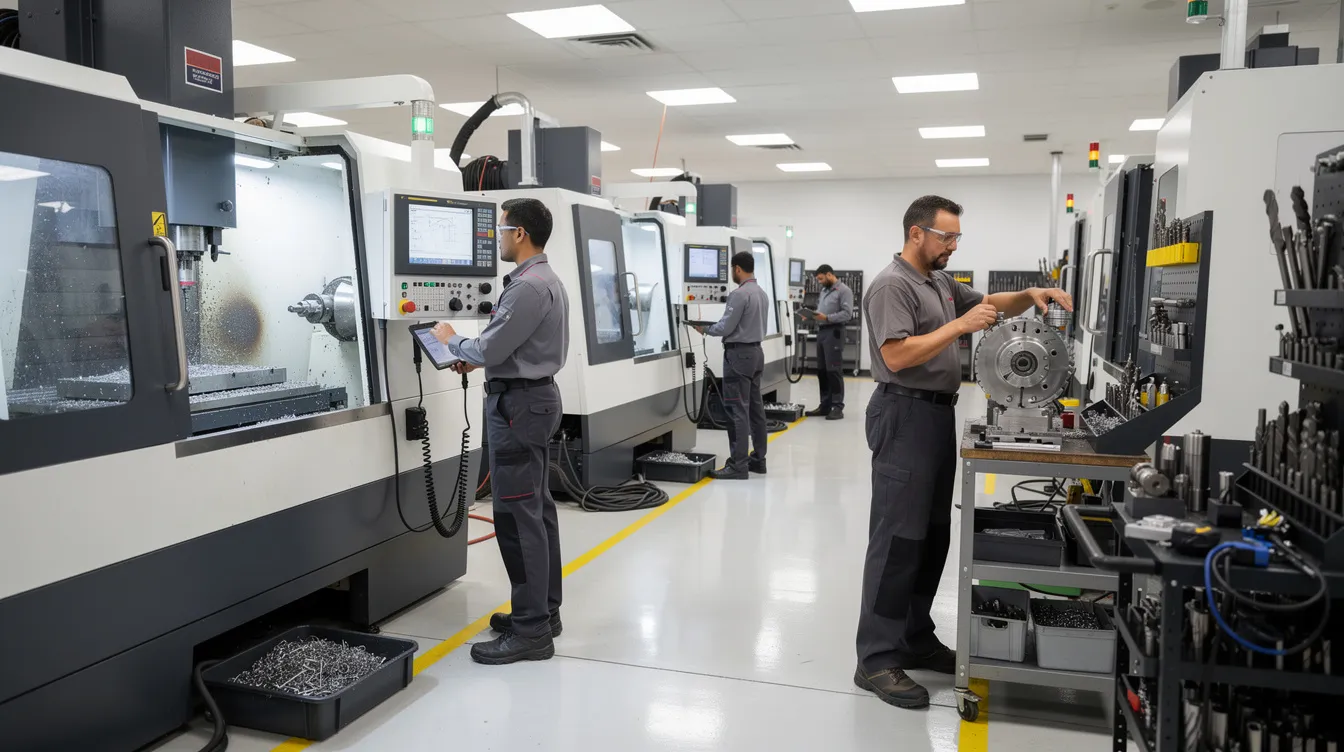
Why Start a Mechanical Engineering Business?
The manufacturing industry in India needs cost effective solutions at scale. The industrial sector seeks lower operating costs through energy-efficiency audits. Consumer interest in energy-efficient machinery is rising due to regulatory pressures. The demand for automation is increasing due to labor shortages across various industries.
Here’s what’s fueling demand:
- EV ecosystem: The EV market is expanding, creating a need for component manufacturing. The PLI Scheme for Auto Components alone has ₹25,938 crore allocated.
- Renewables: India targets 500 GW non-fossil capacity by 2030. Sustainable hardware-focused startups are in high demand due to global pushes toward net-zero emissions.
- Defence & infrastructure: Atmanirbhar Bharat is pushing domestic defence manufacturing.
- Export potential: India is climbing global supply chains rapidly.
Mechanical engineers can potentially earn more as business owners than employees. Starting your own company in this environment is a profitable venture if you plan correctly.
Skills Required Before Starting
Before launching your own business, assess what you bring to the table:
- Technical: Proficiency in computer aided design, cad software, manufacturing processes, and quality control. Strong math skills and understanding of finite element analysis for design validation.
- Business: Financial planning, vendor management, supply chain management. Develop a clear value proposition and target market for your mechanical engineering services.
- Marketing: Create profiles on professional networking sites like LinkedIn. Optimize your website for search engines to attract clients. Share educational content to establish yourself as a thought leader.
- Soft skills: Communication skills for client handling, team management, and resume building skills that translate your technical expertise into business credibility.
You must stay up to date with licensing, GST, and compliance requirements – I’ll cover those below.
How We Chose the Best Mechanical Engineering Business Ideas
The major factors I evaluated include:
- Investment accessibility for new entrepreneurs
- Market demand and profit margins
- Scalability and export potential
- Technical complexity matching engineer skill levels
- Government scheme support and financing availability
- Import substitution opportunities
These business ideas for mechanical engineers balance risk with reward across different investment levels.
Top 8 Mechanical Engineering Business Ideas
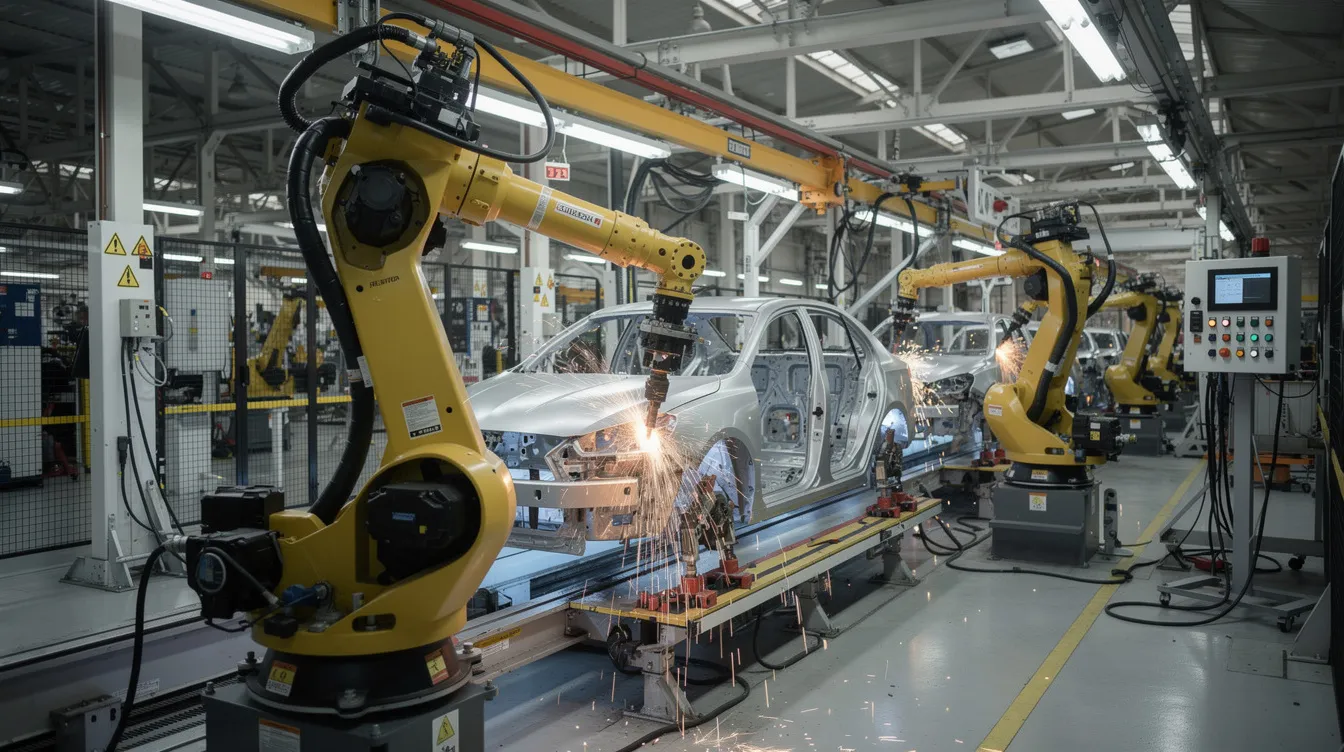
1. CNC Machine Shop and Precision Components Manufacturing
A cnc machining business involves using cnc machines to produce precision parts for automotive, aerospace, chemical industry, and medical sectors. CNC machining uses computers to control manufacturing tools, and CNC machining helps manufacturers fix problems in machine tools efficiently. Mechanical engineers can start product-based businesses like CNC machining.
- Investment: ₹25–50 lakhs (VMCs cost ₹15–40 lakh for 3-axis machines)
- Customers: Tier-1 auto suppliers, defence OEMs, industrial clients
- Raw materials: Steel, aluminum, brass, engineering plastics
- Strengths: Recurring orders, export potential, high precision margins
- Limitations: Skilled operator shortage, machine depreciation, competition
You can control machine tools with proper CAM programming and fixture design to serve multiple companies across the manufacturing sector.
2. Industrial Automation and Robotics Integration
This involves providing turnkey automation – robotic welding, PLC/SCADA, conveyor systems – to factories upgrading their mechanical systems. Mechatronics combines mechanical and electronic engineering for innovative products, and mechanical engineers can create technology-based businesses in automation.
- Investment: ₹20–50 lakhs
- Strengths: High-value projects, innovative solutions, recurring maintenance
- Limitations: Long sales cycles, continuous technology updates needed
Automated solutions for waste recycling also address plastic and industrial waste challenges, opening additional verticals. If you’re also interested in electrical business ideas, automation straddles both domains.
3. Solar Structure Manufacturing and Installation
Manufacturing mounting structures, module frames, and trackers for solar power startups. Solar panel installation is a lucrative business with minimal investment, and it’s also a profitable service-based business. You can build solar panels cheaply with localized structure manufacturing, converting sunlight into usable energy at scale.
- Investment: ₹15–30 lakhs
- Market: India’s solar PV PLI scheme has ₹19,500 crore allocated. Solar panels are now available at US$1.25 per 300W peak power.
- Strengths: Government subsidies, growing demand, environmental impact
- Limitations: Policy dependency, raw material price volatility
Every solar panel installed needs a mounting structure – and that’s where mechanical engineers come in.
4. Mechanical Engineering Consultancy Services
A mechanical engineering consultancy firm provides design, simulation, reverse engineering, and project management to potential clients across industries. Service-based businesses include mechanical engineering consultancy firms, and a mechanical engineering consultant with strong technical expertise can serve multiple companies simultaneously.
- Investment: ₹5–15 lakhs
- Strengths: Flexibility and independence are key benefits, high margins, work from your own house or own room
- Limitations: Income depends on personal expertise, client acquisition takes time
You can even use this as part-time business ideas while transitioning from the corporate world.
5. Agricultural Machinery Manufacturing
Mechanical engineers can innovate in agriculture by developing autonomous tools for seeding, weeding, and harvesting. Affordability of farm equipment creates demand in rural markets. Think machinery designing for small tractors, irrigation pumps, and post-harvest equipment. You can construct machines tailored to local farming conditions.
- Investment: ₹20–40 lakhs
- Strengths: Government subsidies, social impact, large addressable market
- Limitations: Seasonal cycles, rural distribution challenges
6. Fabrication and Steel Structure Business
Structural fabrication for construction industries, telecom towers, and industrial sheds. Bolts manufacturing nuts and general bolts manufacturing require low investment and have high demand as complementary products. This business serves the broader civil engineering business ideas space too, supporting sustainable construction design.
- Investment: ₹10–25 lakhs
- Strengths: Steady local demand, scalable, machine tools are accessible
- Limitations: Raw material price fluctuations, unorganized competition
7. Food Processing Machinery Manufacturing
India’s food processing sector is growing rapidly. Sustainability regulations drive demand for machines that purify water used in processing. Waste management machine designing can simplify recycling processes within food plants.
- Investment: ₹20–40 lakhs
- Strengths: Export potential, PLI scheme support, technology differentiation
- Limitations: Hygiene standards compliance, specialized knowledge needed
8. Material Handling and Conveyor Systems
E-commerce and warehouse automation need conveyors, sortation systems, and AGVs. Supply chain management can significantly improve manufacturing efficiency – and such systems are the backbone of modern logistics. 3D printing service bureaus enable rapid prototyping and custom manufacturing of specialized components.
- Investment: ₹20–35 lakhs
- Strengths: Recurring maintenance revenue, customization opportunities
- Limitations: Project-based cash cycles, technical complexity
Quick Comparison of Best Mechanical Engineering Business Ideas
| Business | Investment (₹) | Skill Level | Profit Potential | Scalability |
|---|---|---|---|---|
| CNC Machine Shop | 25–50 lakhs | High | High | Export-ready |
| Industrial Automation | 20–50 lakhs | High | High | National |
| Solar Structures | 15–30 lakhs | Moderate | Medium-High | Regional/National |
| Consultancy Services | 5–15 lakhs | High | High | Flexible |
| Agricultural Machinery | 20–40 lakhs | Moderate | Medium | Regional |
| Fabrication Business | 10–25 lakhs | Moderate | Medium | Local/Regional |
| Food Processing Equipment | 20–40 lakhs | Moderate-High | High | Export-ready |
| Material Handling | 20–35 lakhs | High | High | National |
How to Choose the Right Mechanical Engineering Business
Choose Based on Investment Capacity
- Low (₹5–15 lakhs): Consultancy, product assembly service, small fabrication
- Medium (₹15–35 lakhs): CNC shops, solar structures, agricultural machinery
- High (₹35+ lakhs): Automation systems, large manufacturing units
Choose Based on Technical Expertise
- Design-focused: Consultancy, CAD services, machinery designing
- Manufacturing-oriented: CNC machining, fabrication, production
- Technology-inclined: Automation, robotics, IoT integration
Choose Based on Market Preference
- Local: Fabrication, repair services for service industry business ideas
- National: Specialized components, branded products
- Export: Precision components, engineering goods
Best Low Investment Mechanical Engineering Business Ideas
Starting a mechanical engineering business can cost between $10,000 to $50,000. Here are options requiring minimal investment:
| Business | Investment | Notes |
|---|---|---|
| Consultancy | ₹5–10 lakhs | Work from own house |
| CAD Design Services | ₹3–8 lakhs | Freelance or contract |
| Mechanical engineering training / Training school | ₹5–12 lakhs | Conducting training programs for students |
| Mechanical engineering graduates tutor | ₹2–5 lakhs | Online training programs |
| E waste recycling | ₹8–15 lakhs | E-waste recycling can convert waste into valuable raw materials and is a lucrative product-based business |
| Product assembly service | ₹5–10 lakhs | Light assembly for OEMs |
E-waste recycling can also convert waste into valuable raw materials, making waste disposal profitable. Explore more profitable business opportunities for men in manufacturing.
Government Schemes and Financial Support
- Udyam Registration: Nearly 1.80 crore manufacturing MSMEs registered. Benefits include priority lending, subsidy access.
- CGTMSE: Collateral-free loans up to ₹5 crore for MSMEs.
- Mudra Loan for startup: Up to ₹10 lakhs under Shishu/Kishore categories.
- PLI Schemes: Auto components (₹25,938 crore), Solar PV (₹19,500 crore).
- State subsidies: Capital subsidies up to 20–30% for manufacturing units.
- Startup India: Tax benefits, self-certification, funding support.
Licensing and Compliance Requirements
| License/Registration | Applicability |
|---|---|
| GST Registration | All manufacturing/service businesses |
| Udyam (MSME) Registration | Access to scheme benefits |
| Factory License | Units under Factories Act |
| Pollution NOC | Fabrication, machining, chemical industry units |
| Fire NOC | All factory premises |
| ISO 9001 | Recommended for industrial clients |
| IEC Code | Required for exporters |
| BIS Certification | Solar, food machinery, pressure vessels |
How to Get Bank Loan for Manufacturing Business
Every bank wants a solid business plan. Here’s what I prepare for my clients:
- Project Report (DPR): Technical description, machinery costs, civil works, power requirements, market analysis
- CMA Report: Working capital cycle – inventory, receivables, payables
- Financial Projections: 5-year P&L, cash flow, break-even analysis
- Collateral: Land, machinery, or CGTMSE guarantee
- Supporting documents: Udyam certificate, GST, land documents, quotations
Having PLI sanction letters or state scheme approvals significantly improves bank comfort.
Which Mechanical Engineering Business Is Best for You?
- CNC Machine Shop: If you have machining experience and moderate capital
- Consultancy: If you want low investment, flexibility, and serve as a mechanical engineering consultant
- Solar Business: If you want to build solar panels and ride government incentives
- Automation: If you have technology skills targeting high-value projects
- Fabrication: If you prefer traditional manufacturing with local focus
Common Mistakes to Avoid
Many engineers who lack resume building skills in business planning make these errors:
- No solid business plan before investing
- Underestimating working capital needs
- Ignoring raw material price swings
- Skipping quality control systems
- Not defining a clear target market
- Poor vendor selection
- Overlooking compliance costs (Pollution NOC, Factory License)
- Not registering under MSME/Udyam early
- Failing to attend industry events and network at industry events
- Ignoring export potential
- Over-investing in machinery before securing orders
- Not protecting IP or designs
- Poor cash flow management
- Hiring too fast without revenue
- Not investing in mechanical engineering training for staff
Future Opportunities in Mechanical Engineering Business
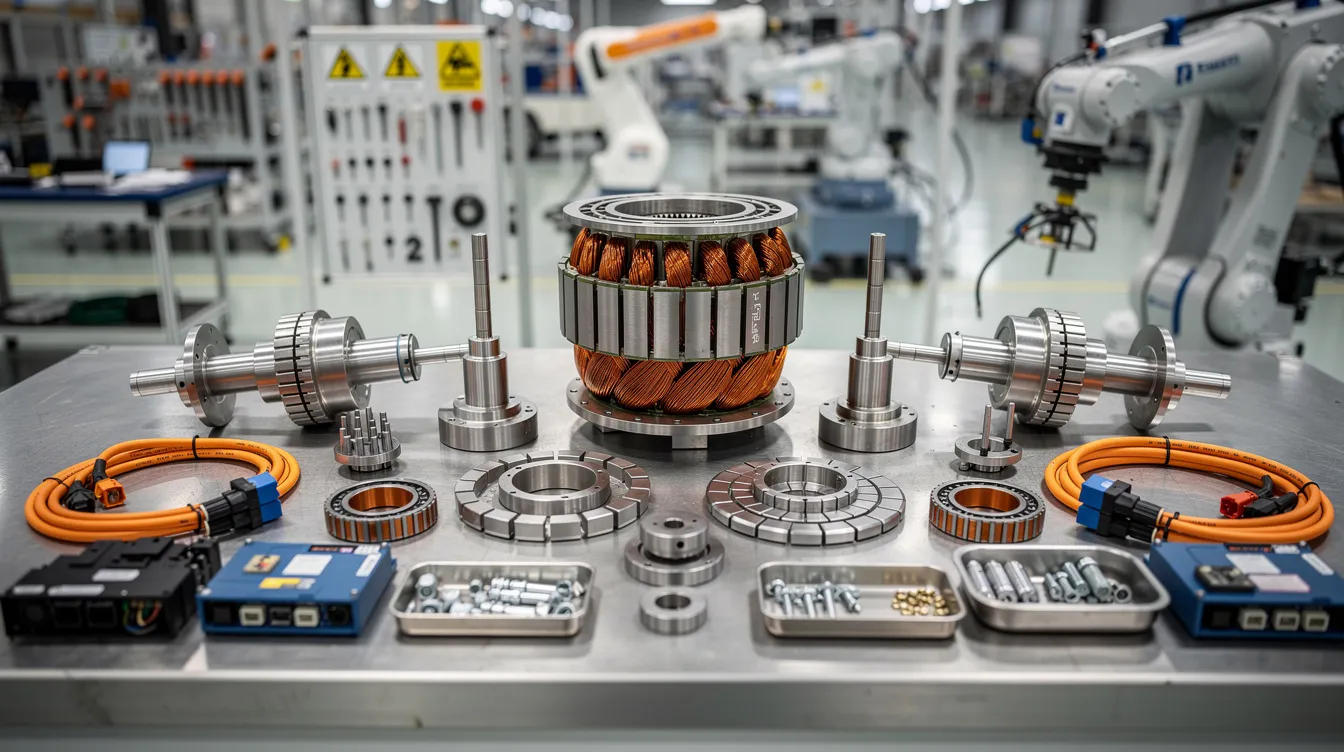
High-potential startup opportunities include renewable energy, automation, and specialized machinery. The waste management industry and waste management innovations will generate newer ideas. E-waste recycling continues to grow. Mining equipment demand is rising. Devices for elderly and disabled people represent an untapped innovative idea.
Mechanical engineers can innovate by developing new products or services in hydrogen economy, aerospace MRO, and green manufacturing. Even plastic manufacturing business ideas intersect with mechanical engineering in injection molding and extrusion.
How CA Manish Gugliya Helps Engineering Entrepreneurs
I work with mechanical engineering startups daily. Here’s what I offer:
- DPR Preparation: Detailed project reports that banks actually approve
- CMA Reports: Proper working capital structuring
- Financial Projections: Realistic 5-year models
- Loan Documentation: Complete bank-ready packages
- MSME Registration: Udyam and compliance guidance
- Business Valuation & Pitch Decks: For investor funding
Final Thoughts
The manufacturing sector in India offers a lucrative business opportunity for every mechanical engineer willing to step out of the corporate world and start their own business. Whether you choose a cnc machining business, a consultancy, or solar power startups, success depends on technical expertise, market understanding, and disciplined financial execution.
Don’t just generate newer ideas – execute them with proper planning. Every innovative idea needs a business plan behind it.
Planning to start a mechanical engineering business?
I am CA Manish Gugliya, and I help entrepreneurs, manufacturers, startups, and MSMEs prepare professionally drafted Bank Loan Project Reports (DPRs), CMA Reports, Financial Projections, Pitch Decks, Business Valuations, and Startup Financial Plans. Whether you’re applying for a Mudra Loan, launching a new manufacturing unit, or seeking investor funding, I can help you prepare documentation that banks and financial institutions expect.
Visit ProjectReportBank.com to explore ready-made project reports or get a customized report prepared for your business idea.
Frequently Asked Questions
What is the best mechanical engineering business to start in India?
A CNC machine shop or mechanical engineering consultancy firm are among the top choices. CNC machining offers high margins with export potential, while consultancy requires minimal investment.
How much investment is needed to start a mechanical engineering business?
Starting a mechanical engineering business can cost between $10,000 to $50,000 depending on the type. A consultancy needs ₹5–15 lakhs; a CNC shop needs ₹25–50 lakhs.
Can I start a mechanical engineering business from home?
Yes. CAD design services, consulting, online mechanical engineering training, and freelance engineering can be run from your own room with just a workstation and cad software.
What government schemes support engineering manufacturing business?
Key schemes include MSME Udyam Registration, CGTMSE loan guarantee, Mudra Loan, PLI schemes for auto components and solar PV, Startup India, and state capital subsidies.
Is a fabrication business profitable?
Yes. Steel fabrication serving construction industries has steady demand. Adding bolts manufacturing nuts as complementary products improves margins.
What licenses do I need for a small scale manufacturing business?
GST registration, Udyam MSME registration, Factory License, Trade License, Pollution NOC, and Fire NOC are essential. Exporters need an IEC code.
How can mechanical engineers find clients?
Attend industry events to meet potential clients and partners. Create LinkedIn profiles. Optimize your website. Share educational content. Build relationships with industrial clients through quality delivery.
What are future business opportunities for mechanical engineers?
The EV component ecosystem, hydrogen economy, smart factories, defence manufacturing, aerospace MRO, and the waste management industry all present strong growth paths.
- Integrated Value-Added Rice Products Processing Plant Project Report & DPR
- Integrated Rice Plant Bank Loan, Feasibility, ROI, IRR, Payback & Sensitivity Analysis


- Integrated Rice Processing Plant Financial Projections, Working Capital & DSCR

- Integrated Rice Products Revenue Model, Market Strategy & Profitability

- Integrated Value-Added Rice Plant Project Cost & Means of Finance

- Raw Material Procurement & Inventory Planning for Integrated Value-Added Rice Plant

- Common Utilities, Warehousing, Packaging & Material Handling for Integrated Rice Plant

- Integrated Rice Processing Plant Land, Building & Multi-Line Plant Layout – A Practical Guide for DPR & Bank Finance

- Integrated Rice Processing Plant Capacity Planning & Product Mix

- Integrated Value-Added Rice Plant Machinery & Equipment Cost – A Practical DPR-Oriented Guide

- Integrated Poha, Puffed Rice & Rice Snacks Manufacturing Process & Line Integration

- Instant Poha Manufacturing Plant Project Report & DPR – Bankable Guide by Project Report Bank

- Ready-to-Cook Rice Breakfast Mixes Manufacturing: Products, Process & Plant Setup

- Cup Poha Manufacturing, Packaging & Business Model – A Practical Guide for Entrepreneurs in India

- Instant Poha Market Potential, Pricing, Branding, Sales Channels & Distribution Strategy