Key Takeaways
- This article explains how to plan an Instant Poha & Ready-to-Cook Rice Products manufacturing plant and prepare a bankable Detailed Project Report (DPR) for loans and subsidies.
- Success in instant poha manufacturing depends on the right product mix, manufacturing process, plant capacity, machinery, packaging, quality control, and strong branding and distribution.
- A proper Instant Poha DPR for bank loan must integrate realistic technical assumptions with financial projections, DSCR, ROI/IRR, working capital and risk analysis that match your actual project.
- Project Report Bank, led by CA Manish Gugliya, prepares customised Instant Poha Manufacturing Plant Project Reports, CMA data and financial models accepted by banks across India.
- This hub page gives an overview and links to 12 in-depth guides on process, machinery, raw materials, capacity, cost, profitability, bank finance, packaging, compliance, market, Cup Poha and Ready-to-Cook rice breakfast mixes.
Introduction: Why an Instant Poha Manufacturing Plant Project Report Matters
Indian consumers, particularly in cities, are shifting away from loose, unbranded poha towards packaged instant poha, ready-to-cook rice breakfast mixes and single-serve Cup Poha. Dual-income households, hostel students, working professionals and travellers want breakfast options that take under five minutes to prepare without sacrificing the familiar taste of traditional poha. This shift is creating a genuine manufacturing opportunity for entrepreneurs across India.
This hub article focuses on the bankable instant poha manufacturing plant project report and DPR, written from the professional perspective of CA Manish Gugliya, FCA, DISA (ICAI), a practising Chartered Accountant and DPR specialist. A detailed project report serves as a comprehensive technical and financial blueprint for your plant, and a successful project report for an instant poha manufacturing plant requires a structured business plan that banks can evaluate with confidence.
The main product formats covered include:
- Ready-to-cook instant poha pouches and sachets
- Masala premix poha and flavoured poha variants
- Single-serve Cup Poha for on-the-go consumption
- Value-added rice flakes and breakfast cereals
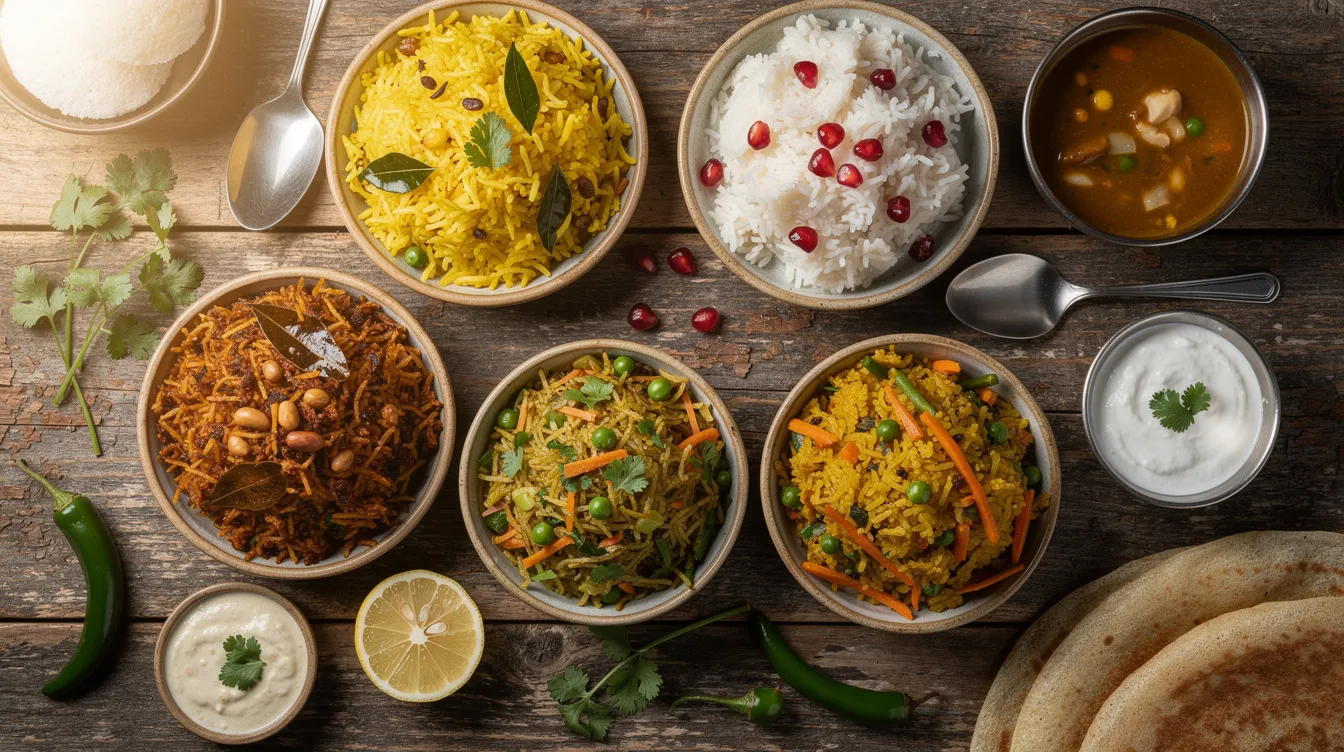
- Ready-to-cook rice products such as lemon rice mix, tamarind rice mix and upma-style mixes
Setting up an instant poha manufacturing business involves coordinated decisions across product mix, manufacturing process, plant capacity, machinery, utilities, land and building, manpower, packaging, branding, distribution and regulatory compliance. This article is the central cluster hub, and detailed topics like the instant poha manufacturing process and production line, machinery, project cost, profitability, DSCR and FSSAI compliance are covered in depth through linked guides.
What Is an Instant Poha & Ready-to-Cook Rice Products Manufacturing Plant?
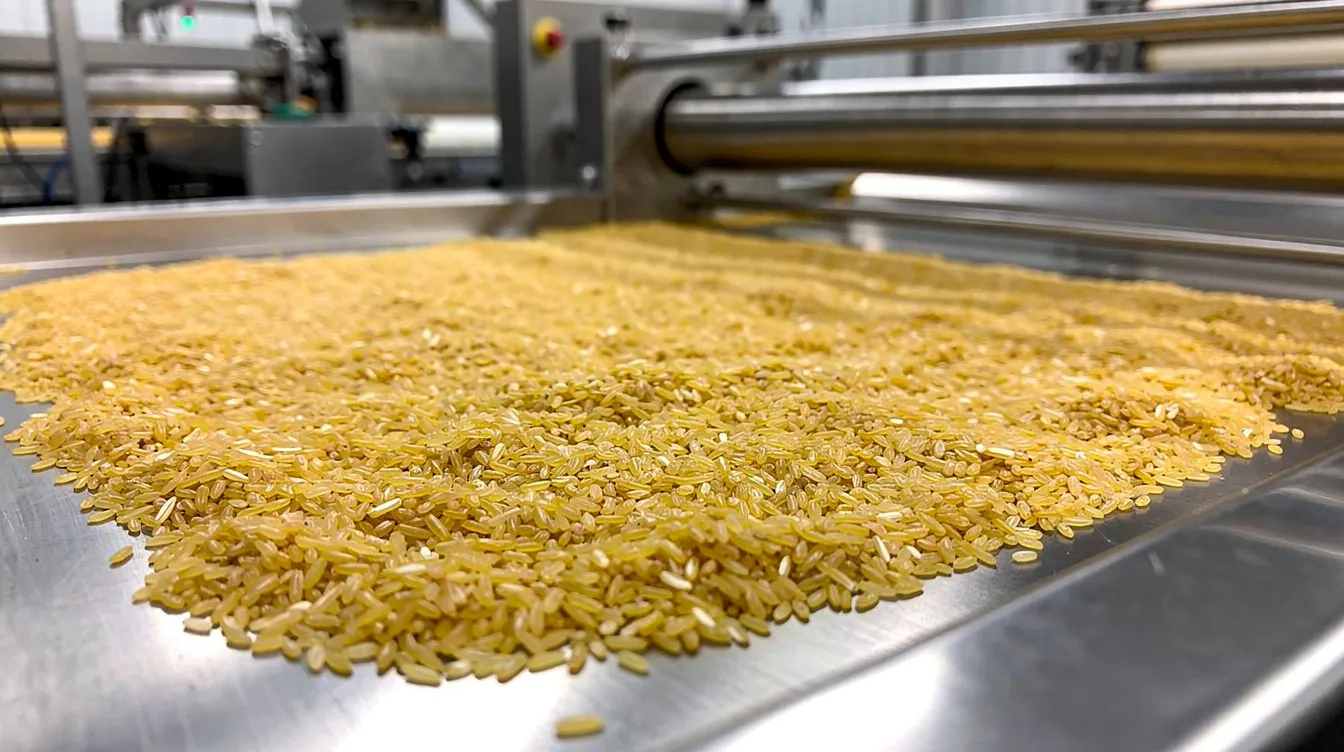
An instant poha manufacturing plant converts flattened rice (poha or rice flakes) and standardised seasoning blends into branded, shelf-stable, quick-cooking convenience products. Unlike a traditional poha mill that simply flakes raw paddy into plain rice flakes, this type of facility adds value through seasoning, blending, moisture control, quality testing and consumer-ready packaging.
To avoid confusion during bank appraisal, your DPR should clearly define where your plant sits on this spectrum:
- Conventional poha – unseasoned rice flakes sold loose or in plain packs, a staple food across central and western India.
- Ready-to-cook poha – requires water, light cooking with oil and tempering by the consumer.
- Instant poha – pre-seasoned, often requires just hot water addition or two to three minutes of cooking.
- Ready-to-eat poha – fully cooked, typically in retort packs or chilled/frozen formats.
- Cup Poha – single-serve cup or bowl formats with seasonings included, ready after adding hot water.
- Ready-to-cook rice breakfast mixes – products like lemon rice mix, tamarind rice mix and tomato rice mix.
Such a plant is essentially a value-added rice processing unit focused on convenience food manufacturing, not just a traditional poha mill. It may coexist with a mini poha plant or rice mill, using in-house rice flakes or sourcing from external suppliers depending on the promoter’s background and investment capacity.
Products That Can Be Manufactured in an Instant Poha Plant
Modern instant poha manufacturing businesses rarely survive on a single SKU. Planning a product portfolio helps utilise machinery efficiently, reduces market risk, and allows the business to address different consumer segments and price points.
Indicative products include:
- Plain instant poha (lightly seasoned, quick to cook)
- Masala poha and spicy poha premix (North Indian style)
- Kanda poha, batata poha and Indori-style poha variants
- Lemon poha, peanut poha and vegetable poha mixes using dehydrated vegetables
- Flavoured instant poha for regional tastes (sambar masala, schezwan, etc.)
- Single-serve instant poha in cups or bowls for travel, offices and hostels
- Ready-to-cook rice breakfast mixes (lemon rice mix, tamarind rice mix, vegetable pulao mix)
- Family and institutional packs for caterers, canteens, corporate cafeterias and hotels
The SKU mix directly affects seasoning and blending setup, instant poha packaging machine configuration (pouches versus cups), and inventory requirements. More SKUs mean more raw materials and packing materials to stock, which increases working capital needs.
For entrepreneurs exploring the single-serve format, our dedicated guide on Cup Poha manufacturing, packaging and business model covers the economics and operations in detail. Those considering expansion into rice-based breakfast mixes should study Ready-to-Cook Rice Breakfast Mixes Manufacturing for diversification opportunities.
Market Potential for Instant Poha & Ready-to-Cook Rice Products
Rising nuclear families, working couples, hostel students and travel consumption are driving the ready-to-cook breakfast market in India. India’s poha market size exceeds ₹8,500 crore annually, and poha consumption is consistent year-round, ensuring stable demand. Branded packaged poha demand is driving approximately 12% annual growth, significantly faster than the overall food market.
Key demand drivers include:
- Time-poor urban consumers preferring five-to-ten-minute breakfast options
- Growth of modern retail, supermarkets, e-commerce and quick-commerce platforms
- Health positioning of poha and rice-based breakfast products as light and familiar compared to noodles or deep-fried snacks
- Increasing corporate and institutional demand for portion-controlled, easy-to-store breakfast and snack options
- The broader India breakfast cereal market growing at approximately 7.7% CAGR
Distribution channels worth evaluating include general trade (kirana stores), modern trade (supermarkets, hypermarkets), e-commerce (Amazon, Flipkart, brand D2C websites), quick-commerce (Swiggy Instamart, Zepto, Blinkit), and institutional buyers such as hotels, canteens, railway catering, airlines and tiffin services.
Building a strong branding and distribution strategy is as critical as setting up the plant itself. For detailed tactics on positioning, pricing and channel selection, refer to our guide on instant poha market potential, pricing, branding and distribution strategy.
Instant Poha Manufacturing Process – High-Level Overview
Instant poha manufacturing is a refinement over basic flattened rice processing. The manufacturing process typically involves paddy procurement, cleaning, soaking and flaking at the base level. For instant and ready-to-cook products, additional steps for seasoning, blending, moisture control and consumer-ready packaging are essential.
A generic instant poha production process flow includes:
- Raw material receipt and quality inspection of rice flakes, spices and packaging
- Cleaning and sieving of rice flakes to remove dust, broken flakes and foreign particles
- Light roasting or conditioning of flakes where the process design requires
- Seasoning preparation (mixing spices, salt, sugar, dehydrated vegetables, edible oil)
- Blending of poha with seasoning and oil in ribbon or paddle mixers
- Final moisture adjustment and cooling
- Metal detection and quality inspection
- Weighing, filling and sealing into pouches or cups
- Coding, secondary packing and storage in the finished goods warehouse
The actual instant poha manufacturing process flow chart will differ based on technology choices (with or without oil roasting, steam treatment, special flavour coatings) and the production process for Cup Poha may incorporate additional steps like cup filling, lid sealing and nitrogen flushing.
This hub provides only a process overview. Entrepreneurs should study the dedicated article on the instant poha manufacturing process and production line for detailed stage-wise descriptions, equipment choices and layout integration.
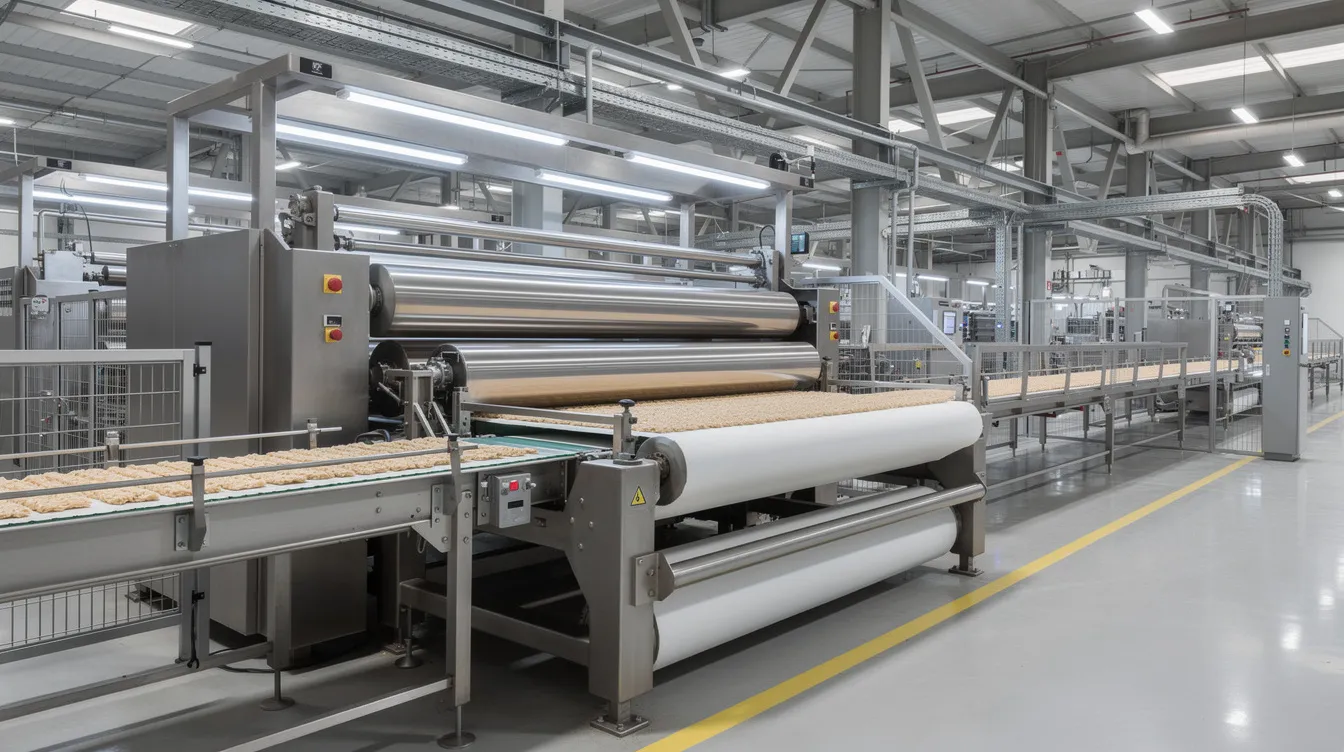
Machinery & Equipment Required for an Instant Poha Production Plant
Machinery selection should follow the confirmed product mix and capacity, not the other way round. Many entrepreneurs make the mistake of purchasing a poha making machine or poha processing machine based purely on a vendor quotation, without first validating whether the machine type, automation level and capacity match their market plan.
Major categories of equipment required include:
- Raw material handling: bag unloaders, conveyors, sievers
- Cleaning and sieving equipment for rice flakes
- Roasters or conditioning systems (if the recipe requires toasting)
- Ribbon, paddle or blender mixers for poha and seasoning
- Seasoning and oil dosing systems
- Elevators and screw conveyors for material transfer
- Instant poha packaging machine options: FFS pouch machines, multihead weighers, cup filling and sealing lines
- Batch coding machines (inkjet or thermal)
- Metal detectors and checkweighers for food safety
- Utilities equipment: air compressor, small boiler or heaters, electrical panels
To provide approximate benchmarks from recent industry data, paddy cleaner capacity ranges from 500 kg to 3 tonnes per hour. Soaking tanks cost between ₹25,000 and ₹50,000. Flaking mills cost between ₹2 lakh and ₹4 lakh. Rotary roasting drums cost between ₹1 lakh and ₹2 lakh. Automatic packing machines cost between ₹1.5 lakh and ₹4 lakh. These figures are indicative and must be verified with current vendor quotations for your specific project.
Instant poha plant machinery cost varies significantly based on daily production capacity (for example, 300 kg per hour versus 1,000 kg per hour), level of automation, number of flavours and SKUs, and type of packaging. For detailed machinery specs and configuration options, refer to our guide on instant poha machinery and ready-to-cook rice products equipment.
Raw Materials, Seasonings & Packaging Materials
Quality, consistency and shelf life of instant poha are primarily driven by raw material selection, standardised seasoning and appropriate packaging.
Key raw materials include:
- Rice flakes (poha) or instant rice flakes, with thickness matched to the product type (thin, medium or thick)
- Spices such as turmeric, chilli, coriander, cumin, mustard and curry leaves
- Salt and sugar where required by the recipe
- Poha seasoning ingredients like dehydrated onion, dehydrated potato, dehydrated peas, peanuts and cashews
- Edible oil (refined vegetable oil) and permitted food-grade additives or antioxidants
Packaging materials include laminated pouches (PET/PE or PET/foil/PE) for moisture and oxygen barrier, cups and lids for Cup Poha (PP or paper cups with foil/PP lids), cartons, outer corrugated boxes, shrink-wrap films and printed labels.
Vendor selection, testing of raw materials and supplier agreements are important for ensuring long-term quality and raw material cost stability. Procurement strategy should focus on securing quality raw materials near major agricultural hubs. For a detailed list of instant poha raw material, seasoning and product mix, including different flavour options and rice-based breakfast mixes, refer to our specialised guide.
Plant Capacity Planning, Land, Building & Utilities
Realistic capacity planning is the backbone of a feasible instant poha manufacturing plant DPR. Banks scrutinise whether projected sales and capacity utilisation match market potential and the promoter’s distribution capability.
Key capacity considerations:
- Plan installed capacity versus likely first-year utilisation (typically 40–60%, ramping up to 70–80% over two to three years)
- Base capacity selection on expected distribution reach, working capital strength and marketing capability, not only on vendor offers
- Clarify daily output based on shifts, working days per year, working hours per shift and product mix
Land and building planning should account for separate areas for raw material storage, processing, seasoning, packaging, finished goods and dispatch. A dedicated utility area for compressors, electrical panels, boiler room and DG set is needed. Quality control lab space, staff change rooms, toilets, handwash stations and basic office space complete the layout.
Key utilities include:
- Power (connected load, backup DG if supply is unreliable)
- Water (process, cleaning and domestic use)
- Compressed air (for pneumatic packaging machines)
- Fuel, steam or heat sources if roasting or steam treatment is used
- Ventilation and humidity control where necessary for product stability
For detailed guidance on capacity selection, factory sizing and utility planning, refer to our guide on instant poha plant capacity, land, layout and utilities.
Instant Poha Plant Project Cost & Means of Finance
Instant poha manufacturing plant cost in India depends heavily on capacity, automation level, location, land ownership (own versus leased), product portfolio and packaging formats. A poha manufacturing unit can cost ₹8–30 lakh to set up depending on scale. Investment for a micro-scale poha mill is ₹5–10 lakh, and a 500 kg per day poha unit requires ₹5–10 lakh for setup at a basic registration level.
Project cost heads typically include:
- Land and site development
- Factory building and civil works
- Plant and machinery (processing equipment, instant poha packaging machine, Cup Poha lines if applicable)
- Electrical and utility installations
- Quality-control lab equipment and basic instruments
- Furniture, computers and office equipment
- Preliminary and pre-operative expenses (consultancy, company formation, interest during construction, trial runs)
- Contingency margin
- Margin for working capital
Documentation should include details on machinery specs, land requirements, and project costs based on actual quotations, bills of quantities and realistic implementation schedules.
Means of finance are usually structured as:
- Promoter’s equity contribution (typically 25–30% of total cost)
- Term loan from bank or financial institution
- Unsecured loans from promoters or relatives (where acceptable to lender)
- Subsidy or incentive components, if applicable
The total cost in your project report must match the total means of finance section exactly, as credit officers cross-check this during appraisal. For a detailed breakdown, refer to our guide on instant poha plant project cost, means of finance and operating cost.
Operating Cost, Revenue Model & Profitability
Profitability in an instant poha manufacturing business depends on a realistic understanding of operating costs, selling prices, product mix and capacity utilisation over time. Operating assumptions should not assume full production capacity immediately after commissioning.
Major operating cost components include:
| Cost Head | Nature |
|---|---|
| Raw materials (rice flakes, spices, oil, vegetables) | Variable |
| Packaging materials (pouches, cups, cartons) | Variable |
| Power and fuel | Semi-variable |
| Direct labour and supervisory staff | Fixed/Semi-fixed |
| Repairs and maintenance | Semi-variable |
| Selling and distribution (freight, distributor margins) | Variable |
| Marketing and branding | Discretionary |
| Administrative expenses | Fixed |
| Interest on loans | Fixed |
| Depreciation | Non-cash |
Revenue typically flows from retail sales of instant poha sachets and pouches, Cup Poha sales in modern retail and corporate canteens, institutional packs, contract manufacturing or private label for bigger brands, and online D2C sales via brand websites and marketplaces.
Profit margins for branded retail poha range from 16–22%, but actual margins can vary widely depending on positioning (mass versus premium), packaging choices, marketing spends and distribution model. Giving generic “fixed margins” is misleading. For detailed margin scenarios, sample projections and working capital impact, refer to our guide on instant poha profitability, financial projections and working capital.
Financial Projections, Working Capital, DSCR, ROI & IRR in an Instant Poha DPR
Any serious instant poha manufacturing plant project report for bank loan must include multi-year financial projections, not just a project cost summary. A project report must include a financial model, and financial projections in a DPR typically cover five years.
Key statements and analyses normally prepared include:
- Projected Profit and Loss Account
- Projected Balance Sheet
- Cash Flow Statement and term loan repayment schedule
- Working capital assessment and CMA data (where required by bank)
- Break-even analysis (capacity utilisation at which the project covers all costs)
- Debt service coverage ratio (DSCR) year-wise and as an average for the loan tenure
- ROI, IRR and payback period calculations
- Sensitivity analysis (effect of changes in sales volume, selling price, raw material costs or interest rates)
Banks require a debt service coverage ratio of 1.25 for loans. DSCR measures the ratio of cash available for debt service to total debt service (interest plus principal repayment). Financial viability analysis requires calculating the break-even point and debt service coverage ratio as core bankability indicators.
Working capital requirement represents the capital blocked in raw materials, packaging, finished goods and receivables, minus supplier credit and other current liabilities. Branded packaged-food businesses may require significant working capital because commercial production, stock holding, distributor credit and market expansion happen before final cash collection.
Financial projections must be aligned with realistic sales ramp-up. Assuming 50–60% capacity utilisation in year one rather than 100% is more credible and improves bankability.
For deeper analytical treatment on DSCR, ROI and feasibility, refer to our guide on instant poha bank finance, DSCR, feasibility and ROI.
Packaging Options, Shelf Life, Quality Control & Food Safety
For instant poha, packaging and food safety are just as important as taste. Moisture and oxidation can quickly spoil the product or deteriorate flavour if packaging fails.
Key packaging options:
- Single-use laminated sachets (60–100 g packs)
- Stand-up pouches with zip locks for family packs
- Multi-sachet combo packs for variety offerings
- Cups or bowls for Cup Poha, often requiring lid sealing and potential nitrogen flushing
- Bulk or institutional packs (1–5 kg pouches with strong barrier films)
Factors influencing shelf life include residual moisture level in the finished product, type and thickness of packaging laminate, use of nitrogen flushing or oxygen scavengers (if legally allowed), storage conditions (temperature, humidity, light exposure), and the presence of oil and nuts which are more prone to rancidity.
Quality control measures should include testing raw material quality and machinery effectiveness. In-process checks should cover seasoning uniformity and taste consistency. Finished product tests should measure moisture, total plate count and packaging seal integrity. Microbiological and shelf-life studies are essential for new products before full-scale launch.
Food safety practices such as GMP, cleaning SOPs, pest control and personal hygiene are mandatory for both commercial success and regulatory compliance. For detailed guidance on barrier film selection and shelf-life testing, refer to our guide on instant poha packaging, shelf life, quality control and food safety.
FSSAI License & Regulatory Compliance for Instant Poha Plants
Regulatory compliance is essential for manufacturing plants due to food safety regulations. Instant poha manufacturing license requirements start with FSSAI but extend to other statutory registrations and approvals depending on plant size and location.
Core FSSAI-related aspects include:
- Type of FSSAI license (basic registration, state license or central license) based on turnover and scale. FSSAI registration is mandatory for food manufacturing units.
- Compliance with relevant food safety standards applicable to rice-based convenience foods
- Labelling requirements including ingredient list, nutritional table, veg/non-veg logo, allergen declarations (e.g., peanuts), net quantity, batch number, FSSAI logo and license number, best-before date and manufacturer details
Other common statutory requirements:
- Udyam registration is required for MSME scheme applications
- GST registration is mandatory for turnover above ₹40 lakh
- Trade licence is required from local authorities for manufacturing
- Factory registration is needed for units employing 10 or more workers
- Pollution Control Board consents if boilers, roasters or high fuel consumption is involved
- Fire and safety NOC where required
Specific compliance needs vary by state, municipality, plant size and process. For a detailed checklist, refer to our dedicated compliance guide on FSSAI license, labelling and regulatory compliance for instant poha plant.
Branding, Pricing & Distribution Strategy
Manufacturing capacity alone does not guarantee success. An instant poha manufacturing business plan must devote serious attention to brand strategy, pricing and distribution.
Key considerations:
- Brand positioning (value-for-money versus premium health positioning versus regional specialty)
- Naming, logo and packaging design as tools for shelf visibility
- Pricing strategy that balances consumer affordability, retailer margins and desired net profit
- Typical channel margin structure (distributor, super stockist, retailer) and its impact on MRP decisions
- Multi-channel distribution across general trade, modern trade, e-commerce, quick-commerce and institutional supply
- Trade schemes, introductory offers and sampling campaigns required at launch
- The choice between brand-building and contract manufacturing or private label as two alternative business models
Sales channel selection should align with plant capacity and working capital availability to avoid over-stretched operations. For detailed tactics and channel comparisons, refer to our guide on instant poha market potential, pricing, branding and distribution strategy.
Cup Poha & Single-Serve Formats – Premium Convenience Opportunity
Cup Poha manufacturing is a fast-growing niche within rice-based convenience foods, ideal for offices, hostels, travel and on-the-go snacking.
Advantages of single-serve formats:
- High convenience – just add hot water or microwave
- Premium pricing potential per gram due to packaging and perceived value
- Better portion control, suitable for calorie-conscious customers and corporate cafeterias
- Compatibility with vending areas, office pantries and institutional tie-ups
Additional technical and financial considerations include higher packaging machine sophistication for cup filling and sealing, greater packaging material cost, the need for attractive graphics, and potential requirement of nitrogen flushing for longer shelf life. Cup Poha can usually be manufactured in the same facility as pouch products with appropriate modifications in layout, packaging equipment and quality checks.
For an in-depth resource on cup format economics and operations, refer to our guide on Cup Poha manufacturing, packaging and business model.
Ready-to-Cook Rice Breakfast Mixes – Product Diversification Strategy
Once an instant poha and packaging line is established, many promoters naturally expand into the ready-to-cook rice products business to improve utilisation and brand presence.
Diversification product ideas include lemon rice mix, tamarind rice mix, tomato rice mix, upma-style rice breakfast mixes, regional rice-based breakfast products tailored to South, West or East India, spicy instant rice flake mixes as snack bases, and breakfast cereal-style rice flakes for health-conscious segments.
Benefits of diversification:
- Better use of the instant poha production line and seasoning equipment in off-peak seasons
- Ability to address different taste preferences and regions
- Reduced dependency on a single SKU for revenue and cash flow stability
Technical changes are mostly in formulations and seasoning systems. Core machinery like mixers, conveyors and packaging machines can often be used across multiple ready-to-cook rice breakfast products. For promoters planning a broader rice breakfast mix manufacturing plant, refer to our guide on ready-to-cook rice breakfast mixes manufacturing.
Key Risks in an Instant Poha Manufacturing Project & How to Manage Them
A realistic instant poha feasibility study must openly discuss risks instead of assuming smooth operations and rapid sales growth. Risk analysis should cover operational risks like supply chain disruptions and equipment downtime.
| Risk | Mitigation |
|---|---|
| Raw material price volatility (rice flakes, edible oil, nuts) | Long-term supplier relationships, hedging of key inputs, procurement near agricultural hubs in states like Madhya Pradesh |
| Product inconsistency due to poor process control | Strong QA/QC protocols, documented SOPs, pilot batches before launch |
| Moisture-related issues leading to caking or spoilage | Proper drying, humidity-controlled storage, correct laminate selection |
| Packaging failures (poor seals, wrong laminate) | Reliable sealing machines, periodic seal-integrity checks |
| Overestimation of market absorption | Conservative projections, step-wise expansion plans, ramp-up assumptions in DPR |
| High trade and promotional discounts eroding margins | Budget for promotional costs, negotiate with modern trade, track gross profit by channel |
| Working capital shortages | Adequate working capital planning, buffer margins, negotiated supplier credit |
| Compliance lapses (FSSAI notices, recalls) | Proactive regulatory compliance, proper labelling, regular audits |
Risk and sensitivity analysis should form an integral part of the instant poha manufacturing plant DPR and will be examined closely by lenders and investors.
What Should an Instant Poha Manufacturing Plant DPR Contain?
A bankable instant poha project report is more than a few spreadsheets. It is a structured narrative demonstrating technical feasibility and financial viability. A Detailed Project Report (DPR) is essential for loan applications, and project reports must follow specific compliance formats for banks.
Key components of a comprehensive DPR:
- Executive summary providing a brief overview of the project, including key financials
- Promoter profile and experience in food processing, distribution or related industries
- Industry overview and instant poha market potential analysis
- Detailed product descriptions and proposed SKUs
- Instant poha manufacturing process and process flow diagram
- Plant and machinery details with supplier quotations and machinery list
- Raw material and seasoning sourcing strategy
- Capacity, land, building, layout and utility planning
- Manpower planning and organisational structure
- Implementation schedule and project timelines
- Project cost and means of finance
- Operating cost build-up and pricing assumptions
- Sales and revenue projections by product category
- Projected Profit and Loss, balance sheet and Cash Flow Statements
- Working capital assessment and CMA data
- Term loan repayment schedule and DSCR analysis
- Break-even, ROI, IRR and payback period
- Sensitivity and risk analysis
- Regulatory and FSSAI compliance roadmap
A strong project report connects production capacity, machinery, raw material availability, and market demand into a coherent story. The project report structure should enable stakeholders to assess the project’s scope quickly. Internal consistency is critical: installed capacity → production → sales volumes → raw material consumption → working capital → profitability → cash accrual → loan repayment must logically tie together.
A well-prepared report combines technical details, market justification, and financial projections into a document that credit officers can appraise efficiently. Project Report Bank prepares such integrated DPRs so that bankers can quickly understand the project structure and risk profile.
Bank Finance for Instant Poha Plants – Appraisal Perspective
Instant poha project finance usually involves a term loan for plant and machinery, civil works and pre-operative expenses, along with working capital limits (cash credit, overdraft, packing credit) for inventory and receivables.
Banks typically evaluate the following in an instant poha bank loan project report:
- Promoter background, equity contribution and credit history
- Market study and reasonableness of sales projections
- Technical details of the instant poha production plant and machinery, including the machine leading manufacturer and specifications
- Project cost estimation supported by vendor quotations
- Means of finance and adequacy of promoter’s margin (debt equity ratio within acceptable limits)
- DSCR and repayment schedule robustness
- Security or collateral and coverage of exposure
- Regulatory compliance path (FSSAI, GST registration, local licenses)
While a strong DPR improves chances of approval, it cannot guarantee sanction. The decision ultimately rests with the bank’s credit committee. For detailed credit appraisal guidance, refer to our guide on instant poha bank finance, DSCR, feasibility and ROI.
Why Use Professional Assistance for an Instant Poha Manufacturing Plant Project Report?
In my experience preparing DPRs for food processing projects across India, an instant poha manufacturing plant DPR demands alignment of technical parameters (capacity, process, machinery), market and pricing assumptions, cost estimates and vendor quotations, funding structure and bank norms, and tax, depreciation and accounting treatments into a single, internally consistent document.
Off-the-shelf generic reports or simple spreadsheets often fail to address bank-specific CMA formats, realistic working capital cycles based on the distribution model, year-wise DSCR and sensitivity analysis, or detailed risk commentary and mitigation plans.
Project Report Bank supports entrepreneurs by preparing customised instant poha project reports for bank loan aligned to their capacity, location and product mix. We prepare CMA data, financial projections and cash flow models acceptable to lenders. We guide promoters on how to interpret key ratios like DSCR, current ratio and debt equity ratio in the context of their specific proposal.
Every DPR we prepare is project-specific and updated with current assumptions rather than copy-pasted from old templates. This approach enhances credibility with banks and improves the chances of a fair credit appraisal.
FAQ – Instant Poha Manufacturing Plant Project Report & DPR
What is the difference between a basic poha project report and an instant poha manufacturing plant DPR?
A basic poha project report may only cover plain rice flakes processing using a poha making machine. An instant poha manufacturing plant DPR includes value-added ready-to-cook products, seasoning, consumer packaging, branding, DSCR and ROI analysis relevant to packaged-food business models. The scope, machinery, working capital and financial projections differ substantially.
Can I start with plain poha and later upgrade to instant poha and Cup Poha?
Yes. Many promoters begin with a mini poha plant or simple packaged poha using basic poha making machinery and, once distribution stabilises, invest in additional seasoning, blending and instant poha packaging machine lines. Factor this phased expansion into long-term capacity and building planning from the beginning.
Is a mini-scale instant poha plant eligible for MSME loans and subsidies?
Micro and small instant poha manufacturing businesses generally fall under the MSME category (with Udyam basic registration) and may be eligible for schemes such as Mudra, PMEGP or state food-processing subsidies. Specific eligibility and subsidy quantum must be checked at the time of application with the relevant scheme guidelines and the country’s current policy framework.
How early should I approach a consultant for my instant poha DPR?
Engage a DPR consultant like Project Report Bank once you have a preliminary idea of capacity, product range and target market, but before finalising machinery orders or loan applications. This ensures technical and financial planning are aligned from the beginning, and the DPR reflects realistic assumptions rather than retrospective adjustments.
What information do I need to provide for a customised instant poha DPR?
Typical data needed includes proposed location, approximate land or building status, planned plant capacity, main products (pouches, Cup Poha, breakfast mixes), tentative machinery list or vendor quotes, expected selling prices, distribution plan, promoter contribution and desired loan amount. More detailed information enables more accurate projections and DSCR analysis.
Conclusion – Aligning Technology, Market & Finance in Your Instant Poha Project
A successful instant poha and ready-to-cook rice products manufacturing plant requires synchronising market potential and distribution strategy, product mix and differentiation, manufacturing process, machinery and plant layout, packaging, quality control and food safety, project cost, working capital, pricing and profitability, and bank finance, DSCR, ROI/IRR and overall project feasibility. No single element works in isolation.
A carefully prepared instant poha manufacturing plant project report and DPR forms the backbone of any bank loan application or investor discussion. It must be tailored to the specific project – its capacity, location, product mix, supply chain and financing structure – instead of relying on generic templates. With proper planning, realistic assumptions and a structured DPR, promoters can significantly improve the clarity and credibility of their instant poha project finance proposals.
Entrepreneurs, MSME promoters and consultants who require assistance with customised detailed project reports for instant poha and ready-to-cook rice products plants, bank loan project reports, CMA data, financial projections, working capital assessment, DSCR analysis or project feasibility studies are welcome to approach Project Report Bank. Led by CA Manish Gugliya, FCA, DISA (ICAI), we prepare project-specific, bankable DPRs that align your manufacturing vision with the financial rigour that banks and investors expect.