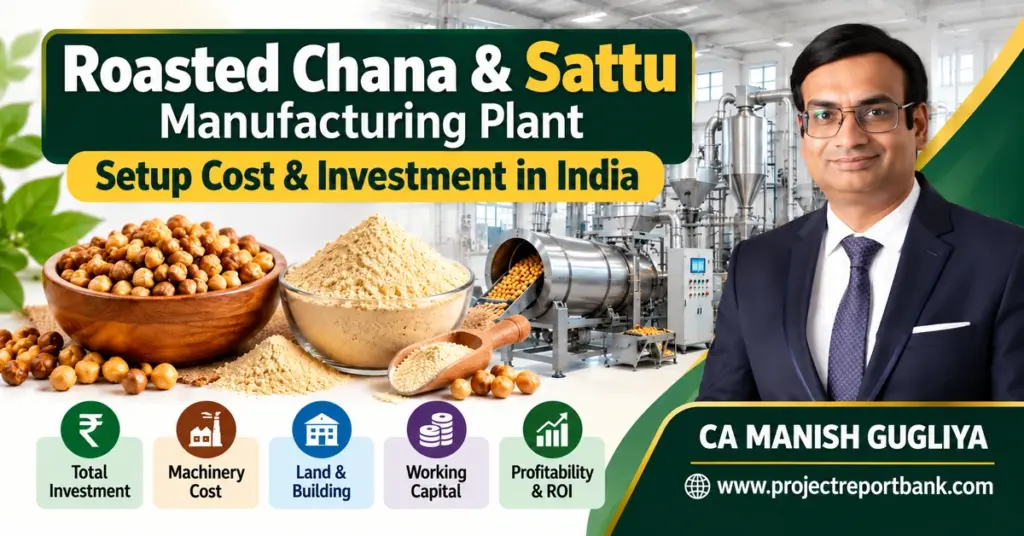
The roasted chana sattu manufacturing plant setup cost is not a single number. It is a combination of land, civil construction, plant and machinery, utilities, pre-operative expenses, working capital and statutory compliance costs. A promoter who budgets only for a roasting machine and a grinder will discover, during project implementation, that the actual capital requirement is several times higher than the machine price alone.
From my experience in project finance advisory, the most common mistake I see is treating a food processing project as a machine purchase. This article provides a structured, capacity-wise analysis of investment requirements for setting up an integrated roasted chana and sattu manufacturing plant in India.
Key Takeaways
- Total project cost for an integrated roasted chana and sattu manufacturing plant includes land, building, plant and machinery, utilities, electricals, packaging lines, quality lab, pre-operative expenses and margin for working capital. The price of a sattu making machine alone does not represent the project investment.
- For a 1 TPH (raw gram input) integrated plant with moderate automation, indicative total fixed capital investment falls in the range of ₹2.80 to ₹4.00 crore. A small-scale sattu business may require only ₹3 lakh to ₹8 lakh, while setting up a roasted chana sattu manufacturing plant at commercial scale requires estimated capital from ₹10 lakh to ₹75 lakh for smaller configurations and several crore for industrial-scale operations.
- Working capital (covering raw material inventory, packaging stocks, finished goods, trade receivables and cash buffer) typically amounts to 20 to 35% of fixed capital in an industrial-scale sattu manufacturing business.
- Key cost drivers for a sattu manufacturing plant include plant capacity and machinery grades, level of automation, building type and location of the industrial premises.
- Project Report Bank, led by CA Manish Gugliya (FCA, DISA), prepares customised Detailed Project Reports (DPR), financial projections, CMA Data and bankable project reports for roasted chana and sattu manufacturing plants across India.
Understanding the Investment Requirements
Sattu is made from roasted Bengal gram (chana). The production process requires systematic steps including cleaning, roasting, cooling, dehusking, grinding and packaging. When an entrepreneur decides to invest in this product, the investment structure depends on whether the plan is a standalone roasted chana unit, a standalone sattu manufacturing business, or an integrated roasted chana and sattu plant.
Four terms need to be clearly distinguished:
- Fixed capital investment (FCI): Cost of land (if purchased), site development, factory building, plant and machinery, electrical installations, pollution control equipment, quality lab and all commissioning expenses.
- Total project cost (TPC): Fixed capital plus initial working capital margin. For example, if FCI is ₹2.25 crore and working capital requirement is ₹0.75 crore, TPC equals ₹3.0 crore.
- Working capital requirement (WCR): Funds needed to run production cycles, covering raw gram inventory, packaging material, work-in-progress, finished goods and receivables. Initial stock of raw chana is essential for running production cycles in a sattu plant.
- Total funding arrangement: How TPC will be financed. Typically a combination of promoter equity (30 to 40%), bank term loan (for fixed assets) and working capital credit facility. In a roasted chana DPR from Rajasthan, the means of finance was structured as 50% promoter capital and 50% term loan for a ₹1.34 crore project.
The three business models differ in their investment focus:
- A standalone roasted chana unit invests primarily in cleaning, roasting, cooling and packing equipment. Grinding capacity is minimal or absent.
- A standalone sattu manufacturing unit may source roasted gram externally, then focus investment on grinding, sieving and packaging. Fixed capital is lower, but raw material dependence is higher.
- An integrated plant handles both roasting and sattu production. Investment is heavier because the roaster must be sized for combined output, and separate packaging lines are needed for two product categories.
While the sattu making machine or roaster might cost only a few lakh, allied investments in building, electricals, packaging lines, material handling, quality lab and statutory compliances are often higher than the core machines.
Capacity-Wise Roasted Chana & Sattu Plant Setup Cost
Plant capacity affects setup costs across various industrial scales of operation. This section presents indicative investment figures for four capacity levels of integrated roasted chana and sattu plants.
Assumptions: Capacity refers to raw Bengal gram input per hour. The estimates assume semi-automatic to moderate automation, single or two-shift operation, and mid-2026 price levels for machinery and construction in mid-tier industrial zones. A medium-scale sattu manufacturing plant processes approximately 500 kg of chickpeas per day at the lower end of this range.
| Capacity (Raw Input) | Plant & Machinery | Building & Civil | Utilities & Installation | Total Fixed Capital (FCI) | Initial Working Capital |
|---|---|---|---|---|---|
| 500 kg/hr (semi-automatic) | ₹80 to 120 lakh | ₹50 to 80 lakh | ₹20 to 40 lakh | ₹1.60 to 2.40 crore | ₹0.35 to 0.80 crore |
| 1 TPH (moderate automation) | ₹1.40 to 2.20 crore | ₹0.80 to 1.20 crore | ₹0.30 to 0.60 crore | ₹2.80 to 4.00 crore | ₹0.60 to 1.20 crore |
| 2 TPH (near-fully automatic) | ₹2.50 to 4.00 crore | ₹1.50 to 2.50 crore | ₹0.50 to 1.00 crore | ₹5.00 to 7.50 crore | ₹1.00 to 2.60 crore |
| 5 TPH (multiple lines, branded packing) | ₹6.00 to 10.0 crore | ₹3.50 to 6.00 crore | ₹1.50 to 3.00 crore | ₹11.0 to 19.0 crore | ₹2.50 to 6.50 crore |
Unit capital cost per kg/hr of raw input reduces as capacity increases: a 500 kg/hr plant may cost ₹3,200 to ₹4,800 per kg/hr in fixed capital, while a 5 TPH plant may reduce to ₹2,200 to ₹3,800 per kg/hr. But total ticket size, execution complexity and working capital requirement grow in proportion.
These are indicative financial planning numbers. A customised Detailed Project Report is required before finalising investment or approaching banks.
Detailed Project Cost Breakdown
Where does the money actually go? The following table presents a granular view of cost heads in an integrated roasted chana and sattu manufacturing plant. The proportions are drawn from observed project reports, including a Rajasthan roasted chana DPR where civil works accounted for approximately 31% and machinery plus utilities approximately 48% of fixed capital.
| Line Item | What Is Included | What Is Excluded |
|---|---|---|
| Land & site development | Plot purchase or lease deposit, levelling, boundary wall, approach roads | Land transaction legal fees, price escalation |
| Factory building & civil works | Production hall, raw material godown, finished goods storage, roofing, hygienic flooring, drainage | Aesthetic office finishes, specialised cold storage |
| Cleaning & grading machinery | Grain cleaning machine (removes impurities from grains), destoner, husk separator | Colour sorter (unless planned), spare parts |
| Industrial roasting system | Roaster body, burner (LPG/electric/biomass), control panel | Fuel storage infrastructure, exhaust stack (if separate) |
| Cooling & dehusking equipment | Cooling conveyor, tempering unit, dehusking machine | Maintenance accessories |
| Grinding & pulverising | Impact pulverizer (grinds roasted grains into fine sattu powder), hammer mill | Spare grinding media, energy cost |
| Sieving & classification | Sieving machine (separates larger particles from sattu), mesh screens | Replacement mesh sets |
| Material handling | Elevators, belt conveyors, hoppers, storage bins | Civil foundations (sometimes separate) |
| Packaging machinery | Weighing machine (measures sattu before packaging), filling machine (packs sattu into pouches or containers), sealing equipment, labelling | Packaging material consumables, brand design |
| Electrical installations | Transformer, distribution panels, wiring, lighting, DG backup | Electricity duty, tariff escalation |
| Dust collection & pollution control | Cyclone separator, bag filter, exhaust blowers | Recurring filter media, environment clearance fees |
| QC laboratory | Moisture meters, food safety test kits, basic microbiology equipment | Recurring lab consumables |
| Furniture & office equipment | Office setup, computer, weighbridge (if needed) | IT infrastructure beyond basics |
| Installation & commissioning | Mechanical erection, balancing, trial runs | Freight (unless bundled) |
| Pre-operative expenses | DPR preparation, architect fees, FSSAI registration, factory licence, pollution NOC, legal costs | Recurring renewal fees |
| Contingencies | 5 to 10% of fixed capital for price and scope changes | Already-quoted items |
| Margin for working capital | Raw material stock, packaging stocks, receivables buffer, cash | Ongoing replenishment from sales revenue |
Compliance costs for food manufacturing can represent 5 to 10% of total setup costs, including licensing, registration, quality checking (which ensures sattu meets hygiene standards) and statutory approvals. Quality control measures are essential in food manufacturing for ensuring product safety. Packaging costs include food-grade pouches and labels, and packaging materials must protect sattu from moisture and contamination. Sattu is packaged in food-grade pouches for protection and shelf stability.
Land cost varies drastically by state and industrial area. MIDC plots in Maharashtra, RIICO in Rajasthan, or MPIDC parks in Madhya Pradesh each have different rates. Treat land investment as location-specific.
Professional fees (architect, Chartered Accountant, DPR preparation, legal, project management) and statutory approvals (FSSAI licence, factory licence, pollution NOC) together form a pre-operative cost that investors often underestimate.
Industrial Roasting and Sattu Manufacturing Machinery Investment
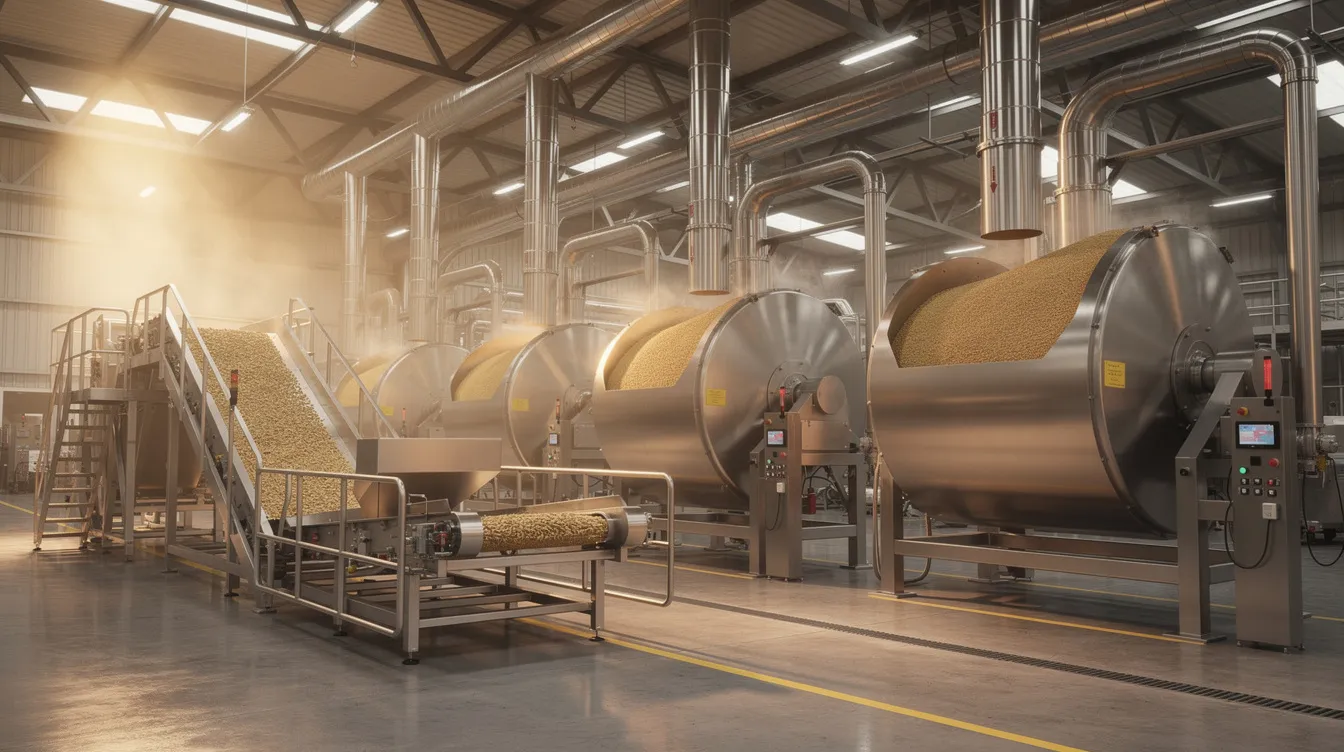
The core technology blocks in a sattu manufacturing plant are: raw gram cleaning, roasting, cooling, dehusking, grinding, sieving and packaging. The type of roasting technology used can influence both capital and operational costs. A roasting machine evenly roasts grains for flavour. The roasting process enhances sattu’s taste and aroma. After roasting, sattu is ground into a fine powder.
Semi-automatic chana sattu making machines cost around ₹55,000 for entry-level units. Automatic sattu making machines can cost up to ₹2,25,000 for higher-capacity models. Sattu grinding machines are priced at approximately ₹36,000 at the lower end. Industrial roasters for 100 to 700 kg/hr capacity range from ₹1.5 to 4.5 lakh depending on fuel type and automation, based on listed supplier prices. A complete small-capacity sattu making plant (roaster, grinder, sieve, packing) is available from some manufacturers at around ₹3.50 lakh.
Semi-automatic lines require higher labour, more supervision for adjusting roast levels and managing waste. Fully automatic or PLC-based lines cost 1.5 to 2 times more upfront but deliver better process consistency, lower operating cost per kg and easier scale-up, with low maintenance requirements over longer periods.
Equipment balancing is critical. If the roaster can handle 1 TPH but the grinder processes only 400 kg/hr, the grinding stage becomes a bottleneck. Poor balancing inflates investment without increasing usable output.
For detailed machine-wise specifications and production capacity planning, refer to the article on Automatic Roasted Chana & Sattu Plant Machinery and Capacity.
Land, Factory Building and Infrastructure Cost
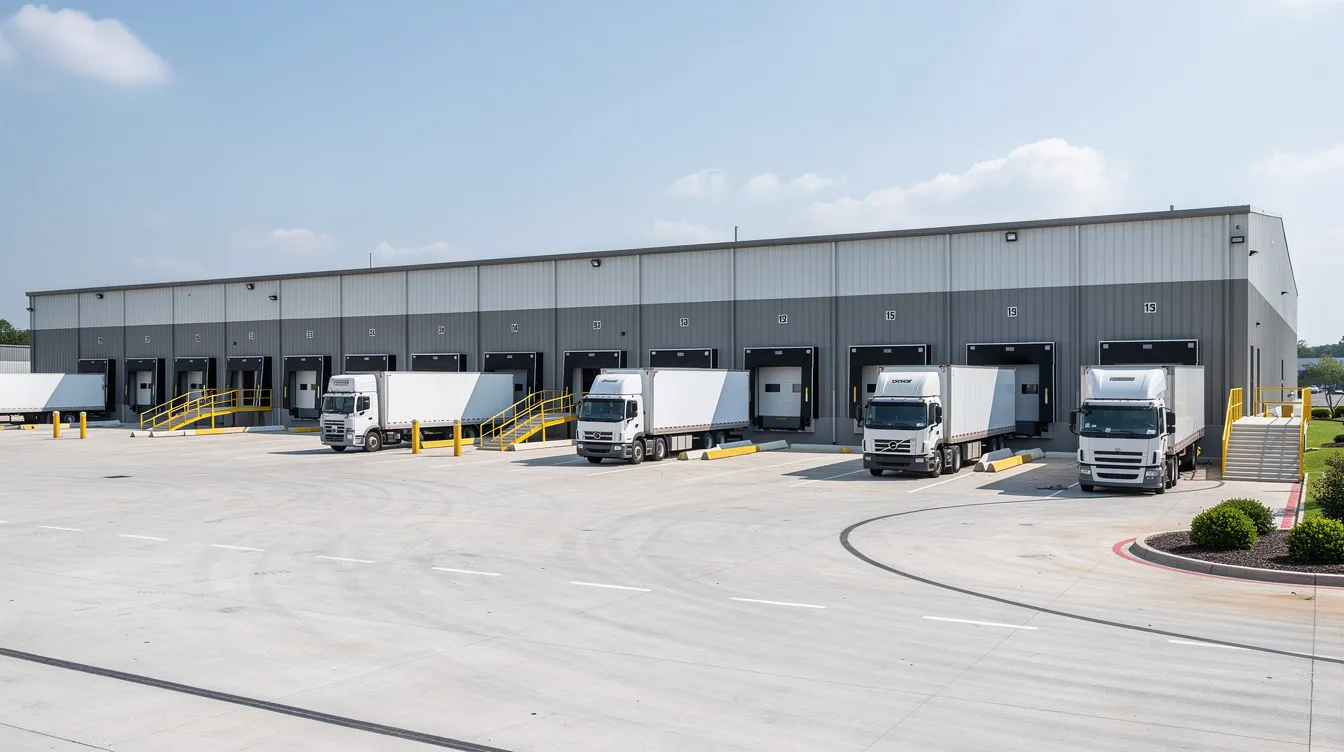
Food processing and sattu manufacturing require a hygienic, logically zoned factory layout compliant with FSSAI and basic food safety norms, not just any workshed.
Typical space requirements: 10,000 to 15,000 sq. ft. for a 500 kg/hr plant, scaling proportionately for 1 to 5 TPH. Final sizing depends on layout, utilities and future expansion plans. A small sattu unit in West Bengal operated in an 80 sq. m workshed costing approximately ₹2 lakh, while the Rajasthan roasted chana project required ₹42 lakh in civil works for a medium-scale construction.
Main building components include: production hall, raw material godown, finished goods storage, utility room (for boiler or roaster fuel), quality control lab, office and admin area, workers amenities and a loading zone.
Leasing industrial premises saves land purchase cost and reduces the fixed capital reported in the DPR. Purchasing land and constructing a custom RCC or PEB (pre-engineered building) structure increases FCI but provides long-term asset ownership. PEB sheds are faster to erect and generally cheaper per sq. ft. than RCC for large spans.
Other infrastructure investments include internal roads, drainage, water storage and borewell, electrical substation or transformer, firefighting systems and boundary wall. These affect total project cost even though they are not classified as “machinery.”
Raw Material Procurement and Manufacturing Economics
Bengal gram is the main raw material for chana sattu. Barley can be used for producing barley sattu, and wheat is also used in certain multigrain sattu formulations. Spices may be added for flavoured sattu products. The scope to add other grains opens up product line diversification.
Raw material costs for roasted chana include sourcing chickpeas from major producing regions in Madhya Pradesh, Rajasthan, Maharashtra and Karnataka. Raw materials should be clean, dry, and free from impurities. Buying raw materials in bulk reduces cost per kg of sattu. Bengal gram prices have historically moved between ₹55 to ₹85 per kg across different seasons and years, directly affecting contribution margin.
Typical process losses include roasting shrinkage, dehusking loss and fine dust loss in grinding and sieving. Reported process loss for a small sattu unit is approximately 4 to 5%. Overall finished-product recovery from clean gram weight for plain chana sattu is approximately 88 to 92%.
A worked example: if raw gram costs ₹70/kg and clean recovery after roasting is 80%, effective raw cost becomes approximately ₹87.5/kg of roasted bengal gram. After grinding losses of around 5%, the effective raw cost per kg of fine sattu powder reaches approximately ₹92/kg. If the selling price of sattu is ₹110/kg, the margin before fixed costs is roughly ₹18/kg. A ₹5/kg increase in gram price reduces this margin by nearly 28%. The selling price should cover production costs and competition in the local market.
The same roasted batch can be partly sold as roasted chana and partly diverted to sattu manufacturing. Revenue calculations must not count the same quantity in both product lines.
Working Capital Investment
Working capital is required to cover raw material inventory and operational expenses before sales revenue starts flowing. Many sattu manufacturing projects face cash-flow stress not because of machinery problems but because promoters underestimate working capital needs during the first 12 to 18 months.
Key components of working capital in a roasted chana and sattu manufacturing business:
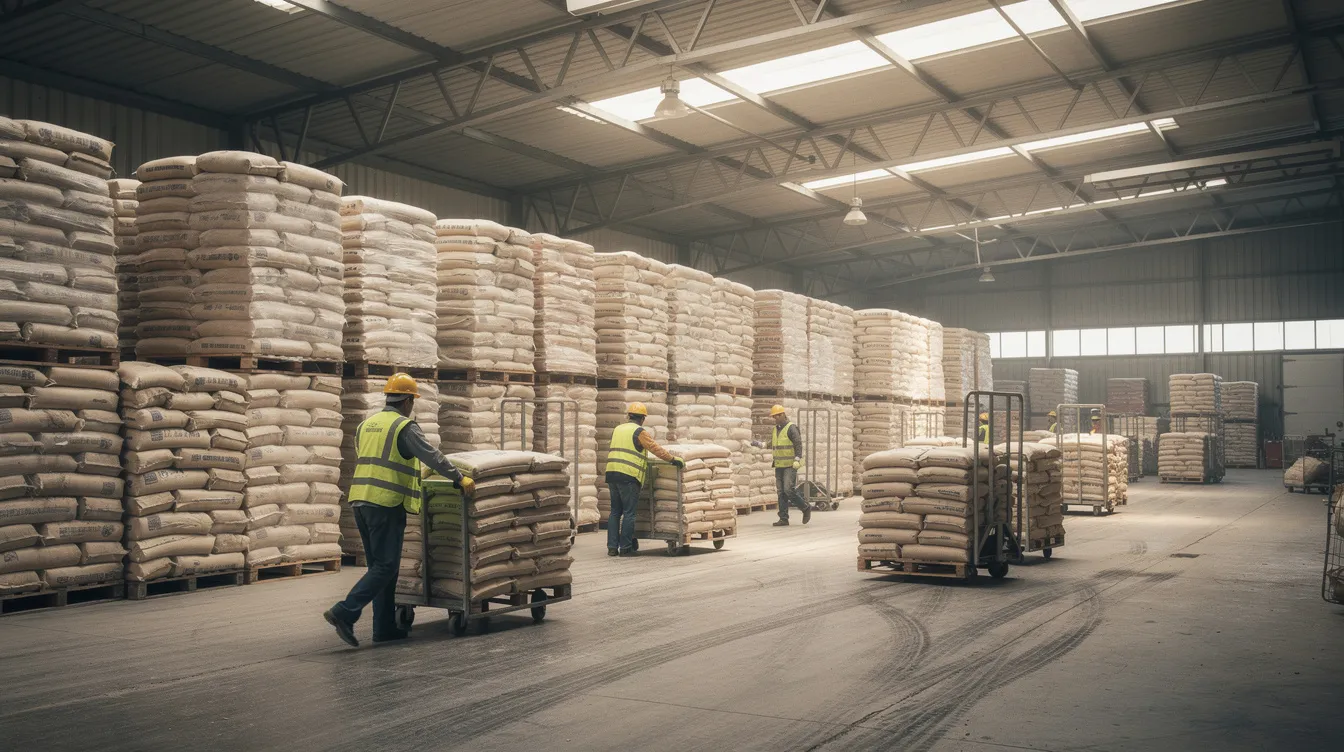
- Raw Bengal gram inventory (30 to 45 days)
- Packaging material stocks (labels, pouches, cartons)
- Work-in-progress (roasted but not yet ground or packed)
- Finished goods inventory (15 to 30 days)
- Trade receivables from distributors and institutional clients (30 to 45 days)
- Cash and bank balance buffer
- Less: supplier credit on raw material purchases
Illustrative assessment for a 1 TPH plant at 60% utilisation: Total working capital requirement approximately ₹75 lakh. Raw material and packaging inventory (45 days): ₹40 lakh. Finished goods and WIP (15 days): ₹10 lakh. Receivables (30 days): ₹20 lakh. Cash buffer: ₹5 lakh. Of this, a bank may fund 60 to 70% as cash credit (₹45 to ₹52 lakh), with the promoter contributing the margin (₹23 to ₹30 lakh).
For a comparable analysis of inventory cycles and bank finance structures in pulse-based food processing industries, see the article on Besan Manufacturing Working Capital & Cash Credit Requirements.
Illustrative Financial Model of an Integrated Plant
This section presents an assumption-based financial model for an integrated roasted chana and chana sattu manufacturing plant. The numbers are illustrative and suitable for understanding economics at a planning stage, not for direct submission to banks without customisation.
Base assumptions: 1 TPH raw gram input, semi-automatic line, 16 hours/day, 300 working days/year, 60% utilisation in Year 1 rising to 80% from Year 2. Product mix: 50% sold as roasted chana, 50% diverted to sattu. Selling prices: roasted chana ₹160/kg, sattu ₹110/kg. Raw gram cost: ₹70/kg.
Production and Revenue (Year 1)
| Item | Value |
|---|---|
| Raw gram processed | 2,880 tonnes |
| Roasted chana sold (50% of 80% yield) | 1,152 tonnes |
| Sattu produced (50% of processed, 95% grinding yield) | 1,088 tonnes |
| Revenue from roasted chana | ₹18.43 crore |
| Revenue from sattu | ₹11.97 crore |
| Total revenue | ₹30.40 crore |
Cost and Profitability (Year 1)
| Item | Amount (₹ crore) |
|---|---|
| Raw material cost (2,880 t × ₹70/kg) | 20.16 |
| Utilities, fuel, power | 1.50 |
| Labour, wages and workers | 1.20 |
| Packaging, marketing, advertising and distribution | 0.80 |
| Administrative and overhead expenses | 0.50 |
| Total operating cost | 24.16 |
| EBITDA | 6.24 |
| Depreciation (FCI ₹3.50 crore over 10 years) | 0.35 |
| Interest on term loan (₹1.75 crore at 12%) | 0.21 |
| Profit before tax | 5.68 |
| Tax (25%) | 1.42 |
| Profit after tax | 4.26 |
Monthly operating costs for a sattu plant include raw materials, wages, and utilities as the primary recurring items. Operational expenses for a sattu plant include labor, utilities, and licenses.
Sattu business profit margins can range from 15% to 30% depending on product mix, brand positioning, and whether the manufacturer sells through direct selling (which can provide better profit margins than retail sales through intermediaries) or through distribution channels targeting customers across wider geographies.
Key financial metrics (Year 1 basis):
- Break-even capacity utilisation: approximately 40 to 45%
- DSCR (with annual debt service of ₹0.46 crore including principal and interest): approximately 5.5x
- ROI on promoter equity (₹1.75 crore): approximately 35 to 40% in first full operating year
- Estimated payback period: 2 to 3 years at assumed prices and utilisation
These figures assume stable raw material prices and consistent selling price realisation. The difference between accounting profit and operating cash flow must be considered: depreciation adds back to cash, but increases in working capital and loan repayment consume cash.
For understanding how lenders evaluate projected cash flows in food processing projects, refer to the discussion on financial projections, CMA Data and DSCR analysis. The methodology for ROI, IRR, payback and sensitivity analysis follows similar principles across gram-based processing projects.
Bank Finance and Means of Finance
The typical means of finance for an MSME or medium-scale sattu manufacturing plant consists of promoter contribution (25 to 35% of total project cost), term loan for fixed assets, and working capital cash credit limits for current assets. Detailed Project Reports are crucial for securing bank finance and investment.
Banks evaluate sattu manufacturing projects by checking project cost reasonableness, verifying machinery quotations from suppliers, reviewing projected profitability, testing DSCR adequacy (minimum 1.5x is commonly expected), examining break-even levels, assessing collateral security, and verifying promoter management background and compliance with food processing norms.
Professionally prepared DPR, CMA Data, projected balance sheets, cash flow statements and term loan repayment schedules are planning documents, not certified performance guarantees. Banks and financial institutions use them as appraisal tools to evaluate creditworthiness.
Government Subsidies and Incentives
As of 2026, food processing projects like roasted chana and sattu plants may be eligible for certain central and state-level incentives. Government schemes may provide financial incentives for food processing units in India, including capital subsidy, interest subsidy, electricity duty concessions and stamp duty exemptions in notified industrial areas.
Relevant scheme categories include PMFME-type support for micro food enterprises, state food processing policies (some states offer up to 35% subsidy on plant and machinery), and MSME development programmes.
Subsidy should be treated as a potential upside, not as confirmed project finance. Investors should assess project viability without assuming incentives and treat any subsidy as additional risk cushion. Promoters must verify latest guidelines, eligibility thresholds, minimum production capacity conditions for sattu manufacturing units and documentation required (DPR, bank sanction, Udyam registration, FSSAI licence, GST registration).
Project Report Bank can structure project cost and means of finance in the DPR to align with applicable schemes, but final sanction and subsidy release always rest with the respective authorities.
Sensitivity Analysis and Investment Risks
Project feasibility studies assess the economic viability of setting up a manufacturing plant, but viability must be tested under adverse conditions. Using the illustrative financial model above:
Scenario 1: Raw gram price increases by 10% (₹70 to ₹77/kg). Additional raw material cost: ₹2.02 crore. EBITDA drops from ₹6.24 crore to ₹4.22 crore. DSCR remains above 3x but margin per kg of finished product shrinks from ₹18 to approximately ₹11.
Scenario 2: Selling prices fall by 10%. Revenue drops by approximately ₹3.04 crore. EBITDA reduces to ₹3.20 crore. DSCR remains above 2x but cash generation weakens. Payback period extends beyond 4 years.
Scenario 3: Capacity utilisation stays at 40% instead of 60%. Revenue drops proportionately. Fixed costs (depreciation, interest, administrative overhead) remain constant. EBITDA may fall below ₹2.0 crore. DSCR drops toward 1.5x, approaching the minimum threshold most banks require.
Scenario 4: Power and fuel costs rise by 15% and debtor collection period extends to 60 days. Working capital requirement increases, and operating costs rise. Cash flow pressure builds during the first 18 months.
Qualitative risks include market competition from established brands and companies, quality-control failures, non-availability of consistent raw material across seasons, regulatory non-compliance and logistical challenges in reaching clients across geographies.
For a structured approach to feasibility assessment and project viability testing, the same techniques are used by Project Report Bank across food processing and manufacturing projects.
Commercial Viability: Roasted Chana vs Sattu vs Integrated Manufacturing
Investors commonly choose between three models. Packaging plays a role in branding and product marketability for sattu, affecting the required investment in each model.
| Dimension | Standalone Roasted Chana | Standalone Sattu Making | Integrated Plant |
|---|---|---|---|
| Capital intensity | Moderate | Lower | Higher |
| Value addition | Limited (roasting only) | Higher (flour product) | Highest (both products) |
| Gross margin potential | 10 to 20% | 15 to 25% | 15 to 30% (blended) |
| Branding dependence | Low to moderate | High | High |
| Working capital cycle | Shorter | Moderate | Longer |
| Scalability | Limited without grinding | Can expand to multigrain | Best asset utilisation |
A standalone roasted chana unit is suitable where there is strong bulk institutional demand and limited focus on consumer branding. A pure sattu manufacturing business (buying roasted gram from external sources) works when fixed capital is constrained but raw material supply is reliable from trusted suppliers.
An integrated plant is commercially attractive when the promoter can serve both B2B roasted chana buyers and the retail sattu market, achieving better control over quality and yields. It requires a stronger sales and distribution strategy, marketing capabilities and wider reach.
For promoters looking to expand into a broader gram and pulse processing portfolio around their sattu manufacturing plant, the project structure used in integrated gram processing and besan manufacturing offers a useful reference.
How CA Manish Gugliya & Project Report Bank Can Assist
I am CA Manish Gugliya, a practising Chartered Accountant since 2006, founder of Manish Gugliya & Company based in Ratlam, Madhya Pradesh, and the promoter of ProjectReportBank.com. Over more than 20 years of professional experience, I have developed DPRs, financial projections and CMA Data for food processing, manufacturing and MSME projects across India.
For roasted chana and sattu manufacturing projects, the core services include:
- Customised Detailed Project Reports (DPR) with realistic project cost estimation
- Production capacity planning and specifications for industrial applications
- 5 to 7 year financial projections, CMA Data for bank loans
- DSCR and repayment analysis, working capital assessment
- Bank loan proposal preparation and means of finance structuring
Bank Finance DPR & Loan Proposal Assistance for such projects typically starts at ₹25,000, with exact professional fees depending on project size, complexity and specific deliverables.
A professionally prepared DPR reduces project risk through realistic capex estimates, transparent assumptions, structured means of finance and well-documented sensitivity analysis. Every detail is developed to support a project that is suitable for bank appraisal and investor evaluation.
If you are preparing to invest in a roasted chana or sattu manufacturing plant, share your proposed capacity, location, tentative machinery list and budget through the WhatsApp enquiry facility on ProjectReportBank.com. I will provide a tailored advisory proposal.
Frequently Asked Questions
The following questions address practical concerns about roasted chana and sattu manufacturing plant setup cost that are not fully covered in the sections above.
How much does it cost to set up a roasted chana plant only, without sattu manufacturing?
A standalone roasted chana unit (without grinding into sattu) requires investment in cleaning, roasting, cooling and packing equipment plus building and utilities. For a 500 kg/hr semi-automatic unit, total investment (excluding land purchase) may range from ₹40 lakh to ₹1.20 crore. A multi-TPH automatic line with branded consumer packing can exceed ₹1.50 crore in machinery alone. The Rajasthan roasted chana DPR documented a total project cost of approximately ₹1.34 crore for a medium-scale unit. Cost drivers are roaster capacity, fuel system, automation level and the packing line chosen.
What licences and registrations are compulsory before starting a commercial sattu manufacturing business in India?
Licensing requirements include food safety registration through FSSAI (either registration or licence depending on turnover), GST registration (once turnover threshold is crossed or if inter-state supply is planned), Udyam MSME registration, factory licence or shop and establishment registration, pollution NOC where applicable, and a local municipal trade licence. State-specific rules may add further requirements. Entrepreneurs should verify all applicable norms before commissioning the plant.
Can I start with a small semi-automatic sattu manufacturing unit and later upgrade to higher capacity?
This is a commonly developed approach. To achieve a smooth upgrade later, plan from the beginning: choose a plot and building layout that allow additional machines, size the electrical connection with some margin (a 150 to 200 kVA transformer instead of a 100 kVA one), and use modular equipment configurations. A small sattu business requires ₹3 lakh to ₹8 lakh to start at cottage scale, but the building and electrical infrastructure should anticipate future expansion so that ongoing production is not disrupted when capacity is added.
How long does it usually take for a roasted chana & sattu plant to reach break-even?
From professional experience, a well-planned, sensibly financed plant may achieve break-even in 3 to 5 years assuming realistic capacity ramp-up and stable margins. Some DPRs show break-even capacity utilisation as low as 39 to 45%, which can be passed within the first 1 to 2 years if market development proceeds as planned. Results vary widely based on selling price realisation, raw material cycles, utilisation and debt burden. Each case needs tailored projections and DSCR analysis.
What financial documents should I prepare before meeting the bank for a sattu manufacturing plant loan?
Prepare a bankable DPR with project cost, means of finance, production and sales projections. Include 5 to 7 year projected P&L, balance sheet and cash flow statements. CMA Data in the format the bank requires is essential. Add a term loan repayment schedule, working capital assessment, detailed project cost with machinery quotations from manufacturers, and personal net worth and KYC documents of all promoters. A well-structured proposal with clear financial details enables a smoother appraisal process. These are widely used tools by banks for evaluating food items processing projects.