Setting up a palm oil refinery involves significant capital outlay that extends well beyond machinery procurement. This guide covers plant capacity planning, machinery requirements, capital investment structure, working capital, financial feasibility and regulatory factors for promoters evaluating palm oil refinery projects in India.
Key Takeaways
The palm oil refinery setup cost in India is not a single number. It is shaped by plant capacity, technology route, storage infrastructure, utilities and working capital financing. Here are the critical points every promoter should understand before investing:
- Total project cost ranges from roughly ₹9–12 crore for a basic 50 TPD refinery to ₹200–400 crore or more for integrated 500 TPD facilities, depending on fractionation, storage days, location and automation. Globally, the cost of establishing a palm oil refinery can range from $2 million to over $100 million based on various factors.
- Machinery and equipment typically account for 40% to 60% of total investment. Civil works, utilities, tank farm, pre-operative expenses and interest during construction add substantially to the final figure.
- Working capital usually requires 10% to 20% of initial investment as margin, but the absolute requirement for crude palm oil inventory can equal or exceed fixed capital for mid-to-large refineries because raw material costs account for 70–80% of operating expenses.
- Plant capacity is the primary cost driver for setup costs. Estimated costs depend heavily on processing capacity and location.
- A professional, bankable Detailed Project Report and financial feasibility study are essential before committing tens or hundreds of crores. As CA Manish Gugliya, I strongly advise against making investment commitments based solely on vendor quotations or generic online cost estimates.
Introduction: Palm Oil Refinery Investment Context in India
India imports approximately 56% of its edible oil consumption. Crude palm oil constitutes the largest share of these imports, making palm oil refining a strategically important industrial activity. The global palm oil market is expected to reach USD 80.05 billion by 2034, reflecting sustained demand across the food industry and industrial applications.
Understanding the terminology is essential. Crude palm oil is the raw oil extracted from oil palm fruit. Refined, bleached and deodorised palm oil (RBD palm oil) is the final product of refining. Palm olein, the liquid fraction obtained through fractionation, serves as cooking oil. Palm stearin, the solid fraction, finds use in bakery fats, soaps and other applications. Palm kernel oil, extracted from the palm kernel, is a separate product stream processed differently.
Assessing palm oil refinery setup cost requires looking beyond machinery price. Land, civil construction, and operational costs heavily influence total project investment. Storage tanks, utility systems, environmental compliance infrastructure, pre-operative expenses and working capital all contribute materially. Many factors determine the actual investment: plant capacity, technology route (physical vs chemical refining), whether fractionation and consumer packaging are included, coastal vs inland location, storage days for crude and finished oil, level of automation and environmental regulations.
I am CA Manish Gugliya, FCA, DISA (ICAI), and at Project Report Bank, we specialise in preparing customised DPRs, CMA Data, financial projections and feasibility studies for edible oil and palm oil refinery projects across India.
Understanding the Palm Oil Refining Business Model
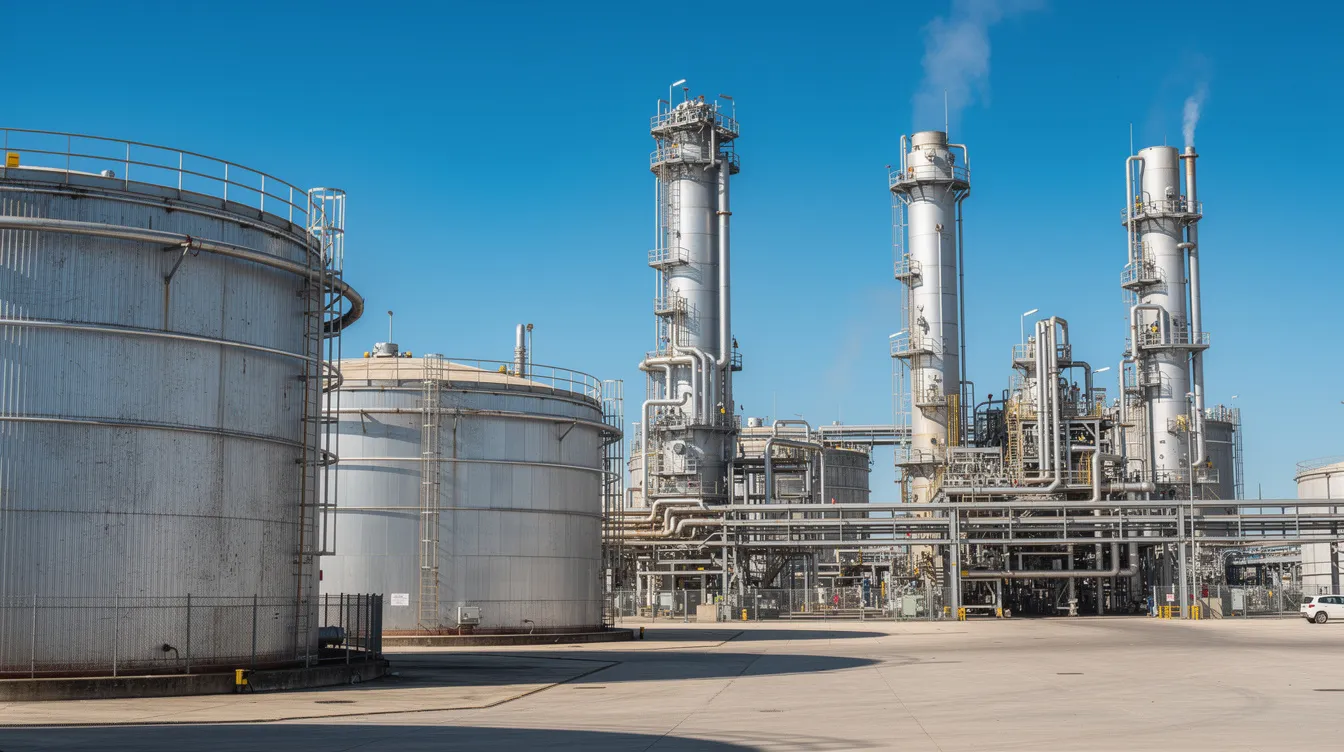
A palm oil refinery processes crude palm oil into edible-grade refined oil. This is fundamentally different from a palm oil processing plant or palm oil mill, which handles fresh fruit bunches to extract crude oil. Plantation economics and FFB extraction are upstream activities outside the scope of a refinery project, though they affect long-term crude oil availability and price.
Indian palm oil refiners typically procure crude palm oil through imports via ports such as Kandla, Mundra, Kakinada and Chennai. Domestic CPO supply is growing under the National Mission on Edible Oils but remains limited. Procurement involves contracts, spot purchases, LC-backed imports and sometimes hedging strategies.
The core oil refining process at a refinery involves degumming (removing gums and phospholipids), bleaching (removing colour pigments and unwanted compounds using bleaching earth), and deodorisation (stripping free fatty acids, odours and oxidation products at high temperature under vacuum). Optionally, dry fractionation separates RBD palm oil into palm olein and palm stearin.
Three main business models shape investment and working capital differently:
- Own-account refining: Buy crude, refine, sell RBD oil or olein in bulk. Higher inventory risk, better margins.
- Toll refining: Process third-party crude for a fixed fee. Lower working capital, steady supply of feedstock, but thinner margins.
- Integrated brand model: Refinery plus fractionation plus consumer packaging. Highest investment cost and working capital, but strongest margin potential in the local market.
Palm Oil Refinery Plant Capacity Planning – 50, 100, 200 and 500 TPD
TPD refers to tonnes of crude palm oil processed per day. Saleable refined output is slightly lower after refining losses, typically 0.8–1.4% depending on technology and crude quality. Batch refining is suitable for less than 20 TPD, while continuous refining is recommended for over 50 TPD. Higher throughput necessitates continuous systems rather than batch systems. Batch refining is cheaper than continuous refining for small scales.
Large palm oil processing plants can produce 100,000–300,000 MT annually, depending on configuration and operating days.
| Parameter | 50 TPD | 100 TPD | 200 TPD | 500 TPD |
|---|---|---|---|---|
| Installed capacity (CPO/day) | 50 tonnes | 100 tonnes | 200 tonnes | 500 tonnes |
| Operating days/year | 300–330 | 300–330 | 300–330 | 300–330 |
| Annual crude throughput | ~15,000–16,500 MT | ~30,000–33,000 MT | ~60,000–66,000 MT | ~150,000–165,000 MT |
| Assumed utilisation (early years) | 60–70% | 60–70% | 60–75% | 70–85% |
| Indicative saleable output | ~14,700–16,300 MT/yr | ~29,500–32,500 MT/yr | ~59,000–65,000 MT/yr | ~148,000–163,000 MT/yr |
| Space requirement | 2–3 acres | 3–5 acres | 5–8 acres | 10–15+ acres |
| Utility intensity | Low–Medium | Medium | High | Very High |
| Suitable promoter profile | Regional B2B refiner | Mid-size edible oil company | Major oil company | National FMCG / export house |
Expandability is a practical consideration. A 100 TPD palm oil refinery plant can be designed with oversized tank farm and utility block for later debottlenecking to 150–200 TPD, reducing future incremental CAPEX. For promoters evaluating small-scale oil mill projects, the 50 TPD band represents the entry point into commercial-scale refining.
Palm Oil Refinery Setup Cost in India – Capacity-wise Investment View
Investment estimates vary by refinery capacity, from $2–5 million for 10–20 tonnes/day to $50–100+ million for 1,000 tonnes/day. Higher processing capacity increases investment costs for refining.
Five distinct investment layers must be understood:
- Equipment purchase cost (ex-works machinery from vendor)
- Installed plant and machinery cost (freight, erection, piping, insulation added)
- Total fixed capital (land, building, utilities, tank farm, lab, ETP, contingencies included)
- Total project cost (fixed capital plus pre-operative expenses and interest during construction)
- Total funding requirement (project cost plus initial working capital margin)
Based on available industry data, indicative planning ranges for palm oil refinery plant cost in India are:
| Capacity | Approximate Fixed Capital (excl. land & WC) | Key Notes |
|---|---|---|
| 50 TPD | ~₹9–12 crore | Basic refinery with standard utilities |
| 100 TPD | ~₹18–25 crore | Moderate automation, standard tank farm |
| 200 TPD | ~₹70–120 crore | Varies widely with fractionation and storage |
| 500 TPD | ~₹200–400+ crore | Large integrated facility, import-based |
A real-world case of a 300 TPD CPO refinery with related downstream units incurred approximately ₹175 crore in CAPEX.
Illustrative contrast: Two hypothetical 100 TPD refineries with similar core machinery may have very different total costs. An inland plant with 7–10 days CPO storage might require ₹20–25 crore in fixed capital. A coastal plant with 30 days’ CPO storage, fractionation and higher automation could need ₹35–45 crore, with working capital requirement diverging even more sharply due to larger inventory financing.
For broader context on edible oil refinery project cost and investment, the cost structure follows similar principles across vegetable oil types.
Palm Oil Refinery Machinery List and Machinery Cost Drivers
Palm oil refinery machinery cost includes both core process equipment and extensive auxiliary systems. Accurate pricing requires detailed RFQs from reputable manufacturers. Mini oil refinery plants typically require four separate tanks at minimum.
Core process equipment sequence:
- CPO receiving, unloading and storage systems
- Oil preheating and transfer (heating systems and heat exchangers)
- Degumming/neutralisation equipment
- Bleaching vessels with bleaching earth dosing and handling
- Filtration equipment (leaf filters, pressure filters)
- Deodorisation system with vacuum generation and condensers
- Polishing filters and fatty acid distillate collection
- Finished oil storage
- Dry fractionation equipment (crystallisers, membrane filter press), where applicable
- Process pumps, valves, interconnecting pipelines
- PLC/SCADA automation systems
Utility and support systems: Steam boiler or steam generator, thermic fluid heater, cooling water tower, water-treatment plant, air compressor, electrical transformer and distribution, backup power, fire protection, laboratory equipment and effluent treatment.
| Equipment Category | Function | Key Cost Drivers | Mandatory/Optional |
|---|---|---|---|
| Deodoriser | FFA removal, odour stripping | SS grade, vacuum rating, capacity | Mandatory |
| Bleaching vessel | Colour/impurity removal | SS grade, automation, batch vs continuous | Mandatory |
| Vacuum system | Maintain process vacuum | Pump type, leak-tightness | Mandatory |
| Boiler | Steam generation | Fuel type, capacity, emission norms | Mandatory |
| Fractionation crystalliser | Olein/stearin separation | Chilling capacity, temperature control | Optional |
| PLC/SCADA | Process automation | Scope, integration level | Recommended |
The level of automation influences long-term labor costs and initial capital investment. Stainless steel grades (SS304 vs SS316), Indian vs imported equipment, continuous vs batch design and energy-recovery integration all affect palm oil refinery machinery cost. For detailed guidance, refer to edible oil refinery machinery and EPC selection.
Physical Refining vs Chemical Refining of Crude Palm Oil – Cost and Technology Impact
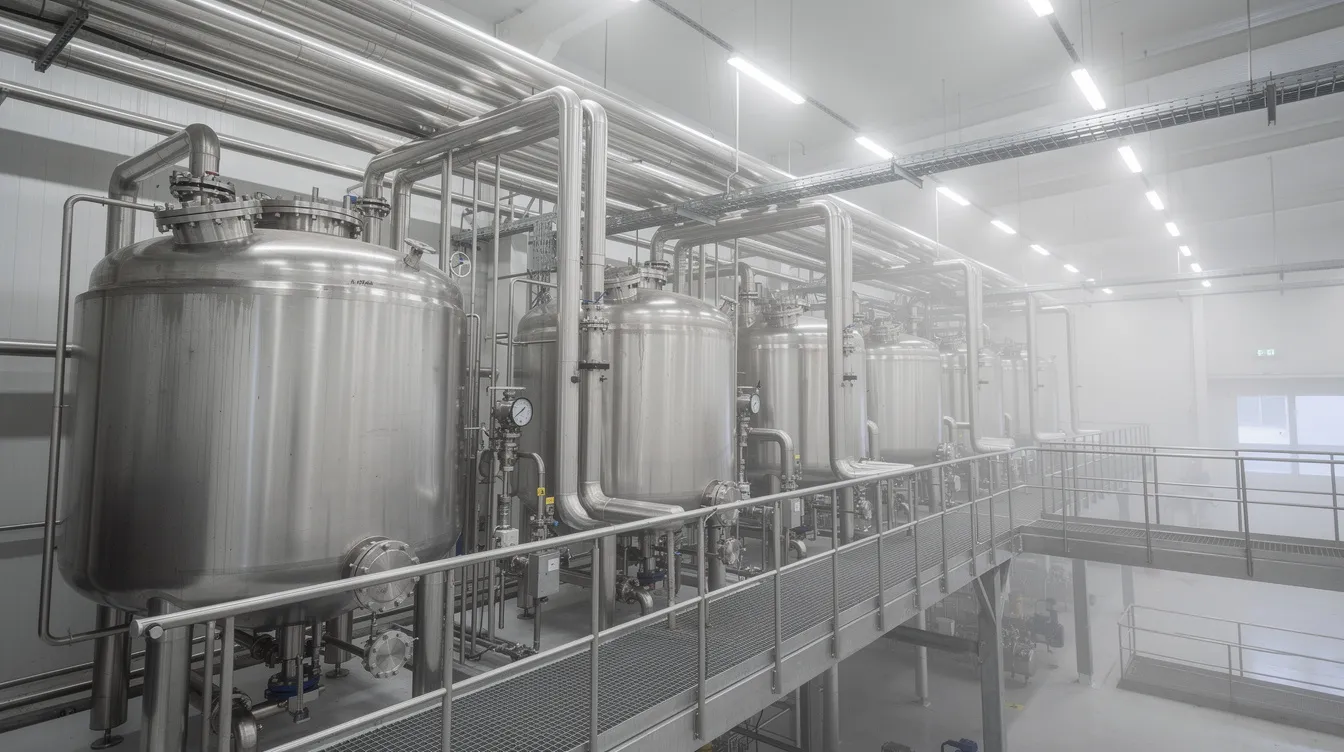
Physical refining removes free fatty acids through steam stripping at high temperature under vacuum, bypassing the chemical neutralisation step. Chemical refining uses caustic soda to neutralise FFAs, generating soapstock that must be separated, washed and disposed.
Palm oil pre-treatment uses 0.05% to 0.2% phosphoric acid for degumming. Bleaching involves 0.8% to 2% bleaching earth at 110°C, and the bleaching process lasts 30 to 45 minutes. Deodorization requires heating oil to 240–270°C under 2mm Hg vacuum. The final product is refined, bleached, and deodorized palm oil.
| Parameter | Physical Refining | Chemical Refining |
|---|---|---|
| Capital cost tendency | Moderate–High (robust deodoriser) | Moderate (neutraliser + washing) |
| Chemical consumption | Lower (no caustic) | Higher (caustic, wash water) |
| Refining loss | ~1–1.1% | ~2–3% |
| Effluent load | Lower | Higher (soapstock, wash water) |
| PFAD recovery | Better (as by-product) | Limited |
| Operating complexity | Moderate | Higher |
| Suitability for CPO | Preferred (low phospholipids) | Used when crude quality varies |
Most modern palm oil refineries favour physical refining for crude palm oil due to lower operating costs and better fatty acid distillate recovery. However, technology selection must be supported by lab analysis of expected crude oil quality and vendor-backed performance guarantees.
Integrated Palm Oil Refinery and Fractionation Plant Cost Options
Dry fractionation separates RBD palm oil into palm olein (liquid, used as cooking oil) and palm stearin (solid, used in bakery fats, soaps and fuels). Adding a fractionation section increases machinery and chilling system costs substantially.
Additional equipment includes crystallisers, chilled-water systems, membrane filter presses, additional storage tanks and enhanced automation.
| Configuration | CAPEX Impact | Working Capital | Complexity | Risk Profile |
|---|---|---|---|---|
| Option A: Standalone refinery (RBD oil) | Base | Moderate | Lower | Lower |
| Option B: Refinery + fractionation | +20–40% | Higher (dual inventory) | Medium | Moderate |
| Option C: Refinery + fractionation + packaging | +40–60% | Highest | High | Higher |
Incremental fractionation investment is justified only when there is a clear market for both olein and stearin. For deeper analysis, see the edible oil fractionation and winterisation project report.
Land, Building and Infrastructure Requirements for a Palm Oil Refinery Plant
Location impacts capital costs related to land acquisition and transportation efficiency. Proximity to crude palm oil production hubs or import ports reduces logistics overhead costs. Port-based or coastal locations are preferred for import-dependent refineries, while inland sites may suit refiners closer to consumption centres.
Major functional zones include: tanker unloading bay, raw and finished oil tank farm, main refinery building, fractionation block, utility block, ETP area, warehouse, administration building, laboratory, internal roads and fire-access routes.
Land requirements range from 2–3 acres for a small refinery to 10–15+ acres for 500 TPD facilities, depending on layout, vertical construction and regulatory setbacks. Civil work and infrastructure costs usually represent 20% to 30% of total investment, covering heavy foundations, structural steel, RCC floors, bund walls and fire-resistant construction.
Trade-offs between purchased land, leased industrial park plots and port-trust land affect both CAPEX and bank security structures. Factory operation requires adherence to local safety standards and environmental regulations, including fire water tanks, access road widths, lightning protection and separation distances.
Power, Steam, Water and Utility Requirements
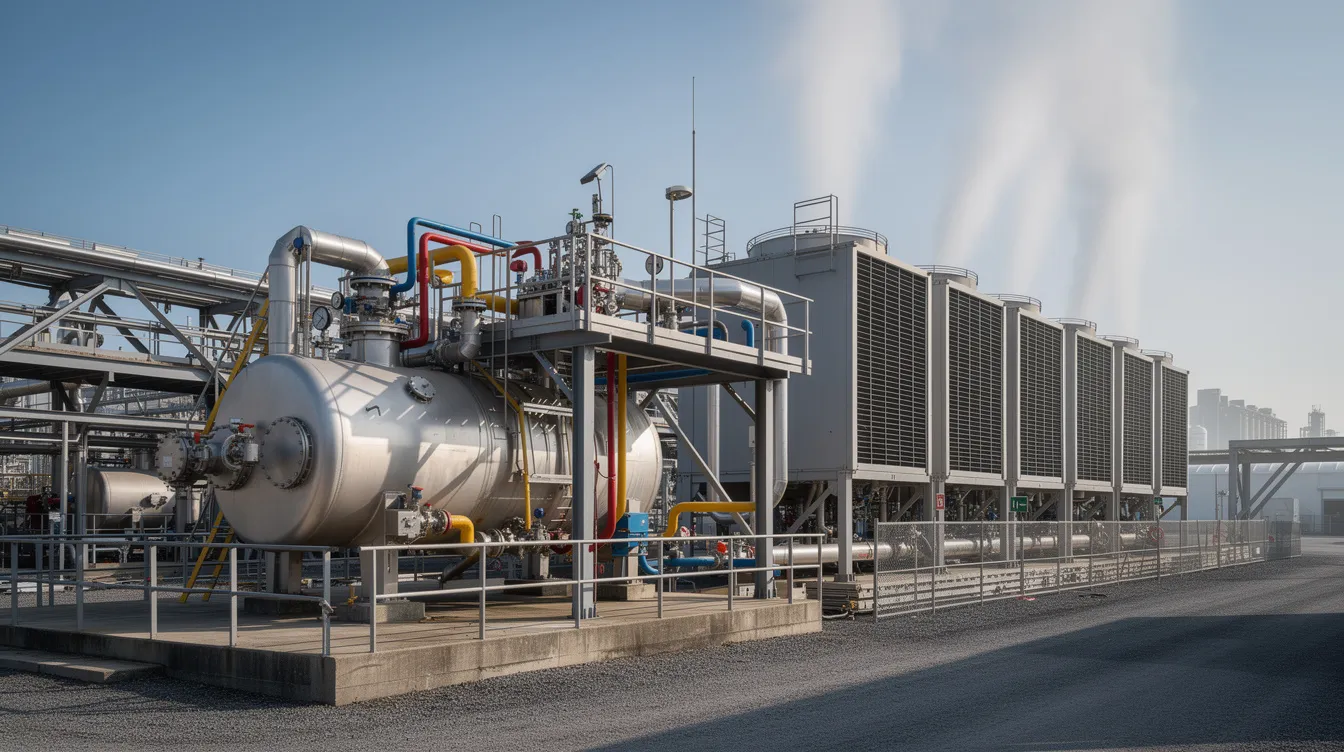
Utilities represent a significant portion of operational costs due to high energy and water consumption. Steam demand is intensive, particularly for deodorisation. Cooling water circulation is critical for condensers and fractionation crystallisers.
| Utility Parameter | 50 TPD | 100 TPD | 200 TPD | 500 TPD |
|---|---|---|---|---|
| Connected electrical load | Low | Medium | High | Very High |
| Steam demand | Low–Medium | Medium | High | Very High |
| Cooling water | Low | Medium | High | Very High |
| Water consumption | Low | Medium | Medium–High | High |
Fuel options for boilers include natural gas, furnace oil, biomass and coal (where permitted). Each affects operating cost, emissions and environmental compliance differently. Energy-efficient design, including heat recovery, VFDs, proper insulation and optimised vacuum systems, improves long-term operating cost and project IRR. For detailed norms, refer to edible oil refinery utility requirements.
Detailed Palm Oil Refinery Capital Investment (CAPEX) Breakdown
A structured CAPEX estimate covers these heads: (A) Land and site development, (B) Civil construction and factory building, (C) Main refinery machinery, (D) Fractionation plant if applicable, (E) Tank farm and storage, (F) Utility systems, (G) Electrical installations and automation, (H) ETP and pollution control, (I) Laboratory and QC, (J) Installation, engineering and commissioning, (K) Pre-operative expenses, (L) Interest during construction, (M) Contingency, (N) Initial working capital margin.
Installation, engineering, and commissioning costs typically range from 5% to 10% of total investment.
| CAPEX Head | Cost Share (100–200 TPD) | Estimation Notes |
|---|---|---|
| Machinery & process equipment | 45–60% | Core refinery, deodoriser, filters |
| Civil & building | 15–25% | Foundations, structural, finishes |
| Utilities & support systems | 10–20% | Boiler, cooling, vacuum, water treatment |
| Tank farm / storage | 5–15% | Varies with inventory days |
| Lab, instrumentation, ETP | 2–5% | Depends on automation level |
| Pre-operative & approvals | 2–5% | Licences, trial runs, consultancy |
Common underestimation traps include insufficient tank storage provision, under-budgeted electrical infrastructure, ignored freight and insurance, and underestimated trial production costs. At Project Report Bank, our experience in large-scale edible oil refinery DPRs helps avoid these errors.
Palm Oil Refinery Working Capital Requirement
Working capital for a palm oil refinery, particularly at 100–500 TPD capacities, can equal or exceed fixed asset cost. Crude palm oil is high-value, price-volatile inventory. Working capital requirements cover costs like purchasing raw materials and operational expenses.
Current asset components: CPO inventory, in-process stocks, finished oil/olein/stearin inventory, packing materials, consumables and trade receivables.
Current liability offsets: Supplier credit on CPO, credit on other inputs, wages payable and operating overheads.
Working Capital Requirement = Current Operating Assets − Eligible Current Operating Liabilities
Illustrative calculation (100 TPD plant):
| Component | Assumption | Amount (₹ crore) |
|---|---|---|
| CPO inventory (30 days) | 100 TPD × 30 days × ₹75,000/MT | 22.50 |
| Finished goods (10 days) | ~₹80,000/MT × ~98 TPD × 10 days | 7.84 |
| Receivables (30 days) | Based on monthly sales | ~7.84 |
| Total current assets | ~38.18 | |
| Less: CPO supplier credit (30 days) | (22.50) | |
| Less: Other creditors (15 days) | (~1.50) | |
| Working capital gap | ~14.18 | |
| Bank finance (~75%) | ~10.64 | |
| Promoter margin (~25%) | ~3.55 |
International palm oil price volatility, import duties, FX movements and inventory strategy changes can rapidly alter these numbers. The first-year operating cost for a palm oil plant is significant, and by the fifth year, operational costs are expected to increase substantially due to inflation and scale. Operating costs rise due to inflation and market fluctuations.
Total Project Cost, Project Funding and Means of Finance
Total project cost includes fixed assets, pre-operative expenses and IDC. Total funding requirement adds initial working capital margin. Palm oil processing plant setup costs include capital investments and operating expenses.
| Source of Finance | Illustrative Share | Notes |
|---|---|---|
| Promoter equity | 25–35% | Minimum as per lender norms |
| Term loan | 50–65% | Secured against project assets |
| Working capital limits | Separate | CC, LC, packing credit |
| External equity (if any) | Variable | Strategic or PE investor |
Lenders evaluate DSCR expectations (typically 1.25–1.40 minimum), collateral, moratorium period, repayment tenor and promoter track record. Actual financing terms depend entirely on project specifics and borrower credentials.
Palm Oil Refinery Operating Costs and Production Economics
Operating costs are driven by raw material consumption, accounting for 70–80% of total expenses. Operating costs account for 70–80% of total expenses in palm oil processing. Raw material costs account for 70–80% of operating expenses.
Major operating cost components include crude palm oil purchase (with duties and freight), processing chemicals (phosphoric acid, bleaching earth, citric acid), utilities (steam, electricity, water, cooling water), labor costs and supervision, repairs and maintenance cost, quality control, storage, insurance and overheads. Labor and maintenance costs are important fixed expenses in refinery operations.
Simple mass balance (100 TPD input):
| Item | Quantity | Notes |
|---|---|---|
| CPO input | 100 MT/day | Raw materials |
| Refining loss | ~1–1.4 MT/day | Depends on technology |
| RBD palm oil output | ~97.5–98.5 MT/day | Or olein + stearin if fractionated |
| PFAD (by-product) | ~0.5–1.0 MT/day | Recoverable, has market value |
Profitability depends on refining margin per tonne, not equipment efficiency alone. The remaining oil after losses and by-product extraction determines net saleable output. Annual costs should be computed per tonne of saleable production.
Profitability, Break-Even, DSCR, IRR and Payback for a Palm Oil Refinery
Financial projections for a palm oil refinery should cover a 10-year period with realistic capacity ramp-up. Gross profit margins for palm oil processing range between 20–30% at the operating level, but net profitability depends heavily on financing structure, scale and capacity utilisation.
Financial projections include ROI and net present value (NPV) assessments. Key metrics include:
- Break-even capacity utilisation – typically 40–60% depending on fixed costs and margin
- DSCR – minimum 1.25x expected by most lenders
- Project IRR and equity IRR – highly sensitive to refining margin assumptions
- Payback period – usually 5–8 years for well-structured projects
Even a modest ₹500–800/MT change in refining margin can materially shift DSCR and IRR for a 200 TPD refinery. This underscores why variable costs, indirect costs and fixed costs must all be carefully modelled. For detailed financial modelling approaches, refer to edible oil refinery financial projections and DSCR.
Sensitivity Analysis and Financial Risk Assessment
Key risk variables include crude palm oil price increases, lower finished-oil realisation, higher refining losses, lower capacity utilisation, rising fuel and electricity costs, interest rate hikes, FX volatility and CAPEX escalation. Location affects equipment and raw material costs significantly.
| Risk Parameter | Base Case | Adverse Impact |
|---|---|---|
| +10% CPO price (no pass-through) | Stable margin | DSCR may fall below lender threshold |
| −15% capacity utilisation | 70% utilisation | Break-even stress, cash flow pressure |
| +20% utility costs | Current fuel price | EBITDA compression, longer payback |
| 6-month commissioning delay | On-schedule | IDC increase, revenue delay |
Scenario analysis (base, downside, severe downside) rather than single-variable testing is essential for large capital costs projects. Risk mitigation includes diversified sourcing, conservative leverage, adequate working capital lines and flexible product-mix strategies.
Statutory Approvals and Regulatory Framework
Regulatory compliance is a critical aspect of establishing a palm oil refinery. Local environmental standards require advanced wastewater treatment and exhaust scrubbers. Proper permits and compliance with regulations are necessary for operating a processing facility.
Key approvals typically include: business entity registration, industrial land-use permission, factory licence, Pollution Control Board consents, FSSAI licence for edible oil processing, boiler registration, fire safety clearance, electrical safety approvals, GST registration, Import Export Code for importers and Legal Metrology approvals for packaged products.
Promoters must verify current requirements with official government portals. Build realistic approval timelines into the project schedule to avoid IDC overruns.
Government Incentives and Industrial Policy Considerations
Food processing and agro-processing projects may be eligible for state-level capital subsidies, interest support, SGST reimbursement and electricity duty concessions, depending on scheme and period. MSME-focused schemes apply only within investment thresholds; large 200–500 TPD refineries typically fall under large-industry policies.
Promoters should verify scheme eligibility formally before incorporating any incentive into financial projections. The base project must be viable without subsidy support. Project Report Bank incorporates confirmed scheme parameters into DPRs only after clients provide official references.
Preparing a Bankable Palm Oil Refinery DPR and Financial Feasibility Study
A professional DPR serves as the comprehensive technical, commercial and financial blueprint for investment decisions, bank appraisal and investor discussions. Critical contents include promoter profile, business model, market analysis, CPO sourcing plan, technology selection, machinery specifications, capacity planning, layout, detailed CAPEX, working capital assessment, CMA Data, 10-year financial projections, DSCR analysis, sensitivity testing and regulatory overview.
Three types serve different purposes:
- Bank-finance DPR: Focused on lender parameters, DSCR, security and repayment capacity
- Investor-ready DPR: Emphasises IRR, scalability, strategic positioning and exit options
- Internal feasibility report: Supports promoter go/no-go decisions
A customised DPR based on location-specific quotations and market inputs is far more reliable than generic templates. At Project Report Bank, we apply practical banking and project-finance experience to align DPR assumptions with bank-appraisal expectations, particularly for high-ticket palm oil refinery capital investment projects. India’s edible oil sector, including competing oils like soybean oil and other vegetable oil categories, requires careful market positioning in every DPR.
Frequently Asked Questions (FAQ) – Palm Oil Refinery Setup Cost and Investment in India
The following answers provide directional guidance. For precise, project-specific figures, a customised feasibility assessment is recommended.
What is the minimum practical capacity for a palm oil refinery in India?
While a small refinery below 30–50 TPD is technically feasible as a small oil refinery, it may struggle with economies of scale in the Indian market. Batch processing is viable for very small scale operations under 20 TPD, but most commercial promoters plan 50–200 TPD as a sustainable capacity band depending on market reach and capital strength.
How long does it typically take to commission a new palm oil refinery?
A typical timeline from project conception to commercial palm oil production is 12–24 months, covering DPR preparation (1–2 months), finance sanction (2–4 months), procurement and civil works (4–8 months), erection and commissioning (3–6 months) and performance trials. Delays are common without disciplined project management. The overall plan should factor in realistic timelines for each phase.
Is greenfield setup or expansion of an existing edible oil refinery more cost-effective?
Greenfield allows optimal layout and dedicated palm oil processing design, while expansion can reuse land, utilities and infrastructure to extract more value from existing assets at a lower cost. The final choice depends on spare capacity, site constraints, existing process compatibility and strategic objectives of the promoter.
Can toll-refining contracts reduce investment risk for a new palm oil refinery?
Long-term toll-refining agreements with established traders or FMCG companies can provide base-load volumes and a steady supply of crude at reduced inventory risk. However, own-account trading is usually needed for full capacity utilisation and to determine higher margins. A balanced approach combining tolling with own-account operations is common.
How important is hedging in managing crude palm oil price risk?
Commodity and currency hedging tools can stabilise margins, but they require robust risk-management policies, expertise and operational discipline. Smaller promoters should approach hedging carefully, possibly with professional advice from commodity specialists, rather than treating it as a routine cost-reduction tool. The world of commodity derivatives carries its own risks and costs.
For project-specific queries, a customised feasibility assessment is strongly recommended.
Professional Conclusion and Advisory Call to Action
Palm oil refinery setup cost is a multi-dimensional decision. It involves capacity selection, technology choice, machinery configuration, utility infrastructure, land and building, storage strategy and substantial working capital for crude palm oil and finished stocks. No single vendor quotation captures the true investment requirement.
Focusing only on headline machinery price is risky. Investors must evaluate total project funding requirement, expected refining margins, sensitivity to crude and product prices, DSCR and long-term cash flows. The numbers must tell a consistent and defensible story.
As CA Manish Gugliya, FCA, DISA (ICAI), I invite serious promoters and companies considering 50, 100, 200 or 500 TPD palm oil refinery or integrated palm oil processing plant projects in India to contact Project Report Bank. Please share your proposed location, target capacity, whether fractionation or packaging is required, expected investment scale and intended financing structure.
We prepare customised Detailed Project Reports, capital investment assessments, bank-finance DPRs, CMA Data, working capital assessments, financial feasibility studies and investor-ready documentation based on realistic, project-specific assumptions.
CA Manish Gugliya FCA, DISA (ICAI) ProjectReportBank.com