Key Takeaways
Utility and infrastructure planning – covering land, building, steam, power, water, and effluent treatment – is as critical as choosing the right refining technology for any 100–1,000 TPD edible oil refinery plant in India. An undersized boiler, an inadequate transformer, or a poorly designed ETP does not merely create an operational inconvenience; it inflates per-tonne refining cost, compromises food safety, disrupts consistent product quality, and can materially damage DSCR and bank finance feasibility.
Underestimating edible oil refinery utility requirements is one of the most common and expensive mistakes made by first-time promoters. Operating an edible oil refinery requires a reliable supply of core utilities – steam, electricity, water, vacuum, compressed air – and each of these must be sized to match the chosen refining process, crude oil source, plant capacity, and operating pattern. Thermal energy is the largest utility consumer in an oil refinery, followed closely by electrical power, and both drive the majority of operating costs after raw materials.
All figures in this article are indicative planning benchmarks drawn from published industry data, European BAT references, and CPCB guidelines. Final numbers for any refinery project must come from detailed engineering, mass-heat balances, and vendor quotations aligned with the specific refinery process flow and plant design. This perspective is from CA Manish Gugliya at Project Report Bank, focusing on investment appraisal, DPR preparation, and project finance for edible oil refinery plants across India.
Understanding Edible Oil Refinery Utility Requirements
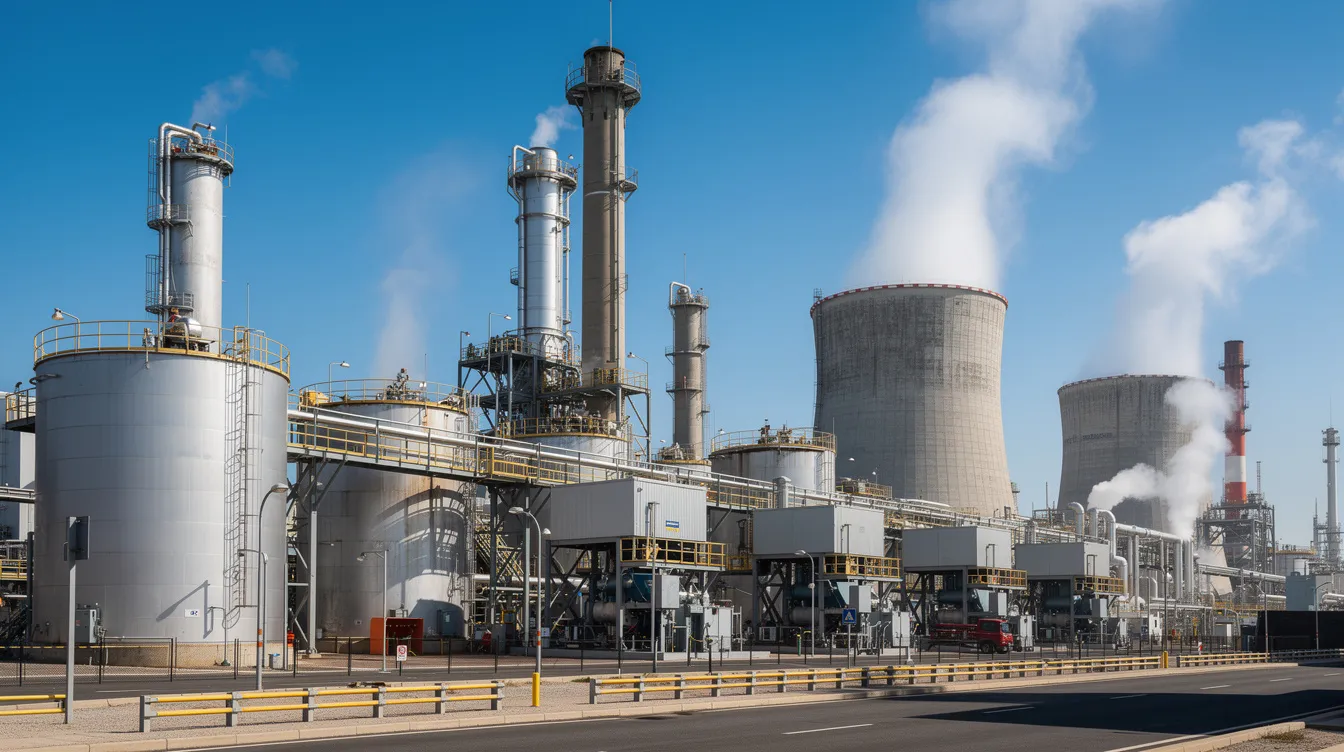
Every stage of edible oil refining depends directly on utility systems. Degumming equipment removes phospholipids and gums from crude oil using heat and water or acid. Neutralization systems eliminate free fatty acids from oil using caustic soda. Bleaching vessels remove pigments and impurities from oil through contact with bleaching earth, sometimes supplemented by activated carbon for trace metals and colour bodies. Deodorization towers eliminate odor and volatile impurities from oil under high temperature and deep vacuum, producing a stable oil with acceptable shelf life. Winterization removes waxes from oils like sunflower oil and rice bran oil. Each of these refining stages consumes steam, power, water, or vacuum – often several simultaneously. For a detailed understanding of how these refining steps connect, refer to the Edible Oil Refinery Process Flow.
The main utility systems in an edible oil refinery include:
- Steam and thermal oil heating for process reactors, deodorisers, and heat exchangers
- Electrical power for pumps, agitators, vacuum systems, instrumentation, and packing lines
- Fresh water and cooling water for boiler feed, process washing, cooling tower makeup, and domestic use
- Vacuum systems (steam-jet ejectors or mechanical vacuum pumps) critical during deodorization
- Compressed air for operating pneumatic control valves and instruments
- Nitrogen for tank blanketing to prevent oxidation of refined oil
- Fire-water networks for tank farm and process area safety
Utility demand varies significantly with crude oil quality, free fatty acids (FFA) level, chosen refining technology (physical refining versus chemical refining), and plant capacity. A 100 TPD batch refinery processing mustard oil with moderate FFA has fundamentally different utility needs than a 1,000 TPD continuous refinery processing imported crude vegetable oil or palm oil. Solvent extraction plants integrated with refineries add further utility loads for solvent recovery, DTDC systems, and meal drying, making system design more complex.
Utility sizing is inherently iterative. Process licensors and EPC vendors propose engineering loads based on mass and energy balances. The project finance adviser then converts these into CAPEX, OPEX, and DSCR-impacting numbers. A complete refinery includes automation and process control systems that also consume power and require instrument air, and these loads must not be ignored in the connected load estimate.
Land Requirements for 100–1,000 TPD Edible Oil Refineries
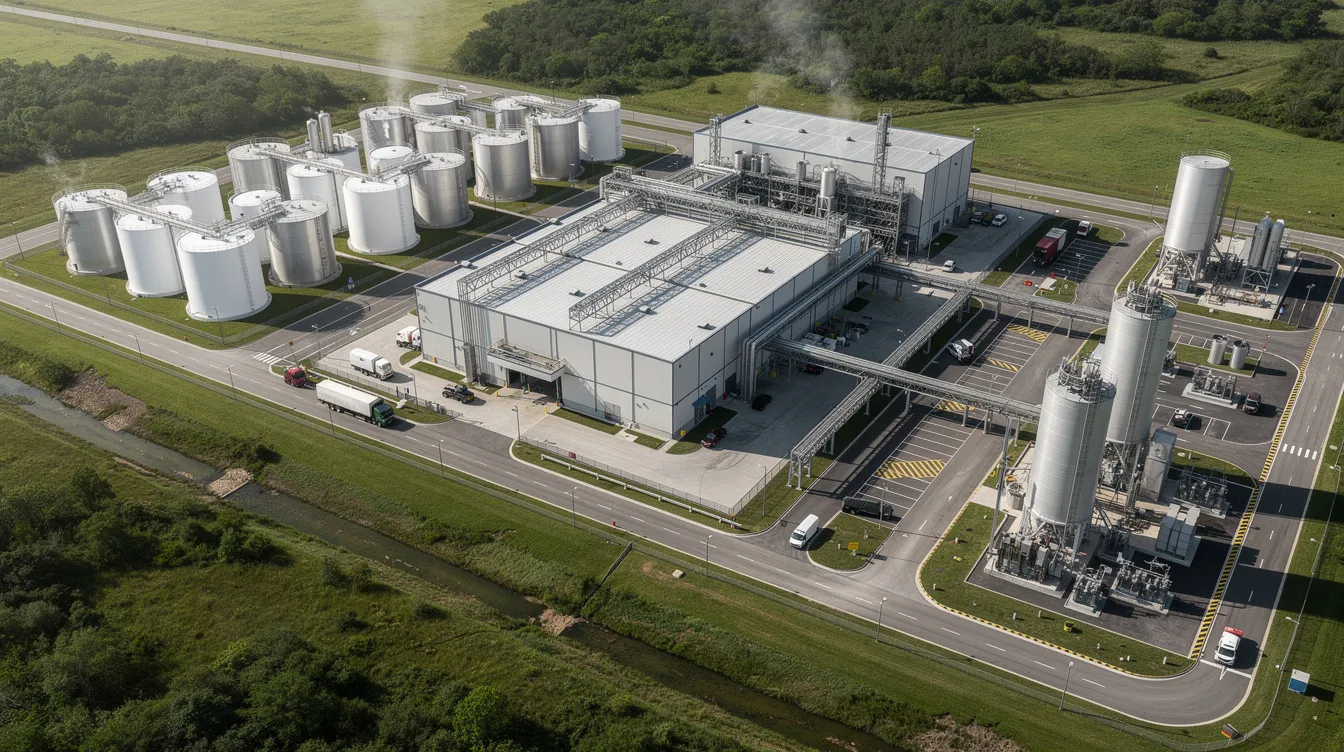
Edible oil refinery land requirements are driven by far more than the main refinery building. The total plot must accommodate the process block, crude oil and refined oil storage tanks with dyke walls, the boiler house and utility block, ETP and wastewater storage, warehouses and packing halls, administrative offices, internal roads, truck circulation, greenbelt, and fire safety corridors. These figures are indicative for India and do not represent statutory minima.
Small batch refineries (100–200 TPD) with compact tank farms can often fit within 1–2 acres if layout efficiency is high. Larger continuous refineries at 500–1,000 TPD, especially those integrated with solvent extraction, fractionation, and multi-format packaging, typically require 4–8 acres or more. According to industry references, a 600 TPD port-based refinery with fractionation and packing typically requires 15–25 acres, though much of that acreage serves large-scale tank farms and logistics infrastructure rather than the process block alone. For capacity-wise land utilisation and expansion planning, see Edible Oil Refinery Capacity Planning: 100–1,000 TPD.
| Refinery Capacity | Indicative Total Plot Area | Core Process Area | Utility & ETP Area | Expansion Allowance |
|---|---|---|---|---|
| 100 TPD | 1.0–1.5 acres (4,000–6,000 m²) | 1,500–2,500 m² | 800–1,200 m² | 15–20% of plot |
| 200 TPD | 1.5–2.5 acres (6,000–10,000 m²) | 2,500–4,000 m² | 1,200–2,000 m² | 15–20% of plot |
| 300 TPD | 2.0–3.5 acres (8,000–14,000 m²) | 3,500–5,500 m² | 1,800–3,000 m² | 20–25% of plot |
| 500 TPD | 3.0–5.0 acres (12,000–20,000 m²) | 5,000–8,000 m² | 2,500–4,500 m² | 20–25% of plot |
| 1,000 TPD | 5.0–8.0 acres (20,000–32,000 m²) | 8,000–14,000 m² | 4,000–7,000 m² | 25–30% of plot |
Assumptions: Ground-level tank farms with dyke walls, single-story steel-structure process building with sufficient height for deodoriser vessels, 7–10 days crude oil storage. Integrated solvent extraction or fractionation would push requirements towards the upper end or beyond these ranges.
Factory Building and Civil Infrastructure Requirements
Building and civil works typically account for 15–25% of total edible oil refinery project cost in India, and their scope directly influences project timelines and bankable DPR quality. The choice between RCC buildings and pre-engineered steel structures for the process block depends on equipment loads and height requirements – deodorization towers and bleaching filters often need 12–18 metres of headroom, and overhead piping racks add further vertical demands.
Civil design considerations include heavy equipment foundations for deodorisers, vacuum systems, boilers, and storage tanks. Bund walls around crude and refined oil tank farms are mandatory for spill containment. Anti-corrosive flooring is necessary near chemical handling zones where caustic soda and phosphoric acid are stored. Warehouses and finished-goods packing halls must accommodate can lines, pouch lines, palletisation equipment, and material-handling paths designed for hygienic movement consistent with food safety expectations relevant to food manufacturers and end consumers.
Internal RCC or bituminous roads must be sized for tanker trucks and fire tender access. Stormwater drainage, rainwater harvesting provisions, and segregation of process drainage from sanitary drainage are all required. Civil drawings should incorporate planned future capacity upgrades – for example, foundations sized for an additional deodoriser column or a second boiler – to avoid expensive structural rework later. In a turnkey project, the EPC contractor typically coordinates civil, structural, and mechanical disciplines, but promoters must verify that the civil scope covers all utility buildings and not just the main process block.
Steam Requirements and Boiler Capacity Planning
Steam is the dominant utility in most edible oil refinery plants. High-pressure steam is used extensively in deodorization for stripping volatile compounds, heating crude oil during degumming and neutralisation, and generating vacuum through steam-jet ejectors. The choice between Physical vs Chemical Refining of Edible Oils materially affects total steam demand.
Main steam consumers include degumming reactors, neutralisation and washing systems in chemical refining, bleaching heaters, deodoriser stripping and heating coils, and sometimes integrated fractionation plants. According to World Bank industrial data, a medium-sized physical refinery may require 150–250 kg steam per tonne of oil refined, while chemical refining with its additional heating and washing can push consumption to 400–500 kg/tonne. IPS Engineering literature indicates deodoriser stripping steam alone at 1–2% of oil weight, with vacuum-generation steam adding another 10–15%.
Boiler selection involves capacity (TPH), operating pressure (commonly 8–12 kg/cm²(g) for refinery blocks), and fuel choice. Indian refineries typically use coal, biomass briquettes, rice husk, PNG, furnace oil, or LDO depending on location and state emission norms. A fuel switch from furnace oil to biomass can reduce steam cost from approximately ₹6/kg to ₹2.10/kg – a substantial operating cost reduction.
Condensate recovery systems help improve boiler efficiency in oil refineries, and targeting 70–80% condensate return significantly reduces makeup water and fuel consumption. Heat recovery systems can significantly reduce energy consumption in refining when applied to deodoriser vapour condensation and hot-oil cooling circuits. Insulation standards for steam lines and a separate steam header for the deodoriser protect final oil quality and maintain stable refining results.
| Refinery Capacity | Indicative Steam Load (TPH) | Suggested Boiler MCR (TPH) | Configuration Notes |
|---|---|---|---|
| 100 TPD | 1.2–2.0 | 2.5 | Single boiler; dual-fuel advisable |
| 200 TPD | 2.5–3.5 | 4.0–5.0 | Single boiler with standby option |
| 300 TPD | 3.5–5.5 | 6.0–7.0 | Consider two plants (two boilers) for redundancy |
| 500 TPD | 6.0–9.0 | 8.0–12.0 | Dual boiler mandatory |
| 1,000 TPD | 12.0–18.0 | 15.0–22.0 | Multiple boilers; consider waste heat integration |
Based on approximately 22 hours/day operation at 85% capacity utilisation. Includes 10–20% safety margin. Final values require vendor load lists.
Electrical Power and Transformer Requirements
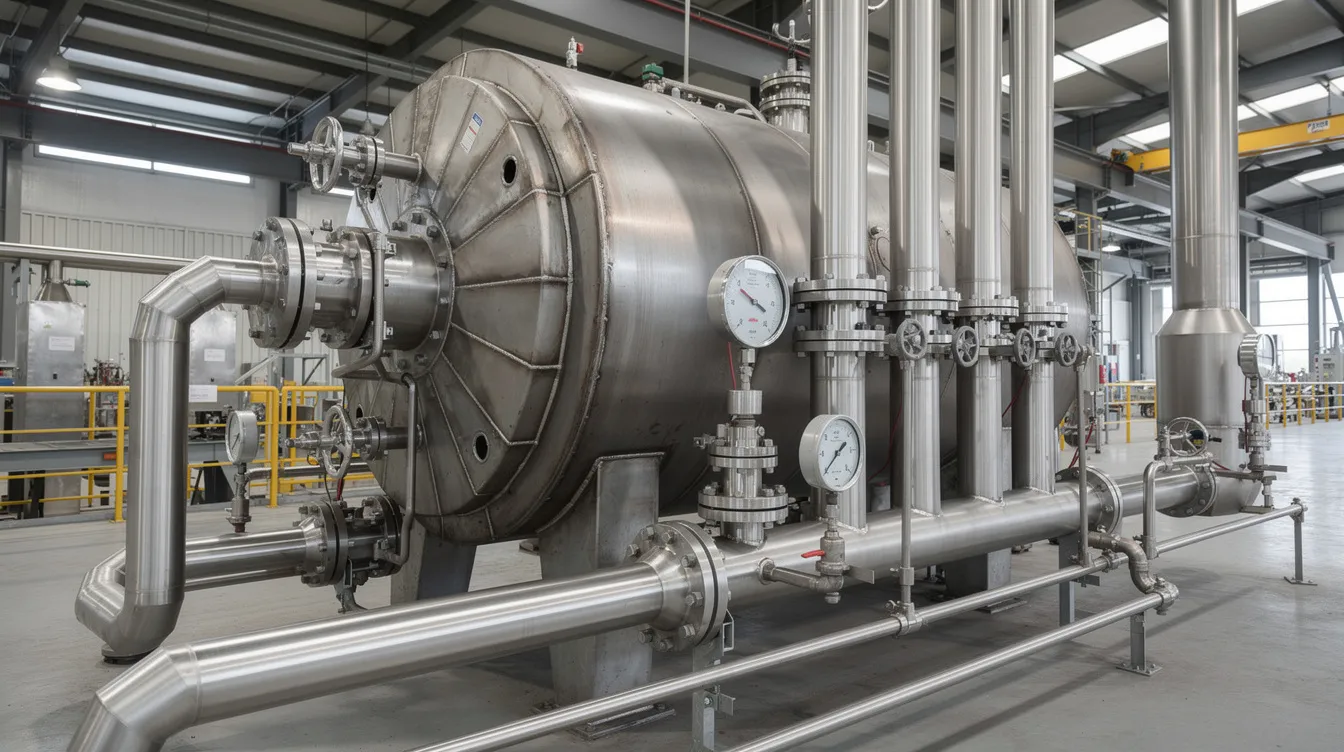
Electrical power drives mechanical operations across the refinery – from centrifugal pumps essential for transferring various types of oils throughout the process, to high-speed centrifugal separators that are key for separating heavy phases from oil, to vacuum pumps, air compressors, and packing-line motors. Electrical power costs are typically the second-largest utility expense after boiler fuel.
Key electrical consumers include process pumps, agitators, cooling water and chilled-water circulation pumps, vacuum pumps and ejectors, air compressors, instrumentation and PLC/SCADA systems, lighting, packing lines, and ETP blowers. According to European BAT reference data, electrical energy for refining operations falls in the range of 17–42 kWh per tonne of product.
Transformer sizing should apply diversity factors to the connected load list, plan for 10–25% spare capacity, and provide DG backup for critical loads including deodoriser vacuum, instrumentation, and fire pumps. Power factor correction through APFC panels and harmonic control for VFD-driven motors directly influence electricity bills under Indian industrial tariff slabs.
| Refinery Capacity | Indicative Connected Load (kW) | Expected Peak Demand (kVA) |
|---|---|---|
| 100 TPD | 250–400 | 300–500 |
| 200 TPD | 400–700 | 500–850 |
| 300 TPD | 600–1,000 | 750–1,200 |
| 500 TPD | 1,000–1,800 | 1,200–2,200 |
| 1,000 TPD | 2,000–3,500 | 2,500–4,500 |
Refining operations only, excluding solvent extraction and large fractionation. Exact values require detailed load lists from EPC vendors.
Fresh Water, Process Water and Cooling Water Requirements
Edible oil refinery steam power water requirements are tightly interlinked. Water is crucial in various applications such as degumming and boiling – it feeds boilers, cooling towers, process washing, laboratory use, and domestic needs. Efficient recycling and condensate recovery reduce net freshwater demand, which is increasingly important in water-stressed Indian states.
Main water users include boiler feedwater (softened or DM water), process water for degumming and neutralisation washing in chemical refining, cooling tower makeup to compensate for evaporation and blowdown, ETP service water, and domestic use. Cooling water is essential for condensing steam and cooling refined oil in deodoriser aftercoolers and vacuum condensers. According to CPCB guidelines for edible oil industries, cooling water circulation can reach 70–100 times the oil throughput mass flow in continuous systems.
Net freshwater consumption under physical refining typically ranges from 0.8–1.5 m³ per tonne of refined oil, while chemical refining with its multiple wash stages can reach 2.0–3.0 m³/tonne. These figures exclude circulating cooling water, which is recirculated through cooling towers with only makeup water consumed.
The water treatment train typically includes raw water storage, clarification (if drawing surface water), softeners or RO/DM plant for boiler feed, cooling tower chemical treatment for cycle-of-concentration control, and condensate polishing. Treated ETP effluent can be reused for gardening or cooling tower makeup, supporting circular economy objectives and reducing freshwater drawdown, particularly valuable where local water authorities and State Pollution Control Boards impose strict extraction limits.
ETP Requirements for Edible Oil Refineries
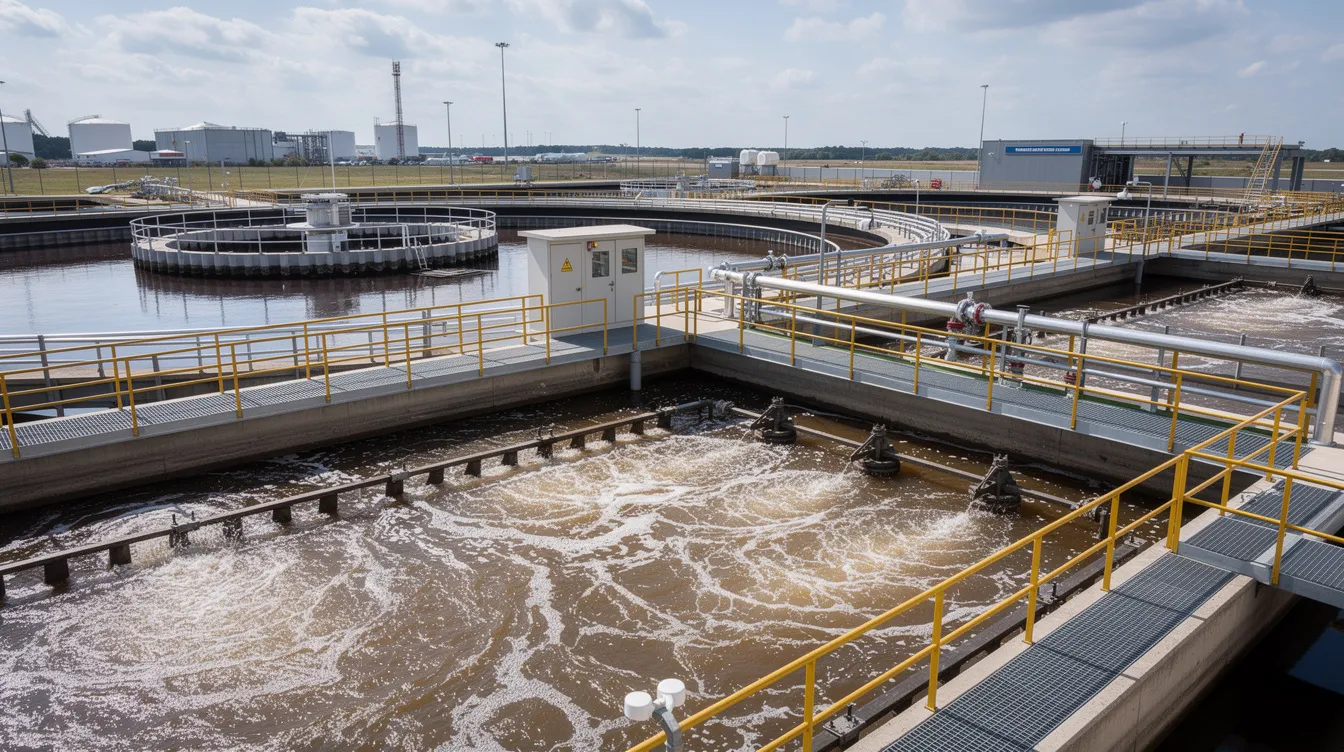
Edible oil refinery ETP requirements are distinct from many other food processing industries because of the combination of high oil and grease, soapstock washings, high-BOD deodoriser condensate, and variable pH from CIP chemicals. Effluent treatment plants are necessary to manage wastewater from the refining process, and wastewater from oil refining contains oils, grease, and residual chemicals that must be treated before discharge.
Typical wastewater streams include neutralisation soapstock and acid oil washings, floor and equipment wash water, spent bleaching earth washings, cooling tower blowdown, boiler blowdown, and segregated deodoriser condensate. Edible oil wastewater contains 200–2,000 mg/L of FOG (fats, oils, and grease). Deodoriser condensate has a BOD of 2,000–8,000 mg/L, making it the most concentrated stream requiring separate handling or dedicated pre-treatment.
A standard edible oil ETP process train includes screening, equalisation, oil-water separation or Dissolved Air Flotation (DAF) – which achieves 85–95% oil removal – followed by pH correction, biological treatment (MBBR or activated sludge), secondary clarification, tertiary filtration, disinfection, and sludge dewatering. Effluent treatment must comply with CPCB discharge standards: BOD ≤ 100 mg/L, COD ≤ 200 mg/L, oil and grease ≤ 20 mg/L, suspended solids ≤ 150 mg/L, and pH between 6.5–8.5.
| Refinery Capacity | Wastewater Generation (m³/day) | Indicative ETP Capacity (m³/day) | Notes |
|---|---|---|---|
| 100 TPD | 150–300 | 200–350 | Compact DAF + biological; lower if physical refining |
| 200 TPD | 300–600 | 400–700 | Moderate complexity |
| 300 TPD | 500–900 | 600–1,000 | Full DAF + MBBR/ASP train |
| 500 TPD | 800–1,500 | 1,000–1,800 | May require tertiary polishing |
| 1,000 TPD | 1,500–3,000 | 2,000–3,500 | Full treatment with sludge handling; consider ZLD in sensitive zones |
Chemical refining and integrated solvent extraction plants will generate volumes at the higher end. Figures exclude circulating cooling water. Site-specific effluent characterisation is essential before final ETP design.
Pollution control board consent is required for refinery operation, and ETP sizing data is typically reviewed as part of SPCB’s Consent to Establish (CTE) process. Some industrial parks or coastal zones may additionally insist on zero liquid discharge or higher treated-water reuse percentages.
Additional Utility Infrastructure
Several supporting utilities are frequently underestimated in refinery project DPRs but materially influence both CAPEX and OPEX.
- Cooling towers must be sized for total heat rejection from deodorisers, vacuum condensers, and process coolers. Cell redundancy (N+1) ensures maintenance without production loss. Flow monitoring and control are important for maintaining process efficiency across the cooling circuit.
- Vacuum systems are critical during deodorization to maintain low pressure (typically 2–5 mbar). Options include steam-jet ejectors (higher steam consumption, lower maintenance) versus mechanical vacuum pumps (higher power consumption, lower steam use). The choice affects both the vacuum system cost and the boiler load.
- Compressed air systems require separate instrument air and plant air headers, typically at 6–7 bar, with dryers and filters to protect automation systems.
- Thermic fluid heating systems allow precise high-temperature indirect heating and are used where process temperatures exceed practical steam ranges, particularly in some fractionation and high-temperature deodorisation configurations. Thermal oil systems maintain required temperatures during the refining process with better controllability than direct steam in certain applications.
- Nitrogen is used in tank blanketing to prevent oxidation of oil in refined oil storage tanks.
- Fire-water storage (sized for minimum 4 hours of firefighting) with diesel-driven and electric fire pumps, hydrant networks, and foam systems for the tank farm are mandatory.
- In-house laboratory utilities including distilled water, HVAC, and fume hoods support quality control for incoming crude and finished edible oils.
- Utility metering for individual steam, power, water, and compressed air streams enables cost allocation and efficiency tracking across refining stages.
Physical vs Chemical Refining – Utility Requirement Comparison
The choice between physical and chemical refining directly determines utility intensity, ETP load, and long-term operating costs. Chemical refining uses more water and generates higher-volume, high-FOG effluent due to neutralisation and washing steps, producing soapstock – which contains 40–60% fatty acids and is a valuable by-product for acid oil recovery. Physical refining shifts more duty to high-temperature deodorisation and deeper vacuum, raising steam and power use but substantially reducing process water consumption and effluent volume. For a detailed analysis, see Physical vs Chemical Refining of Edible Oils.
| Parameter | Physical Refining (300–500 TPD) | Chemical Refining (300–500 TPD) |
|---|---|---|
| Steam consumption | 250–450 kg/tonne | 300–500 kg/tonne |
| Electrical power | 30–50 kWh/tonne | 25–45 kWh/tonne |
| Process water | 0.5–1.0 m³/tonne | 1.5–3.0 m³/tonne |
| Effluent volume | 1.0–2.0 m³/tonne | 2.5–4.0 m³/tonne |
| ETP complexity | Moderate (lower FOG, lower soapstock) | Higher (soapstock, high FOG, higher BOD) |
| By-product streams | FFA distillate from deodoriser | Soapstock → acid oil |
| Common feedstocks | Palm oil, rice bran oil | Soybean oil, sunflower oil, mustard oil |
| Refining efficiency | High for low-phospholipid crudes | Suitable for high-FFA, high-impurity crudes |
Serious promoters should evaluate utility and effluent economics over a 10–15 year horizon, not just initial equipment price. This evaluation – covering fuel costs, water charges, ETP chemicals, and oil recovery from by-products – should be integrated into the DPR and financial model to give a true picture of refinery investment returns.
Capacity-Wise Utility Requirements – 100, 200, 300, 500 and 1,000 TPD
The following consolidated table provides preliminary planning benchmarks for medium-to-large continuous refineries in India operating approximately 330 days/year on physical or mixed refining lines. All figures are indicative and require vendor confirmation.
| Parameter | 100 TPD | 200 TPD | 300 TPD | 500 TPD | 1,000 TPD |
|---|---|---|---|---|---|
| Land area (acres) | 1.0–1.5 | 1.5–2.5 | 2.0–3.5 | 3.0–5.0 | 5.0–8.0 |
| Built-up/process area (m²) | 1,500–2,500 | 2,500–4,000 | 3,500–5,500 | 5,000–8,000 | 8,000–14,000 |
| Boiler capacity (TPH) | 2.5 | 4.0–5.0 | 6.0–7.0 | 8.0–12.0 | 15.0–22.0 |
| Connected load (kW) | 250–400 | 400–700 | 600–1,000 | 1,000–1,800 | 2,000–3,500 |
| Peak demand (kVA) | 300–500 | 500–850 | 750–1,200 | 1,200–2,200 | 2,500–4,500 |
| Freshwater (m³/day) | 30–60 | 60–120 | 90–180 | 150–300 | 300–600 |
| CW circulation (m³/hr) | 50–100 | 100–200 | 150–300 | 250–500 | 500–1,000 |
| ETP capacity (m³/day) | 200–350 | 400–700 | 600–1,000 | 1,000–1,800 | 2,000–3,500 |
| Utility manpower (per shift) | 3–4 | 4–6 | 5–7 | 7–10 | 10–15 |
| Expansion allowance | 15–20% | 15–20% | 20–25% | 20–25% | 25–30% |
Actual numbers depend on crude oil mix, fractionation scope, packaging integration, level of automation, and local climate. Utility manpower includes boiler operators, electricians, ETP operators, fitters, and shift supervisors; state Factory Inspectorate norms may impose additional requirements for skilled operators. Lenders and investors should treat this table as a scoping tool, while final sizing must be supported by process licensor and EPC calculations.
Capital Investment in Land, Building and Utility Systems
Utilities and civil infrastructure typically consume 25–35% of total project cost for a 100–1,000 TPD refinery in India. For a comprehensive view of project economics, see Edible Oil Refinery Project Cost & Investment.
Key CAPEX heads include land acquisition and development (site levelling, boundary wall, roads), building and civil works, boiler and fuel-handling systems, electrical infrastructure (transformers, HT/LT switchgear, DG sets), water treatment and storage, cooling towers and chillers, ETP/STP, fire protection, and utility automation. Land costs typically account for 10–20% of total investment depending on location, while machinery and equipment can represent 35–50% of total costs.
Continuous large refineries require higher investment than small batch refineries, which cost less to start up but offer lower refining efficiency and throughput. Investment varies based on capacity and automation level. For a mid-sized 300–500 TPD refinery, indicative utility-related CAPEX (excluding main process equipment) may range from ₹5–15 crore covering boiler systems, electrical infrastructure, water treatment, cooling towers, ETP, and fire protection, with an additional 5–10% contingency for scope changes and price escalation.
Integrated solvent extraction plants and fractionation units add further utility and civil investments and must be modelled separately to avoid double counting in the DPR. Promoters should ensure that civil works, installation, erection, engineering, taxes, and freight are all budgeted in addition to basic equipment costs.
Operating Costs of Refinery Utilities
Utility OPEX – encompassing fuel, power, water, chemicals, and ETP operation – meaningfully affects per-tonne refining cost and EBITDA margins in energy-intensive continuous refineries. Key cost components include boiler fuel, electricity charges (demand and energy components), water procurement and treatment chemicals, ETP chemicals and sludge disposal, cooling tower and boiler maintenance, and dedicated utility manpower salaries.
A practical analytical approach is to calculate specific utility cost per tonne of refined oil by combining unit tariffs (₹/kWh, ₹/kg steam fuel equivalent, ₹/m³ water) with specific consumption benchmarks. For example, a refinery consuming 350 kg steam per tonne at a biomass-fired cost of ₹2.10/kg steam spends approximately ₹735/tonne on steam alone. A 5–10% improvement in steam efficiency through better insulation, condensate recovery, and heat integration from deodoriser vapours translates directly into ₹35–75/tonne savings, improving contribution margin and profit margins over the project life.
Utility OPEX is also sensitive to plant load factor: low utilisation during the initial ramp-up period pushes up per-tonne cost, an important dynamic to capture in financial modelling and sensitivity analysis. India’s edible oil demand continues to grow, and refineries meeting market demand with efficient operations will sustain better operating economics. Working capital needs, including fuel inventory and power bills, can be 10–20% of total investment and must be accurately assessed.
Infrastructure Planning for Bank Finance and Investor-Ready DPRs
From a project finance and DPR perspective, realistic utility and infrastructure estimates underpin every credible edible oil refinery business plan. Land, building, and utility CAPEX flows directly into the fixed assets schedule, total project cost, and means of finance, influencing debt-equity ratio, term loan requirement, and promoter contribution planning.
The linkages between utility design and financial metrics are direct. Interest during construction (IDC) depends on the construction timeline, which is partly driven by civil and utility procurement lead times. The ramp-up schedule determines when utility costs stabilise. Working capital must cover monthly fuel purchases and electricity bills. EBITDA projections must reflect realistic per-tonne utility costs. DSCR, break-even capacity, ROI, IRR, and payback period all shift materially when utility cost assumptions change.
Robust financial modelling requires mapping engineering loads – steam, power, water – into monthly consumption and cost lines, then testing adverse scenarios (fuel price increase, tariff hikes, lower utilisation) through sensitivity analysis. The business model must hold under stress, not just under optimistic base-case assumptions. Coordination between process licensors, EPC contractors, and financial advisers is essential; for guidance on aligning vendor specifications with DPR assumptions, see Edible Oil Refinery Machinery, Technology & EPC Selection.
Lenders and investors prefer DPRs where utility assumptions, vendor quotations, and financial projections are reconciliation-checked. After sales support commitments from equipment suppliers and operator training plans also strengthen credibility with financiers evaluating long-term project sustainability.
Major Infrastructure Planning Mistakes
The most frequent and financially damaging infrastructure mistakes in edible oil refinery projects include underestimating steam consumption and boiler capacity (leading to production bottlenecks), ignoring peak power demand when sizing transformers (causing frequent trips), overlooking fresh water availability and permissions (creating supply disruptions in dry seasons), and undersizing ETP for realistic effluent flows (triggering regulatory penalties).
Layout-related errors are equally consequential: inadequate space for future tanks and additional deodoriser columns, congested piping corridors causing excessive pressure drops and maintenance difficulties, poor separation between tank farm and process building violating fire safety norms, and insufficient fire tender access around oil storage tanks.
The financial consequences cascade: cost overruns from late-stage utility augmentation, production downtime from boiler or transformer failures, SPCB penalties or closure orders for environmental non-compliance, and deterioration of DSCR leading to strain with bankers. India, being one of the world’s largest producers and consumers of edible oils, has seen several refinery projects stall due to such coordination gaps between refinery technology suppliers, civil contractors, and utility vendors. First-time promoters should subject their preliminary layouts and utility plans to independent technical-financial review before freezing project cost and approaching lenders.
Pre-Investment Checklist for Edible Oil Refinery Promoters
Before committing capital to a refinery project, promoters should verify:
- Clear land title, industrial zoning confirmation, adequate distance from residential areas, and access to highways or ports for crude oil and refined edible oil transport
- Availability of grid power at the required kV level, sanctioned load adequacy, natural gas or alternative fuel supply, reliable freshwater sources (with groundwater permissions if applicable), and drainage or CETP connectivity
- FSSAI license is mandatory for edible oil refineries in India, along with BIS standards compliance for specific edible oils, State Pollution Control Board CTE/CTO, factory license compliance under the Factory Act, and fire NOC – regulatory approvals should be secured early to avoid delays. Edible oil refineries must comply with food safety standards throughout design and operation
- Selection of refining process route (physical vs chemical, or hybrid), preliminary mass-heat balance from technology providers, and at least budgetary quotations for critical utilities including boilers, transformers, ETP, and cooling towers
- Preparation of a bankable DPR with realistic project cost, working capital assessment, profitability projections, DSCR analysis, and sensitivity tests covering fuel, power, and water cost scenarios
Frequently Asked Questions
This section addresses typical queries Indian refinery promoters raise about land, steam, power, water, and ETP when planning 100–1,000 TPD projects.
How much land is required for a 100 TPD edible oil refinery in India?
A standalone 100 TPD refinery without solvent extraction or large fractionation units generally needs about 1.0–1.5 acres (4,000–6,000 m²), covering the process block, a compact tank farm, utilities, internal roads, and greenbelt. Adding extensive storage tanks, integrated packaging, or future expansion provisions may push requirements towards 2 acres. Final land area must be confirmed through a detailed layout prepared with the EPC vendor.
How much land do I need for a 500 TPD edible oil refinery?
A 500 TPD continuous refinery with reasonable crude and refined oil storage, ETP, boiler house, and packing typically falls in the 3–5 acre range (12,000–20,000 m²). If the promoter plans an integrated oil extraction unit, fractionation, and multiple product lines, a more realistic envelope is 5–7 acres, subject to detailed project scope, local setback regulations, and fire safety requirements.
What is the typical steam requirement and how is boiler capacity decided?
Modern continuous physical refineries generally consume 250–450 kg of steam per tonne of refined oil at steady load, while chemical refineries can be higher due to additional heating and washing. Boiler capacity (TPH) is calculated by multiplying peak hourly steam demand by a safety factor of 1.1–1.2. The number of boilers and fuel type are selected based on redundancy needs, fuel availability, and pollution norms. Final specifications must come from boiler suppliers based on detailed load lists.
How much electricity and water does an edible oil refinery consume per tonne?
Realistic planning ranges for medium-to-large physical refineries are approximately 35–60 kWh of electricity and 0.8–2.0 m³ of net freshwater per tonne of refined oil. Chemical refineries and integrated complexes tend towards the higher end due to additional washing and higher effluent volumes. Exact consumption depends on automation level, heat and water recycling, ambient climate, and whether packing lines and fractionation are included.
Is an ETP mandatory, and what determines its capacity?
In India, an ETP is practically mandatory for any edible oil refinery discharging process wastewater, as SPCBs require effluent to meet prescribed CPCB norms before discharge or reuse. ETP capacity is driven by total wastewater flow (m³/day) and pollution load (BOD, COD, oil and grease), which depend on the refining route, CIP frequency, soapstock handling strategy, and whether deodoriser condensate is segregated. Generic thumb rules must not replace project-specific effluent characterisation and engineering design.
Conclusion – Why Infrastructure Planning Is Critical to Refinery Feasibility
Edible oil refinery land, building, steam, power, water, and ETP systems are not ancillary items but core determinants of refining cost, operational efficiency, environmental compliance, and bankability – particularly for 100–1,000 TPD projects in India. A well-designed refinery plant achieves better oil yield, lower operating costs, and longer equipment life, while a poorly planned one struggles with bottlenecks, regulatory risks, and financial stress.
A bankable DPR must tightly link engineering decisions – refining process, utility loads, plant layout – with project cost, operating cost, DSCR, and IRR analysis, supported by vendor quotations and realistic utility benchmarks rather than optimistic one-line assumptions. At Project Report Bank, CA Manish Gugliya, FCA, DISA (ICAI), translates process and utility engineering into robust financial models that serve promoters, banks, and investors with equal rigour.
Need a Bankable or Investor-Ready DPR for an Edible Oil Refinery?
Planning a 100–1,000 TPD edible oil refinery, refinery expansion, or integrated fractionation project requires more than machinery quotations. Land, civil infrastructure, industrial utilities, environmental systems, project cost, and financial projections must be evaluated together. CA Manish Gugliya, through ProjectReportBank.com, provides professional DPR preparation, project feasibility studies, financial projections, and project finance advisory for serious refinery investment decisions. Share your proposed plant capacity, location, estimated investment, refining technology, project stage, and funding requirements through the website’s WhatsApp contact option.