Key Takeaways
- The edible oil refinery process flow comprises four core stages-degumming, neutralisation, bleaching and deodorisation-each designed to remove specific impurities from crude vegetable oils and produce safe, stable and marketable refined oil.
- The refining process typically follows two main methods: chemical refining (using caustic soda for FFA removal) and physical refining (using steam deacidification), with the choice depending on crude oil type, free fatty acid level and phospholipid content.
- Refining losses at each stage directly affect project profitability; even a 0.5% improvement in recovery across a 100 TPD plant can add several hundred tonnes of extra saleable oil annually.
- For Indian entrepreneurs, refinery feasibility depends not only on process technology but also on capital cost, operating cost, working capital requirements and DSCR as assessed in a professionally prepared DPR.
- Project Report Bank provides customised Detailed Project Reports, financial modelling and project finance advisory for edible oil refinery projects across India.
Introduction to the Edible Oil Refining Process
The edible oil refinery process flow refers to the stage-wise industrial refining of crude edible oils-such as soybean, sunflower, palm, rice bran, mustard and groundnut-into products that meet food safety standards, deliver neutral taste and odour, and carry adequate shelf life. An edible oil refinery converts crude oils into a stable product by removing impurities including phospholipids (gums), free fatty acids, moisture, trace metals, waxes, pigments, oxidation products and other impurities introduced during extraction or storage. Safety and stability are primary objectives in the edible oil refining process, ensuring the final product is suitable for human consumption across applications such as deep frying, baking and packaged food manufacturing.
The refining process aims to produce safe, stable, and palatable oil suitable for consumption. Quality control is monitored through parameters such as free fatty acid content and moisture levels, with compliance to FSSAI standards in India being mandatory. Two broad routes exist for vegetable oil refining: chemical refining (degumming, caustic neutralisation, bleaching, deodorisation) and physical refining (enhanced degumming, bleaching, steam deacidification combined with deodorisation). Both methods share the objectives of gum removal, colour reduction and volatile compounds removal, but differ fundamentally in how fatty acids are eliminated.
From a project economics perspective, the choice of refining technology, plant configuration (batch versus continuous), and level of automation determines capital investment, conversion cost per tonne, refining losses and overall project viability. At Project Report Bank, the refining process design is always integrated with capacity planning, project cost estimation and bankable financial projections.
Complete Edible Oil Refinery Process Flow Diagram
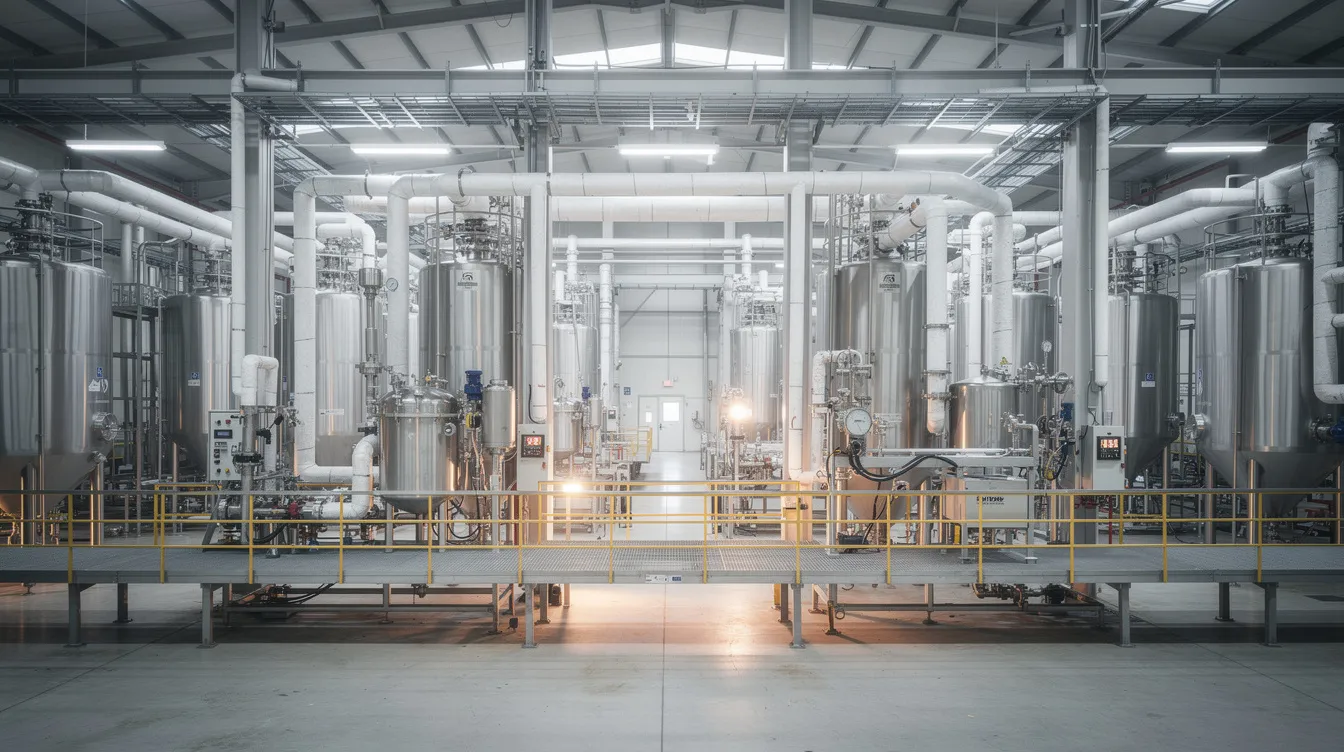
The following text-based flow charts describe how crude oil moves through a refinery. Actual sequences vary according to oil type, FFA level, wax content and buyer specifications.
Chemical Refining Sequence:
Crude Oil Storage → Reception and Pretreatment (filtering, settling) → Heating and Conditioning → Degumming Process → Alkali Neutralisation → Water Washing and Drying → Bleaching → Filtration → Deodorisation → Optional Dewaxing/Winterisation → Polishing Filtration → Refined Oil Storage → Packaging
Physical Refining Sequence:
Crude Oil Storage → Enhanced Degumming (acid or enzymatic) → Bleaching → Deodorisation with Steam Deacidification → Dewaxing (if needed) → Final Filtration → Storage and Packaging
Final polishing ensures clarity by removing any microscopic particles before packaging. Dewaxing separates waxes from oils to improve clarity, particularly for sunflower and rice bran oils where winterization is used to remove waxes that cause cloudiness in oils when chilled.
| Stage | Objective | Key Equipment | Critical Parameters | Impact on Loss/Cost |
|---|---|---|---|---|
| Degumming | Remove phospholipids and gums | Reactor, centrifuge | Temperature, acid dosage, retention time | Affects all downstream stages |
| Neutralisation | FFA removal (chemical route) | Neutraliser, centrifuge, washer | Caustic dosage, mixing, separation | Soapstock loss, wastewater cost |
| Bleaching | Remove pigments, metals, soaps | Vacuum bleacher, pressure leaf filter | Earth dosage, vacuum, contact time | Earth cost, oil retention in cake |
| Deodorisation | Remove odours, volatiles, FFA (physical) | Deodoriser, vacuum system | Temperature, vacuum, steam rate | Fuel/steam cost, nutrient loss |
Optimised process flow reduces caustic consumption, bleaching earth usage, steam consumption and overall refining losses, thereby improving contribution margin per tonne.
Stage 1 – Edible Oil Degumming Process
Degumming is the first core stage of the edible oil refining process. Degumming removes phospholipids and mucilaginous gums from oil, along with associated proteins and trace metals that can cause dark colour, poor filterability and low oxidative stability. Phospholipids present in crude vegetable oils fall into two categories: hydratable gums (primarily uncomplexed phosphatidylcholine) that can be removed with water, and non-hydratable gums (such as calcium and magnesium salts of phosphatidic acid) that require acid treatment for conversion.
Different degumming processes serve different crude oil quality profiles:
- Water degumming removes hydratable phospholipids using water (1–3% addition at 60–70°C), followed by centrifugal separation. Residual phosphorus typically remains at 80–130 ppm, making this suitable for crude soybean and sunflower oil with moderate gum loads.
- Acid degumming uses phosphoric acid or citric acid at low concentration (0.05–1%) at 70–90°C to convert non-hydratable gums into a hydratable form, followed by water addition and centrifugal separation. This can reduce residual phosphorus to below 10–30 ppm, which is essential for physical refining.
- Dry degumming combines acid with bleaching earth for low-phospholipid oils, bypassing the centrifugation step entirely.
- Enzymatic degumming hydrolyzes phospholipids into lysophospholipids using specific enzymes (such as phospholipases), achieving very low residual phosphorus with potentially higher oil yield, though enzyme cost and process control remain important considerations.
Major degumming equipment includes crude oil filters, plate or tubular heat exchangers, a degumming reactor with agitation, acid and water dosing systems, retention tanks and high-speed disc separators. Key operating parameters-temperature, mixing intensity, residence time and acid concentration-directly influence residual phosphorus levels and downstream performance.
Gum by-products from soybean oil processing can yield commercial lecithin. In other oils, gums are typically sold at lower value or disposed of. From a financial perspective, inefficient degumming cascades into higher caustic consumption during neutralisation, increased bleaching earth usage, and elevated refining losses-making this stage critically important for project economics.
Stage 2 – Edible Oil Neutralisation Process
In chemical refining, the neutralization step uses caustic soda (sodium hydroxide) to convert free fatty acids into soap, which is then separated from the remaining oil. Neutralization eliminates free fatty acids using caustic soda, and the process occurs at temperatures between 55°C and 70°C. Neutralization can only be applied to oils with less than 15% FFA; beyond that threshold, losses become commercially unacceptable.
The process flow proceeds as follows: preheated degummed oil enters a neutralisation vessel where metered caustic solution is added based on measured FFA content and a calculated excess. The mixture is agitated to ensure thorough saponification. The oil-soap mixture then passes through centrifugal separators, producing neutral oil and soapstock as separate phases. The neutral oil undergoes water washing to remove residual soaps and salts, followed by vacuum drying to reduce moisture below approximately 0.1% before bleaching.
Soapstock is produced as a byproduct of neutralization and can be acidulated to recover fatty acids (sold as “acid oil”) or supplied to soap manufacturers. This partially offsets refining losses. Improper neutralization can lead to reduced oil yield through over-dosing of caustic soda, poor FFA measurement, or inadequate mixing that entrains neutral oil in soapstock. Typical neutral oil losses range from 0.3% to 1.5% depending on FFA level and process control.
The financial significance is straightforward: even a 0.2–0.3% improvement in neutral oil retention during neutralisation can materially enhance annual profits for a 100 TPD refinery. The distinction between chemical neutralisation and physical refining’s steam deacidification has strong implications for caustic and water consumption, waste generation, and investment in wastewater treatment infrastructure.
Stage 3 – Edible Oil Bleaching Process
The bleaching process is an adsorption-based treatment where bleaching removes colored pigments from vegetable oils along with residual phospholipids, soaps, trace metals and oxidation products. Bleaching earth is the most common adsorbent used, typically acid-activated bentonite clays dosed at 1–2% by weight. Activated carbon can also be used in the bleaching process, particularly for removing chlorophyll from rice bran oil or reducing polyaromatic hydrocarbons.
The bleaching process occurs at 80–120°C under vacuum to minimise oxidation and reduce peroxide value. Dry neutral or degummed oil is mixed with a predetermined quantity of bleaching clay, held for 15–30 minutes of contact time, and then filtered through pressure leaf filters or similar equipment. Bleaching eliminates impurities like metals and soap residues that would otherwise compromise the final product’s colour, stability and consumer acceptability.
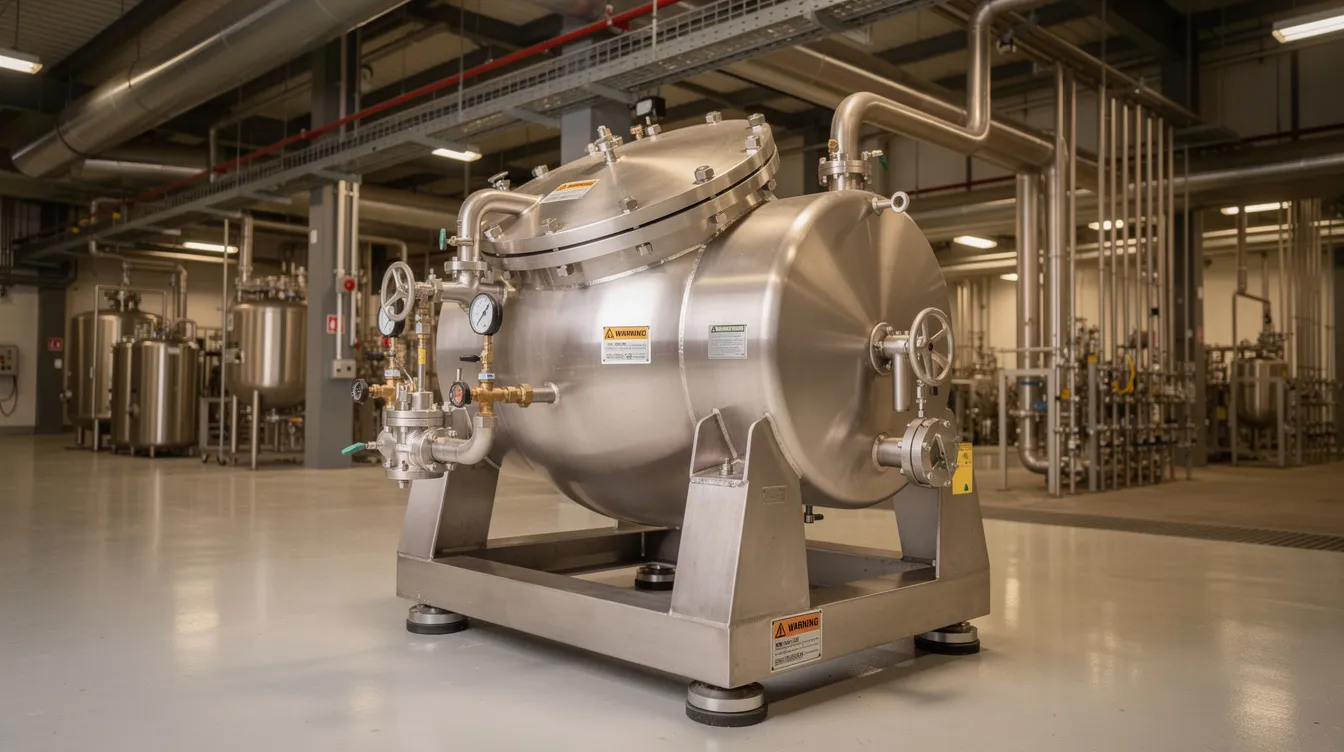
Key bleaching equipment includes vacuum bleacher vessels with agitation, dosing systems for earth, heating systems (thermal oil or steam), pressure leaf filters, cake discharge systems and spent earth handling arrangements. Oil losses occur primarily through retention in spent bleaching earth filter cake-typically 0.5–1% of throughput depending on filter efficiency and operating practices.
Spent earth disposal is an environmental consideration requiring compliance with local pollution control norms. Some facilities recover entrained oil via mechanical or solvent methods. From a cost perspective, bleaching earth is one of the major variable costs in the oil refining process, making dosage optimisation and filtration efficiency important levers for reducing edible oil refinery operating cost.
Stage 4 – Edible Oil Deodorisation Process
Deodorisation is the final step in the edible oil refining process. Deodorization removes odors and volatile compounds from oil, along with residual free fatty acids and off-flavours. The process operates at temperatures between 180–240°C (and up to 260°C in physical refining for deacidification). Deodorization uses steam stripping under high vacuum conditions-typically 1–5 mbar absolute pressure-to volatilise undesirable compounds without excessive thermal degradation.
Bleached oil is preheated via heat exchangers and a heat-recovery network, then enters the deodoriser where live steam strips volatile components. Vapours are condensed as deodoriser distillate. Deodorization removes free fatty acids and off-flavors, and deodorization improves oil stability and color. However, it can generate unwanted compounds like 3-MCPD-esters, particularly under poorly controlled high temperature conditions. Chemical refining can generate harmful trans-fatty acids if deodorisation temperatures are excessive.
Core equipment includes the deodoriser column (tray or packed design), vacuum generation systems (multi-stage steam ejectors or mechanical vacuum pumps), barometric or surface condensers, heat recovery sections, thermal oil heaters or boilers, and associated instrumentation. Deodoriser distillate, rich in fatty acids and tocopherols, has commercial value as a by-product if adequate scale and market access exist.
Energy efficiency is critical: heat integration, multiple-effect deodorisers and condensate recovery reduce steam and fuel consumption per tonne of oil. These factors directly affect utility costs and should be realistically modelled in DPR financial projections.
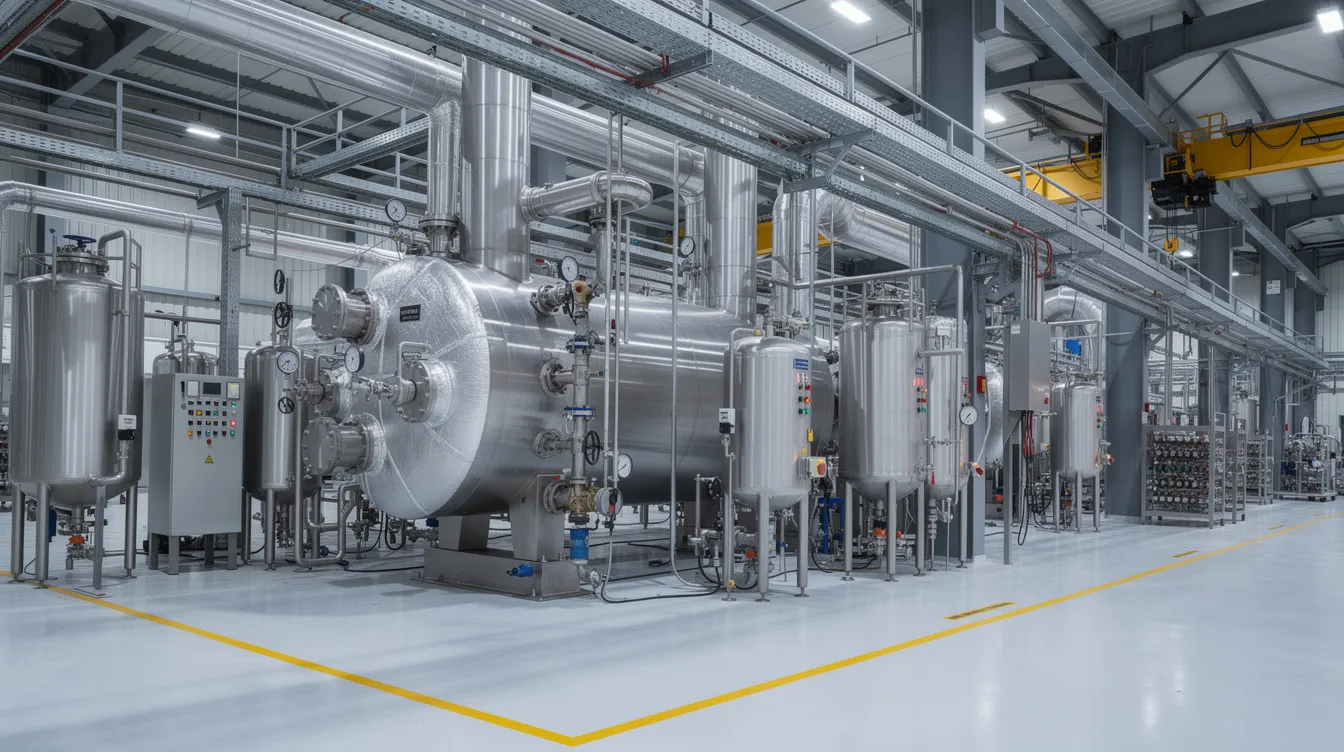
Physical vs Chemical Edible Oil Refining Process
Chemical refining uses caustic soda for neutralization of FFA, generating soapstock and wastewater, while physical refining removes FFA through steam stripping during deodorisation, minimising chemical usage. Physical refining minimizes liquid effluents generation and is generally more economical than chemical refining for high-FFA oils such as palm and some rice bran oils. However, physical refining is sensitive to crude oil quality-residual phosphorus must be reduced below 10 ppm through thorough acid or enzymatic degumming before bleaching.
| Parameter | Chemical Refining | Physical Refining |
|---|---|---|
| FFA Removal Method | Caustic neutralisation | Steam deacidification |
| Crude Oil Quality Requirement | Moderate | Stringent (low P, metals) |
| Chemical Consumption | Higher (caustic, wash water) | Lower |
| Effluent Volume | Higher | Significantly lower |
| Typical Refining Loss | 0.3–1.5% in neutralisation alone | 2–5% total for high-FFA oils |
| Deodoriser Temperature | 220–260°C | 240–260°C |
| Risk of Trans-Fat Formation | Moderate | Lower if controlled |
| Capital Cost Focus | Neutralisation + ETP | Enhanced degumming + deodoriser |
A detailed comparison of the physical vs chemical refining of edible oils is available in a separate article covering technology selection, operating cost and project feasibility considerations. The refining route should be finalised only after analysing the planned crude oil mix, targeted product range and the promoter’s access to skilled technical manpower.
Oil-Specific Refining Process Requirements
No single edible oil refinery process flow suits all edible oils. Refining steps and conditions must be tuned to each oil type’s composition and minor components.
- Soybean oil: High phospholipid content requiring robust water or acid degumming. Beany odour demands efficient deodorisation. Suitable for both chemical and physical refining depending on crude quality.
- Sunflower oil: Contains waxes requiring winterisation to prevent cloudiness. Light colour but sensitive to oxidation. Careful bleaching and deodorisation preserve oxidative stability.
- Palm oil: Naturally high FFA and carotenoids. Physical refining process with high temperature deodorisation is common. Optional fractionation into olein and stearin is often integrated. Fruit oils like palm require specialised handling of their pigment load.
- Rice bran oil: High free fatty acids, wax content and notable oryzanol among its minor components. Physical refining with acid or enzymatic degumming and dedicated dewaxing is standard.
- Groundnut oil: Relatively low FFA; attention to aflatoxin control upstream. Chemical refining with emphasis on bleaching and deodorisation for neutral flavour. Canola oil and rapeseed oil follow broadly similar chemical refining approaches.
- Mustard oil: Characteristic pungent flavour. Some market segments prefer traditional raw oil (kachi ghani), while neutral refined mustard oil follows standard chemical refining with strong deodorisation emphasis.
During DPR preparation, Project Report Bank models oil-specific refining losses, chemical consumption and selling price realisations rather than assuming a generic yield across all oils.
Edible Oil Refinery Machinery and Equipment
Refinery performance depends heavily on proper selection and integration of plant and machinery. Key front-end equipment includes crude oil storage tanks with heating coils, transfer pumps, strainers and metering systems for accurate material balance tracking.
Process-specific machinery spans degumming reactors, neutralisation vessels, centrifugal separators, bleaching vessels under vacuum, pressure leaf filters, deodoriser columns, vacuum generation units and heat-recovery systems. Supporting utilities include boilers, cooling towers, air compressors, water treatment plants, laboratory instruments for routine QC testing of corn oil, fats, food grade compounds and other parameters, plus electrical distribution infrastructure.
| Process Block | Function | Key Selection Parameters | Major Cost Drivers |
|---|---|---|---|
| Degumming | Gum/phospholipid removal | Centrifuge capacity, MOC | Centrifuge cost, acid dosing |
| Neutralisation | FFA conversion to soap | Mixer design, separator efficiency | Centrifuges, caustic system |
| Bleaching | Pigment/metals adsorption | Vessel size, filter area | Bleaching earth, filter replacement |
| Deodorisation | Volatiles stripping | Vacuum depth, heat recovery | Deodoriser column, boiler |
| Storage/Packing | Product handling | Tank capacity, filling speed | Tanks, packaging line |
For detailed specifications, vendor selection criteria and EPC considerations, refer to the article on edible oil refinery machinery and EPC selection.
Refining Losses, Yield and Material Balance
Refining loss-the difference between crude oil input and saleable refined oil output-is one of the most powerful levers for improving profitability in the edible oil industry. Loss components include gums removed during degumming, neutral oil entrained in soapstock, oil retained in spent bleaching earth, FFA and volatile compounds stripped during deodorisation, plus minor handling losses.
Illustrative Material Balance: 100 Tonnes Crude Edible Oil (Chemical Refining)
| Component | Approximate Quantity | Notes |
|---|---|---|
| Crude oil input | 100.0 tonnes | Moderate FFA (~3–4%) |
| Gums (degumming loss) | 1.0–1.5 tonnes | Includes entrained oil |
| Soapstock (neutralisation) | 1.5–3.0 tonnes | Partially recoverable |
| Spent earth oil loss | 0.5–1.0 tonnes | Depends on filter efficiency |
| Deodoriser distillate and volatiles | 0.5–1.0 tonnes | By products with some value |
| Handling/miscellaneous | 0.2–0.5 tonnes | Mixed process losses |
| Refined oil output | ~93–96 tonnes | Varies by oil and process |
These figures are illustrative for explanation only. Actual yields vary significantly by oil type, initial FFA, phospholipid content, process route and equipment efficiency.
For a 100 TPD refinery, even a 0.5% improvement in recovery adds approximately 150–180 tonnes of extra saleable oil per year. In Project Report Bank’s DPRs, refining yield assumptions are explained stage-wise, stress-tested in sensitivity analysis and aligned with realistic production data.
Edible Oil Refinery Operating Cost Analysis
Refining margin is a function of refined oil selling price minus crude oil cost and per-tonne processing (conversion) cost. Crude oil procurement dominates total cost, but the conversion cost structure determines competitive advantage. Major operating cost items include process chemicals (caustic soda, phosphoric acid, citric acid, enzymes), bleaching earth and filter aids, packaging material, fuel and steam for treatment and heating, electricity, labour, repairs, quality control and wastewater treatment.
Refining losses themselves represent an implicit cost. Continuous refining plants with efficient heat recovery typically achieve lower fuel and chemical consumption per tonne compared to small batch refineries, though they require higher upfront investment. Regulatory and environmental costs-effluent treatment, spent earth disposal, boiler emission controls-should not be underestimated. In DPRs prepared by Project Report Bank, all operating-cost assumptions are documented, benchmarked where possible and tested under multiple scenarios.
Edible Oil Refinery Project Cost and Capital Investment
Total project cost for an edible oil refinery in India includes land and site development, civil construction, main refinery process equipment, crude and refined oil storage tanks, packaging line, boiler and utilities, electrical systems, instrumentation and automation. Additional components include installation, commissioning, freight, pre-operative expenses (interest during construction, trial production, salaries), statutory fees and contingency provisions.
Capital intensity increases with higher capacity, continuous processing, advanced automation (PLC/SCADA), and integration of additional sections like dewaxing or fractionation. Working capital requirements-covering crude oil inventories, chemical stocks, in-process and finished goods, receivables and operating cash-can be substantial, with crude oil inventory alone representing a large share of total funding.
For capacity-wise and configuration-wise cost discussions, refer to the article on edible oil refinery project cost and investment.
Financial Feasibility of an Edible Oil Refinery Project
Financial feasibility translates the technical edible oil refining process into quantifiable numbers: throughput, yields, margins, fixed costs, finance cost and cash flows over the project life. Cost assessments and financial models are critical for project feasibility and viability.
Key financial metrics include gross contribution per tonne, EBITDA margin, break-even capacity, Debt Service Coverage Ratio (DSCR), project Internal Rate of Return (IRR), equity IRR and payback period. Means of finance planning-covering promoter equity, term loan and working capital limits-directly affects interest cost and DSCR.
A simple sensitivity illustration: if refining recovery drops by 0.5% or processing cost per tonne increases by even a modest amount, project EBITDA and DSCR can fall noticeably. Serious project promoters should avoid overly optimistic yield, price or capacity utilisation assumptions. Financial projections in CMA data and DPRs should be based on balanced, banker-acceptable methods.
Integration with Oilseed Processing and Solvent Extraction
Many medium- to large-scale investors in India evaluate integrated projects combining oilseed crushing, solvent extraction and edible oil refining. The typical integrated chain runs from oilseed reception through mechanical pressing, solvent extraction for oil processing and meal production, crude oil storage, the full edible oil refinery process flow, and finally packaging and distribution.
Integration offers better control over crude oil quality, higher value addition across the chain, improved utilisation of by products like deoiled cake, and some protection against volatility in crude oil purchase prices. However, it demands higher total capital investment, greater operational complexity and more demanding working capital management. Project Report Bank has DPR frameworks for industrial solvent extraction and multi-oilseed processing plants and for soybean crushing, oil extraction and refining projects.
Common Technical and Financial Risks in Edible Oil Refinery Projects
Even technically sound projects can suffer if certain risks are not anticipated:
- Technical risks: Variable crude oil quality leading to higher refining losses, inadequate degumming causing colour and odour issues, underperforming deodorisers, high oil retention in spent earth, and equipment breakdowns from poor-quality machinery.
- Regulatory risks: Non-compliance with FSSAI limits, effluent treatment underdesign, and pollution control requirements for solid waste and boiler emissions.
- Financial risks: Narrowing refining margins, sudden spikes in crude oil prices, extended buyer credit, and inadequate working capital leading to underutilisation.
- Execution risks: Cost overruns, delayed machinery delivery, extended commissioning and lower-than-expected initial yields.
Mitigation requires careful technology selection, vendor due diligence, conservative yield assumptions, provision for gradual capacity ramp-up and maintaining contingency reserves. Professional DPRs help promoters and lenders visualise these risks through sensitivity and scenario analysis rather than discovering them post-investment.
How to Prepare a Bankable Edible Oil Refinery DPR
A bankable Detailed Project Report integrates technical design, market assessment, cost estimates and financial projections to support credit appraisal by Indian banks. Core components include a description of the edible oil refinery process flow, justification of the selected refining route, capacity selection rationale, machinery specifications, utilities and manpower requirements.
Commercial sections cover edible oil consumption patterns in India, regional demand-supply analysis, targeted product mix (RBD palmolein, refined soybean oil, etc.) and competitor assessment. Financial sections include capital cost estimates, working capital assessment, means of finance, interest and repayment schedules, DSCR, IRR, NPV and break-even analysis. Investor-ready documentation is essential for securing funding and enhancing project viability.
All assumptions for refining yield, operating cost, capacity ramp-up and selling prices should be explicitly justified. Project Report Bank, under the guidance of CA Manish Gugliya, prepares customised DPRs, financial models and CMA data for edible oil refinery projects. A strong DPR is not a guarantee of loan sanction, but a prerequisite for serious credit discussions.
Frequently Asked Questions
What is a practical minimum capacity for a new edible oil refinery in India?
While very small refineries of 10–20 TPD are technically feasible, economies of scale generally improve beyond 50–100 TPD for continuous operations. The optimal capacity depends on local market size, crude oil sourcing arrangements and the promoter’s funding capacity. This should be assessed on a case-by-case basis through a properly structured DPR rather than assumed from general industry benchmarks.
How long does it typically take to commission an edible oil refinery after ordering machinery?
For medium-sized plants, the timeline from machinery order to stable commercial production typically spans 9–15 months. This includes detailed engineering, civil works, equipment manufacture and delivery, installation, trial runs and stabilisation. Actual timelines depend heavily on site readiness, vendor performance and regulatory clearances.
Can a single refinery process different types of edible oils?
Most refineries are designed to handle multiple oils-such as soybean, sunflower and rice bran-with appropriate cleaning between campaigns. However, certain sections like dewaxing or fractionation may be oil-specific. The design flexibility required should be addressed during initial project planning, since retrofitting is considerably more expensive than building in flexibility from the start.
What laboratory and quality control facilities are needed?
An edible oil refinery requires testing capabilities for FFA, moisture, colour (Lovibond), phosphorus, peroxide value, soap content and other standard parameters specified by FSSAI. Basic laboratory equipment and trained quality control staff are essential for batch-wise compliance. The laboratory investment, while modest relative to total project cost, is non-negotiable for consistent product quality.
Is it possible to start with batch refining and later upgrade to continuous refining?
Many promoters begin with batch or semi-continuous setups and, subject to demand growth and financial performance, gradually expand to continuous lines. This approach reduces initial capital outlay. However, plant layout, utility sizing and civil foundations should be planned from the outset to accommodate future upgradation without major structural rework.
Conclusion – Selecting the Right Edible Oil Refining Technology
Understanding the edible oil refinery process flow-its four principal stages of degumming, neutralisation, bleaching and deodorisation-is essential for designing technically sound and financially viable refining projects. Correct selection between physical and chemical refining, oil-specific process tuning, and rigorous control of refining losses significantly influence profitability, DSCR and long-term sustainability.
Machinery selection, utilities planning, operating cost structure and potential integration with upstream extraction must align with the project’s target capacity, crude sourcing strategy and market positioning. The connection between process efficiency and financial performance should be reflected in every serious project evaluation.
Entrepreneurs, MSMEs and industrial promoters planning edible oil refinery or integrated oilseed processing projects are welcome to approach Project Report Bank for customised Detailed Project Reports, financial feasibility studies, financial projections, CMA data and bank finance documentation. Serious promoters may connect via WhatsApp or the contact form at https://projectreportbank.com/ for project-specific advisory.
About the Author
CA Manish Gugliya, FCA, DISA (ICAI), is a practising Chartered Accountant with over 20 years of professional experience in project finance, DPR preparation, financial modelling and industrial project advisory. Through Project Report Bank, he works extensively on manufacturing and processing project assessments-including edible oil refining, oilseed processing and other agro-processing sectors-with a consistent focus on linking process-technology choices with capital investment, operating economics and bankable financial documentation for Indian MSMEs and industrial promoters.