Key Takeaways
- This article serves as an investment-focused hub on integrated soybean crushing, solvent extraction and edible oil refining projects in India, written from the professional perspective of CA Manish Gugliya of Project Report Bank.
- A bankable soybean crushing plant project report must align technical configuration, plant capacity (500–5,000 TPD), raw material strategy, recovery assumptions and project economics before any large capital commitment is made.
- Soybean oil and soybean meal together drive crushing margins – and recovery efficiency, working capital management and risk mitigation are more critical to long-term viability than headline revenue projections.
- This article connects nine in-depth supporting guides covering setup cost, capacity planning, machinery and technology, land and utilities, procurement and working capital, financial projections, feasibility analysis and investment risks.
- Project Report Bank prepares customised Detailed Project Reports, financial models, CMA Data and bank finance documentation for integrated soybean processing projects across India.
Integrated Soybean Crushing, Oil Extraction & Refining Industry Overview
India’s soybean processing value chain is concentrated in Madhya Pradesh, Maharashtra and Rajasthan – states that together account for the bulk of national soybean production. During the October 2024–September 2025 oil year, total soybean production in India reached approximately 125.82 lakh tonnes, while the 2025-26 outlook projects a decline to around 100 lakh tonnes with an estimated 88 lakh tonnes available for crushing. These supply dynamics have a direct bearing on any soybean crushing plant project report, as availability governs utilisation, procurement cost and ultimately project viability.
Soybean crushing plants typically produce soybean meal and crude soybean oil. At the industrial level, the distinction between stages matters: soybean crushing refers to the mechanical preparation of beans – cleaning, cracking, conditioning and flaking – while oil extraction usually involves hexane-based solvent extraction to dissolve oil from prepared material. Crude soybean oil is either sold to edible oil refiners and other industrial buyers or processed further within an integrated refinery to produce refined soya bean oil that meets FSSAI standards. Soybean meal, the primary co-product, enters the animal feed supply chain for poultry, aquaculture and livestock.
An integrated soybean oil processing plant – combining crushing, solvent extraction, oil refining and meal handling – captures value from oil, meal, hulls, lecithin and soya gum. The global soybean oil market was 63.34 million tons in 2025 and is projected to reach 73.73 million tons by 2034, driven by rising edible oil consumption, food processing demand and biodiesel industries. Within India, however, soybean oil continues to face competition from imported oils, making operational efficiency and financial discipline essential. A professionally prepared detailed project report must reflect current industry trends, regional procurement realities and realistic utilisation assumptions rather than generic global averages.
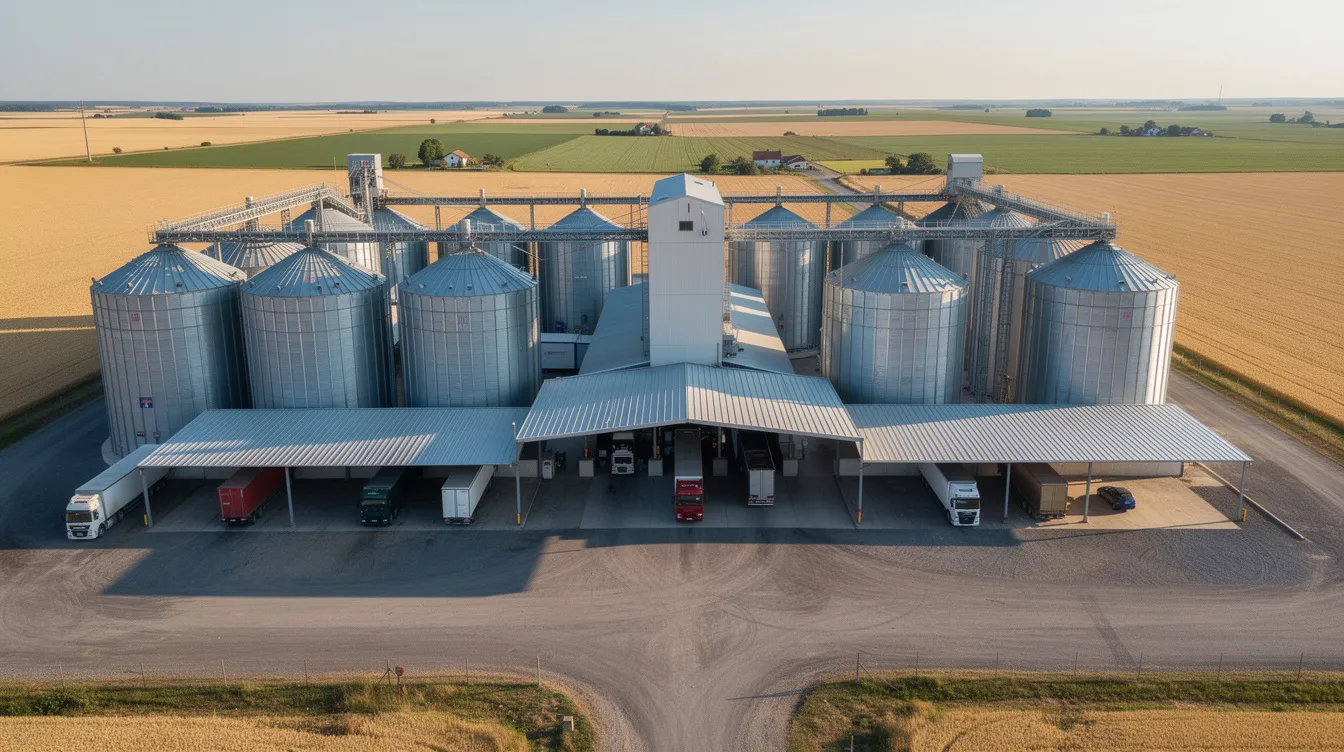
Integrated Soybean Processing Plant Business Model
The business configuration of an integrated soybean oil extraction plant determines revenue composition, capital intensity and risk exposure. Three primary models are common in India:
Model A – Crushing + Solvent Extraction: The simplest integrated configuration. The plant produces crude soybean oil and de-oiled soybean meal. Crude oil is sold in bulk; meal enters the domestic or export feed market. Lower capital costs but limited value capture from oil.
Model B – Fully Integrated (Crushing + Extraction + Refining): Adds degumming, neutralisation, bleaching and deodorisation to produce refined soya bean oil, potentially in branded consumer packs. Higher capital investment and regulatory requirements, but significantly greater revenue per litre of oil.
Model C – Toll Processing / Custom Crushing: The plant processes soybeans on behalf of third parties for a processing fee. Lower raw material risk, but narrower margins and dependency on external supply.
Soybean meal is primarily used in animal feed formulations and can represent a larger share of total revenue than oil, depending on market conditions. Crush margin is calculated as the combined revenue from oil, meal and by-products minus the cost of soya beans and variable processing costs. Soybean oil demand is driven by food processing and biodiesel industries, while non-GMO meal commands premium export pricing, particularly from European buyers.
| Configuration | Key Products | Market Focus | Advantages | Key Risks |
|---|---|---|---|---|
| Crushing + Extraction | Crude oil, meal | Bulk domestic, export meal | Lower CapEx, simpler operations | Lower oil value, margin volatility |
| Fully Integrated | Refined oil, meal, by-products | Domestic retail, export | Higher value capture, branding | Higher CapEx, regulatory burden |
| Toll Processing | Processing service | Fee-based, variable | Low raw material risk | Narrow margins, volume dependency |
Soybean Crushing Plant Setup Cost & Capital Investment
The investment structure for a soybean oil processing plant is not a one-size-fits-all budget figure. Actual capital costs depend on plant capacity, level of integration (extraction only versus extraction plus refining), location, land rates, infrastructure requirements and technology selection. The setup cost includes machinery, land, and utilities requirements along with several other components.
Key fixed-asset heads include:
- Land purchase or lease and site development
- Civil construction – mill house, solvent extraction building, refinery block, warehouses
- Plant and machinery for preparation, solvent extraction and refining
- Storage silos for raw soybeans, tanks for crude oil and refined oil, warehouses for meal
- Utilities – boilers, cooling towers, transformer/substation, DG sets, air compressors
- Material handling systems, weighbridges and internal logistics
Intangible and pre-operative components cover engineering consultancy, interest during construction, statutory fees, trial run expenses, contingency margin (typically 5–15% of fixed capital) and margin for initial working capital.
Operating expenses for soybean crushing plants often include raw materials and utilities as the dominant cost heads. In fact, soybeans account for approximately 85–90% of total operating expenses, making raw material cost the single most sensitive variable in project economics. For plants of 500 TPD capacity, total project outlay may range from ₹44 to ₹83 crore, while 1,000 TPD plants may require ₹80 to ₹145 crore depending on the presence of a refining block. For large soybean oil processing plants requiring 100,000 to 300,000 MT annual capacity, working capital tied up in soybean inventory, finished goods and receivables can sometimes exceed the cost of core process machinery.
Readers seeking capacity-wise, itemised cost ranges and project economics should refer to the supporting article on large-scale soybean crushing plant setup cost, investment and project economics in India.
Soybean Crushing Plant Capacity Planning – 500 to 5,000 TPD
Capacity planning for an oil processing plant must balance raw material availability, sales channels, utility infrastructure and bankability. Selecting a TPD size without regional supply analysis is a common planning error.
- 500 TPD plants are suited for regional promoters or cooperatives. They allow manageable raw material aggregation from local procurement networks, moderate infrastructure demands and a lower financial risk profile.
- 1,000–2,000 TPD plants represent typical medium-to-large integrated units. They benefit from economies of scale in extraction and refining, stronger negotiating power in procurement and access to wider distribution channels.
- 3,000–5,000 TPD complexes are industrial-scale facilities backed by large corporate groups. They require substantial capital, supply chain integration and access to large feed markets or oil distribution systems.
Key planning parameters:
- Annual operating days: typically 300–330, with allowance for maintenance shutdowns and seasonal interruptions
- Capacity utilisation ramp-up: Year 1 at 50–60%, increasing to 80–90% over two to three years
- Matching extraction and refinery capacity to crushing capacity to avoid bottlenecks
- Estimating annual soybean procurement in lakh tonnes – for example, a 1,000 TPD plant operating 300 days requires approximately 3 lakh tonnes per year
- Modular expansion possibilities: starting with crushing and extraction, adding refinery or second extraction line as margins justify
| Capacity Band | Typical Promoter Profile | Annual Raw Material (approx.) | Risk Profile | Bank Appetite |
|---|---|---|---|---|
| 500 TPD | Regional, cooperative | ~1.5 lakh MT | Moderate | Mid-tier banks, DFIs |
| 1,000 TPD | Medium-large industrial | ~3.0 lakh MT | Moderate-high | Large banks, consortia |
| 2,000 TPD | Large industrial groups | ~6.0 lakh MT | High | Consortium lending |
| 3,000–5,000 TPD | Corporate, multi-product | ~9–15 lakh MT | Very high | Syndicated / structured |
For a detailed analysis of capacity selection considerations, refer to the guide on soybean crushing plant capacity planning for 500–5,000 TPD industrial projects.
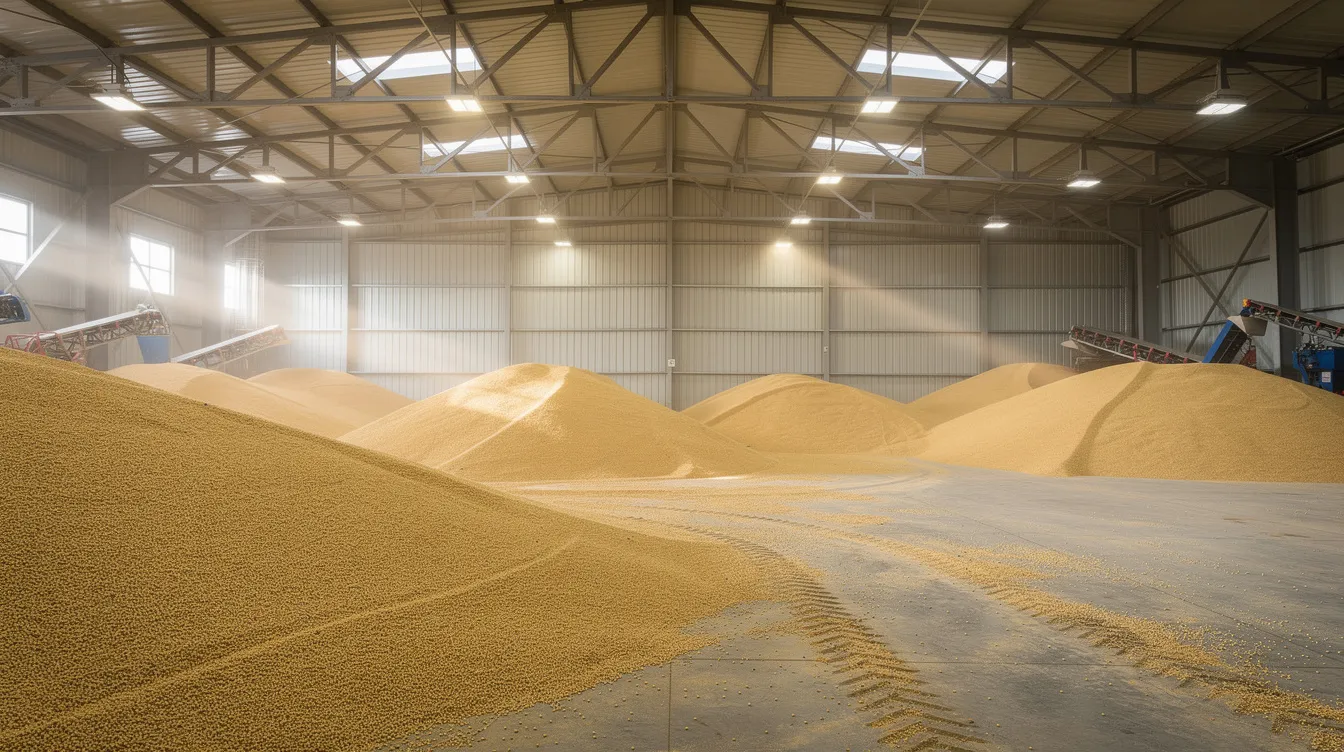
Manufacturing Process & Integrated Technology Flow
The manufacturing process in an integrated soybean solvent extraction plant DPR follows a defined sequence of various unit operations. Soybean oil is extracted using solvent extraction or mechanical pressing, though industrial-scale plants in India overwhelmingly use solvent extraction for higher efficiency.
Integrated process flow:
Soybean Procurement → Receiving & Storage → Cleaning → Conditioning → Cracking & Dehulling → Flaking → Optional Pre-Pressing → Solvent Extraction → Crude Soybean Oil → Degumming & Refining → Finished Refined Soybean Oil
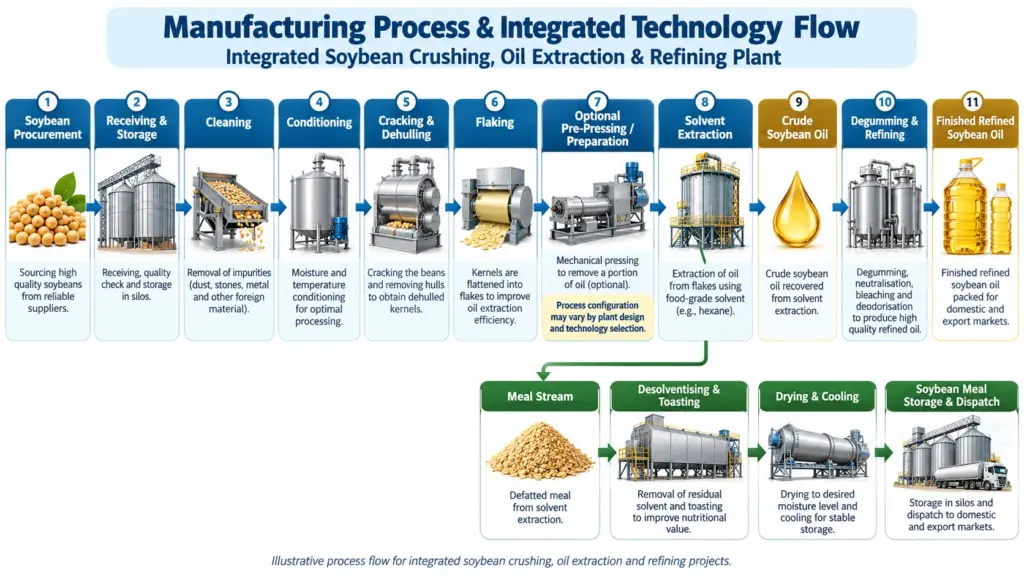
The extraction process includes cleaning, cooking, and flaking soybeans before they enter the extraction system. The oil extraction process includes four main sections: preparation, extraction, solvent recovery and meal finishing. Each unit operation has a specific objective:
- Cleaning and destoning removes foreign matter, stones and dust
- Conditioning adjusts moisture and temperature of prepared material for optimal flaking
- Cracking and dehulling breaks beans and separates hulls to improve meal protein quality
- Flaking increases surface area to facilitate efficient solvent penetration
- Solvent extraction contacts flaked material with hexane to dissolve oil; soybean oil extraction typically uses solvent extraction methods at this stage
- Desolventising and toasting (DT) removes residual solvent from wet meal and deactivates anti-nutritional factors such as trypsin inhibitors
Wet meal contains 25–35% solvent after extraction, making hexane recovery essential for solvent management and safety. The meal stream passes through drying, cooling, grinding and storage before dispatch to feed customers.
On the oil side, crude soybean oil undergoes degumming, neutralisation, bleaching and deodorisation through various refining processes to yield soya bean oil that meets edible oil quality standards. Not all plants use mechanical pressing or pre-press expellers before solvent extraction – the configuration depends on technology licensor recommendations, desired oil recovery percentage and energy economics.
Soybean Crushing, Solvent Extraction & Refinery Machinery
Machinery selection for a soybean oil extraction plant should prioritise reliability, energy efficiency, safety and vendor commissioning support rather than lowest upfront quote alone. The machinery and technology requirements span the entire production chain.
Preparation equipment: Raw bean intake systems, cleaning and destoning machinery, magnetic separators, cracking mills, hull separators, conditioners and flakers. Optional expanders or extruders may be included to improve extraction efficiency.
Solvent extraction systems: Extractor vessel (rotocel or loop type), desolventiser-toaster, stripper and evaporators, solvent recovery system, meal cooler, solvent storage tanks and safety interlocks conforming to both Indian and international norms.
Refinery equipment: Degumming and neutralisation vessels, continuous or batch bleaching systems, deodoriser columns, filters, heat exchangers, vacuum systems and refined oil storage and packaging requirements.
Utilities and support systems: Boiler or thermic fluid heater for steam generation, cooling tower, power distribution and substation, automation or SCADA systems, fire protection and process safety systems. Equipment costs and infrastructure costs together form a significant portion of total capital investment.
Vendor evaluation should consider energy consumption per tonne of seed processed, after-sales service capability, availability of spares and track record in commissioning similar-capacity plants. The dedicated guide on soybean processing plant machinery, equipment and technology selection in India provides deeper coverage of machinery requirements, technology variants and vendor selection criteria.
Soybean Oil & Meal Recovery, Yield and Processing Profitability
Oil recovery percentage, meal yield and refining losses are among the most sensitive variables in any soybean crushing plant project report. A project’s financial model is only as reliable as its mass balance assumptions.
Soybeans contain approximately 18% to 20% oil. Production yield ratios for soybeans typically yield around 18% to 20% crude oil and 73% to 80% meal from each tonne processed. From 1 MT of good-quality soybeans with approximately 19% oil content, typical outputs are:
- Crude soybean oil: 180–190 kg
- De-oiled soybean meal: 780–790 kg (with residual oil around 1%)
- Hulls and fines: approximately 2%
- Moisture and handling losses: 1–2%
Lower seed oil content (say 17%) reduces crude oil output to 165–170 kg per MT; higher oil content above 20% may raise it to 190–195 kg. Refining introduces additional loss – typically 1–3% during degumming and neutralisation, with further losses during bleaching and deodorisation depending on crude oil quality and FFA levels.
Gross profit margins for soybean oil processing typically range from 10–15%, and soybean oil quality is a key determinant of both pricing and refining loss. Small changes in recovery percentage – even 1–2 percentage points – can materially shift project profitability. The crushing margin formula (revenue from oil + meal + by-products minus cost of soybeans and variable costs) underscores why a realistic mass balance is non-negotiable in financial projections.
For detailed recovery ranges, loss breakdowns and profitability illustrations, refer to the guide on soybean oil and meal recovery, processing yield, losses and profitability.

Land, Building, Factory Layout & Utilities
Integrated soybean oil processing plants require substantial land for process buildings, raw material and finished goods storage, utility blocks, truck circulation and future expansion. Site selection must account for proximity to soybean procurement zones, logistics connectivity, power and water availability and environmental zoning.
Major functional zones include:
- Raw soybean receiving yard with weighbridge
- Silos or warehouses for bean storage
- Preparation and crushing building
- Solvent extraction plant (with hazardous area classification for flammable solvent handling)
- Refinery block with oil tankage
- Utility block: boiler house, cooling tower, transformer, DG sets
- Quality control laboratory
- Administrative office and finished goods storage for oil and meal dispatch
Layout considerations demand unidirectional truck movement, physical separation between solvent handling areas and high-traffic zones, adequate fire-fighting access and provision for adding additional extraction or refinery lines in future phases. Electrical demand, steam and fuel requirements, cooling water, compressed air, effluent treatment and waste management systems must comply with State Pollution Control Board norms.
The supporting article on soybean crushing plant land, building, utilities and factory layout requirements covers typical land area bands, building zoning concepts and utilities planning practices in detail.
Soybean Procurement, Seasonal Inventory & Working Capital
Indian soybean arrivals are strongly seasonal – the major harvest and procurement window runs from October through January. This seasonality drives procurement strategy, inventory build-up and working capital design in every soybean oil processing plant.
Procurement channels include APMC mandis, aggregators, farmer-producer organisations and direct contracts with traders. Quality parameters such as moisture, foreign matter, damaged kernels and oil content influence pricing mechanisms. A project’s success depends on both supplier reliability and customer demand, making procurement planning a strategic function rather than a routine purchasing activity.
Seasonal inventory planning involves deciding how many months of bean stock to hold, weighing the trade-off between price risk, storage and handling losses, financing costs and the risk of raw material shortages during the off-season. Infrastructure such as aerated silos, fumigation systems and insurance are essential components.
Working capital structure from a banker’s perspective includes cash credit limits, drawing power calculations based on stock and receivables, margins and typical credit cycles with major buyers. Operating costs are primarily driven by raw material consumption – mainly soybeans – and underestimation of working capital requirements is one of the most common causes of DSCR stress in large crushing projects. Soybean prices can significantly impact profitability in crushing operations, especially when inventory is held over extended periods in volatile markets.
For detailed working capital cycle illustrations and procurement scenarios, refer to the guide on soybean procurement, seasonal inventory and working capital management for large crushing plants.
Project Cost, Financial Projections, CMA Data & Bank Finance
From a CA and banker perspective, a soybean crushing plant project report must convert technical planning into a coherent financial model covering project cost, means of finance, profitability and repayment capacity. The financial section of a project report includes capital expenditure and operating costs, structured to support both term loan assessment and working capital sanctioning.
Project cost components:
- Land and buildings
- Plant and machinery (covering both direct and indirect costs)
- Other fixed assets (vehicles, furniture, laboratory equipment)
- Preliminary and pre-operative expenses
- Contingencies
- Margin for working capital
Financial projections should cover:
- 7–10 year horizon of projected production, sales volumes, material consumption and operating expenses
- Income and expenditure projections including EBITDA, interest, depreciation, tax and net profit
- Cash flow statements indicating fund availability at each stage
- Balance sheet projections showing financial position development
- Profit and loss account with clearly stated assumptions
- Key ratios: DSCR, current ratio, debt-equity, interest coverage and return on capital employed
Project reports must include financial projections for various scenarios over five to ten years. CMA Data expectations for Indian banks include projected fund and non-fund working capital limits, drawing power calculations and consistency between DPR assumptions and CMA forms.
The dedicated article on soybean oil processing plant financial projections, CMA Data, DSCR and bank finance provides deeper coverage. Project Report Bank prepares project-specific financial models rather than generic templates.
Financial Feasibility, ROI, IRR & Sensitivity Analysis
Large soybean oil extraction and refining plants involve total capital investment often exceeding ₹5 crore, where lenders and investors scrutinise financial feasibility with particular attention to IRR, DSCR and sensitivity to crush margins.
Key metrics and their roles:
- Project IRR measures returns on total capital deployed; Equity IRR isolates returns to the promoter’s own investment
- Net present value (NPV) discounts future cash flows to assess investment attractiveness at a chosen discount rate
- ROI and return on capital employed provide additional perspectives on profitability relative to investment
- DSCR evaluates whether projected cash flows can service term loan obligations – banks typically expect minimum DSCR of 1.25
- Payback period indicates the time required to recover the initial investment
The expected ROI for soybean oil processing projects is based on realistic financial projections, not optimistic assumptions. The break-even analysis indicates the capacity utilisation needed to cover fixed costs and variable costs. Sensitivity analysis tests how profitability changes under different market conditions – lower capacity utilisation, weaker oil and meal price trends, higher soybean procurement cost, delayed ramp-up and interest rate changes. An integrated soybean crushing plant feasibility study should also verify technical feasibility, market feasibility and regulatory feasibility, not only financial metrics.
For detailed IRR frameworks and sensitivity methodologies, refer to the supporting article on integrated soybean crushing plant feasibility study, ROI, IRR and sensitivity analysis.
Major Investment Risks in Integrated Soybean Processing Projects
Soybean oil processing plant projects are commodity-dependent investments where volatility and operational execution risks must be acknowledged openly in the DPR. A comprehensive risk analysis strengthens credibility with lenders and helps promoters prepare realistic mitigation strategies.
Principal risk factors include:
- Raw material price spikes: Soybean procurement cost volatility directly compresses margins
- Crush margin compression: Rising soybean prices without proportionate oil and meal price increases
- Supply disruption: Poor crop yields, lower carryover stocks or policy changes restricting availability
- Capacity utilisation shortfall: Delayed ramp-up, machinery breakdowns or solvent-related shutdowns
- Financial risks: Mismatched working capital limits, high leverage leading to DSCR stress, delays in disbursement or cost overruns
- Regulatory changes: New norms on solvent usage, edible oil import duties, export restrictions on meal or tightened food safety standards
- Energy and operating cost escalation: Power tariff increases, fuel price movements, environmental compliance costs
Mitigation approaches include conservative gearing, adequate contingency and interest during construction provisions, well-structured procurement policies with diversified supplier base, selection of reliable technical partners, preventive maintenance programmes and insurance or hedging where accessible. The soybean oil market performed differently across recent years due to production variability, reinforcing the need for stress-case analysis.
The dedicated article on soybean crushing plant investment risks – raw material prices, crush margins and capacity utilisation provides an in-depth risk framework.
Licences, Statutory Approvals & Regulatory Compliance in India
Regulatory requirements are location- and configuration-specific. Promoters should verify applicable norms with local authorities and professional advisers at the time of project planning. Detailed project reports should assess regulatory compliance and safety measures as part of the implementation schedule. Key regulatory procedures commonly applicable include:
- Business registrations: Company or LLP incorporation, PAN, GST registration
- Factory registrations: Factories Act registration, Shops and Establishments Act as applicable
- Environmental approvals: State Pollution Control Board consent to establish and operate; environmental clearance depending on capacity and location
- Fire safety: Fire department NOC, particularly for solvent handling and storage zones
- Pressure equipment: Boiler inspectorate approvals for steam generation
- Hazardous chemical handling: PESO or Chief Controller of Explosives permissions for hexane storage and handling
- Food safety: FSSAI licence for edible oil manufacturing, packaging and labelling; adherence to Food Safety and Standards regulations for soybean oil quality
- Labour compliance: Minimum wages, EPF, ESI, factory safety standards
Key certifications required for a solvent extraction plant include both process safety certifications and food-grade product compliance. These regulatory steps and their timelines should be integrated into the project implementation schedule section of the DPR.
What Should an Integrated Soybean Processing Plant DPR Include?
A lender- and investor-oriented soybean crushing plant project report must contain structured sections that address technical, commercial, operational and financial dimensions. Critical project document structures include sections for market analysis, financial data, and operational strategies. A project report for a soybean crushing plant evaluates technical feasibility and financial viability through the following components:
- Executive summary – project concept, capacity, location, investment highlights
- Promoter and company profile – background, experience, net worth
- Market and industry assessment – comprehensive market overview of oil and meal demand, raw material requirements, price trends, market segmentation, industry trends and export opportunities
- Product mix and project scope – crude oil, refined oil, meal, soy flour, hulls, lecithin as applicable
- Plant capacity and operating assumptions – TPD, operating days, utilisation ramp-up
- Process technology description – unit operations involved, processing methods, plant configuration
- Machinery and infrastructure – detailed list with supplier quotations, equipment costs
- Raw material sourcing and procurement strategy – seasonal planning, quality parameters, storage
- Land and building details – area, layout concept, infrastructure requirements
- Project cost estimation – capital costs, fixed costs, pre-operative expenses, contingency
- Means of finance – promoter contribution, term loan, project funding structure
- Working capital assessment – operating cycle, cash credit, drawing power
- Financial projections – profit projections, expenditure projections, cash flow, balance sheet for 7–10 years
- CMA Data and banking ratios – DSCR, current ratio, interest coverage
- ROI, IRR and sensitivity analysis – project economics under multiple scenarios
- Regulatory and environmental considerations – key certifications, approvals, compliance timeline
- Risk assessment and mitigation – risk factors, contingency planning
- Implementation schedule – milestones, commissioning, ramp-up plan
A serious DPR for an oil processing plant is not a generic template. It must use location-specific procurement assumptions, realistic yield expectations and bank-compliant formats. The difference between a generic plant project report downloaded from the internet and a customised, bankable DPR prepared for a specific soybean oil extraction and refining processing project lies in the quality of assumptions, financial rigour and professional accountability behind the numbers.
The report should include a market analysis of raw material availability and finished product demand, covering both the domestic soybean oil market and export opportunities for meal.
Professional DPR, Financial Modelling & Bank Finance Advisory by Project Report Bank
ProjectReportBank.com is a Chartered Accountant-led professional advisory platform headed by CA Manish Gugliya (FCA, DISA, ICAI), with more than 20 years of experience in industrial DPRs, project finance and bank loan proposal assistance for manufacturing and processing projects including integrated soybean oil processing plants.
Core services for soybean crushing plant investors:
- Customised Detailed Project Reports for bank finance and investment evaluation
- Term loan DPRs and bank loan proposal preparation
- CMA Data preparation for working capital and fund-based limits
- Integrated financial modelling – IRR, DSCR, sensitivity analysis and financial analysis
- Project feasibility and viability studies
- Investor-ready documentation, business plans and pitch decks
- Human resource requirements planning, business requirements assessment and transportation requirements analysis
The team works across capacity ranges from approximately 500 TPD to 5,000 TPD, focusing on realistic assumptions around plant capacity, recovery, project economics and working capital rather than optimistic projections. Documentation is prepared to align with Indian bank expectations and can also be tailored for equity investors, strategic partners or internal capital-allocation decisions.
Serious promoters may share preliminary project details via WhatsApp or the enquiry form on ProjectReportBank.com for a confidential initial discussion.
Frequently Asked Questions – Integrated Soybean Crushing & Refining Projects
What is an integrated soybean crushing and refining plant?
An integrated plant combines soybean preparation and crushing, hexane-based solvent extraction for crude oil production, meal processing (desolventising, toasting, drying) and edible oil refining (degumming, neutralisation, bleaching, deodorisation) in a single facility. This differs from a stand-alone solvent extraction unit that sells only crude oil without refining. Integration increases value capture but also raises capital investment and operational complexity.
What is the difference between soybean crushing and solvent extraction?
Soybean crushing refers to the mechanical preparation stages – cleaning, cracking, conditioning and flaking – that prepare beans for extraction. Solvent extraction is the subsequent chemical process where hexane dissolves oil from the flaked material. Mechanical pressing is an alternative extraction method but is less common at industrial scale due to lower oil recovery. Both steps are essential parts of the plant project.
What plant setup capacity should a new investor consider?
Capacity depends on raw material availability, logistics, financial resources and market access. A 500 TPD plant suits regional promoters with moderate capital. Plants of 1,000–2,000 TPD offer better economies of scale for medium-to-large industrial investors. Capacities above 3,000 TPD typically require corporate-level capital, supply chain depth and distribution networks. Regional soybean availability should be the starting point of any capacity decision.
What are the main revenue sources in a soybean processing project?
Revenue comes from soybean oil (crude or refined), soybean meal and by-products such as hulls and lecithin. Meal often contributes a larger share of total revenue than oil. The pricing mechanism for both oil and meal is market-driven and volatile, making crush margin management the key success factor rather than any single product’s price.
How do banks evaluate soybean crushing projects for financing?
Banks assess DSCR (typically expecting a minimum of 1.25), promoter contribution adequacy, quality of projected cash flows, raw material sourcing reliability, technology partner credentials and security coverage. CMA Data consistency, realistic capacity utilisation assumptions and a well-documented DPR are essential. A high smoke point and food-grade quality certification for refined oil strengthen the market credibility section. Generic project reports without project-specific financial analysis are unlikely to support large-scale bank financing.
What is sensitivity analysis and why does it matter?
Sensitivity analysis tests how project profitability, DSCR and IRR change under adverse scenarios – lower capacity utilisation, weaker oil or meal prices, higher soybean procurement costs or delayed commissioning. For commodity-dependent projects like soybean crushing, this analysis reveals the margin of safety and helps investors and lenders understand downside risk before committing capital. The soybean oil industry is inherently cyclical, making stress-testing indispensable.
Can crude oil production and refining be combined in a single project?
Yes, and this is in fact the integrated model discussed throughout this article. Combining crude oil production with refining in the same facility increases value per litre of oil produced and allows the promoter to serve both bulk and retail markets. However, refining adds capital costs, regulatory requirements (FSSAI licensing, packaging requirements, labelling compliance) and operating complexity. The decision should be evaluated through a proper soybean oil refinery project report with net present value and IRR assessment.
How much working capital is typically required?
Working capital intensity in soybean crushing is high due to seasonal procurement patterns, large inventory holdings and credit cycles with buyers. For large plants, working capital requirements can rival or exceed machinery investment. Banks evaluate working capital needs through stock and receivable-based drawing power calculations. Underestimating working capital is a common cause of financial stress and should be addressed with detailed operating cycle analysis in the DPR. Soybean oil processing plant setup costs include both capital investments and operating expenses, and ignoring the latter invites financing gaps.
Conclusion – Planning a Financially Viable Integrated Soybean Processing Project
Successful soybean oil processing plant investments require careful alignment between plant capacity, procurement strategy, technology configuration, oil and meal recovery assumptions, working capital design and funding structure. The soybean oil market is growing due to rising edible oil consumption, but project viability depends on execution – not on industry headlines.
A robust, data-backed detailed project report is essential before locking in land, machinery or large debt. For projects above ₹5 crore and capacities above 500 TPD, the cost of an inadequately prepared DPR is far greater than the cost of professional financial analysis. Sensitivity analysis, conservative gearing and experienced advisory support help manage the inherent risks of commodity-dependent industrial lubricants and vegetable oil processing.
Serious investors and project promoters planning integrated soybean crushing, extraction and refining projects are welcome to connect with Project Report Bank for customised DPRs, financial models, CMA Data and bank finance documentation prepared with practical assumptions and professional accountability.
CA Manish Gugliya FCA, DISA (ICAI) ProjectReportBank.com