Establishing a multi speciality hospital in India is one of the most capital-intensive investments in the healthcare sector. Whether you are a doctor-promoter planning a 50 bed hospital in a district town or a corporate group evaluating a 200-bed tertiary facility in a metro, the first question is always the same: how much will this cost? This article provides a structured, practitioner-level breakdown of multi-speciality hospital project cost in India for 2025–2026, covering every major investment head from land to working capital, and explaining why bankability matters as much as the budget itself.
Key Takeaways
- Indicative project cost ranges (2025–2026, excluding land): A 50 bed hospital project costs between ₹15–35 crore; a 100 bed hospital generally requires ₹40–80 crore; a 200 bed hospital ranges from ₹90–180+ crore. Including land, these numbers can rise sharply – a typical 50-bed multi-specialty hospital can cost between ₹20 crore and ₹45 crore with land in many cities, while a comprehensive financial overview for a 200-bed hospital could exceed ₹250 crore including pre-opening and working capital expenses. These are ranges, not fixed amounts; premium metro projects routinely exceed the upper bands.
- Total investment extends well beyond bricks and equipment. The total project cost includes land acquisition, civil construction, interiors, medical equipment, diagnostic equipment, electrical and HVAC systems, medical gas systems, fire safety, IT infrastructure, ambulances, pre-operative expenses, professional fees, contingency and at least 6–12 months of initial working capital. Missing any single head leads to underfunding.
- Three to four factors drive the widest cost variation: location (metro cities vs Tier-2/3 towns), bed strength and ICU share, diagnostic and technology intensity (CT, MRI, cath lab), and whether land is promoter-owned or must be purchased. Two hospitals with identical bed counts can differ by ₹20–30 crore purely on these variables.
- Bankable numbers require more than thumb rules. Cost per bed is a misleading budgeting method when used alone. A formal feasibility study, a detailed project report and integrated financial projections – connecting project cost to revenue, DSCR and repayment capacity – are essential before approaching lenders or committing capital.
If you are at the planning or financing stage of a hospital project, CA Manish Gugliya and ProjectReportBank.com provide professional DPR preparation and project finance advisory for multi-speciality hospitals across India, ensuring that cost estimates, funding structures and projections are internally consistent and lender-ready.
Explore Multi-Speciality Hospital DPR Guides
Explore our complete series on Multi-Speciality Hospital project planning, financial analysis and bank finance.
What Is the Project Cost of a Multi-Speciality Hospital in India?
There is no single “standard” multi-speciality hospital project cost in India. The investment depends on land ownership, city, building specifications, speciality mix, diagnostic capability, ICU configuration and the level of finishes chosen. Hospital markets are expected to add significant bed capacity and capital investment within the next few years – KPMG projects India’s multi-speciality hospital market to reach approximately ₹9,800 billion by 2028 – but each new hospital project must be evaluated on its own merits.
Indicative 2025–2026 investment ranges:
| Bed Size | Excluding Land (₹ Cr) | Including Land (₹ Cr) |
|---|---|---|
| 50 beds | ₹18–35 crore | ₹25–55+ crore |
| 100 beds | ₹40–80 crore | ₹55–120+ crore |
| 200 beds | ₹90–180+ crore | ₹120–250+ crore |
Tier-3 projects with basic diagnostics can be materially lower. Premium metro facilities with NABH accreditation, advanced imaging and super-speciality departments can exceed the upper bands.
Principal cost drivers include:
- Bed capacity and the percentage of ICU beds and HDU beds
- Owned vs purchased land (land costs significantly influence the overall investment for hospital setups)
- Construction standards and hospital size
- Speciality mix – cardiology, orthopaedics, oncology, nephrology each add equipment and infrastructure layers
- Number and type of operation theatre setups
- Diagnostic services scope – whether CT, MRI, cath lab are included
- IT backbone, digital systems and support services
- Interior grade – private/deluxe rooms vs general wards
- Initial working capital provision
Why two 100 bed hospitals can differ dramatically: A basic 100-bed facility with general wards, limited ICUs and basic diagnostics might cost ₹40–50 crore excluding land. Add multiple modular OTs, a 128-slice CT scanner, a 1.5T MRI, a cardiac cath lab, 25% ICU bed share and premium room interiors, and the estimated project cost can easily cross ₹70–80 crore – a gap of ₹20–30 crore on the same bed count.
These numbers serve early planning only. A new multi-specialty hospital requires a detailed project financial model for accurate feasibility assessment, built from architectural drawings, vendor quotations and a structured DPR.
Major Components of Multi-Speciality Hospital Project Cost
A hospital budget has more line items than most promoters initially anticipate. Missing even one major cost head – MEP systems, medical gas pipeline, HVAC or pre-operative expenses – can create a funding gap that destabilises the project mid-construction. The approach used here mirrors the structured breakdown in Eye Hospital Project Cost in India – Complete Investment Breakdown, adapted for the broader clinical departments of a multi-speciality facility.
Land and site development: Whether land is purchased or promoter-owned changes the project cost profile fundamentally. Land acquisition can cost ₹700 to ₹20,000 per square foot depending on the city and micro-market. Site-levelling, approach road, boundary wall and external services must be budgeted separately.
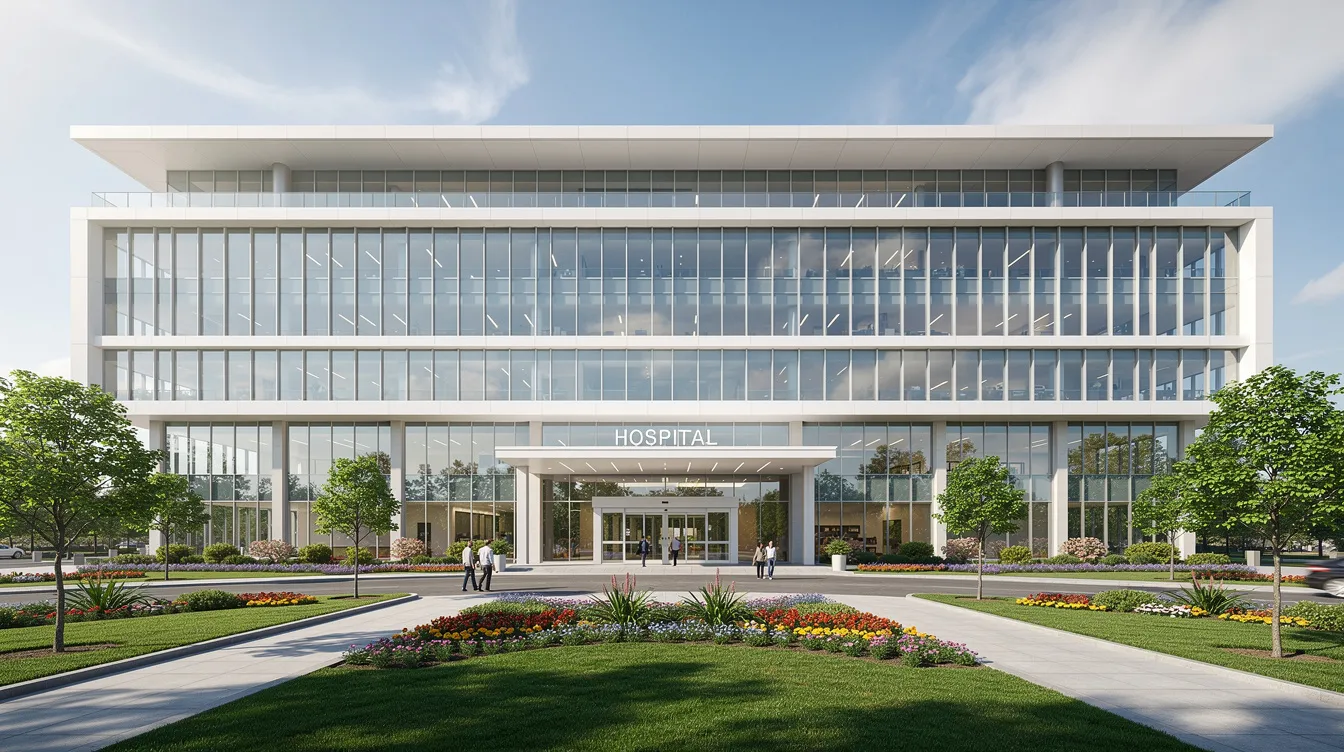
Hospital building and civil construction: Covers OPD, IPD wards, ICU, operation theatre areas, emergency services, diagnostic labs, pharmacy, administration, parking and circulation. Typical built up area per bed for a multi-speciality hospital in india is 500–800 square foot, depending on clinical departments and diagnostic scope.
Interiors and hospital furnishing: Reception, waiting areas, nurse stations, patient rooms and modular furniture. Interior grade (mid-spec vs premium) can swing costs by 10–15% of the building and interior budget.
Medical equipment: OT tables, lights, anaesthesia workstations, ICU monitors, ventilators, ward beds, emergency equipment. The equipment list must align with chosen specialities and service offerings.
Diagnostic equipment: X-ray, ultrasound, CT, MRI, cath lab, laboratory analyzers. A single MRI or cath lab installation can add ₹6–12 crore or more to the project budget.
Electrical systems and hospital utilities: LT/HT panels, DG sets, UPS, medical gas pipeline (MGPS), water treatment, STP and sewage. MEP systems account for 25–30% of total construction costs – a figure many hospital promoters underestimate.
HVAC and infection control: AHUs, ducting, chilled water systems, OT laminar flow, isolation rooms. NABH accreditation increases costs by 8–12% for hospitals due to stricter HVAC zoning, tele-ICU requirements and cybersecurity infrastructure introduced under NABH 6th edition.
Fire safety and life-safety systems: Fire pumps, sprinklers, hydrants, smoke detectors, fire doors. Fire Safety NOC typically takes 1 to 2 months to obtain, but licensing depends on full compliance. Hospitals must also obtain a Clinical Establishment License (the licensing process typically takes 6 to 12 months), Pollution Control Board NOC (2 to 4 months), Drug License (1 to 2 months) and Biomedical Waste Authorization (2 to 3 months).
IT and hospital management systems: HIS, EMR, PACS, LIS, networking, Wi-Fi, servers, CCTV – this digital backbone often represents 3–6% of project cost excluding land.
Ambulances and vehicles: One or two basic or advanced life-support ambulances.
Preliminary and pre-operative expenses: Architectural fees, salaries during construction, marketing, staff recruitment, training and soft launch.
Professional and consultancy expenses: Architects, structural engineers, MEP consultants, NABH consultants, healthcare consultants, project management and CA or financial consultants.
Interest during construction (IDC): For debt-funded projects, delays in approvals or equipment delivery can materially increase IDC.
Contingency provision: Usually 5–10% of project-cost heads to cover escalation and scope changes.
Initial working capital: Inventory management for medicines and consumables, salaries, utilities and cash buffer for 6–12 months of ramp-up.
Land and Construction Cost in India for Multi-Speciality Hospitals
While this article covers overall project cost, land cost and hospital construction costs are typically the largest two heads in the hospital budget.
Land price bands:
- Metro/Tier-1 (Delhi, Mumbai, Bengaluru, Chennai): Land prices can range from ₹10,000 to ₹20,000+ per square foot. It is common for 35–50% of project cost to go into land and building when land is purchased. Land acquisition or leasing costs vary dramatically between Tier-1 and Tier-2 or Tier-3 cities.
- Tier-2 cities (Jaipur, Indore, Lucknow, Coimbatore): Mid-range land prices, generally ₹2,000–₹7,000 per square foot, offering better cost–benefit for a new hospital.
- Tier-3 towns and district HQs: Substantially lower land rates – often below ₹2,000 per square foot – making them suitable for 50–100 bed hospitals with moderate investment ranging across a wider budget.
Geographical location affects real estate and labor costs significantly in hospital project budgeting.
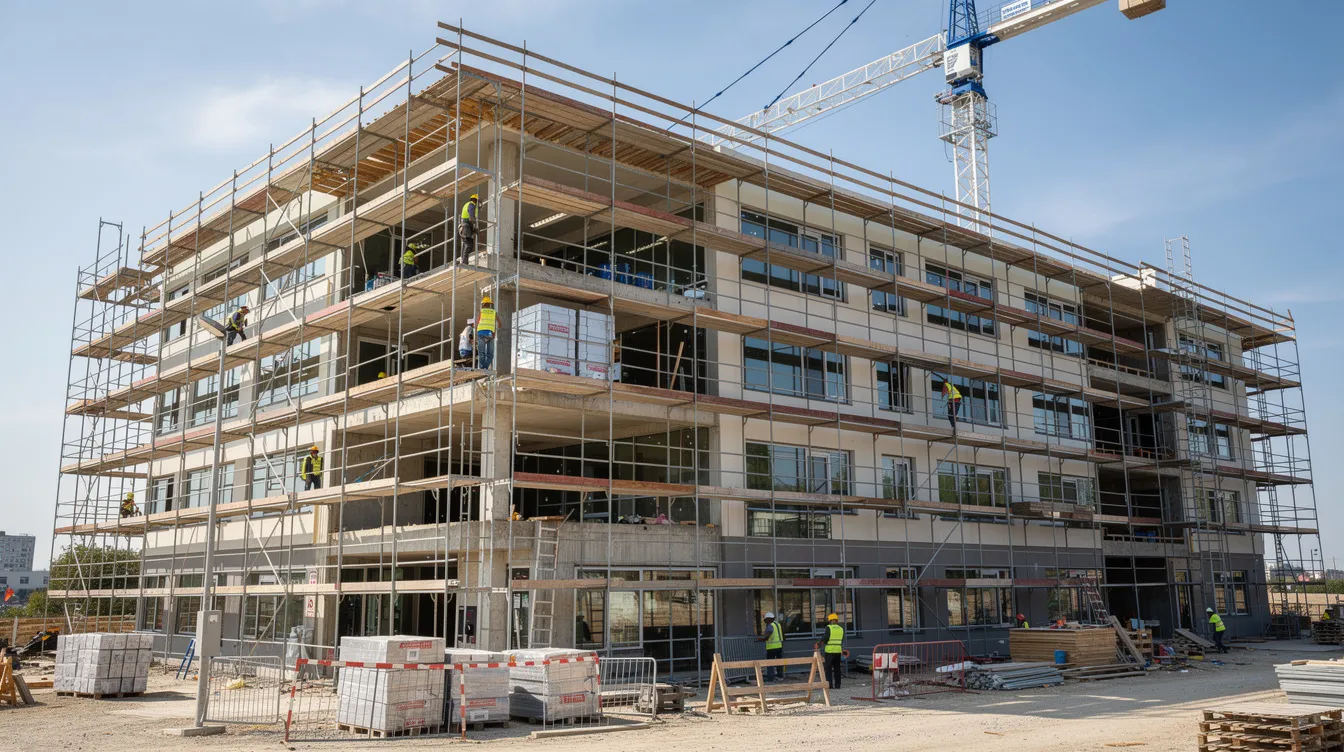
Construction cost per square foot: Gleeds India’s biannual market report places hospital construction (shell + core + finishes) at ₹5,000–₹7,500 per square foot in metro cities for large hospitals. Civil construction averages ₹3,000 to ₹4,500 per square foot for hospital-grade infrastructure in Tier-2 and mid-range projects, though construction costs range from ₹2,500 to ₹7,000 per square foot depending on city and specification. Hospital construction costs vary extensively based on location and feature complexity.
Built up area by bed strength:
| Bed Size | Approximate Built-Up Area |
|---|---|
| 50 beds | 30,000–45,000 sq ft |
| 100 beds | 60,000–90,000 sq ft |
| 200 beds | 1,20,000–1,80,000 sq ft |
Worked example: A 100 bed hospital with 70,000 sq ft built-up area at ₹3,800/sq ft gives a construction budget of approximately ₹26–27 crore. If the rate rises to ₹4,800/sq ft (a metro cities typically requires higher-specification finish) or the area expands by 10,000 sq ft, the cost jumps to ₹33–38 crore.
Site development – roads, drains, landscaping, external lighting – can add 5–8% over bare building cost and must be separately budgeted.
Multi-Speciality Hospital Project Cost per Bed
Cost per bed is a useful benchmarking tool, but a poor method for full budgeting. It hides differences in land cost, diagnostics, ICU share, and room category mix.
Indicative per bed cost averages (2025–2026):
- Basic 50–100 bed secondary-care multi-speciality in Tier-2/3 (limited high-end diagnostics): roughly ₹35–70 lakh per bed including land. The baseline setup cost ranges between ₹50 lakh to ₹1 crore per bed for standard care.
- Higher-spec 100–200 bed multi-speciality in a Tier-1 metro with CT/MRI and modular OTs: often ₹80 lakh–₹1.4 crore+ per bed including land. Costs can exceed ₹1.2 crore per bed for high-end setups. Studio Matrx benchmarks place NABH-spec private multi-speciality hospitals at ₹40–60 lakh per bed (excluding land) for mid-tier, and ₹80–120 lakh for tertiary.
What drives per-bed cost variation:
- Percentage of ICU beds and HDU beds
- Number and complexity of operation theatre setups
- Inclusion of CT, MRI, cath lab, dialysis, oncology modules
- Single/deluxe room proportion vs general wards
- Whether land is promoter-owned or purchased
Contrast example: A 50 bed hospital with mostly wards, basic diagnostics and two OTs in a Tier-3 town might sit at ₹40–50 lakh per bed. A 50-bed boutique multi-speciality in a metro with high-end imaging, premium private rooms and four modular OTs could easily reach ₹1 crore or more per bed – the per bed cost averages can effectively double on specification alone.
Construction cost per bed ranges from ₹50–90 lakh for a 50-bed hospital depending on the specification and city. For DPRs and bank loans, cost per bed can serve as a cross-check but never the primary budgeting method. Detailed BOQs, vendor quotations and cost sheets are required.
50 Bed, 100 Bed and 200 Bed Multi-Speciality Hospital Project Cost
This section gives structured, indicative cost comparisons by bed strength. These are not quotations – actual numbers depend on location, speciality mix, equipment scope and construction quality. For smaller facilities: a 20-bed hospital costs ₹8–15 crore while a 30-bed hospital typically costs ₹12–20 crore.
| Cost Head | 50 Bed (₹ Cr) | 100 Bed (₹ Cr) | 200 Bed (₹ Cr) | Approx % of Total |
|---|---|---|---|---|
| Civil construction & building | 13–20 | 25–35 | 50–90 | 30–40% |
| Medical & diagnostic equipment | 6–10 | 15–25 | 30–60 | 25–35% |
| Interiors & furnishing | 2–4 | 4–8 | 8–15 | 6–10% |
| MEP, HVAC, utilities | 2–5 | 5–10 | 10–20 | 10–15% |
| Pre-operative & professional fees | 1–2 | 2–4 | 4–7 | 3–5% |
| Contingency | 1–2 | 2–4 | 5–8 | 5–7% |
| Initial working capital | 1–3 | 4–8 | 8–15 | 5–8% |
| Total (excl. land) | ~18–35 | ~40–80 | ~90–180+ | – |
A 50-bed hospital project costs ₹15–30 crore in India at basic specifications; a 100 bed hospital project costs between ₹30–60 crore for many projects. A 50 bed hospital costs ₹25–45 crore when land is included in a mid-range city.
Economies of scale: Certain costs – management team, IT backbone, CSSD, inpatient services infrastructure – do not double when beds double, so per bed cost may fall as bed strength increases, provided market demand supports adequate utilisation.
Phased equipment procurement is practical: A promoter may construct a 150–200 bed structure but commission 80–100 beds initially, deferring equipment and staffing costs for future expansion floors. This approach reduces the starting hospital budget while preserving scope for future growth.
Medical and Diagnostic Equipment Cost in a Multi-Speciality Hospital
Medical equipment can account for over 35% of total project cost in some hospital projects. For basic setups with limited imaging, the share may be 20–25%. Investing in medical equipment is a critical planning component for hospital feasibility studies.
Equipment categories:
- Ward and room: Hospital beds, mattresses, over-bed tables, trolleys, basic monitors
- ICU and HDU: ICU beds, multipara monitors, ventilators, infusion pumps, defibrillators – essential equipment for any facility offering critical care
- Operation theatre: OT tables, lights, anaesthesia workstations, surgical instruments, diathermy, endoscopy towers, C-arm
- Emergency and trauma: Monitors, defibrillators, portable equipment for emergency services
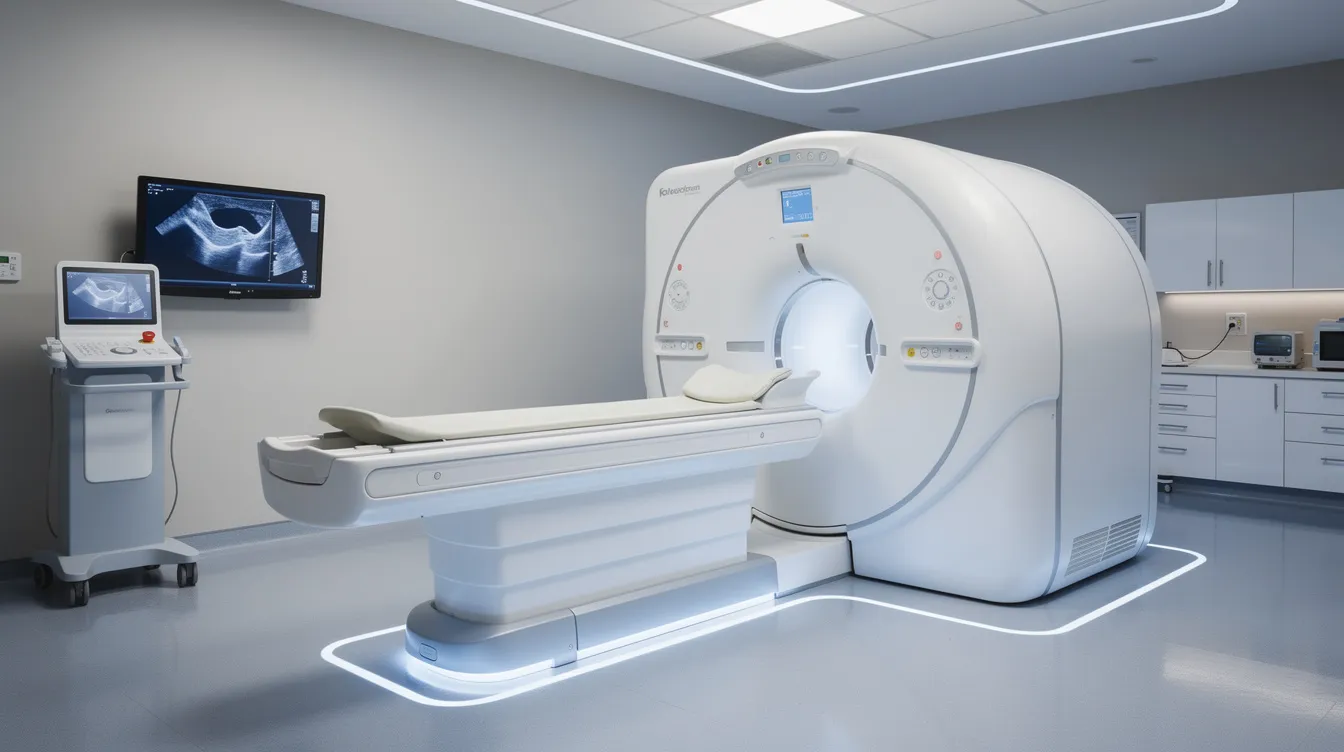
- Diagnostic imaging: X-ray, ultrasound, CT (basic to 128-slice), MRI (1.5T and 3T). A new 1.5T MRI costs ₹6–15 crore including installation; refurbished units ₹1.5–4 crore. A cardiac cath lab with EP facility can cost ₹7–12+ crore depending on brand and configuration.
- Laboratory and pathology: Haematology, biochemistry and coagulation analyzers for diagnostic labs
- Sterilisation (CSSD): Autoclaves, ETO sterilisers, washer-disinfectors
- Support: Physiotherapy, dialysis, blood bank and surgical instruments packages
Medical equipment costs ₹2 to ₹4 crore for a 50-bed hospital at basic levels; adding high cost equipment like MRI or cath lab changes this dramatically. Leasing equipment can reduce Year-1 costs by 30–40%, affecting both project cost and long-term cash flows.
For a structured approach to equipment planning, see the Eye Hospital Equipment List & Cost – Complete Setup Guide – while multi-speciality scope is broader, the methodology of department-wise listing and costing applies equally.
Working Capital Requirement for a Multi-Speciality Hospital
Total project cost must always include an explicit working capital component. Initial working capital should cover 12 to 18 months of operational costs while occupancy stabilises – excluding it is among the most common and damaging mistakes in hospital DPRs.
Key elements of hospital working capital:
- Salaries and professional fees for doctors, nurses, technicians, admin and support staff (staffing costs typically represent 45% to 55% of monthly operational expenses for new hospitals)
- Medicines, implants, consumables and laboratory reagents (inventory management is essential)
- Utilities – electricity (especially for HVAC and imaging), water, diesel
- Housekeeping, security, biomedical waste disposal, linen and laundry
- AMC/CMC maintenance contracts for high-end equipment
- Marketing and branding during the first 12–24 months
- Receivables cycle – credit delays from TPAs, insurance companies and government schemes
For a 100 bed hospital, initial working capital requirement may range from ₹4–8 crore depending on city, service mix and credit terms, covering 6–9 months of ramp-up. Operational costs can vary widely based on the hospital’s specialty mix and occupancy levels – NATHealth estimates operational cost at approximately ₹10,000–₹11,500 per bed per day for a Tier-2/3 multi-speciality at stabilised occupancy.
For a detailed methodology on assessing healthcare working capital, refer to Eye Hospital Working Capital Requirement – Assessment & Calculation.
Means of Finance for a Multi-Speciality Hospital Project
Total project cost and means of finance must always balance. Underfunding from promoters leads to cash strain, delayed commissioning and cost overruns.
Typical funding structure:
- Promoter equity or capital contribution (often 30–40% of total cost)
- Unsecured loans from promoters and group entities where acceptable to lenders
- Term loan from banks and financial institutions (for land, building and equipment)
- Separate equipment finance for major imaging and OT equipment where feasible
- Working-capital limits (cash credit, overdraft) for post-commissioning operations
Lenders commonly look for sustainable debt–equity ratios – for many healthcare facilities, 1.5:1 to 2:1 is a starting reference, but acceptable ratios vary by bank policy, collateral and promoter profile.
Illustrative structure for a 100 bed hospital project with total cost of ₹60 crore: promoter contribution of ₹21–24 crore (35–40%) and term loan plus equipment finance of ₹36–39 crore (60–65%). This is not a universal norm – it varies by project scope and lender. Premature over-leverage (too much term loan) results in low DSCR and difficulty in meeting repayment schedules, especially in the first 3–5 years.
For how cost and funding structure interlock in practice, see Eye Hospital Project Cost & Means of Finance.
Financial Projections and Bankability of the Hospital Project
Estimating project cost is only the first step. Financial feasibility depends on whether the hospital can generate enough cash to service its debt and sustain operations.
The logical chain: Project Cost → Means of Finance → Project Implementation → Patient Volumes → Revenue → Operating Expenses → EBITDA → Cash Flow → DSCR → Repayment Capacity.
Key projection assumptions that must be built carefully:
- Bed mix (ICU vs ward vs private/deluxe) and realistic ramp-up in occupancy over 5–7 years
- OPD footfall, admission rate, average length of stay
- Average revenue per occupied bed (ARPOB) by room category and speciality
- OT utilisation, surgery volumes and procedure mix
- Diagnostics and pharmacy revenue share
- Doctor remuneration models (salaried vs revenue-share vs visiting)
- Inflation in salaries, consumables and tariffs
DSCR – cash available for debt service divided by total debt service for the year – is a key metric banks monitor. Lenders usually prefer DSCR comfortably above 1.2–1.3 on average over the projection period. Budget 10–15% of total costs for hidden expenses that surface during ramp-up and stabilisation.
For examples of sound financial modelling, see Eye Hospital Revenue Model and Eye Hospital DSCR & Loan Repayment Capacity.
How Banks Assess a Multi-Speciality Hospital Project
Every lender has its own credit policy, but the broad assessment framework is consistent across banks and NBFCs.
What banks evaluate:
- Promoter profile: Clinical background, business track record, prior hospital experience
- Project concept and location: Catchment population, competition, patient demand, referral network, accessibility
- Project report quality: Clarity of project cost, means of finance, timelines and assumptions
- Market and demand analysis: Whether projected volumes are realistic for the geography; how many beds the area can absorb
- Costing evidence: Land documents, construction estimates, equipment quotations
- Regulatory readiness: Status of approvals from state health departments, fire safety, pollution control, clinical establishment registration
- Financial projections: Profitability, cash accrual, DSCR, sensitivity under lower occupancy
- Security and collateral: Primary security over project assets; additional collateral where required
Banks increasingly expect professional DPRs – not rough spreadsheets – especially for 50, 100 and 200 bed hospital project proposals. A well-prepared detailed project report improves lender confidence but does not guarantee loan sanction; final decisions rest solely with the lending institution.
For the lender-appraisal mindset in healthcare, see How Banks Assess an Eye Hospital Project for Term Loan.
Common Mistakes While Estimating Hospital Project Cost
Based on practical experience with hospital promoters and project-finance documentation, here are recurring errors that lead to cost overruns or funding gaps:
- Using a single “cost per bed” figure without a detailed breakdown by cost head
- Underestimating hospital construction cost by ignoring hospital-specific MEP, HVAC, infection-control and fire safety requirements
- Missing or under-budgeting site development, external services and parking
- Treating equipment cost as one lump sum without a department-wise list aligned to clinical departments and vendor quotations
- Ignoring electrical, HVAC, medical gas, STP and other utilities that can represent 20–30% of non-land project cost – these are hidden costs in almost every initial estimate
- Keeping contingency unrealistically low (less than 5%)
- Excluding pre-operative expenses, professional fees and interest during construction from total cost
- Ignoring the need for minimum 6–9 months of working capital, especially where insurance/TPA business is expected
- Assuming 70–80% bed occupancy from Year 1, leading to overly optimistic revenue projections
- Excessive term loan exposure leading to DSCR stress in early years
Practical illustration: A 100-bed hospital planned at ₹55 crore went over budget by 15–20% (approximately ₹8–10 crore) because MEP and medical gas systems, pre-operative expenses, and staff recruitment costs during the 14-month construction period were either under-budgeted or entirely excluded from the initial estimate. The promoters had to arrange emergency funding, delaying commissioning. Conduct a feasibility study and engage professional support before finalising investment or borrowing.
Why a Detailed Project Report (DPR) Is Critical for a Multi-Speciality Hospital
A hospital project report is not just a “paper” for bank loans. It is the financial and technical blueprint that forces disciplined thinking about every aspect of the investment.
Core contents of a multi-speciality hospital DPR:
- Promoter and management profile
- Project rationale, target population, service gaps and project scope
- Market demand assessment for the chosen location, including competition from existing facility operators, medical colleges and nabh accredited hospitals
- Proposed bed strength and speciality mix
- Detailed project cost with head-wise breakup
- Means of finance structure and implementation schedule
- Revenue model and operating assumptions (occupancy, tariffs, payor mix including public private partnership schemes)
- Projected financial statements (P&L, balance sheet, cash flows) for 5–7 years
- Working capital assessment
- Term loan repayment schedule, DSCR analysis and hospital break-even analysis
- Key risks and mitigation strategies
A well-prepared DPR helps promoters understand their own project’s financial risk and sensitivity – not merely satisfy a bank format. For nabh compliant facilities, the DPR should also factor in compliance costs from the design stage itself.
For an illustration of DPR structuring for specialty hospitals, see Eye Hospital Project Report / DPR for Bank Loan – Complete Guide. In CA Manish Gugliya’s practice, DPR preparation proceeds through iterative discussions with promoters to refine project cost, phased equipment procurement, phasing and financing before approaching lenders.
Expert Note – Financial Viewpoint on Hospital Project Cost
CA Manish Gugliya FCA | Project Finance & DPR Consultant ProjectReportBank.com
A hospital project should not be evaluated merely on the amount required for land, building and medical equipment. The real financial question is whether the proposed capacity, speciality mix and expected utilisation can generate adequate cash flows to support operating expenses, interest and loan instalments over time.
In my experience, a slightly smaller but well-utilised hospital with balanced debt is almost always financially stronger than an oversized, underutilised facility. Healthcare entrepreneurs planning hospital expansion or a new facility should build their project scope around realistic patient demand, not aspirational bed counts.
About CA Manish Gugliya & ProjectReportBank.com
CA Manish Gugliya is a Chartered Accountant (FCA) with more than 20 years of professional experience in project reports, detailed project reports (DPRs), CMA data, financial projections and project-finance documentation. His practice covers healthcare projects – including multi-speciality hospitals, eye hospitals and other clinical facilities – across multiple states in India.
Practical DPR work goes beyond filling templates. Project cost, means of finance, revenue assumptions, profitability, working capital and repayment obligations are modelled together as one financial system. Multiple scenarios are evaluated to understand risk – lower-than-planned occupancy, delayed commissioning, tariff pressures – before any document reaches a lender.
ProjectReportBank.com focuses on professionally crafted financial documents and advisory for bank loans and project finance, particularly for MSME and healthcare projects. All DPRs and financial models are customised to the specific hospital concept, location and promoter profile.
Professional Assistance for Multi-Speciality Hospital DPR & Project Finance
Promoters planning a 50, 100 or 200 bed multi-speciality hospital often require professional support for detailed project-cost estimation, structuring means of finance, preparing bankable financial projections, DSCR and break-even analysis, drafting comprehensive DPRs for term loans and preparing CMA data requested by banks.
If you are at the feasibility, planning or financing stage of a healthcare project, you may reach out through ProjectReportBank.com for a professional consultation.
Please note: while professional documentation strengthens your case, loan approval decisions rest solely with the concerned banks and financial institutions.
FAQs – Multi-Speciality Hospital Project Cost in India
How much does it cost to start a multi-speciality hospital in India?
A 50 bed hospital project costs between ₹15–30 crore at basic specifications excluding land, while a 100 bed hospital generally requires ₹30–60 crore and a 200 bed facility ₹90–180+ crore excluding land, based on 2025–2026 conditions. Land cost in metro cities can add 25–50% or more to these numbers. These are indicative ranges – actual investment must be derived from a location-specific detailed feasibility study and DPR.
What is the approximate project cost of a 50 bed hospital in India?
A 50-bed multi-speciality hospital with basic diagnostics and limited ICUs might be planned in the ₹18–30 crore band excluding land. A more advanced facility with modular OTs and CT/MRI may reach or exceed ₹35 crore excluding land. Tier-3 locations with modest specifications can sit at the lower end, while premium metro projects exceed these figures. These numbers must be validated through detailed costing and actual vendor quotations.
What is the hospital project cost per bed in India?
Indicative per-bed ranges are roughly ₹35–70 lakh per hospital bed including land for many Tier-2/3 multi-speciality projects, and ₹80 lakh–₹1.4 crore+ per bed for higher-spec metro hospitals. Per-bed cost is heavily influenced by land price, diagnostics, ICU share and room category mix. Use per-bed figures only as a cross-check against a detailed cost sheet, not as a standalone budgeting tool.
How much of hospital project cost is typically spent on medical equipment?
For multi-speciality hospitals, medical and diagnostic equipment often accounts for 25–40% of total project cost excluding land. A hospital with only basic X-ray and ultrasound will be at the lower end, while one with CT, MRI and cath lab can be at or beyond the higher end. Leasing or vendor finance for high cost equipment can reduce initial capex but affects long-term cash flows.
Is a Detailed Project Report (DPR) mandatory for getting a bank loan for a hospital?
Most banks and financial institutions insist on a structured hospital project report or DPR for medium and large hospital projects, especially for term loans beyond ₹10–15 crore. The DPR is not a compliance formality – it helps the bank understand project cost, means of finance, financial feasibility and repayment capacity. Key elements like cost breakup, projections, DSCR and implementation schedule are always expected.
How much promoter contribution is usually required for a multi-speciality hospital project?
Many lenders expect promoter contribution in the range of 30–40% of total project cost, but the exact requirement depends on project risk, collateral and bank policy. Promoters should not plan on 100% bank funding – substantial skin in the game matters for both lender confidence and long-term project stability. A financial advisor or CA experienced in hospital project finance can help structure an appropriate debt–equity mix.
Explore All Multi-Speciality Hospital DPR Guides
Continue exploring our complete series on Multi-Speciality Hospital project planning, project cost, equipment, financial projections, repayment capacity and bank finance.