Key Takeaways
Raw material planning for puffed rice is the single most consequential planning exercise in any murmura manufacturing project. Here is why it deserves serious attention in your project report and financial projections:
- Paddy or rice cost typically accounts for 60–70% of total production cost in a puffed rice plant, making procurement price, recovery percentage, and storage losses direct determinants of profitability.
- Even a 1–2% change in puffing recovery or a ₹1/kg shift in paddy price can meaningfully alter gross margin, DSCR, and break-even calculations in a murmura manufacturing project report.
- Seasonal paddy pricing, transport charges, warehouse capacity, and working capital availability must all be factored into realistic DPR assumptions-not treated as afterthoughts.
- This article is written from the perspective of CA Manish Gugliya, focusing on DPR preparation, financial projections, and bank loan appraisal for a puffed rice manufacturing business in India.
- Practical formulas, illustrative tables, and planning guidelines are provided for promoters, MSME entrepreneurs, and bankers evaluating project viability.
Introduction: Why Raw Material Planning for Puffed Rice Matters
Producing puffed rice relies on disciplined raw material planning-not just good machinery or a strong sales network. In any murmura manufacturing unit, paddy or rice forms the backbone of both the production process and the cost structure. When raw material assumptions are loosely estimated, the entire financial model-profit projections, working capital, and bank repayment capacity-becomes unreliable.
Profitability in the puffed rice industry depends on factors that go well beyond selling price. Paddy quality, moisture content, breakage percentage, seasonal price swings, transport cost, inventory holding days, and consistency of supply all play critical roles. India produces over 100 million tonnes of rice annually, yet only about 10% of this rice is processed into value-added products like puffed rice, flaked rice, or rice flour. This signals both opportunity and the need for careful input planning.
Puffed rice is a popular low-cost breakfast cereal consumed across the Indian subcontinent, and its consumption offers various health benefits since it is low in calories and fat. The growing demand for crispy puffed snacks, bhel puri, and packaged murmura has made this a commercially attractive manufacturing business. But for promoters preparing a puffed rice plant project report, raw material assumptions must be explicitly captured in the DPR, CMA data, and feasibility study submitted for bank finance.
Main Puffed Rice Manufacturing Raw Materials & Input Categories
Every puffed rice plant requires a defined set of inputs. The main raw material for puffed rice is rice-either procured as paddy (which is then husked) or as milled rice grains. Puffed rice is made by heating rice kernels under high pressure, causing them to expand into the light, crisp popped rice that consumers recognise. The traditional method uses sand-roasting for puffing, while modern methods include using machines like gun puffing systems and extrusion-based equipment.
Beyond the core grain, additional materials include salt, water, fuel for heating elements, and-for value-added snack foods-edible oil, sugar, spices, and seasoning mixes. Packaging materials (printed pouches, HDPE bags, liners) form a separate but important cost category since puffed rice is hygroscopic and requires high-barrier packaging to maintain freshness and shelf life.
| Material Category | Role in Puffed Rice Manufacturing | Indicative Share of RM Cost |
|---|---|---|
| Paddy / Rice (core) | Primary input for puffing | 70–80% |
| Fuel (husk, LPG, coal, biomass) | Heat source for roasting/puffing | 5–10% |
| Salt / Conditioning Agents | Flavour, puffing behaviour | 1–2% |
| Auxiliaries (oil, spices, sugar) | Value-added / savory products | 5–10% (if applicable) |
| Packaging (pouches, bags, cartons) | Product protection, branding | 10–15% |
Shares are indicative and vary by product mix, plant scale, and region.
Paddy and Rice Selection for Murmura Manufacturing
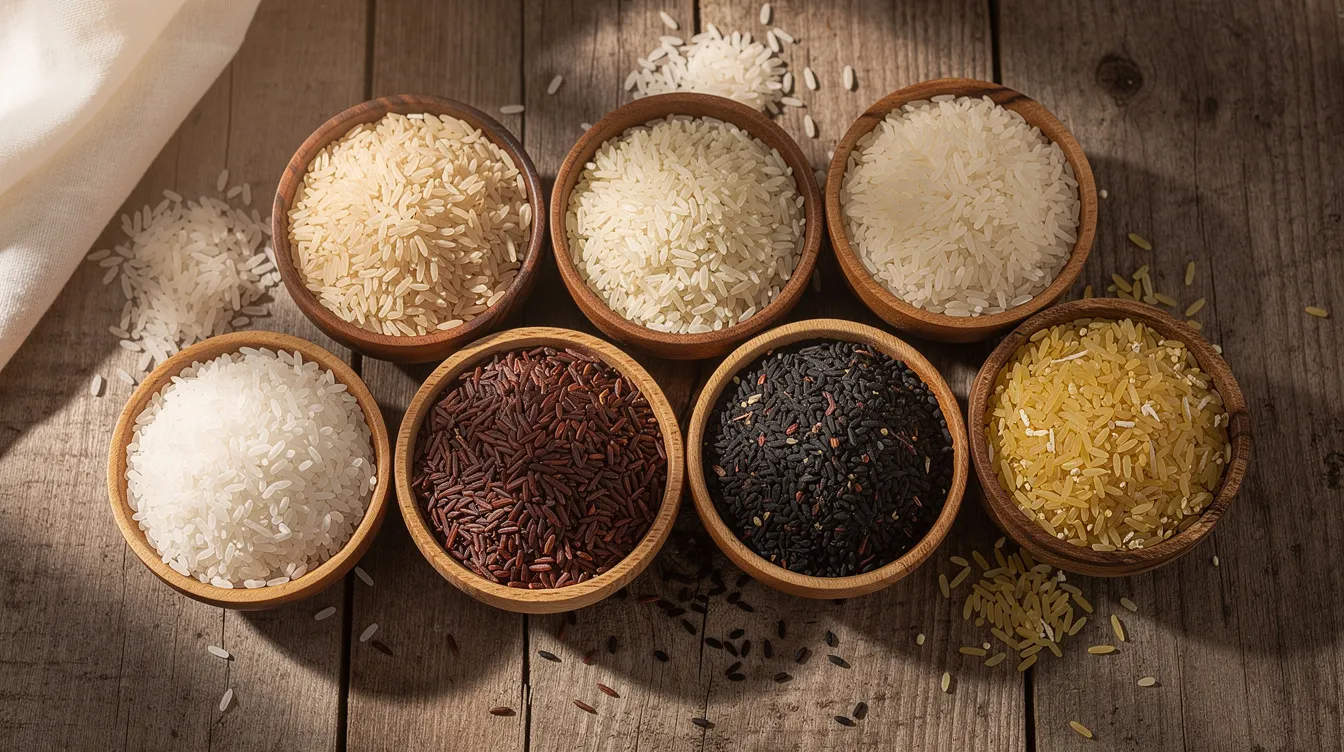
Not every variety of paddy yields good murmura. Specific types of paddy yield better puffing characteristics than others. Puffed rice manufacturing requires paddy variety selection for optimal puffing-medium or long-grain varieties with higher amylose content generally expand better and produce a lighter texture. Parboiled rice can reduce broken grains and improve puffing behaviour in certain processes. Ageing the rice for a few months also helps reduce internal moisture gradients.
Moisture content in raw paddy must be maintained between 10% and 12% for effective puffing, though cleaned rice before conditioning typically sits around 12–14% wet basis. The finished puffed grain should reach roughly 3% moisture for crispness. Head rice percentage, broken grain ratio, chalkiness, colour, and grain uniformity all affect the final product’s appearance and market value.
| Quality Parameter | Indicative Target | Impact on Finished Product |
|---|---|---|
| Moisture (cleaned rice) | 12–14% wb | Too high → spoilage; too low → breakage |
| Head rice % | >90% (low broken) | Higher recovery, better appearance |
| Grain uniformity | Consistent length/width | Even puffing, less waste |
| Amylose content | High | Better expansion, crisp texture |
| Chalkiness / discolouration | Minimal | Clean appearance, higher sale price |
| Parboiled vs raw | Depends on process | Affects yield and processing behaviour |
Promoters should shortlist 2–3 locally available varieties and run plant-scale trials through their actual puffed rice manufacturing process to check expansion ratio, breakage, and taste before finalising procurement specifications.
Paddy Requirement for Puffed Rice Plant: Basic Calculations
Calculating the paddy requirement for a puffed rice plant requires clarity on a few key inputs:
- Installed capacity (e.g., tonnes per day)
- Operating days per year
- Capacity utilisation percentage (typically ramped up over the first 2–3 years)
- Expected recovery ratio (puffed rice output ÷ clean rice input)
Core formula:
Annual Raw Material Requirement = Annual Finished Product Output ÷ Expected Recovery Ratio
Illustrative example: A plant with 2 TPD installed capacity (puffed rice production can reach 2 tonnes per day in small-scale operations), operating 300 days/year at 70% capacity utilisation, produces 420 tonnes of finished murmura annually. With an assumed 65% recovery from clean rice, the rice requirement = 420 ÷ 0.65 ≈ 646 tonnes per year. If starting from paddy, adjust further for husk and bran removal.
These figures must tie into the production schedule in the project report. For guidance on setting realistic capacity assumptions, refer to puffed rice plant capacity planning.
Material Balance and Recovery in Puffed Rice Manufacturing
Material balance tracks every kilogram of input through to output, waste, and loss. In a puffed rice manufacturing material balance, the key components are:
- Clean rice input
- Net puffed rice output
- Broken grains (during puffing, cooling, grading)
- Husk and bran (if processing starts from paddy)
- Moisture loss (evaporation during heating)
- Dust, fines, and rejects
Recovery formula: Recovery % = (Net Puffed Rice Output ÷ Clean Rice Input) × 100
The main machinery includes a husker, dryer, and packaging unit-each stage introduces its own loss potential. Even a small change in recovery dramatically shifts raw material consumption in a puffed rice plant.
| Recovery % | Rice Required per Tonne of Puffed Rice | RM Cost per Kg (at ₹30/kg landed) |
|---|---|---|
| 60% | 1,667 kg | ₹50.00 |
| 65% | 1,538 kg | ₹46.15 |
| 70% | 1,429 kg | ₹42.86 |
Banks scrutinise recovery assumptions in a murmura manufacturing project report. Over-optimistic figures (say 80–85% without technical backing) make DSCR and break-even appear artificially strong. Always support recovery claims with trial data or credible puffed rice plant machinery specifications.
Raw Material Procurement Strategy & Supply Chain for Puffed Rice Plant
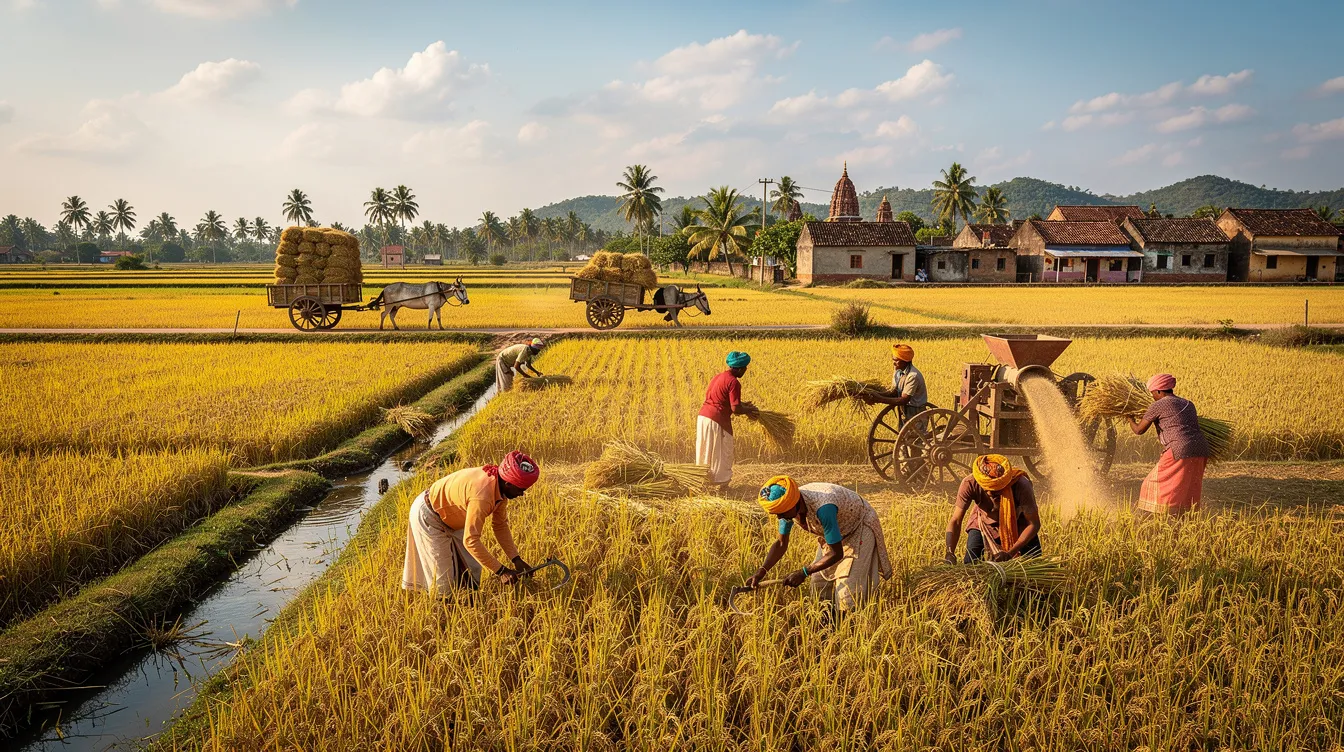
Supplier reliability and logistics affect the cost and availability of paddy rice. Choosing a location with access to raw materials and labour is a foundational decision for any murmura plant. Procurement channels include local APMC mandis, direct purchase from farmers or FPOs, tie-ups with rice mills, and wholesale traders across major rice-growing states like West Bengal, Chhattisgarh, Odisha, and Telangana.
Each channel has trade-offs:
- APMC mandis: Convenient, standardised trading-but variable quality, mandi fees, and commission charges.
- Direct from farmers/FPOs: Potentially better price and quality control-but logistics, payment terms, and supply variability.
- Rice mills: Consistent supply, possible access to white rice or broken rice at competitive rates-but mills may prioritise other buyers.
- Aggregators/traders: Flexible volume-but possible quality risk and price premium.
Larger puffed rice units (10+ TPD) should maintain a diversified supply chain with multiple approved suppliers. Practical tools include forward contracts, seasonal rate agreements, and joint quality inspection at dispatch. The project report should summarise proposed procurement sources, lead times, and supplier locations.
Seasonal Paddy Procurement Planning & Inventory Strategy
Puffed rice production is influenced by seasonal harvest cycles and paddy availability. In most of India, paddy prices are lowest during kharif harvest months (October–January) and rise during lean months. National average paddy price currently sits around ₹25.10/kg, but this fluctuates across the year.
The trade-off is clear: buying in bulk during harvest locks in lower rates but increases warehouse costs, interest on tied-up funds, and risk of storage losses. Small plants may keep 2–4 months’ stock during peak season and 1–2 months in lean periods.
| Procurement Period | Price Trend | Suggested % of Annual Buy | Inventory Holding Days |
|---|---|---|---|
| Harvest (Oct–Dec) | Low / falling | 30–50% | 60–90 |
| Post-harvest (Jan–Mar) | Stable | 20–30% | 30–45 |
| Off-season (Apr–Sep) | Rising / volatile | 20–40% | 30–60 |
Seasonal procurement and raw material inventory management for a puffed rice plant must align with bank working capital assessment and cash-credit limits approved in the DPR.
Raw Material Pricing, Landed Cost & Cost Estimation
Promoters commonly make the mistake of quoting only the mandi price when estimating raw material cost for murmura manufacturing. The actual landed cost includes several embedded charges:
Landed Raw Material Cost = Purchase Price + Transport + Handling + Mandi/Commission + Insurance + Storage/Loss Adjustments
| Cost Component | Indicative Amount (₹/kg) |
|---|---|
| Basic paddy purchase price | 25.10 |
| Transport + cartage | 1.50 |
| Commission + mandi fees + weighing | 0.80 |
| Cleaning & grading loss (~2%) | 0.50 |
| Moisture/storage loss (~1%) | 0.30 |
| Total Landed Cost | ≈ 28.20 |
These are hypothetical figures for illustration. Actual values depend on location, distance, season, and supplier terms.
This landed cost per kg must feed into the unit cost sheet, projected P&L, and the bank loan project report for the puffed rice plant.
Raw Material Storage Requirements and Plant Layout Considerations
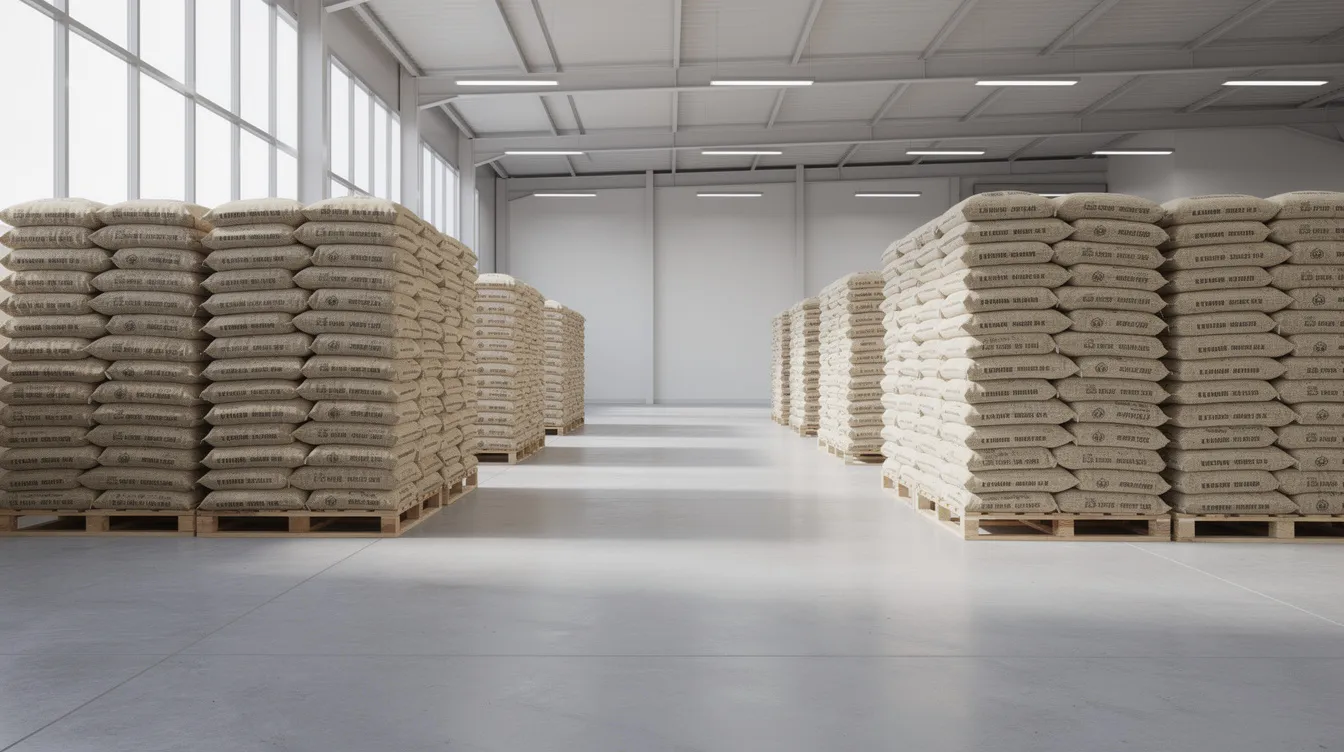
Paddy should be stored in clean, dry, and pest-free conditions to prevent quality degradation. Key storage practices include pucca godown floors, raised pallets, proper ventilation, and regular fumigation. FIFO inventory rotation is crucial to ensure freshness and prevent grain aging issues.
Separate zones should be maintained for raw paddy, cleaned rice, auxiliary ingredients (oil, spices), and packaging materials. Warehouse sizing is driven by average inventory days and bulk density-a plant holding 60 days’ paddy stock at 5 TPD consumption needs space for 300 tonnes.
Good layout planning reduces internal movement losses, spillage, and handling costs, improving effective recovery. For detailed guidance, refer to puffed rice plant layout requirements.
Inventory Planning, Working Capital & Raw Material Cost per Kg
Effective inventory control is critical to prevent stockouts and manage supply chain risks. Raw material inventory directly determines a significant portion of the puffed rice plant working capital requirement.
Formula: Raw Material Inventory (tonnes) = Average Daily Consumption × Inventory Holding Days
If daily paddy requirement is 5 tonnes and the plant keeps 45 days’ stock, required inventory = 225 tonnes. At a landed cost of ₹28/kg, this inventory value is ₹63 lakh-a substantial portion of current assets.
Raw Material Cost per Kg of finished product:
RM Cost per Kg = (Quantity Consumed × Landed Cost) ÷ Finished Output
With 65% recovery and ₹30/kg landed cost: 1.538 × 30 = ₹46.15 per kg of finished murmura. This figure directly drives gross margin and break-even in your financial projections, and must be consistent across the cost sheet, P&L, balance sheet closing stock, and CMA data.
Quality Control at Procurement Stage & Vendor Selection
Implementing a robust quality control system improves consistency in raw materials. Quality grading of rice upon arrival is necessary for consistency in puffing quality. Incoming rice should be free of impurities to maintain puffing efficiency.
Key incoming QC checks:
- Moisture percentage (must meet agreed spec)
- Foreign matter (stones, dust, weed seeds)
- Broken grain percentage and damaged or discoloured grains
- Live or dead infestation
- Smell (free of mustiness)
- Visual uniformity of grain size and variety consistency
These parameters should be defined in written purchase specifications with rejection or discount clauses. Promoters must also obtain a food license from FSSAI to start manufacturing, and documented quality records support food safety compliance.
Vendor evaluation criteria: quality track record, ability to supply required volume, proximity (transport cost), delivery reliability, credit terms, and price competitiveness. Maintain at least 2–3 approved vendors for paddy to reduce single-supplier risk and maintain negotiating power.
Raw Material Losses, Wastage & Their Impact on Cost
Losses occur at multiple stages across the manufacturing process:
- Cleaning and grading (stones, debris, broken grains removed)
- Drying and conditioning (moisture loss)
- Husk and bran removal (if starting from paddy)
- Puffing stage (breakage, burnt grains, fines)
- Handling and transfer (spillage)
- Storage (rodent, insect, or fungal damage)-post-harvest losses at farm level average about 4.17%
Each loss type should be estimated as a percentage and built into the material balance and cost sheet. Underestimating losses leads to understated raw material consumption and overstated profit in financial projections. Trial runs should record actual input, output, and waste lot-wise.
Impact of Raw Material Prices on Profitability & Project Viability
Since raw material cost dominates the cost structure, even modest price changes compress margins quickly. A ₹1/kg increase in paddy price, multiplied by ~1.5 kg of rice input per kg of finished product, adds roughly ₹1.50 to unit cost. Across 400 tonnes of annual output, that is ₹6 lakh of eroded profit.
| Scenario | Rice Price (₹/kg) | RM Cost per Kg Finished | Margin Impact vs Base |
|---|---|---|---|
| Base | 30.00 | 46.15 | – |
| +5% | 31.50 | 48.46 | −₹2.31/kg |
| +10% | 33.00 | 50.77 | −₹4.62/kg |
| +15% | 34.50 | 53.08 | −₹6.92/kg |
In bank appraisal, sensitivity analysis on raw material cost and sale price is standard practice. Promoters should pre-empt this in their puffed rice plant DPR. Partial hedging through seasonal bulk procurement, supplier diversification, and a product mix that includes higher-margin value-added snacks (mixed spice murmura, rice cakes, fried variants) can help manage risk and protect market share.
Raw Material Planning for Different Plant Scales (Micro, Small & Large Units)
The raw material requirement for a murmura manufacturing plant and procurement approach change significantly with scale:
- Micro/Small MSME (0.5–2 TPD): Typically rely on local mandis, buy in smaller lots, and have limited storage. A small-scale puffed rice unit requires a minimum investment of around ₹10 lakhs. Per-unit procurement cost tends to be higher due to lower bargaining power.
- Medium (3–10 TPD): Semi-structured contracts, seasonal stocking in a dedicated godown, moderate bank working capital limits, and some ability to negotiate rates.
- Large (10+ TPD): Require strategic sourcing across states, multiple warehouses, integrated inventory systems, and sophisticated working capital planning. These plants can demand higher uniformity and better quality from suppliers.
Procurement strategy and inventory days must be consistent with the scale of operations in the project report and production capacity assumptions.
Common Mistakes in Raw Material Planning for Puffed Rice Projects
- Assuming 80–85% recovery without pilot data or credible technical backing.
- Ignoring seasonal paddy price variation and assuming a flat rate for the entire projection period.
- Quoting only the base mandi price without adding transport, handling, commission, and loss adjustments.
- Underestimating storage losses, moisture variation, and quality rejection rates.
- No written quality specification or rejection parameters in procurement contracts.
- Dependence on a single supplier, risking supply disruption.
- Planning for more raw material inventory than the available warehouse can safely hold.
- Inconsistencies between raw material figures in the cost sheet, projected P&L, balance sheet inventory, and CMA data submitted for working capital finance.
Raw Material Assumptions in a Puffed Rice Plant DPR & Bank Project Report
A bankable puffed rice plant DPR must include these raw material-related schedules:
- Product capacity (TPD), capacity utilisation ramp-up over years
- Raw material consumption norms: kg paddy or rice per kg puffed rice, recovery %, wastage %
- Annual raw material requirement (tonnes) with growth projections
- Purchase price assumption and landed cost with itemised break-up
- Inventory norms: raw material days, safety stock, finished goods days
- Supplier base: number, locations, lead times, quality specs
- Warehouse capacity (linked to land and building requirements)
These assumptions must flow into financial statements-closing stock valuation, cost of goods sold, working capital gap, and projected cash-credit utilisation. Bankers typically look for supporting evidence: mandi rate trends, supplier quotations, and technical notes on recovery. Metal detection and food safety systems may also be expected for FSSAI compliance.
Cross-reference technology choices with the planned recovery-the puffed rice plant machinery must support the material balance assumptions in the DPR.
FAQ – Raw Material Planning for Puffed Rice & Murmura Manufacturing
Below are answers to common practical questions from new entrants and lenders regarding murmura raw material planning.
What is the main raw material for puffed rice manufacturing, and can I use any variety of rice?
The primary raw material is paddy or milled rice-usually specific medium or long-grain varieties with higher amylose content. Not every type of regular rice or ground rice will deliver acceptable expansion, colour, or texture. Promoters should test 2–3 locally available varieties through actual production trials before finalising procurement norms. Steam injection or high temperature short time methods may also alter which varieties perform best.
How much paddy is generally required to produce one tonne of puffed rice?
Most plants observe a requirement of roughly 1.4–1.7 tonnes of clean rice per tonne of finished puffed rice, depending on the process (sand-roasting, gun puffing, or extrusion), paddy quality, and equipment efficiency. The finished product-once cooled and prepared for packaging-weighs less than the input mainly due to moisture loss. Derive your own conversion factor from trial runs and use it consistently in financial projections.
How does paddy price fluctuation affect puffed rice plant profitability and DSCR?
Paddy or rice is the largest single cost component. A 5–10% increase in paddy price can quickly erode gross margin per kg and reduce DSCR, especially where the manufacturer sells in a competitive country market and cannot raise selling prices immediately. Promoters should run sensitivity scenarios (+5%, +10%) in their DPR and discuss pricing strategy and working capital buffers with their bankers.
What raw material details should I include in my puffed rice plant DPR for bank appraisal?
Include proposed rice or paddy varieties, annual requirement, assumed landed rate with break-up (basic price, transport, charges), expected recovery and wastage percentages, planned inventory days, supplier base with locations, and warehouse capacity. These should be backed by market data or quotations and must align with projected production, cost of goods sold, and working capital calculations. The puffed rice market is expected to grow significantly, and banks respond well to data-backed assumptions rather than generic industry claims.
Is seasonal bulk procurement advisable for a small murmura unit?
Buying paddy in bulk during harvest can reduce purchase cost by 5–15% compared to off-season rates. However, this increases warehouse requirement, interest on working capital, insurance cost, and risk of iron contamination or pest damage during long storage. For micro and small units, a balanced approach-buying 30–50% of annual needs during harvest and the rest through the year-often works best. The cereals and dough segments of the snack foods industry similarly follow seasonal procurement logic. Align your strategy with available warehouse space and sanctioned cash-credit limits.
Conclusion
Raw material planning for puffed rice is not a secondary exercise-it is the commercial foundation of any murmura manufacturing project. From paddy variety selection and procurement pricing to recovery assumptions, inventory levels, and landed cost calculations, every input assumption directly shapes your cost of production, gross margin, working capital cycle, and the overall bankability of the project.
Promoters should build their murmura raw material planning on verified data: actual mandi rates, supplier quotations, trial-run recovery figures, and realistic inventory norms. Treat these as formal, auditable components of your puffed rice plant DPR-not rough estimates on the back of an envelope-especially when approaching banks for term loan and working capital finance.
CA Manish Gugliya Chartered Accountant | Project Report, DPR, CMA Data & Project Finance Consultant