Machinery selection is one of the first financial commitments an entrepreneur makes when setting up a puffed rice or murmura manufacturing unit. That choice directly controls project cost, production capacity in kg/hr, labour headcount, fuel and power consumption, product consistency, packaging efficiency and, ultimately, the profitability, DSCR and bankability of the entire venture. The lowest machinery quotation is not always the most economical option over a 10-year project life; a cheaper machine that wastes fuel, breaks rice grains or needs constant repair can destroy margins that looked attractive on paper. This guide, written from a project-finance and DPR preparation perspective, covers the complete machinery line, indicative costs, capacity planning and the financial analysis framework you need before placing a single purchase order.
Key Takeaways
This guide focuses on practical selection and costing of puffed rice plant machinery in India. It does not promote any specific brand or vendor. Every cost figure quoted here is an indicative estimate for planning purposes and must be validated with current supplier quotations before finalising a project report or bank loan proposal.
- Plant machinery choice directly decides project cost, capacity in kg/hr, labour requirement, fuel and power consumption, and the resulting profitability, DSCR and bankability of the project. Machinery selection and arrangement should prioritize throughput and efficiency for the desired production capacity.
- Puffed rice plant machinery cost is more than the basic murmura making machine price. It includes installation charges, electrical panels, GST (typically 18%), freight, civil foundations, utilities, packaging and supporting equipment. Ignoring these add-ons can understate project cost by 25-40%.
- The article provides an indicative machinery list, typical capacity ranges (100 kg/hr, 200 kg/hr, 500 kg/hr), illustrative cost bands and DPR-focused examples. Every number should be cross-checked with at least 2-3 real vendor quotations.
- Machinery capacity planning, working capital assessment, break-even analysis and term-loan assessment are interconnected. A mismatch between puffing capacity and packaging capacity, or between installed capacity and actual market demand, creates bottlenecks and financial stress.
- ProjectReportBank.com can assist in preparing a bankable DPR that ties machinery cost to realistic production volumes, cost of production, profitability and loan repayment projections.
Puffed Rice & Murmura Plant Machinery – Overview
Commercial puffed rice or murmura production is a continuous food-processing operation, not a single muri making machine sitting in a shed. Puffed rice production involves expanding rice grains to several times their original size through controlled heat application, and a systematic workflow is vital for setting up a manufacturing plant that delivers consistent quality at scale. Puffed rice production can range from small-scale manual methods to large industrial setups; specialized equipment is required at every stage.
The processing line for puffed rice includes cleaning, conditioning, puffing, and packaging stages. In simple terms, raw rice or paddy arrives at the plant, passes through cleaning and grading, undergoes moisture conditioning, enters the puffing or roasting zone, exits for cooling and grading, and then moves to storage and packaging. For a detailed step-by-step breakdown, refer to the puffed rice manufacturing process and process flow chart.
A modern murmura plant machinery line typically includes raw material handling equipment, cleaning and destoning units, soaking or conditioning vessels, a rice puffing machine or puffed rice roasting machine, cooling systems, sieving and grading equipment, conveying systems, storage bins and packaging machinery, plus supporting utilities. Muri making machines are also known as murmura making machines across different regions of India.
Plant configuration varies depending on whether the entrepreneur uses paddy, raw rice or parboiled rice, and whether the target product is plain bulk muri or branded flavoured retail packs with nitrogen flushing. A standalone industrial puffed rice machine (for example, a 100 kg/hr sand roaster) serves a very different business model than a fully integrated automatic puffed rice production line with conveyors, PLC controls and automatic form-fill-seal packaging. Typical Indian capacity ranges start from 100 kg/hr and scale up through 200 kg/hr, 500 kg/hr and 1,000 kg/hr, each with different floor area, utility sizing and total puffed rice plant equipment cost.
Complete Puffed Rice Plant Machinery List
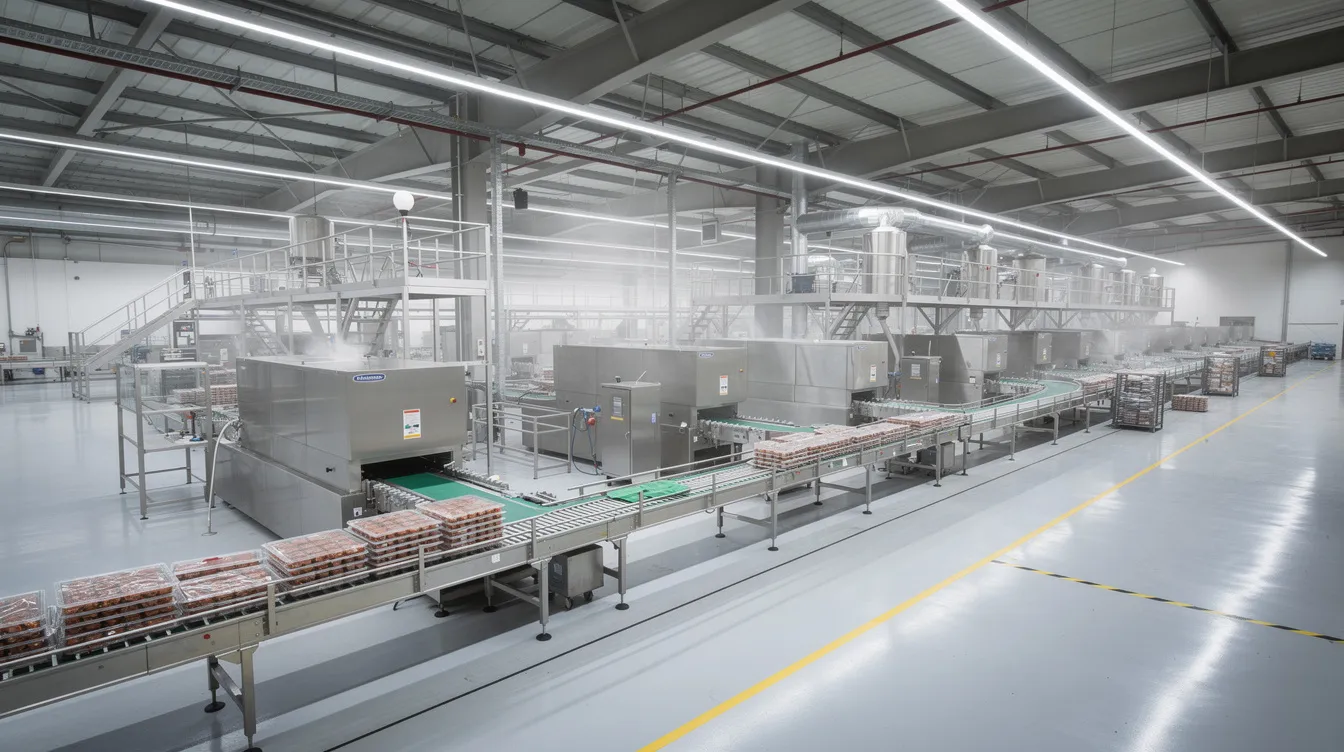
This section serves as a practical checklist of puffed rice plant machinery and murmura manufacturing equipment. Not every project will require every item listed below. A micro unit selling loose muri locally will skip several items that a branded FMCG operation would consider essential. Use this list as a starting point when requesting quotations, preparing a DPR or reviewing a vendor’s scope of supply.
Raw Material Receiving Equipment
Receiving hoppers (mild steel or stainless steel, with grating to block foreign material) handle 50 kg to 75 kg bag unloading. For continuous feeding, belt conveyors, screw conveyors or bucket elevators suited to 1-3 tonne/hr material transfer are standard in small and medium MSME units.
Storage bins sized for 7-15 days of raw rice inventory (typically 5-20 tonne capacity) provide price and supply stability, reducing the risk of production stoppages from short-term procurement gaps. Platform weighing scales (500 kg or 1,000 kg capacity) and electronic weighing machines allow accurate receipt and issue of rice, which is necessary for controlling losses and building quantitative DPR assumptions around raw material consumption.
Cleaning and Grading Equipment
Cleaning and grading units remove impurities from raw rice before processing. Properly cleaned rice leads to better puffing, less machine choking and higher yield. Banks and lenders view cleaning as essential murmura processing plant machinery, not an optional add-on.
Key equipment includes:
- Pre-cleaner and vibratory cleaner for removing dust, husk, small stones and light impurities, sized to match plant throughput (e.g. 500-1,500 kg/hr)
- Destoner, a critical safety and quality machine that separates stones and heavy foreign matter, protecting the rice puffing machine and rice roasting machine from physical damage
- Sieves and graders for size separation
- Magnetic separator where metallic contamination risk exists, especially when sourcing paddy from multiple origins
Soaking or Conditioning Equipment
Many puffed rice processes require moisture adjustment before puffing. Rice conditioning involves soaking it in saline solutions to improve taste and moisture distribution. Moisture control is crucial for optimal puffing performance; inconsistent moisture can lead to poor expansion or burnt grains during puffing.
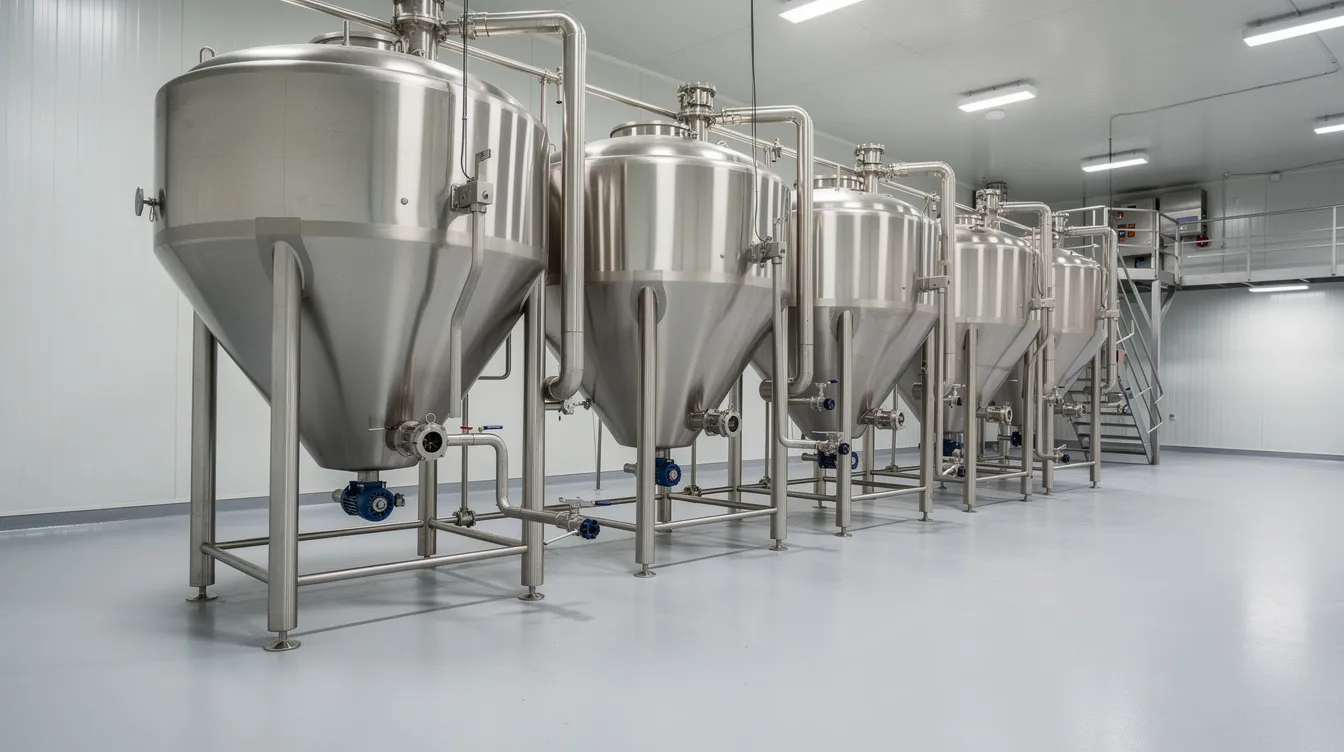
Small units may use simple mild steel or SS tanks with drainage. Larger automatic puffed rice plants may adopt continuous soaking and dewatering conveyors. A NABARD model project for a 1,000 kg/hr plant included four soaking vessels costing approximately ₹1.50 lakh each, totalling around ₹6 lakh. Correct moisture ensures uniform puffing, reduces breakage and improves output per kg of input rice.
Roasting and Heating Equipment
Puffed rice production often uses traditional sand roasting or modern extrusion techniques. Traditional sand-based puffed rice roasting machine setups include a furnace, rotary roaster and sand handling system, with typical capacity bands of 100-300 kg/hr and 300-600 kg/hr.
Modern hot-air or gas-fired murmura roasting machine systems and continuous puffed rice roasters provide better temperature control, lower sand contamination and improved thermal efficiency. Thermal efficiency in puffing equipment is critical to achieve good product quality. Local availability of fuel sources affects heating system choice; coal, wood, rice husk, LPG, PNG and diesel burners each carry different upfront equipment costs, running costs per kg and environmental compliance requirements for the DPR.
Temperature control arrangements (digital indicators, thermocouples, control panels) directly impact product colour, expansion ratio and consistency.
Rice Puffing Machine
The core puffing unit is essential for achieving rapid expansion of rice kernels. This is the heart of any puffed rice plant. Puffed rice machines have output capacities of 200 kg/hr to 1 ton/hr, and the puffing machine operates typically at temperatures between 230-275°C. Machines are available in 2hp and 3hp power specifications for smaller capacities, scaling up for larger industrial rice machines.
Key technical aspects in simple terms:
- Residence time (how long rice stays in the heating zone)
- Uniform feeding (consistent input rate prevents hot spots)
- Drum rotation speed and temperature profile
- Expansion ratio, texture and breakage ratio
Batch-type machines suit small commercial units producing 100-200 kg/hr, while continuous puffed rice machines are preferred in larger industrial plants designed for large-scale production aiming for 1 tonne/hr and above. Puffed rice machines are designed for easy cleaning and durability, and they ensure compliance with food safety standards. When evaluating any machine type, prioritise fuel efficiency, energy consumption (kW), ease of operation and availability of spares.
A 2024 performance study on a novel LPG-heated rice puffing machine using IR-64 rice reported 89.30% puffing efficiency, an expansion ratio of 346 at 210°C and 35 rpm cylinder speed, with a cost of production of ₹41.50 per kg.
Cooling Equipment
Puffed rice readily absorbs moisture, which affects its crispness. Immediate cooling after puffing using cooling conveyors, perforated trays or blowers stabilises texture and prevents moisture absorption.
Simple options include manual spreading on trays, while semi-automatic belt or conveyor cooling systems can be integrated with the puffed rice production line. Proper cooling improves shelf life and reduces stickiness when product later passes through packing machines.
Sieving and Grading Equipment
Vibratory sieving and grading equipment separates fully puffed rice from under-puffed kernels, fines and foreign particles. A murmura grading machine helps achieve uniform size and bulk density, which matters for both bulk buyers and automatic packaging line performance. Under-puffed material and broken grain can be accounted for in the DPR as by-product or reprocessing material, reducing apparent production loss. Quality control measures are essential to monitor moisture, temperature, and expansion ratios in production.
Conveying System
Bucket elevators, screw conveyors and belt conveyors move rice between cleaning, puffing, cooling, grading and packing stages with minimal manual handling. A clean and organized plant layout minimizes contamination and improves operational efficiency.
Higher automation with integrated conveying increases initial puffed rice plant machinery cost but usually improves long-term operating efficiency through reduced spillage, lower labour per kg and less contamination risk.
Storage Bins and Hoppers
Intermediate hoppers after puffing, grading and before packaging balance flow between machines and avoid bottlenecks. Finished-goods storage silos or bins serve bulk buyers, while bins designed for feeding multiple packaging machines support branded FMCG operations.
Food-contact surfaces should preferably be SS-304 where product is stored for longer durations, especially for export-oriented or premium brands.
Packaging Machinery
A well-designed packaging system is integral to maintaining shelf life for puffed rice products. Puffed rice should be packaged in moisture-resistant materials to preserve quality.
Packaging options range across several categories:
- Manual weighing and sealing for small village-level units
- Semi-automatic weigh fillers
- Fully automatic form-fill-seal (FFS) machines
- Multi-head weighing machines for branded retail packs
Bulk packing (10 kg, 25 kg, 50 kg bags) requires different equipment than retail packs (20 g, 50 g, 100 g, 500 g). Value-added options like nitrogen flushing, date/batch coding, label application and automatic sealing carry incremental cost but offer strong marketing benefits, especially for snacks type products targeting organised retail.
Under-sizing packaging capacity is a common mistake. The packing line must be sized to match at least the puffing machine capacity in kg/hr to avoid stock pile-up.
Material Handling Equipment
Basic auxiliary equipment includes hand trolleys, pallet trucks, plastic crates, storage bins, weighing scales (1 kg to 100 kg range) and bag stitching machines. These are relatively low-cost items but essential for smooth loading, unloading and in-plant movement. They must be included in DPR machinery cost heads by weight and category.
Utility and Supporting Equipment
Key utilities include:
- Air compressor for pneumatic controls and cleaning
- Electrical control panels and LT distribution boards
- DG set for power backup where grid supply is unreliable
- Water storage and supply system (where soaking, boiler or cleaning requirements exist), along with basic filtration and sanitation for food-grade operations
- Fire-fighting equipment and dust extraction systems
- Basic lab and testing equipment (moisture meter, weighing balance, sieve set)
- Pollution-control arrangements for coal or wood-fired systems
Adequate ventilation and exhaust systems are necessary to manage heat and steam generated during puffing. From a bank loan and DPR perspective, these items are part of total puffed rice plant equipment and must be capitalised, not dismissed as minor incidental expenses.
Puffed Rice Plant Machinery Cost in India
The following table provides broad, illustrative price ranges for major puffed rice plant machinery in India as of 2024-25. Real quotations depend on capacity, material of construction, automation grade, brand, location and fuel system. All values are indicative estimates for DPR planning, not supplier commitments. Always cross-check with at least 2-3 vendors before freezing a bank finance proposal.
| Machinery / Equipment | Function | Typical Capacity Range | Indicative Cost Range (₹) | Key Cost Factors |
|---|---|---|---|---|
| Pre-cleaner & vibratory cleaner | Dust, husk, impurity removal | 500-1,500 kg/hr | ₹1.00-2.50 lakh | Capacity, SS vs MS contact parts |
| Destoner | Stone & heavy impurity separation | 500-1,500 kg/hr | ₹0.80-2.00 lakh | Capacity, build quality |
| Soaking vessels | Moisture conditioning | 500-1,000 kg/batch | ₹1.50-6.00 lakh (set) | Number of vessels, SS vs MS |
| Puffed rice roasting machine | Sand/hot-air roasting | 100-600 kg/hr | ₹0.50-3.00 lakh | Fuel type, automation, material |
| Core rice puffing machine | Puffing/expansion | 100-1,000 kg/hr | ₹1.05-8.00 lakh | Capacity, automation level |
| Cooling conveyor/system | Product cooling & stabilisation | 200-1,000 kg/hr | ₹0.50-2.00 lakh | Length, integration with line |
| Sieving & grading machine | Size separation, fines removal | 200-800 kg/hr | ₹0.40-2.00 lakh | Screen size, capacity |
| Conveyors (bucket/screw/belt) | Material transfer between stages | 1-3 tonne/hr | ₹1.00-3.00 lakh (set) | Length, number, material |
| Storage bins & hoppers | Intermediate/finished goods | 1-10 tonne | ₹0.50-2.00 lakh | SS vs MS, capacity |
| Packaging machine (semi-auto) | Weigh-fill & seal | 500-1,500 packs/hr | ₹1.50-3.50 lakh | Pack size, speed |
| Packaging machine (auto FFS) | Form-fill-seal | 2,000-4,000 packs/hr | ₹3.50-10.00 lakh | Multi-head, nitrogen flush |
| Air compressor | Pneumatic controls | 2-5 HP | ₹0.30-1.00 lakh | Brand, capacity |
| Electrical control panel & MCC | Power distribution & control | Plant-specific | ₹1.00-3.00 lakh | Automation, PLC |
| Miscellaneous utilities | Fire safety, lab, DG, water | Plant-specific | ₹1.00-4.00 lakh | Scope, location |
Specific published data points: puffed rice making machines cost around ₹1,10,000 per unit for mid-range capacities. Puffed rice plants are priced at ₹1,05,000 per unit for basic configurations. SS puffed rice machines, made from high-quality stainless steel, are available for ₹1,80,000 each. Output capacity range spans from 200 kg/hr to 1 ton kg/hr across these machine types.
Prices escalate non-linearly with capacity and level of automation. A machine rated at 500 kg/hr does not cost five times a 100 kg/hr unit.
Murmura Making Machine Price in India
When people search “murmura making machine price in India,” they typically see single-machine quotes ranging from ₹40,000 to ₹1,50,000. Murmura making machines can cost between ₹40,000 to ₹55,000 for basic semi-automatic units. Muri making machines are priced at ₹65,000 per piece for 200-300 kg/hr range models. But a viable commercial unit needs an entire line of machines, not just the core puffing unit.
Understand the difference between these terms:
- Basic puffing machine price: Ex-works cost of only the rice making machine, excluding motors, control panels, conveyors and accessories
- Complete machinery line cost: All process machines from cleaning to packaging, but without installation, electricals or freight
- Installed plant and machinery cost: Everything above plus GST, freight, foundation, erection, electrical cabling, trial runs and initial spares
A basic 100 kg/hr murmura making machine may start from a few tens of thousands of rupees, while industrial continuous puffing systems can run into multiple lakhs. Do not plan project reports or bank proposals based only on the lowest catalog murmura machine price. View complete details of what is included and excluded in every quotation, and always budget for the full installed and working-capital cost.
Automatic vs Semi-Automatic Puffed Rice Plant
Choosing between an automatic puffed rice plant and a semi automatic murmura plant is a strategic decision affecting investment, labour and long-term competitiveness. Automation in puffing systems can reduce labor costs and improve consistency, but it also raises fixed capital requirements.
| Parameter | Semi-Automatic Plant | Automatic Plant |
|---|---|---|
| Initial machinery investment | Lower (₹5-25 lakh indicative) | Higher (₹25-100+ lakh indicative) |
| Typical capacity | 100-300 kg/hr | 500-1,500 kg/hr |
| Labour per shift | 6-12 workers | 3-6 workers |
| Product consistency | Operator-dependent | Higher, PLC-controlled |
| Fuel efficiency | Moderate | Better with controlled systems |
| Material handling | Partially manual | Integrated conveyors |
| Packaging integration | Separate, often manual | Inline FFS/multi-head |
| Maintenance complexity | Lower, simpler parts | Higher, needs trained staff |
| Scalability | Limited without re-engineering | Easier to add modules |
| Suitability for bank finance | Good for small MSME loans | Stronger for larger term loans |
A semi-automatic plant (100-300 kg/hr) is usually more appropriate for first-time entrepreneurs with limited capital, local loose-market sales, higher operational flexibility and easier manual packing.
An automatic puffed rice production line (500 kg/hr and above with integrated conveyors and packing) may be justified for large volume institutional supply, FMCG brand operations, export-oriented units, 2-3 shift operations and locations with labour scarcity.
From a DPR perspective, higher automation increases depreciation and interest cost but can reduce per-kg operating cost through lower wastage and higher throughput. This trade-off must be evaluated in profitability projections rather than decided by gut feel.
Machinery Cost by Plant Capacity
Machinery cost changes with production capacity across three broad brackets:
Small commercial unit (100-200 kg/hr finished output): Mostly semi-automatic. Typically 6-10 workers per shift. Indicative machinery investment: ₹5-20 lakh installed. Suited for local and regional muri markets.
Medium-capacity plant (300-500 kg/hr): Partially automatic with integrated conveying and semi-automatic packaging. 8-15 workers per shift. Indicative machinery investment: ₹20-50 lakh installed. Suited for institutional supply, branded products and multi-district distribution.
Large industrial plant (800-1,500 kg/hr): Largely automatic with PLC controls, continuous roasting, inline packaging. 10-20 workers per shift. Indicative machinery investment: ₹50 lakh to over ₹1 crore installed. Suited for large-scale branded FMCG, modern trade and export.
All figures above are indicative and must be validated with vendor quotations for the specific automation grade, machine type and capacity.
“Capacity” in a DPR should mean saleable finished puffed rice in kg/hr, not just input paddy or rice throughput. Realistic capacity utilisation (50-60% in year one, 70-80% from year three) must be built into financial projections.
Numeric example: A 200 kg/hr plant working 8 hours/day, 300 days/year at 70% utilisation produces 200 × 8 × 300 × 0.70 = 336,000 kg/year, or 336 tonnes/year. If the raw-material-to-puffed-output yield is 65%, approximately 517 tonnes of raw rice per year would be required. These numbers help size storage, working capital and sales targets.
Factors Affecting Puffed Rice Machinery Cost
Two vendors may quote very different puffed rice machinery cost for apparently similar capacities. The following factors explain why.
Production Capacity
Capacity (100 kg/hr vs 500 kg/hr vs 1,000 kg/hr) directly influences machine size, steel consumption, motor rating and price. Cost per kg/hr of capacity often decreases as total capacity increases; a 500 kg/hr machine does not cost five times a 100 kg/hr unit.
Automation Level
Adding automatic feeding, continuous conveyors, PLC control panels and automatic packaging versus manual operations increases capital cost but reduces labour per kg. The trade-off must be quantified in the DPR.
Material of Construction
Food-contact parts are often fabricated in SS-304 or SS-316. SS puffed rice machines are made from high-quality stainless steel, which increases puffed rice machinery cost compared to mild steel but improves hygiene, durability and suitability for export and modern retail clients.
Heating and Fuel System
Coal/wood-fired furnaces have lower equipment cost but higher running cost per kg and tighter environmental norms. LPG and PNG-based puffing machines cost more upfront but offer lower fuel cost per kg and cleaner emissions. Rice-husk-based systems sit in between on both cost dimensions.
Electrical Load and Automation Controls
Higher connected load (kW), branded motors, VFDs and automated temperature controls increase initial cost but can improve efficiency and reduce energy wastage per kg of murmura.
Packaging System
Packaging can represent 20-40% of total plant and machinery cost when a project targets branded retail packs with automatic FFS and multi-head weighers. For bulk loose sales, packaging cost is much lower.
Brand and Manufacturer
Established machinery suppliers with multiple installations and better after-sales service tend to charge premium pricing compared to small fabricators. Evaluate value, not just price. Explore offerings from suppliers engaged in more categories of food processing equipment.
Customisation
Special requirements (stainless steel frames, extended conveyors, customised control panels, multi-product roasting capability) add to basic quoted machinery price.
Installation and Commissioning
On-site erection, alignment, trial production and operator training; please wait for clarity on whether technician travel, lodging and boarding are included or charged extra over ex-works price.
Transportation and Freight
Freight cost depends on distance from manufacturer to project site, total weight of machinery and whether transport insurance is taken. Machines made in India in West Bengal or Uttar Pradesh shipped to remote states carry higher freight.
GST and Taxes
GST at applicable rate (often 18% for machinery) must be added to basic price. Input tax credit treatment depends on the enterprise’s GST registration status.
Civil Foundation and Machine Platforms
Foundations, machine platforms, mezzanine floors and elevator pits are not included in machine invoices but add to overall puffed rice plant setup cost.
Electrical Cabling and Panels
LT cabling, MCC panels, earthing and sub-panels can cost 8-15% of main plant machinery value and must be provisioned as a separate “Electrical Installation” head in the DPR.
Spare Parts and Tooling
Include initial critical spares (belts, bearings, heaters, nozzles), lubricants and basic tools as part of project cost, especially for plants in remote areas.
Quality-Control Equipment
Basic lab instruments such as moisture meters, weighing balances and pH strips for seasoning solutions support consistent quality and acceptance by organised buyers. Machines ensure compliance with food safety standards, and quality-control equipment plays a direct role in that compliance.
Basic Machine Price vs Installed Machinery Cost
The ex-factory puffed rice machine price in India is only one component of the final installed plant cost. Here is an illustrative example showing how a hypothetical ₹20 lakh basic machinery package grows when project-related additions are factored in:
| Cost Component | % of Base | Illustrative Amount (₹ lakh) |
|---|---|---|
| Basic machinery (ex-works) | 100% | 20.00 |
| Freight and insurance | ~6-10% | 1.50 |
| GST @ 18% | 18% | 3.60 |
| Civil foundations & platforms | ~5-7% | 1.20 |
| Electrical installation | ~8-12% | 2.00 |
| Installation, erection & commissioning | ~4-6% | 1.00 |
| Accessories & initial spares | ~2-3% | 0.50 |
| Pre-operative testing & trial runs | ~1-2% | 0.30 |
| Total installed cost | ~₹30.10 lakh |
This illustrative example shows a ₹20 lakh base quotation translating into approximately ₹30 lakh installed. The actual escalation varies by project, but bankers and investors focus on installed machinery cost, not the basic invoice alone, when assessing project cost and term loan eligibility.
Machinery Cost to Include in a DPR
From a DPR preparation perspective, the Plant & Machinery schedule must be structured transparently. Here is how I typically organise it for a bankable puffed rice project report:
- Main Plant and Machinery: Puffed rice roasting machine, rice puffing machine, cleaning and destoning line, cooling system, sieving, grading and packaging line, each with individual values
- Supporting Machinery and Utilities: Conveyors, air compressor, boiler (if any), water system, DG set, dust-collection unit, lab equipment and fire-fighting appliances
- Electrical Installation: As a separate head, covering cabling, panels, earthing and sub-distribution, typically 8-15% of machinery value
- Material Handling Equipment: Trolleys, scales, crates, pallets
- Pollution-Control Equipment: Where coal or wood-fired systems are used
- Installation and Erection: 4-8% of machinery cost
- Freight and Insurance: Based on origin of machinery and project location
- Preliminary and Pre-operative Expenses: Including DPR preparation, registration, trial runs
- Contingency: Typically 5-10% of total plant and machinery cost
GST treatment: eligible ITC may be availed, but for project cost and term loan accounting, gross cost including GST is often considered initially, with ITC benefits shown separately in working-capital or cash-flow planning.
For imported machinery, the DPR should include CIF cost, customs duty, port handling, clearing, inland freight and forex variation margin. Most puffed rice machinery for MSMEs, however, is domestically available.
Machinery Capacity and Production Planning
Puffed rice plant machinery capacity must align with raw material availability, likely orders, storage facility, packaging capability and working capital. Otherwise, machines run under-utilised or create bottlenecks.
Illustrative production planning: A 200 kg/hr puffed rice making machine running 8 hours/day for 300 days/year at 70% utilisation yields approximately 336 tonnes/year of finished product. If your annual sales target is only 200 tonnes, a 200 kg/hr machine is oversized. If your target is 500 tonnes, you need either higher capacity or double-shift operation.
Bottlenecks arise when the puffing machine processes 500 kg/hr but the packing machine handles only 150 kg/hr. Balanced line design, where cleaning, puffing, cooling, grading and packaging capacities are roughly matched, is part of DPR-level engineering thinking. Factor in changeover time, preventive maintenance days, seasonal demand patterns and single vs double shift operation when planning realistic annual production.
Machinery Cost and Term Loan Assessment
Lenders review plant and machinery cost based on supplier quotations, proforma invoices, installed capacity justification and comparison with similar financed units in the industry.
Typical documentation expected:
- At least 2-3 quotations for major items (puffed rice production line, packaging machine)
- Tech-commercial comparison across vendors
- Vendor credentials and reference installations
To get best results from lender appraisal, the means-of-finance structure must clearly show promoter contribution versus term loan, bank margin norms and expected disbursement schedule linked to machinery advance, dispatch and commissioning milestones. If you are interested, request detailed quotations rather than relying on catalog prices alone.
As a project finance consultant, I assist entrepreneurs in preparing bankable DPRs and financial projections showing term-loan repayment capacity, DSCR and break-even based on realistic machinery cost. The goal is documentation that withstands lender scrutiny.
Machinery Cost and Working Capital
Fixed capital in plant and machinery is distinct from working capital in stocks, receivables and day-to-day expenses. Even if an automatic plant reduces labour cost, working capital needs remain for raw rice, sand or fuel, packing material and credit extended to distributors and wholesalers.
Brief example: storing 15 days of raw rice (say 25-30 tonnes at ₹30-35/kg), 10-15 days of finished murmura inventory and 30 days’ receivables can translate into ₹15-25 lakh of working-capital requirement for a medium plant. This amount often rivals or exceeds the promoter’s equity in machinery. Banks usually sanction separate working-capital limits (cash credit or OD) in addition to the term loan for machinery, and both must be planned in the DPR.
Machinery Cost and Cost of Production
Higher-capital-cost but efficient machines may reduce fuel, power, wastage and labour, thereby lowering overall cost per kg of puffed rice. Key cost heads in per-kg costing include raw material, fuel, electricity, direct labour, packing material, maintenance, spares and overhead recovery (depreciation and interest on plant and machinery).
Consider a simplified comparison:
| Cost Head (per kg) | Manual/Basic Plant | Semi-Automatic Plant | Automatic Plant |
|---|---|---|---|
| Fuel | ₹4-6 | ₹3-4.50 | ₹2.50-3.50 |
| Electricity | ₹0.30-0.50 | ₹0.50-0.80 | ₹0.80-1.20 |
| Labour | ₹3-5 | ₹1.50-3 | ₹0.80-1.50 |
| Depreciation | ₹0.30-0.50 | ₹0.80-1.50 | ₹1.50-2.50 |
These are illustrative and vary with local conditions, but they demonstrate that the cheapest machine does not always deliver the lowest cost per kg. Depreciation is a non-cash cost affecting accounting profit and tax; fuel and labour savings directly influence cash flows and DSCR.
Machinery Cost and Project Profitability
Machinery capacity and cost ultimately feed into the project’s gross margin, EBITDA, break-even quantity (kg/month), payback period, ROI, IRR and DSCR. All of these are examined closely by banks.
Evaluate multiple scenarios in the DPR: for example, a base case with a semi-automatic plant versus an alternative case with higher automation. Compare long-term profitability rather than just upfront puffed rice machine price in India. Overstating capacity or understating machinery cost leads to unrealistic profitability on paper, while conservative but realistic assumptions improve credibility with lenders.
Common Mistakes While Buying Puffed Rice Plant Machinery
Frequent errors observed across clients and project proposals:
- Ordering machinery before finalising capacity and market plan
- Choosing machines solely on lowest quotation without evaluating output quality, fuel consumption or actual operating capacity
- Assuming brochure production capacity equals real achievable output
- Under-sizing or omitting packaging machines and utility equipment, later causing production bottlenecks and unexpected extra investment
- Neglecting after-sales service, spare-part availability and power-load assessment
- Omitting freight, installation, GST and civil foundation costs while budgeting puffed rice plant project cost
- Relying on only one vendor quotation or copying another unit’s machine list without site-specific engineering and DPR preparation
- No provision for future expansion; buying machines that cannot be scaled up or integrated later
- Ignoring working capital requirements, focusing only on fixed machinery cost
How to Select a Puffed Rice Machinery Supplier
A practical due-diligence checklist:
- Experience: Years in puffed rice and murmura plant machinery; number of installed plants; customer references and visitable running units widely appreciated in the industry
- Performance parameters: Guaranteed capacity in kg/hr of finished product (not input), fuel and power consumption, breakage percentage, maintenance frequency, expected life of critical components
- Service support: Availability of local technician support, response time, warranty terms, spare-part stock, training support
- Clarity of scope: What is included in the quoted price and what is excluded (request capacity details, latest price, minimum order quantity if applicable)
- Commercial terms: Delivery period, payment terms, taxes, freight and installation responsibilities
Recommend that promoters personally visit at least one operating puffed rice or murmura plant using similar capacity and technology before finalising the supplier. When browsing online, always send your enquiry to multiple suppliers and get best quote comparisons across at least three vendors rather than accepting the first offering.
Questions to Ask Before Ordering Machinery
Use this questionnaire when speaking to machinery vendors. Get answers in writing before placing an order:
- What is the guaranteed finished product capacity (kg/hr), and is it based on input rice or final puffed rice?
- What are the recommended raw material specifications (type of rice, moisture percentage, grain size)?
- What is expected fuel consumption (kg or m³ per hour) and electrical load (kW) at rated capacity?
- Which machine parts are in stainless steel and which in mild steel?
- What is included in the quoted price (control panel, motors, starter, chimney, sand, conveyors, GST, packing, freight)?
- Is installation, commissioning and operator training included? Who bears travel and lodging costs of technicians?
- What is the warranty period and what does it cover?
- What critical spare parts are supplied initially, and what is the recommended spare-part list for the first year?
- What is the standard delivery period from date of advance payment?
- What foundation and civil work is required, and will foundation drawings be provided?
- Which packaging machines are compatible with the puffed rice plant, and can the supplier offer a complete production line?
- Can the supplier arrange a trial at an existing installation or factory testing before dispatch?
- Is there a request minimum order quantity, or can single units be procured for smaller plants?
- What is the expected breakage percentage and expansion ratio at rated capacity?
- Are after-sales service visits included during the warranty period?
Print this list and carry it to vendor meetings or include these questions when you request quotations online.
Puffed Rice Machinery Cost Example for DPR (Illustrative)
This is a clearly labelled illustrative DPR machinery cost example for a medium-scale murmura manufacturing project in India with approximately 200-300 kg/hr finished capacity, single-shift operation. These figures are indicative planning numbers. Actual project cost must be based on current vendor quotations.
| Cost Head | Indicative Amount (₹ lakh) |
|---|---|
| Main process machinery (cleaner, destoner, roasting machine, rice puffing machine, cooling, sieving, grading) | 18.00-30.00 |
| Conveyors and intermediate hoppers | 2.00-4.00 |
| Packaging line (semi-automatic or automatic, as assumed) | 3.00-8.00 |
| Utilities (compressor, control panel, DG if applicable) | 2.00-5.00 |
| Material handling equipment | 0.50-1.50 |
| Installation and erection | 2.00-4.00 |
| Electrical installation | 2.00-4.00 |
| Freight and insurance | 1.50-3.00 |
| Contingency (~5%) | 1.50-3.00 |
| Total illustrative plant & machinery investment | ₹32.50-62.50 lakh |
The wide range reflects differences in automation level, packaging scope and material of construction. A basic semi-automatic plant at the lower end; a moderately automated plant with branded retail packaging at the higher end.
These figures are used by consultants for preliminary feasibility and should be updated with live vendor quotes before loan sanction. For similar project-finance analysis in related rice-processing ventures, see the poha plant machinery and equipment cost guide and the poha manufacturing process overview.
Puffed Rice Plant DPR and Bank Finance Perspective
Machinery cost is one component of overall project cost. A complete DPR also covers land, building, site development, electricals, furniture, preliminary expenses, pre-operative expenses, contingency and working-capital margin.
A professionally-prepared DPR analyses total project cost, means of finance (promoter’s capital, term loan, subsidies if applicable), projected installed capacity, capacity utilisation ramp-up and corresponding sales volumes. It includes detailed cost of production, profitability statements, projected balance sheets, fund-flow and cash-flow statements, and DSCR analysis that banks require for appraisal.
A good puffed rice or murmura plant DPR also evaluates sensitivity of profitability to changes in raw material price, selling price and capacity utilisation. This sensitivity analysis helps both the entrepreneur and the lender understand the project’s risk tolerance before capital is committed.
How CA Manish Gugliya Can Assist
Through ProjectReportBank.com, I assist entrepreneurs and businesses in preparing realistic, bankable puffed rice and murmura project reports. Services include:
- Detailed Project Report (DPR) preparation for puffed rice and murmura manufacturing plants
- Bank finance DPRs and CMA data preparation
- Financial projections with capacity-wise revenue and cost modelling
- Project cost assessment and means-of-finance planning
- Working capital assessment
- DSCR, break-even, ROI and IRR analysis
- Loan repayment projections
- Project feasibility assessment and investor-ready financial planning
The advisory focuses on realistic assumptions, multiple capacity and investment options, and long-term financial sustainability rather than merely achieving the lowest apparent machinery cost. No guarantee of loan approval is made or implied; the focus is on documentation, analysis and presentation that aligns with lender expectations.
Frequently Asked Questions
What is the typical cost of puffed rice plant machinery in India for a small commercial unit?
For a basic semi-automatic plant of around 100-200 kg/hr finished capacity, indicative installed machinery cost ranges from ₹5 lakh to ₹20 lakh depending on the scope of cleaning, packaging and utility equipment included. A very basic setup with only a core puffing machine and manual operations sits at the lower end. Once you add a cleaning line, semi-automatic packaging and electrical panels, costs move toward the higher end of the range. These are indicative numbers; obtain at least 2-3 vendor quotations for your specific requirements.
What is the price of a basic murmura making machine in India?
Standalone murmura making machines start from approximately ₹35,000-₹55,000 for small semi-automatic units (80-100 kg/hr) and go up to ₹1,90,000 for fully automatic machines handling 800-1,000 kg/hr. These prices cover only the core puffing or roasting unit and do not include cleaning, cooling, grading, packaging equipment or installation costs. The installed cost of a complete production line is always higher than the single-machine price.
How much area is required to install a 200-300 kg/hr puffed rice plant?
A built-up area of approximately 2,000-4,000 square feet is a rough guideline, covering raw material storage, the process area, finished-goods storage and basic office or testing space. Actual layout depends on building shape, material flow, number of machines, storage duration and local regulations. A plant layout drawing from the machinery supplier or a DPR consultant helps finalise area requirements.
Can the same plant produce both plain muri and flavoured puffed rice snacks?
Core puffing machinery remains similar for both products. Flavoured or ready-to-eat snacks type products require additional seasoning or coating equipment, a mixing drum, and potentially different packaging machinery (such as multi-head weighers for small retail packs). These additions increase total machinery cost by 15-30% over a plain-muri setup.
How many vendor quotations should I collect before finalising puffed rice plant machinery?
Collect at least 2-3 comparable quotations for major machinery packages. Compare not only price but also capacity guarantees, build material, scope of supply (what is included vs excluded), warranty, installation support, delivery period and after-sales service. Use these quotations as the basis for your DPR and bank loan proposal. A single quotation does not provide enough data for a lender to assess reasonableness of project cost.
Conclusion
Successful puffed rice and murmura projects are built on balanced machinery selection. The right balance combines capital investment with production capacity, product quality, fuel efficiency, labour availability, packaging capability, service support and future expansion potential. No single variable, whether lowest price, highest capacity or maximum automation, should drive the decision in isolation.
Look beyond the headline puffed rice machine price in India and evaluate the complete installed machinery cost, working capital requirement, cost of production per kg and long-term profitability through a structured DPR. A project where machinery, market, finance and operations are planned together has a far stronger foundation than one where machinery is ordered first and the business plan is written later.
A professionally-prepared Puffed Rice or Murmura Plant DPR from ProjectReportBank.com serves as a practical tool for assessing investment, bank finance, project viability and repayment capacity before you commit capital to machinery purchases. If you are planning a puffed rice or murmura unit, start with the DPR, not with the purchase order.
CA Manish Gugliya Project Report, CMA Data & Project Finance Consultant www.projectreportbank.com