
Key Takeaways
- A whole milk powder manufacturing plant converts liquid milk into a stable, fat-rich dried milk powder through evaporation and spray drying – a process that is both capital-intensive and energy-intensive, with annual production capacity typically ranging from 10,000 to 20,000 MT.
- Project success depends on assured milk procurement (raw milk accounts for 75–85% of total operating expenses), appropriate spray dryer capacity, energy efficiency in drying and evaporation, realistic WMP realization, and sound project finance planning covering CAPEX, working capital, DSCR and break-even.
- This article is written in the voice of CA Manish Gugliya (FCA, DISA ICAI) for ProjectReportBank.com, covering both the technical manufacturing process – from milk reception to packaging – and financial aspects including project cost, profitability and bank appraisal.
- A bankable whole milk powder project requires a detailed DPR with realistic financial projections, sensitivity analysis and a clear strategy for milk procurement and marketing before final investment decisions are made.
- Sections below guide entrepreneurs through WMP process flow, plant machinery, utilities, project cost structure, working capital, profitability, risk assessment and the role of a Chartered Accountant in preparing a WMP DPR and bank-loan proposal.
Introduction to Whole Milk Powder Manufacturing Plant
Whole milk powder is the dried product obtained by removing most of the water content from whole milk while retaining milk fat, protein, lactose and minerals. Dairies convert surplus whole milk into powdered milk primarily during flush seasons to avoid wastage, extend shelf life, and simplify storage and transport logistics. Unlike liquid milk requiring cold-chain infrastructure, WMP can be stored at ambient temperatures with proper packaging, making it a versatile ingredient for food manufacturers across India and export markets.
The commercial importance of WMP is significant. The global milk powder market was valued at USD 38.47 billion in 2025 and is expected to reach USD 61.76 billion by 2034, exhibiting a CAGR of 5.4% from 2026 to 2034. Urbanization is driving demand for convenient dairy products like milk powder, and government nutrition programs are boosting milk powder demand in developing countries. Milk powder is increasingly used in infant nutrition and food processing, creating sustained industrial demand.
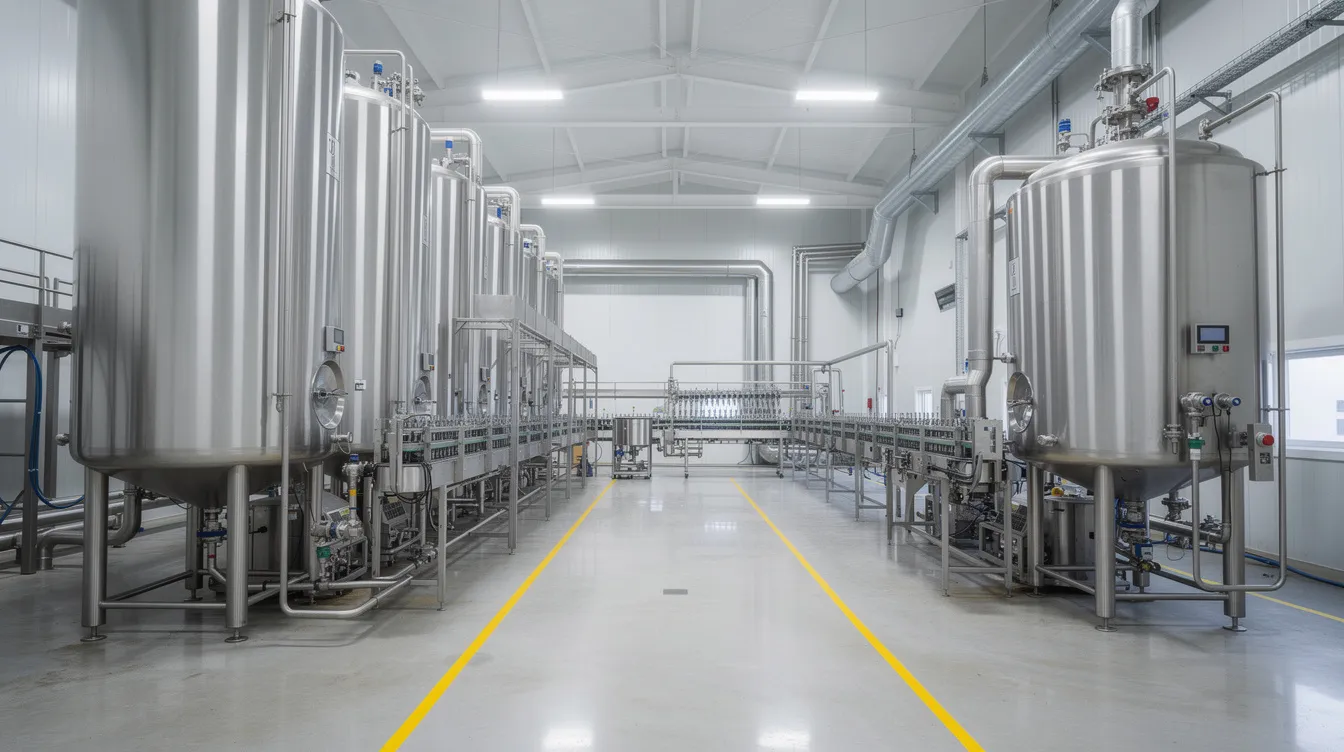
Because whole milk contains approximately 3.5% to 4% fat, making it chemically reactive, preserving fat quality and avoiding oxidative deterioration during production is a core design concern. High fat content in whole milk powder causes caking and moisture absorption if not properly managed, so every stage from heat treatment to packaging must control oxygen, moisture and light exposure.
A whole milk powder manufacturing plant is capital-intensive due to the spray dryer, evaporator, utility systems and hygienic building requirements. Promoters must evaluate milk availability, product mix, capacity, energy consumption and market demand before locking investments. This article serves as a practical guide combining technical process explanation with project-finance, DPR preparation, bank appraisal and feasibility aspects specific to a WMP manufacturing plant in India.
What Is Whole Milk Powder (WMP)?
WMP is powder produced by removing moisture from whole milk through milk evaporation and spray drying, concentrating milk fat, proteins, lactose and minerals into a stable solid form. The final product typically contains 3.5% or less moisture after processing, with fat content generally in the 26–42% range, protein around 24–27%, lactose 36–38% and minerals 5.5–6.5% – though actual specifications must follow applicable standards and customer requirements.
Good WMP exhibits satisfactory solubility, dispersibility, flavour and colour when reconstituted. Variants include low-heat, medium-heat and high-heat WMP, each suited to different end-uses – from chocolate manufacturing (where low-heat preserves functional properties) to bakery applications requiring higher heat stability. Instant WMP undergoes agglomeration for improved dissolution. The exact WMP grade should be finalized at the planning stage based on target customers and intended applications.
Whole Milk Powder vs Skimmed Milk Powder
While both are milk powders produced through similar core steps – pasteurization, evaporation and spray drying – whole milk powder retains milk fat (minimum 26%), whereas skimmed milk powder (SMP) produces skimmed milk solids with fat typically below 1.5%.
Key differences include:
- Fat content and caloric value are substantially higher in WMP
- WMP feed milk is standardised whole milk; SMP uses skim milk after cream separation
- WMP is more sensitive to oxidative deterioration affecting flavour and shelf life due to fat presence
- Storage sensitivity is greater for WMP – temperature, humidity and oxygen control are more critical
- WMP is widely used in chocolate, ice cream and high-fat bakery formulations; SMP serves dairy whitener, recombined milk and protein-focused applications
- WMP generally commands higher realization per kg than SMP
Manufacturing a WMP plant requires careful management of cream and fat to prevent scorched particles and rancidity. For a detailed perspective on SMP manufacturing process and project economics, refer to our SMP Manufacturing Plant – Skimmed Milk Powder Project guide. Product-mix decisions should be taken at DPR stage after analysing milk composition, fat recovery and market demand.
WMP vs SMP vs Dairy Whitener in Project Planning
These three products are not interchangeable for project design. WMP is pure whole milk solids. SMP is low-fat milk solids. Dairy whitener is a formulated product – typically SMP blended with sugar and sometimes added fat or other ingredients – designed for tea and coffee use.
WMP and SMP plants handle milk separation, standardisation, evaporation and spray drying using various unit operations. Dairy whitener adds blending, formulation control and separate packaging strategies. While WMP and SMP are primarily B2B ingredients, dairy whitener straddles retail and institutional segments with different marketing dynamics.
Promoters must decide whether to remain an ingredient supplier, move into branded dairy whitener, or plan an integrated facility. For broader multi-product strategies, our Integrated Dairy Processing Plant Project Report / DPR provides a comprehensive framework.
Major Applications of Whole Milk Powder
WMP functions as a versatile, shelf-stable source of milk solids and fat across food and beverage industries. Key applications include:
- Confectionery and chocolate – provides texture, flavour and essential milk solids
- Bakery and biscuits – contributes to crust colour, crumb structure and nutritional value
- Ice cream and frozen desserts – delivers fat and solids for body and mouthfeel
- Dairy beverages and malted drinks – creates creamy mouthfeel and nutrition
- Reconstituted milk for institutional use and food manufacturing
- Export markets where consistent quality WMP with a long functional life is demanded
Each application may require different WMP properties – heat class, instant quality, bulk density and particle size. These specifications should drive process design and quality control planning at the DPR stage.
Whole Milk Powder Manufacturing Process – Step by Step
The whole milk powder process starts from raw milk reception to packaging through a carefully controlled sequence of unit operations. Whole milk powder requires careful integration of thermal processing and hygienic design at every stage.
Raw Milk Reception
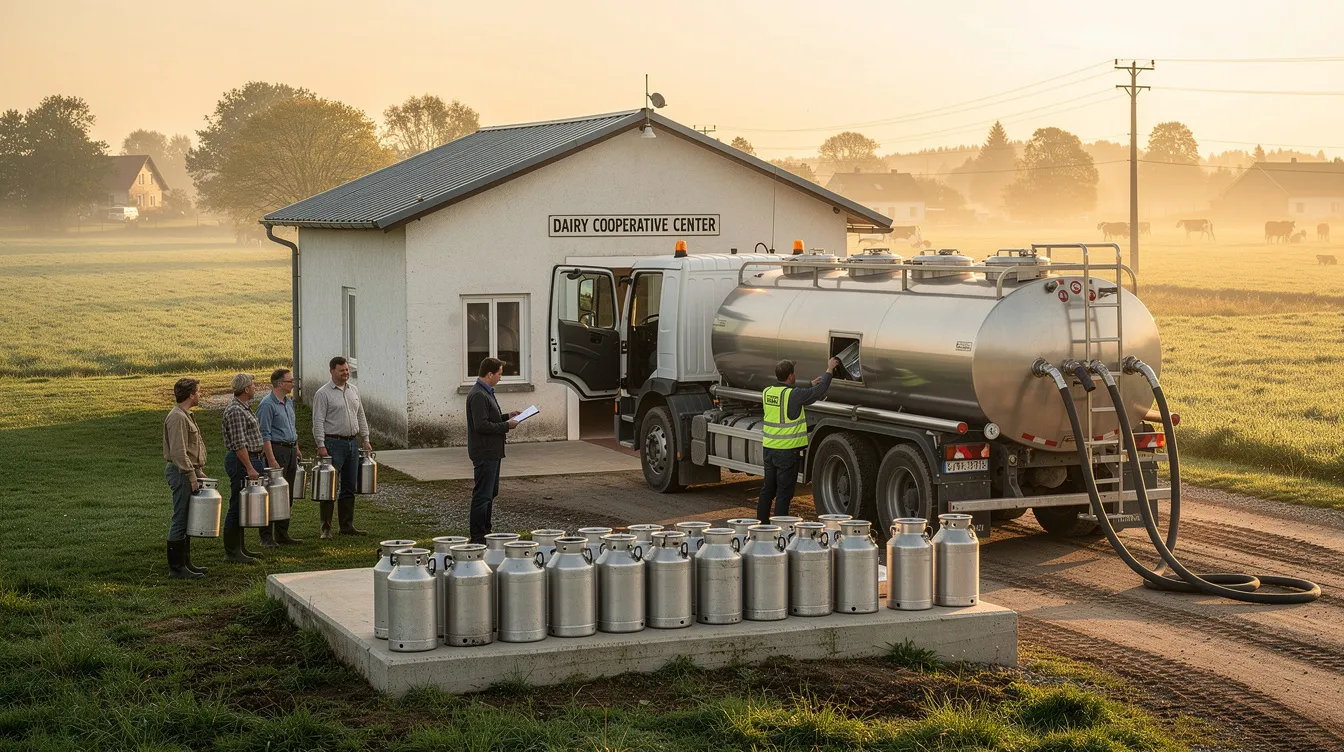
Milk tankers are weighed, sampled and tested for fat content, SNF, microbial load and adulterants. Milk must be chilled and tested for quality upon arrival. Microbial load and somatic cell count in raw milk affect final powder quality, so only milk meeting plant criteria is accepted.
Milk Chilling and Storage
Rapid chilling to below 4°C using plate chillers slows bacterial growth. Insulated stainless-steel silos store milk for 1–2 days. Temperature management at this stage is essential for downstream quality.
Clarification and Filtration
Centrifugal clarifiers remove impurities from milk during processing, including sediments and somatic cells. This reduces fouling in downstream equipment and improves the final product quality.
Standardisation
Milk fat and solids-not-fat ratios are standardized before production using cream separators and controlled blending to meet target WMP specifications. Accurate inline instruments and lab checks by quality analysts assure consistency.
Pasteurisation / Heat Treatment
HTST pasteurization destroys pathogenic microflora in milk and inactivates enzymes. Preheating controls microbial load and increases heat stability during evaporation. Different heat profiles (low, medium, high heat) influence WMP functionality – this is where the product’s end-use suitability is partly determined. The drying process must balance heat treatment for microbial safety without damage to protein and flavour.
Evaporation
Multi-effect falling-film evaporators concentrate milk solids to prevent fouling. Multi-effect evaporators concentrate milk solids from around 12% up to 45%–50% total solids by removing water content through heating. Machines remove water content efficiently across multiple effects, and energy efficiency here directly impacts operating cost. Research shows that steam consumption can drop from approximately 5,265 MJ per tonne of powder to around 2,557 MJ per tonne with optimised evaporation and heat recovery.
Homogenisation
High-pressure homogenization reduces fat globule size in milk, improving powder solubility and reducing creaming in reconstituted WMP. The point of homogenisation (before or between evaporation stages) depends on plant design and desired product characteristics.
Spray Drying
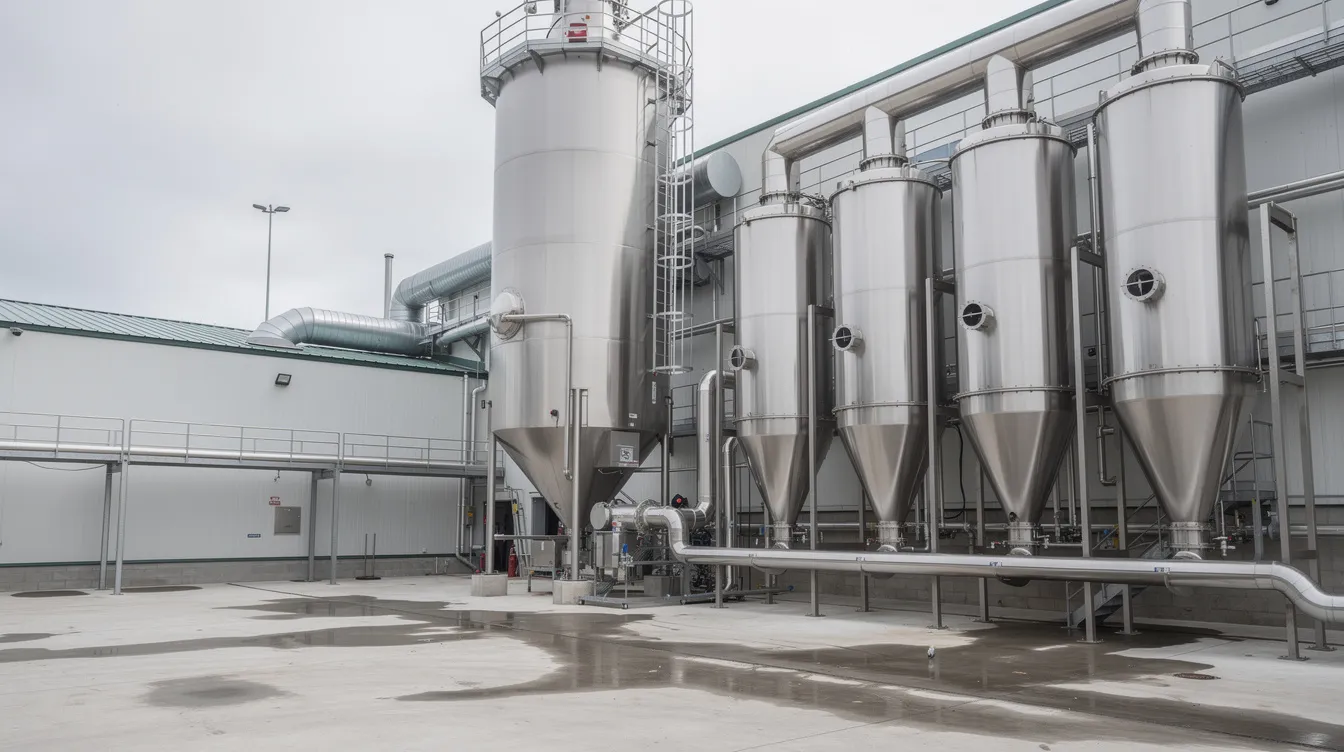
Spray drying converts concentrated milk into powder by rapidly evaporating moisture. Concentrated milk is atomised into fine droplets inside a drying chamber where hot air contact removes moisture rapidly. Inlet and outlet temperatures during spray drying are critical for powder quality – too high causes scorching, too low leaves excessive moisture. Powder particles are recovered via cyclones and bag filters. This is the most energy-intensive stage, and milk powder production requires equipment like pasteurizers and spray dryers working in precise coordination.
Cooling and Powder Handling
Fluid bed coolers reduce powder temperature to near ambient and stabilise moisture levels. Gentle conveying through screw conveyors or pneumatic systems minimises fines. Correct air filtration and humidity control are crucial in powder handling areas.
Sieving and Quality Control
Vibro sifters remove oversize particles. In-process sampling checks moisture, bulk density, solubility, fat and microbiological quality. The dried product obtained must meet specification before proceeding to packaging.
Packaging
Proper cooling and packaging of milk powder prevent lipid oxidation. The final powder must be protected from oxygen, moisture, and light using multi-wall kraft bags with inner polyethylene liners, big bags for industrial valued clients, or nitrogen-flushed packs for premium applications. Packaging materials must offer rugged construction and low maintenance needs during storage and transit.
Storage and Dispatch
Whole milk powder storage requires careful management of temperature and humidity. Cool, dry conditions below 25°C with controlled stacking and FIFO/FEFO rotation are standard. The dried milk powder is highly appreciated for its stability when these conditions are maintained.
Process Flow of a WMP Manufacturing Plant
The flow diagram of a typical WMP plant follows this sequence:
Raw Milk Reception → Weighing & Testing → Chilling & Storage → Clarification/Filtration → Standardisation → Pasteurisation/Heat Treatment → Evaporation → Homogenisation (where applicable) → Spray Drying → Powder Cooling → Sieving → Packaging → Finished Goods Storage → Dispatch
Actual sequencing may vary by technology supplier and product specification. For DPR purposes, a detailed process flow diagram and P&ID are prepared, but this article focuses on conceptual understanding for promoters and bankers.
Raw Milk Requirement, Milk Solids and Material Balance
WMP output depends on incoming milk solids (fat + SNF), process recovery and final powder moisture. Whole milk in India typically contains 12–14% total solids. As an illustrative example (hypothetical only): if raw milk has 13% total solids and process recovery is approximately 90%, roughly 7–9 litres of milk may be required per kg of WMP – though this range varies significantly by region, breed, season and plant efficiency.
Process loss points include clarifier sediment, piping losses, evaporator and dryer carry-over, and packing dust. Good design targets over 90% solids recovery by suitable means. Material balance forms the base for estimating daily production, energy requirement, packaging material and utility loads – it is central to DPR preparation.
WMP Plant Capacity Planning and Seasonality
A milk powder plant can produce 10,000 to 20,000 MT annually, depending on scale. Capacity selection must reflect realistic milk procurement potential, seasonal flush-lean patterns and local competition rather than vendor quotations alone.
- Capacity utilisation typically ramps up: 60–70% in year 1, 80–90% in year 2, reaching 90–95% by year 3
- The spray dryer is usually the bottleneck and key CAPEX driver
- Oversizing without assured milk supply leads to high fixed cost per kg and weak DSCR
Where WMP forms part of a diversified dairy facility, the Integrated Dairy Processing Plant Project Report / DPR provides a broader planning framework.
Machinery Required for Whole Milk Powder Manufacturing Plant
Plant and machinery form a major component of WMP plant CAPEX. Key equipment includes:
- Milk reception tanks, weigh scales, unloading pumps, plate chillers, storage silos
- Clarifiers, cream separator, standardisation system, pasteuriser, balance tanks, homogeniser
- Multiple-effect evaporator, feed tanks, milk powder spray dryer with atomiser, air-heating system, drying chamber, cyclones, bag filters, powder recovery systems
- Fluid bed cooler, powder conveying system, vibro sifter, bagging machines and sealing equipment
- CIP skids, instrumentation, control panels, laboratory equipment and dedicated team safety systems
- Boiler and steam distribution, refrigeration plant, air compressor, water-treatment plant, ETP, electrical panels and DG sets
For item-wise equipment specifications and costs, refer to our guide on milk powder plant machinery and equipment cost.
Land, Building and Infrastructure Requirements
WMP plants need planned layouts ensuring hygienic milk flow, safe operation of tall spray dryer towers and efficient tanker movement. Functional zones include milk reception, processing hall, evaporation and drying tower, powder handling and packaging hall, finished-goods warehouse, boiler house, refrigeration rooms, ETP, laboratory, office and staff facilities. Total land depends on plant capacity, building height, local regulations and expansion plans – provision for future expansion at greenfield stage is prudent.
Utilities Required and Energy Efficiency in WMP Plants
WMP manufacturing is utility-intensive. Key utilities include steam (for pasteurisation, evaporation, air heating), electricity (motors, fans, instrumentation, control systems), refrigeration, compressed air and treated process water. Fuel choice for the boiler and local power tariffs materially influence operating costs per kg.
Energy-efficiency measures create significant impact at scale:
- Multiple-effect evaporators with vapour recompression reduce steam consumption
- Heat recovery from dryer exhaust, condensate recovery and insulation of hot lines lower thermal losses
- Even modest improvements in kWh per kg of powder or MJ per tonne change contribution margin meaningfully over the plant’s life
Adherence to national standards is necessary for whole milk powder production at every stage including utility management.
Whole Milk Powder Plant Setup Cost and Project Cost Structure
Capital investment for a milk powder plant includes land and equipment costs, civil works, utilities, electrical systems, pre-operative expenses and working-capital margin. Major project cost heads:
- Land and site development
- Building and civil construction including dryer tower
- Process plant and machinery (milk reception through packaging)
- Utility equipment, ETP, laboratory, furniture
- Pre-operative expenses: consultancy, interest during construction, trial runs, statutory fees, contingency
A milk powder plant must comply with local zoning and environmental regulations, adding to pre-operative costs. Promoters evaluating the overall capital requirement can refer to our detailed Milk Powder Plant Setup Cost in India guide for broader CAPEX analysis including ranges and scenarios.
Means of Finance and Working Capital Planning
Total project cost is typically financed through promoter equity, institutional term loans and, where eligible, scheme-based assistance. Banks assess working-capital needs based on production cycle, inventory norms, credit terms and milk price volatility.
Working capital constituents include raw milk purchases, packaging material, fuel, salaries, stores and spares, receivables and finished-goods inventory. Inadequate working capital leads to underutilisation of installed capacity even when plant and machinery are in place – this directly impacts profitability and DSCR.
Revenue Model, Operating Costs and WMP Plant Profitability
Annual Revenue = Saleable WMP Quantity × Average Net Realisation per kg
Revenue depends on utilisation, WMP grade, customer mix and market conditions. Gross profit margins for milk powder plants range between 20–30%, but actual margins vary significantly by project.
Major operating costs: raw milk and cream (raw milk accounts for 75–85% of operating expenses in production), fuel, power, water, packaging, labour, repairs, quality control, administration, selling expenses and finance charges. Even small changes in milk procurement price or energy efficiency materially influence contribution per kg and overall profitability.
Break-Even Analysis, DSCR and Financial Projections
For capital-intensive WMP plants, break-even analysis is essential:
Break-Even Sales = Fixed Costs ÷ Contribution Margin Ratio
DSCR (Debt Service Coverage Ratio) measures cash accrual available for debt servicing against total principal plus interest obligations. Lenders examine average and minimum DSCR over the loan tenure. Key financial statements in a WMP DPR include projected P&L, balance sheet, cash flow, repayment schedule, DSCR calculation and break-even analysis for at least 7–10 years with realistic capacity ramp-up assumptions.
Illustrative WMP Project Financial Model (Hypothetical)
All figures below are purely illustrative and are not quotations, market prices or guaranteed results. Actual projects must use plant-specific data, quotations and financing terms.
| Parameter | Illustrative Value |
|---|---|
| Daily milk processing | ~1,20,000 litres |
| WMP output per day | ~15 tonnes |
| Operating days/year | 330 |
| Year 3 utilisation | 85% |
| Annual WMP production | ~4,200 MT |
| Assumed WMP realisation | ₹350/kg |
| Annual revenue | ~₹147 crore |
| Raw milk cost (~75% of opex) | ~₹100 crore |
| Other operating costs | ~₹22 crore |
| Illustrative EBITDA | ~₹25 crore |
| Depreciation + Interest | ~₹12 crore |
| Illustrative PAT | ~₹9–10 crore |
| Indicative DSCR | ~1.35–1.50x |
Small changes in milk procurement price or utilisation could alter DSCR and break-even significantly, reinforcing why sensitivity analysis is indispensable.
Sensitivity Analysis and Key Project Risks
Sensitivity analysis tests how project viability changes when key assumptions move unfavourably. Variables to test: increase in raw milk price, reduction in WMP selling price, lower utilisation, higher fuel and electricity tariffs, project-cost escalation.
Major project risks include:
- Milk procurement risk – availability, quality, seasonal supply variation and competition
- Market risk – demand volatility, price fluctuations, competition from established players
- Operational risk – equipment downtime, energy efficiency shortfalls, yield losses
- Financial risk – interest rate changes, working-capital constraints
- Regulatory/compliance risk – changing standards and environmental requirements
Promoters should use sensitivity findings to strengthen procurement networks, invest in energy efficiency and adopt conservative gearing.
Milk Procurement Strategy and Quality Control
Milk procurement is the foundation of any WMP manufacturing business in India and should be analysed before finalising plant capacity. Procurement models include direct farmer collection via village centres and BMCs, co-operative tie-ups and bulk procurement from chilling centres.
Key factors to evaluate include procurement radius, road connectivity, seasonality, competing dairies, historical fat/SNF data and payment systems. A Food Business License is mandatory for large-scale milk powder manufacturing. An effective procurement and quality-control system should be reflected in the DPR as part of the risk-mitigation strategy.
Laboratory, Food Safety and Regulatory Compliance
A WMP manufacturing plant must operate under strict hygiene and regulatory frameworks. Laboratory tests typically cover fat, protein, moisture, lactose, ash, bulk density, solubility, scorched particles, microbial counts and sensory evaluation.
Key regulatory domains include food-safety licensing (FSSAI), factory and boiler approvals, pollution control clearances and labour registrations. Promoters must independently verify current regulatory requirements with competent authorities, as laws change over time. GST registration and labelling requirements for packaged WMP also apply.
Environmental Management, ETP and Sustainability
WMP plants generate dairy effluent from CIP, floor washing, equipment cleaning and product losses. An ETP designed to handle high organic loads must meet local discharge norms. Good practices include minimising product loss to drains, capturing condensate from evaporators for reuse, and implementing water-saving measures. Environmental infrastructure should be budgeted as part of core project CAPEX and presented to lenders as integral to the project.
DPR for Whole Milk Powder Manufacturing Plant
A Detailed Project Report is the technical-cum-financial blueprint required for internal decision-making and bank appraisal. A bankable WMP DPR includes:
- Promoter profile, project rationale, product specifications, market assessment and milk procurement plan
- Manufacturing process description, process flow diagram, machinery list with quotations, utilities sizing, layout and implementation schedule
- Project cost estimate, means of finance, projected profitability, balance sheets, cash flows, DSCR, break-even, ROI/IRR and sensitivity analysis
A good DPR integrates technical assumptions with financial modelling and transparently documents the basis of all key assumptions.
Bank Loan Appraisal for WMP Manufacturing Plant
Banks evaluate WMP projects based on promoter background, project viability and projected cash flows’ ability to service debt. Lenders scrutinise project cost reasonableness, machinery quotation authenticity, procurement arrangements, market linkages, technology provider credibility and promoter contribution adequacy.
Financial parameters assessed include DSCR, break-even utilisation, debt-equity ratio, asset coverage and sensitivity of cash flows. A strong DPR improves prospects, but no consultant or CA can guarantee loan sanction – the final decision rests with the lending institution.
Role of a Chartered Accountant in WMP Project Planning
As a practising Chartered Accountant with experience in project finance and DPR preparation, I focus on structuring realistic, bankable WMP project proposals. My professional assistance covers validating project-cost structures, advising on optimal debt-equity mix, preparing detailed financial projections, working-capital assessment, term-loan repayment modelling and DSCR analysis.
I assist in preparation of comprehensive WMP DPRs, CMA data for banks and supporting documents during appraisal. However, projections are prepared using information, assumptions and quotations provided by promoters and vendors – they are inherently estimates. A Chartered Accountant does not certify that future results will match projections.
ProjectReportBank.com provides customised DPRs and financial analysis support for WMP and other dairy projects, with the understanding that loan approval decisions remain with respective banks.
WMP Market and Customer Strategy
A technically sound WMP plant must be backed by a clear market strategy. Major customer categories include confectionery and chocolate manufacturers, ice-cream producers, bakery companies, beverage formulators, institutional users and traders/exporters.
Early engagement with potential customers – sample testing, specification alignment and indicative volume commitments – guides decisions on WMP grade, instant quality, packaging sizes and quality-control protocols. Promoters should include a realistic marketing plan within the DPR, supported by market feedback or letters of intent, as this strengthens credibility with financiers. India’s WMP exports have been growing, with major destinations including China, Thailand and UAE, presenting opportunities for quality-compliant manufacturers.
Whole Milk Powder Manufacturing Plant Feasibility and Conclusion
Feasibility assessment spans four dimensions: technical (technology, process, utilities, manpower), market (demand, competition, customer segments), financial (project cost, margins, DSCR, break-even, ROI/IRR) and operational (procurement network, maintenance, logistics, management bandwidth).
A whole milk powder manufacturing project must integrate the full chain:
Milk Procurement → Milk Solids → Plant Capacity → Yield → Energy Cost → WMP Realisation → Capacity Utilisation → Working Capital → Profitability → DSCR → Project Viability
- Success demands long-term commitment to building procurement networks and maintaining consistent product quality
- Utility optimisation and periodic updating of the financial plan as market realities evolve are equally important
- No single factor – neither spray dryer cost nor per-kg processing cost alone – determines viability

This article provides a starting framework. Entrepreneurs, investors and dairy companies considering a whole milk powder plant in India should engage with competent technical vendors and financial advisors – including CA Manish Gugliya and ProjectReportBank.com – for project-specific DPRs, financial projections and bank-finance documentation support, while recognising that loan or subsidy approvals cannot be guaranteed.
Frequently Asked Questions (FAQ)
What is a WMP manufacturing plant and how is it different from a general milk powder plant?
A WMP manufacturing plant is specifically designed to process whole milk into fat-containing whole milk powder, optimising for fat quality preservation and specific WMP applications. A general milk powder plant may produce SMP, fat-filled powder or multiple powder types with different process configurations and product specifications. The presence of fat in WMP demands stricter oxidation control, packaging standards and temperature management throughout production and storage.
Can the same plant produce both Whole Milk Powder (WMP) and Skimmed Milk Powder (SMP)?
Many modern plants can be configured to produce both WMP and SMP using the same evaporator and spray dryer, provided upstream separation, standardisation and cleaning regimes are designed accordingly. This flexibility must be considered at the design stage and reflected in DPR and financial projections, as switching between products affects yield, energy use and cleaning cycles.
How much milk is required to produce 1 kg of Whole Milk Powder?
The conversion depends on milk composition (fat and SNF levels), final powder moisture and process losses. As an illustrative range, approximately 7–9 litres of whole milk may be needed per kg of WMP under typical Indian milk composition. Promoters should use actual local milk analysis and vendor norms for precise project calculations rather than relying on a single universal ratio.
Is a Whole Milk Powder manufacturing project in India suitable for small-scale entrepreneurs?
WMP manufacturing involves high capital investment in spray dryers, evaporators and utilities, plus significant working-capital and market requirements. Smaller entrepreneurs may consider co-operative models, contract processing or starting with smaller dairy products before scaling to a dedicated WMP plant. A rigorous feasibility study and DPR exercise is strongly recommended before committing funds.
What documents are usually needed when approaching a bank for a WMP plant loan?
Typical requirements include a detailed DPR, KYC and financial statements of promoters, land and title documents, machinery quotations, projected financial statements and CMA data, implementation schedule and status of basic approvals and clearances. Exact documentation requirements vary by bank and scheme and should be confirmed directly with the lender before formal application.