Key Takeaways
- Breakfast cereals and extruded foods plant setup cost in India typically falls within three indicative investment bands: ₹5–₹15 crore for compact single-line plants, ₹15–₹30 crore for medium multi-product facilities, and ₹30 crore-plus for large integrated projects. These ranges cover fixed capital cost, pre-operative expenses and margin money for working capital, but exclude land acquisition in many cases.
- Plant capacity (kg/hour and tonnes/year), level of automation and product mix directly determine machinery budget, utility requirements, manpower intensity and per-kg manufacturing cost. Production capacity affects total investment requirements significantly, and the total setup cost varies based on plant capacity and technology chosen.
- Bankability depends not just on capital expenditure but also on robust working capital planning, a credible cost-per-kg analysis, defensible DSCR, IRR, net present value and realistic capacity utilisation assumptions over at least five operating years.
- All cost figures in this article are illustrative planning benchmarks only. Serious investors should base decisions on a customised, bankable detailed project report with vendor quotations and project-specific data.
- Project Report Bank, led by CA Manish Gugliya, FCA, DISA (ICAI), with more than 20 years of professional experience, provides customised DPRs, CMA Data, financial modelling and project finance advisory for ₹5–₹100 crore breakfast cereals and industrial food extrusion projects.
Introduction – Investment Planning for Industrial Breakfast Cereals and Extruded Foods Manufacturing
The global breakfast cereal market was valued at USD 112.76 billion in 2025, and the market is expected to reach USD 154.34 billion by 2034. This growth trajectory, driven by rising health awareness and convenience demands, combined with cereal consumption influenced by urbanization and busy lifestyles, has made the breakfast cereal industry one of the more attractive segments in the broader food processing market.
For an Indian promoter evaluating a ₹5–₹100 crore investment, however, market size alone does not determine project success. The critical question is whether the proposed breakfast cereals and extruded foods plant setup cost is supported by a sound financial structure, realistic operating assumptions and adequate working capital planning. Cereals with high-protein and low-sugar options are gaining popularity, and product positioning decisions directly influence machinery selection, recipe complexity, packaging format and ultimately capital expenditure.
This article focuses specifically on plant setup cost, capital investment, financial structure and project economics for industrial breakfast cereal manufacturing and extruded foods plants in India. Detailed technology, manufacturing process and product-specific guides are available in separate articles within our food processing project cluster. The analysis is written from the professional perspective of CA Manish Gugliya at Project Report Bank.
Types of Breakfast Cereals and Extruded Foods Manufacturing Projects
Breakfast cereal manufacturing is not a single project type. The investment required, the unit operations involved and the operating cost structure differ materially depending on which product category a promoter selects.
Corn flakes and multigrain flakes manufacturing involves cleaning, conditioning, cooking grains under pressure to gelatinize starch and develop flavour, flaking through heavy rollers, toasting and coating. These plants require dedicated flaking rolls and toasting ovens that add to capital cost. The manufacturing process typically includes cleaning, milling and cooking grains, followed by forming and packaging. Promoters considering this category may find detailed guidance in our Industrial Corn Flakes & Multigrain Flakes Manufacturing Plant Project Report.
Rolled oats and instant oats processing involves a somewhat different primary process flow-kilning, cutting, steaming and rolling. Plant setup cost is often lower than a full extrusion line because the mechanical forming steps are simpler. Our Industrial Rolled Oats & Instant Oats Processing Plant Project Report covers the production specifics.
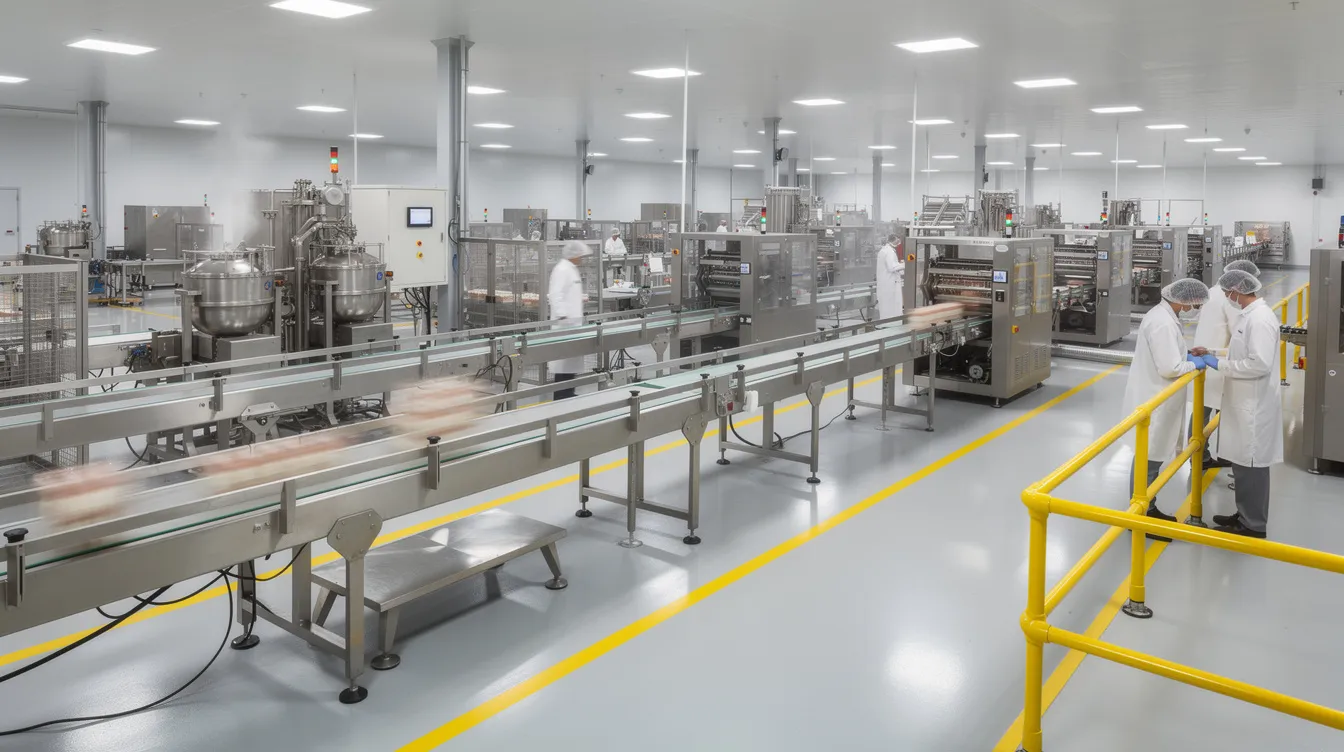
Extruded ready-to-eat breakfast cereals rely heavily on twin-screw extrusion technology, where various unit operations-mixing, cooking, shaping, drying, coating-occur in a continuous, automated sequence. Breakfast cereals are increasingly fortified with vitamins and minerals during this process. This category typically demands higher machinery investment but offers greater product versatility. The Extruded Ready-to-Eat Breakfast Cereals Manufacturing Plant Project Report examines this in detail.
Integrated multi-product extruded snack manufacturing, instant noodles and cup noodles, and industrial 3D snack pellets and ready-to-fry products each introduce different downstream equipment, packaging requirements, utility demands and working capital profiles. Breakfast cereals are made from grains like corn, wheat and oats, but snack extrusion may also use potato, tapioca or legume-based inputs. Each diversification decision changes the capital and operating economics of the project.
Breakfast Cereals and Extruded Foods Plant Setup Cost in India
Breakfast cereals and extruded foods plant setup cost in India is built up from several distinct components: land or lease premium, site development, factory buildings, main processing machinery, extrusion and cooking systems, drying and toasting equipment, seasoning and coating lines, primary and secondary packaging equipment, boilers, compressors, electrical installations, material handling, QC laboratory, installation and commissioning, technical consultancy, pre-operative expenses, contingencies and margin money for working capital.
Breakfast cereal manufacturing plant setup costs include capital investments that cover land acquisition and necessary infrastructure. Equipment costs represent a significant portion of capital expenditure. The investment required for setting up a manufacturing unit varies based on production scale and automation.
It is important to understand the financial terminology. Fixed capital cost covers all tangible and intangible assets required to make the plant operational. Total project cost adds pre-operative expenditure, interest during construction and contingency. Working capital requirement represents the funds locked in inventory, receivables and operating cash, net of supplier credit. Working capital margin is the promoter’s contribution towards working capital, with the balance funded through bank limits. Total funding requirement is the sum of all these components.
While investment for small to medium manufacturing plants usually ranges from ₹40 lakhs to ₹1.5 crores or more, this article focuses on industrial-scale projects. Based on industry benchmarks from NPCS and similar project consultancies, the following indicative bands apply:
| Investment Band | Indicative Fixed Capital (excl. land) | Total Project Cost (incl. WC margin) | Typical Configuration |
|---|---|---|---|
| Compact / Small (1–5 TPD) | ₹5–₹15 crore | ₹6–₹18 crore | Single extruder line, semi-automatic packaging, limited product range |
| Medium / Multi-product (5–20 TPD) | ₹15–₹30 crore | ₹18–₹35 crore | Multiple lines or higher automation, broader product mix, modern packaging |
| Large / Integrated (25–50+ TPD) | ₹30–₹70 crore | ₹35–₹80+ crore | Multi-product extrusion, high automation, export-grade packaging, large utilities |
These figures are planning estimates. GST on machinery, freight, customs duty on imported components, erection and commissioning costs and statutory fees can add 15–30% over bare machinery quotations. This must be modelled carefully in the detailed project report.
Machinery typically constitutes 45–55% of total fixed capital in a cereal or extruded foods project, with civil construction at 20–28%, utilities at 8–10% and QC, compliance, pre-operative and contingency provisions making up the balance. However, location, product scope and procurement strategy often change these ratios materially.
Plant Capacity Planning and Its Impact on Investment
Capacity planning is central to both capital expenditure intensity and cost-per-kg economics. Breakfast cereal plants require 15,000–25,000 tons annual capacity for meaningful economies of scale. Installed capacity is calculated from line throughput, operating shifts and assumed working days. For example, a 500 kg/hour extruded cereals line operating 20 hours per day for 300 days yields approximately 3,000 tonnes per year.
Automation level influences both setup costs and operational efficiency in manufacturing. Typical utilisation assumptions start at 50–60% in Year 1, rising to 80–90% by Years 4–5. Under-utilisation in early years heavily burdens fixed overhead absorption and weakens DSCR.
| Parameter | 500 kg/h Line | 1,000 kg/h Line | 2,000 kg/h Line |
|---|---|---|---|
| Installed Capacity (tonnes/year at 300 days, 20 h/day) | ~3,000 | ~6,000 | ~12,000 |
| Indicative Machinery Cost | ₹4–₹8 crore | ₹8–₹18 crore | ₹18–₹40 crore |
| Approx. Cost per Installed Tonne | ₹1.3–₹2.7 lakh | ₹1.3–₹3.0 lakh | ₹1.5–₹3.3 lakh |
| Operating Cost per kg (at 80% utilisation) | Higher | Moderate | Lower |
The trade-off between a single high-capacity line and multiple smaller lines involves flexibility versus lower unit capex versus changeover losses. Multiple lines allow product changeovers without shutting down the entire plant, which matters in a multi-product extruded foods facility.
Machinery Investment, Plant Layout and EPC Cost
Plant and machinery are often the largest capital expenditures in manufacturing. Key machinery includes grain cleaners, mixers, extruders, dryers, coating systems and packaging machines. A twin-screw extruder at 100–200 kg/hour capacity from Indian manufacturers is commonly priced around ₹9.5 lakh, while higher-capacity models at 600–800 kg/hour range between ₹38–₹81 lakh. Utilities and infrastructure requirements include high-capacity electricity and water treatment systems, with power demand typically between 300 kW and 1.5 MW for 1–20 TPD plants.
The choice between imported and Indian equipment can shift industrial food extrusion plant setup cost by 30–50% for equivalent capacity. Turnkey EPC contracts offer integration assurance but typically cost more than procuring individual machines and appointing a local integrator.
Packaging lines, seasoning and coating systems, and material handling often account for 20–30% of the total machinery budget-a proportion frequently underestimated by first-time promoters. For comprehensive machinery and technology requirements, plant layout planning and EPC cost analysis, readers should refer to our Industrial Breakfast Cereals & Food Extrusion Machinery, Plant Layout & EPC Cost in India guide.
Integrated Extruded Foods Manufacturing – Investment Considerations
An integrated multi-product extrusion facility-producing breakfast cereals alongside savoury snacks and possibly ready-to-fry pellets on a single campus-allows better asset utilisation across shared upstream investments such as grain receiving, cleaning, milling, mixing and main extrusion systems.
However, each product category demands specific downstream equipment. The final product is packaged into boxes or bags for distribution, but the packaging format for breakfast cereals (cartons, stand-up pouches) differs substantially from snack packs or cup noodles. Adding instant noodles or 3D snack pellets changes utility loads, food safety zoning and working capital profiles.
The economic difference between selling ready-to-fry pellets as a B2B product and selling fully fried, seasoned branded snack packs to consumers is substantial. The former requires lower marketing and distribution investment but yields thinner margins. The latter demands significant brand building, distribution infrastructure and trade-credit management.
Promoters evaluating integrated models should review our Integrated Multi-Product Extruded Snack Foods Manufacturing Plant Project Report, the Fully Automatic Instant Noodles & Cup Noodles Manufacturing Plant Project Report and the 3D Snack Pellets & Ready-to-Fry Products Manufacturing Plant Project Report. Integrated projects usually fall into the upper part of the ₹15–₹30 crore or ₹30 crore-plus investment bands and require more sophisticated financial modelling.
Raw Material Costs and Working Capital Investment
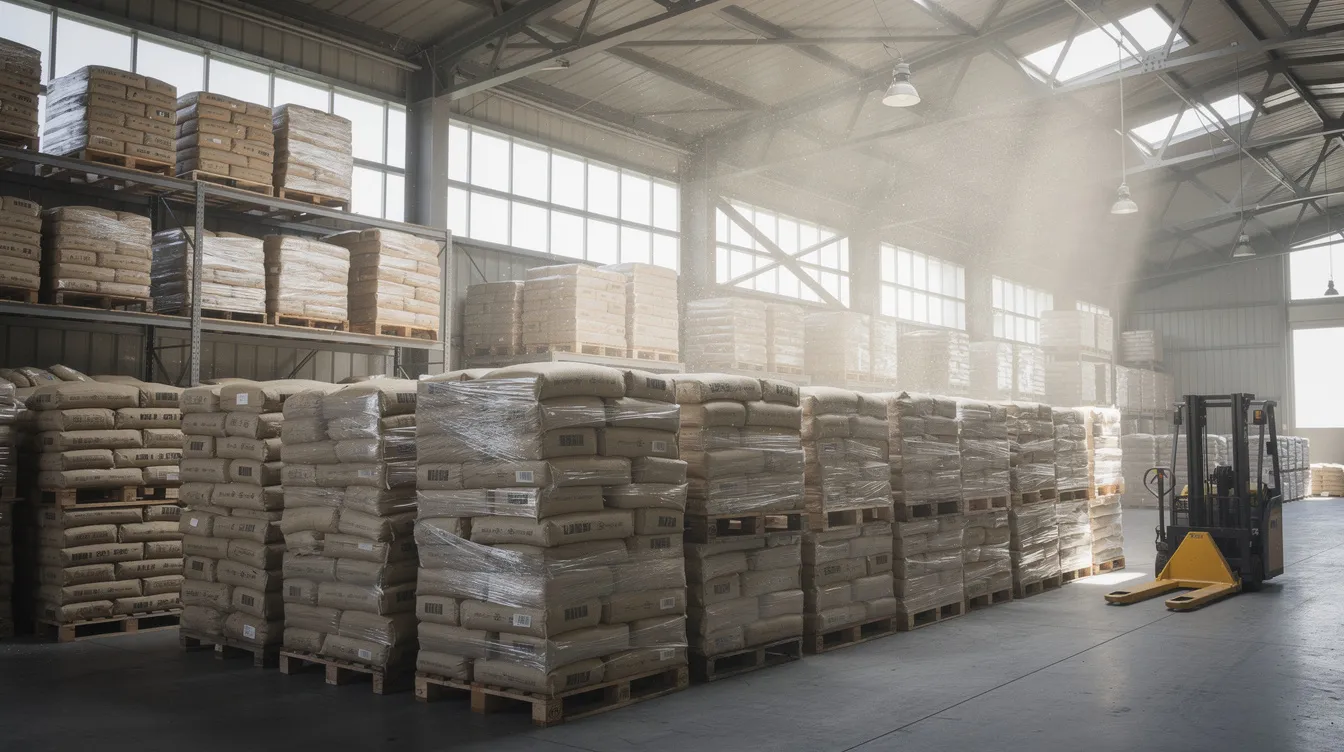
In the breakfast cereal industry and extruded foods sector, raw materials and packaging typically account for 60–70% of total operating expenses. Raw material consumption is the single largest operating cost driver. Core raw materials include grains like oats, corn and wheat, along with sugar, salt, vegetable oils, flavours, seasonings, vitamins and minerals for fortification, and packaging materials including laminates, cartons, labels and shrink film.
A working capital cycle of 30 to 60 days is needed for managing inventory and credit terms. Inventory policies typically assume 30–45 days for raw material stock, 15–30 days for finished goods and 30–60 days for receivables from distributors.
Illustrative Working Capital Calculation (Hypothetical 5 TPD Cereals Plant)
| Component | Days | Monthly Value (₹ lakh) | Amount (₹ lakh) |
|---|---|---|---|
| Raw Material Inventory | 30 | 45 | 45 |
| Work-in-Progress | 5 | 50 | 8 |
| Finished Goods | 20 | 55 | 37 |
| Trade Receivables | 45 | 65 | 98 |
| Less: Trade Payables | 30 | 45 | (45) |
| Working Capital Gap | 143 | ||
| Bank-funded portion (~75%) | 107 | ||
| Promoter’s margin (~25%) | 36 |
These figures are illustrative. Actual requirements depend on product mix, buyer profile, sourcing terms and seasonal procurement patterns.
Manufacturing Cost Per Kilogram and Operating Expenses
An accurate cost-per-kg calculation is central to pricing, contribution margin analysis and breakfast cereals plant project economics. Major operational costs include raw materials, labor and utilities.
Illustrative Cost Per Kg – Extruded Breakfast Cereals (at 80% Utilisation)
| Cost Head | ₹ per kg | % of Total |
|---|---|---|
| Direct raw materials | 38–50 | 42–48% |
| Packaging materials | 12–18 | 14–18% |
| Power and fuel | 6–10 | 7–10% |
| Direct labour | 3–5 | 3–5% |
| Factory overheads and repairs | 4–6 | 4–6% |
| QC and consumables | 1–2 | 1–2% |
| Depreciation | 4–7 | 4–7% |
| Selling, distribution and admin | 6–10 | 7–10% |
| Total cost per kg | 74–108 | 100% |
The difference between ex-factory manufacturing cost, fully loaded cost and net sales realisation is critical. MRP cannot be treated as manufacturer revenue. Trade margins for distributors, wholesalers, retailers and modern trade typically consume 25–40% of MRP, depending on the channel. Food processing refers to a range of activities where realistic trade discounts must be built into revenue assumptions.
Operating costs for breakfast cereal plants are driven by raw materials, with raw materials accounting for 60–70% of total operating expenses when packaging is included. Cost per kg changes sharply with capacity utilisation because fixed overheads-depreciation, salaries, insurance-remain constant regardless of output.
Total Project Cost and Means of Finance
A statement of project cost and means of finance is the financial backbone of any cereal manufacturing plant project. The principal components include land, site development, buildings, plant and machinery, electrical and utility installations, laboratory, preliminary and pre-operative expenses (including interest during construction), contingencies and margin money for working capital.
Funding typically comes from promoter equity, bank term loans and, where applicable, government support schemes such as PMFME which can provide capital subsidies for food processing units. Common debt-equity patterns in Indian manufacturing projects range from 1.5:1 to 2:1, though banks evaluate each case individually based on risk, collateral, cash flows and promoter profile.
| Project Cost Component | ₹ Crore (Illustrative – Medium Plant) |
|---|---|
| Land and Site Development | 2.50 |
| Buildings and Civil Works | 4.00 |
| Plant and Machinery (incl. installation) | 12.00 |
| Utilities and Electricals | 2.00 |
| Pre-operative and Contingency | 2.50 |
| Working Capital Margin | 2.00 |
| Total Project Cost | 25.00 |
| Means of Finance | ₹ Crore |
|---|---|
| Promoter Equity | 9.00 |
| Term Loan | 14.00 |
| Working Capital Loan (bank limit) | 2.00 |
| Total | 25.00 |
A professionally prepared detailed project report and CMA Data are essential for demonstrating project feasibility, DSCR trends and the promoter’s understanding of risks during bank appraisal. Financial projections include income and expenditure forecasts for the project, covering at least 7–10 years.
Breakfast Cereals Plant Project Economics and Profitability Analysis
Translating cost and revenue assumptions into comprehensive breakfast cereals plant project economics requires a structured five-year projected profit-and-loss model. Gross profit margins for breakfast cereals typically range between 40–50% at the contribution level before overheads.
Illustrative Year-wise Profitability (₹ crore – Medium Extruded Cereals Plant)
| Parameter | Year 1 | Year 2 | Year 3 | Year 4 | Year 5 |
|---|---|---|---|---|---|
| Capacity Utilisation | 55% | 65% | 75% | 85% | 90% |
| Net Sales | 14.5 | 17.2 | 19.8 | 22.5 | 23.8 |
| Raw Material + Packaging | 9.0 | 10.5 | 12.0 | 13.5 | 14.2 |
| EBITDA | 2.2 | 3.2 | 4.2 | 5.2 | 5.8 |
| EBITDA Margin | 15.2% | 18.6% | 21.2% | 23.1% | 24.4% |
| PAT | 0.3 | 0.9 | 1.6 | 2.4 | 2.9 |
| PAT Margin | 2.1% | 5.2% | 8.1% | 10.7% | 12.2% |
These numbers are illustrative. Accounting profit differs from operating cash flow because of non-cash charges like depreciation and timing differences from working capital changes. Contribution per kg and contribution margin become key metrics for product-mix decisions in multi-product plants.
Financial Feasibility – DSCR, IRR, NPV and Break-Even Analysis
Lenders and investors focus on DSCR, IRR, net present value and break-even utilisation before committing to any large breakfast cereals manufacturing plant investment.
DSCR equals cash accruals available for debt service divided by total debt-service obligations (principal repayment plus interest). Indian banks generally look for an average DSCR of 1.25–1.50 and a minimum year-by-year DSCR not falling below 1.10, though no single threshold is universally mandatory.
Break-even for a breakfast cereal manufacturing business typically ranges from 3 to 6 years, depending on scale, product mix, pricing and utilisation ramp-up. Project IRR for well-structured medium-scale projects may range between 15–25%, and equity IRR can be higher due to leverage. Payback periods reported by industry research for large extruded snacks plants range from 6 to 13 years at 75% utilisation.
Break-even analysis must consider both fixed manufacturing overheads and selling and distribution costs, not simply compare MRP with factory cost.
Sensitivity Analysis and Financial Risk Assessment
Sensitivity analysis helps determine how resilient a project is to adverse movements in key variables. The core risk drivers include raw material price hikes, lower-than-planned capacity utilisation, reduced net realisation, escalation in power and fuel tariffs, higher interest rates and project cost overruns.
| Scenario | Impact on Year 3 PAT | Impact on Average DSCR |
|---|---|---|
| Base Case | As projected | 1.40 |
| Raw material cost +15% | PAT falls ~40–50% | 1.15–1.25 |
| Capacity utilisation -15 ppts | PAT falls ~50–60% | 1.05–1.15 |
| Both adverse together | PAT may turn negative | Below 1.00 |
Risk mitigation strategies include longer-term raw material contracts where feasible, phased capacity expansion, conservative utilisation assumptions in the base case, adequate contingency in project cost and stress-testing loan repayment schedules. Price trends for key inputs-maize, edible oils, laminates-should be tracked continuously against income and expenditure projections.
Industrial Land, Infrastructure and Factory Space Requirements
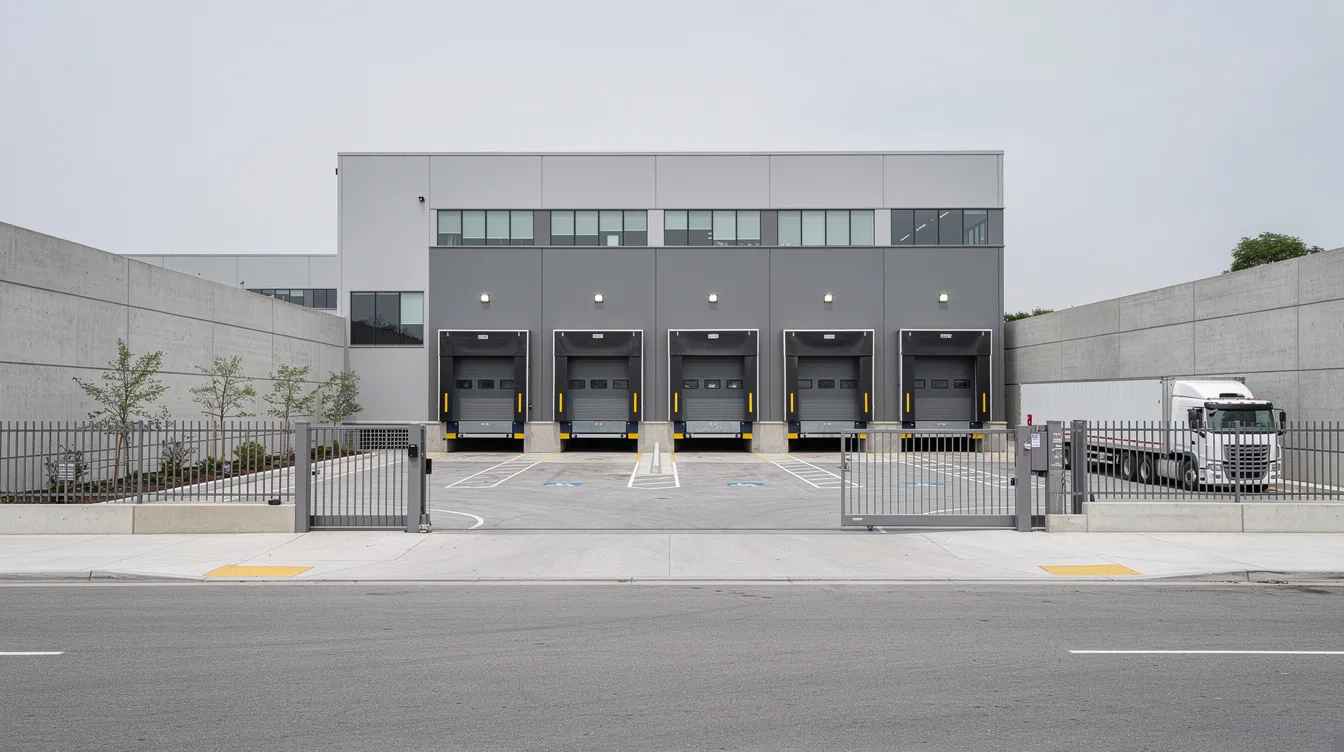
Land requirements depend on capacity, integration level, building heights and site-layout norms. Plant layout must optimize workflow and safety, accommodating raw material reception, milling and mixing halls, extrusion and cooking areas, drying and toasting zones, packaging, finished goods warehouse, QC laboratory, utilities block, administrative offices and dispatch areas.
For a small 500–700 kg/h cereals plant, built-up area may range from 3,500 to 4,500 square metres, while a 2,000+ kg/h integrated facility may require substantially more. Circulation space, truck movement, fire-fighting access and future expansion provisions influence both land size and civil-construction budget. Outright land purchase versus long-term lease in industrial estates or dedicated food parks can affect capital outlay and eligibility for state-level incentives.
Statutory Approvals and Compliance-Related Expenditure
Licensing and compliance are mandatory for food processing units. Food safety certifications may include FSSAI, HACCP or ISO standards. FSSAI central licensing applies to units with turnover above ₹50 crore, with state licensing for ₹1.5–₹50 crore turnover. Safety protocols are essential throughout the manufacturing process.
Key regulatory approvals include factory registration under applicable state laws, pollution control board consents, fire NOC, boiler and electrical safety approvals where applicable, GST registration and packaging and labelling compliance covering net quantity, nutritional value declarations, ingredient lists, FSSAI logo and batch coding.
Regulatory compliance costs can be significant for food processing businesses-not just in government fees but also in consultant charges, testing, documentation systems and periodic renewals. These direct and indirect costs must be included in pre-operative expense estimates to enhance food safety compliance and avoid commissioning delays.
Project Implementation Schedule and Pre-Operative Expenditure
A realistic project timeline for a greenfield breakfast cereals or extruded foods plant in India spans 12–18 months from land finalisation to commercial production, depending on capacity, import content and statutory processing times.
| Phase | Timeline |
|---|---|
| Feasibility, DPR preparation and financing | Months 1–3 |
| Land finalisation and building approvals | Months 2–5 |
| Civil construction | Months 4–10 |
| Machinery fabrication, delivery and installation | Months 6–14 |
| Utility commissioning and trial runs | Months 12–16 |
| Product validation and commercial launch | Months 15–18 |
Pre-operative expenses include staff salaries during construction, travel, consultancy fees, initial marketing and brand registration, interest during construction and training costs. These often represent 5–10% of fixed capital. Promoters should maintain a schedule contingency of 2–3 months and a cost contingency of 8–12% to absorb unforeseen delays.
Common Investment Mistakes in Breakfast Cereals and Extruded Foods Projects
Drawing on project-finance experience across diverse food processing projects, several recurring mistakes stand out.
Underestimating packaging and utilities costs is among the most common errors-these heads together can exceed 25% of operating cost. Selecting oversized capacity relative to realistic market access leads to chronic under-utilisation and poor DSCR. Ignoring distribution costs, promotional spend and retailer margins results in revenue projections that bear no resemblance to actual realisations.
Relying on generic or copy-paste project reports that show uniform 40–50% gross margins without justification-or compressed implementation schedules-is a recipe for financial stress. Thin working capital planning, especially under-provisioning for debtor days demanded by modern retail, can cripple operations within months of commissioning. The competitive landscape in the Indian food processing market demands thorough market assessment and realistic sales strategies before capital is committed.
A professional market assessment, conservative assumptions and staged investment plans are far more valuable than optimistic spreadsheets. Promoters evaluating investment opportunities should complete market entry planning, procurement research and transportation requirements analysis before finalising machinery orders.
Importance of a Detailed Project Report Before Investing
A customised, bankable detailed project report is essential before locking in any significant breakfast cereals manufacturing plant investment or extruded foods manufacturing plant cost commitment.
A professional DPR from Project Report Bank covers market and competition analysis with a comprehensive market overview and market segmentation, product-portfolio strategy, plant capacity selection, machinery and technology requirements, capital-expenditure budget, operating-cost framework, raw material requirements, working capital and means of finance plan, packaging requirements and human resource requirements. Financial projections covering 7–10 years include projected P&L, balance sheet, cash flow, DSCR, IRR, net present value, break-even analysis and sensitivity scenarios. The DPR also addresses utility requirements, fixed and variable costs, direct and indirect expenses, and project funding structure.
Inputs must be real-world, project-specific numbers-machinery quotations, utility tariffs, local wage rates, raw material consumption benchmarks and target selling prices-not generic assumptions from unrelated reports. The analysis incorporates detailed insights on market trends, market growth, industry trends and the competitive landscape specific to the promoter’s target geography and product portfolio.
CA Manish Gugliya’s role in preparing DPRs, CMA Data and financial models for food processing plant and grain and cereal processing projects across India ensures independence, realism and bank-appraisal readiness, distinguishing this work from what a global management consulting firm or a template-based service might offer. Project Report Bank also supports factory setup support, company incorporation assistance and expansion services where required.
Serious investors should approach Project Report Bank early in the planning cycle so that financial feasibility can guide technical decisions rather than merely documenting them after machinery is ordered. Whether it is a plant project report 2025 vintage or a fresh feasibility for a 2026 commissioning, every cost research exercise and sample report should be treated as the starting point of a structured investment decision.

Frequently Asked Questions
What is the approximate investment required for a medium-scale breakfast cereals plant in India?
A medium-scale breakfast cereals or extruded foods plant with 5–20 TPD capacity typically requires a total project cost in the range of ₹18–₹35 crore, including fixed capital, pre-operative expenses and margin money for working capital. The exact figure depends on product mix, automation level, land costs and whether machinery is imported or domestically sourced. The global food market and global breakfast cereal market trends support demand, but investment decisions must be validated through project-specific financial modelling.
What percentage of project cost typically goes to machinery?
Plant and machinery, including installation and commissioning, usually constitute 45–55% of total fixed capital cost in a breakfast cereals or extruded foods project. However, this proportion varies with the level of automation, number of processing lines and whether packaging and seasoning equipment are purchased new or refurbished.
How does installed capacity affect per-kg manufacturing cost?
Higher installed capacity spreads fixed overheads-depreciation, insurance, supervisory salaries-across more units of output. A plant operating at 90% utilisation may have a per-kg fixed-cost burden 40–50% lower than the same plant at 50% utilisation. This makes capacity planning one of the most consequential financial decisions in the project. The breakfast cereal market rewards scale, but oversized capacity relative to market access creates the opposite effect.
Can a breakfast cereals plant be financed through a bank term loan?
Yes, Indian banks regularly finance food processing manufacturing projects. Typical debt-equity ratios range from 1.5:1 to 2:1. Banks evaluate DSCR, collateral coverage, promoter track record, project feasibility and the quality of the DPR and CMA Data before sanctioning term loans. No financing is guaranteed, and each application is assessed on its own merits. The food market performed well in recent years, which supports lender confidence in well-structured projects.
Why is a tailored DPR essential rather than using generic cost benchmarks?
Generic benchmarks-including those in this article-provide directional guidance but cannot replace project-specific analysis. Differences in land cost, local electricity tariffs, raw material sourcing, machinery specifications, product formulation, distribution strategy and credit terms can change project economics by 20–40%. A tailored DPR with vendor quotations, realistic operating assumptions and scenario-tested financial projections is the only reliable basis for committing capital or approaching lenders and investors. It must reflect actual variable costs, direct and indirect costs, and opportunities cost and revenue specific to the promoter’s situation.
Conclusion and Professional Advisory Call-to-Action
Industrial-scale breakfast cereals and extruded foods manufacturing projects in India represent a compelling investment opportunity within a growing global and domestic market. However, these are capital-intensive, analytically demanding ventures where the difference between a successful project and a financially stressed one often lies in the quality of pre-investment planning.
From capital expenditure estimation and working capital assessment to DSCR modelling and sensitivity analysis, every financial assumption must be grounded in project-specific data. A customised, bankable DPR and CMA Data remain the most reliable foundation for committing to a ₹5–₹100 crore food processing investment.
Serious promoters planning a breakfast cereals, extruded snacks or integrated food extrusion project are invited to contact Project Report Bank with details including proposed products, planned capacity, project location, estimated investment band, whether the project is new or an expansion, and bank finance or investor-funding requirements. CA Manish Gugliya and his team support end-to-end financial planning-project-cost assessment, means of finance, financial modelling, DSCR and IRR analysis, bank-loan documentation and investor-ready DPR preparation.
Prudent planning, realistic assumptions and disciplined execution remain the pillars of a successful breakfast cereal and extruded foods manufacturing venture in India.